LIVERPOOL A WORLD HERITAGE CITY
←
→
Page content transcription
If your browser does not render page correctly, please read the page content below
LIVERPOOL
A WORLD HERITAGE CITY

                        1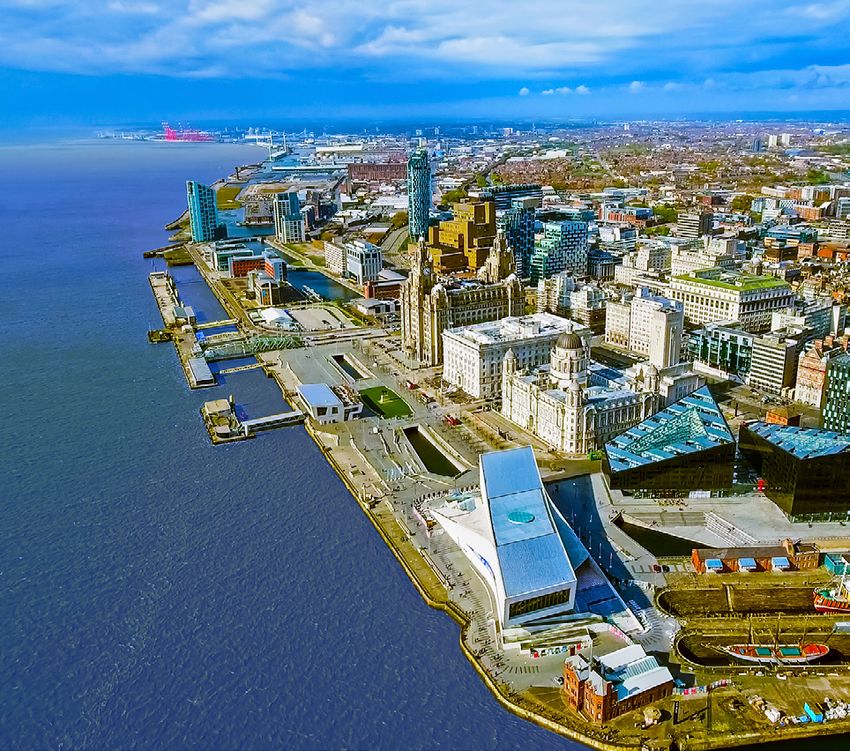
LIVERPOOL                                                A WORLD HERITAGE CITY

Liverpool is at a crucial moment for its economic         World Heritage Sites. In our judgement its
renaissance, its post-COVID future and for its            removal would be damaging for Liverpool but
current heritage status. Decisions will be made           even more damaging for the United Kingdom,
locally, nationally, and internationally in the           to UNESCO, and the wider World Heritage
next few months which could affect all these              movement.
aspects of the city’s future. Liverpool has always
                                                          This document is a reminder why Liverpool is a
been a world-class heritage city – with its fine
                                                          World Heritage City. Its purpose is to convince
architecture, its world-class waterfront, its
                                                          UNESCO not to remove Liverpool from its list of
cultural assets with the people at its heart - as
                                                          World Heritage Sites but rather to engage with
well as a city of firsts. Its Maritime Mercantile
                                                          us since we firmly believe that Liverpool deserves
City status was acknowledged and inscribed
                                                          a place at this elite table. It also is designed to
by UNESCO as a World Heritage Site in
                                                          demonstrate that Liverpool cares deeply about
2004. Defined as ‘the supreme example of a
                                                          its heritage, has plans and processes to sustain
commercial port at the time of Britain’s greatest
                                                          it and to underline it and remains a key part of
global influence’, Liverpool’s World Heritage Site
                                                          the foundation for the city’s future success. It has
status ranks it alongside other internationally
                                                          key messages that demonstrate the substantial
known historic cities such as Edinburgh, Bath,
                                                          investment in the social, economic, cultural and
Bordeaux, and Venice.
                                                          physical historic environment the city has made in
But this accolade is now under severe threat.             recent years, the role that heritage will play in the
In July 2021 the UNESCO World Heritage                    continuing growth and prosperity of the city and
Committee will meet to consider the potential             the way in which city stakeholders combine to
deletion of Liverpool from the list of UNESCO             govern with assurance.

                                                     2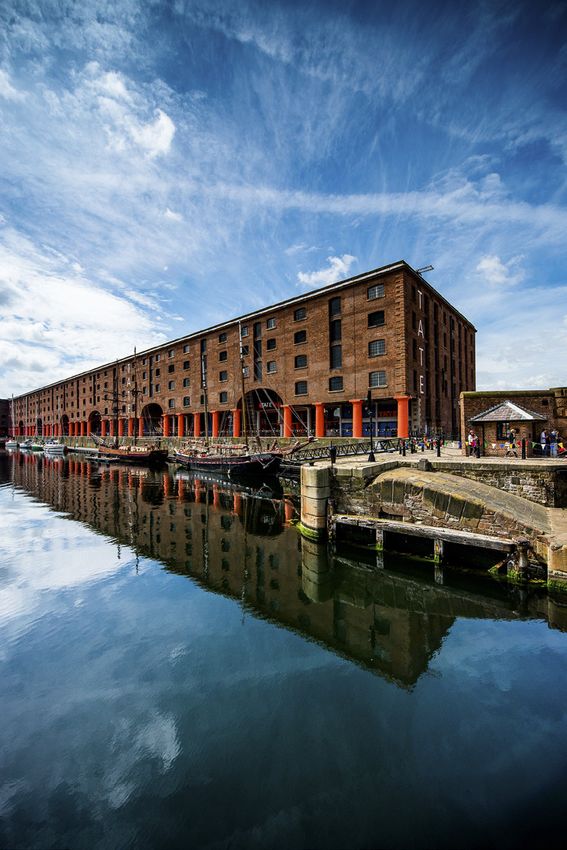
Why is Liverpool under threat of deletion?

The primary reason is the significant redevelopment                            The city already recognises and invests hugely in its
proposals along the city’s North Shoreline on land                             heritage and has made it a key driver of its continuing
that although now developing, has been mainly                                  renaissance. The city has received growing national
derelict and inaccessible to the public for many                               and international acclaim for its important cultural and
decades. UNESCO argues these proposals, despite                                heritage offer. We believe the city’s experiences and its
only impacting one part of one of the six UNESCO                               recent policies demonstrate that growth and conservation
World Heritage Site character areas, will irreversibly                         are and can be mutually supportive not mutually exclusive.
damage the Outstanding Universal Value of the                                  Our commitment to promoting both underpins our vision
totality of the site. We beg to differ. Urban World                            for the future of the site as set out in the current World
Heritage Sites like Liverpool, are a critical example of                       Heritage Site Management Plan (2017 -24).
the challenge involved in reconciling the voices of the
                                                                               The City Council and its public, private and community
past with the needs of tomorrow. Liverpool’s desire
                                                                               partners and institutions are committed to ensuring
to see its outstanding cultural heritage retained as
                                                                               Liverpool’s World Heritage Site status is retained as
a part of the city’s future has to be reconciled with
                                                                               one of the engines of the city’s regeneration. We want
the urgent need for inward investment in an at
                                                                               to continue to work in partnership with UNESCO to
least partially derelict part of the north Liverpool
                                                                               continue to receive the prosperity that can flow from
area which has some of the greatest economic and
                                                                               World Heritage Site status. We believe there is an
social challenges in the whole UK – indeed Europe.
                                                                               outstanding opportunity for UNESCO, UK Government
This is the heart of the city’s dilemma. Giving those
                                                                               and Liverpool to work in partnership together on
communities and people a brighter future is critically
                                                                               this crucial issue. We believe it meets UNESCO’s
important for the city. If World Heritage Site status
                                                                               emerging policy of social value as one of the benefits of
seriously constrains Liverpool’s ability to improve the
                                                                               World Heritage Site status as well as of the levelling up
economic prospects of its people, it presents a huge
                                                                               ambitions of UK Government. We wish to explore these
economic, social, and moral challenge to its leaders
                                                                               possibilities in depth and in detail.
across the whole city. However, we believe World
Heritage Site status is one of the keys to a new                               Liverpool World Heritage Site Task Force - May 2021
prosperity.

Liverpool then and now - Cunard liners Campania (about 1900) and Queen Mary II in 2011

                                                                          3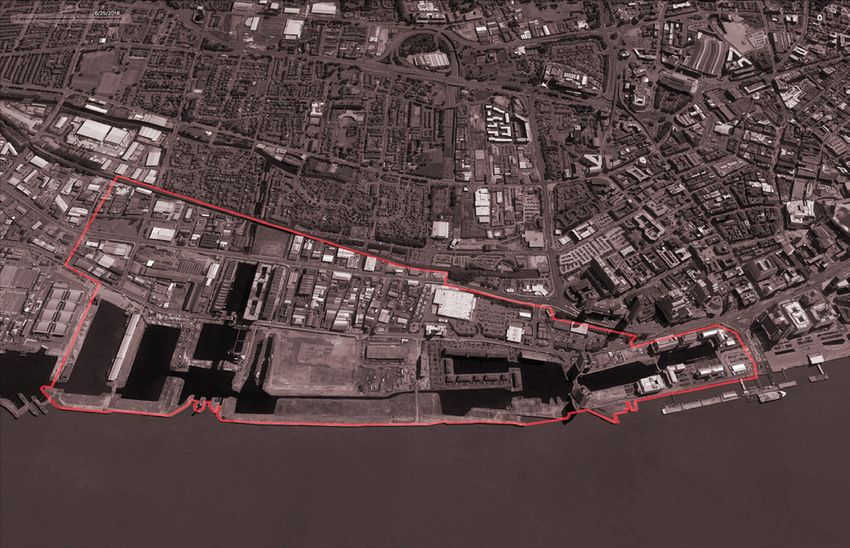
1. Liverpool - A City of Heritage Firsts

                                                                 and prosper. Following the early turnpike roads and
                                                                 canals linking the burgeoning seaport to its hinterland,
                                                                 there were subsequently major innovations by road and
                                                                 rail. The Queensway Tunnel, the longest road tunnel in
                                                                 the world when opened in 1934, enriches the World
                                                                 Heritage Site at the Liverpool end with its splendid
                                                                 ventilation towers and associated structures designed
                                                                 by the local architect Herbert Rowse. The world’s first
                                                                 passenger railway linked Manchester to Liverpool:
                                                                 when the line was extended right into the city
                                                                 centre, another of the areas within the World
                                                                 Heritage Site, Lime Street Station boasted
                                                                 the world’s largest iron roof.

                                                                 Across Lime Street, St George’s
Liverpool waterfront in 1865
                                                                 Hall with its innovative heating and
                                                                 ventilation system, is the embodiment             Carved figure of ‘Day’ -
Liverpool’s remarkable growth from obscurity to                  of Victorian ‘Liverpolis’, a city state, as it    Mersey Tunnel building,
                                                                                                                     George’s Dockway
world seaport began with construction of the world’s             were, committed to culture, commerce
first commercial wet dock in the early 18th century.             and civilization. Described by Muir
Thanks to substantial investment and continuing                  as ‘the supreme architectural boast of the city’, the
technical innovation, the dock system, over 7 miles              magnificent building, ‘one of the noblest in the modern
long at the time of Liverpool’s 700th anniversary                world’, symbolised and embodied the city’s efforts to
in 1907 was celebrated in Ramsay Muir’s history as               reposition (and rehabilitate) itself after abolition of the
‘the most stupendous work of its kind that the will              infamous slave trade, the first of a series of rebranding/
and power of man have ever created’. The same                    place-making exercises to be undertaken by Liverpool to
spirit of innovation and enterprise was evident                  improve its image and identity. Today as we re-examine
in the accompanying and ever taller warehouses                   the slave trade and Liverpool’s role in colonial, imperial
and grandiose ‘palaces of trade’ which adorned                   and global history, there is an upsurge in public support
the maritime mercantile city at its apogee, a built              for a monument to ‘the Liverpool enslaved’, exploring and
environment deserving of its status as ‘second city              reflecting critically on a source of the city’s wealth.
of Empire’, the period of ‘Britain’s greatest global
influence’.

The vertical accenting of the skyline chronicles the
development of tall building technology – with the world’s
first commercial metal framed building at Oriel Chambers
in 1863, paving the way for buildings of height throughout
the city. The Royal Liver Building built 1911 within the
former George’s Dock basin, with its innovative use of
metal framing and Hennebique concrete construction is
widely acknowledged as Europe’s first ‘skyscraper’, rising
to 98 metres at its highest point.

The same combination of technical innovation and quality
design pursued by Jesse Hartley and his successors as
Dock Engineers was evident in several transportation
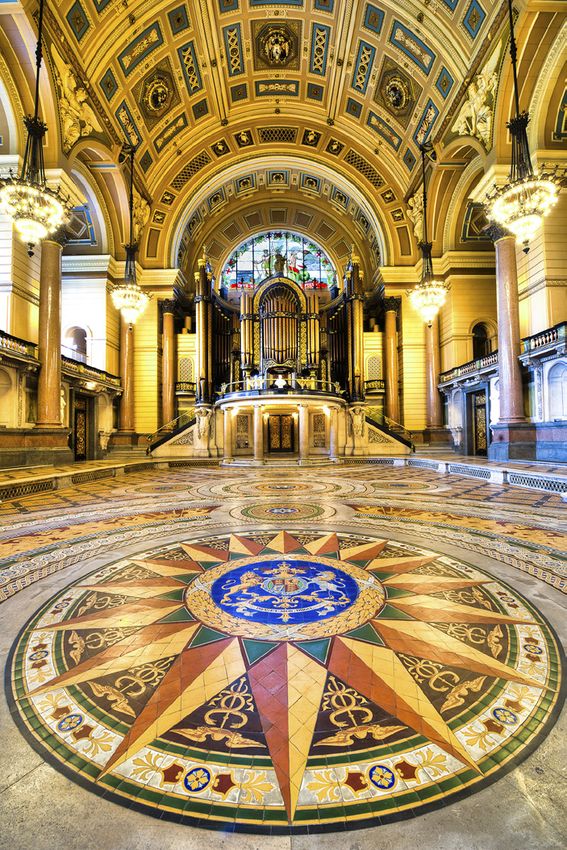
‘firsts’, connections which enabled the seaport to expand        The magnificent Great Hall in St George’s Hall

                                                             4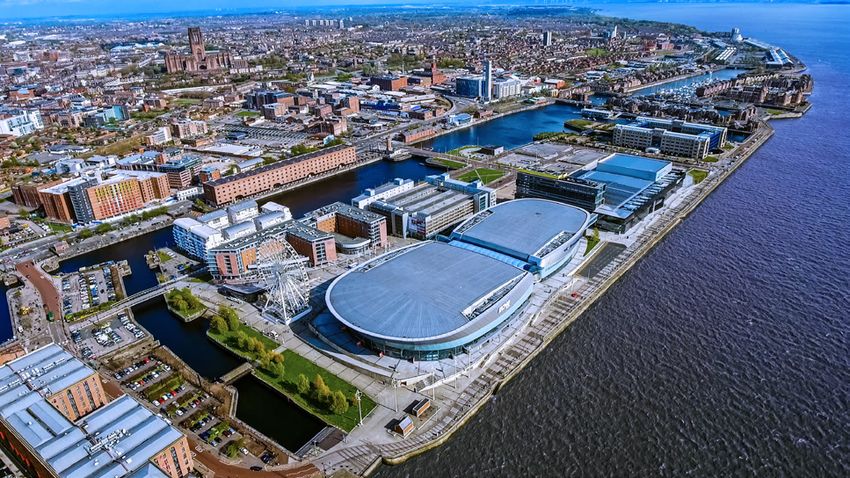
2. Liverpool - The world in one city

   View over the Royal Albert Dock and the south of the city

   As well as its physical heritage, its magnificent built
   environment, Liverpool is renowned for its intangible
   heritage, drawing upon both its global cosmopolitan
   complexion – the world in one city – and its local
   sense of Merseypride, its distinctive scouse culture.

   Cosmopolitan cultural diversity stems from the port’s
   dominant role in both the unfree and free movement of
   people across the Atlantic. Liverpool now acknowledges
   (and regrets) its prominent role in the infamous and
   shameful slave trade of the 18th and early 19th centuries.
   Soon to be moved to prestigious new premises in the
   Royal Albert Dock, the International Slavery Museum
   is the essential first stop (or port of call) for residents         Passengers leaving Liverpool for New York in the late 1800s
   and visitors seeking to come to terms with Liverpool’s
   problematic past. Following abolition of the slave trade,           seas lead to Liverpool, if not as a terminus, at least as an
   Liverpool took the leading role in the free movement of             exchange or a clearinghouse for world-wide international
   people across the seas as the gateway of empire and the             transport. There is no part of the globe, however remote,
   human and commercial entrepot linking the old world and             whose natives may not be met on the Liverpool landing
   the new. As a world seaport, Liverpool attracted a variety          stage’. Other guidebooks described the landing stage as
   of ethnic groups from around the Irish Sea, the Black               ‘the most wonderful place in all the world … all sorts
   Atlantic and the oceans beyond, whether as transients,              and conditions of men, of all colours … everybody seems
   sojourners, or settlers. It was this cosmopolitan                   to be here, from everywhere’. Today’s cruise terminal is
   presence that placed Victorian Liverpool apart, leading             a continuation of this remarkable legacy bringing visitors
   the Illustrated London News to acknowledge in 1886                  from around the globe celebrating Liverpool as a world
          that the great seaport was ‘a wonder of the world.           heritage city. Many visitors, indeed, come to Liverpool to
                It is the New York of Europe, a world-city             trace their genealogical roots. Of the 5.5 million ‘moving
                 rather than merely British provincial’. The           Europeans’ who crossed the Atlantic between 1860 and
                Edwardians were no less impressed as                   1900, 4.75 million sailed from Liverpool. All told, from
                guidebooks attested: ‘In olden times it used to        the 1830s to the 1930s some 9 million migrants passed
                be said that “all roads lead to Rome”. Today all       through Liverpool.

  Neptune -
Cunard Building
                                                                   5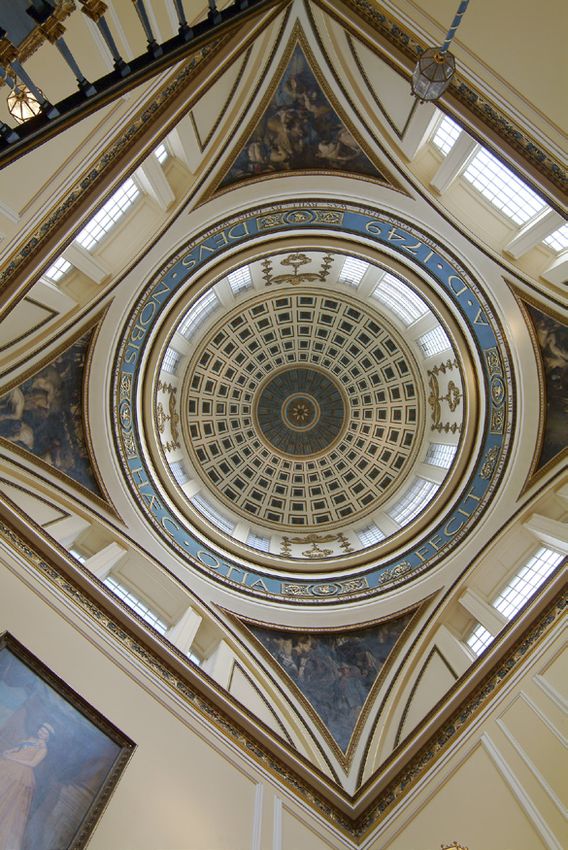
A short waterside walk from the International Slavery             city’s most famous export – the Beatles. Liverpool was
Museum is another of our world-class museums:                     recognized as a UNESCO World City of Music in 2015,
the Museum of Liverpool where celebration of                      with research showing that its reputation is much greater
cosmopolitanism merges with due appreciation of local             than that of any other city of comparable size in the
scouse culture. The Museum is a reminder that Liverpool           Northern Hemisphere.
is in the North of England but not of it: the city region
was (and has continued to be) highly distinctive, differing
sharply in socio-economic structure, cultural image and
expression, political affiliation, health, diet and speech
from the adjacent industrial districts. Through a process
of historical evolution Liverpool, Roscoe’s early Victorian
city state of commerce and culture, now takes the form
of the People’s Republic of Merseyside. Although a place
apart – a city on the edge - Liverpool has an identity with
worldwide recognition, thanks in no small part to music.
The experiences of the ‘Cunard yanks’ who worked from
Liverpool on the liners crossing the Atlantic, led to the
import of music from the USA which was absorbed and
re-packaged with the Mersey Beat initially, and then the

                                                                   Beatles statue at the Pier Head

Pier Head and north shore

                                                              6
3. Liverpool - A vision for the North Shore

Liverpool for the first time now has a coherent                             •        The Stanley Dock complex - Consisting of the
vision and plan for the whole of the north shore                                     dock water space, the two original Jesse Hartley
which encompasses much of the World Heritage                                         warehouses, and the later, monumental Tobacco
Site. Launched in August 2020 - Liverpool’s North                                    Warehouse; and
Shore Vision is an international exemplar of heritage-
led regeneration to deliver sensitive development
                                                                            •        Ten Streets - The 50-hectare (125 acre) area of
                                                                                     warehouses and industrial units within an area known
alongside urban renaissance and economic prosperity
                                                                                     as Ten Streets, which stretches from the east of
in one of the city’s most challenging communities.
                                                                                     Princes Dock and then beyond the Stanley Dock
It aims to drive and guide the future growth and
                                                                                     complex to the North – defined by the railway line to
development of Liverpool and the City Region by
                                                                                     the east.
harnessing the embedded value of the North Shore
neighbourhood – embracing an urban heritage-led re-                         The Vision shows how the city is directly responding
use of the historic former docks, dock infrastructure                       to the threat to World Heritage Site status because of
and buildings celebrating and confirming of                                 redevelopment proposals along the city’s North Shoreline,
Outstanding Universal Values that underpin its status                       which is currently mainly derelict, and inaccessible to
as a global Maritime Mercantile City.                                       the public. The Vision will guide existing and future
                                                                            development - bringing together heritage and urban
The Vision will guide the sensitive renewal of a largely
                                                                            development, not as conflicting objectives. It aims to
forgotten element of Liverpool’s outstanding heritage.
                                                                            deliver high quality renewal and economic growth in a
The North Shore area encompasses the Stanley Dock
                                                                            collaborative and harmonious way. This is particularly
Conservation Area, as one of the six World Heritage Site
                                                                            crucial in the North Shore area, where redundant
Character Areas, and consists of three related zones:
                                                                            buildings and spaces which have lost their original
•    Liverpool Waters - The mainly derelict former                          economic purpose are simply a residual and derelict
     docks covering an area of 60 hectares (150 acres)                      townscape, which contribute little to the socio-economic
     from Princes Dock at the southernmost point and                        or cultural life of the city when they could be the first
     extending North to include Bramley-Moore Dock,                         part of the city’s post-Covid development.
     the location proposed for Everton Football Club’s
     new stadium, as its most northern extremity, and
     bounded to the east by the Dock Boundary Wall to
     Regent Road.

                                             The Stanley
                                             The Stanley   Ten
                                                           Ten Streets
                                                               Streets
                                            Dock
                                            Dock Complex
                                                 Complex

              New   Everton
               The People’s
             Football stadium
                 Project

                                                                         Liverpool
                                                                         Liverpool
                                                                          Waters
                                                                          Waters

North Shore plan and Stanley Dock (inset)

                                                                     7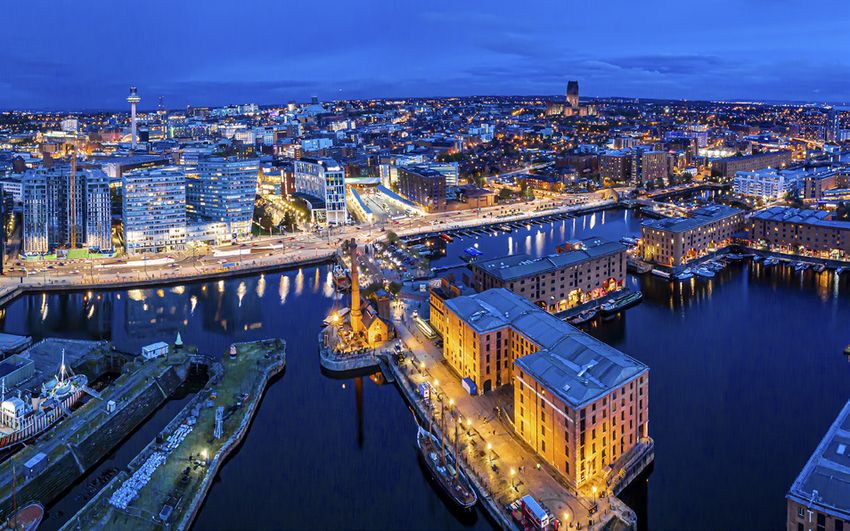
4. Liverpool - Regeneration through conservation

Here the city has a decent record, but this a relatively         thus intended to be a spur to further regeneration and
recent development. Little account was taken of                  development enhancing the historic urban framework.
heritage as the city rose up the urban hierarchy. In its
                                                                 In more recent times, Liverpool City Council’s strategy
Victorian and Edwardian heyday, the determination
                                                                 for securing the future of its historic Buildings at Risk,
to acquire and maintain global status required a US
                                                                 supported by Historic England, is achieving one of the
style approach to urban development: a process of
                                                                 highest success rates in England. The numbers of buildings
constant innovation and redevelopment, demolishing
                                                                 at risk have been reduced from 12% of stock to less than
the obsolete and redundant to make way for the new,
                                                                 3% over the past 10 years. Several listed buildings that
a dynamic celebrated in the history published in 1907
                                                                 have been repaired and brought back into use, include
to mark the 700th anniversary of the city.
                                                                 the Grade II* listed North warehouse at Stanley Dock,
Attitudes changed once history, geography and commerce           the Grade II* listed Royal Insurance building and Grade II*
turned against Liverpool. While badly damaged by the             listed Albion House on James Street.
Second World War blitz, the remarkable waterfront                These buildings continue to operate very successfully
and public architecture of England’s finest Victorian city       as hotels, and the success of the Titanic Hotel located
subsequently escaped some of the worst excesses of late          at Stanley Dock has encouraged the owners to
twentieth century ‘planning’ vandalism, perhaps the one          secure planning permission, finance and commence
advantage of Liverpool’s declining fortunes. A relative          redevelopment of the adjacent Grade II listed Tobacco
late comer to the redevelopment process, Liverpool               warehouse to residential apartments, with commercial
found itself well placed to adopt a distinctive approach:        and exhibition spaces. Continual change, redundancy
regeneration through conservation.                               followed by re-invention, are of huge importance to
                                                                 Liverpool, and has allowed the city to reassess and
It was this new appreciation of its heritage assets which
                                                                 reposition itself to become one of the most important
prompted the application for World Heritage Site
                                                                 cultural capitals in northern Europe.
Status and with Government support it was also hoped
the award would re-purpose redundant and obsolete                Repurposing historic buildings with passion and
areas, drawing upon the previous Liverpool tradition             determination is Liverpool - built on a spirit of optimism
of urban recycling. World Heritage Site inscription was          and innovation, which is still reflected in its buildings.

Titanic Hotel at Stanley Dock

                                                             8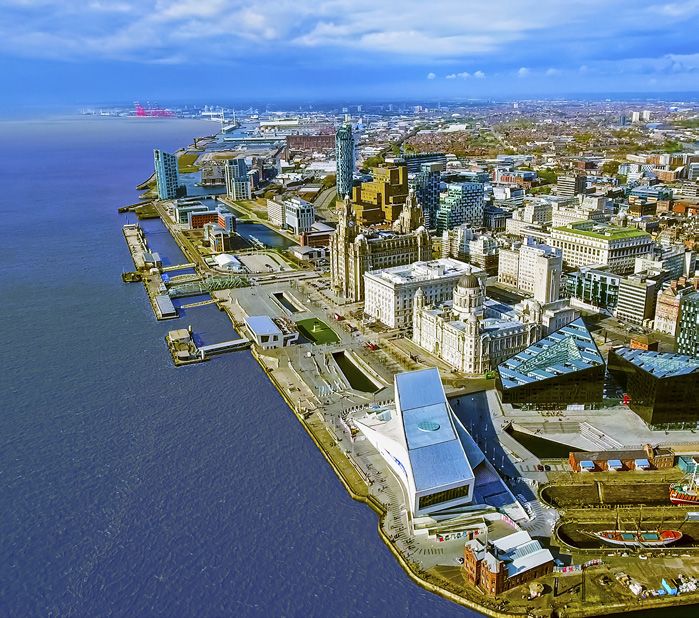
Being bold is a tradition for the city, willing to test new                         Investment will continue and quite apart from Liverpool
ideas and pioneer new technology. That underlying spirit                            Waters, Ten Streets and Bramley Moore Dock, today,
remains, despite the massive difficulties of economic                               2021, National Museums Liverpool (NML) have a
restructuring which have been faced in recent years. Part                           stunning plan to create vibrant, welcoming and relevant
of this tradition is the ‘Liverpool twist’ where adaptation                         public spaces for everyone to share, enjoy and explore
and re-purposing leads to dramatic change – the location                            Liverpool’s rich heritage.
of the Three Graces was originally that of George’s
                                                                                    National Museums Liverpool want to re-engage local
Dock, and following a decision that it was no longer
                                                                                    communities and empower individuals to bring this
commercially important, the three emblematic buildings
                                                                                    significant and incredibly rich part of the waterfront back
were constructed on the site. The 1715 ‘Old’ Dock was
                                                                                    to life. The landmark project will be transforming the area
infilled and replaced by the Customs House, itself replaced
                                                                                    between the Royal Albert Dock and Mann Island, as well
by commercial offices following the war, and now forming
                                                                                    as revitalising all National Museums Liverpool waterfront
part of Liverpool ONE retail destination. Kings Dock was
                                                                                    facilities, as part of a 10-year masterplan of reimagining
infilled and now hosts the Liverpool Arena Convention
                                                                                    Liverpool’s waterfront.
and Exhibition centre.

Since 2010, investment in the Heritage assets within the
World Heritage Site provides for a monumental headline
figure of £562 million across 75 projects. This is from a
wider programme of £792.2 million completed schemes
comprising 94 projects. Similarly, in the World Heritage
Buffer Zone which takes in most of Liverpool City centre
outside of the World Heritage Site itself, investments
in Heritage assets amount to £148 million across 44
projects. This is from a wider programme of £1.798 billion
completed schemes comprising 122 projects.

                                                                                    Albion House

Kings Dock - Now the site of Liverpool Arena Convention and Exhibition centre

                                                                                9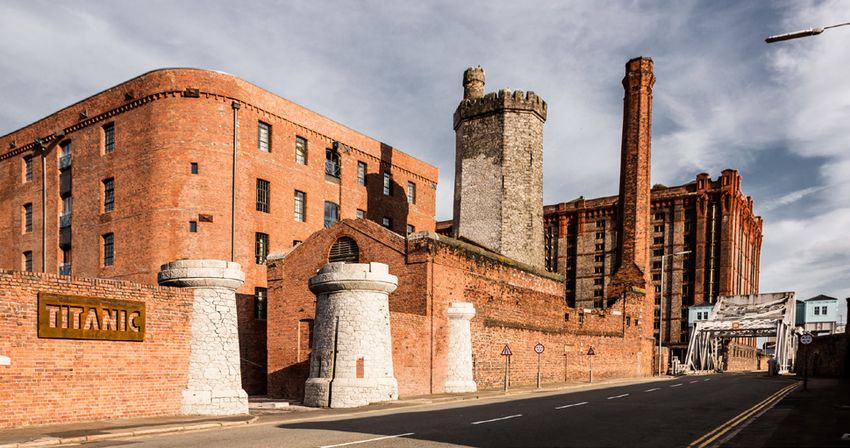
Table 1
The financial value in £GBP in investments in Heritage assets completed within the World Heritage Site; comprising a
headline figure of £562 million across 75 projects. This is from a wider programme of £792.2 million completed schemes
comprising 94 projects.

                                 Completed 2012 - 19                    On site                       Proposed

                                  No of           Value           No of           Value        No of           Value
                                 projects                        projects                     projects

 GRADE I                             6           £14.5m             -               -            -                -

 GRADE II*                          10          £132.6m             -               -            2               £51m

 GRADE II                           25          £268.2m             7             £181m          4            £15.1m

                                    34          £147.3m             2             £7.5m          14           £42.6m
 OTHER HERITAGE ASSETS

                                    75          £562.6m             9         £188.5m           20           £108.7m
 SUB TOTAL

Table 2
The financial value in £GBP in investments in heritage assets completed within the Buffer Zone; comprising a headline
figure of £148 million across 44 projects. This is from a wider programme of £1.798 billion completed schemes comprising
122 projects.

 Of which heritage               Completed 2012 - 19                    On site                       Proposed
 schemes include:
                                  No of           Value           No of           Value        No of           Value
                                 projects                        projects                     projects

 GRADE I                             0              0               -               -            -                -

 GRADE II*                           4            £8m               -               -            -                -

 GRADE II                           14           £60.4m             1             £2m            7            £27.5m

                                    26           £80.3m             5          £33.2m            11           £10.4m
 OTHER HERITAGE ASSETS

                                    44          £148.7m             6         £35.2m            18           £37.9m
 SUB TOTAL

                                                            10
5. Governance - With one voice
Liverpool is profoundly passionate about its heritage public awareness, protection and understanding of the
which combines a myriad of assets, venues, buildings, Outstanding Universal Value of the World Heritage
groups, collaborations, and interests. There are Site and encouraging the development of educational
numerous charitable trusts presiding over several opportunities. The Group continues to benefit from the
historic assets such as St Georges Hall, the Bluecoat continued support and representation of civil society
and National Museums Liverpool. This diversity is through the membership of Engage Liverpool and the
complemented by public sector organisations who Merseyside Civic Society. Both organisations, through
carry statutory responsibilities and the private sector their respective websites and programme of talks and
that invariably own land and or property. events, continue to raise awareness of the value of the
World Heritage Site to Liverpool and provide invaluable
All share a common quality – they all call, or have called,
community engagement. In addition, the private sector
Liverpool ‘home’ - either by birth, or by adopting the
together with a range of public sector organisations bring
city as a place to live, work and raise their families and
commercial, academic, and governmental perspectives
enjoy. This collaboration can claim vast experience
accordingly.
of urban regeneration, urban design, and the historic
built environment, gained not just from Liverpool, but The City Council has the support of an independent Task
nationally and internationally. The other shared quality Force. This external and independent group continues to
is passion – a deep understanding, appreciation of, and a support the city. In May 2019 the Task Force initiated the
desire to ensure that the city continues to thrive, with visit of UNESCO Ambassadors and the World Heritage
its historic legacy safeguarded and enhanced. As a city of Centre to Liverpool followed by direct discussions with
opinions and passions one of the things which benefits UNESCO and their technical advice team in Paris in 2020.
heritage in Liverpool is the multiplicity of voices - there The Task Force continued its work into the summer
is a role for debate in a community valuing, protecting of 2020 culminating in the production and completion
and preserving the most significant elements of its of the Vision for North Shore and has proven to be
heritage. Occasionally this passion is misunderstood or invaluable in devising and deploying strategy, the need to
misrepresented – but nearly always a passion for good. grow the city’s economy and the apparent incompatibility
The city has one voice. between the city’s quality-based regeneration plans and
projects and the seemingly inflexible guiding principles of
The Liverpool World Heritage Site Steering Group, a
UNESCO. With one voice - Liverpool as a world-class
non-executive advisory committee of diverse partner
heritage city - a pioneer in innovation, good quality design,
organisations has managed the World Heritage Site
construction, and regeneration and consequently growth
since inscription. The role of the Group is to advise
and prosperity.
on and support the work of the Council in promoting
St George’s Hall Concert Room
116. Heritage, regeneration and sport
Visualisation of Everton FC stadium at Bramley Moore Dock
Over the years, both the city’s football clubs have 45%. Worklessness was 23% in contrast to 14% across
had remarkable success. Everton, founder members the city and 8% nationally.
of the Football League, have played more top-flight
Liverpool look set to stay at Anfield for many years
matches than any other club. Then, in 1966, while
now following their stadium regeneration plans and
Liverpool were League Champions and Everton were
complementary large-scale regeneration project.
FA Cup winners, Goodison Park was used for five
However, a new stadium for Everton Football Club is
of the matches in the World Cup Finals, including a
proposed within the North Shore at Bramley-Moore
semi-final. Everton and Liverpool were two of the
Dock. Proposals for the new stadium, for which there
group of five clubs that initiated formation of the
is a resolution to approve from March 2021, follow the
Premier League, which brought in new wealth and
principles of the North Shore Vision and look set to
international exposure. Yet both their stadiums are
deliver an exemplar in sustainable and sensitive heritage-
situated within one of Britain’s poorest districts,
led design – reflecting the stadium’s position in the World
North Liverpool and as such have provided the
Heritage Site, respecting the Outstanding Universal
catalyst for a change in fortune and new opportunity.
Values of its location and taking reference from prominent
Addressing the issues facing North Liverpool is probably buildings in the Stanley Dock Conservation Area such
the city’s biggest challenge. There are big economic, social, as the iconic Tobacco Warehouse. Planning permission
and physical problems across the whole of Liverpool was granted following overwhelming support from city
which must be tackled in future. Nevertheless, the most stakeholders, residents and fans as a response to Everton’s
challenging area of the city is North Liverpool. meaningful consultation processes.
To illustrate the scale of the challenge in North Liverpool The delivery of a new stadium has the potential to
it is worth looking in detail at the condition of the four realise important heritage benefits, both on-site and
wards that make up north Liverpool, home also to its two to the public, by enhancing and repurposing degraded
famous professional football clubs: Liverpool and Everton. on-site heritage assets including the derelict Grade II
The government’s Index of Multiple Deprivation showed listed Hydraulic Engine House, providing access to an
that in 2016 one third of the whole area was in the most underutilised and inaccessible area of the World Heritage
deprived 1% of areas nationally. Over 83% of the people Site, and by strengthening interpretation of the heritage
living in North Liverpool were in the most deprived 10% and history of the World Heritage Site within the North
wards in the country, in contrast to Liverpool’s average of Shore. The Hydraulic Engine House, which could be
12lost completely without short-term investment, would across the city because, collectively it is understood the
become a new cultural destination in its own right and substantial public benefits offered mean it is vital the city
sit at the heart of the stadium development, providing capitalise on this unique opportunity. This is a unique
flexible space to tell the story of both Everton and the and exceptional once in a lifetime opportunity for vast
docks through the lives of the people of Liverpool – investment and jobs and as such both planning authority
including footballers, dockers, and other key figures that and Government has given the scheme its backing.
reflect the entrenched historical and cultural connections
Across Stanley Park and back with Liverpool Football
between football and the dockland community. Bramley-
Club, since October 2012, whilst not in the World
Moore Dock itself (including its listed Dock Walls) will
Heritage Site, The Anfield Project has been transforming
be fully preserved as part of the stadium development,
the community that sits in the shadow of Liverpool
through the utilisation of an innovative engineering
Football Club’s world famous Anfield Stadium. The £260
approach that supports the ‘reversibility’ of the
million scheme, seeing the creation of 1,000 new homes,
development long into the future.
new business space, improved heritage assets and public
realm is being carried out as a partnership between
Liverpool City Council, Liverpool Football Club and Your
Housing Group bringing together the private and public
sectors to revitalise one of Liverpool’s most famous
neighbourhoods.
Some may consider this as straightforward regeneration
but the value of extending the existing stadium and
retaining the significant heritage value of one of the
country’s most successful football clubs acting as a
centrepiece and catalyst for the regeneration of that
Dock wall at Bramley-Moore dock
wider community including the total restoration
and transformation of the 70 acre Grade II listed
The loss of part of the water space is characterised Victorian Stanley Park and its grandiose Isla Gladstone
in Everton’s submission as being consistent with the Conservatory from a rotten wreck into a showcase for
well-documented Liverpool tradition of re-purposing heritage regeneration has attracted both plaudits and
redundant docks. A water channel will be retained visitors from around the globe.
between Liverpool Waters and the working docks, with
the impressive hydraulic tower restored as part of the
development. Everton’s detailed planning application
includes exemplary analysis and approach to the historic
fabric, with all interventions reversible.
Liverpool recognises UNESCO’s concerns that the
stadium development, if built, will have a major adverse
impact on the authenticity, integrity and Outstanding
Universal Value of the World Heritage Site property,
however, there are wholly exceptional circumstances
that provide compelling reasons for the development. It Isla Gladstone Conservatory and Anfield Stadium
has been proven the site is the only feasible location for
Combined these transformational projects, if delivered
a stadium which will provide very substantial economic,
in their entirety, will provide an estimated £800 million
social and cultural benefits for a local community in real
worth of direct stadium investments, 8,500 construction
need. Everton Football Club has responded very positively
jobs and 900 new job opportunities on completion.
to advice provided by the city and Historic England with
Together, they will also deliver an estimated £2 billion
a design that reflects the industrial dockland character
of economic benefit to the local economy in one of the
of the site and incorporates many of its historic features.
most socially and economically challenged areas of the city
There is overwhelming support for the development
and country.
137. The Role Of Culture & Art In Heritage & Regeneration
The image and perception of Liverpool – as well as its redevelopment or conservation – an appropriate physical
fortunes – were transformed by the award of European legacy of Capital of Culture year.
Capital of Culture status, quickly followed in 2004
2008 was never intended to be a ‘one off’. The pace-
by inscription of the Maritime Mercantile City as a
setter in cultural tourism, the city has since produced an
UNESCO World Heritage Site. In ensuing years new
emphatic programme of annual events and activities. In 2012,
‘Livercool’ emerged, an urban renaissance according
Liverpool citizens were joined by visitors watching in awe
pride of place to heritage and culture. In 2007 Liverpool
as giants roamed through some of the city’s most popular
marked both its 700th birthday and the bicentenary of
locations in a commemoration of 100 years since the sinking
abolition of the slave trade, a ‘year of heritage’ which
of the RMS Titanic. The story of the event was designed
brought new appreciation of the city’s past.
and produced by Royal de Luxe, and was inspired by a letter
Following in its wake, came the resounding success of Capital written by a 10-year-old girl, May McMurray, in 1912 to her
of Culture itself in 2008: visitor numbers increased by 34%, father William, a bedroom steward on the Titanic who did
generating £753.8 million for the economy. Impacts 08, a not survive the sinking. The letter did not arrive until after
research programme covering the period 2005-10, charted the Titanic sailed, and was returned to the sender. Featuring
the upward trajectory. Media coverage of Liverpool’s cultural the Little Girl Giant, the Giant Uncle and the girl’s dog, Xolo,
attractions doubled and for the first time in decades, positive this three-day event was unprecedented at the time of its
stories outweighed negative portrayal. Of the visitors occurrence, attracting an estimated 600,000 people and
surveyed, 99% said they liked the general atmosphere and resulting in an economic impact of £32 million.
97% felt welcome. Most important of all, some 85% of
More recently, the cultural offer has responded in creative
Liverpool residents agreed that it was a better place to live
manner to Black Lives Matter and the structural inequalities
than before.
laid bare by the Coronavirus pandemic. Culture Liverpool
As cultural tourism flourished, venues expanded, including has been working with Creative Organisations of Liverpool
the Bluecoat, the oldest building in the World Heritage Site. (COoL) and partners to recognise the role the arts play
Constructed in the immediate aftermath of the opening in effecting change, coming together to promote equality
of the Old Dock, the building was under repeated threat and justice through a range of artistic activities to stand
of demolition after the school vacated the premises in in solidarity with all of our communities facing racial
1906. Its future was finally secured when it evolved into discrimination.
the UK’s first Arts Centre. In preparation for Capital of
The economic value of Liverpool’s heritage should not be
Culture, the premises were extended in a sympathetic and
understated. As an example, National Museums Liverpool
exciting manner by restoring the original H-shaped Queen
quantifies the economic value of the 3.9million visits it
Anne design while providing purpose-built galleries and a
receives annually as benefitting the Liverpool economy by
performance space. A most fitting example of the blending
£83 million each year.
of the old and the contemporary, it offers a standing rebuke
to those who have sought to polarise positions, whether
Giant Spectacular Royal Albert Dock - River of Light Trail 2021
148. Make no small plans...
Liverpool was designated as a World Heritage Site migrants. But as the nature and operational logistics of
(Liverpool Maritime Mercantile City) in 2004, this shipping and goods changed, the Northern docks and its
the result of focussed and enthusiastic support from complementary warehousing at Stanley Dock and the
Liverpool City Council and the United Kingdom Ten Streets were unable to adapt without huge levels of
Government. At the heart of the Liverpool proposal investment and significant adaptation.
was the widespread recognition that the historic
The balance between the public benefits afforded by
urban landscape of the city, embracing its docks,
major regeneration projects and the potential harm to
waterfront, commercial heart and civic architecture
heritage assets is acknowledged in the National Planning
was of Outstanding Universal Value, such that it met
Practice Guidance and needs to be considered in
UNESCO’s criteria for World Heritage Site
any strategies. The North Shore Vision
status. This was strongly supported by
recognises all of this, articulating how
UNESCO’s external assessors.
projects will be tested against
The zenith of Liverpool’s Historic Urban Landscape
power and prosperity Principles and the United
as Europe’s greatest Nations Sustainable
international seaport Development Goals.
was the period from Before a planning
the eighteenth application hits the
century to table it also proposes
immediately after the Glass window in the Great Hall of St George’s Hall collaboration between
Second World War. investor, landowner,
This gave rise to an urban landscape without compare and developer, and civic society in the form of an atelier.
which, despite bombing in the war years and aspects of
At a city-wide level the sentiments for quality
post-war renewal, stood substantially intact, more than
development articulated through the North Shore vision
justifying its World Heritage designation. Liverpool does
will be consistent with new planning policy, set to be
not stand alone as a UNESCO World Heritage Site as
improved with a new Local Plan for Liverpool. Alongside
it formed a key element in a wider strategy on the part
this, the World Heritage Site Supplementary Planning
of the United Kingdom Government. This was set out
Document, first adopted in 2009, is being reviewed and
in the 1999 Tentative List, with its emphasis on Britain’s
will be finalized further to the Local Plan. It cannot run
outstanding industrial and commercial heritage, which
ahead of the Local Plan as it provides additional detailed
defined a group of sites reflecting the United Kingdom
guidance on the implementation of the policies relating
as the ‘world’s first industrial nation’. Most of the sites
to the World Heritage Site set out in that plan. A series
from 1999 have now been designated. Liverpool thus
of measures have been put in place that offer substantive
represents a significant site, not only in its own right, but
commitments to the effective regulation of new
as part of this wider group.
development. These include an update to the existing
Should Liverpool lose UNESCO World Heritage Site Tall Buildings policy. The update to this policy document
status it will not represent a free for all for investors is in development and will be included in the emerging
or developers alike. Instead, akin to the sentiment Liverpool Local Plan.
and proposition outlined in the North Shore vision,
Liverpool may lose its UNESCO World Heritage Site
regeneration plans and policy documentation will have
status but as a world heritage city it will still be governed
an unequivocal eye for quality development. Looking at
by a suite of planning policy documents aligned to the UK
North Shore its historic past was crucial in helping to
Government’s National Planning
establish Liverpool as the second city of Empire; at its
Policy Framework that has key
peak it was a thriving area full of vitality, noise, bustle,
policy components associated
movement and activity, offering the opportunity of
with heritage assets.
economic gain for many, and new lives for thousands of
Gatepost -
15 Stanley Dock
Warehouse9. In conclusion
Liverpool is in the middle of an extraordinary social and moral challenge to its leaders across the
and continuing renaissance. Despite the global whole city. However, we believe World Heritage
pandemic there is much economic, social, good Site status is one of the keys to a new prosperity
news about the city. However, the renaissance and we urgently wish to have engagement with UK
has affected different people and parts of the city Government and UNESCO as a partner in and
in different ways. Some have benefitted more supporter of that regeneration.
than others. And that is why the city leaders
The city already recognises and invests hugely in its
have made inclusive growth a crucial policy
heritage and has made it a key driver of its continuing
target so that more people and places can share
renaissance. The city has received growing national
in the city’s success in future and that is why
and international acclaim for its important cultural
heritage and the World Heritage Site status can
and heritage offer. We believe the city’s experiences
continue to play a positive and crucial role in the
and its recent policies demonstrate that growth and
future regeneration of the city.
conservation are and can be mutually supportive not
Urban World Heritage Sites like Liverpool, are mutually exclusive. Our commitment to promoting
a critical example of the challenge involved in both underpins our vision for the future of the
reconciling the voices of the past with the needs of site as set out in the current World Heritage Site
tomorrow. Liverpool’s desire to see its outstanding Management Plan (2017 – 24).
cultural heritage retained as a part of the city’s
The City Council and its public, private and
future has to be reconciled with the urgent need
community partners and institutions are committed
for inward investment in an at least partially derelict
to ensuring Liverpool’s World Heritage Site status
part of the north Liverpool area which has some
is retained as one of the engines of the city’s
of the greatest economic and social challenges in
regeneration. We want to continue to work in
the whole UK – indeed Europe. This is the heart of
partnership with UNESCO to continue to achieve
the city’s dilemma. Giving those communities and
the prosperity that can flow from its World Heritage
people a brighter future is critically important for the
Site status. We believe there is an outstanding
city. If World Heritage status seriously constrains
opportunity for UNESCO, UK Government and
Liverpool’s ability to improve the economic
Liverpool to work in partnership together on this
prospects of its people, it presents a huge economic,
crucial issue.
16You can also read


