Miami-Miami Beach-Kendall, Florida - COMPREHENSIVE HOUSING MARKET ANALYSIS U.S. Department of Housing and Urban Development, Office of Policy ...
←
→
Page content transcription
If your browser does not render page correctly, please read the page content below
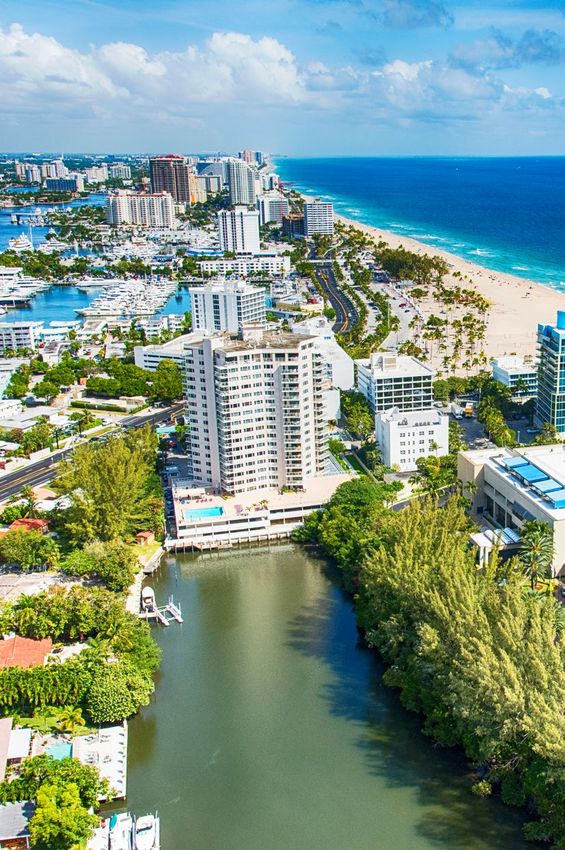
COMPREHENSIVE HOUSING MARKET ANALYSIS

Miami-Miami Beach-Kendall,
                   Florida

U.S. Department of Housing and Urban Development,
Office of Policy Development and Research
As of March 1, 2019
Miami-Miami Beach-Kendall, Florida Comprehensive Housing Market Analysis as of March 1, 2019 Executive Summary 2
Broward
Collier
Doral
! Miami Beach
!
Miami ! ATLANTIC
k OCEAN
Executive Summary
Kendall
!
Miami-Dade
Housing Market Area Description
The Miami-Miami Beach-Kendall Housing Market Area (hereafter, Homestead
!
Monroe
Miami HMA), on the southeastern coast of Florida, is coterminous
EVERGLADES
with the Miami-Miami Beach-Kendall, FL Metropolitan Division, NATIONAL PARK
which consists of Miami-Dade County.
The current population is estimated at nearly 2.78 million. ! Places of Interest
Urbanized Areas
Everglades National Park
Known as a destination for beautiful beaches and eclectic GULF OF MEXICO
Miami-Miami Beach-Kendal HMA
nightlife, the Miami HMA attracted an estimated 15.9 million
visitors in 2017, which had an economic impact of more than
$38.9 billion on the HMA’s economy (Greater Miami Convention Tools and Resources
& Visitors Bureau). Find interim updates for this metropolitan area and select geographies nationally,
at PD&R’s Market-at-a-Glance tool.
Additional data for the HMA can be found in this report’s supplemental tables.
For information on HUD-supported activity in this area, see the Community Assessment Reporting Tool.
Comprehensive Housing Market Analysis Miami-Miami Beach-Kendall, Florida
U.S. Department of Housing and Urban Development, Office of Policy Development and ResearchMiami-Miami Beach-Kendall, Florida Comprehensive Housing Market Analysis as of March 1, 2019 Executive Summary 3
Market Qualifiers
Economy Sales Market Rental Market
Strong: Nonfarm payrolls Balanced: During the 12 months ending Balanced: The average apartment
increased 2.1 percent during the February 2019, new and existing home rent in the HMA increased 5
12 months ending February 2019. sales increased 7 percent. percent from February 2018 to
February 2019, to $1,568 a month.
Economic conditions in the Miami HMA improved The home sales market is balanced, with a current Rental market conditions have transitioned from
during the past 8 years, but job growth has slowed vacancy rate of 1.6 percent, down from 3.2 percent soft in 2010 to currently balanced. The rental
slightly during the past 2 years. During the 12 in April 2010. The inventory of single-family homes vacancy rate was 9.0 percent in 2010 and has
months ending February 2019, nonfarm payrolls in for sale rose to a 6.8-month supply in February fallen to an estimated 6.0 percent, currently. Renter
the HMA increased by 24,700 jobs, or 2.1 percent, 2019, from 6.0 months a year earlier. New and households have increased at an average of 2.0
to 1.20 million jobs, following an increase of 1.3 existing home sales increased 7 percent during the percent annually since 2010, faster than overall
percent or 15,500 jobs, during the previous 12 12 months ending February 2019, and the average household growth, contributing to the decline in
months. By comparison, nonfarm payrolls increased price was unchanged, at $465,800 (Metrostudy, A the vacancy rate. During the 3-year forecast period,
an average of 2.7 percent annually from 2011 Hanley Wood Company). During the 3-year forecast demand is expected for 13,550 additional rental
through 2016. During the 3-year forecast period, period, demand is estimated for 14,300 additional units. The 9,500 units currently under construction
nonfarm payrolls are expected to grow at an units. The 3,325 units under construction are are expected to meet demand during the first and
average annual pace of 1.9 percent, and growth is expected to meet a portion of demand during the second year of the forecast.
expected to be in both the goods-producing and first year of the 3-year forecast period.
service-providing sectors.
TABLE OF CONTENTS
3-Year Housing Demand Forecast
Economic Conditions 4 Sales Units Rental Units
Population and Households 8 Total Demand 14,300 13,350
Miami-Miami Beach-Kendall HMA
Home Sales Market Conditions 10 Under Construction 3,325 9,500
Notes: Total demand represents estimated production necessary to achieve a balanced market at the end of the forecast period. Units under
Rental Market Conditions 15 construction as of March 1, 2019. The forecast period is March 1, 2019, to March 1, 2022.
Terminology Definitions and Notes 19 Source: Estimates by the analyst
Comprehensive Housing Market Analysis Miami-Miami Beach-Kendall, Florida
U.S. Department of Housing and Urban Development, Office of Policy Development and ResearchMiami-Miami Beach-Kendall, Florida Comprehensive Housing Market Analysis as of March 1, 2019 Economic Conditions 4
Economic Conditions Figure 1. Sector Growth in the Miami-Miami Beach-Kendall HMA,
2008 to Current
Total Nonfarm Payroll Jobs
Largest sector: Wholesale and Retail Trade Goods-Producing Sectors
Mining, Logging, & Construction
Manufacturing
Leisure and hospitality, the fourth largest sector in the economy, is Service-Providing Sectors
Wholesale & Retail Trade
largely supported by the strong tourism industry in the Miami HMA. This Transportation & Utilities
Information
has been the fastest growing sector in the HMA since 2008 (Figure 1). Financial Activities
Professional & Business Services
Education & Health Services
Primary Local Economic Factors Leisure & Hospitality
Other Services
Government
The Miami HMA is an international destination for travelers, investors, and -20.00 -10.00 0.00 10.00 20.00 30.00 40.00
workers. Tourism and international trade through PortMiami and the Miami Change (% )
International Airport (MIA) contribute significantly to the local economy, with the Note: Current is based on 12-month averages through February 2019.
Source: U.S. Bureau of Labor Statistics
wholesale and retail trade and the leisure and hospitality sectors accounting for
31 percent of all nonfarm payrolls in the HMA (Figure 2). The HMA is the only
metropolitan area in the United States where more than one-half of the total Figure 2. Current Nonfarm Payroll Jobs in the
Miami-Miami Beach-Kendall HMA, by Sector
population is foreign-born. Primarily due to the international nature of the Miami
HMA, it is greatly impacted by global economic conditions. Local 8% Mining, Logging, & Construction 4%
State 2%
Manufacturing 3%
Federal 2%
Wholesale 6%
Current Conditions—Nonfarm Payrolls Other Services 4% Government Retail 12%
12%
Job growth during the 12 months ending February 2019 was higher than during Trade 19%
the 12 months ending February 2018. Nonfarm payrolls increased by 24,700 jobs, Leisure & Hospitality 12%
or 2.1 percent, during the past 12 months (Table 1), compared with growth of Total
1,201.4
15,500 jobs, or 1.3 percent, during the previous 12 months. Transportation
& Utilities 6%
Growth in the goods-producing sectors was led by the mining, logging, and
Information 2%
construction sector during the past 12 months. The mining, logging, and Education & Health
Services 16%
construction sector had the second largest gain of all 11 sectors, up by 4,500 Financial Activities 7%
jobs, or 9.4 percent. All the gains were due to growth in the construction
subsector, which accounts for 99 percent of the jobs in the sector. The $174 Professional & Business Services 15%
million Park Grove development in downtown Miami completed construction Notes: Nonfarm payroll is in thousands. Percentages may not add to 100 percent due to rounding.
Source: U.S. Bureau of Labor Statistics
Comprehensive Housing Market Analysis Miami-Miami Beach-Kendall, Florida
U.S. Department of Housing and Urban Development, Office of Policy Development and ResearchMiami-Miami Beach-Kendall, Florida Comprehensive Housing Market Analysis as of March 1, 2019 Economic Conditions 5
Table 1. 12-Month Average Nonfarm Payroll Jobs in the that began in 2010. The education and health services sector, which has posted
Miami-Miami Beach-Kendall HMA, by Sector job gains each year since 2000, added 4,000 jobs, or 2.2 percent. The leisure
12 Months 12 Months and hospitality sector had gains of 2,200 jobs, or 1.6 percent, as the number of
Ending Ending Absolute Percentage cruise passengers out of PortMiami hit record highs, with 5.3 million passengers
February February Change Change
2018 2019 sailing during 2017, up nearly 5 percent from 2016 (Greater Miami Convention
Total Nonfarm Payroll Jobs 1,176.7 1,201.4 24.7 2.1 & Visitors Bureau). Royal Caribbean Cruises invested $250 million on a new
Goods-Producing Sectors 89.5 94.4 4.9 5.5 terminal at PortMiami to house the world’s largest cruise ship, The Symphony of
Mining, Logging, & Construction 48.4 52.9 4.5 9.4
the Seas, which began service in November 2018.
Manufacturing 41.1 41.5 0.4 1.0
Service-Providing Sectors 1,087.3 1,107.0 19.8 1.8
Wholesale & Retail Trade
Transportation & Utilities
222.2
72.9
222.6
77.2
0.4
4.3
0.2
5.8
Current Conditions—Unemployment
Information 19.4 20.0 0.6 2.9 The unemployment rate averaged 3.8 percent during the 12 months ending
Financial Activities 80.7 81.0 0.3 0.3 February 2019, down from 4.5 percent during the previous 12 months and
Professional & Business Services 173.8 180.1 6.3 3.6
down from the recent peak of 11.1 percent during 2010 (Figure 3). During the
Education & Health Services 184.2 188.2 4.0 2.2
Leisure & Hospitality 141.7 143.9 2.2 1.6
most recent 12-month period, the respective rates for the state and nation were
Other Services 51.3 52.2 0.9 1.7 3.5 and 4.1 percent.
Government 141.0 141.9 0.9 0.6
Notes: Based on 12-month averages February 2018 through February 2019. Numbers are in thousands and Figure 3. 12-Month Average Unemployment Rate in the
may not add to totals due to rounding.
Source: U.S. Bureau of Labor Statistics Miami-Miami Beach-Kendall HMA
Miami-Miami Beach-Kendall HMA United States
12.0%
11.0%
on two of three towers in 2018, contributing to the increase. The final tower, 10.0%
a 21-story condominium building, is expected to be complete in late 2019. The 9.0%
Unemployment Rate
manufacturing sector increased by 400 jobs, or 1.0 percent, from the previous 8.0%
7.0%
12 months. Job gains were partly due to the expansion of the StandardAero
6.0%
Component Services manufacturing facility, which resulted in the addition of 5.0%
approximately 50 manufacturing jobs in the HMA. 4.0%
3.0%
All service-providing sectors added jobs during the past 12 months. The
2.0%
professional and business services sector led the growth, with a gain of 6,300
00
04
06
08
05
09
03
02
01
07
0
6
8
9
5
3
4
2
7
1
b-1
b-1
b-1
b-1
b-1
b-1
b-1
b-1
b-1
b-1
b-
b-
b-
b-
b-
b-
b-
b-
b-
b-
Fe
Fe
Fe
jobs, or 3.6 percent. The transportation and utilities sector had the third largest
Fe
Fe
Fe
Fe
Fe
Fe
Fe
Fe
Fe
Fe
Fe
Fe
Fe
Fe
Fe
Fe
Fe
gain, up by 4,300 jobs, or 5.8 percent, continuing a year-over-year expansion Source: U.S. Bureau of Labor Statistics
Comprehensive Housing Market Analysis Miami-Miami Beach-Kendall, Florida
U.S. Department of Housing and Urban Development, Office of Policy Development and ResearchMiami-Miami Beach-Kendall, Florida Comprehensive Housing Market Analysis as of March 1, 2019 Economic Conditions 6
Economic Periods of Significance transportation and utilities sectors, which annually declined by an average of
1,000, 1,000, and 700 jobs, or 4.2, 2.0, and 1.1 percent, respectively.
2004 to 2007
2008 to 2010
Nonfarm payrolls in the HMA increased each year from 2004 through 2007
(Figure 4). During the 4-year period, payrolls increased by an average of 20,100 Economic conditions contracted from 2008 through 2010, as a result of the
jobs, or 2.0 percent, annually. Gains during this period were largest in the national recession and housing crisis of the late 2000s. Nonfarm payrolls during
professional and business services, the education and health services, and the this period declined by an average of 26,800 jobs, or 2.6 percent, annually,
wholesale and retail trade sectors, which increased annually by an average with most of the losses occurring in 2009 when 57,900 jobs were lost. Within
of 4,800, 4,600, and 4,100 jobs, or 3.6, 3.3, and 2.1 percent, respectively. the HMA, losses were largest in the mining, logging, and construction and the
In 2004, American Sales and Management Organization Corporation, which professional and business services sectors, which declined by an average of 7,800
provides ground handling and passenger services for domestic and foreign and 5,400 jobs, respectively, or 16.4 and 4.0 percent. The only gains recorded
carriers, expanded its office, adding 300 jobs in the city of Miami. These gains during this period were in the education and health services and the leisure
were partially offset by losses in the information, the manufacturing, and the and hospitality sectors, which increased by an average of 3,500 and 1,000 jobs,
respectively, or 2.3 and 0.9 percent, annually.
2011 to 2017
Figure 4. 12-Month Average Nonfarm Payrolls in the
Miami-Miami Beach-Kendall HMA Economic conditions improved significantly from 2011 through 2017, with nonfarm
National Recession Nonfarm Payrolls
payroll growth in the HMA outpacing the national average. During the 7-year
1,300
period, nonfarm payrolls increased by an average of 26,900 jobs, or 2.5 percent,
Nonfarm Payrolls (in Thousands)
annually. By comparison, payrolls nationwide were up an average of 1.7 percent
1,200
annually during the same period. Within the HMA, the largest gains were in the
professional and business services, the leisure and hospitality, and the wholesale
1,100
and retail trade sectors, which were up by an average of 6,700, 4,700, and 4,400
jobs, or 4.6, 3.9, and 2.2 percent, respectively. In 2012, HBO Latin America Group,
1,000
an owner of cable networks, expanded its office in the city of Miami, adding 100
jobs in the professional and business services sector through 2014. In 2015,
900
Baptist Health South Florida, the largest private employer in the HMA with 11,350
00
06
04
08
09
05
03
01
02
07
0
6
8
9
5
3
4
2
7
1
employees (Table 2), broke ground on the $430 million Miami Cancer Institute. The
b-1
b-1
b-1
b-1
b-1
b-1
b-1
b-1
b-1
b-1
b-
b-
b-
b-
b-
b-
b-
b-
b-
b-
Fe
Fe
Fe
Fe
Fe
Fe
Fe
Fe
Fe
Fe
Fe
Fe
Fe
Fe
Fe
Fe
Fe
Fe
Fe
Fe
Note: 12-month moving average.
government sector was the only sector to record losses during this period, declining
Sources: U.S. Bureau of Labor Statistics; National Bureau of Economic Research by an average of 900 jobs, or 0.6 percent, annually.
Comprehensive Housing Market Analysis Miami-Miami Beach-Kendall, Florida
U.S. Department of Housing and Urban Development, Office of Policy Development and ResearchMiami-Miami Beach-Kendall, Florida Comprehensive Housing Market Analysis as of March 1, 2019 Economic Conditions 7
Table 2. Major Employers in the Miami-Miami Beach-Kendall HMA Employment Forecast
Number of During the next 3 years, payrolls are expected to increase an average of 1.9
Name of Employer Nonfarm Payroll Sector Employees
Miami-Dade County Government 25,502
percent annually. Job growth is expected to continue, but at a slower pace
Federal Government Government 19,200 compared with the rate of growth since 2010. Tight labor market conditions
Florida State Government Government 17,100 during the 3-year forecast period are expected to result in a relatively low
Baptist Health South Florida Education & Health Services 11,353 unemployment rate.
University of Miami Education & Health Services 12,818
American Airlines Transportation & Utilities 11,031
The goods-producing and the service-providing sectors are both expected to
Jackson Health System Government 9,797 contribute to payroll growth during the next 3 years. Miami Worldcenter began
City of Miami Government 3,997 construction in early 2018 on a $5 billion mixed-use development. The 444-
Nicklaus Children’s Hospital Education & Health Services 3,500 unit Caoba apartment building, which opened in January 2019, was the first
Carnival Cruise Lines Transportation & Utilities 3,500 tower completed of at least five planned at buildout. Construction is expected
Note: Excludes local school districts. to continue through 2023 and consist of more than 300,000 square-feet of
Source: The Beacon Council
restaurant, retail, and entertainment venues, 500,000 square-feet of office
space, and 500,000 square-feet of expo space. Construction is also planned for
1,875 residential units, including the 500-unit Paramount Miami condominium
development, and nearly 2,050 hotel rooms, including the 348-room CitizenM
hotel and the 1,700-room Marriott Marquis.
Comprehensive Housing Market Analysis Miami-Miami Beach-Kendall, Florida
U.S. Department of Housing and Urban Development, Office of Policy Development and ResearchMiami-Miami Beach-Kendall, Florida Comprehensive Housing Market Analysis as of March 1, 2019 Population and Households 8
Population and Households
Current population: : 2,775,000 to a weakening U.S. dollar, and averaged 18,800 people a year, contributing to
the average annual population growth of 34,500, or 1.4 percent, a year. During
Net in-migration has accounted for approximately 62 percent this period, the national recession resulted in rapidly declining home prices and a
of population growth in the Miami HMA since 2010, with net significant increase in the number of home loans that were seriously delinquent
international in-migration exceeding net domestic out-migration. (loans that are 90 or more days delinquent or in foreclosure). A weakening U.S.
dollar and an abundant supply of affordable housing resulted in a peak in net in-
migration from 2010 to 2011, averaging 46,050 people a year, and average annual
Population Trends population growth of 58,750 people, or 2.3 percent, a year. As the strength of the
Population growth in the HMA is mainly a function of migration patterns, which U.S. dollar has recovered, the rate of growth has slowed. From 2011 to 2016, net
have been dominated by international in-migration and diminished by domestic in-migration slowed to an average of 17,900 people a year, comprising nearly 59
out-migration. On average, net natural change (resident births minus deaths) has percent of total population growth, which averaged 30,550 people, or 1.2 percent,
accounted for 38 percent of annual population growth in the HMA since 2010 annually. Net in-migration has continued to slow, averaging 9,500 people a year
and has generally trended down since 2008 (Figure 5). Population growth was from 2016 to the current date; net natural change also slowed to 10,200 people a
modest in the early part of the 2000s when the strength of the U.S. dollar (Figure year, resulting in average annual population growth of 0.7 percent.
6) caused international migrants to choose more affordable destinations in the
nation. Net in-migration increased each year from 2008 to 2010, largely in response
Figure 6. U.S. Dollar Index
Figure 5. Components of Population Change in the
U.S. Dollar Value Net Migration
Miami-Miami Beach-Kendall HMA, 2000 Through the Forecast 120.0 65,000
Net Natural Change Net Migration
70,000 110.0 45,000
U.S. Dollar Value
Net Migration
60,000
50,000
100.0 25,000
40,000
30,000
90.0 5,000
20,000
10,000
80.0 -15,000
0
00
04
06
08
09
05
03
01
02
07
10
16
18
15
19
13
14
12
17
11
2000-2008 2008-2010 2010-2011 2011-2016 2016-Current Current-Forecast
20
20
20
20
20
20
20
20
20
20
20
20
20
20
20
20
20
20
20
20
Notes: Net natural change and net migration totals are average annual totals over the time period. The Notes: The index is adjusted for the aggregated home inflation rates of all included currencies. Net migration
current date is March 1, 2019. The forecast period is from the current date, to March 1, 2022. totals are average annual totals over the time period.
Sources: U.S. Census Bureau; current to forecast—estimates by the analyst Sources: U.S. Federal Reserve; U.S. Census Bureau; 2018 to 2019—estimates by the analyst
Comprehensive Housing Market Analysis Miami-Miami Beach-Kendall, Florida
U.S. Department of Housing and Urban Development, Office of Policy Development and ResearchMiami-Miami Beach-Kendall, Florida Comprehensive Housing Market Analysis as of March 1, 2019 Population and Households 9
Household Trends As economic conditions remain strong and net in-migration continues, households
in the HMA are expected to increase by an average of 7,925, or 0.8 percent,
Household growth in the Miami HMA remains above the average growth annually during the next 3 years, reaching 990,100 by March 1, 2022. Nearly 49
rate from 2000 to 2010 but has slowed during the past 2 years. As of percent of the additional households are expected to be renter households, which
March 1, 2019, an estimated 966,300 households reside in the HMA, reflecting will result in a further decline in the homeownership rate.
an average annual increase of 11,100 households, or 1.2 percent, since 2010.
By comparison, from 2000 to 2010, households increased by an average of
9,050, or 1.1 percent, a year. An estimated 52.4 percent of current households,
or 506,100 households, are homeowners and the remaining 460,200 are
renter households. The homeownership rate has declined since 2000, when Table 3. Miami-Miami Beach-Kendall HMA Population Quick Facts
57.8 percent of households were homeowners, due to a decrease in housing
2010 Current Forecast
affordability making homeownership less conducive. Population Population 2,496,435 2,775,000 2,842,000
Quick Facts Average Annual Change 24,300 31,250 22,250
1.0 1.2 0.8
Forecast Percentage Change
2010 Current Forecast
Population growth is expected to slow in the HMA during the 3-year forecast Household Households 867,352 966,300 990,100
period, with the population reaching 2.84 million by March 1, 2022, reflecting Quick Facts Average Annual Change 9,050 11,100 7,925
an average annual growth of 22,250 people, or 0.8 percent (Table 3). Nearly Percentage Change 1.1 1.2 0.8
58 percent of the growth will come from net in-migration, as the rising share Notes: Average annual changes and percentage changes are based on averages from 2000–2010, 2010 to
current, and current to forecast. The current date is March 1, 2019 and the forecast date is March 1, 2022.
of older residents is expected to diminish net natural change, which has been Sources: 2000 and 2010—2000 Census and 2010 Census; current and forecast—estimates by the analyst
slowing since the recent peak during 2008.
Comprehensive Housing Market Analysis Miami-Miami Beach-Kendall, Florida
U.S. Department of Housing and Urban Development, Office of Policy Development and ResearchMiami-Miami Beach-Kendall, Florida Comprehensive Housing Market Analysis as of March 1, 2019 Home Sales Market Conditions 10
Home Sales Market Conditions
Market Conditions: Balanced from a 6.0-month supply in February 2018 to a 6.8-month supply in February
2019. During the same period, the for-sale inventory for condominiums and
Total home sales in the Miami HMA, during the 12 months ending townhomes rose from a 14.4-month supply to a 14.5-month supply (Miami
February 2019, are up from the previous 12 months but remain below Association of Realtors®). The increase in supply was primarily the result of a
the recent peak during 2015. 14.2 and 4 percent increase in active listings of single-family and condominium/
townhomes, respectively. New and existing home sales in the HMA increased
to 44,600 homes sold during the 12 months ending February 2019, up nearly
Current Conditions 7 percent compared with the previous 12 months (Metrostudy, A Hanley Wood
The sales housing market in the Miami HMA is currently balanced, with an Company). During the same period, the average new and existing home sales
estimated sales vacancy rate of 1.6 percent (Table 4), down significantly from 3.2 price was unchanged at $465,800.
percent in 2010. The for-sale inventory for single-family homes in the HMA rose
Table 4. Home Sales Quick Facts in the Home Sales
Miami-Miami Beach-Kendall HMA
Regular resale home sales (which exclude real estate owned [REO] sales) in the
Miami-Miami
Beach-Kendall Nation HMA peaked at 69,400 homes sold during the 12 months ending December 2005,
HMA before falling from 2006 through 2009, and have generally increased each year
Vacancy Rate 1.6% NA since. From 2006 through 2007, regular resale home sales fell an average of 20,000
Months of Inventory 9.0 3.0 sales, or 35 percent, annually. Sales continued to fall an average of 28 percent, or
Total Home Sales 44,600 505,000
by 7,150 sales, annually to 15,075 sales from 2008 through 2009 (Metrostudy, A
1-Year Change 6.6% -3.0%
Home Sales Hanley Wood Company). From 2010 through 2014, regular resale home sales rose
New Single-Family Home and $474,100 $379,500
Quick Facts Townhome Sales Price by an average of 3,450, or 16 percent, annually, before reversing to an average
1-Year Change -1.0% -1.1% decline of 700 sales, or 2 percent, annually from 2015 through 2016. During the
Regular Resale Single- $434,100 $295,500 12 months ending February 2019, regular resale home sales increased to an annual
Family Home and Townhome rate of 35,650, up 10 percent from the 32,500 sales recorded a year earlier.
Sales Prices
1-Year Change 0.1% 4.1% New home sales have generally increased since reaching a low in 2013, following
Mortgage Delinquency Rate 3.1% 1.6% an 8-year decline from the peak in 2005. The 5,825 new home sales during the
NA = data not available. 12 months ending February 2019 was an increase of 7 percent from a year earlier
Notes: Vacancy rate is as of the current date (March 1, 2019). Home sales and prices are for the 12 months
ending February 2019. Months of inventory and mortgage delinquency data are as of February 2019. Single- but far below the peak of 24,500 new homes sold during 2005 (Metrostudy,
family homes include townhomes. A Hanley Wood Company). Following the recent peak in 2005, new home sales
Source: Metrostudy, A Hanley Wood Company
Comprehensive Housing Market Analysis Miami-Miami Beach-Kendall, Florida
U.S. Department of Housing and Urban Development, Office of Policy Development and ResearchMiami-Miami Beach-Kendall, Florida Comprehensive Housing Market Analysis as of March 1, 2019 Home Sales Market Conditions 11
declined an average of 33 percent annually to 4,950 homes sold in 2009, as the most recent peak, but is up 86 percent compared with the 880 units sold
economic conditions worsened. From 2010 through 2013, new home sales during 2009, the lowest level following the Great Recession.
declined an average of 13 percent annually before the rate of growth reversed
to an average gain of 29 percent a year from 2014 through 2016. During 2017, REO Sales and Delinquent Mortgages
new home sales declined 8 percent, to 5,500 homes sold (Figure 7).
The national foreclosure crisis had a large impact within the HMA. Following an
increase in the number of seriously delinquent mortgages and REO properties
Figure 7. 12-Month Sales Totals by Type in the during 2007, housing market conditions have been slow to improve. During
Miami-Miami Beach-Kendall HMA February 2010, the rate of seriously delinquent mortgages and REO properties
-
peaked at 28.0 percent of all home loans, compared with 1.6 and 5.2 percent in
Regular Resale Home Sales New Home Sales REO and Short Sales
100,000 January 2007 and January 2017, respectively (CoreLogic, Inc.). By comparison,
90,000 seriously delinquent mortgages and REO properties accounted for 8.6 percent
80,000
of home loans nationally in February 2010. REO home sales averaged 6,025
70,000
60,000
annually from 2007 through 2009, accounting for 17 percent of all existing home
50,000 sales in the HMA (Metrostudy, A Hanley Wood Company). By contrast, from 2005
40,000 through 2006, approximately 520 REO homes sold annually, accounting for less
30,000
than 1 percent of existing home sales. REO home sales nearly doubled each
20,000
10,000
year from 2007 through 2009 to average 11,000 REO homes sold during 2009,
0 and from 2010 through 2014, REO home sales remained high at an average of
11,750 sales annually, accounting for nearly 29 percent of total home sales. As
06
08
09
07
0
6
8
5
9
3
4
2
7
1
b-1
b-1
b-1
b-1
b-1
b-1
b-1
b-1
b-1
b-1
b-
b-
b-
b-
Fe
Fe
Fe
Fe
Fe
Fe
Fe
Fe
Fe
Fe
Fe
Fe
Fe
Fe
the percent of seriously delinquent mortgages declined from 2015 through 2018,
REO = real estate owned.
Source: Metrostudy, A Hanley Wood Company
REO home sales also declined to an average 6,250 annually, accounting for
about 14 percent of total home sales. The rate of seriously delinquent mortgages
and REO properties declined to 3.1 percent in February 2019, down from 8.4
Condominium Sales percent a year earlier, when the impacts of Hurricane Irma partly resulted in
Sales of condominium units increased during the past 2 years in part because a temporary spike in seriously delinquent mortgages, but still higher than the
of a number of lower-priced newly constructed units coming online. During national rate of 1.6 percent.
the 12 months ending February 2019, approximately 1,625 new and existing
condominiums were sold, up 11 percent compared with the 12 months ending Home Sale Prices
February 2018. Condominium sales decreased an average of 6 percent annually
The average sales price in the HMA for regular resale homes peaked during 2008
from 2014 through 2017 compared with an average increase of 23 percent
at $474,500, the same year that economic conditions in the HMA began to
annually during corresponding periods from 2010 through 2013. The current level
decline and fell an average of more than 16 percent annually to a recent low of
of sales is down 12 percent, compared with the 1,850 units sold during 2013,
Comprehensive Housing Market Analysis Miami-Miami Beach-Kendall, Florida
U.S. Department of Housing and Urban Development, Office of Policy Development and ResearchMiami-Miami Beach-Kendall, Florida Comprehensive Housing Market Analysis as of March 1, 2019 Home Sales Market Conditions 12
$333,300 during 2010. The prevalence of REO sales, which grew to an average Figure 8. 12-Month Average Sales Price By Type of Sale in the
of 29 percent of all sales from 2010 through 2014, impacted home prices, Miami-Miami Beach-Kendall HMA
particularly in the period of rapidly declining prices from 2008 through 2010. New Single-Family Home Sales Prices New Condominium Sales Prices
During 2009, the average REO sales price was only 40 percent of the average Regular Resale Single-Family Home Sales Prices Regular Resale Condominium Sales Prices
$1,400,000
sales price for regular resale homes, placing strong downward pressure on home
$1,200,000
prices. From 2010 through 2015, when the HMA worked through a large number
$1,000,000
of foreclosures, the average regular resale home sales price increased 4 percent $800,000
annually to $435,800. During 2016, as the value of the U.S. dollar increased, $600,000
restricting the buying power of international buyers, average regular resale home $400,000
prices declined 4 percent, to $416,800. During the 12 months ending February $200,000
2019, the average sales price for regular resale homes was $434,100, virtually $0
unchanged from a year ago.
06
08
09
07
0
6
8
5
9
3
4
2
7
1
b-1
b-1
b-1
b-1
b-1
b-1
b-1
b-1
b-1
b-1
b-
b-
b-
b-
Fe
Fe
Fe
Fe
Fe
Fe
Fe
Fe
Fe
Fe
Fe
Fe
Fe
Fe
The average sales price for a new home during the 12 months ending February Note: Single-family homes include townhomes.
Source: Metrostudy, A Hanley Wood Company
2019 was $474,100, reflecting a decline of 1 percent from a year earlier. By
contrast, sales prices decreased an average of 11 percent a year from 2009
through 2011, to approximately $315,400. From 2012 through 2015, the sales
price increased an average of 11 percent annually, before declining an average of
3 percent annually during 2016, and then increased sharply by 21 percent during Figure 9: Sales by Price Range During the 12 Months Ending
February 2019 in the Miami-Miami Beach-Kendall HMA
2017 (Figure 8). During the 12 months ending February 2019, nearly 30 percent
of new homes sold in the $350,000-to-$499,999 sales price range (Figure 9). Existing Sales New Sales
18,000
Since 2011, new condominium sales prices have been significantly higher,
16,000
compared with regular resale condominiums. Average regular resale
14,000
condominium sales prices peaked in early 2009 at $448,300 and have 12,000
moderated since with slight gains and losses, but the average prices have 10,000
remained well below the peak. During the 12 months ending February 2019, 8,000
the average regular resale condominium sales price was $388,500, 13 percent 6,000
below the 2009 peak. Average new condominium sales prices, however, have 4,000
risen substantially with various peaks, coinciding with the sales of higher-priced 2,000
luxury condominiums. During the 12 months ending February 2019, the average 0
$0 to $249k $250k to $349k $350k to $499k $500k to $749k $750k to $999k $1.0m to $2.0m $2.0m and More
new condominium sales price was $864,900, down 22 percent from the
previous 12 months. Source: Metrostudy, A Hanley Wood Company
Comprehensive Housing Market Analysis Miami-Miami Beach-Kendall, Florida
U.S. Department of Housing and Urban Development, Office of Policy Development and ResearchMiami-Miami Beach-Kendall, Florida Comprehensive Housing Market Analysis as of March 1, 2019 Home Sales Market Conditions 13
Sales Construction Activity in the HMA recorded since before 1980. By the beginning of 2010, Miami-Dade
County had the second highest percentage of seriously delinquent home loans and
Beginning in 2012, builders responded to the increase in new home sales by REO properties in the nation, at 28 percent. Builders responded to weak housing
increasing home construction, as measured by the number of single-family, conditions by keeping construction levels low for several years; an average of 2,525
townhome, and condominium units issued, compared with the 2007-to-2011 period units was permitted annually from 2009 through 2013. From 2013 through 2015,
(Figure 10). New home construction was strong from 2000 through 2006, when an average 6,800 homes were permitted annually, as the housing market continued
an average of 15,000 units was permitted annually. The housing crisis in the Miami to recover. From 2016 through 2017 permitting declined 36 percent annually to
HMA began in 2007 and the effects continued through 2017. Net in-migration a recent low of 3,350 units permitted during 2017. During the 12 months ending
began to slow during 2006, demand for new homes declined, and permits fell February 2019, the number of homes permitted increased by 1,700 homes, or 47
sharply to 690 units during 2009, a decline of 65 percent annually from 2007 percent, from the previous 12 months to 5,375 units permitted (preliminary data).
through 2009. The number of homes permitted during 2009 was the lowest level
New home construction within the city of Homestead, approximately 35 miles
south of Miami, has accounted for nearly one in three new single-family homes
Figure 10. Average Annual Sales Permitting Activity in the in the Miami HMA during the past year. Artesa, a gated community in the city of
Miami-Miami Beach-Kendall HMA Homestead, offers Mediterranean style villas, single-family homes, and townhomes
Single-Family Home/Townhome Condominium that start at $240,000. Park Central, a master-planned community in the city of
16,000
Doral, with plans for 585 condominiums, 228 townhomes, and 77 single-family
14,000 homes, is underway with new condominium and single-family home prices starting
at $300,000 and $610,000, respectively.
12,000
10,000
Housing Affordability: Owner
8,000 Homeownership in the Miami HMA is extremely expensive and the affordability
6,000
of buying a home in the area has declined since 2010 when a large number
of distressed home sales (REO and short sales) entered the market during the
4,000 foreclosure crisis. Excess inventory has since been absorbed and high demand
from international investors has put upward pressure on sales prices. The National
2,000
Association of Home Builders (NAHB) and the Wells Fargo Housing Opportunity
0 Index (HOI) for the HMA, which represents the share of homes sold that would
have been affordable to a family earning the local median income, was 25.7 during
06
08
19
11
15
17
13
09
-20
-20
-20
-20
-20
-20
-20
20
12
07
10
16
18
00
14
the fourth quarter of 2018, down from 34.6 during the fourth quarter of 2017
20
20
20
20
20
20
20
Notes: Includes single-family homes, townhomes, and condominiums. Data for 2019 are annualized. (Figure 11). During the most recent quarter, 219 metropolitan areas out of the 238
Sources: U.S. Census Bureau, Building Permits Survey; 2000–2017 final data and estimates by the analyst;
2018 and 2019 preliminary data and estimates by the analyst metropolitan areas measured, or 92 percent of metropolitan areas in the nation, had
Comprehensive Housing Market Analysis Miami-Miami Beach-Kendall, Florida
U.S. Department of Housing and Urban Development, Office of Policy Development and ResearchMiami-Miami Beach-Kendall, Florida Comprehensive Housing Market Analysis as of March 1, 2019 Home Sales Market Conditions 14
Figure 11. Housing Opportunity Index for the overall as affordability concerns limited the ability of the 35 to 44 age group to
Miami-Miami Beach-Kendall HMA purchase a house; from 2010 to 2017, homeownership in this age group declined by
80 an average of 1.8 percentage points annually, compared with a 0.4 percentage point
70 decline from 2000 to 2010 (Table 5). Nationwide, homeownership declined by 1.1
NAHB Opportunity Index
60 percentage points during the 2000 to 2010 period, compared with a 1.2-percentage
50 point decline during the 2010 to 2017 period. For the head of households aged 35 to
40 44, the national homeownership rate declined by 3.9 percentage points in the 2000
30 to 2010 period, and by 4.7 percentage points during the 2010 to 2017 period.
20
10
Table 5. Homeownership Rates by Age of Householder in the
0
Miami-Miami Beach-Kendall HMA
08
09
10
16
18
15
13
14
12
17
11
20
20
20
20
20
20
20
20
20
20
20
Miami-Miami Beach- United States
Q4
Q4
Q4
Q4
Q4
Q4
Q4
Q4
Q4
Q4
Q4
Kendall HMA
NAHB = National Association of Home Builders. 2000 2010 2017 2000 2010 2017
Q4 = fourth quarter.
Note: Data was not available for the first quarter of 2016. Householder Age 25 to 34 Years 40.4 28.1 24.2 45.6 42.0 38.2
Source: NAHB/Wells Fargo Householder Age 35 to 44 Years 56.2 52.2 39.6 66.2 62.3 57.5
Total Households 57.8 57.0 51.0 66.2 65.1 63.9
greater housing affordability than the Miami HMA. After reaching a high of 70.2 Source: 2000 and 2010 Decennial Census, 2017 American Community Survey 1-year estimates
during the third quarter of 2010, the index declined to 46.3 in the fourth quarter of
2014. During the same period, the percentage of seriously delinquent home loans
and REO properties declined from a peak of 28 percent down to 10.4 percent. Since Forecast
2010, the HOI has trended down, indicating a decline in affordability, because home During the 3-year forecast period, demand is expected for 14,300 new homes,
prices have risen and lender standards have remained high, reducing the number of with demand evenly distributed annually during the 3-year period (Table 6). The
potential new homeowners in the HMA. 3,325 homes currently under construction will satisfy some of the demand during
Rising sales prices, which averaged $465,800 during the 12 months ending February the first year of the forecast.
2019, have acted as a barrier to entry into homeownership and are particularly
Table 6. Demand for New Sales Units in the
pronounced for the head of households aged 35 to 44 years, a prime age cohort for
Miami-Miami Beach-Kendall HMA During the Forecast Period
first-time homebuyers. From 2000 to 2010, the homeownership rate in the HMA
Sales Units
declined 0.8 percentage point as a result of the national recession. Despite the
Demand 14,300 Units
improved economic conditions, the homeownership rate has continued to decline by
Under Construction 3,325 Units
6.0 percentage points from 2010 to 2017. During this period, homeownership for Note: The forecast period is March 1, 2019, to March 1, 2022.
head of households aged 35 to 44 years declined at a faster rate than for households Source: Estimates by the analyst
Comprehensive Housing Market Analysis Miami-Miami Beach-Kendall, Florida
U.S. Department of Housing and Urban Development, Office of Policy Development and ResearchMiami-Miami Beach-Kendall, Florida Comprehensive Housing Market Analysis as of March 1, 2019 Rental Market Conditions 15
Rental Market Conditions Table 7. Rental and Apartment Market Quick Facts in the
Miami-Miami Beach-Kendall HMA
2010 (%) Current (%)
Market Conditions: Balanced Rental Vacancy Rate 9.0 6.0
Rental Occupied Rental Units by Structure
Rental unit construction in the Miami HMA has been elevated since Market Single-family Attached & Detached 31 30
2014, with nearly 70 percent of the new units built in the city of Miami. Quick Facts Multifamily (2-4 units) 11 9
Multifamily (5+ units) 57 60
Other (Including Mobile Homes) 1 1
Current Conditions and Recent Trends Current YoY Change (%)
Overall rental housing market conditions (which includes single-family rentals, Apartment Vacancy Rate 6.0 0.6
townhomes, and mobile homes) in the HMA are currently balanced, with an Apartment Average Rent $1,568 5
overall estimated rental vacancy rate of 6.0 percent, down from 9.0 percent Market Studio $1,217 1
in 2010 (Table 7). Relatively slow multifamily construction from 2007 through Quick Facts One-Bedroom $1,338 3
2012 and increased rental household growth spurred by the housing crisis Two-Bedroom $1,668 6
Three-Bedroom $2,189 13
contributed to declining vacancy rates and rising rents since 2010. Recently,
YoY = year-over-year
increased multifamily construction since 2014 has helped to bring the market Notes: The current date is March 1, 2019. Current data for “occupied rental units by structure” are American
into balance, following slightly tight conditions that prevailed during the past 2 Community Survey, 2017 1-year data. Apartment data are Reis, Inc.
Source: American Community Survey, 1-year data; Reis, Inc.
years.
Approximately 31 percent of renter households in the HMA live in single-family During February 2019, the apartment vacancy rate was estimated at 6.0 percent, up
homes, townhomes, and mobile homes (American Community Survey, 2017 from 5.4 percent during February 2018 (Reis, Inc.). The vacancy rate increased during
1-year data). Approximately 9 percent live in buildings with two to four units, the past year to its highest rate recorded since 2009 when the vacancy rate was 6.2
and 60 percent live in larger buildings with five or more units. For professionally percent (Figure 12). The average apartment rent increased 5 percent from February
managed units, the single-family rental vacancy rate was 2.5 percent in 2018 to February 2019, to $1,568, averaging $1,217 for a studio, $1,338 for a one-
February 2019, unchanged from February 2018, and the average rent for a bedroom unit, $1,668 for a two-bedroom unit, and $2,189 for a three-bedroom unit.
single-family home increased 7 percent to $1.88 per square foot (CoreLogic, By comparison, average annual rent growth was 4 percent from 2010 through 2017.
Inc.). Rents for professionally managed units averaged $1,706, $2,136, $2,330,
and $2,903 for one-, two-, three-, and four-bedroom units, respectively. The
vacancy rate among single-family rentals that were professionally managed
Recently Completed Rental Properties
declined from 3.5 to 2.4 percent from 2013 through 2016 (data only available Nearly all new rental permitting in the HMA is concentrated in the city of Miami.
since 2013), with average annual rent growth of 5 percent. Rent growth and Among several recently completed apartment developments is the 387-unit Yard 8 that
vacancy rates have remained unchanged since 2017. opened in 2019 less than a mile from Biscayne Bay in the Wynwood neighborhood.
The unit mix includes studio, one-, two-, and three-bedroom units ranging from 610
Comprehensive Housing Market Analysis Miami-Miami Beach-Kendall, Florida
U.S. Department of Housing and Urban Development, Office of Policy Development and ResearchMiami-Miami Beach-Kendall, Florida Comprehensive Housing Market Analysis as of March 1, 2019 Rental Market Conditions 16
Figure 12. Average Apartment Rents and Vacancy Rates in the Figure 13. Average Annual Rental Permitting Activity in the
Miami-Miami Beach-Kendall HMA Miami-Miami Beach-Kendall HMA
Average Monthly Rent Vacancy Rate
$1,800 7.0% 8,000
$1,600 7,000
6.0%
$1,400 6,000
Average Monthly Rent
5.0%
$1,200
Vacancy Rate
5,000
$1,000 4.0%
4,000
$800 3.0%
3,000
$600
2.0%
2,000
$400
1.0% 1,000
$200
$0 0.0% 0
06
03
12
16
19
00
06
04
08
05
09
03
01
02
07
10
16
18
15
13
14
12
17
11
-20
-20
-20
-20
-20
20
20
20
20
20
20
20
20
20
20
20
20
20
20
20
20
20
20
20
07
17
00
04
13
20
20
20
20
20
Source: Reis, Inc.
Notes: Includes apartments and units designed for rental occupancy. Data for 2019 are annualized.
Sources: U.S. Census Bureau, Building Permits Survey; 2000–2017 final data and estimates by the analyst;
to 1,820 square feet with rents ranging from $1,850 to $5,795. Another example of 2018 and 2019 preliminary data and estimates by the analyst
new construction is Corridor II, built in 2018 in the Upper East Side neighborhood. The
property consists of 64 units and is currently 92-percent occupied, with rents at $1,524 each year from 2004 through 2006. An estimated 9,500 rental units are currently
for one-bedroom units and $1,811 for two-bedroom units. under construction, primarily in the city of Miami.
Rental Construction Activity
Housing Affordability: Rental
Permitting of rental units has generally trended upward since the housing market
collapse but did not increase significantly until 2013, as the apartment rental Overall Affordability Issues
market tightened (Figure 13). During the 12 months ending February 2019,
approximately 7,525 rental units were permitted, down 5 percent compared with Rental housing is extremely expensive in the Miami HMA and rental affordability has
the 7,875 units permitted during the previous 12 months. From 2007 through generally remained expensive since 2005 because income growth has been slow to
2012, an average of 1,800 rental units was permitted, followed by an average recover from declines in 2008 and 2010. The median gross monthly rent in the HMA
of 6,550 units each year from 2013 through 2016, exceeding the level of rental rose 29 percent from $997 in 2010 to $1,290 in 2017. During the same period, the
permitting during the previous economic expansion. These units have entered median household income for renter households increased 35 percent from $26,831
the market and are the main reason the apartment vacancy rate increased during to $36,106. As a result, the HUD Rental Affordability Index, a measure of median
the past year. For context, rental permitting averaged 4,275 units, annually, from renter household income relative to qualifying income for the median-priced rental
2000 through 2003. The increased demand for owner units during the housing unit, has remained at or below 70 since 2008. The index was 70.0 during 2017
bubble caused rental permitting to fall dramatically, averaging only 2,800 units (using the latest data available), up slightly from 68.8 in 2016, but below the high
Comprehensive Housing Market Analysis Miami-Miami Beach-Kendall, Florida
U.S. Department of Housing and Urban Development, Office of Policy Development and ResearchMiami-Miami Beach-Kendall, Florida Comprehensive Housing Market Analysis as of March 1, 2019 Rental Market Conditions 17
of 74.0 in 2005 and 2007, before the Great Recession. Figure 14 compares year- Table 8. Percentage of Cost-Burdened Renter Households
over-year change in the median gross rent (including single-family, apartments, and by Income, in the Miami-Miami Beach-Kendall HMA, 2011–2015
mobile homes for rent) to the respective change in the median gross income. Cost-Burdened Severely Cost-
Burdened
HMA United HMA United
States States
Figure 14. Rental Affordability in the Miami-Miami Beach-Kendall HMA
Renter Households with IncomeMiami-Miami Beach-Kendall, Florida Comprehensive Housing Market Analysis as of March 1, 2019 Rental Market Conditions 18
Current Affordable Housing Options: LIHTC, PBRA, HVC Table 9. Picture of Subsidized Households in the
Miami-Miami Beach-Kendall HMA and the Nation, 2018
The Low-Income Housing Tax Credit (LIHTC) Program is the primary source of
funding for new affordable rental housing in the nation. Since 2009, only 7,710 Miami- HMA National
Miami Beach- Percentage Percentage
LIHTC units have been placed in service in the HMA. Of these units, 24 percent U.S. Total
Kendall Change Change
were reserved for seniors. By comparison, from 2000 through 2009, 13,500 HMA Since 2010 Since 2010
LIHTC units were placed in service in the HMA. During this period, 7 percent Total Assisted Households (2018) 45,909 24.1 4,628,247 4.5
were reserved for seniors. Approximately 4,910, or 64 percent, of all LIHTC Total Housing Voucher Households (2018) 22,689 2.9 2,276,722 11.6
units placed in service in the HMA since 2009 are in the city of Miami. The most Average HCV Tenant Monthly Contribution $406 3.8 $379 1.2
recently completed project is the 68-unit Stirrup Plaza II, which was placed in Average Monthly HUD Subsidy $944 -11.3 $793 -1.4
service in 2016. HCV = housing choice voucher.
Note: Dollar changes are inflation adjusted using the Consumer Price Index for All Urban Consumers
In addition to LIHTC, income-eligible residents may qualify for housing choice (CPI-U).
Source: Assisted housing—national and local (huduser.gov)
vouchers (HCV) through the local public housing authority (PHA) or project-based
rental assistance (PBRA). The PHAs in the HMA administered approximately
22,700 HCVs in 2018 (Picture of Subsidized Households). Some HCV-holders
Homelessness in the HMA
report difficulty in obtaining a suitable unit at affordable rents. The waitlist for In the Miami HMA, approximately 3,525 people were homeless in 2018, and
HCV has been closed since 2016, with about 32,000 applicants waiting for a about 29 percent were unsheltered homeless (2018 Point-in-Time Count). By
voucher, of which only about 2,000 receive vouchers annually (The Housing comparison, about 43 percent of homeless persons in Florida were unsheltered
Authority of the City of Miami Beach). Within the Miami HMA, there are about
45,900 subsidized units through project-based rental assistance and other
programs (Picture of Subsidized Housing). The number of households that are
Forecast
receiving federal rental assistance and that have a housing choice voucher in the During the 3-year forecast period, demand is estimated for 13,550 apartments in
HMA has increased by 24.1 and 2.9 percent since 2010 (Table 9) due at least the HMA (Table 10). Demand is expected to be evenly distributed among all years
partly to the net in-migration of low-income families. The increase in assisted of the forecast period. The 9,500 units currently under construction will meet a
households occurred despite an inflation-adjusted decline in rent subsidy from portion of the forecast demand.
HUD of 11.3 percent, since 2010 in the HMA; during the same time, the inflation-
adjusted increase in tenant contribution for HCV went up 3.8 percent. By Table 10. Demand for New Rental Units in the
Miami-Miami Beach-Kendall HMA During the Forecast Period
comparison, the total number of assisted and voucher households expanded by
Rental Units
respective averages of 4.5 and 11.6 percent nationwide, whereas the inflation-
Demand 13,550 Units
adjusted HUD subsidy declined 1.4 percent and the inflation-adjusted tenant
Under Construction 9,500 Units
contribution increased 1.2 percent, since 2010. Note: The forecast period is March 1, 2019, to March 1, 2022.
Source: Estimates by the analyst
Comprehensive Housing Market Analysis Miami-Miami Beach-Kendall, Florida
U.S. Department of Housing and Urban Development, Office of Policy Development and ResearchMiami-Miami Beach-Kendall, Florida Comprehensive Housing Market Analysis as of March 1, 2019 Terminology Definitions and Notes 19
Terminology Definitions and Notes
A. Definitions
The demand estimates in the analysis are not a forecast of building activity. They are the estimates of the total housing production needed to
Demand achieve a balanced market at the end of the 3-year forecast period given conditions on the as-of date of the analysis, growth, losses, and excess
vacancies. The estimates do not account for units currently under construction or units in the development pipeline.
In this analysis conducted by the U.S. Department of Housing and Urban Development (HUD), other vacant units include all vacant units that are not
Other Vacant
available for sale or for rent. The term, therefore, includes units rented or sold but not occupied; held for seasonal, recreational, or occasional use;
Units
used by migrant workers; and the category specified as “other” vacant by the U.S. Census Bureau.
Building permits do not necessarily reflect all residential building activity that occurs in an HMA. Some units are constructed or created without
Building a building permit or are issued a different type of building permit. For example, some units classified as commercial structures are not reflected
Permits in the residential building permits. As a result, the analyst, through diligent fieldwork, makes an estimate of this additional construction activity.
Some of these estimates are included in the discussions of single-family and multifamily building permits.
Distressed
Short sales and real estate owned (REO) sales.
Sales
Seriously
Delinquent Mortgages 90+ days delinquent or in foreclosure.
Mortgages
Comprehensive Housing Market Analysis Miami-Miami Beach-Kendall, Florida
U.S. Department of Housing and Urban Development, Office of Policy Development and ResearchMiami-Miami Beach-Kendall, Florida Comprehensive Housing Market Analysis as of March 1, 2019 Terminology Definitions and Notes 20
Home Sales/
Home Sales Includes single-family home, townhome, and condominium sales.
Prices
Rental
Market/Rental Includes apartments and other rental units such as single-family homes, multifamily homes, and mobile homes.
Vacancy Rate
Forecast Period 3/1/2019–3/1/2022—Estimates by the analyst
Cost Burdened Spending more than 30 percent of household income on housing costs.
B. Notes on Geography
The metropolitan division definition noted in this report is based on the delineations established by the Office of Management and Budget (OMB)
1.
in the OMB Bulletin dated February 28, 2013.
C. Additional Notes
The National Association of Home Builders (NAHB) Housing Opportunity Index represents the share of homes sold in the HMA that would have
1.
been affordable to a family earning the local median income, based on standard mortgage underwriting criteria.
Comprehensive Housing Market Analysis Miami-Miami Beach-Kendall, Florida
U.S. Department of Housing and Urban Development, Office of Policy Development and ResearchMiami-Miami Beach-Kendall, Florida Comprehensive Housing Market Analysis as of March 1, 2019 Terminology Definitions and Notes 21
This analysis has been prepared for the assistance and guidance of HUD in its operations. The factual information, findings, and conclusions may
2. also be useful to builders, mortgagees, and others concerned with local housing market conditions and trends. The analysis does not purport to
make determinations regarding the acceptability of any mortgage insurance proposals that may be under consideration by the Department.
The factual framework for this analysis follows the guidelines and methods developed by the Economic and Market Analysis Division within HUD.
The analysis and findings are as thorough and current as possible based on information available on the as-of date from local and national sources.
3.
As such, findings or conclusions may be modified by subsequent developments. HUD expresses its appreciation to those industry sources and state
and local government officials who provided data and information on local economic and housing market conditions.
Cover Photo iStock
Contact Information
T. Michael Miller, Economist
Fort Worth HUD Regional Office
817-978-9418
timothy.m.miller@hud.gov
Comprehensive Housing Market Analysis Miami-Miami Beach-Kendall, Florida
U.S. Department of Housing and Urban Development, Office of Policy Development and ResearchYou can also read


