Investor Update July 2, 2019 - JAZZ's Investor Relations
←
→
Page content transcription
If your browser does not render page correctly, please read the page content below
Investor Update July 2, 2019
Forward-Looking Statements
"Safe Harbor" Statement Under the Private Securities Litigation Reform Act of 1995

 This slide deck and the accompanying oral presentation contain forward-looking statements, including, but not limited to, statements related
 to Jazz Pharmaceuticals’ current plans and expectations regarding the commercial launch and availability of SunosiTM (solriamfetol) in the
 U.S. (including launch timing); the commercial opportunity for Sunosi in the U.S., including pricing expectations, GTN estimates, projected
 future Sunosi net sales and performance, and market access; planned sales and marketing activities for Sunosi; planned development
 activities and potential novel opportunities for additional Sunosi indications; the potential benefits of Sunosi; and other statements that are
 not historical facts. These forward-looking statements are based on the company’s current plans, objectives, estimates, expectations and
 intentions and inherently involve significant risks and uncertainties. Actual results and the timing of events could differ materially from those
 anticipated in such forward-looking statements as a result of these risks and uncertainties, which include, without limitation, risks and
 uncertainties associated with: the company’s ability to effectively commercialize Sunosi and achieve and maintain commercial success
 thereof; obtaining and maintaining appropriate pricing and reimbursement for Sunosi; delays or problems in the supply or manufacture of
 Sunosi; complying with applicable regulatory requirements; the time-consuming and uncertain regulatory approval process, including the risk
 that the company’s regulatory submissions, including the MAA for solriamfetol, may not be approved by applicable regulatory authorities in a
 timely manner or at all; pharmaceutical product development and the uncertainty of clinical success, including risks related to failure or
 delays in initiating or completing clinical trials; the ability to achieve expected future financial performance and results; and other risks and
 uncertainties affecting the company, including those described from time to time under the caption “Risk Factors” and elsewhere in Jazz
 Pharmaceuticals plc’s Securities and Exchange Commission filings and reports (Commission File No. 001-33500), including the company’s
 Quarterly Report on Form 10-Q for the quarter ended March 31, 2019 and future filings and reports by the company. Other risks and
 uncertainties of which the company is not currently aware may also affect the company’s forward-looking statements and may cause actual
 results and the timing of events to differ materially from those anticipated. The forward-looking statements made in this slide deck and the
 accompanying oral presentation are made only as of the date hereof or as of the dates indicated in the forward-looking statements, even if
 they are subsequently made available by the company on its website or otherwise.

                                                                                                                                                     2
Agenda
 Bruce Cozadd
                                                                                   Introduction
 Chairman and Chief Executive Officer, Jazz Pharmaceuticals
 Michael J. Thorpy, MD
                                                                                   Narcolepsy Disease Overview /
 Director of the Sleep-Wake Disorders Center at Montefiore Medical Center
                                                                                   Clinical Data
 Professor of Clinical Neurology at Albert Einstein College of Medicine
 Richard K. Bogan, MD, FCCP, FAASM
                                                                                   OSA Disease Overview / Clinical
 President of Bogan Sleep Consultants, LLC
                                                                                   Data
 Associate Clinical Professor, University of South Carolina School of Medicine
 Lawrence Carter, Ph.D.                                                            Sunosi Label and Product
 Executive Director, Global Development Lead, Solriamfetol, Jazz Pharmaceuticals   Development
 Mike Miller
                                                                                   Commercial Initiatives
 Executive Vice President, U.S. Commercial, Jazz Pharmaceuticals
 Matt Young
                                                                                   Financial Update
 Executive Vice President and Chief Financial Officer, Jazz Pharmaceuticals
 Dan Swisher
                                                                                   Q&A
 President and Chief Operating Officer, Jazz Pharmaceuticals
 Robert Iannone, M.D., M.S.C.E.                                                    Q&A
 Executive Vice President, Research and Development, Jazz Pharmaceuticals
 Allen Yang, M.D.                                                                  Q&A
 Senior Vice President, Clinical Development, Jazz Pharmaceuticals
 Jed Black, M.D.
                                                                                   Q&A
 Senior Vice President, Sleep and CNS Medicine, Jazz Pharmaceuticals
                                                                                                                     3
Jazz: Growing our Leadership in Sleep Medicine
Investing in Our Sleep Therapeutic Area

       Xyrem                                        Sunosi
      Cataplexy/                                     EDS in
     EDS in Adult                                 Narcolepsy or
     Narcolepsy                                       OSA
                              Xyrem
                             Cataplexy/                             JZP-258                      Sodium
                               EDS in                             Cataplexy/EDS
                              Pediatric
                                                                                                 Oxybate
                                                                     in Adult
                                                                                                Once-nightly
                             Narcolepsy                            Narcolepsy
                                                                                                  dosing
                                                  Solriamfetol                     JZP-258                     Home Sleep
                                                                                     EDS in                    Diagnostic
                                                  EDS in Other
                                                                                   Idiopathic                  Investment
                                                   Indications
                                                                                  Hypersomnia                    (Onera)

   = planned or current investigational program

                                                                                                                            4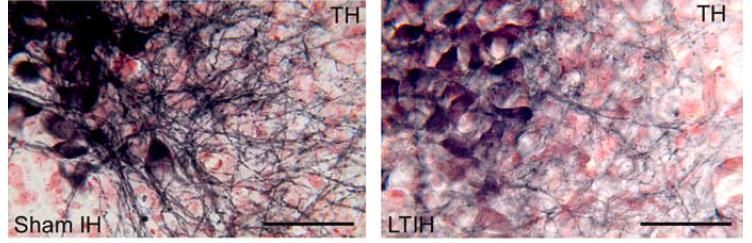
Sunosi Timeline

                                                                                                                                    FDA Approval
                                                                                Phase 3 data for          Long-term safety
    Acquired                                                                        EDS in                 & efficacy data
   worldwide                                                                     narcolepsy &                                                                U.S.
                                                                                                            presented at
  development,                                                                  OSA presented                                                               Launch
                                                                                                            SLEEP 2018
  manufacturing                                  Phase 3 studies                at SLEEP 2017
 and commercial                                  initiated in EDS
     rights*                                     in narcolepsy &
                                                                                                                                                  DEA
                                                        OSA                                    NDA submitted                                   Scheduling
                                                                                                                          EU MAA
                 Phase 2a and 2b                                                                                         submitted
                  data presented
                  at SLEEP 2014

      JAN               JUN                              JUN                            JUN        DEC          JUN          NOV        MAR        JUN        JUL
      2014              2014                             2015                           2017       2017         2018         2018       2019       2019       2019

 * Other than in certain jurisdictions in Asia where SK Biopharmaceuticals retains rights

                                                                                                                                                                     5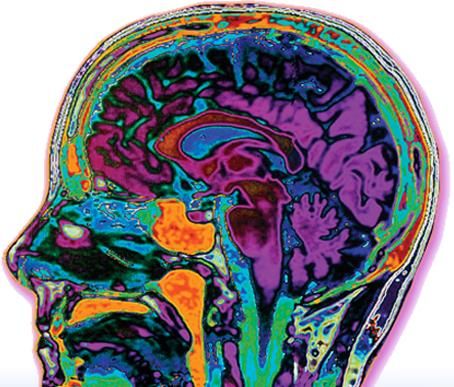
Excessive Daytime Sleepiness in
Narcolepsy
Michael J. Thorpy, M.D.
Director of the Sleep-Wake Disorders Center at Montefiore Medical Center
Professor of Neurology at Albert Einstein College of Medicine

Narcolepsy Overview

•   Narcolepsy prevalence in the U.S.
•   Sleep/Wake pathophysiology
•   Symptoms
•   Diagnostic criteria
•   Comorbidities associated with narcolepsy

TONES 2 and TONES 5 Clinical Trial Overview
• Solriamfetol Phase 3 clinical trial overview

                                                 7
Narcolepsy Remains an Underdiagnosed and Undertreated Disease

                                200,000

                                               ~165,000
                                150,000

                                100,000                                          Prevalence
                                                                                 Diagnosed

                                  50,000                               ~65,000

                                           0
                                                          Narcolepsy

Source: SHA Claims Data Jul 2010 to Mar 2015

                                                                                              8
Pathophysiology: Neurotransmitter Dysregulation
                                                                                   Hypocretin/Orexin: Wake Regulation
• Animal model studies of narcolepsy1 have                                           Cortex
     suggested that hypocretin loss leads to                                        +
     dysregulation of dopaminergic and noradrenergic
     neurons and may result in:                                                               Hypocretin
                                                                   Acetylcholine
   − Incomplete neuronal inhibition at night                        (BF)
                                                                                            +        +
                                                                                                                     +
   − Destabilized wakefulness during the day                         Histamine
                                                                     (TMN)                                                  Acetylcholine
                                                                                                                    +       (PPT; LDT)

                                                                     Dopamine
                                                                     (VTA)                                                 Norepinephrine
                                                                                                                           (LC)

                                                                      Serotonin
                                                                        (raphe)

                                                                                   Adapted from Scammell and Black, 2004

 1 Xie   X, et al. In: Narcolepsy and Hypersomnia; 2006:583-619.

                                                                                                                                       9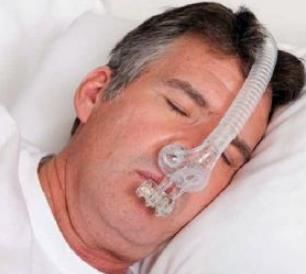
Narcolepsy

 •      Chronic neurologic disorder1
             − No known cure
             − Typical onset in childhood
             − Lifelong treatment is required
 •      Narcolepsy with cataplexy—caused by a
        selective loss of hypocretin neurons in the
        hypothalamus, which may be mediated via
        autoimmune mechanisms2
             − Hypocretin is believed to stabilize sleep/wake
               states
 •      Results from dysregulation of the sleep/wake
        cycle and the intrusion of sleep into
        wakefulness3

1 NationalInstitute of Neurological Disorders and Stroke (NINDS). Narcolepsy fact sheet. 2013. http://www.ninds.nih.gov/disorders/narcolepsy/detail_narcolepsy.htm#241193201; 2 Kornum BR, et al. Curr Opin Neurobiol.
2011;21(6):897-903; 3 Nishino S. Sleep Med. 2007; 8(4):373-399.
Image reprinted from Current Opinion in Neurobiology, vol 21/issue 6, Kornum BR, et al, Narcolepsy with hypocretin/orexin deficiency infections and autoimmunity of the brain, 897-903, Copyright 2011, with permission
from Elsevier.

                                                                                                                                                                                                                          10
Narcolepsy Symptoms
Excessive Daytime Sleepiness—Most Common Symptom of Narcolepsy
Narcolepsy is a chronic disorder that involves poor control of the sleep/wake cycle1-3
• Sleep intrudes into wakefulness
• EDS
• Cataplexy (muscle atonia typically associated Sleep Wake
with REM occurs during the day)
• Wakefulness intrudes into sleep
• Disrupted night time sleep
• Hypnagogic/hypnopompic hallucinations
• Sleep paralysis
Symptom Prevalence Within Narcolepsy Major Characteristics
EDS 100% • Chronic pervasive sleepiness
• Sleep attacks and inadvertent naps triggered by
irresistible overwhelming urges to sleep
Cataplexy ~70% • Triggered by strong emotions (e.g., laughter)
• Atonia (loss of muscle tone)
1 Houghton WC, et al. Sleep Med Rev. 2004;8(5):355-366; 2 Saper CB, et al. Trends Neurosci. 2001;24(12):726-731; 3 American Academy of Sleep Medicine (AASM). International Classification of Sleep Disorders. 3rd ed.
2014; 4 NINDS.
Narcolepsy fact sheet. July 18, 2013. http://www.ninds.nih.gov/disorders/narcolepsy/detail_narcolepsy.htm.
11Narcolepsy Diagnosis Criteria: ICSD-3 and DSM-5
ICSD-3 DSM-5
Narcolepsy Type 1 (narcolepsy with cataplexy) • EDS ≥ 3 times/week for past 3 months (required)
• Chronic EDS (daily for at least 3 months) and One of the following:
• Presence of one or both of the following: • Cataplexy (a few times per month) defined as:
− Cataplexy + mean sleep latency ≤ 8 minutes; 2 or − Hypocretin deficiency in CSF, with values ≤ 33%
more SOREMPs on MSLT; SOREMP preceding PSG (healthy subjects) or ≤ 110 pg/mL, not in context of
− CSF hypocretin-1 level is either ≤ 110 pg/mL or < 1/3 acute brain injury, inflammation, or infection
of mean values OR
− Nocturnal PSG showing REM sleep latency ≤ 15
Narcolepsy Type 2 (narcolepsy without cataplexy)1,2 minutes, or MSLT showing mean sleep latency ≤ 8
• Chronic EDS (daily—at least 3 months) minutes and 2 or more SOREMPs
• Mean sleep latency of ≤ 8 minutes + 2 or more
SOREMPs on an MSLT; SOREMP on preceding PSG
• Cataplexy absent
• CSF hypocretin-1 concentration not measured or CSF
hypocretin-1 level is > 110 pg/mL or > 1/3 mean values
• Hypersomnolence and/or MSLT findings not explained
by other causes
1 Patientsclassified as narcolepsy Type 2 that later develop cataplexy or should be reclassified as narcolepsy Type 1. 2 If CSF hypocretin-1 is tested later and found to be either ≤ 110 pg/mL or < 1/3 of mean normal control
values, then the patient should be reclassified as narcolepsy Type 1.
AASM. The International Classification of Sleep Disorders. 3rd ed. 2014. http://www.aasmnet.org/library/default.aspx.
12Medical Comorbidity in Narcolepsy:
Burden of Narcolepsy Disease (BOND) Study1
Objective: to evaluate medical comorbidity patterns in patients with a narcolepsy diagnosis in
the U.S.
Patients/Methods: retrospective medical claims data analysis identified individuals ≥18 years
of age with 1 diagnosis code for narcolepsy or continuously insured between 2006 and 2010,
and controls without narcolepsy matched 5:1 on age, gender, region, and payer*
Results: The final study group included 9312 subjects with narcolepsy and 46,559 controls
(each group: average age, 46.1 years; 59% female)
*Narcolepsy and control subjects were compared for frequency of comorbid conditions, identified by the appearance of >1 diagnosis code(s) mapped to a Clinical Classification System (CCS) level 1 category
any time during the study period, and on specific subcategories, including recognized narcolepsy comorbidities of obstructive sleep apnea (OSA) and depression.
1Black, J, et al. SleepMed. 2017; 33: 13-18.
13BOND Study: Narcolepsy Cohort Demonstrated Significantly Higher
Comorbidities Compared to Controls1
• The greatest comorbidities in the narcolepsy cohort was seen for
Diseases of the Diseases of the
Mental illness digestive nervous system
31.1% higher than system (excl narc)
controls 21.4% higher than 20.7% higher than
controls controls
• Diseases of the circulatory system had high prevalence in both narcolepsy and control
groups, but demonstrated excess prevalence of 16.6% in the narcolepsy group
1Black, J, et al. SleepMed. 2017; 33: 13-18.
14TONES 2 and TONES 5 CLINICAL DATA
TONES 21: A 12 Week Randomized, Placebo-controlled, Double-blind,
Parallel-group Study to Assess Efficacy and Safety of Solriamfetol (Narcolepsy)
          Screening             Randomization                                                                              Safety
            Phase                      ↓                                      Double-Blind Phase                         Follow-Up
                                                                                   Placebo (n=60)

                                                                              Solriamfetol 75 mg (n=60)

                                           Titration from
                                           75 to 150 mg
                                                                              Solriamfetol 150 mg (n=60)
                                           Titration from
                                           150 to 300 mg
                                                                              Solriamfetol 300 mg (n=60)

                    End of Week:                     1               4                                     8        12               14

                  -31 to -3           -1       4         7(-1, +2)   28 ± 3                                56 ± 3    84 ± 3           98 ± 3
                                                                                          Day
 •     Co-primary endpoints
        − Change from baseline to week 12 in mean sleep latency on 40-minute MWT
        − Change from baseline to week 12 in mean ESS score
 •     Key secondary endpoint
        − Percentage of patients reporting improvement on the Patient Global Impression of Change (PGI-C) at week 12
     1 ThorpyMJ, et al. Ann Neurol. 2019; 85(3):359-370.
     Note: numbers indicate safety population.

                                                                                                                                               16
Epworth Sleepiness Scale Score: Effects Observed as Early as Week 1
and Maintained over 12 weeks
Significant improvement from baseline to Week 12 in Improvement from Week 1 through Week 12 with
solriamfetol treatment groups (mITT Population)1 solriamfetol 150 mg (mITT Population)1
0 1 2 3 4 5 6 7 8 9 10 11 12
0 0
Week
LS Mean (SE) Change in ESS Score
LS Mean (SE) Change in ESS Score
-1 -1
-1.6
-2.2 -2.1
-2 -2
-2.7
From Baseline
-3
-1.6
-3
-3.4
-3.2 -3.3 -3.8*
-4
-4
-5 -3.8* -5.2*
-5 -5.6†
-5.5* -5.4†
-6
-6
-5.4†
-7
Placebo Solriamfetol Solriamfetol -7 ■ Placebo ■ Solriamfetol ■ Solriamfetol
75 mg 150 mg 75 mg 150 mg
1 Thorpy MJ, et al. Ann Neurol. 2019; 85(3):359-370. 2300 mg data not shown
*P < 0.05 and †P < 0.0001 vs placebo
17Maintenance of Wakefulness Test: Effects Observed as Early as Week 1
and Maintained over 12 weeks2
Significant improvement from baseline at Week 12 with Improvement from Week 1 through
solriamfetol 150 mg (mITT Population)1 Week 12 with solriamfetol 150 mg (mITT Population)1
12 9.8† 12
LS Mean (SE) Change in Mean Sleep Latency
10 10
LS Mean (SE) Change in Mean
10.3† 9.8†
9.2†
Sleep Latency on MWT
From Baseline, Minutes
8 8
4.7 6 5.6*
6 4.7
4.7
4 2.1 4
2.2 2.1
2 2 1.3
0 0
Placebo Solriamfetol Solriamfetol 0 1 2 3 4 5 6 7 8 9 10 11 12
75 mg 150 mg Week
■ Placebo ■ Solriamfetol ■ Solriamfetol
75 mg 150 mg
1Thorpy MJ, et al. Ann Neurol. 2019; 85(3):359-370. 2300 mg data not shown
*P < 0.05 and †P < 0.0001 vs placebo Negative change from baseline denotes improvement.
18Maintenance of Wakefulness Test: Effects Observed Across the Day
Solriamfetol 150 mg significantly increased sleep latency on MWT from
Trial 1 (1 hour) over approximately 9 hours after morning dosing1
15
LS Mean (SE) Change in Sleep Latency From
13
11.3*
11 9.5* 9.8* 9.3*
Baseline to Week 12, Min
9 9.9*
7 5.7 6.4
5 3.3
3.8
3.8 3.9
3 2.3 3.1
1.4
1
-0.6
-1
-3
-5
Trial 1 Trial 2 Trial 3 Trial 4 Trial 5
(1 Hour) (3 Hours) (5 Hours) (7 Hours) (9 Hours)
Placebo (n=58) Solriamfetol 75 mg (n=59) Solriamfetol 150 mg (n=55)
1Schweitzer PK et al. Sleep. 2018;41:A231; based on mITT Population. 2300 mg data not shown
*PTONES 51 Open-Label Phase: ESS Scores
Efficacy maintained throughout course of study with sustained reductions in mean ESS scores
25
20
17.3
ESS score, mean ± SD
15.9
15 15.2 13.2
11.4
10.6 10.0 10.5 11.1
10 8.2 8.3
7.6 7.9
Normative range
9.1
5 6.2 6.4 6.5 6.5
0
Baseline of Parent Last Assessment 2 14 27 40
Study Parent Study
Week
Overall (N=519) OSA (n=333) Narcolepsy (n=186)
1 Malhotra A et al. Sleep. 2018;41(abstract suppl.):A230. 2300 mg data not shown
20TONES 2 and TONES 3: Adverse Events
Safety Population includes 300 mg dose per Product Information
Narcolepsy OSA
Solriamfetol Solriamfetol
Placebo combined Placebo combined
Adverse event (n = 59) (n = 177) (n = 119) (n = 355)
Any adverse event, n (%) 27 (45.8) 121 (68.4) 57 (47.9) 241 (67.9)
Serious adverse event, n (%) 0 1 (0.6) 2 (1.7) 3 (0.8)
Adverse event leading to discontinuation, n (%) 1 (1.7) 9 (5.1) 4 (3.4) 26 (7.3)
Most common adverse events,1 n (%)
Headache 3 (5.1) 38 (21.5) 10 (8.4) 36 (10.1)
Nausea 1 (1.7) 19 (10.7) 7 (5.9) 28 (7.9)
Decreased appetite 1 (1.7) 19 (10.7) 1 (0.8) 27 (7.6)
Nasopharyngitis 3 (5.1) 16 (9.0) 8 (6.7) 18 (5.1)
Dry mouth 2 (3.4) 13 (7.3) 2 (1.7) 16 (4.5)
Anxiety 1 (1.7) 9 (5.1) 0 25 (7.0)
• Similar safety profile in narcolepsy and OSA and consistent with previous solriamfetol studies
1Reportedin ≥5% of participants in combined solriamfetol group for both narcolepsy and OSA.
Rosenberg R, et al. Presented at: Annual Meeting of the AMCP Nexus; October 22-25, 2018; Orlando, FL.
21Excessive Daytime Sleepiness in OSA Richard K. Bogan, MD, FCCP, FAASM President of Bogan Sleep Consultants, LLC Associate Clinical Professor, University of South Carolina School of Medicine
Obstructive Sleep Apnea Overview

 •   OSA prevalence in the U.S.
 •   Symptoms/consequences of OSA
 •   Current treatment options
 •   Excessive daytime sleepiness in OSA
 •   The burden of illness in OSA patients: Motor vehicle accidents, work-related
     accidents, and work productivity

 TONES 3 and TONES 5 Study Overview
 • Solriamfetol Phase 3 clinical trial overview

                                                                                    23
Estimated Prevalence – EDS in OSA
14 • Estimated 12M diagnosed
OSA patients in 2016 in
12 large U.S. health care
claims database1
10 1 • 44% of OSA patients (5.0M)
had evidence of CPAP use,
Millions
8 while 56% (6.4M) did not1
6 • 20% - 25% (~2.7M) of OSA
patients are estimated to
have EDS after primary
4 treatment2,3
• ~6% of OSA patients (720K)
2
had ≥ 1 EDS medication
prescription claim in a ~5
0 year claims database
OSA Prevalence Use of CPAP OSA Patients with Use of analysis4,5
EDS WPA/Stimulants
1 Won C, Hess G, Acquavella J, Bron M, Bujanover S, Villa KF. Poster presented at Annual meeting of the Academy of Managed Care Pharmacy. October 2018;
Orlando, FL; 2 Pagel, JF. Am Fam Physician. 2009; 79(5):391-396; 3 Young T, Palta M, Dempsey J, Skatrud J, Weber S, Badr S. N Engl J Med. 1993; 328:1230-5;
4 Ohayon MM, Profant J, Gibson SP, Scheckner B, Milesi C. Poster presented at: 32nd Annual Meeting of the Associated Professional Sleep Societies; June 2018;
Baltimore, MD; 5 Gasa et al, J Sleep Res. (2013) 22, 389–397
24Patients With OSA Present With A Variety of Signs and Symptoms
Consequences of OSA1
Obstructive sleep apnea
• Sleep fragmentation
• Hypoxemia
• Hypercapnia
• Changes in intrathoracic pressure
• Increased sympathetic activity
Clinical OSA Symptoms1
• EDS
• Snoring
• Interrupted breathing
• Awakenings due to gasping or
choking
1 Epstein LJ, et al. J Clin Sleep Med. 2009;5(3):263-276.
25Intermittent Hypoxia/Sleep Fragmentation Effects on Wake-Promoting
Regions of the Brain
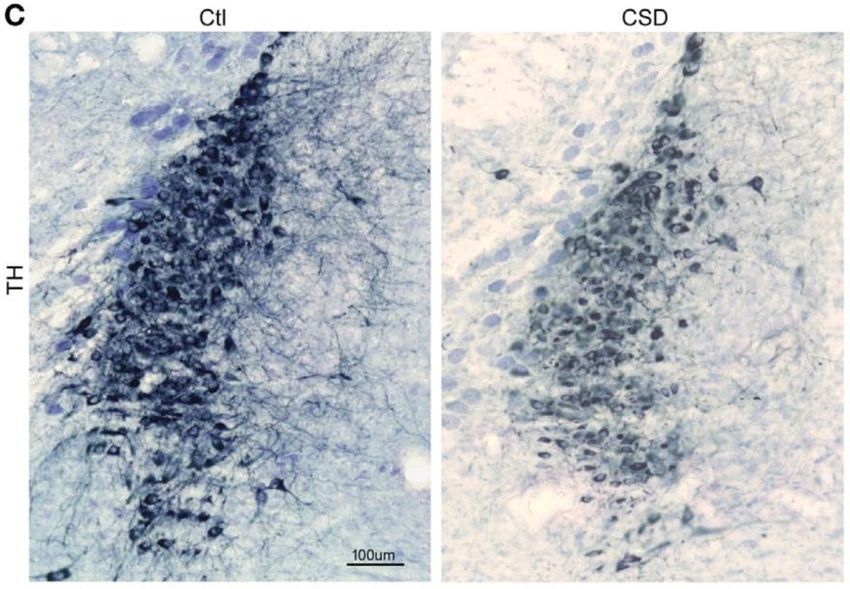
• Two leading and connected theories for EDS in OSA • In animal studies, isolated sleep fragmentation was
− chronic intermittent hypoxia associated with neuronal injury in wake-promoting regions of
− sleep fragmentation
the brain
− Animal models of OSA have been produced by exposing animals
• Based on animal data, chronic intermittent hypoxia can to several weeks of chronic sleep disruption (24 hr. day)1,2
lead to neuronal injury in wake-promoting regions of the − Models have shown significant reductions in catecholaminergic
brain1,2 axonal projections to the frontal cortex1, reduced locus coeruleus
− Mice exposed to LTIH showed significant damage neuron excitability1 and significant neuronal loss in wake-
to/reductions in noradrenergic and dopaminergic wake- promoting regions of the brain2
active neurons1
Control 8 weeks IH 14 week chronic
Control
sleep disruption
+ 4 week recovery
Loss of medial dendrites in locus coeruleus* was observed
in mice exposed to 8 weeks of IH compared to controls.
Chronic sleep disruption resulted in degeneration of
1 Zhu Y, et al. J Neuro. 2007;27(37):10060-10071; 2 Veasey S, et al. Sleep. 2004;27(2):194-201. *Locus coeruleus are locus coeruleus wake-activated neurons2
the norepinephrine-containing neurons in the brain.
26Current Treatments for OSA1
Current treatments1
Primary airway therapies
Continuous positive airway pressure (CPAP)
Bilevel positive airway pressure (BiPAP)
Autotitrating positive airway pressure (APAP)
Oral appliances
- Mandibular-repositioning appliances
- Tongue-retaining devices
Surgical procedures
Behavioral therapies
Weight loss
Exercise
Positional therapy
Avoidance of alcohol/sedatives before bedtime • CPAP therapy is a standard of care for the treatment of the
Adjunctive therapies upper airway in OSA1
Oxygen supplementation • EDS in OSA often persists despite optimized treatment of the
Bariatric surgery upper airway2
Drug therapies
• Airway therapies, such as CPAP, are associated with issues of
Wake promoting agents and stimulants
Topical nasal corticosteroids acceptance, adherence, and tolerability3
1 Epstein LJ, et al. J Clin Sleep Med. 2009;5(3):263-276. 2 Weaver TE, et al. Sleep. 2007; 30(6):711-719. 3 Weaver TE, et al. Proc Am Thorac Soc. 2008;5(2):173-178.
27Overview of EDS in OSA
EDS is common among individuals with OSA and can persist despite primary OSA therapy
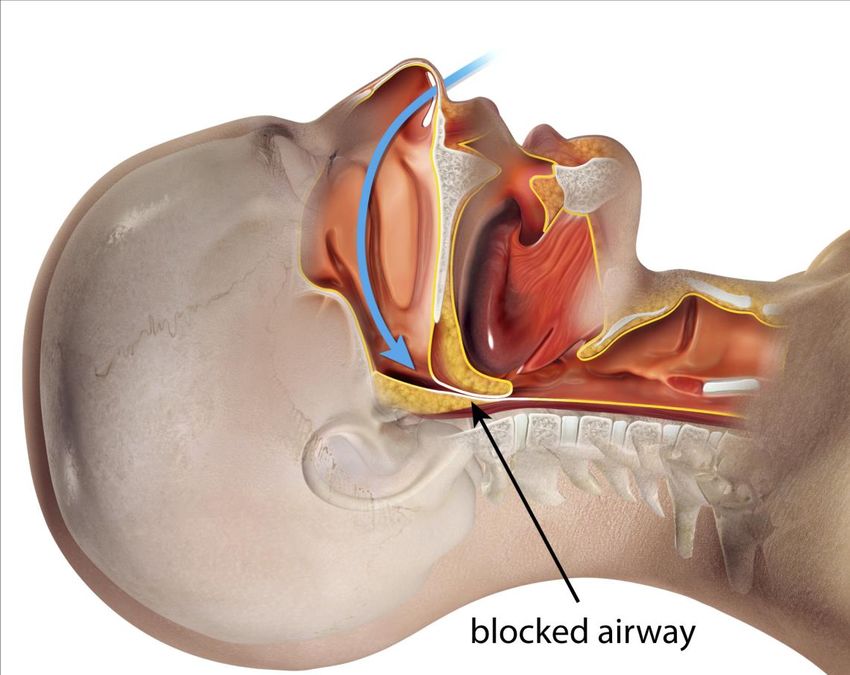
• OSA results from repeated collapse of the upper airway1
• OSA is one of the more common causes of EDS2
− OSA patients feel unrested and sleepy during the day and
− OSA patients may experience impairments in alertness, cognitive function, and quality of life3
• In a retrospective study, the prevalence of EDS before treatment was 87.2% by MSLT4, and
EDS has been shown to persist in 9 – 22% of patients following primary treatment5-8
• According to the American Academy of Sleep Medicine diagnostic criteria for OSA and the third
edition of the International Classification of Sleep Disorders, a diagnosis of OSA must include
positive polysomnography (PSG) findings. In addition, symptoms such as EDS may occur3,8
− Patients may present with a major complaint of EDS in many, but not all, cases9
− The severity of OSA—determined by the number of apnea/hypopnea events and/or the level of
oxygen desaturation8
1 YoungT, et al. N Engl J Med. 1993;328(17):1230-1235. 2 Ramar K, Guilleminault C. Sleep Med Clin. 2006;1:63-78. 3 Kapur VK, et al. J Clin Sleep Med. 2017;13(3):479-504. 4 Seneviratne U, Puvanendran K. Sleep
Med. 2004;5(4):339-343. 5 Gasa M, et al. J Sleep Res. 2013; 22(4):389-397. 6 Koutsourelakis I, et al. Eur Respir J. 2009;34(3):687-693. 7 Weaver TE, et al. Sleep. 2007;30(6):711-719. 8Pepin J-L, et al. Eur Respir J.
2009;33:1062-1067 9 American Academy of Sleep Medicine. The International Classification of Sleep Disorders – Third Edition (ICSD-3). 2014.
28Diagnostic Challenges of EDS in OSA
• EDS is one of the most common symptoms of OSA1,2
• Patients do not always present with EDS as a symptom; they may be more sleepy as rated by
objective measures compared with self-reported measures1,3
• At any level of CPAP compliance, the percentage of EDS is lower based upon subjective patient-
reported results from the ESS compared with objective results from the MSLT, suggesting patient
underrecognition4
• EDS may be difficult to distinguish from fatigue5
• Caffeine intake in OSA patients is higher than in participants without OSA6
• Current objective diagnostic tools, such as the MSLT and MWT, are not practical as screening
tools or for monitoring treatment1
• While subjective measures, such as the ESS, are inexpensive and convenient, they may not fully
capture the impairment of the sleepy patient,1 and are only weakly correlated with measures from
objective tests, such as the MSLT2
1Pagel JF. Am Fam Physician. 2009;79(5):391-396. 2 Dongol EM, Williams EJ. Curr Opin Pulm Med. 2016;22(6):589-594. 3 Ramar K, Guilleminault C. Sleep Med Clin. 2006;1:63-78. 4 Weaver TE, et al. Sleep.2007;30(6):711-
719. 5 Ruggles K, Hausman M. Wisc Med J. 2003;102(1):21-24. 6 Bardwell WA, et al. J Sleep Res. 2000;9(3):269-272.
29Meta-Analysis on Risk of MVA and Work-Related Accidents/Injuries in
OSA Patients
• Controlled studies assessing crash risk suggested OSA patients were • Studies evaluating the risk of work-related accidents in confirmed
2.43 times more likely to experience a MVA than individuals without OSA patients determined that workers with OSA were 1.78 (95%
OSA (P = 0.013)1 CI, 1.03-3.07) times more likely to have occupational accidents
than workers without OSA4
• Guidelines suggest thorough examination of high-risk drivers can
improve driving safety2,3 • Workers with various sleep problems, including those with OSA,
were 1.62 to 2.23 times more likely to be injured than workers
• Crash risk was increased among individuals with OSA compared to without sleep problems5,6
controls (random-effects meta-analysis)1
• Occupational driving accidents increased among individuals with
Study name Rate ratio and 95% Cl OSA compared to controls4
Mulgrew 2008 Odds ratio and 95% Cl
Barbe 2007
Study or Subgroup
Shiomi 2002 Jurado-Gamez 2015
Horstmann 2000
Accattoli 2008
Lloberes 2000
Findley 2000
Karimi 2013
George 2001
Stoohs 1994
Horstmann 2000
Haraldsson 1990
Findley 1988
Total Total
0.01 0.1 1 10 100
0.01 0.1 1 10 100
Reduced Increased Drivers Controls
Risk Risk
1 TregearS, et al. J Clin Sleep Med. 2009;5(6):573-581. 2 Strohl KP, et al. Am J Respir Crit Care Med. 2013;187(11):1259-1266. 3 Colvin LJ, Collop NA. J Clin Sleep Med. 2016;12(1):113-125. 4 Garbarino S, et al. Sleep.
2016;39(6):1211-1218. 5 Uehli K, et al. Sleep Med Rev. 2014;18(1):61-73. 6 Melamed S, Oksenberg A. Sleep. 2002;25(3):315-322.
30Impacts of EDS Associated With OSA on Work Productivity
Most Frequently Reported Impacts*
0 5 10 15 20 25 30 35 40
• 42 participants with EDS associated with
OSA underwent semi-structured 2-hour Ability to stay awake 69%
focus groups to evaluate how EDS impacts Difficulty completing detail-oriented tasks 52%
work productivity
Decreased work productivity 36%
• 90% reported current or previous EDS-
related work impacts Decreased ability to work when tired 29%
− Of those currently experiencing EDS-
Impaired driving for work 19%
related work impacts, 55% currently
used PAP and 17% currently used an Making mistakes at work 19%
oral device
Tensions with boss or coworkers 12%
− Nearly half of participants that currently
experienced work impacts slept an Late to work 10%
average ≥7 hours per night Negative disposition towards others in
10%
workplace
Number of participants (N = 42), %
Waldman LT, et al. Sleep 2018;41:A175
*Impacts reported by ≥10% of participants
31TONES 3 CLINICAL DATA
TONES 31: A 12 Week Randomized, Placebo-controlled, Double-blind,
Parallel-group Study to Assess Efficacy and Safety of Solriamfetol (OSA)
         Screening                                                                                                                                                                Safety
                                Randomization                                               Double-Blind Phase                                                                  Follow-Up
           Phase
                                      ↓
                                                                                                 Placebo (n=119)

                                                                                           Solriamfetol 37.5 mg (n=58)

                                                                                            Solriamfetol 75 mg (n=62)

                                          Titration from
                                          75 to 150 mg
                                                                                           Solriamfetol 150 mg (n=117)
                                          Titration from
                                          150 to 300 mg
                                                                                           Solriamfetol 300 mg (n=118)

                    End of Week:                     1                             4                                       8                                               12               14

                 -31 to -3            -1      4          7(-1, +2)                 28 ± 3                                  56 ± 3                                          84 ± 3           98 ± 3
                                                                                                        Day
 •    Co-primary endpoints
       − Change from baseline to week 12 in mean sleep latency on 40-minute MWT
       − Change from baseline to week 12 in mean ESS score
 •    Key secondary endpoint
       − Percentage of patients reporting improvement on the Patient Global Impression of Change (PGI-C)1 at week 12

1 Schweitzer   PK, et al. Am J Respir Crit Care Med. 2018 Dec 6. doi: 10.1164/rccm.201806-1100OC. [Epub ahead of print].
                                                                                                                               Note: numbers indicate safety population.                             33
ESS Score
Significant improvement from Baseline to Week 12 in Improvement observed from Week 1 through Week 12 with
all solriamfetol treatment groups (mITT Population)1 solriamfetol 150 mg (mITT Population)1
0
Week
0 1 2 3 4 5 6 7 8 9 10 11 12
-1 0
-2 -1
LS Mean (SE) Change
LS Mean (SE) Change
-2
From Baseline
-3 -2.6 -2.9 -3.3
From Baseline
-3
-4 -3.8
-3.3 -4 -4.4* -4.7* -4.7 -5.0*
-5 -5 -4.5* -4.8*
† -6 -6.3* -5.1*
-6 -5.1* -5.0 -5.5
†
†
-7 -6.1
-7 †
-8 -6.9
-8 †
-9 -7.7
†
-9 -7.7
Placebo (n = 114) Solriamfetol 37.5 mg (n = 56)
Placebo Solriamfetol Solriamfetol Solriamfetol
37.5 mg 75 mg 150 mg Solriamfetol 75 mg (n = 58) Solriamfetol 150 mg (n = 116)
Sample size: placebo, n=102; solriamfetol 37.5 mg, n=49; 75 mg, n=54; 150 mg, n=106; 300 Values are for the modified intent-to-treat population (n=344).
mg, n=94. Negative change from baseline indicates improvement.
1 SchweitzerPK, et al. Am J Respir Crit Care Med. 2018 Dec 6. doi: 10.1164/rccm.201806-1100OC. [Epub ahead of print]. 2300 mg data not shown
*P < 0.05 and †P < 0.0001 vs placebo
34Mean Sleep Latency on MWT
Significant improvement from Baseline at Week 12 in Improvement was observed from Week 1 through Week 12
solriamfetol treatment groups (mITT Population)1 with solriamfetol 75 and 150 mg (mITT Population)1
14 14
†
11.0
12 12 †
9.1† 12.2 11.7
†
11.0
†
From Baseline, Minutes
LS Mean (SE) Change
LS Mean (SE) Change
10 10 †
From Baseline
9.1
8 8 8.8*
4.7* 7.2*
6 6
4.7*
4 4 4.5*
4.2
2 0.2 2
1.2 0.2
0 0
Placebo Solriamfetol Solriamfetol Solriamfetol 0 1 0.4 2 3 4 5 6 7 8 9 10 11 12
37.5 mg 75 mg 150 mg Week
Placebo (n = 114) Solriamfetol 37.5 mg (n = 56)
Solriamfetol 75 mg (n = 58) Solriamfetol 150 mg (n = 116)
Values are for the modified intent-to-treat population (n=344).
1Schweitzer PK, et al. Am J Respir Crit Care Med. 2018 Dec 6. doi: 10.1164/rccm.201806-1100OC. [Epub ahead of print]. 2300 mg data not shown
*P < 0.05 and †P < 0.0001 vs placebo
35MWT Across the Day1
Solriamfetol at 75 and 150 mg Significantly Increased Sleep Latency on MWT
from Trial 1 Over 9 Hours after Single Morning Dose2
15
LS Mean (SE) Change From Baseline to
13 11.9* 11.5*
Week 12 In Sleep Latency, Min
11.3*
11
10.9* 9.0*
9 9.5* 8.1*
8.9* 7.8*
7 6.9*
6.1
5 5.8*
3.6
3.6
3 3.0
1.3
1 0.6
0.2
-1 -0.4 -0.4
-3
Trial 1 Trial 2 Trial 3 Trial 4 Trial 5
(1 Hour) (3 Hours) (5 Hours ) (7 Hours) (9 Hours)
Placebo (n=114) Solriamfetol 37.5 mg (n=56) Solriamfetol 75 mg (n=58) Solriamfetol 150 mg (n=116)
1Schweitzer PK, et al. Am J Respir Crit Care Med. 2018 Dec 6. doi: 10.1164/rccm.201806-1100OC. [Epub ahead of print]. 2 300 mg data not shown
*P < 0.05
36CPAP Adherence vs. Nonadherence1: MWT
Compared to Placebo, Solriamfetol Produced Similar Improvement in Mean Sleep Latency on MWT
Regardless of Adherence to Primary OSA therapy (mITT population)2,3,4
15
* *
LS Mean (SE) Change From Baseline to Week 12
* *
10
*
5
0
-5
Placebo Solriamfetol 37.5 mg 75 mg 150 mg
(n=80) (n=34) (n=39) (n=17) (n=42) (n=16) (n=80) (n=36)
Adherent Nonadherent
*PTONES 2 and TONES 3: Adverse Events
Safety Population includes 300 mg dose per Product Information
Narcolepsy OSA
Solriamfetol Solriamfetol
Placebo combined Placebo combined
Adverse event (n = 59) (n = 177) (n = 119) (n = 355)
Any adverse event, n (%) 27 (45.8) 121 (68.4) 57 (47.9) 241 (67.9)
Serious adverse event, n (%) 0 1 (0.6) 2 (1.7) 3 (0.8)
Adverse event leading to discontinuation, n (%) 1 (1.7) 9 (5.1) 4 (3.4) 26 (7.3)
Most common adverse events,1 n (%)
Headache 3 (5.1) 38 (21.5) 10 (8.4) 36 (10.1)
Nausea 1 (1.7) 19 (10.7) 7 (5.9) 28 (7.9)
Decreased appetite 1 (1.7) 19 (10.7) 1 (0.8) 27 (7.6)
Nasopharyngitis 3 (5.1) 16 (9.0) 8 (6.7) 18 (5.1)
Dry mouth 2 (3.4) 13 (7.3) 2 (1.7) 16 (4.5)
Anxiety 1 (1.7) 9 (5.1) 0 25 (7.0)
• Similar safety profile in narcolepsy and OSA and consistent with previous solriamfetol studies
in ≥5% of participants in combined solriamfetol group for both narcolepsy and OSA.
1 Reported
Rosenberg R, et al. Presented at: Annual Meeting of the AMCP Nexus; October 22-25, 2018; Orlando, FL.
38Sunosi Label Overview and Product Development Lawrence Carter, Ph.D. Executive Director, Global Development Lead, Solriamfetol, Jazz Pharmaceuticals
SunosiTM (solriamfetol) tablets for oral use, C-IV

 Approved March 20, 2019

 SUNOSI is a dopamine and norepinephrine reuptake inhibitor (DNRI) indicated to improve
 wakefulness in adult patients with excessive daytime sleepiness associated with narcolepsy or
 obstructive sleep apnea (OSA).

 Dosage in Narcolepsy
 Initiate SUNOSI at 75 mg once daily in adults with narcolepsy. The recommended dose range for SUNOSI
 is 75 mg to 150 mg once daily. Based on efficacy and tolerability, the dosage of SUNOSI may be doubled
 at intervals of at least 3 days. The maximum recommended dose is 150 mg once daily. Dosages above
 150 mg daily do not confer increased effectiveness sufficient to outweigh dose-related adverse reactions.

 Dosage in OSA
 Initiate SUNOSI at 37.5 mg once daily in adults with OSA. The recommended dosage range for SUNOSI is
 37.5 mg to 150 mg once daily. Based on efficacy and tolerability, the dosage of SUNOSI may be doubled at
 intervals of at least 3 days. The maximum recommended dosage is 150 mg once daily. Dosages above
 150 mg daily do not confer increased effectiveness sufficient to outweigh dose-related adverse reactions.

                                                                                                             40
SunosiTM (solriamfetol) tablets for oral use, C-IV
SUNOSI contains solriamfetol, a Schedule IV controlled substance. SUNOSI has potential for abuse.
Physicians should carefully evaluate patients for a recent history of drug abuse, especially those with a history of
stimulant (e.g., methylphenidate, amphetamine, or cocaine) or alcohol abuse, and follow such patients closely,
observing them for signs of misuse or abuse of SUNOSI (e.g., incrementation of doses, drug-seeking behavior).
Limitations of Use
SUNOSI is not indicated to treat the underlying airway obstruction in OSA. Ensure that the underlying airway
obstruction is treated (e.g., with CPAP) for at least one month prior to initiating SUNOSI for excessive daytime
sleepiness. Modalities to treat the underlying airway obstruction should be continued during treatment with
SUNOSI. SUNOSI is not a substitute for these modalities.
Contraindications
SUNOSI is contraindicated in patients receiving concomitant treatment with monoamine oxidase (MAO) inhibitors or
within 14 days following discontinuation of MAO inhibitor, because of the risk of hypertensive reaction.
41SunosiTM (solriamfetol) tablets for oral use, C-IV
Warnings and Precautions
Blood Pressure and Heart Rate Increases
• SUNOSI increases systolic blood pressure, diastolic blood pressure, and heart rate in a dose-dependent
fashion. Epidemiological data show that chronic elevations in blood pressure increase the risk of major
adverse cardiovascular events (MACE), including stroke, heart attack, and cardiovascular death. The
magnitude of the increase in absolute risk is dependent on the increase in blood pressure and the
underlying risk of MACE in the population being treated. Many patients with narcolepsy and OSA have
multiple risk factors for MACE, including hypertension, diabetes, hyperlipidemia, and high body mass index
(BMI).
• Assess blood pressure and control hypertension before initiating treatment with SUNOSI. Monitor blood
pressure regularly during treatment and treat new-onset hypertension and exacerbations of pre-existing
hypertension. Exercise caution when treating patients at higher risk of MACE, particularly patients with
known cardiovascular and cerebrovascular disease, pre-existing hypertension, and patients with advanced
age. Use caution with other drugs that increase blood pressure and heart rate.
• Periodically reassess the need for continued treatment with SUNOSI. If a patient experiences increases in
blood pressure or heart rate that cannot be managed with dose reduction of SUNOSI or other appropriate
medical intervention, consider discontinuation of SUNOSI.
• Patients with moderate or severe renal impairment could be at a higher risk of increases in blood pressure
and heart rate because of the prolonged half-life of SUNOSI.
42SunosiTM (solriamfetol) tablets for oral use, C-IV
Warnings and Precautions
Psychiatric Symptoms
• Psychiatric adverse reactions have been observed in clinical trials with SUNOSI, including anxiety,
insomnia, and irritability.
• Exercise caution when treating patients with SUNOSI who have a history of psychosis or bipolar
disorders, as SUNOSI has not been evaluated in these patients.
• Patients with moderate or severe renal impairment may be at a higher risk of psychiatric symptoms
because of the prolonged half-life of SUNOSI.
• Observe SUNOSI patients for the possible emergence or exacerbation of psychiatric symptoms.
Consider dose reduction or discontinuation of SUNOSI if psychiatric symptoms develop.
43Solriamfetol: Opportunities Being Explored Beyond Narcolepsy & OSA
Excessive Daytime Sleepiness Can Be Debilitating in Multiple Conditions
EDS in Major
Geographic Depressive
EDS in Other Novel Potential
OSA or Expansion Disorder
MAA submission Nov 2018; Opportunities
Narcolepsy Canada NDS submission Unmet need; program
EDS in other Sleep/CNS
planned late 2019 in discussion
disorders
with regulatory
agencies
44Launch Initiatives
Mike Miller
Executive Vice President, U.S. Commercial
45Sunosi Commercially Available in U.S. Week of July 8, 2019
DEA scheduling June 17 | Product labeling/packaging completed in June | Sunosi shipped to wholesalers in July
Salesforce
FDA Shipped to Begins
Approval Wholesalers Calling on
DEA Available at
HCPs
Scheduling Pharmacies
March June July Week of Week of
20 17 2 July 8 July 8
46From Manufacturer to Patient
Jazz
Recognizes
3PL Revenue When Retail
Received at Pharmacies
Wholesalers
3PL Holds Product
until Wholesalers
Wholesalers
Order
Patient
(Rx Filled)
47Narcolepsy Opportunity
Orphan Condition Remains Largely Under Diagnosed
165,000 Diagnosed, Majority of narcolepsy patients
patients with 39% diagnosed and drug-treated are
Undiagnosed,
narcolepsy 61% treated with stimulants or WPAs
Source: SHA Claims Data Jul 2010 to Mar 2015
48OSA Opportunity
Larger Population But Very Low Drug Treatment Rate
~12M diagnosed; 6% drug treatment rate
CPAP
Treated
Non-
CPAP
Treated
Drug
Treated
Source: Won C, Hess G, Acquavella J, Bron M, Bujanover S, Villa KF. Poster presented at Annual Meeting of the Academy of Manage Care Pharmacy, October 2018.
49Launch Initiatives
Educate Healthcare Empower Enable Patient
Providers Patients Access
50Stimulant/Wake-Promoting Agent Payer Landscape
Dominant Payer Type is Commercial
Commercial
~68%
~29%
Medicare/Medicaid
3%
Other
Source: SHA Diagnosis and Pharmacy claims for 1Q16-4Q17
51Traditional Stimulants Are the Most Commonly Prescribed OSA Medication
Percentage of OSA Patients on Class of TS/WPA Treatment
Generic Name FDA Approval Status Schedule
Traditional Wake Promoting Agents
Stimulants Modafinil Approved for ES in OSA,
+ WPA Narcolepsy, Shift Work IV
Armodafinil Disorder
7% Traditional Stimulants
Wake- Amphetamine salts/
promoting Approved for Narcolepsy II
Dextroamphetamine
Agents 24% without any study data
Methylphenidate (grandfathered) II
Approved for ADHD &
Methamphetamine II
Obesity
69%
Dexmethylphenidate Approved for ADHD II
Traditional
Approved for ADHD & Binge
Stimulants Lisdexamfetamine II
Eating Disorder
Source: SHA claims data for 60 months from Jan 2014 to Dec 2018. Patients assigned a disease category if they have two diagnosis claims for those diseases in the 60 months of data.
Total WPA / TS patients N = 670,683
52Nearly 50% of OSA Patients with EDS Fail One or More Traditional
Stimulants or Wake-Promoting Agents
Failed 1 agent
(25%)
Never Failed
(53%)
Failed 2 agents
(12%)
Failed 3+
agents
(10%)
Source: SHA medical (Dx) claims for 60 months from Jan 2014 to Dec 2018; A maximum grace period of 90 days between successive claims was used to define a patient restart;
Regimens of low duration, i.e. < 25 days in length, are not included in the analysis
53Healthcare Provider Disease Education
• Educate healthcare providers that EDS in OSA is a
serious neurological condition
− EDS in OSA pathophysiology
− Burden of EDS on patients
− Need for Rx therapy for EDS
• EDS Screening Toolkit
• Robust Congress Presence
• ATS, SLEEP, U.S. Psych Congress, ANA, CHEST, AAN
• Live National Disease Awareness Broadcasts
• Have reached more than 1,200 clinicians who treat
OSA patients through live educational programs at key
congresses and virtual broadcasts in 1H19
54Consumer Disease Awareness
• Raise awareness and urgency for patients suffering from EDS
due to OSA
− EDS related to OSA is a real medical condition
− Encourage people to self-identify
− Empower people to take action and speak to their doctor
− In 1Q19, the campaign reached more than 5 million unique
individuals
55Sunosi Core Messages
Differentiated
Efficacy Safety
Mechanism
Profile
of Action
Onset of Action, Long Term EDS in OSA pathophysiology Schedule Long-term
Duration of Effect Efficacy and Sunosi MOA IV—low safety
and Meaningful (Inhibits the reuptake abuse
Improvement of dopamine and potential
In Wakefulness norepinephrine)
56Targeted Prescriber Audience
Opportunity to Leverage Existing Relationships; Sleep Salesforce Expanded from 93 to 143 Territories
~10,000 physicians manage
OSA patients
~1,500 physicians
manage narcolepsy
patients
Pulmonologist Sleep Specialist
~10,000 ~5,500 ~1,500
Psychiatrist Primary Care Neurologist
Physician
~5,500 physicians manage
narcolepsy and OSA patients
Pulmonologists and Sleep Specialists
manage the majority of OSA diagnosed
patient population
57The Top 5 Commercial PBMs and Payers Cover
Approximately 75% of Lives
• Marketplace
consolidation has
% Commercial Lives Contribution resulted in the top 5
commercial PBMs and
payers covering
ESI/Cigna
approximately 75% of
21% lives
CVS/Aetna
27%
• Most payers and PBMs
United/OptumRx exclude new retail Rx
products from
Prime/HCSC formulary at launch
20%
9%
Anthem • Few commercial plans
have ‘open’
9% All Other formularies, limiting
15% initial access to new
products
Source: Managed Markets Insights and Technology, LLC (MMIT), data current as of 2Q19
58Robust Patient Services Programs at Launch
Focus on Ensuring Commercial Patient Access
Sample Prior Authorization Savings
Programs Support Programs
59Sunosi Key Performance Indicators
Measurement of Launch Success
Customer
Performance Market Access
Engagement
Customer
Source of Business Market Pulse
Awareness
60Financial Update Matt Young Executive Vice President and Chief Financial Officer
Sunosi Price and GTN Makeup
GTN Quarterly Variability Based on Payer Mix

                  75 mg and 150 mg Tablets
           WAC = $660 for 30-day supply for both doses
                                                             GTNs are
                                                          estimated to be
                   GTNs Consist of:                         higher in the
                   Commercial Contracting                  near-term until
                   Wholesaler Fees
                   Government Contracting/Rebates
                                                            steady-state
                   Estimated Returns                        commercial
                   Patient Services Programs             coverage obtained

                             Reported
                             Net Sales

                                                                             62
Projected U.S. Launch Curve - OSA & Narcolepsy Only
Drivers to Achieve 2025 Projected Net U.S. Sales of $500M+
Near-Term Drivers
• 2019 Minimal Revenues
• OSA Tx Rate 6%1
• Focus on HCP education to benefit OSA Tx
• Focus on Increasing Commercial Covered Lives
• Higher GTNs due to Patient Services Programs
• Activate Consumer Awareness (Anticipated in 2020
Pending Formulary Coverage) Longer-Term Drivers
• OSA Dx Growth Rate (Low-to-Mid Single Digit %) • OSA Tx Rate Increasing to Mid-Teen % (2025)
• Disease Awareness to Expand Diagnosis
• Continued Consumer Awareness
• GTNs Trending Lower/Stabilized
• Increasing OSA Market Share—Goal Mid-High Teen % (2025)
• OSA Dx Growth Rate (Low-to-Mid Single Digit %)
Illustrative only
2019 2020 2021 2022 2023 2024 2025
1Source: Diagnosed Prevalence; SHA claims data (2017), Projected 2019 data based on Jazz assumptions
63Appendix
Metrics Summary

                        Metric                                                 At Launch (2019)                               2025 Goal
                        OSA Tx Rate                                                          6%1                              Mid-teen %
                        OSA Market Share                                                     0%                           Mid-to-high teen %
                        Patient Drug
                                                                                  ~6 months/year
                        Consumption
                        Annual OSA Diagnosis
                                                                                                          Low-to-mid single digit %
                        Growth Rate

 1Source:   Diagnosed Prevalence; SHA claims data (2017), Projected 2019 data based on Jazz assumptions

                                                                                                                                               66
CPAP Compliance vs Non-Compliance in Solriamfetol TONES 3 Study
Defined as:
• Compliant use of a primary OSA therapy will be defined as use of ≥ 4 hours per night on
≥ 70% of nights (≥ 5 of 7 nights/week) for subjects who use a device from which hourly usage
data can be extracted.
• Compliant use of a primary OSA therapy will be defined as ≥ 70% of nights (≥ 5 of 7
nights/week) by historical report (with investigator concurrence) for subjects who use a
device for which usage data cannot be retrieved.
• Receipt of a surgical intervention for OSA symptoms that is deemed to be effective will also
be considered compliant use of a primary OSA therapy
• Non-compliant use of a primary OSA therapy will be defined as use at a frequency or
duration less than that described above, or receipt of a surgical intervention that is no longer
effective in the absence of compliant use of another primary OSA therapy.
67Glossary of Abbreviations
3PL = Third Party Logistics LS = Least Squares
AAN = American Academy of Neurology MAA = Marketing Authorization Application
ADHD = Attention Deficit Hyperactivity Disorder MACE = Major Adverse Cardiovascular Event
AMCP = Academy of Managed Care Pharmacy MAO = Monoamine Oxidase
ANA = American Neurological Association MDD = Major Depressive Disorder
APAP = Auto-titrating Positive Airway Pressure MITT = Modified Intention to Treat
ATS = American Thoracic Society MOA = Mechanism of Action
BiPAP = Bi-level Positive Airway Pressure MSLT = Multiple Sleep Latency Test
BF = Basal Forebrain MVA = Motor Vehicle Accidents
BMI = Body Mass Index MWT = Maintenance of Wakefulness Test
BOND = Burden of Narcolepsy Disease Study NDA = New Drug Application
CHEST = American College of Chest Physicians NDS = New Drug Submission
CI = Confidence Interval OSA = Obstructive Sleep Apnea
CNS = Central Nervous System PAP = Positive Airway Pressure
CPAP = Continuous Positive Airway Pressure PBM = Pharmacy Benefit Manager
CSF = Cerebrospinal Fluid PGI-C = Patient Global Impression of Change
DEA = U.S. Drug Enforcement Agency PPT = Pedunculopontine Nucleus
DNRI = Dopamine Norepinephrine Reuptake Inhibitor PSG = Polysomnography
DSM-5 = Diagnostic and Statistical Manual of Mental Disorders, 5th Edition REM = Rapid Eye Movement
Dx = Diagnosis Rx = Prescription
EDS = Excessive Daytime Sleepiness SD = Standard Deviation
ES = Excessive Sleepiness SE = Standard Error
ESS = Epworth Sleepiness Scale SHA = Symphony Health
EU = European Union SLEEP = Sleep Research Society Annual Meeting
FAASM = Fellow of the American Academy of Sleep Medicine SOREMP = Sleep Onset REM Period
FCCP = Fellow of the American College of Chest Physicians TONES = Treatment of Obstructive Sleep Apnea and Narcolepsy Excessive
FDA = U.S. Food and Drug Administration Sleepiness
GTN = Gross-To-Net TMN = Tuberomammillary Nucleus
HCP = Healthcare Professional TS = Traditional Stimulants
ICSD-3 = International Classification of Sleep Disorders-Third Edition Tx = Treatment
IH = Intermittent Hypoxia VTA = Ventral Tegmental Area
LC = Locus Coeruleus WAC = Wholesale Acquisition Cost
LDT = Laterodorsal Tegmental Nucleus WPA = Wake Promoting Agent
LTIH = Long-term Intermittent Hypoxia
68You can also read


