Pain Management Devices: Coexist or Supplant OTC Pain Medicines? - Kline & Company
←
→
Page content transcription
If your browser does not render page correctly, please read the page content below
Pain Management Devices: Coexist or
Supplant OTC Pain Medicines?
TABLE OF CONTENTS
Introduction .......................................................... 1.
Patients look “beyond the pill” for pain relief......... 2.
New technologies to keep an eye on ................... 2.
Market growth drivers and trends.......................... 4.
TENS Brand Examples: Icy Hot and Aleve........... 5.
Retail landscape.................................................... 7.
Device business model mimics razors.................. 9.
Conclusions............................................................10.

Introduction
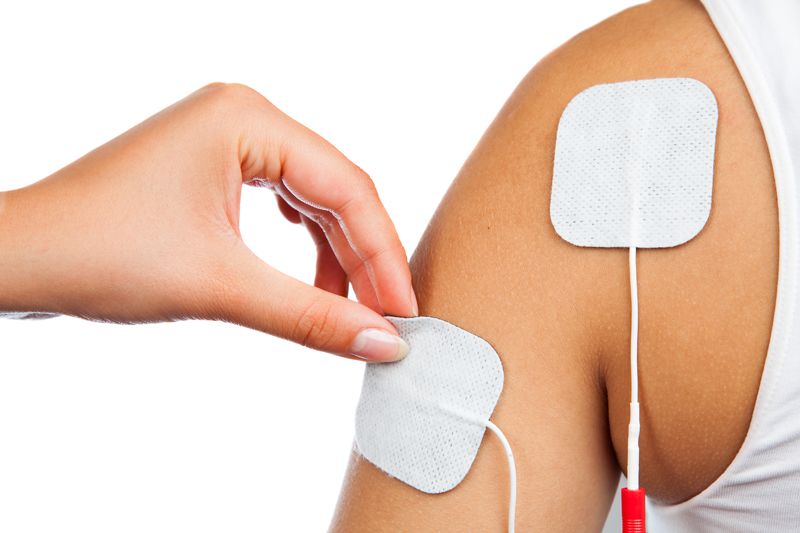
Pain management devices are increasingly used to                             has been used for over 50 years by healthcare profes-
treat chronic pain by consumers at home, having had                          sionals. However, the market is witnessing an evolu-
prior healthcare professional (HCP) history of use,                          �on of at-home TENS device use due to the retail
largely from chiropractors and physical therapists.                          introduc�on of products like Icy Hot Smart Relief TENS
These devices are used to treat body pain and include                        Therapy by Sanofi and Aleve Direct Therapy TENS
muscle and joint pain, but exclude devices for head-                         Device by Bayer. Now that major pharmaceu�cal
ache, menstrual, or rheumatoid arthri�s/autoimmune                           companies have entered this space and brought such
pain.                                                                        technologies to the mass retail market supported by
                                                                             significant adver�sing and promo�onal budgets,
There are two major forces at play that make the                             several ques�ons arise:
emerging pain management devices market a�rac-
�ve. First, consumers are increasingly incorpora�ng                              Will these devices grow at a faster pace with
technology, wearable devices, and gadgets into their                         increased mass retail presence?
everyday lives, which means consumer interest in                                 Will other large consumer healthcare companies
these devices is being transformed from novel�es to                          enter this market?
more mainstream solu�ons for pain. Second, people                                Will these devices have a nega�ve impact on sales
around the world are living longer than ever before.                         of OTC analgesics or can they coexist?
Longer lifespans translate into an increased incidence
of pain and therefore, a growing need to prevent and                         In this paper, Kline, in partnership with IRI, will answer
alleviate such pain.                                                         these ques�ons, drawing on findings from Kline’s
                                                                             recently published study Pain Management Devices:
Pain management devices are not new as transcuta-                            Global Market Analysis and Opportunities.
neous electrical nerve s�mula�on (TENS) technology
www.klinegroup.com                                                                                                         © 2017 Kline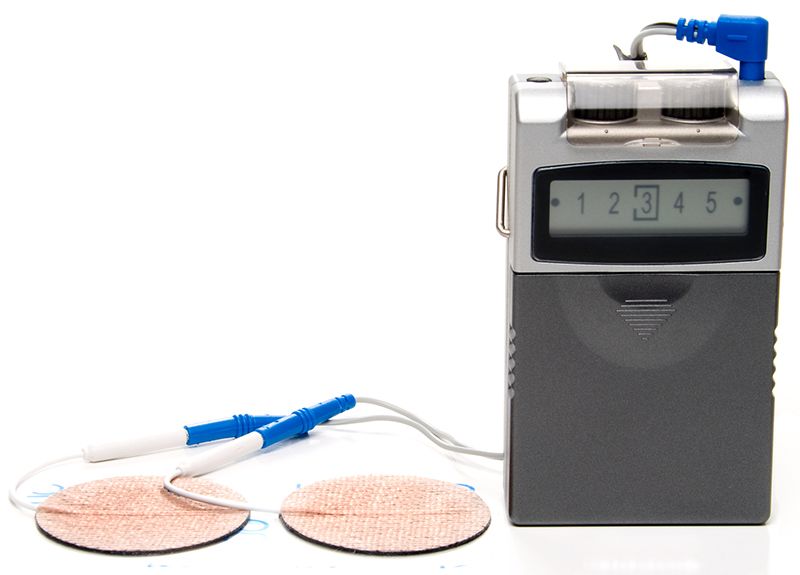
Patients look “beyond the pill” for pain relief

An es�mated 100 million Americans (or 1 in 3 adults)        pain and reduced quality of life. At the same �me,
suffer from chronic pain, and about 50% of these             there is a crisis in America over addic�on to prescrip-
consumers are not sa�sfied with current treatments,          �on opiates and concerns about the risk of dependen-
according to research recently conducted by Kline.          cy when taking prescrip�on pain medica�ons on a
These consumers tend to buy pain management                 long-term basis. Consumers are also concerned about
devices from direct channels and online because they        long-term side effects associated with common OTC
are seeking new technologies and products that will         pain medica�ons, including risks of stomach and liver
work for them. Condi�ons such as arthri�s, fibromyal-        damage. These trends have lead chronic pain sufferers
gia, scia�ca, and neuropathy associated with diabetes       to seek non-drug alterna�ves, such as pain manage-
are just some of the condi�ons that result in chronic       ment devices.

New technologies to keep an eye on
In the pain management devices market, there are            Light-based devices include those that use LED light,
three large groups of device classifica�ons:                 infrared light, low level light lasers, and polarized
                                                            medical light. There are many suppliers offering LED
1. Those that work by nerve s�mula�on or pulses             light devices for an�-aging and acne because of the
(TENS)                                                      rela�ve ease of gaining cosme�c device clearance
2. Those that use light to relieve pain                     compared to medical devices. However, LED light
3. Those that deliver heat to treat pain                    therapy helps release nitric oxide from cells which
                                                            actually promotes healing on a cellular level, as
All TENS devices deliver pulses and heat which inter-       opposed to just interfering with pain signals sent to
feres with nerves’ transmi�al of pain signals to the        the brain as TENS devices do. Light-based devices
brain, thus mi�ga�ng the percep�on of pain. The             recorded the highest growth of all market segments
pulses and heat delivered through TENS units are also       researched at 18.0% due to growing consumer aware-
said to s�mulate blood flow to the area which                ness and expanded distribu�on for these devices.
promotes healing and can help the body release
endorphins.
                     Popular Light-based Pain Management Devices

    Bioptron Light Therapy                          Willow Curve                 Revive Pain Relief LED Light Therapy

                                                        2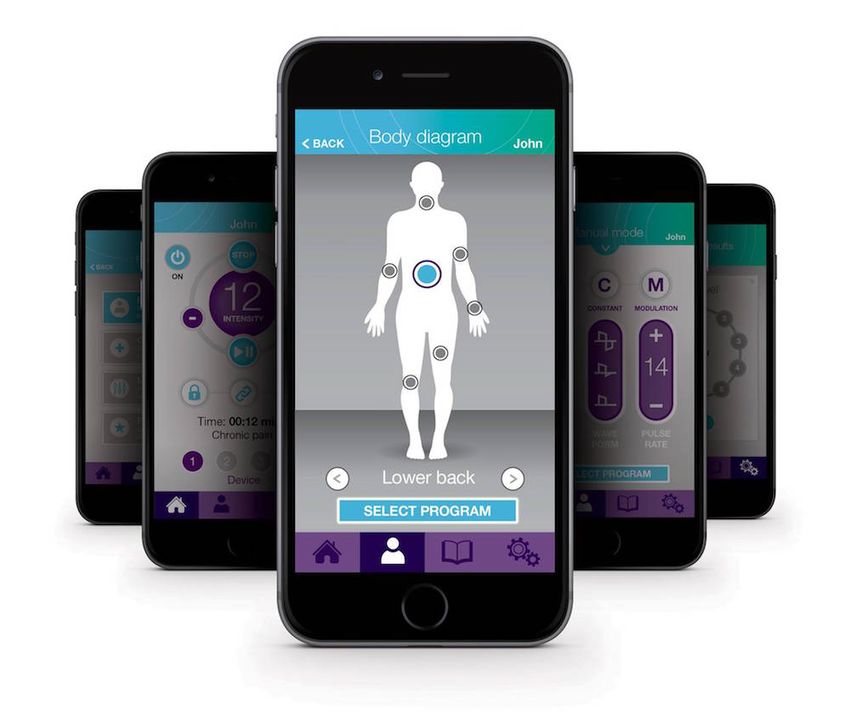
2

According to the U.S. FDA, cosme�c devices are used to          conduct clinical trials, gain FDA approval, launch, and
improve appearance and do not impart any health                 sustain sales of a polarized medical light device. It is
benefits. The FDA classifies medical devices into three           likely that only very large companies with deep pockets
classes based on the risks associated with the device.          would be able to pursue medical device classifica�on
Class I devices are deemed to be low risk and are there-        for such a device. Because of high costs of development
fore subject to the least regulatory controls. For exam-        and manufacture of such devices, polarized medical
ple, dental floss is classified as Class I device. Class II       light devices would need to be sold at rela�vely high
devices are higher risk devices than Class I and require        retail prices and therefore would most likely be sold via
greater regulatory controls to provide reasonable               direct channels and HCP offices rather than mass retail-
assurance of the device’s safety and effec�veness. For           ers. A new polarized medical light device for pain man-
example, condoms are classified as Class II devices.             agement, wound healing, or other indica�ons could
Class III devices are generally the highest risk devices        mean improved quality of life for chronic pain sufferers
and are therefore subject to the highest level of regula-       and could seek coverage by insurers. However, these
tory control. Class III devices must typically be               devices, given their high retail prices and appeal to only
approved by FDA before they are marketed. For exam-             those with chronic pain, are not likely to be major
ple, replacement heart valves are classified as Class III        market disrupters for OTC pain medica�ons.
devices. Most of the devices discussed here are class II
or class III medical devices.                                   The therapeu�c effects of heat devices include increas-
                                                                ing the elas�city of collagen �ssue, decreasing joint
Substan�al research has been done on the use of                 s�ffness, reducing pain, relieving muscle spasms,
light-based devices for various condi�ons, not just for         reducing inflamma�on, aids in the post-acute phase of
pain treatment. Scien�sts at NASA have studied the use          healing, and increasing blood flow.
of LED light for years and its effects on trea�ng blind-
                                                                      Hea�ng pads have become a commodity prod-
ness, macular degenera�on of the eye, and trea�ng
                                                                      uct with 50% of the market being private-label
side effects in cancer pa�ents caused by chemotherapy
                                                                      products.
and radia�on treatments, among others. Research on
the effec�veness of polarized medical light shows that                 Growth is slow at 2.0% with low innova�on. The
consumers feel that these devices were effec�ve for                    FDA defines hea�ng pads as pads containing
pain relief and other condi�ons. Devices that deliver                 electrical hea�ng elements with a removable
polarized medical light penetrate deep into the body                  fabric cover.
and actually s�mulate the body to heal itself. They have              They usually operate from household current
also been studied for their ability to help wound healing             and can be used to heat and treat sore muscles
and early results in this area are promising.                         or joints.
                                                                      Popular brands include SunBeam (Jarden
Significant financial investment would be required to                   Consumer Products) and So� Heat (Kaz).

                                                            3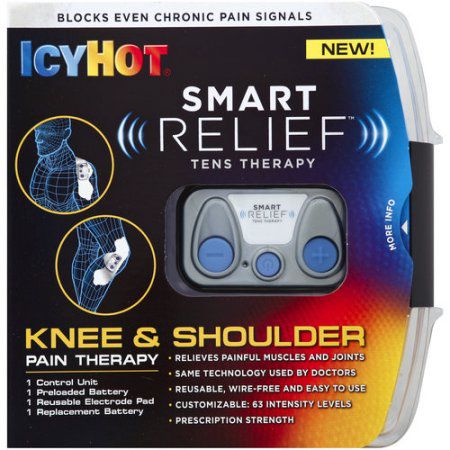
Market growth drivers and trends
Sales of pain management devices in the United              arthri�s, joint pain, or back pain, and who want to
States recorded strong growth of 12.0% in 2016,             limit the amount of medica�on taken. According to
which was much higher than OTC general pain reliev-         Kline’s a�tudes and usage survey, U.S. healthcare
ers that grew by just 0.9%. Topical analgesics soared       professionals claim that among people suffering from
15.8% in 2016 on the popularity of lidocaine line           pain, over one-third of people suffer from arthri�s,
extensions to major brands. Topical and oral OTC pain       followed by 15% that suffer from back pain. HCPs also
relievers are more mature markets and are also much         increasingly recommend at-home use of pain man-
larger in size. Drug-free pain relief solu�ons are          agement devices to their pa�ents to treat arthri�s and
becoming increasingly popular among consumers,              back pain.
especially for those trea�ng chronic pain, such as

 Market drivers include:

 1. Increased incidence of pain in aging
 population
 2. Support by HCPs
 3. Lower side effects vs. oral medications

Although pain management devices is the smallest            effects from using internal analgesics, such as stom-
segment of the analgesics market, strong growth             ach upset or poten�al liver damage, especially when
recorded by these products indicates HCPs’ willing-         taken on a chronic basis. Pain medica�ons, topical
ness to recommend and consumers’ willingness to             analgesics, and pain management devices are all part
buy and use these products. Devices appeal to               of a “cocktail” of approaches that pain sufferers use to
consumers who may be concerned with possible side           get relief.

                    Market Share of Powered Pain Management Devices
                               by Type in the United States

                                                                             Light
                                                                             TENS
                                                                             Heat
                                                                             Massagers
                                                                             Microcurrent

               SOURCE: Kline’s Pain Management Devices: Global Market Analysis and Opportunities study.

                                                        4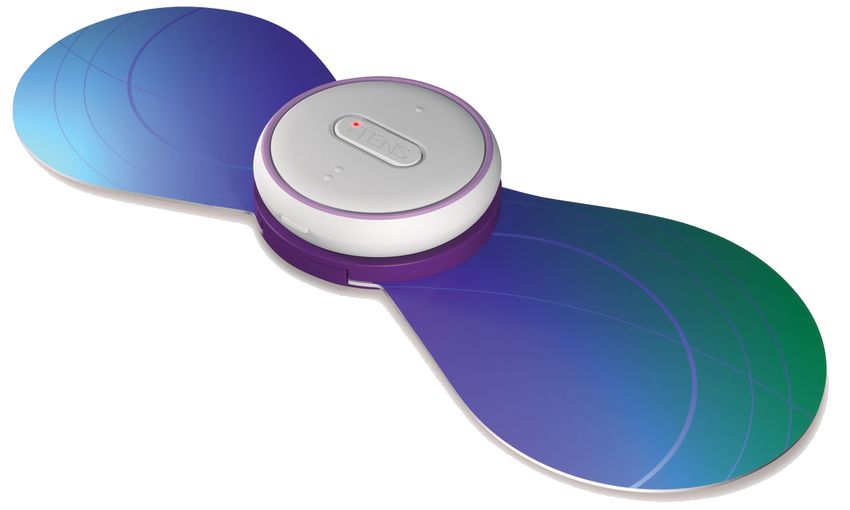
At-home TENS devices are priced five to                    The average consumer who only suffers from minor,
                                                           periodic pain is unlikely to invest in TENS or other pain
 six times higher than OTC counterparts.                   management devices. The price points of these devic-
                                                           es are much higher (o�en five or six �mes more) than
                                                           OTC pain relievers. For example: Sanofi’s tube of Icy
                                                           Hot cream is sold for an average retail price of $5.00
                                                           while the Icy Hot TENS device is sold for an average
                                                           retail price of $30.00. Similarly, a bo�le of Bayer’s
                                                           Aleve is sold at an average retail price of $10.00 while
                                                           the Aleve TENS device is sold at an average price of
                                                           $50.00. Hea�ng pads (Sunbeam and So� Heat) are
                                                           sold for an average retail price of $25.00. Therefore,
                                                           price-conscious consumers will likely con�nue to
                                                           purchase OTC pain relievers given their affordability.

However, consumers who struggle with chronic pain          Given the nascent stage of the at-home pain manage-
may see the value in spending more money for an            ment device market in the United States, consumers
effec�ve device that manages their pain for many            are likely to be confused about how the products work
years and reduces the amount of medica�on they             or skep�cal about their effec�veness. Therefore, HCP
need to take. Some consumers also like pain manage-        and consumer word-of-mouth recommenda�ons are
ment devices because they generally have a profes-         crucial to the success of such products reaching cri�cal
sional and technologically advanced aura about them,       mass. Infomercials on television that feature product
which implies increased efficacy compared to OTC             demonstra�ons or online tutorial videos are also
analgesics.                                                cri�cal for increasing consumer awareness and
                                                           purchases of pain management devices.

TENS Brand Examples: Icy Hot and Aleve

New devices offering alterna�ves to internal analgesics     launch in 2014, according to Kantar Media. In addi�on,
appeared ini�ally on mass retail shelves next to topical   Icy Hot Smart Relief TENS was launched at a �me when
analgesics in 2014. TENS devices have gained populari-     leading internal analgesic brands Tylenol and Motrin
ty with several new launches as these products grew        (Johnson & Johnson) and Excedrin (Novar�s) were not
by 12.0% in 2016. Sanofi launched its Icy Hot TENS          back to full retail distribu�on because of each compa-
device in November 2014. The new launch was backed         ny’s respec�ve plant shutdowns. Therefore, Icy Hot
by significant adver�sing and promo�onal dollars and        Smart Relief TENS was able to capitalize on the fact
a large-scale marke�ng campaign to raise consumer          that leading oral analgesic brands were not always
awareness and trial.                                       available at retail. However, its �me alone on retail
                                                           shelves was brief, as there are private-label TENS units
Sanofi spent about $22 million in traceable media           being sold at CVS and Walgreens.
expenditures to support the Icy Hot TENS device

                                                       5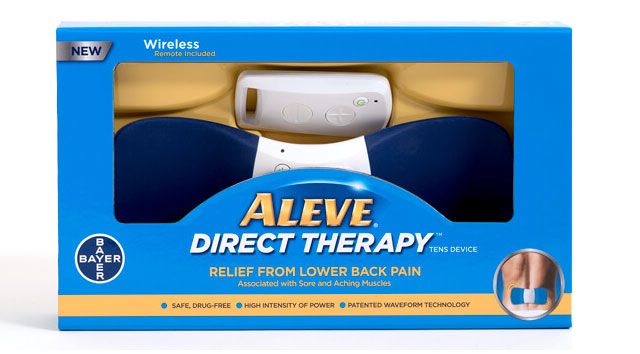
The TENS entry from Aleve shipped in mid-2016,                  sales, albeit off a smaller base than Aleve. The Icy Hot
almost two years post that of Icy Hot. As illustrated           Smart Relief TENS device accounts for nearly 6% of
below, sales of TENS devices are a small part of the            unit sales of the Icy Hot franchise in 2016. This
overall Aleve franchise, with the Aleve Smart Relief            indicates that mass retail marke�ng of these products
TENS device accoun�ng for less than 4% of dollar sales          will take some �me to build, and these brands could
and less than 1% of unit sales in 2016, reflec�ng at             perhaps benefit from concurrent direct sales to
best a half year of sales. Icy Hot Smart Relief TENS,           demonstrate the benefits of the products more thor-
which has been on the market longer, accounts for a             oughly and build consumer awareness.
larger percentage (24.9%) of total franchise dollar

                                                                               Market share, %

          IcyHot Smart Relief TENS                                                Aleve Direct Therapy TENS

       Sales of OTC Analgesic Brands compared to TENS Devices, 2016

           400

           350             TENS 24.9% of sales                                 TENS 3.8% of sales
                            and 5.6% of units                                   and 0.9% of units
           300

           250

           200

           150

           100

           50                                                                                                 OTC

           0                                                                                                  TENS
                         Icy Hot            Icy Hot                 Aleve               Aleve
                       ($ million)       (million units)         ($ million)       (million units)

         SOURCE: IRI Retail Sales-Total U.S. Mul� Outlet.

                                                            6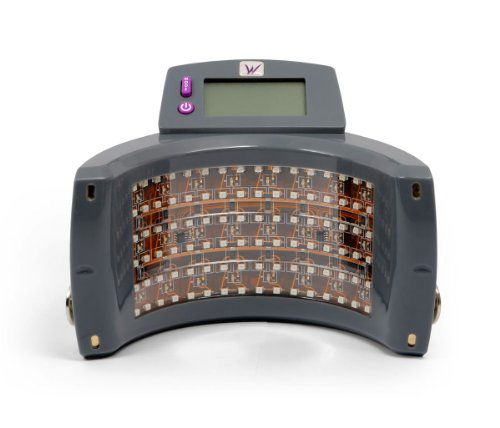
Another posi�ve sign that there is room for both TENS            dollar sales growth of 5%, boos�ng the overall fran-
and tradi�onal OTC analgesics on the market can be               chise by a solid 12.0% in 2016. While it is too soon to
seen with a brief look at growth of the Icy Hot fran-            conduct a similar analysis of the Aleve franchise, it is
chise from 2015 to 2016. As shown below, topical Icy             fair to speculate that Aleve Direct Therapy TENS will
Hot managed to grow nearly 14% from 2015 to 2016,                grow by a strong pace and will account for more of the
largely as a result of the successful addi�on of Icy Hot         overall franchise’s sales in year two on the market.
Lidocaine Cream in 2014, while the TENS product had

                    Retail Sales of Sanofi’s Icy Hot Franchise, 2015 to 2016

                                                          $ Million
        Product                               2015                          2016                      % Change
        Icy Hot OTC                          116.0                          132.1                       +13.9
        Icy Hot TENS                          31.3                           32.9                        +5.1
        Total franchise                      147.3                          165.0                       +12.0

                                      SOURCE: IRI Retail Sales- Total U.S. Mul� Outlet.

Retail landscape

The retail environment for OTC general pain relievers            agement devices come in larger packages than OTC
and topical analgesics is crowded with several brands,           analgesics and take up more shelf space, making retail
SKUs, and products vying for consumers’ a�en�on.                 pain planograms more crowded. Therefore, slower
The introduc�on of pain management devices to the                moving OTC or device brands with low or declining
analgesics aisle at retail so far has not had a significant       sales are at risk of being ra�onalized and removed
impact on sales of major brands in OTC categories,               from retail shelves.
such as Advil, Tylenol, and Aleve. However, pain man-

    Retail Distribution of Pain Management Devices by Segment and Channel

                                                                         Direct sales
                                                                         Pharmacies and drug stores
                                                                         Mass-market retailers
                                                                         Professional (medical providers)
                                                                         Specialized medical stores

               SOURCE: Kline’s Pain Management Devices: Global Market Analysis and Opportunities study.

                                                             7
Popular Distribution Channels Selling Pain Management Devices

          Direct sales                             Drug stores                      Mass merchandisers

The direct sales channel is a key entry point for new devices/technologies.

   All manufacturers par�cipate in online direct sales,       For pain management device sales, the direct sales
   whether that is direct from their own website or           channel grows the fastest among retal channels at
   from an online retailer, such as Amazon.                   15.5%.

   Some use direct sales exclusively, usually supple-         Direct sales of OTC medica�ons remain a minor
   men�ng online sales with infomercials or home              por�on of overall distribu�on but, accounts for
   shopping, such as HSN and QVC.                             nearly half of distribu�on for pain management
                                                              devices.

   The direct sales channel con�nues to be a conve-           Given that the retail channel mixes are so different
   nient way to reach consumers and is o�en infor-            for devices and OTC medica�ons, these products
   ma�ve with videos posted on the company’s web-             are able to safely coexist, with room for both on
   site or YouTube with demonstra�ons.                        the market.

   Especially for new types of devices and technolo-
   gies that are unfamiliar to most consumers, this
   offers the opportunity to demonstrate and explain
   how the device can best be used.

                                                          8
Examples of Devices Sold Through the Direct Channel

                                                                                                iTENS with Phone App
       LightS�m Pain Device

                                                             Willow Curve

Device business model mimics razors

The bulk of revenues in the U.S. pain management                 devices that consumers may use to manage pain, but
device market come from repeat purchases of refill                they are technically class III devices and are consid-
pads associated with TENS devices, and not the ini�al            ered cosme�c, such as massagers, hot and cold packs,
device itself. In fact, the FDA classifies the TENS unit as       and wraps and braces. The road to approval for these
durable medical equipment, but the refill pads are                cosme�c devices is much faster and less expensive
considered consumables. In the past, HCPs such as                than class II. With so many companies supplying the
physicians, physical therapists, and chiropractors               market through a diverse group of sales channels and
would write a script for an at-home pain management              under various levels of regulatory scru�ny, there have
device and pa�ents could submit the prescrip�on to               been several companies that have either been shut
their insurer for reimbursement. However, because of             down by the FDA or have stopped marke�ng products
implementa�on of the Affordable Care Act, insurance               in the United States due to suspicion of fraud. Gaining
coverage for pain management devices and refill pads              approval for medical devices is easier in Europe than
has declined considerably from Medicare, Medicaid,               in the United States so some companies focus on
and private insurers. This has lead consumers to seek            Europe only or market the device as a medical unit in
self-treatment pain op�ons and the convergence of                Europe, but as a cosme�c unit in the United States.
pain management devices in the OTC pain relief aisle.
                                                                 Less insurance coverage, more consumers paying
There are currently over 500 suppliers in the United             out-of-pocket, and the ability of other manufacturers
States of pain management devices, but not all of                and private-labelers to copy a device’s design make
these devices are approved as class II medical devices,          this a cut-throat market in which to compete.
which can be sold either Rx or OTC. There are several

                                                             9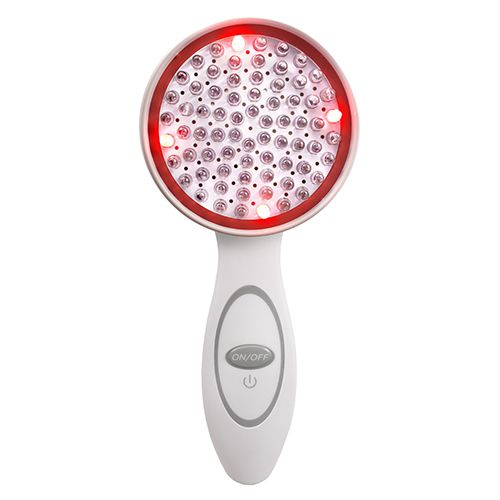
In general, consumers are not aware of these prod-              Gaining FDA approval for class II medical devices is
ucts or their benefits, so in order to sustain a success-        costly and �me-consuming and likely to be pursued
ful brand considerable marke�ng dollars must be                 only by large companies that are able to invest in the
spent to educate consumers and retailers about bene-            clinical trials to prove safety and efficacy and to be
fits and features and to keep them coming back to buy            able to sustain costly marke�ng efforts post-approval.
refill pads. Compe�tors can easily benefit from anoth-            The business model for success in devices is not
er company’s adver�sing spending to educate                     sustainable for many small to mid-sized companies.
consumers about pain management devices.

Conclusions

Pain management devices are expected to con�nue to              The market for pain management devices is expected
outgrow general pain relievers and topical analgesics           to record strong growth over the next five years,
driven by popularity of devices, such as Icy Hot TENS           driven by several factors including a growing aging
and Aleve Direct Therapy TENS; however, they are not            popula�on, popularity of TENS and light-based devic-
expected to have a huge impact on the OTC categories            es, convergence of mul�ple technologies in a single
over the next five-year forecast period as general pain          device making it effec�ve for mul�ple types of pain
relievers and topical analgesics will remain the first           treatment, and the launch of devices that are more
choice for most consumers suffering from pain. In                comfortable, lightweight, portable, and user friendly.
fact, we foresee many chronic pain sufferers con�nu-             The U.S. market for pain management devices are
ing to use all these tools to help them mi�gate pain            expected to register posi�ve growth through 2021.
and that at-home pain management devices will com-              Among the powered devices, vibra�on/massage
plement oral and topical analgesics.                            devices will con�nue to be the largest category; how-
                                                                ever, light and TENS devices will register the highest
Other leading OTC players, such as Johnson & John-              growth through 2021.
son, Pfizer, and GlaxoSmithKline, could enter this
segment to complement their current offerings of                 In conclusion, the pain management devices market is
general pain relievers and topical analgesics. Howev-           expected to grow at a rapid pace as these products
er, if Icy Hot or Aleve TENS are not solid growth               enjoy wider retail distribu�on, increased consumer
producers, it is likely other companies will forgo the          interest and trial, and HCP recommenda�ons. The
investments to develop new TENS-based pain man-                 aging popula�on will also support healthy growth of
agement devices. If market success is strong for Icy            these devices as the incidence of chronic pain increas-
Hot TENS and Aleve Direct Therapy TENS, other mar-              es. We foresee tradi�onal OTC brands and pain man-
keters may consider entering the space via acquisi�on           agement devices being able to coexist with both
of small companies or by licensing technologies neces-          segments appealing to various pain management
sary to enter this up and coming market. Pfizer, the             needs of consumers. Addi�onal pharmaceu�cal com-
maker of Advil and Thermacare Heat Wraps, may                   panies may enter this market segment; however,
enter the pain management devices segment.                      licensing agreements or acquisi�ons of technology
                                                                will be needed to facilitate market entry by other
                                                                companies.

                                                           10
Key Pain Management Devices Market Drivers Through 2021
Newer technologies introduced
by smaller companies will be
acquired by larger compe�tors
Convergence of mul�ple Devices are increasingly more
technologies into a single comfortable, lightweight,
device portable, and user friendly
Direct sales will con�nue to
grow in importance; however, CAGR,
as more consumers use these 12.0% Strong consumer demand for
devices and become familiar pain management devices
with them, there will be through
increased sales through mass 2021
merchandisers and drug stores
11About the IRI/Kline Alliance
Informa�on Resources, Inc. (IRI) the global leader in innova�ve solu�ons and services for consumer, retail and
over-the-counter healthcare companies, and Kline & Company, a global market research and management
consul�ng firm, have established an exclusive alliance to serve the worldwide, over-the-counter (OTC) drug and
overall consumer healthcare industries. This powerful alliance provides a higher level of data accuracy and an
unparalleled, global range of thought leadership on s�mula�ng topics in the consumer healthcare space.
As part of this collabora�ve rela�onship, IRI contributes its granular, widely recognized, point-of-sale (POS) market
data, related insights, and thought leadership. Meanwhile, Kline provides its unmatched historical database, global
network, and 360-degree view of the complex OTC drug market, including its comprehensive channel coverage
and vast exper�se in the area of Rx-to-OTC switches.
The collabora�ve thought leadership will manifest through white papers like this one on such topics as Rx-to-OTC
switch, merger and acquisi�on ac�vity, new product innova�on, as well as trends and issues in interna�onal and
emerging markets within the OTC drugs industry.
About Kline:
Kline is a worldwide consul�ng and research firm dedicated to providing the kind of insight and knowledge that
helps companies find a clear path to success. The firm has served the management consul�ng and market
research needs of organiza�ons in the agrochemicals, chemicals, materials, energy, life sciences, and consumer
products industries for over 50 years. For more informa�on, visit www.KlineGroup.com
About IRI:
IRI is a leader in delivering powerful market and shopper informa�on, predic�ve analysis and the foresight that
leads to ac�on. We go beyond the data to ignite extraordinary growth for clients in the CPG, retail and especially
in the over-the-counter healthcare industries, by pinpoin�ng what ma�ers and illumina�ng how it can impact
their businesses. Experience the power of IRI’s mantra “Growth Delivered” at www.IRIworldwide.com.
For more information on this white paper or the IRI/Kline alliance, please contact Lisa C. Buono, Client Insights
Principal, Health Care Vertical at IRI Lisa.Buono@iriworldwide.com or Laura A. Mahecha, Industry Manager,
Healthcare at Kline & Company Laura.Mahecha@klinegroup.com.
12You can also read


