Planning, Design & Access Statement | Burnley FC - Turf Moor Accessibility - Burnley Borough Council
←
→
Page content transcription
If your browser does not render page correctly, please read the page content below
Turf Moor Accessibility   | March 2018

                                         Planning, Design & Access Statement | Burnley FC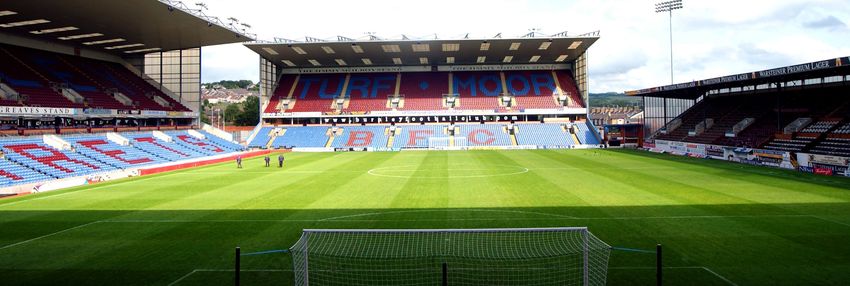
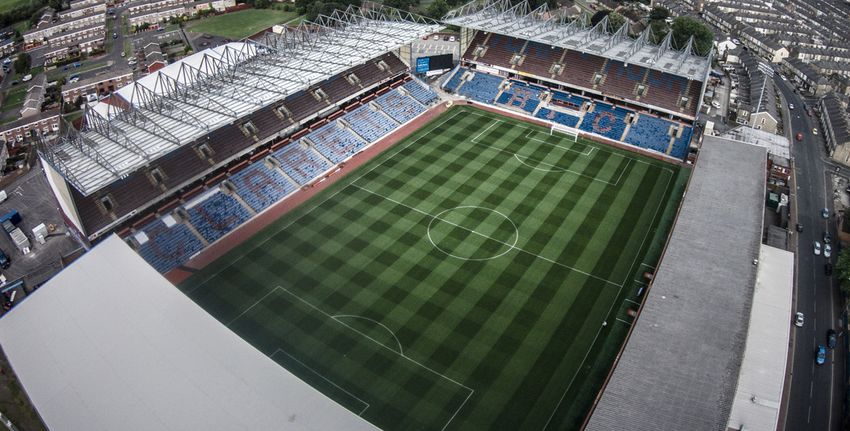
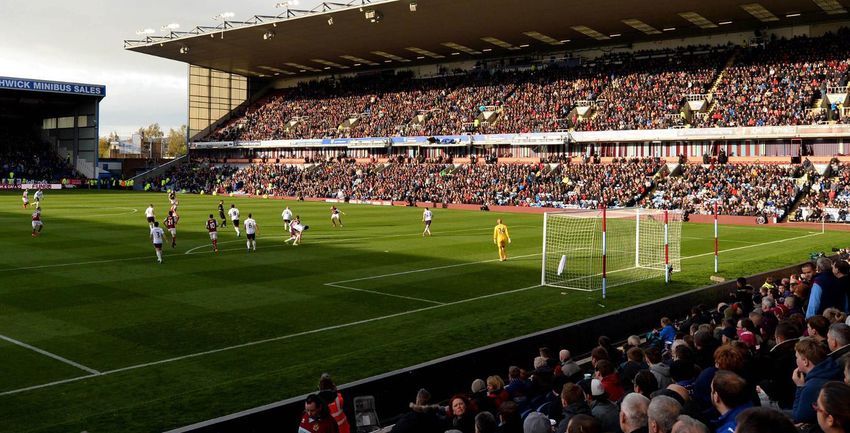
Front Cover. Inside Turf Moor.

Planning, Design & Access Statement - Turf Moor Accessibility | March 2018   page 2
Contents
1.Introduction5                                                            Proposals | Turf Moor                      31   7.Conclusion56

  Introduction and Executive Summary                                 6     North East Corner | ground floor           32   Summary & Conclusions   57

  Development summary                                                7     North East Corner | first floor            33   8.Index58

  Consultation8                                                            North East Corner | second floor           34   Index | images          59

  The Team                                                           9     North East Corner | third floor            35   Index | diagrams        60

2.Site Description                                                  10     North East Corner | roof                   36   Index | tables          60

  Turf Moor | wider context                                         11     South East Corner | ground floor           37

  Turf Moor | ownership boundary and site                           12     South East Corner | first floor            38

  Turf Moor | urban zones                                           14     South East Corner | second floor           39

  Turf Moor | current layout                                        15     South East Corner | roof                   40

  Turf Moor | amenities                                             16     Elevation | South East                     41

  Turf Moor | match day access / active frontage                    17     Elevation | South                          42

  Turf Moor | history                                               18     Elevation | North East                     43

  Turf Moor | time-line                                             19     Elevation | North                          44

  The Sites | Turf Moor                                             20     Material Palette | existing                45

3.Planning Policy Framework                                         22     Material Palette | proposed                46

  Planning Policy Framework                                         23     Signage and Surface                        47

4.Design Considerations and Proposals                               24     Signage and Surface                        48

  Pledge for Accessible Stadia                                      25     Lighting Design                            49

  Stadium Accesibility Guidance                                     26     Crime Impact Statement                     50

  Accessible Guidelines | from the guidance documents               27     Refuse, Recycling & Waste Management       51

  Existing Wheelchair Accessible Positions | current compliant and non-   5.Access and Transport                       52

  compliant29                                                              Parking and Drop off                       53

  Proposed Wheelchair Accessible Positions | current compliant and          Entrances & Exits | north east corner      54

  proposed30                                                               Entrances & Exits | south east corner      55

                                                                                                               page 3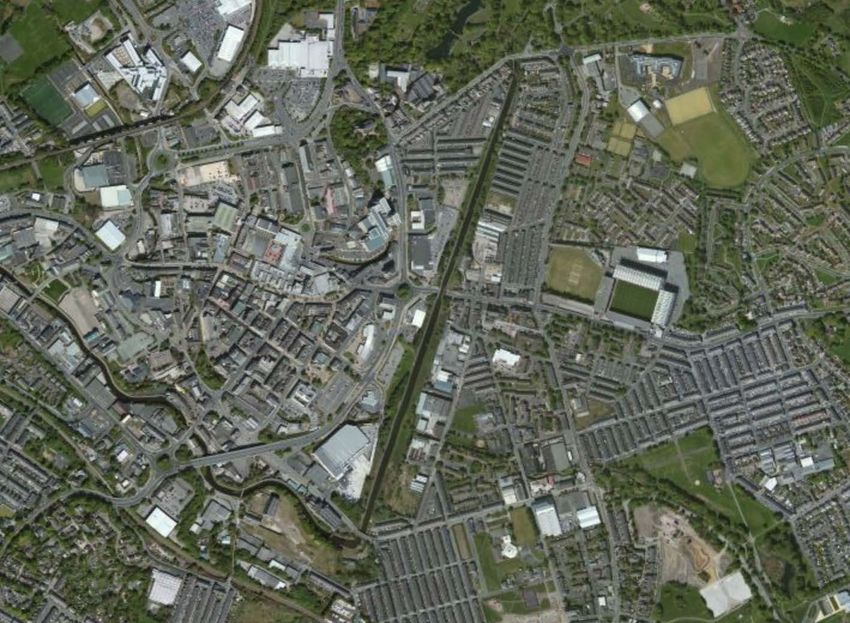
1.Introduction
Introduction and Executive Summary
Burnley Football Club was founded in 1882 and was one of the twelve             South west – pitch maintenance and emergency access                            east corner (between the Jimmy McIlroy and Bob Lord Stands). The

founder clubs of the English Football League in 1888. The club has won          North east – pitch side access for maintenance vehicles (pitch lights,         proposals will help transform Turf Moor into one of the most accessible

both football league and the FA Cup and was one of the first English            cherry pickers) disabled supporters entrance                                   stadia in the UK to watch football.

clubs to play competitive European football. It is one of only three clubs      South east – ticket office, stadium control room, disabled supporters

to have won the championship of all four top divisions of English football.     entrance                                                                       This document accompanies a full planning application for proposed

In 1987 it came close to falling out of the English Football League, and                                                                                       building infills to the north east and south east corners of the stadium,

would have but for a win and results going in its favour on the last day of     The new infill corner buildings are designed to be both functional             between the James Hargreaves (North) and Jimmy McIlroy (East)

the season. It may well have meant the Club going out of business but           and aesthetically fitting. The elevation materials include glazing,            stands. The corners, together, will provide new wheelchair and

30 years later it is re-establishing itself in the English Premier League.      polycarbonate, glass fibre reinforced concrete panels. Imagery and             companion positions. There will also be new disabled toilets, a changing

The Club’s remarkable history is set against the town having the                careful use of the Club’s Claret and Blue colours are incorporated into        places facility, concessions as well new accessible lifts. The new

smallest population to host a top class league football club. The Club          the elevations to help immediately identify the new works as being part        works are designed to primarily cater for, but not exclusively, disabled

significantly contributes to making the town famous worldwide and has a         of Turf Moor, and perhaps form a new design direction for the stadium          supporters and their family and friends. In addition, a new stadium

well-respected and growing football in the community organisation.              that enhances its character. It is important that the recent history of the    control room will be built in the south east corner along with a new under

Burnley Football Club is well known for its passionate and committed            Club is recognised but also that a confident future agenda is set for one      soil boiler room, a new storeroom for the Clarets Store and a pavilion for

support, and in the 1960s and 70’s its stadium, Turf Moor, was seen as          of the world oldest and iconic stadia.                                         spectators queuing to buy and collect tickets. A new giant screen will be

one of the best in the league. After years in the lower divisions and the                                                                                      located at roof level of the northeast corner infill.

Club’s struggling finances it has fallen behind in providing state of the art   The Club, like other service providers, are required to make reasonable        The project is for spectators with different disabilities including those who

accessible facilities for its supporters.                                       adjustments to meet the Equalities Act 2010 and to meet the guidance of        use wheelchairs, seating for those with ambulant disabilities and those

                                                                                Accessible Stadia, as required by the English Premier League.                  who are perhaps on the autism spectrum. The project also includes a

Turf Moor has been Burnley Football Club’s stadium since 1883 and is                                                                                           Changing Places facility and a Sensory Room.

the oldest stadium location in the English Premier League.                      This Planning, Design and Access Statement has been prepared

The stadium is on an east-west axis and is comprised of four separate           on behalf of Burnley Football Club (Burnley FC) in support of a full

grandstands. The corners between the stands are all open, but                   planning application submitted to Burnley Borough Council. Burnley

all of different sizes and all are occupied with stadium operational            FC are proposing to improve the accessibility of its stadium, Turf Moor,

requirements:                                                                   through new built infill projects primarily located in the north east corner

North west – players and press                                                  (between the James Hargreaves and Jimmy McIlroy Stands) and south

Planning, Design & Access Statement - Turf Moor Accessibility | March 2018                                         page 6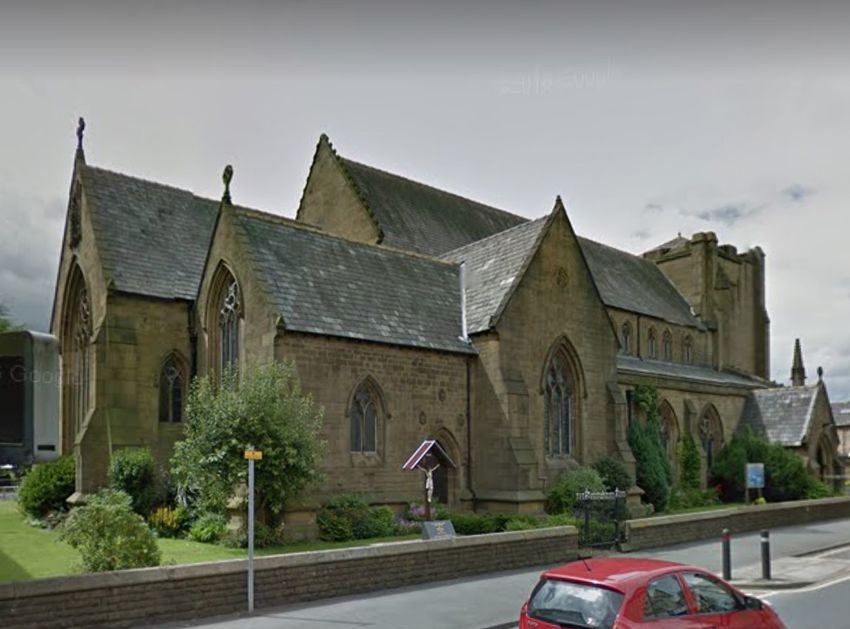
Development summary
Turf Moor sits on a site of approximately 3.6 hectares, excluding the            iv.    wheelchair places and companion seats                    South East: 4 levels including ground and roof

Harry Potts Way car park and Ormerod Yard.                                       v.     accessible toilets                                       1.    Ground

The proposed corner infills have a functional purpose, whilst subservient        vi.    sensory room                                                   i.      entry and exit

in size; discrete in that they are set back from the rear line of the            vii.   operational access to Jimmy McIlroy Stand and to James         ii.     lifts and stair lobby

grandstand; but are confident in that they could set the design agenda      		Hargreaves Stand                                                         iii.    stairway

for future works at Turf Moor.                                              3.   Second floor                                                          iv.     lift access

                                                                                 i.     lift and stair lobby                                           v.      wheelchair places and companion seats

The accommodation in each corner is as follows:                                  ii.    stairway                                                       vi.     ramps to pitchside positions

                                                                                 iii.   lift access                                                    vii.    disabled toilets

North East: 5 levels including ground and roof                                   iv.    food and beverage concession                                   viii.   shop store

1.     Ground                                                                    v.     wheelchair places and companion seats                          ix.     boiler room for under pitch heating

       i.      entry and exit                                                    vi.    accessible toilets                                             x.      operational entrance to Jimmy McIlroy Stand and to Bob

       ii.     lift and stair lobby                                         4.   Third floor                                                     		Lord Stand

       iii.    stairway                                                          i.     lift and stair lobby                                           xi.     ticket queuing pavilion

       iv.     lift access                                                       ii.    stairway                                                 2.    First floor

       v.      ramps down to pitchside positions and up to			                    iii.   lift access                                                    i.      lift and stair lobby

		             Jimmy McIlroy Stand lower tier elevated platform                  iv.    wheelchair places and companion seats                          ii.     stairway

       vi.     changing places toilet                                            v.     accessible toilets                                             iii.    lift access

       vii.    accessible toilets                                                vi.    stores                                                         iv.     platform lift

       viii.   vehicular pitch side access for pitch grow lights and             vii.   access to roof                                                 v.      wheelchair places and companion seats

		cherry pickers                                                            5.   Roof                                                                  vi.     disabled toilets

       ix.     operational entrance to Jimmy McIlroy Stand                       i.     new giant video screen                                         vii.    food and beverage concession

2.     First floor                                                                                                                                     viii.   operational access to offices

       i.      lift and stair lobby

       ii.     stairway

       iii.    lift access

                                                                                                               page 7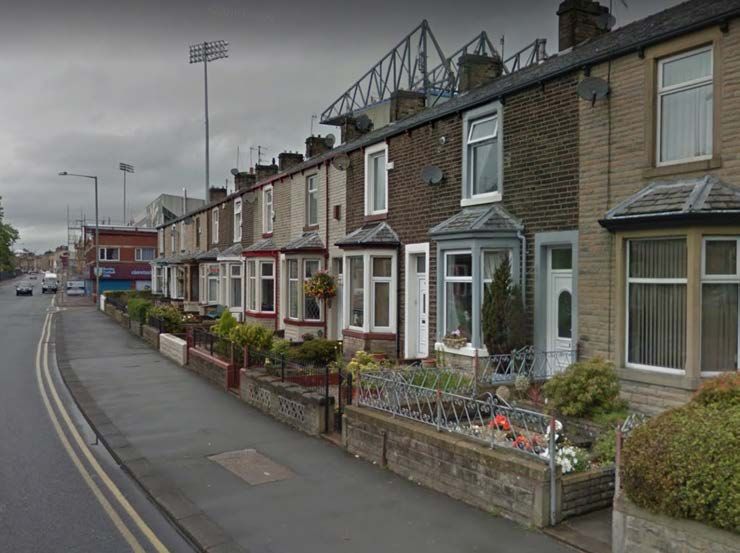
Consultation
3.     Second Floor                                                          Massing                                                                     Burnley FC in the Community is a successful, respected and growing

       i.      lift and stair lobby                                          The North East corner infill occupies a footprint of approximately 318m2.   part of the wider Burnley FC organisation. Alongside the Club, they have

       ii.     stairway                                                      The building depth is approximately 16m x 25mm                              organised and assisted in the consultations with fans and the Equality

       iii.    lift access                                                   The building height is approximately 16m                                    and Human Rights Commission. Other consultations have been had

       iv.     stadium control room (with PA room, crisis room, toilet                                                                                   with Burnley Borough Council and the Stadium’s Safety Access Group.

		and kitchenette)                                                           The South East corner infill occupies a footprint of approximately 414m2.   These consultations have influenced the design of the corner infill

       v.      wheelchair places and companion seats                         The building depth is approximately 21m x 19m                               projects.

       vi.     disabled toilets                                              The building height is approximately 14m

4.     Roof

New camera positions will be required for both corners.

Planning, Design & Access Statement - Turf Moor Accessibility | March 2018                                    page 8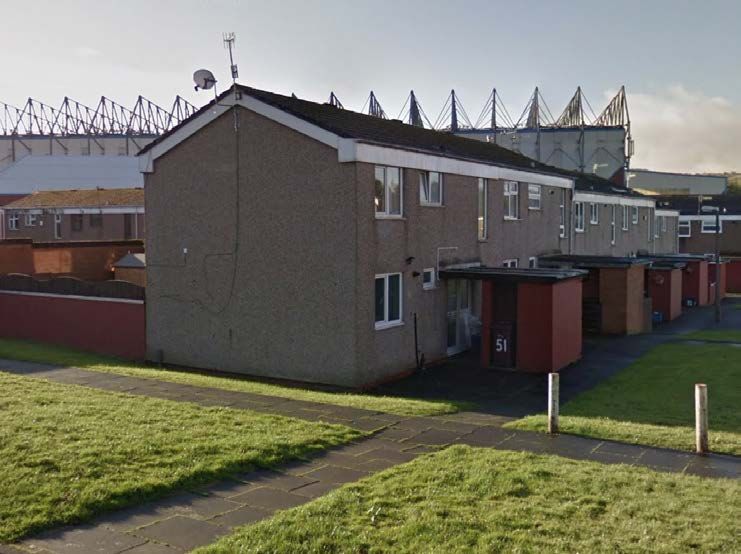
The Team
Architects                     M & E Engineers                             Fire Engineer

wilson owens owens             W H Good                                    Design Fire Consultants Ltd

The Piano Works                Carrs Industrial Estate                     Albion Court,

113-117 Farringdon Road        Haslingden                                  5 Albion Place,

London EC1R 3BX                Rossendale, Lancashire                      Leeds

020 7965 7566                  BB4 5JT                                     LS1 6JL

info@wilsonowensowens.com      01706 211416                                07850 385568

                               info@whgood.co.uk
Structural Engineers                                                       Project Manager & Principal Designer
                               Cost Consultant
Momentum Engineering                                                       Baqus

103 Timber Yard                RLB (Rider Levett Bucknall)                 46 Manchester Road

Drysdale Street                60 New Broad Street,                        Chorlton

London N1 6ND                  London,                                     Manchester

020 7739 6939                  EC2M 1JJ                                    M21 9PH

mail@momentumengineering.com   020 7398 8300                               0161 881 5216

                                                                           enquiries@baqus.co.uk
Planning Consultant            Contractor
                                                                           Lighting Consultant
Zerum                          Barnfield Construction

4 Jordan Street                Kenyon Road,                                Michael Grubb Studio

Manchester                     Lomeshaye Industrial Estate,                Bryanstone Road

M15 4PY                        Nelson, Lancashire,                         Bournemouth

0161 667 0990                  BB9 5SP                                     BH3 7JE

info@zerum.co.uk               020 7398 8300                               01202 511005

                               info@barnfieldconstruction.co.uk            info@michaelgrubbstudio.com

                                                                  page 9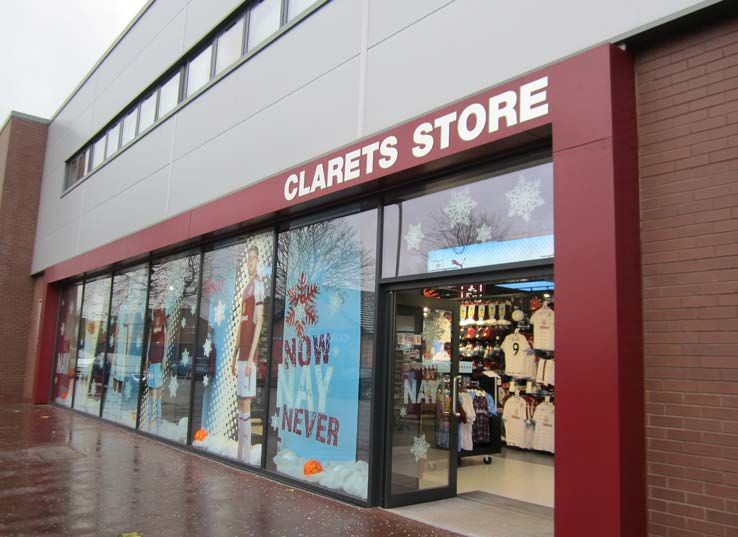
2.Site Description
Turf Moor | wider context
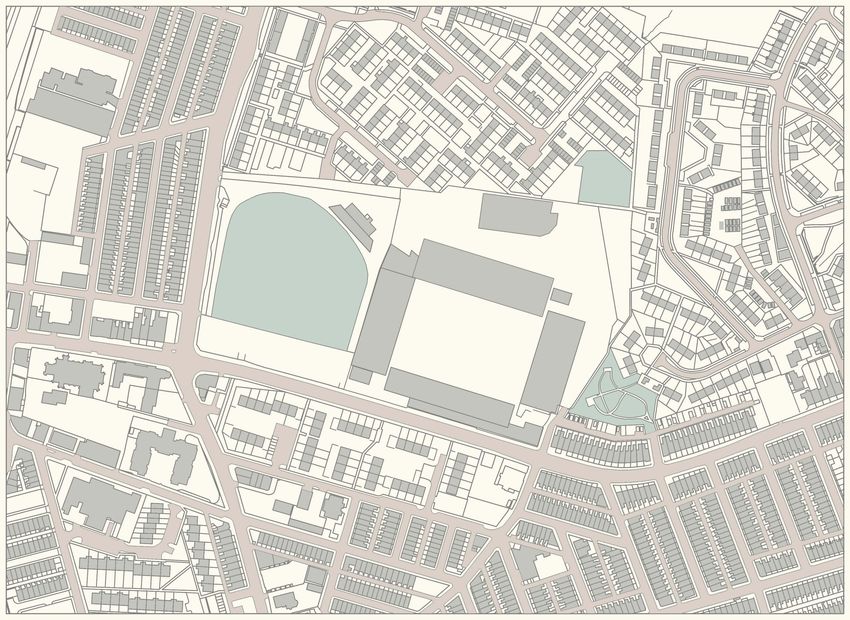
Turf Moor is the home stadium of Burnley FC and is located in Burnley,

Lancashire. It is approximately 0.5 miles from Burnley’s town centre.

Burnley is a compact urban area and is surrounded by countryside to the
                                                                                M65 Junction 11
south and east. It is a traditional market town serving a wider rural area.     500m

It is 21 miles north of Manchester and 20 miles east of Preston.

The site sits on Harry Potts Way which connects to the A614 the ring
                                                                                              Burnley
road around Burnley and to the A682 which connects to the M65. The                            Central
stadium is adjacent to Burnley Cricket Ground to the west. There is

mostly two storey terrace housing schemes to the north, east and south,

with public green space immediately to the north/east and south east.

Turf Moor is 1 mile from both Burnley Central and Burnley Manchester

Road Train stations and 500m from the main bus station.                                                 Burnley
                                                                                                        Town Centre

                                                                                                                     Burnley
                                                                                                                     Bus Station
Legend for diagram 1:

		Turf Moor

		Train station

                                                                                                                                      14
                                                                                                                                   A61
		Major Road

                                                                                                              A682

                                                                              Burnley
                                                                              Manchester
                                                                              Road

                                                                                                                                                                                N
                                                                                                                                           Diagram 1. Turf Moor wider context transport

                                                                                                    page 11
Turf Moor | ownership boundary and site
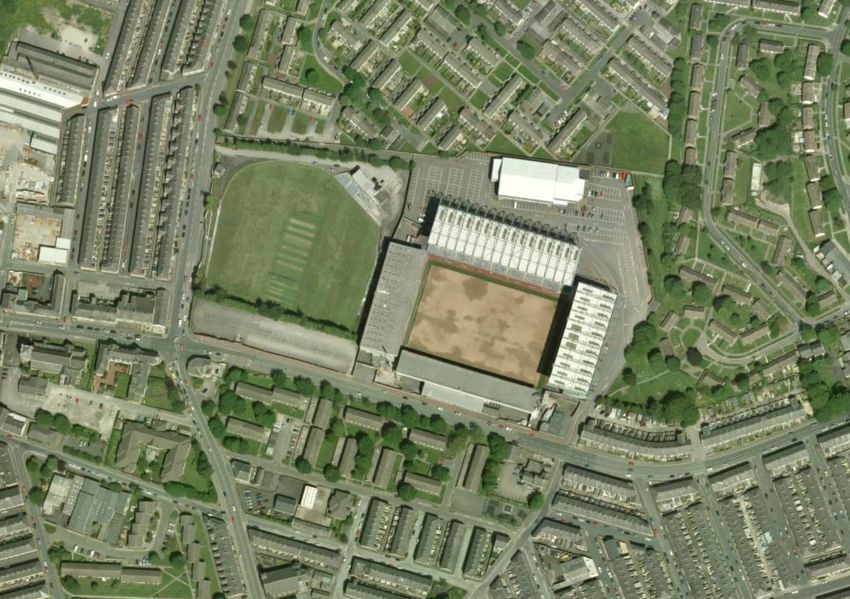
The ownership boundary (Blue) of Turf Moor and the development sites
(Red) are shown on the drawing. The Turf Moor site ownership boundary
is the block bounded by terrace housing schemes to the north and east,
Harry Potts Way to the south and Burnley Cricket Club to the west.
Burnley FC car parking is to the south of the cricket club and there is a
Burnley FC access road to the north of the cricket club. The cricket club
house is open to non-members and is very popular with away supporters
on football match days. Within the Turf Moor site boundary is the
re Road
stadium and the Burnley FC Centre of Excellence building to the north. Club
house
Belvede
Burnley Cricket
The site developments are all within the site boundary. The
Club
developments are corner infills on the north east and south east corners
of the stadium.
Harr
y Po
tts W
ay
Legend for diagram 2:
Ownership Boundary
Development Site Boundary
Road
haw
B runs
d
Roa
rden
dmo To
N
Diagram 2. Ownership boundary and Development site boundary
Planning, Design & Access Statement - Turf Moor Accessibility | March 2018 page 121.
Residential
4.
2. Recreational
Retail/
Commercial
3.
Community
1.
Residential
N
Diagram 3. Local urban zones around Turf Moor
page 13Turf Moor | urban zones
The area around the stadium is mainly residential terrace housing. The
1. Residential - pre-1919 terrace housing 2. Residential - terrace housing scheme
stadium backs onto residential streets of a terrace housing scheme
accessed from Holcombe Drive (north) and a terrace housing scheme
accessed from Brownhill Avenue (east). To the south is a mix of two
storey terrace and pre-1919 Victorian style terrace housing.
Adjoining the site to the west is Burnley Cricket Club. Burnley Cricket
Club was founded in 1833 and has senior and youth teams in the
Lancashire league.
There is a small amount of retail around the stadium, consisting of a pub
and a betting shop on the south east of the site. To the west of the site
along Yorkshire Road are fast food outlets, a medical centre and a social
club and office. The Leeds and Liverpool canal bridges over Yorkshire Image 1. View from Brunshaw Road towards Turf Moor Image 2. View from Holcombe Drive towards Turf Moor
Street. There is also St Mary’s RC Church on Yorkshire Street which has 3. Community 4. Recreational
a number of parish groups. The town centre is 500m to the west of the
site with the main shopping centre focused around St James Street and
the Charter Walk Shopping Centre.
Legend for diagram 3:
Residential
Retail/Commercial
Community
Recreational
Image 3. St Mary’s RC Church from Yorkshire Street Image 4.Burnley Cricket Club - club house
Planning, Design & Access Statement - Turf Moor Accessibility | March 2018 page 14Turf Moor | current layout
Turf Moor current layout
Turf Moor is the longest continuously used ground of any of the 49
teams which have played within Premier League football. Burnley FC
Elite Training
Centre
The ground consists of four stands the James Hargreaves Stand, the
JAM
ES H
ARG
Jimmy McIlroy Stand, the Bob Lord Stand and the Ladbrokes Stand. REA
VES
STA
ND
Both the newer stands (James Hargreaves Stand and Jimmy McIlroy
S
STA ROKE
Stand) have two tiers, whilst the older two stands are single tier. Away
ND
B
ROY
LAD
fans are situated in the Ladbrokes Stand.
STA Y MCIL
ND
JIMM
BOB
LOR
The stadium has a total capacity of 21,401. D ST
AND
Outside the ground between the Jimmy McIlroy and Bob Lord Stand
are the new Burnley Club Shop - the ‘Clarets Store’ and the main Ticket N
Office. These are part of a new extension to the ground which was
Diagram 4. Turf Moor layout
opened in 2016. Ladbrokes Stand Bob Lord Stand
To the North of the stadium but within the ownership boundary is the
Elite Training Centre where many of the Burnley FC in the Community
activities take place.
Image 5. View from the south of the Ladbrokes Stand Image 6. View of the main entrance of the Bob Lord Stand
page 15Turf Moor | amenities
There are various amenities on site to allow the stadium to function on
both match days and non-match days.
A recent extension to the Bob Lord Stand houses both the ticket office Burnley FC
Elite Training
Centre
on one side and the club shop on the other - both are open to the public
all week and on match days. JAM
ES H
ARG
REA
VES
STA
ND
S
STA ROKE
The main reception is sited at the centre of the Bob Lord Stand along
ND
B
Y
LAD
Harry Potts Way.
RO
STA Y MCIL
ND
JIMM
BOB
LOR
The Jimmy McIlroy Stand houses teaching facilities. D ST
AND
N
The Elite Training Centre hosts many of the Burnley FC in the
Diagram 5. Turf Moor amenities
Community activities and is used throughout the week.
Diagram 5. Turf Moor current amenities
Ticket office Club shop
The stadium is served by two on site car parks - one to the north east
of the stadium and one along Harry Potts Way. Both are used by the
Stadium on match days and during the week.
Legend for diagram 5:
Reception
Ticket Office
Club Shop
Car Park
Image 7. The ticket office in the south east corner Image 8. The main club shop in the south east corner
Planning, Design & Access Statement - Turf Moor Accessibility | March 2018 page 16Turf Moor | match day access / active frontage
Legend for diagram 6:
Burnley FC
Entrances Elite Training
Centre
Turnstiles
JAM
Exit gates ES H
ARG
REA
VES
STA
Disabled access entrance ND
S
STA ROKE
Active frontage
ND
B
Y
LAD
RO
Car park for disabled supporters
STA Y MCIL
Match day cordon
ND
JIMM
BOB
LOR
D ST
AND
N
Diagram 6. Turf Moor entrances and active frontages on a match day
Image 9. View along Harry Potts Way Image 10. View of Higgin Street from site entrance
page 17Turf Moor | history
Burnley Football Club have played at Turf Moor since moving from their
Calder Vale ground in 1883.
The ground originally consisted of just a pitch and the first grandstand
was not built until 1885. Six years after this, the ‘Star’ stand was
erected and terracing was later added to the ends of the ground. After
the Second World War, the stadium was redeveloped with all four
stands being rebuilt. During the 1990s, the ground underwent further
refurbishment when the Longside terrace and Bee Hole End terraces
were replaced by all-seater stands.
It was one of the last remaining stadiums in England to have the players’
tunnel and dressing rooms behind one of the goals, until the players’
tunnel was covered with seating in time for the 2014-15 Premier League
season and rebuilt between the Ladbrokes and James Hargreaves
stands. The dressing rooms remain within the Ladbrokes Stand.
Currently, the four stands at Turf Moor are the James Hargreaves
Stand (north), Jimmy McIlroy Stand (east), Bob Lord Stand (south) and
Ladbrokes Stand (west). The Ladbrokes stand was completed in 1969,
whilst the Bob Lord stand was built in 1974. The newest stands (James
and Hargreaves and Jimmy McIlroy stands) were opened in 1996.
Image 11. Turf Moor 1930s
Planning, Design & Access Statement - Turf Moor Accessibility | March 2018 page 18You can also read


