Produce Network 2021 Ohio - Virtual - January 18-20, 2021 - Ohio Produce Growers ...
←
→
Page content transcription
If your browser does not render page correctly, please read the page content below
Virtual

    2021 Ohio
Produce Network
  January 18-20, 2021
The Ohio Produce Network is going virtual! What does that mean for you?
What Does Virtual Mean?
During COVID-19, it seems everything has gone virtual and the Ohio Produce Network is no exception. That means there will be no
in-person educational sessions or industry trade show, but if you have access to a computer, smart phone or electronic tablet, and
the internet, you will be able to hear and see expert speakers tell how you can improve your production, marketing and profitabil-
ity. Plus, you will be able to see on the screen what new products and money-saving deals in equipment and supplies industry ex-
hibitors are offering this year in the trade show part of virtual event.

How much is the registration fee and how do I register?
This year we are offering a flat registration fee of $40 per person that will enable you to access all the educational sessions. If you
have two people that would like to “attend” the virtual event, we ask that you each pay $40. If you are looking to get pesticide
recertification credits through ODA, you will need to register and sit through the session so that you can get your credits!

Is there a discount for being a member of one of the sponsoring organizations?
Not this year – we purposely are keeping the registration fee to a minimum to enable and encourage as many growers as possible
to participate in this year’s virtual event – but PLEASE, PLEASE, PLEASE remember that your association needs your continued
membership to continue to serve you this year and in the coming years.

Will I be able to get pesticide credits?
We are planning to be able to offer pesticide credits for growers as we usually do. Please note that each individual seeking to get
pesticide credits will need to register separately and pay the $40 fee. You will enter your pesticide license number, birth date and
other contact information when you register. The educational sessions will be offered from the Zoom platform, which allows us to
have a record of who is logged on during each presentation that qualifies for a pesticide credit. So just like the in-person event, you
will need to be “present” (logged-in) during the presentations that qualify for core and category credits in order to receive the
credits.

How will the trade show work?
While we are not having a tradeshow this year, we do have industry partners that have put together short promotional videos that
showcase their products and what they can do for you!

When will I receive the instructions for attending the virtual event?
The OPGMA Office is working diligently to prepare for this unique experience and will send you the necessary instructions within a
couple of weeks of the event. Make sure that the email address associated with your registration is accurate and up to date so that
there is no delay in receiving our communications.

Do I have access to all of the educational sessions?
In a word, yes! You will be given the opportunity to select which sessions you’d like to attend virtually. It is up to you to decide
which sessions interest you in a given time block and to attend those sessions as desired. You may attend as many or as few ses-
sions as you want.

Will I be able to see the presenters for each session?
Yes. The sessions are going to be live.

Can I ask questions during the educational sessions?
We encourage you to ask questions at any time during the session. Speaker contact information will be provided in the Network
program so that you can also reach out to the speaker with any questions that you may have.
Who is speaking at the Ohio Produce Network?
Lailang Cheng, Cornell University                                                           Jim Jasinski, Ohio State University
                      Lailiang Cheng received his Ph.D. from                                Jim is an Extension Educator in Cham-
                      Oregon State University in 1999 and is                                paign county and the Integrated Pest
                      currently a professor of fruit crop nutri-                            Management Program coordinator. He
                      tion and physiology in the Horticulture                               has worked in vegetable IPM since 2000,
                      Section of the School of Integrative Plant                            and specializes in cucurbit IPM.
                      Science at Cornell University. He has pub-
                      lished over 100 peer-reviewed research
                      papers and over 70 extension publica-
                      tions. Part of his current research focus-
ses on nitrogen, potassium and calcium nutrition of apple trees     Richard Hassell, Clemson University
and how rootstocks affect tree nutrient balance, productivity                                       Richard Hassell is a Professor,
and quality.                                                                                        Vegetable Physiology, Extension
                                                                                                    Specialist at Clemson University.
Sara Villani, North Carolina State University                                                       Richard is an Ohio Native, begin-
                      Dr. Sara Villani is an Assistant Professor of                                 ning his career in 1981 as Exten-
                      Fruit and Woody Ornamental Pathology at                                       sion Specialist and Branch Manag-
                      North Carolina State University’s Mountain                                    er, Muck Crops Branch, OSU/
                      Horticultural Crops Research and Extension                                    OARDC, Willard, OH. He has ad-
                      Center located in Western NC. Sara earned                                     vised 6 graduate Students (4 mas-
                      her PhD at Cornell University in 2015 and     ters, 2 PhD) and is refereed in over 40 publications.
                      began her appointment as an extension
                      assistant professor in November 2015. Her Laura Ingwell, Purdue University
                      research interests include understanding                                 Dr. Ingwell is an Assistant Professor in
                      mechanisms driving practical fungicide and                               the Department of Entomology at Pur-
                      antibiotic resistance, understanding the                                 due University. She holds an Extension
effect of abiotic stressors on disease development, and the de-                                appointment in pest management of
velopment of chemical, biological, and cultural strategies for the                             horticultural crop production. Dr.
management of economically important diseases on fruit and                                     Ingwell specializes in high tunnel pro-
woody ornamentals in the southeastern US. Sara’s extension                                     duction systems, examining biological
activities include co-developing apple disease content for the                                 control and conventional pest manage-
MyIPM smart phone app, developing the NC Appalachian Apples                                    ment strategies and the impacts of ag-
Extension Portal, and developing an apple bitter rot manage-                                   ricultural inputs on crop pollinators,
ment program for NC apple growers which has saved the NC                                       particularly managed bumble bees. She
apple industry over $1 million annually. For these efforts, Sara                               also works in controlled environment
was the recipient the NC Cooperative Extension 2019 Dr. Joseph                                 production, evaluating biological con-
and Mrs. Lisé Zublena Program Impact Award.                          trol and the impacts of light quality on insect pests and preda-
                                                                     tors. Dr. Ingwell has recently taken over the corn earworm trap-
Melanie Lewis Ivey, Ohio State University                            ping network in Indiana and is conducting research on the effica-
                        Dr. Lewis Ivey is Assistant Professor in the cy of conventional and biopesticides in managing corn earworm
                        Department of Plant Pathology at The         in sweet corn and hemp. Dr. Ingwell is broadly interested in
                        Ohio State University-Wooster Campus.        evaluating organic and conventional pest management with an
                        She is also the Extension Fruit Pathologist emphasis on sustainable practices for food production.
                        and Fresh Produce Safety Specialist for
                        the state. Dr. Lewis Ivey’s research, exten- David Doud, Countyline Orchards
                        sion and teaching program focuses on                                            David Doud continues a 5 gen-
                        developing sustainable disease manage-                                          eration tradition of running a
                        ment and food safety practices for fruit,                                       small diversified fruit farm.
                        nut and hops.                                                                   Currently honored to serve as
                                                                                                      Chair of the Board for the MAIA
Randy Beaudry, Michigan State University                              Bill Urbanowicz, Spectrum Analytic
                       Dr. Randolph Beaudry, Professor, MSU                                        Bill Urbanowicz is the Chief
                       Department of Horticulture (MSc, PhD,                                       Agronomist at Spectrum Analytic.
                       University of Georgia). His appointment                                     He is a graduate of The Ohio
                       is 50% MSU Extension and 50% AgBioRe-                                       State University ATI with an Asso-
                       search. His research program includes                                       ciate’s degree in Agronomic In-
                       both regional and international projects    dustries, Wilmington College with a Bachelor’s degree in Plant,
                       and focuses on the physiology of plant re- Environmental and Soil Science, University of Illinois with a Mas-
                       sponses to storage environments and tech- ter’s degree in Crop Science.
                       nological innovations that improve han-
                       dling and storage of horticultural produce. Doug Doohan, Ohio State University
                                                                                          Doug Doohan is the Ohio State University
                                                                                          state specialist for weed control in horticultur-
Celeste Welty, Ohio State University                                                      al crops. The long-term goal of Doohan’s la-
                        Celeste Welty is an Extension Entomolo-                           boratory is to conduct agricultural risk analysis
                        gist and Associate Professor of Entomol-                          research and extension education focused on
                        ogy at Ohio State’s main campus in Co-                            helping farmers better understand and man-
                        lumbus. She is a native of Pennsylvania,                          age diverse risks ranging from pests (primarily
                        with a Ph.D. degree in entomology from                            weeds) and food-borne pathogens to financial
                        Cornell University. She has been at Ohio                          decision making.
                        State for 31 years, with responsibility for
                        extension and research, as well as
                        teaching courses in pest management           Gary Gao, Ohio State University
                        and in pesticide science. Her extension                           Dr. Gary Gao is a professor and an extension
                        and research projects focus on pests of                           specialist with The Ohio State University. He
                        vegetable and fruit crops, as grown on                            has been exploring and fine-tuning the opti-
commercial farms and in home gardens. She evaluates pest moni-                            mum ways to grow fruits with the highest nu-
toring methods and multi-tactic controls that are used in integrat-                       tritional quality in Ohio and beyond. Phyto-
ed pest management programs.                                                              chemicals with health benefits in fruits, herbs,
                                                                                          and vegetables have been the central theme
                                                                                          of research.
Zack Hayden, Michigan State University
                         Dr. Zack Hayden is an Assistant Professor
                         and Extension Specialist in the Depart-
                         ment of Horticulture at Michigan State
                         University. His research and Extension       Ryan Slaughter, Ohio State University
                         program focuses on soil and nutrient                                Ryan Slaughter is a research assistant with
                         management for vegetable cropping sys-                              Ohio State University South Centers in
                         tems.                                                               Piketon. He is a graduate of The Ohio State
                                                                                             University with a Bachelors of Science of
                                                                                             Agriculture with a degree in Crop Science.
                                                                                             His wife and him operate a small mixed-
                                                                                             vegetable garden where we market and sell
Annette Wszelaki, University of Tennessee                                                    at a local farmers market.
                        Annette Wszelaki is a native Northeast
                        Ohioan and got her Bachelor’s degree at
                        The Ohio State University. She went to
                        graduate school at the University of Cali-    Brad Bergefurd, Ohio State University
                        fornia, Davis, where she studied Post-        Brad Bergefurd has been with OSU CFAES for 31 years and with
                        harvest Physiology. She is currently the                            the Department of Extension for 29 years as
                        Commercial Vegetable Extension Spe-                                 a Specialty Crops Specialist. His teaching and
                        cialist at the University of Tennessee.                             field research centers on crop diagnostics
                        The main focuses of her extension pro-                              and management, season extension tech-
                        gram include production and variety                                 niques (high tunnel, plasticulture, row co-
                        recommendations, diversifying produc-                               vers), integrated pest management (IPM),
tion, developing alternative crops, organic and sustainable pro-                            and direct marketing and his applied re-
duction, produce safety, and postharvest handling.                                          search focuses on plasticulture production,
                                                                                            hops production, strawberry harvest exten-
                                                                      sion, aquaponics and hemp. Bergefurd lectures at Ohio State,
                                                                      throughout the country and throughout Senegal West Africa.
Eric Barrett, Ohio State University                                  Melanie Wilt, Shiftology Communications
                          Eric Barrett is an Associate Professor   Melanie Wilt is the owner of Shift•ology Communication and
                          and Area Leader with OSU Extension.      has 24 years of experience as a public relations practitioner,
                          His specialization areas are direct mar- speaker and consultant. She is an accredited PR professional
                          keting and local foods. He has been      who has taught thousands of passionate supporters how to
                          teaching and leading OSU Extension       more effectively advocate for their causes. She started her ca-
                          programs since 1996. He also gained                                    reer in communication at an interna-
                          experience through a private mar-                                      tional horticulture association, which
                          keting firm. Teaching is his passion.                                  is now AmericanHort. Since then,
                                                                                                 she has served as the communica-
                                                                                                 tion director and chief of markets for
Kelly Jackson, Emily’s Produce                                                                   the Ohio Department of Agriculture,
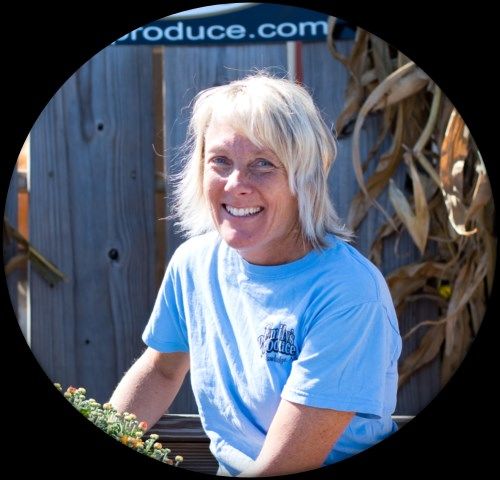
When Paul and Kelly Jackson welcomed their daughter Emily                                        was named “40 Under 40” by the
into the world in 1998, they wanted her to grow up knowing                                       Dayton Business Journal and re-
and loving the family trade. The Jacksons have been working the                                  ceived the Young Professional
land here on the Eastern Shore since 1878 when Paul’s great-                                     Achievement Award from the Ohio
                              great-great-grandfather George                                     State University’s College of Food,
                              Jackson moved to Dorchester Coun-                                  Ag, and Environmental Sciences.
                              ty. That’s 135 years of family farm- Shift•ology has   been named    Small Business of the Year by the
                              ing—and counting! In 1999, Paul      Greater  Springfield  Chamber    of Commerce and has won numer-
                              and Kelly decided to open a family-  ous awards   for its work by the  Public Relations Society of Ameri-
                              owned roadside market. They          ca and the National   Agri-Marketing    Association.
                              named it in Emily’s honor, and then
                              they set out to run it in a way that
                              would teach their daughter about     Jennifer Osterholt, Osterholt Marketing &
                              their work ethic and traditions.     Communications LLC
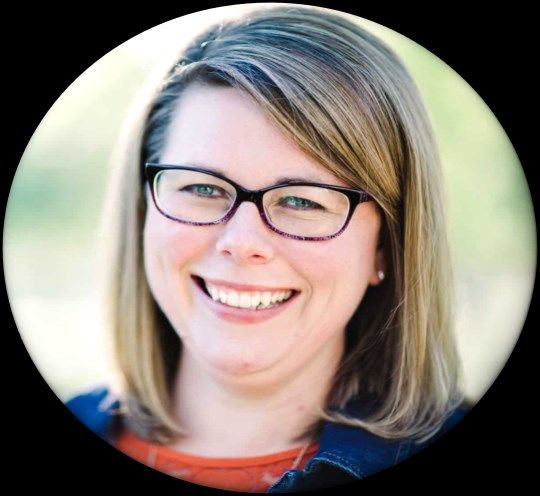
                              While Paul continued his family’s    When Jennifer was a toddler, her grandpa tried to help her
tradition and trade as a farmer, Kelly maintained her family’s     mother by purchasing a playpen to place Jennifer in as she did
tradition and trade in law enforcement and worked full time as chores in the pig birthing barn. Eventually, Jennifer learned to
a Maryland State Trooper and spent her “off duty” time growing                                        tip the pen over and insert her-
her family’s farm market business. With each year that Emily’s                                        self into those chores. Being
Produce has been in business, the family has been committed in                                        around animals and crops be-
their focus of providing their community with an authentic ex-                                        came a cornerstone of her up-
perience that demonstrates hard working family values and su-                                         bringing and she loves that she
perior customer service. Additionally, the Jackson family has                                         can pass along that connection
been committed towards showing their community the benefits                                           to the origin of food to herchil-
of supporting local agriculture and what it means to have a rela-                                     dren. Professionally she has
tionship with the farmer who plants and harvests their food.                                          spent more than a decade doing
                                                                                                       strategic marketing, speaking
Julie Witten, Witten’s Farm Market                                                                     and working with social influenc-
Julie Witten graduated from The Ohio State University with a       ers.  Jennifer began   her blog Plowing  Through Life to share about
degree in Agriculture Education. Inspired by her grandmother’s     her  experiences   living and working   on a farm and to offer en-
love of flowers, she returned home in 1996 and expanded the        couragement     to others  after struggling  through a few years as a
farm to include a greenhouse and flower markets. In her current    single  parent. While   plowing  through  life she met her husband
role at the farm, she manages the design of our hanging baskets    Joe  and  they reside  in Alexandria,  Ohio  with their twelve year
                          and specialty containers and assists     old  son Henry   and  three year  old daughter   Caitlyn.
                          with the greenhouse growing. With a
                          passion for people, Julie uses her edu-
                          cation degree every day in supervising
                          our team of 14 managers and 175 sea-
                          sonal staff members. With the majority
                          of our employees being high school
                          and college age, Julie works to grow
                          our people into skilled, educated, lead-
                          ers with the values and work ethic she
                          was raised with.
Thank You Tradeshow Vendors!

 Ohio Department of Agriculture Recertification
               Credits Granted
      If you registered for ODA recertification credits, be sure to join us during the following sessions!
                                      AVOIDING A BITTER EXPERIENCE
                                               APPLE DISEASES
                                 WHAT WE LEARNED AFTER TWO YEARS OF
                                 PEPPER GRAFTING TO CONTROL PHYTOPH
                                      UPDATES IN THE MGMT OF CORN
                                    APPLE INSECT & INSECTICIDE UPDATE
                                           BERRY WEED CONTROL
                                     CULTIVAR SELECTION, PEST MGMT
                                      STRAWBERRY RESEARCH UPDATE
In order to receive credit, the OPGMA Office must have your license number and birthdate to submit to the
                                                  ODA!
Thank You Sponsors!
Monday, January 18, 2021
                                                   Tree Fruit Track
                                            Morning Sessions 9 AM – 11:30 AM
                                                          Apple Nutrition and Orchard Nutrient Management
        9:00 AM-9:45 AM
                                                                  Lailiang Cheng, Cornell University

                                     Avoiding a Bitter Experience: Identification and Management of Bitter Rot and Glomerella
                                    Leaf Spot in Apple and Emerging Enemies and Forgotten Foes: Management of Summer Dis-
      10:00 AM-10:45 AM                                                      eases of Apple
                                                             Sara Villani, North Carolina State University
                                                                   Pesticide Recertification Credit
                                                                   Apple Diseases-A Year in Review
       11:00 AM-11:30 PM                                        Melanie Lewis Ivey, Ohio State University
                                                                    Pesticide Recertification Credit

                                      Apple Nutrition and Orchard Nutrient Management
                                              Lailiang Cheng, Cornell University
In this talk, Cheng will present the basic principles of apple tree nutrition and discuss strategies for managing nitrogen, potassium
and calcium to achieve high yield and good quality in apple production.

  Avoiding a Bitter Experience: Identification and Management of Bitter Rot and Glomerella Leaf Spot in Apple and
                   Emerging Enemies and Forgotten Foes: Management of Summer Diseases of Apple
                                    Sara Villani, North Carolina State University
Historically considered a devastating disease of warm and humid apple production regions, Glomerella leaf spot and bitter rot of
apple are increasingly causing devastating losses throughout the eastern and Midwestern United States. This session will provide
information on the identification of and management strategies for these related diseases. Traditionally during the summer
months, apple disease management programs have largely consisted of “one size fits all” biweekly applications of multi-site fungi-
cides. Due to several factors including cultivar selection and changes in weather patterns, old disease foes such as black rot have
remerged and new diseases such as Marssonina leaf blotch have appeared. This session will address integrated approaches for
managing these summer diseases and also cover strategies for managing fungicide resistance.

                                               Apple Diseases – A Year in Review
                                            Melanie Lewis Ivey, Ohio State University
An overview on apple fruit rots and their impact on Ohio apple production will be presented. Preliminary results of a two year on-
farm study on managing bitter rot through mummy removal will also be presented.

                                                                                                        Tree Fruit Sessions
                                                                                                          Sponsored By:

                                                                                                             Jim Broersma
                                                                                                           Manufacturers Rep.
                                                                                                        Evans Manufacturing Co.
                                                                                                             616-419-9913
                                                                                                         jimb@evansmfgco.com
Monday, January 18, 2021
Vegetable Track
Afternoon Sessions 1 PM – 3 PM
What We Learned After Two Years of Biofumigation Studies
1:00 PM – 1:30 PM Jim Jasinski, Ohio State University
Pesticide Recertification Credit
Pepper Grafting to Control Phytophthora Crown and Root Rot and Breeding Update on Greens
for Controlling Brassica Leaf Blight
1:45 PM – 2:20 PM
Richard Hassell, Clemson University
Pesticide Recertification Credit
Updates in the Management of Corn Earworm in Sweet Corn
2:30 PM – 3:00 PM Laura Ingwell, University of Purdue
Pesticide Recertification Credit
What We Learned After Two Years of Biofumigation Studies
Jim Jasinski, Ohio State University
This presentation will summarize the results from the mustard cover crop biofumigation studies on pumpkin from both the re-
search station and on-farm strip trials. This information will be packaged in a way that is helpful for growers who are deciding to
try this technique on their farm.
Pepper Grafting to Control Phytophthora Crown and Root Rot and Breeding Update on Greens for Controlling
Brassica Leaf Blight
Richard Hassell, Clemson University
Grafting in peppers is a hot topic in the Buckeye state. We will discuss the methods that can be used to control Phytophthora
Crown as well as give a breeding update when it comes to greens and controlling Brassica Leaf Blight.
Updates in the Management of Corn Earworm in Sweet Corn
Laura Ingwell, University of Purdue
Dr. Ingwell will be presenting the results of CEW trap catches throughout Indiana and the efficacy of insecticide trials evaluating
the use of a nuclear polyhedral virus for the control of CEW. Dr. Ingwell will also mention best practices for application of insecti-
cides in sweet corn production.
Vegetable Sessions
Sponsored By: We Hope to see you in 2022!
If there is a topic that you would like to hear
about, please let the OPGMA Office know! We
want to hear from you!Tuesday, January 19, 2021
Tree Fruit Track
Morning Sessions 9 AM – 11 AM
MAIA Update
9:00 AM -9:20 AM
David Doud, Countyline Orchards
Peach Storage Options: The Good, the Bad and the Mealy and Post-Harvest Storage
9:30 AM – 10:15 AM Techniques for Apples
Randy Beaudry, Michigan State University
Apple Insect and Insecticide Update
10:30 AM – 11:00 AM
Celeste Welty, Ohio State University
Pesticide Recertification Credit
MAIA Update
David Doud, Countyline Orchards
Discussion will take place on MAIA varieties and their development.
Peach Storage Options: The Good, the Bad and the Mealy and Post-Harvest Storage Techniques for Apples
Randy Beaudry, Michigan State University
Apple storage techniques largely revolve around managing ripening biology while minimizing moisture loss. Ripening management
starts with appropriately managing harvest maturity and includes temperature reduction to the minimum tolerated by the cultivar,
inhibition of ethylene production and perception, and managing storage duration. Application of 1-methylcyclopropene (1-MCP),
low oxygen atmospheres, and high CO2 atmospheres effectively reduce ethylene action. New dynamic controlled atmosphere
(DCA) technologies and custom CA bins are examples of emerging technologies that benefit apple storage at differing scales of pro-
duction. The benefits and pitfalls of various postharvest technologies will be presented and discussed. Not all peach varieties are
made equal. The diversity of the various cultivars is also reflected in their storability, susceptibility to mealiness, and their sensitivi-
ty to chilling-induced flavor loss. Both general and specific postharvest recommendations for peaches will be presented and the
opportunity to use ripening inhibitors to extend storability discussed.
Apple Insect and Insecticide Update
Celeste Welty, Ohio State University
This presentation will share experiences and observations with foliar spray programs on frost loss mitigation as well as production
tips and growing strategies which help overcome fruit size issues with Gala.
Tree Fruit Sessions
Sponsored By:Tuesday, January 19, 2021
Vegetable Track
Afternoon Sessions 1 PM – 3 PM
Getting the Most Out of Cover Crops
1:00 PM – 1:45 PM
Zachary Hayden, Michigan State University
Keeping Your Vegetable Crops Cool: Postharvest handling tips and tricks for maximum shelf-
1:55 PM – 2:30 PM life and quality
Annette Wszelaki, University of Tennessee
Using Soil and Plant Analysis for Better Plants
2:40 PM – 3:10 PM
Bill Urbanowicz, Spectrum Analytic
Getting the Most Out of Cover Crops
Zachary Hayden, Michigan State University
Learn about strategies and current research for successfully integrating cover crops (both new and old) into vegetable production
systems.
Keeping Your Vegetable Crops Cool: Postharvest handling tips and tricks for maximum shelf-life and quality
Annette Wszelaki, University of Tennessee
Cooling your vegetables down between harvest and market can go a long way to extending the shelf-life and overall quality of your
produce. In this session, we will discuss best cooling and storage recommendations, and economical ways to achieve them.
Using Soil and Plant Analysis for Better Plants
Bill Urbanowicz, Spectrum Analytic
How to better understand soil and plant analysis results in your cropping system then utilize the information.
Save the Date!
2021 OPGMA Summer Tour
June 29, 2021
The Market at Pickwick Place
Bucyrus, Ohio
More details to follow!Wednesday, January 20, 2021
Berry Track
Morning Sessions 9 AM – 11 AM
Berry Weed Control
9:00 AM -9:30 AM Doug Doohan, Ohio State University
Pesticide Recertification Credit
Cultivar Selection, Pest Management, and Trellis Construction in Bramble, Hardy Fig, and
Hardy Kiwi Production
9:40 AM – 10:25 AM
Ryan Slaughter, Ohio State University and Gary Gao, Ohio State University
Pesticide Recertification Credit
10:30 AM – 11:00 AM Strawberry Research Update
Brad Bergefurd, Ohio State University
Pesticide Recertification Credit
Berry Weed Control
Doug Doohan, Ohio State University
Learn the basic principles and methods of weed control in berry crops in the state of Ohio with Doug Doohan with the Ohio State
University.
Cultivar Selection, Pest Management, and Trellis Construction in Bramble, Hardy Fig, and Hardy Kiwi Production
Ryan Slaughter, Ohio State University and Gary Gao, Ohio State University
Brambles are very popular in Ohio among both consumers and growers. Hardy figs and hardy kiwis are attracting a lot of attention
for their tasty fruits. Please join Dr. Gary Gao and Ryan Slaughter for an informative discussion and update on cultivars, trellising,
pest management and trellis construction techniques of these high value crops from their 2017 Ohio Specialty Crop Block Grant.
Strawberry Research Update
Brad Bergefurd, Ohio State University
What to learn about what has happened on the research side of strawberries? Be sure to join us to find out!
Follow us on
Twitter: Thanks for Attending
@ohioproduce
Like us on the 2021 Ohio Produce
Facebook:
Network!
@opgmaWednesday, January 20, 2021
Marketing Track
Afternoon Sessions 1 PM – 5 PM
Farm Labor After COVID-19: Things to Consider for the Future
1:00 PM – 1:30 PM
Eric Barrett, Ohio State University
How To Tell Your Story
1:45 PM – 2:30 PM
Kelly Jackson, Emily’s Produce, Maryland
Employee Handbook at the Witten Operation—What Works, What Doesn’t
2:35 PM – 3:00 PM
Julie Witten, Witten’s Farm Market
Authentic Voices Workshop
3:05 PM – 4:00 PM
Melanie Wilt, Shiftology Communications
What is a Social Media Influencer?
4:05 PM - 5:00 PM
Jennifer Osterholt, Osterholt Marketing & Communications LLC
Farm Labor After COVID-19: Things to Consider for the Future
Eric Barrett, Ohio State University
Join us for a conversation around farm labor and safety for employees after COVID-19. We will cover some suggested changes in
the way farms manage employee safety and health and share updates and tips for managing your workforce in the coming year.
How To Tell Your Story
Kelly Jackson, Emily’s Produce
Having a vision that creates a sustainable future for your business is key. Adding value, unique products and “one of kind” experi-
ences for the consumer will create an environment and story worth sharing with your consumers!
Employee Handbook at the Witten Operation—What Works, What Doesn’t
Julie Witten, Witten’s Farm Market
The employee handbook is a major part of the Witten Operation. During this session, learn about some techniques that we use for
employees and how employee management is handled!
Authentic Voices Workshop
Melanie Wilt, Shiftology Communications
Do you or your farm struggle to communicate the right thing at the right moment to the right audience? Many producers get over-
whelmed by all the things they want to say and miss saying what the audience needs to hear. Learn how to message what matters
during this hands-on workshop. After this session, you will understand how to use a message map to organize your thoughts, incor-
porate compassion, conviction and optimism into your messages, and build confidence in your communication skills.
What is a Social Media Influencer?
Jennifer Osterholt, Osterholt Marketing & Communications LLC
This interactive presentation will give an overview of different types of online influencers and share successful ways to engage with
them. There will be open discussion and time to ask questions.You can also read


