PROSPECTUS 2021 Wellington East Girls' College - Te Kura Kōhine o te Rāwhiti o Te Upoko o Te Ika - Learning ...
←
→
Page content transcription
If your browser does not render page correctly, please read the page content below

Wellington East Girls’ College
  Te Kura Kōhine o te Rāwhiti o Te Upoko o Te Ika

       PROSPECTUS 2021

                         1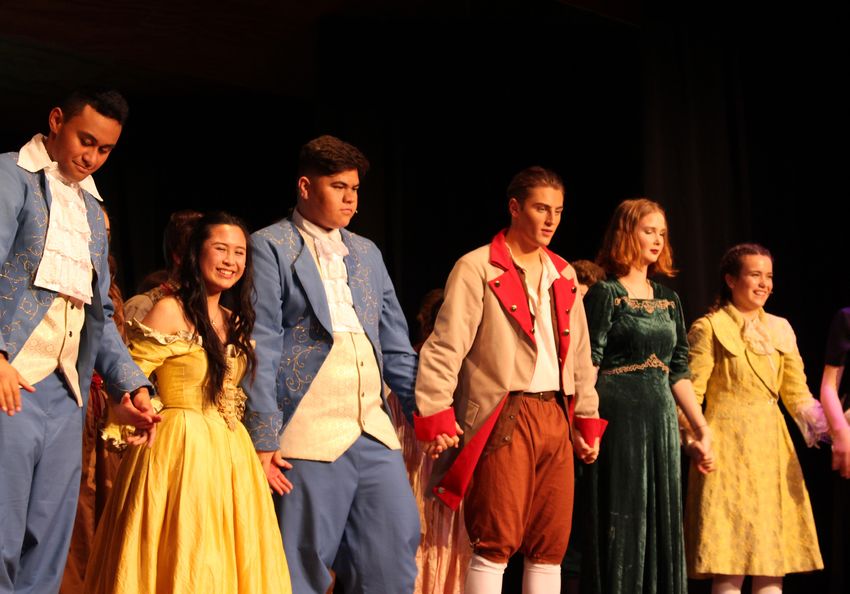
Principal’s Welcome

  Wellington East Girls’ College is proud of the reputation we have for excellence through inclusive
          student centred learning, based on the values of diversity, equity, and wellbeing.

I believe it is the role of Wellington East Girls’ College       Matairangi, our main building hosts innovative learning
to nurture young women to become global citizens                 environments where students are firmly at the centre
who are strong in their own culture and identity and             and learn to connect, collaborate and create their
empowered to make a difference in their communities              futures. The dedicated and committed staff continue
and in the world.                                                to develop learning opportunities for students to
                                                                 experience challenge, demonstrate innovation and
We have a focus on equitable outcomes, a responsive              creativity and celebrate success.
curriculum for innovative and future focused teaching
and learning, integrated community relationships and
student hauora. All our developments sit within this
strategic framework.
                                                                 Gael Ashworth
                                                                 Principal

                                                             2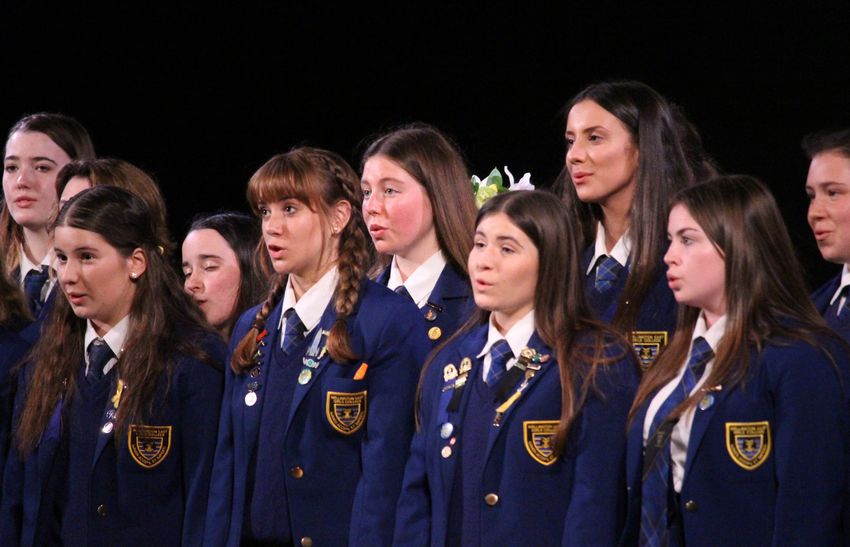
About Our School

We have a proud tradition of serving the central city and the eastern and southern suburbs for
             those families who want a quality education in a girls only setting.

                                                  Our students
                                                  Wellington East Girls’ College was founded in 1925. We
                                                  have a proud tradition of serving the central city and the
                                                  eastern and southern suburbs for those families who
                                                  want a quality education in a girls only setting. We have
                                                  an enrolment scheme and a zone. All students from
                                                  East and South Wellington will have automatic entry, if
                                                  within the zone. Other students may win a place through
                                                  a ballot.

                                                  With over 1000 students, we are big enough to provide
                                                  wide curriculum and co-curricular choice, yet not so big
                                                  that students get lost in the crowd. We treat our girls as
                                                  valued individuals.

                                                  Our place
                                                  The major school rebuild, identified in a comprehensive
                                                  two stage Master Plan, is on track. The Main Block has
                                                  been redeveloped into a modern facility retaining the
                                                  historic facade and vestibule. This new building provides
                                                  for 21st century specialist learning areas in Art, Media,
                                                  Music and Technology. It has restored ‘the heart of the
                                                  school’ and provided improved access. The wharenui -
                                                  Akina Te Tii provides a focus for cultural learning and a
                                                  stronger connection with Te Ao Maori.

                                                  Our vision
                                                  Students at Wellington East Girls’ College respect
                                                  each other and value diversity. These young women
                                                  become citizens, neighbours and employees of whom
                                                  New Zealand can be proud. We are also proud of the
                                                  outstanding achievements of many girls in academic,
                                                  sporting and cultural activities, and equally proud of the
                                                  leadership and collaborative skills developed through
                                                  participation in school and community projects.

                                              3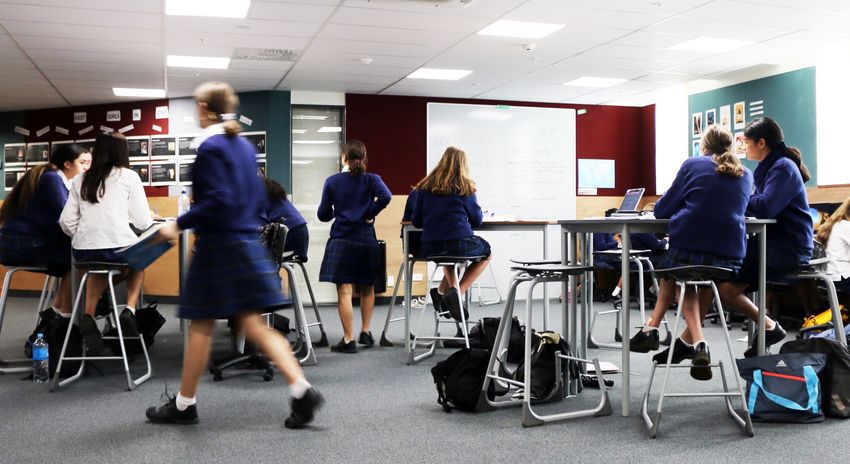
AROHA
                                  WH

                                                                                    RA
                                                               RANGATIRATANGA
                                     ANA

                                                                           NG A
                                        UNG

                                                                               T IR A
                                            ATA

                                                                                     TANG
                                                NG

                                                                        A
                                               A

                                                MANA TANGA

                                            Our Values
                                  Strong, Connected, Empowered Learners

Mission Statement                                              Values
In the Wellington East Girls’ College Community we will:       Enhancing the mana of ourselves and others through
                                                               Aroha, Whanaungatanga and Rangatiratanga
• Learn to walk in many worlds developing strength in
  personal identity;                                           • Aroha: Being patient and kind, showing empathy and
• Learn, lead and participate in an environment                  focusing on your mahi
  that reflects and values diversity while fostering           • Whanaungatanga: Feeling a sense of belonging
  personal excellence;                                           and kinship and being connected by a powerful
• Learn to accept challenges and celebrate success,              common purpose
  innovation and creativity;                                   • Rangatiratanga: Leadership that unifies people in
• So that we positively contribute to our communities,           meaningful ways and self-determination over your
  now and in the future                                          choices and actions

                                                           4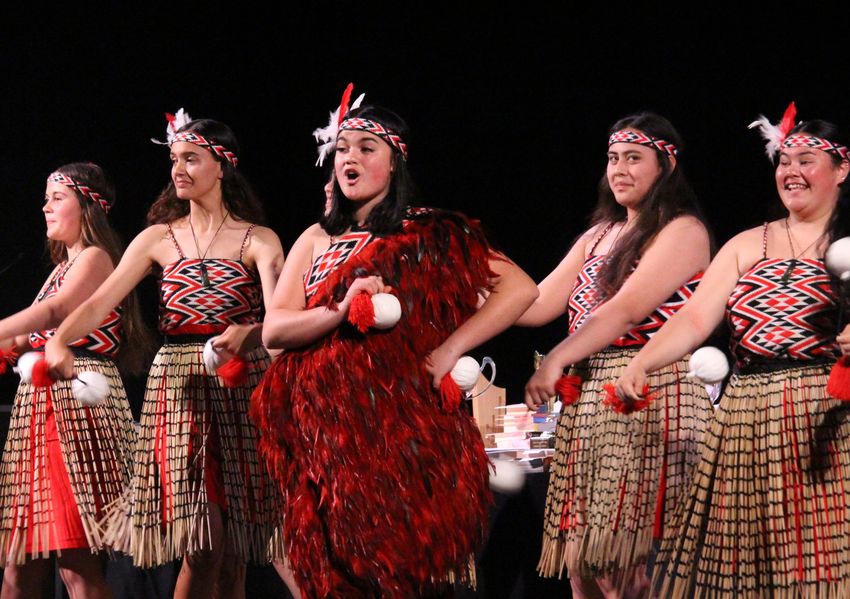
Junior Learning

    Learning in Years 9 and 10 is based on the New Zealand Curriculum and provides students with
   opportunities to develop the values, key competencies and knowledge that are vital to becoming
                 active, confident and contributing members of New Zealand society.

Learning for students In Years 9 and 10 reflects                  and capabilities, and helps students to personalise
                                                                  their learning and assessment in ways that foster
four key curriculum design principles. These are:                 engagement and talents.

Culturally inclusive                                              Learning to learn
Fostering diversity, catering for diversity and preparing         Students are encouraged to actively participate and be
our learners to work with diversity.                              involved in decisions related to their learning, to reflect
                                                                  on their learning and to use feedback and feedforward
Blended                                                           strategies to enhance self-management of their
                                                                  own learning.
All students starting in Year 9 are required to bring their
own devices to school for learning to enable them to              In Year 9 each teaching group is organised to be part of
use digital tools to support knowledge construction,              a learning community called a Learning Hub. In these
real-world problem solving and innovation and to                  hubs, the teachers and students work collaboratively to
become empowered media uses. It will allow connection             develop activities based on the four design principles.
with and access to the rich resources available in the            The junior school curriculum has a particular focus on
community and the wider world.                                    literacy, numeracy and the nature of science until the
                                                                  end of Year 11, while providing a foundation for further
Coherent                                                          learning and choosing from the wider range of subjects
Meaningful links are made within and across                       available in the senior school.
subjects using common tools and approaches, using
a combination of inquiry learning, project based
learning and collaborative teaching approaches. The
curriculum builds on students’ prior learning, passions

                                                              5
Senior Learning
                    Learning in Years 11, 12 and 13 is flexible and focuses on supporting
                       students towards achieving sucess at NCEA Levels 1,2 and 3

The senior curriculum is flexible and provides meaningful       Students in these year levels will be preparing for Levels
pathways to future success, through and beyond                  1, 2, and 3 of the National Certificate of Educational
schooling, including access to National Qualifications.         Achievement (NCEA) and have the opportunity to work
Teaching encourages reflective thought and action,              towards gaining other National Certificates.
makes connections to prior learning and enhances the
                                                                NCEA is assessed by a mixture of internal assessment
relevance of new learning.
                                                                and external examinations. Students are supported
Students in the senior school have a greater choice             and encouraged to aim for gaining individual course
of subjects to study and are able to specialise as they         (subject) endorsement as well as NCEA certificate
approach their final years at school.                           endorsement at Merit or Excellence. Higher achieving
                                                                students working at Level 3 have the opportunity to
                                                                enter for Scholarship.

                                                            6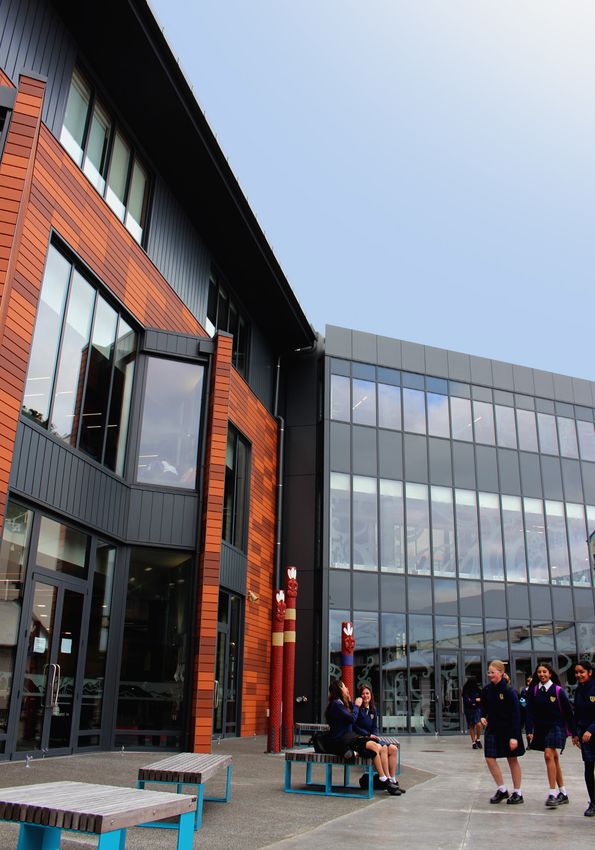
Supporting Academic Success
E-learning – Connect, Communicate, Create,                             Te Aka is a space where ORS funded students have the
Collaborate                                                            support of a base classroom focusing on each individual
                                                                       student’s learning needs. Te Aka works as a hub for students
 At Wellington East Girls’ College we guarantee an inclusive
                                                                       to access mainstream classes. Teachers, therapists and
digital environment for every student. We have worked
                                                                       teacher aides work together with students and their families
extensively to ensure that our pedagogy is responsive
                                                                       to create a meaningful programme for each student, including
to digital developments and that teachers across every
                                                                       both mainstream classes and focused programmes within Te
department are finding ways to use technology to support
                                                                       Aka. Literacy, Numeracy and IEP goals are focused on within
learning in a meaningful way.
                                                                       a range of exciting and challenging learning experiences.
We focus on using technology to do what we do better, as well
as looking at the teaching and learning practices now made
possible by technological developments. Students starting in           Peer Tutoring offers academic help from senior students
Year 9 bring digital devices to school for their learning. The         who receive training in this area and who work closely with
school provides laptop and desktop computers for use across            teachers, in the classroom, to cater for the needs of students.
the school.                                                            Peer Tutors are present at Homework Club, in Te Aka, and are
                                                                       also available to work with individual students and groups
All departments and staff use collaborative digital documents,
                                                                       when required.
such as Google Docs. This allows teachers to view student
progress and give detailed, formative feedback on work and
assessments. Use of Google Docs supports students to work
collaboratively and teaches them to share and plan their
                                                                       Supporting Gifted and Talented Students
learning together. Teachers are using Google Classroom                 Gifted and talented students have exceptional abilities com-
and Google Sites to allow students to set their own pace,              pared to most other people (of the same age). These students
collaborate and access their learning at any time.                     have learning characteristics that give them the potential to
                                                                       achieve outstanding performance. Students can demonstrate
Industry-specific software and hardware are integrated
                                                                       giftedness and/or talent in one or more of the following areas:
into the learning in many departments such as Digital
                                                                       intellectual / academic; creativity; visual and performing arts;
Technologies, Design and Visual Communication,
                                                                       social / leadership; physical / sport; culture-specific abilities
Digital Photography, Science, Design, Music and
                                                                       and qualities.
Media Studies in particular.
                                                                       A multi-method approach is used to identify students
There are several communities of teachers and students
                                                                       using information gathered from the student, teachers,
charged with the task of developing our collective ICT
                                                                       parents / families, peers and assessment tools. The goal is
knowledge. Their roles range from strategic and tactical
                                                                       to help us to better personalise learning for our students and
planning to preparing our students to live and work safely,
                                                                       to provide the right opportunities to target their abilities and
happily and productively in the digital era. We recognise that
                                                                       interests both in class and out. Wellington East Girls’ College
rapidly changing technology is an integral part of our students’
                                                                       uses a combination of enrichment and acceleration with
lives and are supporting them to become digital citizens
                                                                       differentiated teaching and learning in classes, enrichment
of the future.
                                                                       opportunities outside the classroom, and where appropriate,
                                                                       opportunities to engage with a higher level of the curriculum.
Learning Support is provided to meet the specific learning
differences or ESOL needs of students in the mainstream.
Subject teachers are supported in what is best practice
around teaching students with learning differences and
Teacher Aide support is provided in some classes to assist
with small groups.

                                                                   7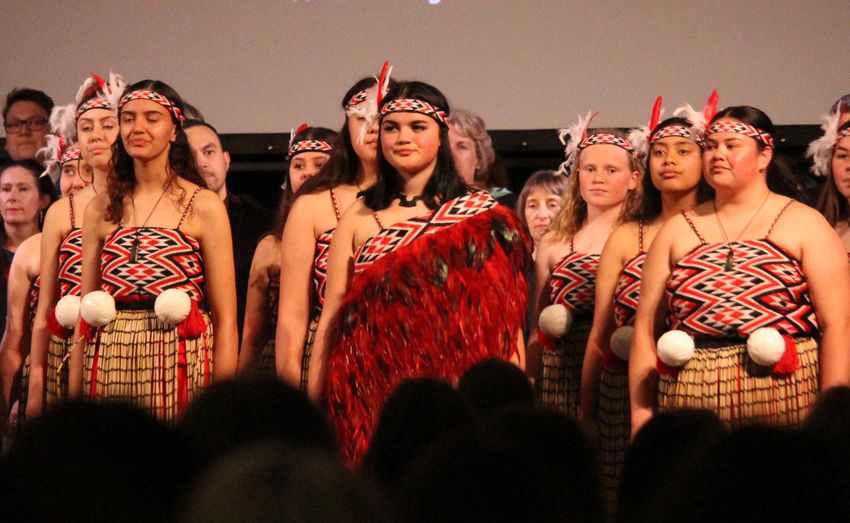
The Arts

 The Arts curriculum is valued highly at Wellington East Girls’ College. There is a strong tradition of
                participation and excellence in this important part of the curriculum.

Quality teaching programmes and many co-curricular              students an integrated approach to learning both Dance
and extra-curricular opportunities are provided to              and Drama as a combined subject across a full year of
allow girls to explore their creative potential to the          study. The senior curriculum offers Drama and Dance
full. Students from Wellington East Girls’ College              as individual subjects at all NCEA levels. As part of
are well known for the excellent performances they              these programs students benefit from school trips to
deliver to local schools and to audiences at major              see professional theatre and dance performances and
Wellington venues.                                              from tutorials delivered by visiting experts. Out of class
                                                                opportunities for dance include the School Musical,
                                                                Dance competitions, Theatresports, the Drama Club and
Drama and Dance                                                 the chance to participate in the many cultural groups
                                                                who perform to a very high standard at school functions
Drama and Dance are offered as optional curriculum
                                                                and in the wider community. In Dance and Drama you
subjects in Years 9 to 13. In these subjects students
                                                                can expect action based learning, a chance to engage
engage with a wide range of theatre and dance forms,
                                                                your imagination and many opportunities to work
build technical skills and practice innovation as theatre
                                                                creatively with others.
and dance makers. Our Year 9 and 10 programs offer

                                                            8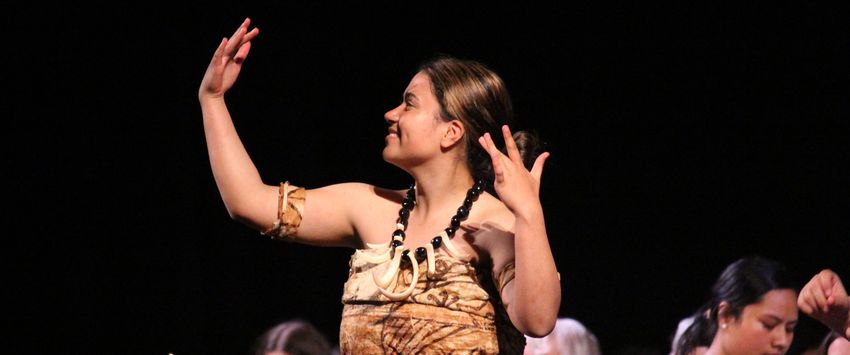
Art                                                               Music
All Year 9 students engage with contemporary art                  The Music department is situated in a purpose built block
practice while building on a range of technical skills. Art       that opens out onto the quad. We have practice and
can be chosen as an option from Year 10 and leads into            composition rooms, acoustically designed classrooms,
a broad range of individual subjects in the senior school,        and a recording studio. The Music curriculum is wide
taught by specialist subject teachers. In Years 12 and 13         ranging and varied, starting from practical music in Year
students can specialise in Painting, Photography, Design,         9, to academic and performance courses at NCEA Levels
Sculpture and Art History.                                        1-3 and Scholarship in Year 13. The Music department
                                                                  staff is made up of four classroom music teachers and six
                                                                  itinerant staff offering professional tuition in a variety of
                                                                  instruments and musical fields. We also have many extra
                                                                  curricular groups including five varying choirs, jazz band,
                                                                  orchestra, student led rock bands, brass ensemble and
                                                                  other chamber music groups.

                                                              9
PE, Health and Outdoor Education
By learning in, through, and about movement, students             health-enhancing decisions in a range of situations
are able to maintain and enhance their personal health,           they may face as an adolescent and in the future.
and physical development. Focus is placed on students             Students will develop knowledge of key influences and
understanding the concept of hauora and taking action             consequences of health issues at both a personal and
to promote their own wellbeing, wellbeing of others,              interpersonal level and devise strategies to develop
and society.                                                      healthy communities.
For the practical aspect of the course, students will             In the senior school, we run NCEA programmes in
develop key skills including; critical thinking around            Physical Education, Health Education, and Outdoor
societal and personal influences on physical activity,            Education. The philosophy within our senior courses is
leadership, interpersonal skills, application of exercise/        on quality learning and fosters critical 21st century skills
sport science for performance, risk management in                 such as communication, critical thinking, collaboration
the outdoors, sustainability, as well as developing an            and taking action to support healthy communities.
awareness and appreciation of movement for life. The              The contexts in which these are taught are learnt in,
theory part of the course will provide students with              through, and about movement.
the knowledge, understanding, and skills to make

                                                      Sport
Wellington East Girls’ College has a proud sporting record. We encourage fair play, participation and enjoyment
of sport. Through playing sport, students learn to take leadership and coaching roles. Playing sport is a great way
for young people to learn to extend their personal achievements and to get along co-operatively with others. The
new Sports Centre allows a wide range of sports activities to be held with excellent spectator space and modern
changing facilities. The wide range of sports offered are listed below:
•   Adventure Racing           •   Fencing                        •   Orienteering                •   Touch
•   Athletics                  •   Floorball                      •   Road Racing                 •   Underwater
•   Aqua Fitness               •   Football                       •   Rowing                      •   Hockey
•   Badminton                  •   Futsal                         •   Rugby                       •   Volleyball
•   Basketball                 •   Handball                       •   Skiing                      •   Waterpolo
•   Cricket                    •   Hockey                         •   Softball                    •   Waka Ama
•   Cross Country              •   Ki o Rahi                      •   Swimming
•   Running                    •   Lacrosse                       •   Table Tennis
•   Dragon Boating             •   Netball                        •   Taekwondo

                                                             10
Cultural Groups
We have a diverse range of cultural groups that
represent the diversity of Wellington East. Art, Music,
Choir, Cultural clubs, and many more.
• Kapa Haka • Multi choir
• Polynesian Group • Debating
• Senior Choir • Ignite
• Junior Choir • Rahwhiti -
Audition choir
Clubs & Committees
The school prefect leaders run committees and clubs
which are open to all students. Here to name a few:
• Acts 29 • Multi choir
• Charities Committee • Music Committee
• Chinese dance club • NZSL Club
• Craft Group • Peer Tutors
• Cultural committee • Poly Club
• Debating • Prefects
• Drama Club • Radio Group
• Duke of Ed • Recognition
• East Lightning • Robotics Club
• East Nanogirls • School Council
• Environmental • Senior Choir
Committee
• Sheilah Winn
• Events Committee
• Spoken Word
• FeminEast
• Sports Committee
• Film Club
• Technology Committee
• Gigabytes
• Tikanga Committee
• Homework Club
• Tuakana
• House Committee
• Ukulele Group
• Human Rights Club
• Well Being Committee
• International Students
• WEGC supporters club
• Junior Prem Debating
• Writers’ Club
• Kapa Haka
• Young voices
• Library Committee
• Book Club
• Media Committee
11Athletics Carnival Year 9 Ako Days
Athletics Carnival is a day of team work, participation, Each year Year 9 take part in a series of Ako Days to
sporting excellence and fun. Lead by the four capable participate in outdoor activities and learn more about their
House Captains, this day allows students from different peers, teachers and the Year 13 Tuakana. It is an important
classes and year levels to work together to achieve opportunity for students to form positive relationships,
success for their team. Events range from field and to challenge themselves and to get involved in the local
track events to ‘Fashion in the Field’ and House chant community. Students participate in a range of activities to
competitions. Athletics Carnival is an opportunity for explore what it means to be an East girl, our school values
students to show their sporting prowess on the field and and tikanga based in the local community. This gives Year
their creative skills in their costumes. 9 students an opportunity to make strong connects to the
school and to one another.
12A Sense of Community
Wellington East Girls’ College is well known for its strong sense of community and offers a safe,
friendly, tolerant environment in which students learn to relate positively to others.
The culture of the school is extremely supportive, This includes Ako teachers, Deans and the guidance
encouraging students to develop confidence, self- support team: Careers Advisors, learning support,
awareness and a respect for others’ needs and beliefs. Counsellors and Public Health Nurse.
This is fostered both informally, through the constructive Deans have an overview of each year level. They support
way students and staff interact with each other, and the learning of students by ensuring they are taking
formally through established guidance and pastoral subjects that suit them and are accessing any additional
care systems. support they need. The Dean supports the students
as they move from Y9 to Year 13 in order to provide
continuity and to build strong relationships within their
The Pastoral Care Network
year group.
The primary role of the pastoral care network is to
support social, emotional, academic, physical and
spiritual well-being of students through positive Hauora team includes the School Counsellors, the
relationships and collaborative problem solving to Careers Advisers, and the Learning Support Co-ordina-
remove any barriers that prevent them from being tor who provide a professional service that is sensitive
the best they can be. We aim to build young people’s to the individual needs of students. The Heath Nurse is
capacity to meet the challenges of life and create a available two lunchtimes a week.
positive future for themselves.
13Leadership
Developing student leadership is a strong priority at Wellington East Girls’ College.
Students are offered many opportunities to demonstrate and develop leadership skills,
in a supportive environment, across all year levels.
Within each Ako class there are a range of leadership The Tuakana System gives senior students an
roles including an Ako Captain. At each year level opportunity to support and lead juniors and builds
the School Council gives students the opportunity to positive relationships between year levels. Trained
make an active contribution to whole school decision Tuakana accompany Year 9 students to Ako class.
making processes. Senior students also offer academic assistance through
Peer Tutoring.
At Year 13, Prefects lead committees responsible for
activities and student leadership across the school. Additional leadership opportunities are offered through
Each prefect is assigned a leadership area depending sports teams, cultural groups, dramatic and music
on their skills, experience, strengths and interests. groups. Students are encouraged to gain positive
Areas of prefect leadership include Technology, leadership experience through their own personal
Music, Peer Tutoring, Sports, Tuakana, The Arts, areas of interest.
School Council, Board of Trustees, House Captains,
Media and Culture.
14Senior Curriculum Flow Chart
Year 9 and 10 Learning in Years 11 - 13
Learning Areas
Level 1 Level 2 Level 3
English English English English
English Language Learning English Language Learning English for Academic
Purposes
*Media Studies *Media Studies *Media Studies
Mathematics and Mathematics Mathematics Calculus
Statistics Mathematics - Numeracy Statistics & Modelling
Science Science Biology Biology
Health Science Health Science Health Science
Science: Aotearoa and the Chemistry Chemistry
Pacific Physics Physics
Tikanga-a-iwi *Anthropology *Anthropology *Anthropology
*Geography *Geography Geography
*History *History *History
*Classical Studies *Classical Studies
*Sociology *Sociology
*Understanding Religion
Health & Physical Health Health Health
Education Physical Education Physical Education Physical Education
*Outdoor Education *Outdoor Education
The Arts Art *Art History *Art History
*Maori & Pacific Art Painting Painting
Design Design
Sculpture Sculpture
Photography Photography
Music Music Music Studies
*Vocal Studies *Vocal Studies Making Music
*Vocal Studies
Dance Dance Dance
Drama Drama Drama
Technology Subjects *Fashion Design Technology *Fashion Design Technology *Fashion Design Technology
*Food Technology *Food Technology *Food Technology
*Hospitality Hospitality Hospitality
Design and Build Design and Build Design and Visual
Communication
Digital Technologies Digital Technologies Digital Technologies
Languages Chinese Chinese Chinese
French French French
Gagana Samoan Gagana Samoan Gagana Samoan
Maori Te Reo Maori Te Reo Maori Te Reo Maori
Maori Performing Arts Te Reo Rangitira
Maori Performing Arts
Commerce Subjects *Economics *Economics *Economics Accounting
*Applied Business Studies *Accounting *Business Studies
*Business Studies
Integrated studies *Integrated Studies *Integrated Studies *Integrated Studies
(starts at Level 1)
Pathways Education *Future Pathways *Future Pathways
(starts at Level 2) *Tourism and Travel *Tourism and Travel
*May be started at this level (some may have pre-requisites such as interview; audition or literacy requirements)
15Wellington East Girls’ College
Te Kura Kōhine o te Rāwhiti o Te Upoko o Te Ika
Austin Street, Mount Victoria
Wellington, New Zealand
(04) 385 8514
www.wegc.school.nz
wegc@wegc.school.nz
16You can also read


