SELWYN-WAIHORA ZONE COMMITTEE TO BE HELD AT THE LINCOLN EVENTS CENTRE ON TUESDAY 5 JUNE 2018 AT 2.00 PM
←
→
Page content transcription
If your browser does not render page correctly, please read the page content below
Selwyn-Waihora Zone Committee (Water Management)

                                                               83RD ORDINARY MEETING OF THE

                                                           SELWYN-WAIHORA ZONE COMMITTEE

                                                                           TO BE HELD AT THE

                                                                     LINCOLN EVENTS CENTRE

                                                                      ON TUESDAY 5 JUNE 2018

                                                                                    AT 2.00 PM

                                                   "If there is magic on this planet, it is contained in water..."
                                                                                                               Loran Eisely, US Author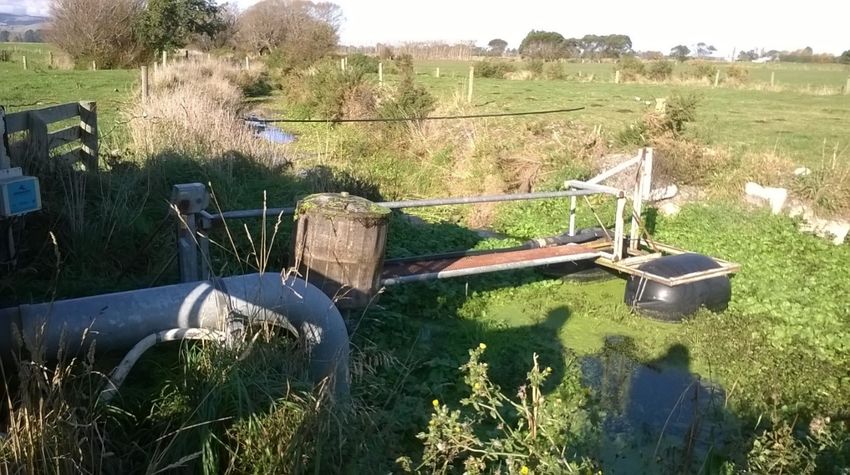
1
2

     83rd Meeting of the Selwyn Waihora Zone Committee - Outline of Agenda

     DATE:         TUESDAY 5 June 2018
     TIME:         2.00pm
     VENUE:        Bayliss Lounge, Lincoln Event Centre, Meijer Drive, LINCOLN

Item Time          Description                                                   Pages      Presenter
       2.00pm      Meeting commences with karakia and formal order of
                   business:
                    • Apologies
                    • Identification of Urgent General Business
                    • Confirmation of minutes 1 May 2018                          3 - 13
                    • Matters Arising & actions from last meeting
                    • Report to and from Regional Committee Meeting
                         (Karaitiana Taiuru)
                    • Update from Zone Committee members on activities
                         and meetings attended that relate to the
                         Committee’s outcomes for the zone
                                                                                  14 - 16
                    • Changes in membership, Zone Committee
       2.20pm      General Public Contribution

1.     2.25pm      Verbal Report: Selwyn Waihora Zone Delivery                              Chris House,
                                                                                            Environment
                                                                                            Canterbury
2.     2.30pm      Membership of the “Plan for Selwyn River” Working Group          17      Paul Hodgson,
                                                                                            Committee
                                                                                            Member
       2.45pm      Break

3.     3.15pm      Fonterra’s progress with helping to implement the Selwyn                 Mat Cullen,
                   Te Waihora Plan                                                18 - 30   Fonterra

4.     4.00pm      Update on Fish Screens                                                   Nick Daniels,
                                                                                  31 - 46   Environment
                                                                                            Canterbury
5.     4.45pm      Zone Facilitator’s Report                                                Ian Whitehouse,
                                                                                  47 - 55   Environment
                                                                                            Canterbury
       5.00pm      Approximate finish time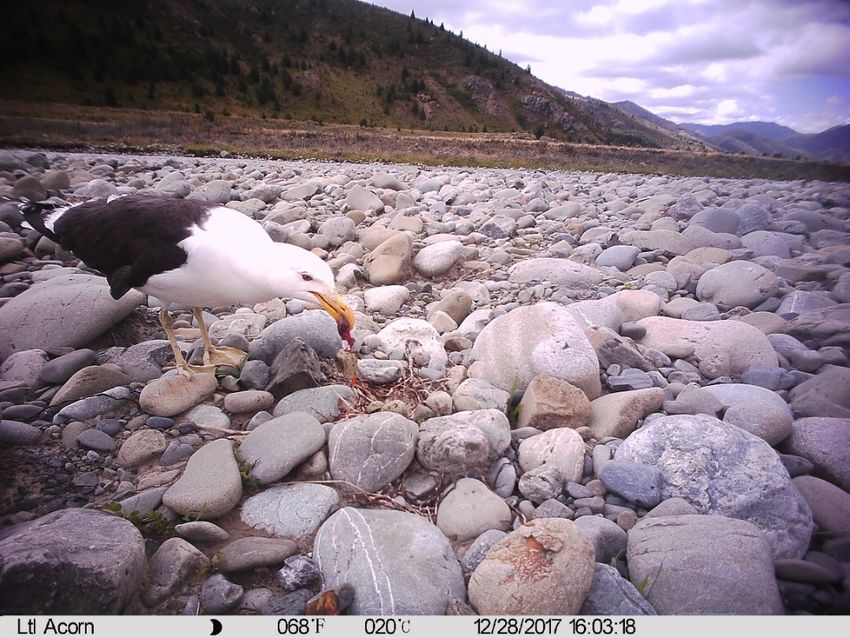
3

     MINUTES OF THE 82nd MEETING OF THE SELWYN WAIHORA ZONE COMMITTEE
     HELD IN THE BAYLISS LOUNGE, LINCOLN EVENT CENTRE, LINCOLN, ON TUESDAY
     01 MAY 2018 COMMENCING AT 2:00 PM

    AGENDA SUMMARY
Item Time     Description                                              Pages   Presenter
       2.00pm     Meeting commences with karakia and formal
                  order of business:
                    • Apologies
                    • Identification of Urgent General Business
                    • Confirmation of minutes 3 April 2018
                    • Matters Arising & actions from last meeting
                    • Report to and from Regional Committee
                        Meeting (Karaitiana Taiuru)
                    • Update from Zone Committee members on
                        activities and meetings attended that relate
                        to the Committee’s outcomes for the zone

       2.20pm     General Public Contribution
1.     2.25pm     Terms of Reference for “Plan for Selwyn River”               Paul Hodgson
                  Working Group

       3.00pm     Break

2.     3.20pm     Progress report: Waikirikiri / Selwyn River Near             Brett Painter,
                  River Recharge Project                                       Environment
                                                                               Canterbury
3.     3.35pm     Progress report: Silverstream catchment                      Sylvia McAslan,
                                                                               Environment
                                                                               Canterbury
4.     4.00pm     Quarterly progress report                                    Chris House,
                                                                               Environment
                                                                               Canterbury
5.     4.15pm     Department of Conservation activities in Selwyn              Andy Thompson,
                  Waihora Zone                                                 Department of
                                                                               Conservation
6.     5.00pm     Update on Youth Zone Committee meeting                       Johannes Welsch
                                                                               and Hannah
                                                                               Dunlop,
                                                                               Environment
                                                                               Canterbury
7.     5.10pm     Zone Facilitator’s Report including:                         Ian Whitehouse,
                  • Proposed 2019 “Omnibus” plan change to                     Environment
                     Canterbury Land and Water Regional Plan;                  Canterbury
                  • Outline of 05 June SWZC workshop and
                     meeting
       5.20pm     Approximate finish time

     The meeting was opened with a welcome and karakia by George Tikao
4

Karaitiana Taiuru gave a mihi to welcome Kylie Jane-Phillips as a new committee member.

The Chair welcomed everyone to the meeting.

PRESENT
Allen Lim (Chair), Councillor Murray Lemon (Selwyn District Council), Karaitiana Taiuru (Te
Rūnanga o Koukourārata), Les Wanhalla (Te Rūnanga Taumutu), George Tikao (Te
Rūnanga o Ōnuku), Kylie-Jane Phillips (Te Hapu o Ngati Wheke), Megan Hands (Community
Member), Maree Goldring (Community Member), Paul Hodgson (Community Member).

IN ATTENDANCE
Johannes Welsch, Hannah Dunlop, Brett Painter, Sylvia McAslan, Chris House, Lesley
Woudberg, Ian Whitehouse, Angus McLeod, Nicci Delahunty and Sandy Bowman
(Canterbury Regional Council); John Benn and Andy Thompson (Department of
Conservation), Mayor Sam Broughton (Selwyn District Council), Paula Greer (Canterbury
Botanical Society), Katherine McKusker (DairyNZ)

Members of the Public
Jane Hodgson
Mike Glover

APOLOGIES
Apologies received from Riki Nicholas, Ron Pellow, Councillor Iaean Cranwell, Councillor
Anne Galloway, David Murphy (Environment Canterbury)

Moved: Murray Lemon / Seconded: Maree Goldring
That the Committee accept apologies for absence as noted.
                                                                                CARRIED

RESIGNATIONS
Ian Whitehouse (Facilitator) announced the immediate resignations of:
•     Matiu Payne (replaced by Kylie-Jane Phillips)
•     Victor Mthamo

IDENTIFICATION OF URGENT GENERAL BUSINESS

None.
5

CONFIRMATION OF MINUTES

Minutes of the 81st Meeting of the Selwyn Waihora Zone Committee (Water
Management) held on Tuesday 3 April 2018.
(Refer pages 2 - 9)

Murray Lemon requested that it be recorded he stood aside at the previous meeting during
the discussion about stockwater races with regards to the proposed Selwyn District Long
Term Plan, as he considered as a Selwyn councillor he had a conflict of interest.

Moved: Cr Murray Lemon / Seconded: Maire Goldring

That the minutes of the 81st meeting of the Selwyn Waihora Zone Committee (Water
Management) held on Tuesday 3 April 2018, as amended, be confirmed,
                                                                             CARRIED

MATTERS ARISING FROM MINUTES

Paul Hodgson suggested that Fish and Game be invited to brief the committee on the
Snake Creek Project. Ian Whitehouse to make it happen and come back to committee.

REPORT TO AND FROM REGIONAL WATER MANAGEMENT COMMITTEE MEETING

No meeting.

UPDATE FROM ZONE COMMITTEE MEMBERS ON ACTIVITIES AND MEETINGS
ATTENDED THAT RELATE TO THE COMMITTEE’S OUTCOMES FOR THE ZONE

Zone committee members reported on meetings attended that relate to the work of the
zone committee including:

Cr Murray Lemon – Yarrs Lagoon community meeting and field trip with Selwyn District
Council’s Biodiversity Working group.

Les Wanhalla –Yarrs Lagoon community meeting; Ararira/Living Waters meeting;
Whakaora Te Ahuriri visit; hui on Selwyn District Council LTP; Christchurch West Melton
Zone Committee meeting.

Paul Hodgson – Workshop on ‘National Guidelines for Safe Fish Passage’ in Wellington;
Watershed 2018 event

Megan Hands – Watershed 2018 event; Glentunnel meeting.

Maree Goldring – Noted that no applications received for the Rakaia Enhancement
Catchment fund, with next round closing end July 2018. DOC/MPI are not funding wilding
pines work this coming season, so WELRA looking at obtaining funding from other areas.
6

Allen Lim – Regretted not being able to attend the Watershed 2018 Event and requested
Megan and Paul to give a quick synopsis to the committee.

Ian Whitehouse advised that the Watershed 2018 event had been videoed. Video clips to
be made available.

GENERAL PUBLIC CONTRIBUTION

None.

1. TERMS OF REFERENCE FOR “PLAN FOR SELWYN RIVER” WORKING GROUP
   (Paul Hodgson)
   (Refer pages 10 – 13)

   The Chair and Committee commended Paul on a well-prepared document.

   Paul drew the committee’s attention to changes that had been made to the draft
   discussed at the April meeting. He said the one matter not addressed from that
   discussion was the point raised by Les Wanhalla about whether the “Plan for the
   Selwyn River/Waikirikiri” would cover the tributaries as well. Les said he was happy
   with the proposed Terms of Reference with the addition of “and tributaries” to the
   second bullet in the “Role and responsibilities” section and the addition of “rūnanga” in
   the final paragraph (as the meeting schedule for Stage 2 should include meetings with
   rūnanga, communities and key interests). The committee supported these changes to
   the TOR.

   Moved: Paul Hodgson / Seconded: Maree Goldring

   That the Terms of Reference for the Selwyn River/Waikirikiri Plan Working Group are
   approved subject to the changes made at the meeting as above.

   Working Group membership
   Paul said that now that the TOR had been agreed he would be able to work on
   confirming the membership of the Working Group. He will bring names of people for the
   Working Group to the committee at its June meeting for approval.

   Murray Lemon commented that the Working Group should not become so large as to
   become unwieldly

2. PROGRESS REPORT: WAIKIRIKIRI/SELWYN RIVER NEAR RIVER RECHARGE
   PROJECT
   (Brett Painter, Environment Canterbury)

   Project Aims
   •     Increase ground water recharge during dry period without increasing flooding
         (ground or surface water) risk
7

   •    Avoid direct mixing of Rakaia (source water) and Selwyn River/Waikirikiri water
   •    Minimise future drought effects on aquatic ecosystems in the
        Selwyn/Hororata/Irwell system
   •    Provide new Mahinga Kai opportunities at recharge site

  Project Operation
  •     Project potentially operational ( A mm in 48 hours at Greendale
        - Selwyn River flow at Whitecliffs > B m3/s
  •      Haldon Springs landowner will also have a significant role to play in shutdown,
         via parallel MoU

  Key Tasks
  •     Infrastructure design and off-take construction
  •     MoU for stage 2 construction and operation
  •     Baseline monitoring and key landowner discussions
  •     Purchase and sub-division processes for recharge area
  •     Take and building consents
  •     Assessment of environmental effects and modelling for discharge consent
  •     Haldon Springs electric fish barrier

  Discussion

  Murray Lemon asked if there was sufficient monitoring of water levels as near river
  recharge may not be needed. Brett described the comprehensive network of monitoring
  sites.

  Paul Hodgson – asked if there is a standard for how wide riparian strips need to be.

  Johannes Welsch – difficult to come up with a “standard” as it depends on the purpose
  of the buffer – sediment control, nutrient reduction, biodiversity enhancement, stream
  ecosystem health – as well as topography and other local factors. One size doesn’t fit
  all.

Tea break 3.15pm – 3.30pm
8

3. PROGRESS REPORT: SILVERSTREAM CATCHMENT
   (Sylvia- McAslan, Environment Canterbury)
   (Page 18-24)

   A PowerPoint presentation was delivered by Sylvia.

Silverstream Catchment work to date:
    •     Monthly (Oct-Apr) sampling of key water quality parameters – full report to
          September zone meeting.
    •     Sylvia is visiting all properties in the catchment:
          - To build picture of side drains and current practices
          - Discuss areas for improvement
          - Canvas suggestions for improving water quality, don’t know where a light
             bulb may come from

Easy Gains
   •    Buffering potential entry points, hot wire and long grass
   •    Complete fencing of drains
   •    Wider buffers in some places

Next Steps
   •    Complete catchment visits
   •    Review water quality results, in conjunction with catchment findings
   •    Revise priority actions
   •    Revisit priority properties, follow up on progress with mitigations
   •    Develop catchment scale mitigation options, with catchment
        groups/partners/landowners
   •    Convene community meeting to report on project findings and discuss options

Sylvia commented that she has had a great response from landowners and that most
drains are fenced.

Sylvia mentioned to the committee an opportunity to purchase a 11.4 ha block in the lower
Silverstream River near the Snake Creek confluence. This could be a good location for
catchment-scale mitigations. Committee agreed that this was an opportunity and
supported investigating the possibility of acquiring funding to purchase.

Moved: Paul Hodgson / Seconded: Allen Lim
                                                                                   CARRIED

Environment Canterbury investigate opportunities for catchment-scale mitigation.

4. QUARTERLY PROGRESS REPORT
   (Chris House, Environment Canterbury)
   (Refer pages 25 – 28)

   Chris House presented the Quarterly Report for Selwyn-Waihora zone for 5-year
   outcomes as per the agenda paper.
9

  Les Wanhalla brought up the subject of heavy metals in urban waterways in the
  Rolleston/Lincoln/Templeton areas, particularly from zinc rooves and copper brake
  pads.

  Chris responded noting there is only 1 consent monitoring officer in the Zone Team that
  works in urban areas and said he would report back to Les Wanhalla.

5. DEPARTMENT OF CONSERVATION ACTIVITIES IN SELWYN-WAIHORA ZONE
   (Andy Thompson, Department of Conservation)

  Andy Thompson updated the committee on DOC’s activities in the Selwyn-Waihora
  zone with a PowerPoint presentation.

  Bitten
  •     DOC and ECan fund a joint programme for satellite- and radio-tracking bitten in
        the Waihora wetlands. Bitten are very elusive and there is little information on
        these birds. To date tracking the four tagged birds has been very challenging.

  Living Water
  •    This programme between Fonterra and DOC is about transforming the drain
       network in LII/Aririra catchment into a healthy freshwater ecosystem in a
       productive agricultural landscape.

        On-farm drain transformation and impact reduction project, with ongoing
        maintenance of fencing, re-battering, planting activities and monitoring.

        This is a ten-year project which is half way through.

  Grazing Management on Te Waihora margins
  •   DOC has had grazing licences and leases on the land it owns or manages on the
      margins of Te Waihora. Most of these leases expire in 2020 and will not be
      renewed.

  Waihora Bird Count
  •   The Waihora bird count around the lake provides good data on bird numbers
      each year.

  Willow Control
  •    Control of willows in Tārerekautuku/Yarrs Lagoon to enhance wetland habitat and
       function This a key wetland in the heart of the catchment with intersecting
       waterways. ECan funding $70-$100K per year to hold back willow from edge of
       lake.

  Land Purchase
  •   Purchase of land near Te Waihora – the “Graylings block” adjacent to the
      Christchurch to Akaroa highway. This block (200 ha) has rich biodiversity and a
      major breeding ground for Royal Spoonbills. DOC is planning to reduce the
      number of maimais on the block (focussing on those that are not maintained) and
      limit vehicle access.
10
Kaitorete
• This area is in the top 200 ecologically-significant sites in the country and has
special iwi cultural values.
Maintain work for predatory trapping for cats/ferrels/hedgehogs. Once a year
monitor lizard numbers. One of the benefits of this work is the increase in the
number of katipo spiders. There is opportunity in the future for Kaitorere spit to
be predatory free.
Bailey’s farm on the spit recently changed ownership. DOC talked with the new
owner but unfortunately, he has undertaken spraying in a sensitive area. DOC is
working with the land owner to protect remaining areas of significant vegetation.
Te Pirita
• There is an area with rare plants on a terrace adjacent to Rakaia River near Te
Pirita. Concern that development in the area could destroy the rare plants. The
land is managed by LINZ and there is an opportunity for the management to be
transferred to another Government agency such as DOC.
• Andy Thompson outlined two options: one to manage the 100ha that contains the
rare plants, the other to manage the 5,000 ha of river terraces on the north branch
of Rakaia River. Both options would be a great opportunity for restoration work.
• It was noted that the value of this area had been brought to the attention of the
Zone Committee by the Canterbury Botanical Society and the committee had
been supportive of the society’s efforts to gain protection of the area.
The zone committee gave support to DOC with Andy Thompson to follow up and
come back to the committee with an update.
Goat Control
• Goat eradication operation in Banks Peninsula jointly with DOC/ECan to put a lid
on a growing goat population. Having access to the Biosecurity Act is extremely
helpful allowing access to private land.
• Little Akaloa – half of peninsula is almost goat free.
• Ronald Donald Trust assisting with funding.
• Farmers prefer mustering goats. In approximately 6 weeks’ time a professional
New Zealand hunting team will be back in New Zealand to do some more of this
work. Kinloch Station have indicated they want assistance in this area.
• DOC funding is $25,000.
Billion Trees
• A 10-year native planting programme around Te Waihora is being developed for
possible funding as part of the “Billion Tree” initiative.11
Pest Free Peninsula
• 15-year project with the partnership of CCC/DOC/ECan/Banks Peninsula
Conservation Trust/Blue Penguin. This is a large site, but achievable. There
must be a social licence to do this work across privately owned farms.
• Requires sustainable funding to complete. Currently a small proportion of rates is
set aside for the eradication of possums, perhaps the same could be done for
goats and other predators.
Les Wanhalla made the comment that Canadian geese have been removed from the
pest list but are still a problem. Andy Thompson responded that this is Fish and Games
responsibility to manage and in time he expects Canadian geese will come back on the
list, but not high on their priority now.
The committee requested that DOC update them twice a year in the future as the
presentation had been extremely interesting. Andy Thompson very happy to do this.
6. UPDATE ON YOUTH ZONE COMMITTEE MEETING
(Johannes Welsch and Hannah Dunlop, Environment Canterbury)
(Refer page 29 - 30)
• A Youth Zone Committee workshop held at Lincoln on the 5th April was very
successful and a good way of engaging with youth. The were 40 young people
present from six EnviroSchools, three members of the Selwyn Youth Council and
seven teachers/support.
Stimulating workshop for a duration of 3 hours with emphasis on best decision-
making dealing with the community/farmers.
• The next Youth Zone Committee workshop is to be held on the 3rd July in
conjunction with the zone committee scheduled for that day. Ideas for the
programme:
- Rules of engagement
- Listen
- Question
- Respect
- Learn more about what is important to each other
- Prepare for October meeting: time/place/people invite
Facilitation by Hannah Dunlop and Johannes Welsch.
• Following the July meeting the next one is on the 2nd October .
The committee were requested to come up with recommendations/thoughts to share
with the youth and inspire them at the July meeting. Members to look at their calendars
for availability and time able to allocate, advising Hannah Dunlop and Johannes
Welsch.12
7. ZONE FACILITATOR’S REPORT
(Ian Whitehouse, Environment Canterbury)
(Refer page 31 - 35)
Te Waihora Waterise
• Ian Whitehouse brought to the attention of the committee the Te Waihora
Waterwise programme for senior students on 13-18 May 2018 at Ngati Moki
marae, handing out an invitation to the seminar from the students being
presented on their last day at the Ara Institute
Omnibus Plan Change (2019)
• Ian Whitehouse asked committee to look at the paper and to advise him of any
additional regionally important topics that should be considered for inclusion in the
proposed changes to the region-wide rules in the Canterbury Land and Water
Regional Plan.
Zone Committee Presentation of Annual Plan to Selwyn District Council
• This presentation is set down for 9th May and Allen Lim is unable to present. Ron
Pellow is to be approached to present and if unable, Maree Goldring volunteered.
Te Taumutu Marae Visit 7/8 August 2018
• Ian Whitehouse reminded committee members to put this in their calendars and
that it is an overnight stay. An official invite will be sent out by Therese Deval
once she is back from South Africa.
GENERAL BUSINESS
DOC extended an invitation to committee members that they are most welcome to attend
any of their field trips and to approach Andy Thompson in this regard.
George Tikao ended the meeting with karakia.
The meeting closed at 5.32 pm.
DATED this day of 2018
__________________________
CHAIR13
ACTIONS FROM MEETING
Name Action
Arrange a briefing from Fish and Game on Snake Creek
ECan / Fish and Game
project
Marae visit 7/8 August 2018. Committee members to place
ECan
in their calendars, with official invite from Therese Deval
Provide progress report against ZIP Addendum (and Selwyn
ECan
Te Waihora Plan) outcomes / targets
Lake margin wetlands and wet pasture – update at next
ECan
meeting related to drop in sessions
Names of the Working Group to be brought to the June
TOR Working Group
meeting by Paul Hodgson
Two options of management of land for restoration purposes
Te Pirita with Andy Thompson, DOC, to come back to the committee
with updates
Video clips of key presentators availability to committee to
Watershed Forum
be followed up by Ian Whitehouse
Purchase of Land lower Sylvia McAslan brought this to the attention of the committee
Silverstream River and to be investigated
Chris House to investigate progress of consents and report
Heavy metal in waterways
back to committee (particularly Les Wanhalla)14
AGENDA ITEM SUBJECT MATTER:
Zone Committee Membership changes
REPORT BY: Ian Whitehouse, Environment DATE OF MEETING: 05 June 2018
Canterbury
Recommendation
That the Selwyn Waihora Zone Committee:
1. Accept the resignation of Victor Mthamo, Zone Committee member; and
2. Accept the resignation of Matiu Payne, runanga representative.
Background
Two Zone Committee members have indicated their resignations with immediate effect. They are
Victor Mthamo, Community Member and Matiu Payne, Rapaki representative.
The Zone Committee has to formally accept the resignations for the necessary payroll actions to be
effected.
It is a requirement of the Selwyn District Council that a formal letter from the runanga provide
notice of any resignation and replacement. Such a letter has been requested and will be brought
before the Zone Committee as soon as it is received.
Attachments
1. Email correspondence from Zone Committee member Victor Mthamo.
2. Email correspondence from runanga representative Matiu Payne.15 From: reeftide@gmail.com [mailto:reeftide@gmail.com] Sent: Monday, 30 April 2018 2:42 PM To: Ian Whitehouse ; 'Allen Lim' Subject: Zone Committee Hi Whit/Allen, Thanks for your time this afternoon at such notice. Whit, as outlined tomorrow I have an important client meeting/workshop and this coincides with the May 2018 meeting of the Zone Committee. Attending the client meeting would mean this is a 3rd consecutive zone committee meeting that I would have missed. Thinking more about this, I have realised that I have been pushing uphill for a while with regards to making time for my various responsibilities (zone committee meetings, Reeftide business marketing, work delivery, client engagement, “tea-boying”, paper shredder etc. and all those wonderful and weird things go with being a solo consultant). This has led me to think that I have not been adding a lot of value to some of these responsibilities. As much as I wanted to see my term through and possibly go for yet another term it is with a heavy heart that I tender my resignation. I have enjoyed my time on the committee and working with so many knowledgeable and passionate people – people who are keen to see significant environmental improvements in our beautiful region. Please pass on my regards and my apologies to the wider team. No doubt we will see each other around the traps. Thanks again for all your support and no doubt the zone is in good hands with the team on hand. Kind Regards, Victor Mthamo (CPEng, CMEngNZ, IntPE) Principal Consultant Reeftide Environmental and Projects Phone - 027 673 6006 Email – victor.mthamo@reeftide.co.nz or reeftide@gmail.com
16

From: Matiu Payne [mailto:matiupayne@gmail.com]
Sent: Saturday, 28 April 2018 3:24 PM
To: Stephen Bragg ; Ian Whitehouse

Cc: Rapaki Office ; Yvette Couch-Lewis ; Kylie
Phillips
Subject: Resignation and replacement - Selwyn Waihora Water Zone Committee

Kia ora Stephen and Whit

After some very careful consideration, and discussion with my whanau at Rapaki I am writing to
advise that I will be resigning from the Selwyn-Waihora Waterzone committee, with immediate
effect. Locally we have discussed my replacement and am glad to advise that Kylie-Jane Phillips,
aunty Te Whe Phillips' mokopuna will be taking my place.

This is my final year of PhD study and I am unable to commit to the required time for this committee
and its subsidiary activities.

I want to thank you both for you support throughout my short tenure and can wholeheartedly
endorse Kylie-Jane's representation of Rapaki on this important forum.

Kylie-Jane's email is in the address bar above.

Noho ora mai

Matiu
17

 AGENDA ITEM NO: 2                              SUBJECT MATTER:
                                                Membership of the “Plan for            Selwyn
                                                River/Waikirikiri” Working Group

 REPORT BY: Paul Hodgson                        DATE OF MEETING: 05 June 2018

Action required
   •   Agree the membership of the Zone Committee’s Working Group on “Plan for Selwyn
       River/Waikirikiri”.

Background
At the May meeting the zone committee agreed the Terms of Reference for the “Plan for Selwyn
River/Waikirikiri” Working Group.

Paul Hodgen will bring to the committee meeting the proposed membership of this working group.

The following committee members will be on the Working Group: Paul Hodgson, Iaean Cranwell, Les
Wanhalla, Ron Pellow and Murray Lemon.
18 Fonterra Co-Operative Ltd Briefing to Selwyn Te Waihora Zone Committee Farm Source Canterbury, Tasman, Marlborough Confidential to Fonterra Co-operative Group
19

Purpose

        What we’d like to achieve:

        • Our Sustainability Journey

        • Tiaki
                   • Regional solutions for farmers.

        • Accelerating on on-farm change

        • 50 Catchments

 © Fonterra Co-operative Group Ltd.                         Page 2
20
21
22
23

                  T I A K I S E RV I C E S
                  •      Delivering added value and independent service offerings to
                         our shareholders

                  •      Leveraging their investment in Fonterra’s tools, people and
                         resources

                  •      Solving farmers regulatory pain points

                  •      Strengthening shareholder relationships improving loyalty and
                         “stickiness” with the co-operative

                  •      Helping deliver on farm change that strengthens our public
                         reputation

Confidential to Fonterra Co-operative Group                                                   Page 6
24
25

                  C A N T E R B U RY C O N S E N T O F F E R I N G
                  •      A targeted support offering for steady state farmers under a specific regulatory
                         regime

                  •      86 farmers took up the offer

                  •      Services ranging from $250- $8000 in value provided

                  •      Total savings to farmers well over 300k

                  •      Excellent feedback from participating farmers

                             “I had no idea of the complexities and costs involved - thanks so
                             much for helping me save so much”

                             “This kind of thing makes me feel proud to be a Fonterra farmer”

Confidential to Fonterra Co-operative Group                                                                      Page 8
26
27
28

                                 Getting there faster!

We can create the                                                         Technologies
trigger for farmers to                                                    exist that can
adopt technology in a            Trigger:                                 (significantly) benefit
scalable and viable              desire to                                farmers, and we can
way                              improve               Identify           identify these

                          Realise
                           value                            Assess
Fonterra can                                                              We have or can
play a role in                                                            build the capability to
delivering technology                                                     assess technology
to farmers and                               Decide                       solutions to solve
helping them realise                                                      farmer problems
the value

                         Farmers would like some assistance with
                         identifying and understanding the technology
                         and trust Fonterra to help them make decisions
                                                                                                         11
29 Confidential to Fonterra Co-operative Group Page 14
30

50 Catchments

       “We acknowledge we have an important role to play in addressing water quality in
       New Zealand. Kiwis want swimmable waterways and that’s an aspiration we share.
       We’ll work with local communities to improve the quality of our streams and rivers,”
                                                                Theo Spierings, Fonterra CEO, 6 July

       Immediate focus:
       • Work with communities, and key partners to identify the catchments and develop a
         strategic framework for the programme
       • Lock in list of 50 catchments in July 2018
       • Very important that we work with community, and where we can assist

                                                                                                  Confidential to Fonterra Co-operative Group        Page 15
31
Building a Fish Screen
Compliance Monitoring Campaign
for 2018-19
Presentation to Selwyn Waihora Zone
Committee
5th June 201832
Contents
• Background
• Overview to planned campaign
• The Fish Screen Pilot programme
• Key issues
1. Scale
2. Resource allocation
3. Addressing “novel” fish screens
• Campaign components & next steps33
Example: pump & open channels
334 Example: static screen Levels Plain Irrigation scheme (NIWA 2014)
35

Example: rotary drum screen

                    Mead Irrigation scheme (NIWA
                    2014)
36 Example: rock bund North Otago Irrigation Company (NIWA 2014)
37

Example: submerged infiltration
gallery

Selwyn District Council (NIWA 2014)
38

                     Background
• ECan introduced requirements for Fish Screens in 2004. From
  2008, consent conditions have been based on NIWA guidelines.
  These guidelines represent current “good practice”.
• In recent years ECan compliance priorities have comprised
  dairy effluent management, water metering and water use and
  stock in water ways.
• Fish screens have been raised with the
  ECan Council as under-done for compliance monitoring
• In April the ECan Council approved the addition of Fish Screens
  as a new priority for 2018-19.
39
Compliance monitoring
Campaigns
• Each year the ECan Council sets priority areas for compliance
monitoring and enforcement.
• Compliance priorities are delivered through a series of
“campaigns”.
• Campaigns align the work programmes of monitoring officers,
support teams and communications over a 12 month period.
• Priorities for 2018-19 include: Regionally Significant Consents /
Daily Alerts for water use / Incident Response / Fish Screens /
Farming GMP / Stock in Waterways / Culturally sensitive sites /
Zone priorities.40 Overview of Fish Screen Campaign Components: 1. Pilot programme 2. Compliance monitoring 3. Action Planning for inadequate screens (two streams: a = average consents; b = significant consents) 4. Awareness raising & communication 5. Review
41

       Fish Screen Pilot Programme
• Pilot programme currently underway
• Comprises:
   –   Monitoring a number of large and small takes;
   –   Assessing Fish Screen compliance and effectiveness;
   –   Reviewing training;
   –   Collaboration (and calibration) with stakeholders.
• Data from Pilot will be used to construct the
  campaign for 2018-19
• Fish & Game, Irrigation NZ and iwi to be consulted on
  a number of elements of the Pilot
42
Key challenges for the Pilot (and
wider Campaign)
• Finalising the scale of the campaign (i.e.
which of the >900 consents and >1200 takes
are included in the coming year)
• Determining how we assess both fish screen
Compliance and Effectiveness (as per good
practice guidelines)
• Addressing new fish screen designs which
have not been able to demonstrate
effectiveness43
Campaign targets
• Communication & engagement
– To support the goals of the campaign and encourage voluntary and
proactive improvement in screens by consent holders
• Compliance monitoring
– Officers will have lists of consents to monitor – determined
by a prioritisation process (developed in consultation with
stakeholders);
– Will include small takes in addition to regionally significant
takes.
• Action Planning – two workstreams
- Large priority takes (a predetermined list of key consent
holders we need to progress)
- Selection of other consents44
Fish Screen Technical Working
Group
• The Regional Committee of CWMS has formed a Technical
Working Group to investigate Fish Screens.
• This group will review the current good practice guidelines,
technical issues and may commission new research.
• Environment Canterbury is participating in the Technical
Working Group, but we will not involve the Working Group in our
compliance monitoring and enforcement responsibilities.
• However, we do expect to maintain a close dialogue with the
Working Group – noting that all key stakeholders are
participating in the Working Group and the group will be
reviewing key technical issues relevant to the campaign.45
Reporting
• To ECan Executive and Council (through
Regional Leadership Portfolio)
• Updates to Fish Screen Working Group and
Zone Committees46
Next steps
• Complete Pilot (mid-late June)
• Finalise campaign details (scale / scope
timing) and align with overall Compliance
Programme for 2018-19
• Report back to Council with the integrated
work programme (July)47
AGENDA ITEM NO: 5 SUBJECT MATTER:
Zone Facilitator’s Report
REPORT BY: Ian Whitehouse, Environment DATE OF MEETING: 05 June 2018
Canterbury
Action required
1. Note the updated risk map of nitrate in shallow groundwater
2. Note key items for future zone committee meetings
3. Note information on Selwyn District Plan review relating to Outstanding Natural
Features and Landscapes
4. Note proposed strategy for managing black-backed gulls.
1 Updated risk map of nitrate in Canterbury groundwater
Maps of nitrate risk in groundwater in Canterbury were prepared in 2013 as part of joint
communication between Community and Public Health (Canterbury District Health Board) and
Environment Canterbury. The maps were updated in 2015 and again in December 2017.
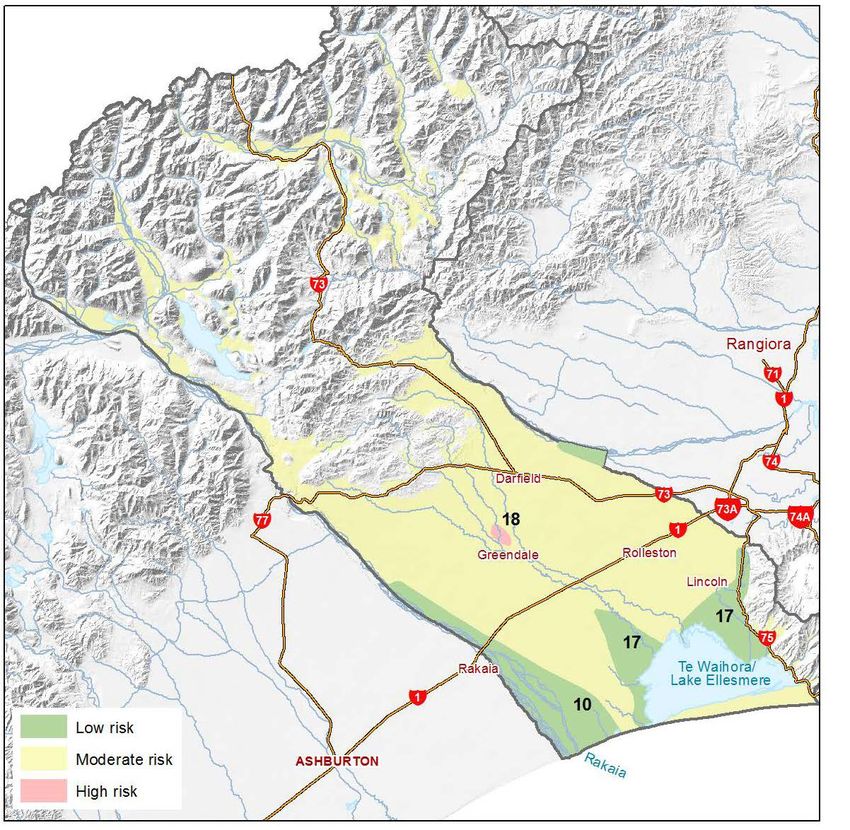
The risk map for Selwyn Waihora zone has not significantly changed from 2015 – see below
Extract from “Risk maps of nitrate in Canterbury groundwater” updated December 2017,
Fouad Alkhaier and Marta Scott, Environment Canterbury.
“3.5 Selwyn-Waihora
Figure 3-5 shows the nitrate risk map for the Selwyn-Waihora zone based on data currently
available.
Nitrate concentrations in groundwater adjacent to the Rakaia River (10) indicate river
recharge and therefore this area is low-risk. The area around Te Waihora/Lake Ellesmere (17)
is also low-risk, for two reasons. First, this is an area where alpine river recharge rises to the
ground surface from the deeper parts of the groundwater system. Second, the groundwater
has low dissolved oxygen concentrations due to old swamp deposits and any nitrate entering
this area will tend to be removed via denitrification. We have refined the boundaries in the
area around the lake to exclude wells that showed elevated nitrate levels recently.
In 2012/13 we conducted an investigation in the upper Selwyn area to confirm the presence
of high nitrate concentrations in groundwater around Greendale. We have mapped a high-risk
area (18) around wells in this area where nitrate concentrations have exceeded the MAV.
The remaining areas are moderate-risk as land surface recharge increases nitrate above
natural concentrations. The deeper groundwater has lower nitrate concentrations than the
shallow groundwater but even a few of the deeper wells exceed the MAV.48
Figure 3-5: Risk map for Selwyn-Waihora zone. We discuss the numbered areas in the text
2 Key items for future zone committee meetings
03 July Workshop with youth to prepare for October’s Youth Zone Committee meeting;
Agree Zone Delivery work programme
07 August At Ngāti Moki marae, Taumutu
Suggestion to Waihora Co-Governors that have a workshop with zone committee
04 September Updates/progress reports (e.g. CPW, TAK)
02 October Youth Zone Committee meeting
3 Selwyn District Plan review: Outstanding Natural Features and Landscapes
I have received an update from Selwyn District Council in relation to their District Plan Review – see
attached. Zone Committee’s cannot submit on District Plans – although the committee could discuss
significant issues directly with the Council if necessary. If you are interested in the proposed changes
relating to Outstanding Natural Features and Landscapes please look at
www.yoursay.selwyn.govt.nz/landscapes
4 Developing a strategy for Black-backed Gulls
Black-backed gull populations are increasing. These gulls are a significant predator of other braided-
river nesting birds (such as wrybill, black-billed gull and black-fronted tern). Environment Canterbury
is developing a strategy for management of black-backed gulls. If you are interested in helping develop
this strategy see the attached information.49
22 May 2018
Dear Zone Facilitator
DISTRICT PLAN REV IEW: UPDATE ON OU TSTAND ING
NATU RAL FEATU RES AND LANDSCAP ES
As you may be aware, Selwyn District Council is currently reviewing its District Plan which is
essentially a ‘rule book’ that sets district-wide rules for sustainably managing Selwyn’s natural and
physical resources.
As part of this review, we’ve been reviewing whether the district’s outstanding landscapes are
currently properly identified and protected. We’ve also been looking at whether the rules for anyone
wanting to develop or use the land in these areas are clear and up to date with any relevant changes
that have happened since the last District Plan was notified.
We’ve identified you as a stakeholder with a potential interest in outstanding landscapes and
relevant provisions in the District Plan. This letter is to inform you of the draft changes to the current
District Plan the Council has recently endorsed for further development and which we would like
your feedback on. Please note that there will be many consultation opportunities for feedback at
different stages of the District Plan Review and this is the first of many such opportunities. It’s
expected that the new District Plan will be notified in early 2020 for formal public consultation and
be fully in place, subject to any Environment Court appeals, in March 2022.
Landscapes in the current Selwyn District Plan
In the current District Plan, areas and features with landscape value that merit protection in the
District Plan are referred to as Outstanding Natural Features (ONF), Outstanding Natural Landscapes50
(ONL), Visual Amenity Landscapes (VAL) and Forestry Exclusion Areas. All are different in their
location and extent.
The following landscape areas are currently identified in the District Plan:
• Four ONL areas within the Port Hills, Inner Plains, Malvern Hills, and High Country;
• One VAL area on the Port Hills (overlapping with part of the ONL area);
• One ONF area encompassing Te Waihora/Lake Ellesmere ; and
• A number of Forestry Exclusion areas within the Malvern Hills.
Summary of key issues with existing landscape provisions in the
current District Plan
As a result of the review of current policies and rules specific to landscapes, we’ve identified the
following issues:
• Existing protected areas and features have been identified on an ad hoc basis and not as
part of a comprehensive review of the entire district.
• Current landscape areas aren’t considered to be adequately protected from the adverse
effects from a number of activities, including quarrying, earthworks, mining, and pastoral
farming in the High Country.
• Current provisions in the District Plan don’t follow best practice or are not fully aligned with
regional requirements.
• There is an overlap in mapping between different landscape areas in the Port Hills, which is
confusing and difficult to appropriately manage.
Summary of draft changes to landscapes in the current District Plan
The Council’s District Plan Committee has recently endorsed for further development the following
draft changes for addressing identified issues, which we’re now consulting on with affected
landowners and stakeholders:
• Broadly, the draft landscape areas are similar in location, however a larger area of the
district is now identified.
• Only two landscape classifications are now identified (ONL and VAL).
• The High Country is where the majority of the increases in mapped ONL and VAL areas are
located.
• Refinement of Port Hills mapping to remove overlap and confusion.
• Much of the broader draft ONL area includes Department of Conservation land (as it did
originally).
• Margins of Te Waihora/Lake Ellesmere are now included as an ONL area as they are integral
to the broader waterbody of the lake.
• The entire Rakaia and Waimakariri rivers are now identified (up to the top of terrace in
lower sections). This matches adjacent (reviewed) districts.
• Resource consents may be required for a wider range of activities to better protect
landscape areas from adverse effects. For example, resource consents required for buildings51
on the margins of Te Waihora/Lake Ellesmere, Rakaia River and Waimakariri River ONLs, and
intensification of pastoral farming in High Country may also be subject to resource consent.
More information on the issues and draft changes can be found in the preferred option report for
landscapes on the Council’s Your Say Selwyn engagement website at
www.yoursay.selwyn.govt.nz/landscapes.
Seeking your feedback
In particular we want to hear from you:
• what your thoughts are on the draft boundaries of the identified draft ONL and VAL areas
(check out the map of current and draft landscape areas on the Council’s Your Say Selwyn
engagement hub at www.yoursay.selwyn.govt.nz/landscapes);
• what do you consider to be the particular values of the identified draft ONL and VAL areas;
and
• what activities do you consider should be controlled in these areas to avoid adverse effects
on the landscape values.
How can I have a say?
There are many ways for you to give us your feedback on the draft changes to landscapes in the
current District Plan. You can:
• visit the Council’s online engagement hub Your Say Selwyn at
www.yoursay.selwyn.govt.nz/landscapes and do a quick survey.
• contact us directly via email districtplanreview@selwyn.govt.nz or call (03) 347-2800 and ask
to be put through to the District Plan Review team.
District Plan Review consultation – next steps
Later this year (expected to be between July and October) the Council will be consulting the wider
public on a range of matters and draft changes, including on the draft changes to landscapes and
associated policies and rules.
Following the consultation, the Council will consider stakeholder, affected landowners and public
feedback on the draft changes before finalising the Proposed District Plan.
Once the Proposed District Plan is notified for formal public submissions (scheduled for early 2020),
and before any final decisions are made, anyone with an interest in outstanding landscapes will have
the opportunity to lodge formal submissions for or against the Proposed Plan. After this, submitters
will have an opportunity to speak to their submission at a formal hearing. Following the hearing, the
Hearing Panel will make recommendations on proposed amendments and the Council will then
make final decisions. We expect the new District Plan to become largely operative by March 2022,
subject to any Environment Court appeals.
How to contact us
We would encourage you to visit and register on our online engagement hub at
www.selwyn.govt.nz/yoursay. Here you can find more information on the District Plan Review and
landscape areas. Once registered you will also be kept up to date on the latest opportunities for
providing feedback on the review. If you have any questions regarding the District Plan Review or
feedback on draft changes to landscapes please contact Andrew Mactier, Strategy and Policy, email
Andrew.Mactier@selwyn.govt.nz.52
HUI/MEETING: All Zone Committees & stakeholders
WĀ/MEETING DATE: May-June 2018
KAUPAPA/SUBJECT: Canterbury Southern Black-backed Gull/Karoro Strategy
KAITUHI/AUTHOR: Mike Bell, Wildlife Management International Limited
Frances Schmechel, Environment Canterbury
Donna Lill
PURPOSE
To inform all Zone Committees and stakeholders of the development of a Southern Black-
Backed Gull/Karoro strategy for Canterbury and inviting participation in this process.
BACKGROUND
Southern Black-backed Gull/Karoro (SBBG) numbers have increased significantly following
the clearance of native vegetation and the shift to an agricultural economy in New Zealand.
SBBG are one of the native species which have adapted well to land use changes. Pasture
has provided gulls with more foraging area, and easier access to food. SBBG have also
readily adapted to new human derived food sources - especially rubbish tips and offal.
In Canterbury, an estimated 30,000 pairs of SBBG are breeding (so over 60000 individuals),
predominately on braided rivers (see attached map, with this data collected during an aerial
survey on the region’s major braided rivers in 2016). Based on historical accounts prior to
land clearance and conversion to agriculture, SBBG will have only nested as single pairs and
not formed the super large or abundant colonies we see today.
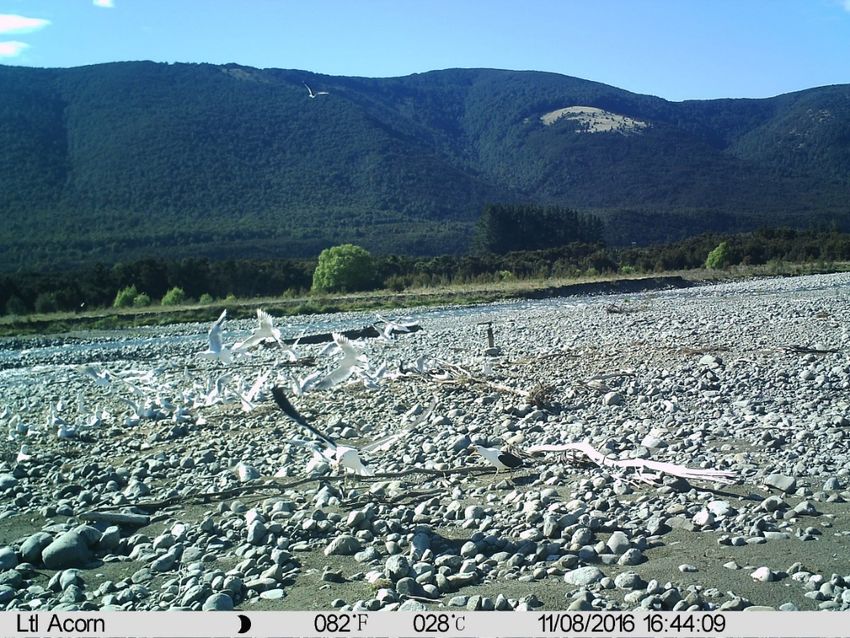
Research on braided rivers have highlighted that SBBG are a significant predator of braided
river dependent birds, many of which only breed on these rivers and have declining
populations (i.e. wrybill, black-fronted tern, and kaki/ black stilt). The gulls predate the eggs
and chicks of most species found on braided rivers. We have direct evidence (through direct
observation or video surveillance) of SBBG predating black-billed gull, black-fronted tern,
banded dotterel, and wrybill nests (see figure 1).
DISCUSSION
Environment Canterbury has contracted Wildlife Management International Ltd (WMIL) to
develop a Canterbury Southern Black-backed Gull Strategy. As part of developing this
strategy stakeholder meetings will be held to provide you with some background context
and, most importantly, to listen to your views.
This is the first stage of developing the Strategy and we have no clear views formed yet. We
are very interested to learn about the stakeholders’ relationship with Southern Black-53
backed Gull/Karoro, with braided rivers generally and with the other (in many cases
endangered) birds which depend on braided rivers.
ACTION
We look forward to your attendance at meetings to be held:
- Tūhaitara Coastal Park (1 Woodend Beach Rd, Woodend Beach) – Monday 2nd July,
10am-12pm
- Ashburton (Seniors Centre, 206 Cameron St) - Tuesday 3rd July, 1pm-3pm
- Waihao Marae (26 Maori Rd, Morven) – Wednesday 4th July, morning (time to be
confirmed)
If you are interested in attending one of these meetings please contact Donna Lill, 027-460-
2885, dwoodley@hotmail.com so that we can provide you with further information prior to
the meeting.
If you are unable to attend one of these meetings and have information which you would
like to provide to our team please call Donna to discuss.
We welcome you to forward this invitation on to other groups and individuals who may wish
to input into the strategy.
RECOMMENDATIONS
To engage in the process to develop a Southern Black-Backed Gull/Karoro strategy for
Canterbury.54 Figure 1. Images of Southern Black-backed Gull/Karoro predating braided river bird nests. A) SBBG carrying off black-billed gull chick, Wairau River Marlborough. B) SBBG predating BFT nest, Clarence River, Canterbury.
55
You can also read


