Skin care after an organ transplant - Patient information Dermatology Department The Royal London Hospital - Barts Health NHS Trust
←
→
Page content transcription
If your browser does not render page correctly, please read the page content below
Barts Health
                                                    NHS Trust

Patient information

Skin care after
an organ transplant
Also for those who have
a suppressed immune system

Dermatology Department
The Royal London Hospital

Please bring this booklet with you to all clinic visits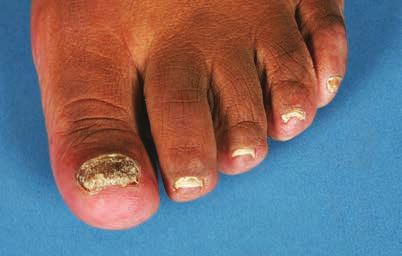
Contents

                                               Introduction.............................................................................................................................4
The production of this updated skin care
booklet was developed as part of a             About the transplant skin clinic.........................................................5–7
Mary Seacole Award
                                               Common skin conditions after transplant..................... 8–29
                                               List of conditions......................................................................................................................8

                                               Skin cancer prevention......................................................................... 30–35
     BSSCII
      British Society for Skin Care
                                               Skin self-examination...........................................................................................30–32
      In Immunosuppressed Individuals
                                               Body diagrams....................................................................................................................... 33
Endorsed by the British Society for            Sun protection and vitamin D...................................................................... 34–35
Skin Care in Immunosuppressed Individuals
(BSSCII)
                                               Further information................................................................................................. 36

                                               Dermatology Department contact numbers.................... 37

                                               Patient diary............................................................................................................38–39
The original skin care booklet was funded by
Barts Charity

                                                                                                                                                                                            3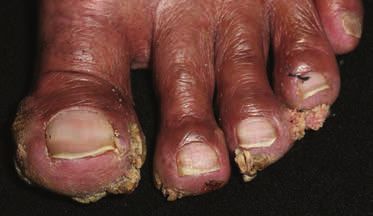
Introduction                                                        About the transplant skin clinic
    After an organ transplant you will need to take                     The transplant skin clinic is part of the Dermatology
    immunosuppressive (anti-rejection) drugs which suppress your        Department at Barts Health NHS Trust. Located on the
    immune system and help to prevent your organ being rejected.        second floor of The Royal London Hospital, it is run by
    These medicines mean that you are more likely to suffer from        dermatologists for monitoring, preventing and treating skin
    certain skin conditions as you are less able to fight infections.   problems in patients who have had an organ transplanted or
    Immunosuppressive drugs can also increase your risk of              who are immunosuppressed for other reasons. It is one of the
    developing some skin cancers, depending on the type of skin         biggest centres for this specialty in the UK.
    that you have.
                                                                        Doctors and specialist nurses from the clinic aim to see you
    This booklet has been produced to help you look after your          routinely following your transplant to alert you to any possible
    skin following an organ transplant. Much of the advice is also      skin problems that might arise, and to assess your individual
    appropriate for people who have a suppressed immune system          risk for skin cancer. They will give you advice and guidance
    due to other causes such as chronic lymphocytic leukaemia           on how to look after your skin.
    (CLL) and HIV, and for those awaiting an organ transplant.
                                                                        Depending on your risk factors and individual needs, you will
    The booklet gives you information about what signs and              be advised how frequently you need to be seen thereafter –
    symptoms to look out for, and describes the treatment for a         usually between one and five years.
    variety of skin conditions. There is also a useful chapter on
    skin cancer prevention including how to examine your skin and       An important part of the work of the clinic is the study of skin
    protect yourself from exposure to the sun.                          disease and skin cancer after a transplant, with a view to
                                                                        preventing and improving treatment for these conditions.
    At the back is a patient diary for you to write down the outcome    We may ask you whether you would be willing to participate
    of your clinic visits and any comments about your skin condition.   in one of the research studies being undertaken by the clinic.
    Please bring this booklet with you when you come to the
    transplant skin clinic.

4                                                                                                                                          5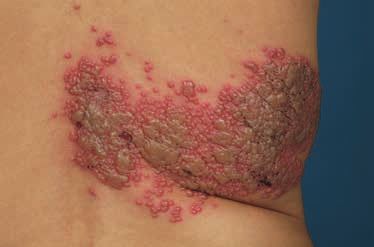
How often will I be seen in the clinic?                            Follow-up appointments
    This will depend upon your risk of developing skin problems.       For some of you the risk of developing skin problems is so low
    Our aim is to detect new or suspicious skin lumps early so that    that we will not need to see you routinely. We ask only that
    we can treat them as soon as possible.                             you self-examine your skin and request a referral back to us if
                                                                       there are any concerns.
    At your first appointment we will assess your risk of developing
    skin cancer. This is based on:                                     Other patients need to be seen at regular intervals. This may
                                                                       be as little as once every five years, every 18 months or as
    • Your age                                                         much as every three months. We will let you know when your
    • Your age at transplantation                                      appointments should be made.

    • How easily you burn in the sun                                   The frequency of your visits may change over the course of
                                                                       your care. If you develop a skin cancer you will need to be
    • Your history of sun exposure                                     seen more often.
    • How often you have suffered sunburn
    • Any pre-existing skin problems                                   Between appointments
                                                                       For everyone regular self-examination of the skin is essential
                                                                       so that problems, especially skin cancer, can be detected
                                                                       early and treated. How to examine your skin is described on
                                                                       pages 30–32.
                                                                       If you have a skin lesion that changes over time, or develop a
                                                                       new skin mark, please ask a health professional for advice or
                                                                       ring us. Our contact numbers are on page 37.

6                                                                                                                                        7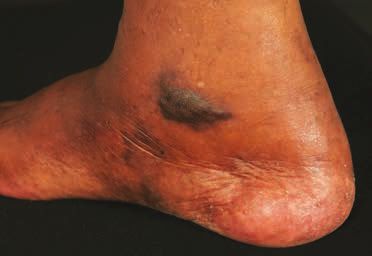
Common skin conditions after a transplant                                                                                                  Delayed wound healing and fragile skin
These are the skin conditions most commonly seen after transplant                                                                          Some patients may notice thinning of the skin with increased bruising.
surgery. Each of these skin problems is described with a photograph                                                                        This is usually due to medication, in particular the use of steroids.
on the pages shown below. Do look through them to familiarise                                                                              Cuts and abrasions may take longer to heal.
yourself with the skin conditions.
       Delayed wound healing and fragile skin............................... 9
                                                                                                                                           Acne
       Acne ...................................................................................................................... 9
                                                                                                                                           Spots are common in the first 12–18 months after transplantation,
       Sebaceous gland hyperplasia..................................................... 10                                                 particularly in younger patients. They usually settle down as the
       Fungal infection of the skin and nails.......................... 11–13                                                              dosage of immunosuppressive drugs is lowered.

       Pityriasis versicolor (yeast infection)..................................... 14                                                     Treatment for acne
       Other infections............................................................................... 15–16                               Creams or gels may be all that is needed. Some of these can be
                                                                                                                                           obtained from a pharmacy and others can be prescribed by your GP.
       Viral warts...................................................................................................... 17
       Benign (harmless) skin lumps........................................... 18–19                                                       If creams or gels do not control the acne, antibiotics may be required
                                                                                                                                           from your GP or dermatologist. For very severe acne a dermatologist
       Pre-cancerous skin lesions.................................................20–22                                                    may prescribe tablets such as isotretinoin.
       Skin cancer.......................................................................................... 23–29

Throughout this booklet any skin condition
                                 condition that requires urgent                                                                                    Acne on
medical assessment has been indicated by a red asterisk
                                                 asterisk                                                                                        the cheek
                                                                                                                                       ]
If you develop any skin problem that you are worried about you can:
•	Contact the Dermatology Department
•	Speak to one of the transplant nurses if your transplant was
   carried out at this Trust
•	Make an appointment with your GP
• Call NHS 111 if you are feeling very unwell
•	Go to your local A&E department if your symptoms are severe

8                                                                                                                                                                                                                   9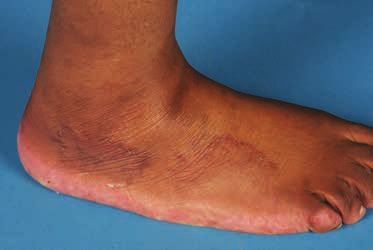
Sebaceous gland hyperplasia (SGH)                                        Fungal infection of the skin and nails
SGH is very common after an organ transplant. As shown in
the photograph, it appears as small (2–4mm in diameter), raised,         Fungal infection of the skin on the feet
whitish/yellowish bumps on the skin, especially on the forehead,         (tinea pedis or athlete’s foot)
nose and cheeks.                                                         This is a very common condition that usually appears as scaly patches
                                                                         on the feet and a red/white rash between the toes, both of which can
Treatment for SGH
                                                                         be itchy.
This is a benign condition and usually no treatment is required unless
the appearance of SGH is a significant cosmetic problem.                 Treatment for athlete’s foot
                                                                         Creams are available over the counter from your pharmacist or can be
                                                                         prescribed by your GP.

      Sebaceous                                                             Athlete’s foot
            gland
      hyperplasia
     on the cheek

10                                                                                                                                          11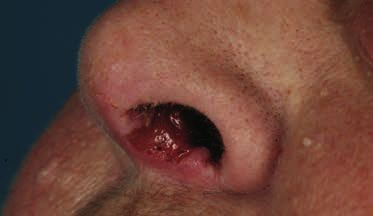
Fungal infection of the skin elsewhere                                Fungal infection of the nails (onychomycosis)
(tinea corporis or ringworm)                                          Infection first appears as yellow or white patches under and within
This appears as red, scaly, itchy patches on the body. It can         a toenail; it can push the nail up off the bed and cause the nail to
start anywhere but is especially common on the trunk and in           become thicker. The infection usually starts in one toenail and then
the groin region.                                                     spreads to the others.

Treatment for ringworm                                                Treatment for onychomycosis
It is important to have a diagnosis from a doctor before beginning    You may be given a lacquer (nail paint) by your GP but if your nails
treatment so if you think you have ringworm contact your GP in        are very thick this can take up to a year to remove the infection.
the first instance. Treatment is usually the application of a cream   For severe infection you may need a course of tablets from your
or shampoo.                                                           dermatologist to be taken over several months.

      Ringworm                                                                 Fungal
     on the arm                                                            infection of
                                                                          the toenails

12                                                                                                                                           13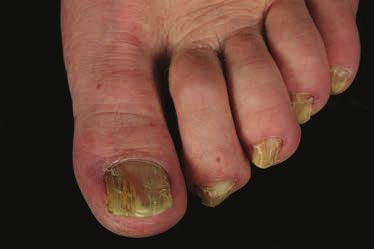
Pityriasis versicolor (yeast infection)                                Other infections
This common yeast infection of the skin often affects the chest and
back. It usually appears as pink or brown patches, darker or lighter   Shingles and chickenpox (herpes zoster and varicella)]
than your normal skin tone, and may be scaly and itchy.
                                                                       Shingles and chickenpox are caused by the same virus. Both
Treatment for yeast infection                                          can be more serious in people who have had a transplant.
Treatment usually involves washing with an anti-fungal shampoo and     Shingles usually appears as a painful, blistering rash on a particular
using an anti-fungal cream for several weeks which can be obtained     area of the body, for example one side of the chest, the arm or on
from your GP.                                                          one side of the face. Chickenpox is usually associated with feeling
Sometimes it may be necessary to see your dermatologist who can        unwell and a more widespread rash which eventually blisters.
prescribe an anti-fungal tablet as well.                               Treatment for shingles and chickenpox
                                                                       Treatment mainly involves antiviral medication but it is not
                                                                       always required.

        Pityriasis                                                         Shingles on
       versicolor                                                         the right side
     on the back                                                            of the back

                                                                                           If you think you may have developed either
                                                                                   ]       shingles or chickenpox, especially if you have any
                                                                                           form of blistering rash, you should seek medical
                                                                                           attention immediately. Both are contagious and
                                                                                           people with shingles can cause chickenpox in
                                                                                           those who have not previously had it.

14                                                                                                                                              15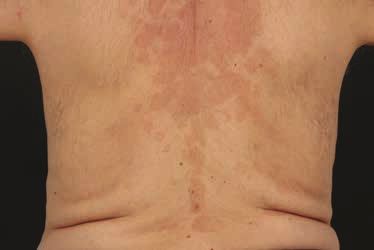
Cold sores (herpes simplex)                                               Viral warts
The herpes simplex virus causes cold sores which are very common          These are very common after transplantation and are caused by
but they may be more of a problem after a transplant. They usually        the human papillomavirus (HPV). Some people develop just one
appear as painful blisters or ulcers that come back in the same part of   or two warts – often on the hands or feet – while others can develop
the body such as on the lips, nose or buttocks.                           large numbers that need specialist care. On the feet they are
                                                                          known as verrucas.
Treatment for cold sores
Cold sores may need treatment with antiviral creams available over        Treatment for viral warts
the counter from a pharmacist. If they are still causing a problem go     Warts and verrucas can be difficult to treat in organ transplant patients
to your GP, who might prescribe tablets, and if they become very          but your GP or dermatologist will usually recommend a salicylic acid
troublesome contact your dermatologist.                                   preparation such as Verrugon or Occlusal.
                                                                          If one or more of these treatments don’t work, more aggressive
                                                                          therapy such as freezing (cryotherapy) or other creams may be
                                                                          recommended.

     Cold sore in                                                                    Warts
        the nose                                                               on the toes
                                                                               and fingers

16                                                                                                                                               17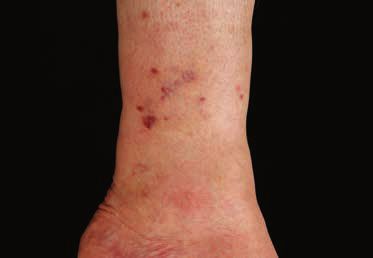
Benign (harmless) skin lumps

Seborrhoeic warts (seborrhoeic keratoses)                             Campbell de morgan spots (cherry angiomas)
These are harmless lesions with a warty appearance although           These are harmless overgrowths of blood vessels and do not require
they are not warts and are not caused by a virus like true warts.     treatment. They look like tiny, red, raised spots and are common on
Seborrhoeic warts often appear on the back and chest but they can     the chest and abdomen, but can appear on any part of the body.
erupt anywhere on the skin, and there may be many of them.

Treatment for seborrhoeic warts
Seborrhoeic wards do not usually require treatment but if they are
causing problems the warts can be frozen off or removed surgically.

     Seborrhoeic                                                         Campbell de
            wart                                                        morgan spots

18                                                                                                                                      19
Pre-cancerous skin lesions
Actinic keratosis (AK) Bowen disease (carcinoma in situ)
This is also known as solar keratosis as it tends to occur on Bowen disease, or squamous cell carcinoma in situ (CIS), is
sun‑exposed sites such as the hands, face and scalp. It appears as commonly found on the lower legs, hands, forearms and face.
small, dry, flaky patches of skin, some of which can have a crust. It appears as crusty/scaly areas of reddened skin which can
Sometimes this crust can fall off leaving a red area underneath. sometimes ulcerate. These areas can range in size from small lesions
the size of a pea to large areas almost covering the back of a hand.
Solar keratosis is usually painless but may be slightly itchy. If you
develop any tenderness or pain in the area you should seek medical The presence of Bowen disease may be a sign that you are at
advice from your dermatologist. increased risk of skin cancer, and these lesions have the potential
to develop into skin cancer.
The presence of actinic keratosis may be a sign that you are at
increased risk of skin cancer, and the condition has the potential If you suspect the condition please contact the Dermatology
to develop into skin cancer. It is usually assessed and treated, if Department for advice.
necessary, within the Dermatology Department.
Treatment for Bowen disease
Treatment for actinic keratosis Bowen disease is usually assessed, diagnosed and treated within the
Treatment includes the following options: Dermatology Department.
• Observation (watchful waiting)
• Freezing (cryotherapy) • Aldara (imiquimod) cream
• Solaraze (hyaluronic acid) gel • Surgical removal
• Efudix (5-fluorouracil) cream • Photodynamic therapy (PDT)
Bowen
Actinic disease
keratosis
20 21Porokeratosis Skin cancer
Porokeratosis appears as raised, sometimes scaly, red rings or These four types of skin cancer are most commonly seen after an
patches which are often found on the lower legs. organ transplant:
Very rarely porokeratosis can develop into skin cancer, so if you • Squamous cell carcinoma (SCC)
suspect that you have the condition let your dermatologist know at
your next appointment. • Basal cell carcinoma (BCC)
• Melanoma
Treatment for porokeratosis
• Kaposi sarcoma (KS)
Porokeratosis is usually assessed, diagnosed and treated within the
Dermatology Department. The main cause of skin cancer is a combination of exposure to the
sun, which may have happened many years earlier, and
immunosuppressive drugs used to stop the transplanted organ from
Porokeratosis being rejected.
on the lower
leg
The major risk factors for skin cancer are:
• The length of time you have had your transplant: the longer you
have had your transplant, the greater the risk
• Receiving your transplant after the age of 50 years
• Having light skin which burns easily and freckles in the sun
• High levels of sun exposure in the past
• Having a precancerous lesion such as actinic keratosis,
Bowen disease or porokeratosis
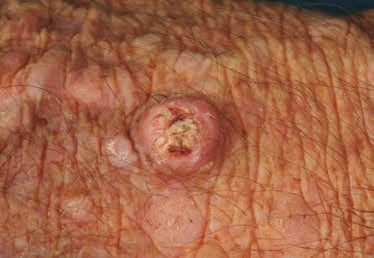
22 23Squamous cell carcinoma (SCC)]
Squamous cell carcinoma is the most common skin cancer in
transplanted patients, especially those with fair skin. Squamous
cell
SCCs appear as red, crusty, raised lumps, bumps or ulcers. carcinomas
Sometimes they may look like warts with a red base. They can be
tender or painful and they may bleed. SCCs can grow quite quickly,
for example double in size within two to three months, but this is not
always the case.
SCC is most common on areas of the body that are regularly exposed
to the sun, such as the face, ears, hands, and lower legs in women.
Transplant patients will often go on to develop more SCCs after the
first one appears.
People from South Asian or African/Afro-Caribbean backgrounds are
at a lower risk of SCC, but it may still occur – particularly in the genital
region. If you see any non-healing lumps or bumps in this area you
should let your dermatologist know.
Treatment for squamous cell carcinoma
There are four treatment options:
1. S
urgical removal. These lesions can usually be removed by surgery
in the Dermatology Department. If the skin cancer is big, or in
a difficult area such as the ears or eyes, plastic surgery may be
necessary combined with skin grafting. If left to grow, SCC can
infiltrate deeper and spread to the lymph glands.
2. R
adiotherapy. This is occasionally used as an alternative, or in
addition, to surgery.
If you think that you may have a squamous cell
3. A
reduction in immunosuppressive drugs. Sometimes organ
transplant patients can develop multiple squamous cell carcinomas. ] carcinoma, telephone either of the Dermatology
Department contact numbers listed on page 37
If this occurs the dermatologists may find out from the transplant
doctors whether it would be possible to reduce the dose of as you will need to see a dermatologist.
immunosuppressive drugs.
4. A
citretin. In some cases a drug called acitretin may be prescribed
to slow down and prevent the development of these skin cancers.
24 25Basal cell carcinoma (BCC)] Melanoma]
Basal cell carcinoma lesions usually appear as shiny/pearly lumps Melanoma is an uncommon tumour in organ transplant patients but it
and are commonly found on the upper body and face, but they can is important to catch it early as melanoma can spread. Melanoma can
develop elsewhere. Occasionally they appear as crusting, sore areas arise from a longstanding mole, or from a new mole that wasn’t
of skin that do not heal. The majority grow slowly and can take up to there before.
a year to double in size.
If you notice any change in the shape, size, or colour of a
Treatment for basal cell carcinoma longstanding mole, or if you develop a new mole, it should be
The treatment options are: examined by a dermatologist.
• Surgery In people with darker skin, melanoma is more commonly seen under
the nails and on the feet
• Aldara (imiquimod) cream or Efudix (5- fluorouracil) cream
• Cryotherapy Treatment for melanoma
• Radiotherapy Melanoma is usually treated with surgery in the first instance.
Basal cell Melanoma
carcinomas
If you think that you may have a basal cell If you think that you may have melanoma,
] carcinoma, telephone eithery of the Dermatology
Department contact numbers listed on page 37
] telephone either of the Dermatology Department
contact numbers listed on page 37 as you will
as you will need to see a dermatologist. need to see a dermatologist.
26 27Kaposi sarcoma (KS)]
People from Africa, the Middle East, the Mediterranean and
Caribbean have a higher risk of developing a type of skin cancer Kaposi
known as Kaposi sarcoma. It is caused by human herpes virus sarcoma on
(HHV8), which is very common in these areas. the ankle
and shin
The virus is often picked up in childhood and lies dormant in the body
but can be reactivated when the immune system is suppressed with
immunosuppressive drugs. This sarcoma can appear at any time
after a transplant but usually develops in the first three to five years.
Most often KS appears on the skin but it can also affect organs
inside the body such as the lymph nodes, lungs, the bowels or
inside the mouth. Changes on the skin appear as small, flat areas
of discolouration, spots, or larger, raised bumps or ulcers. Colours
range from red, brown and purple to deep purplish blue. To confirm
the diagnosis a skin biopsy, a small piece of skin removed under local
anaesthetic, is taken from the lesion.
Other symptoms can occur before any skin lesions appear; one of the
commonest is swelling in one leg. There may be swelling of the arms
and legs accompanied by pain if the lymph nodes are involved. It is
important to have these symptoms investigated by the Dermatology
Department as soon as possible.
Treatment for Kaposi sarcoma
Sometimes all that is needed is a reduction or change in
immunosuppressive drugs; this can take several months to have
an effect.
Additional treatments such as surgical removal of the lesion, If you think that you may have Kaposi sarcoma,
radiotherapy and chemotherapy are occasionally required. ] telephone either of the Dermatology Department
contact numbers listed on page 37 as you will
If you have had a transplant, decisions on treatment for KS will be
made in consultation with your transplant doctors as it is important to need to see a dermatologist.
monitor the function of the transplant organ throughout treatment.
28 29Skin cancer prevention • A tape measure or ruler
It is important that you can recognise the early signs of skin cancer so • A digital camera or mobile phone to record any skin marks that you
that the appropriate treatment can be given. The earlier these skin are not sure about
growths are detected, the better the outcome. To make sure that you check all your skin, we suggest you examine
yourself from head to toe following these steps. Use a mirror to check
difficult-to-see areas or ask a friend or relative to help you.
Skin self-examination
Head
We recommend you examine your skin regularly, ideally at least once
Beginning with your head, examine your scalp using a comb to part
a month. This means that if you notice any new lumps, bumps, marks
your hair so you can check all over your scalp. Go on to look over your
or growths on your skin they can be checked by a dermatologist and,
face and neck. Don’t forget to check behind your ears and the back of
if necessary, treated early. Early detection can help to reduce the risk
your neck.
of developing a larger, more serious skin cancer that may need
extensive surgery or treatment.
Upper body
You should be looking for: Check your shoulders, chest and abdomen, again using a comb to
part any hair to examine the skin underneath. Don’t forget to examine
• New skin lumps, spots, ulcers, scaly patches or moles that weren’t
under your breasts and in the groin area.
there before
• Marks (including moles) on the skin that have changed shape, Arms and hands
colour, texture or size
Examine each arm in turn beginning with the hands. Look at both the
• Sores that do not heal front and back of your hands and check between your fingers (the web
• Any areas on the skin that are itchy, painful or bleed spaces) and your fingernails. Examine all around your upper and lower
arms (remember to use a mirror for places you can’t see) and raise
your arms above your head to check each armpit.
How to examine your skin
Ideally you should examine your skin in a warm, well-lit room with the Back
following equipment:
If you have someone who can look at your back for you that is the
• A chair easiest method of examination. If you want to do it yourself, use a
• A full-length mirror full‑length mirror in conjunction with a hand-held mirror. Look at the
whole of your back starting at the top. Examine both shoulders to the
• A hand-held mirror middle of your back. Working from each side to the middle, traversing
• A comb your back as you go, move down past your hips to your bottom.
30 31Legs and feet Example: Red bleeding lump, 16/5/20 Sit down to examine the front and sides of your upper and lower legs. Remember to look at your groin area including the genitals. Look at your feet, paying particular attention to the soles and between your toes. Remember to check your toenails. Recording what you find You might find it helpful to keep a photographic record of any skin marks that you notice to see if they get any bigger, or change in any way. You can also record any skin changes that you are worried about on these diagrams of the front and back of the body. As shown in the example here, draw a small circle on the diagram in the approximate position you found the skin problem. Write down the date that you noticed it, and any other remarks such as ‘bleeding’ or ‘itchy’. This will help remind you and assist the dermatologist when they see you at your next visit. If you notice any new lump, bump, ulcer, sore, scaly patch or changing mole that lasts for longer than 2–3 weeks, contact your dermatologist for advice. 32 33
Sun protection                                                              UV UV             UV UV UV UV UV                               UV UV UV UV

                                                                            1 2 3 4 5 6 7 8 9 1011
                                                                                                                                                                      +
                                                                             INDEX    INDEX   INDEX   INDEX      INDEX     INDEX   INDEX   INDEX   INDEX   INDEX   INDEX
It is important to protect your skin from excessive sun exposure.
This includes when you are undertaking outdoor activities such as
gardening, walking and sports.
                                                                            NO PROTECTION                     PROTECTION                             EXTRA
The three golden rules are:                                                   REQUIRED                         REQUIRED                            PROTECTION

                                                                               You can         Seek shade during midday hours              Avoid being outside during
1. Prevent yourself from burning in the sun                                   safely stay                                                         midday hours
                                                                                              Slip on a shirt, slop on sunscreen and
                                                                               outside
2. Avoid sunbathing                                                                                        slap on a hat                   Make sure you seek shade
                                                                                                                                            Shirt, sunscreen and hat
3. Do not use artificial tanning beds                                                                                                               are a must

From April to October you should cover your body as much as                World Health Organisation (WHO) UV index
possible by using a hat, long-sleeved clothing and sunglasses.
Use a good quality sunscreen with at least SPF 30 and a 4-star rating
(this information can be found on the product) and stay in the shade.
Note that between 11am–3pm the sun is particularly intense.
                                                                           Vitamin D
The UV index
                                                                           People who need to take extra precautions to reduce sun exposure
You can find out how damaging the sun is at different times of day and     may become deficient in vitamin D which is important for the healthy
in different parts of the world by using the ultraviolet (UV) index. The   function of the body.
index is widely available in weather reports, online, and you can also
download an app and receive alerts.                                        At least 90% of the vitamin D that the body needs is produced in the
                                                                           skin after sun exposure; vitamin D is quite hard to obtain through diet
The higher the UV index number, the higher the risk of skin and eye        alone. Only a few foods are rich in vitamin D including oily or fatty fish
damage. Although people with a darker skin are more protected, a           such as salmon, sardines, tuna, mackerel and also cod liver oil.
UV index of 7/8 or above puts them at risk of sun damage. Very light
skinned people are at risk with a UV index as low as 3.                    Certain foods can be fortified with vitamin D including some types of
                                                                           cow’s milk, soy milk, orange juice, cereals and oatmeal.
                                                                           If you think that you may be at risk of vitamin D deficiency because
                                                                           you are being careful about sun protection talk to your GP or
                                                                           transplant doctor. If a blood test shows that your vitamin D level is low
                                                                           it is easy to treat with vitamin D tablets.

34                                                                                                                                                                         35
Further information Dermatology Department
The Royal London Hospital
British Association of Dermatologists (BAD)
Information about skin care for Contact numbers
pre-transplant and transplant patients.
www.bad.org.uk Michelle Marshall
Dermatology michellemarshall1@nhs.net
British Society for Skin Care in
Immunosuppressed Individuals (BSSCII) skin cancer CNS 020 3594 2102
This organisation, linked to the BAD, 07934 904089
was founded in 2011.
www.bsscii.org.uk
International Transplant
Skin Cancer Collaborative (ITSCC)
Information on skin care and
transplant medication.
www.itscc.org
Cancer Research UK
Information about cancer and cancer care.
General enquiries 0300 123 1022
www.cancerresearchuk.org
Macmillan Cancer Support
Cancer information and support charity.
Support line 0808 808 0000
www.macmillan.org.uk
Skin Care in Organ Transplant Patients Europe
www.scopenetwork.org
36 37Patient diary
Please use this diary to keep a record of your clinic visits
Comments Next appointment
Visit Outcome
Write down anything you want to mention at your
date (treatment etc) Date Time
next visit
Produced by Medical Illustration | medillustration1@btconnect.com
38 39Large
Large print and
print andother
other languages
languages
Large
Large
This print
print and
information and
can other
other
be madelanguages
languages
available in in
alternative formats,
Large
This
This print and
information
information other
can
can be
be languages
made
made available
available in alternative
alternative formats,
Large
This
such
such
This as
print
easy
easy
and
asinformation
read or
read
information
other
can
can large
or
languages
be made
print,
large
be made
available
and
print, may
and may
available
in alternative
be available
in be available
alternative informats,
formats,
in
formats,
such
such as
as easy
alternative easy read
read or
languages, large
orupon print,
print, and
largerequest.and
Formay
may
morebe available
available in
beinformation, in speak
alternative
such
This as languages,
easy
information
alternative read
canor
languages,be upon
large
made
upon request.
print, and
available
request. For
may
in
For more
be information,
available
alternative
more speak
in such
formats,
information, as
speak
alternative
to to
your languages,
clinical team. upon request. For more information, speak
to your
easy clinical
alternative
read or team.
languages,
large print, upon
and request.
may be For more
available in information,
alternative speak
languages,
to your
your clinical
clinical team.
team.
to your
upon clinicalFor
request. team.
more information, speak to your clinical team.
এই তথ��েলা সহেজ পড়া যায় অথবা ব�হৎ ি�ে�র মত িবক� ফরম�ােট পাওয়া যােব, এবং
এই তথ��েলা সহেজ পড়া যায় অথবা ব � হৎ ি�ে�র মত িবক� ফরম�ােট পাওয়া যােব, এবং
এই
এই তথ��েলা
তথ��েলা সহেজ সহেজ পড়া পড়া যায় যায় অথবা
অথবা ব ব�� হৎহৎ ি�ে�র
ি�ে�র মত মত িবক�িবক� ফরম�ােট
ফরম�ােট পাওয়া পাওয়া যােব, যােব, এবং এবং
অনুএইেরােধ অন� ভাষায়ও
তথ��েলা সহেজ পাওয়াযায়
পড়া �যেত
অথবা পাের। ব � হৎআেরাি�ে�র তেথ�র মত জন�
িবক� আপনার
ফরম�ােট ি�িনক�াল
পাওয়া যােব,�েমর এবং
অনু
অনু েরােধ অন� ভাষায়ও পাওয়া �যেত পাের। আেরা তেথ�র জন� আপনার ি�িনক�াল �েমর
অনুেেরােধ
রােধ অন� অন� ভাষায়ও ভাষায়ও পাওয়া পাওয়া �যেত �যেত পাের।পাের। আেরা আেরা তেথ�র তেথ�র জন� জন� আপনার আপনার ি�িনক�াল ি�িনক�াল �েমর �েমর
সােথঅনুকথা
েরােধ ন। ভাষায়ও পাওয়া �যেত পাের। আেরা তেথ�র জন� আপনার ি�িনক�াল �েমর
বলুঅন�
সােথ
সােথ কথাকথা
কথা বলু বলু
বলুন ন
ন।। ।
সােথ
সােথ কথা বলুন।
Na żądanie te informacje mogą zostać udostępnione w innych formatach, takich
Na żądanie te informacje mogą zostać udostępnione w innych formatach, takich
jakNa
Na żądanie
żądanie
zapis większą te
te informacje
informacje
czcionką lub mogą
mogą łatwą zostać
zostać udostępnione
udostępnione
do czytania, a takżew wwinnych
innychformatach,
innych językach. takich
formatach, takich
jak
jak zapis
Na zapis
żądanie większą
większąte informacje czcionką
czcionką mogą lub łatwą
lub łatwą
zostać doudostępnione
do czytania, a
czytania, a także
także w innychw innych
w innych formatach, językach.
językach. takich
jak zapis większą czcionką lub łatwą
Aby uzyskać więcej informacji, porozmawiaj ze swoim zespołem specjalistów. do czytania, a także w innych językach.
Aby
jak uzyskać
zapis
Aby uzyskać większą
uzyskać więcej więcej informacji,
czcionką
więcej informacji, lub
informacji, porozmawiajporozmawiaj
łatwą
porozmawiaj ze do czytania, ze swoim
ze swoim a także
swoim zespołem zespołem
w innych
zespołem specjalistów. specjalistów.
językach.
specjalistów.
Aby
Aby uzyskać więcej
Macluumaadkaan waxaa informacji,
loo heli karaa porozmawiaj qaab kale, ze swoim
sida ugu zespołem
akhrintaspecjalistów. ugu fudud,
Macluumaadkaan waxaa
Macluumaadkaan waxaa loo loo heli heli karaa karaa qaab qaab kale, kale, sida
sida ugu ugu akhrinta
akhrinta ugu ugu fudud,
fudud,
Macluumaadkaan waxaa loo heli
ama far waa weyn, waxana laga yabaa in lagu heli luuqaado Kale, haddii karaa qaab kale, sida ugu akhrinta ugu
la fudud,
ama far
Macluumaadkaan
ama waa weyn, waxana
waxaa loo laga
heli yabaa
karaa in
qaab lagu heli
kale, luuqaado
sida ugu Kale,
akhrinta haddii ugu la
fudud,
ama far
codsado. farWixiiwaa weyn,
weyn, waxana
waamacluumaad waxana laga
laga yabaa
dheeraad yabaa ah, in in
kala lagu
lagu hadalheli luuqaado
heli kooxda
luuqaado Kale,
Kale, haddii
xarunta haddii la la
codsado.
ama
codsado. Wixii
far waa weyn, macluumaadwaxana laga yabaaah,dheeraad ah, kala
in lagu heli hadal kooxda
luuqaado Kale, xarunta haddii la
codsado. Wixii
caafimaadka. Wixii macluumaad
macluumaad dheeraad dheeraad ah, kala kala hadal
hadal kooxda kooxda xarunta xarunta
caafimaadka.
codsado.
caafimaadka. Wixii macluumaad dheeraad ah, kala hadal kooxda xarunta
caafimaadka.
Bucaafimaadka.
bilgi, kolay okunurluk veya büyük baskılar gibi alternatif biçimlerde
Bu
Bu bilgi, kolay okunurluk veya büyük baskılar gibi alternatif biçimlerde
Bu bilgi,
bilgi, kolay
sunulabilir, kolay
ve talep okunurluk
üzerine veya
okunurluk veya
Alternatif büyük
büyük baskılar
baskılar
Dillerde gibi
gibi alternatif
sunulabilir.alternatif Dahabiçimlerde
biçimlerde
fazla bilgi için
sunulabilir,
Bu bilgi,
sunulabilir, kolay ve
ve talep
okunurluk
talep üzerine
üzerine veya Alternatif
büyük
Alternatif Dillerde
baskılar
Dillerde sunulabilir.
gibi alternatif
sunulabilir. Daha
Dahabiçimlerde fazla
fazla bilgi için
sunulabilir, ve
klinik ekibinizle irtibata geçin. talep üzerine Alternatif Dillerde sunulabilir. Daha fazla bilgi bilgi için
için
klinik
klinik ekibinizle
sunulabilir,
ekibinizle ve irtibata
talep
irtibata üzerinegeçin.
geçin. Alternatif Dillerde sunulabilir. Daha fazla bilgi için
klinik ekibinizle irtibata geçin.
klinik ekibinizle irtibata geçin.
ﺳﺎﺟﯾﮐﺳہﺎ ﭘﮐڑہھﻧﭘڑﮯھﻧﻣﯾﮯںﻣآﯾﺳںﺎ آنﺳﯾﺎﺎنﺑ ﯾڑﺎا ﭘﺑڑراﻧ ﭘٹرﻧاوٹراور،ﮨﯾﺟںﯾ،سﯾﭨﻣﯾسںﻣدﯾﺳںﺗﯾدﺎﺳبﺗﯾﺎﮐبﯽ ﮐﺟﺎﯽ ﺳﺟﺎﮑﺗﺳﯽﮑﮨﺗﯾﯽں ﯾہ ﻣﻌﻠوﻣﺎت ﻣﺗﺑﺎدل ﻓﺎرﻣ
ٹ ااووررٹ ن ﯾﯾﺎﺎ ﺑﺑڑڑاا ﭘﭘررﻧﻧ
ن ﺳﺎﺎ
ﺳ ں آآ
ںﮯ ﻣﻣﯾﯾ
ﮯ ﺳﺎﺎ ﮐﮐہہ ﭘﭘڑڑھھﻧﻧ ﺳﺟﯾﯾ
ﺟ ،،ں
ں ﯽ ﮨﮨﯾﯾ
ﯽ ﮑﺗﺗ
ﮑ ﺳ
ﺳ ﺟﺎﺎ
ﺟ ﯽ
ﯽ ب ﮐﮐ
ب ﺳﺗﺗﯾﯾﺎﺎ
ﺳں دد
ں س ﻣﻣﯾﯾ
س ل ﻓﻓﻓﺎﺎﺎرررﻣﻣﻣﯾﯾﯾﭨﭨﭨ
ت ﻣﻣﺗﺗﺑﺎدل
تﺳﻣﺗ
ﺖﺑﺑﺎﺎ ﭘددل
ﯾﯾہہ ﻣﻣﻌﻌﻠﻠوﻣﺎ
رووﺧﻣﻣﺎﺎﻮات
ﯾہ ﻣدﻌﻠ
ﯽﭘﻨﯽ
ر ا،ﮯﭘﻨ ﯿﻟ
ا او،ﮯ ﮯ
ﮯ ﭘﻟرﯿﻧٹﮐ ت ﺎ ﻣ ﻮﻠ ﻌ ﻣ ﺪ
ﮯ ﻣﯾﻌںﻠ آﻮﺳﻣﺎنتﯾﺎﮐﺑڑا ﯾﺰ ﻣ ۔ ﮟ ﯿﮨ ﯽ ﺘ ﮑ ﺳ ﻮ ﮨ
ﮑﺟﺘﯾﯽﺳﺎ ﮨﯿﮐہﮟ۔ﭘڑﻣھﻧﺰﯾﺪ،بﯽﮨ ﮨﻮﯾںﺳ ب ﺎﯿ ﺘ
ﺳﮑﺗﺳ د ﯽ ﮭﺑ ﮟ ﯿ ﻣ ں ﻮ ﻧﺎ ﺑ ز
سﻧﻣﻮﯾںں دﻣﯿﺳﺗﯾﮟﺎ ﺑبﮭ ﮐﯽﯽدﺟﺳﺎﺘﯿﺎ ل د ﺎ ﺒ ﺘ ﻣ ﺮ
ت ﭘﻣﺗﺮﺑﺎدﻣﺘلﺒﺎﻓﺎدرلﻣﯾﭨزﺑﺎ ﺧﻌﻮﻠاوﺳﻣﺎﺖ رﻣدﯾہ
ﯽ
ﻨﯽ
ااﭘﭘﻨ،،ﮯ
ﮯ ﻟﻟﯿﯿﮯ
ت ﮐﮐﮯ
ﮟ۔۔ ﻣﻣﺰﺰﯾﯾﺪﺪ ﻣﻣﻌﻌﻠﻠﻮﻮﻣﻣﺎﺎت
ﯽ ﮨﮨﯿﯿﮟ
ﮑﺘﺘﯽ
ﺳﮑب ﮨﮨﻮﻮ ﺳ
ﺳﺘﺘﯿﯿﺎﺎب
ﯽ ددﺳ
ﮟ ﺑﺑﮭﮭﯽ
ں ﻣﻣﯿﯿﮟ
تﺑﺑﺎﺎﻧﻧﮐﻮﻮں
ل زز ﺖ ﭘﭘﺮﺮ ﻣﻣﺘﺘﺒﺒﺎﺎد ﺳ
ﺧﮐﻠﻮﻮﯿاا ﻨﺳ
ددررﺧ
اﭘﻨﯽ،ﮟﻮ''ﺮ۔۔ﯾںﮟ'ﻣ۔ﯿﮟ ﺑﮭﯽ دﺳﺘﯿﺎب ﮨﻮ ﺳﮑﺘﯽ ﮨﯿﮟ۔ ﻣﺰﯾﺪ ﻣﻌﻠﻮﻣﺎت ﮐﮯ ﻟﯿﮯ ﻧ ﺎ
ﯾ ﺑ
ﺮ زﮐلﺎ
ﮯددتﺑ
ل ﺎ ﺒ
ﺑ ﺘﺖ ﭨﭘﯿﺳﻢﺮﮯﻣﺳ
ﮑﯿﻞ
ﺖ
ﻢ ﺳ
ﭨ ﻞ ا ﻮﮑ دﮐﻠرﯿ ﻨﺧ
ﮟ'۔
ت ﮐﮐﺮﺮﯾﯾﮟ ﮯ ﺑﺑﺎﺎت ﺳﮯ ﻞ ﭨﭨﯿﯿﻢﻢ ﺳ
ﮑﻞ ﮐﮐﻠﻠﯿﯿ ﻨﻨﮑ
ﮐﻠﯿ ﻨﮑﻞ ﭨﯿﻢ ﺳﮯ ﺑﺎت ﮐﺮﯾﮟ'۔
Tell usus
Tell
Tell what
us you
what
what think
you
you think
think
Tell
Tell us
us what
what you
you think
think
Tell
Tweet
Tweetus
us
uswhat you think
@NHSBartsHealth
@NHSBartsHealth
Tweet us @NHSBartsHealth
Tweet
Tweet us @NHSBartsHealth
@NHSBartsHealth
Talk
Talk
Tweet
Talk usus
toto
to usvia
us facebook.com/bartshealth
via www.facebook.com/bartshealth
@NHSBartsHealth
via facebook.com/bartshealth
Talk
Talk to
to us
us via
via facebook.com/bartshealth
facebook.com/bartshealth
Leave
Talk
Leavefeedback
Leavetofeedback
us via
feedback ononNHS
NHSChoices
Choiceswww.nhs.uk
www.nhs.uk
facebook.com/bartshealth
on NHS Choices www.nhs.uk
Leave
Leave feedback on
feedback on NHS
NHS Choices
Choices www.nhs.uk
www.nhs.uk
Leave feedback on NHS Choices www.nhs.uk
Patient
PatientAdvice
Patient Advice
Advice and and
and Liaison
Liaison
Liaison Service
Service
Service (PALS)
(PALS)
(PALS)
Patient
Patient
Please Advice
Advice
contact us if and
and
you Liaison
Liaison
need Service
Service
general (PALS)
(PALS)
information or or
advice about
Patient
Please
Please Advice
contact us
contactus
Please contact
and
if you
usififyou Liaison
need
youneed Service
general
needgeneral
general (PALS)
information
information
information or advice
advice about
or advice about
Please
Trust contact
services: us if you need general information or advice about
www.bartshealth.nhs.uk/pals
Trust
Please
Trust services:
contact www.bartshealth.nhs.uk/pals
us if you need general information or advice about
about services:
Trust Trust www.bartshealth.nhs.uk/pals
services.
services: www.bartshealth.nhs.uk/pals
www.bartshealth.nhs.uk/pals
Trust services: www.bartshealth.nhs.uk/pals
Reference: BH/PIN/XXX
Reference: BH/PIN/XXX
Reference: BH/PIN/XXX Publication date: December 2014
Publication
Reference:date:
BH/PIN/XXX
All
©Barts
Publication
Reference:
Publication
our
Health
patient
date:
date: NHS
BH/PIN/XXX
information
Trustare reviewed every
leaflets Updated: July
three 2020
years.
©Barts Health
Publication
All our NHS
date:
patient Trust
information leaflets are reviewed every three years.
Switchboard:
©Barts
All our
©Barts
All our
Switchboard:
Health
patient
Publication
Health
patient
NHS
NHS
020NHS 020
3416
Trust
information
date: Trust
information3416
5000 5000
leaflets
leaflets are
are reviewed every
Reference:
reviewed every three years.
BH/PIN/132
three years.
©Barts Health
Switchboard: 020 Trust
3416 5000
All our patient
Switchboard:
©Barts Health information
020
NHS
www.bartshealth.nhs.uk 3416
Trust leaflets
5000 are reviewed
All every
our three
patient years.
information leaflets
www.bartshealth.nhs.uk
Switchboard: 020 3416 5000
www.bartshealth.nhs.uk
www.bartshealth.nhs.uk
Switchboard: 020
www.bartshealth.nhs.uk3416 5000 are reviewed every three years
www.bartshealth.nhs.ukYou can also read


