Slough Childcare Sufficiency Assessment 2020 - 2021 - Slough Borough ...
←
→
Page content transcription
If your browser does not render page correctly, please read the page content below
Slough Childcare Sufficiency
       Assessment

        2020 – 2021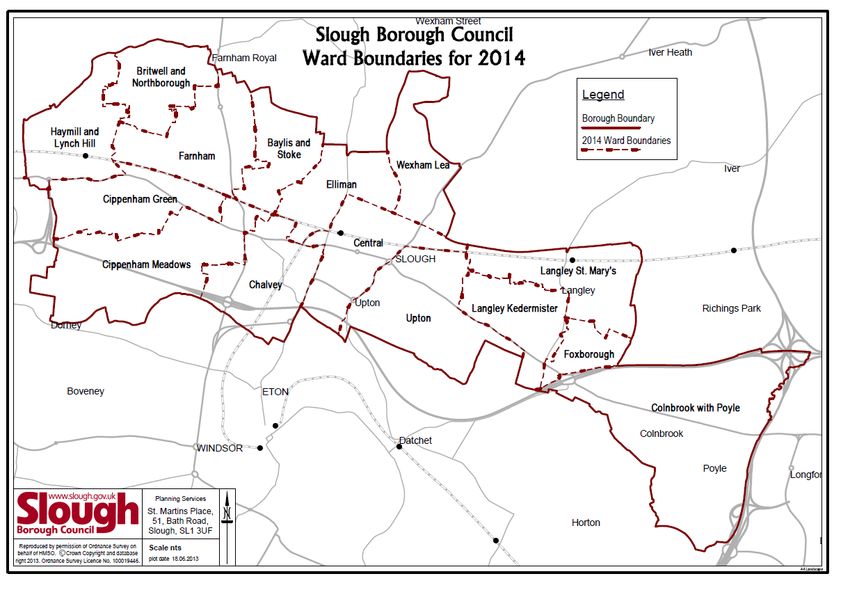
Childcare Sufficiency Assessment 2020 - 2021

Page         Contents
3            Background
4            Introduction
6            Policy direction
6            Key findings
7            Demographics
7            Overview
9            Population
10           Autumn term 2020 supply of early years and childcare provision
11           Early years childcare and registered childminder places for 0 – 4 year
             olds
11           Supply of places by age group
12           2 year old Funded Early Education criteria
13           2 year old funding 2020/21
15           2 year old funding brokerage
16           3 & 4 year old universal entitlement
16           Funded Early Education 2, 3 and 4 year olds
18           Early Years settings open and closed March 2020 – May 2020
19           Number of children attending early years and childcare provision March
             2020 – June 2020
19           Early Years settings open and closed June 2020 - February 2021
22           Attendance during the Coronavirus pandemic June 2020 – February
             2021
24           Parental demand for early years and childcare 2020 – 2021
28           Summary of the parental survey
30           Early Years Annual Provider Audit Analysis
30           Setting by CCA by type of provider
31           Number of places by provider type
32           Changes to capacity
34           Demand for places autumn term 2020
37           The impact of COVID on service delivery - All providers
38           Challenges for wider opening June 2020
41           PVI settings financial position following the COVID pandemic
40           Attainment and data
41           Impact of lockdown on children’s learning and development
45           Supporting home learning during lockdown
47           Staff support for home learning with children
47           Costs
52           Workforce
54           COVID staffing impact
56           Apprentices, Volunteers and work placements
57           CPD and Training
58           Business and finance
59           Sustainable businesses
65           Special educational needs and disabilities
67           Out of School Survey Overview
74           Support given to providers during COVID-19 pandemic
78           Findings and Recommendations: Childcare Sufficiency Report 2020-21

                                               2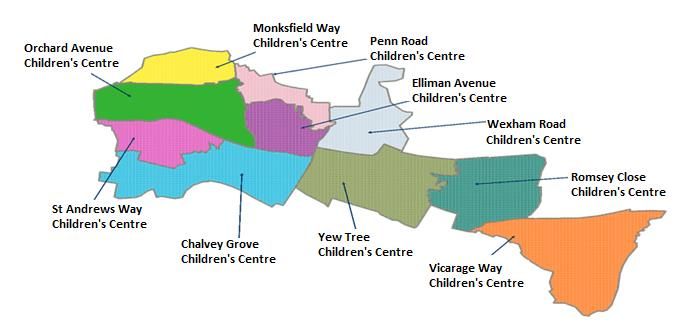
Childcare Sufficiency Assessment 2020 - 2021
Background
The Childcare Act 2006 and 2016 and the associated statutory guidance for local
authorities on Early Education and Childcare, March 2017 requires Slough Borough
Council (the Local Authority) to secure sufficient childcare, as far as is reasonably
practicable, for working parents, or parents who are studying or training for
employment, for children aged 0 – 14 (or up to 18 for disabled children).
The duty is detailed in the following sections of the Acts:
Childcare Act 2006
Section 6 secures sufficient childcare for parents;
Section 7 secures early years provision free of charge;
Section 7A discharges its duty;
Section 9 gives local authorities the power to attach requirements to the
arrangements they make with providers (other than the governing body of a
maintained school) to deliver childcare including free early years provision;
Section 9a allows regulations to be made which prescribe the requirements local
authorities may or may not impose when they make arrangements;
Section 12 provides information, advice and assistance to parents about childcare in
the area;
Section 13 secures the provision of information, advice and training to childcare
providers and childcare workers
Childcare Act 2016
Section 1 places a duty on the secretary of state to secure the equivalent of 30 hours
free childcare over 38 weeks of the year for qualifying children;
Section 2 allows the secretary of state to discharge her duty under section 1 of the
Act by placing a duty on English local authorities to secure free childcare for
qualifying children;
To secure sufficient childcare places, local authorities should take into account:
what is ‘reasonably practicable’ when assessing what sufficient childcare
means for their area;
the state of the local childcare market, including the demand for specific types
of providers in a particular locality and the amount and type of supply that
currently exists;
the state of the labour market including the sufficiency of the local childcare
workforce;
the quality and capacity of childcare providers and childminders registered
with a childminder agency, including their funding, staff, premises, experience
and expertise;
what schools in their area are offering or able to offer for out-of-hours
childcare from 8.00am until 6.00pm and in school holidays;
if existing providers are able to expand their provision and what new providers
are going to enter the local childcare market; and
if providers take a sustainable business approach to planning and signpost
providers to resources to support them.
3
Childcare Sufficiency Assessment 2020 - 2021
The Local Authority is responsible for determining the appropriate level of detail in
the report, geographical division and date of publication. However, the report should
include:
a specific reference to how we are ensuring there is sufficient childcare
available to meet the needs of: children with special educational needs and
disabilities; children from families in receipt of the childcare element of
Working Tax Credit or Universal Credit; children with parents who work
irregular hours; children aged two, three and four taking up free places; school
age children; and children needing holiday care.
Information about the current and projected supply and demand of childcare
for particular age ranges of children, and the affordability, accessibility and
quality of provision; and
Details of how any gaps in childcare provision will be addressed.
In addition, the Local Authority is required by legislation to maintain a service that
provides information, to parents and prospective parents on the provision of
childcare in their area, as listed in Schedule 1 of the Childcare Act 2006 and from 1st
September publish this information electronically on the local authority website and
update it, at a minimum termly on 1st January, 1st April and 1st September, ensuring
parents are aware of:
Early education places for two, three and four year olds;
The option to continue to take up their child’s 15 hour early education place
until their child reaches compulsory school age;
How to identify high quality provision in their area.
Introduction
The Slough Childcare Sufficiency Assessment (CSA) refresh provides an overview
of the childcare market in Slough and covers the period from autumn 2019 to autumn
2020.
The context within which an early years and childcare sufficiency assessment is
compiled can fluctuate considerably from year to year. The early years sector is
demonstrably volatile within relatively short timescales, making place planning more
complex and necessitating on-going processes.
The Local Authority has a statutory duty to ensure that there are sufficient places for
every child eligible for Free Early Education. These places are developed and
offered by providers who respond to localised changes in demand, recruitment and
retention issues, rent increases, competition and new national initiatives by altering
their offer.
It is impossible to predict how the local early years and childcare market will look in
the next year. There are many uncertainties around the global pandemic which will
certainly impact on the local economy. Demand for childcare and in particular 2, 3
and 4 year old and 30 hours places are highly dynamic and is likely to fluctuate as
we go through the phases of the pandemic from lockdown to post lockdown.
Furlough and redundancy could mean family circumstances decline with an impact
on demand for 2 year old places as more families claim Universal Credit and
4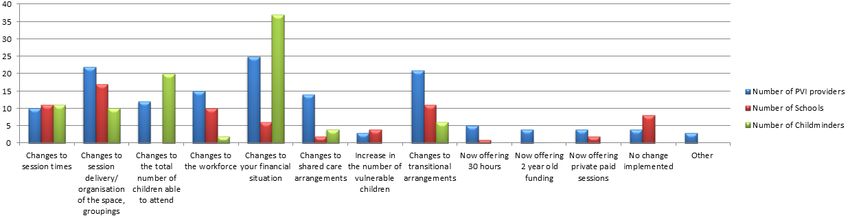
Childcare Sufficiency Assessment 2020 - 2021

become eligible for the funding, which is allocated to the 40 % most disadvantaged
children.

Childcare providers will make business decisions on their viability and sustainability
which will impact the local market. The ending of Government policy on job retention
schemes, business grants and business rates holidays will also play a part in
shaping childcare in the future.

Families changing needs will also shape the demand for childcare, especially as the
economic impact of COVID-19 begins to be felt with likely rising unemployment and
the increase in parents working from home. The demand for paid for childcare and
wraparound services may well be affected. However, new housing development in
the borough could also mean regeneration and increased demand for childcare.

It is also difficult to predict how many families will return to using formal childcare
after the lockdown and how many may choose to use informal childcare instead.
Using informal childcare such as grandparents will be impacted by Government
direction on shielding. There may well be an increase in homeworking and part-time
working which will also have an impact on demand for childcare places. We may
also see a decline in the use of childcare because of parental confidence and a
desire to keep their children safe by reducing the number of contacts they have.

This report, therefore, can only consider what is already known about the early years
and childcare market in Slough. It will look at the availability of provision before the
first lockdown and throughout 2020 during the pandemic. This report will also
consider the impact of COVID-19 on the recovery of the market and consider future
developments into 2021.

The objectives are to produce a baseline of childcare sufficiency in Slough during
2020, and report on how the supply of childcare places continues to be affected by
the pandemic. The report will also show progress on the take up of 2,3 and 4 year
old and 30 hours funded places.

In producing the report, the previous methodology has had to be revised based on
the impact of COVID-19.

Supply information has been gathered using the provider annual audit which was
completed at the end of the Summer Term. All providers were contacted
electronically in the Autumn Term to update their participation and vacancy
information specifically regarding funded early education places.
We have drawn on other data to inform this refresh including:
    - Early Years and School census January 2020
    - ONS 2018 – 19
    - Slough Borough Council Housing Strategy
    - Family Information Service statistics
    - Statistics: Early Years and Childcare

                                               5
Childcare Sufficiency Assessment 2020 - 2021
Policy direction
There are a number of policy initiatives that had an impact on the outcomes of the
childcare sufficiency during 2019 – 2020 and some of these continue to be influential
through 2020 - 2021. These include:
- National Living Wage
- Tax Free Childcare
- Free 30hrs Childcare Extended Entitlement
- Free 2 year old funding entitlement
- Early Years National Funding Formula
- Benefit reforms including the introduction of Universal Credit
- Brexit and general election
The Childcare Sufficiency Assessment will focus on the impact of these policy
changes specifically on the increase in demand for new early years and childcare
places across the borough.
Key findings
- Slough has seen a decrease in early years and childcare places by 290
compared to the previous year
- Based on population size Slough has insufficient childcare in 5 areas of the
borough, although current demand for places is not identifying this as an issue
- Numbers of children attending early years and childcare are steadily
increasing during the spring term 2021
- 30% of families who were surveyed said that they would continue to keep their
children at home with them whilst working from home
- Chalvey Grove Children’s Centre area has the lowest number of places for
children under 2 years old
- All types of providers felt that there had been a decrease in demand for early
years and childcare places during the autumn term 2020
- PVI providers and childminders felt that COVID-19 had impacted on their
financial sustainability
- School based nurseries identified that their biggest challenge to wider opening
was the transitional arrangements and settling children back into settings
- The PVI and childminding sector felt that children’s communication and
language attainment levels had been impacted by COVID-19, however school
based nurseries felt that the lockdown period had significantly increased
communication and language levels
- All of the sector supported home learning generally on a weekly basis with
some settings providing daily support
- The average cost of an early years / childcare place for under 2 year olds in
PVI settings is £6.70 and with childminders £5.00 - £5.50
- The average cost of an early years/childcare place for 2 year olds in PVI
settings is £6.41 and with childminders £5.00 - £5.50
- The average cost of an early years/childcare place for 3 & 4 year olds in PVI
settings is £6.03 and with childminders £5.00 - £5.50
- 2.8% of the early years and childcare workforce in Slough identify as male
- There has been an increase of approximately 33% of children accessing early
years and childcare with an identified additional need or SEND
6Childcare Sufficiency Assessment 2020 - 2021
Demographics
Slough is an urban town in the east of Berkshire, approximately 20 miles west of
central London. It is home to 42,365 children and young people, 13,188 of which are
aged 0-4. Out of a total population of approximately 145,734, this equates to 29%
being below the age of 19, making the population of Slough significantly younger
than the average for south east local authorities. The borough also includes a higher
proportion of young adults aged 25-44, suggesting a large number of young families
are resident.
(Source: ONS 2015 Mid-Year Population Estimates - June 2016)
Slough unitary authority area was ranked 79th out of the 326 English local authorities
for deprivation in the 2015 Indices of Deprivation, significantly more deprived than
other east Berkshire areas: Reading (143rd), Bracknell Forest (287th) and Windsor
and Maidenhead (306th).
(Source: Department for Communities and Local Government - Sep 2015)
Overview
Slough is made up of 14 wards
It is bisected by the A4 (connecting Bath to London) and the Great Western
Main line.
It covers an area of 32.54 km² and is approx. 20 miles west of central London.
7Childcare Sufficiency Assessment 2020 - 2021
The Slough Early Years Service works across 10 Children’s Centre areas (CCA) which do not align with the ward boundaries of the
borough. The map below shows how Slough is split into the 10 Children’s Centre areas which, when originally defined, were based
on each area having equal numbers of under 5 year olds and aligned to Super Output Areas.
8Childcare Sufficiency Assessment 2020 - 2021
Population
The ONS birth data shows that there has been a slight decrease in the number of births during 2018 – 2019 across Slough (49)
and overall the Chalvey Grove Children’s Centre area saw the biggest decrease (133), however some areas saw an increase such
as Wexham Road, Orchard Avenue and St Andrews Way Children’s Centre Areas.
CCA 13 years 12 years 11 10 years 9 years 8 years 7 years 6 years 5 years 4 years 3 years 2 years
years
2007-8 2008-9 2009-10 2010-11 2011-12 2012-13 2013-14 2014-15 2015-16 2016-17 2017-18 2018-19
Chalvey Grove 486 513 569 548 579 570 544 496 545 522 499 366
Elliman Avenue 418 442 401 435 419 413 422 399 414 370 336 229
Monksfield Way 190 186 182 189 180 161 162 188 177 170 157 146
Orchard Avenue 158 182 153 159 164 161 163 149 158 147 138 209
Penn Road 193 184 213 214 231 182 184 205 210 210 180 197
Romsey Close 384 377 370 395 393 380 346 360 368 391 335 297
St. Andrews Way 169 162 153 164 164 154 149 156 124 142 134 189
Vicarage Way 109 112 131 119 113 127 119 108 115 102 97 114
Wexham Road 166 162 161 201 198 188 173 177 206 180 158 256
Yew Tree Road 288 298 320 336 319 299 328 320 353 339 394 376
2561 2618 2653 2760 2760 2635 2590 2558 2670 2573 2428 2379
9Childcare Sufficiency Assessment 2020 - 2021
Autumn term 2020 supply of early years and childcare provision
Type of formal childcare Number of Number of Percentage
registered registered of Slough
providers places PTP registered
places
Nursery class in a Maintained school 25 1,754 31.0%
Nursery class in an Independent sector setting 3 210 3.7%
Day nursery – full or part-time 13 1,826 32.2%
Pre-School/Playgroup sessional childcare 13 642 11.3%
Children’s Centres nursery full daycare 4 312 5.5%
Children’s Centres nursery sessional daycare 6 176 3.1%
Maintained Nursery School 5 744 13.1%
Total Early Years & Childcare 69 5,664
Registered Childminder 109 638 93.0%
Home Childcare (own home) 32 48 7.0%
Total Home-Based Childcare 141 752
After School Club 18 * -
Breakfast Club 22 * -
Holiday Play scheme 17 * -
57 -
Total Out of School Childcare
*Unable to calculate number of places due to closures
There has been a slight drop in the overall number of places available across the
borough of approximately 290 places. This is likely to be in response to the COVID
pandemic in order to ensure safe working practices.
10Childcare Sufficiency Assessment 2020 - 2021
Early years childcare and registered childminder places for 0 – 4
year olds
The table below shows that the biggest reduction of places has been seen in
childminder settings with 101 places. Places in the independent sector have also
seen a decrease in their available places compared to 2019 – 2020.
Place comparison Total 2020 - 21 Previous year
2019 - 20
Nursery class in a Maintained school 1754 1705
Maintained Nursery School 744 816
Day nursery – full or part-time 1826 1838
Pre-School/Playgroup sessional childcare 642 684
Children’s Centre nursery full daycare 312 372
Children’s Centre nursery sessional daycare 176 208
Nursery class in an Independent sector setting 210 296
Registered Childminder 638 739
Supply of places by age group
CCA Spaces offered for Spaces offered for Spaces offered for
Under 2's per day 2yr olds per day 3 & 4 Year olds per
day
Monksfield Way 61 111 391
Orchard Avenue 84 149 378
St. Andrew's Way 29 75 374
Chalvey Grove 5 140 557
Elliman Avenue 26 90 452
Penn Road 17 58 343
Wexham Road 52 113 526
Yew Tree Road 35 114 419
Romsey Close 148 318 749
Vicarage Way 21 61 113
The table below shows the population of each CCA and how each area could be
regarded as having sufficient places for 0 – 4 year olds if the percentage of 0 – 4
year olds living within that CCA is less than or within 1% of the corresponding
percentage of theoretical supply for 0 – 4 year olds.
11Childcare Sufficiency Assessment 2020 - 2021
Children’s Centre Number % of Supply of % of Concluded
Area of 0-4 Slough’s early years Slough’s Sufficiency
year 0 – 4 year childcare supply of Yes/No? for
olds/CCA olds and early years 0 – 4 year
(NHS living in childminding and olds
2018 - CCA places/CCA childcare
2019) (NHS for 0 – 4 year and
2018 – olds childminding
2019) places for 0
– 4 year olds
Monksfield Way 784 6.33% 563 9.37% Yes
Orchard Avenue 1112 8.98% 611 10.17% Yes
St. Andrew’s Way 1155 9.33% 478 7.95% No
Chalvey Grove 1935 15.62% 702 11.68% No
Elliman Avenue 1221 9.86% 568 9.45% No
Penn Road 1071 8.65% 418 6.96% No
Wexham Road 1286 10.38% 691 11.50% Yes
Yew Tree Road 1748 14.11% 568 9.45% No
Romsey Close 1561 12.60% 1215 20.22% Yes
Vicarage Way 513 4.14% 195 3.25% No
Total 12386 100.00% 6009
Aligned to this particular quantitative methodology, it can therefore be concluded that
in autumn 2020, six Children’s Centre Areas did not, theoretically, have (statistically)
sufficient early years childcare places for 0 – 4 year olds:
Chalvey Grove Children’s Centre Area
Elliman Avenue Children’s Centre Area
Penn Road Children’s Centre Area
Yew Tree Road Children’s Centre Area
St Andrew’s Way Children’s Centre Area
Vicarage Way Children’s Centre Area
The six CCA’s which could be regarded as not having sufficient places for 0 – 4 year
olds is comparable to the CSA 2019/20 identified areas apart from the added areas
of St Andrew’s and Vicarage Way Children’s Centre. However this methodology only
considers population size assuming every under 5 year old would want an early
years and childcare place. To gain a more accurate picture we also need to consider
demand for places. Over the last year we have not experienced a sufficiency issue
due to the supply not matching the demand in most parts of the borough.
2 year old Funded Early Education criteria
Two year olds from families in receipt of certain benefits and with an income of
£15,400 or less per year are eligible for a free early education place.
Benefits
Income Support
Income based Jobseeker's Allowance (JSA)
12Childcare Sufficiency Assessment 2020 - 2021
Income related Employment and Support Allowance (ESA)
Support through Part 6 of the Immigration and Asylum Act 1999
The Guaranteed element of State Pension Credit
Child Tax Credit and have an annual income under £16,190 before tax
Working Tax Credit and have an annual income under £16,190 before tax
Universal Credit if a parent is entitled to Universal Credit they must have an
annual net earned income equivalent to and not exceeding £15,400, assessed on
up to three of the parent’s most recent Universal Credit assessment periods.
The children of the following families will be entitled to a free place if their parents
are working and meet similar low-level income requirements to others eligible for the
scheme (e.g. a household income of £15,400 a year or less after tax), that they:
o are excluded from claiming public funds as a consequence of their
immigration status, or their lack of immigration status; and
o are in receipt of support under section 17 of the Children Act 1989.
o Children of Zambrano Carers;
o Children of families with no recourse to public funds with a right to
remain in the UK on grounds of private/family life under Article 8 of the
European Convention on Human Rights;
o Children of a subset of failed asylum seekers (supported under section
4 of the Immigration and Asylum Act 1999 – ‘the 1999 Act’).
o Children receiving support from the local authority under section 17 of
the Children Act 1989 who also have no recourse to public funds.
A child can also get free early education at the age of two, if:
they are looked after by a local council
they have an Education, Health and Care Plan (ECHP)
they receive Disability Living Allowance
they have left care under a special guardianship order, child arrangements order
or adoption order.
Eligible children will be able to start their free place from the beginning of the term
after their second birthday. Parents/carers can apply in the term of their child's
second birthday by completing an application online on the Citizen Portal.
2 year old funding 2020/21
The DWP list September 2020 showed 785 families potentially eligible for 2
year old funding, this is a slight increase of 46 compared to 2019
According to the DWP list September 2020, Chalvey Grove Children’s Centre
area continues to have the highest number of eligible 2 year olds living in the
borough.
DWP list: 2 year olds - for Jan 2021 start
CCA Eligible – DWP Applications as of Reach (% no app)
Sep 2020 list Sep 20
Chalvey Grove 131 46 (35%) 85 (65%)
Elliman Avenue 73 26 (36%) 47 (64%)
Monksfield Way 71 34 (48%) 37 (52%)
13Childcare Sufficiency Assessment 2020 - 2021
Orchard Ave 59 19 (32%) 40 (68%)
Penn Road 71 22 (31%) 49 (69%)
Romsey Close 81 29 (36%) 52 (64%)
St Andrews Way 52 18 (35%) 34 (65%)
Vicarage Way 50 21 (42%) 29 (58%)
Wexham Road 91 35 (39%) 56 (61%)
Yew Tree Road 106 37 (35%) 69 (65%)
785 287
Following receipt of the September 2020 DWP the local authority received a new
updated list in November. Comparison of the data tells us that the overall number of
potential eligible families increased by 29.
The number of families applying for 2 year old funding during the period of
September – November 2020 also increased by the same number 29.
CCA Eligible – DWP Applications as of Reach (% no app)
Nov 2020 list Nov 20
Chalvey Grove 136 51 (38%) 85 (62%)
Elliman Avenue 74 27 (37%) 47 (63%)
Monksfield Way 71 34 (48%) 37 (52%)
Orchard Ave 69 29 (42%) 40 (42%)
Penn Road 73 24 (33%) 49 (67%)
Romsey Close 86 34 (40%) 52 (60%)
St Andrews Way 58 24 (41%) 34 (59%)
Vicarage Way 49 20 (41%) 29 (59%)
Wexham Road 88 32 (36%) 56 (64%)
Yew Tree Road 110 41 (37%) 69 (63%)
814 316
Due to COVID we are now seeing an impact on the participation rates for 2 year old
funding. The data shows us that many parents are choosing not to apply for a place
(498) or access a setting (34).
Term Participation % take up DWP
Autumn 2017 443 51% 869
Spring 2018 443 53% 836
Summer 2018 424 50% 840
Autumn 2018 458 54% 851
Spring 2019 446 56% 804
Summer 2019 464 55% 847
14Childcare Sufficiency Assessment 2020 - 2021
Autumn 2019 452 57% 795
Spring 2020 418 57% 731
Summer 2020 336 45% 754
Autumn 2020 370 45% 824
Spring 2021 393 50% 785
Due to COVID the numbers of 2 year old children actually attending their funded
early education setting has reduced significantly, 10% in summer 2019 – summer
2020, 12% autumn 2019 – autumn 2020 and 6% spring 2020 – spring 2021.
- Summer 2020 funding claim 336, actual average attendance 31 this equates
to 305 children accessing home learning.
- Autumn 2020 funding claim 370, actual average attendance 237 this equates
to 133 children accessing home learning.
- Spring 2021funding claims 393, actual average attendance 179 this equates
to 214 children accessing home learning and 392 children not accessing any
form of early education.
Term Average number of 2 year olds
attending a FEE setting
Summer 2020 31
Autumn 2020 237
Spring 2021 179
2 year old funding brokerage
Many parents contacted via the telephone regarding their eligibility for 2 year old
funding, were either uncontactable or sent a link to complete the online application.
Families on the DWP list unknown to the Children and Families Directorate at SBC
(where no contact details are held), received a home visit from the Family
Information Service.
15Childcare Sufficiency Assessment 2020 - 2021
Out of the 377 visits 84 families said they would apply for a place.
Spoken to & WILL apply 84 Door knocking effect
Total doors 377 22.3%
3 & 4 year old universal entitlement
When considering the number of universal places required for 3 & 4 year old
provision we need to consider the number of 4 year olds attending a reception place.
The table below shows the current numbers on roll as per headcount data autumn
2019 and the total number of places against the number of children who may require
a universal 3 & 4 year old place.
CCA 3& 4 year Target Autumn Difference
4 olds in number 2020
year reception 3&4 participation
olds classes year
olds
Chalvey Grove 1021 252 769 321 448
Elliman Avenue 706 171 535 263 272
Monksfield Way 327 217 110 209 -99
Orchard Avenue 285 139 146 172 -26
Penn Road 390 123 267 149 118
Romsey Close 726 368 358 414 -56
St. Andrews Way 276 201 75 238 -163
Vicarage Way 199 49 150 71 79
Wexham Road 338 329 9 299 -290
Yew Tree Road 733 188 545 284 261
5001 2037 2964 2420 544
Funded Early Education 2, 3 and 4 year olds
The table below tracks the actual number of children who received funding between
the spring term 2018 through to the autumn term 2020. Each year the numbers
gradually build from autumn through to the summer term as more children become
eligible for the funding entitlements. This is particularly significant for the universal 3
& 4 year old offer and the extended entitlement; however this trend does not seem to
apply to the 2 year old offer where the figures are more static throughout the year.
Funding claims 2018 - 2020
Term Universal 3 & 4 Extended 3 & 4 2 year olds
Spring 2018 3131 662 443
Summer 2018 3500 825 424
Autumn 2018 2318 620 458
Spring 2019 3073 804 446
16Childcare Sufficiency Assessment 2020 - 2021
Summer 2019 3517 935 464
Autumn 2019 2461 613 452
Spring 2020 3163 843 418
Summer 2020 3424 919 336
Autumn 2020 2436 635 370
Autumn comparison 2018 – 2020
When reviewing the funding claims for the autumn term we can see that each year
the numbers are fairly predictable. The figures for autumn 2020 are based on the
number of children on roll at an early years setting and the actual attendance data
for this period is significantly lower due to COVID. Many parents during this time
chose to have their children at home but were engaged in home learning
opportunities provided by their early years setting.
3000
2500
2000 Autumn 2018
1500 Autumn 2019
1000
Autumn 2020
500
0
Universal 3 & 4 Extended 3 & 4 2 year olds
Spring comparison 2018 – 2020
During the spring term 2020 many providers were reporting higher participation rates
compared to previous spring terms. The graph below confirms this as we can see a
slight increase in the universal and extended entitlement for 3 & 4 year olds.
4000
3000 Spring 2018
2000 Spring 2019
1000 Spring 2020
0
Universal 3 & 4 Extended 3 & 4 2 year olds
Summer comparison 2018 – 2020
During the summer term 2020 many early years providers were offering home
learning and some settings were closed based on government guidelines due to
COVID. Although providers were still funded based on the numbers on roll many
new families did not come forwards to take up their entitlement, this is particularly
significant for funded 2 year olds.
17Childcare Sufficiency Assessment 2020 - 2021
4000
3000
Summer 2018
2000
1000 Summer 2019
0
Summer 2020
Universal 3 & 4 Extended 3 & 4 2 year olds
Early Years settings open and closed March 2020 – May 2020
Since the lockdown was first ordered by the Prime Minister, Boris Johnson on 23 rd
March 2020 the early years service mobilised to meet the needs of the early years
sector and implemented the service’s business continuity plan.
The Department for Education instructed all early years settings (and schools) to
close with the exception of providing services to the children of key workers and
vulnerable children.
As a result, the below graphs illustrate the operational levels across the borough in
the first two weeks of the lockdown:
Numbers Provider type w/c 23.03.2020 27%
operational providers
109 Childminders 27 25%
5 MNS 1 20%
30 PVI 13 43%
10 Children's Centres 1 10%
During the first week of the national lockdown many early years and childcare
providers realised that it had become operationally impossible for them to stay open.
This was down to various reasons from staffing, insurance cover, financial capacity
and demand for places.
We can see in the table below that by the end of March only 16% of the provider
market was open to critical worker and vulnerable children. Based on the demand for
places at this time the providers who stayed open were able to provide all of the
required places and the borough did not experience a sufficiency issue.
Numbers Provider type w/c 30.03.2020 16%
operational providers
109 Childminders 17 16%
5 MNS 1 20%
30 PVI 5 17%
10 Children's Centres 1 10%
18Childcare Sufficiency Assessment 2020 - 2021
Number of children attending early years and childcare provision
March 2020 – June 2020
When lockdown began on 23 March 2020, the lowest number of children attending
early years and childcare was on 6th April with 81 children and gradually since
restrictions have eased the numbers have incrementally risen to 610 children.
Early Years settings open and closed June 2020 - February 2021
In May 2020 the government announced that early years and childcare settings
could prepare for wider opening from 1st June 2020. The graph below shows the
gradual opening of the sector throughout June and into July. We can also see that
many term time only providers opened for a short period of time before closing down
for the summer holidays at the end of July 2020.
120
100
80
60
Open
40 Closed
20
0
19Childcare Sufficiency Assessment 2020 - 2021
From September 2020 almost all group providers were open with on average 38% of
childminders still opting to remain closed. This is 33% more childminders compared
to 2019 and anecdotally we know this was COVID related.
160
140
120
100
80
Open
60
Closed
40
20
0
Due to October half term around 29th October a number of providers closed as they
normally would at this time of year.
Throughout the rest of the autumn term 2020 many providers remained open. No
data was collected over the two week Christmas holiday period.
160
140
120
100
80
60 Open
40 Closed
20
0
In January 2021 the rate of people infected with COVID increased and although
early years and childcare settings remained open a number of providers had to close
for short periods of time due to cases within their setting. This is reflective in the
above graph where we can see a slight dip in the number of open settings during
January.
During the Christmas period 2020 the government introduced another national
lockdown but this time instructed all early years settings to remain open to all
20Childcare Sufficiency Assessment 2020 - 2021
children. School were asked to close but remain open for critical worker and
vulnerable children. The graph below shows the actual number of children attending
early years settings from June 2020 to February 2021 and we can see that even
though early years settings remained open January – February 2021 many
parents/carers chose to keep their children at home.
Actual participation rates during the autumn term significantly increased and we can
see that at the start of February 2021 more children are gradually returning to
provision.
210
1000
1500
2000
2500
3000
500
01/06/2020
04/06/2020
08/06/2020
11/06/2020
15/06/2020
18/06/2020
25/06/2020
02/07/2020
09/07/2020
16/07/2020
Childcare Sufficiency Assessment 2020 - 2021
23/07/2020
30/07/2020
06/08/2020
13/08/2020
20/08/2020
27/08/2020
03/09/2020
10/09/2020
17/09/2020
22
24/09/2020
Total
Children attending
01/10/2020
08/10/2020
15/10/2020
22/10/2020
29/10/2020
05/11/2020
12/11/2020
19/11/2020
Attendance during the Coronavirus pandemic June 2020 – February 2021
26/11/2020
03/12/2020
10/12/2020
17/12/2020
07/01/2021
14/01/2021
21/01/2021
28/01/2021
04/02/2021
TotalChildcare Sufficiency Assessment 2020 - 2021
The graphs below show us that during June 2020 – August 2020 the majority of
children attending an early years setting were accessing a private, voluntary or
independent (PVI) setting.
600
Schools with
500 nursery
400 classes
300 PVI
200
100
0 CC
01/06/2020
04/06/2020
08/06/2020
11/06/2020
15/06/2020
18/06/2020
25/06/2020
02/07/2020
09/07/2020
16/07/2020
23/07/2020
30/07/2020
06/08/2020
13/08/2020
20/08/2020
27/08/2020
Childminder
Children attending
We can then see that when schools reopened in the autumn term the majority of
children attending an early years setting were accessing a school based provision,
closely followed by PVI settings.
1500 Schools with
nursery
1000 classes
PVI
500
0
CC
03/09/2020
10/09/2020
17/09/2020
24/09/2020
01/10/2020
08/10/2020
15/10/2020
22/10/2020
29/10/2020
05/11/2020
12/11/2020
19/11/2020
26/11/2020
03/12/2020
10/12/2020
17/12/2020
Childminder
Children attending
Due to the national lockdown at the end of 2020 and into the start of 2021 many
parents with early years and school aged children accessing a school based
provision chose to keep their children at home. This is reflective in the graph below
where we can see that the majority of children attending early years provision
accessed a place in a PVI setting.
1000
Schools with
800 nursery classes
600
PVI
400
200
0 CC
07/01/2021 14/01/2021 07/01/2021 14/01/2021 28/01/2021 04/02/2021
Childminder
Children attending
23Childcare Sufficiency Assessment 2020 - 2021
Parental demand for early years and childcare 2020 – 2021
In August 2020 Slough Borough Council sent out a survey to parents and carers to
find out their experiences of childcare during and beyond COVID-19. The council
received 177 responses, with the highest submissions in the Orchard Avenue (27%)
and St Andrews Way (22%) Children’s Centre Areas.
Parent Survey
60
50
40
Number of
30 responses
20
10
0
MW OA SAW YT CG WR PR EA RC VW OOB
When asked to identify the age group that their child/ren fell into over 16% of
respondents had a 3 year old and 15% identified they had a 7 year old.
40% of the survey results relates to children between 0 – 4 years old
59% of the survey results relate to children between 5 – 11 years old
1% of the survey results relate to children between 12 – 14 years old
There were no responses for children over 14 years old
25
20
15
10
5
0
Out of the 177 responses 122 were using early years or childcare provision before
the start of the COVID pandemic and 55 were not using any form of provision.
24Childcare Sufficiency Assessment 2020 - 2021
Parents using childcare before COVID
No
Yes
0 20 40 60 80 100 120 140
Parents and carers were asked if they planned to use early years and childcare
provision in September 2020 and 56% said yes, 32% said no and 12% were unsure.
Are you planning to use childcare in
Unsure
September?
No
Yes
0 20 40 60 80 100 120
The main reasons stated for not wanting / planning to use early years and childcare
provision in September 2020 was that 45% said they ‘did not need to use childcare
at present’, 12% stated that they wouldn’t use provision because they ‘had safety
concerns about my child returning to childcare’ and 27% answered ‘other’.
Various ‘other’ reasons included:
- Uncertainty with my job
- I have no work from September so will care for my children myself until I find
another job
- I have a few options on childcare so I’m not sure yet.
- Can’t afford it
- Family member is my childcare. Unsure if they will still able to continue
- I am unable to find childcare for both my children, one that is due to start
school (afterschool etc.) and the other will be starting nursery if and when I
am back at work. There isn’t anything available that is practical for me, i.e.
pick ups and drop offs and that wont cost the earth. I also need assurance
about the settling in procedure for the baby
25Childcare Sufficiency Assessment 2020 - 2021
- I am now a home worker so potentially do not need childcare, however I am
still considering using it on a more occasional basis, to allow my child
additional socialising and to reduce the pressure on my time being split
between working and parenting
- Not sure about the work arrangements. No point booking a space with a
childcare provider If I’m still at home
60
50
40
30
20
10
0
My usual My usual My child or a I have safety I do not need Other (please
childcare childcare is family concerns to use specify)
provider is open but I am member is about my childcare at
not open not able use shielding child present
the childcare returning to
sessions I childcare
need/want
Families not currently accessing childcare or not planning to in SeptemberIf you are
not currently using childcare or planning to in September
The parents / carers who stated that they ‘have safety concerns’ were also asked
what would need to be in place before they would consider sending their child back
to early years and childcare provision?
The reasons given were:
- Need to know how they are socially distanced or bubbles as there will be
many kids from different age groups
- I think home is safe for every child because winter is going to start. As we
know in winter we all have flu, coughing etc. And these symptoms are same
like COVID symptoms. So especially kids are don’t know about this disease
they don’t know how to make social distancing. Every child comes from
different families. Schools said they check every child and parent temperature
everyday before they enter in class. But rest of family are at home we don’t
know their temperature and situation. I think we don’t take any chance for kids
and stay home and teach them from home, specialised Nursery, receptions
students.
- In my opinion following the safety measures in childcare is not possible
considering we have to deal with very small children and ensuring that they
follow each and everything like adults is impossible. Please note hand
hygiene and physical distancing is just few of the measures to prevent the
spread.
- Vaccine for COVID 19 will be great to have at the earliest
- I will equip about health protection knowledge during epidemic season
26Childcare Sufficiency Assessment 2020 - 2021
- Teacher regular testing and masks
- As long as the childcare has all the COVID health and safety's, I am happy to
send my child
- Distancing cannot be achieved with younger children
- Wearing face mask, social distancing
- COVID must not spike over October to December in order for me to safely
send my daughter to childcare. I also want her walking to reduce the number
of times she needs to be handled
- Testing and proof for parents to know the tests came back negative
- Hand Sanitizer or alternative safety measures, disinfectant spray use, limited
number
- A cure or a vaccine
Parents and carers were asked to tell us when they would be likely to start using
childcare again?
Please tell us when you are likely to start
using childcare again
I am not intending
Other (please
to use childcare
specify)
again
13%
12% From Autumn 2020
34%
When I need it (eg
when I return to
employment or
training)
30%
When my safety
concerns have
been addressed
11%
-
Parents / carers who responded with ‘other’ outlined the following
explanations:
- I think it's better to wait until COVID-19 cases are dropping again
- In summer
- January 2021 so long as COVID cases have not risen locally
- my partner and I are currently working from home so have no need for
childcare at present, once we are back in the office I will need childcare if it is
available
27Childcare Sufficiency Assessment 2020 - 2021
Parents and Carers that were currently accessing childcare were asked if they were
able to access the childcare that they needed during the first part of the pandemic,
43% agreed and 43% said it was not applicable.
Families currently accessing childcare:
I have been able to access the childcare
that I need
N/A Agree
43% 43%
Disagree
14%
When asked if they were satisfied with the early years and childcare provision that
they were currently accessing only 2% disagreed.
Families currently accessing childcare I
am satisfied with this childcare
Agree
N/A 44%
54%
Disagree
2%
Summary of the parental survey
Current attendance data shows that half of 3 & 4 year olds have returned to nursery
provision. Based on the parent survey 34% said they planned to return in the
autumn and 11% reported that they would return if their safety concerns had been
considered. Many early years settings introduced a number of new procedures to
support a COVID safe environment, these included:
- Indoor and outdoor shoes are being worn
- Frequent hand cleaning and good respiratory hygiene practices
- Providing sanitising stations
- Adults are keeping 2 meters apart
- Enhanced cleaning routines
- Lots of time playing and learning outdoors
- Working in ‘bubbles’ to keep groups sizes smaller
- Ensuring parents are advised to keep children with any symptoms at home
28Childcare Sufficiency Assessment 2020 - 2021
- Ensuring staff who are symptomatic do not attend work
Currently (Feb 2021) the advice still remains to work from home where you can and
therefore 30% of families (based on the parent survey) are continuing to keep their
children at home whilst they are working from home.
12% of parents reported that they do not intend to use early years or childcare
provision again and this could be for various reasons including:
- Changes to their child’s ages
- Changes to work / training arrangements
- Concerns for safety
- Cost / finances
Many parents / carers will also be waiting for the number of COVID cases to
decrease and this could impact on some children receiving very little or no early
years education over a year to 2 year period, one parent stating they will not return
until the summer 2021.
29Childcare Sufficiency Assessment 2020 - 2021
Early Years Annual Provider Audit Analysis
Setting by CCA by type of provider
There were 39 PVI settings in Slough during autumn 2020, with the highest number
of providers 16% in the Chalvey Grove Children’s Centre area, followed by Yew Tree
Road and Wexham Road Children’s Centre Areas. This is reflective of the number of
under 5 year olds in these areas.
Total number of PVI'S per CC area
MW SAW OA PR WR EA YTR CG VW RC
5%
10% 10%
8%
16% 10%
10%
13%
5% 13%
There were 25 schools with nursery classes and 5 maintained nursery schools
across Slough in the autumn term 2020. The highest number of school based
providers can be found in the Wexham Road and Romsey Close Children’s Centre
areas 17%.
Total number of school providers per area
MW SAW OA PR WR EA YTR CG VW RC
17% 10%
6%
7% 6%
10% 7%
10% 17%
10%
30Childcare Sufficiency Assessment 2020 - 2021
Total number of Childminders per CC area
14
12
10
8
6
4
2
0
MW SAW OA PR WR EA YTR CG VW RC
Number of places by provider type
Providers were asked to identify how many places they currently offered per age
group, per day as a full time equivalent.
Type of provider Spaces Spaces Spaces
offered for offered for offered for
Under 2's 2yr olds per 3&4 Yr olds
per day day per day
Nursery class in a Maintained school 0 18 1736
Maintained Nursery School 0 102 642
Day nursery – full or part-time 344 598 884
Pre-School/Playgroup sessional childcare 0 188 454
Children’s Centres nursery full daycare 24 96 192
Children’s Centres nursery sessional daycare 0 72 104
Nursery class in an Independent sector 0 48 162
Registered Childminder 110 107 128
Broken down into Children’s Centre areas we can see that the Chalvey Grove
Children’s Centre area has a low number of places for children under 2 years old
CCA Spaces offered for Spaces offered for Spaces offered for
Under 2's per day 2yr olds per day 3&4 Yr olds per
day
Monksfield Way 61 111 391
Orchard Avenue 84 149 378
St. Andrew's Way 29 75 374
Chalvey Grove 5 140 557
31Childcare Sufficiency Assessment 2020 - 2021
Elliman Avenue 26 90 452
Penn Road 17 58 343
Wexham Road 52 113 526
Yew Tree Road 35 114 419
Romsey Close 148 318 749
Vicarage Way 21 61 113
Changes to capacity
Providers were asked if they felt that the number of places they offered to the
different age groups had increased / decreased or stayed the same due to COVID.
47% of PVI settings reported a decrease in their capacity to offer 2 year old places
and 34% identified a decrease in 3 & 4 year old places
73% of PVI settings said that their ability to continue to offer the same number of
under 2 year old places as before COVID has stayed the same, with one provider
identifying that they have been able to increase places for under 2 year olds.
32Childcare Sufficiency Assessment 2020 - 2021
PVI settings
20
18
16
14
12 Under 2 Year olds
10 2 year olds
8 3&4 year olds
6
4
2
0
Increased Decreased Stayed the Same
Schools with maintained nursery classes
25
20
Funded 2 Year
15 olds
Universal 3 & 4
10 Year old funding
30 hours
5 childcare
0
Increased Decreased Stayed the Same
77% of school nurseries said that their numbers of places had stayed the same
19% identified a decrease in the number of places overall with a 9% decrease in
universal places for 3 & 4 year olds.
Childminders
35
30
25
20
15 Funded
Places
10
5 Private
0 Places
Increased Decreased Stayed the N/A
same
33Childcare Sufficiency Assessment 2020 - 2021
A number of childminders felt that their capacity to offer the same number of places
prior to COVID had decreased, particularly their ability to offer private paid places.
Demand for places autumn term 2020
Providers were asked if they felt there had been an increase or decrease in demand
for places during the autumn term.
PVI settings identified that there had been an overall decrease in demand for 30
hour extended entitlement places and private fee paying places for 2, 3 & 4 year
olds. 26% of PVI providers also identified an increase in demand for places for
children with SEND.
PVI settings
25
20
15
10
Increased
5
Decreased
0 Stayed the Same
Schools with nursery classes
20
18
16
14
12
10
Increased
8
Decreased
6
Stayed the Same
4
2
0
Under 2 2 Year 2 Year 3&4 3&4 3 & 4 Parents SEND
Years olds olds year olds year olds year olds requiring
funded private universal 30 hours private more
funded funded flexibility
34Childcare Sufficiency Assessment 2020 - 2021
9 schools with nursery classes recorded an increase in the demand for more
flexibility from parents and 8 school nurseries indicated an increase in the demand
for places for children with SEND.
Childminders
35
30
25
20
15
10 Increased
5 Decreased
0 Stayed the Same
Under 2 2 year 2 year old 3 & 4 3&4 3&4 More SEND
years olds private year old year olds year old demand
funded universal 30 hours private from
funded funded parents
to offer
flexible
places
Childminders felt that there was less demand for places for under 2 year olds and 2
year old private paying hours, however overall they experienced less demand for all
private paying hours.
Providers were asked if they had seen a decrease in demand before COVID and
79% reported that they were not experiencing a decrease prior to COVID. However
two providers in the Yew Tree Road and Wexham Road Children’s Centre areas
reported they had began to see a decrease before COVID, this does not seem to
follow the trend for the rest of the borough.
If you have seen a decrease in demand was this
something you were experiencing before
COVID?
40
30
20
Number of settings
10
0
Yes No
Providers were asked if they had seen a decrease in demand for places at what
point in time would they need to consider changing their current delivery model in
order to sustain their provision. These changes could include a reduction in staff,
35Childcare Sufficiency Assessment 2020 - 2021
reduction in admissions, and expansion of provision to offer more funding
entitlements or private paid sessions.
Many settings stated that they were unsure of the time frame and a small number
identified spring 2021as a time for change.
Number of PVI's considering changes to
delivery model
30
25
20
15
Number of PVI Settings
10
5
0
Spring term Summer Autumn In 2 years No Change Unknown
2021 term 2021 Term 2021 time required
However as a direct impact of COVID many providers had to make changes before
they reopened their settings in June 2020.
We can see from the graph below that a high proportion of providers had to make
changes because of their financial situation, they changed their session delivery and
the organisation of the space, changes to their groupings of children and changes to
transitional arrangements all as a direct impact of COVID.
36Childcare Sufficiency Assessment 2020 - 2021
The impact of COVID on service delivery - All providers
It appears that the PVI childminder sectors have made the biggest changes to their services due to COVID, with changes required due
to their financial situation. Schools biggest change was to their session delivery and organisation of the space / groupings.
37Childcare Sufficiency Assessment 2020 - 2021
Providers were asked if they felt that more changes to their delivery model would be
required in the future in order to support them to be more sustainable.
Number of PVI's considering changes to
delivery model
30
20
10
Number of PVI Settings
0
Spring Summer Autumn In 2 years No Unknown
term 2021 term 2021 Term time Change
2021 required
Challenges for wider opening June 2020
Providers were asked to identify what the challenges were for wider opening of their
provision in June 2020.
25% highlighted the financial impact as being the biggest challenge, followed by 17%
struggling to get enough children who wanted or needed to return.
PVI settings
Challenges for wider opening following
lockdown 1
30
25
20
15
10
5
0
38Childcare Sufficiency Assessment 2020 - 2021
School based providers
Following lockdown 1 what were/are the
challenges for wider opening of your nursery
provision?
20
18
16
14
12
10
8
6
4
2
0
We can see from the above table that there are some similarities between PVI
settings and school however the highest challenge that school based nurseries faced
related to transitional arrangements compared to the financial challenges faced by
the PVI sector.
Providers were asked if since lockdown 1 at the start of 2020 had they received any
feedback from parents regarding the take up of provision or changes to patterns of
accessing provision.
17% of the responses identified more parents working from home, 15% of job losses
and 14% reduced employment hours, redundancy and furlough.
Only 9% identified that parents lacked confidence in the early years sector regarding
managing COVID safety.
During lockdown 1 all providers received feedback from parents regarding the take
up of provision with the highest reason being working from home, followed by
reduced hours, job losses and redundancy.
39Childcare Sufficiency Assessment 2020 - 2021
Since lockdown 1 have you received any
feedback from parents regarding the take up of
provision or changes to patterns of accessing
provision?
90
80
70
60
50
40
30
20
10
0
PVI settings financial position following the COVID pandemic
PVI providers were asked ‘following the COVID pandemic and the lockdown period,
what financial position is your setting in (even after accessing financial support)?’
36% of the respondents reported that they were unsure of their financial position and
33% reported that they were in deficit. 1% reported a profit and 18% reported that
they had broken even.
Following the COVID pandemic and the lockdown 1 period,
what financial position is your setting in (even after
accessing financial support)?
20
Number of…
10
0
40Childcare Sufficiency Assessment 2020 - 2021
Childminders
Following the COVID pandemic and the lockdown period, what
financial position is your business in (even after accessing financial
support)?
35
30
25
20 Number of
15 Childminders
10
5
0
Broke even In deficit In proft No change Not sure
(financial situation
did not change as
a result of COVID)
Over 30 childminders who responded to the survey felt that they were in a deficit
position following the COVID-19 pandemic.
Attainment and data
100% of the PVI sector and 90% of schools reported having a system that provided
them with individual child and/or cohort attainment data.
37% of the PVI sector share children’s attainment levels with parents and carers
every term. Others reported that they share the information:
- as required by parents
- twice yearly at the moment
- daily feedback and on entry assessment meetings, sharing progress trackers
- every 3 months
- as and when assessments and observations are published
- baseline
- key persons and records always available for parents
- 2 year old progress checks
- twice a year January and July
35% of childminders stated that they share children’s attainment levels with parents
and carers daily and 59% of school based nurseries share this information once a
term.
How often Providers share children's
attainment levels with parents
60
40
20
0
Daily Weekly Monthly Half Once per Yearly N/A Other
termly term
41Childcare Sufficiency Assessment 2020 - 2021
Providers were asked if they thought lockdown had an impact on children's learning
and development levels.
- PVI settings: 57% felt that lockdown had impacted on children’s learning and
development levels, 20% said no and 22% were unsure at this stage.
- CM settings: 43% felt that lockdown had impacted on children’s learning and
development levels, 35% said no and 22% were unsure at this stage.
- Schools based nurseries: 89% felt that lockdown had impacted on children’s
learning and development levels, 4% said no and 7% were unsure at this
stage.
Impact of lockdown on children’s learning and development
Providers were also asked which areas of learning and development they felt had
been impacted by the lockdown.
Overall the graphs below suggest that in PVI settings a high percentage of settings
feel that children’s learning and development levels have decreased in all areas of
Communication and Language, Personal, Social and Emotional development,
Literacy, Mathematics, Understanding the World and Expressive Arts and Design.
The only exception being Physical Development where the majority felt that this had
stayed the same.
12 9
8
10
7
8 6
6 5
4
4 3
2 2
0 1
Communication Communication Communication 0
and language - - and language - - and language - - Physical Physical Physical
Increase in Decrease in Stayed the same development development development
attainment attainment - - Increase in - - Decrease - - Stayed the
attainment in attainment same
16 10
14
12 8
10
8 6
6
4 4
2
0 2
Personal, social Personal, social Personal, social
and emotional and emotional and emotional 0
development - development - development - Literacy - - Literacy - - Literacy - -
- Increase in - Decrease in - Stayed the Increase in Decrease in Stayed the
attainment attainment same attainment attainment same
42You can also read


