PEOPLE DROWNED IN AUSTRALIAN WATERWAYS - ROYAL LIFE SAVING NATIONAL DROWNING REPORT 2018 RESEARCH AND POLICY HIGHLIGHTS
←
→
Page content transcription
If your browser does not render page correctly, please read the page content below
PEOPLE DROWNED
IN AUSTRALIAN WATERWAYS

ROYAL LIFE SAVING
NATIONAL DROWNING
REPORT 2018
                          SUPPORTED BY

RESEARCH AND
POLICY HIGHLIGHTS
NATIONAL DROWNING REPORT 2018

                                                                              72%
             249
                                                                              28%
                 PEOPLE DROWNED IN
                AUSTRALIAN WATERWAYS

                                                       7

                     27                                                   60

                                                           15
                                                                         87

                                                                               3
                                                                         40

                                                                               10
    Note: Arrows reflect 2017/18 progress against the 10 year average.

2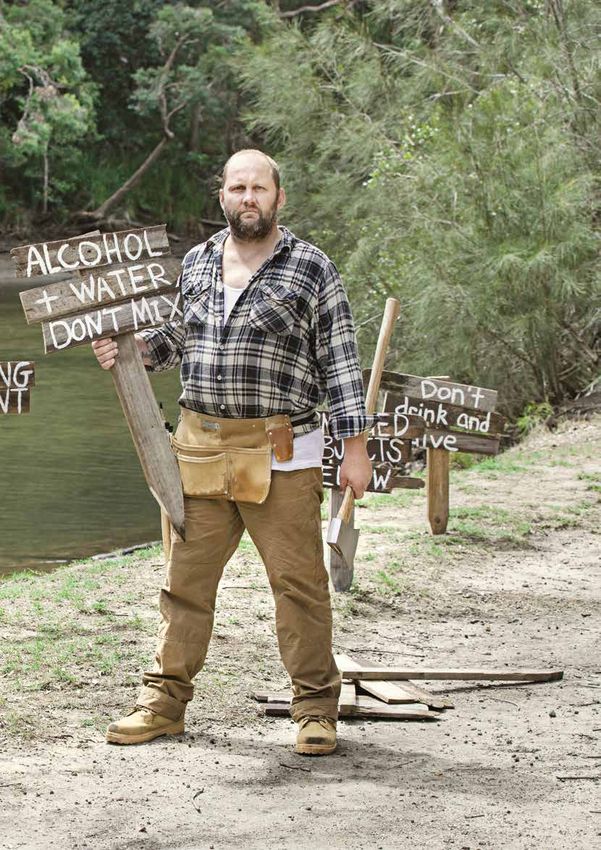
TOP 3 LOCATIONS                CONTENTS

                               06 Fatal and Non-Fatal Drowning in Australia
          25%
          RIVER/CREEK/STREAM   08 Who Drowns?

                               10   When Do These Drowning Deaths Occur?

                               12   Where and How Do These
          19% BEACH                 Drowning Deaths Occur?

                               13   Drowning Deaths by Location

                               23 Drowning Deaths by Life Stages

          16% OCEAN/HARBOUR    36 Fatal Drowning Risk Factors

                               39 State and Territory
                                  Fatal Drowning Analysis

                               56 Methods
TOP 3 ACTIVITIES
                               58 2017/18 Research and Policy Highlights

          26% SWIMMING
          & RECREATING

          15% BOATING

          14% FALLS

                               THIS REPORT SERVES AS
                               AN IMPORTANT REMINDER
                               TO ALL AUSTRALIANS OF
                               THE RISKS ASSOCIATED
                               WITH EXPOSURE TO OUR
                               BEAUTIFUL WATERWAYS”

                                                                              3
FOREWORD

    We are pleased to present the Royal Life Saving National
    Drowning Report 2018. We urge you to study this report
    and to take action to reduce drowning.”

    People, and Families not Cases or Data                        Swimming and Water Safety Skills
    We must always be mindful that this is a report filled        We are absolutely committed to the notion that all
    with the stories of real people impacted in a most tragic     Australian children have the right to a comprehensive
    way by drowning. It includes people who lost their            swimming and water safety education. The skills of
    lives to drowning, the families they left behind, the         swimming, survival swimming, and basic rescue are all
    rescuers who made valiant efforts to save their life, and     lifesavers, yet we know that there are many barriers;
    the communities that are reminded as they pass the            including cost, distance, awareness, and access in
    causeway, swimming pool, rock platform, beach or river        communities most at risk of drowning. In May 2018, we
    swimming holes.                                               convened the second National Swimming and Water
                                                                  Safety Symposium, bringing together policy makers,
                                                                  water safety organisations and academics from across
    Non-fatal Drowning                                            Australia. Our focus continues to be on relaunching the
                                                                  National Swimming and Water Safety Framework.
    We continue to grow our understandings of the impacts
    of both fatal and non-fatal drowning. Those who survive
    a drowning incident, often do so while suffering from
    an array of lifelong health impacts. In some cases these      Strengthening Partnerships
    impacts lead to premature death.                              This year’s Royal Life Saving National Drowning
                                                                  Report is the 24th iteration. It is our most rigorous and
                                                                  comprehensive analysis to date. The Royal Life Saving
    Young lives saved                                             National Fatal Drowning Database now stretches back 16
                                                                  years, and almost 5,000 cases. Partnerships with others
    The most pleasing item to report this year relates to the
                                                                  are critical to its value in prevention terms. Coroners,
    reduction in drowning of children under the age of five.
                                                                  Federal, State and Local Governments, Institutions and
    A 38% reduction when compared to last year, and 36%
                                                                  other industry bodies have used the dataset to inform
    against the 10 year average is very positive. Parents must
                                                                  the development of drowning prevention policy.
    continually be reminded to Keep Watch, and ensure that
    their pool fence and gate are in good working order.

                                                                  Water Safety Funding
    Australians take note and Respect the River                   We are pleased to continue our partnership with the
                                                                  Australian Government that is aimed at reducing
    Drowning in inland waterways have reduced for
                                                                  drowning and promoting water safety to the
    the third year running. A reduction of 16% when
                                                                  Australian community. This supports our leadership and
    compared to the ten year average builds upon
                                                                  collaboration, our research and campaigns, and the many
    the progress in this area. We are pleased to be
                                                                  programs that we deliver to communities across Australia.
    implementing campaigns including Respect the River,
    and Don’t Let Your Mates Drink and Drown. We are
    grateful that Federal Government funding for these
    programs has been extended.                                   This Report serves as an important reminder to all
                                                                  Australians of the risks associated with exposure
                                                                  to our beautiful waterways, rivers, beaches, and
    Australian Water Safety Strategy                              community and backyard swimming pools. I urge
    Royal Life Saving analysis of the Australian Water Safety
                                                                  you to share the messages of the Report, the
    Strategy targets shows that progress is being made in         infographics, prevention tips and other supporting
    reducing drowning in children 0-4 years (47%) when            resources provided by Royal Life Saving, to help us
    measured as a rate per 100,000 population. Advances in        reduce drowning in Australia.
    swimming fencing legislation and enforcement, and the
    promotion of the messages of supervision, pool fencing,       Justin Scarr
    water familiarisation and resuscitation, are clearly having   Chief Executive Officer,
    some long term impact.                                        Royal Life Saving Society - Australia

4
NATIONAL DROWNING REPORT 2018 5
FATAL AND NON-FATAL DROWNING IN AUSTRALIA
There were 249 drowning
1.63
deaths in aquatic locations
1.48
1.42
1.38
1.38
1.36
1.33
across Australia between
1.27
1.23
1.22
1.22
1.18
1 July 2017 and 30 June 2018.
1.17
1.16
1.09
1.12
1.01
This is a 14% reduction on 2016/17
322
and an 11% reduction on the ten
303
300
295
293
291
288
280
279
year average.
277
275
273
269
264
261
259
249
The crude drowning rate is 1.01
drowning deaths per 100,000
population, compared to a 10 year
average rate of 1.22.
Based on statistical modelling of
2002/03
2003/04
2004/05
2005/06
2006/07
2007/08
2008/09
2009/10
2010/11
2011/12
2012/13
2013/14
2014/15
2015/16
2016/17
2017/18
10 Yr Avg
the relationship between numbers
of fatal and non-fatal incidents for
each age group between 2002/03
and 2014/15, we estimate there were Number of Deaths/Year Number of Deaths/100,000 Population
551 non-fatal drowning incidents
requiring hospitalisation in 2017/18, Figure 1: Unintentional Drowning Deaths and Death Rates,
assuming the historical ratios Australia 2002/03 to 2017/18, 10 Year Average
between the number of fatal and
non-fatal incidents held constant.
When fatal and non-fatal incidents
are combined, there were a total of
4.88
4.83
800 drowning incidents in Australia
4.78
4.72
4.66
4.62
4.59
4.57
4.52
4.49
in 2017/18, representing a crude
4.40
4.38
rate of 3.23 drowning incidents per
4.21
4.17
4.01
100,000 population.
3.75
823
791
822
3.23
752
717
703
689
671
672
677
671
578
625
619
679
624
551
322
303
300
291
295
293
288
280
279
275
277
273
269
264
261
259
249
REDUCTION IN DROWNING
2002/03
2003/04
2004/05
2005/06
2006/07
2007/08
2008/09
2009/10
2010/11
2011/12
2012/13
2013/14
2014/15
2015/16
2016/17
2017/18
10 Yr Avg
DEATHS ON 2016/17
Fatal Non-fatal Number of Deaths/100,000 Population
Figure 2: Comparison of fatal and non-fatal incidents, based on historical
data (2002/03-2014/15) and projected figures (2015/16-2017/18) and
crude rate of drowning incidents, Australia, 10 Year Average
DROWNING INCIDENTS IN
AUSTRALIA IN 2017/18
6
CASE STUDY

 HOW ARE WE TRACKING AGAINST THE GOAL OF A
 50% REDUCTION IN DROWNING BY THE YEAR 2020?
 In 2008, the Australian Water Safety Council set an           The reduction in drowning rates achieved so far is shown
 ambitious goal of reducing drowning by 50% by 2020.           in each graphic as a percentage. This interim analysis
 This target has served as a focus for drowning prevention     shows an overall 26% reduction in fatal drowning since
 efforts and driver for collaboration between different        2002/03. This reduction equates to approximately 102
 drowning prevention organisations across Australia.           fatal drownings averted per year.

 With 2020 only two years away, we have begun to track         This population-based approach takes into account
 our progress against the goal of reducing drowning            changes in the size of the population being protected,
 by 50%, to identify areas where interventions have            and is consistent with how we monitor most other public
 been successful and those where additional effort is          health outcomes.
 urgently required. A range of factors have impacted the
 achievability of the 50% reduction target. These include
 changes in the size and make-up of the Australian
 population, which is increasingly older and features
 larger numbers of tourists and overseas born residents        Factors impacting achievement
 (see Factors impacting achievement).                          Since 2002/03 there has been a:
 In order to partially adjust for the changes in our target    • 28% population increase
 population, the graphics below show progress in the rate
 of drowning per 100,000 people. To avoid overstating          • 55% population increase in people aged 65+
 the effects of one year peaks and troughs, these figures
                                                               • 71% increase in people born overseas
 compare 3 year averages from the start (2002/03–
 2004/05) to our most recent data (2015/16-2017/18) for        • 71% increase in overseas inbound tourism
 the four key life stages outlined in the Australian Water
 Safety Strategy 2016-2020.                                    • 100% increase in international students
fatal drowning rate/100,000 pop
   3 year average age-specific

       2002/03 to 2004/05

                                  1.23       1.23                     2.49                         1.96
                                     -41%                   -26%                    -25%                        -18%
fatal drowning rate/100,000 pop
   3 year average age-specific

        2015/16 to 2017/18

                                  0.73         0.91                      1.87                        1.60

                                                                                         NATIONAL DROWNING REPORT 2018    7
WHO DROWNS?

    Of the 249 drowning deaths                                    98
    in Australia in 2017/18, 72%                             87
    were male.
                                                                                                  68
    New South Wales recorded the                                                        60
    largest number of drowning deaths
    with 87, followed by Queensland                                                                                              40 40
    with 60 drowning deaths.                                                                                                                              36
                                                                                                                                                27
    As a rate per 100,000 population,                                      7        9
                                          3          2                                                   15 15
    Tasmania recorded the highest                                                                                      10 11
    drowning rate, with 1.91
                                               ACT             NSW             NT            QLD               SA        TAS         VIC            WA
    drowning deaths per 100,000 head
    of population. Victoria recorded                                               2017/18          10 year average
    the lowest fatal drowning rate
    with 0.63 drowning deaths per        Figure 3: Drowning Deaths by State and Territory, 2017/18, 10 Year Average
    100,000 population.

    The largest number of drowning
    deaths last year occurred in the

                                                                                                                         1.91
    35-44 years age group. The 18

                                                                           1.62
    drowning deaths this year of
    young children under five years of
    age, represents a 36% reduction

                                                                                             1.21
    on the 10 year average of 28
                                                               1.10

                                                                                                                                                    1.04
    drowning deaths.

                                                                                                              0.87
                                               0.72

                                                                                                                                     0.63
                                                               22
                                                               65                            16                                       11
                                                                                                               6          3                          9
                                               0                               3             44
                                                                                                               9          7          29
                                               3                               4
                                                                                                                                                    18
                                               ACT            NSW              NT            QLD               SA        TAS         VIC            WA

                                                         Male          Female                     Number of Deaths/100,000 population

                                         Figure 4: Drowning Deaths by Sex and State and Territory, Drowning Death Rates

      NEW SOUTH WALES
      RECORDED THE LARGEST
      NUMBER OF DROWNING                                                                                 42
      DEATHS WITH 87                                                                                           39
                                                                                                    37               36 35 36        36

                                                                                                                                            31 30
                                                28                                           28                                 29
                                                                                        26                                                                 27

                                                                                                                                                     21
                                          18

                                                         2   7    7
                                                                       5            5
                                                                               3

                                           0-4           5-9      10-14    15-17        18-24 25-34 35-44 45-54 55-64 65-74                          75+
      DROWNING DEATHS                                                               2017/18         10 year average
      AMONG CHILDREN UNDER
      FIVE DOWN BY 36% ON                Figure 5: Drowning Deaths by Age Group, 2017/18, 10 Year Average
      THE 10 YEAR AVERAGE                Please note: There was one drowning death in Queensland where age was unknown.

8
CASE STUDY

COSTS OF DROWNING IN 2017/18
Research conducted by Royal Life Saving                       What these numbers mean
estimates that the combined effects of fatal and              Fatal drowning
non-fatal drowning in 2017/18 cost Australia $1.47            Information on the number and age at death of those
billion. These costs combine the health system,               who die from drowning has been sourced from the Royal
emergency services, coronial and productivity                 Life Saving National Fatal Drowning Database as part of
                                                              the preparation of this report.
effects of an average of the 249 fatal and 551
non-fatal incidents outlined in this report.                  The cost associated with each fatal drowning is calculated
                                                              based on an updated Value of a Statistical Life Year
On average, each fatal drowning cost Australian society       provided by the Commonwealth Office of Best Practice
$4.56 million, while each non-fatal drowning cost us          Regulation and the victim’s projected remaining life
$610 thousand. Most of the costs of non-fatal drowning        years. Estimates from literature were used to determine
come from the 7.4% of victims who go on to experience         the costs of emergency services and search and rescue
long term complications as a result of their experience.      response, hospitalisation in cases of delayed mortality,
                                                              foregone economic productivity and coronial enquiry costs.
The largest share of costs from drowning, for both fatal
and non-fatal incidents, come from the value of years         Non-fatal drowning
of life lost to death and disability. We calculate that, in   Since hospital data showing non-fatal drowning
2017/18, fatal drowning led to the loss of 10,335 years       admissions is not currently available, the number of
of life over a 15 year period, while last year’s non-fatal    non-fatal incidents in 2017/18 was estimated based on
drowning will ultimately lead to complications and            the past ratio of non-fatal to fatal incidents in each age
disability equivalent to 1,326 years of life lost.            group and on the number of fatal incidents each age
                                                              group experienced in 2017/18. An adjustment was made
                                                              to capture non-fatal drowning which is not captured in
                                                              standard hospital admissions data.

                                                              The cost associated with each non-fatal incident is
                                                              calculated based on rates of complications in survivors,
      $1.47           DROWNING COST TO                        the degree of disability associated with each level
                                                              of injury, and the costs from hospitalisation, loss of
       BILLION        AUSTRALIA LAST YEAR                     productivity and emergency response. These figures
                                                              update the cost estimates provided in earlier Royal Life
                                                              Saving publications based on additional research into
                                                              rates and consequences of brain injury among victims.

                                                              Why these numbers matter
       $1.13          FOR FATAL INCIDENTS                     We calculate that drowning costs Australian society
       BILLION                                                nearly $1.5 billion last financial year, and that each
                                                              fatal drowning we could have prevented would have
                                                              been worth, on average, $4.56 million. These figures
                                                              help to put the costs of potential drowning prevention
                                                              strategies into perspective and help to quantify the gains
                      AVERAGE FATAL                           from reductions in Australia’s drowning toll. Every time
      $4.56           DROWNING COST TO                        a quick response helps to turn a fatal drowning into a
       MILLION                                                non-fatal one, Australian society benefits to the tune of
                      AUSTRALIAN SOCIETY                      nearly $4 million.

                                                              Obviously, dollars and cents aren’t the only way, or even
                                                              the most useful way to talk about how much drowning
                      AVERAGE NON-FATAL                       costs us as a society. But sometimes policy decisions do
      $339            DROWNING COST TO                        come down to dollar and cents, and at those times
                                                              it’s important to be able to talk about what a costly
       MILLION
                      AUSTRALIAN SOCIETY                      tragedy every drowning, fatal or non-fatal, really is.

                      YEARS OF LIFE
      10,335          LOST DUE TO
                      FATAL DROWNING

                                                                                         NATIONAL DROWNING REPORT 2018     9
WHEN DO THESE DROWNING DEATHS OCCUR?
Drowning deaths occur
40
throughout the year with the
38
largest proportion taking place
in Summer (42%).
27
25
Fatal drowning peaked in December
21
with 40 deaths, followed by January
17
with 38 deaths.
16
15
14
13
12
11
Sunday was the most common day
for fatal drowning, accounting for
23% of all deaths.
July
August
September
October
November
December
January
February
March
April
May
June
51% of all drowning deaths
in 2017/18 occurred in the
afternoon hours.
Figure 6: Drowning Deaths by Month of Drowning Incident, 2017/18
57
42
39
34
31
25
21
Monday
Tuesday
Wednesday
Thursday
Friday
Saturday
Sunday
Figure 7: Drowning Deaths by Day of Week of Incident, 2017/18
127
TWO IN FIVE DROWNING
DEATHS OCCUR IN SUMMER
50
49
14
9
Early Morning Morning Afternoon Evening Unknown
(12:01am to 6am) (6:01am to 12pm) (12:01pm to 6pm) (6:01pm to 12am)
DROWNING DEATHS OCCUR
DURING WINTER & AUTUMN Figure 8: Drowning Deaths by Time of Incident, 2017/18
10CASE STUDY
A 10 YEAR ANALYSIS OF DROWNING IN AQUATIC FACILITIES:
COMMUNAL, PUBLIC AND COMMERCIAL SWIMMING POOLS
Between 1 July 2005 and 30 June 2015, 78 people drowned in Communal, and Public and Commercial
swimming pools. Of these, 42 drowning deaths occurred in Communal pools and 36 occurred in Public
and Commercial pools.
Communal swimming pools Public and commercial swimming pools
(e.g. hotel/motel pools, apartment complex pools (e.g. public pools, aquatic centres, school pools
and retirement village pools) and fitness centre pools)
Fatal drowning Fatal Drowning
• Males accounted for 79% of deaths, with adults 25-34 • Males accounted for 81% of drowning deaths, with
years the leading age group (19%) children aged 5-9 years the leading age group (19%)
• Among deaths involving children 0-14 years, there was • Among deaths involving children 0-14 years, there was
no parental or carer supervision in 75% of cases no parental or carer supervision in 78% of cases
• Those who drowned were most commonly first • Those who drowned were most commonly first
observed by a resident or guest (24%), or a family observed by an adult bystander or witness (39%) but
member or friend (24%) but often retrieved from the often retrieved from the pool by staff (44%), including
pool by hospitality staff (29%) lifeguards
• In almost all cases emergency services were contacted • In two thirds of drowning cases at least one lifeguard
(95%), most commonly by hospitality staff (33%) and was present (67%), while other pools were either not
treatment was administered in almost three quarters of required to have one or did not have one due to the
drowning cases (74%) prevailing operating conditions
• People of all skill levels drowned, including poor (12%), • In the majority of cases emergency services were
competent (12%) and strong swimmers (7%) contacted (89%), either by pool staff (8%) or a
• Coronial recommendations were not made in any bystander (8%) and treatment was administered in the
drowning cases majority of drowning cases (86%)
• People of all skill levels drowned, including non (14%),
Non-fatal drowning poor (8%), competent (22%) and strong swimmers
(22%)
• There were 105 cases of non-fatal drowning in
Communal swimming pools • Coronial recommendations were made in 17% of cases,
referencing swimming ability, safety standards and
• The leading age group for non-fatal drowning was features, supervision and education
children aged 0-4 years (45%), followed by children
aged 5-9 years (25%)
Non-Fatal Drowning
• There were 257 cases of non-fatal drowning in Public
and Commercial swimming pools
• The leading age group for non-fatal drowning was
children aged 0-4 years (45%), followed by children
aged 5-9 years (21%)
Source: Mahony, A, Peden, AE, Roberts, C, Barnsley, P (2018) A
10 year analysis of drowning in Aquatic Facilities: Exploring risk
at Communal, Public and Commercial swimming pools, Royal
Life Saving Society – Australia. Sydney.
NATIONAL DROWNING REPORT 2018 11WHERE AND HOW DO THESE DROWNING DEATHS OCCUR?
Rivers, creeks and streams 73
were the location with the
61
largest number of drowning
deaths, accounting for 25% of 46 47 44
all drowning deaths in 2017/18. 40 41
33
The location categories of lakes/ 25
22 20
20 18 20
dams/lagoons and swimming pools
both recorded a 20% reduction on 11
the 10 year average. 7
Bathtub Beach Lake/Dam Ocean River/Creek Rocks Swimming Other
Swimming and recreating was the /Spa Bath /Lagoon /Harbour /Stream Pool
leading activity being undertaken
immediately prior to drowning 2017/18 10 year average
(25%), followed by boating-related
incidents (15%). Figure 9: Drowning Deaths by Location, 2017/18, 10 Year Average
Unknown Bathing
13% 9%
Watercraft
2% Boating
15%
Diving
4%
Swimming
& Recreating
25%
Fall 14%
Rock Fishing 2%
Fishing
Rescue Non- Jumped
4%
2% aquatic In
RIVERS, CREEKS AND 2%
STREAMS REMAIN THE Transport
LEADING LOCATION FOR 8%
DROWNING IN AUSTRALIA
Figure 10: Drowning Deaths by Activity Immediately Prior, 2017/18,
10 Year Average
SWIMMING AND RECREATING
ACCOUNTED FOR ONE
QUARTER OF ALL DROWNING
DEATHS IN 2017/18
12DROWNING DEATHS BY LOCATION
61
RIVER/CREEK/STREAM
46
BEACHES
40
OCEAN/HARBOUR
33
SWIMMING POOLS
NATIONAL DROWNING REPORT 2018 13LOCATION IN FOCUS: RIVERS/CREEKS/STREAMS
There were 61 drowning
106
deaths in rivers, creeks and
streams across Australia in
83
80
78
77
74
2017/18. This represents a 10%
73
73
70
70
68
68
68
67
63
reduction on 2016/17 and a
61
58
16% reduction when compared
to the 10 year average.
The 25-34 years age group recorded
for the largest number of drowning
2002/03
2003/04
2004/05
2005/06
2006/07
2007/08
2008/09
2009/10
2010/11
2011/12
2012/13
2013/14
2014/15
2015/16
2016/17
2017/18
10 Yr Avg
deaths, with 12 fatalities. This year,
there were no drowning deaths in
the 5-9 years and the 15-17 years
age groups in rivers.
Figure 11: Drowning Deaths in River/Creek/Stream Locations 2002/03
In 28% of cases the activity prior to to 2017/18, 10 Year Average
drowning in a river was unknown,
indicating the person was alone
when they drowned and the
activity prior to drowning was 12
not witnessed. 11
10 10 10
9 9 9 9
8 8
7
6
5
3
2 2 2
1 0 1 0
0-4 5-9 10-14 15-17 18-24 25-34 35-44 45-54 55-64 65-74 75+
2017/18 10 year average
Figure 12: River/Creek/Stream Drowning Deaths by Age Group, 2017/18,
10 Year Average
17
14
13 13
12
11 11
10
RIVER DROWNING DEATHS
7
HAVE DECREASED BY 16% IN
2017/18 WHEN COMPARED 4
3 1 3 1 3 3 1
0 2 2 0 0 2 0
TO THE 10 YEAR AVERAGE
Boating
Diving
Fall
Fishing
Jumped In
Non-aquatic
Transport
Rescue
Swept Away
Swimming &
Recreating
Watercraft
Other
Unknown
2017/18 10 year average
Figure 13: River/Creek/Stream Drowning Deaths by Activity Immediately Prior
to Drowning, 2017/18, 10 Year Average
UNKNOWN ACTIVITIES
ACCOUNTED FOR 28%
OF DROWNING DEATHS
IN RIVERS IN 2017/18
14CASE STUDY
RESEARCH USES MIXED
METHODS TO REVISE FATAL
RIVER DROWNING RATES
Royal Life Saving and James Cook
University researchers have published
a study in the Injury Prevention journal
examining river visitation and its impact
on drowning risk. Using fatal river
drowning data from the Royal Life Saving
National Fatal Drowning Database and
nationally representative survey data on
river visitation, river drowning risk based
on exposure for adults was estimated.
The study also examined differences in
traditional river drowning rates per 100,000
population when exposure was considered.
After adjusting for exposure, the study
found males were 8 times more likely than
females to drown in rivers in Australia.
Males aged 75 years and over and females
aged 55-74 years were at highest risk of
river drowning. Males were nine times more
likely to drown with alcohol present and 26
times more likely to drown in a boating or
watercraft-related incident than females.
The research addresses a gap in the
published literature, around exposure to
drowning at rivers, the leading location
for drowning in Australia, and a common
drowning location globally. While
challenging to calculate, the findings of
this research will guide the targeting of
future river drowning prevention strategies
to those most at risk.
For more information on the study
please visit injuryprevention.bmj.com
MALES WERE 8 TIMES
MORE LIKELY TO
DROWN IN RIVERS
NATIONAL DROWNING REPORT 2018 15LOCATION IN FOCUS: BEACHES
There were 46 drowning
65
61
deaths at Australian beaches
57
55
in 2017/18. This represents a
53
49
47
47
6% reduction on 2016/17 and a
46
46
44
43
41
2% reduction when compared
38
38
35
32
to the ten year average.
Drowning deaths at beaches in the
35-44 years age group doubled in
2017/18 when compared to the
10 year average. There were no
2002/03
2003/04
2004/05
2005/06
2006/07
2007/08
2008/09
2009/10
2010/11
2011/12
2012/13
2013/14
2014/15
2015/16
2016/17
2017/18
10 Yr Avg
drowning deaths at beaches of
children under 10 years.
70% of all beach drowning deaths
in 2017/18, occurred as a result of Figure 14: Beach Drowning Deaths 2002/03 to 2017/18, 10 Year Average
swimming and recreating.
12
9 9
8
7
6 6 6
5 5 5
4
3 3
1 1 2 1 2 1
0 0
0-4 5-9 10-14 15-17 18-24 25-34 35-44 45-54 55-64 65-74 75+
2017/18 10 year average
Figure 15: Beach Drowning Deaths by Age Group, 201/18, 10 Year Average
32
26
BEACH DROWNINGS
DOWN 2% AGAINST
THE 10 YEAR AVERAGE
7
1 5 1 1 4
4 4 3 3
0 2
Boating
Diving
Recue
Swimming &
Recreating
Watercraft
Other
Unknown
2017/18 10 year average
23% INCREASE ON BEACH Figure 16: Beach Drowning Deaths by Activity Immediately Prior to Drowning,
2017/18, 10 Year Average
DROWNING DEATHS AS A
RESULT OF SWIMMING AND
RECREATING, COMPARED
TO 10 YEAR AVERAGE
16CASE STUDY
DROWNING AS A
GLOBAL ISSUE
Drowning is a serious and neglected public
health issue which the World Health
Organization (WHO) estimates claims the
lives of 360,000 people every year around
the world. More than 90% of these
drowning deaths occur in low and middle
income countries, many of which are in
our region.
In December 2017, Royal Life Saving
Society – Australia, in partnership with
WHO Western Pacific Region gathered 14
delegates from 7 countries for a workshop
aimed at scaling up drowning prevention
efforts in priority countries of the Western
Pacific region.
Drowning rates in the countries
represented are extremely high by
comparison with Australia. Below we
compare Australia’s drowning rate to those
in the region, and to similar economies
around the world. Rates are drawn from
the WHO Department of Information,
Evidence and Research for 2016.
Cambodia 11.2
China 3.9
Other countries in the region
Fiji 8.0
Philippines 5.5
Solomon Islands 4.7
Viet Nam 7.2
Thailand 8.2
Australia 0.8
Canada 0.9
Similar economies
New Zealand 1.4
United Kingdom 0.5
United States
of America 1.4
Figure 17: Crude drowning rates per 100,000
population among countries in the Western
Pacific region, Australia and similar economies
NATIONAL DROWNING REPORT 2018 17LOCATION IN FOCUS: OCEAN/HARBOUR
There were 40 drowning
74
deaths at ocean/harbour
64
locations in 2017/18,
54
representing an 11% reduction
50
45
45
45
45
on 2016/17 and a 9% reduction
44
42
42
42
40
39
37
37
on the ten year average.
30
The 65-74 years age group recorded
the highest number of drowning
deaths at ocean/harbour locations,
an increase of 50% on the 10 year
2002/03
2003/04
2004/05
2005/06
2006/07
2007/08
2008/09
2009/10
2010/11
2011/12
2012/13
2013/14
2014/15
2015/16
2016/17
2017/18
10 Yr Avg
average. There were no drowning
deaths among children under 10
years of age or adolescents aged
15 to 17 years in ocean/harbour
locations in 2017/18. Figure 18: Ocean/Harbour Drowning Deaths 2002/03 to 2017/18,
10 Year Average
Boating-related incidents accounted
for 70% of drowning deaths at
ocean/harbour locations in 2017/18, 9
a 22% increase when compared to
8 8 8
the ten year average.
7 7
6 6 6
5
3 3 3
2
0 0 0 0 1 0 0 0
0-4 5-9 10-14 15-17 18-24 25-34 35-44 45-54 55-64 65-74 75+
2017/18 10 year average
Figure 19: Ocean/Harbour Drowning Deaths by Age Group, 2017/18,
10 Year Average
28
23
OCEAN/HARBOUR
DROWNING DEATHS
REDUCE BY 9% COMPARED
5
TO THE 10 YEAR AVERAGE 11
4 2 2
0 1 1 1 3 3
0
Boating
Diving
Fall
Non-aquatic
Transport
Watercraft
Other
Unknown
2017/18 10 year average
BOATING-RELATED Figure 20: Ocean/Harbour Drowning Deaths by Activity Immediately Prior
INCIDENTS ACCOUNT FOR to Drowning, 2017/18, 10 Year Average
70% OF OCEAN/HARBOUR
DROWNING DEATHS
18CASE STUDY
MULTIPLE FATALITY EVENTS
There were 8 multiple fatality events
(MFEs) in 2017/18 that claimed the lives of
21 people.
A detailed analysis of these events found:
• Males accounted for 76% of all
drowning deaths
• The largest number of drowning deaths
occurred in the 65-74 years age group,
accounting for 24% of all deaths as a result
of an MFE
• Queensland recorded 14 deaths as a result
of MFEs, while New South Wales recorded
four deaths
• Two thirds (67%) of all drowning deaths as
a result of MFEs occurred in ocean/harbour
locations, followed by rivers, creeks and
streams (14%)
• The leading activity related to deaths as a
result of MFEs was boating, accounting for
57% of all deaths, followed by non-aquatic
transport incidents (24%)
Multiple fatality events are tragic with
far-reaching effects on the victims’ families,
communities and rescue personnel. In order
to reduce the number of MFEs every year,
as well as reduce the number of lives lost, a
number of drowning prevention strategies
can be undertaken.
These include ensuring lifejackets are
worn when boating or rock fishing,
ensuring boats are seaworthy and fitted
with appropriate safety equipment,
monitoring weather reports and water
conditions before and during activity,
and avoiding driving, walking or wading
through floodwaters.
08
MULTIPLE FATALITY EVENTS
IN 2017/18 THAT CLAIMED
THE LIVES OF 21 PEOPLE
NATIONAL DROWNING REPORT 2018 19LOCATION IN FOCUS: SWIMMING POOLS
There were 33 drowning
57
deaths in swimming pools
51
50
in Australia in 2017/18. This
47
46
45
44
44
43
41
represents a 25% decrease
41
40
37
36
compared to 2016/17 and a
33
32
20% decrease against the 10
year average.
21
Public swimming pools accounted
for just 9% of all drowning deaths
in swimming pools in Australia in
2002/03
2003/04
2004/05
2005/06
2006/07
2007/08
2008/09
2009/10
2010/11
2011/12
2012/13
2013/14
2014/15
2015/16
2016/17
2017/18
10 Yr Avg
2017/18.
Children under five recorded the
largest number of drowning deaths
Figure 21: Swimming Pool Drowning Deaths 2002/02 to 2017/18,
in swimming pools, accounting for
10 Year Average
36% of all swimming pool drowning
deaths in 2017/18. There were no
swimming pool drowning fatalities
among those aged 5-24 years. 15
Falls into swimming pools were the
12
leading activity immediately prior
to drowning, accounting for 55%
of all swimming pool drowning
deaths. Drowning deaths as a result
7
of swimming and recreating have
declined In 2017/18 by 20% when 5 5
compared to the ten year average. 4 4
3 3 3 3
2 1 1 2 1 2 2
0 0 0 0
0-4 5-9 10-14 15-17 18-24 25-34 35-44 45-54 55-64 65-74 75+
2017/18 10 year average
Figure 22: Swimming Pool Drowning Deaths by Age Group, 2017/18,
10 Year Average
22
18
SWIMMING POOL
DROWNING DEATHS 15
DECREASE BY 20% AGAINST
THE 10 YEAR AVERAGE 10
2 4
1 3
Fall
Swimming &
Recreating
Other
Unknown
2017/18 10 year average
FALLS INTO SWIMMING Figure 23: Swimming Pool Drowning Deaths by Activity Immediately Prior
POOLS WERE THE LEADING to Drowning, 2017/18, 10 Year Average
ACTIVITY IMMEDIATELY
PRIOR TO DROWNING
20CASE STUDY
NATIONAL AQUATIC
INDUSTRY SAFETY AWARDS
Six representatives from Australia’s Aquatic
Industry have been recognised in the
National Aquatic Industry Safety Awards.
Presented by Royal Life Saving Society –
Australia, the group of individuals and
organisations have been recognised for
their significant contribution to aquatic
safety within their community.
The 2018 award winners were:
• Excellence in Public Education –
YMCA Casey RACE
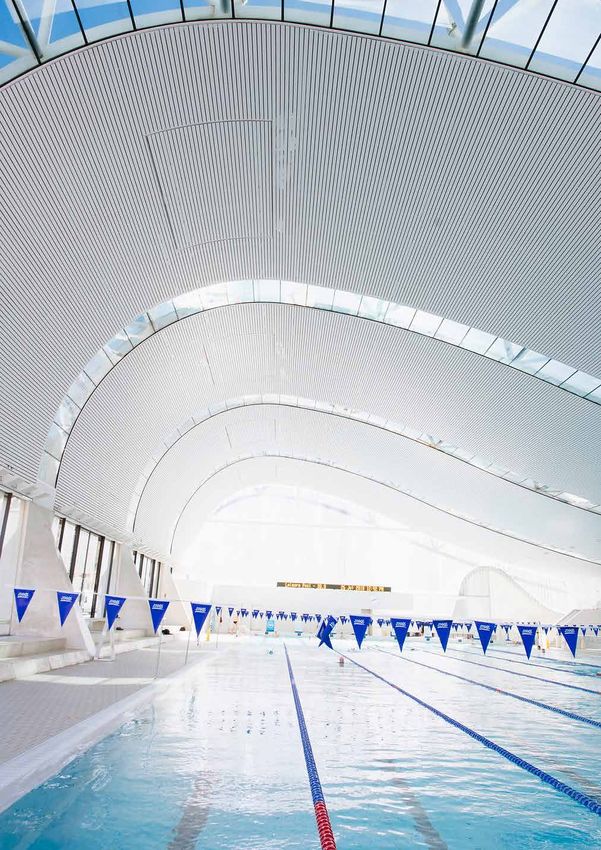
• Excellence in Supervision –
Ian Thorpe Aquatic Centre (pictured)
• Excellence in Customer Service –
Christine Mitchell
• Excellence in Incident Management –
YMCA Victoria
• Excellence in Staff Development –
City of Greater Geelong
• Excellence in Facility Management –
Cockburn Aquatic and Recreation Centre
The awards are an initiative of the National
Aquatic Industry Safety Committee to
acknowledge the achievements of aquatic
facilities and individuals towards improving
health and safety outcomes.
Between 1 July 2005 and 30 June 2015,
there were 293 drowning incidents in public
and commercial pools across Australia.
Thirty-six of these were fatal (12%).
A series of videos have been produced of
each winner, showcasing their work and
contribution to their community through
their aquatic health and safety initiatives.
To view the winner’s videos please visit:
youtube.com/RoyalLifeSavingAust
NATIONAL DROWNING REPORT 2018 2122
DROWNING DEATHS BY LIFE STAGES

             18
   CHILDREN AGED 0-4 YEARS

              9
  CHILDREN AGED 5-14 YEARS

            29
YOUNG PEOPLE AGED 15-24 YEARS

         103
   MALES AGED 25-64 YEARS

            52
PEOPLE AGED 65 YEARS AND OVER
                                  23
LIFE STAGE IN FOCUS: CHILDREN AGED 0-4 YEARS
There were 18 children aged
42
42
0-4 years who drowned in
39
37
35
35
Australia in 2017/18. This is a
33
38% reduction on 2016/17 and a
29
28
28
27
26
36% reduction when compared
25
22
21
to the 10 year average.
20
18
Swimming pools were the leading
location for drowning among this
age group, accounting for 67% of
all drowning deaths. Swimming pool
2002/03
2003/04
2004/05
2005/06
2006/07
2007/08
2008/09
2009/10
2010/11
2011/12
2012/13
2013/14
2014/15
2015/16
2016/17
2017/18
10 Yr Avg
drowning deaths in children under
five have reduced by 20% when
compared to the 10 year average.
Accidental falls into water remain Figure 24: Drowning Deaths of Children 0-4 Years, 2002/03 to 2017/18,
the leading activity prior to 10 Year Average
drowning among children under
five, with 14 drowning deaths or
78% of all drowning deaths. 15
12
4
3 3 1 3 3
0 2
Bathtub Lake/Dam River/Creek Swimming Other
/Spa Bath /Lagoon /Stream Pool
2017/18 10 year average
Figure 25: Drowning Deaths of Children 0-4 Years by Location, 2017/18,
10 Year Average
DROWNING DEATHS 21
AMONG CHILDREN UNDER
FIVE DOWN BY 36% ON
THE 10 YEAR AVERAGE 14
4 4 1 1
0 0
Bathing
Fall
Swimming &
Recreating
Other
SWIMMING POOLS 2017/18 10 year average
ACCOUNT FOR 67% OF
Figure 26: Drowning Deaths of Children 0-4 Years by Activity Immediately Prior
ALL DROWNING DEATHS to Drowning, 2017/18, 10 Year Average
AMONG CHILDREN UNDER
FIVE YEARS OF AGE
24CASE STUDY ANALYSIS OF CAUSAL FACTORS FOR DROWNING OF CHILDREN UNDER FIVE IN NSW PRIVATE SWIMMING POOLS Children under the age of five are at the highest risk of drowning, with home swimming pools the leading location for fatalities. Strategies for the prevention of child drowning include active adult supervision, restricting a child’s access to water, water awareness and resuscitation. Between 1 July 2002 and 30 June 2017, 91 children aged 0-4 years drowned in NSW private swimming pools. • Peak drowning times - 41% in summer - 42% on weekends - 45% during the afternoon • Supervision was completely absent in 64% of cases • A further 6% of children were left to be supervised by siblings or other children • Supervision was absent for 5-10 minutes in 35% of cases and 3-5 minutes in 24% of cases • In 71% of cases the child drowned in the pool located at their primary residence • The most common means of access were: - 38% faulty fence or gate - 26% lack of fence - 24% gate propped open • In 67% of cases the parents of the child were the ones to commence CPR Source: Mahony, A, Peden, AE (2017) NSW Child Drowning Report: A 15 year analysis of causal factors for drowning of children under 5 years in private swimming pools 2002/03-2016/17, Royal Life Saving Society – Australia. Sydney
LIFE STAGE IN FOCUS: CHILDREN AGED 5-14 YEARS
There were 9 children aged
22
5-14 years who drowned in
Australia in 2017/18. This is a
16
16
25% reduction on 2016/17
14
14
14
14
and when compared to the
12
12
12
11
11
10 year average.
10
10
10
9
9
Bathtub/Spa Baths, Beaches and
Lakes/Dam/Lagoons each recorded
two drowning deaths each. River/
2002/03
2003/04
2004/05
2005/06
2006/07
2007/08
2008/09
2009/10
2010/11
2011/12
2012/13
2013/14
2014/15
2015/16
2016/17
2017/18
10 Yr Avg
Creek/Stream locations saw a 75%
reduction against the 10 year
average in 2017/18.
Swimming and recreating was the
leading activity immediately prior Figure 27: Drowning Deaths of Children 5-14 Years, 2002/03 to 2017/18,
to drowning, accounting for 56% of 10 Year Average
all deaths in this age group. There
were no drowning deaths as a result
of accidental falls into water or 4
watercraft-related incidents in this
age group in 2017/18.
3
2 2 2 2 2
1 1 1 1
0 0 0
Bathtub Beach Lake/Dam Ocean/ River/Creek Rocks Swimming
/Spa Bath /Lagoon Harbour /Stream Pool
2017/18 10 year average
Figure 28: Drowning Deaths of Children 5-14 Years by Location, 2017/18,
10 Year Average
CHILD DROWNINGS AT
RIVERS, CREEKS AND 5 5
STREAMS DOWN BY 75%
IN 2017/18 COMPARED TO
THE 10 YEAR AVERAGE
3
2
1 1 1 1 1 1 1
0 0 0
Bathing
Boating
Fall
Non-aquatic
Transport
Swimming &
Recreating
Watercraft
Other
2017/18 10 year average
SWIMMING AND
RECREATING THE LEADING
Figure 29: Drowning Deaths of Children 5-14 Years by Activity Immediately
ACTIVITY PRIOR TO Prior to Drowning, 2017/18, 10 Year Average
DROWNING IN
CHILDREN 5-14 YEARS
26CASE STUDY
SECONDARY SCHOOL
CHILDREN AGED 13-15
YEARS ATTENDING
PRIVATE SWIM SCHOOLS
This research follows on from the report
‘Benchmarking Australian children’s
swimming and water safety skills: swim
school data part one’, which presented the
swimming and water safety skills of primary
school children aged 5-12 years attending
private swim school lessons. This report
analyses the skills of secondary school
children aged 13-15 years (teenagers)
attending private lessons.
A total of 2860 secondary school aged
children (13-15 years) (N = 2,844)
attending private swimming lessons in
Victoria, South Australia and New South
Wales. Lesson cost ranged from $15.00
to $21.83, with 70.4% being charged
$15.50 per lesson. Teenagers were most
commonly in lessons for the duration of
one swim school level, or the equivalent of
25 lessons over a period of 5.8 months
Very few teenagers enrolled in lessons
are achieving the minimum competencies
outlined in the National Swimming and
Water Safety Framework. Approximately
40% were being taught skills that were
described as ‘basic’ or ‘introduction’,
‘beginner’ or ‘water familiarisation’ skills.
Overall, 30% were able to swim 50m or
more of any stroke and 76% could swim
a distance between 10 and 25m. Only 7%
could swim over 200m. Of those competent
in treading/sculling water, 31% could
stay afloat for at least 2 minutes and an
additional 19% could tread/scull water for
at least 2 minutes wearing clothes.
These results suggest that many teenagers
attending private lessons are achieving well
below the expected benchmark standard
for their age, and that they may have had
little, if any, swimming and water safety
education previously.
Source: Pidgeon, S., Larsen, P., Barnsley, P., Scarr, J.,
Peden, A. (2018) Benchmarking Australian
childrens’ swimming and water safety skills: swim
school data part 2 beyond primary school. Royal
Life Saving Society – Australia. Sydney.
NATIONAL DROWNING REPORT 2018 27LIFE STAGE IN FOCUS: YOUNG PEOPLE AGED 15-24 YEARS
There were 29 young people
43
aged 15-24 years who drowned
40
39
35
35
35
in Australia in 2017/18. This is
34
33
33
32
32
31
31
a 7% reduction on 2016/17
29
28
26
25
and a 12% reduction on the
10 year average.
Beaches were the leading location
for drowning among 15-24 year
olds, accounting for 34%. This
2002/03
2003/04
2004/05
2005/06
2006/07
2007/08
2008/09
2009/10
2010/11
2011/12
2012/13
2013/14
2014/15
2015/16
2016/17
2017/18
10 Yr Avg
was followed by river/creek/
stream locations which accounted
for 31%. There were no
swimming pool drowning deaths
among this age group in 2017/18.
Figure 30: Drowning Deaths of Young People 15-24 Years, 2002/03 to
Swimming and recreating was 2017/18, 10 Year Average
the leading activity immediately
prior to drowning in 2017/18,
accounting for 48% of all 11
drowning deaths in this age 10
group. There were no drowning 9
deaths associated with boating-
related incidents in this age group 7
in 2017/18.
4 4
3 3 3 3 3
1 1
2
0 0
Bathtub Beach Lake/Dam Ocean/ River/Creek Rocks Swimming Other
/Spa Bath /Lagoon Harbour /Stream Pool
2017/18 10 year average
Figure 31: Drowning Deaths of Young People 15-24 Years by Location, 2017/18,
10 Year Average
14
12
DROWNING DEATHS
IN THIS AGE GROUP
DECLINED BY 12% AGAINST
THE 10 YEAR AVERAGE 1 1
2
1
2 4 2
1
2 4 2
3 3 3 3 3
0 0
Bathing
Boating
Diving
Fall
Jumped-In
Non-aquatic
Transport
Swimming &
Recreating
Watercraft
Other
Unknown
2017/18 10 year average
Figure 32: Drowning Deaths of Young People 15-24 Years by Activity Immediately
Prior to Drowning, 2017/18, 10 Year Average
BEACH DROWNING DEATHS
INCREASED BY 43% ON THE
10 YEAR AVERAGE
28CASE STUDY
FATAL DROWNINGS
UNDERREPORTED USING
ICD-10 CODING
Royal Life Saving researchers have published
a study in the journal BMJ Open (Dec 2017).
The study examined fatal drowning counts
via International Classification of Diseases
(ICD)-10 classifications using single and
multiple underlying causes of death, and
compared this to multi-source data collected
by Royal Life Saving.
The ICD-10 classification is the most
frequently used coding framework
internationally to describe deaths. Global
estimates, such as those reported by the
World Health Organization and the Global
Burden of Disease studies, rely on ICD-10
coding, and commonly only report a single
underlying cause of death.
The study used three different reporting
methodologies to describe unintentional
fatal drowning compared with the total
number of cases. It provides a greater
depth of understanding on how the
grouping of ICD-10 codes and the number
of included underlying causes of death can
impact the fatal drowning count.
The study found drowning deaths due to
boating and watercraft-related incidents
and non-aquatic transport incidents,
which largely occur in natural waterways,
were not well captured. This resulted in a
40% underreport of fatal unintentional
drowning in Australia between 2001-2011
when comparing ICD-10 based estimates
with those of Royal Life Saving Society –
Australia. In contrast, child drowning deaths
and those which occurred in swimming
pools and bathtubs, were well captured.
This study has highlighted the need for
more inclusive methodologies when
calculating the burden of fatal drownings
in Australia. The authors encourage similar
studies in other countries and discuss the
impact of ICD-10 coding methodologies on
the estimates of non-fatal drowning.
More information and to access a
free copy of the study please visit:
bmjopen.bmj.com
NATIONAL DROWNING REPORT 2018 29LIFE STAGE IN FOCUS: MALES AGED 25-64 YEARS
There were 103 drowning
148
141
140
deaths of males aged 25-64
134
131
129
125
124
years in Australia in 2017/18.
122
118
116
114
113
113
111
106
This is a 10% reduction on
103
2016/17 and a 16% reduction on
the 10 year average.
River/creek/stream locations were
the leading location for drowning
among males aged 25-64 years in
2017/18, accounting for 26% of
2002/03
2003/04
2004/05
2005/06
2006/07
2007/08
2008/09
2009/10
2010/11
2011/12
2012/13
2013/14
2014/15
2015/16
2016/17
2017/18
10 Yr Avg
all drowning deaths in this age
group. River drowning deaths
among this cohort in 2017/18 have
reduced by 18% when compared
to the 10 year average. Figure 33: Drowning Deaths of Males Aged 25-64 Years, 2002/03 to 2017/18,
10 Year Average
Boating-related incidents
accounted for 20% of all drowning
deaths of males 25-64 years in 33
2017/18, followed by swimming
and recreating, which accounted 27 27
for 19% of all drowning deaths in 25
this cohort. 22
18
14
11 11 12
8
6 3 3 2 3
Bathtub Beach Lake/Dam Ocean/ River/Creek Rocks Swimming Other
/Spa Bath /Lagoon Harbour /Stream Pool
2017/18 10 year average
Figure 34: Drowning Deaths of Males Aged 25-64 Years by Location, 2017/18,
10 Year Average
A 16% REDUCTION IN 28
DROWNING DEATHS OF
MALES 25-64 YEARS 21 20 3
20
RECORDED AGAINST THE 15
10 YEAR AVERAGE 11 12
9 9 9 10
6 3 3 7 8 3 6 2 5
5 4 4 5
Bathing
Boating
Diving
Fall
Fishing
Non-aquatic
Transport
Rescue
Rock Fishing
Swimming &
Recreating
Watercraft
Other
Unknown
2017/18 10 year average
Figure 35: Drowning Deaths of Males Aged 25-64 Years by Activity Immediately
Prior to Drowning, 2017/18, 10 Year Average
RIVERS, CREEKS AND
STREAMS THE LEADING
LOCATION FOR DROWNING
AMONG MALES 25-64 YEARS
30CASE STUDY
DON’T LET YOUR MATES
DRINK AND DROWN
In the past decade, 1,995 men have
drowned in preventable tragedies. Two in
five men had drugs and/or alcohol in their
system. Men are four times more likely to
drown than women, with males accounting
for 80% of all drowning deaths.
Royal Life Saving Society - Australia, with
support of the Australian Government,
launched a new drowning prevention
campaign in time for summer 2017. The
campaign is urging men to look out for their
mates and stand up to the sorts of risk-
taking behaviour that can lead to accidents
and drowning. A culture of risk-taking
behaviour among men can be dangerous
around water, and when combined with
alcohol and/or drugs it is often fatal.
Almost a quarter (24%) of male
drowning deaths involved alcohol
alone. Of the men who had been
drinking and subsequently drowned,
67% would have failed a random
breath test with a recorded a blood
alcohol content above 0.05.
Dave is the face of the ‘Don’t Let Your Mates
Drink and Drown’ campaign. He’s an all-
round top bloke who looks out for his mates
by not letting them make stupid decisions.
Be like Dave. Look out for your mates.
For more information on the program
please visit:
royallifesaving.com.au/programs
MALES ACCOUNT
FOR 80% OF ALL
DROWNING DEATHS
24% OF MALE
DROWNING DEATHS
INVOLVED ALCOHOL
NATIONAL DROWNING REPORT 2018 31LIFE STAGE IN FOCUS: PEOPLE AGED 65 YEARS AND OVER
There were 52 drowning deaths
69
of people aged 65 years and
64
63
59
59
over in Australia in 2017/18.
58
57
56
54
53
This is a 26% reduction on
52
51
50
2016/17 and a 9% reduction on
45
43
the 10 year average.
39
38
Rivers, creeks and streams were
the leading location for drowning
among this age group in 2017/18,
accounting for 29% of all deaths.
Beach drowning deaths among
this age group declined by 33%
2002/03
2003/04
2004/05
2005/06
2006/07
2007/08
2008/09
2009/10
2010/11
2011/12
2012/13
2013/14
2014/15
2015/16
2016/17
2017/18
10 Yr Avg
in 2017/18, compared to the 10
year average.
Boating-related incidents accounted
for the largest proportion of Figure 36: Drowning Deaths of People Aged 65 Years and Over, 2002/03
drowning deaths in this age group, to 2017/18, 10 Year Average
at 23%, an increase of 50% on the
10 year average. There were no
watercraft-related drowning deaths 16
in this age group in 2017/18. 15
11
10
9 9 9
6
5 5
4
3
2 2 1
0
Bathtub Beach Lake/Dam Ocean/ River/Creek Rocks Swimming Other
/Spa Bath /Lagoon Harbour /Stream Pool
DROWNING DEATHS 2017/18 10 year average
AMONG PEOPLE AGED
65 YEARS AND OVER Figure 37: Drowning Deaths of People Aged 65 Years and Over by Location,
REDUCE BY 26% AGAINST 2017/18, 10 Year Average
THE 10 YEAR AVERAGE
12 12
11 11
3
8
7 7 7
6
5 5
4
1 1 1 3
2 2 0 2
Bathing
Boating
Fall
Fishing
Non-aquatic
Transport
Rock Fishing
Swimming &
Recreating
Watercraft
Other
Unknown
BOATING-RELATED
INCIDENTS THE LEADING 2017/18 10 year average
CAUSE OF DROWNING
DEATHS AMONG PEOPLE Figure 38: Drowning Deaths of People Aged 65 Years and Over by Activity
65 YEARS AND OVER Immediately Prior to Drowning, 2017/18, 10 Year Average
32CASE STUDY
DROWNING DEATHS
BY REMOTENESS
By collecting data on the postcode of the
drowning incident location, it is possible to
determine the remoteness classification of
the location of the drowning incident.
Drowning deaths in major cities commonly
occurred in rivers, creeks and streams
(23%), followed by beaches (21%) and
swimming pools (19%).
Swimming and recreating was the activity
being undertaken immediately prior to
drowning in 29% of drowning deaths in
inner regional areas, followed by falls (16%).
Ocean/Harbour locations accounted for the
highest proportion of drowning deaths in
outer regional areas with 36%, followed by
rivers, creeks and streams (20%).
Boating, diving and falls into water were
the leading activities being undertaken
immediately prior to drowning in rural and
remote areas, accounting for 20% each.
An increased awareness of the risks of
undertaking aquatic recreation alone in
remote locations, and the importance of
first aid and CPR skills for first responders is
vital to reducing drowning deaths.
38% MAJOR CITIES
30% INNER REGIONAL
24% OUTER REGIONAL
REMOTE/
8% VERY REMOTE
NATIONAL DROWNING REPORT 2018 33CASE STUDY: ECONOMIC BENEFITS OF AUSTRALIA’S PUBLIC AQUATIC FACILITIES
Many Australians are Key findings
physically inactive, putting • The average aquatic facility creates $2.72 million a year in
at them of risk of death and value to the community
disability and leading to • The average Australian visits a public aquatic facility 4.4
burdens on Australia’s health times a year
care system. Aquatic facilities
• Every year in Australia physical inactivity costs the health system
provide Australians with
$3.7 billion and leads to death and disability costing $48 billion
opportunities for safe, low
impact physical activity, and • Insufficient physical activity is responsible for 5% of all death
can generate significant health and disability in Australia
benefits for Australian society. • Nearly 40% of the Australian population is classified
as “physically inactive” according to the World Health
Organization’s physical activity scale
• A weekly visit to a pool is enough to take most people out of
the “physically inactive” category
• Increased risk of disease is heavily concentrated among the
“physically inactive” category
• As a result of these health benefits, every aquatic facility visit
creates economic benefits worth an average of $26.39, in
addition to the leisure value gained by users
Figure 39: How much exercise
do Australians do?
34Estimating the dollar value of health gains Results
Royal Life Saving used the Australian government’s Value of a Based on the dollar value
Statistical Life Year to estimate the dollar value of the costs of of these improved health
physical inactivity - $48 billion a year – as well as the health care outcomes, the report shows
costs and reduced productivity stemming from physical inactivity. that an extra swimming pool
Overall, we estimate that the additional ill health someone who visit by a randomly selected
falls in the “physically inactive” bracket can expect costs society Australian is worth, on
an additional $4,576 each year, compared to $1,185 for people in average, $26.39, meaning that
the low activity group. This means that additional exercise which Australia’s aquatic facilities
moves someone from inactive to low activity leads to health produce $2.8 billion in health
gains worth $3,391 in that year alone. benefits each year, over and
above their value as sources
Based on a data-set provided by the Australian Institute of Health of recreation, community and
and Welfare showing exactly how much Australians currently aquatic education.
exercise, we simulated the effect of an average pool visit’s
worth of exercise to a randomly selected person. Calculating the
average impact on health burden over millions of simulations,
we found that, on average, a swimming pool visit leads to health Source: Barnsley, P. Peden, A. Scarr, J.
(2017) Economic Benefits of Public
benefits worth $26.39. The graph below shows how those gains Aquatic Facilities, Royal Life Saving
break down in the case of a single person moving from inactive Society – Australia, Sydney.
to low activity.
Figure 40: Breakdown of financial
gains from becoming active
NATIONAL DROWNING REPORT 2018 35FATAL DROWNING RISK FACTORS
Risk factors that can increase a PRE-EXISTING MEDICAL CONDITIONS
person’s chance of drowning include
Of the 249 people who drowned, 48 were known
age, sex and socio-economic status,
to have a pre-existing medical condition. This
as well as the presence of pre-
represents 19% of all drowning deaths in this
existing medical conditions and prior
year’s National Drowning Report. Of these, 83%
consumption of drugs and/or alcohol.
were male and more than 48% were aged 65
years and over.
The following are case studies
investigating the frequency of several
The most common medical conditions were
risk factors in the drowning deaths that
cardiac conditions, such as ischaemic heart
occurred in 2017/18.
disease and coronary artery atherosclerosis.
Cardiac conditions were recorded in 44% of
cases where a pre-existing condition was
known to be present. Other commonly occurring
medical conditions were mental and behavioural
disorders (17%) and epilepsy (13%).
A pre-existing medical condition was deemed
to have been contributory to the chain of events
that led to the drowning in 70% of cases where a
medical condition was known to be present.
Royal Life Saving recommends that people aged
65 years and over undergo regular medical
check-ups, as well as anyone participating in
activities such as scuba diving. Children or adults
with a history of epilepsy should always be
supervised when in, on or around the water.
48
PEOPLE WHO DROWNED
HAD PRE-EXISTING
MEDICAL CONDITIONS
36VISITOR STATUS DRUGS & ALCOHOL
In 74 cases (30%) the person who drowned There were 31 people who drowned who were
was known to be a visitor to the location where known to have recorded positive readings
they drowned. Of these, 40 people drowned for alcohol in their bloodstream at the time
within their own State or Territory in a postcode of drowning. 81% recorded a blood alcohol
that was 100km or further from their residential concentration that was equal to or greater than the
postcode. A further 17 people were visiting a legal limit for operating boats and motor vehicles
different State or Territory when they drowned. in most States and Territories (0.05%). Of those,
32% recorded a blood alcohol concentration that
This year, 17 people who drowned were overseas was 1.5 times the legal limit (0.150%) or higher.
tourists, predominately from North America (35%)
and Europe (24%). Overseas tourists commonly There were 28 people who drowned that were
drowned at beaches (35%) and ocean harbour known to have some kind of drug in their system
locations (35%). The most common activities when they drowned. In almost two-fifths (39%)
being undertaken immediately prior to drowning of cases, the drug(s) consumed was known to
were non-aquatic transport incidents (47%) and be illegal or an abuse of legal drugs. Commonly
swimming and recreating (29%). occurring illegal drugs were cannabis (36%) and
methamphetamine (18%).
Regardless of how far you live from the aquatic
environment you visit, particularly with inland The consumption of illegal drugs and/or alcohol
waterways, conditions can change rapidly prior to undertaking aquatic activity is known to
and without warning. Where possible you increase the risk of drowning as they can impair
should check with a local resident regarding judgment, slow reaction times, impair coordination
the conditions prior to entering the water. and result in a greater risk-taking behaviour.
International tourists to Australia should ensure
they take care when diving in the ocean, to Some medications can also increase the risk of
always swim at patrolled beaches between the drowning as they may make people unsteady
flags and to take care when recreating in and on their feet or slow reaction times. Mixing
around our inland waterways. prescription medication with alcohol can also
increase a person’s risk of drowning. Royal Life
Saving strongly urges people to refrain from
consuming alcohol or taking illicit drugs when
around water, as well as considering the possible
side effects of prescription medication.
74 31
PEOPLE DROWNED WHO PEOPLE DROWNED WHO
WERE VISITORS TO THE RECORDED POSITIVE
INCIDENT LOCATION READINGS FOR ALCOHOL
37You can also read


