SmartLA 2028 Technology for a better Los Angeles - City of Los Angeles
←
→
Page content transcription
If your browser does not render page correctly, please read the page content below

City of Los Angeles

SmartLA 2028
Technology for a better Los Angeles
December 2020
This page is intentionally left blank
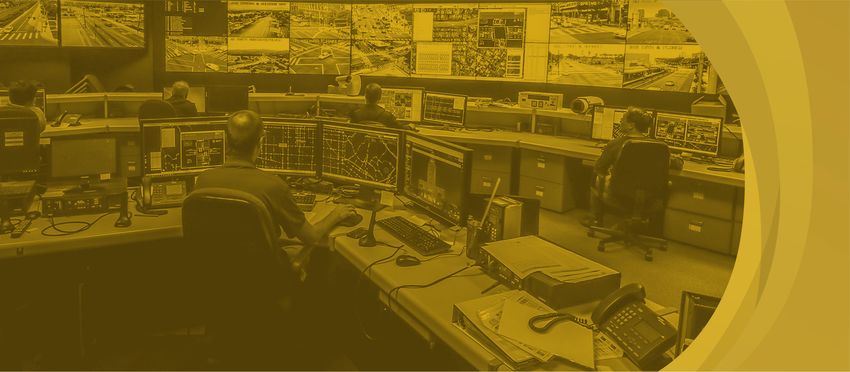
TABLE OF CONTENTS
     INTRODUCTION............................................................................................................ 1

     OUR VISION FOR LOS ANGELES................................................................................. 3

     HOW TECHNOLOGY MAKES US “SMARTER”............................................................. 5

     COMPONENTS OF A DIGITAL AND CONNECTED LOS ANGELES............................. 8

          Infrastructure....................................................................................................... 10

          Data Tools & Practices........................................................................................ 18

          Digital Services.................................................................................................... 26

          Connectivity & Digital Inclusion.......................................................................... 34

          Governance.......................................................................................................... 42

     ACKNOWLEDGMENTS............................................................................................... 49

SmartLA 2028
INTRODUCTION
                                             ”The soul of our recovery will
                                             shape the contours of our City’s
                                             future for decades to come…
                                             We have a blueprint for the city
                                             of the future.”

                                             - Mayor Eric Garcetti
                                               State of the City
                                              April 19, 2020

     We live in a world full of urban challenges: from racial injustice that impacts our minority
     populations to natural disasters that threaten safety and property to environmental
     changes that affect the very water we drink and the air we breathe. To address these
     challenges, cities seek tools that can positively transform the urban environment. The
     most promising of these tools is technology. While not a silver bullet, technology provides
     solutions previously unavailable to generations before us. It is technology that enables
     transparency in our policing and gives a powerful voice to our diverse communities.
     It is technology that prepares us for incoming natural disasters. It is technology that
     innovates alternative energy sources to reduce pollution and limit our carbon footprint. It
     is technology that allows people with disabilities to fully participate in civic life.

     Technology enables the City of Los Angeles to efficiently and ethically improve the
     quality of life for our residents, businesses, and visitors. In other words, when done
     right, technology makes us “smarter”. This is why the City of Los Angeles strives to be a
     “smart” city.

     In 2019, the City of Los Angeles Information Technology Agency (ITA) convened its Smart
     City Committee, composed of 24 departments and elected officials. While Los Angeles
     had become a civic technology leader (winning #1 U.S. Digital City award for three straight
     years), the exponential growth of new technologies and increasing public expectations

SmartLA 2028                                      1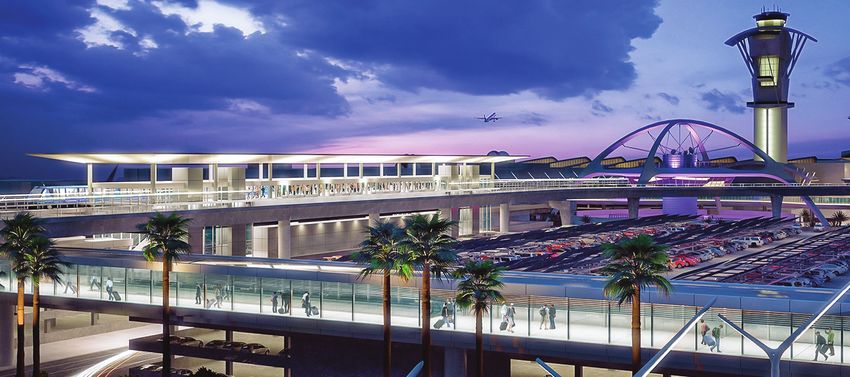
requires new levels of coordination to realize our vision. Our Smart City Committee came
     to the following conclusions:

     1. Smart cities are multi-faceted and made up of several components, not just IT
        infrastructure

     2. Smart cities are evolving, which requires both near-term and long-term goals that
        adhere to an overarching set of Smart City values

     3. Smart cities require collaboration, where government and non-government entities
        work together to deliver best-in-class services to the public

     4. Smart cities require local resident and business participation, especially in light of
        major social movements, such as the protests for racial justice, the Digital Divide,
        and social impacts from the COVID-19 pandemic

     5. Smart cities don’t happen by accident; they require careful strategic planning and
        investment to become intelligent urban ecosystems designed for the humans that
        live there.

     Understanding the importance of technology for the modern city, SmartLA 2028 is our
     concise smart city strategy, which is followed by specific working group meetings and an
     implementation plan for impacted City of Los Angeles departments.

                                                               Ted Ross
                                              General Manager and CIO
                                                    City of Los Angeles,
                                        Information Technology Agency

SmartLA 2028                                      2
OUR VISION FOR LOS ANGELES
       The City of Los Angeles envisions a highly digital
       and connected city in 2028.

     Los Angeles residents will experience an improved
     quality of life by leveraging technology to meet urban
     challenges. No longer the “car capital of the world”,
     residents will choose how they wish to get around LA,
     using a single, digital payment platform, with choices
     like renovated Metro rail and bus systems or micro
     transit choices, such as on-demand LANow shuttles or
     dockless bicycles. Neighborhoods will again welcome
     the pedestrian and allow easy access to green space.

     If needed, all Angelenos, including those with
     disabilities, will have ready access to public safety
     services through phone, text, their vehicles, and other
     devices More than simply reacting, our public safety services will seek to use ethical,
     proactive technology that identifies fire, violence, or other risks to the health and safety of
     L.A. residents even before a 9-1-1 call.

     Other advancements will enable Angelenos to access City services like park information
     or library digital content from the comfort of their homes through an Amazon Echo, Google
     Home, or Apple Siri. Living in a Digital Economy, the City of Los Angeles will continue to
     improve both the speed of Internet access and accessibility for underserved communities
     through a dedicated digital inclusion fund.

                                                Businesses will find Los Angeles as the
                                                economic epicenter of multiple industries. As
                                                the digital media capital of the world, LA will be
                                                home to the best talent and startup ecosystem
                                                whether in Silicon Beach or the Downtown L.A.
                                                Cleantech Incubator. In addition to Hollywood,
                                                Los Angeles will continue to pioneer in fashion,
                                                aerospace, cuisine, and other industries.

SmartLA 2028                                       3
Of course, competing in a digital economy requires digital infrastructure. L.A. will build
     on its initial success the first large 5G city in the U.S. (2018), with ubiquitous, ultra-high
     speed 5G connectivity across the city. Starting a business will also be much easier by
     2028, through our enhanced, one-stop L.A. Business Portal along with completely digital
     permitting and licensing.

     Visitors for the 2028 Summer Olympics and Paralympics will find a transformational
     digital Olympic experience from the moment they arrive. Passing through LAX airport’s
     completely renovated terminals, they can use the new automated people mover to select
     between light rail airport connections, rideshare, or taxi transportation choices. They
     will be greeted by digital signage, directed by multi-lingual electronic wayfinding, and
     connected through their smartphone with the hotels, restaurants, and venues that they
     are looking for during their stay. Whether visiting Hollywood Boulevard or Venice Beach,
     visitors will use smartphones or easily accessible kiosks to learn in their own language
     about the landmarks and readily available services to enhance their experience, including
     blind or deaf visitors.

     This vision is already becoming a reality. As a three-time United States Digital City Winner
     (2016-18), the City of Los Angeles has been investing and continues to invest in the
     infrastructure, digital services, and data tools to be a globally recognized Smart City. The
     SmartLA 2028 strategy is a concise summary of our vision, our approach to being a Smart
     City, and our roadmap to 2028.

SmartLA 2028                                       4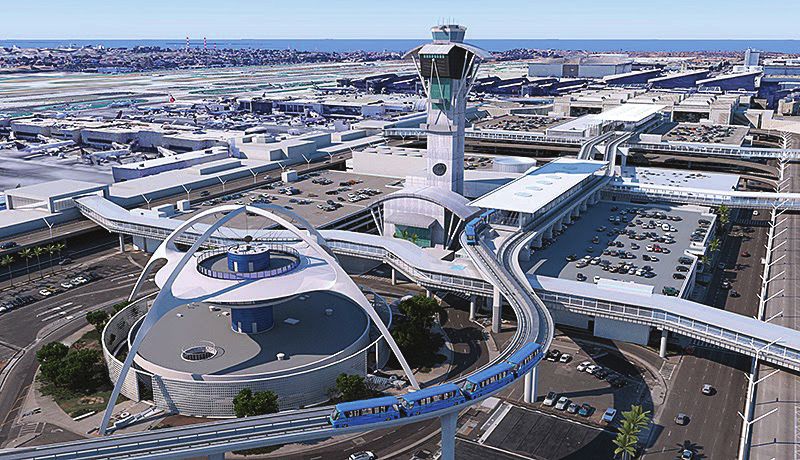
HOW TECHNOLOGY MAKES
     US “SMARTER”
     Technology has transformed almost every facet of our lives. 85% of Americans already
     connect with each other through handheld smartphones, 72% are active on social media,
     and the average household has 11 connected devices (Pew Research, Dec 2020 & Deloitte
     Consulting, Dec 2019). Our nation has fundamentally become digital, connected, and
     online.

     Likewise, at the City of Los Angeles, technology is fundamental to how we function, in
     managing traffic, planning our communities, engaging our constituencies, and protecting
     our residents. Technology is instrumental to how we improve the lives of our 4 million
     residents, 500,000+ businesses, and 50+ million annual visitors. Through the coordination
     of existing and emerging technologies, we are well-positioned to transform the way we
     live, work, and move around L.A.

                              What Makes a City “Smart”?
     At the City of Los Angeles, we believe that a Smart City is one that efficiently and ethically
     uses secure technologies, data, & resources to improve quality of life and sustainability
     for residents, businesses, and visitors.

     • Efficient – Choose optimal, multi-purpose solutions to maximize limited government
       resources

     • Ethical – Protect the City against racial or geographic inequities and negative social
       consequences for the public (e.g. privacy, bias).

     • Secure – Safeguard sensitive data and prevent unauthorized access by hackers.

     • Technology, data, and resources – Use carefully curated and integrated assets to
       benefit our stakeholders.

     • Quality of life and sustainability – Fulfill expectations identified by our stakeholders:
       the people who live in Los Angeles (residents), the companies that operate in Los
       Angeles (businesses), and the tourists who visit Los Angeles (visitors), including
       those with disabilities.

     In other words, the City of L.A. works to build a smarter, better Los Angeles for those who
     live, work, and play here.
SmartLA 2028                                       5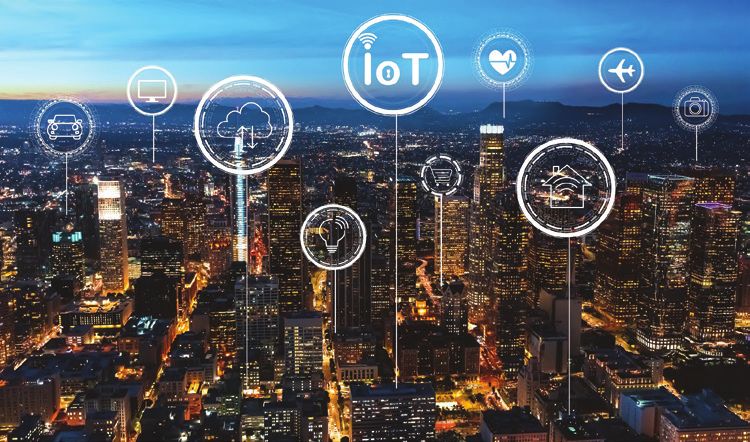
In contrast to internal or administrative uses of technology that enable City operations
     (e.g. the City’s payroll system), Smart City technology is one that directly benefits L.A.’s
     residents, businesses and visitors.

                                                The MyLA311 mobile app, 5G cellular
                                                deployment, text to 911, digital parking meters,
                                                electric vehicle charging stations, body
                                                worn cameras for police officers, the ATSAC
                                                traffic management system, ShakeAlertLA
                                                earthquake early warning app, connected
                                                street lamps, and GPS-enabled street sweepers
                                                are just some of the examples of the City of
                                                Los Angeles Smart City technologies that
                                                provide a direct and tangible public benefit.

           The Benefit of Smart, Digital Tools for All Angelenos
     Smart, digital tools offer unique advantages to improving our city, as they:

     1. Permit positive, proactive influence on the urban landscape to improve resident’s
        daily lives (e.g. timing traffic lights to permit faster public transportation)

     2. Enable objective analysis and data-driven decision making for city planning for better
        neighborhoods (e.g. impact of proposed construction on a neighborhood)

     3. Allow the City to make ad hoc adjustments based on emergencies for better public
        safety (e.g. ATSAC system re-routes traffic to avoid fire evacuation area)

     4. Create highly accessible services that can be accessed 24/7 by each of L.A’s diverse
        communities for better equity

     5. Provide information and situational awareness around the city through sensors for
        better resource allocation and decisionmaking (traffic, crime, pollution, potholes,
        graffiti, etc.)

     6. Deliver immediate feedback to City managers and elected officials after introducing
        changes to L.A.’s neighborhoods and services for better analysis

SmartLA 2028                                      6
The events of the year 2020 further remind us of the importance of being a Smart City.
     The COVID-19 pandemic has been a humanitarian and economic crisis. The protests
     for racial justice are a stark reminder of the urgency to unite and act upon our guiding
     principles for a just society that upholds and values the lives of all Americans, regardless
     of race.

     And while these events have been
     unprecedented in recent history,
     it was technology that enabled
     City of Los Angeles leaders to
     quickly respond and engage our
     communities.          Throughout the
     crisis, digital tools have emerged
     as a critical lifeline for our society
     - enabling contact-free essential
     services,     accelerated       medical
     solutions, artificial intelligence (AI)-assisted policy making, protest coordination through
     social media, real-time community engagement and a scale and pace of innovation
     previously unthinkable.

     Using Smart City technologies, the City of Los Angeles was able to:

     • Stand up and mobilize free COVID-19 testing sites within 3 days

     • Enable City workers to deliver contact-free essential public services (e.g., electronic
       permitting, library programs, etc.) that were previously in-person only

     • Deliver critical information to keep our constituents safe through multiple digital
       channels (e.g., smartphones, websites, TV, social media) on a daily basis

     • Strengthen community engagement and communications …all while providing the
       critical protections to secure the privacy and data of our constituents.

     Herein lies the additional importance of SmartLA 2028 – to guide the digital transformation
     for the City of Los Angeles to accelerate our recovery in the near term, improve quality
     of life for all Angelenos in the long term, and establish the Smart City infrastructure
     necessary to effectively host the Summer 2028 Olympics and Paralympics.

SmartLA 2028                                      7
COMPONENTS OF A DIGITAL AND
CONNECTED LOS ANGELES
Smart Cities are much more than software you purchase or next-generation street lamps
you install in the cityscape. A Smart City is an integrated, intelligent urban ecosystem
comprised of multiple components that must integrate together for the benefit of the
public’s “customer journey”:
Smart City Infrastructure
Physical technology used to deliver Smart City technologies to residents,
businesses, and visitors, specifically focused on technology in the rights-of-way
used to deliver services in the cityscape (e.g. IoT, 5G, fiber, etc).
Smart City Data Tools & Practices
Smart City Data Tools & Practices that enable effective cross-department,
government-to-resident, government-to-business, and machine-to-machine
information sharing.
Smart City Digital Services & Applications
Applications, websites, and other services used to digitally deliver City services
to the public.
Smart City Connectivity & Digital Inclusion
Addressing digital inclusion by integrating public and private offerings to help
L.A. residents, L.A. businesses, and those with disabilities to get online and
connected.
Smart City Governance
Coordination and investment of Smart City efforts across City departments.
SmartLA 2028 8This page is intentionally left blank
INFRASTRUCTURE

         Physical technology used to deliver Smart
         City technologies to residents, businesses,
         and visitors, specifically focused on
         technology in the rights-of-way used to
         deliver services in the cityscape
         (e.g. IoT, 5G, fiber, etc).

     Participating Departments:

     •   Department of Water & Power
     •   Information Technology Agency
     •   Office of the Mayor
     •   Los Angeles World Airports
     •   Public Works Bureau of Sanitation
     •   Public Works Bureau of Engineering
     •   Public Works Bureau of Street Lighting
     •   Department on Disability

SmartLA 2028                          10
INFRASTRUCTURE
Smart City Infrastructure is the
fundamental, physical technology 5G Delivers L.A.’s Next Generation
required to deliver connectivity, sensors, Internet Access
and communications across our urban
environment. This infrastructure includes
wireless and wireline communications, as
well as strategic hardware assets. These
technologies often yield high volumes of
useful data and underpin many of our
Smart City digital services. However,
we have observed many other cities
5G is transformational for our Digital
over-invest in physical infrastructure
Economy. In 2018, L.A. became the first
and directly associate the infrastructure U.S. big city to launch 5G. The City of
itself with being “smart” to the detriment L.A. overhauled our cell tower permitting
of their overall Smart City programs. process to be 10 times faster, allowing
Among the benefits of Los Angeles' over 2,500 5G access points within 2 years
Smart City infrastructure investments and earning us the 2019 U.S. Connected
are the following: Cities award.
• 10% reduction in travel time using 40,000 loop detectors across 4,500 connected
intersections through our traffic management system (ATSAC)
• Reduced electricity usage and annual savings of $3M by converting over 165,000
street lamps to LED with 50k connected online.
• Improved connectivity through 2,500 high-speed 5G cellular access sites across Los
Angeles, with 3,000 more planned in the next three years.
SmartLA 2028 11INFRASTRUCTURE
Our L.A.M.P. Shines at LAX Airport
LAX is the world’s busiest origin and destination airport.
Always a popular destination, passenger volume even
increased over 35% in the last 20 years. This dramatic
growth has led to congestion and delays. The $5 billion
Landside Modernization Project (LAMP) is one of largest
public works programs in the history of Los Angeles.
LAMP adds fiber optics, Wi-Fi, connected lighting, public
safety tools, and Internet of Things (IoT) sensors to
proactively manage all LAX airport facilities. Improvements include:
• 2.25-mile Automated People Mover connecting airport to rail and transit services
• New, consolidated Rent-A-Car Facility for all car rentals
• New Intermodal Transportation Facilities for parking, transportation, and meter-greeters
L.A.’s Green New Deal Builds Smart Sustainability
The L.A. Department of Water and Power (LADWP) is
the largest municipal utility in the US, working to reach
55% renewable energy by 2025 and 100% renewable by
2045, as part of L.A.’s Green New Deal. Since 2000, LA
has spent $1.31 billion on energy efficiency programs,
reducing L.A.’s peak period power consumption by
845,000,000 watts!
• The Public Works Bureau of Street Lighting
completed the retrofit of 180,000 streetlights with LED bulbs, saving $3 million per year and
enabling installation of 10,000 EV chargers by 2024
• Reduced L.A.’s power consumption by 15% reduction (compared to 2010) and is targeting
another 15% reduction by 2030
• Earned #1 Solar City in America in 2018 and 2019
SmartLA 2028 12INFRASTRUCTURE
Strategic Challenges
During the development of this plan, the City of Los Angeles departments and experts
identified a series of strategic challenges to overcome as we increase the capabilities of
Smart City Infrastructure towards the year 2028.
Lack of Smart City Situational Awareness - While the City of Los Angeles has installed
substantial Smart City infrastructure, there still remains a lack of monitoring, inventory,
and situational awareness among our key utility systems, which can result in increased
utility outages for the public and delays in restoration. Our challenges include:
• The need for accurate identification and location of all utilities and sensors in the City
of Los Angeles (government and private sector)
• Lack of remote monitoring and management for most L.A. street lamps, especially in
historic neighborhoods
• Need for continuous monitoring and feedback on the status of L.A.’s power grid
Need for Next-Generation Capabilities - Increasingly, the City of Los Angeles needs to not
just expand previous Smart City infrastructure investments, but also deploy entirely new
next-generation infrastructure to support emerging demands. Our challenges include:
• Need to grow fiber optic infrastructure for connectivity needs during the 2028
Olympics and Paralympics
• Limited number of electric vehicle charging stations across Los Angeles streets and
parking lots
• Need for promoting smart alternative energy solutions for the 2028 Summer
Olympics & Paralympics
SmartLA 2028 13INFRASTRUCTURE
Strategic Challenges (Continued)
Coordinating Smart Infrastructure Across Government & Private Sector - With a broad
adoption of IoT sensors, the City of Los Angeles needs to improve shared usage across
both City departments and with the private sector to maximize sensor investments to
improve public services (e.g. parking availability). Our challenges include:
• Need for shared use of sensors and cameras across L.A. City departments for
economies of scale
• Inability to leverage private sector “smart” infrastructure (IoT in high-rise buildings,
parking lots, and commercial properties)
Security & Ethical Concerns with Smart Infrastructure - The proliferation of Smart City
Infrastructure has resulted in substantial concerns around cybersecurity (e.g. securing
IoT devices) and potential unethical uses of Smart City Infrastructure to the detriment of
our residents (e.g. unauthorized surveillance). Our challenges include:
• Increase in security issues related to the exponential increase in smart devices and
data sharing interfaces
• Smart infrastructure (e.g. facial recognition, high-speed connectivity, sensors, etc)
can be used to discriminate against specific communities
SmartLA 2028 14INFRASTRUCTURE
Strategic Goals
Develop Street Lighting Strategy
Develop L.A. Street Lighting Strategic Plan which includes strategies for
shared IoT sensor devices, remote monitoring, and design for new citywide
street lamp, while maintaining ownership and intellectual property, by 2021.
Re-Imagine IoT Data Sharing Policies
Revise the City of Los Angeles Information Security Policy to include IoT and
infrastructure data sharing practices by 2021
Adopt Digital Code of Ethics
Adopt Digital Code of Ethics with standards for smart infrastructure to
ensure it does not discriminate against specific communities by 2021
2020 2021 2022
Incentivize Fiber Optic Build Out
Inventory fiber optic assets and incentive fiber build
out to maximize bandwidth for LA 2028 and beyond
(supports venues, entertainment streaming, etc) by 2022
Assess Utility Tracking Portal
Assess public/private utility tracking and identification
through shared Los Angeles Utility Tracking Portal using
GIS software and RFID technologies by 2022
SmartLA 2028 15INFRASTRUCTURE
Adopt IoT Shared Usage Policy
Adopt an Internet of Things (IoT) Policy that details the shared usage of sensors to
avoid redundant IoT sensor networks that congest the urban environment by 2023
Multiply EV Chargers
Install 10,000 public electric vehicle chargers to promote smart
alternative energy use by 2024
Expand Environmental Sensors Across L.A.
Install environmental sensors to inform remediation
of environmental quality concerns (i.e., noise, air
quality) by 2025
2023 2024 2025 2026 2028
Build IoT Platform Through PPP
Build public-private partnership for an open-source
IoT Integration Platform to leverage public and private
smart infrastructure by 2026
Deploy LADWP Smart Grid
Build and deploy the LADWP Smart Grid L.A. for
continuous monitoring of the power grid and to
empower customers to control and limit their power
consumption by 2028
SmartLA 2028 16This page is intentionally left blank
DATA TOOLS & PRACTICES

         Data tools & practices that enable effective
         cross-department, government-to-
         resident, government-to-business, and
         machine-to- machine information sharing.

     Participating Departments:

     •   Information Technology Agency
     •   Los Angeles Police Department
     •   City Planning
     •   Office of the Mayor
     •   Office of the Controller
     •   Office of the City Attorney
     •   Department of Building & Safety
     •   Public Works Bureau of Sanitation

SmartLA 2028                          18
DATA TOOLS & PRACTICES
Data is a unique component of a Smart • Established an open-source IoT
City. It is both a byproduct of a Smart sensor platform that consolidates IoT
City (sensors, digital services, and sensor data from multiple platforms
infrastructure produce tremendous into an integrated single source for
amounts of data) and is also itself an applications to use and consume.
enabler of efficient, innovative Smart - The Intelligent IoT Integrator (I3)
City services (e.g. sensor data feeds project (www.i3.usc.edu).
into earthquake early warning, traffic
management, proactive public safety, etc). • Increased female participation in
The L.A. Open Data Portal (Data.LACity. recreational sports from 26% to
org), for example, allows free access to 45% using targeted subsidies based
government data by third parties that on demographic, park, and public
enables their creativity and innovation health data. - Recreation & Parks
in providing additional services to the Department’s Girls Play LA program,
public. Data tools and practices apply to (https://www.laparksfoundation.org/
both Machine-to-Human (data analysis initiatives/girls-play-la).
by humans) and Machine-to-Machine
(data usage between automated systems
without humans). In fact, the City of Los Smart Policing Enables a Safer
Angeles has identified the effective use Los Angeles
of data as transformational in reducing
government costs, improving operational
performance, creating new service
opportunities, and identifying inequalities
in government service delivery. Effective
Los Angeles Smart City data investments
have made a difference citywide.
• Reduced the number of “Not CompStat (“Computerized Statistics”) is a
Clean” streets by 82% in one year weekly framework used by LAPD to improve
services across all L.A. neighborhoods.
by proactively assigning clean-up
CompStat helps police understand where
resources based on data measuring crime is happening and potential reasons
and categorizing street cleanliness for criminal activity, enabling proactive
across L.A. City’s 6,500 miles of community outreach to prevent future
streets. - The Public Works, Bureau of crime. CompStat was integral in reducing
Sanitation CleanStreets LA program officer involved shootings to a 30-year
(www.cleanstreetsla.com). record low!
SmartLA 2028 19DATA TOOLS & PRACTICES
Smart Data Science Solving L.A.’s Urban Challenges
The L.A. Data Science Federation (DSF) is a collaboration
between the Information Technology Agency and local
universities.
The DSF started in 2015 with the University of Southern
California as a means to utilize students and professors
to tackle real-world challenges related to transportation
safety. Growing to 18 universities and colleges and
completing over 40 projects, the DSF matches complex
civic challenges from City departments with data scientists-in-training to benefit local communities.
• Helped Office of Finance determine which businesses to audit, doubling rate of audit return and
reducing frustration for low risk businesses
• Preventing homelessness through algorithms that score rent-stabilized buildings in Los Angeles
with 98% accuracy at predicting removals
Building a Community of Civic Partners Through Data Angels
The Mayor’s Data Angels initiative matches civic tech
data enthusiasts with City programs requiring data
and analysis support to realize high-value community
outcomes. Working as cohorts, a diverse mix of data
scientist volunteers (from local universities, established
companies, and start-ups) partner with City of Los
Angeles staff to solve real world problems affecting the
quality of life for Angelenos.
From defining new future of work methods to analyzing trends in transit, housing, and construction in
preparation for the 2028 Olympics - Data Angels use a lens of equity to scrape and mine data, stitch
together insights, and provide policy recommendations as a valuable City of Los Angeles accelerator.
SmartLA 2028 20DATA TOOLS & PRACTICES
Strategic Challenges
During the development of this plan, the City of Los Angeles departments and experts
identified a series of strategic challenges to overcome as we increase the capabilities of
Smart City Data Tools & Practices towards the year 2028.
Lack of Standardized Data Resources, Processes, & Tools - As the City develops the
infrastructure to collect greater volumes of data, we face challenges in growing and
retaining expert data analysis staff and optimizing City tools to analyze and manage data
across all Smart City operations. Our challenges include:
• Shortage of data scientists across City departments limiting in-depth analysis of City
Services and accessibility
• Departmental data silos that can hinder cross-department data sharing and analysis
• Lack of a centralized, citywide data inventory with data definitions as a resource for
data analysts
• Lack of standardized data analysis tools for City of Los Angeles data scientists to
grow their skills and collaborate on projects
Need for IoT Integration & Data Sharing - There are exciting opportunities to partner with
the private sector to obtain useful IoT data, but doing so may require accommodating
disparate technologies; without standardization, city expertise on multiple platforms
would become inefficient and hinder outcomes. Our challenges include:
• Lack of integration standards when acquiring new IoT devices, which limits machine
to-machine and machine-to-human data integrations for Smart City projects
• Inconsistent IoT data access and sharing across various vendor platforms
• Inability to leverage private sector, geographically specific “smart city” sensor data for
use in our broader City of Los Angeles Smart City initiatives
SmartLA 2028 21DATA TOOLS & PRACTICES
Strategic Challenges (Continued)
Data Privacy Concerns - As the City of Los Angeles intakes more and more data, whether
personal or de-identified, we must be cognizant of resident privacy concerns and take
steps to ensure the ethical use of this data. Our challenge includes:
• Public concerns about government data privacy, bias, surveillance, and security
SmartLA 2028 22DATA TOOLS & PRACTICES
Strategic Goals
Implement Data Analysis Platform
Implement a Citywide Data Analysis Platform to provide tools, data
sharing, and data project coordination for City of Los Angeles data
scientists by 2021
Create Data Analyst Position
Establish Data Analyst civil service classification to recruit
and develop more data scientists across City of Los Angeles
departments by 2021
Establish Data Sharing Working Group
Establish a data leadership group that identifies and facilitates new
cross-department data sharing opportunities across the City of Los
Angeles by 2021
Adopt Data Code of Ethics
Publish a ‘L.A. Digital Code of Ethics’ that establishes data privacy, bias,
and security standards to build and maintain public trust in the use of
data by L.A. City departments by 2021
2020 2021 2022
Adopt IoT Policy
Publish an Internet of Things (IoT) Policy with technical
purchasing standards to ensure machine-to-machine
integrations when acquiring new IoT devices by 2022
SmartLA 2028 23DATA TOOLS & PRACTICES
Build L.A. Data Lake
Build the ‘L.A. City Data Lake’ for cross-department human and machine-to-machine
(M2M) data sharing using an easy-to-use Cloud-hosted environment by 2023
Publish L.A. Data Dictionary
Create the ‘L.A. City Data Dictionary’ as a shared, centralized data
inventory by 2024
Share Smart City Data Through I3
Partner with the open-source I3 Consortium to incorporate both
public and private smart city datasets by 2024
Migrate Sensor Data Into I3
Migrate all City of Los Angeles IoT sensor data
into the open-source IoT Integration Platform
developed by the I3 Consortium by 2026
2023 2024 2026 2028
Establish L.A. Regional Data Marketplace
Establish the open-source I3 Consortium as a Los Angeles
Regional Data Marketplace for LA2028 data sharing by 2028
SmartLA 2028 24This page is intentionally left blank
DIGITAL SERVICES

         Applications, websites, and other digital
         services used to digitally deliver City
         services to the public.

     Participating Departments:
     •   Office of the Mayor
     •   Information Technology Agency
     •   Police, City Planning
     •   Building & Safety
     •   Public Works Bureau of Sanitation
     •   Public Works Bureau of Street Services
     •   Department on Disability

SmartLA 2028                          26
DIGITAL SERVICES
Smart City Digital Services are the apps, websites, and other public facing technologies
used by the public to access City information, request City services, or simply engage
their government. Unlike Smart City Infrastructure or Data, Digital Services are highly
visible and tangible for our residents, businesses, and visitors. In the beginning, residents
had to visit a City of Los Angeles facility to get information or request a public service.
With the invention of the telephone, they could simply call. Then, websites allowed online
access from a computer. Smartphone apps made these capabilities available anytime,
anywhere.
Now, the City of Los Angeles emphasizes digital assistants that allow residents to
simply talk to Siri, Alexa, or Google Home in their native language (“Hey Siri, ask LA City
what events are at my library this weekend”). The real power of these digital services
comes from the behind-the-scenes integration, infrastructure, and data sharing. However,
these front-end Smart City technologies are the services that the public uses to judge
whether or not our city is truly “smart” and connected. To be successful, these City of Los
Angeles digital services must be full-featured, easy to use, engaging, available on any
device (smartphones, tablets, computers, kiosks, Smart TVs, etc), and readily accessible
by L.A.’s diverse communities. “These investments in digital services have been very
beneficial, including allowing a fast transition to virtual City Council and Commission
MyLA311 Delivers Service Across All Digital Channels
The MyLA311 call center, website, and mobile app
provide the public with easy access to more than
1,500 City services, from graffiti removal to pothole
repair. The award winning MyLA311 mobile app allows
residents and businesses to submit requests using their
smartphones, track progress, securely pay their bills,
and more.
• Over 1.3 million MyLA311 service requests were
processed in 2019
• MyLA311’s website includes Chip, a multilingual chatbot using AI to answer resident questions
24/7
• Future enhancements include integration with Amazon Alexa, Apple Siri, and Google Home to
allow service requests from the comfort of your living room
SmartLA 2028 27DIGITAL SERVICES
meetings during the COVID-19 pandemic
ShakeAlertLA
Some of our most successful Los Angeles
Warns Angelenos of Coming
Smart City Digital Services enable:
Earthquakes
• Resident access to over 1,500 City
services, bill payment, and City Hall
news, through their smartphone
using the MyLA311 mobile app
(lacity.org/myla311), which
processes over 1.3 million requests
annually.
The City of LA is the first government in
• Personalized, hyper-local information
the US to have implemented an app that
such as local park and library alerts residents of a coming earthquake,
resources, sanitation services, allowing up to 45 seconds of advance
emergency information, their elected warning to get to safety, exit an elevator,
officials, and integrated 3-1-1 stats pull their car to safety, etc. Using IoT
about their neighborhood is available sensors and advanced algorithms from
USGS, ShakeAlertLA has been downloaded
to residents on the Webby award
over 870,000 times in its first 12 months
winning LACity.org Resident Portal
and received the 2019 Best of California IT
(lacity.org/residents). LACity.org Project Award.
has almost 3.5 million unique annual
visitors.
Rapid COVID-19 Response Through Smart Testing
The City of L.A. rapidly established free testing for
all Angelenos. Taking only 72 hours from inception
to launch, the Office of Mayor Eric Garcetti and the
Information Technology Agency deployed a custom
app with symptom triage, automated test scheduling,
and test site support… all while maintaining strict data
privacy. The COVID testing app expanded within a month
to 20+ testing sites with 12,000 daily tests and became
a critical digital service for fighting the COVID pandemic.
SmartLA 2028 28DIGITAL SERVICES
Strategic Challenges
During the development of this plan, the City of Los Angeles departments and experts
identified a series of strategic challenges to overcome as we increase the capabilities of
Smart City Digital Services towards the year 2028
Improving User Experience (UX) Across L.A. Digital Services - In an era where even the
best governments are compared to Amazon and Google, the City of Los Angeles must
continue to improve the user experience and customer journeys across all of our digital
services. Our challenges include:
• Limited use of emerging technologies across the City of Los Angeles (Blockchain,
Robotic Process Automation, etc) which limits benefits of new technology for the
public.
• City departments have inconsistent levels of expertise in delivering digital services
and experiences to their constituents resulting in inequitable digital experiences for
the public, especially in times of natural disaster, such as COVID-19 pandemic
• Difficulties in technology procurement and contracting, resulting in slow IT
deployment and limited access to emerging technologies
• Lack of centralized, single user ID and password to access multiple City of Los
Angeles digital services, requiring public to juggle multiple digital identities
• Varying functionality across some City of Los Angeles digital services causing lack of
uniformity and confusion among the public (i.e. is this app official?)
• Lack of timely and detailed user feedback on the wide array of City of Los Angeles
digital services
• Limitations with MyLA311 to allow more advanced notifications, event offers, and
neighborhood opportunities.
SmartLA 2028 29DIGITAL SERVICES
Strategic Challenges (Continued)
Accessibility and Awareness of L.A. Digital Services - Even the best website or app
is hindered without consistent traffic and easy access across our stakeholders. Our
challenges include:
• Lack of awareness by public of the various, innovative City of Los Angeles digital
services available to them at no cost
• Limited access to City of Los Angeles digital services in the physical right-of-way (bus
shelters, sidewalks, tourist attractions, etc)
• Limited access to City of Los Angeles digital services in Angeleno’s language of
choice
• Lack of a regional procurement portal for widespread access of small and large
businesses to compete for City of Los Angeles contracting opportunities
• Limited controls to ensure that all digital services fully comply with Section 508 of
the Rehabilitation Act of 1973
Privacy & Ethical Concerns - As Americans become increasingly digital, they also have
become increasingly distrustful of digital technology due to privacy concerns, data
breaches, etc. As a government that heavily uses technology, the City of Los Angeles
understands the importance of digital services that are both innovative and ethical. Our
challenge includes:
• Americans are increasingly concerned about online privacy and adverse impacts
from emerging technologies (e.g. facial recognition)
SmartLA 2028 30DIGITAL SERVICES
Strategic Goals
Create Digital Public Services Toolkit
Publish a Digital Public Services Toolkit for City departments to improve their
expertise and the digital experiences of their constituents by 2021
Adopt Digital Services Code of Ethics
Write and publish a ‘L.A. Digital Code of Ethics’ with technology standards
that address public concern around online privacy, unethical use of emerging
technologies (e.g. facial recognition), and equitable access to City of Los Angeles
digital services by 2021
Deploy Robotic Process Automation Technology
Design and deploy Robotic Process Automation (RPA) as an emerging technology
for intelligent document processing to improve City services, beginning with data
entry related to vendor invoices and expanding to other City operations by 2021
Deploy Blockchain Technology for Contracting
Design and deploy blockchain as an emerging technology for
smart contracting and small business registration to provide
an innovative, secure record keeping system by 2022
2020 2021 2022
Streamline IT Procurement
Work with the Chief Procurement Officer (CPO) to streamline and improve
flexibility in IT procurement at the City of Los Angeles by 2023
Deploy Angeleno Account
Design and deploy an “Angeleno Account” that enables all residents easy access
to City of Los Angeles digital services using a single digital identity and login by
2023
Comprehensive Advertisement of L.A.’s Digital Services
Launch citywide advertising campaign using LA Cityview for popular, innovative
City of Los Angeles digital services to promote increased awareness and usage by
the public by 2023
SmartLA 2028 31DIGITAL SERVICES
Deploy Regional Procurement Portal
Build and deploy a Regional Procurement Portal as a digital service for L.A. businesses to
identify and compete for City of Los Angeles and regional partner contracts, including LA28
Olympic contracts, by 2023
Install Survey Tools Into All Websites
Add automated survey tools, such as Net Promoter Score, to all City of Los Angeles public
websites to get timely user feedback and enable continuous improvement by 2023
Build All Websites With Language Translation
DGTL-10: Ensure all City of Los Angeles public websites have automated or
human language translation capabilities so Angelenos can access them in their
language of choice by 2024
Launch Parking Availability App
Design and deploy “Find-Me-A-Spot” wayfinding as an emerging technology for
up-to-the-minute parking availability using IoT sensors around key City of Los
Angeles landmarks and tourist attractions by 2024
Establish Central Services for City Apps
Establish citywide unified central components for digital services (i.e., common
login, payment portal, API management tool, etc) across department solutions to
provide increased uniformity and a more seamless experience for our residents
and businesses by 2024 language of choice by 2023
2023 2024 2026 2028
Grow MyLA311 Into Resident Engagement Platform
Enhance the MyLA311 app to include hyper-local information about
the user’s neighborhood, push notifications for LA28 Olympic/City of
L.A. events, and new tools for engagement by 2026
Deploy SmartLA Kiosks
Deploy SmartLA kiosks in the public right-of-way, including
information on City events, wayfinding, discounts for local
businesses, submit City service requests, etc, by 2026
Integrate 311 with Digital Assistants
Receive MyLA311 City service requests using natural language processing
through a popular consumer digital assistant platform (Amazon Alexa,
Apple Siri, Google Home, etc) as an emerging technology by 2028
SmartLA 2028 32This page is intentionally left blank
CONNECTIVITY &
     DIGITAL INCLUSION

         Addressing the Digital Divide through
         coordination across public and private
         digital equity programs to help Angelenos
         get online and connected.

     Participating Departments and Elected Offices:
     •   Office of the Mayor
     •   Council District 3
     •   Chief Legislative Analyst Office
     •   Office of City Administrative Officer
     •   Information Technology Agency
     •   City of Los Angeles Public Library

SmartLA 2028                            34
CONNECTIVITY & DIGITAL INCLUSION
To be a true Smart City, both the urban landscape needs to be “smart” and the residents/
businesses need to be online and connected. While Internet connectivity used to be
luxury, it has become an essential part of competing in the modern Digital Economy.
Unfortunately, not all Los Angeles communities are fully online, connected, and digital.
In fact, in some areas of the City of Los Angeles (South LA, Watts, Pacoima, etc), the number
of homes and small businesses with Internet connectivity has actually been decreasing
recently compared to the rest of the City (USC, 2017 arnicusc.org/publications/mapping-
digital-exclusion-in-los-angeles-county/). The social and economic impacts for those
without access to broadband Internet are substantial, including the inability of children
to maintain and excel in the classroom, the inability of businesses to establish a basic
web presence and compete for customers, increased difficulty of these residents to seek
and compete for high-end job opportunities, and inequitable access for families to learn
about and receive L.A. City services.
Tech2Go Brings Connectivity to All Angelenos
No longer just a place to find a book, the LA Public Library’s
(LAPL) provides the same breadth of digital services as
it does physically across its 3,000 square mile service
area. Tech2Go kiosks bring no-cost laptops, tablets, and
mobile hotspots directly to Angelenos who need it most.
• Devices are loaded with literacy, creativity, STEAM,
brain teaser, and health/fitness apps.
• In-person training classes are taught every month, from digital literacy to teen STEM courses
• 72 branch libraries provide free wifi, new computers, and have tech-savvy librarians.
SmartLA 2028 35CONNECTIVITY & DIGITAL INCLUSION
Resolving this Digital Divide is challenging, as its origin is rooted in deep technical, racial,
socioeconomic, and geographic barriers. However, as evidenced in the 2020 Protests
for Racial Justice, its importance is at the forefront of American priorities as we work
towards a fairer and more equal society. Los Angeles Smart City Connectivity & Digital
Inclusion efforts have resulted in:
• Thousands of L.A. City youth ages 16 to 24 taking a job skills quiz and connecting to
potential jobs in the L.A. area through the Find Your Future app.
• Young people engaging with high-end technologies and mentors to develop
technological and workforce skills at the after-school digital design studio at the
Clubhouse @EXPO Center hosted by the L.A. Recreation & Parks Department.
• City departments and elected official representatives convening the Digital Inclusion
(CDI) Working Group, reviewing digital inclusion challenges and facilitating programs
for expanded Internet access.
• The City’s Department on Disability (DOD) providing expanded education, guidance,
technical assistance, and training on public facing digital accessibility to ensure City
programs and services are inclusive for Angelenos of all abilities.
OurCycleLA Turns Digital Waste Into Digital Equity
OurCycleLA is an innovative digital inclusion partnership
with the nonprofit Human IT that transforms aging City
of LA computers into refurbished Internet devices for
families in need (bypassing the City dump). Coupled
with three years of free Internet access, these machines
have helped students get their first computer, individuals
leaving homelessness get a new job, and victims of
domestic violence start a new life.
• Recycled and distributed over 5,000 devices, with digital literacy training to 1,000 families
• Trained youth and formerly incarcerated workers to refurbish over 3,000 PCs
• Diverted 100+ tons of e-waste from landfills
SmartLA 2028 36CONNECTIVITY & DIGITAL INCLUSION
Strategic Challenges
During the development of this plan, the City of Los Angeles departments and experts
identified a series of strategic challenges to overcome as we increase the capabilities of
Smart City Connectivity & Digital Inclusion towards the year 2028.
Measuring Digital Inclusion Initiatives & Impacts - Key performance indicators (KPIs) that
are geographically and racially specific are critical to assess whether City of Los Angeles
digital inclusion efforts are effective in improving digital inclusion in L.A. neighborhoods.
Our challenge includes:
• Lack of a common Digital Inclusion definition and Digital Equity key performance
indicators (KPIs), which makes it more challenging to prioritize investments,
coordinate citywide efforts, and establish effective policies.
Improving Internet Access & Outcomes for L.A.’s Neighborhoods - Unconnected residents
face major disadvantages in applying for jobs, growing their businesses, completing
schoolwork, accessing banking services, and civic participation. Our challenges to
reducing the Digital Divide include:
• Low-cost and no-cost Internet connectivity programs are spread across many
providers, making it difficult for the public to take advantage of them. This is
exacerbated by COVID-19 and the mass onboarding of L.A. students into online
courses that many are ill-equipped for.
• Deployment of 5G cellular access may inadvertently favor wealthier Los Angeles
neighborhoods and further the Digital Divide
• Not all fiber optic investments are beneficial to the City of Los Angeles and Digital
Inclusion. Must identify high-value fiber optic corridors where incentives may benefit
Smart City Connectivity & Digital Inclusion initiatives
SmartLA 2028 37CONNECTIVITY & DIGITAL INCLUSION
Strategic Challenges (Continued)
Limited Resources for Digital Inclusion Initiatives - As critically important as it is,
digital inclusion is still notoriously difficult to fund and sustain. Our challenges include:
• Lack of formal L.A. City Connectivity & Digital Inclusion Division with staffing. Work
has been voluntary across several departments and increasingly difficult to prioritize
under near-term economic and COVID-19 constraints
• Lack of consistent funding to implement and support identified Digital
Inclusion initiatives
SmartLA 2028 38CONNECTIVITY & DIGITAL INCLUSION
Strategic Goals
Define Digital Inclusion KPIs
Establish a common Digital Inclusion definition with Digital Equity key
performance indicators (KPIs) to improve prioritization of investments by 2021
Seek Funding for Digital Inclusion Team
Submit FY2021-22 budget request for formal L.A. City Connectivity & Digital
Inclusion Division within the Information Technology Agency (ITA) that could
coordinate and facilitate citywide Digital Inclusion initiatives by 2021
Establish Digital Inclusion Fund
Establish a new Digital Inclusion Fund to provide consistent funding
for new Digital Inclusion initiatives by 2021
Accelerate Digital Inclusion Through COVID Relief Funds
Accelerate Digital Inclusion investment by leveraging appropriate and
available COVID-19 relief funds to provide devices, training, job skills
training by 2021
2020 2021 2022
Connect Communities to Internet
Programs Through Web Portal
Establish a centralized web portal for residents to
access low-cost and no-cost Internet connectivity
program based on their home address by 2021
Establish Forum for 5G Accessibility
Establish forum with telecommunication providers to ensure
equitable distribution of new 5G cellular networks across both
advantaged and disadvantaged communities and explore
funding models for assistance programs by 2022
SmartLA 2028 39CONNECTIVITY & DIGITAL INCLUSION
Incentivize Fiber Optic Corridors Through Subsidies
Identify and incentive high-value fiber optic corridors where L.A. City subsidies and
incentives would increase dark fiber assets for Digital Inclusion initiatives by 2023
Complete Destination Crenshaw Connectivity Project
Establish high-speed connectivity zones as part of South L.A. Destination Crenshaw
community investment project by 2023
Expand Digital Literacy Training for Public
Expand digital literacy programs focused on seniors, students, and
residents in affordable housing by 2025
Expand Digital Resources for L.A. Communities
Greatly expand Library, Recreation & Parks, and other
departments’ computer labs and digital training courses
across underserved areas by 2026
2023 2025 2026 2028
Incorporate Digital Inclusion into 2028 Olympics
Establish new Digital Inclusion projects with LA 2028
Committee as part of the LA2028 Olympic Events by 2028
SmartLA 2028 40This page is intentionally left blank
GOVERNANCE

         The coordination and investment of Smart
         City efforts across City departments and
         our ecosystem of partners.

     Participating Departments and Elected Offices:
     •   Office of the Mayor
     •   Chief Legislative Analyst Office
     •   Office of City Administrative Officer
     •   Information Technology Agency
     •   Public Works Bureau of Engineering

SmartLA 2028                            42
GOVERNANCE
Governance is the process of managing and controlling projects, whereby decisions
and policies are made for the benefit of the stakeholders. Smart City Governance is the
process of managing and influencing L.A.’s Smart City projects that, by definition, typically
impact multiple stakeholders and require multi-department coordination (i.e. smart
transportation requires integration with public safety departments so their ambulances
and police cars can get through traffic lights quickly and safely when responding to 9-1-1
calls).
One of the five fundamental conclusions arrived at by our Smart City Committee was
that “smart cities require collaboration, where departments work together to deliver
best-in-class services to the public” (see Introduction section for full list). To date, City
of Los Angeles departments, along with the Information Technology Agency (ITA), have
informally worked together to coordinate Smart City efforts.
I3 Consortium - Building IoT communities for a more connected society
The USC Marshall School of Business and
Viterbi School of Engineering, along with the
City of Los Angeles and other public and private
partners have formed a consortium to develop
an open source platform called the Intelligent
IoT Integrator (I3). I3 will serve as a marketplace
that facilities the easy and secure movement
of real-time IoT data streams between device owners and third-party applications,
based on the establishment of suitable incentives and usage agreements.
The idea is to build an open source data aggregator and leverage the university as
a “test bed” for participating organizations to explore smart city use cases, such
as: the return on investment for interactive public kiosks, security camera data
aggregation, and modeling the impact of development on a particular neighborhood.
SmartLA 2028 43GOVERNANCE
Our Smart City Governance has been successful across a number of impressive Smart
City initiatives. In fact, our governance efforts have helped the City of Los Angeles recently
become a three-time U.S. Digital City award winner. These governance and Smart City
management efforts have included:
• The Information Technology & General Services (ITGS) City Council Committee,
comprised of Councilmembers John Lee (Chairperson), Bob Blumenfield, and Monica
Rodriguez, who advise, coordinate, and approve large City of Los Angeles technology
investments and Smart City projects.
• Establishment of a citywide Information Technology Policy Committee (ITPC)
comprised of IT managers across the City of Los Angeles. Each month, the ITPC
reviews collaborate on technology challenges and opportunities, as well as, adopt
new IT policies for the City of Los Angeles. The ITPC has been instrumental in the
adoption of Cloud technologies, replacement of legacy operating systems, and a
coordinated citywide response to COVID-19.
• Review and approval of enterprise technology projects and infrastructure through a
dedicated Information Technology Oversight Committee (ITOC). The ITOC reviews
and adopts/rejects large, multi-million dollar City of Los Angeles technology projects.
Innovation Commission Asks “What IF?” Through Innovation Fund
L.A’s 9-member, volunteer Innovation and
Performance Commission (IPC) is dedicated
to innovating L.A. City government through
pilot projects proposed by City employees.
Distributing up to $1M each year through an
Innovation Fund, the Commission enables
innovative ideas that improve City services
or reduce costs. Since its inception in 2016, over 40 projects have been funded,
including a mobile nurse practitioner unit that reduces emergency room visits,
employee payroll app that reduces paper and staff resources, and 3D printers for
rapid prototyping of public works projects.
SmartLA 2028 44You can also read


