SPRING 2019 - IN THIS ISSUE The Invisible Climate Solution Imagining a Better Future - Ecology Action Centre
←
→
Page content transcription
If your browser does not render page correctly, please read the page content below
SPRING 2019

IN THIS ISSU E

         The Invisible Climate Solution

         Imagining a Better Future

         Grassroots to
         Groundswell

VOL.   37 NO. 1
                                          A publication of
PM 4005 0204 | ISSN 2369-5943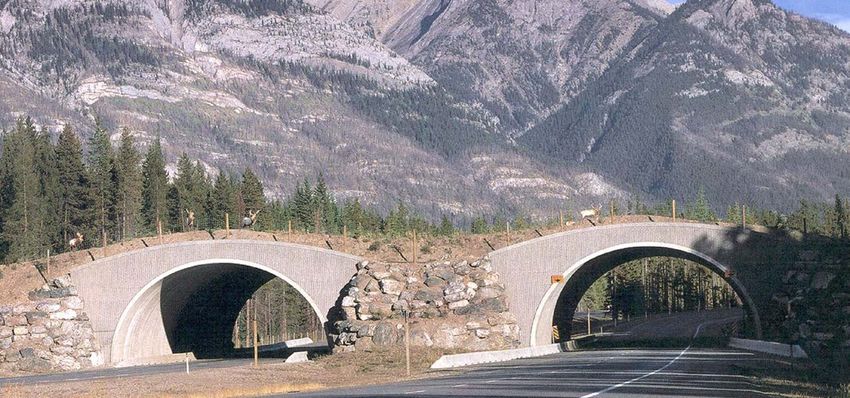
CO N TR I BU TOR S
Kathleen Olds, Joanna Bull,
Contents Letter from the Centre
WE LOVE HEARING FROM YOU! EMAIL YOUR THOUGHTS TO MAGAZINE@ECOLOGYACTION.CA
Stephen Thomas, Jackie Davis,
Meghan McMorris, Veronica Unpredictable Elements. . . . . . . . . . . . . . . . . . . . . . . . . . . . . 2 Correction to Emissions Footprint
Sherwood, Brittany Maguire,
Megan Pagniello, Reanne Harvey,
Emma Norton The Ripple Effect of Local Initiatives. . . . . . . . . . . . . . . . . 4
article in E&A Fall 2018 Magazine What will your legacy be?
Leave a gift to the EAC in your will to ensure a
I would like make a correction and clarification to Kathleen Olds healthy future for generations to come. Please call us at
CO N TE N T E D I TORS Grassroots to Groundswell. . . . . . . . . . . . . . . . . . . . . . . . . . . 6 and Julie-Simone Rutgers’ important article about the problem 902-442-0210 or email us at dana@ecologyaction.ca
Gillian Wesley, Cormekia Clayton, of military emissions and expenditures. The chart provided in the
Raymond Plourde, Karen article is sourced from the Treasury Board of Canada Secretariat’s
McKendry, Shannon Arnold, Listen to the Migration . . . . . . . . . . . . . . . . . . . . . . . . . . . . . . . 9 Greening Government website, rather than from myself as an
Simon Ryder-Burbidge, interviewee.
Jackie Davis
Imagining a Better Future. . . . . . . . . . . . . . . . . . . . . . . . . . . . 10 The chart, Figure 4: Trends in greenhouse gas emissions from federal
CO PY E D I TOR S organization, shows that among all federal departments, the
Department of National Defence (DND) has the highest level
Jackie Davis, Ian Johnston Biodiversity in a Changing Climate . . . . . . . . . . . . . . . . . 14 of emissions at 544 kilotonnes of carbon equivalent. Yet, those
reported emissions are only from DND’s buildings and non-
PH OTOGR APH E RS Burned: A Bio-Mess . . . . . . . . . . . . . . . . . . . . . . . . . . . . . . . . . . 16 military vehicles used within Canada.
ACORN, Ferme Jolivent,
Hayes Farm, Veronica Sherwood, The greenhouse gas emissions from military vehicles and
Karen McKendry, Nick Hawkins A Right Whale Movement: Mirroring Change. . . . . . . 18 operations at home and abroad are exempted from Canada’s
GHG inventories and reduction targets. For example, the climate
DE SIGN &PRODUC TION The Invisible Climate Solution . . . . . . . . . . . . . . . . . . . . . . . 20
impacts of the excessive fuel used by Canadian troops in Latvia, The Ecology Action Centre is incredibly important to
Poland and the Ukraine as they currently engage in war exercises the environmental health of Nova Scotia and to the
Dean Gallant, Pinwheel
on Russia’s borders are not counted. Nor are the climate impacts people who live here. Over the years it has build a
Communication Design
reputation for integrity and unrivaled research and
Action is our Middle Name. . . . . . . . . . . . . . . . . . . . . . . . . . 22 calculated of the 65 million lbs of fuel that the Canadian Forces work on ecological issues. My gift, I hope, will ensure it
delivered to US-led coalition forces as they dropped over 100,000
D I S TR I BU T I O N bombs on Syria and Iraq over the past two years. DND has
continues this work for many, many years in the future.
EAC staff, members & volunteers
The Seasonal Gourmet . . . . . . . . . . . . . . . . . . . . . . . . . . . . . . 24 disregarded not only the climate impacts, but the tragic civilian – Cliff White
impacts of that bombing. The truth is that we cannot decarbonize
COVE R AR T WOR K and avert catastrophic climate change if we do not demilitarize.
Tayla Fern Paul is an L’nusk This will require that we divert public spending away from the
sculptor, painter, welder and military and to a just, green and peaceful transition. Time is
metal fabricator from Eskasoni running out. Let’s make demilitarization for decarbonization a
First Nation. The Ecology Action Centre is a member-based federal election issue this year!
environmental charity in Nova Scotia. We take
leadership on critical environmental issues Submitted by Tamara Lorincz. Lorincz was interviewed by
from biodiversity protection to climate change Kathleen Olds for an article titled Emissions Footprint, which
Printed at Halcraft Printers on to environmental justice. We are grounded in appeared in our Fall 2018 issue of Ecology & Action.
Chorus Art Paper, 50% recycled community, and a strong voice and watchdog
fibre, 25% post-consumer with for our environment. We work to catalyze
vegetable based inks. change through policy advocacy, community
development and building awareness. We take
a holistic approach to the environment and Correction: In our article titled Peace Off Our Coast (Ecology &
Ecology & Action is published three times a our economy to create a just and sustainable Action, Fall 2018) we cited a population of less than 100 breeding
year by the Ecology Action Centre society. Views expressed in Ecology & Action
pairs of piping plovers in the wild. We received a correction letter
(the EAC), a charitable organization are those of the writers and do not necessarily
(PM Registration # 40050204). represent the EAC or its supporters.
letting us know that in 2018 there were fewer than 200 breeding We are FSC® Certified
pairs of Piping Plover (Charadrius melodus melodus) in Eastern
Canada (including St. Pierre and Miquelon), well below the
Ecology Action Centre www.ecologyaction.ca recovery target of 310 pairs for the region. Of those, fewer than
50 pairs nest in Nova Scotia. 2688 Robie Street - Halifax - N.S. B3K 4N8 - sales@halprint.com
2705 Fern Lane /EcologyActionCentre www.halcraftprinters.com
Halifax, Nova Scotia B3K 4L3 /EcologyAction
902.429.2202 /EcologyAction
SPRI NG 2 019 1
Unpredictable Elements: TAKE AC T I O N
Learn about farmer experiences with climate
WHAT DOES CLIMATE CHANGE MEAN FOR FARMERS? change and continue to support local
organic and ecological farmers throughout
the challenges ahead. If you are interested in
by BRITTANY MCGUIRE /// EAC Volunteer
learning more about climate resilient farming,
subscribe to ACORN’s climate e-news, which
includes experiences and perspectives from Pond built to improve water
local farmers in each issue. acornorganic.org management at Ferme Jolivent.
PHOTO: Ferme Jolivent
To encourage these conversations, ACORN is facilitating
opportunities for farmers to share their experiences with climate
change and adaptation methods they are implementing. Through
their Regenerative Farming Certificate program, Hayes Farm is
teaching new farmers practices that help mitigate and adapt to
climate change.
Improving the climate resilience of farms - the ability to withstand,
respond, and adapt to changes - is a key piece of being ready for the
Sarah Smith leading a farm tour about her experiences challenges ahead. One fundamental part of resilience is soil health.
with climate change at an ACORN workshop. Increasing soil organic matter can improve soil health and the
PHOTO: ACORN farm’s ability to withstand both wet and dry conditions. To improve
soil structure, farms are experimenting with decreasing the amount
they till their land. These practices are called no-till, low-till, or Waterlogged soil at Hayes Farm.
Climate change is top of mind for many farmers in Atlantic Canada conservation tillage. Covering the soil with cover crops, planted PHOTO: Hayes Farm
specifically to protect the soil from erosion, add nutrients back to
as they experience less predictable growing seasons and stronger the soil, and improve soil structure, is another important part of
building soil health. Increasing soil organic matter can also increase
and more frequent weather events. Over the last year, the Atlantic the amount of carbon stored in the soil, ultimately contributing to Organic farmers already think of their farms as agro-ecosystems
climate mitigation. and prioritize soil health, both of which are fundamental tenets
Canadian Organic Regional Network (ACORN) has begun engaging of organic agriculture, and this approach aids them in being more
Sarah Smith runs Sweet Soil Organic Farm in the Tantramar region resilient. “Small scale farmers are at an advantage in being more
farmers about climate change. Many are worried about how these of New Brunswick. Smith deals with low-lying and wet heavy clay adaptable and better able to react to the effects of a changing
soils. Wet conditions have shortened her growing season as she climate,” say May and Trealout. Nonetheless, farms will have to
changes already have and will continue to impact their farmland, cannot work in the fields when there is standing water or wet soil. invest money and labour in changes in production, infrastructure,
infrastructure, and crop production. To manage this, Smith is planning on increasing drainage on her
farm, building high raised beds, and pathways to access the gardens
and technology for adaptation, and will need support in doing so -
from government, farmer organizations, each other, and consumers.
in wet conditions. She is also focused on increasing soil organic
Farmers are experiencing long periods of drought and heat waves, Speaking on their experience with changing and sometimes extreme matter by using cover crops or harvest waste to cover the soil. Farmers have expressed that they see community awareness and
punctuated by heavier rains and flooding. Some are having to weather conditions, Claire May and Mark Trealout from Hayes Gautreau has experienced similar challenges. He has built a pond support as a key piece of resilience. Continued commitment to
seriously think about water management for the first time, both Farm in Fredericton, New Brunswick, stress that these events have and added drain tiles under their fields to improve soil drainage. purchasing from local farms, despite possible changes in produce
for too much and too little water in the same growing season. This made farming more challenging, less predictable, more risk averse, availability, will give farms the financial stability necessary to
past year, a cold spring with a late frost, followed by an early fall and, ultimately, less profitable. Strong storms and winds have damaged greenhouses, tunnels, and weather these new challenges. Purchasing from local farms reduces
frost and winter made it difficult to plan in advance for seeding other infrastructure. To protect farms from increasingly strong the distance travelled and amount of greenhouse gases emitted
and harvesting, and caused significant crop loss for some. Warmer Learning about the impacts of climate change, adapting to winds, farmers are creating windbreaks by planting trees and shrubs for food to get to our plates. Supporting farmers who use organic
annual temperatures and warmer winters also bring concern about changing and unpredictable growing conditions, and preparing for along fields. They are also investigating how to better protect their practices also means supporting farms that are prioritizing the long
new pests and diseases. Unpredictability is the central theme to the an increased level of risk is an immense burden for farmers. Guy infrastructure, particularly tunnels and greenhouses. term health of farmland and soils. Essentially, buying from local
changes that farmers are experiencing. Gautreau, from Ferme Jolivent in Memramcook, New Brunswick, and organic farms helps both mitigate and adapt to climate change.
has expressed wanting more opportunities to talk about these new While storm and precipitation events are becoming more intense,
Storms are also increasing in frequency and severity. Low pressure challenges.“Climate change is actually something I think about on farmers are also experiencing longer periods of drought in between
systems and strong winds cause unusually high tides, also known a regular basis, but striking up a conversation with someone about rains. To prepare for dry periods, Hayes Farm and others are
as storm surges, which can result in coastal flooding. Sea level rise it is not always easy to do,” Gautreau says. catching rainwater and increasing water storage to use for irrigating Brittany Maguire is the Environmental Projects Coordinator
for the Atlantic Canadian Organic Regional Network (ACORN)
compounds the risk of coastal flooding and farmers located near crops. Ponds also help to trap and store water during heavy rains,
and has been consulting farmers on climate change and
the coast are worried about what this means for their farmland and which can then be used for irrigation when needed. Improved soil
building a program in response to their identified needs.
the coastal routes they rely on for transporting food to market. health also helps to increase the water holding capacity, ultimately
making farms more resilient to changes in precipitation.
2 SPRI NG 2 019 SPRI NG 2 019 3
The Ripple The United Nations Sustainable Development Goals
ILLUSTRATION: Freepik.com
On September 25, 2015, the United Nations General Assembly
Effect of Local
adopted the 2030 Agenda for Sustainable Development1.
Considered a “plan of action for people, planet and prosperity”, it
set 17 sustainable development goals (SDGs) and 169 targets for
the global society to work towards in an effort to shift the world
Initiatives
onto a more sustainable and equitable path.
Translating Between Local
by MEGHAN MCMORRIS /// EAC Staff and Global; Seeing the
Ripple Effect of the 2030
Change is like a drop of water falling from the clouds above and Declaration
landing in the ocean below. As it breaks the calm surface of the The direct calls of action of the 2030 Declaration are:
water, it triggers a ripple effect that extends out beyond the initial 1. To set a greenhouse gas emission reduction target of 50 per Finally, the 2030 Network, who will be carrying out the work to
point of collision. Eventually these ripples build, changing the cent below 1990 levels by the year 2030. realize the 2030 Declaration will be fulfilling SDG 17; Partnerships
for the Goals.
ocean from calm serenity to powerful chaos. 2. To recognize the structural inequities of race, gender, income,
ongoing colonialism, and environmental racism.
• Labour • Artists
One form of change is unique. It presents itself in all other forms of 3. To invest in greenhouse gas emission reductions with the goal • Physician • Food Industry
change, and it amplifies, exaggerates and complicates other forms We are calling on the Government of Nova Scotia to set of creating better, and higher-paying jobs. • Law • Research
of change. It is climate change. This unique characteristic of climate strong greenhouse gas targets – 50 per cent below 1990 • Grassroots and Policy
change means that we must consider it in all other forms of change. levels by 2030 – and, in doing so, transition to a low carbon These three calls of action directly contribute to the achievement organizations • Youth
In order to effectively address societal changes, like changing economy. We must meet this target, and transition our of SDGs 13 (Climate Action), 10 (Reduced Inequalities) and 8 • Renewable • Economics
technology, agriculture patterns, water management systems, economy, in a way that recognizes the structural inequities (Decent Work and Economic Growth). Energy Industry
of race, gender, income, and the ongoing impacts of
education systems, approaches to health, urban planning, energy
colonization and environmental racism in our province.
sources, community development and peace, we must mimic the By taking a deeper look into how the 2030 Declaration will be
Taking this action now will prevent the worst impacts of
integrated breadth of climate change in our solutions. climate change, which is already affecting our health,
realized, we see that the impact of its work extends far beyond The work being done by an ever-growing 2030 Network here in
livelihoods, and communities. climate action. Achieving the 2030 Declaration will require the Nova Scotia to see the 2030 Declaration become a reality extends
On August 28, 2018, a group of more than two dozen labour following actions, and they will directly contribute to the success of beyond the borders of Nova Scotia. It directly contributes to
organizations, Mi’kmaq groups, students, businesses, energy We are imagining this just, prosperous future from different the corresponding SDGs. achieving ten out of the 17 SDGs. It addresses climate action,
affordability advocates and environmental organizations came present realities. Our transition to a low carbon future must reduced inequalities, decent work and economic growth, quality
together as a network to launch the 2030 Declaration. reflect these differences while moving towards climate education, industry, innovation and infrastructure, responsible
Talking to educational institutes, like NSCC, and
justice and sustainable economic prosperity. communities about programming needs, and production and consumption, sustainable cities and communities,
The 2030 Declaration calls on the provincial government to set a development. life below water and partnerships. The 2030 Declaration is not
We can invest in greenhouse gas reductions now, with
greenhouse gas reduction target of 50 per cent below 1990 levels by the goal of greater job creation, in a way that creates just a form of climate action, it is a collaborative and holistic
the year 2030. It emphasizes that the transition required in order Having conversations with those in both traditional form of change, aimed at triggering ripple effects and changing
better and higher-paying jobs, so more Nova Scotians can energy industries (i.e. coal) and renewable energy
to achieve this target must be based on support, equity and justice find value in their work. We must ensure that workers and our society from one heavily reliant on fossil fuels, to one that is
industries (i.e. solar).
for workers and communities by centring the voices of Mi’kmaw communities benefit equitably from this transition, and we more equitable and sustainable.
people, African Nova Scotians, and other marginalized peoples and must provide training and support for workers throughout
by respecting traditional, local, and academic knowledge and the Nova Scotia. Engaging with community on the culture of efficiency.
results of strong consultation.
Our transition must centre the rights of Indigenous Peoples 1. United Nations General Assembly. (October 21, 2015) Resolution adopted by the General
and follow treaty rights and responsibilities under the Peace Assembly on 25 September 2015 70/1. Transforming our world: the 2030 Agenda for
The 2030 Network and Declaration represent direct local action and Friendship Treaties here in Mi’kma’ki. Our transition
Maintaining a relationship with Efficiency Nova Scotia Sustainable Development
by organizations, businesses and individuals who care about the Corporation (Efficiency One).
must centre the voices of Mi’kmaw people, African Nova
environmental, humanitarian and economic well-being of Nova Scotians, and other marginalized peoples, and respect
Scotia. With the 2030 Network and Declaration having only traditional, local, and academic knowledge and the Understanding, building relationships and acting
been launched in late August 2018, its potential is still somewhat results of inclusive, accessible, transparent, and timely in partnership on the topics of climate justice, Meghan McMorris is the Community Energy Coordinator
unknown. Using a framework from the Sustainable Development consultation. reconciliation, and environmental racism. at the Ecology Action Centre. She has extensive experience
Goals, the extent of the ripple effect for the 2030 Declaration working with communities, both in Canada and abroad, on
Together, we must work toward a just, sustainable, and collaborative projects related to community development
reveals that it has the potential to accomplish far more than meets Partnering with other EAC teams to achieve
prosperous future for all communities in Nova Scotia. and the United Nations Sustainable Development Goals.
the eye. our goals together.
4 SPRI NG 2 019 SPRI NG 2 019 5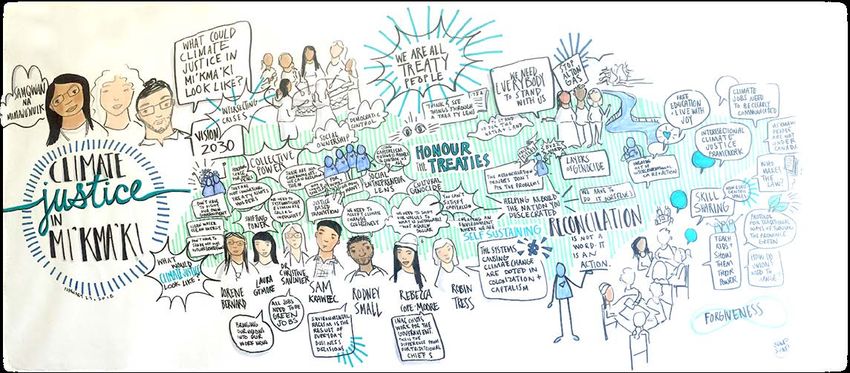
Grassroots to Groundswell 2030 Network
A network of more than two dozen groups—labour organizations,
Mi’kmaq groups, students, businesses, energy affordability advocates,
[e]very day we drink
the water, every day
by KATHLEEN OLDS and JOANNA BULL /// EAC Staff and Volunteer artists, and environmental organizations—have been coming
together to imagine the future that we want here in Mi’kma’ki, and we die a little bit
to coordinate local action for climate justice. The 2030 Declaration,
The oceans are warming faster than expected. Giraffes are endangered. Forest fires are calling for real and ambitious targets for greenhouse gas emissions - Maria do Socorro Silva.
ravaging the west coast of Turtle Island. The IPCC has given us a decade to reduce emissions reductions and a just transition to a low carbon economy, centres the
voices of Mi’kmaq and African Nova Scotian people, and is based in
by 45 per cent. As our tired brains absorb the headlines about the all-encompassing threat of equity and justice for workers and the poor. Land Defence in Brazil
climate change, our hearts often respond with feelings of loss, despair and hopelessness. The
What we can learn: Maria do Socorro Silva, a Brazilian land and water protector, has
climate crisis is overwhelming, and the grief we feel as a result can begin to feel paralysing. been involved in numerous fights to protect the land and water
We are at a tipping point in human history, when the actions and choices of governments, • There is power in unusual alliances, especially when those in her Quilombo community. Since 2009, she has been leading
alliances are built on genuine relationships across the lines that a resistance to the world’s biggest Alumina refinery, owned by the
industries, and citizens determine the near future of our planet. And so, regardless of sometimes divide us. Norwegian company Hydro-Alunorte. do Socorro Silva states
whether or not we are optimistic about the outcome, we must act in this moment and do that the plant was built without permission on her land and was
• When we bring together people with different perspectives and poisoning the water. Her power, poise, and persistence contributed
everything we can to bend the course of human history toward a hopeful future. Around the backgrounds, the work we are able to do becomes stronger and to official testing of the water and court recognition that the plant
world people are rising up, in the many different ways they can, to tackle the climate crisis. more complete. We are less likely to leave out key pieces of the was built illegally. Hydro-Alunorte has appealed the decisions;
puzzle. however, they also apologized and promised free medical care and
From Sweden’s Greta Thunberg to China’s Chai Jing and Wang Jiulang to the Unist’ot’en bottled water to do Socorro Silva’s community. Vindicated, but
protectors in British Columbia, here are some of the examples of climate action around the still unsatisfied, do Socorro Silva has now turned her gaze upon
the refinery executives and political officials that allowed this to
world, and what we can learn from them. Under The Dome, happen.“They have to be arrested. They do not like what we do.
Chinese Documentary That is why we are being threatened. But I’m not afraid of the
mayor or anyone else.”
Act as if the house is on The main focus of the
Filmmaker Chai Jing’s harrowing account of the impacts of air What we can learn:
fire. Because it is. Unist’ot’en camp is healing. pollution in China was viewed approximately 300 million times
in the first three days of its release. It was promptly censored, • Between nations, as well as within them, it is the most
possibly because it made explicit the connections between fossil systematically disadvantaged who bear the brunt of
- Greta Thunberg, World Economic Forum, Davos, Switzerland
Unist’ot’en Camp and fuel companies and the Chinese government, and pointed out that
these companies are far more responsible for air pollution than an
environmental destruction. These are the same people who have
been at the forefront of environmental activism for years, and it
Healing Centre average citizen’s consumption. Not to be dissuaded, Wang Jiulang’s is their voices we should amplify, their fight we must support.
Greta Thunberg film Plastic China focused on the polluting industry of plastics
Indigenous peoples have been protecting the land and water recycling. After it went viral in 2017, the Jinping government • One victory cannot stop us from pushing for more - none of us
The tenacity and fire of this 16-year-old activist from Switzerland since time immemorial, and are often found on the front lines of quickly banned it on the internet. However, a scant eight months are free until all of us are free.
is a beacon of hope to environmentalists the world over. In August environmental struggles; from Elsipogtog to Alton Gas to Pictou later in July 2018, the same administration banned imports of
2018, she started the first-ever school strike for climate action in Landing and beyond. The Unist’ot’en are a people indigenous to some kinds of plastic waste. Similarly, after Under the Dome the • One barrier, or many, will not stop the fight for justice.
Switzerland, which has inspired thousands of students to stage Northern British Columbia who established the camp in 2009. It Chinese government has strengthened its commitments to battling
similar actions on a weekly basis across Europe, Oceania, and North is frequently assumed that the camp was built for the purpose of air pollution. Prior to the film, state weather services sometimes
America. One of the largest mass strikes happened in January of resisting fossil fuel development by companies including Chevron, referred to air pollution as “bad fog.”
this year, when at least 45,000 students came out to protest in TransCanada, and Enbridge. However, its purpose is much deeper:
Switzerland and Germany. to heal the people and, simultaneously, heal the land. What we can learn:
What we can learn: What we can learn: • Art is an important and powerful tool for expressing common
truths and galvanizing public opinion around an issue.
• Young people have absorbed the reality of the climate crisis, and • Persistence and longevity cannot be overemphasized. The rest of
are calling for radical and systemic change. the climate movement would do well to learn about this history, • Even if the impacts of our actions are not immediately obvious,
and follow their leadership as we join the fight for a safe and this does not mean they are don’t make an impact! They may
• We must not be afraid to speak uncomfortable truths to healthy world. bear fruit in invisible or surprising ways.
powerful decision-makers. Even if our voices are unlikely to
change everything overnight, the impact of our actions can • There is a distinction between stopping the things we don’t
ripple across the world. want, and building the world we do- both of these focuses are
critical and can complement one another.
• We are winning this fight. Were it not for pipeline protests across
Turtle Island, we would now have four more major pipelines.
6 SPRI NG 2 019 SPRI NG 2 019 7
TAKE AC T I O N
Extinction Rebellion
A group from the UK called Rising Up! has called for “international Listen to the
Migration
• Support frontline Indigenous resistance! Donate to non-violent rebellion against the world’s governments for criminal
Unist’ot’en Camp at unistoten.camp and the Alton Gas
Treaty Truckhouse at stopaltongas.wordpress.com
inaction on the ecological crisis,” or Extinction Rebellion for short.
Inspired by the civil rights and suffragette movements, Extinction
• Talk to your politicians about the climate crisis,
emphasizing how much you care and that the outcome
Rebellion is using non-violent direct action and civil disobedience
of the next election depends on them having a strong to ramp up pressure on governments around the world to tell the
climate platform. truth about the climate crisis, commit to net zero emissions by
2025, and commit to participatory democracy to put the power by VERONICA SHERWOOD /// EAC Volunteer
• Learn about the Peace & Friendship Treaties that preside
over this land now called Nova Scotia. back in the hands of people. Their website notes that while this
• Sign on to the 2030 Declaration: ecologyaction.ca/sites/ movement needs to be global to be truly effective, it is fitting for Each spring and fall millions of birds travel thousands of kilometres
ecologyaction.ca/files/images-documents/2030%20 it to start in the UK, as this is also where the industrial revolution from Canada to southern climates. The global impact of climate
Declaration%20with%20Signatories%20-%20Aug%2027_0.pdf began. change leaves birds vulnerable as they face changes to the land,
• Donate to grassroots organizations in other countries, water and air during their long journey.
prioritizing frontlines climate organizing. What we can learn:
• Ask the faith, education, or employment organizations you’re Wildlife biologists at Environment and Climate Change Canada
a part of to be part of the solution to the climate crisis. • We must trust in collective power and the possibility for a better recognize that increasing temperatures in the fall months are a threat
• Get organized, get engaged, join an action group, create world. We have far more power as ordinary citizens than we to birds. Warmer weather causes migratory birds to hit headwinds and
art, write letters, do anything you can do! often realize! they often end up over water on their southern flight path. This change
in course requires more energy and food for their long trips. Birds are
often unable to find food to refuel, and sadly this can lead to starvation.
PH OT OS
These stories only scratch the surface of the many grassroots movements that are Similar concerns are shared by Bird Life International, a global
shifting conversations around the world. Many communities have been resiliently partnership that protects birds and their habitats by promoting
:V
sustainable natural resource development. The partnership fears
er
fighting for the land and water for much longer than we’ve known about climate
o
that climate shifts are increasing the risk of birds whose low energy
ni
a
change - Maria de Socorro Silva’s Quilombo community and the Unist’ot’en people
c
levels result in more birds being killed by predators. Sh
er
wo
are but the latest in a long line of grassroots environmental protection. There is so od
Back in Nova Scotia, we are accustomed to seeing robins, loons,
much that we can learn from their examples of persistence and fortitude. Survival is hummingbirds, and warblers, to name a few. Their stamina is
the underpinning factor in all of these stories, whether the movements are for survival awe-inspiring (the ruby throated hummingbird weighs less than a
nickel). What can we learn from the struggles birds face as they
of a community or culture, or survival of the human species as a whole. If we fail to travel across the globe? Aside from their beauty and song, birds
listen to those voices, there are dire consequences. The UN Special Climate Report make exceptional indicators of environmental health as they live in
almost every habitat. Can the story of the birds help us to protect
has made it clear that we are facing a potentially uninhabitable world. Listening to,
other animals who also rely on our lakes, oceans and forests for
uplifting, and joining in the chorus of movements asking for action will ensure not only survival?
TAKE AC T I O N
a habitable, but a better world for future generations. Grassroots movements have
Understanding the challenges migratory birds face allows scientists
won us all of the human and environmental rights that we enjoy in society and when to examine many changing environmental patterns that result from • Plant native species that provide the necessary
nutrients birds needs.
we give these movements power, they can win us even more. climate change. Researchers around the world can observe birds
during their most active parts of the day. This research also allows • Do not use pesticides.
for information gathering on other plants and animals that share
References their space. We also have citizen scientists, also known as bird nerds,
who report on unusual sightings of rare species that are uncommon
• Keep kitty inside and ensure that neighbourhood
cats are not using your property to hunt.
1. aljazeera.com/news/2017/11/afro-brazilian-quilombo-fear-change-land-
to the Maritimes.
laws-171109110349845.html • Turn lights off to reduce window collisions.
2. culturalsurvival.org/publications/cultural-survival-quarterly/quilombo-brazilian-maroons- My appreciation and affection for birds pushes me to understand
• Select grass fed beef and sustainable wood
during-slavery and share with you what can be done to help the birds to weather
products as both preserve forests and bird habitat
3. theguardian.com/environment/2018/jul/21/land-grab-corruption-pollution-amazon- the threat of climate change. The Audubon Society offers simple
internationally.
rainforest-brazil-maria-do-soccoro-silva suggestions that will not only introduce more people to the bird
world, but also support the birds while they embark on their travels. • Reducing the use of plastic can save hundreds of
You may want to try a few of the following steps to help protect the seabirds.
Kathleen Olds is a fourth-year economics and sustainability Joanna Bull is continually humbled by the dedication and birds that live on the land or sea.
student, heading off to law school next fall. She’s passionate passion of climate justice activists, land defenders, and water • Provide natural food, water and shelter for birds.
about building and nurturing hope and resilience in the protectors all over the world, and is inspired to help us all take Veronica Sherwood is a volunteer with the Ecology
movements that fight for for social and environmental justice. good care of ourselves as we fight this fight. Joanna is the • Join your local naturalist groups for a beginner’s bird
Action Centre’s Bird Conservation Committee and a long
Volunteer Coordinator of the Ecology Action Centre. walk and bring a friend.
time cat enthusiast.
8 SPRI NG 2 019 SPRI NG 2 019 9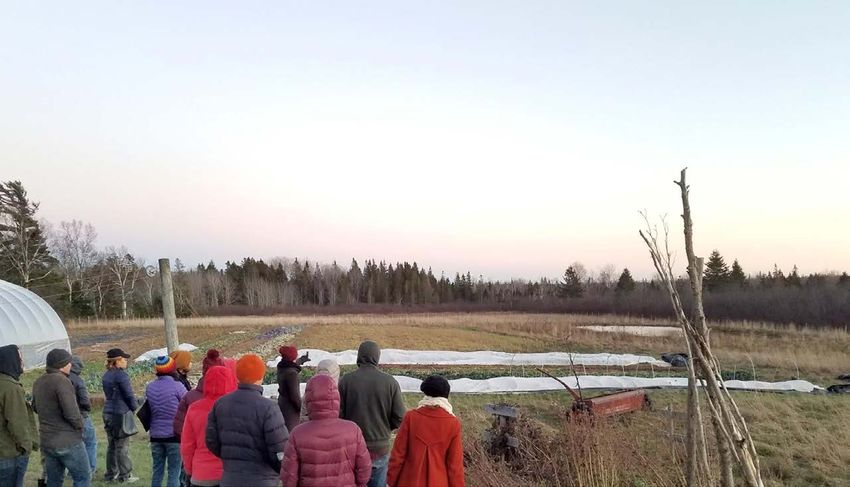
Imagining a Better Future
SET TING GOAL S FOR CLIM ATE AC TION, GOOD JOBS,
AND COMMUNIT Y BE NEFITS IN NOVA SCOTIA
by STEPHEN THOMAS /// EAC Staff
Much like the rest of the world, Nova Scotia is at a crossroads. skills, knowledge, and experience to build a strong green economy
Today, we have the option of believing in ourselves by moving based in justice, climate action, and good work for all.
forward with bold and necessary climate and economic policies.
We do not need to wait for some billionaire to propose a destructive,
But that option won’t be available forever. We have just enough short-sighted megaproject, like a coal mine, a liquified natural gas
time to get it right. (LNG) plant, or a tar sands pipeline, to provide us with the promise Imagining 2030 Event - Graphic Facilitation February 2018.
of jobs and false hopes. We have all we need to build a prosperous, ILLUSTRATION: Rachel Derrah
In Nova Scotia we have the skills, knowledge, and experience to green economy here at home. The just transition can provide ample
build a strong green economy based in justice, climate action, and opportunities for job creation and an investment in ourselves for
good work for all. Sometimes it’s difficult to envision the future we the long term. As these examples show, we just need to believe that we can continue We need something more.
want, but I believe that, as Nova Scotians, we have everything we down this path. If we do not believe in ourselves, we tend to rest on
need to build a just transition toward a future we can truly thrive in- our laurels, and miss opportunities. We believe that a renewal of EGSPA can be a critical piece of
legislation for important steps forward. We can create good jobs
Nova Scotia has what it takes. On January 1, 2019, Nova Scotia’s Cap and Trade Program began
operating our first-ever carbon pricing system. This was the
for African Nova Scotian, Indigenous and rural communities,
and those looking to come home to find meaningful work in an
opportunity to be an important mechanism for a progressive and industry that is here to stay.
In the last ten years, we have had many strong examples of Indigenous groups – signed the 2030 Declaration. The Declaration
taking action on climate change and creating thousands of jobs. calls for Nova Scotia to set a greenhouse gas emissions target
ambitious climate action. Sadly, it is a system that barely scratches
Here are just a few: of 50 per cent below 1990 levels by 2030 – which the Green the surface of what we need. I’m grateful and excited to join with the amazing communities
Economy Network has said will create more than 30,700 jobs in across Nova Scotia who are already working to make this dream a
Efficiency Nova Scotia is a leader in Canada in delivering the province.6 It sets a long-term emissions reduction target that was simply our reality. We can have goals for strong climate action, good jobs for
1 world-class energy efficiency and conservation
programs. As of 2017, there are 1,400 people working in By having conversations like these, we can give ourselves the
business-as-usual scenario. It will only reduce emissions in the province
by about one per cent below our baseline between now and 2022. It
everyone across Nova Scotia, and an economic outlook that we can
be proud of.
energy efficiency for more than 150 companies in Nova Scotia. license to imagine a future where climate and environmental gives away the vast majority of emission credits to polluters for free (80 2030 Declaration Launch August 2018.
The utility has, so far, reduced the province’s electricity use by ten justice is possible. We can build an economy that is based on per cent to liquid fuel producers, 90 per cent to Nova Scotia Power, and PHOTO: Dani Miller
per cent and has saved more than 840,000 tons of CO2.1 local renewable resources and on working with Mother Nature, 100 per cent to large industries). Carbon pricing has the opportunity
not against her.
to do so much more, and provide real benefit to communities, workers,
As of 2017, there were more than 850 jobs created in the and low - and middle - income people in Nova Scotia.
2 renewable energy sector of Nova Scotia. Exponential
growth in solar electricity is expected in the next few
We do not have to be resigned to projections for a future that
locks us in for climate catastrophe and uncertain prospects for
our communities. We can imagine something different, something A key part of the carbon pricing history in Nova Scotia is that there
years, and Nova Scotia has great stories to tell with the success of
the community feed-in tariff between 2012 and 2015.2 better. In conversations navigating action on climate change and was no public consultation in the creation of the system. Moving
working toward a just transition for workers and communities, it is forward, that has to change. We need input from communities
There are more than 40 Megawatts (MW) of Mi’kmaq- always critical to ask ourselves “who benefits?” coming from broad, accessible, public consultations.
3 owned wind energy projects across Nova Scotia. These
wind projects produce more electricity than all 13 The concept of a Green New Deal is taking a hold in the
Mi’kmaq communities consume on an annual basis.3
5 United States and also in Canada, with sweeping policies
for deep emission reductions, creating millions of jobs,
1. Efficiency Nova Scotia. 2017. All the good things. Ecology Action Centre. annualreport.
efficiencyone.ca/2017/assets/pdfs/efficiency-one-annual-report-2017.pdf#page=9
4. Bernard, D., Cutmore, L., Saulnier, C., Krawec, S., & Small, R. 2018 February 27.
Imagining 2030: What Could Climate Justice Look Like in Mi’kma’ki?. Ecology Action
Centre. ecologyaction.ca/event/imagining-2030-what-could-climate-justice-look-mikmaki
2. Mifflin, K., Del Aguila, F. M., Cutmore, L., Pathak, Y., & Fazeli, M. 2017. Opportunities
In February 2018, the Imagining 2030 Network hosted and strengthening social and economic programming. In Nova
4
for Growth Through the Environmental Goals and Sustainable Prosperity Act. Dalhousie 5. Bernard, D., Cutmore, L., Saulnier, C., Krawec, S., & Small, R. 2018 February 27.
conversations on what climate justice could look like Scotia, we have a history of taking steps toward that direction. University’s Management without Borders course. ecologyaction.ca/sites/ecologyaction.ca/files/ Imagining 2030: Declaration. docs.google.com/forms/d/e/1FAIpQLSdpv77iojlx0s2ugFv8A
here in Mi’kma’ki (the ancestral and unceded territory For instance, the Environmental Goals and Sustainable Prosperity images-documents/MWB%20Final%20Report%20Group%2016%20EGSPA.pdf S9S4pcUIJi2lA8gxGxEwhe5uUDJ_g/viewform
of the Mi’kmaq people, of which Nova Scotia is a part).4 The Act (EGSPA), that was first legislated in 2007, was supported by all 3. Parsons, S. 2017. Capping Carbon | Trading Talk Panel Series; A Summary and Discussion 6. N/A. 2017. One Million Climate Jobs in Five Years: Green Buildings, Renewable Energy,
network has been discussing what we could do to come together major provincial political parties in Nova Scotia. of What We’ve Heard on Developing Nova Scotia’s Cap-and-Trade System. Ecology Action and Public Transit. Green Economy Network. greeneconomynet.ca/wp-content/uploads/
to ensure good jobs for our communities, rights for Indigenous Centre. ecologyaction.ca/sites/ecologyaction.ca/files/images-documents/Capping%20 sites/43/2017/05/Nova-Scotia-long-EN.pdf
Carbon%20What%20We%20Heard%20Draft_PDF_Final_Jul%2018_0.pdf
people, and strong climate action. In August 2018, the network EGSPA was renewed in 2012 with new goals. This act legislates
launched the 2030 Declaration, which outlines a framework for strong targets for things like greenhouse gas reductions,
moving toward climate justice in Nova Scotia, while achieving renewable energy targets and land protection, but it also has the
Stephen Thomas has been the Energy Campaign Coordinator since 2016. He supports the work of the Energy Action Team and
deep emission reduction.5 ability to put forward bold economic programs to ensure good
leads its campaigns, policy, and advocacy work on energy and climate change issues. Before joining EAC, Stephen worked for five
work, supports and training for people joining the growing, green
More than 40 organizations – including businesses, organized economy. However, EGSPA is very overdue for another process years in energy efficiency and community renewable energy development as an engineer and project coordinator. He attended
labour, teachers, community organizations, faith groups, groups of renewal. Although we’ve done great work in the past, we COP21 in Paris, and he loves cycling and hosting solar-powered concerts around Nova Scotia. Stephen grew up in Nova Scotia and is
working on environmental racism, public policy organizations, and currently have no credible plan for the future in Nova Scotia – but grateful to be a guest on unceded Mi’kmaq territory.
we can come together to chart that path.
10 SPRI NG 2 019 SPRI NG 2 019 11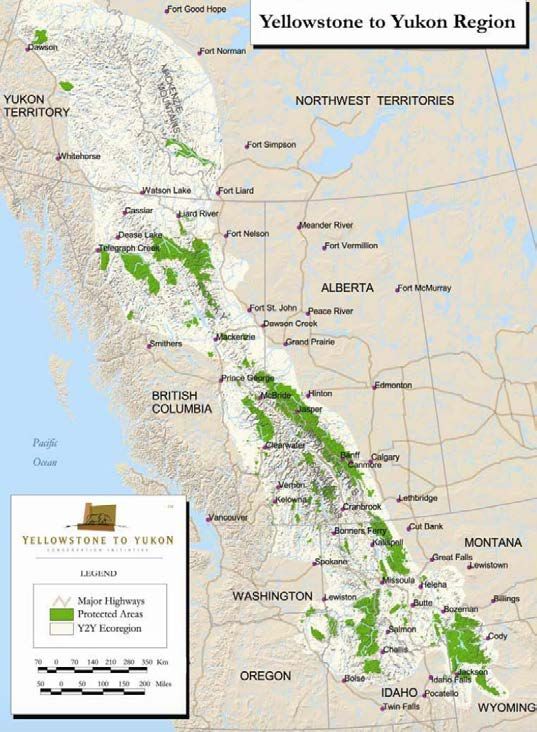
that
We operate our business with the belief
ate witho ut
industry should be able to oper Bullfrog Power, Canada’s
the envir onm ent. leading green
having a negative effect on energy provider, offers ren
We use local manufac turer s and supp liers ewable energy
in solutions that enable ind
wherever possible and offer refill program ividuals and
s. Our retai l clea ning businesses to reduce the
various health food store ir environmental
impact, support communi
to leave the products are also VOC free and are non- ty-based green
In their own personal ways, Richard Nickerson’s clients work hard energy projects across the
many clients, this means investment scented in consideration of people with country and
world a better place than they found it. For help create a cleaner, hea
which act in accorda nce to that client’s allergies and sensitivities. lthier world.
decisions that support companies
values. Richard is a socially responsible investor and he support
s his clients in
LEARN MORE AT: downeastclean.com LEARN MORE AT: bullfro
gpower.com
choosing high quality investm ents that align with their values.
LEARN MORE AT: assante.com/advisors/richardnickers
on
Founded in 1995 as Canada’s first
As we build a community of active outdo Fair Trade coffee roaster, Just Us! is a
or enthusiasts,
we share and teach responsible outdoor worker co-operative exclusively roasting
recreation
practices, stewarding a nation-wide appre
ciation and
specialty grade, certified fair trade
respect for the environment and increasing and organic coffee. We work hard to
our access
to wild forests, wetlands, mountains, urban preserve the integrity of our supply chain,
parks, rivers,
lakes and oceans where we pursue outdo from seed to cup.
or activities.
We commit to conserving the ecological
ly and
recreationally important places where we LEARN MORE AT: justuscoffee.com
adventure
and that sustain us.
FOR MORE INFO: mec.ca/community
Centre
Ecology Action nic micro batch
coffee
We support the demonstrated Fairtrade & orga
ve successfully re cycling
because they ha mental issues, ve the first heat
between environ roasters. We ha the
the connection a, contribute to
s and the local
economy. roaster in Canad tiv e,
local communitie LEARN MORE AT e & Coffee Initia
ery time an Carbon, Climat donate
donate $ 500 ev rmers’ Markets
an d
That is why we erty using our member of 5 Fa
ys or sells a prop
ecologyaction.ca/sustainabilityallies 20 07 .
EAC member bu g to EAC since
EAC’s voice .25/per retail ba
g to strengthen
services, helpin partner with
e’re thankful to
and impact. W world. LEARN MORE AT
:
e this a better a coffee.com
EAC to help mak laughingwhale
RE AT: innovativ
erealestate.ca
LEARN MO
Scotia Metal Products is a local manufac
turer
of steel roofing and siding. Located in the Since 1997, Garrison has strived
Burnside Industrial Park, we manufacture to create
exceptional craft beer – real bee
Focusing on ecological restoration and a 100% recyclable product that also help r made
s with passion, hard work, and Eas
sustainable landscaping for public and eliminate waste from local landfills and can t Coast
pride. Garrison beers are premiu
private spaces using native species to help cut home heating and cooling costs m,
while making little to no manufacturing , distinctive, and always full of flav
strengthen our soils, forests and shorelines. waste through our extensive our, with
in-house recycling process. We are com an exceptional range – crafted
Fostering a love for and connection to the mitted to helping our customers in the
and serving our community through the historic and vibrant Halifax Sea
planet that supports us all. strengths of our employees. port.
LEARN MORE AT: scotiametal.ca LEARN MORE AT: garrisonbrew
LEARN MORE AT: helpingnatureheal.com ing.com
12 SPRI NG 2 019 SPRI NG 2 019 13
Biodiversity in
Banff National Park movement corridors By connecting different areas through the use of corridors, species Y2Y Big Sky Conservation.
Conservation Corridor, 2018. PHOTO: Karen McKendry are able to disperse and find climatically suitable habitat. Increasing Map by Institute GIS, 2008
climate connectivity is cited by many as being one of the best
ways to conserve biodiversity in the face of climate change9. These
a Changing Climate
corridors take on many forms and exist across the globe, covering
just a few hundred meters to thousands of kilometers. There are a
handful of corridors that exist within Canada. In Banff National
Park in Alberta, man-made corridors extend over the TransCanada
Highway to allow animals, such as grizzly bears and elk, to disperse
by MEGAN PAGNIELLO /// EAC Volunteer from one side of the highway to the other10. Yellowstone to Yukon
(Y2Y) is a large-scale corridor that spans from Wyoming, United
States, to the Yukon Territory in Canada, and covers 1.3 million
square kilometers. Y2Y is intended to restore habitat and increase
connectivity for species such as caribou, lynx, and grizzly bears11. In
Eastern Canada, the Chignecto Isthmus region, which is the area
around the border between Nova Scotia and New Brunswick, has
been recognized as a critical corridor for wildlife movement12. It is
the only land-based connection between Nova Scotia and the rest
of North America, which also means it is a vital dispersal path for
terrestrial species to find suitable habitat. This corridor would be
used by several species, including the mainland moose, black bear,
and red fox13.
Climate change is occurring more rapidly than its has in the past.1
Climate connectivity planning is a lengthy process, and because
But there is uncertainty as to how it will look in the future. We also don’t of the human influences that obstruct dispersal routes, it can be
extremely difficult to create routes that would be used. However, it
yet know how climate change will continue to affect biodiversity. is one of the best ways to address the impacts that climate change
is having on biodiversity. Although it is not the only mechanism
If we want to try and avoid future extinctions and species loss on a cent of the world’s rivers remain untouched by humans4 and half that can be used to address the issue at hand, climate connectivity
global, national, and provincial scale, we need a better understanding of the global land coverage has been converted for agricultural planning is one viable option. In fact, successful corridors exist
of the effects climate change is having on biodiversity. purposes5. Within the United States, it is estimated that only 45 across the globe, and there has been extensive research performed
1. Lambers, J. 2015. “Extinction risks from climate change.” Science 348, no. 6234 (May):
per cent of the land is natural, and of that land, only 41 per cent here in Nova Scotia to see where corridors are most needed, and 501-02. Accessed February 10, 2019. doi.org/10.1126/science.aab2057
By understanding patterns and relationships that currently exist, is connected enough to allow for species to move as the climate what needs to be done to create them. While the Chignecto Isthmus 2. Lambers, J. 2015. “Extinction risks from climate change.” Science 348, no. 6234 (May):
we can better prepare and prevent biodiversity loss, and begin to changes6. These pressures, combined with increasing temperatures, region is not currently a connectivity corridor, it is hopeful that the 501-02. Accessed February 10, 2019. doi.org/10.1126/science.aab2057
address the overarching issue of climate change. We know that have resulted in less habitat and increased fragmentation. Habitat current research and planning being conducted will one day allow 3. Urban, M. 2015. “Accelerating extinction risk from climate change.” Science 348, no.
6234 (June): 571-73. Accessed February 10, 2019. doi.org/10.1126/science.aaa4984
climate change is occurring more rapidly than it has in the past,2 fragmentation – the human impacts and alterations that have broken for species to disperse from Nova Scotia, if needed. Climate change 4. Vörösmorty, C., Mcintyre, P., Gessner, M., Dudgeon, D., Prusevich, A.,Green, P.,
but there is uncertainty as to how it will look in the future, and up other species’ habitat- has resulted in restricted movement for is one of the biggest threats to biodiversity, and we need to take Glidden, S., Bunn, S., Sullivan, C., Liermann, C., & Davies, P. 2010. “Global threats
uncertainty as to how climate change will affect biodiversity. species, and in some cases, complete movement barriers. With this action now on behalf of our fellow species if we want to begin to to human water security and river biodiversity.” Nature 467, no. 7315 (May): 555-61.
Accessed February 10, 2019. doi.org/10.1038/nature09440
in mind, we need to understand how far species can potentially conserve those that are left. 5. Millennium Ecosystem Assessment, 2005, in Lawler, J., Ruesch, A., Olden, J., & McRae,
Here’s what we do know; as climate change continues to worsen, move, and if it is going to be enough movement for them survive B. 2013. “Projected climate-driven faunal movement routes.” Ecology Letters 16, no. 8
(June): 1014-22. Accessed February 10, 2019. doi.org/10.1111/ele.12132
species will be put under increasing stress to adapt to rising temperature changes. Unfortunately, the general consensus is that
6. McGuire, J., Lawler, J., McRae, B, Nuñez, T., & Theobald, D. 2016. “Achieving climate
temperatures, move to more suitable habitat, or face extinction. the current landscape does not allow for species to disperse enough connectivity in a fragmented landscape.” PNAS 113, no. 26 (June): 7195-00. Accessed
Extinction – where a species no longer exists – and extirpation to find climatically suitable habitats. February 10, 2019. doi.org/10.1073/pnas.1602817113
– where a species no longer exists in a certain region but exists 7. Beazley, K., Snaith, T., Mackinnon, F., & Colville D. 2004. “Road Density and Potential
Impacts on Wildlife Species Such as American Moose in Mainland Nova Scotia.”
elsewhere – are both occurring as climatically suitable habitat Within Nova Scotia there are many examples of species that are Proceedings of the Nova Scotian Institute of Science 42, no 2, (November): 339-57. Accessed
disappears or becomes geographically inaccessible. It is important gravely affected by habitat fragmentation. The mainland moose, February 10, 2019. doi.org/10.15273/pnsis.v42i2.3610
8. McGuire et al., 2015
to note that the extinction threshold, or the amount of habitat loss which is a species at risk in Nova Scotia, has a population of less
9. Lambers, 2015; Lawler et al., 2013; McGuire et al., 2016; Urban, 2015.
that results in extinction, varies from between species and regions. than 1,000 in the province. Nova Scotia’s high road density has
10. Conservation Corridor. 2018a. “Manmade Corridors.” Accessed February 10, 2018.
resulted in the isolation of populations and individuals, including conservationcorridor.org/corridors-in-conservation/man-made-corridors
There is inconsistency among predicted future global extinction the mainland moose, which means that the species are unable to 11. Conservation Corridor. 2018b. “Large-scale corridors.” Accessed February 10, 2018.
rates, which range from zero to 54 per cent, depending on the disperse to more suitable habitat and to increase their populations7. conservationcorridor.org/corridors-in-conservation/large-scale-corridors/
12. Nussey, P. 2016. “Wildlife Connectivity Analysis for the Chignecto Isthmus Region.” Last
methods, species, and regions being studied. However, the literature modified 2016. Accessed February 10, 2019. novascotia.ca/natr/wildlife/habfund/final15/
seems to be consistent in that extinction rates are projected to be One way we can try to address the issue of habitat loss, fragmentation NSHCF15_02_NCC_Wildlife-connectivity-on-the-Chignecto-Isthmus.pdf
highest in South America, Australia, and New Zealand. The latter and temperature increase is through climate connectivity. Climate 13. Ibid
two regions, specifically, have relatively little land mass for species connectivity refers to natural lands being in a spatial pattern that
to disperse to as a result of climate change pressures3. allows for species to move from unfavorable climatic regions to
habitat that is better suited to the species or population8. For areas Megan Pagniello is a Master of Resource and
Human impact on habitat, coupled with climate change pressures, that are not well connected, often as a result of human impact, Environmental Management student at Dalhousie University,
Chignecto Isthmus region as a connectivity corridor.
means that less habitat exists. It is estimated that less than one per wildlife movement corridors can be used to connect patches of with a passion for biodiversity conservation.
Map by Nature Conservancy of Canada, 2018.
natural land and encourage species dispersal.
14 SPRI NG 2 019 SPRI NG 2 019 15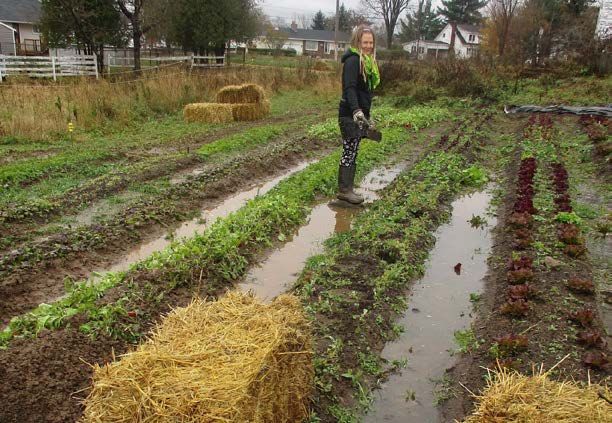
Facade Far from Reality
Burned: A Bio-Mess Cut a tree, burn a tree, plant a tree. It seems simple.
However, it has been found4 that burning wood- especially green
by JACKIE DAVIS /// E&A Committee wood- is less efficient, yielding 21 per cent 5 of what coal would per
tonne and producing 40-60 per cent more carbon per megawatt
hour than burning fossil fuels! This doesn't take into account
equipment use during harvest, transport emissions across the
Atlantic, and carbon released into the atmosphere from the soil
once a tree is extracted goes uncounted.
It certainly doesn't take into account that tree's potential to sequester Incinerator burning wood pellets
carbon in the future. The responsibility for counting carbon is not at the Port Hawkesbury Plant.
enforced with the harvesting company, nor is it counted when being
burned for energy in European plants. In order to avoid counting
carbon twice, the carbon emitted is just not counted. Can we get it right?
It seems the decision that biomass is a carbon neutral green Biomass energy is an industry pushed by pressure to respond to
energy is not based on physical reality. In search of accountability6 climate change, ironically making the situation much worse in a
governments and industry have made an accounting mistake. fairly short term. How could Nova Scotia mitigate this mistake,
and transition from the current industry issues?
The Physical Reality As in the films, biomass is more effectively used as a source of home
heating than for electricity on a large scale.8 If the province and
Trees sequester carbon through photosynthesis. When you cut a companies used only waste-wood and lumber industry residuals
tree, carbon is released from the soil into the atmosphere, the ability and focused on smaller markets, biomass for heat could make sense
of that tree to remove and use carbon from the atmosphere is gone, and still support a more locally-based industry.
and the process of burning that tree will emit more carbon.
The massive demand for biomass both domestically and
Trees are theoretically a renewable resource – if harvested at a internationally places far too much pressure on our province's
reasonable pace, and/or replaced at a higher rate (20-30 times the relatively small landmass and already highly-stressed forests. Using
area)7 than being cut. However, given the needs of current industry, forest biomass to produce electricity is also a distraction from
we will wipe our land clean of forest before anything useful renews other truly sustainable energy sources like wind or solar, putting
itself. How much land can be cleared and replanted and still allow off our development of these alternatives. We should make sure
for the continuation of our wild plant, animal and insect species? that biomass does not become the new carbon-emitting, limited
resource that we harvest using detrimental extraction processes.
Root of the Problem If we are looking towards a climate-energy solution and the question
Burned: Are Trees the New Coal? Alan Dater and Lisa Merton, 2017, burnedthemovie.com
is “are trees are the new coal?” we don't want to answer “yes”.
The choice of waste wood is not always straightforward. Waste is an
industry term, not an ecology term. Waste only refers to the plant's
The EAC's Wilderness Issues Committee has been hosting film The film expands on a political-industrial relationship between viability for market. In Burned we see proof that companies are
1. burnedthemovie.com
screenings of Burned: Are Trees the New Coal? by Alan Dater and companies in the United States and countries in the European purpose-specific clear-cutting for biomass, sometimes clearing large 2. Duncan Brack, James Hewitt ,Tina Marie Marchand. Woody Biomass for Power and Heat:
Lisa Merton, touring across the province to educate folks on the Union. The driving force of biomass industry in the film's context swaths of natural forest only for chipping or pellets. Demand and Supply in Selected EU Member States. Energy, Environment and Resources
issues of using forest biomass for energy production. comes from the European Union’s 2009 Renewable Energy Department , June 2018. Page 2.
3. Jamie Simpson. Forest Biomass Energy Policy in the Maritimes: Accounting for Science.
Directive,2 which obliges some countries to be accountable for a In Too BIG, a second film shown by organizers after the main ECELAW. Dec 15, 2015. Page 6.
Through a combination of narrative, interview and exposé, Burned 20 per cent reduction in carbon emissions by the year 2020. To film, local foresters and citizens talk about the impacts of the 4. Duncan Brack, James Hewitt ,Tina Marie Marchand. Woody Biomass for Power and Heat:
“...interweaves the science of climate change, the escalating energy- meet these goals some are using carbon-neutral energy sources big biomass-power generating plant in Port Hawkesbury and its Demand and Supply in Selected EU Member States. Energy, Environment and Resources
Department , June 2018. Page 11.
policy disputes, the dynamics of forest ecology, the industry that require little-to-no change in production facilities. Biomass is practices on private and crown land in Nova Scotia. The plant uses
5. Bob Bancroft in It Is Too Big, 2019, 3:17
practices, and the actions of activists and citizens who are working considered a carbon neutral energy from a renewable resource. approximately 660,000 tonnes a year cut, much of it coming from
6. Dater, A and Merton, L Burned 2017, 41 mins 45 secs.
to protect their own health, their communities, the forest, and the purpose-specific clear-cutting on crown land.
7. Stuart L Pimm, Duke University In Burned 2017
planet’s climate.”1 As was explained in Burned, biomass is meant to be waste wood;
8. David Publicover in Burned 2017, 41:45
sawdust, bark, off-cuts from lumber which can be made into wood- In Nova Scotia, Emera produces biomass-energy for domestic use
Screenings are followed by discussion, and a shorter film Too Big pellets or wood chips to be burned for electricity in former coal- at the Brooklyn plant in Liverpool, converted for biomass in 2012
(2019, Peter Murphy) which grounds the issue in our own province. fired power plants. As early as 20063 it was being considered as and in 2013, the Nova Scotia Power-owned Port Hawkesbury plant
Biomass for energy is a small but key factor in the energy sector and an answer to needs for reduced carbon emissions. It is from this also began burning biomass. Together at 30 MW and 60 MW they Jackie Davis is an Editor and Farmer, trimming either words
in the larger context of the forest-resource industry. Burned makes context that an industry boomed and major political decisions were generate four per cent of our province's total electricity. Most of the or weeds, depending on the season. Using her Master's in
clear statements, educating us all on this issue affecting the Eastern made on the neutrality and production of biomass for energy. It fuel comes from clearcutting our forests. As in Europe, Nova Scotia Cultural Studies to investigate current issues, she is currently
seaboard of the U.S., and upwards to our own coastal province. was deemed to have high potential as a transitional energy source does not count the carbon emissions from biomass electricity part of the Ecology & Action Magazine Team.
between detrimental fossil fuels and intermittent wind energy. renerations. Combined with the ecological detriment, how much
does this industry really give back to our province?
16 SPRI NG 2 019 SPRI NG 2 019 17You can also read


