Strategic infrastructure, housing and transport - Knowsley ...
←
→
Page content transcription
If your browser does not render page correctly, please read the page content below
Strategic infrastructure, housing and transport

Strategic infrastructure, housing and transport
Overview and key messages                                                     Knowsley has had considerable success in accessing external funding for
                                                                              major developments. This includes successful Liverpool City Region
Knowsley’s strategic approach to growth and regeneration has benefitted       Single Investment Fund infrastructure bids to support the delivery of
from establishing strong policy foundations including the Local Plan,         Shakespeare North Playhouse and Halsnead Garden Village, with further
Housing Strategy, Economic Growth Plan, Town Centre Masterplans and a         bids in the pipeline for 2019/20. A range of additional major residential
catalogue of Supplementary Planning Documents and Masterplans for             and employment developments continue to progress, including Earlsfield
major development sites.                                                      and East of Halewood. This will complement the significant numbers of
                                                                              new houses built on brownfield land in the last few years, exceeding
This in turn allowed the development of a robust pipeline of investment
                                                                              Knowsley’s Local Plan housing targets.
schemes that ensured Knowsley was well placed to access and capitalise
on funding opportunities as they have arose within a competitive funding      The Council is being proactive in developing its town centres in the face
environment within the Liverpool City Region over recent years.               of national decline. The ambitious plans for all of the Borough’s town
Knowsley’s innovative approach has since been mirrored across the City        centres continue to progress, but there will be a particular focus on
Region, with each authority now having in place a prioritised list of local   Kirkby where the Council is working with the private sector and local
schemes, coupled with a list of schemes at a scale to have significance to    businesses to develop a vital and sustainable way forward.
the Liverpool City Region.
                                                                              A Social Value Supplementary Planning Document has recently been
To ensure capacity was in place within the Council to meet additional         introduced which requires all developers on major schemes to prepare
investor and developer demand, and to accelerate the pace of                  and implement a Social Value Strategy as part of their development
development, a cross functional Major Development Team has been               proposal. In addition, the Council is producing an ‘Inclusive Growth
established. Further work has since been undertaken to create a ‘single       Statement’ to capture the range of activity undertaken by local services
front door’ for providing support to investors, developers and                to promote inclusive growth in the Borough through connecting local
businesses under the banner of ‘Invest Knowsley’, an approach which is        people to economically viable opportunities, supporting in work
now recognised as the blueprint for local authorities elsewhere (see case     progression and using investment and procurement to grow local
study below).                                                                 markets and supply chains.

                                                                                                          Knowsley 2030 Evidence Base report          1
Strategic infrastructure, housing and transport

Housebuilding has accelerated in recent years, but the ‘new build               Knowsley’s network of public transport provides a strong east to west
premium’ has increased markedly alongside this. A wide range of factors         offer for journeys made within the Borough, as well as into Liverpool, and
mean there is a risk that some residents can’t access the type of homes         the use of both buses and rail is increasing. North to South connectivity
they need.                                                                      for both bus and rail is particularly limited. Whilst offering good value
                                                                                compared with the costs of driving, uncompetitive travel times, and poor
Affordability remains a major barrier for many residents in Knowsley,
                                                                                North to South connectivity make public transport journeys unattractive
33% households priced out of buying any type of property. Current
                                                                                for many.
programme aims to address this through affordable housing – but local
insight is telling us that these remain unattainable for some. Access to        Knowsley boasts some comprehensive stretches of cycle infrastructure
mortgage products is a further barrier.                                         concentrated in the main urban areas of Kirkby, Huyton, Prescot and
                                                                                Halewood; but continued investment is needed to increase cycling
Knowsley has historically offered homelessness prevention beyond the
                                                                                infrastructure into neighbouring districts and increasing the
statutory duty, therefore, the sharp rise in families presenting as
                                                                                attractiveness of making longer journeys by this mode.
homeless may also be a result of changes to the benefit system, as well
as income and welfare reforms. The challenge is to the use of temporary         Knowsley needs to continuously invest in transport infrastructure to
accommodation.                                                                  maintain and improve levels of connectivity and supplement strategic
                                                                                connectivity with strong local (last mile) solutions.
Transport is one of the key enablers of the prosperity of any area.
Knowsley recognises the importance of transport infrastructure to               Digital connectivity is a vital part of the Boroughs infrastructure with
facilitate improved access to services, amenities and employment, both in       digital technology underpinning almost every aspect of modern living
Knowsley, and across the wider Liverpool City Region.                           across work, travel, leisure and health, and good Internet being widely
                                                                                viewed as the ‘4th utility’. Although digital connectivity is a relative
Knowsley’s roads are becoming busier, however not to the extent seen
                                                                                strength in Knowsley, the Borough faces some challenges in terms of
in neighbouring districts such as Liverpool and Sefton. Stress tests identify
                                                                                digital exclusion from a range of factors affecting some of our vulnerable
some localised pinch points, but the congestion around Edge Lane and
                                                                                and elderly residents and ensuring sufficient capacity and speed of
Port of Liverpool will have a more significant knock-on impact on
                                                                                connectivity for businesses to meet their needs.
Knowsley residents given the nature of commuter flow out of the
borough.

                                                                                                             Knowsley 2030 Evidence Base report          2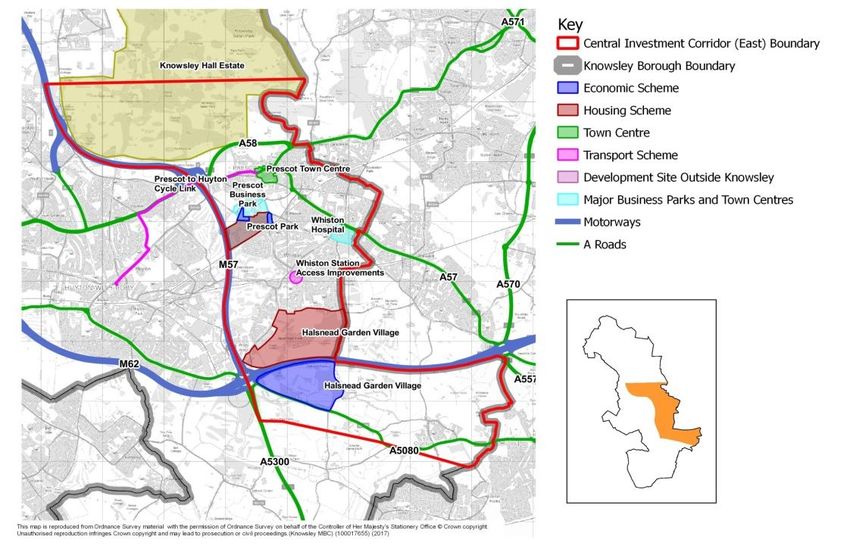
Strategic infrastructure, housing and transport

                                                                                  Knowsley forms part of the Liverpool City Region's Northern Housing
Planning and Strategic Regeneration                                               Market Area. It also plays a major role as a location for employment and
This section of the evidence base describes the Borough of Knowsley               recreational opportunities within the City Region. It has good transport
from a spatial planning perspective; details the key aims objectives of the       links, particularly in an east-west direction to Liverpool City Centre, the
current strategic regeneration framework’s core strategy; and covers the          Port of Liverpool, Liverpool John Lennon Airport, Manchester, and the
key issues and opportunities which affect the area in terms of planning           wider national motorway and rail networks. The Borough has very high
and regeneration.                                                                 levels of commuting to and from the surrounding area, particularly
                                                                                  Liverpool.
Knowsley in the context of the Liverpool City Region
                                                                                  Knowsley makes significant contributions to the City Region’s economic
Knowsley is part of the Merseyside district, between the city of Liverpool        growth ambitions through key growth sectors such as Freight and
to the west and St. Helens to the east. Sefton and West Lancashire                Logistics and Advanced Manufacturing, and is in a position to contribute
districts lie to the north while Halton district lies to the south. These areas   to and benefit from the City Region's economic initiatives and
functionally form part of the wider Liverpool City Region.                        opportunities as outlined within the City Region Growth Strategy such as
                                                                                  Atlantic Gateway including the Liverpool Super Port concept. Liverpool
Figure 1: Knowsley’s Regional Context
                                                                                  John Lennon Airport's expansion plans would be advantageous for future
                                                                                  economic investment in the Borough, particularly in freight or passenger
                                                                                  transport related services.

                                                                                  The ‘Policy Context’ section (page 6) of this chapter outlines the key
                                                                                  elements of the current Liverpool City Region Growth Strategy most
                                                                                  relevant to growth in Knowsley.

                                                                                  Knowsley Settlement Patterns and Local Context

                                                                                  Knowsley comprises a belt of large suburban towns, villages and open
                                                                                  areas. Most residents live in the suburban towns of Huyton, Kirkby,
                                                                                  Prescot, Whiston and Halewood. The majority of development in these
                                                                                  towns date from the 1920s onwards, with much of the growth resulting

                                                                                                               Knowsley 2030 Evidence Base report           3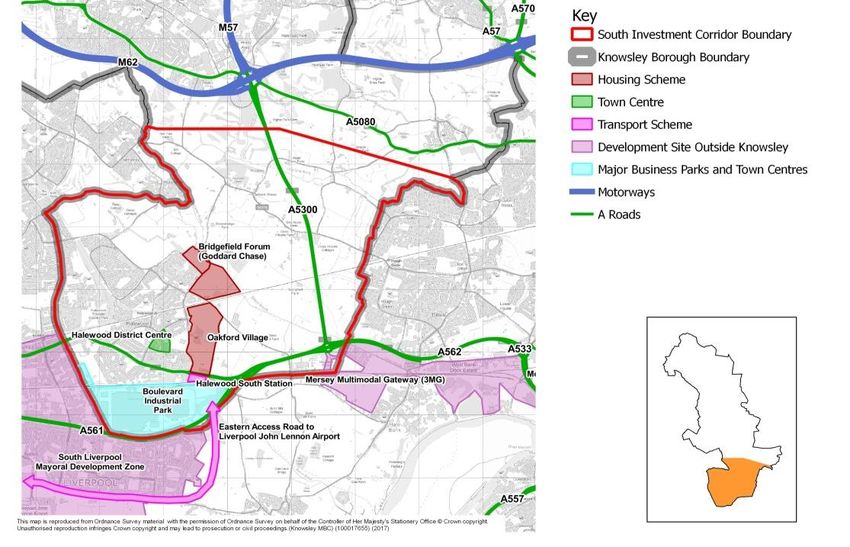
Strategic infrastructure, housing and transport

from "overspill" development from the City of Liverpool. The exceptions       Figure 2: Knowsley’s Local Context 2018/19
to this include the older historic town of Prescot and a few pockets of
older development in the other towns. The suburban housing areas are
served by town and/or district centres providing a range of mainly local
shopping and other services.

The Borough contains a number of large industrial and business parks
which play a crucial economic role in the City Region. These include the
very large Knowsley Industrial Park and Business Park (in Kirkby), the
Jaguar Land Rover car plant (in Halewood), and Kings, Huyton and Prescot
Business Parks in the central belt of the Borough. Whiston Hospital is
another major employer of sub-regional significance. The employment
and housing areas of the Borough are generally highly segregated.

The countryside and urban fringe areas of the Borough are designated as
Green Belt, much of which is high grade farmland, and within which the
attractive villages of Knowsley, Cronton and Tarbock are located.
Knowsley Safari Park (located within the historic Knowsley Hall Estate)
represents a unique tourism facility, receiving over 500,000 visitors per
year, while plans are now being realised for the Shakespeare North in
Prescot which will significantly enhance Knowsley’s cultural offer.

Knowsley's local context, including key transport links, town centres, the
extent of urban areas, areas designated as Green Belt and proposed            Source: Knowsley Local Plan Core Strategy
urban extensions within the current Local Plan, is illustrated in figure 2.

                                                                                                          Knowsley 2030 Evidence Base report   4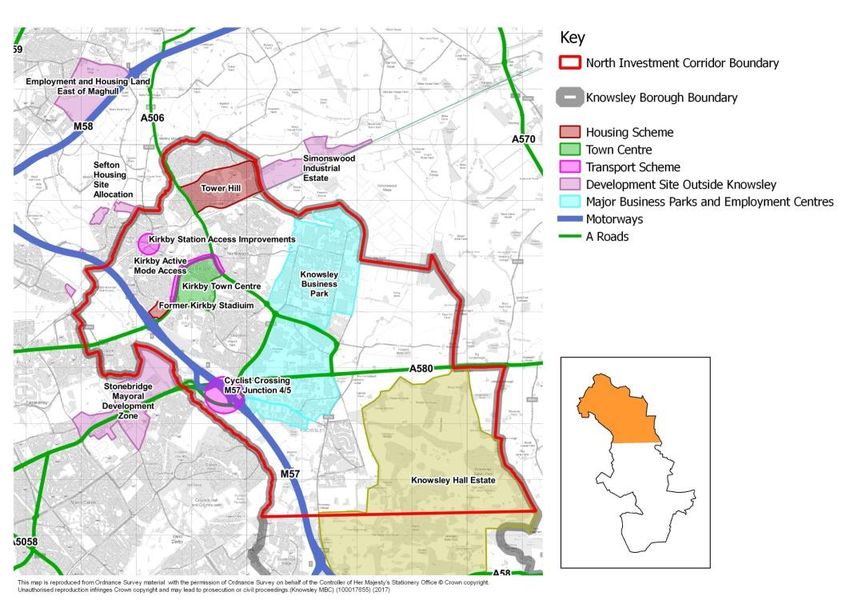
Strategic infrastructure, housing and transport
Population those seeking to become homeowners, by the difficulty of obtaining
suitable finance and mortgages.
Knowsley’s current population is 148,560. Analysis of population data
shows that population change in Knowsley has been different from Whilst the Borough’s housing stock has improved significantly, shortages
England as a whole: remain in some areas for some housing types, sizes and tenures, meaning
the housing market in Knowsley remain unbalanced. Particular
Despite recent increases, there has been a long-term decline in
shortages exist for larger, executive market homes, and for smaller one-
Knowsley’s population, in particular with working age people leaving
and two-bedroom units in the affordable housing sector. There is also a
the Borough;
need to provide housing which is suitable for occupation by older people
Knowsley’s population is much less diverse than England, with fewer to meet the needs of the ageing population.
non-British born people, and less ethnic diversity;
People in Knowsley have lower life expectancy, and lower healthy life A full and detailed analysis of housing related issues in Knowsley can be
expectancy than much of England. found in the Housing section of this report.
A detailed assessment of local population demographics and trends can Economy and Employment in Knowsley
be found in the population chapter of this report.
Approximately 68,000 people are employed in the borough), with the
Housing in Knowsley total number of VAT registered businesses operating in Knowsley
estimated at around 4,115 (link).
There are an estimated 63,500 households in Knowsley as of 2018. This
has increased from 61,300 households in 2011 (ONS families and The manufacturing sector accounts for a higher proportion of jobs in
Households). The average household size in Knowsley is comparatively Knowsley than it does at the national level. This reflects the borough's
large with a high proportion containing dependent children and lone role in the automotive industry and its supply chain, as well as advanced
parent families (see Housing section of this report for additional detail). manufacturing and engineering sub-sectors.
Although house prices are generally comparatively low within Knowsley, The borough has a disparity in income levels, with Knowsley residents
housing affordability is an issue as average salaries of residents are also having the lowest incomes on Merseyside, while those who work in the
low (see the Housing Section of this report for further detail). Since the borough have the second highest. This indicates that Knowsley residents
‘credit crunch’ of 2008, the affordability issue has been exacerbated for
Knowsley 2030 Evidence Base report 5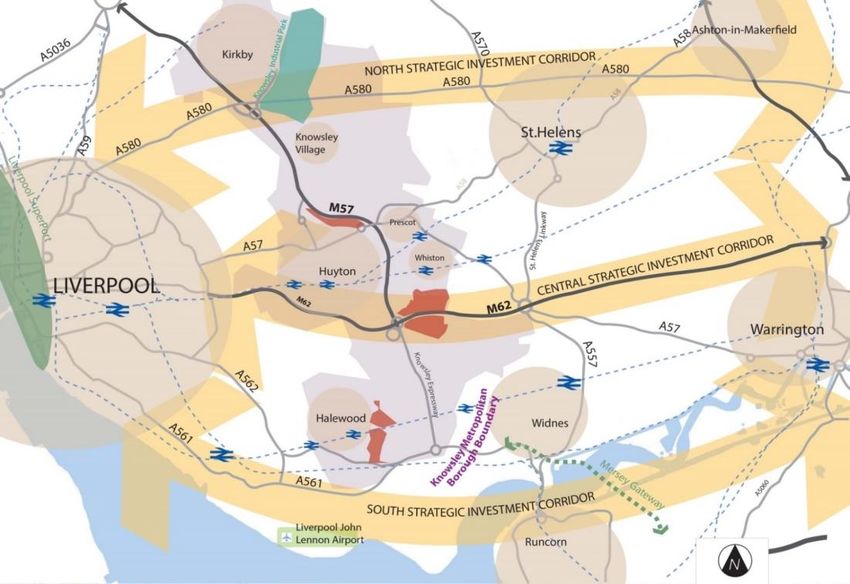
Strategic infrastructure, housing and transport
can find it difficult to access the higher paid jobs, whilst higher income Despite successes, major challenges remain which include:
earners are generally choosing not to live in the borough.
Low business start-up rates
The Council has recognised the need to broaden the borough's Scope to improve the suitability of buildings and infrastructure in
employment base and target growth sectors including transport and employment areas and reduce vacancy rates, particularly in Knowsley
communication, distribution, finance and business services, and Industrial Park and
manufacturing, including advanced engineering and materials, A shortage in the long-term supply of available employment land to
automotive industry, green energy, food and drink. support economic growth
There has been significant investment in new employment Detailed analysis of Economy and Business in Knowsley can be found in
opportunities since the 1990s. Key successes have included introduction the Economy and Enterprise chapter of this report.
of new models and expansion at the Jaguar Land Rover car plant at
Halewood, development of a high quality business park at Kings Business Transport in Knowsley
Park in Huyton, and high profile inward investments in Knowsley Knowsley's road network includes the M62, A580 (East Lancashire Road)
Industrial and Business Parks. and A562 (Speke Boulevard) providing good transport links facilitating
Growth since 2008 in GVA (37%), the number of businesses (30%) and movement of people, goods and freight between Knowsley and other
jobs (14%) has been much faster compared with national and regional areas of the Country. The M57/A5300 provides a major north to south
comparators. This is driven in part by the Manufacturing sector which road route through the centre of the borough.
provides 42.8% of Knowsley’s economic output, is the third fastest Links by public transport to Liverpool are generally good while those in
growing in the UK, and sixth largest overall. the north to south direction through Knowsley are weaker. Knowsley is
Knowsley has two main sectoral strengths in Manufacturing and Freight crossed in a west-east direction by three railway lines, running from
and Logistics, which provide a high proportion of jobs, and economic Liverpool Lime Street station to Manchester (via Halewood), Manchester
output both in the borough, and for the Liverpool City Region. (via Huyton) and Wigan (via Huyton and Prescot).
A fourth line from Liverpool Central to Kirkby is part of the Merseyrail
electrified network. The Knowsley Rail Freight Terminal at the north end
of Knowsley Industrial Park is located on a branch of the Kirkby to Wigan
Knowsley 2030 Evidence Base report 6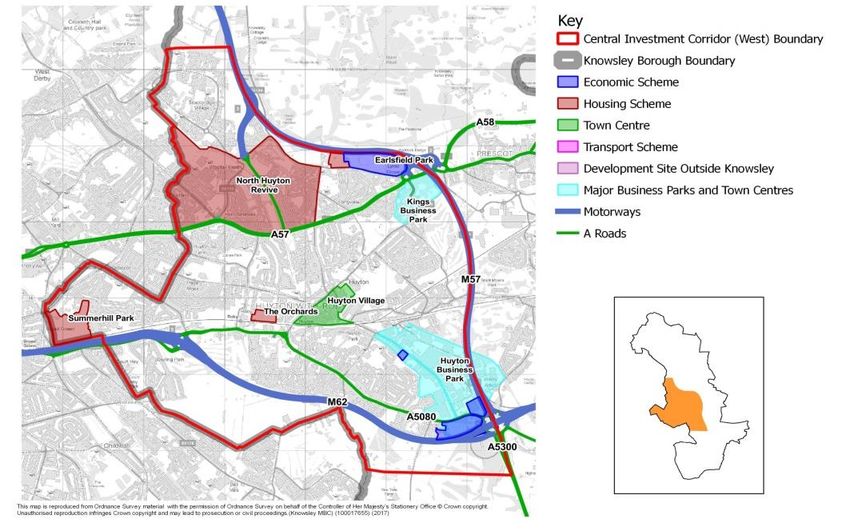
Strategic infrastructure, housing and transport

line. Part of the West Coast Main Line also runs through Knowsley, near      Policy Context
to the Jaguar Land Rover complex at Halewood.
                                                                             LEP Strategic Economic Plans
(Detailed analysis of data and trends associated with Transport in the
Borough can be found in the Transport section of this report)                The Liverpool City Region Growth Strategy seeks to achieve growth, in
                                                                             terms of both economic output (GVA) and jobs; to increase productivity;
Green spaces in Knowsley                                                     and to rebalance the economy. It identifies seven key growth sectors: the
Knowsley benefits from an extensive network of open countryside and          Superport, low carbon economy, visitor economy, advanced
green spaces. Many of the open and green spaces in urban areas are           manufacturing, life sciences, digital and creative, and business and
accessible to residents, providing opportunities for formal and informal     professional services.
recreation and improved health and quality of life. Certain spaces provide   The Strategic Economic Plan targets in particular closing the £8.2 billion
valuable nature conservation habitats, of which some are locally             GVA output gap, 18,500 deficit in businesses, 90,000 deficit in jobs, the
designated as Local Wildlife Sites.                                          gap of 46,200 working-age residents (16-64) who need to enter
The greenspaces in Knowsley's urban areas are, in many cases, multi-         employment, and the £1,700 per head household income deficit. Five
functional but have been categorised into different use types (for           strategic growth priorities are identified – Liverpool City Centre; the City
example parks and gardens, children and young people’s facilities,           Region Freight & Logistics Hub; multi-modal port access; LCR2 Energy
amenity green space and allotments) in order to assess their                 (low carbon economy); and a Capital Investment Fund.
functionality.                                                               Development of Knowsley’s Strategic Regeneration Framework
An audit of Knowsley's open space provision identified that, although the    Since 2014, the Council has recognised the need to prepare for a new era
borough has a significant overall quantity of green space, it has an         of competitive funding via the City Region and established a Growth Plan
uneven distribution and therefore the quality and accessibility of green     budget of £1.1m to develop a Strategic Regeneration Investment Plan
spaces vary throughout Knowsley.                                             with a view to driving forward growth in the Borough and across the
(A detailed overview of Knowsley’s Green Space infrastructure is provided    Liverpool City Region.
in the Local Environment and Place chapter of this report).                  Alongside the work to develop the investment plan, a number of core
                                                                             policy documents were refreshed, including the Borough’s Local Plan,

                                                                                                           Knowsley 2030 Evidence Base report               7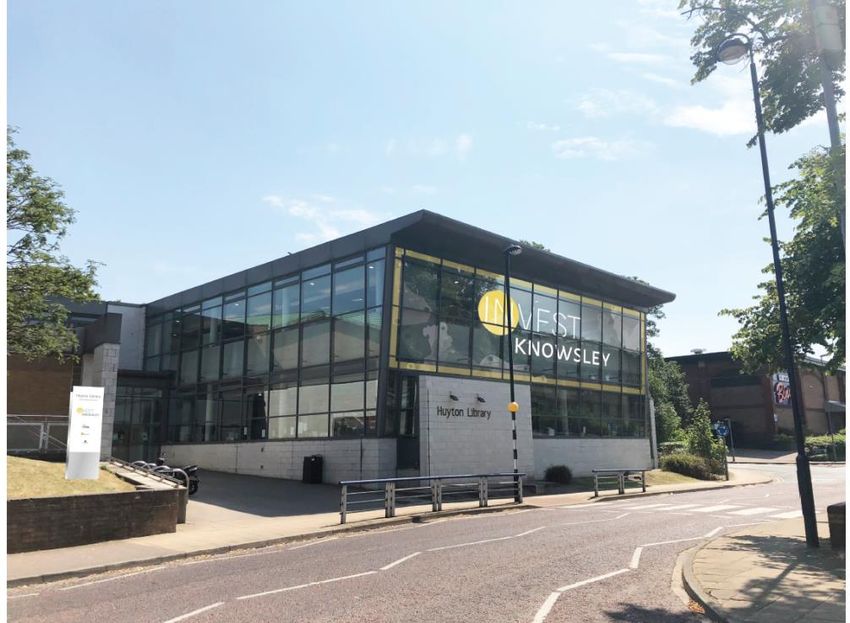
Strategic infrastructure, housing and transport
Housing Strategy, Economic Growth Plan, Knowsley Rail Strategy, Figure 3: Alignment of Local Policy and Strategy
emerging Town Centre Masterplans and a catalogue of Supplementary
Planning Documents. The strategic policy framework provides strong
policy foundations to enable Knowsley to succeed in a new era of
competitive funding across the wider Liverpool City Region and beyond.
The Investment Plan included the development of a “Pipeline” of “shovel-
ready” projects to form the basis of future bids for external funding either
directly from Government or via the Liverpool City Region Combined
Authority. The Pipeline was subsequently developed on the basis of a
strong policy framework aligned to the Borough’s growth opportunities.
The following section provides an overview of key strategic objectives
across a number of the core policies:
Strategic Regeneration Framework Key Objectives
The Strategy for Knowsley 2016-20 The Local Plan 2016 -2028
The current Strategy for Knowsley reiterates Knowsley’s vision to become This Plan sets out the vision, objectives and policies which will guide
the Borough of Choice by 2023. The regeneration framework described development within Knowsley up to 2028.
later in this chapter will play a role in delivering many of the Strategy for
Knowsley’s priorities, but there are two specific outcomes on which Key objectives include:
Knowsley’s strategic approach to regeneration will have the biggest direct o Sustainable Economic and Employment Growth
effect: o A Well-Balanced Housing Market
o A thriving and diverse economy. o Distinctive, Viable and Sustainable Town Centres
o Attractive and sustainable neighbourhoods, towns and green o A focus on Sustainable Transport, and
spaces. o Support and Strengthen Knowsley’s Green Infrastructure
Knowsley 2030 Evidence Base report 8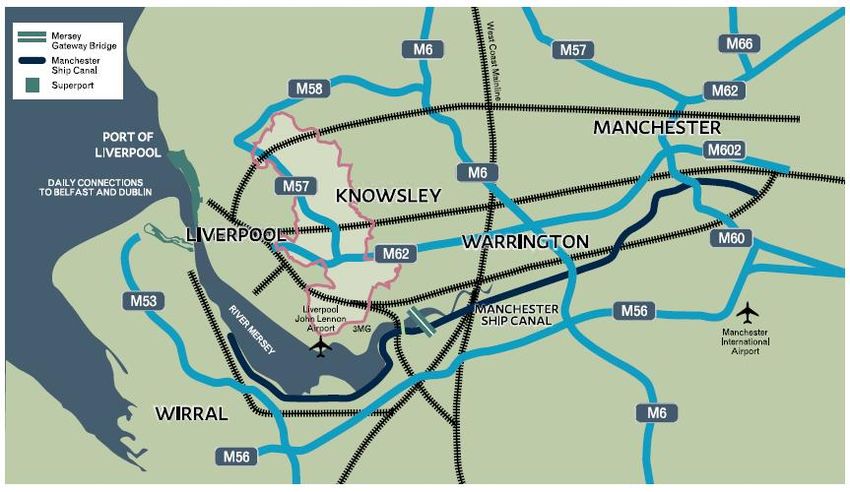
Strategic infrastructure, housing and transport
The plan aims to secure an additional 8100 homes and 450 hectares of Most recently the Corporate Plan 2017-2020 pledged to accelerate
employment land by 2028. business growth, new jobs and new housing. Figure 2.1 on the previous
page shows how the relevant policy and strategy align to form the
The Housing Strategy 2016-21
overarching Strategic Regeneration Framework.
Knowsley’s refreshed Housing Strategy’s vision is ‘by 2021 to have a
housing offer that meets the needs of existing residents and attracts
Single Investment Fund
economically active people to the Borough’. The strategy seeks to deliver
this through: The Single Investment Fund (SIF) represents one of the biggest
opportunities to draw on funding to unlock delivery of major
o Increasing the number of homes
schemes. The SIF was established by the Liverpool City Region
o Improving the quality of homes
Combined Authority to unlock the economic potential of the City
o Improve access to housing
Region. It comprises the Devolution Deal Investment Fund allocation
of £30 million per annum and other local and national funding
The Economic Growth Plan 2016-21
sources. The level of SIF funding available for the first three years is
The Plan articulates the vision of the Knowsley Place Board to make expected to be approximately £150 million, at a minimum.
Knowsley ‘a place where people choose to invest, work and do business
The SIF will fund activities that deliver economic growth, as measured
to achieve long term prosperity’ and provides an overview of the many
by Gross Value Added (GVA) and jobs, and that contribute to the
assets and opportunities businesses are able to capitalise on.
delivery of the Liverpool City Region Growth Strategy ‘Building Our
The Strategic Regeneration Framework also includes a number of Future’.
important supporting plans and documents including:
Knowsley managed to secure over £26m worth of investment from SIF
Town Centre Masterplans for Kirkby, Prescot and Huyton round one to support delivery of the Shakespeare North Playhouse
A recently updated Knowsley Rail Strategy, and (£6.5m), Shakespeare Rail Interchange (£8.16m) and Halsnead Garden
A catalogue of Supplementary Planning Documents (SPDs) and Village (£12.14m), and has further bids in the pipeline for 2019/20.
Masterplans for major development sites.
Knowsley 2030 Evidence Base report 9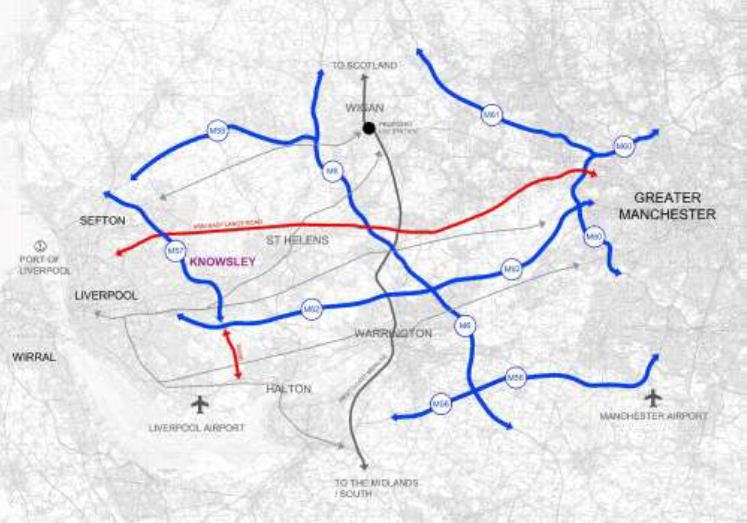
Strategic infrastructure, housing and transport

Development and delivery of Knowsley’s Strategic                                 The pipeline of schemes ensures that Knowsley is well placed to access
                                                                                 and capitalise on funding opportunities such as the Single Investment
Investment Pipeline                                                              Fund (SIF), as they arise over the next ten years. This will help to establish
Recognising the need to prepare and meet the opportunity presented by            the infrastructure that will be necessary to increase Knowsley’s local and
a new competitive funding environment, Knowsley developed a pipeline             City Region connectivity with housing markets, employment, cultural and
of ‘shovel ready’ infrastructure projects to ensure that the borough             leisure sites.
would be well placed to access and capitalise on funding opportunities as        The pipelines are reflective of the three strategic investment corridors
they arose over the coming years in order to realise the Borough’s future        that run across Knowsley, and take full account of interdependencies
growth aspirations, as set out in the refreshed Strategic Framework.             with wider strategic investment sites and areas, such as Superport,
Knowsley was the first local authority in the Liverpool City Region to           Liverpool Waters, Liverpool John Lennon Airport, Mersey Multi-Modal
identify a need to undertake this work, and the approach has                     Gateway (3MG), and Omega.
subsequently been mirrored across the City Region. The other local               Housing Investment Pipeline
authorities in the City Region and Merseytravel have now undertaken an
identical process, utilising the same methodology and assessment                 Knowsley has ambitious plans to rebalance the local housing market by
techniques. Each authority now has a prioritised list of schemes which           enabling the building of 8,100 additional homes by 2028. The focus is not
can be taken forward at a local level, coupled with a list of schemes at a       just on building new homes, but creating high quality properties and
scale to have significance at a City Region level. The latter list is assessed   places to meet new demands, and attract economically active people and
and prioritised by the Liverpool City Region Combined Authority as part of       families into the area. This will require a rebalanced local housing market
the Single Investment Fund assessment process.                                   that includes the delivery of more large executive homes, apartments and
                                                                                 smaller properties to ensure that the local housing market meets the
The pipeline consists of transport schemes, housing development sites,           needs of existing residents and businesses, as well as those moving into
potential employment land sites, and regeneration of commercial spaces,          the area
taking into account a detailed examination of the local evidence base and
appraisal for how the pipeline can best reflect and achieve Knowsley’s           The Housing Pipeline was developed from underpinning data in the
established growth potential.                                                    Strategic Housing Land Availability Assessment (SHLAA), which set out
                                                                                 land across the Borough available for housing development in support of
                                                                                 the Local Plan process. An assessment model was developed to classify

                                                                                                               Knowsley 2030 Evidence Base report            10
Strategic infrastructure, housing and transport
levels of intervention required to bring forward house building on these acquire sites, provide infrastructure, and then market the opportunity to
sites. Those sites requiring the highest level of intervention (e.g. no end users. The combination of proactive development on the part of the
planning permission, no active construction and likely to need detailed Council and the provision of responsive and tailored public funding
site assessments and public financial sector support) included 9 major packages continue to be essential.
residential development sites adopted within the Local Plan Core
The economic investment pipeline prioritises sites across the borough
Strategy. Due to the scale of these sites they will have a major impact on
that will play a crucial role in delivering the employment land needs set
both the future of Knowsley and the Liverpool City Region. In total, 86
out by the Local Plan, and in maintaining a good choice of sites for
sites were assessed in detail, 10 of which were considered to be of a scale
developers (by site size, location, and type) that are available and
significant to the City Region. The remaining 76 have formed Knowsley’s
deliverable for employment use.
Local Housing Pipeline.
There is an identified and specific need for speculative commercial
Economic investment pipeline
floorspace across the City Region suitable for SMEs, and which specifically
Knowsley’s Economic Growth Plan sets out a target for 2,500 new jobs to support new and growth businesses focussed on the City Region growth
be created in the borough by 2021. Achieving this target requires sectors. Local schemes identified in Knowsley’s initial economic
significant investment and development of new employment sites, investment pipeline were assessed for their potential to meet the criteria,
alongside redevelopment or refurbishment of existing employment sites and the projects in the pipeline all sought to address this shortage.
and premises. This will allow new businesses to move in, existing
The Economic Pipeline was developed with regard to deliverability and
businesses to expand and for entrepreneurs to start-up.
impact of projects. Assessment included consideration of need for public
A key priority is to enhance the quality, effectiveness and accessibility of sector intervention and timescales for delivery. In relation to impact, the
existing employment areas, particularly within the borough’s main projects have been categorised as having either a City Region or local
business park sites, with a significant focus on Knowsley Business Park in impact with the determining factor being the proposed scale of the
the north of the borough. development concerned. By way of example, a large distribution or
manufacturing project would be classed as having a potential City Region
Many previous major investments in Knowsley have been achieved by the
impact, whilst a scheme aimed at small businesses of a modest scale
Council “pump-priming” development sites and directly accessing
would be classed as being of local impact.
regeneration funding. For example, securing investments from QVC and
Matalan were made possible by Knowsley utilising public funding to
Knowsley 2030 Evidence Base report 11Strategic infrastructure, housing and transport
The Economic Pipeline comprises 23 projects of which 3 were not The transport investment pipeline identifies a selection of transport
considered to require additional public sector intervention. Of the schemes at a range of costs which address current and future transport
remaining 20, 6 were considered to be of City Region significance given infrastructure issues in the borough and provides a clear direction for
that they seek to address the lack of business start-up accommodation transport investment. The pipeline builds on major schemes that have
which is common across the City Region. The following table 2.2 provides recently been successfully delivered in Knowsley, including £4m
a summary of the current Economic Investment pipeline: investment in the A5300 Access to Opportunity and Employment scheme,
and a £5.6m worth package of measures that comprise Knowsley
Transport investment pipeline
Business Park Access and Connectivity Improvements.
Knowsley has a relatively comprehensive and accessible road network
Securing Investment Case Study – Development of Invest Knowsley
which includes the M62, M57, A580 (East Lancashire Road), and A562
(Speke Boulevard), providing good transport links facilitating movement In recent years, the Council has made significant enhancements to its
of people, goods and freight between Knowsley and other areas. Links by efforts to provide bespoke services to support business growth whilst
public transport to Liverpool are good, while those in the north to south accelerating investment in the borough including the establishment of
direction through Knowsley are generally weaker. the Major Development Team and integration of the Knowsley Chamber
of Commerce and Council Business Support Team to create the Knowsley
Knowsley has an ambitious plan to develop local transport infrastructure
Growth Hub.
that is consistent with the vision set out in the Merseyside Local
Transport Plan for: The Council has also successfully progressed work with the private sector
to build and enhance the profile of Knowsley ‘The Place’ which has
“A city region committed to a low carbon future, which has a transport
established a strong brand and messaging to the private sector market
network and mobility culture that positively contributes to a thriving
place, namely ‘Discover Knowsley’.
economy and the health and wellbeing of its citizens and where
sustainable travel is the option of choice”.
In addition, Knowsley’s Long Term Rail Strategy presents the vision for
the future rail network that meets future passenger needs, and consists
of strategic rail enhancement packages which will improve rail
connectivity in Knowsley.
Knowsley 2030 Evidence Base report 12Strategic infrastructure, housing and transport
Figure 4: Invest Knowsley at Huyton Library to further encourage and enable investment and accelerate growth
across the Borough.
Invest Knowsley has taken opportunities to raise and reinforce the
concept through participation at key developer and business community
events including MIPIM UK London, EGEN 18 Liverpool and MIPIM 2019
Cannes.
Development of Knowsley’s Strategic Investment
Corridors
Achieving growth in Knowsley is ultimately linked to the performance and
competitiveness of the Liverpool City Region as a whole. The Liverpool
City Region economy is forecast to continue on a trajectory of growth
over the next 25 years. Research conducted by Oxford Economics has
forecast that the City Region’s current approach could see a doubling on
the size of the economy to £50billion by 2040. This would see the
Feedback from investors, developers and businesses has endorsed
creation of 100,000 jobs, a net increase of 20,000 businesses, and an
Knowsley’s proactive commercial approach and ‘can-do’ attitude, which
additional 50,000 people coming to live in the City Region.
has helped to achieve significant growth for the borough.
Putting in place the right economic infrastructure to enable business and
The latest stage in ensuring the Councils performs its role as facilitator
job growth within Knowsley’s key growth sectors is essential, and the
and enabler of investment as efficiently and effectively as possible is the
strategic investment pipelines have been developed to ensure that
creation of ‘Invest Knowsley’ a ‘single front door’ solution for all
efforts to support developments are reflective of the links to wider
investment, development and business support enquiries.
strategic investment sites and areas. This means there is a clear emphasis
Co-located within Huyton Library, Invest Knowsley brings together the on growth opportunities in Knowsley, reflected by how local
Knowsley Chamber of Commerce, Knowsley Growth Hub and Major opportunities interact within the wider market areas that cross
Development Team to provide joined up services, advice and signposting Knowsley’s boundaries
Knowsley 2030 Evidence Base report 13Strategic infrastructure, housing and transport
The borough of Knowsley is naturally aligned to three distinct east-west commuter routes through each corridor from residential locations within,
transport arteries that reflect the natural flow of commuters and and outside.
movements of freight and goods across the borough. Three distinct
Figure 5: Overview of Knowsley’s Strategic Investment Corridors
Strategic Investment Corridors have been identified (north, central and
south) which reflect these major transport arteries, and align with the
infrastructural strengths that are common within each.
Each corridor is reflective of the distinct locations of Knowsley’s urban
centres, and the key road and rail infrastructure that runs across each
corridor connecting, the main town centres, villages and suburban
settlements. This covers the A580 in the north investment corridor, the
M62 and A58 in the central investment corridor, and A562 in the south
investment corridor. There are also three distinct rail routes that cross
Knowsley, aligned to each corridor and served by six rail stations within
the main townships of Huyton, Roby, Kirkby, Prescot, Whiston and
Halewood.
A fourth line, from Liverpool Central to Kirkby, is part of the Merseyrail
electrified network. The Knowsley Rail Freight Terminal at the north end
of Knowsley Business Park is located on a branch of the Kirkby to Wigan
line. Part of the West Coast Main Line also runs through Knowsley, near
to the Jaguar Land Rover complex at Halewood. From a business perspective, connectivity is of major importance to
Knowsley’s economy, and specifically the key growth sectors of Advanced
These key transport routes serve to connect residential, commercial and Manufacturing and Logistics. Movement of people and goods to and from
employment centres within each corridor, and also to other major areas employment locations, ports, roads and other strategic locations is vital
of retail and cultural significance, such as Liverpool and Manchester. They for these sectors to thrive and grow, and attract inward investment.
also provide vital access for people to access the main employment sites
within Knowsley, and particularly those following the east-west
Knowsley 2030 Evidence Base report 14Strategic infrastructure, housing and transport
The corridors are at the core of our integrated approach to urban The Central Investment Corridor is strategically connected to Liverpool
regeneration and economic development and emphasise the links to City Centre and the proposed Liverpool Waters development and has
wider strategic investment sites and areas including Port of Liverpool, good rail and road links to Liverpool Lime Street and the north. The
Liverpool Waters, Liverpool Airport, Mersey Multi-Modal Gateway (3MG), corridor is divided into two distinct major residential settlements located
and Omega. on either side of the M57 motorway, comprising Huyton and Stockbridge
Village in the west, and Prescot and Whiston in the east. For this reason,
The corridors have clear links to other local authority areas and assets,
the corridor is considered on a separate East/West context in this
and have been identified to prioritise development sites for the three
chapter.
strategic investment pipelines for transport, housing and economic
development referred to earlier in the chapter. This approach places The corridor has emerged as Knowsley’s cultural centre, and houses one
Knowsley on a strategic footing to develop the infrastructure necessary to of the Liverpool City Region’s most visited tourist attractions in Knowsley
take advantage of the opportunities that arise in connection with wider Safari Park. The development of Shakespeare North in Prescot, and the
economic developments, and bring about meaningful regeneration of retail and night time economy opportunities in Huyton village and Prescot
towns, employment sites and residential locations. town Centre supplement the visitor economy sectoral strength of the
central corridor. Major development opportunities for employment and
Strengths and opportunities in each corridor are strongly connected to
housing around the M62/M57 intersection means that the central
the business sectoral clusters that have emerged in each corridor based
corridor is also a major housing and employment growth point for the
on the distinct qualities and assets that exist in the corridor, both in
borough.
Knowsley and in the surrounding areas. This means that each corridor has
developed very distinct, but not exclusive qualities from which The South Investment Corridor is strategically linked to Liverpool John
investment priorities are being shaped to ensure the maximum benefit Lennon Airport, Liverpool Business Park, the Mersey Multi Modal
are accrued from regeneration. Gateway, and the Liverpool-Manchester rail line. It has a well-established
strength within the automotive sector, led by the presence of Jaguar Land
The North Investment Corridor is strategically linked with the Liverpool
Rover and the associated automotive supply chain. It is therefore the
Superport development, and has excellent transport links to the
location for Knowsley’s main cluster of businesses in Advanced
surrounding areas. It is home to Knowsley Business Park, which is the
Manufacturing operations. There is however further scope for significant
second largest of its kind in the North West, and strong sectoral clusters
development of housing, extending eastwards out of Halewood.
in manufacturing and logistics operations.
Knowsley 2030 Evidence Base report 15Strategic infrastructure, housing and transport
Targeted public and private sector investment in these areas will ensure the A580 (East Lancashire) road. The corridor comprises a mix of
that: suburban residential settlements, industrial areas, and countryside and
urban fringe designated as Green Belt. This includes the northern part of
Knowsley is well connected to the City Region and is able to take
the private Knowsley Hall estate.
full advantage of the economic opportunities provided by the Port
of Liverpool, the Mersey Multi Modal Gateway (3MG), Atlantic The North Investment Corridor will define its role by capitalising on its
Gateway, Liverpool John Lennon Airport, and strong links to unique identity as a key employment and retail centre, with the key
Warrington and Manchester; priorities for growth in the area acting as catalysts for transformation,
strengthening the links between Knowsley Business Park and the
Knowsley has the ability for trade and export-led growth and will Liverpool City Region.
be attractive as an inward investment location; Knowsley is able
Figure 6: North Investment Corridor Overview
to maximise its economic growth potential by being a centre for
low carbon, logistics and advanced manufacturing businesses;
Knowsley is a competitive place to live, given its investment in
major infrastructure, improved housing offer, and strong
community spirit and town centre regeneration; and,
Knowsley has competitive people, given the planned re-
engagement with the labour market, through up-skilling the work
force and flexibilities in delivering support to Knowsley’s local
economy.
North Investment Corridor
The North Investment Corridor occupies the northern belt of the borough
of Knowsley, and is centred on the intersection of the M57 motorway and
Knowsley 2030 Evidence Base report 16Strategic infrastructure, housing and transport
The North Investment Corridor has the potential to deliver over 2 million The Central Investment Corridor (West) will define its role by building on
sq. ft. of new floor space for employment in the next five years, with strong civic assets and retail development potential in Huyton Village
Knowsley Business Park the key asset, and will be a key focus for which will play a key role to jointly stimulate major opportunities for
development of new manufacturing and logistics sites for Knowsley. growth in housing and employment in the area.
Three areas are designated as principal regeneration areas in Knowsley’s Figure 7: Central Investment Corridor West Overview
Local Plan Core Strategy, Kirkby Town Centre, Tower Hill and Knowsley
Business Park. Regeneration within the north investment corridor will be
primarily focussed on these areas to address weaknesses and deliver
opportunities identified for housing, transport and highways, town
centres and employment growth.
The strong presence of the motorway and strategic road network
presents excellent road access in and out of the corridor with key
transport links into Liverpool, Sefton, St Helens and West Lancashire. This
also means the corridor has strong transport links to wider locations of
economic significance such as the Port of Liverpool and the City Region’s
Superport.
Central Investment Corridor (West)
The Central Investment Corridor (West) occupies the western portion of
the strategic belt running through the middle of the borough and is North Huyton and Stockbridge Village are designated as principal
focussed on the east-west running M62 and A57/58 (Liverpool Road) and regeneration areas in Knowsley’s Local Plan Core Strategy. Major housing
with the M57 representing the eastern boundary of the corridor. renewal in North Huyton and Stockbridge Village will be prioritised with
further opportunities for large scale housing at the Knowsley Lane
The corridor comprises the residential areas of Huyton, Roby and
Sustainable Urban Extension site.
Stockbridge Village, which collectively form the largest of the of
borough’s urban areas with a population of approximately 56,800.
Knowsley 2030 Evidence Base report 17Strategic infrastructure, housing and transport
The priority for employment development is to strengthen the existing to key retail and employment centres in Liverpool, Warrington and
successful employment locations at Huyton and Kings Business Parks, Manchester.
alongside delivery of a major successor business park at Knowsley Lane.
Figure 8: Central Investment Corridor East Overview
Central Investment Corridor (East)
The Central Investment Corridor (East) aims to secure competitive retail,
leisure and cultural assets of a City Region scale to stimulate growth in
commercial employment opportunities, and increased demand for a
range of new housing from economically active residents.
Two areas are designated as principal regeneration areas in Knowsley’s
Local Plan Core Strategy: Prescot Town Centre, and South Prescot.
Regeneration in these areas is focussed on building on cultural and
heritage assets to improve the mix of shopping recreation, employment,
community and leisure facilities, complemented by an enhanced
employment and housing offer in South Prescot.
There is also a key focus on developing a new employment and housing
growth point of City Region significance at the new Halsnead Garden
Village development south of Whiston and south of the M62. The Central
Investment Corridor (East) occupies the eastern portion of the central
area of the borough to the east of the M57, bordered by the A58 to the South Investment Corridor
north and the M62 to the south.
The South Investment Corridor occupies the southern belt of the borough
The corridor is made up of the towns of Prescot and Whiston which have and is centred on the A562 and A5300 roads. The corridor comprises a
a collective population of around 28,800 (including the small villages of concentration of residential settlement and industrial area, with a large
Knowsley Village and Cronton). The corridor possesses good connections swathe of countryside to the northern and eastern ends of the corridor.
to the strategic road network and two rail stations, providing direct links
Knowsley 2030 Evidence Base report 18Strategic infrastructure, housing and transport
The corridor has excellent transport connections, and is strategically A new high quality housing offer in Halewood will be delivered through
linked with south Liverpool, Cheshire and North Wales with good development of 1,100 new units at the land East of Halewood. This will
transport links by air, rail and car, significantly improved by the recent be supported by private sector delivery of a supplementary site at
completion of the Mersey Gateway project to provide a second Mersey Bridgefield forum (Goddard Chase) and smaller scale delivery at a range
River crossing. of smaller sites released by Knowsley Council under its Housing Land
Disposal Programme.
The South Investment Corridor will benefit from the commuter belt
opportunities, closely linked to the strong south Liverpool housing market Figure 9: South Investment Corridor Overview
and access to attractions and amenities in Liverpool. Major housing
development east of Halewood offers opportunities for expansion of the
area.
This will be consolidated through strong access to employment in the
wider Speke-Halewood area, and connections with existing areas of
economic growth across the City Region, including: Liverpool City Centre,
the South Liverpool Mayoral Development Zone, Daresbury Enterprise
Zone South, and the growing Mersey Multimodal Gateway (3MG).
Halewood is the main residential area within the southern corridor and
consists of a largely residential belt expanding outwards from south
Liverpool.
With a population of 20,300, Halewood is the smallest of the borough’s
township areas. Halewood is situated in the immediate south of Knowsley
alongside the boundary with Liverpool. It has a mainly suburban
character and is contiguous with the suburbs of South Liverpool to the Levels of deprivation, employment and health are generally good across
west. To the north and east are areas of countryside which include the the South Investment Corridor compared with the rest of the borough. It
attractive rural village of Tarbock and substantial amounts of rural land. also has the highest average house prices in the borough, though there
are some pockets of very high deprivation.
Knowsley 2030 Evidence Base report 19Strategic infrastructure, housing and transport
Town Centres
Knowsley is distinct in having three town centres of similar size across the Progress to date:
Borough; Huyton, Kirkby and Prescot. This creates the opportunity for
Having adopted a Masterplan in June 2017 that aims to enhance the
each centre to develop a distinct role both within its immediate area, the
town’s role as a civic centre and attract investment in the retail and
surrounding district and the wider Liverpool City Region. Ensuring that
leisure sectors, the town is on the brink of transition. Since the adoption
each centre complements the others is key to ensuring the future
of the Masterplan, the Council has been proactive in securing rights and
sustainability of all centres.
influence on key gateways sites and has acquired a number of properties
The following section sets out the overarching vision for each of the town and land within the town centre. Work is now in progress which aims to
centres as detailed within core strategy documents such as the Huyton turn this interest into development on the ground with the intention of
and Prescot Masterplan supplementary planning documents and the ensuring high quality development in accordance with the masterplan
development scheme devised by St Modwen, the Council’s development aspirations.
partner in Kirkby town centre.
The business case for the redevelopment of the Huyton Campus site and
the surrounding areas is currently in development; this will be available in
Huyton Town Centre
the summer 2019. The infrastructure projects identified include
The regeneration of Huyton Village will focus on strengthening the investment in:
Borough’s civic centre which incorporates a large number of employers physical infrastructure to improve public and other transport access
operating in the locality, along with a large employment site on its traffic flow, circulation and relieve congestion;
periphery. With its excellent public transport links including rail, bus and physical infrastructure to support new housing and workspace
road, Huyton Village has the ability to attract many people from the development, and the regeneration of the high street; and
wider City Region area. To ensure Huyton Village continues to cater for land assembly to support the densification of residential and
the needs of residents and visitors frequenting the village, it will evolve in workspace around high streets in place of under-used retail units
line with recent shopping habits and trends. Its excellent connectivity and
employment development sites will allow it to strengthen its role as the
civic centre for the borough.
Knowsley 2030 Evidence Base report 20Strategic infrastructure, housing and transport
Prescot Town Centre Kirkby Town Centre
The regeneration of Prescot Town Centre will build on the existing The regeneration of Kirkby Town Centre will focus its retail offer
heritage, culture and leisure offer of Knowsley, offering residents and delivering a wide range of independent and national stores
visitors indoor and external spaces to shop, learn, relax and unwind. It complemented by its successful permanent market. The provision of high
will also provide opportunities to learn about the heritage and history of quality public open space within the town centre will also offer residents
Prescot and the surrounding area. With a number of prime residential and visitors a unique shopping destination. As changing retail trends such
and employment sites on the periphery of the town centre, the potential as an increase in on-line shopping place pressure on local centres, Kirkby
for Prescot to develop as the heritage, cultural and leisure centre will will evolve and strengthen its role as the retail centre within the Borough.
become stronger as these sites are developed. A number of residential, mixed use and employment sites within and
around the town will play a vital role in allowing Kirkby to strengthen its
Progress to date:
role across the Borough.
Prescot’s unique and rich heritage is transforming the town centre into a
Progress to date:
thriving attractive destination with new cultural and leisure facilities, an
independent retail offer and a successful evening economy that has Kirkby has been identified as the Borough’s retail centre and a developer
attracted investment from new restaurants opening such as Pinion, partner (St Modwen) has been secured to deliver the major retail
Kingsmen Street Food, Down in Albion and Urbano Chiringito Tapas. element of the town centre redevelopment. Planning approval was
secured in November 2017 and the development is to be anchored by a
To date over £24m has been secured in external funding for investment
Morrison’s supermarket. The scheme will further enhance previous
in Prescot including over £12m being recently awarded through the SIF
investment public realm improvements delivered in the town centre to
Round I for Shakespeare North Theatre and the Prescot Connect scheme.
date such as the Kirby Centre, Market, St Chad’s health Centre and the
Any future funding secured will be used to add value and increase the
new bus station. St Modwen has also been appointed as a development
activity in the town centre through the animation of spaces and places
partner to deliver a cinema and 4 restaurants on the former library site.
and develop a new visitor strategy that will build on the momentum
The Council has also led on a wider programme including a number of
being generated through the current developments.
completed / planned demolitions of obsolete buildings to improve the
overall appearance of the town centre and provide sites for further
investment.
Knowsley 2030 Evidence Base report 21Strategic infrastructure, housing and transport
Current data on Town Centre Vitality A further key point to note is the increase in the overall proportion of
independent businesses rose from 64% in 2011 to 74% in 2018, again
There is limited data available to evidence town centre vitality. The significantly better than the national average.
Council has only recently begun monitoring trends in areas such as
footfall and voids after a gap of many years, and data is not yet Local Plan monitoring of retail permissions granted across Knowsley
established to the extent that robust trends can be identified. shows a significant increase in 2018, which will be underpinned by the
permission for the major retail and leisure regeneration scheme in Kirkby
A limited data set shows evidence of the positive effect of regeneration town centre.
activity in stabilising Prescot town centre between 2011 and 2018. Over
this period the number of businesses increased (by 1), which is in sharp Table 2: Town Centre retail planning permission 2011 - 2018
contrast to current national trends in high street vitality. Last
Plan Previous
five
period years
Table 1: Independent business in Prescot TC 2011-2018 years
2014–
2018 2011–2018 2014 2015 2016 2017
2018
Town
2011 2018 centre
14,298 17,192 70,129 2,453 337 157 -53
Category total Indpt. % Indpt. Indpt. % District
1,824 6,630 1,824
Centre
shops Shops Indpt. Shops Shops Indpt.
Major LC 290 365 -14 319 -15
Convenience
20 15 75% 21 17 81%
Retail Medium LC -92 -92 -43 -49
Comparison Minor
25 16 64% 19 14 74%
Retail Parade
Service Retail 21 17 81% 32 28 88% Out of
4,775 5,870 1,437 2,971 367
Centre
Leisure 15 10 67% 16 11 69%
Retail Park -279 1,129 -279
Financial /
22 8 36% 16 8 50%
Business Total 14,298 23,710 84,031 5,714 44 3,404 250
Total 103 66 64% 104 78 75% Source: Knowsley Local Plan Monitoring Report 2019
Source: Knowsley Council town centres service records
Knowsley 2030 Evidence Base report 22Strategic infrastructure, housing and transport
Knowsley’s Public Health and Planning functions have worked closely between areas and townships due to the varying opportunities and
over the years to include health considerations in policies challenges each area presents. The development in Kirkby in particular
was noted during insight gathering, with a general feeling that
‘Spatial planning for health: An evidence resource for planning and
regeneration of the town centre has been left behind other areas. :
designing healthier places’ illustrates the links between planning design
principles and the health impacts on key health challenges such as “People do perceive that other areas are “getting all the money”;
obesity, mental health, physical inactivity, the needs of an ageing frustrations at being left behind”
population and how to promote healthy, sustainable communities.
“Kirkby quite isolated in terms of shops and local facilities – transport,
Recent joint working between Planning and Public Health has seen the regeneration”
inclusion of policy guidance to restrict the concentration of both fast
“The demolition of Kirkby is terrible without having anything in place
food/take away outlets and Gambling establishments in Knowsley.
to replace this / no further building work”
Knowsley Town Centre Uses Supplementary Planning document (June
2016) includes guidance for applications seeking planning permission for
hot food take away use within Knowsley centres. The Council recognises It is apparent from this insight that the Council and its Partners have work
the need to ‘go further’ with this approach as stated in the council’s to do to effectively communicate the benefits of the extensive
Healthy Weight Declaration and Healthy Weight Plan (2018-21), and will programme of regeneration in the Borough, and to ensure that all parts
give consideration to embedding health considerations into the Local Plan of the Borough are seen to be benefitting equally from the benefits of
Core Strategy upon the next refresh currently due for 2021. local development.
Ensuring Inclusive Growth as part of Knowsley’s approach to strategic In practice, Knowsley has recognised the importance of generation social
Regeneration value and ensuring economic development benefits the local population
through ensuring sustainable employment opportunities via major
Insight gathered as part of the 2030 evidence gathering process suggests development programmes and ensuring the Council’s operates
that whilst recent regeneration in Knowsley is broadly welcomed, there is progressive procurement practices that actively support local supply
a perception amongst some residents and stakeholders that the benefits chains.
are not always being felt in local communities, and that some areas of the
Borough were being ‘left behind’ as the pace of delivery often differs
Knowsley 2030 Evidence Base report 23You can also read


