Strategic Plan 2011/12 2015/16 - Department of Correctional Services
←
→
Page content transcription
If your browser does not render page correctly, please read the page content below

Department of Correctional Services

Strategic Plan             2011/12 – 2015/16

Strategic Plan 2011/12 – 2015/16 
Department of Correctional Services

Strategic Plan                  2011/12 – 2015/16

Strategic Plan 2011/12 – 2015/16 
“This document reflects the department’s plan and commitment in line
with the Medium Term Strategic Framework. Critical to this plan is the
path the department will take over this period to fulfill the government
mandate, how it will execute the mandate and how performance
will be monitored. By the end of this term the department’s role and
contribution in making South Africa safe and secure should be evident.”
                                          - National Commissioner of Correctional Services,
                                                              Mr. Thomas Swabihi Moyane

   Department of Correctional Services
Table of Contents
		 Introduction
		 1.1		 Foreword by the Minister of Correctional Services, Ms. Nosiviwe Mapisa-Nqakula			                 6
		 1.2 Preamble by the Deputy Minister of Correctional Services, Adv. Ngoako Ramatlhodi			                 7
		 1.3 Overview of the Strategic Plan by the National Commissioner of Correctional Services.			            9

		 PART A: Strategic Overview
		 1. Vision													                                                                                  10
		 2. Mission													                                                                                 10
		 3. Values													                                                                                  10
		 4. Legislative and Other Mandates									                                                              11
			 4.1 Constitutional Mandates									                                                                   11
			 4.2 Legislative Mandates										                                                                     11
			 4.3 Relevant Court Ruling Van Vuuren judgement on parole						                                         11
			 4.4 Planned Policy Initiatives									                                                                11
		 5. Situational Analysis										                                                                       11
			 5.1 Performance Environment									                                                                   11
			 5.2 Organisational Environment									                                                                12
			 5.3 Description of the Strategic Planning Process							                                               13
		 6. Strategic Outcome Oriented Goals									                                                            16
   7. Resource Consideration										                                                                     17

		 PART B: Strategic Plan
		 SubProgramme: Finance										                                                                         18
		   SubProgramme: Corporate Services									                                                             19
		   SubProgramme: Central Services									                                                               21
		   SubProgramme: Operations and Management Support							                                                22
		   Programme: Security											                                                                        23
		   Programme: Corrections										                                                                      24
		   Programme: Care											                                                                            25
		   Programme: Development										                                                                      27
		   Programme: Social Reintegration									                                                              29
		   Programme: Facilities										                                                                       30

		 PART C: Link to Other Plans									                                                                    31

		 Acronyms											                                                                                     33

Strategic Plan 2011/12 – 2015/16 
Introduction

1.1 Foreword by the Minister                               In 2009, for example, I appointed the Ministerial Task
                                                           Team to do an audit on certain categories of inmates
of Correctional Services, Ms                               within the Department of Correctional Services facili-
                                                           ties. The objective of the audit, among others, was to
Nosiviwe Mapisa-Nqakula                                    determine the reclassification of their sentences and
                                                           the conversion of custodial sentences into non-custo-
The introduction of the Outcome-Based                      dial sentences. The Task Team has completed its task
Approach to performance in govern-                         and the report has been presented to me and the
                                                           leadership of the department. I have directed that the
ment has had a marked effect on the
                                                           leadership study the report carefully and incorporate
work and role of Executive Authorities.                    those areas that require delivery by the department.
                                                           Therefore, part of the Strategic Plan includes areas
In various clusters, Service Delivery Agreements have      that emanated from the report of the Task Team.
been drafted and signed with the President. I am a
signatory to the JCPS delivery agreement. The Stra-        Interestingly, while the team was busy with its work,
tegic Plan that is tabled before this house contains       a Constitutional Court judgment was passed against
elements of the delivery agreement that are relevant       the department in the Van Vuren case (Van Vuren
to me as the Minister of Correctional Services.            v the Minister of Correctional Services (CCT 07/10)
                                                           [2010] ZACC 17 (30 September 2010). On this matter,
                                                           the department is in the process of seeking clarity be-
                                                           fore making any commitments in its strategic plan and
                                                           resources. The outcome of our appeal will determine
                                                           the direction the department will take.

                                                           The New Growth Plan has been unveiled and central
                                                           to this plan is job creation. The DCS is one of the de-
                                                           partments with the capacity for large intakes. During
                                                           2010/11, the department advertised over 3000 posts
                                                           for intake in 2011/12. In addition, the department has
                                                           an internship and experiential learning programmes
                                                           as a contribution towards creating employment. Our
                                                           efforts are also duplicated with inmates. The depart-
                                                           ment undertook to develop a framework that defines
                                                           the role of Offender Labour. The planning process in
                                                           the Annual Performance Plan has included this im-
                                                           portant element to ensure that not only does the DCS
                                                           rehabilitate inmates but also facilitate the reintegration
                                                           of inmates by providing skills that could be employed
                                                           upon release.
Minister of Correctional Services, Ms. Nosiviwe
Mapisa-Nqakula                                             Another area that requires attention in terms of the
                                                           Strategic Plan, is the medical parole policy. The
                                                           guidelines were developed and the Correctional
I cannot over-emphasise the importance of plan-            Services Act has been amended. The Bill has been
ning and more importantly the strong links between         approved by Cabinet and must be submitted to
the resources and the plans. This Strategic Plan of        Parliament for processing. Parliamentary processes
the Department of Correctional Services has been           will include public hearings on the new medical parole
developed taking into account the priorities of gov-       policy.
ernment and Ministerial Directives which I issued in
various fora. In 2010, I appointed the New National        The delivery of this plan rests on a number of pillars.
Commissioner and the Chief Financial Officer. I have       It rests on having our business processes reviewed
tasked them to review the departmental business            and finalized, the matching of plans and resources,
processes and more critically to ensure realignment        the realignment of strategy and structure and finally
of our strategy and business structure as part of          having the right competencies and attitudes.
enhancing our capacity to delivery on our plans. The
work has started and the leadership has engaged
National Treasury around the business structure. The
new structure will only be implemented in 2012/13, by
which time the realignment will be completed.              Ms N Mapisa-Nqakula (MP)
                                                           Minister of Correctional Services
As I have indicated, there are several Directives that I
have issued and additionally I have initiated projects.

     Department of Correctional Services
1.2 Preamble by the Deputy                                Office of the Inspecting Judge
                                                          The Inspecting Judge has been established in terms
Minister of Correctional Services,                        of the Correctional Service Act and my focus will be
                                                          on strengthening the office of the Inspecting Judge,
Adv. Ngoako Ramatlhodi                                    regular interactions with the Inspecting Judge in
                                                          relation to his/her work, monitor the department’s
It was an honour to receive an invitation                 delivery on recommendations made in the Inspecting
                                                          Judge’s Annual Report and management of corre-
to a dynamic and challenging environ-
                                                          spondence from the Inspecting Judge and in particu-
ment such as the Department of Cor-                       lar with the Profile Reports of the Inspecting Judge.
rectional Services.
                                                          Community Corrections
I was also privileged to join the department at the       Social Reintegration is one of the pillars of the
time when the Executive Management was review-            department in its work to break the cycle of crime.
ing the Strategic Plan and drafting a new one for the     Its success reflects on how well rehabilitation has
mid-term. This provided me an opportunity to have         taken place. To improve performance in this area I
a glance at the workings of the department. The           will ensure that community corrections offices are
Minister and I joined the Executive during one of its     appropriately resourced, reduce parole violations,
sessions in November in Leeuwkop. I was given a           make improvements in the tracing of parole abscond-
briefing by the Executive. It was evident that the task   ers, promote and enhance non-custodial sentences
facing the department is enormous, and that I will        in the criminal justice system and increase community
have to bring in my experience and add value. My ex-      involvement and integration of the work of the CSF.
perience in parliament will certainly become valuable.
                                                          Legal Services and Regulatory Framework
                                                          The department has already taken a Correctional
                                                          Matters Amendment Bill to Parliament, but important-
                                                          ly the department has initiated a legislative review. It
                                                          is my intention to ensure that this is a comprehensive
                                                          process to provide the department and the criminal
                                                          justice system with appropriate and streamlined law.
                                                          In addition, I will add value to DCS by performing
                                                          oversight on the work of the DCS Legal Services,
                                                          including litigation and drafting. To this end we have
                                                          embarked on a process of restructuring and capaci-
                                                          tating Legal Services.

                                                          When I joined the department, a judgment had just
                                                          been passed in the well publicized Van Vuuren case.
                                                          This demonstrates that legal matters are not side
                                                          issues. It is going to be very important for the depart-
                                                          ment to ensure that legal matters are handled with the
                                                          care they require. Lawsuits against the department
                                                          must be minimized at all costs. As a legal practitioner,
                                                          I will work hard in improving the way we handle legal
                                                          matters. In addition, the department needs to exam-
Deputy Minister of Correctional Services,                 ine its policies to make sure that they are up to date
Adv. Ngoako Ramatlhodi                                    with developments in the legislative framework. In law
                                                          there is a dictum “Ingorantia legis neminem excusat”
The Criminal Justice System, and in particular the De-    - ignorance of the law does not excuse. Therefore as
partment of Correctional Services has been mandat-        the department we cannot afford mistakes based on
ed to carry out the country’s most daunting task. As      our ignorance or negligence of the law. In this way
the Deputy Minister of Correctional Services, I have      we will be able to avoid the high costs that come with
been entrusted with the following functions:              lawsuits.

Management of Remand Detention                            Criminal Justice System Review
This responsibility includes the establishment of         I will also be serving in governance of the Criminal
the new Remand Branch, oversight function on the          Justice Review and oversight of DCS participation in
improvement of Remand Detention Management                criminal justice review. This is an important task that
System, establishment and management of dedi-             seeks to ensure that matters that relate to DCS are
cated remand detention facilities and coordination of     placed firmly on the agenda.
the Cluster activities in the management of Remand
detention.

Strategic Plan 2011/12 – 2015/16 
This Strategic Plan provides a route map that we will
use to arrive at our vision and carry out the mandate
                                                        1.3 Overview of the strategic
of government. I am convinced that the planning that    plan by the National
has gone into this document, and that goes into the
Annual Performance Plan and Operational Plans of        Commissioner of Correctional
the department will enable more focused delivery by
the department on the mandate of the White Paper.
                                                        Services
Adv. Ngoako Ramatlhodi (MP)                             I have the pleasure of presenting the
Deputy Minister of Correctional Services                Strategic Plan of the Department of
                                                        Correctional Services (DCS) for the pe-
                                                        riod 2011/12 to 2015/16.
                                                        This document presented here reflects the depart-
                                                        ment’s plan and commitment in line with the Medium
                                                        Term Strategic Framework.

                                                        Critical to this plan is the path the department will
                                                        take over this period to fulfill the government man-
                                                        date, how it will execute the mandate and how
                                                        performance will be monitored. By the end of this
                                                        term the department’s role and contribution in making
                                                        South Africa safe and secure should be evident.

“For the DCS to be an effective
organization it needs to strike
a balance between its plans, its
people and resources. I have
noted with concern the lack                             National Commissioner of Correctional Services,
                                                        Mr. Thomas Swabihi Moyane
of harmony between these                                When I joined the department in 2010, there were a
elements.”                                              number of developments taking place in government
               - Mr. Thomas Swabihi Moyane,             and within the department. In 2009, the govern-
       National Commissioner of Correctional            ment-wide monitoring and evaluation framework took
                                    Services            shape in the form of a concept document produced
                                                        by the Presidency. This important document: Improv-
                                                        ing Government Performance: Our Approach was
                                                        first released by the Presidency in 2009 outlining the
     Department of Correctional Services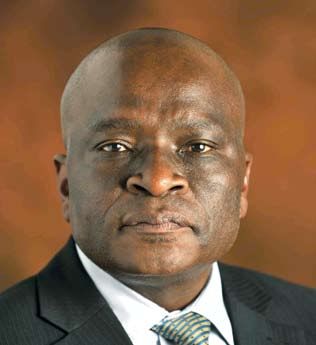
Outcomes Approach. The Department of Correc-               matched, and relieve those that do not share in our
tional Services had by this time already made head         vision. This resulted in a number of transfers and ap-
ways in the direction that government was taking           pointments, at the same time ensuring that we have
towards improving service delivery. During 2007, the       people with commitment and the right attitude at
department with the Technical Assistance Unit from         senior level. We had to terminate a number of senior
Treasury embarked on the process of improving              managers’ services and others have been suspend-
and refining performance information. In 2010, the         ed, pending the outcome of the investigations. I need
publication of the Strategic Plan and Annual Perform-      to indicate that as the National Commissioner I will
ance Plans signaled a significant shift from the past in   stop at nothing to ensure that I create the cadreship
the planning and reporting environment. The Depart-        required to improve performance. This effectively
ment of Correctional Services’ Strategic Plan that is      means that corrective measures will continue to be
presented before this house reflects the changes of        applied where necessary. It also means that we need
the past few years that started in 2004. Some of the       to reconfigure certain components such as GITO from
key developments contained in the DCS Strategic            what I indicated earlier.
Plan are the inclusion of the Outcomes developed by
the Presidency, the incorporation of the Ministerial       The Department of Correctional Services has, since
Service Agreements, the logic model and reference to       July 2010, embarked on a massive recruitment drive
the Departmental Prioritised Risks.                        to fill 6657 vacancies that account for 14% of the
                                                           department’s approved and financed staff establish-
These changes will obviously necessitate that similar      ment. The Department has appointed 1844 (which
changes and adaptations, and in instances major            accounts for 28% of the total vacancies) officials
ones, are made in the department. Since 2010, I have       nationally which include:
identified several areas that require urgent attention     • 316 permanent positions with among others
in order to deliver on this strategy. Apart from being            candidates to fill scarce skills positions like Medi-
a requirement by National Treasury, I have consist-               cal Practitioners, Psychologists, pharmacists and
ently requested the Executive Management to take                  Social Workers;
cognizance of the importance of resources. I have          • 496 interns for helping to turn around poor man-
impressed upon them the importance of ensuring                    agement of assets that resulted in qualified audit
that resources match the plan. Of particular impor-               reports for about ten years; and
tance for the department and which is something of         • 1014 learnership candidates that are currently un-
an anomaly is the IT resources. The department’s IT               dergoing training in Zonderwater and Kroonstad
resources do not necessarily match the needs of the               Corrections Colleges to obtain a Further Educa-
department. As part of improving resources, the area              tion and Training Certificate in Corrections, that
of Government Information Technology Office (GITO)                will enable those who pass to be appointed to
will have to be restructured. The appointment of the              fill about 1300 vacancies at the entry level when
new Chief Financial Officer is a welcome relief and               they complete their 12 months programme.
will buttress efforts at improving financial resources
as well as IT and Human Resources. Another critical        The lifting of the moratorium on filling of posts in July
area is the Integrated Human Resource Strategy. I          2010 will in part enable the Department to deliver on
have instructed Corporate Services to ensure that this     its mandate better and faster.
strategy is aligned to the Strategic Plan. During the
review of the plan, it was evident that there is some      The President has placed the creation of jobs at the
disjuncture between budgeting and planning. Our            centre of the government’s programme of action and
approach during the review was that integrated plan-       Correctional Services has pledged to do its bit in
ning is key to the delivery of this strategy. Therefore,   reducing unemployment, and building young people’s
in drafting the plan, the department was deliberate in     capacity to secure good jobs in the market and con-
ensuring that there is integration of resources and the    tribute to the fight against poverty. No more shall the
plan.                                                      recruitment of people take more than six months from
                                                           the advertisement of vacancies to the assumption of
The new framework requires the department to adopt         duty by selected candidates. He has also, on numer-
new ways of doing business. For the DCS to be an           ous occasions, warned officials less keen to support
effective organization it needs to strike a balance        the changes being introduced to do the honourable
between its plans, its people and resources. I have        thing and leave the Department before the leadership
noted with concern the lack of harmony between             and management deal with them accordingly.
these elements. There is a high degree of mediocrity
in relation to planning and reporting. Over and above      I equally recognize the importance of rewarding excel-
ensuring integration, I have adopted a zero toler-         lence. The National Corrections Excellence Awards,
ance approach to a lackadaisical and tardy attitude        that are held annually, represent the Executive Man-
towards service delivery. As indicated, the new ap-        agement’s appreciation and recognition of the good
proach by government places emphasis on improv-            and hard work by many DCS officials. To ensure con-
ing performance. It became evident that we had to          tinued excellence we need to create an environment
place people where their competencies and skills are       that promotes a culture of continued learning and de-

                                                                                Strategic Plan 2011/12 – 2015/16
PART A: Strategic Overview
velopment. At various fora where I have addressed of- 1. VISION
ficials, I have impressed upon them the idea of a think
tank. The DCS must be established as a Learning To be one of the best service providers in the world
Organisation. Many leaders and writers on leadership by delivering correctional services with integrity and
that include John C Maxwell, Malcom Gadwell, Peter commitment to excellence
Senge and Steven Covey, place continued learning
and development at the center of many successful 2. MISSION
organisations. Therefore, over and above recogniz-
ing excellence, we will create space for it to thrive. To contribute to maintaining and protecting a just,
Government continually produces policy documents, peaceful and safe society:
new concepts and amendments to various pieces of • by enforcing decisions and sentences of courts in
legislation. A learning organization ensures that learn- the manner prescribed in legislation
ing is embedded in every day work and keeps officials • by detaining all inmates in safe custody while
informed and knowledgeable. This greatly reduces ensuring their human dignity, and
risks of ill-informed decisions, for example on delega- • by promoting the rehabilitation, social responsibil-
tions, in procurement and recruitment and increases ity and human development of all offenders.
compliance, reduces audit queries and improves
performance. 3. VALUES
As we implement the new Strategic Plan for the Development
medium term, it is going to be critical for the depart- • Enablement and empowerment
ment to place its foot firmly on the ground, upgrade • Faith in the potential of people
and improve ICT, appoint and identify champions of • Providing opportunities and facilities for growth
service delivery, allocate resources appropriately and
more importantly ensure that we put more vigour in Integrity
our monitoring, evaluation and reporting. It is through • Honesty
effective monitoring, evaluation and reporting that • Disassociating yourself from all forms of corrup-
we will be able to improve our decision-making, thus tion and unethical conduct
impact on how we perform and account. • Sound business practices
Recognition of Human Dignity
• Accepting people for who they are
• Humane treatment of offenders
Mr. Thomas Swabihi Moyane • Recognizing the inherent human rights of all
National Commissioner of Correctional Services people
Efficiency
• Productivity
• The best work methods
• Excellent services
Accountability
• Desire to perform well
• Accepting accountability for your behaviour
• Commitment
Justice
• Fair treatment
• Justice for all
• Fairness and equality before the law
Security
• Safety of employees, offenders and the commu-
nity
Equity
• Non-discrimination
• Affirmative action
• Gender equality
• Integration of disability issues
10 Department of Correctional Services4. LEGISLATIVE AND OTHER MANDATES has brought about a change in the manner in
which inmates sentenced to life incarceration
4.1 Constitutional Mandates before 1 October 2004 must be considered for
The Constitution of the Republic of South Africa, (Act placement on parole.
No. 108 of 1996), compels the department to comply b) In summary the Court held as follows:
with the following sections in terms of the treatment of • The minimum detention period for inmates
offenders: sentenced to life before 1 October 2004 is no
• Section 9 - Equality longer a blanket 20 year period. The Court
• Section 10 - Human dignity held that in order for the provisions of the Act
• Section 12 - Freedom and security of the person to be constitutional it must be interpreted as
• Section 27 - Right to health care services stating that inmates sentenced to life before
• Section 28 - Children’s rights 1 October 2004 must be considered for
• Section 29 - Right to education placement on parole in accordance with the
• Section 31 - Freedom of religion legislative provisions and policies applicable
• Section 35 - Rights to humane treatment and to on the date of sentencing. The court arrived
communicate and be visited by family, next of kin at this interpretation based on the fact that
etc sentenced offenders should benefit from the
least severe prescribed punishment applica-
4.2 Legislative Mandates ble at the time of sentencing.
White Paper on Corrections (2005) • As a result the Court identified three distinct
• To develop the Department of Correctional Serv- policy periods applicable to lifers sentenced
ices into an institution of rehabilitation before 1 October 2004:
• To promote corrections as a societal responsibil- i. Inmates sentenced to life between 1
ity August 1987 and 1 March 1994 – these
Correctional Services Act, (Act 111 of 1998) inmates now qualify for consideration for
Correctional Services Amendment Act, (No. 25 of placement on parole after having served
2008) at least 10 years but placement on parole
Based on four pillars: may only in exceptional cases take place
• Safe custody before 15 years;
• Humane detention ii. Inmates sentenced to life between 1
• Promotion of social responsibility March 1994 and 3 April 1995 – these
• Promotion of human development inmates qualify for consideration for
Criminal Procedure Act (Act 51 of 1977) placement on parole after having served
at least 20 years;
Section 63A (1) makes provision for the release or iii. Inmates sentenced to life between 3
amendment of bail conditions of accused on account April 1995 and 1 October 2004 – these
of prison conditions. It states thus: inmates qualify for consideration for
placement on parole after having served
(1) If a Head of Prison contemplated in the Correc- at least 20 years, provided that in excep-
tional Services Act, 1998 (Act No. 111 of 1998), is tional cases it can be done earlier (the
satisfied that the prison population of a particular policy stipulates these exceptions).
prison is reaching such proportions that it constitutes
a material and imminent threat to the human dignity, 4.4 Planned Policy Initiatives
physical health or safety of an accused— White Paper on Remand Detention System
Foreign National Transfer Protocol
Section 340 (a) relates to the prison list of unsen- Bail Protocol
tenced prisoners and witnesses detained and states Correctional Services Amendment Bill which will
that “every head of a prison within the area for which include:
any session or circuit of any superior court is held for • New medical parole policy
the trial of criminal cases shall deliver to that court at • Removal of the sentencing framework
the commencement of each such session or circuit a • Planning and Performance Monitoring Policy
list—
5. SITUATIONAL ANALYSIS
(a) of the unsentenced prisoners who, at such com-
mencement, have been detained within his prison for 5. 1 Performance Environment
a period of ninety days or longer. In 2005, the Department published the White Paper
on Corrections in South Africa. The White Paper
4. 3 Relevant Court Ruling Van Vuren judgement represented a marked shift in corrections. It intro-
on parole – duced and placed rehabilitation at the center of
a) On 30 September 2010, the Constitutional Court service delivery and sought to promote corrections
made a ruling in the case of Van Vuren v Minister as a societal responsibility. In order to give effect to
of Correctional Services and Others. This ruling the White Paper, the Correctional Services Act 111
Strategic Plan 2011/12 – 2015/16 11of 1998 had to be amended to align to the White that IT is a moving target. Various gaps exist in the IT
Paper. The department also developed a fifteen year structure of the department. Some of the gaps identi-
implementation plan. The Strategic Plan and perform- fied are:
ance environment of the DCS are rooted in the White • Reliance on the bandwidth that is managed
Paper. Further developments took place in govern- externally and is used by various departments.
ment which required realignment of DCS environment This impacts on what technology will work for the
to government wide policy framework. DCS.
• Lack of IT expertise within the department and
In 2007, National Treasury published the Framework dependency on consultants.
for Managing Programme Performance Information. • The level and location of IT within the depart-
At the core of the framework is results-based man- ment.
agement. This requires government to produce more In 2005, the department developed a Master Informa-
than outputs but ensure that these outputs trans- tion System Plan (MISP) with various solutions geared
late into outcomes. This transformation is managed towards providing support to delivery of the depart-
through the Logic Framework which systematically ment’s strategic objectives. The MISP is under annual
sets out a hierarchy of processes required to produce review to ensure that systems are in keeping with the
outcomes. developments in government and what new needs
must be registered.
Since 2007, Correctional Services has developed a
suite of indicators across outputs and outcomes. An The developments described and discussed above
important element of the developments in the DCS provide the context within which this Strategic Plan
was the introduction of the Monitoring, Evaluation was developed.
and Reporting Project and a policy to that effect. The
policy, among other things, sets out clear roles and 5. 2 Organisational Environment
responsibilities for management of performance infor- The capacity of the department of Correctional
mation. Parallel to this were processes undertaken by Services is impacted upon by the work of among
the Auditor-General of South Africa to audit perform- others the police, the courts but more importantly
ance information. The outcome of these processes levels of crime in the country. The inmate population
has necessitated Executive Management to embark in the DCS mirrors the crime statistics provided by the
on a series of endeavors to improve the management police. Another important source that provides insight
of performance information in DCS. These processes into the work of the DCS is the National Victims of
culminated in the 2010/11 mid-year review which Crime Survey (NVCS). The recent crime statistics
produced the basis for the Strategic Plan for 2011/12 showed that levels of violent crime continue to be
– 2015/16 and Annual Performance Plan for 2011/12. of concern for both government and society. The
To bolster planning processes, the department importance of the NCVS is that it provides figures
uses quarterly reports for monitoring and evaluation that may be missing from official records. For exam-
progress on the strategic plan. ple official crime statistics indicate levels of crime but
what they do not provide is the motivation for people
During 2010, the Presidency published 12 outcomes who commit crime. They also do not provide victims
that government must achieve over the mid-term. The perceptions of the crime and the criminal justice
DCS, in its review, reflected on all 12 outcomes and system. Crime statistics and its analysis therefore pro-
concluded that the one directly relevant to it is the vide a picture of what the department of correctional
following outcome: services deals with. The increase in cybercrimes for
Outcome 3: All People in South Africa are and Feel example would require the DCS to build correspond-
Safe ing expertise. A critical part of building DCS capacity
At the same time the department has identified its role therefore lies in the department conducting a situ-
in contributing towards the following outcomes: ational analysis. In this regard the Integrated Strategic
Outcome 1: Improved quality of basic education Human Resource Strategy of the department is the
Outcome 2: A Long and Healthy Life for all South bedrock of service delivery. Equally important is the
Africans creation of enabling environment to facilitate delivery.
The other key development that took place in 2010
was the publication of the Strategic Plan and An- Information technology is a key enabler. This also
nual Performance Framework published by National requires that the department develops IT capacity
Treasury. The framework provides for links between that is aligned to relevant and current technologies
planning and delivery on outcomes. The framework but critically allows the department to deliver on its
spells out the relationship between planning, resourc- strategies over the mid-term. The issue of Informa-
ing, reporting and risk management. tion Systems Plan received considerable attention in
the drafting of the Strategic Plan for the mid-term. It
In developing the current Strategic Plan, the depart- needs to be mentioned that from the Strategic review,
ment reflected on Information Technology and Infor- it was evident that IT in the department requires a
mation Systems. While it has tried to keep pace with review in terms of the technology and personnel.
developments in the IT environment it was evident
12 Department of Correctional ServicesHuman Resource Development is another element targets in relation to performance indicators as
that the department has paid attention to. The in- per the Strategic Plan
crease in cybercrimes as indicated earlier for example • Development and alignment of resourcing strat-
means that we need to train officials accordingly. In egy with the Strategic Plan (the strategy includes
order to deliver against the Strategic Plan, HRD re- Human Resource Provisioning and Development
quirements are spelt out in the current mid-term plan. Plan, Procurement Plan, IT Systems and the
Therefore the approach to planning was integrated MISP
and had considered the required resources against • Assessment of performance against the Service
the capacity of the department. Delivery Improvement Plan
• Review of projects, their deliverables, their time
The approved post establishment for the Department frames and their resourcing
of Correctional Services is 46 874. Currently there are • Review of the risks associated with the budget
41 500 financed posts and 40 388 have been filled. programme and the risk mitigation indicators and
There is a vacancy rate of 13.8%. The large part of time frames
the DCS personnel is in the operations level i.e. at the
regional level where correctional centers are located. At Head Office level, Branches were required to
There are 240 correctional centers in six regions that • Review regional performance information and
include Maximum and Medium Facilities. There are 48 provide analysis and recommendations
Management areas and 198 Community Corrections • Consider strategies and service delivery targets
offices. There are facilities for children, women and in relation to performance indicators as per the
remand detainees. The DCS facilities were designed Strategic Plan
to accommodate just over 114 000 inmates. The total • Set the targets for performance indicators in the
number of inmates is 160 280. Overcrowding remains department’s Strategic Plan and Annual Per-
a key concern. The department will be establishing formance Plans, formulating targets in the same
remand detention facilities and a dedicated unit as format as the phrasing of the indicator
part of dealing with overcrowding. • Develop and manage the center level perform-
ance information collection tool
As government takes steps to improve delivery of • Review and analyse the Human Resource Pro-
services, the demand for certain skills become nec- visioning Plan, Human Resource Development
essary. One such skill is in project management. Over Plan, Procurement Plan, Technology Plan, Risk
the mid-term the department will enhance the capac- Mitigation Plans, the Master Information Systems
ity for project management. Another important area Plan (MISP)and hence the financial plans
in which the department needs to enhance skills of • Review matters that are frequently cause for
existing personnel is in the area of managing perform- queries from AGSA
ance information. • Review projects and update them
• Review risks, risk mitigation and risk indicators
The key cost drivers are the management of correc-
tional centers and inmates. The department is faced
with the problem of overcrowding. The current capac-
ity and the level of overcrowding pose several chal-
lenges and risks for the department. These include:
• Compliance with safe, secure and human condi-
tions for those in custody
• Delivery of programmes relating to correcting of
offending behavior and development of offenders
• Optimal utilization of personnel
The department’s plan for the mid-term is to manage
overcrowding, recruit and train personnel and reten-
tion of professionals.
5.3 Description of the Strategic Planning Process
The mid-year review of the department culminated in
the development of the current Strategic Plan. The
process was informed by various developments that
include the review of the second quarter, the adverse
opinion on performance information and the legisla-
tive and regulatory framework in the form of Treasury
Regulations and Planning and Reporting Framework.
In conducting the review, the department had under-
taken two parallel processes. At regional level there
was the:
• Consideration of strategies and service delivery
Strategic Plan 2011/12 – 2015/16 1314
ted to NT.
each level a set of indicator was developed and a complete suite of 44 indicators has been approved and submit-
The department has developed a Logic model which outlines the departmental outcomes and the outputs. At
DCS Logic Model
Govt level
Outcome/ People in South Africa are and feel safe
Impact
Department of Correctional Services
Ultimate
There is enhanced public safety and reduced reoffending
Outcomes
There is good There are safe conditions for the public Offenders are re- Offenders enjoy well-being and Offenders are Offenders are
governance, ac- habilitated in Cor- are able to function socially prepared for pro- reintegrated into
Intermediate curate monitoring, rectional Centres ductive, law-abid- their communities
Outcomes evaluation and ing lives in their
reporting and ac- communities
countability
Inmates are held in safe, secure and Offending behav- Offenders enjoy Offenders Offenders are Persons under
humane custody, and staff and service iour is corrected spiritual and moral are healthy literate, educated, community cor-
Immediate providers have safe and healthy condi- development skilled and have rections (including
outcomes tions competencies those on parole)
are accepted back
into communities
Social
Administration Corrections Development
Facilities Budget Security Budget Reintegration
Budget Budget Care Budget Programme Budget
Programme Programme Budget
Programme Programme Programme
Programme
• Percentage • Number of new • Percentage • Percentage of • Percentage of • Percentage of • Percentage of
of allocated bed spaces cre- of inmates overcrowding in HIV positive of- offenders in- parolees without
budget spent ated assaulted in correctional and fenders placed volved in sports, violations per
• Value of con- correctional and remand deten- on antiretroviral recreation, arts year
tracts awarded remand deten- tion facilities per treatment and culture • Percentage of
to HDI service tion facilities per year • Percentage of • Percentage of parole cases in
providers year • Offender inmates with offenders who which victims
• Number of audit • Percentage of involvement in CD4 count participate of crime make
qualifications inmates who Rehabilitation: below 350, who in FET Pro- representations
• Percentage escape from Corrections are on ARV grammes • Percentage of
increase in correctional and Programmes treatment - cu- • Percentage of eligible cases
compliance to remand deten- • Percentage of mulative eligible offenders considered by
asset manage- tion facilities per offenders serv- • Percentage of who participate Parole Board
ment prescript year ing sentences inmates tested in skills devel-
• Percentage of • Percentage of longer than 24 for HIV opment pro-
person days lost centres with months who grammes per
to suspensions access control have sentence year
security turn- plans - cumula-
stiles tiveSocial
Administration Corrections Development
Facilities Budget Security Budget Reintegration
Budget Budget Care Budget Programme Budget
Programme Programme Budget
Programme Programme Programme
Programme
• Percentage of • Percentage of • Percentage of • Percentage • Percentage of • Percentage of
grievances vetted personnel offenders whose of inmates offenders who cases consid-
handled within • Number of un- profiles were diagnosed with participate in ered by the
30 days. natural deaths in compiled within mental illness ABET pro- Parole Board
• Percentage of correctional and 21 days and placed un- grammes as and referred to
person days lost remand deten- • Percentage of der treatment stipulated in their Parole Review
to leave tion facilities per corrections pro- • Percentage sentence plans Board
• Percentage of year grammes that of offenders • Percentage of • Percentage of
financed posts are provided by on medical offenders who remand popula-
not filled external service treatment for participate in tion granted bail
• Percentage of providers communicable literacy training and placed un-
compliance with • Percentage of diseases, hy- as stipulated in der community
Employment eligible offend- pertension and their sentence supervision
Equity Plan ers with work diabetes plans • Ratio of incar-
• Number of opportunities • Percentage of cerated of-
Performance DCS person- • Percentage eligible offenders fenders with
Indicators nel detected for of offenders who participate sentences of 24
corruption with approved in production months and less
• Percentage of parole dates workshop and to probationers
officials charged who completed agriculture pro-
with fraud, pre-release grammes
corruption and programmes
serious malad-
ministration and
found guilty of at
least one count
Strategic Plan 2011/12 – 2015/16
• Percentage of fi-
nalised litigation
cases success-
fully defended
by Correctional
Services
156. Strategic Outcome Oriented Goals
Reintegration
Programme
The department has incorporated relevant outcomes
Budget
Social
set out by the Presidency and the departmental
outcomes from the DCS Logic model. In the Strategic
Plan the following are the key outcomes and output
oriented goals for the mid-term. The targets for these
outcomes are included in part C of the Strategic Plan
under Budget Programmes.
Development
Programme
Outcome 3: All People in South Africa are and Feel
Budget
Safe
Outcome statement: In contributing to the outcome,
the department’s goal is to ensure that incarcerated
persons are prevented from participating in crimi-
nal activities and escaping and that offenders are
Care Budget Programme
rehabilitated. To achieve this goal the department will
measure the pecentage of escapes, assaults and
number of unnatural deaths. The ultimate aim is to
reduce escapes to the lowest level.
Outputs: DCS responsibility
2.5 Increased percentage of parolees without parole
violations per year
2.6 Increased offender involvement in rehabilitation
programmes
Corrections
Programme
Budget
3. Corruption, including bribery, by officials within
the JCPS eradicated
4. Increased number of victims who attend parole
hearings
Security Budget
Programme
Outcome 1: Improved quality of basic education
Outcome statement: To contribute towards impr oved
basic education through the provision of needs-based
educational programmes. The goal will be achieved
through measuring the following indicators:
• Percentage of eligible offenders participating in
Facilities Budget
literacy programmes as per their Sentence Plans;
Programme
• Percentage of offenders in FET Programmes.
Outcome 2: A Long and Healthy Life for all South
Africa
Outcome statement: To ensure the personal well-be-
mentation of the
Compliance Im-
provement Plan
ing of incarcerated persons by ensuring that incarcer-
Administration
phased imple-
CJS Business
• Percentage of
compliance in
Programme
ICT Systems
ated persons are provided the necessary health care
approved by
Budget
information
System as
inspection
under reasonable circumstances. It is also to ensure
through a
• Integrate
Cabinet
that upon release inmates are healthy. To achieve this
goal the department will measure the following indica-
tors:
• Percentage of HIV positive offenders placed on
antiretroviral treatment.
• Percentage of inmates with CD4 count below
350, who are on ARV treatment.
• Percentage of inmates diagnosed with mental
illnesses and placed under treatment;
16 Department of Correctional Services• Percentage of inmates tested for HIV. • Inadequate contract management
• Inadequate HR Provisioning in order to deliver the
The strategic plan identifies eleven (11) priority areas core mandate of the department
that must be delivered on in the Medium Term Ex- • Ineffective functioning of Case Management
penditure Framework (MTEF). They include: Systems
• 7-day establishment implementation • Inadequate IT Systems security
• Remand Detention Management • Inadequate basic IT infrastructure
• Offender Population Management • Lack of integrated planning on infra-structural
• Utilisation of Offender Labour needs
• Enhanced Parole System • Lack of comprehensive, accurate and reliable
• Service provision for Youth and Child Offenders data for decision making
• Improvement of Governance • Ineffective implementation of HRD Strategy
• Stakeholder Relations Management • Inadequate Asset Management
• Delivery on targets on performance indicators • Overcrowding
• Legislative framework, and
• Offender Rehabilitation Path implementation The delivery of the Strategic Plan rests on appropriate
budgeting. The table below provides the DCS MTEC
The strategic plan further identifies the ten (10) priori- submissions.
tized risks that are managed by DCS. They are:
7. Resource Consideration
The delivery of the Strategic Plan rests on appropriate budgeting. The table below provides the DCS MTEC submissions.
Bids Correctional Services 2011/12-2013/14 Financial Year
2011/12 2012/13 2013/14 Total over the
Items
R’000 R’000 R’000 MTEF R’000
Funds for additional posts for Public Service 172,761 315,057 464,469 952,287
appointments.
Human resources and operational costs for 43,754 46,436 49,131 139,321
Van Rhynsdorp Correctional Centre (Opera-
tional costs for an additional 383 inmates and
173 personnel).
Human resources and operational costs for 27,996 29,691 33,224 90,911
Ceres Warmbokveld Correctional Facility:
Upgrading of Facility (Operational costs for an
additional 500 inmates and 150 personnel).
Human resources and operational costs for 30,275 32,055 33,803 96,133
Brandvlei Medium B: Correctional Facility:
Upgrading of Facility (Operational costs for 1
000 inmates in new upgraded centre)
Provision of Anti Retroviral (ARVs) for inmates. 26,100 27,405 28,775 82,280
Supply of consumables devolved to DCS 106,000 112,360 119,102 337,462
from DPW.
Supply of Municipal Services. 621,354 797,404 1,023,335 2,442,093
Basic Infrastructure Project. (Upgrading of IT 140,730 148,990 173,116 462,836
infrastructure and computer systems within
DCS)
Alignment of the structure in line with the 0 208,360 338,890 547,250
function of DCS
Total 1,168,970 1,717,758 2,263,845 5,150,573
Strategic Plan 2011/12 – 2015/16 1718
SubProgramme Finance
PART B: Strategic Plan
Measurable To provide effective and efficient financial and supply chain management
Objectives
Department of Correctional Services
Performance Target Year 2 Target Year 3 Target Year 4 Target Year 5
Immediate Outcomes Target Year 1 2011/12
Indicators 2012/13 2013/14 2014/15 2015/16
Effective and efficient Percentage of allo- No unauthorised ex- No unauthorised ex- No unauthorised ex- No unauthorised ex- No unauthorised ex-
financial management cated budget spent penditure penditure penditure penditure penditure
Under expenditure Under expenditure Under expenditure Under expenditure Under expenditure
limited to a quarter of limited to a quarter of limited to a quarter of limited to a quarter of limited to a quarter of
a percent of voted a percent of voted a percent of voted a percent of voted a percent of voted
funds funds funds funds funds
Value of contracts 80% of contracts 80% of contracts 80% of contracts 80% of contracts 80% of contracts
awarded to HDI serv- awarded to HDI serv- awarded to HDI serv- awarded to HDI serv- awarded to HDI serv- awarded to HDI serv-
ice providers ice providers ice providers ice providers ice providers ice providers
Number of audit quali- Reduce level of Zero deficiencies Zero deficiencies Zero deficiencies Zero deficiencies
fications deficiencies using the reported by AGSA reported by AGSA reported by AGSA reported by AGSA
2010/11 AGSA report
Target Year 2 Target Year 3 Target Year 4 Target Year 5
Risk Management Risk Indicator Target Year 1 2011/12
2012/13 2013/14 2014/15 2015/16
Inadequate Asset Percentage increase 80% compliance to 90% compliance to 100% compliance to Maintain 100% Maintain 100%
Management in compliance to asset asset management asset management asset management compliance to asset compliance to asset
management prescript prescript prescript prescript management managementSub-Programme Corporate Services
Measureable To improve human resource capacity & management to enable department to fulfill its mandate
objective
Performance Target Year 2 Target Year 3 Target Year 4 Target Year 5
Ultimate Outcomes Target Year 1 2011/12
Indicators 2012/13 2013/14 2014/15 2015/16
Fund 10% (1500) of Improved capacity Improved compliance Improved compliance Improved compliance Improved compliance Improved compliance
unfunded posts across JCPS cluster with Departmental with Departmental with Departmental with Departmental with Departmental
departments and policies and proce- policies and proce- policies and proce- policies and proce- policies and proce-
strengthened cluster dures and govern- dures and govern- dures and govern- dures and govern- dures and govern-
coordination ment priority matters ment priority matters ment priority matters ment priority matters ment priority matters
through personnel through personnel through personnel through personnel through personnel
provision and training provision and training provision and training provision and training provision and training
and development of and development of and development of and development of and development of
personnel personnel personnel personnel personnel
Performance Target Year 2 Target Year 3 Target Year 4 Target Year 5
Immediate Outcomes Target Year 1 2011/12
Indicators 2012/13 2013/14 2014/15 2015/16
Management of disci- Percentage of person 2010/ 2011 baseline 2011 / 2012 baseline 2012 / 2013 baseline 2013 / 2014 baseline 2014 / 2015 baseline
pline and grievances days lost to suspen- reduced by 10% reduced by 10% reduced by 10% reduced by 10% reduced by 10%
improved sions
Percentage of griev- All outstanding griev- All grievances final- All grievances final- All grievances final- All grievances final-
ances handled within ances currently be- ised within 30 days ised within 30 days ised within 30 days ised within 30 days
30 days yond 30 days finalised
Coordination and Percentage of person Sick leave and Root causes of sick Interventions as in- Interventions as in- Interventions as in-
monitoring of provi- days lost to leave temporary incapac- leave and TIL re- formed by the re- formed by the re- formed by the re-
sion, maintenance ity leave (TIL) in DCS searched search findings on sick search findings on sick search findings on sick
and management benchmarked with leave and TIL imple- leave and TIL imple- leave and TIL imple-
of human resources other Departments in mented mented mented
improved the Public Service to
Strategic Plan 2011/12 – 2015/16
determine rate
Percentage of fi- Reduce vacancy rate Reduce vacancy rate Reduce vacancy rate Reduce vacancy rate Reduce vacancy rate
nanced posts not filled of 14% baseline of of 11% baseline of of 9% baseline of of 7% baseline of of 5% baseline of
2010/11 by 3% to 11% 2011/12 by 2% to 9% 2012/13 by 2% to 7% 2013/14 by 2% to 5% 2014/15 by 2% to 3%
Workforce representa- Percentage of compli- 15% compliance with 20% compliance with 25% compliance with 30% compliance with Targets in the current
tion managed in line ance with Employment EE Plan EE Plan EE Plan EE Plan EE Plan from 2010 to
with the Employment Equity Plan 2014 reviewed and
Equity Plan and the new EE Plan devel-
empowerment of oped
women and people
with disabilities ac-
celerated to achieve
19
substantive equality20
Sub-Programme Corporate Services
Measureable To improve human resource capacity & management to enable department to fulfill its mandate
objective
Department of Correctional Services
Target Year 2 Target Year 3 Target Year 4 Target Year 5
PROJECT OUTPUT Target Year 1 2011/12
2012/13 2013/14 2014/15 2015/16
7 Days establishment Implementation of Close out report Embedded in opera- Embedded in opera- Embedded in opera- Embedded in opera-
and job refinement work shift system tional activities tional activities tional activities tional activities
Development of Cor- Functional professional Procurement of spe- Drafting of the legisla- Presentation- Bill to Corrections Profes- Implementation
rections Professional body cialist skills- drafting of tive framework Cabinet sional Council estab-
Council the Business case lished
Development of Cor- Functional corrections Development of a Development of the or- Establishment for Resourcing the acad- Embedded in opera-
rections academy academy Business Case ganizational structure corrections academy emy tional activities
approved
Appointment of an Trained investigators Training completed Embedded in opera- Embedded in opera- Embedded in opera- Embedded in opera-
accredited service tional activities tional activities tional activities tional activities
provider to train inves-
tigators HK 2/2007
Modernisation of Fa- Modernised facilities Approval of both final Implementation of Continuous monitoring Continuous monitoring Continuous monitoring
cilities Fund fund Enhanced report and implemen- recommendations and
wellbeing of employ- tation plan of transfor- continuous monitoring
ees mation
Organisational culture: An Organisational 30% 30% 40% Embedded in opera- Embedded in opera-
Diversity Management Culture based on tional activities tional activities
appropriate diversity
managementSub-Programme Central Services
Measurable To ensure effective, legally sound, policy compliant and corruption free management of Correctional Services; and effective knowledge
Objective management
Performance Target Year 2 Target Year 3 Target Year 4 Target Year 5
Ultimate Outcomes Target Year 1 2011/12
indicators 2012/13 2013/14 2014/15 2015/16
(Outcome 3) All people Number of DCS 60% of finalised inves- 65% of finalised inves- 70% of finalised inves- 75% of finalised inves- 80% of finalised inves-
in South Africa are and personnel detected for tigation on detected tigation on detected tigation on detected tigation on detected tigation on detected
feel safe corruption corruption corruption corruption corruption corruption
(Output 3) Combat Percentage of officials 84% conviction rate 86% conviction rate 88% conviction rate 90% conviction rate 92% conviction rate
corruption within the charged with fraud,
Justice, Crime Pre- corruption and serious
vention and Security maladministration and
Cluster to enhance its found guilty of at least
effectiveness and its one count
ability to serve as de-
terrent against crime Percentage of finalised 72% success rate in all 74% success rate in all 76% success rate in all 78% success rate in all 80% success rate in
litigation cases suc- litigation litigation litigation litigation all litigation
cessfully defended by
Correctional Services
Integrate ICT Systems Baseline on levels of 50% integration of 70% integration of 90% integration of 100% integration of
through a phased integration through person management person management person management person management
implementation of audit system system system system
the CJS Business
information System as
approved by Cabinet
Manage perceptions A baseline on the Improved level of trust Improved level of trust Improved level of trust Improved level of trust
of crime among the level of trust and confi- and confidence by 3 to and confidence by 3 to and confidence by 3 to and confidence by 3 to
population dence established 5% per annum 5% per annum 5% per annum 5% per annum
Strategic Plan 2011/12 – 2015/16
Target Year 2 Target Year 3 Target Year 4 Target Year 5
PROJECT OUTPUT Target Year 1 2011/12
2012/13 2013/14 2014/15 2015/16
Integrated Resource Functional resource Infrastructure for IRC Staffing for IRC Roll out of IRC in 50% Roll out of IRC in 50% Embedded in opera-
Centre (IRC) centre of management areas of management areas tional activities
Image Turnaround Establishment of base- Branding and Market- Branding and Market- Branding and Market- Branding and Market- Maintenance of ratings
Strategy line on public confi- ing of DCS ing of DCS ing of DCS ing of DCS and branded facilities
dence nationally.
DCS/Rehabilitation TV A Rehabilitation TV Rehabilitation Radio Rehabilitation TV is 100% of correctional Maintain services Review and improve
and Radio services and Radio project is concept is piloted in launched to optimally centres are covered by Rehabilitation TV and
approved, financed, centres of excellence use existing facilities in Rehabilitation TV and Radio services
piloted and rolled out pilot centres Radio
with Video produc-
21
tion capacity optimally
used22
Sub-Programme Operations and Management Support
Measureable To ensure effective planning, resourcing, delivery, project management, monitoring, evaluation and reporting for improved service delivery
objective
Department of Correctional Services
Performance Target Year 2 Target Year 3 Target Year 4 Target Year 5
Immediate Outcomes Target Year 1 2011/12
Indicators 2012/13 2013/14 2014/15 2015/16
Improved levels of Percentage of compli- Level of compliance Level of compliance Level of compliance Level of compliance Level of compliance
compliance in DCS ance in Compliance improved by 2% from improved by 2% from improved by 2% from improved by 2% from improved by 2% from
Improvement Plan 90 - 92% 92 - 94% 94 - 96% 96 - 98% 98 - 100%
inspection
Target Year 2 Target Year 3 Target Year 4 Target Year 5
PROJECT OUTPUT Target Year 1 2011/12
2012/13 2013/14 2014/15 2015/16
Monitoring, evaluation Verified Performance Alignment of MER Embedded in opera- Embedded in opera- Embedded in opera- Embedded in opera-
and reporting: MER Information Against policy- strategic tional activities tional activities tional activities tional activities
Regulatory Framework Performance Indica- framework
tors
Monitoring, evaluation Visible performance Procurement of audio- MIC 50% operational MIC 100% operational Embedded in opera- Embedded in opera-
and reporting: Man- information and inci- visual equipment tional activities tional activities
agement Information dent reporting
Centre
Monitoring, evaluation Aligned departmental Implementation of the Embedded in opera- Embedded in opera- Embedded in opera- Embedded in opera-
and reporting: Budget plans and budgets new budget structure tional activities tional activities tional activities tional activities
Programme Structure
Review
Monitoring, evaluation Functional Innovation Innovation Manage- Functional Innovation Embedded in opera- Embedded in opera- Embedded in opera-
and reporting: Innova- Board ment Framework Board tional activities tional activities tional activities
tion Management
Monitoring, evaluation Operational centre Establish performance 50% Implementa- Embedded in opera- Embedded in opera- Embedded in opera-
and reporting: Centres level performance rat- information indicator tion of centre level tional activities tional activities tional activities
of Excellence ing system data bases performance rating
system
50% Implementa-
tion of centre level
performance rating
systemYou can also read


