PEOPLE DROWNED 276 2019 - Royal Life Saving
←
→
Page content transcription
If your browser does not render page correctly, please read the page content below
NATIONAL                                        2019
DROWNING
  REPORT
 Research and policy
     insights for
drowning prevention
  and water safety

                       276 PEOPLE DROWNED
                       IN AUSTRALIAN WATERWAYS

                                                  SUPPORTED BY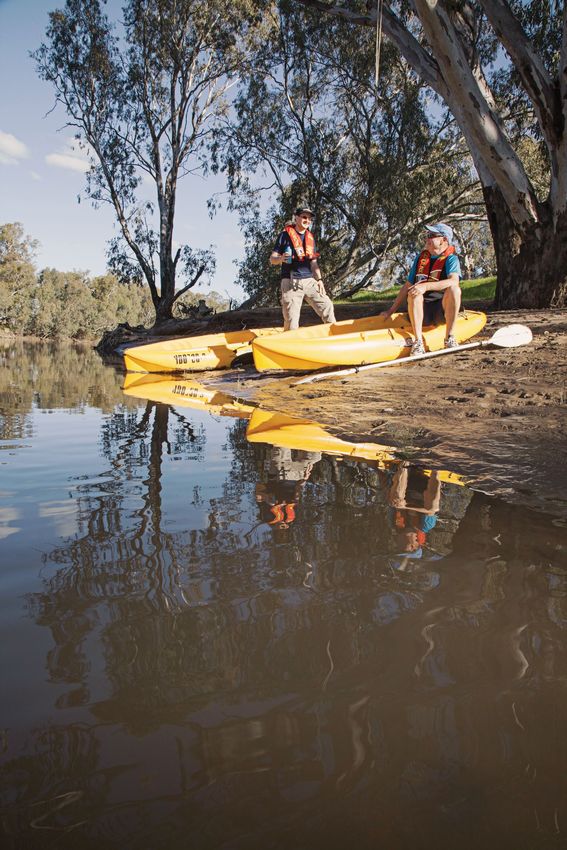
FOREWORD CONTENT
As we present the National Drowning Report for 2019, we remain AT-RISK COMMUNITIES PARTNERSHIPS AND 01 National Drowning Report 2019 snapshot
ever mindful of the fact that the stories in this report are of real AND GROUPS COLLABORATIONS
people whose lives have been lost or impacted for life through 03 Fatal and non-fatal drowning in Australia
drowning, including the many families affected by the loss or In reviewing our findings, we can see The findings and analysis in this report are based
long-term injury of a loved one. that certain communities and on data collected over the past 17 years in the 04 Who drowns?
demographic groups continue to be at a Royal Life Saving National Fatal Drowning
This report highlights our research and analysis of fatal and higher risk of drowning. In this report, Database. In addition, we work with Federal, State
non-fatal drowning across Australia between 1st July 2018 and 30th we take an in-depth look at these and Local Governments, coroners, institutions and 05 Drowning deaths by life stages
June 2019. During this time, 276 people lost their lives to high-risk groups to better understand the other industry bodies to inform the development
drowning and we estimate a further 584 people experienced a risk factors and how they might be of future drowning prevention policies. 11 When do drowning deaths occur?
“
non-fatal drowning incident. addressed in future drowning prevention
programs, campaigns, partnerships and
This year’s findings show that: 12 In focus: Summer drowning deaths
research.
• The total number of drowning deaths over the past year increased by For example, those from multicultural, 13 Where and how do drowning deaths occur?
10% on the previous year;
OUR VISION IS A
•
•
The hottest summer on record led to a 17% increase in summer
drowning deaths when compared with the 10-year average;
Rivers accounted for 29% of all drowning deaths, more than any
other location;
Aboriginal and Torres Strait Islander and
low socioeconomic backgrounds, as well
as those living in remote areas, remain at
greater risk of drowning. We know that
the cost of swimming lessons and water
safety education, access to appropriate
WATER-LOVING NATION
FREE FROM DROWNING.
“ 15
17
Drowning deaths by key locations
In focus: Non-aquatic transport incidents
local aquatic facilities and cultural 18 In focus: Flood-related drowning
differences are often barriers to learning
• There was a 39% increase in multiple fatality events, that is multiple these lifesaving skills in many of these 19 In focus: Multiple fatality events
people drowning in one incident, compared with the 10-year average; communities.
As always, this report serves as an important
• People aged 45 to 55 years accounted for 15% of the total number reminder that drowning can affect everyone. Our 21 Fatal drowning risk factors
We are working hard with the support of
of drowning deaths, the most of any age group. the Australian Government and job at Royal Life Saving is to ensure that all
corporate partners to reach out to these Australians can continue to enjoy our beautiful 23 State and Territory drowning deaths 2018/19
This report also shows that drowning deaths in children aged 0-4 communities by providing comprehensive rivers, beaches, and community and backyard
years decreased by 30% when compared with the 10-year average, swimming and water safety education swimming pools, while staying safe and mindful of
35 Older Australians
and that children aged 5-14 years remain the lowest age group for programs across the country. the risks.
drowning (3% of all drowning deaths).
As we approach 2020, we will therefore be 43 Multicultural populations
In addition, men aged 25 to 34, and
Consistently low numbers of drowning deaths in children in recent older Australians over the age of 65, are working with our partners on the Australian Water
years are encouraging, showing that our Keep Watch messages, at greater risk of drowning. In the case of Safety Council to develop the next Australian 49 Aboriginal and Torres Strait Islander people
which highlight the importance of active supervision, physical men, alcohol and drugs while recreating Water Safety Strategy for the coming years,
barriers to water and water familiarisation, are hitting home and around water remain a concern and the helping this vision come to fruition.
55 Inland waterways
helping to keep children safe. central focus of many of our campaigns.
For older Australians, we’ve been
Our work at Royal Life Saving continues to focus on working to highlight the part played by JUSTIN SCARR 61 Risk taking
understanding the impact of both fatal and non-fatal drowning. pre-existing medical conditions and Chief Executive Officer
Through this work, we aim to educate, inform and advocate best multi-drug interactions in drowning Royal Life Saving Society – Australia 65 Swimming and water safety skills
practice, working with partners and policy makers, to develop incidents in this group.
robust national drowning prevention and water safety strategies.
69 Non-fatal drowning
73 Drowning prevention and Royal Life Saving in action
77 Methods
79 References
NATIONAL DROWNING REPORT 2019 Top 3 locations Top 3 activities
276
people 26%
29%
River/
creek/
stream
13%
Fall
29%
Swimming &
recreating
Beach
drowned 11%
in Australia waterways Boating
1st July 2018 30th June 2019 11%
Swimming pool
Sex Top 3 age groups
81% 19% 13%
Male Female 13% 25-34 years
18-24 years
15% Season Visitor status
45-54 years 45%
Summer 70%
Not a visitor
State and Territory breakdown 5%
21% 13%
Visitor –
interstate
Autumn
Winter
6%
21% Visitor – overseas
Spring 15%
Visitor – intrastate
6
64
NT 45% Remoteness of drowning location
QLD
32
14
WA 98
SA 24%
20%
56 NSW 2
ACT
VIC
6%
5%
4
Major cities Inner regional Outer regional Remote Very remote
TAS
3 4
FATAL AND NON-FATAL WHO DROWNS?
DROWNING IN AUSTRALIA
Overview
1.43
1.39
276
1.31 1.32
81% 45-54 30%
1.15
1.27 1.12 1.10
people drowned 1.24 1.25
1.22 1.01
in aquatic
locations in 315 304 303
301 284 282 270 267 299 276 288 of drowning deaths years age group recorded reduction in 0-4 years age
2018/19
were male the largest number of group compared with the
250
drowning deaths 10-year average
This is a
10%
increase 19
on 2017/18 0-4 years
27
6
9
9
0
1
2
3
4
5
6
7
8
and a 5-9 years
/1
/0
/1
/1
/1
/1
/1
/1
/1
/1
/1
4%
7
08
09
10
11
12
13
14
15
16
17
18
20
20
20
20
20
20
20
20
20
20
20
Crude rate Number of drowning deaths 2
reduction 10-year average crude rate 10-year average drowning deaths
10-14 years
5
on the 10-year
average Unintentional drowning deaths and death rates
8
from 2008/09 to 2018/19 and the 10-year average 15-17 years
5
Based on statistical modelling of the relationship When fatal and non-fatal 37
between numbers of fatal and non-fatal drowning incidents are 18-24 years
incidents for each age group between 2002/03
584 combined, a total of 860
28
860
non-fatal
and 2014/15, we estimate that there were 584 drowning incidents occurred 37
non-fatal drowning incidents resulting in a in Australia, representing a 25-34 years
44
hospitalisation in 2018/19, assuming that the total drowning crude drowning rate of 3.42
historical ratios between the number of fatal 276 incidents drowning incidents per 31
fatal
and non-fatal incidents held constant. 100,000 population. 35-44 years
38
4.79 4.69
4.48 4.63 4.54 4.53
4.37 4.13 41
45-54 years
3.82 4.03 37
3.20 3.42 35
752 791 823 822 55-64 years
671 703 671 645 703 712
36
584
543
33
65-74 years
33
301 315 284 282 304 270 267 303 299 250 276 288
27
75+ years
29
9
9
0
1
2
3
4
5
6
7
8
/1
/0
/1
/1
/1
/1
/1
/1
/1
/1
/1
08
09
10
11
12
13
14
15
16
17
18
Drowning deaths 10-year average drowning deaths
20
20
20
20
20
20
20
20
20
20
20
Crude rate Non-fatal Fatal
10-year average crude rate 10-year average non-fatal 10-year average fatal
Comparison of fatal and non-fatal incidents and crude rate of drowning incidents Drowning deaths by age group in 2018/19 compared with the 10-year average
from 2008/09 to 2018/19 and the 10-year average5 6
DROWNING DEATHS BY LIFE STAGES
CHILDREN AGED 0-4 YEARS CHILDREN AGED 5-14 YEARS
19
children aged 0-4 12%
This is a
30%
and a
reduction
8
children aged 5-14 same
This is the
33%
and a
reduction
years drowned in increase on the 10-year
years drowned in as 2017/18
on the 10-year
Australia in on 2017/18 Australia in
2018/19 average 2018/19 average
68% of all drowning deaths in this age group were males 75% of all drowning deaths in this age group were males
35 35 16
32
28 14 14
29
26 27 12 11 12 12
21 22 10 10 10
20 19
17 8 8
9
9
0
1
2
3
4
5
6
7
8
9
9
0
1
2
3
4
5
6
7
8
/1
/0
/1
/1
/1
/1
/1
/1
/1
/1
/1
/1
/0
/1
/1
/1
/1
/1
/1
/1
/1
/1
08
09
10
11
12
13
14
15
16
17
18
08
09
10
11
12
13
14
15
16
17
18
20
20
20
20
20
20
20
20
20
20
20
20
20
20
20
20
20
20
20
20
20
20
10-year average 10-year average
Drowning deaths of children aged 0-4 years from 2008/09 to 2018/19 and the 10-year average Drowning deaths of children aged 5-14 years from 2008/09 to 2018/19 and the 10-year average
10-YEAR AVERAGE 10-YEAR AVERAGE
12 (Arrow reflects 2018/19 change 4 (Arrow reflects 2018/19 change
Swimming pool against the 10-year average) Swimming pool against the 10-year average)
2 14 3 3 2
River/creek/stream
1
Rocks
5 2 3 0
2 2 1
3 River/creek/stream Lake/dam/lagoon
Bathtub/spa bath Lake/dam/lagoon
Drowning deaths of children aged 0-4 years by location in 2018/19 compared with the 10-year average Drowning deaths of children aged 5-14 years by location in 2018/19 compared with the 10-year average
Accidental falls into water remain 10-YEAR AVERAGE Swimming and recreating was the 10-YEAR AVERAGE
the leading activity prior to 16 (Arrow reflects 2018/19 change leading activity immediately prior to 4 (Arrow reflects 2018/19 change
Fall against the 10-year average) Swimming & against the 10-year average)
drowning among this age group, drowning, accounting for 50% of all
accounting for 84% of all deaths. deaths in this age group. Swimming recreating
Falls decreased by 24% when 3 21 5 and recreating decreased by 20% 5
compared with the 10-year average. Bathing against the 10-year average.
Drowning deaths of children aged 0-4 years by activity in 2018/19 compared with the 10-year average Drowning deaths of children aged 5-14 years by activity in 2018/19 compared with the 10-year average7 8
YOUNG PEOPLE AGED 15-24 YEARS MALES AGED 25-64 YEARS
45
young people aged 61%
This is a
32%
and a
increase
118
males aged 25-64
This is a
9% 6%
reduction
and a
15-24 years drowned increase on the 10-year
years drowned in increase on the 10-year
in Australia in on 2017/18 Australia in on 2017/18
2018/19 average 2018/19 average
149
89% of all drowning deaths in this age group were males 142
130 129 129
45
42 122 117 125
40 40 118
37 115 113
34 108
32 34
28 28 28
26
9
9
0
1
2
3
4
5
6
7
8
/1
/0
/1
/1
/1
/1
/1
/1
/1
/1
/1
08
09
10
11
12
13
14
15
16
17
18
9
9
0
1
2
3
4
5
6
7
8
/1
/0
/1
/1
/1
/1
/1
/1
/1
/1
/1
20
20
20
20
20
20
20
20
20
20
20
08
09
10
11
12
13
14
15
16
17
18
20
20
20
20
20
20
20
20
20
20
20
10-year average
10-year average
Drowning deaths of males aged 25-64 years from 2008/09 to 2018/19 and the 10-year average
Drowning deaths of young people aged 15-24 years from 2008/09 to 2018/19 and the 10-year average
10-YEAR AVERAGE
10-YEAR AVERAGE 40
16 River/creek/stream
(Arrow reflects 2018/19 change
against the 10-year average)
River/creek/stream (Arrow reflects 2018/19 change
against the 10-year average)
35
12 Beach 35
Beach 11
25
7
13
6 Rocks 12
Lake/dam/lagoon 3
Drowning deaths of males aged 25-64 years by location in 2018/19 compared with the 10-year average
Drowning deaths of young people aged 15-24 years by location in 2018/19 compared with the 10-year average
Swimming and recreating was the 14 37 10-YEAR AVERAGE
Swimming and recreating was the 10-YEAR AVERAGE leading activity immediately prior to (Arrow reflects 2018/19 change
(Arrow reflects 2018/19 change Boating Swimming &
leading activity immediately prior to 18 against the 10-year average) drowning. When compared with recreating
against the 10-year average)
drowning, accounting for 40% of all 5 Swimming & the 10-year average, drowning 10
Diving
deaths in this age group. Drowning Non-aquatic recreating
13 deaths as a result of swimming and 28 11
deaths due to swimming and recreating transport recreating and non-aquatic
10
Non-aquatic
increased by 38% in 2018/19,
4 2 incidents increased, whereas transport 21 8
compared with the 10-year average. boating and diving decreased.
Fall
3
Drowning deaths of young people aged 15-24 years by activity in 2018/19 compared with the 10-year average Drowning deaths of males aged 25-64 years by activity in 2018/19 compared with the 10-year average9
PEOPLE AGED 65 YEARS AND OVER
60
people aged 65 years 18%
This is an
2%
and a
reduction
and over drowned increase on the 10-year
in Australia on 2017/18
in 2018/19 average
78% of all drowning deaths in this age group were males
72
69
67 65
64
62
56 60 61
54
52 51
9
9
0
1
2
3
4
5
6
7
8
/1
/0
/1
/1
/1
/1
/1
/1
/1
/1
/1
08
09
10
11
12
13
14
15
16
17
18
20
20
20
20
20
20
20
20
20
20
20
10-year average
Drowning deaths of people aged 65 years and over from 2008/09 to 2018/19 and the 10-year average
10-YEAR AVERAGE
20 (Arrow reflects 2018/19 change
Beach against the 10-year average)
13
River/creek/stream 9
17
9
Ocean/harbour 10
Drowning deaths of people aged 65 years and over by location in 2018/19 compared with the 10-year average
Swimming and recreating was 11 16 10-YEAR AVERAGE
Swimming & (Arrow reflects 2018/19 change
the leading activity immediately Boating recreating against the 10-year average)
prior to drowning, accounting for
27% of all deaths in this age 12
group. Drowning deaths due to 9
swimming and recreating Non-aquatic 10
increased by 33% against the transport
10-year average. 6
Drowning deaths of people aged 65 years and over by activity in 2018/19 compared with the 10-year average11 12
Time of the day
Almost half (44%) of all drowning deaths in
IN FOCUS
2018/19 took place in the afternoon.
8 21 SUMMER DROWNING DEATHS
Season Early morning
Unknown
(12:01am to 6am)
Drowning deaths occur in all 54
seasons, with the largest Evening Of the total drowning deaths in 2018/19, 45% occurred in
(6:01pm
123
proportion occurring in the summer. Over half (54%) of all beach drowning deaths in
to 12am) This is a
71 2018/19 occurred in summer, 2.6 times more than the next
17%
summer months (45%).
Morning closest season (spring 21%).
123 (6.01am
Summer to 12pm) drowning increase
deaths occurred on the 10-year 30% of all people who drowned during summer in 2018/19,
in summer average were a visitor to their drowning location. Half (50%) of all
drowning deaths of overseas tourists occurred in summer.
85% 15% Royal Life Saving research has reported an increased risk for
Male Female drowning during public holidays and school holidays. During
58 37 122 the summer there are three national public holiday days
Autumn Winter Afternoon
(12:01pm to 6pm) (Christmas Day, Boxing Day and Australia Day), as well as
individual State/Territory public holiday and school holiday
58 periods.
Spring
WHEN DO
122 119 123
115
108 105 95 111 103 105
DROWNING DEATHS 90 85
Month
By month, fatal drowning
OCCUR?
9
0
1
2
3
4
5
6
7
8
9
peaked in January with 48
/0
/1
/1
/1
/1
/1
/1
/1
/1
/1
/1
08
09
10
11
12
13
14
15
16
17
18
deaths, followed by December
20
20
20
20
20
20
20
20
20
20
20
with 46 drowning deaths. 10-year average
Drowning deaths in summer from 2008/09 to 2018/19 and the 10-year average
Location Activity
46 48
43 54
River/creek/stream Swimming & recreating
29
24 11
20 22 21 38 Boating
15 Beach
15 12 14
10 11
14 Fall
Swimming pool
23
21
l
g
p
ct
v
c
n
b
ar
r
ay
n
Ju
Ap
20
No
De
Au
Se
Ja
Fe
Ju
O
M
M
Day of the week 13 13
Mon Tue Wed Thu Fri Sat Sun 10 10
Sunday continues to be the 6
most common day of the week 3 3
43 32 28 37 38 45 53 for fatal drowning, accounting 1
for 19% of all deaths.
0-4 5-9 10-14 15-17 18-24 25-34 35-44 45-54 55-64 65-74 75+
Drowning deaths in summer by age group in 2018/1913 14
Location Activity
80
Visitor status
80
River/creek/ 36 Swimming &
stream Fall recreating
71 Most of those who drowned in 192
Beach 2018/19 (70%) were not visitors, Not a
that is, they drowned within visitor
29 100km of where they lived. 13
10 Boating Unknown
Other
In 71 cases (26%) the person 13
18 3 who drowned was known to be 16 Visitor –
31 Bathtub/
27 Fishing a visitor to the location where 42 Visitor – interstate
Swimming spa bath they drowned. Visitors were Visitor –
pool Non-aquatic 5 intrastate
overseas
transport 19 Jumped in commonly male (92%) and most
23 21 commonly aged 18-24 years
Lake/dam/lagoon Bathing 6
Ocean/harbour Swept away/in (18%).
16
22 Diving 11 6 13%
Rocks Watercraft 9 Rescue Of those who were known to be 19%
Rock fishing visitors, 42 people drowned
within their own State or 56%
Rivers, creeks and streams continue to be Territory in a postcode that was North Europe
the location with the largest number of Swimming and recreating was the 100km or further from their America
drowning deaths, accounting for 29% leading activity being undertaken residential postcode. Asia
of all drowning deaths in 2018/19. immediately prior to drowning (29%),
followed by a fall into water (13%). A further 13 people were visiting
Beaches recorded a 42% increase a different State or Territory
in drowning deaths against the when they drowned.
10-year average, while
ocean/harbour locations and This year, 16 people who
swimming pools recorded a drowned were overseas tourists,
50% and 23% decrease, predominately from Asia, Europe
respectively, against the and North America. Drowning deaths among overseas tourists by region of origin in 2018/19
10-year average.
WHERE AND HOW
DO DROWNING Location
DEATHS OCCUR? Not a visitor Visitor – overseas Visitor – interstate Visitor – intrastate
52 9 6 18
Remoteness River/creek/stream Beach Beach River/creek/stream
123
The largest proportion of
drowning incidents occurred
in areas classified as major
cities (45%), with a
decreasing number of
incidents occurring as
remoteness increased.
67
54 Activity
Not a visitor Visitor – overseas Visitor – interstate Visitor – intrastate
5 12
11 Swimming &
30 Swimming & recreating Swimming &
recreating
17 Fall 47 recreating
15 Swimming & 7
recreating 3 Non-aquatic
Diving transport
4
Major cities Inner regional Outer regional Remote Very remote Diving15 16
DROWNING DEATHS BY KEY LOCATIONS
River/creek/stream Beach Swimming pool Ocean/harbour
80
drowning deaths 5% 71 42% 31 23% 23
drowning deaths 45%
drowning deaths drowning deaths
occurred in increase occurred at
increase occurred in
reduction occurred in reduction
river/creek/stream on the 10-year on the 10-year swimming pools in on the 10-year ocean/harbour on the 10-year
beaches in
locations in average average 2018/19 average locations in average
2018/19
2018/19 2018/19
67
113 69 68 71 57
49 56
54 60 46 47
51 43 44 43 48 49
76 84 46 36 40 43 37 42
78 73 75 72 80 43 42 36
67 67 36 32 32 31 32
59 23
21
/09 /10 /11 / 12 / 13 / 14 /15 /16 /17 /18 /19 / 09 /10 / 11 /12 /13 /14 /15 /16 /17 /18 /19 /09 /10 /11 /12 /13 /14 /15 /16 /17 /18 /19 / 09 /10 /11 /1
2
/1
3
/1
4
/1
5
/1
6
/1
7
/1
8
/1
9
08 09 10 11 12 13 14 15 16 17 18 08 09 10 11 12 13 14 15 16 17 18 08 09 10 11 12 13 14 15 16 17 18 08 09 10 11 12 13 14 15 16 17 18
Drowning deaths in river/creek/stream Drowning deaths at beaches Drowning deaths in swimming pools Drowning deaths in ocean/habour
locations from 2008/09 to 2018/19 from 2008/09 to 2018/19 from 2008/09 to 2018/19 locations from 2008/09 to 2018/19
Sex/Age Sex/Age
15 12 12 4
85% 15% 87% 13% 74% 26% 0-4 96% 4% 25-34 years
Male Female 45-54 years Male Female 45-54 years Male Female Male Female
4 years
15 14 75+ years 7
25-34 65-74 4 65-74
13 years
12 years 45-54 years
18-24 55-64 3 years
years years 45-54 years
3
55-64 years
Activity Activity
19 20 15
Swimming & Non-aquatic 45 15
Swimming & Fall Boating
recreating transport
8 recreating
Diving 1
9 2 Watercraft
15 8 8 Swimming & 1
Unknown Fall 2 recreating 2 Bathing 5
Rescue
9 Watercraft 2 Fall 4 Rescue
Boating Boating Unknown Diving
Remoteness Remoteness
37 Major cities 20 Major cities
19 Inner
29 Major cities
22 Outer
regional
regional 11 Major cities
Outer
6 regional 5 Inner
regional
Visitor status Visitor status
45 13
Not a visitor
52 Not a visitor 27
Not a visitor Not a visitor
3 5
18 9 Visitor – overseas
Visitor – intrastate
Visitor – intrastate Visitor – overseas17 18
IN FOCUS IN FOCUS
NON-AQUATIC TRANSPORT INCIDENTS FLOOD-RELATED DROWNING
Sex
27
drowning deaths
35%
This is a
increase
In 2018/19, non-aquatic transport
accounted for 10% of all deaths. It
was the fourth leading activity
7
drowning deaths
53%
This is a
reduction
86%
Male
14%
Female
occurred due to in flood-related
on the 10-year immediately prior to drowning. on the 10-year
non-aquatic incidents
average average
transport
Sex Age Age Location
7 3
67% 33% 7 18-24 years In 2018/19, all
75+ years 45-54 years drowning deaths
Male Female
in known
1 flood-related
0-4 years
incidents occurred Queensland
5 1 in Queensland, in
35-44 years a river, creek or
18-24 years 1 River/creek/stream
5-9 years 1 stream.
25-34 years
Location Visitor status Activity Visitor status
20
River/creek/ 19 3 5
stream Not a visitor Not a visitor
Swept away/in
1
2 Visitor –
Other interstate 2 1
Fall Swimming &
5 7 1 recreating 2
Lake/dam/lagoon Visitor – intrastate Visitor – intrastate
Boating
49
39
27
23
22
17 18 18 20 20 20 19 17 19
10 13 11 15
12 9 7 7
7 0
9
9
9
0
1
2
3
4
5
6
7
8
9
0
1
2
3
4
5
6
7
8
/1
/1
/0
/1
/1
/1
/1
/1
/1
/1
/1
/1
/0
/1
/1
/1
/1
/1
/1
/1
/1
/1
08
09
10
11
12
13
14
15
16
17
08
09
10
11
12
13
14
15
16
17
18
18
20
20
20
20
20
20
20
20
20
20
20
20
20
20
20
20
20
20
20
20
20
20
10-year average 10-year average
Drowning deaths related to non-aquatic transport from 2008/09 to 2018/19 and the 10-year average Drowning deaths related to flooding from 2008/09 to 2018/19 and the 10-year average19
IN FOCUS
MULTIPLE FATALITY EVENTS
Sex
39
drowning deaths
39%
This is a
increase
92%
Male
8%
Female
across 17
on the 10-year
multiple fatality
average
events
Age Location
6 10 16
25-34 years 18-24 years River/
creek/
16
stream
7 QLD
5 Beach
45-54 years
Activity Visitor status
14 20
Swimming & Not a visitor
8 recreating
Non-aquatic
transport
6 10
Visitor – intrastate 6
Boating Visitor – overseas
39 39
36
30 29
26 28
21
19
14 15
7
9
9
0
1
2
3
4
5
6
7
8
/1
/0
/1
/1
/1
/1
/1
/1
/1
/1
/1
08
09
10
11
12
13
14
15
16
17
18
20
20
20
20
20
20
20
20
20
20
20
10-year average
Drowning deaths related to multiple fatality events from 2008/09 to 2018/19 and the 10-year average21 22
FATAL DROWNING RISK FACTORS ALCOHOL DRUGS
PRE-EXISTING MEDICAL CONDITIONS
74% 26%
19
drowning deaths
were known to
29
drowning deaths
were known to
43
Male Female involve alcohol in involve drugs in
2018/19 2018/19
Drug type
Alcohol was deemed to be
drowning deaths were a contributory factor in
known to involve a
pre-existing medical
condition in 2018/19
89% of these cases 83%
Legal
10
(ie, medication)
The highest BAC
In 2018/19, the most common pre-existing medical drowning deaths with known pre-existing medical recorded among
conditions among those who drowned were cardiac conditions) and those who were swimming and of these had those who drowned
conditions (such as ischaemic heart disease and coronary recreating prior to drowning (30%). information available in 2018/19 was
17%
artery atherosclerosis), followed by epilepsy, autism, on their blood alcohol
diabetes and Alzheimer’s disease.
Pre-existing medical conditions commonly occurred
In 84% of the drowning deaths with known pre-existing
medical conditions, the medical condition was deemed to
concentration
(BAC)
0.30%
have contributed to the chain of events that led to the Illegal
among those who drowned at the beach (28% of all drowning incident. commonly MDMA (ecstasy),
methylamphetamine and cannabis
90% of these recorded a BAC ≥0.05%
Age Location Activity
At the time of publication, At the time of publication,
7 13 alcohol influence was still presence of drugs was
10-14 1 12 Swimming
Bathtub/ Beach 8 & recreating unknown in unknown in
80% 82%
18-24 3 spa bath Bathing
25-34 3
7 of all cases of all cases
35-44 2 River/
45-54 7 creek/ 6
stream Fall Alcohol present? Drugs present?
55-64 3 36 21
4 No No
65-74 12 Lake/dam/lagoon
7 4 3
75+ 12 Swimming pool Boating Watercraft 19 29
221 Yes 226 Yes
Unknown Unknown
Alcohol relevant (BAC≥0.05%)? Drugs legal?
Cardiac Epilepsy Alzheimers Diabetes Autism 17 24
Yes 2 Yes
27 4 2 2 2 No 5
No23 24
STATE AND TERRITORY
DROWNING DEATHS 2018/19
64
32
12%
11%
6
98
33%
Northern Territory
Queensland
1%
Western Australia
1413%
South Australia
New South Wales
56
33% Victoria
2 Australian
Capital Territory
New South Wales recorded the highest number of drowning
deaths with 98, followed by Queensland with 64 drowning
deaths. Victoria recorded a 33% increase against the 10-year
average of 42 drowning deaths, while all other States recorded a
decrease against the 10-year average.
4
67%
Northern Territory recorded the highest fatal drowning rate at
2.43 per 100,000 population. Australian Capital Territory recorded
the lowest fatal drowning rate at 0.48 per 100,000 population.
Tasmania Arrows reflect 2018/19 change
against the 10-year average25 26
AUSTRALIAN CAPITAL TERRITORY NEW SOUTH WALES
2 98
This is a This is a and a
33% same 20% 1%
and the
drowning deaths
occurred in ACT reduction on the 10-year
drowning deaths
occurred in NSW increase reduction
on the 10-year
in 2018/19 on 2017/18 average in 2018/19 on 2017/18
average
100% 100% 100%
Male Swimming & recreating Summer 79% of those who drowned in New South Wales were male
1.13 1.06 0.99
0.73 Age Location
0.55 0.27 0.52 0.26 0.51 0.48 0.61
4 4 4 14
0
18-24 years 28
3 River/creek/stream
2 2 2 2 2 14 17 26
35-44 years 45-54 years Beach
1 1 QLD
0
1
14 15-17 years 15
5
9
9
0
1
2
3
4
5
6
7
8
55-64 years 9
/1
/0
/1
/1
/1
/1
/1
/1
/1
/1
/1
10 Rocks
08
09
10
11
12
13
14
15
16
17
18
0-4 years Lake/dam/lagoon
20
20
20
20
20
20
20
20
20
20
20
12 11 65-74 years 9
Crude rate Number of drowning deaths 10-year average crude rate 10-year average drowning deaths 75+ years Bathtub/spa bath
25-34 years
Drowning deaths and death rates in Australian Capital Territory from 2008/09 to 2018/19 and the 10-year average
Activity Season
11 30 46
Fall Swimming &
ACT SWIM 4 LIFE PROGRAM 2018-19 recreating Summer
PROGRAM 10
The Swim 4 Life holiday program provides access Aimed at children
Swim 4 Life is the ACT’s only Non-aquatic
opportunities for ACT children to participate in a variety transport 20
4-14
structured river/lake-based
of aquatic programs regardless of their background or Spring
water safety program.
financial situation. Participants come from a variety of 9 14
backgrounds including Indigenous Australians, Bathing 8 Winter
non-English speaking families, and new arrivals to
10-day program with 50% of sessions
Boating
8 18
Australia. Many children come from low income families 10 delivered onsite at popular local
open-water swimming locations.
Rock fishing Autumn
who do not have the resources to pay for participation in
formal swimming and water safety programs. Children 1.57 1.50 1.44 1.44
and their families learn essential water safety and survival 1.41
1.24 1.31 1.26 1.25 1.23 1.34
skills, such as identifying natural dangers and hazards in OUTCOME
inland aquatic environments, and resuscitation. Since 2010 children have participated in the 1.04
“ OVER
My son has learnt survival skills and techniques
that will enable him to respond in a number of
“ 1000
Swim 4 Life program who
otherwise may have missed out
on basic water safety education.
109 106 103 102 105
92 98 96 97 98 99
different scenarios around water. 82
490 children participated
in 2018/19
“ It is incredibly rewarding to witness the development
“
of water safety knowledge and survival skills in all of
9
9
0
1
2
3
4
5
6
7
8
/1
/0
/1
/1
/1
/1
/1
/1
/1
/1
/1
the children. They grow with confidence, self-
08
09
10
11
12
13
14
15
16
17
18
20
20
20
20
20
20
20
20
20
20
20
awareness, and social skills as well. This is truly
a remarkable and unique program. Crude rate Number of drowning deaths 10-year average crude rate 10-year average drowning deaths
— Jackie Rousseau, program coordinator Drowning deaths and death rates in New South Wales from 2008/09 to 2018/19 and the 10-year average27 28
NORTHERN TERRITORY QUEENSLAND
6 64
This is a and a This is a and a
drowning deaths
14%
reduction
33%
reduction drowning deaths
2%
increase
12%
reduction
occurred in NT occurred in QLD
on the 10-year on the 10-year
in 2018/19 on 2017/18 in 2018/19 on 2017/18
average average
67% of those who drowned in Northern Territory were male 86% of those who drowned in Queensland were male
Age Location Age Location
9 10
25-34 years 25
2 2 0-4 years River/creek/
1 55-64 years River/creek/stream 10 stream
1 18-24 years
18-24 years Beach
QLD
7 1 18
45-54 years 10-14 years
2 Beach
3
1 1 7 375+ years
1 1 55-64 years Ocean/harbour
25-34 years 45-54 years Lake/dam/lagoon
Other 7 4 15-17 years 11 3
1 1 65-74 years 4 35-44 years Lake/dam/lagoon
35-44 years Swimming pool 5-9 years Swimming pool
Activity Season Activity Season
24 27
3 Swimming & Summer
Non-aquatic 3 recreating
transport Dry 10
Fall
15 8
1 1 3 7 Autumn Winter
Swimming & Unknown Wet Non-aquatic
recreating transport
1 5 4 14
Fall Boating Diving Spring
6.64 1.96
5.38 5.72 1.87 1.86 1.61 1.59
3.48 4.32 3.81 3.26 2.83 3.85 1.55 1.51 1.58
1.36 1.65 2.43 1.38
1.29 1.28 1.28
15 85
14 79 82
13 76
72 71 65 73 73
10 60 63 64
8 9 8 9
7
6
4
3
9
9
9
0
1
2
3
4
5
6
7
8
9
0
1
2
3
4
5
6
7
8
/1
/1
/0
/1
/1
/1
/1
/1
/1
/1
/1
/1
/0
/1
/1
/1
/1
/1
/1
/1
/1
/1
08
09
10
11
12
13
14
15
16
17
08
09
10
11
12
13
14
15
16
17
18
18
20
20
20
20
20
20
20
20
20
20
20
20
20
20
20
20
20
20
20
20
20
20
Crude rate Number of drowning deaths 10-year average crude rate 10-year average drowning deaths Crude rate Number of drowning deaths 10-year average crude rate 10-year average drowning deaths
Drowning deaths and death rates in Northern Territory from 2008/09 to 2018/19 and the 10-year average Drowning deaths and death rates in Queensland from 2008/09 to 2018/19 and the 10-year average29 30
SOUTH AUSTRALIA TASMANIA
14 4
This is a and a This is a and a
drowning deaths
7%
reduction
13%
reduction drowning deaths
60%
reduction
67%
reduction
occurred in SA occurred in TAS
on the 10-year on the 10-year
in 2018/19 on 2017/18 in 2018/19 on 2017/18
average average
86% of those who drowned in South Australia were male 75% of those who drowned in Tasmania were male
Age Location Age Location
2
18-24 years 3 9 2
55-64 years
Beach
1 1 Beach
2 55-64 years 35-44 years
35-44 years 1
River/creek/
QLD
1 stream
75+ years
2 1 1
45-54 years 1 65-74 years 3 Ocean/harbour 1 1 1 1
1 1 25-34 years Rocks 65-74 years 75+ years River/creek/stream Other
5-9 years 15-17 years
Activity Season Activity Season
7 7
Swimming & Summer 1 1 1
recreating Non-aquatic 1 Summer
Fishing Autumn
transport
1 1 1
2 Winter 1
Swept away/in Watercraft 3 Swimming & 1 1
1 recreating Watercraft Winter
1 Rescue Autumn 3 Spring
Boating
1 Spring
Diving
1.57 3.01 2.93
2.58 2.51
2.36 2.34
1.76 1.75 1.75 1.91 2.29
0.91 0.91 1.01
0.86 0.84 0.88 0.87 0.81 0.84
0.75 0.76 15 15
25 0.76
13 13
12 12 12
17 10
14 15 15 14 15 15 14 16 9 9 9
12 13
4
9
9
9
0
1
2
3
4
5
6
7
8
9
0
1
2
3
4
5
6
7
8
/1
/1
/0
/1
/1
/1
/1
/1
/1
/1
/1
/1
/0
/1
/1
/1
/1
/1
/1
/1
/1
/1
08
09
10
11
12
13
14
15
16
17
08
09
10
11
12
13
14
15
16
17
18
18
20
20
20
20
20
20
20
20
20
20
20
20
20
20
20
20
20
20
20
20
20
20
Crude rate Number of drowning deaths 10-year average crude rate 10-year average drowning deaths Crude rate Number of drowning deaths 10-year average crude rate 10-year average drowning deaths
Drowning deaths and death rates in South Australia from 2008/09 to 2018/19 and the 10-year average Drowning deaths and death rates in Tasmania from 2008/09 to 2018/19 and the 10-year average31 32
VICTORIA WESTERN AUSTRALIA
56 32
This is a and a This is a and a
drowning deaths
40%
increase
33%
increase drowning deaths
7%
increase
11%
reduction
occurred in VIC occurred in WA
on the 10-year on the 10-year
in 2018/19 on 2017/18 in 2018/19 on 2017/18
average average
80% of those who drowned in Victoria were male 81% of those who drowned in Western Australia were male
Age Location Age Location
9 16 9
45-54 years 12 14 25-64 years 7 Ocean/harbour
10 Beach River/creek/stream River/creek/
8 65-74 years
stream
25-34 years
1 QLD
7 15-17 years 7
18-24 years 1 Swimming pool 3 4
7 3 5-9 years 4 8 5 0-14 years Swimming pool
55-64 years 6 4 0-4 years 7 Bathtub/spa bath 3 3
75+ years 35-44 years Ocean/harbour 6 65+ years 15-24 years
Bathtub/spa bath Beach
Lake/dam/lagoon
Activity Season Activity Season
9
Unknown 26 9 11
7 11 Summer 8 Boating Summer
Swimming & Fall Swimming &
recreating
recreating 9
Spring
6 7
Boating 12
Winter 3 6
5 4 Bathing Winter
Rescue Autumn 11 3 6
Non-aquatic transport 4 4 Spring Fall Autumn
Bathing Diving
2.06
0.88 0.87
1.79
0.81 1.57 1.57 1.68
0.74 0.75 1.22 1.19 1.21 1.39 1.17 1.23 1.48
0.68 0.64 0.70 0.73 0.64 0.72
0.63
50
53 56
47 40 40 43
46
40 39 41 38 40 42 34 35 32 36
36 35 28 28 30 30
9
9
9
0
1
2
3
4
5
6
7
8
9
0
1
2
3
4
5
6
7
8
/1
/1
/0
/1
/1
/1
/1
/1
/1
/1
/1
/1
/0
/1
/1
/1
/1
/1
/1
/1
/1
/1
08
09
10
11
12
13
14
15
16
17
08
09
10
11
12
13
14
15
16
17
18
18
20
20
20
20
20
20
20
20
20
20
20
20
20
20
20
20
20
20
20
20
20
20
Crude rate Number of drowning deaths 10-year average crude rate 10-year average drowning deaths Crude rate Number of drowning deaths 10-year average crude rate 10-year average drowning deaths
Drowning deaths and death rates in Victoria from 2008/09 to 2018/19 and the 10-year average Drowning deaths and death rates in Western Australia from 2008/09 to 2018/19 and the 10-year averageKEY ISSUES Royal Life Saving Society – Australia research aims to understand who, where, how and why fatal and non-fatal drowning occurs so that we can develop appropriate drowning prevention and water safety strategies to keep people safe. This section focuses on research and drowning data from the past 10 years, which identifies high-risk populations and contributing factors to drowning. This work will inform future drowning prevention policies and ensure appropriate messaging targeted at those most at risk.
36

OLDER                                    2018/19                                       2017/18                               10-YEAR AVERAGE

AUSTRALIANS                             60DEATHS
                                                                                        51
                                                                                         DEATHS
                                                                                                                                61
                                                                                                                                DEATHS
                                                                                                                                                     2%

                                        1.5 Deaths                                     1.3 Deaths                            1.9 Deaths
                                       per 100,000                                    per 100,000                           per 100,000              21%

Drowning data for people
aged 65 years and over

                                                                 NON-FATAL DROWNING INCIDENTS

                                            57                                              47                                          55

                                                                                            SEX
                                                            22%                                           25%                                             23%
                                                            Female                                        Female                                          Female

                           78%                                           75%                                           77%
                            Male                                          Male                                           Male

                                                                            2018/19               2017/18

                           Pre-exisiting medical condition                                                                          Medication

                            40% 63%        *
                                                                                                                        12%*                     29%
                                                                                         Alcohol

                                                                             5%         *
                                                                                                  14%

                           *Risk factor data presented for 2018/19 is pending closure of coronial cases and therefore will be underreported above.
37
10-Year Data Breakdown
OLDER AUSTRALIANS 612 People
3.8 MILLION aged 65+ years
As with any group, older Australians come from different
socioeconomic backgrounds, with varying life experiences and 15% drowned in Australia
lifestyles. These factors all influence the individual ageing process, of Australia’s
total population
and also reflect the risk of drowning for each individual. 1st July 2008 30th June 2018
2017
Many older Australians have not received or were not exposed to Age Top locations Top activities
the level of water safety education that most Australians receive 17% 19%
22% 54%
today. This highlights the importance of introducing water skills
and education for older Australians, as well as promoting the 8.8
MILLION
of Australia’s 65-74 years
Ocean/
harbour
28%
River/
Swimming
& recreating 21%
health benefits of recreating safely in aquatic environments. total population creek/ Fall
stream
12% 16% 16%
For the 10-year period, 1st July 2008 to 30th June 2018, the crude 85+ years Swimming Boating
drowning death rate for older Australians (1.9 drowning deaths 34% pools
per 100,000 older population) was greater than the national 2057 75-84 years
Australian crude drowning rate (1.3 drowning drowning deaths
per 100,000 population). Risk factors Index of relative socioeconomic
advantage and disadvantage (IRSAD)
22% 12.8
MILLION
25%
of Australia’s
76%
Pre-existing
1/3
reside in areas of low
total population 27% IRSAD (indicating
16% medical
conditions
70%
Alcohol high socioeconomic
disadvantage)
Medication
Visitor status Overseas-born Aboriginal and
2002-2003 2018-2019 2097 Torres Strait Islander
80%
Not a visitor 28% 6%
People aged 65 years and over accounted for 22% of all drowning Projected growth in the number of older
National average National average
deaths over the past year, rising from 16% in 2002/03 Australians from 2017 to 20971
6% 31% 1%
Older Australians Older Australians
10% Visitor – overseas
Visitor – interstate
When compared with the national average, older Australians have a higher crude
Children Men aged 286 drowning death rate in all locations except for outer regional areas. Older Australians are
25-64 years 13 times more likely to drown if they reside in a very remote location when
0-14 years compared with older people living in major cities. The locations with the largest
41% 25%
or most significant differences are remote and very remote locations.
65+ age group population crude
164 drowning deaths rate by remoteness
Total population crude drowning
Reduction in fatal deaths rate by remoteness
drowning rates National crude drowning rate
26% 18% 79
Young people People aged
15-24 years 65 years and over
16 18
Major cities Inner regional Outer regional Remote Very remote
Older Australians experienced the lowest reduction in fatal drowning rates from 1 July 2008 to 30 June 2018
st th
Total number of drowning deaths in the older population by remoteness from 1 July 2008 to 30 June 2018
st th39 40
Health Benefits Physical activity in the later years of life is essential to promote a healthy ageing process and Effects of Medication on
independent functioning. Swimming has been shown to help prevent or manage many
of Swimming Drowning in Older People
chronic diseases, as well as improving overall physiological and psychological health.
36% of drowning deaths
among older people involved
As people age, changes occur in the way their some form of medication or drug
bodies process medications, and the benefit/risk
profile of a medication can change.
Chronic medical conditions are more common in
IMPROVES ALLEVIATES ageing populations10 which means older people are
coordination, balance stress, and improves general more likely to be prescribed several medications.10-11
Multiple drug interactions can be complex and can
and posture mental health and wellbeing increase the incidence of side effects in older
individuals,11-12 which can increase the risk of
drowning in this group.
INCREASES
respiratory capacity Drowning data from 2008/09 to 2017/18 suggests
and function that, for unintentional fatal drownings in older
people, an estimated 36% were taking some form
65% of these
drowning deaths involved
of medication or drug. Of these, 65% of drownings multiple medication
involved multiple drugs. Of these individuals, 72%
BUILDS involved medication that is a known or conditional
endurance, muscle risk of propagating drug-induced long QT syndrome
and Torsades de Pointes.13-14
strength and tone
IMPROVES
cardiovascular
fitness and health
IMPROVES 72% of these involved people taking
medication that had a known or conditional risk
immunity and of propagating drug-induced long QT syndrome
decreases and Torsades de Pointes.
inflammation
HELPS Recent international studies have linked
unexplained drowning deaths and conditions
to maintain a involving cardiac arrhythmias15-17 to unintentional
healthy swimming drowning deaths. Torsades de Pointes
R
bodyweight is an abnormal cardiac rhythm associated with a
prolongation of the QT interval. Although in
most cases it spontaneously returns to a normal T
KEEPS rhythm, Torsades de Pointes and long QT
P
joints flexible syndrome can lead to sudden cardiac death, QS
along with symptoms of fatigue, syncope and
loss of consciousness.13-14,18-20 Long QT syndrome QT interval
is known to have a congenital cause but
medications are also a known risk factor.12-14 It is
evident that older patients are more susceptible
to experiencing drug side effects, especially with
prolonged use of medications.10-11 Older patients
taking psychiatric drugs are at higher risk.14,18
See references.2-942
RECOMMENDATIONS
Target drowning prevention interventions and advocacy messaging to
older people to highlight the risks of recreating in and around water
alone.
Focus drowning prevention interventions and advocacy on the issue
of pre-existing medical conditions, and the potential side effects of
prescription medication that could increase the risk of drowning.
Use current data to target drowning prevention interventions to
people aged 65 years and older in the local areas where they reside,
particularly in remote and very remote locations.
Encourage safe aquatic activity at public aquatic facilities to improve
overall physical and mental health and wellbeing among older people.
Review the role of medication in increasing the risk of
drowning in older people.
Investigate the potential link between drowning and medication
known to propagate long QT syndrome and Torsades de Pointes
ventricular tachycardia.
3444
2017/18* 2016/17 10-YEAR AVERAGE
49
DEATHS
76 DEATHS
79DEATHS
38%
SEX
32% 22% 20%
Female Female Female
68% 78% 80%
Male Male Male
Residents Overseas Visitors
(on holiday or visiting friends/relatives in Australia)
2017/18 10-YEAR AVERAGE
44 5 69 36%
11 55%
MULTICULTURAL 2016/17
POPULATIONS 63 13
Drowning data for people born overseas,
visiting or living in Australia
*Year data most currently available for.45
10-Year Data Breakdown
MULTICULTURAL POPULATIONS 794 People
drowned in Australian waterways
Swimming skills and water safety knowledge among using clear messaging that is both culturally sensitive and who were born overseas
overseas visitors is known to be less robust than those educational. This requires specific information aimed at
who have grown up in Australia.21-22 An increase in new overseas transient populations (such as holiday makers,
residents from a range of countries and cultures in recent seasonal workers or those visiting on short-term business), 1st July 2008 30th June 2018
years has important implications for drowning prevention new permanent residents and international students.21
strategies to ensure everyone recreating in and around
Australia’s waterways remains safe. One element of this targeted approach is to encourage 27% of total drowning deaths during the 10-year period
greater cultural diversity among those working in the
There is, therefore, a need for tailored water safety aquatic industry in Australia, which can help to engage
strategies to target multicultural communities appropriately multicultural populations.
77% 23%
Male Female
83%
UNITED KINGDOM
24% 658
were permanent
90 (14%) residents in
were aged Australia at the
EMERGING
SOUTH KOREA
30 (10%) COMMUNITIES AT RISK
25-34 years people time of death
rather than
10-year total (crude rate*) visitors
CHINA
64 (10%) Taiwan 22 (6.1)
Sudan 10 (4.5)
INDIA South Korea 30 (3.6)
29 (5%) Nepal 10 (3.6)
Ireland 18 (2.4) Overseas-born residents Overseas visitors International students
NEW ZEALAND *per 100,000 population
46 (7%) living in Australia
Countries with the highest number of
drowning deaths from 2008/09 to 2017/18
Average drowning
66 11 3
deaths per year
OVERSEAS VISITORS
CURRENT TRENDS
IN MIGRATION
INTERNATIONAL 43 years 57 years 23 years
STUDENTS Average age
in 2017/18 were most
commonly from: Numbers have increased by
2017/1823 10% from 2016/17. They are
• China
most commonly from:
• United Kingdom
• United States of • China United New Japan & South
China China USA China India
America • India Top 3 countries Kingdom Zealand Germany Korea
• Nepal
23% 41% 22% 26%
The highest growth in In 2017/18, the top three 22% River/
Beach River/ Beach Beach
nationalities that transitioned creek/ creek/
visitor numbers over the stream
past decade was from: RESIDENTS from a student visa to a stream
16% 22%
New permanent residents permanent visa were: Ocean/
• China (309%) Top locations Rocks 22%
were most commonly from: harbour Rocks
• India (189%) • China 22%
• Hong Kong (153%) • India • India 10% 42%
• China • Vietnam 8% 12% 27% Swimming 48%
Fall Swimming & recreating Swimming
• United Kingdom & recreating & recreating
32%
Top activities Diving
Key groups within the overseas-born population48
TOTAL OVERSEAS BORN, AUSTRALIAN BORN
INCLUDING TOURISTS
SEX
20%
Female
22%
Female RECOMMENDATIONS
Promote, reinforce and encourage implementation of the action
80% 78% statements outlined in the 2018 Symposium on Addressing Drowning
Male Male Among Multicultural Communities.
LOCATION OF DROWNING
24% 30%
Beach 17% River/creek/ Incorporate culturally diverse drowning perspectives into future
24%
River/creek/ Swimming pool stream Australian Water Safety strategies and drowning reports.
stream
17% 15%
Ocean/ Promote stronger cross-sector collaboration to reduce fatal and
Ocean/harbour
harbour non-fatal drowning among multicultural communities across
Australia.
ACTIVITY PRIOR TO DROWNING
12%
Diving 31% 19%
Swimming & Swimming & Ensure greater opportunities to increase water safety knowledge
recreating recreating and skills are made available to high-risk populations.
21%
12% Fall
Fall
14%
Boating
Continue to advocate the value of learning swimming and water
safety skills, and knowledge of drowning prevention among
culturally diverse populations of all ages and communities.
WAS ALCOHOL INVOLVED?
28% 55% 17% 30% 48% 22% Increase engagement with ethnic media to ensure that key
messages are being disseminated effectively and in a culturally
Yes No Unknown Yes No Unknown appropriate manner across multicultural communities.
CHANGES IN THE AUSTRALIAN POPULATION24
Develop strategies to increase the cultural diversity of staff
across the aquatic industry to reflect the local community.
29% 21% 49%
The overall growth rate
of the overseas-born
population in 2016 was
of people currently speak a language other of all Australians were more than three times the Engage with tourism agencies and operators to increase water safety
living in Australia than English at home, either born overseas or population as a whole awareness and knowledge among overseas tourists.
were born overseas most commonly had at least one parent
Mandarin who was 5.1% VS 1.5%50
ABORIGINAL AND 2017/18* 2016/17 10-YEAR AVERAGE
9 14 14
TORRES STRAIT
37%
DEATHS DEATHS DEATHS
1.1 Deaths 1.7 Deaths 1.9 Deaths
per 100,000 per 100,000 per 100,000
ISLANDER PEOPLE
SEX
Drowning data for Indigenous Australians 22% 36% 24%
Female Female Female
78% 64% 76%
Male Male Male
STATE AND TERRITORY BREAKDOWN
40 Drowning deaths
1.9 Crude rate per
100,000 Aboriginal
and Torres Strait
40 Islander population
5.7 per State or Territory
40
NT 1.9
20
2.1 QLD
7
WA 1.7
30
SA 1.2
0
3 NSW 0
0.5
ACT
VIC
3
1.1
TAS
Drowning deaths among Aboriginal and Torres Strait Islander people from 2008/09 to 2017/18
*Year data most currently available for.51
10-Year Data Breakdown
143 People
ABORIGINAL AND who identified as Aboriginal
and Torres Strait Islander
TORRES STRAIT ISLANDER PEOPLE drowned in Australia
SWIMMING AND CHALLENGES 1st July 2008 30th June 2018
WATER SAFETY SKILLS
Delivery of programs is very resource
intensive, both from a staffing and financial 5% of total drowning deaths during the 10-year period but represent 3% of the total population
Children from Aboriginal and Torres Strait Islander backgrounds
perspective, especially in remote locations
have previously been found to have lower levels of swimming and
water safety skills and are less likely to achieve the skills identified Age Top locations Top activities
Ensuring that programs and services are
in the National Swimming and Water Safety Framework25 due to 17% 26%
culturally appropriate, including the 35-44 years 18% 21%
various reasons, including cost, access, medical conditions and 47% Fall Swimming
provision of a diverse workforce that 0-4 years
cultural barriers. River/ & recreating
includes Aboriginal staff creek/
17%
WIDER HEALTH AND 45-54 stream 11%
Access to remote communities can be years Non-aquatic
WELLBEING BENEFITS difficult (both physically and in terms of transport
gaining approval from Aboriginal
Establishing swimming and water safety programs, and pools in communities)
communities is not just about drowning prevention outcomes. Risk factors Remoteness
Swimming pools provide wider health, wellbeing and social Many pools in remote communities are 28%
benefits to individuals and the community. Research investigating 42%
ageing and require substantial work and 46% Drug occurred in
the value of swimming pools in remote communities has reported funding to maintain Alcohol (of these 53% recorded remote areas
decreased skin, ear and nose infections, and increased physical (of these 71% illegal substances)
activity and hygiene.26 Anecdotally, increased school attendance recorded a
Governments should recognise that these BAC ≥0.05%)
has also been recorded in areas where pools and swimming pools are essential for improving health and 32%
programs have been introduced.27-28 social outcomes among people of all ages Had a pre-existing
medical condition
in Aboriginal and Torres Strait Islander, and
ECONOMIC BENEFITS remote communities
Risk factors differ by age
Research has found that one visit to a swimming pool by an Ensuring that programs are relevant, Location Activity
individual has a health economic value of $26.39 in improved sustainable and achieve real outcomes that 48% 76%
health outcomes and consequent reductions in health spending are valued by the community Swimming pool Fall
and absenteeism for the local economy.29 Aboriginal and Torres 0-4 years
Strait Islander people in remote communities experience some of Cultural commitments and traditions need
the poorest health outcomes in Australia. The overall value of a to be respected even if the program is
57% 66%
swimming pool in remote communities is likely to be much higher. interrupted and not able to be completed River/creek/stream Swimming & recreating
5-17 years
REMOTENESS 35% 18%
River/creek/stream Non-aquatic transport
Research shows there is a greater risk of 18-24 years
drowning in rural and remote locations, due Drowning rates were and a risk of any
to the greater distance from essential 44% higher drowning event was 52%
River/creek/stream
28%
Swimming & recreating
services. Drowning deaths among Aboriginal
and Torres Strait Islander people most among Aboriginal and Torres 1.44 times 25-54 years
Strait Islander children than that of non-Aboriginal
commonly occur in remote locations, despite non-Aboriginal and Torres children.31
only 18% of Aboriginal and Torres Strait Strait Islander children 69% 46%
Islander people living in remote areas.30 River/creek/stream Non-aquatic transport
55+ years
A Queensland study reported that all
drowning events among Aboriginal and
Torres Strait Islander children occurred in
Previous research has found that Aboriginal and Torres Strait Islander children have an incidence rate
regional or remote locations, compared with
of drowning (fatal and non-fatal) 44% higher than non-Aboriginal and Torres Strait Islander children
most non-Aboriginal children drowning in
(0 – 19 years), with swimming pools identified as the leading location.31
major cities.31
Outer regional Remote Very remote54
ROYAL LIFE SAVING
WA TALENT POOL PROGRAM
Royal Life Saving Society WA’s Talent Pool Program is a
youth engagement, training and employment initiative that
uses the local community swimming pool as a vehicle to
RECOMMENDATIONS
engage and develop first-time employment opportunities for
Aboriginal youth throughout Western Australia. Talent Pool
strives to provide real employment outcomes for graduates.
These outcomes are achieved through the engagement of a
range of stakeholders that work to support Talent Pool
participants at all stages of their journey into employment. Plan and develop culturally appropriate strategies and programs
with Aboriginal and Torres Strait Islander people.
CHALLENGES
30%
of participants were unable to
complete the swim requirements of the Increase employment opportunities throughout the aquatic
Bronze Medallion qualification. This has industry.
driven change to the way the program is
delivered to allow for week to week
modulation to promote improved stroke
technique and fitness conditioning
Develop partnerships to engage with Aboriginal and Torres Strait
Islander communities for drowning prevention planning and
implementation.
Incorporate swimming and water safety education with other
health promotion programs/agendas.
Work with other agencies and partners to deliver programs in a
culturally appropriate manner.
Align approach with other strategies and frameworks (eg, Closing
the Gap, Indigenous Advancement Strategy).
KEY OUTCOMES
• Network of aquatic trainers established • 75 program participants with combined 82
across three regions to reduce the need actual course graduates (some completed more Improve drowning data pertaining to Aboriginal and Torres Strait
for ‘fly in, fly out’ instructors, and build than one course) with 88% completion rate. Islander people, including non-fatal data.
capacity and capability of regional
centres to teach and assess candidates up • The Talent Pool Program has supported 26
to Bronze Medallion qualifications. participants to secure real employment or
‘pending employment’ opportunities on
• Allows capacity and opportunity to offer completion of qualifications – includes
flexible programming and tailor training lifeguard, pool operator, pool attendant, swim Develop a Reconciliation Action Plan for engaging and working
to meet local needs. Of the 13 instructor, aquatic trainer, project officer and with Aboriginal and Torres Strait Islander communities.
instructors, five were Aboriginal. events officer roles.You can also read


