STRATEGIC PLAN 2018-2021 - SCHOOL OF VETERINARY SCIENCE THE UNIVERSITY OF QUEENSLAND
←
→
Page content transcription
If your browser does not render page correctly, please read the page content below
THE UNIVERSITY OF QUEENSLAND

SCHOOL OF VETERINARY SCIENCE

STRATEGIC PLAN
2018–2021
CONTENTS

INTRODUCTION                1

CURRENT STATUS             4

2018–2021 STRATEGIC PLAN   8

IMPLEMENTATION             22

MEASURES OF PERFORMANCE    23
INTRODUCTION
A Strategic Plan should answer four questions:

 1. Where is the organisation today?                                    Context, current achievements and issues

 2. Where should the organisation be in the future?                     Strategic Vision

 3. How should the organisation get there?                              Strategic and Operational Plans

 4. Is the organisation getting there?                                  Operational Plan performance measures

University and                                   There are a range of additional University
                                                 level strategic plans and imperatives that
                                                                                                  The Strategic Plan is underpinned by
                                                                                                  Operational Plans and monitored and
Faculty Plans                                    provide guidance for organisational units        reported through Key Performance
                                                 within the University. Examples include          Indicators. The entire University
The UQ Strategic Plan 2018–2021 is the           the Student Strategy, Disability Strategy,       is responsible for the delivery and
key document for University planning             ATSI Employment Strategy. The Faculty            achievement of the Strategic Plan.
and accountability. It sets the University’s     of Science Strategic Plan is aligned to          All areas in UQ are expected to be
focus through strategic (long-term)              UQ Plans, providing objectives with              able to connect their activities to the
objectives which describe where UQ wants         component strategies and outcomes as             University’s objectives.
to be in the future, while strategic focus       indicators of performance measures.
areas outline areas where effort will be
prioritised over the next four years. The
UQ Strategic Plan also outlines strategic
key performance indicators to guide
measurement of progress.

                                                             THE UNIVERSITY OF QUEENSLAND • School of Veterinary Science Strategic Plan 2018–2021   1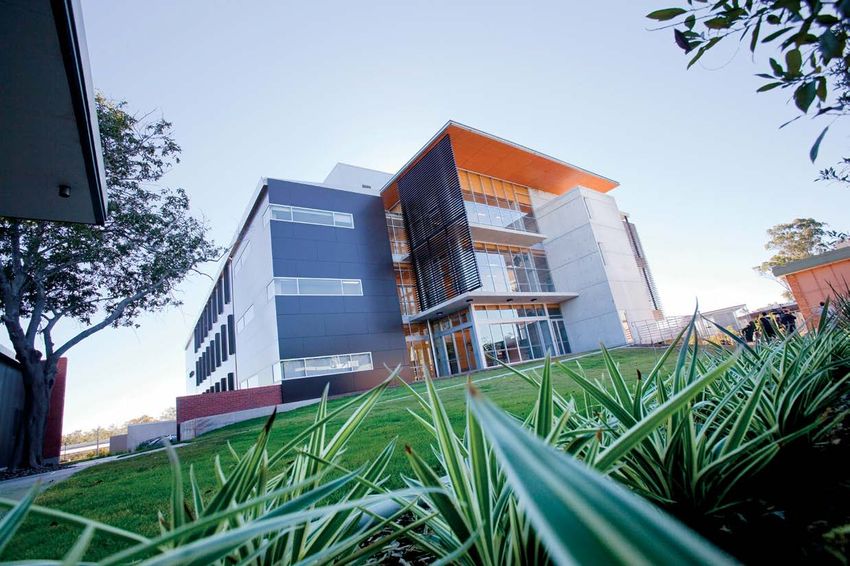
INTRODUCTION

                                                                                The SVS Strategic Plan and
                                                                                Operational Plan
                                                                                This plan will guide important planning and management
                                                                                decisions by the School over the next several years. This includes
                                                                                decisions involving (but not limited to) resource management,
                                                                                curriculum, course development and delivery, and staffing. School
                                                                                administration and Chairs (or Directors) of School Committees will
                                                                                be expected to demonstrate how decisions are aligned with the
                                                                                intentions and priorities laid out in the plan.

                                                                                The Strategic Plan will be reviewed annually within the School and
                                                                                University and in a more substantive external consultation process
                                                                                in the final year of the plan.

                                                                                The Strategic Plan will be complemented by the School
                                                                                Operational Plan (SVS-OP). The SVS-OP will provide actions
                                                                                aimed at making measurable progress towards strategies outlined
                                                                                in the Strategic Plan, along with performance metrics, targets,
                                                                                persons responsible, resourcing, priorities and timelines. The SVS-
                                                                                OP is expected to be a dynamic planning document that guides
                                                                                current activities and that can be changed to reflect changes
                                                                                in activities including additional of new actions and removal of
                                                                                actions if appropriate.

                                                                                The Strategic and Operational Plans provide a shared
                                                                                understanding of our vision, and the type of workplace we want to
                                                                                create and sustain. The documents should help individual staff to
                                                                                understand how they contribute to achieving the School mission.

2   THE UNIVERSITY OF QUEENSLAND • School of Veterinary Science Strategic Plan 2018–2021
The case for action
There are a number of contextual issues that provide the                 7.    Provision of veterinary services to animal-owning clients
imperative for the Strategic and Operational Plans.                            and referring veterinarians provides authentic case-based
                                                                               learning. It is also associated with growing challenges
1.   The Australian university operating environment is                        associated with resourcing, balancing day one competency
     complex and uncertain. Commonwealth budgets outline                       training and specialist referral services, attracting and
     predominantly negative impacts on the tertiary sector.                    retaining staff, and increasing competition from private
     Competitive research funding is increasingly difficult to                 practice.
     obtain. Increasing international student enrolments offer
     a positive revenue option associated with risks if student          8.    Strategies will be needed to grow and diversify research
     enrolments were to fall. Globalisation and technological                  funding streams and increase collaboration and partnerships
     disruption pose threats to the traditional University teaching            to facilitate research performance and impact.
     model.
                                                                         9.    Effective engagement with internal collaborators (One UQ),
2.   Our people are key. We need to attract and retain the best                students, alumni, community, profession, and with external
     staff and students, in a competitive environment. This requires           organisations will become increasingly important to ensure
     attractive career pathways, high levels of job satisfaction, and          the School maintains brand, reputation and relevance, as well
     a flexible work-life balance supporting diversity, inclusion              as providing opportunities for collaboration and partnership
     and personal development. We must also work with staff to                 (teaching, research, service) and philanthropy.
     manage workload and support performance to expectations.
                                                                         10. Regional development will produce increasing urbanisation
3.   Funding of Commonwealth supported places in veterinary                  and movement away from livestock enterprises in areas
     science is not sufficient to cover costs of veterinary science          immediately surrounding the Gatton Campus and Dayboro
     training with consequent subsidisation of CSP students by               veterinary clinic. Trends in intensive livestock industries (pigs,
     full-fee paying students and from university funds. The flow            poultry and feedlots), and livestock processing facilities may
     on effects of this imbalance mean that the School operates              limit opportunities for student access to important training
     on a deficit budget model with impacts on operations and                experiences.
     strategic capacity to implement future-focused plans.
                                                                         11.   We are approaching ten years since the School relocated to
4.   Increasing international and domestic competition for                     the Gatton Campus. Infrastructure and equipment that was
     students and staff, and impacts of visa requirements and                  new or refurbished is now needing to be reviewed and plans
     veterinary registration for recruitment of diverse and highly             developed to meet future needs.
     capable staff.
                                                                         12. Change management is part of our landscape and requires
5.   Australian and international accreditation requirements are             engagement of all staff to ensure the School continues
     associated with increasing standards of training, resource              to meet expectations for teaching, research, service and
     requirements and documentation of activities and outcomes.              sustainability.

6.   Expansion of School involvement in non-BVSc training
     programs (BVetTech, BSc) provide opportunities for the
     School to enhance and build on its ability to deliver excellence
     in training related to veterinary science. These activities
     also present resourcing challenges including managing
     accreditation requirements for resourcing the veterinary
     science degree program.

                                                              THE UNIVERSITY OF QUEENSLAND • School of Veterinary Science Strategic Plan 2018–2021   3
CURRENT STATUS

    School of Veterinary Science –                                              Staff
    overview                                                                    The School of Veterinary Science currently (2017 data) employs
                                                                                182 continuing and fixed-term staff (166.4 FTE), comprising
    Since the first intake of students in 1936, the School of
                                                                                91 academic and 91 professional staff (excluding casual
    Veterinary Science at The University of Queensland has
                                                                                appointments). A further 23.2 FTE are employed as casual staff
    achieved a sustained record of excellence in teaching and
                                                                                (3 FTE as academic casuals and 20 FTE as professional casual
    research across the veterinary disciplines.
                                                                                staff).
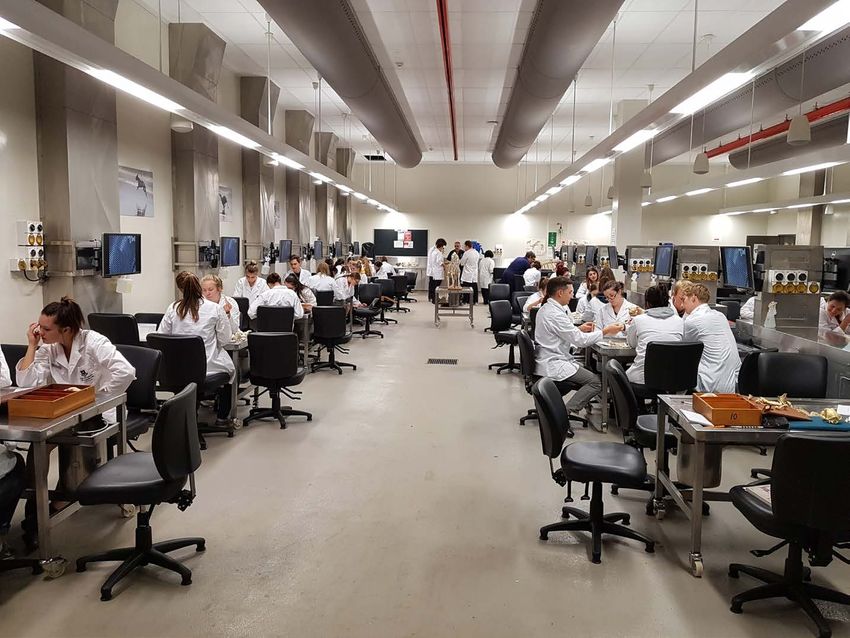
    The five-year Bachelor of Veterinary Science degree is globally
                                                                                In terms of gender diversity:
    accredited by international accrediting bodies in Australia/
    NZ (AVBC), UK (RCVS) and North America (AVMA) and was                       57% (52) of academic staff and 80% (73) of professional staff are
    ranked number 24 in the 2017 Shanghai Ranking’s Global                      female;
    Ranking of Academic Subjects – the highest ranked veterinary                62% (8 of 13) of professional level HEW 7 and higher are female;
    science school in Australasia.
                                                                                33% (5 of 15) of academic staff at Level D and E are female; and
    The School is also a leader both nationally and internationally             25% (2 of 8) of academic staff at Level E are female (2018 data).
    in delivering innovative combinations of interdisciplinary
    knowledge and practical skills through the Bachelor of                      In addition to continuing and fixed term staff, in 2017 the School
    Veterinary Technology and Bachelor of Science (Animal and                   employed 63 Casual Academics and 132 Casual Professional staff
    Veterinary Bioscience) degrees. Each of these programs also                 who are highly valued for their critically important contribution
    offer a one year Honours program allowing candidates to                     to teaching and clinical service.
    develop research skills and experience.

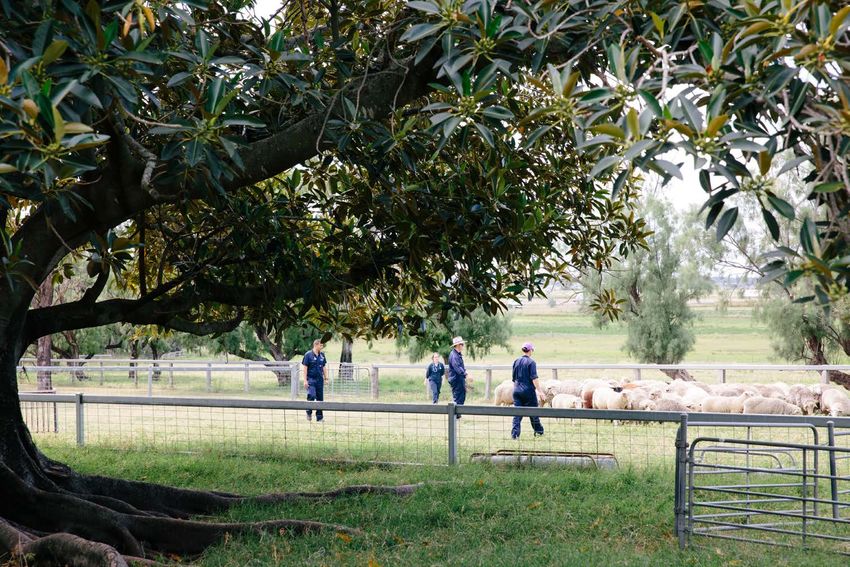
    The School operates from modern, purpose built teaching and
    research facilities at UQ’s Gatton campus, allowing students                                         Staffing
    and staff access to an integrated site for animal production,                                        continuing and fixed-term
    health and welfare teaching and research activities set on
    1000 hectares of rural land in the Lockyer Valley.

    Our clinical facilities provide specialist referral services for
    veterinarians and general services for owners of companion
                                                                                           182
                                                                                           Total staff
                                                                                                             91
                                                                                                          Academic
                                                                                                                               91
                                                                                                                            Professional
    animals, horses, livestock, exotic pets and native fauna. The
    on-site Veterinary Medical Centre includes equine and small
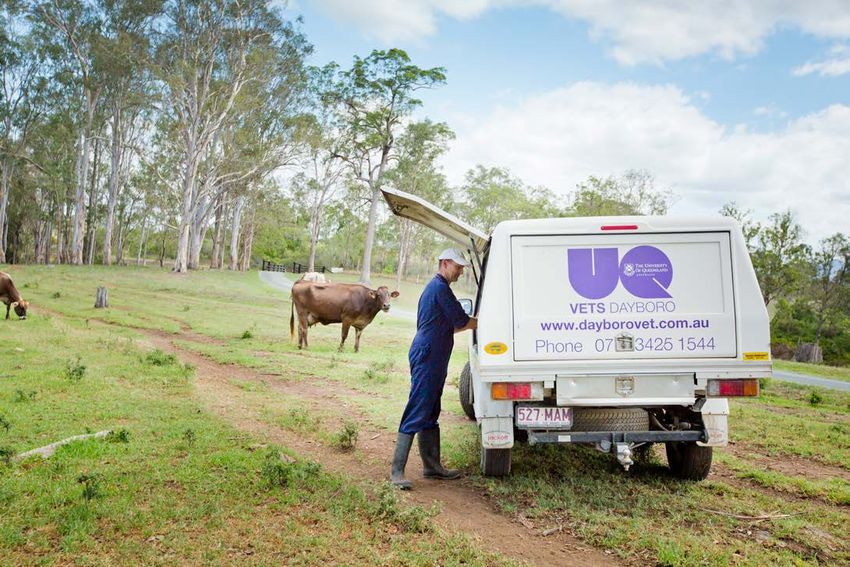
    animal hospitals, while at Dayboro (North of Brisbane), our                            Female
    students experience rural practice in a small animal hospital
    and large animal clinic. Through these clinics, students receive                        80%           Professional
    a diversity of experiences and clinical skills to prepare them for                          73
    careers in companion or production animal veterinary practice,
    research, government, biosecurity or within industry.                                                 Professional
                                                                                            62%           (HEW 7 and higher)
    Our graduates are resilient, independent and highly capable                              8 of 13
    veterinarians and veterinary technologists who possess
    the initiative and problem-solving abilities required for
    professional success.                                                                    57%          Academic
                                                                                                52

                                                                                             33%          Academic
                                                                                                          (Level D and E)
                                                                                             5 of 15

                                                                                             25%         Academic
                                                                                                         (Level E)
                                                                                              2 of 8

4   THE UNIVERSITY OF QUEENSLAND • School of Veterinary Science Strategic Plan 2018–2021
Students
The School is responsible for undergraduate students enrolled in three primary degree programs: BVSc(Hons), BVetTech
and BSc(Animal and Veterinary Bioscience).

Table 1: Student numbers over past five years for the BVSc(Hons) program

 BVSc(Hons)                                             Year        2014         2015         2016         2017         2018
                                                         1           120          116          121          124          137
                                                         2           150          121          116          128          115
                                                         3           116          154          124          127          133
                                                         4           125          103          145          114          113
                                                         5           104          118          99           135           111
 Total BVSc(Hons) student cohort                                     615          612          605          628          609

Females make up about 80% of the BVSc(Hons) student cohort with this proportion remaining at about this level over
several years.

Table 2: Student numbers for other programs taught within the School of Veterinary Science

 Other programs                                                     2014         2015         2016         2017         2018
 BVetTech                   Enrolments over all years                305          310          316          366          397
                            % of program taught by SVS               32%          32%          51%          54%          49%
 BSc(Animal and             Enrolments over all years                 53           76           77           82           75
 Veterinary Bioscience)     % of program taught by SVS               38%          39%          52%          45%          43%

Females make up between 85–90% of the student cohort for the BVetTech and BSc(Animal and Veterinary Bioscience)
programs.

Table 3: Numbers of interns, residents and higher degree by research students

 Category                                                           2014         2015         2016         2017         2018
 Interns                                                              12           10           12           10           7
 Residents (non-DVClinSc)                                             2            2            2            2            0
 Residents – DVClinSc                                                 0            0            0            2            7
 Mphil                                                                13           12           11           12           11
 PhD                                                                  72          69           68           70           69

                                                               THE UNIVERSITY OF QUEENSLAND • School of Veterinary Science Strategic Plan 2018–2021   5
CURRENT STATUS

    Research                                                                    Veterinary Teaching Hospitals
    Research and innovation are central to all the School’s activities          The School supports and has a balance of out-patient and in-
    and outcomes, particularly for teaching, postgraduate training              hospital caseload through the UQ VETS Small Animal Hospital
    and service and engagement activities. Our broad portfolio of               (SAH), UQ VETS Equine Specialist Hospital (ESS), UQ VETS
    research aims to improve health and welfare outcomes for animals            Dayboro clinic and the RSPCA Animal Care Campus, together with
    and protect the public from diseases associated with animals.               the ambulatory services of UQ VETS Production Animal Service
    Research is often aimed at delivering outputs addressing industry           (PAS) and UQ VETS Dayboro.
    priorities. In the 2015 Excellence in Research for Australia (ERA)
    assessment, UQ received a rating of above world standard in                 In 2017, these services supported more than 12,300 dog and cat
    Veterinary Sciences.                                                        patient visits; more than 4,000 birds, pet mammals and wildlife
                                                                                patient visits; and over 1700 horse visits. Ambulatory programs
    Research in veterinary science crosses over into UQ’s research              provided field visit care for over 2,250 animals, including cattle,
    strengths in such areas as public health and health services,               goats, sheep, pigs, horses and other animals. Of these a small
    genetics and genomics and agriculture sciences. This research               number of ruminants were hospitalised at Gatton Campus facilities
    contributes strongly to efficient and ethical agricultural                  for more advanced veterinary care.
    production, biosecurity and wildlife management. The
    relationships between animal and human diseases and health, and             The Veterinary Teaching Hospitals provide a high standard of
    the transmission processes between the two, are a core focus of             veterinary care to all species of animals in a teaching environment.
    the global One Health initiative.                                           This service meets community needs in the regions around
                                                                                Gatton and Dayboro, and also provides a valuable referral
    In the past two years (2016 and 2017) researchers within the                service for veterinarians and animal owners across a larger area,
    School have been awarded a total of $4.144 million in competitive           including individual animals that travel large distances to receive
    research funding for 46 separate projects.                                  excellent specialist care. The clinical veterinary services provide
                                                                                an important source of revenue through fee for service veterinary
    A total of 31 students have been directly involved in staff-led             care and this helps to offset the costs of providing veterinary
    research projects through the Winter and Summer Research                    training to our students and staff.
    Scholarships program over 2016 and 2017. An additional 23
    students have completed Honours and coursework masters
    programs and eight students have been awarded PhDs. School
    staff have contributed to 389 peer-reviewed journal articles and
    book chapters and one text book over 2016 and 2017.

6   THE UNIVERSITY OF QUEENSLAND • School of Veterinary Science Strategic Plan 2018–2021
Philanthropy and engagement                                             School ranking
The School has consistently attracted strong support from               UQ consistently ranks highly on international ranking systems for
philanthropic sources often associated with community and               veterinary science. In 2017 the veterinary science program at UQ
corporate interest in supporting activities aimed at improving          was ranked the best veterinary science program in Australasia
health and welfare of animals, current and past clients who have        and 24th globally by the Shanghai Ranking Global Ranking of
received excellent veterinary care for their animals, and also from     Academic Subjects for 2017. In 2018 UQ was ranked 38th by the
alumni.                                                                 QS World University rankings for veterinary science.

                                                                        The School is committed to maintaining international recognition
                                                                        as a leading provider of excellence in veterinary science.

                                                             THE UNIVERSITY OF QUEENSLAND • School of Veterinary Science Strategic Plan 2018–2021   7
2018–2021 STRATEGIC PLAN

                                                                                      Vision
                                                                                      Our vision is to provide global knowledge leadership
                                                                                      through excellence in veterinary science.

                                                                                      The School’s vision statement reflects the vision of The
                                                                                      University of Queensland: knowledge leadership for a
                                                                                      better world.

                                                                                      Achieving our vision means having our graduates
                                                                                      recognised as being amongst the best in a global market;
                                                                                      having our clients and referring veterinarians recognise
                                                                                      that we are among the best providers of veterinary
                                                                                      services in Australia; having a record of clinical innovation
                                                                                      and research that is recognised as world class; and, having
                                                                                      a record of business and financial management that is
                                                                                      recognised as exemplary by UQ.

                                                                                      Achieving our vision will require all of our staff to work
                                                                                      effectively as a team; to apply innovative and sound
                                                                                      practices to managing workload to achieve teaching,
                                                                                      research and service outcomes; and, to manage revenue
                                                                                      growth and cost effectiveness. We can achieve this
                                                                                      change and in the process create a workplace that is
                                                                                      admired by students, staff, clients, university colleagues
                                                                                      and the community.

8   THE UNIVERSITY OF QUEENSLAND • School of Veterinary Science Strategic Plan 2018–2021
Mission Values Objectives
We benefit animals and the community Our values represent the core principles The six objectives provide an enduring
through the provision of outstanding that guide everyday behaviour, decisions framework for the Strategic Plan.
veterinary education, undertaking research and actions. Values should be seen to be
of local, national and global importance, acted on by everyone so they become Objective 1: Educate global leaders in
and pursuing the highest standards in the embedded in day to day activities. veterinary and science fields
practice of veterinary science.
Pursuit of Excellence: We strive for Objective 2: Be actively involved in
SVS delivers on its mission through: excellence, seeking to apply the highest research addressing issues of local,
standards to benefit animals and our national and global significance
• Teaching and learning activities built
on a comprehensive curriculum that communities
Objective 3: Provide outstanding
produces competent, internationally veterinary clinical care to support
Creativity and independent thinking:
recognised veterinary practitioners and education, research and service
We welcome new ideas from our staff
scientists.
and students as well as from our alumni
Objective 4: Establish and nurture
• Veterinary clinical services providing and our external partners. We support
relationships through engagement and
excellence in veterinary care for intellectual freedom, courage and
advancement
animals and their owners and referring creativity. We encourage the pursuit of
veterinarians in a clinical teaching innovation and opportunities. Objective 5: Attract, retain and develop
environment delivered through outstanding staff
outstanding facilities across multiple Honesty and accountability: We act
locations. with integrity and professionalism and Objective 6: Provide effective and
uphold the highest ethical standards. sustainable School management of
• Research and innovation to create,
We are committed to transparency and resources
advance and apply knowledge to
accountability. Our decisions ensure
achieve solutions. Knowledge creation
responsible stewardship of the University’s The six objectives form the highest
and application underpins our teaching
resources, reputation and values. We level of the Strategic Plan. Under each
and service activities and contributes
lead by example in all areas including our objective there are one or more focus
to impacts in animal and community
approaches to sustainability. areas and each focus area has one or more
health and well being.
strategies. The Operational Plan defines
• Engagement activities to establish Mutual Respect and Diversity: We actions aimed at achieving the strategies.
and nurture relationships with the promote diversity in the University
community, veterinary profession, community – through our people, ideas
industry, governments and other and cultures. We create a vibrant, inclusive
researchers to ensure we continue to environment in which ideas flourish
be aware of local and global challenges, and future generations, regardless of
understand expectations and priorities background are empowered. We respect
and deliver relevant and quality our colleagues and work together for
outcomes. shared success.
• Attracting and retaining outstanding Supporting our people: We ensure
staff and students. the safety and wellbeing of our
• Sustainable operations built on people. We create an inclusive and
efficient and effective use of resources supportive university community in
and people to continue to deliver which achievements are celebrated
the highest quality outcomes in a and rewarded. Our people have the
sustainable manner. opportunity to enrich their lives and
pursue their goals.
THE UNIVERSITY OF QUEENSLAND • School of Veterinary Science Strategic Plan 2018–2021 92018–2021 STRATEGIC PLAN
OBJECTIVE ONE:
1 Educate global leaders in
veterinary and science fields
FOCUS AND STRATEGY AREAS
1.1 Attract and support the highest quality
students and graduate trainees
1.1.1 Ensure processes of recruitment and admissions for
undergraduate students encourage high quality applicants
from diverse backgrounds
1.1.2 Strengthen and diversify international student enrolments
through targeted activities in priority countries including
partnerships with specific institutions.
1.1.3 Provide a supportive campus experience for students
10 THE UNIVERSITY OF QUEENSLAND • School of Veterinary Science Strategic Plan 2018–2021To achieve this objective, we will
continue to deliver an internationally
1.2 Ensure curriculum 1.3 Provide leadership in
accredited veterinary science degree
and training programs veterinary education that is acclaimed for the quality of
meet current and practices the learning experience and the skills
future needs both and achievements of our graduates,
in Australia and 1.3.1 Pursue continual improvement meeting expectations of students,
internationally in teaching and learning profession and community. The
through use of technology veterinary science degree program will
1.2.1 Ensure the BVSc(Hons) and and innovation in delivery of be complemented by similar outcomes
BVetTech programs continue education programs in related programs including the
to maintain local, national and BVetTech and BSc programs.
global recognition for excellence 1.3.2 Explore partnerships to help
and accreditation (or similar develop and deliver education
recognition) with relevant programs within Australia and
bodies. internationally
1.2.2 Enhance the effectiveness and
efficiency of training programs
including curriculum design and
delivery
1.2.3 Identify needs and opportunities
for lifelong learning and
develop/improve educational
programs to meet those needs
THE UNIVERSITY OF QUEENSLAND • School of Veterinary Science Strategic Plan 2018–2021 112018–2020 STRATEGIC PLAN
OBJECTIVE TWO:
2 Be actively involved in research addressing
issues of local, national and global significance
FOCUS AND STRATEGY AREAS
2.1 Grow research/innovation activity and
performance across the School
2.1.1 Provide clarity around expectations and performance
measures, linked to annual appraisal processes.
2.1.2 Develop a School research enhancement plan leading to
growth in research performance
12 THE UNIVERSITY OF QUEENSLAND • School of Veterinary Science Strategic Plan 2018–2021This objective is aligned with UQ’s role as We will engage with stakeholders
a globally recognised, research-intensive to identify important local, national
University. Achieving this objective and global issues requiring research-
requires alignment of recruitment, driven solutions and we will work to
operational and strategic activities address these. Building on existing
to strengthen the School’s research strengths in research capacity,
culture and performance. The School experience and performance, and
has an admirable record of conducting identifying strategic opportunities to
high quality research with impacts on leverage these strengths to access
industry outcomes but there is scope for and build new research partnerships
improvement in research performance. will be important. The School’s
strengths in animal health (including
We will recruit research capable staff clinical caseload), infectious diseases,
and HDR students in areas aligned animal reproduction, genetics and
with School priorities and strategic genomics, wildlife, and food security
opportunities. Providing relevant support provide opportunities for strategic
and mentoring will ensure new and partnerships in one health research
early career staff can build research including translational medicine and
collaborations and achievements in clinical research.
a supportive team environment with
guidance from experienced researchers
and research support services.
More efficient and effective use of School
and University research infrastructure,
equipment and support services will lead
to opportunities for collaboration and
will facilitate research. Increasing HDR
recruitment, enrolment and improving
HDR experiences will be important
drivers of School research performance.
THE UNIVERSITY OF QUEENSLAND • School of Veterinary Science Strategic Plan 2018–2021 132018–2020 STRATEGIC PLAN
OBJECTIVE 3:
3 Provide outstanding veterinary clinical care
to support education, research and service
FOCUS AND STRATEGY AREAS
3.1 Provide outstanding patient care
through the Veterinary Teaching
Hospitals in a service-oriented,
compassionate and efficient manner
3.1.1 Contribute to School equipment and infrastructure plans
based on clinical service needs
3.1.2 Explore opportunities for improvement in workflow and
efficiency within the VTHs
3.1.3 Ensure caseload is maintained at levels required to achieve
School outcomes.
3.1.4 Optimise systems for managing records and related
information relevant to the VTH and VLS
14 THE UNIVERSITY OF QUEENSLAND • School of Veterinary Science Strategic Plan 2018–2021The Veterinary Teaching Hospitals (VTHs)
3.2 Develop 3.3 Develop provide authentic, work-integrated-
learning opportunities for students and
opportunities for opportunities for
staff and underpin our ability to produce
mutually beneficial translational and graduates who excel in the workplace.
partnerships with clinical research that The VTHs also provide excellence in
external organisations build on the caseload veterinary care in a learning environment,
to contribute to the in the Veterinary creating a level of community and
School’s veterinary Teaching Hospitals professional engagement that is unique
clinical teaching across the University.
experiences 3.3.1 Explore opportunities to
The VTH Operational Plan and
strengthen the research
contributing service unit plans will
3.2.1 Support partnerships with component of the
feed into this objective. Achieving this
organisations within Australia DVClinSc program
objective will require a sustainable
that benefit the School’s clinical resourcing plan that manages
service and clinical teaching 3.3.2 Identify opportunities for equipment procurement, maintenance
goals aligning clinical strengths with and replacement to ensure the School
research opportunities, skills clinical service activities are backed by
3.2.2 Explore partnership or and available resources outstanding facilities and equipment.
collaboration with international We will manage our resources (including
institutions based on mutual staff) and support systems efficiently
benefit (see other Objectives) to ensure optimal performance while
balancing case throughput and teaching
3.2.3 Explore opportunities for a experience. We will grow and improve
School clinical presence in our relationships with pre-clinical
Brisbane and clinical service providers and
partnerships with key organisations
(within Australia and overseas) to provide
superb authentic learning experiences for
our students and staff.
THE UNIVERSITY OF QUEENSLAND • School of Veterinary Science Strategic Plan 2018–2021 152018–2020 STRATEGIC PLAN
OBJECTIVE 4:
4 Establish and nurture relationships
through engagement and advancement
FOCUS AND STRATEGY AREAS
4.1 Through engagement 4.2 Build and nurture
with students, advancement
alumni, and the relationships
general public,
ensure that UQ SVS 4.2.1 Review and update the School
is seen as the number Advancement Plan
one resource for
veterinary expertise
and life long learning
4.1.1 Implement an engagement
plan which builds stakeholder
relationships
16 THE UNIVERSITY OF QUEENSLAND • School of Veterinary Science Strategic Plan 2018–2021Achieving this objective will mean Engagement activities with key
strengthening existing engagement and international partners will lead to
advancement relationships and building increased student interest in UQ
new ones. Engagement and partnerships degree programs and opportunities
will underpin the School’s ability to for research and clinical collaboration.
achieve on its mission and vision. Engagement with alumni, industry and
professional organisations will lead
Engagement starts by raising awareness to lifelong learning opportunities and
amongst stakeholders about who we are partnerships.
and what we do. Building engagement
relationships requires planned effort We will grow our existing
and will lead to opportunities for philanthropic program through a
collaboration and partnership across all School advancement plan linked with
aspects of the School’s activities. University advancement activities and
building on our unique UQ VETS brand
identity and community engagement.
THE UNIVERSITY OF QUEENSLAND • School of Veterinary Science Strategic Plan 2018–2021 172018–2020 STRATEGIC PLAN
OBJECTIVE 5:
5 Attract, retain and develop
outstanding staff
FOCUS AND STRATEGY AREAS
5.1 Manage recruitment 5.2 Develop systems to
mentor, guide and
5.1.1 Proactively recruit outstanding support staff to reach
staff from diverse backgrounds their potential and
to support strategic priorities to achieve career
success
5.2.1 Staff development
5.2.2 Staff mentoring and support
5.2.3 Effective management of staff
workload
5.2.4 Professional staff career
pathways
18 THE UNIVERSITY OF QUEENSLAND • School of Veterinary Science Strategic Plan 2018–2021Our people are key to everything the
5.3 Recognise and 5.4 Equity, diversity and School does and achieves.
reward staff inclusion We will actively support and champion
achievements UQ values in everything we do. Equity,
5.4.1 Identify opportunities and diversity and inclusion strategies
5.3.1 Recognise and reward implement strategies to enable form an important component of UQ
excellence in teaching, research, equity, diversity and inclusion values and are embedded in School
collaboration, clinical and non- in all levels of staff and in all committees and activities.
clinical service, and leadership School activities.
Achieving this objective requires that
performance expectations and the
appraisal and review processes are
understood and accepted by staff and
mechanisms put in place to support
staff to manage workload in order
to achieve professional and personal
development goals.
The School will continue to explore
opportunities to improve job
descriptions and career pathways to
provide the most efficient and effective
approach to staffing profiles and
positions to meet School priorities and
individuals’ career prospects and job
satisfaction.
The School will work closely with
support services at Faculty and
University level to ensure efficient and
effective delivery of administrative
and support service functions and
to support professional staff during
periods of change management.
Staff engagement in priority activities
will be supported and significant
achievements rewarded.
THE UNIVERSITY OF QUEENSLAND • School of Veterinary Science Strategic Plan 2018–2021 192018–2020 STRATEGIC PLAN
OBJECTIVE 6:
6 Provide effective and sustainable
School management of resources
FOCUS AND STRATEGY AREAS
6.1 Develop approaches 6.2 Provide efficient and
that allow assessment effective management
of the School of infrastructure and
financial model and equipment
inform decisions for
the future 6.2.1 Develop School equipment and
infrastructure plans
6.1.1 Use good business practice to
guide School budget planning
20 THE UNIVERSITY OF QUEENSLAND • School of Veterinary Science Strategic Plan 2018–2021The School will work to improve financial
6.3 Optimise sustainability through prudent budgeting
6.4 Management of
and financial management including
administrative School Plan attention to accurate cost accounting of
functions all activities, use of modelling to inform
6.4.1 Ensure the School Strategic and justify decisions, seeking to increase
6.3.1 Shared and centralised and Operational Plans remain diversity and quantum of revenue
service functions relevant and are used to streams and managing resources as
guide activities efficiently as possible.
6.3.2 Improve systems and processes
The School will use financial modelling to
explore options for delivering veterinary
program training and clinical services and
measuring broad impacts of the School
programs on Faculty and University
outcomes related to student enrolments,
research partnerships, engagement,
and on brand and global rankings. We
will ensure all strategic and operational
decisions are supported by detailed
financial analysis and business plans.
The School will work to ensure it
maintains and improves infrastructure
and equipment resources to support
School and University strategic priorities.
This includes having infrastructure
comparable to global best standards for
veterinary schools, complemented by
access to campus farm units and ancillary
animal handling facilities. Partnerships
with animal shelter organisations
and private veterinary practices offer
opportunities to sustainably enhance
clinical veterinary learning in the future.
THE UNIVERSITY OF QUEENSLAND • School of Veterinary Science Strategic Plan 2018–2021 21IMPLEMENTATION
For this plan to have impact and to guide the School’s activities and planning, the objectives, focus areas and strategies must inform
operational activities and progress then measured and evaluated against targets. The Strategic Plan and accompanying Operational
Plan will be reviewed and reported on each year through quarterly progress reports and annual strategic review.
1. Identify priority strategies • Prioritise strategies for immediate implementation and plan
for either later implementaton or revisit of other strategies
2. Assign accountability • Identify champions for each strategy;
• Champions to be responsible for driving implementation and
reporting on progress
3. Clarify implementation • Champions to be responsible for developing business plans
where appropriate including resource needs
• Champions to form an implementation team as required and
manage delegation of tasks
4. Link School plans to other relevant plans and documents • Ensure SVS Strategic Plan informs budgets, long-range
financial planning, capital campaigns, management objectives
and is aligned upward with Faculty and University plans as
well as downward with individual performance objectives
5. Monitor progress • Develop and track objective measures of implementation
progress;
• Regularly review progress with implementation champions
6. Communicate results • Ensure communication of the SVS Strategic Plan and progress
towards implementation
22 THE UNIVERSITY OF QUEENSLAND • School of Veterinary Science Strategic Plan 2018–2021MEASUREMENT OF
PERFORMANCE AND
SUCCESS
Objective 1: Educate global leaders in veterinary and science fields
Focus areas Indicative measures
1.1 Attract and support the highest quality students and • Academic profile, number and diversity of applicants and
graduate trainees acceptances
• Student retention
• Student satisfaction
1.2 Ensure curriculum and training programs meet current and • Accreditation by external bodies (AVBC, AVMA, RCVS)
future needs both in Australia and internationally • Course evaluations, graduate surveys, employer surveys
• EMS placement provider feedback and satisfaction
• External benchmarking and feedback on students and
curriculum
• Global ranking of veterinary program
1.3 Provide leadership in veterinary education practices • Initiatives and funding associated with innovation in teaching
• Student and stakeholder engagement and satisfaction
• Course offerings, participation, outcomes
Objective 2: Be actively involved in research addressing issues of local, national and
global significance
Focus areas Strategies
2.1 Grow research / innovation activity and performance • Research funding
across the School • Peer-reviewed publications and other research outputs
• HDR student enrolments, completions, employment and
impact
• Increased engagement with government, industry and
international partners in research
• Increased research impact – awards, appointments, patents,
policies and guidelines, community and public impacts
• Evidence of innovation impact ie clinical service, professional
guidelines
THE UNIVERSITY OF QUEENSLAND • School of Veterinary Science Strategic Plan 2018–2021 23MEASUREMENT OF
PERFORMANCE AND
SUCCESS
Objective 3: Provide outstanding veterinary clinical care to support education, research
and service
Focus areas Strategies
3.1 Provide outstanding patient care through the Veterinary • Caseload and service mix
Teaching Hospitals in a service-oriented, compassionate • Financial performance – revenue and costs
and efficient manner
• Client and referring veterinarian (rVet) satisfaction
• Student and staff feedback
• Client and rVet engagement and philanthropy
3.2 Develop opportunities for mutually beneficial partnerships • Engagement with stakeholders
with external organisations to contribute to the School’s • EMS placement provider feedback and satisfaction
veterinary clinical teaching experiences
• Number of MOUs and agreements in place with national and
international partners
• Measures of impact – student numbers, HDR numbers, staff
exchange, research funding, publications with external
partners
3.3 Develop opportunities for translational and clinical • Number of partnerships and research projects in the one
research that build on the caseload in the Veterinary health and translational medicine areas
Teaching Hospitals • Research outputs
• Investment
Objective 4: Establish and nurture relationships through engagement and advancement
Focus areas Strategies
4.1 Through engagement with students, alumni, and the • Engagement events and impacts
general public, ensure that UQ SVS is seen as the number 1 • Staff involvement in activities and appointments
resource for veterinary expertise and life long learning
• Surveys and satisfaction measures
• Alumni and stakeholder connectedness
4.2 Build and nurture advancement relationships • # engagement interactions that lead to stakeholder advocacy
and giving
• Philanthropic fund raising measures
24 THE UNIVERSITY OF QUEENSLAND • School of Veterinary Science Strategic Plan 2018–2021Objective 5: Attract, retain and develop outstanding staff
Focus areas Strategies
5.1 Manage recruitment • Length of time for recruitment
• Number of applicants for positions
• Successful recruitment campaigns
5.2 Develop systems to mentor, guide and support staff to • Turnover and vacancy rates
reach their potential and to achieve career success • Staff satisfaction and feedback
• Staff appraisal, confirmation and promotion outcomes
5.3 Recognise and reward staff achievements • Staff awards – UQ and external
• Staff achievements recognised through appraisal and through
peer recognition and celebration
5.4 Equity, diversity and inclusion • Percentage female staff at senior levels (Level D/E, HEW10+)
• EDI involvement in programs such as Promoting Women
Fellowship and other similar initiatives
• EDI role models for success in veterinary science
• Admissions and retention data for equity and diversity groups
Objective 6: Provide effective and sustainable School management of resources
Focus areas Strategies
6.1 Optimise the School’s position within the Faculty and • Development of prudent budgets that reflect good planning
University budget framework • Demonstrated ability to delivery against planned budgets
6.2 Develop approaches that allow assessment of the School • Demonstrated ability to use planning to manage uncertainty
financial model and inform decisions for the future and improve financial sustainability
6.3 Provide efficient and effective management of • School equipment and infrastructure planning that is
infrastructure and equipment aligned with Faculty and University plans and allows
effective management of resources including investment in
maintenance, replacement and new activities.
6.4 Optimise administrative functions • Staff and student satisfaction
• Tasks and goals achieved to standard, in time and on budget
6.5 Management of School Plan • Progress against targets
THE UNIVERSITY OF QUEENSLAND • School of Veterinary Science Strategic Plan 2018–2021 25SCHOOL OF VETERINARY SCIENCE
Building 8114
The University of Queensland
Gatton Campus
Gatton QLD 4343 Australia
T +61 7 5460 1834
E vetenquiries@.uq.edu.au
W veterinary-science.uq.edu.au
110586-August 2018 – CRICOS Provider Number 00025B
26 THE UNIVERSITY OF QUEENSLAND • School of Veterinary Science Strategic Plan 2018–2021You can also read


