STRATEGY - RSMOUTLOOK - REPUB, ERASMUS UNIVERSITY ...
←
→
Page content transcription
If your browser does not render page correctly, please read the page content below

RSMOutlook

                                                                                        WINTER 2008
                                                      REGULAR THE BOLOGNA ACCORD

Rotterdam School of Management, Erasmus University

                                                      Climate change:
                                             Can business take control?
                                                     Understanding the
                                                     value of innovation
                                                            Recycling in
                                                        the supply chain

           STRATEGY
           Surviving in turbulent times

                                                             RSM OUTLOOK SPRING 2007   00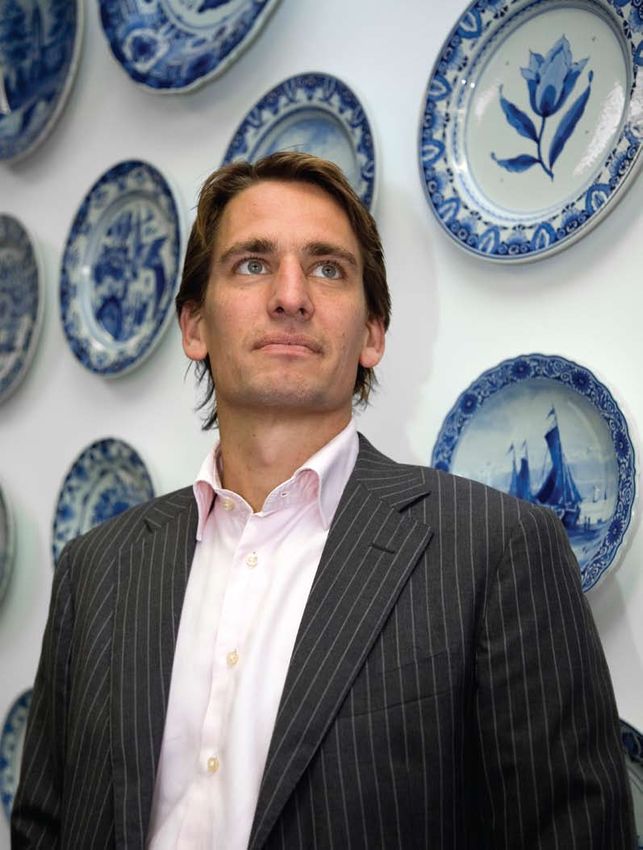
learn more, do more, become more

Your full potential as a leader and manager      Our unique strengths support your success:
is waiting to be realised. At Rotterdam          • Leadership Development embedded in
School of Management, Erasmus University,         all programmes
we show you how to activate the knowledge,       • Rotterdam location central to EU business
apply the skills and access the self-awareness   • 100+ nationalities for a truly international
that will free your personal potential.           experience
We offer a full range of BSc, MSc, MBA and       • Open, innovative and original thought-culture
Executive Education programmes. Please visit     • Global leader in management research.
www.rsm.nl

                                nt, Erasmus University
Rotterdam School of Manageme
                     critical thought, practical action

                                                                           WWW.RSM.NL
ue M.
                                                             Dominiq ubl
                                                                   ld H ä
                                                              Gera               ka
                                                                       Hrusch
                                                               Harald i
                                                                       . H u
                                                                Sam K . Leeflang
                                                                                                                  RSM OUTLOOK WINTER 2008 CONTENTS
                                                                          .H
                                                                 Peter S . Lehmann
                                                                            R
                                                                  Donald ien
                                                                             Lil
                                                                   Gary L. Mantrala
                                                                             K.
                                                                    Murali urray

                        f
                                                                            B. M
            10                                                                              35
                       o
                                                                      Ky le
                                                                                 A. Naik

                     k
                                                                       Prasad eslin

                  o o
                                                                                A .N

                b
                                                                        Scott                  wamy
                                                                                   Rangas

              d
          Han ting
                                                                          Arvind Rao
                                                                                     R .
                                                                           Vithala einartz
                                                                                       R                   nkar
                                                                            Werner h (Venky) Sha
                                                                                      te s
                                                                             Venka an Bruggen
                                                                                          .v

                 e
                                                                               Gerrit H van Heerde

              rk
                                                                                           J.

            a
                                                                                       ld             atesan

                             s
                                                                                Ha  ra

                            l
                                                                                              ar Venk

           M               e
                                                                                  Rajkum .Weinberg

                         od
                                                                                               B
                                                                                   Charles ierenga

                       M
                                                                                              d W

                    n
                                                                                    B e re n

           D e
            44
              c isio                                                                        47
ision M

                 Edited b
                         y
                             i e re n ga
                  B   erend W
  odels

                                                                                      1 23

          Regulars
          05 | Letter from the Dean                                                     35 | New MSc in Chinese Economy and Business
          Catching up with George Yip.                                                  The Chinese economy is a force to be dealt with. A new
                                                                                        MScBA taught jointly by RSM and Leiden University ad-
          06 | News from RSM                                                            dresses the new competencies European managers need to
          Brief and noteworthy - people, awards, research.                              succeed in China’s unique business culture.

          10 | Book Reviews                                                             42 | Executive Education Opens Up
          Marketing, outsourcing, networking, new technologies (and                     Open enrolment Exec Ed courses are relevant for managers
          Luxembourg) feature in this overview of the latest books of                   with specific educational goals and limited time, says Klaas
          interest to RSM OUTLOOK readers.                                              Wassens, Director of Executive Education at RSM.

          34 | Five Minutes With… Professor Dirk Brounen                                44 | RSM MBA Corporate Scholarship Programme
          Property economist Professor Dirk Brounen was re-                             MBA participants get help funding their studies; corporate
          cently recruited to chair a new joint research venture                        sponsors have direct access to high-potential talent. That’s the
          with PricewaterhouseCoopers. He tells us why real estate                      win-win result of RSM’s corporate scholarship programme.
          research matters.
                                                                                        47 | Alumni News
                                                                                        Alumni activities, achievements, and personalities.

                                                                                                                               RSM OUTLOOK WINTER 2008   03
RSM OUTLOOK WINTER 2008 CONTENTS

RSM OUTLOOK
Winter 2008

RSM OUTLOOK is published by
Rotterdam School of Management
Erasmus University

DEAN
George Yip

MARKETING DIRECTOR
Willem Koolhaas

EDITORS
Russell Gilbert
Rebecca Morris
Lesa Sawahata

EDITORIAL BOARD
Connie Tai; Eva Rood; Ana Lidia Aneas
Moyano; Tricia Alach; Wilfred Mijnhardt;
Eric Waarts; Hetty Brand-Boswijk;
Marianne Schouten; Dory Grandia

DESIGNERS
Unit20: Maud van Velthoven

                                                                                16 | Greening: Climate Change
Yoe San Liem (info@unit20.nl)

CONTRIBUTORS
Ben Schiller; Tim Skelton; Catherine
Walker; Hettie Brand-Boswijk

© 2008 Rotterdam School of Management,
Erasmus University. All rights reserved

Features
12 | Q+A with Carien van der Laan                            32 | Profile: Executive in Residence
When asked to help provide mentors for RSM’s MBA             What is an ‘Executive in Residence’ and what does one do?
programmes, Carien van der Laan suggested that they          Ask Theo Backx – he should know.
should all be successful business women. Here she explains
why and stresses the importance of gender diversity to       36 | Ideas@ERIM
organisational strategy.                                     Find out about the concept of Closed Loop Supply Chains;
                                                             why Europe is threatening American dominance in research,
16 | Greening: Climate Change                                and how INSCOPE will help improve innovation in the
Gail Whiteman, associate professor and director of the       Netherlands.
Sustainability and Climate Research Centre, makes clear
the complexities of finding management solutions to          48 | Alumni Interview – Patrick Grasso
climate change.                                              RSM alumnus Patrick Grasso (BSc Bedrijfskunde 2007) is
                                                             head of the world famous Royal Delft pottery and the youngest
18 | Special Feature – Strategies for                        CEO of a publicly listed company in the Netherlands.
turbulent times
How can business leaders cope in these difficult times       53 | Alumni Profile – Hermann Frühstück
and how can they develop strategies for the future? Senior   Soon to step down as head of the Frankfurt Alumni Chapter,
executives from world-class companies and RSM’s academic     Hermann Frühstück, possibly one of the most active members
experts help provide the answers.                            of RSM’s extensive alumni network, is going to be missed.

04    RSM OUTLOOK WINTER 2008
FROM THE DEAN’S OFFICE

Letter from the Dean
Internally and externally, Autumn 2008 has been a busy
period. Personally, I have continued to travel extensively,
meeting with companies and alumni, giving lectures,
attending conferences and speaking at MBA recruitment
events. This has resulted in significant media exposure,
and an increase in the number of high-quality applicants to
the MBA programmes. It has also been particularly fruitful
in terms of recruitment agreements with several major
consultancy companies, who will recruit our MBA talent
for a variety of international positions. The participants in
all of our programmes are truly able to work with anyone,
anywhere – and it is rapidly becoming clear that just as this
is a hallmark of our school, it is one of the new demands of
globalised business.

The participants in all of our programmes are truly able to work with anyone,
anywhere – and it is rapidly becoming clear that just as this is a hallmark of
our school, it is one of the new demands of globalised business.

It has been gratifying to see our MScBA programmes              certain of; business leaders are increasingly being asked
ascend in the Financial Times’ Masters in Management            to ‘plan for the un-plannable,’ and are seeking strategies to
rankings. Our MScBA was ranked eighth by the FT, up from        survive, and to sustain their stakeholders. For this issue of
10th place in 2007 – particularly good news, as this is for     RSM OUTLOOK, a variety of experts from within and without
the first time a global and not strictly European ranking.      RSM weigh in on how they’ve survived tough times in
Professor Eric Waarts, the dean of these programmes,            business, and provide well-grounded advice and examples
deserves recognition for his ongoing and concerted efforts      of how to adjust to, and live through, a downturn.
in raising both the quality and the profile of our MScBA.
                                                                For now, I wish all of our alumni a joyous holiday period,
I’m very happy to welcome Connie Tai back to RSM in the         and much good fortune and prosperity in the coming year.
newly-created position of Director of Corporate and Alumni
Relations. Many of you will remember her tireless quest,
as a former Director of Marketing and Communications, to
build the RSM brand. It is hard to imagine anyone as well-
equipped to communicate the importance, both to alumni
and our key external stakeholders, of the necessity and
mutual advantage of supporting the School.                                                                      George Yip
                                                                                                                     Dean
Much has been happening in the area of world finance.                                      Rotterdam School of Management
Continuing uncertainty seems the one thing we can be                                                    Erasmus University

                                                                                                    RSM OUTLOOK WINTER 2008   05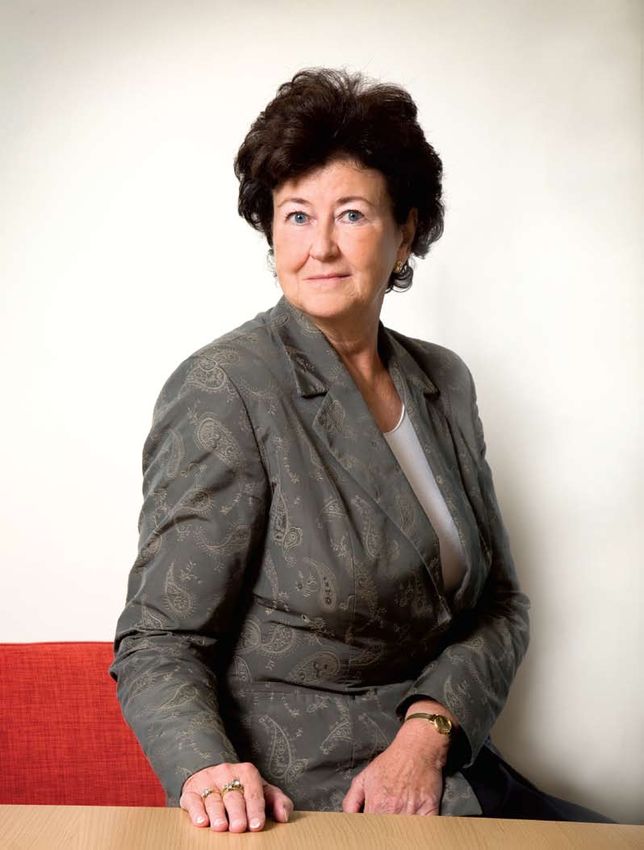
NEWS FROM RSM
Round Up
RSM MASTERS Dr. Wendy van der Valk receives Emerald
CLIMBS FT GLOBAL / EFMD Highly Commended Award
RANKINGS Wendy van der Valk’s doctoral dis- provides a unique forum for informa-
For the fourth consecutive year, sertation, entitled ‘Buyer-Seller tion, research, networking and de-
RSM has improved its position Interaction in Ongoing Service bate on innovation and best practice
in the Financial Times Masters Exchange’ has been selected for a in management development. In her
in Management rankings, hav- Highly Commended Award in the dissertation, Van der Valk states that
ing climbed from 10th position in category Operations Management in business-to-business services, cus-
2007 to 8th this year. In 2005 RSM by the European Federation of tomers and suppliers must discuss
was ranked 20th and rose to 13th Management Development (EFMD), what is needed and make the neces-
the following year. an international organisation that sary adjustments on an ongoing basis.
Unlike previous rankings, which
focused solely on European
schools, the 2008 rankings are
international. According to the Inaugural Lectures
2008 evaluation, RSM’s MScBA Beyond the regulatory model: authority and legitimacy in
programme is again among corporate governance
Europe’s top five for international Hans van Oosterhout (right), Extraordinary Professor of
experience. It has one of the most Corporate Governance & Responsibility, gave his inau-
diverse faculty and student bod- gural address at RSM on September 12th. His chair is
ies, and offers excellent employ- endowed by the Erasmus University’s Trust Fund. In his
ment prospects with 100 percent address, Van Oosterhout argued that research into cor-
of participants finding a job within porate governance should be broadened in three areas: executive decision
three months of graduating. making; corporate governance in businesses other than listed companies,
The programme also received and on the legitimate interests of stakeholders other than shareholders.
positive reviews for its value for
money and the career status of Organisation Theory: bright prospects for a permanently failing field
alumni. “We have been investing to Pursey Heugens (above left), Professor of Organisation Theory, Development
ensure that the MSc programme and Change at the Department of Organisation and Personnel Management
combines first-class academic at RSM also delivered his inaugural lecture on September 12th. In his lecture
learning with more scope for per- he argued that the field of organisation theory is locked into a state of per-
sonal leadership development,” manent failure. Heugens also outlined three research strategies that might
says Professor Eric Waarts, dean end this stalemate by increasing the integration, relevance and realism of our
of the MSc Programmes. “This current theories of organisation.
means more international expe-
riences, internships, exchange Organising Innovation
opportunities and sub-courses in Jan van den Ende, Professor of Management of
presenting and other ‘soft’ skills. Technology and Innovation at the RSM, delivered his
Not only do we want our students inaugural address on September 18th. His chair is en-
to be sharp thinkers, but also dowed the Erasmus University’s Trust Fund. In his inau-
adept at dealing with people in in- gural address, Van den Ende showed what the innovation
ternational business.” process entails; provided examples of successful innovations and discussed
current issues and trends in this field. Van den Ende’s research is focused on
management of innovation processes and organisation of system innovation.
06 RSM OUTLOOK WINTER 2008
NEWS FROM RSM

 Round Up
NWO-VENI grant                         NWO-VIDI grant on ‘Liquidity Black Holes’
for anarchy                            for Mathijs van Dijk
research                                             Mathijs van Dijk, Associate Professor of Finance, Rotterdam
              A NWO-VENI grant                       School of Management, Erasmus University has received a NWO-
              has been awarded to                    VIDI grant for his project entitled ‘Liquidity Black Holes’. Van Dijk
              Wilco van den Heuvel,                  will receive a sum of up to 600,000 euros and this allows him to
              assistant    professor                 develop his research and appoint one or more researchers for
              at the Econometric                      five years.
              Institute,   for   his   Liquidity black holes arise when financial market liquidity suddenly dries up.
project ‘Reducing the Price of         Trading financial assets becomes prohibitively expensive and asset prices tank.
Anarchy in Supply Chains’. Wilco       Examples of liquidity black holes are the 1997 Asian crisis, the 1998 Russian
receives the sum of 208,000            debt / LTCM crisis, and the August 2007 subprime mortgage crisis.
euros. According to Van Den
Heuvel’s research, systems often
perform suboptimally because of        ERRATUM
the selfish behaviour of the players                          In the Summer is-            MScBA
in the system. A decentralised sup-                           sue of RSM OUTLOOK,          snapshot
ply chain, where the players have                             we mistakenly mixed          • MSCBA external intake
different objectives, is an example                           up the photo’s and             is up by over 25 percent
of such a system. If a supply chain                           captions    of    Rein         this year.
is controlled by a single player, a    Breeman,      CEO,    Vecom      Group     and
so-called centralised supply chain,    Eric Claassen, Co-Founder and CEO,                  MScBA - General Management
then the system cost can be opti-      Vironovative BV (p39: Special Report –              • Number of applicants up
mised. The difference between the      Entrepreneurship). Here they are again, but           by 57 percent.
system cost under a decentralised      the right way around with Rein Breeman on           • Intake up by 39 percent.
system and a centralised system is     the left, and Eric Claassen on the right. The       • Average GMAT is 629.
called the price of anarchy.           guilty person has been suitably chastised.

RSM presents DSM case at CEEMAN                                   MBA Team Consulting
Executive Education Forum                                         Weekend spring, 2009
At the first Central and Eastern European Management              RSM has joined forces with McKinsey & Company to
Development Association (CEEMAN) ExecEd Forum, held in            create a unique opportunity for RSM MBA students to
Moscow, Anna Pehar, business director executive educa-            experience management consulting up close. The MBA
tion, explained the RSM approach to partnership in execu-         consulting experience, scheduled for spring 2009, will
tive education to an audience of delegates from 18 coun-          see five participants spend a three-day weekend having
tries. She also presented the RSM/DSM case, whereby               fun and getting a taste of what it would be like to work
RSM Executive Education has been the partner of the DSM           for McKinsey. Working with a McKinsey partner and a
Business Academy for over 20 years, and develops tailored         project manager, the participants, who will be taking on
management programmes for DSM employees world-                    real-life cases for genuine McKinsey clients in the non-
wide. Her interactive presentation was very well received         profit sector, will interview the client, create solutions
and resulted in a lively discussion. Her presentation can be      and present these according to McKinsey’s
found at the CEEMAN website: www.ceeman.org.                      standard practices.

                                                                                                  RSM OUTLOOK WINTER 2008   07
NEWS FROM RSM

 Personnel
                                                PROFESSOR JAAP SPRONK APPOINTED
     NEW ACADEMIC
                                                ACADEMIC DEAN OF RSM MBA PROGRAMMES
     DIRECTOR OF
                                                              Jaap Spronk comes to          Jaap Spronk said, “I am really happy
     MSCBA GENERAL                                            RSM from the Erasmus          to join RSM as I see this as the natural
     MANAGEMENT                                               University Faculty of         place to be for the development of the
                      Irma Bogenrieder has                    Economics, where he           business leaders of the future. I see it
                      succeeded Peter van                     has served in a variety of    as my role to offer our post-graduate
                      Baalen as Academic                      different positions.          students the skills and abilities that
                      Director of the MScBA     Said Dean Yip, “Beyond Jaap’s many          will help them to recognise, structure
                      General Management        obvious talents, it is very important       and solve the management issues that
                      Programme.                to me that in addition to his decision-     they will face. I intend to do so by build-
     This two-year General Management           oriented research, his heart remains        ing bridges and developing further the
     Programme started in 2006 to meet          close to teaching – which shows both        levels of interaction between RSM, cor-
     a growing demand for pre-experi-           in his teaching methods and in his in-      porate partners, academia and the city
     ence graduate business education           volvement with students.”                   of Rotterdam.
     for non-business bachelors. Being
     one of the first of its kind in Europe,
     it started with a cohort of 35 highly      PETER ROOSENBOOM APPOINTED PROFESSOR
     qualified students. This year the pro-
                                                OF ENTREPRENEURIAL FINANCE AND
     gramme will run with approximately
     50 students and further expansion is       PRIVATE EQUITY
     scheduled for the future.                  Professor Peter Roosenboom has              Commenting on his nomination,
                                                been appointed to an endowed chair of       Professor Roosenboom states, “I am
                                                Entrepreneurial Finance and Private         happy to take up this new challenge
     NEW DIRECTOR                               Equity at the Rotterdam School of           and to develop further a research
     OF OPERATIONS                              Management, Erasmus University.
                                                Roosenboom took his doctoral de-
                                                                                            agenda on private equity. There is a
                                                                                            growing need among policymakers
     APPOINTED                                  gree cum laude in 2002 at the Tilburg       to better understand private equity. I
                     Dominique Campman          CentER for Economic Research.               hope to provide more insight into the
                     has been appoint-          Roosenboom’s current research top-          macro-economic effects of private eq-
                     ed as Director of          ics are initial public offerings, private   uity on employment, firm creation and
                     Operations for RSM.        equity and corporate governance.            innovation.”
                     The      Director     of
                     Operations is the
     highest administrative officer within      NEW BUSINESS DIRECTOR FOR
     the School, reporting directly to the
     dean. He will be a member of the
                                                EXECUTIVE EDUCATION
     Management Team and will also serve        Andreas ter Woort has been appointed as Business Director for Executive Education.
     as secretary general of the board of       He will work alongside Anna Pehar and Klaas Wassens to further grow the Executive
     the school. As such, he heads the          Education portfolio. His main focus in the team of three business directors will be
     Dean’s office, which encompasses           on account management and development of a major part of the current client
     the secretariat, the legal office, the     portfolio of tailored programmes. Andreas has an extensive background in the in-
     accreditation office, and the registry.    ternational corporate world, mainly in the areas of sales, marketing and manage-
                                                ment consultancy.

08      RSM OUTLOOK WINTER 2008
NEWS FROM RSM

 Awards
Stanford professor
awarded honorary doctorate                                                            C.A.P VAN STOLK
In recognition of the enormous            one of the top 50 most cited authors        PRIZE WINNER
achievements made in the areas            in the areas of business and econom-        This year’s C.A.P van Stolk Prize
of global supply chains and sup-          ic sciences.                                has been awarded to Jan Aalberts,
ply chain management, RSM has,            In 2004, his 1997 co-authored paper         President and CEO, Aalberts
on the occasion of its 95th Dies          “Information Distortion in a Supply         Industries NV.
Natalis – the anniversary of the          Chain: The Bullwhip Effect” was vot-        The prize recognises his suc-
founding of Erasmus University –          ed as one of the ten most influential       cesses in achieving consistent
and the 38th anniversary of RSM,          articles published in the history of the    and sustainable growth within the
awarded an honorary doctorate to          journal Management Science.                 company over a number of years.
Professor Hau Lee.                        Further, his research will be used          Further, it acknowledges his com-
A world leader in supply chain man-       in the European Commission’s FP7-           mitment to issues of corporate
agement, Professor Lee has been           funded INTEGRITY project, which will        governance.
central to the development of many        investigate and seek to improve the         “In awarding him with this prize,
new innovations and initiatives in his    transparency in global supply chains        we recognise that Jan Aalberts
specialist fields. He has been pub-       between the Far East and Europe,            fits the criteria of the C.A.P. van
lished widely, is one of the most cited   and in which Erasmus University is          Stolk prize very well. Those cri-
scientists in these areas and is also     the lead research partner.                  teria are based on the values of
                                                                                      RSM and the characteristics of
                                                                                      Mr. C.A.P. van Stolk, who was cou-
Ilan Oshri awarded JSIS Best Paper Award                                              rageous, socially responsible, in-
                                                                                      novative, internationally oriented,
                The article “Global software development: Exploring
                                                                                      and a successful and inspiring
                Socialisation and Face-to-Face Meetings in Distributed
                                                                                      leader.” said Floris Maljers, presi-
                Strategic Projects”, published by Ilan Oshri, Associate
                                                                                      dent of the selection committee.
                Professor of Strategic Management at the Rotterdam School of
                                                                                      “Jan Aalberts has shown respect-
                Management, Erasmus University, in the Journal of Strategic
                                                                                      ful leadership over a considerable
                Information Systems (volume 16 nr. 1) has been selected as
                                                                                      timeframe. I congratulate him on
                Best Paper 2007.
                                                                                      this well-deserved prize and we
                                                                                      wish him continued success.”
RSM CHARITY WINS TEAMMBA AWARD                                                        Headquartered in Langbroek, the
                                                                                      Netherlands, Aalbert Industries
RSM recently won the TeamMBA              ed. The award recognises the efforts
                                                                                      core activities are in industrial
Award at the annual conference of the     of the class of 2008 students, who
                                                                                      services and flow control. In 2007,
Graduate Management Admissions            established the RSM International
                                                                                      its revenues increased by 18 per-
Council in Chicago. The award for         Charity Foundation. The primary ben-
                                                                                      cent to 1.7bn euros. The C.A.P
Outstanding Community Service is          efactor of the charity, the Peduli Anak
                                                                                      van Stolk Prize is awarded annu-
presented annually to a school that       Foundation in Indonesia, focuses on
                                                                                      ally by a committee comprising
exemplifies the highest ideals of giv-    the education and shelter of ‘street’
                                                                                      RSM; its student organisation,
ing back through community serv-          children. The RSM International
                                                                                      STAR; Erasmus University, and
ice and cause-related activities by       Charity Foundation’s efforts have thus
                                                                                      Vereniging Trustfonds Erasmus
its students. RSM competed with 25        far raised an impressive140,000 euros.
                                                                                      Universiteit Rotterdam.
other business schools and was the        More information    can   be   found   at
only European school to be nominat-       www.rsmcharity.nl

                                                                                                  RSM OUTLOOK WINTER 2008    09
REGULAR
NEWS FROM
        THE
          RSM
            BOLOGNA ACCORD

 Book reviews

                                The book’s editor, Berend
                                Wierenga, was invited to
                                undertake this volume
                                when he was a visiting
                                professor at the Wharton
                                School in 2004. Using his
                                international network, he
                                was able to recruit for each
                                subject the top experts in
                                the world.
Handbook of Marketing           Using his international           The Network Experience:            Private Equity and
Decision Models                 network, he was able to           New Value From Smart               Management Buy-outs
(ISBN: 978-0-387-78212-6.       recruit for each subject          Business Networks                  (ISBN: 9781847207258.
Springer.)                      the top expert(s) in the          (ISBN 978-3-540-85580-4.           Edward Elgar Publishing Ltd.)
Berend Wierenga – Editor        world. Two-thirds of the          Springer.)
                                contributors come from                                               This careful and objective
This handbook presents          North-America         (includ-    Smart Business Networks            analysis of the presence
completely new breeds of        ing authors from Wharton,         (SBNs) enable individual           of private equity in buy-out
marketing models (mod-          Columbia, Harvard, UCLA,          organisations to compete           firms reviews the effects of
els for customer value,         Cornell, Penn State, and          more effectively and to re-        this ownership transfer in
for customer relationship       UBC), the others from             spond better to a changing         terms of firm performance
management-CRM,          and    Europe and Australia/N.Z.         world. This idea attracted a       and survival, thus placing
for electronic commerce),       There are three contribut-        diverse group of academic          private equity in a broader
but also reports recent         ing authors from Erasmus          scholars and business pro-         context of implications for
progress in other market-       University, besides Berend        fessionals to Beijing in May       value creation. It provides
ing decision models, such       Wierenga, these are Philip        of this year, at the third         an overview of internation-
as marketing mix models         Hans Franses and Gerrit           Smart Business Networks            al trends in private equity
(advertising, sales promo-      Van Bruggen.                      conference, hosted by              and develops a concep-
tions, sales management),       Commenting on the book,           Tsinghua University. This          tual framework for under-
competition models, return      Wierenga said, “With a            book presents the re-              standing the heterogeneity
on marketing models and         group of distinguished con-       sults of that intense and          of private equity deals.
marketing management            tributors, we have been able      energising event which
support systems.                to put together a high qual-      resulted in new theo-              Edited by Mike Wright, Professor
Altogether, the handbook        ity book that will serve as an    retical foundations and            of Financial Studies and Director,
contains 17 chapters, from      authoritative reference and       practical insights.                Centre for Management Buy-out
28 contributing authors in      that will help researchers,                                          Research, Nottingham University
630 pages.                      marketing students, and           The book was officially launched   Business School; Visiting Pro-
Not only are the most re-       marketing       practitioners     on September 30th and the          fessor, Erasmus University, and
cent models discussed, but      to get the full benefit from      first copy was presented by        Editor, Journal of Management
the book also pays atten-       marketing decision models         RSM’s dean, George Yip, to Jan     Studies, and Hans Bruining, As-
tion to the implementation      in the years to come”.            Baan, CEO of Cordys. To find out   sociate Professor, Department of
of marketing models in                                            more information about Smart       Strategy       and      Business,
companies and to applica-       Berend Wierenga is professor of   Business Networks, visit the       Rotterdam School of Manage-
tions in specific industries.   marketing at RSM.                 website: www.sbniweb.org.          ment, Erasmus University.

10   RSM OUTLOOK WINTER 2008
REGULAR THE BOLOGNA
NEWS FROM
ACCORD
RSM
Economics. Julia Kotlarsky is an
associate professor of informa-
tion systems at the Information
Systems and Management Group,
at Warwick Business School.
Outsourcing Global Luxembourg
Services Knowledge, (ISBN: 978 1 84162 257 6.
Innovation and Social Brabt Travel Guides) Tim
Capital Skelton
(ISBN: 9780230206670.
Palgrave Macmillan.) Ilan Practical JXTA – Cracking The first edition of
Oshri, Julia Kotlarsky and the P2P puzzle Luxembourg has liberated
Leslie Willcocks (ISBN: 978-1-4092-1564-6. Europe’s smallest coun-
LuLu Enterprises) Jérôme try from a state of semi-
This book provides in- Verstrynge occupation at the back of a
depth insights into the greater European guide, to
practices that lead to suc- Practical JXTA – Cracking deserved independence in
cess in outsourcing glo- the P2P puzzle explains its own dedicated title.
bal services including IT how to use the latest ver- As Tim Skelton, a regu-
outsourcing, business sion of the JXTA technol- lar contributor to RSM
process outsourcing and ogy in software applica- OUTLOOK, points out, “This
netsourcing. Examples of tions. This book fills a gap cute landlocked microstate
insights are: Offshore mid- in existing documentation is crammed with heritage,
dlemen – transnational and helps readers under- hills and castles, and it
intermediation in technol- stand what Peer-to-Peer has more Michelin-starred
ogy sourcing; Integrated networking (P2P), JXTA restaurants per capita
collaboration across dis- technology and its Java than anywhere in the
tributed sites – the perils implementation (JXSE), is world. Furthermore, the
of process and the prom- all about. nation’s wines – which rate
ise of practice; Managing amongst Europe’s best-
dispersed expertise in IT Practical JXTA is written by kept secrets – are rather
offshoring – lessons from Jérôme Verstrynge, who has a good to say the least...”
Tata Consultancy services. Bachelor of Sciences in compu- Full of practical informa-
ter science, a Masters in human tion, the book also lists ac-
Ilan Oshri is an associate profes- resource management and an commodation - from camp
sor of strategic management at MBA from the Rotterdam School sites to five star hotels.
RSM. Leslie Willcocks is profes- of Management.
sor of technology work and glo- It is available for sale online at: The book can be ordered online
balisation at London School of www.lulu.com/content/2896026 at: www.bradt-travelguides.com
RSM OUTLOOK WINTER 2008 11INTERVIEW EIJA AILASMAA 12 RSM OUTLOOK WINTER 2008
INTERVIEW CARIEN VAN DER LAAN

Q&A WITH CARIEN VAN DER LAAN

  Her CV is impressive: an early career as a corporate attorney, an MBA from
  Harvard Business School, and subsequent management positions for such
  companies as McKinsey, KPN and Versatel. It’s clear that Carien van der Laan
  has succeeded in what might be termed ‘a man’s world’, giving her substantial
  insight into the frustrations and opportunities of being a woman in business.
  In 2004 Van der Laan and her partner Bercan Günel founded Woman
  Capital, an agency that pairs experienced female executives with top-level
  management positions. Text Lesa Sawahata

The Woman Capital website says that                hole. We should rethink the way business
‘promoting women in leadership positions           is designed. And not just to accommodate
is not a moral or social issue’ – that gender      women – to see what the rational, best way
diversity is a good organisational strategy.       of working is. There’s this idea that you’ve
Why is that?                                       got to work 60 or 80 hours a week to get
Basically, there are two things. One is that       ahead. How relevant and how true is that? Is
without gender diversity, you’re neglecting        it really necessary and productive to work
a lot of talent. You’re not accessing all the      80 hours each week? Maybe all of us would
talent that’s available and you’re not sure that   be better off having more things in our lives
any of the issues in your company are looked       than that.
at from different sides. The second is that
there is so much evidence that companies           Tell me about RSM’s mentoring scheme
embracing diversity, not just of gender but        for MBAs – you’ve been instrumental in
also ethnic and age diversity, tend to be more     bringing women business leaders into
open, more creative, more innovative, and          contact with the MBAs, right?
do better financially.                             We started that up because Dianne
                                                   Bevelander, the Associate Dean for the
So what’s the problem? Why aren’t                  MBA programmes, talked to me about the
companies seeking out women leaders?               challenges MBA participants were having
It is this silly acceptance that the way we have   in their work teams. The team members
built business – and actually government and       are not self-selecting; they are assigned to
church and every institution out of the home       small working groups that are designed for
– is the way it has to be. And that construct      maximum diversity. The idea of going in to
has basically come down from the time when         understand group dynamics is an extremely
men worked outside the home and women              useful exercise.
worked inside the home. We’ve accepted that        Of course some conflicts do arise in the teams.
this is the system – and now we’re trying to       It’s good to take the time to think about the
fit women into a system that doesn’t work          process, and the idea was that these groups
for them. It’s the square peg in the round         should have a mentor they could discuss the

                                                                                                       RSM OUTLOOK WINTER 2008   13
INTERVIEW CARIEN
EIJA AILASMAA
VAN DER LAAN
“ Is it really necessary and productive to work 80 hours
each week? Maybe all of us would be better off having
more things in our lives than that. ”
process with. Dianne asked if I could find 12 that this excluding mindset, and the way they
mentors for 20 groups – and I asked “Do you think about women, is a problem. And yes,
mind if they’re all women?” men do suffer in this system too.
The idea of having women, all of whom At a certain level in an organisation, high
are very successful in business, mentoring enough so that everyone is doing their job
in an MBA programme is a great model: it pretty well, advancement may have nothing
demonstrates that it’s very possible to be a to do with performance – it has to do with
successful woman business leader. networks and politics. Men also become
victims; there are some terrible things that
The ‘Servant Leader’ has been suggested as happen when a new boss comes in and wants
the most desirable contemporary model of to surround himself with his buddies. People
leadership. Are women inherently better are put out to pasture and a lot of valuable
suited to this model? expertise leaves the company.
There’s a wonderful book by Margaret
Heffernan called How She Does It. Heffernan On the other hand, particularly in northern
talks about women entrepreneurs, and she Europe, women get time off and other
says that it is exactly the qualities that prevent support when they have children. This
women from getting ahead in corporate life contributes to their lives, but does it detract
that make them great entrepreneurs. Women from their careers?
understand how to be of service to a client, Remember the old double standard – men were
and they are fair to clients, and they are free to ‘sow their wild oats’ but wanted to marry
honest – and basically the servant leader a virgin? Well, this is the new double standard.
model is what women do naturally, because Our society tells us “We’re greying; we need
for the most part they are not hierarchically women to have more children.” And business
driven. There is nothing in them saying “I says, “But not the women who work for me,
want to be the boss.” That is in a man’s DNA, because I don’t want to cope without them.”
however, which is why all of our institutions This comes on top of the other complications.
conform to the need for hierarchy. When you’re a mother already you feel
enormous responsibility and then if you
To be fair, men are also trapped by this saddle a woman with guilt feelings about not
hierarchical system, aren’t they? working, or working and not being home, it’s
I was once giving a talk to a group from a even tougher. There have been very successful
large bank. And I told them that the system women who have worked less than five days
has been created by men, and it’s slanted to a week for a certain period of time when
the way men see the world and their points of their children are small, and then have gone
departure. And one of the young men stood back to working longer hours when they can.
up and said, “That’s not true! It just is the This all goes back to rethinking how business
way it is.” He had no idea. Men don’t realise is designed.
14 RSM OUTLOOK WINTER 2008INTERVIEW CARIEN
NEWS
VANFROM
DER LAAN
RSM
So what would a good, inclusive business Two: I think it should be required that every
system look like? What steps can be taken course of study includes a class that explains
to move in that direction? to men and women their different points of
There was very nearly the idea of a quota departure. Students today think they’re all the
system introduced recently in the Netherlands. same, and they don’t necessarily want to hear
Of course it’s bad for government to force this anything about gender diversity, which sounds
issue on business, but it might work. There’s like old hat to them.
also been a charter signed by 45 companies in Basically there are different ways the genders
the Netherlands who will take steps to promote think about things; that doesn’t seem to be
women in top management. our nurture, but out nature. It would be
There are some overall changes that would good to understand where the other person is
encourage gender diversity in business. One coming from.
would be to have far more flexibility in how And three: appoint more women to top
we look at the time people spend in the office. positions because only if they are in top
There should be more flexibility in the work management can they make a difference.
week; maybe there would be some years where That’s where I’m trying to do my bit. And the
you work less or not at all without being labelled success of Woman Capital indicates that the
as lacking in ambition. time for change is now.
RSM OUTLOOK WINTER 2008 15INTERVIEW CLIMATE
GREENING EIJA AILASMAA
CHANGE
Q&A WITH GAIL WHITEMAN
Professor Gail Whiteman has said she doesn’t want
to be the ‘poster child’ for sustainability at RSM.
Sadly It’s too late. Gail is perhaps the most visible,
and one of the most voluble, faculty members on
issues related to the environment. Text Lesa Sawahata
A s Associate Professor in
Business-Society Management,
Gail has brought issues of
CO2 reduction, corporate social
responsibility, and sustainability to
already; secondly, how we can help them
identify and address the management
challenges that arise from climate
change. There’s been a study at KPMG,
in which they interviewed companies
the forefront of business studies. She on how they view climate change.
was key in helping launch Greening Eighty percent said that climate was
the Campus, the university-wide ‘very important’ or ‘fairly important’ to
carbon reduction programme currently them, but there is a large performance
taking root at Erasmus University. gap in how to deal with the issues.
And as Director of the Sustainability We can go day-to-day without having
and Climate Research Centre (SCR), to deal with it; thus it’s a slow-moving
Gail is tackling the complexities of phenomenon. It doesn’t happen to move
finding management solutions to super-fast unless you’re in the way of the
climate change. next hurricane.
What is the Sustainability and Climate What’s your ideal scenario for the SCR
Research Centre? within a year?
It’s one of ERIM’s collaborative Centres My goal for the SCR is that within a
of Expertise. If you look at the website, year it is a viable centre – but what’s
the broad objectives are to ‘reach a more important is to get inside firms,
clearer understanding of the challenges and show them how to manage in a
posed by climate change and search for climate challenged world as a business.
credible solutions to achieving global We’re seeking to engage business
sustainability.’ The SCR officially directly, also – the idea is to have six to
launched in December 2007. ten companies from non-competing
We’re starting to look at how companies sectors as members of an Advisory
actually engage on climate issues, Board, along with other stakeholders.
especially in local urban areas. I’m an This is important for long-term results.
academic, but I’m also a practical person. When multinationals become aware of
We need to get inside the management their CO2 footprint, they tend to do
box in a real, concrete way. something to mitigate it – for example,
greening their supply chain. They can
How are you approaching research? reduce their own CO2 emissions and at
First, we want to explore how managers the same time help the urban areas in
are dealing with climate change issues which they are located.
12
16 RSM OUTLOOK WINTER
SUMMER2008
2008GREENING CLIMATE CHANGE
How does your own life, your work as a As a first step, I decided that I could What sort of research is going on at
teacher, and the SCR fit together? influence my students. Climate change the SCR?
Let me say: I’m not an expert in climate is now our critical theme in the Some of my research is on systems
change, I’m a business management Business-Society Management (B-SM) theory, and we’re hoping to involve
theorist. I recognise that business is a introductory course in the BSc in the dean in some of his work on
force that is very important. Because I’ve International Business Administration corporate sustainability, values, and
got kids, I believe I have to do something (IBA) programme, as well as in a implementation. Professor Muel
to make a change. And because I started masters elective that I teach. This has Kaptein is working with KPMG on
out in the private sector - in marketing really been eye-opening for programme the key issues facing Dutch business.
- I’ve asked myself where my skills can participants; even my sustainability- We also have Luca Berchicci looking at
be most useful. focused students had no idea of the green entrepreneurship – he’s affiliated
scale or scope of the problem. When with the SCR, and he’s an Assistant
this term finishes, about 1,000 will have Professor of Entrepreneurship and New
graduated from the BSc IBA. About Business Venturing. And there are other
25 students each year do the masters RSM experts doing their own work on
elective in companies and ecologies, issues like reverse logistics and green
with climate as a critical theme. supply chains, which is additional to the
And then I supervise research with work we are doing at the SCR.
a number of CEMs students on
their Master thesis. [The MSc in
International Management/CEMS is a
challenging joint-degree management
programme within Europe]. This year, Quite a number of scientists say that
my research theme is: what is the role devastating climate change is now
that companies play in climate change irreversible. So what gives you hope?
within urban areas? Yes, I think there is irreversible change
on its way. I think some of it can be
Why would CEMS students choose to do mitigated and I think there is a lot of
their research on this? hope in how we adapt to it. Humans are
It’s because large cities are mobilising very innovative.
to reduce emissions. These large urban I’m writing a book and starting a blog
areas contribute directly and indirectly on Generation C – ‘generation climate’
to about 75 percent of CO2 emissions, – because all the kids born in the past
so if we can make reductions at this five years and in the next 15 will have
mega-city level, we have gone a long to face climate change mitigation and
way to tackling the climate issue. The adaptations. What gives me hope is that
CEMS students can examine the role of I’m active, I have energy and intelligence
multinationals, plus small and medium and emotional commitment to making
businesses, in Rotterdam or another a change. My students give me hope
major city. – although I occasionally get the ‘go
It’s important to note that Rotterdam home hippie’ response, I see that for
is the only Dutch city affiliated with the most part they are learning. And
the Clinton Climate Initiative C40. I I’m sharing information.
have eight students currently working This is about more than the future
on this topic – seven from CEMS and of business – it’s about our future as
one from our own B-SM department. a whole.
RSM OUTLOOK WINTER 2008 17STRATEGY Managing a company in a fast-moving global market- place is necessarily fraught with uncertainty. But it would be hard to imagine condi- tions more uncertain than the current ones. It’s normal for managers to face one or two tricky ’macro’ issues, but look at the present slate of potential banana skins: financial crises, global eco- nomic slowdown, high and volatile commodity prices across the board, food short- ages, climate change... The list goes on. It’s difficult to conceive of a recent period when the outlook – while hardly being resoundingly negative – has been harder for managers to predict and plan for.
STRATEGIES FOR
TURBULENT TIMES
A key question for managers facing such an unpredictable business and
economic environment is how to strategise for the future? To help find the
answer we sought the expertise and opinion of leaders from both business
and academia. Senior executives from four world-class organisations give
their perspectives as do Professor George Yip, dean of RSM and an authority
on global strategy, and Professor Henk Volberda, RSM’s strategic management
and business policy expert.

                                                              RSM OUTLOOK WINTER 2008   19
SPECIAL REPORT CORPORATE STRATEGY
I
s now the time to batten down the hatches, cut back but in the end find it’s not profitable,” Volberda says.
on risky spending on new products and new markets, The challenge for companies, therefore, is to try and find
and wait till the storm passes? Or, is now precisely the a happy medium between holding tight and moving on,
time to take risks, just as competitors are sleeping, and the exploiting what they have and exploring what might be
opportunities for growth in new products and new markets – around the corner. “Successful organisations are able to move
particularly China and India – appear so abundant? in more than one direction at a time,” says Volberda. “In the
We put this question to Henk Volberda, professor of strategic crisis we are facing now, I think high-performance firms are
management and business policy at RSM, as uncertainty – those firms that are superior explorers but, on the other hand,
or rather how companies cope with uncertainty - is precisely are also superior exploiters.”
his speciality. Volberda says the typical response of companies This ability to do two things at once – what Volberda describes
to uncertain conditions is, paradoxically, to do more of the as ‘ambidexterity’ – is only possible once managers consider
same: that is, to exploit those products and markets that the flexibility of their organisations in coping with change.
are already established for them. “What we see is that most Volberda notes that, when facing uncertainty, most companies
firms in uncertain environments choose what I would call will invest in ‘operational flexibility’, but not in ‘structural
exploitation strategies, which means actually more of the same flexibility’ (where organisations are flat and project teams can
“...strategic flexibility is the estimator of
high performance for organisations in highly
turbulent environments.” Professor Henk Volberda
‘try-harder’ approaches, doing things better, and increasing be assembled and disassembled quickly) or ‘strategic flexibility’,
efficiency,” he says. which is the ability of organisations to change their goals.
Companies also like to know that, whatever strategy they “Most firms want to preserve their goals, but sometimes you
are following, they are not alone. “When companies face have to change them. Strategic flexibility is the highest level of
uncertainty, the easiest response is to copy your competitor, flexibility. In our research on these areas, strategic flexibility is
to go for herd behaviour. When companies face uncertainty the estimator of high performance for organisations in highly
they tend to prefer short-term benefits instead of long-term turbulent environments,” Volberda says.
goals,” Volberda adds. The uncertainties facing business managers – not just as a
The problem for such firms, says Volberda, is that “their core result of the current downturn, but more generally – means
competencies in the end become their core rigidities”. By that traditional ‘deliberate planning’ strategies may no longer
focusing on exploiting what they have, instead of innovating be either possible, or particularly useful. The same might
for the future, they get caught out when the music changes also be true for more flexible ‘scenario planning’, Volberda
and the competition has moved on to something else. believes. “In the end, if you’re facing very high uncertainties,
Another group of companies may have the opposite reaction it means that planning is impossible. But, if you invest in
to uncertainty. “They try to innovate but overreact and so planning, not only is it very costly, but it doesn’t make any
they try all kinds of innovations, new products and service, sense. The best thing you can do is develop some slack in
20 RSM OUTLOOK WINTER 2008SPECIAL REPORT CORPORATE STRATEGY
your organisation – in your structure and in your technology and for those with relatively settled environments, a rigid,
– in order to be able to deal with multiple contingencies,” planned organisation may be the best option. However,
says Volberda. the number of companies with this luxury is dwindling;
The irony is that, during turbulent periods, when it is difficult increasingly, uncertainty is the norm. With an economic
to plan and forecast the future, many organisations redouble downturn on the way, turbulence is only likely to become
their efforts in these areas. They believe, incorrectly, that even more common.
what is needed is more focus on planning and predicting, Disturbingly, what is clear from Professor Volberda, is that
rather than a fundamental change in approach. “What we many firms simply aren’t ready for what is ahead. “From
see in the planned organisation is that it starts to do more our studies, we see that 65 percent of companies are still
planning. This type of organisation says, ‘actually we need to operating within a rigid and planned mode. They are actually
have an extra layer of management, we need better planning in the denial range. What we should have is more firms in the
control systems’.” flexible mode, and even some firms in a more chaotic mode.
Of course, not all organisations face chaotic marketplaces, This is a big challenge for management.” Text Ben Schiller
RSM OUTLOOK WINTER 2008 21SPECIAL REPORT CORPORATE STRATEGY
Strategy and Survival Q&A Questions posed by Russell Gilbert
Godefroy Motte
Eastman Chemicals
How is your organisation responding to succeed. We have developed a number of
these uncertain times and the challenges ‘transforming’ initiatives, which do more
they present? than simply respond to the challenges. Our
No one will argue that margins are getting long-term strategy focuses the two areas of
squeezed in a variety of different businesses. industrial gasification and growth in our
Some businesses are holding on to the existing businesses. One of our growth
promise of a return to more profitable times, opportunities was to ‘Go East’ and expand
but the wiser few have accepted that things in central and eastern Europe. The region
are not going to improve in the long-term. offers features that make it attractive,
We must face reality - the world is changing, for example:
and we must and will change, too. • Movement of our customers’ customers.
Eastman believes that you can improve • Market size.
margins in two ways. First, by concentrating • Strong economic growth.
on the denominator, or efficiency, you can • Consumer spending levels.
take costs out. And, secondly, you can work In seeking growth opportunities, companies
on the numerator and focus on the creation are tempted to follow the trend to rush to
Godefroy A. Motte is president of new business. Asia. But in my opinion, it is not a question
EMEA, Eastman Chemicals B.V., Taking costs out is actually an organisational of China or central Europe. We need to go
and is a member of the RSM maturity test. You need to keep doing what after both – it is not a ‘zero sum game’.
Advisory Board. is needed for your long-term strategy, but
you need to be flexible in what and when In turbulent times, how important is
you are doing things. It is a balancing act, innovation, both within the organisation
which requires a good understanding of that and in competitive markets?
long-term strategy. For Eastman, innovation is about working
Creating new business is about ‘transforming’ in new ways that focus on being greener,
your collaboration with your customers, smarter and more costs efficient. Innovation
distributors and suppliers by making a is at the core of our value creation, and our
‘material difference’ in their products. It formula is simple: Technology = People.
is also about thriving in new markets and Our scientists, engineers and business teams
emerging geographies. are tremendously successful in creating
intellectual property with commercial
With the future so unpredictable, how do applications. We have more than 800 active
you create long-term corporate strategies patents in the U.S. and another 1,500
and what are the most important areas of around the world.
focus for your organisation? One of my favourite books regarding
Many companies are struggling with the innovation is Leading the Revolution by Gary
current dynamics of business. We see these Hamel. Hamel claims that companies fail to
uncertainties as opportunities where we create the future, not because they fail to
can take unconventional approaches to predict it, but because they fail to imagine it.
22 RSM OUTLOOK WINTER 2008SPECIAL REPORT CORPORATE STRATEGY
“...innovation is about working in new ways
that focus on being greener, smarter and
more costs efficient.”
Based on an approach described in Hamel’s that each instrument plays its part at the
book, Eastman has implemented the ‘Stage right time.
Gate’ system. This is a unique, innovative
system that uses disciplined decision-making For organisations of all sizes, both
to identify and prioritise opportunities technology and environmental concerns
that lead to profitable and sustainable are drivers of enforced change. How
top-line growth. is your organisation responding to
these challenges?
Based on your own experiences, does The chemical industry as a whole must
the importance and value of leadership improve its image. We must prove that we are
increase in turbulent times, and if so, in part of the environmental solution and not
what ways? part of the problem. I am chairing the Build
Leadership is essential at all times, but it’s Trust Programme at the European Chemical
especially important when facing challenges. Council (Cefic), where our goal is to foster
Convincing people in an organisation that dialogue with all stakeholders. We want to
it is reasonable to strive for ‘unreasonable establish sustainable relationships of trust
goals’ compared to your industry is tricky. It between our industry and the consumers,
takes more than just telling people what you the residents, and local authorities wherever
want them to do. we do business.
Leaders have to demonstrate that it is For instance, in Brussels, on June 24th
actually possible to dramatically outperform of this year, we launched a stakeholder
the average – and we have to do this with dialogue on nanotechnologies. Four member
real examples. Otherwise, the aspiration has companies agreed to show clear examples of
no credibility. nanomaterials and the way they produce
For example, three years ago, we launched and handle them.
our growth initiative to ‘Go East’. Our goal There was good participation from
was to double our sales in six years. The first regulators and academia and together
year, we increase sales by 30 percent, the we managed to create the right
second year by 25 percent. I’m proud to say, conditions to start a process of
we will probably reach our goal in four years stakeholder engagement.
instead of the six. In addressing everything from climate
As a leader, you must be able to develop the change and energy costs to borderless
vision and communicate it to your entire businesses and environmental stewardship,
organisation. For example, stating that we we, particularly at Eastman, are addressing
want to ‘Go East’ means that HR needs to new ways to become ‘greener, smarter
recruit, Sales needs to deploy people and and more costs efficient’. I am proud
distributors, and the Supply Chain needs to to say that we have moved beyond just
establish logistics, etc. Then as the conductor meeting those challenges; we are creating
of an orchestra, the leader needs to ensure competitive advantages.
RSM OUTLOOK WINTER 2008 23REGULARREPORT
SPECIAL THE BOLOGNA
CORPORATE
ACCORD
STRATEGY
Strategy and Survival Q&A
Peter Gerber
Deutsche Lufthansa
How is your organisation responding to international aviation market is very
these uncertain times and the challenges important. Lufthansa will play an active
they present? role in any consolidation, as long as there
The aviation industry is a volatile business are economic and strategic advantages.
and unlike many other sectors, it is very much For example, Lufthansa was the first
dependant on external factors. Certainly European airline to react to the open-skies-
there are various short-term measures, agreement, buying shares of the US-airline
for example, employment restrictions, Jet Blue.
with which it can respond to uncertain
economic times. With the future so unpredictable, how do
Regarding a long-term strategy, our goal is you create long-term corporate strategies
industry leadership; to always be one step and what are the most important areas of
ahead of the competition, especially in focus for your organisation?
Peter Gerber is senior vice- these uncertain times. To reach this goal, Lufthansa’s corporate strategy is geared
president, Deutsche Lufthansa we have to reduce our costs and enhance towards generating profitable growth,
Aktiengesellschaft, and is a our efficiency. That’s the reason why we whereby profitability is more important
member of the RSM Advisory started the initiative Upgrade to Industry than size. We are committed to creating
Board. Leadership, which will help to establish and shareholder value. By this I mean sustainable
maintain Lufthansa’s position as the leading value creation. All business segments rely on
European airline. the brand values of quality, reliability and
The upgrade programme includes the innovation. From this we defined five key
implementation of numerous projects factors for success:
across all our business segments, each • The customer is central to our business
representing a further step towards industry activities. We address customer requirements
leadership. There will also be a variety and offer products to meet those needs.
of separate projects involving several • Our core skills determine our activities.
business segments. Those skills encompass the management
One example: the Lufthansa Group of flight networks, nurturing partnerships,
purchases goods and services of around operating processes on the ground and in
10 billion euros per annum. That’s reason the air, and the provision and maintenance
enough to take a closer look at the potential of infrastructural and production factors.
for improvements that exists in this area. • We further develop our system integration
But the initiative is not just a cost reduction in order to extend our competitive lead
programme; after all, far greater things are over other locations, airlines and alliances.
at stake. We want to continually assess all We cooperate closely with all of our major
our business segments to reaffirm that our partners, suppliers and infrastructure
services and our products meet the standards providers in order to integrate and optimise
required for industry leadership. our core processes.
Additionally, the consolidation in the • Lufthansa offers an attractive working
24 RSM OUTLOOK WINTER 2008You can also read


