Sustainability Report - For Future Generations - Pūrongo Toitū - Waste Management
←
→
Page content transcription
If your browser does not render page correctly, please read the page content below

For Future
Generations
Sustainability
Report
2020

Pūrongo
Toitū

From our
Contents                                                                                           Managing Director

                                                                                                                                                                                              1. Introduction
Our Report                                             3   I am pleased to present Waste Management’s 2020                – a significant achievement for the team as they create
                                                            For Future Generations sustainability report.                  interesting, useful, and engaging content. We will continue
Our Material Issues                                    3                                                                  to seek to use social media to engage with the wider
                                                            This, our second report, reflects the challenges               community across New Zealand.
How We Create Value                                    4   experienced by our business, New Zealand and the globe
                                                            as we faced the impact of COVID-19. While we are not           In terms of Our Customers we were pleased, that despite
                                                            out of the woods yet, we are optimistic about our ability to   the challenges for our teams working from home during
Our COVID-19 Response                                  5                                                                  lockdowns, we were able to launch a new app for small to
                                                            continue to deliver on the commitments we have made.
                                                                                                                           medium enterprises called GoBIZ.
Future Challenges                                      7
                                                            Against our baseline year of 2017, Waste Management
		                                                          achieved a decrease in operational greenhouse gas              You will notice in this report that we have once again

                                                                                                                                                                                              2. Our Sustainability Strategy
Our Sustainability Strategy: For Future Generations    8   emissions (by intensity using revenue) of 10.6%, against       refreshed our goals and targets, setting new ambitious
                                                            our target of 7.5%.                                            targets for 2021, ensuring we are moving towards our
     Our Environment                                   8                                                                  stretch targets for 2025.
     Our Communities                                  10   We achieved this mainly through reduced operations
                                                            due to the impact of COVID-19 on our business                  We remain committed to maintain advice from the late
     Our Customers                                    12                                                                  Sir Rob Fenwick when he said to us we were “Better to
                                                            throughout the year, in particular impacts on diesel
     Our People                                       14   use, shipping and air travel. Our goal by 2025 is a 22%        set high targets to strive for, even if you might fail doing
                                                            reduction against baseline, but these reductions will be       so” and we continue to do exactly that.
     Our Business                                     16
                                                            much more challenging as the economy recovers and
                                                            business returns to normal over the course of the next         Finally, I would like to acknowledge that during 2020
                                                            year through to 2025.                                          we added Dr Hugh Logan to our External Advisory
About Waste Management                                18                                                                  Board. Hugh’s experience includes serving as CEO of
     Operations                                       18   To ensure we remain focused on the changes required            the Ministry for the Environment and the Department of
                                                            to achieve our greenhouse gas emission targets, we             Conservation, and before that heading New Zealand’s
     Values                                           18
                                                            are pleased to have developed an intensity measure for         Antarctic Programme. He also helped develop
     Health and Safety                                18   tracking our GHG emissions; another step towards having        New Zealand’s waste minimisation legislation
     Sustainability Advisory Board                    19   a greater understanding of our progress, while we seek         (including the waste levy), nation-wide contaminated
                                                            to grow and at the same time reduce the environmental          sites and climate change legislation (including the
     Carbon Footprint                                 19                                                                  emissions trading scheme in 2008).

                                                                                                                                                                                              3. About Waste Management
                                                            footprint of our business.
     Ownership and history	                           20
                                                            In addition, site level monthly carbon footprint reporting     As we now look to 2021 and beyond, I reiterate Waste
     Governance21                                                                                                         Management’s commitment to the important work across
                                                            was developed for over 60 of our sites. This takes our
     Team                                             21   ownership and understanding of emissions further into the      all programme areas of Our Customers, Our Community,
                                                            organisation and we believe it will ensure we have an even     Our Environment, Our People and Our Business.
     Stakeholder Engagement                           21
                                                            wider ownership of the reductions we have committed to
     Partnerships and Memberships                     21   as a member of the Climate Leaders Coalition.                  I am pleased to present this report as evidence of both
                                                                                                                           the results of our work over the past 12 months (from
     Supply-chain21
                                                            I was personally pleased to attend our first supplier event,   1 January 2020 to 31 December 2020) and our ongoing
                                                            hosted in our new Auckland head office at East Tamaki,         ambitions for future generations.
                                                            once COVID-19 restrictions allowed. It was wonderful to
     Appendix i: GRI General Disclosures Index        22
                                                            host 10 suppliers as planned, and we had very positive
     Appendix ii: MATERIAL ISSUES DEFINED             23   feedback from the 17 people who attended.                      Evan Maehl
     Appendix iii: HEALTH & SAFETY RESULTS            24                                                                  Managing Director
                                                            A highlight for Our Communities, while we didn’t               Waste Management
     Appendix iv: TEAM IN NUMBERS                     24   achieve our target of 15,000 social media followers,
                                                            we achieved 11,760 followers (up from 4,800 at end 2019)

                                                                                                                                                                                              4. Appedndixes
                                                                                                                                                                                          2
1. Introduction
Our Report Our Material Issues Material Matrix
Following on from the launch of our first Global During the development of our For Future 9.5
Reporting Initiative (GRI) sustainability report in Generations sustainability strategy in 2018,
May 2020, Waste Management is proud to present Waste Management worked to identify the future
Customers as partners
our second annual GRI sustainability report. sustainable material key issues for us by engaging 9.0 Customer experience
with both internal and external stakeholders. Consistent excellence
Compliance
It presents the sustainability work we have done Innovation
Health and safety
throughout a challenging 2020 year dominated by A wide cross-section of both internal and external 8.5 Environment in decision-making
COVID-19, and builds on our original sustainability
2. Our Sustainability Strategy
stakeholders were engaged with. Each stakeholder Reporting on-demand and on actual weights
Internal Systems
strategy For Future Generations which was launched in provided their views on the material issues they
October 2018 with higher more ambitious goals and Culture Integrity
believed to be key for a forward-thinking, sustainable
targets. 8.0 Investment in people
waste company to address now and in the future.
Brand
Long-term profitability
This report has been structured according to our five 26 issues were identified as material for Waste Regional waste solutions
key sustainability strategy themes (Our Environment, Management through this process. They are the issues 7.5 Collaboration
Business impact
Our Communities, Our Customers, Our People and Our that are key for us to address to ensure we are moving Communication
Business), and covers our progress in delivering on this towards a successfully sustainable future. After our Employer of choice Waste minimisation is core business
strategy for the 12-month period from 1 January to 31 stakeholder engagement exercise, more than 50 of 7.0
December 2020. Quarterly updates are also available Waste Management’s leaders reviewed and assessed the Transparency
on our website. identified issues to assess their impact on our business.
6.5 Education on waste
This report has been prepared in accordance with These two rankings of external stakeholder importance
the Global Reporting Initiative (GRI) Sustainability and impact on the business created our materiality
Reporting Standards: Core option. This incorporates matrix. This matrix presents the issues that are the most
the GRI principles of stakeholder inclusiveness, urgent for us to address – those that appear in the top 6.0
sustainability context, materiality, and completeness right-hand corner of the matrix. We have also highlighted
and involved a review of our material issues with the the top five issues that our external stakeholders Social licence to operate
3. About Waste Management
GRI topic standards to identify the disclosures required. identified as requiring improvement. These material Leadership on waste
5.5
The GRI disclosure index, which summarises the range issues are reflected in our sustainability strategy and
of indicators we have reported on, is included in performance reporting. Community engagement
Appendix i.
A full list of the material issues identified through this 5.0
This report was also reviewed by our external process, and their definitions, is included in Appendix ii.
Sustainability Advisory Board, providing a valuable Community investment
external lens across our progress, performance, and A further review of our material issues has been 4.5 Diversity and inclusion
future aspirations. An introduction to our Board can delayed due to COVID-19 and is planned for the next
be found on page 19. sustainability report.
4.0
7.0 7.5 8.0 8.5 9.0 9.5
Stakeholder importance (all stakeholders) 10.0
Top 5 material issues identified as requiring improvement by stakeholders
4. Appedndixes
3
How We Create Value
INPUTS OUR BUSINESS OUTPUTS
1,082,318
1. Introduction
57,788
tCO2e OPERATIONAL
TONNES COLLECTED
Natural capital EMISSIONS, A 7%
REDUCTION FROM 16 ELECTRIC Our Environment
The natural resources (clean water, land, air and
OUR BASE YEAR 2017
TRUCKS Ensuring healthy environments in and around our
healthy ecosystems) that enable us to operate CONVERTED END OF 2020
facilities, prioritising carbon footprint reduction,
sustainably for generations to come. NATIONAL GRID energy and water use, biodiversity, and implementing
WE CAN POWER THE
T
EQUIVALENT OF proactive initiatives to build on our circular economy.
24,000
COMMERCIAL
Social and relationship capital
Our Communities
COLLECTION
INDUSTRIAL RESIDENTIAL
880
Our relationships with external stakeholders HOMES WITH
RENEWABLE ENERGY
2. Our Sustainability Strategy
(including customers, suppliers, local Proactively engaging and sharing our
communities and iwi), which we rely upon TRUCKS knowledge by working in partnership with, and
for value creation. supporting our communities.
Intellectual capital GAS CAPTURE
PR
ELECTRICITY
Our Customers
32%
EFFICIENCY
N
OC
GREATER THAN
95%
REGENERATIO
Our brand, reputation and intellectual
ESSIN
property, which contribute to our Partnering with our customers on
LIGHT FLEET
competitive advantage and our expertise in MOVING TO innovative waste solutions to achieve
ELECTRIC BY 2021 their waste goals, by working together to
G
providing services safely and sustainably to POWER
our customers.
GENERATION attain positive sustainable outcomes.
Human capital TRANSFER
STATION
63,348
Our People
The skills, experience and capabilities of all of our
100%
team members, and our ability to develop and
Maintaining a safe work environment and
diversify our team to add maximum value to the TONNES OF HAZARDOUS
LANDFILL AND supporting a diverse, inclusive culture
3. About Waste Management
business. OF LEACHATE ENERGY PARK WASTE REMOVED
CAPTURED AND TREATED and work practices. Development and
growth opportunities for our 1645 team
Manufactured capital members nationwide.
R E C Y C LI N G
86,529
Tangible goods and infrastructure that
we use that aid in providing valuable and Our Business
124,266
innovative services to our customers. MATERIAL
RECOVERY TONNES OF RECYCLING
FACILITY COLLECTED Delivering robust, efficient and innovative
Financial capital solutions-based waste services that are moving
TONNES OF FOOD AND
33%
GARDEN WASTE TURNED us towards a future low carbon and circular
10,226 economy by providing sustainable outcomes,
INTO COMPOST
We rely on a strong financial base to operate and
invest in infrastructure for the future. and a profitable and socially beneficial business.
OF PLASTICS
TONNES OF OLD TYRES COLLECTED AND
TURNED INTO TYRE PROCESSED ARE
DERIVED FUEL SOLD WITHIN NZ
Based on Waste Management NZ Limited’s 2020 national figures and rounded for marketing purposes.
4. Appedndixes
4
Our COVID-19 response
as an essential service
1. Introduction
By the start of 2020, most of us within how our teams around the country could continue to do The team’s feedback
New Zealand had heard of COVID-19, but it was at their jobs safely.
the very edge of our awareness. It was happening We conducted a survey in late 2020 to gauge from our team how well Waste Management
The safety of our frontline workers who were required to did during COVID-19. We had a good response rate, with almost a third of our workforce
overseas, and was something we watched on the be out physically doing the work of Waste Management taking part.
news with moderate interest. was top a priority. Comprehensive health and safety
protocols were quickly created by our Safety and Some of the key findings were:
However, our removal from the virus was short lived. Risk team. COVID-19 appropriate personal protective
On 28 February 2020, New Zealand’s first case of equipment (PPE) was sourced and made available for 83% of the team were extremely or very confident they had the right resources and
COVID-19 was reported, two-weeks later anyone every worker. Daily briefings were given to the team support from Waste Management during the lockdown
entering New Zealand from overseas was required before they took to the streets.
to self-isolate for 14 days. And then came the bombshell 9
2% agreed or strongly agreed that appropriate safety measures were taken during the
press conference on 23 March when the Prime Minister Those who could, worked from home and the ICT different phases of lockdown
2. Our Sustainability Strategy
announced we were going into Level 3 lockdown department undertook the massive job of rolling out
effective immediately, with Level 4 to follow 48 necessary equipment and network connections for 85% were extremely or very confident in the leadership team to make the right decisions
hours later. remote working. through COVID-19
83% agreed or strongly agreed that they felt informed about the company’s goals and
Lockdown Many commercial collections were not required during priorities when working from home
the lockdowns, and our teams quickly adapted to new
A state of emergency was declared. Schools were shut. and reduced routes as required. Our customers were “ I felt honoured to work for Waste Management and valued that we were taken care of –
All businesses except for essential services closed their a priority, and we let them know via our website and it made a huge financial relief to not have to worry about bills.”
doors. The roads were empty. email that we would not let them down and their waste
needs would still be taken care of. We also gave our “ Quick response to a very reactive and fluid situation. Very clear and consistent
For everyone it was a time of great uncertainty and customers information on how they could pause their communication to the wider business. Communication covered critical points and FAQs,
trepidation. We were all worried about whether the virus services if necessary. this gave staff trust and confidence in the company.”
could be effectively contained, and there were huge
concerns about the effect on our economy, our jobs and The Executive Management Team sent out daily email “ The high level of support provided by Waste Management to all workers. There was a high
our livelihoods. communications to our 1645 workers, held regular focus on ensuring all workers had the correct PPE and that there were enough supplies
virtual management meetings and ensured all our for all workers. Enabling staff who were able to work from home, enabled most workers to
At Waste Management, we had a responsibility to team members had ongoing contact with a manager, remain safe in their bubbles.”
our customers and the wider New Zealand public to supervisor or teammate.
3. About Waste Management
continue to collect New Zealand’s waste as an “ Waste Management demonstrated high communication and also was very employee-centric
essential service. Our communications included links to the Waste in its care of our people.”
Management intranet, where we posted updates in real
We asked our team, many of whom were juggling time, as well as messages of gratitude received from the What next
children at home and with massively elevated stress community. These messages of support meant so much
levels, to work with us to adapt and deliver what to our team and helped keep spirits high. Having navigated multiple alert levels and lockdowns, we feel extremely confident in our
New Zealand needed.
team’s ability to deal with any further outbreaks of COVID-19 – or any kind of major
We wanted transparency to be a theme of our business disruption.
And, without exception, every single team member communications because people were concerned
stepped up. We couldn’t have asked for a more resilient for their jobs, and we are very proud we were able One of the positives that came from the COVID-19 lockdowns was enforced working from
and positive response and we remain extremely grateful to do this, while keeping all our workers employed home. Many in our team responded positively to this, and we have formalised the ability to
to this day for our incredible Waste Management during COVID-19. work from home in our Alternative Workplace Policy.
whānau.
This connection with our team, along with their We were also so inspired by our team, that we have reworked our company values to
Behind the scenes, our Executive Management Team incredible resilience and comradery, has meant we’ve include a value which acknowledges our solidarity and togetherness.
met daily (virtually) to discuss operational needs and come through multiple lockdowns stronger.
4. Appedndixes
5
COVID Case Study: Hoomanol
Early in February 2020 COVID-19 had not yet reached         isopropanol was the most appropriate alcohol for
all corners of the globe and had not yet been declared      efficacy, cost and supply. He then put the proposal
a pandemic. However, Technical Services Specialist          to management, who quickly supported the plan
Chemical HSEQ partner Hooman Javaheri recognised            to formulate in-house hand sanitiser. Thousands of
what was to come. The virus was spreading rapidly in        litres were produced under Hooman’s guidance and
his home country of Iran.                                   dispatched to the Waste Management branches across
                                                            New Zealand during the first lockdown.
It was well known then that the critical controls for
preventing the spread of the virus are hand and surface     Affectionately named after its creator, Hoomanol was
sanitisation and elevated hygiene protocols. Hooman         an essential item for our frontline staff to feel safe while
suggested that Waste Management could prepare bulk          continuing to carry out their duties in a time of stress
hand sanitiser for the company, as it was becoming          and uncertainty. In addition to this, Hooman considered
harder to procure due to supply shortages.                  the need for easy surface sanitisation, so developed
                                                            and distributed a Work Instruction and accompanying
He recognised this situation as an opportunity to put       Risk Assessment for safely diluting household bleach to
his chemical handling and manufacturing knowledge           make a spray disinfectant.
to use, sourcing chemical reagent and formulating an
appropriate mixture with a view to create hand sanitiser    Throughout all of this, Hooman was constantly
for the Waste Management team.                              considering the safety of the Waste Management
                                                            whānau as well as his own. He was recognised at the
Hooman researched the optimal mixture ratios of             2020 Waste Management Awards for his outstanding
alcohol for germ killing, glycerine for skin moisturising   contribution during COVID-19, receiving our coveted
and fragrance for a pleasant smell. He found that           Innovation Award.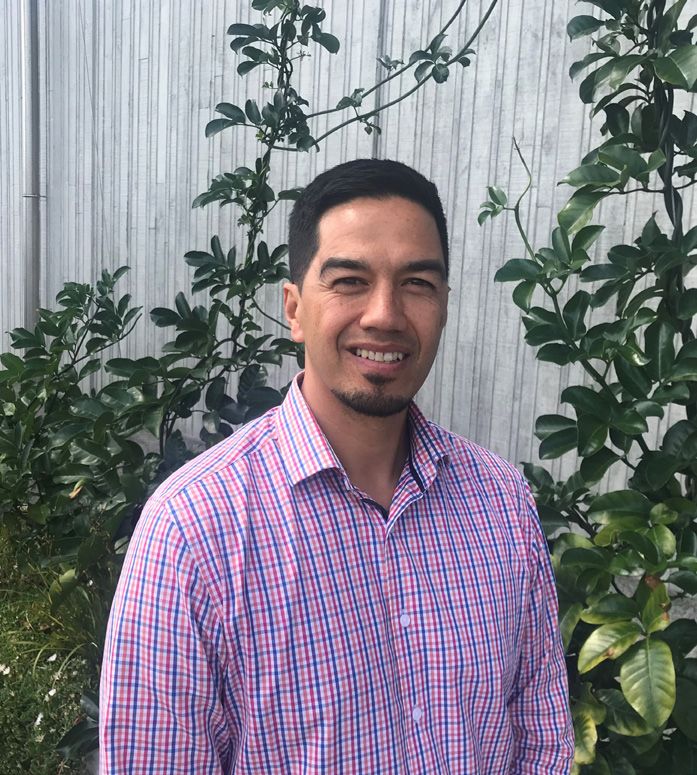
We were the first to introduce 100% plug-in electric They are reusable
trucks into a waste collection fleet in New Zealand,
They prevent pests/animals from interfering with
1. Introduction
and have opened a purpose-built facility to assemble
the waste
more EV trucks. At the end of 2020 we had 16 electric
trucks, as well as 87 electric cars and light vehicles They prevent injuries to our collections teams as
in our fleet. We will keep increasing this number and, sharp objects in the waste are safely contained.
with a total fleet of over 800, expect to make
By contrast, plastic bags:
a significant emissions reduction impact.
Go to landfill after a single use
Landfills and waste-to-energy: Are prone to breaking, causing mess
Waste Management recycles as much of the waste Do not protect our team from sharp objects in the bag.
we collect as possible, however there remains a
need to safely contain those wastes that cannot Incineration:
be recycled. The most environmentally responsible
solution available in New Zealand for such waste Waste-to-energy (WtE) incinerators, designed to
Future Challenges
2. Our Sustainability Strategy
streams is landfill. Modern engineered landfills are receive municipal waste streams, require an ongoing
nothing like the “dumps” of the past. A modern landfill regular supply of waste to deliver adequate return in
and green energy centre is a high-tech facility which investment. Without an ongoing volume over several
produces renewable energy and through engineering decades, the WtE incinerator will not be financially or
As we and the rest of the New Zealand move towards a future low carbon world supported by a circular controls and safe management practices, protects operationally sustainable. This does not support New
economy, there are a range of challenges and issues we need to address. the natural environment. Zealand’s goals as stated in the Waste Minimisation
Act, namely to encourage waste minimisation and a
In addition, waste carbon emission reduction should decrease in waste disposal.
Greenhouse gas emissions/ Circular economy: be the test against which all waste minimisation
activities are measured. Many current waste diversion Incineration also releases carbon to the atmosphere,
Climate change: practices will fail a greenhouse gas emissions test when it would otherwise be sequestered forever within
New Zealand’s focus needs to be on reducing waste
by addressing throw-away consumerism and the against disposal in landfill, especially if they involve a landfill.
Waste Management believes climate change is the combustion and/ or long-distance transportation.
most critical environmental issue facing New Zealand – economic drivers perpetuating this. A focus on
“diversion from landfill” is unlikely to lead to waste The costs associated with WtE are significantly higher
and the world – today. It is a major risk to our business,
to New Zealand and to humanity. minimisation. For example; focusing on a solution which Waste disposal levy: than current methods of waste disposal to landfill and,
increases the recycling waste stream, where a better as such, would need government intervention to make
solution could be to minimise the waste in the first place. Waste Management supports expanding the waste it a viable proposition for commercial investment.
We view all major decisions through an environmental
lens and actively consider the impact of our activities disposal levy equally across all types of disposal
3. About Waste Management
on greenhouse gas emissions, energy and water use, Circular outcomes are possible for some specific facilities, with the exception of those designed to Product stewardship:
direct discharges and biodiversity. waste streams in New Zealand, such as turning process or eliminate waste streams from priority
food waste and garden waste into compost, products under the Product Stewardship Scheme. Waste Management NZ agrees with the six proposed
Waste Management NZ was an early signatory to the as we do at Living Earth; recycling glass or old priority products identified by the Ministry for the
Climate Leaders Coalition and was the first company corrugated cardboard – but many other waste streams Waste itself imposes costs on the environment, Environment’s (MfE) Proposed Priority Products and
in the waste industry to be independently certified for require a product stewardship scheme and investment society, and the economy and should therefore Priority Product Stewardship Scheme Guidelines, and
managing and reducing our greenhouse gas emissions in suitable infrastructure to sustainably process be levied. The facility is merely the instrument for recommend the waste industry be engaged to provide
through Toitū Carbonreduce. We also supported the materials. collection and payment of the levy to the government. practical, local input on the effectiveness of any
the creation of the Climate Change Response schemes under consideration. A business case should
(Zero Carbon) Amendment Act, back in 2017. It is vital that the net carbon impact should also be We believe recipients of the levy fund (including also be required to evaluate each scheme’s impact on
included in any discussion around waste minimisation, local government) should be held accountable for the following:
We believe no single group can deliver the change the circular economy or other changes to management delivering waste minimisation, as well as a reduction
needed to curb climate change alone, and we support of waste streams in New Zealand. in greenhouse gas emissions. Transport, collection, sorting, material recovery and
the bringing together of stakeholders across disposal costs
New Zealand to address the issue. Electric vehicles: Kerbside bag collections:
Contribution to NZ’s Carbon Zero 2050 target
In our view, greenhouse gas emissions reduction We are committed to reducing our greenhouse gas Reusable bins are the safest, most environmentally
should be the primary focus of any waste minimisation emissions and, for the most effective gains in the near friendly way to store waste before it is collected by Broader sustainability outcomes of the scheme,
objectives and messages, and should be the test future, we are specifically focusing on reducing our Waste Management. Bins are preferable to plastic linked to the United Nation’s (UN) sustainable
against which all such activities are measured. diesel emissions. bags because: development goals (SDGs).
4. Appedndixes
7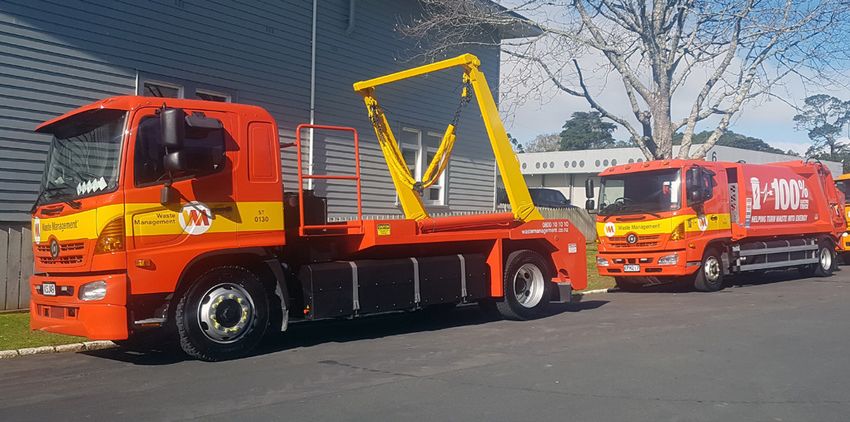
Our Sustainability Material Issues Environment in decision-making
Strategy: For Future What we want to achieve:
Generations
We view all major decisions through an environmental We will reduce environmental harm by making all waste
lens, specifically prioritising the impact of our activities generated by our customers and community safe.
on our carbon footprint, energy and water use, direct
discharges, and biodiversity. We will build on our circular economy, including through
1. Introduction
our procurement decisions.
At Waste Management our purpose is to keep
Aotearoa New Zealand beautiful for future generations, 2020 in Review
and we are the stewards of the current and future Our The following table summarises our projects, KPIs and progress achieved during 2020.
Environment
sustainability of Aotearoa New Zealand’s lifestyle
by responsibly and safely handling, processing and Goals Projects 2020 KPI Status Progress
recovering materials produced by our customers and
in our communities. 1. Implement activities from our 7.5% reduction in Waste Achieved 10.6% reduction in our operational
independently verified carbon Management’s 2020 carbon footprint by intensity, in part
Our sustainability focus comes from our sustainability Reduce
As an organisation, our purpose is Keeping footprint reduction plan to reduce operational carbon due to the impact of COVID-19 on
strategy, For Future Generations. Carbon
Aotearoa New Zealand beautiful for future our operational carbon footprint footprint against a 2017 the business
Footprint
generations. in line with our commitments as baseline
The 26 material issues (as outlined in our Materiality Matrix) a signatory to the Climate
were grouped into five key themes which include:
2. Our Sustainability Strategy
Leaders Coalition
The key projects in this programme area
reflect a continuation of our efforts to ensure
protecting the environment is embedded ork with our team members to
W 2% of Waste Achieved 3% of team members measured
Our Environment into our company, including reducing our help them reduce their personal Management team and took steps to reduce their
carbon footprint and engaging with our staff carbon footprints members have measured carbon footprint during a staff
and suppliers to support them protecting the their carbon footprint initiative run in October to reduce
environment and reducing their greenhouse and have plans to reduce their personal carbon footprint.
Our Communities gas emissions, along with a focus on their greenhouse gas Each team member taking part
regenerative plantings were possible. emissions went in the draw to win an e-bike
Our Customers
Tō Tātau Taiao 2. Implement activities to encourage Ten large suppliers Achieved 10 suppliers (17 guests) attended
suppliers to reduce their carbon to attend a Waste a carbon footprint-themed
Expand
Ko te kaupapa o te whakahaere he tiaki i tō footprint Management event partnership event with Toitū
Our People tātau taiao ātaahua mā te whakahaere toitū
sustainable
on carbon footprint Envirocare at our Auckland Head
procurement
i ā tātau rawa. reduction Office
Our Business evelop and implement Code
D Code of Conduct Partly Code of Conduct & Performance
Our COVID-19 Response of Conduct and performance and performance Achieved Management included in all new
3. About Waste Management
management framework for management framework contracts and rolled out to 28% of
Under each key theme are goals which contain a series While continuing to remove, recycle and treat
suppliers that explicitly includes rolled out to 80% of existing suppliers. We aim to reach
of dedicated Key Performance Indicators (KPIs), with set waste during lockdowns and raised alert
sustainability criteria and suppliers (by spend) 80% in early 2021
dates and defined owners. As the KPIs are achieved, our levels, Waste Management decreased its
outcomes and 100% of all new
sustainability goals are achieved. This also addresses the operational carbon footprint (by intensity)
contracts
underlying material issues. by 10.6% against our target of 7.5% for 2020.
In this report, we detail the progress and achievements We achieved this mainly through reduced evelop and implement a
D 50% of new procurement Achieved Complete with 100% of
realised during 2020. operations due to the impact of the pandemic procurement framework for tenders by 2020 procurement tenders during
on our business throughout the year, corporate services project 2020 using new framework
sourcing that incorporates “cost
Global Ambitions: United Nations in particular impacting upon diesel use,
v. delivery v. sustainability”
shipping and air travel.
Sustainable Development Goals weighting methodology
We have also aligned our For Future Generations sustainability 3. xpand support for community
E One new community Achieved First block of native planting at
strategy with the UN Sustainable Development Goals (SDGs) programmes that deliver regeneration project Tirohia Landfill and Energy Park in
and we have identified the 10 SDGs which our strategy Increase
regeneration in areas where we identified and funded the Waikato completed. Local iwi
provides the greatest support to. As we continue to implement regenerative
operate visited the site and there have been
our strategy, we anticipate the SDGs will challenge us to plantings
discussions regarding the setup
stretch our aspirations further. We will continue to integrate of an onsite nursery to eco-source
these global goals into our strategy and programme. natives for future planting
4. Appedndixes
8
Our Future Focus - 2021-2025 Goals
Goals Projects 2021 KPI 2025 KPI 2021 updates
1. Implement activities from 10% reduction in Waste 22% reduction in Waste 2.5% increase and change
our independently verified Management’s operational Management’s 2025 operational to an intensity target
Reduce
carbon footprint reduction intensity carbon footprint against intensity carbon footprint against
Carbon
1. Introduction
plan to reduce our operational a 2017 baseline a 2017 baseline
Footprint
carbon footprint in line with our
commitments as a signatory to
the Climate Leaders Coalition
Before (2004)
ork with our team members to
W 4% of Waste Management team 10% of Waste Management 2% increase in target
help them reduce their personal members have measured their team members have measured
carbon footprints carbon footprint and have plans their carbon footprint and have
to reduce their greenhouse gas reduced their greenhouse
emissions emissions by 10%
2. Implement activities to Twenty suppliers have attended 100 suppliers have attended a Increase in target to 20
encourage suppliers to reduce a Waste Management event on Waste Management event on suppliers
Expand
their carbon footprint carbon footprint reduction carbon footprint reduction
2. Our Sustainability Strategy
sustainable
procurement
After (2019)
evelop and implement Code
D Code of Conduct and Code of Conduct and Updated to reviewing
of Conduct and performance performance management performance management suppliers who have
management framework for framework reviewed against 20% framework rolled out to 100% received the Code of
Case Study
suppliers that explicitly includes of current suppliers (by spend) of suppliers Conduct & performance
sustainability criteria and framework
outcomes
Tiromoana Bush regeneration
evelop and implement regular
D Creation of a supplier Quarterly engagement with New KPI for 2021 for
communication and engagement communication plan with at 100% of suppliers supplier engagement
ICONS ICONS
ICONS 42 Rare native plants are
ICONS 42 making a comeback near Kate Valley Landfill
with our suppliers regarding least one communication sent
& Energy Park.
sustainable procurement to 100% of suppliers
New Zealand’s rarest mistletoe species are now – against the odds
– growing in Tiromoana Bush, next to Kate Valley. They are dwarf
3. xpand support for community
E One new community regeneration 10% annual increase in plantings No change
mistletoe, white mistletoe or tāpia, and green mistletoe or pikirangi.
programmes that deliver project identified and funded directly by Waste Management
Increase
17 ICONS: COLOUR VERSIONinINVERSED 17 ICONS: COLOUR VERSIONor
INVERSED
regeneration areas where through support of our
ICONS
ICONS
regenerative ICONS
ICONS 42
42 ICONS
ICONS What makes their growth so special is that they are all arboreal
we operate community partners42 42
3. About Waste Management
plantings parasites – which means instead of germinating on the ground they
require a host species to live on.
For example dwarf mistletoe can only grow on kānuka, making it
exceptionally rare.
ION
ON INVERSED
INVERSED 17 17 Long Term Contribution
ICONS:
ICONS:
COLOUR
COLOUR
VERSION
VERSION
INVERSED
INVERSED
Over the years Waste Management has been actively involved in
Our Environment key theme supports six United Nations Sustainable Development Goals (SDGs). Our carbon footprint reduction efforts and the renewable regenerating Tiromoana Bush.
energy from our Landfill Energy Parks support SDGs 7 and 13. The sustainable procurement goals promote decent work and economic growth (SDG 8)
along with future sustainable cities and communities (SDG 11) and ensuring responsible consumption (SDG12). None of this can be achieved in isolation, It’s been a hugely successful project, with before and after photos
with partnerships fundamental to Our Environment theme (SDG 17), such as the supplier carbon footprint reduction event held with Toitū Envirocare. (above) showing the difference over 15 years.
Local iwi have also recently visited the site and there have been
discussions around the setup of an onsite nursery to eco-source
natives for future planting.
Each icon can ONLY be used inversely over a white background. Each icon can ONLY be used inversely over a white background.
4. Appedndixes
The icon may not be used inversely over a black nor a coloured The icon may not be used inversely over a black nor a coloured
background. background.
Do not alter the colours of the SDG icons. Do not alter the colours of the SDG icons.
9
Material Issues
1. Introduction
Communication Community engagement Community investment Education on waste Leadership on waste
What we want to achieve:
We engage proactively with our local communities and raise awareness of We are a strong communicator and advocate, vocal on waste issues in
Our Communities how waste and environmental services operate in New Zealand by sharing the public domain by engaging with central and local government and
knowledge that tells the story of waste, including recycling, composting, providing leadership in the wider waste industry.
landfill and speciality waste streams. We invest in local communities, particularly in areas that relate to waste
and environmental services, working in partnership with the community.
We operate over 70 sites throughout New Zealand,
2020 in Review
2. Our Sustainability Strategy
managing waste and providing environmental
services and facilities. Our teams work within these The following table summarises our projects, KPIs and progress achieved during 2020.
communities, supporting the economy and providing
essential services.
Goals Projects 2020 KPI Status Progress
The KPIs in this programme reflect the feedback through
the materiality assessment that our communities are wanting
1. evelop and implement an improved
D Stakeholder engagement plan delivered Partly Stakeholder engagement plan
to make better choices, but need our help, knowledge, proactive engagement approach with with 75% satisfaction score in end of Achieved delivered with planned implementation
and expertise with making the right choices as well as Improve
our stakeholders on key issues year survey during 2021
providing opportunities for our staff to directly support mutual understanding
their local community during work hours. with stakeholders
Ō Tātau Hapori
2. Increase tours at our landfills to help At least one community tour runs at each Partly There were challenges with Covid-19
Kei roto mātau i te nuinga o ngā hapori puta noa i Aotearoa
the community understand where their landfill during 2020 (Redvale, Whitford, Achieved multiple lockdowns but where possible
e mahi ana, he tuku ratonga me te whakahere whakaurunga Improve community
waste goes Tirohia and Kate Valley) community tours were run
ratonga para, ā-taiao hoki. Mahi ai ō mātau rōpū i roto i understanding
aua hapori, e tautoko ana i te ōhanga me te tuku i ngā of issues relating
3. About Waste Management
ratonga waiwai. to waste upport education programmes
S In partnership with Keep New Zealand Achieved 1,978 Kiki Kiwi books distributed to all
around waste minimisation with New Beautiful, provide a copy of the Kiki Kiwi primary/intermediate schools and all
Zealand kids children’s book to all NZ primary schools national kindergartens
Our COVID-19 Response
At Waste Management, we have a responsibility to our se social media to engage with
U 15,000 followers across our social Partly 11,760 social media followers for this
customers and the wider New Zealand public to continue wider New Zealand community media channels Achieved aspirational goal (up from 4,800 as at
to collect New Zealand’s waste as an essential service. beyond our customers the end of 2019)
During the pandemic members of our team were part
of the Government’s waste working group, ensuring that 3. se volunteering to increase our
U Establish an annual half-day volunteering Partly Framework for volunteer programme
New Zealanders could rely on their waste being collected and contribution to the communities in programme for every team member Achieved established and due to go live early 2021
Expand engagement
safely managed during highly stressful and uncertain times. which we operate
with our local
We were proud to step up for our fellow Kiwis. communities
4. Appedndixes
10Our Future Focus - 2021-2025 Goals
Goals Projects 2021 KPI 2025 KPI 2021 updates
1. evelop and implement an
D The Government’s Waste 90% satisfaction score in end Updated focus on
1. Introduction
improved proactive engagement Minimisation review considers of year survey and stakeholder key stakeholders iwi,
Improve
approach with our core the full impact of carbon. engagement plan reviewed and Government and local
mutual
stakeholders on key issues Engagement initiated with updated annually community
understanding
(iwi, Government and local four specific iwi
with
community)
stakeholders
2. Increase our reach and Create digital content on landfills At least four tours at each of our Updated to use modern
engagement of the community and waste which achieves landfills during 2025 (Redvale, digital tools
Improve
so they understand where their 100,000 click views Whitford, Tirohia and Kate Valley)
community
waste goes
understanding
of issues
relating to upport education programmes
S Deliver an educational teaching Reach more than 200,000 New KPI updated for a wider
waste around waste minimisation with resource on waste Zealand children by supporting educational impact
2. Our Sustainability Strategy
New Zealand kids targeted waste education
programmes
se social media to engage with
U 20,000 followers across our 50,000 followers across our Expanded to include
Case Study
wider New Zealand community social media channels and create social media channels social media partnerships
beyond our customers two partnerships using social
media to achieve broad reach
engagement
Haere mai Sonny
ICONS
ICONS 42
3. se volunteering to increase our
U Establish an annual half-day 90% of team members Clarified as a voluntary Nau mai, haere mai to Sonny Wilcox, who joined Waste
contribution to the communities volunteering programme volunteering for a half-day opportunity for 2021 and Management as Manager of Māori Partnerships in 2020.
Expand
in which we operate opportunity for every team each year 2025 targeted updated
engagement
member to 90% Sonny, who is originally from Waikare in the Bay of Islands and of
with our local
communities Te Kapotai, Ngāti Hine, Ngāti Te Ara, Te Māhurehure and Ngāpuhi
17 ICONS: COLOUR VERSION INVERSED affiliation, has helped our team develop relationships with iwi and
Increase engagement with Māori 42
ICONS
ICONS 42
Establish a strong marae Establish five new Māori New KPI for 2021 on Māori hapu, provide strategic advice and lead stakeholder engagement.
and local iwi connection for our Auckland engagement activities and iwi engagement Importantly, Sonny has also helped build greater understanding of
Head Office
3. About Waste Management
Māori culture and language within Waste Management.
Fluent in te reo Māori, Sonny has a strong background in Māori
leadership, having worked as both a youth and social worker, and
Long Term Contribution as Māori liaison officer for the Counties Manukau police and in
ICONS 42 multiple voluntary capacities.
Our Communities key theme supports five SDGs. Engaging and educating our stakeholders and surrounding communities about a future circular
economy supports SDG 4. This will lead to more sustainable cities and communities (SDG 11) and responsible consumption and production (SDG 12). Most recently Sonny worked at Manukau Institute of Technology
A more efficient and less wasteful society will also lead to a reduction in greenhouse gas emissions. For these goals to be achieved we will be working in (MIT) as the Māori Development Manager specialising in delivering
partnership with our stakeholders. For example, during 2020 we partnered with Keep New Zealand Beautiful to provide the Kiki the Kiwi book to all primary cultural competency and confidence training.
and intermediate schools throughout the county (SDG 17).
Sonny says he aims to provide a Māori perspective and start
building new connections between Waste Management and the
Māori community.
“The goal should be to create safe spaces for people to
meaningfully engage with our indigenous Māori culture and its
language and to realise that this is a wonderful taonga (precious
gift) that all Kiwis can celebrate.”
Each icon can ONLY be used inversely over a white background.
The icon may not be used inversely over a black nor a coloured
4. Appedndixes
background.
Do not alter the colours of the SDG icons.
11
d.
d.Material Issues
1. Introduction
Brand Collaboration Consistent excellence Customers as partners Customer experience Transparency
What we want to achieve:
Our Customers
We create a positive experience for all customers, and we are transparent Waste Management works proactively to achieve our customers’ waste goals.
and honest about the solutions we can and cannot provide. We seek to partner rather than have transactional relationships with our
We have reporting and information available for our customers about their customers, working together to achieve their sustainability goals and targets.
waste and environmental services and invest in new ways to improve this. We are better collaborators and partner with others to deliver solutions
Managing waste and environmental services is an We help our customers through easy-to-understand reporting of this data. for customers and for our communities.
2. Our Sustainability Strategy
issue of increasing importance to our customers along
with embracing new technology and continuously
improving the day to day activities that contribute to 2020 in Review
a highly effective, safe and optimised business that The following table summarises our projects, KPIs and progress achieved during 2020.
delivers greater customer value. Our customers want to
partner with us to achieve their waste goals effectively
and sustainably. Goals Projects 2020 KPI Status Progress
We understand the importance of new digital technology along
with maintaining good old-fashioned service for our customers, 1. Implement ongoing improvements in 5% improvement in customer Partly System to collect NPS (Net Promotor
and our goals are written to ensure we do so. digital and service delivery solutions experience measure Achieved Score) data created and due to go live
Improve customer
for our customers during 2021
experience
Ā Mātau Kiritaki
Ko te whakahaere i ngā ratonga para me te taiao tētahi take e
nui haere tōna hiranga ki ā mātau kiritaki, ā, e kitea ai tēnei i roto 2. Identify opportunities to partner with 10 new initiatives implemented, Partly Despite several new initiatives being
i tā mātau aromatawai ukauka. Ko te hiahia o ā mātau kiritaki customers (and others) to implement with outcomes tracked and reported Achieved delayed due to the impact of COVID-19
3. About Waste Management
Enhance our
kia mārama pai ake me pēhea te tutuki i ā rātau me ā rātau new initiatives that support their on our customers and the local economy,
partnerships
kaiwhakarato ā rātau whāinga kia whaitake, kia toitū. sustainability goals five initiatives were rolled out across five
with customers
different partnerships
Our COVID-19 Response
3. Increase the number of customers 10% increase in the proportion of orders Achieved 12% increase in orders placed online or
We reassured our customers and communities we would using digital solutions placed online or through digital channels through digital channels in 2020
Improve
continue to do the vital work of Waste Management during
digital solutions
the pandemic through regular communications on our website,
via email and through personal phone calls from our sales team.
We updated our communications after every alert level change,
and our call centre was on stand-by throughout. Kia ora to Launch online tools to provide better At least one new solution launched with Achieved GoBiz online tool launched for
New Zealand for all the aroha you sent us during 2020. information about waste for customers 100 visits per month commercial customers to manage
their accounts online, with over 300
customers signed up
4. Appedndixes
12Our Future Focus - 2021-2025 Goals
Goals Projects 2021 KPI 2025 KPI 2021 updates
1. Introduction
1. Implement ongoing 5% year-on-year 5% per annum increase No change
improvements in digital and improvement in customer in customer experience
Improve
service delivery solutions for experience measure measure
customer
our customers
experience
2. Identify opportunities to 10 new initiatives 50 new initiatives No change
partner with customers (and implemented, with implemented, with
Enhance our
others) to implement new outcomes tracked and outcomes tracked and
partnerships
initiatives that support their reported reported
with
sustainability goals
customers
2. Our Sustainability Strategy
CONS
3. Increase the number of 30% increase year-on-year 10% per annum
ICONS 42 increase Changed to a
customers using digital in the number of orders in the number of orders 30% increase
Improve
solutions placed online or through placed online or through in year-on-year
digital
digital channels digital channels digital orders
solutions
year-on-year
ICONS: COLOUR VERSION INVERSED
aunch online tools to
L At least one new solution 10% per annum increase No change
ICONS
ICONS
ICONS 42
42 ICONS 42
provide better information launched with 100 visits on number of visits to
about waste for customers per month online tools Sustainability Partner, Tyron Hartle, who works on circular economy initiatives,
helped bring about our partnership with All Heart NZ.
Case Study
17 ICONS: COLOUR VERSION INVERSED
Long Term Contribution
Our Customer key theme supports four SDGs. Our work to improve customer experience will support the decent work and
economic growth (SDG 8) in their businesses which will lead to more sustainable cities and communities (SDG 11) and Partnership with All Heart NZ
3. About Waste Management
responsible consumption and production which will result in less waste (SDG 12). We are moving to enhance the partnership
model with our customers, supporting SDG 17.
In 2020 we were very proud to sign an impact partnership agreement with All Heart NZ, with the
aim of helping redirect our customers’ waste.
All Heart NZ is a social enterprise that supports communities by providing reusable materials to
people in need. They partner with corporates to practically redirect and repurpose redundant
and unwanted items, as well as promote sustainable, ethical and social aspects of procurement
and supply chain management.
h icon can ONLY be used inversely over a white background. Through our relationship with All Heart NZ, Waste Management is now able to offer its
redirection service to our commercial customers. It means customers with unwanted items can
icon may not be used inversely over a black nor a coloured
kground. have them redirected to support hundreds of communities across Aotearoa, creating a circular
economy rather than ending up as waste.
not alter the colours of the SDG icons.
ound.
und.
ach icon can ONLY be used inversely over a white background.
ured
red
he icon may not be used inversely over a black nor a coloured
ackground.
4. Appedndixes
Do not alter the colours of the SDG icons.
13Material Issues
1. Introduction
Culture Diversity and inclusion Employer of choice Health and safety Investment in people
What we want to achieve:
Our People
We maintain our ethos that health and safety is our top priority. We have an inclusive culture and working practices with diversity at
Our team are proud to work for Waste Management and share their waste all levels of the company.
industry knowledge with others. We are seen as an employer of choice within New Zealand.
We invest in training and development of our team at all levels.
We want our people to be motivated, engaged and in highly
2. Our Sustainability Strategy
in capable teams and leaders contributing to a high performing
business. Our people will be supported by a culture of 2020 in Review
innovation, development, inclusivity and accountability. The following table summarises our projects, KPIs and progress achieved during 2020.
In this programme we are focusing on KPIs that will support the
underlying safety, physical and mental health of our employees,
Goals Projects 2020 KPI Status Progress
as well as providing an encouraging diverse and inclusive
working culture.
1. onduct bowtie risk assessments to
C 100% completion for all Achieved Bowtie assessment completed
Ā Mātau Tāngata educe significant
R
identify the causes, preventative safety critical risks for all critical risks
controls, reactive safety measures and
injury and fatality
Ko tā mātau i tūmanako ka tautuhia ko ā mātau tāngata tētahi o consequence for each of our 13 critical
incidents
ngā kaupapa i roto i tā mātau aromatawai ukauka, e whakaata ana safety risks (details on page 18)
i te hiranga o ā mātau tāngata kia puta ai a Waste Management hei
kamupene toitū ā tōna wā.
Our COVID-19 response ducate all managers and supervisors
E 100% of supervisors and Achieved All managers trained in bowtie
in each bowtie and management of managers trained risk assessments
3. About Waste Management
Our Executive Management Team was in daily communication with identified critical risks
our team of 1645. Our communications included links to the Waste
Management intranet where we posted updates in real time, as well as
messages of gratitude received from the community. These messages 2. evelop programmes to increase
D Creation of a Diversity Achieved Framework for Diversity
of support meant so much to our team and kept spirits high. cultural literacy and diversity across Committee Foundation Committee
Increase diversity
our teams established and due to go live
We wanted transparency to be a theme of our communications and cultural literacy
early 2021
because people were concerned for their jobs, and we are very proud
we were able to do this, while keeping all our workers employed
easure the effectiveness of diversity
M Ethnicity data requested Achieved Ethnicity data requested from all
during COVID-19. This connection with our team, along with their
and inclusion programmes through from 100% of new new employees and survey sent
incredible resilience and comradery, has meant we’ve come through
capturing accurate data from new employees (and sought from to all existing employees, with
multiple lockdowns stronger. and existing team members 50% of existing employees) 22% responding
4. Appedndixes
14Our Future Focus - 2021-2025 Goals
1. Introduction
Goals Projects 2021 KPI 2025 KPI 2021 updates
1. educe the number of incidents
R a) Rollout and training of bowtie 10% reduction in incidents for Focus updated to reducing
across each of our 13 critical risk assessments to non-process identified critical risks incidents across our
Reduce
safety risks (details on page 18) safety team members for each of 13 critical safety risks
significant
our 13 critical risks through rollout of bowtie
injury and
b) No recurring ‘opportunities risk assessments and no
fatality
for improvement’ identified in recurring opportunities for
incidents
internal or external HSE audits improvement from audits
2. evelop programmes to
D Diversity committee meets at A recurring Māori leaders Updated from creation
increase cultural literacy and least five times; a programme programme in place, and at least to Diversity Committee
Increase
2. Our Sustainability Strategy
diversity across our teams of activities is developed and one other diversity or cultural meeting five times with
diversity
implemented during 2021 literacy initiative implemented programme of activities Napier-based Operations Supervisor
and cultural
per annum developed Stacey McKinnie won the e-bike
literacy
3. evelop programmes to
D 10% increase in participation 90% engagement in Waste New KPI with focus on
support the physical health in Waste Management-provided Management provided our teams’ physical health
Health &
Case Study
and well-being of our team annual health check-up health check-up programme
well-being
programme based on 2020
figures
evelop programmes to
D Mental health awareness training A regular mental health support New KPI with focus on
Team competition to reduce personal
ICONS
support the mental health created and delivered nationally programme developed and ICONS health
our teams’ mental 42 carbon footprints
and well-being of our team to 100% of Waste Management implemented across Waste
employees Management To support our people to reduce their personal carbon footprint,
we instigated a competition which ran during October 2020.
To enter, the team needed to measure their carbon emissions
3. About Waste Management
17 ICONS: COLOUR VERSION INVERSED
using the Toitū Envirocare carbon footprint calculator, and then
Long Term Contribution ICONS
ICONS 42
42
commit to making changes to reduce their total.
Our people key theme supports four SDGs. The work on our 13 critical risks supports good health and well-being (SDG 3) and our programmes to Our sustainability team sent each team member personalised and
increase diversity will drive gender equality (SDG 5) leading to decent work and economic growth for all (SDG 8). All of this can only be achieved by simple-to-follow tips on how to make reductions, and everyone
providing quality education to our team members (SDG 4). who took part went in the draw to win an e-bike.
RSION
RSION INVERSED
INVERSED
A total of 48 team members took up the challenge, surpassing our
goal of having 2% of the Waste Management team take part. We’ll
be looking to do even better in 2021 – and our goal for 2025 is to
have 10% of staff measure their carbon footprint and reduce their
greenhouse gas emissions by 10%.
4. Appedndixes
Each icon can ONLY be used inversely over a white background.
The icon may not be used inversely over a black nor a coloured
background.
Do not alter the colours of the SDG icons.
15You can also read


