Introduction, Vision and Context
←
→
Page content transcription
If your browser does not render page correctly, please read the page content below
Section 1
Introduction,
Vision and Context

 Sydney Airport Master Plan 2039
2 Sydney Airport Master Plan 2039
1.0 Introduction
1.1 Purpose of the Master Plan
Sydney Airport is one of Australia’s most                            Master Plan 2039 delivers a flexible blueprint for
                                                                     Sydney Airport that is adaptable to changing
important pieces of infrastructure. It is our
                                                                     conditions in the economy and aviation industry,
international gateway and an essential part                          and responds to differing scenarios for aircraft and
of our transportation network connecting                             passenger movements.
Sydney to over 100 regional, national and
                                                                     Master Plan 2039 outlines the development
international destinations.                                          opportunities for Sydney Airport’s growth and is a
The continued growth of Sydney                                       statutory document prepared in accordance with the
                                                                     requirements of the Commonwealth Airports Act 1996
Airport is vital to achieving local and
                                                                     (Airports Act). It includes development plans that
NSW employment, tourism, trade and                                   reflect changes in the past five years and new forecasts
development objectives. The Sydney Airport                           for aviation activity.
Master Plan 2039 (Master Plan 2039) has
                                                                     Included as an addendum to Master Plan 2039 is the
been prepared to ensure that this growth can                         Environment Strategy 2019-2024, which has been
be achieved in the next 20 years.                                    prepared in accordance with the specific legislative
                                                                     requirements for environmental matters at Sydney
It outlines a clear strategic direction for
                                                                     Airport.
Sydney Airport consistent with regional
economic conditions and major infrastructure                         The developments proposed in Master Plan 2039
                                                                     are subject to an extensive public consultation
delivery strategies.
                                                                     process. Delivery of the developments will be further
                                                                     subject to macroeconomic conditions, technological
                                                                     advancements and collaboration and consultation with
                                                                     key stakeholders and the community.

                                                                     This Master Plan 2039 has been prepared for
                                                                     public and stakeholder consultation, as detailed in
                                                                     Chapter 5.0.

                                                                     Master Plan 2039 is intended to be a key source
                                                                     of information for the local community, Australian
                                                                     and NSW Governments, local governments and the
                                                                     business sector. It provides a clear direction of our
                                                                     development strategy over the next 20 years and acts
                                                                     as an important link to other planning strategies for
                                                                     Sydney and NSW.

    Image 1-1:   Looking at the Sydney skyline from Sydney Airport

4          Sydney Airport Master Plan 2039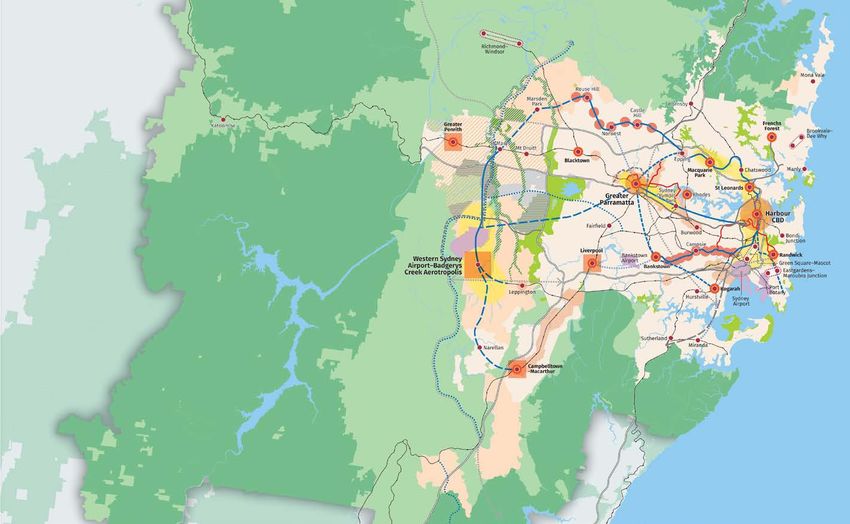
1.2 Legislative Framework
Sydney Airport is governed and operated in
accordance with Commonwealth legislation, relating
to its airspace, development, aviation operations, and
environmental management.

Master Plan 2039 has been prepared to be consistent
with our obligations under this suite of airport related
legislation, illustrated in Figure 1-1.

                                                      Airspace
                                                      Act 2007
                            Airports                                   Sydney Airport
                           Regulations                               Demand Management
                              1997                                        Act 1997

                                                                                   Airports
       Civil Aviation Safety                                                    (Environmental
        Regulations 1988                                                          Protection)
                                                                               Regulations 1997
                                                     Airports
                                                     Act 1996
               Civil Aviation                                                  Environment
               Regulations                                                    Protection and
                    1988                                                       Biodiversity
                                                                           Conservation Act 1999

                         Civil Aviation                               Aboriginal and Torres
                           Act 1988                                  Strait Islander Heritage
                                                   Sydney Airport     Protection Act 1984
                                                   Curfew Act 1995

Figure 1-1:   Commonwealth legislative framework

                                                                                                   5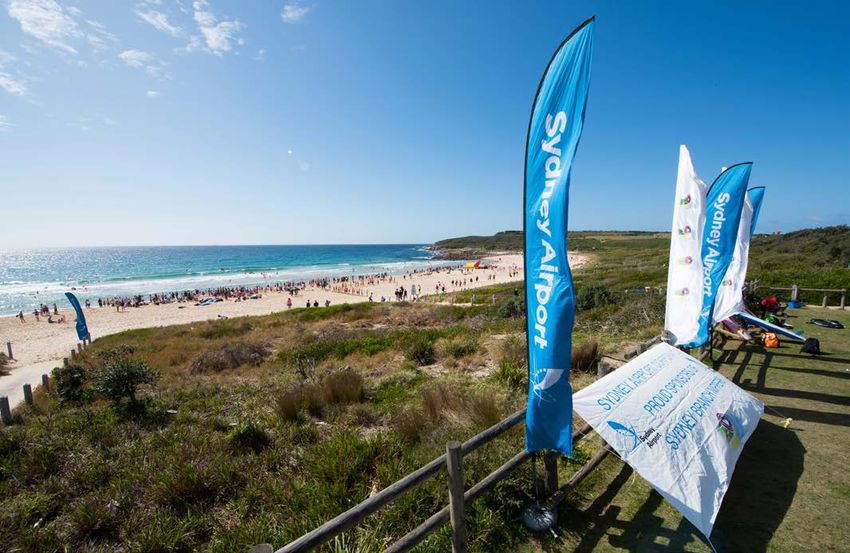
1.3 Master Plan
                                                               Process
1.2.1      Requirements for an airport                     The master planning process for airports is outlined in
                                                           the Airports Act. This Master Plan 2039 has followed
           master plan                                     that process.

The Airports Act and associated Regulations are            The Preliminary Draft Master Plan 2039 was on public
the statutory controls for ongoing regulation of           exhibition for a period of 60 business days from
development activities on Sydney Airport land (leased      Monday 27 August to Tuesday 20 November 2018. It
from the Australian Government), for both aeronautical     was prepared following detailed technical and initial
and non-aeronautical purposes. The Department              stakeholder engagement.
of Infrastructure, Regional Development and Cities
(DIRDC) is responsible for administering the Airports      Following the public exhibition period, the Preliminary
Act and Regulations.                                       Draft Master Plan 2039 was amended, where
                                                           appropriate, to produce the Draft Master Plan 2039.
Section 70 of the Airports Act requires there to be a      The Draft Master Plan 2039 was then submitted to
final master plan for the airport that has been approved   the Minister for Infrastructure, Transport and Regional
by the Commonwealth Minister for Infrastructure and        Development (the Minister) for approval.
Transport (the Minister). A master plan is required to:
                                                           The Minister approved the Draft Master Plan 2039 on
a.   Establish the strategic direction for efficient and   28 March 2019, at which point it became the final
     economic development at the airport over the          Master Plan 2039.
     planning period
     See Chapter 2.0
b. Provide for the development of additional uses of
   the airport site
   See Chapter 10.0
c.   Indicate to the public the intended uses of the
     airport site
     See Chapters 7.0, 12.0 and 13.0
d. Reduce potential conflicts between uses of the
   airport site, and to ensure that uses of the airport
   site are compatible with the areas surrounding the
   airport
   See Chapter 13.0
e.   Ensure that operations at the airport are
     undertaken in accordance with relevant
     environmental legislation and standards
     See Chapter 14.0 and Environment Strategy
     2019-2024
f.   Establish a framework for assessing compliance at
     the airport with relevant environmental legislation
     and standards
     See Chapter 14.0 and Environment Strategy
     2019-2024
g. Promote continual improvement of environmental
   management at the airport
   See Chapter 14.0 and Environment Strategy
   2019-2024
Master Plan 2039 has been prepared in accordance
with these requirements, which are documented in
detail in Appendix D.

6        Sydney Airport Master Plan 2039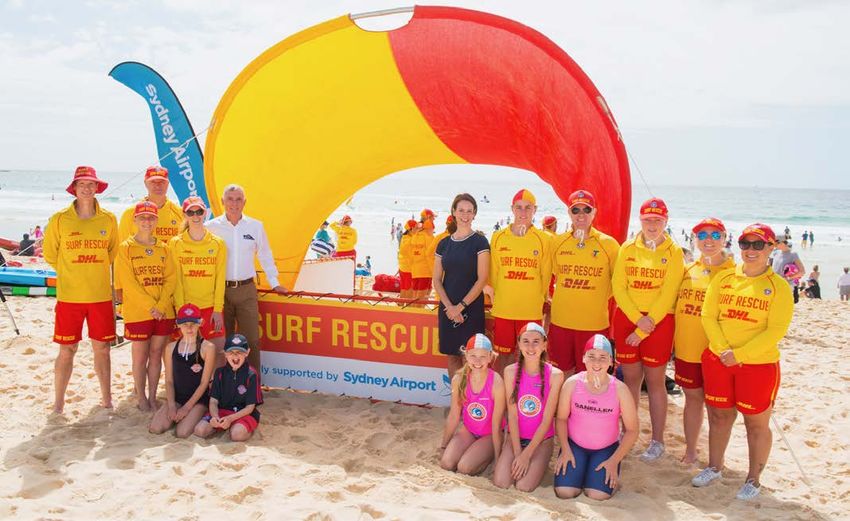
2.0 Vision for
    Sydney
    Airport

                 7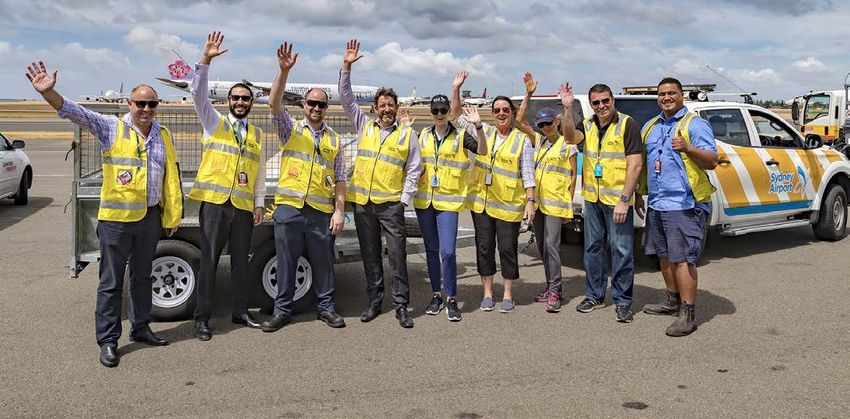
2.1 Vision
    At Sydney Airport, our Vision is to deliver a
    world-class airport experience and foster the
    growth of aviation for the benefit of Sydney,
    NSW and Australia.
    We are committed to responsible growth
    that delivers positive outcomes for our
    customers, investors and the community in
    which we operate. Master Plan 2039 outlines
    our 20-year plans to deliver our Vision.
    Our development plans will enhance the
    passenger experience and efficiency of the
    airport, focus on safety and security, drive
    productivity, jobs and economic growth,
    and improve environmental outcomes,
    while being a good neighbour and making a
    positive contribution to our community.

    Image 2-1: Sunset at Sydney Airport

8         Sydney Airport Master Plan 2039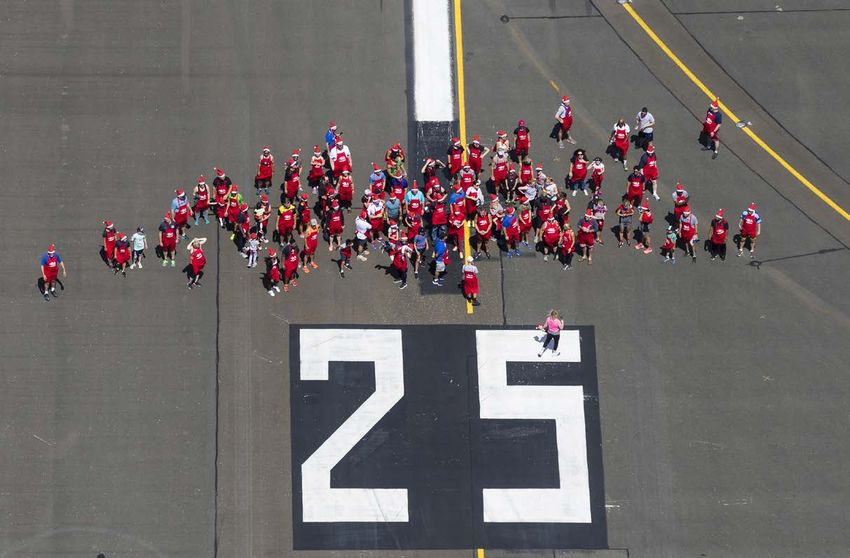
9
2.2 Objectives
                                                                          Safety and Security
Master Plan 2039 has been developed in accordance
with the following objectives, to ensure that the Vision
for Sydney Airport can be achieved over the 20-year
planning period of Master Plan 2039. Planning for the      Enhance safety and security for users of the
airfield, airport infrastructure and the environment has   airport by:
been undertaken in accordance with these objectives.       • Safeguarding the airport’s aviation operations
                                                           •   Ensuring a safe and secure environment for
                                                               passengers, employees and infrastructure

                                                                          Community

                                                           Consider the interface with the community in
                                                           planning, development and operations by:
                                                           • Engaging in an open and genuine manner
                                                           •   Supporting the NSW and local economies in which
                                                               the airport operates

                                                                          Experience

                                                           Enhance the experience of all passengers and
                                                           airport users:
                                                           • Arriving and departing landside at the airport,
                                                               including at ground transport facilities, rail stations,
                                                               terminal forecourts and commercial precincts
                                                           •   Travelling through the terminals
                                                           •   Through safety and security improvements

                                                                          Ground Access

                                                           Improve ground access to, from and past the
                                                           airport through:
                                                           • Innovative solutions to ground access
                                                           •   Partnership with the Australian, NSW and local
                                                               governments
                                                           •   Supporting increased public and active transport
                                                               use

10      Sydney Airport Master Plan 2039
Environmental
Capacity
Performance
Continue to improve environmental Maximise the capacity of the airport to meet demand
performance at the airport in order to: within existing operational restrictions including:
• Reduce the carbon footprint of the airport • 80 movements per hour
• Conserve items of natural, indigenous or heritage • Curfew from 11pm to 6am
value • Access arrangements for regional airlines
• Protect environmentally significant areas • Long Term Operating Plan (LTOP)
Generate Benefit and
Sustainability
Value for the Economy
Further embed sustainability into airport decision- Stimulate leisure and business travel to generate
making in order to: benefit and value for the economy
• Minimise the impact on, and seek opportunities • Facilitate the activities of businesses operating at
to enhance, the natural, constructed and social the airport
environments • Contribute to the growth of tourism, trade and jobs
• Reduce waste and promote sustainable use of in the NSW and Australian economies
energy, water and materials
Compete
Efficiency
Internationally
Improve the efficiency of the airport through: Create an airport that is able to compete
• Investments in terminal and airfield infrastructure internationally to capture aviation demand
• Utilising new technology • Deliver efficient infrastructure capacity and
facilities to service new and existing international
• Optimal use of the airfield
markets
• Continue to innovate and create a world class
experience for our customers
Adaptability and
Flexibility
Provide adaptable and flexible plans to
accommodate aviation growth that:
• Meet forecast passenger growth
• Ensure responsible investments
• Are responsive to change
1112 Sydney Airport Master Plan 2039
3.0 Strategic Context
    and Economic
    Significance

                        13
3.1 Overview
Sydney Airport is one of Australia’s most Sydney Airport serves passengers travelling
important infrastructure assets. It is our to or from Sydney and is Australia’s largest
international gateway and an essential part transport and logistics hub. 43 international
of our transportation network connecting airlines and seven domestic and regional
Sydney to over 100 regional, national and airlines operate from Sydney Airport to 54
international destinations. international and 49 domestic destinations.
As the gateway to Australia, Sydney Airport Surrounding the airport is a network of
connects people, places and communities residential, light industrial and airport
every day. It is located eight kilometres related businesses that rely on or support
south of the Sydney Central Business the airport, such as freight and logistics,
District (CBD), and less than 10 kilometres catering, engineering, vehicle rental and
from Sydney Harbour and major tourist accommodation.
destinations. The significant benefits of aviation to Sydney,
NSW and Australia are well established, and
are recognised by all levels of government.
Direct and indirect activity at Sydney Airport
contributes significantly to the NSW and
Australian economy, and generates almost
340,000 jobs. Nearly 31,000 jobs are located
at the airport itself, with many of these
undertaken by people living in surrounding
areas.
14 Sydney Airport Master Plan 20393.2 Key Points
43.3 million Sydney Airport generates
passengers and facilitates (directly
and indirectly):
Passed through Sydney
Airport’s terminals in 2017
$38 billion in
economic activity
348,520
6.8% of the NSW economy
Total Aircraft movements
in 2017
338,500 jobs
30,900 jobs on-airport
907 hectares adjacent to
Botany Bay
$17.6 billion
Sydney Airport has been the
site of aviation activities since freight exports annually
the early 1900s
More than $4.3 billion
invested since 2002
Facilities Capacity Safety and
Security
15Destinations
Over 50 international, domestic and regional airlines serve 27 countries
and over 100 destinations from Sydney Airport.
International
London Vancouver
Bejing
Xi’an Seoul
Hangzhou Qingdao Tokyo (Narita) San Francisco
Chengdu Nanjing Tokyo (Haneda)
Osaka Los Angeles
Delhi Changsha Wuhan
Chongqing Zhengzhou
Doha Dubai Kunming Guangzhou Shanghai Honolulu
Fuzhou Taipei
Abu Dhabi Xiamen HanoiHong Kong
Bangkok Haikou Manila
Phuket Ho Chi Minh City
Kuala Lumpur
Singapore
Jakarta Port Moresby
Denpasar Honiara
Port Vila Apia
Nadi Suva
Nuku’alofa
Johannesburg
Noumea
Norfolk Island Rarotonga
Sydney Auckland
Wellington
Christchurch
Queenstown
Figure 3-1: Destinations serviced by Sydney Airport
16 Sydney Airport Master Plan 2039National
Darwin
Cairns
Broome Townsville
Proserpine Hamilton Island
Alice Springs Mackay
Yulara Hervey Bay
Maroochydore
Toowoomba Brisbane
Gold Coast
Kalgoorlie
Perth
Adelaide Sydney
Canberra
Toronto Melbourne
New York Geelong
Dallas/Fort Worth Launceston
Hobart
Houston
Regional
Moree Lismore
Ballina
Grafton
Armidale Coffs Harbour
Mudgee
Santiago Cobar Tamworth Lord Howe Island
Broken Hill Port
Dubbo Taree Macquarie
Parkes Orange
Newcastle
Griffith Bathurst
Narrandera Sydney
Wagga Wagga
Moruya
Albury
Cooma
Merimbula
173.3 Sydney Airport Today
3.3.1 Airport context
The Sydney Airport site comprises 907 hectares of
land in Mascot adjacent to Botany Bay. Seven hectares
is owned by Sydney Airport and the remaining 900
hectares is leased from the Australian Government and
subject to the Airports Act.
The location of the airport site, in the context of its
locality and existing facilities, is shown on Map 7.
A legislated curfew is in place at Sydney Airport to
manage night time noise impacts on surrounding urban
areas. Aviation operations are restricted between the
hours of 11pm and 6am. The LTOP for Sydney Airport
also facilitates ‘noise sharing’ in areas surrounding the
airport.
There are also restrictions on the number of aircraft
movements per hour (capped at 80 movements). This
artificially limits aviation activity at Sydney Airport.
Sydney Airport has undergone continual upgrades
and expansions to both its aviation and non-aviation
facilities to meet changing and growing demands.
Previous master plans have provided a clear
understanding of these demands and a framework for
upgrades and expansions.
Master Plan 2033 provided a sound basis for the
planning needs of Sydney Airport. Master Plan 2039
builds upon this framework and reflects changes to the
operating environment for the airport, in particular:
• Changes in travel and tourism globally
• The Australian Government’s commitment to build
the Western Sydney Airport
• Changes to ground access arrangements for
Sydney Airport through improvements to the
external road network already undertaken or
proposed by the NSW Government
Appendix C provides a detailed breakdown of existing
facilities at Sydney Airport.
18 Sydney Airport Master Plan 2039!T
Map 7: Existing facilities at Sydney Airport
Ro
ad !
«
#
N
ad
Ro
ge
et
id
a
rr Br
tre
Sydenham
wa
s SYDNEY
nS
in
!T Station
Illa
w
! Un
rda
T
Marrickville
io
Station
O'R
Ca
na
lR
INNER WEST
oa
d
Garden
ers Road
Mascot
ay !
T Station
hw
Tempe
CANTERBURY- !
T Station
ig
H
a s Drive
BANKSTOWN Qant
s
ce
in
Pr
e
r iv
rt D
!
T
rp
o
Ai
G:\WTR\SpatialSys\Projects\2017\201712_Syd_Airport\Maps\Report Figures\20180420 Updates\Map7_Existing facilities at Sydney Airport (2019).mxd
Wolli Creek
Interchange
Joyce Dri
Station ve
T3
orth Avenu
tree
t T2
!T Wentw e
hS
M
ar
s
! T
Cross
COOKS RIVER
! T
Arncliffe
T1
thern
u e
Station So Driv
WAY
5 RUN
M
07 /2
5
Ea
Fr
s t
ee
w ay
BAYSIDE
Besti Bo
Fo
c Stree
t t an
re
eet
e y
sh
riv re Ro
tr
o
Ro ad
tany S
sD
16 L/3
ad
e
4R R
lm
16 R/3
Ho
We st Bo
BAYSIDE
UNW
al
4L R
AY
er
Gen
UNW
BOTANY BAY
AY
Ba
yS
tre
et
ead
Par
nd
Preside
Gr a
n t Avenu
e
The
Legend
AECOM GIS Printed Date: 20/04/2018
Sydney Airport Boundary Passenger Facility
Sydney Airport Freehold Land Freight Facility
LGA Boundary Terminal/ Precinct Buildings
Existing Road Ground Transport Facility
Sydney Rail Network Existing Runways
! Train Station
T Existing Taxiways/Aprons
0 0.5 1 km
193.3.2 Airport locality Sydney Airport is connected to the Sydney CBD by rail
and the M1 Motorway. The M1 Motorway traverses the
Sydney Airport, Port Botany and surrounding areas airport site in a tunnel underneath the main runway,
are significant trading gateways for Australia providing connecting to the M5 East Motorway just to the east of
large freight, business and tourism services. This the airport boundary.
locality includes a substantial amount of industrial land
The WestConnex Motorway will link the M4 and M5
that is critical to providing support services to all the
East motorways with Sydney Airport and Port Botany.
operations at Sydney Airport, particularly:
WestConnex is being built in stages with the final stage
• Commercial and logistics uses in Tempe, St Peters, (M4-M5 Link) expected to be open to traffic in 2023.
Mascot and Alexandria to the north
WestConnex will provide a new surface interchange
• Heavy industrial and petrochemical uses in Botany, at St Peters, around two kilometres to the north of
Port Botany and Banksmeadow to the south east Sydney Airport. From St Peters, Sydney Gateway will
Port Botany is NSW’s primary port for bulk containers, pass through Sydney Airport land to the north of the
bulk liquids and gas. Container volumes through Port airport and create direct motorway access to the T1
Botany are expected to grow from 2.3 million twenty- and T2/T3 precincts. In addition, the entrance to the
foot equivalent units (TEU) in 2015 to between 5.3 T2/T3 precinct will be significantly enhanced by a new
million and 6.6 million TEUs by 2035. Bulk liquid and dedicated flyover from Qantas Drive to the front door
gas volumes through Port Botany are expected to of the terminals. The project will be delivered by NSW
grow from 4.7 million kilolitres in 2015 to between 6.7 Roads and Maritime (Roads and Maritime) and Sydney
million and 7.7 million kilolitres in 2035. Airport is working closely with Roads and Maritime and
rail authorities on all aspects of the project planning.
The closest residential areas around the airport site
include: The NSW Government recently increased the number
of train services to Sydney Airport. Upgrades to the
• Kyeemagh to the south west power supply and safety aspects of the rail line will
• Wolli Creek and Tempe to the north west allow for services to be increased to up to 16 services
• Mascot to the north east per hour and, with further changes (such as the
opening of the new Sydney Metro City and South
• Botany to the south east
West project in 2025), a total of 20 services per hour
In recent years there has been significant mixed use through the Airport line will be possible.
and residential development in the areas around the
Mascot and Wolli Creek town centres. The NSW Government has also announced new
and expanded bus services to the airport subject to
completion of the Ground Transport Interchange in the
T2/T3 precinct.
In its Future Transport Strategy 2056, the NSW
Government has also indicated further high capacity
‘turn-up-and-go’ services through Sydney Airport.
Sydney Airport is also connected to surrounding areas
and beyond by a network of bike routes and public
footpaths.
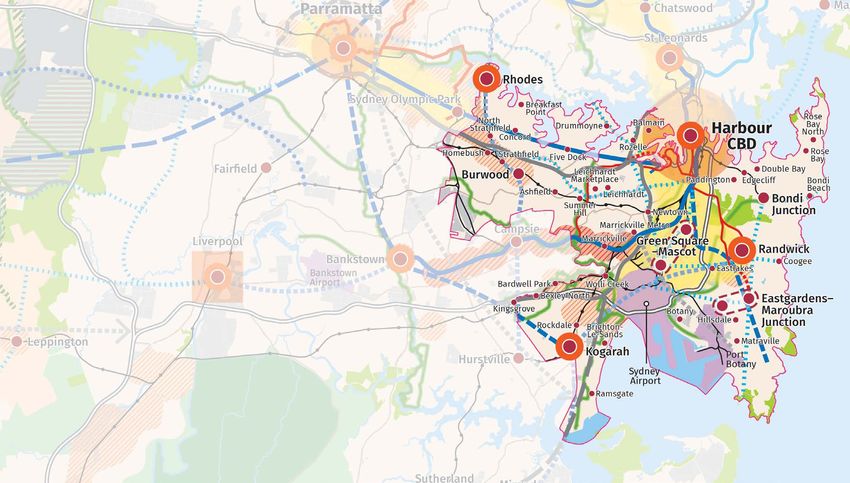
20 Sydney Airport Master Plan 20393.4 Greater Sydney The Greater Sydney Region Plan is built on a vision of
three cities where most residents of Greater Sydney
Context live within 30 minutes of their jobs, education and
health facilities, services and great places. The three
cities are:
Sydney Airport serves the Greater Sydney Region
as its primary airport and is a significant contributor • Eastern Harbour City, focussed around the Sydney
to economic activity. The NSW Government has CBD (and includes Sydney Airport)
recognised the importance of the airport in its planning • Central River City, focussed around Parramatta
strategies for Greater Sydney.
• Western Parkland City, focussed around the future
Western Sydney Airport
3.4.1 Greater Sydney Region Plan
The three cities approach seeks to deliver a more
The Greater Sydney Region Plan: A Metropolis of Three productive region by supporting opportunities for
Cities, was finalised by the Greater Sydney Commission investment, business and jobs growth, increased
(GSC) in March 2018. The Greater Sydney Region Plan economic diversity, more internationally competitive
provides: industry sectors, and rebalancing the region’s eastern
economic focus so that all three cities will benefit from
• A vision for the Sydney’s future over the next 40
planned growth.
years (to 2056)
• A plan for the next 20 years to manage growth and Sydney Airport and Port Botany in particular are
change identified as international trade gateways for the
region. Protection of the operations of these gateways,
It is focussed around the key areas of infrastructure and
including minimising land use conflicts and protecting
collaboration, liveability, productivity and sustainability.
flight paths, are key issues identified in the Greater
Sydney Region Plan.
The future growth of Sydney Airport aligns with the
Greater Sydney Region Plan, which recognises the
metropolis of three cities airport’s significant contribution to Sydney and the
Structure plan for the metropolis of three cities nation’s future economic growth and prosperity.
Metropolitan Centre
Metropolitan Cluster
Health and Education Precinct
Strategic Centre
Economic Corridor
Trade Gateway
Western Sydney Employment Area
Land Release Area
Transit Oriented Development
Urban Renewal Area
Greater Penrith to Eastern Creek Growth Area
Urban Investigation Area
Urban Area
Protected Natural Area
Metropolitan Rural Area
Major Urban Parkland
including National Parks and Reserves
South Creek Parkland Investigation
Waterways
Train Station
Committed Train Link
Train Link/Mass Transit Investigation 0–10 years
Train Link/Mass Transit Investigation 10–20 years
Train Link/Mass Transit Visionary
Freight Rail Investigation
Light Rail
Light Rail Investigation
Motorway
Committed Motorway
Road Investigation 0–10 years
Road Investigation 10–20 years
NOTE: Committed projects of Western Harbour Tunnel & Beaches Link, F6 –
WestConnex to President Avenue Kogarah, Parramatta Light Rail Stage 2 and
Road Visionary Sydney Metro West are subject to final business case, no investment decision
yet. Routes and stops for some transport corridors/projects are indicative only.
Figure 3-2: A Metropolis of Three Cities, Vision to 2056 – Connectivity
Source: Greater Sydney Regional Plan, 2018
21Sydney Airport is identified as a major freight,
3.4.2 Eastern City District Plan business and tourism gateway not just for the Greater
To support the Greater Sydney Region Plan, five district Sydney Region but also nationally. The Eastern City
plans have been finalised by the GSC. The district District Plan seeks to support the long term future of
plans are guides for implementing the Greater Sydney Sydney Airport and Port Botany as international trade
Region Plan at a district level over the next 20 years, gateways.
linking regional and local planning.
Partly, this is proposed through support of nearby
The Eastern City District Plan contains planning industrial precincts and their essential transport
priorities and actions covering: connections, and by providing for growth through
appropriate land use zoning on these sites and
• Infrastructure and collaboration adjoining lands. The Eastern City District Plan also
• Liveability (including housing supply) provides direction to control land use outside of the
airport to ensure its ongoing operation.
• Productivity (including jobs growth)
• Sustainability Within the next five years, local government authorities
• Implementation surrounding the airport will be reviewing and amending
their local environmental plans to ensure consistency
The planning priorities in the Eastern City District Plan with the Eastern City District Plan.
that relate to Sydney Airport include:
• Planning Priority E9: Growing international trade
gateways – providing for a competitive and
efficient freight and logistics network for both
Sydney Airport and Port Botany
• Planning Priority E12: Retaining and managing
industrial and urban services land – to ensure
that industrial and urban services land is planned,
retained and managed appropriately, which
includes accommodating freight and logistics
services
• Planning Priority E14: Protecting and improving
the health and enjoyment of Sydney Harbour and
the District’s waterways – this includes Botany Bay
and the Cooks River, to contribute to the provision
of green infrastructure to cool and green the
district, as well as supporting coastal, marine and
groundwater dependent ecosystems
22 Sydney Airport Master Plan 2039rict
Investigation
Visionary
Corridor
Structure Plan for the
Eastern City District
Structure Plan for the
0 years
Eastern City District
Metropolitan Centre Train Station
Structure PlanStructure
for the Plan for the
Health and Education Precinct Metropolitan
Committed Centre
Train Link Train Station
Eastern City
Eastern
District
City District
Train Link/Mass Transit Investigation
Strategic Centre Health and Education Precinct Committed Train Link
10–20 years
Train Link/Mass Transit Investigation
Local Centre Strategic
Train Centre
Link/Mass Transit Visionary
10–20 years
Economic Corridor Local
City Centre
Serving Transport Corridor Train Link/Mass Transit Visionary
Trade Gateway Economic
Light Rail Corridor City Serving Transport Corridor
t Avenue Kogarah,
decision yet. Industrial Land Trade
Light Gateway
Rail Investigation Light Rail
Metropolitan Centre Metropolitan
Train Oriented
Transit Station
Centre
Development Train Station
Industrial
Motorway Land Light Rail Investigation
Health and Education Precinct Health
Committed
Urban and Education
Train
Renewal AreaLink
Precinct Transit Oriented
Committed Train Development
Link
Motorway Motorway
Train Link/Mass Transit Investigation Train Link/Mass Transit Investigation
Strategic Centre Strategic
Urban Centre
Area Urban
Road Renewal Area
Investigation 0–10 years Committed Motorway
10–20 years 10–20 years
Major Urban Parkland including
Local Centre Local
Train
Centre
Link/Mass Transit Visionary Urban
Train
Road Area
Link/Mass
Visionary Transit Visionary Road Investigation 0–10 years
National Parks and Reserves
Major Urban Parkland including
Economic Corridor Economic
City Serving
Waterways Corridor
Transport Corridor City Serving
District Transport Corridor
Boundary Road Visionary
National Parks and Reserves
Trade Gateway Trade
LightGateway
Green Rail Priority Corridor
Grid Waterways
Light Rail District Boundary
Industrial Land Industrial
Light RailLand
Investigation Green
Light Grid
Rail Priority Corridor
Investigation
Transit Oriented Development Transit Oriented Development
Motorway Motorway
Figure 3-3: Structure Plan for the Eastern City District
Urban Renewal Area Urban Renewal
Committed Area
Motorway Committed Motorway
Source: Eastern District Plan, 2018
Urban Area Urban
RoadArea
Investigation 0–10 years Road Investigation 0–10 years
Major Urban Parkland including Major Urban Parkland including
Road Visionary Road Visionary
National Parks and Reserves National Parks and Reserves
23
Waterways Waterways
District Boundary District Boundary3.4.3 Future Transport Strategy City-shaping corridors are major trunk road and public
transport corridors providing higher speed volume
2056 connections between the cities and centres that shape
locational decisions of residents and businesses. Future
The NSW Government Future Transport Strategy
Transport 2056 recognises the need to strengthen
2056 (Future Transport 2056), released in March 2018,
connections between Sydney Airport, the Harbour
provides an update of the 2012 Long Term Transport
CBD, Greater Paramatta, and Western Sydney Airport.
Master Plan for NSW. Future Transport 2056 seeks
to ensure that NSW is prepared for rapid changes in Future Transport 2056 also identifies a strategic
technology and innovation to create and maintain a freight network for Greater Sydney consisting of the
world class, safe, efficient and reliable transport system most significant corridors that support the movement
over the next 40 years. of goods. This includes corridors connecting trade
gateways, freight precincts and centres across Greater
Future Transport 2056 has been developed to meet six
Sydney as well as corridors that connect the region
outcomes:
with outer metropolitan areas and regional NSW.
• Customer focused
In relation to Sydney Airport, Future Transport 2056
• Successful places recognises:
• A strong economy
• Key transport initiatives for investigation over
• Safety and performance
the next 10 years, including Sydney Airport road
• Accessible services upgrades and the More Trains, More Services
• Sustainability program
• The importance of a world-class travel experience
Aligned with the Greater Sydney Region Plan, which is for visitors, and proposes improved public
built on a metropolis of three cities for Greater Sydney, transport connections to arrival and departure
Future Transport 2056 seeks an integrated network of points such as airports and cruise terminals
corridors between these cities to support the efficient • The use of drones to support future transport and
movement of people and goods. Such an integrated the need to develop and review policies around the
network of corridors is based around the following management of airspace and air safety to enable a
corridor hierarchy: potential future of aerial mobility
• City-shaping corridors
• City-serving corridors
• Centre-serving corridors
24 Sydney Airport Master Plan 2039Greater Sydney Strategic Transport Corridors
Corridors represent the way people move around using multiples modes of transport
Connecting with Central
Coast & Newcastle
(beyond 2056)
Connecting with Connecting with
Blue Mountains Central Coast &
Newcastle
Richmond-Windsor
Katoomba
Hornsby Mona Vale
Rouse Hill
Castle Hill
Marsden Park
Norwest
Connecting Frenchs Brookvale-
Blacktown Forest Dee Why
with Blue Epping
Mountains Greater Mount
St Marys
Penrith Druitt
Macquarie Chatswood Manly
Park
Greater
Parramatta St Leonards
Rhodes
Sydney Harbour
Olympic Park CBD
Fairfield
Burwood Bondi Junction
Bankstown Green Square - Mascot
Campsie Randwick
Western Sydney Airport Liverpool
- Badgerys Creek
Sydney Eastgardens
Aerotropolis Leppington
Airport – Maroubra Junction
Hurstville Port Botany
Kogarah
Miranda
Sutherland
Narellan
Campbelltown-
Macarthur
Connecting with Connecting with Illawarra
Southern Highlands & Wollongong
and Canberra
Connecting
with Illawarra
Metropolitan centre Strategic centre City-shaping corridor City-serving corridor
Metropolitan cluster Trade gateway Regional corridor Protected natural area
Centre-serving corridor
Figure 3-4: Greater Sydney Strategic Corridors
Source: Future Transport Strategy 2056, 2018 253.4.4 Visitor Economy Industry 3.4.5 NSW Freight and Ports Plan
Action Plan 2030 2018-2023
The NSW Government, in August 2018, released the The NSW Government has prepared the NSW Freight
Visitor Economy Industry Action Plan 2030 (VEIAP and Ports Plan 2018-2023 (Freight and Ports Plan)
2030), which sets the direction for the NSW visitor to facilitate collaboration between government and
economy for the next decade. industry on clear initiatives and targets to plan for
freight growth, improve efficiency and safety.
The VEIAP 2030 identifies that Sydney’s reputation as
a global city is key to growing the visitor economy in The Freight and Ports Plan is a supporting plan to
NSW. Future Transport Plan 2056. It has been developed
around four key objectives:
To drive growth in the visitor economy, VEIAP 2030
recognises the need to closely track emerging markets • Drive economic growth – by delivering more than
to anticipate and respond to visitor needs. It recognises $5 billion worth of infrastructure
that the Indian market represents a significant growth • Increase efficiency, connectivity and access
opportunity for Sydney and regional NSW, along
• Deliver greater capacity by investing and enabling
with continued growth in the China visitor market. To
regional growth
help deliver such growth, it recognises that the NSW
Government will invest in new ways to support the • Improve safety and sustainability by doing more
visitor economy, including in: together
The Freight and Ports Plan recognises that the NSW
• Innovation and emerging sectors
freight network is made up of ports, shipping channels,
• A statewide Destination Management Plan airports, prescribed airspace, roads, rail lines, pipelines,
• Critical infrastructure intermodal terminals and freight-related precincts.
• Improved wayfinding and digital access to
In relation to airports, the Freight and Ports Plan
information
recognises that most air freight (about 80 per cent)
Focus 05 of VEIAP 2030 states that investing in critical is carried in the hold of passenger planes, with the
infrastructure, future planning and better ways to do remainder being transported by dedicated freight
business will ensure the continued growth and future aircraft. To support the growth in air freight, it
prosperity of the NSW visitor economy. Relevant recognises that a number of constraints will need to be
to Sydney Airport, VEIAP 2030 has recommended addressed, including:
that the NSW Government accelerate work with the
Australian Government to: • Congestion on the road network around Sydney
Airport
• Address artificial capacity constraints at Sydney
• Curfew restrictions which currently limit the type
Airport, such as the movement cap and shoulder
of aircraft permitted to operate overnight freight
curfew
services to older and smaller aircraft (when larger
• Have regional slots not counted within the more modern aircraft may meet desired noise
movement cap standards)
26 Sydney Airport Master Plan 2039The Freight and Ports Plan identifies the benefits of
creating a freight precinct at Western Sydney Airport
and advocates for an “… outcomes-based approach
to managing noise emissions from freight aircraft
operating in the Sydney Airport curfew period.”
It also identifies the need for road and rail freight
infrastructure improvements, including road upgrades
around Sydney Airport and the proposed Sydney
Gateway, linking WestConnex at St Peters Interchange
and the Sydney Airport and Port Botany precinct.
Additionally, the Freight and Ports Plan seeks to
protect land needed for freight and logistics uses and
infrastructure. It highlights that a key action of the
NSW Government is to ensure that freight and logistics
land and corridors are identified and protected from
sensitive land uses, including land around important
trade gateways such as Sydney Airport.
273.5 Economic Contribution of Sydney Airport
Sydney Airport is Australia’s largest transport and Airports need to plan and invest for the long term in
logistics hub. Some 43 international, seven domestic the context of changing airline strategies and business
and regional airlines operate from Sydney Airport to needs, new operational and security requirements, and
over 100 destinations, including 11 international and evolving technology.
eight regional destinations not served by any other
Australian airport. Large numbers of passengers and Over $4.3 billion of investments and other initiatives
significant volumes of freight are transported through at Sydney Airport since 2002 have helped to improve
the airport every day. service levels, enhance safety and security, deliver
environmental improvements and increase aviation
Substantial investments by airlines and other capacity to meet demand.
businesses in the region surrounding the airport, and
the presence of established route networks, provide The Airport Development Plan in Master Plan 2039
invaluable strategic economic and commercial will ensure that Sydney Airport can be responsive and
advantages to Sydney and NSW. flexible in the development and use of its facilities to
accommodate an ever-changing landscape of airlines
Sustainable growth of the airport is critical to achieving and associated passenger services.
the NSW Government’s targets for visitor growth
and employment in local government areas close to
the airport. For example, a typical daily international
service contributes an estimated $122 million a year
to the NSW economy and generates an estimated
1,300 direct and indirect jobs in the state. This is even
greater for each daily A380 service from China, which
is estimated to generate more than 5,200 direct and
indirect jobs and contributes an average of $470
million a year to the Australian economy.
Image 3-1: Sydney Airport team during Airport Safety Week
28 Sydney Airport Master Plan 20393.5.1 Located at the heart of The success of business and tourism for Sydney, NSW,
Australia and Sydney Airport are interdependent.
tourism and trade Sydney Airport’s location is a significant strategic
advantage for Sydney and NSW when competing
International trade and international air routes are vital
with other Australian and overseas cities. The airport’s
to Australia’s continued economic prosperity. Airports
substantial route network includes:
are an essential part of the transport networks that all
successful modern economies rely on. • 54 international destinations
Sydney Airport provides an extensive breadth of • 49 domestic and regional destinations
transport interconnectivity within the Sydney region. Sydney’s status as Australia’s pre-eminent global
city, in turn, supports the route network at Sydney
In addition to providing NSW residents with the
Airport and the development of the airport and related
opportunity to travel, whether for business or leisure,
businesses. The availability of direct flights to a wide
the airport also:
network of destinations also significantly strengthens
• Delivers convenience for business visitors to the competitiveness of the Sydney tourism industry.
Sydney, with the CBD just eight kilometres away
The partnership between Sydney Airport and
• Delivers convenience for tourists to Sydney, Destination NSW, the lead government agency for
with major tourist destinations including Sydney the NSW tourism and major events sectors, is actively
Harbour and Bondi Beach within 10 kilometres of working to boost tourism, attract new airlines and
the airport increase airline services to Sydney, in support of the
• Serves as a hub for travel between regional NSW, NSW Government’s target to double overnight visitor
other Australian cities and the world expenditure between 2012 and 2020.
• Provides an interchange between air, sea and land
Sydney Airport and Tourism Australia are also working
freight, enabling high value and/or time critical
together to promote tourism to Australia, in line with
exports and imports
Australian Government targets.
• Serves as an air freight hub for NSW
Image 3-2: Vivid Sydney lights up Sydney Harbour
293.5.2 A key source of jobs A 2017 study by Deloitte Access Economics into the
economic contribution of Sydney Airport quantified the
and income benefits of these activities. Key findings of the study
included that Sydney Airport generates or facilitates
The most prominent on-airport operations are
(directly and indirectly):
the domestic and international passenger airlines’
activities, including catering, baggage handling and • 338,500 jobs (equivalent to 10.1 percent of NSW
aircraft maintenance and refuelling. However, the employment), 30,900 of which are at the airport
majority of businesses generating economic activity (an increase of more than 1,800 since 2014)
at Sydney Airport are not directly involved in regular
• $38.0 billion in economic activity, an increase of
passenger transport aviation. These businesses include:
$7.2 billion since 2014. This is equivalent to 6.8
• Onsite retail, such as news agencies, fashion and percent of the NSW economy and 2.2 percent of
duty-free stores the Australian economy
• Precinct hospitality, including accommodation and • Household income of $19.9 billion, an increase of
on-site food and beverage options $5.2 billion since 2014. Additionally, at $85,400 a
year, the average full-time equivalent wage of an
• Ground transport, including terminal shuttle buses,
employee working at Sydney Airport is 12 percent
rail, taxi and rideshare services
higher than the NSW average wage
• Security
• Taxes, including:
• Australian Government services, including customs,
–– Substantial income tax and GST revenues to the
Australian Federal Police and quarantine
Australian Government
• Dedicated freight and logistics businesses
–– Substantial payroll taxes to the NSW
• Other corporate/office-based businesses Government
A breakdown of the sectors where jobs currently exists –– Annual contributions, in lieu of rates, to Bayside
at Sydney Airport is included in the table below: and Inner West Councils
Modelling used in the study also indicated that
Table 3-1: Employment breakdown at Sydney
Airport by sector Sydney Airport’s economic contribution will increase
significantly as the airport continues to develop. The
Area Employment Proportion
forecast for economic activity generated or facilitated
Transport and storage 63%
by Sydney Airport is an increase from $38.0 billion in
Construction 8% 2017 to over $52.6 billion in 2039; total employment
Retail, cafes and will increase from 338,500 jobs in 2017 to 414,600 by
9%
accommodation 2039.
Government services 7%
This study highlights that a relatively small
Property and business development at Sydney Airport can have a potentially
5%
services large economic impact on both the NSW and
Maintenance, cleaning and Australian economies. In addition, the study highlights
2%
engineering services the significance of Sydney Airport within the local
community. It is estimated that there are more
than 800 businesses operating on Sydney Airport,
employing significant numbers of people living close to
the airport.
30 Sydney Airport Master Plan 20393.5.3 Connecting regional NSW Continued access for regional services in these peak
periods is mandated by Australian Government policy
We recognise the importance of the regional network and supported by slot allocation rules. Master Plan
servicing 25 communities across NSW. This regional 2039 assumes that the existing rules guaranteeing
network also helps support the development of the access to Sydney Airport by regional airlines will
international network at Sydney Airport. remain unchanged throughout the planning period.
Since 2002, when the airport was privatised, regional We also offer lower airport charges than almost all
traffic has grown at Sydney Airport with a 54 percent other airports in the Sydney regional route network.
increase in passenger numbers.
Sydney Airport has seen growth in regional demand
We are proud of the service we provide to regional matched by airlines up-gauging to larger aircraft.
communities. This includes an extensive route network Regional aircraft have increased in size more quickly
during the peak hours, facilitating connectivity with than any other market segment, and the increase in
international and domestic routes. Sydney Airport’s 25 aircraft size has both responded to and promoted
regional routes have an average of six movements each passenger growth.
during the peak hours.
With continued increases in regional aircraft size,
With the exception of two routes – Lord Howe Island Sydney Airport will be able to accommodate passenger
and Cooma – all regional routes are well served in the demand for regional air travel in the future.
morning and afternoon peak periods.
Image 3-3: Planes of one of Sydney Airport’s regional carriers, Rex
313.6 Western
Sydney Airport
Demand for aviation services in Sydney is forecast The NSW Government in August 2018 released
to double over the next 20 years and will continue the Western Sydney Aerotropolis – Land Use
to grow (see Chapter 6.0 Air Traffic Forecasts). The and Infrastructure Implementation Plan – Stage 1:
Australian Government has committed to building Initial Precincts. This Land Use and Infrastructure
a new Western Sydney Airport approximately 50 Implementation Plan (LUIIP) sets out a planning
kilometres from the Sydney CBD at Badgerys Creek. framework to support all levels of government and
spread the benefits of population and economic
Western Sydney Airport is proposed to be developed growth across Greater Sydney. The draft Stage 1
in stages in response to passenger demand. It is plan has been prepared for consultation with the
proposed to be a full-service airport, catering for all community and industry.
types of domestic and international passenger and
freight services. The LUIIP aligns with the Greater Sydney Region Plan
and provides the initial framework for developing the
WSA Co, a new Government-owned company, Western Sydney Aerotropolis, focussed on the planned
has been established to build the airport, which is Western Sydney Airport.
anticipated to open in late 2026. Western Sydney
Airport will have a single runway around 3.7 kilometres
in length and terminal capacity to cater for up to 10
million passengers a year. Stage 1 of the airport will
include terminal and runway areas, as well as cargo
facilities and dedicated maintenance areas.
32 Sydney Airport Master Plan 20394.0 Sustainability
334.1 Overview
At Sydney Airport, our ambition is to be Master Plan 2039 considers existing and anticipated
environmental and sustainability performance, and
an industry leader in sustainability, driving
Local, District and State plans and priorities, to adopt
responsible growth that balances social resilient options that meet the needs of current and
and environmental needs with corporate future airport stakeholders.
objectives. Central to realising this aim
We have embedded our approach to sustainability
is Master Plan 2039, which embeds the across our development plans. We have achieved a
Sydney Airport Sustainability Policy and 4-Star Communities rating for Master Plan 2039 under
Sustainability Strategy commitments into the Green Building Council of Australia (GBCA) Green
Star Communities rating. Rating criteria have been
planning and design for future Sydney
integrated into Master Plan 2039 to drive sustainability
Airport expansions. in airport planning.
Master Plan 2039 is the first step towards meeting
our sustainability ambitions, and will inform future
proposed designs, construction activities and
operations.
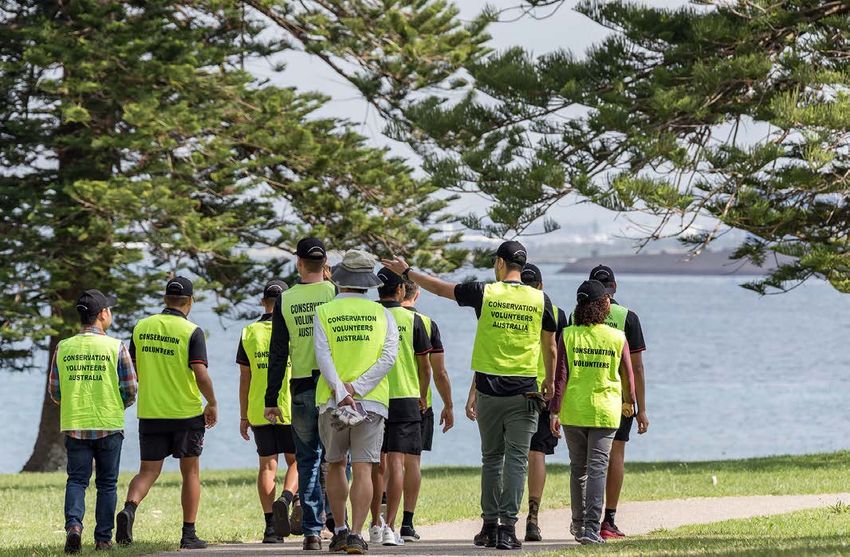
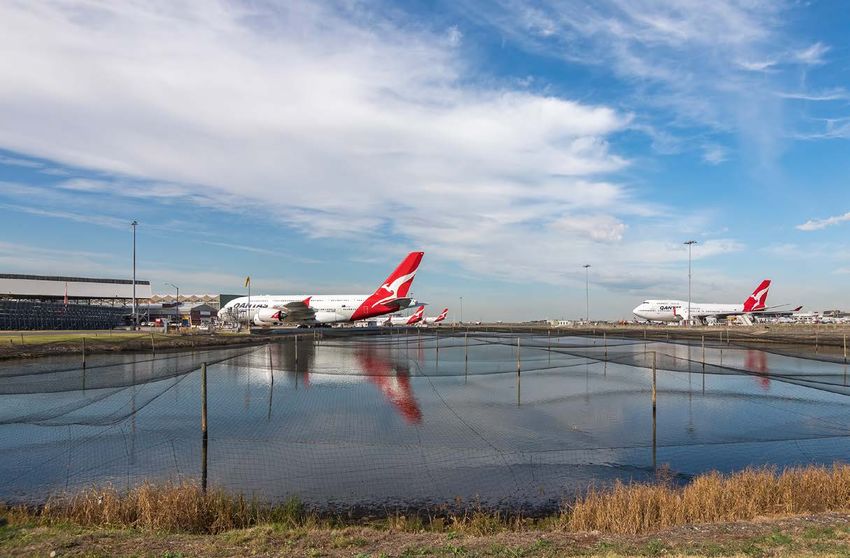
Image 4-1: The Sydney Airport community taking part in Clean Up Australia Day at Lady Robinson’s Beach
34 Sydney Airport Master Plan 20394.2 Key Points
• We are committed to taking a sustainable approach • We have made significant progress in the
to managing future growth at Sydney Airport sustainability performance of Sydney Airport in the
• Our approach to sustainability is categorised into areas of:
three broad themes: –– Climate change and carbon neutrality
–– Resource use
–– Waste and resource recovery
–– Community and stakeholders
–– Safety and security
–– Resilience
Responsible business
• Proposed development initiatives have been
Being ethical, responsible and transparent in how
prioritised based on their relevance to our
we do business
sustainability principles contained in our
Sustainability Strategy
• We have achieved a 4-Star Communities rating for
Master Plan 2039 under the GBCA
• Green Star Communities requires recertification
Planning for the future every five years, which aligns with the requirement
Delivering operational excellence through innovative, to review airport master plans under the
technology based solutions and supporting our Airports Act
customers’ needs now and into the future
Supporting our community
Working with our communities to protect the
environment and create shared value
354.3 Sustainability at Sydney Airport
We are committed to responsible growth that delivers
positive outcomes for our customers, investors and the
4.3.1 Sustainability Policy
community in which we operate. Sydney Airport issued its first Sustainability Policy in
2016. The policy is updated periodically and can be
As Sydney’s population continues to grow towards
found at https://www.sydneyairport.com/corporate/
eight million people by the middle of the century,
sustainability/investor-sustainability/reporting-and-
the pressures on the airport will also increase.
performance. The Policy provides the following
Recognising that a responsible approach can generate
commitments:
value and positive outcomes for all stakeholders, we
are committed to taking a sustainable approach to 1. At Sydney Airport, our vision is to deliver a world-
managing the future growth of the airport. class airport experience and foster the growth
of aviation for the benefit of Sydney, NSW and
Australia. In doing this we are committed to
delivering responsible growth that balances social
and environmental needs with corporate objectives.
As an airport operator, we aim to be recognised as
a leader in sustainability.
2. We recognise that a responsible approach can
generate value for both our business and our
stakeholders and is vital to our long-term success.
As such, we are committed to making sustainability
central to our business strategy and underpinning
everything we do.
Image 4-2: Sydney Airport supports Surf Life Saving Sydney across 15 beaches in Sydney
36 Sydney Airport Master Plan 20394.3.2 Sustainability Strategy These commitments are broad ranging and have
impacts across both planning and operations.
Sydney Airport formulates sustainability strategies to
Master Plan 2039 provides us with the opportunity
underpin our strategic vision and to ensure a continued
to progress a number of these commitments into
positive impact on people, customers and neighbours.
the next development phase. It has drawn from the
A set of sustainability principles was developed to
commitments within the annual Sustainability Report
address the issues that are most material to our
and integrated appropriate actions relevant to the
organisation and our stakeholders.
planning process.
Key to our Sustainability Strategy is the commitment
to action and the measurement and demonstration of
improvement against sustainability indicators.
Innovation Customer
Community
and technology experience
Making a positive Fostering an innovation culture, Working with our employees,
contribution to the approaching things differently and airport users, business partners and
communities in which using technology to deliver better other stakeholders to deliver an
we operate outcomes enhanced customer experience
Governance Environmental Climate
and reporting efficiency change
Establishing systems to ensure Improving energy and Building resilience and
sustainability is embedded into the water efficiency and adapting to the physical
way we do business and how we reducing carbon intensity impacts associated with
report on our performance to our climate change
stakeholders
Skills, training Inclusion Materials and
and employment and diversity supply chain
Attracting and retaining the Creating an inclusive Sourcing responsible materials and
right people and investing in and diverse airport managing the social and environmental
their growth and development work environment impact of our procurement decisions
Health and Safety and
Waste
wellbeing security
Promoting a healthy workforce Ensuring the safety Minimising waste
to support the physical and and security of the going to landfill
emotional wellbeing of our people airport community
and the airport community
374.3.3 Annual Sustainability
Report
The Sydney Airport Sustainability Report 2017 https://
www.sydneyairport.com/corporate/sustainability/
investor-sustainability/reporting-and-performance
provides an update on our approach to sustainability at
Sydney Airport. We recognise that in order to deliver
a world class airport, Sydney Airport needs to be a
sustainable business.
As part of our approach, we have given consideration
to the United Nations’ Sustainable Development Goals
(SDGs), and the role we can play to address some of
the significant challenges facing our world today. We
identified nine SDGs as being relevant to our overall
vision and strategy and in areas that we feel can make
a positive impact. More information on how we have
supported each of these SDGs can be found in our
annual Sustainability Report.
Figure 4-1: United Nations’ Sustainable Development Goals relevant to Sydney Airport
38 Sydney Airport Master Plan 20394.3.4 Governance 4.3.5 Resilience
We have developed a Governance Framework At Sydney Airport, we recognise the importance
for Sydney Airport to guide the direction of of building resilience into existing and future
sustainability at the airport and to outline the roles and developments and operations. Master Plan 2039
responsibilities for decision making and delivery. uses current and forecast trends to anticipate and
This Governance Framework, which is reviewed on respond to shifting operational needs and predicted
a regular basis, will ensure the successful and environmental and social impacts, including anticipated
sustainable delivery of future developments outlined in impacts of climate change.
Master Plan 2039.
Our Airport Development Plan incorporates the
Further details on the Governance Framework can be flexibility to adapt to changing circumstances,
found in our annual Sustainability Report. providing resilience for the airport and aviation
operations. We have committed to considering and
reporting on climate risk in accordance with the
Task Force on Climate-related Financial Disclosures
framework.
Sydney Airport Limited Board
Responsible for corporate governance policies and risk management including those
relevant to sustainability
Board Safety, Security and Sustainability Committee
Assists the Board to address responsibilities relevant to safety, security and sustainability
Sustainability Steering Committee, Safety Steering Committee,
Diversity and Inclusion Council – Executive Leadership Team
Develop, update and oversee implementation of Sydney Airport’s safety, sustainability,
diversity and inclusion strategies
Sustainability Diversity and Work Health
Working Group Inclusion Working and Safety Staff
(staff) Group (staff) Committee
Identify and monitor
Develop and deliver Develop and deliver
work, health and safety
employee sustainability employee diversity and
risks and opportunities in
programs and projects inclusion programs
workspaces
Figure 4-2: Sydney Airport Governance Framework
394.4 Recent Sustainability Achievements
Since the publication of Master Plan 2033, significant A full list of achievements and further details can
progress has been made in the sustainability be found in our annual Sustainability Report. Other
performance of Sydney Airport. measures specific to environmental management are
outlined in Chapter 14.0 Environment and Environment
Recent achievements are summarised in . Strategy 2019-2024.
Table 4-1: Summary of recent sustainability achievements
Sustainability
Achievement
Aspect
Achieved Level 3 of the Airport Carbon Accreditation program, an international certification program
Climate designed to assess and acknowledge airports’ efforts to manage and reduce carbon emissions. This
Change includes calculation of Sydney Airport’s Scope 3 emissions
and Carbon Reduced carbon intensity per passenger by 27.2 percent and absolute emissions by 5.5 percent since 2010
Neutrality Offset the emissions from our vehicles through Greenfleet, which plants 1,600 trees annually to recapture
carbon from the environment and promote healthy air quality
Introduced a new lighting system in the P2 car park, reducing energy use in the car park by 30 percent
Installed a new solar photovoltaic (PV) system on top of the P6 car park
Introduced six electric buses operating between the Blu Emu car park and the T2/T3 precinct
Resource Use Continued use of the water recycling plant, which takes wastewater from T1, treats it and supplies it for
toilet flushing and air conditioning cooling towers. Since 2012, this plant has delivered an average of
more than 600 kilolitres a day of recycled water for use across the airport. This is equivalent to saving an
Olympic-sized swimming pool worth of water every four days
Implemented a new waste contract in 2016, targeting a 30 percent recovery of recyclable and organic
Waste and material from the non-quarantine general waste stream
Resource
Conducted an audit of the airport’s waste streams to identify future opportunities for resource recovery,
Recovery
particularly from construction and demolition activities
Introduced a new shared pedestrian/cycle bridge to provide direct access to T1 from Cooks River Drive
Refreshed the Sydney Airport Community Investment Strategy and increased community investment
spend by 69 percent between 2014 and 2017. Our community investment strategy includes a partnership
with Surf Life Saving Sydney, where we deliver a corporate volunteering program and a ‘swim smart’
Community education campaign
and Became a foundation partner of the AFL Women’s Greater Western Sydney (GWS) GIANTS team in the
Stakeholders league’s inaugural season. Supported GIANTS Care to help young people and families in Western Sydney
access health and education services
Commissioned a major public art project in a landmark partnership with the Museum of Contemporary Art
Australia (MCA), creating opportunities for the public to engage with MCA exhibitions and programs. The
commissioned indigenous artwork was unveiled at the T1 Marketplace in 2018
Enhanced our Foreign Object Debris (FOD) Management Strategy including revised procedures, and
purchased additional FOD management equipment, such as magnetic bars on our sweeper trucks to
Safety and remove smaller metal items
Security Delivery of an airport-wide safety and security awareness program, including training for our employees
Development of an airside driving awareness course as part of an integrated Airside Driving Management
System
Resilience Enhanced our Airport Emergency Plan, including additional airside and landside emergency response
procedures, plans and capabilities
Undertook a climate change risk assessment and preparation of a Climate Risk and Adaptation Plan
40 Sydney Airport Master Plan 2039You can also read


