THE GERMAN HOTEL MARKET - New challenges on the road to recovery
←
→
Page content transcription
If your browser does not render page correctly, please read the page content below
THE GERMAN HOTEL MARKET
                New challenges on the road to recovery
christie.com   2021 – May 2022                           1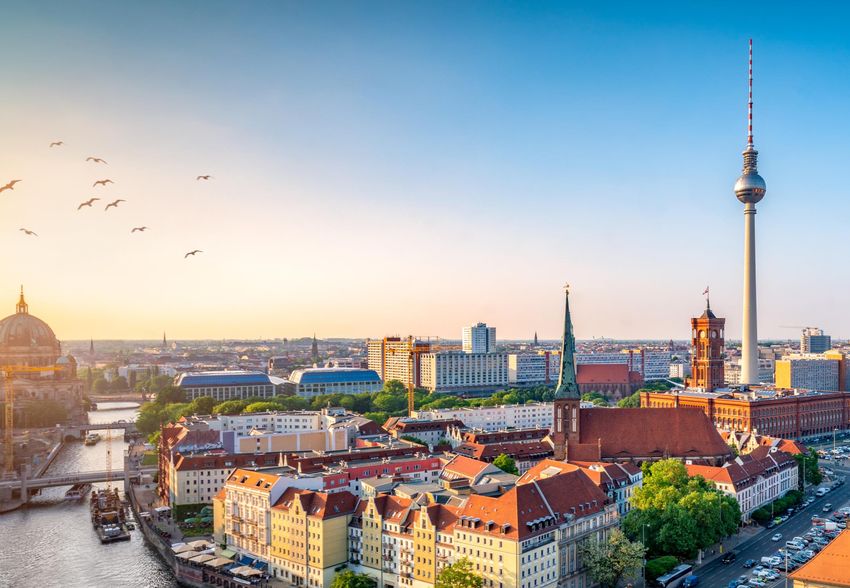
THE GERMAN HOTEL MARKET

HOTEL MARKET OVERVIEW GERMANY

With the lifting of Covid-19-related restrictions for the travel and lodging industry at the   With supply and staffing issues driving costs and in turn inflation, a war in the heart of
end of May 2021, the German hotel market showed the first positive signs of recovery with      Europe caused a sharp increase in energy prices due to sanctions imposed by the west on
people willing and eager to travel again. This is reflected in the improvement of key          Russia, a shortage of alternative suppliers together with a shortage of some raw material as
performance indicators for most German markets. Berlin saw the highest increase in             well as grains from Russia and Ukraine, threatening the food supply of much of the world’s
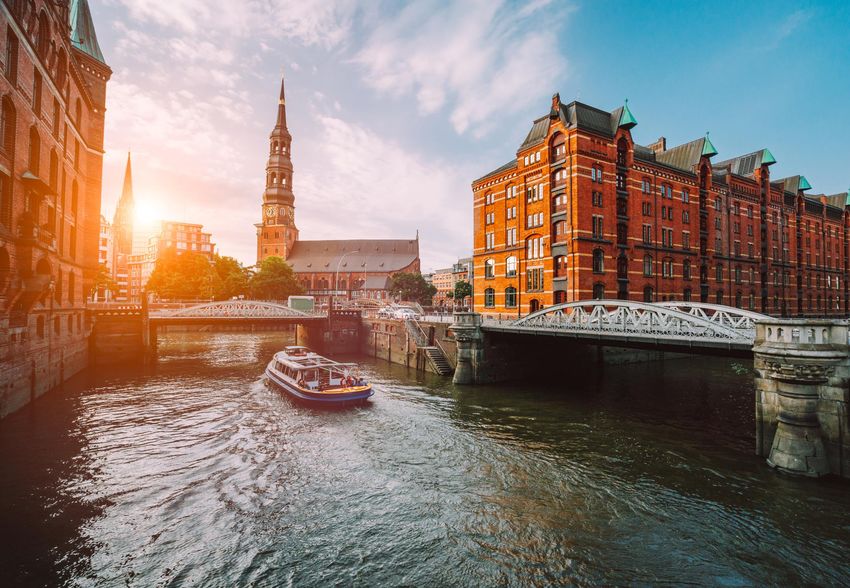
RevPAR of 17.6% compared to 2020, followed by Hamburg with a year-on-year RevPAR               population, revenge travel could also be misinterpreted as a last-minute panic. Where this
change of +13.5%. Markets with a high dependency on international source markets and           is not bad enough, the hospitality and travel industry has to find answers to the severe
business travellers have performed significantly worse than cities attracting predominantly    effects of climate change.
domestic or leisure guests.
                                                                                               But if the travel and hospitality industry is finding the right answers, the generally positive
With people ready to travel the world again, the buzzword “revenge travel” which has           sentiment can prevail and more resilient ways of travelling evolve. During the pandemic
emerged on social media can be interpreted as people making up for the lost time when          and after the outbreak of the war, German hoteliers have shown extreme flexibility,
travel and exploration came to a sudden and unexpected halt. According to numbers from         solidarity and humanity. At the same time, the industry has recognized, that implementing
Expedia 60% of users had plans to travel domestically and 27% to travel internationally in     ESG is an essential task not only for the survival of the business but for the whole
2022, many of those willing to spend more on their trips than they did previously.             community! Each sector has to make its contribution.

The measures taken to contain the pandemic were particularly noticeable in the hospitality     Let's roll up our sleeves, stay positive and let's accept the challenges ahead!
and tourism industry and officially ordered operating restrictions or (partial) closings not
only impaired hotel performance but also the hotel real estate market in 2021. While it is
difficult to predict the long-term effects of the pandemic, the implemented measures and
particularly the vaccination campaign for the most part worked to contain or lessen the
human impact of the pandemic. As we come out of the worst of the pandemic, positive
signs can be seen in the hotel industry, both in performance as well as in the transaction
market, with an increasing interest in hotel real estate in Germany.
                                                                                               Benjamin Ploppa                     Sophia Koltze
                                                                                               Head of Hotels Germany              Junior Consultant

christie.com                                                                                                                                                                                2
THE GERMAN HOTEL MARKET

TABLE OF CONTENT

      4        Hotel Market KPI Trends 2019 – YTD May 2022
      5        Supply Additions Pressure Performance Levels
      6        Performance Variances Across Markets
      7        Two Years of the Pandemic – Impact on the Hotel Real Estate Market
    10         Factors Influencing Recovery Potential
    11         Emerging Trends 2022
    14         Top 9 Cities of Germany
    24         Outlook

christie.com                                                                        3
THE GERMAN HOTEL MARKET

HOTEL MARKET KPI TRENDS 2021 - YTD MAY2022
RevPAR Index (2019 = 1)
Hamburg                              Berlin                           Dusseldorf
    1.00                                1.00                             1.00

                                                                                                     While 2021 saw some winners in terms of RevPAR
                                                                                                     growth, notably Berlin and Hamburg – despite their
                              0.65                             0.64                                  supply growth – others felt the pressure of new supply
                                                                                                     and travel restrictions which were still in place until
                                                                                              0.47
              0.37
                       0.42                             0.40                                         June, resulting in stagnant or sometimes even further
                                                 0.34                           0.37   0.34          decreases in RevPAR in 2021.
    2019     2020      2021   2022      2019     2020   2021   2022      2019   2020   2021   2022
                              YTD                              YTD                            YTD    Without any surprise, Germany’s Top 9 cities still
                                                                                                     suffered significantly in 2021, recording occupancy
Cologne                              Leipzig                          Dresden                        declines up to -8%. However, 8 out of the 9 top cities
    1.00                                1.00                             1.00                        were able to record improvement in occupancies of
                                                                                                     up to nearly 20% in Berlin, 15,6% in Munich and 9,6%
                                                                                                     in Hamburg, compared to 2020. ADR on the other
                                                                                                     hand fell from 2020 leading to an overall decrease in
                                                                                                     RevPAR for most of the cities with as much as -10,2%
                                                               0.65                                  in Dusseldorf. Munich only recorded a decrease in
                                                                                              0.59
                              0.51                                              0.50   0.50
                                                                                                     ADR of -0,5%, nonetheless resulting in an increased
                                                        0.42                                         RevPAR of +15% in 2021.
              0.35     0.35                      0.37

    2019     2020      2021   2022      2019     2020   2021   2022      2019   2020   2021   2022   YTD May 2022 data shows a strong start into the year
                              YTD                              YTD                            YTD    with KPIs showing that the hotel industry is on the
                                                                                                     way to recovery. Some markets, such as Hamburg
Frankfurt am Main                    Stuttgart                        Munich                         even record individual KPIs nearly on par with their
    1.00                                1.00                             1.00                        performance from 2019.

                              0.50                             0.50                           0.48
              0.36     0.34                      0.34                                  0.32
                                                        0.31                    0.28
    2019     2020      2021   2022      2019     2020   2021   2022      2019   2020   2021   2022
                              YTD                              YTD                            YTD
Sources: STR, Christie & Co

christie.com                                                                                                                                              4
THE GERMAN HOTEL MARKET

SUPPLY ADDITIONS PRESSURE PERFORMANCE LEVELS

Germany’s Top 9 cities were considered safe heavens in recent years and saw sustained interest from global hotel investors. This appetite, partially fuelled by record-low interest rates,
has led to an unparalleled construction boom. In 2019, 45 hotels with over 8’000 rooms opened across the Top 9 markets. While of course not the only factor, supply is often the most
direct factor impacting RevPAR levels. RevPAR levels were put under even more pressure with occupancies crashing due to travel restrictions, border closures and other Covid-19-related
regulations.

As the pandemic caused some hotel openings to be postponed to 2021, Germany saw 87 hotels open across the Top 9 cities increasing room supply by 15’500 rooms, a 150% increase
in hotel openings compared to 2020. Frankfurt leads with 18 new hotels opened in 2021 adding nearly 4’200 rooms to the Frankfurt hotel market. Berlin and Dusseldorf follow with 16
and 13 new hotel openings respectively, combined adding an additional 5’200 rooms. While stock in Dusseldorf has remained relatively stable since 2015, the economic powerhouse of
the Rhine-Ruhr area is expected to see 24 hotels opening in the next few years, with 13 of them already opened in 2021. Despite strong supply growth since 2014, the pipeline for
Hamburg, the city with Europe’s third largest port, is expected to increase room supply by 10% in 2022. Cologne will be the city with the most hotel openings, adding 17 hotels with over
3’000 rooms to the destination in 2022 and another 11 in 2023/24, increasing the current supply by 31% over the next three years.

Confirmed Room Pipeline 2019-2025                                                                                                           Effect of supply additions on KPIs

                                                                                                                                            Berlin recorded a RevPAR increase of nearly 18% the highest
                                                                                                                                            recovery of all of the top 9 markets, despite an increase in
   +16%                                               +40%                                                                                  supply of 4%. Particularly severely impacted was Frankfurt
                    +59%                                                                                                                    where supply increased by 16%, causing RevPAR to decrease by
  +9‘332                                             +8‘584          +31%
                   +8‘419                                                                                                                   a further 6%, indicating a slower recovery for the market than
                                                                                                                                  +22%      compared to the other 9 cities.
                                                                     +8‘151
                                                                                                                                  +7‘822
                                                                                                                                            The record number of new openings in 2022 is in a glaring
                                                                                                                                            contradiction to the sharp drop in arrivals and overnight stays in
                                      +49%                                                                                                  the past two years and the expected changes in travel habits,
                                                                                                                                            especially for business trips. However, this may be offset by the
                                     +5‘212
                                                                                                                      +41%                  closure or conversion of older stock and some level of
                                                                                                                                            consolidation on the operator side.
                                                                                                                     +4‘255
                                                                                          +32%
                                                                                      +2‘745

                                                                                                           +8%
                                                                                                           +867

    Berlin          Cologne          Duesseldorf      Frankfurt          Hamburg          Leipzig          Dresden    Stuttgart    Munich
Sources: AM:PM, STR, Christie & Co                 2019   2020    2021     2022    2023    2024     2025

christie.com                                                                                                                                                                                                5
THE GERMAN HOTEL MARKET
PERFORMANCE VARIANCES ACROSS MARKETS
Following the first lockdown in March 2020, occupancy plummeted across all major destinations in Germany. Albeit hotels were officially allowed to accommodate non-touristic guests,
most travel activities came to a halt when many firms stopped travelling for business in the wake of the pandemic. This resulted in occupancy levels sometimes significantly below 20% in
May 2020.
Going into 2021, the beginning of the year was still impacted by nationwide lockdowns and travel restrictions. The regulations in place were not lifted until June which is reflected in most
cities still showing occupancy levels below 20%. However, some markets managed to just pass the 20% mark with Heidelberg having the highest occupancy out of the Top 9 cities with
25,5% in May 2021. The actual occupancies for May 2022 seem to show a good recovery for the German hotel market, with occupancies well above 65% in 10 cities. Berlin and Hamburg
are the top performers for May with occupancies reaching 78%. This is an increase from last year by an astonishing 392,4% in Hamburg and 360% in Berlin. Both of the cities were close
to reaching 2019 numbers when Occupancy in May was around 83%.
Actual Occupancy – May 2020 Actual Occupancy – May 2021 Actual Occupancy – May 2022
Rostock Rostock Rostock
Hamburg Hamburg Hamburg
Bremen Berlin Bremen Berlin Bremen Berlin
Munster Munster Munster
Hanover Hanover Hanover
Leipzig Leipzig Leipzig
Dortmund Dortmund Essen Dortmund Essen
Essen
Dusseldorf Dusseldorf Dresden Dusseldorf Dresden
Dresden
Cologne Cologne Cologne
Bonn Frankfurt am Main Bonn Frankfurt am Main Bonn Frankfurt am Main
Aachen Aachen Aachen
Wiesbaden Frankfurt Airport Wiesbaden Frankfurt Airport Wiesbaden Frankfurt Airport
Nuremberg Nuremberg Nuremberg
Mannheim Area Heidelberg Mannheim Area Heidelberg Mannheim Area Heidelberg
Munich Airport Munich Airport Munich Airport
Stuttgart Stuttgart Stuttgart
Freiburg im Munich Freiburg im Munich Freiburg im Munich
Breisgau Breisgau Breisgau
Sources: STR, Christie & Co 65%
christie.com 6THE PANDEMIC - IMPACT ON THE
HOTEL REAL ESTATE MARKET
christie.com 7THE GERMAN HOTEL MARKET
TWO YEARS OF THE PANDEMIC - IMPACT ON THE HOTEL REAL ESTATE MARKET
Review of the transaction market
With a total volume of around €2.5 billion in 2021, an improvement in the transaction market of around 15% compared to the previous year, the signs of recovery on the investment side
also intensified. Individual transactions, which accounted for around €2.0 billion of the total volume, were particularly significant last year, as well as during the first quarter of 2022
making up almost 100% of all transactions in Q1 2022, amounting to approximately €450 million. Compared to Q1 2021, this represents an increase of around 40%. The decisive factor
for the result in 2021 was in particular the final quarter, in which transactions worth around €1.0 billion took place. This was the highest quarterly figure since the beginning of the
pandemic and underpins an increased investor interest in hotel real estate.
The share of foreign investors is still somewhat lower than before the pandemic. Before the pandemic foreign buyers accounted for more than half of the investments, whereas in 2021
international investors accounted for only around 37% of total sales. However, it is unlikely that the dwindling share of foreign buyers will be a long-lasting trend, as initial signs of the end
of the pandemic in Germany brought interested parties from abroad back on the scene relatively quickly. Institutional investors were the most active buyers in 2021, accounting for
around 44% of the total volume. This was followed by family offices and private investors as well as hotel operators.
While no single hotel transaction cracked the €100 million mark in 2020, no fewer
than five properties traded above this threshold in 2021. The most expensive hotel
last year was the “Königshof” in Munich, which is still under construction and has
now traded hands from Geisel Privathotels to the Inselkammer family. The majority
6.000
of the traded properties were sold without operators, which leaves investors plenty
of room for repositioning and conversion potential. Most of these were properties
Volume of transactions in m. Euro
5.000 with a pronounced investment backlog, but also project developments that had
already begun to falter at the start of the pandemic.
4.000
Just under 20% of the volume is accounted for by properties that are to be
converted to a new type of use in the future, including offices and senior living. The
3.000 most recent example is Frankfurt's Hotel Villa Kennedy, whose new owner since
2021, Conren Land, is now looking into converting it into a senior residence. Also
2.000 among representative examples are transactions such as Berlin's Hotel Ellington,
which is to be converted into an office building in the future, or the Schlosshotel
Groß Plasten, which was successfully brokered by Christie & Co and will soon house
1.000 a medical facility.
0 Since the start of the Covid 19 pandemic, entire operator platforms have moved
2015 2016 2017 2018 2019 2020 2021 Q1 2021 Q1 2022 across the negotiating table. As a result of the takeover of these by well-capitalized
market players, the wave of consolidation in Germany is accelerating and thus the
Single Transactions Portfolio Transactions hotel industry is facing ongoing structural change. Brands such as Premier Inn, HR
Group and Westmont have been able to achieve the desired growth in the recent
past.
Sources: RCA; Cushman & Wakefield, Christie & Co
christie.com 8THE GERMAN HOTEL MARKET
TWO YEARS OF THE PANDEMIC - IMPACT ON THE HOTEL REAL ESTATE MARKET
Stable prime yields despite pandemic challenges
The investment market is expected to remain somewhat subdued this
year. One reason for this is the continuing difficulty of financing and the
diverging price expectations of buyers and sellers. In particular, owners
and project developers with expiring financing are still feeling the effects
of banks' reluctance. With interest rates currently on the rise, buyers with
a strong equity base have a clear advantage but are hardly able to access
the hoped-for crisis bargains, as existing owners do not want to and do not 5,5%
have to accept the assumed price reductions.
5,0%
Accordingly, gross prime yields remained stable, particularly in the top 9
cities. A return of certainty in the pricing of hotel assets can be seen in the
increasing transaction volume of the past year. Despite obstacles such as
4,5%
rising interest rates and financing issues, even institutional investors are
likely to regain their interest in hotel assets. This is partly due to the
Prime Yields
improved overall hotel performances across Germany and further
4,0%
because of yield compressions in other asset classes.
Benjamin Ploppa, Director - Head of Hotels Germany at Christie & Co, 3,5%
comments: "Due to the current financing bottleneck, a clear focus on the
key value drivers of a hotel property can be observed again at the
moment. Only through the strategic fit of location, concept and operator 3,0%
can investors and banks be safely brought on board. Since the beginning
of the pandemic, a clear selection process has been observed, which may
become even more pronounced in the progression of the market 2,5%
recovery. In addition to these criteria, the hotels that will win in the future 2015 2016 2017 2018 2019 2020 2021
will be those that can score points with sustainable, target group-specific
and digitally oriented concepts, among other things. We are confident Hotels Offices Retail Industry/Logistics Residential
that demand from both business and leisure travellers will return quickly
and those hotel concepts with a contemporary focus will particularly
benefit from this.”
Sources: RCA; Christie & Co, Cushman & Wakefield, Colliers, ZIA
christie.com 9THE GERMAN HOTEL MARKET
FACTORS INFLUENCING RECOVERY POTENTIAL
In the last two years, it has already become clear that
the German hotel market has proven to be more
resilient compared to other European countries.
Domestic tourism has experienced an upswing –
particularly in more rural resort locations. Historically,
Domestic & Leisure Demand
Germany was amongst the largest feeder markets for
Accessibility via car/train many destinations globally in addition to strong
domestic demand. The already large share of local
Limited service & budget products demand has increased further during the months
when travel restrictions were lifted and leisure
Resort/countryside/rural locations destinations across the country are likely to further
benefit from the staycation trend.
Operator with a diversified portfolio (liquidity and assets)
However, operators with an all-eggs-in-one-basket-
Tech-focused MICE, corporate, group & strategy and high exposure to single segments or
international demand shared accommodations such as hostels and hotels
with a large share of group tours and older
Service-intensive product demographics will likely take longer to recover.
Nevertheless, the federal government has responded
City destinations to the crisis with extensive financial aid measures.
Consequently, Germany has a good recovery
High exposure to a single segment prognosis compared to other European countries.
Tech-limited
Shared accommodation (i.e. Hostels)
Sources: Christie & Co Research
christie.com 10EMERGING TRENDS 2022 christie.com 11
THE GERMAN HOTEL MARKET

EMERGING TRENDS IN HOSPITALITY

Mixed-Used Assets
Mixed-Used Assets are ultimately the result of modern urban development, combining living,
working, shopping, fitness, gastronomy, leisure and even education. Located in central
locations with good public transport connections, users benefit from a central infrastructure
as well as short distances between living, working and recreation.
The focus is usually on one main form of use, for example as a residential or office property.
Mixed-Used assets emerge from trends such as the increasing importance of digitalisation
and the shift to mobile working, which is changing the use of office spaces. Additionally, the    Conversions &
growing e-commerce sector caused the closures of many physical stores and consequently,
single-use properties may prove economically inefficient.
From an investor's perspective, round-the-clock use of an asset with multiple usages is not
                                                                                                  Mixed-Used Assets
just a profitable investment, but also mitigates risk. Subsequently, the orientation toward
mixed-use assets will become inherently more present. They represent sustainable
investments and while the individual elements continue to be subject to the market cycles of
their respective uses, the impact on the overall property is moderated.
Conversion Assets
With fewer and fewer new build projects available, developers are increasingly looking for
assets that can be converted into hotel projects. Opportunities emerge from many originally
planned projects being deferred with rising material costs due to inflation and supply
bottlenecks. Existing projects have an advantage over new builds for developers, as concepts
can be realised over a shorter time horizon and are consequently beneficial for brands’
expansion ambitions.
However, it is not just hotel developers that are looking to convert office buildings, schools,
or even prisons (Hotel Wilmina, Berlin). Investors are increasingly interested in buying hotel
real estate to open senior homes or transform assets into residential units.

Sources: Christie & Co Research

christie.com                                                                                                          12
THE GERMAN HOTEL MARKET
EMERGING TRENDS IN HOSPITALITY
Serviced Apartments & Long Stay Products
The serviced apartment and aparthotel segment, which is growing steadily within the industry, has
shown itself to be particularly resilient during the pandemic. Thanks to the residential offerings,
including kitchens, workspaces and mostly non-contact access. In contrast to hotels, which at times
could only report single-digit occupancy rates or closed operations, aparthotels and serviced
apartments performed significantly above the traditional hotel sector throughout the last two years.
This is mostly due to lower fixed costs resulting from the elimination of high-cost food and beverage,
meeting and spa areas, as well as lower staffing requirements. Long Stay Products &
It is no surprise that the adaptability of the product and the smaller risk involved than with traditional
hotel assets is becoming more attractive for investors.
Hotel chains such as Radisson Hotel Group, Accor and IHG are expanding their serviced-apartment
Digitalised Guest
portfolios rapidly, a trend observable already pre-pandemic. Despite the uncertain situation in the
business travel segment, the concept of Long Stay products is more in demand than ever. Germany is
expecting an increase in branded serviced apartments of nearly 3’400 units, with Frankfurt and Munich Experiences
making up 21% of the total pipeline.
Digitalised Guest Experiences
Technology solutions continue to transform the hospitality industry. The Covid pandemic and a new
wave of travellers have greatly accelerated the development. With some hotel groups already offering a
fully digital Guest Journey from online check-in and keyless room access to in-app room service ordering
to in-app check-out, hotel guests benefit from a more comfortable hotel experience. Guests will soon
expect hotels to meet the same convenience that they experience at home.
Digital guest journeys save time, costs and personnel on the side of hotel operators. Even luxury hotel
brands, which traditionally have the highest employee-to-guest ratio are turning to contactless
communication with guests to provide them with an additional choice to what degree their hotel
experience should be personalised. Technologies allow for guest experiences to be more seamless and
bespoke from the minute of the booking to the day that the guests return home.
As digital solutions become the “new normal” within the hospitality space, they might pose challenges
for smaller hotel brands and independent properties, due to the high initial investment costs.
Sources: Christie & Co Research, HVS
christie.com 13TOP 9 CITIES
Performance & Outlook
christie.com 14THE GERMAN HOTEL MARKET
HOTEL MARKET – HAMBURG
Hamburg is Germany‘s 2nd largest city and the gateway to the world with its major container harbour and cruise ship port. As one of the country’s most important economic centres, it
hosts a variety of multinational companies particularly in the logistics sector. Furthermore, Hamburg is a renowned congress and fair as well as musical destination. Since 2017, demand
for hotels and B&Bs has shown a strong growth of about 20% until 2019 while bed supply has also grown by 21%. Due to the Covid pandemic, the supply has barely seen any growth until
2021. Nevertheless the pipeline currently records 63 projects (approx. 11’000 rooms in the pipeline) and performance KPIs are likely to grow more slowly due to the additional supply.
Overview Supply Demand Performance
Overnights CAGR -14% Like the other German cities, the first half
Key highlights
of 2021 was still impacted by tight covid-
− Population: 1.9m
related restrictions for the lodging
− Unemployment rate: 7.5%
industry, which were only lifted in May.
− Airport passengers: 1.2m
However, Hamburg had a strong summer,
− Trade fairs & event visitors: 1.7m Hotels and B&Bs Beds
15.4m peaking with 1.3m overnights in August. It
Key companies 6.9m 7.6m benefitted from being a common stop on
− Beiersdorf +0,2% CAGR +1,1% the way to other leisure destinations at or
− Airbus Deutschland 2019 2020 2021 around the North and Baltic Sea.
− Asklepios clinics
− Edeka Zentrale 417 2021 75.216
− Jungheinrich Performance
Key attractions 415 2020 72.717 ADR +3,6% Outlook – Positive
− Port incl. Elbphilharmonie
2021 Hamburg is expected to recover ahead of
− Miniatur Wunderland Occ (YoY Change) +9,6%
− City Hall and Mönckebergstraße 331 2019 57.788 Source: STR 2 the other Top 9 cities due to its high
− St. Michaelis Church percentage of domestic and leisure
RevPAR +13,5% tourists, even in pre-Covid-19 times. In
− St. Pauli and the Reeperbahn
the last five years, three-quarters of
Key transactions Selected 2021 hotel openings overnight stays were generated by
− My4walls Serviced Apartments, 143 − Motel One Hamburg-Fleetinsel, 441 Seasonality German travellers, a trend which will likely
keys, 21m EUR keys remain and/or pick up, thus stimulating
− Moxy Hamburg Altona (Kühnehöfe), the hotel market recovery. In addition,
220 keys the relatively dense pipeline within the
− Ibis Styles Hamburg-Barmbek, 188 keys leisure segment indicates that the leisure
− CAB20 Cabin Hotel, 176 keys demand is expected to recover quickly
Jan Feb Mar Apr May Jun Jul Aug Sep Oct Nov Dec over the next year.
Notes: 1Latest available data; 2Republication or other re-use of this data without the express written permission by STR is strictly prohibited.
Sources: Statistical Office of each State; Trade fairs of each city; RCA; STR; Christie & Co
christie.com 15THE GERMAN HOTEL MARKET
HOTEL MARKET – BERLIN
Berlin is Germany’s largest city, capital, political centre and home to the headquarters of several multinational companies. It is the 4th most popular convention destination in the world,
the 3rd most visited city in Europe and an important hub for fashion, culture and media. Overnights increased by 13,7% in 2021 compared to 2020 whereas both hotel and bed supply
decreased by a CAGR of -3,2% since 2017 demonstrating the impact of the last two years on the Berlin hotel market. Nevertheless, the confirmed pipeline comprises c.11,000 rooms in
over 60 projects. The largest project is the extension of the Estrel conference hotel with an additional 750 rooms, which are currently under construction.
Overview Supply Demand Performance
Overnights CAGR +3% The lack of events, festivals, as well as
Key highlights
trade fairs in 2020 caused a significant
− Population: 3.7m
decline in the arrivals and overnight stays.
− Unemployment rate: 9.8%
However, overnights increased slightly
− Airport passengers: 9.95m
from 2020 to 2021 showing the impact of
− Trade fairs & event visitors: 0.42m Hotels and B&Bs Beds
34.1m lifted regulation on travel bans. Similarly,
Key companies 12.0m 14.0m Berlin is a popular destination for
− Deutsche Bahn -4,6% CAGR -3,3% international leisure and business tourists
− Charité 2019 2020 2021 and, depending on regulations, will
− Vivantes clinics probably have to forgo such international
− BVG 698 2021 135,821 demand for longer.
− Siemens Performance
Key attractions 731 2020 117,197 ADR -1,4%
Outlook – Positive
− Brandenburg Gate
2021
− TV Tower and Alexanderplatz Occ (YoY Change) +19,2% A relatively high percentage of domestic
− Reichstag 803 2019 150,346 Source: STR 2 tourists will be a key driving factor during
− Kurfürstendamm the recovery process. Berlin is the city in
RevPAR +17,6%
− Kaiser Wilhelm Memorial Church Germany with the highest YoY
Selected 2021 hotel openings percentage increase in occupancy, 6,1%
Key transactions
higher than in 2020. The new airport
− Development Premier Inn, 296 keys − Hotel AMANO Eastside, 174 keys Seasonality
Berlin Brandenburg is also expected to
− Holiday Inn Alexanderplatz, 153 keys − Hotel ROMY by AMANO, 100 keys
drive international demand, a necessary
− Hotel Indigo Alexanderplatz, 153 keys − nena apartments Moritzplatz, 30 keys
factor for the full recovery of Germany’s
capital.
Jan Feb Mar Apr May Jun Jul Aug Sep Oct Nov Dec
Notes: 1Latest available data; 2Republication or other re-use of this data without the express written permission by STR is strictly prohibited.
Sources: Statistical Office of each State; Trade fairs of each city; RCA; STR; Christie & Co
christie.com 16THE GERMAN HOTEL MARKET
HOTEL MARKET – DUSSELDORF
Dusseldorf is the heart of the economic powerhouse of the Rhine-Ruhr area and the 2nd largest banking and financial city in Germany. Besides, Dusseldorf is a key trade fair destination,
thus demand is highly MICE/business-oriented with lower demand during weekends. Leisure demand is generated by, amongst others, the Königsallee, one of Germany’s prime high
streets. Due to the German hotel market still being subject to strict travel bans until May 2021, ADR and RevPAR performance were negatively impacted decreasing by -10,2% and 7,6%
respectively. The pipeline remains strong with 4,461 rooms in 22 projects and will likely result in additional performance pressure for existing hotels.
Overview Supply Demand Performance
Overnights CAGR -20% Dusseldorf has been comparatively
Key highlights
severely affected by the impact of the
− Population: 0.6m
Covid-19-pandemic on tourism. This is
− Unemployment rate: 7.8%
due to the fact that the city is heavily
− Airport passengers: 8m
dependent on the trade fair cycle, which
− Trade fairs & event visitors: 0.25m Hotels and B&Bs Beds
5.0m happened to affect the city very positively
Key companies 1.8m 1.9m in 2019.
− Rheinmetall -0,3% CAGR +3,3%
The hosting of the Medica, with 46,000
− Daimler 2019 2020 2021
visitors, 76% from abroad, brought a ray
− Henkel
216 2021 30,354 of hope for Dusseldorf’s hoteliers and for
− Vodafone
Performance the return of trade fairs and international
− Metro Group
demand in the future.
Key attractions 159 2020 22,028 ADR -10,2%
− Old Town
2021
− Königsallee Occ (YoY Change) +3,0% Outlook – Negative
− Media Harbour 218 2019 27,947 Source: STR 2
− Rhine Embankment The high number of rooms in the pipeline
RevPAR -7,6% and the dependency on corporate
− Hofgarten
demand indicate a relatively slow
Key transactions Selected 2021 hotel openings recovery for the hotel market.
− Das Carls Hotel, 73 keys − Holiday Inn Express Dusseldorf Main Seasonality
Train Station, 455 keys
− Ruby Luna, 206 keys
− Novotel Dusseldorf Airport, 210 keys
− The niu Tab, 438 keys
Jan Feb Mar Apr May Jun Jul Aug Sep Oct Nov Dec
Notes: 1Latest available data; 2Republication or other re-use of this data without the express written permission by STR is strictly prohibited.
Sources: Statistical Office of each State; Trade fairs of each city; RCA; STR; Christie & Co
christie.com 17THE GERMAN HOTEL MARKET
HOTEL MARKET – COLOGNE
Cologne is Germany‘s media and communications city and renowned for the world‘s 3rd largest carnival. The city is a leading hub and important transhipment centre for logistics via rail,
air, road and river. Its economic strength is based on both its Rhine ports, which are amongst the most significant inland ports in Europe, as well as its geographical proximity to the Ruhr
region. In the last 5 years, Cologne’s hotel market has experienced further consolidation with an overall declining hotel stock, due to the opening of larger hotels. At the moment, there
are 11 projects totalling about 1,700 rooms in planning or under construction.
Overview Supply Demand Performance
Overnights CAGR -16% Cologne’s excellent location along the
Key highlights
Rhine represents a unique opportunity to
− Population: 1.1m
attract a large number of leisure travellers
− Unemployment rate: 9,3%
on their way to other highly sought-after
− Airport passengers: 4.25m
destinations in the Rhine Valley.
− Trade fairs & event visitors1: 0.47m Hotels and B&Bs Beds
6.0m
2.8m The second half of 2021 was promising
Key companies 2.6m
with an increase in arrivals of 2,5% and an
− Deutsche Bahn -4,7% CAGR +0,01%
increase in overnights by 8,1% compared
− REWE Group 2019 2020 2021
to 2020. This can mainly be attributed to
− Ford
242 2021 34,056 higher traffic from nearby source markets
− AXA
Performance and the city hosting several congresses
− Lanxess
and exhibitions throughout the autumn
Key attractions 280 2020 34,048 ADR -1,9% months.
− Cologne Cathedral
2021
− Hohenzollern Bridge Occ (YoY Change) +1,7%
− Old Town Hall 280 2019 32,099 Source: STR 2 Outlook – Positive
− Rhine River Cruises
RevPAR -0,2% Among the top 9 cities in Germany,
− Chocolate Museum
Cologne has historically shown the most
Key transactions Selected 2021 hotel openings sustainable development of the hotel
− Radisson RED Köln, 265 keys, part of − Adina Apartment Hotel, 171 keys Seasonality market, as demand has increased
the „Laurenz Carré“ − Ruby Ella, 308 keys significantly more than supply pre-
− Motel One Köln Messe, 186 keys pandemic. The overall high demand
stability over the past years indicates a
rather rapid recovery.
Jan Feb Mar Apr May Jun Jul Aug Sep Oct Nov Dec
Notes: 1Latest available data; 2Republication or other re-use of this data without the express written permission by STR is strictly prohibited.
Sources: Statistical Office of each State; Trade fairs of each city; RCA; STR; Christie & Co
christie.com 18THE GERMAN HOTEL MARKET
HOTEL MARKET – LEIPZIG
As Germany’s fastest-growing city, Leipzig is located in the state of Saxony, only 70 minutes away from the nation’s capital, Berlin. Throughout the years Leipzig has become an important
place economically, being home to companies such as DHL, Amazon, BMW, Siemens, Porsche and IT start-ups. 20’000 new jobs have been created in the city over the past 3 years. The
city benefits from its own international airport Leipzig Halle, as well as Berlin’s two airports, only 90-minute away by train. With 19 confirmed projects totalling nearly 2,500 rooms,
Leipzig’s hotel market will experience a 28% increase in its room supply in the following years.
Overview Supply Demand Performance
Overnights CAGR -10% After the lockdown, which lasted until the
Key highlights
end of May 2021, Leipzig's tourism
− Population: 0.6m
industry had recovered relatively quickly
− Unemployment rate: 6.3%
in the summer.
− Airport passengers: 0.67m
− Trade fairs & event visitors: 0.13m Hotels and B&Bs Beds Offers to explore the Leipzig region, as
3.0m
2.3m well as trips for families and individual
Key companies 2.0m
tourists, were particularly popular, which,
− Davaso -0,2% CAGR +4.0%
with 368,339 overnight stays, even set a
− DHL 2019 2020 2021
new record in August 2021. However, due
− BMW
138 2019 22.248 to the ban on tourist overnight stays in
− Siemens
Performance the Free State of Saxony from the end of
− European Energy Exchange
November 2021 and the cancellation of
Key attractions 142 2017 21.097 ADR -3,2% the Leipzig Christmas Market, there was a
− Old Town significant decline in December 2021
2021
− St. Nicholas Church Occ (YoY Change) +2,0% with only 73,433 overnight stays.
− Monument to the Battle of the Nations 139 2015 19.806 Source: STR 2
Outlook – Positive
− Bach-Museum
RevPAR -1,3%
− Zoo Leipzig A high percentage of domestic tourists
Selected 2021 hotel openings will be a key driving factor during the
Key transactions
recovery process. Due to its highly
− Future Living Hotel (development), 224 − TH Hotel Leipzig Messe, 52 keys Seasonality
heterogeneous demand, a fairly speedy
keys
recovery is to be expected.
− Krystallpalast-Areal (development), 282
keys
Jan Feb Mar Apr May Jun Jul Aug Sep Oct Nov Dec
Notes: 1Latest available data; 2Republication or other re-use of this data without the express written permission by STR is strictly prohibited.
Sources: Statistical Office of each State; Trade fairs of each city; RCA; STR; Christie & Co
christie.com 19THE GERMAN HOTEL MARKET
HOTEL MARKET – DRESDEN
Dresden, the capital of the German state of Saxony, ranking fourth in the area comparison of major German cities after Berlin, Hamburg and Cologne. The city stretches on both banks of
the Elbe River and is nestled in the foothills of the Eastern Ore Mountains, the Elbe Sandstone Mountains and the Lusatian Granite Plate. Dresden is characterized by renowned art
museums and the classical architecture of the reconstructed old town. Dresden is thus considered a city of art and culture, but also an important technology location. A network of
research, business and culture has established itself in the city. There are a total of nine universities in Dresden. With approx. 37,000 students in November 2021, the Technical University
is one of the largest universities in Germany. The currently confirmed hotel pipeline includes around 1,157 rooms in about 8 projects.
Overview Supply Demand Performance
Overnights CAGR -16% In 2020 and 2021, the hotel market in
Key highlights
Dresden suffered from the Corona
− Population: 0.6m
pandemic: with 1.1 million overnights
− Unemployment rate: 5.4%
only in 2020 and 2.2 million overnight
− Airport passengers: 327.000
stays in 2021, the number of overnight
− Trade fairs & event visitors: 0.2m Hotels and B&Bs Beds
4.7m stays had more than halved compared to
Key companies 1.1m 2.2m 4.7 million in 2019. With the lift of
− Cyberport GmbH -3,8% CAGR -1,7% regulation for the lodging industry for
− Globalfoundries 2019 2020 2021 Germany in June, performance improved
− Elbe Flugzeugwerke throughout the second half of 2021.
− Auto Zentrum Dresden 163 2021 22,764
− General Atomics Europe Performance
Key attractions 183 2019 23,933 ADR +7,1%
− Hofkirche Outlook – Positive
2021
− Semper Opera House Occ (YoY Change) -8,3%
− Frauenkirche (Church of our Lady) 180 2017 22,793 Source: STR 2 With most restrictions lifted, Dresden as a
− Green Vault tourist destination is in an above-average
RevPAR -1,7% position to recover quickly from the Covid
− Zwinger Palace
19 pandemic and its aftermath. This is
Key transactions Selected 2021 hotel openings particularly due to the low proportion of
− Motel One Dresden Palaisplatz, 228 − Moxy Dresden Neustadt, 185 keys Seasonality international guests, who account for
keys − Arcotel HafenCity, 183 keys only 21% of total demand in 2019 and
− Residential and commercial quarter only 13% in 2021.
Großhainer Straße (Development), 228
keys
Jan Feb Mar Apr May Jun Jul Aug Sep Oct Nov Dec
Notes: 1Latest available data; 2Republication or other re-use of this data without the express written permission by STR is strictly prohibited.
Sources: Statistical Office of each State; Trade fairs of each city; RCA; STR; Christie & Co
christie.com 20THE GERMAN HOTEL MARKET
HOTEL MARKET – FRANKFURT AM MAIN
Frankfurt is one of the world’s most important financial markets and a leading business destination, recently crowned as Germany’s most liveable city by the Economist Group. The city
benefits from the largest airport in Germany, the 3rd biggest exhibition centre worldwide and the presence of numerous major companies and corporations. Insofar, Frankfurt’s tourism is
mainly characterised by business travellers during weekdays. Until 2018, demand outpaced supply growth, a trend which was reversed in 2019 with supply growing by 6.2% p. a. and
overnights by 4.9% p. a. With c. 6,200 rooms in almost 30 confirmed projects, supply pressure is likely to remain high in the near future.
Overview Supply Demand Performance
Overnights CAGR -14% Frankfurt has seen a steady increase in
Key highlights
arrivals and overnight stays over the last
− Population: 750,000
several years, a trend which unfortunately
− Unemployment rate: 6.6%
stopped in 2020. With the pandemic,
− Airport passengers: 24.8m
corporate demand came to a grinding
− Trade fairs & event visitors: 1.6m Hotels and B&Bs Beds
10.3m halt, reducing the number of overnight
Key companies 4.1m 4.2m stays by 61% and arrivals by 65%.
− Deutsche Bank +0,6% CAGR +0,4% Frankfurt Messe, one of the world’s
− DZ Bank 2019 2020 2021 largest trade fairs, relies on roughly 5
− Commerzbank million yearly visitors.
− KfW Bankengruppe 275 2021 55,702
Performance While around 150 trade fairs and
− ING
exhibitions "Made by Messe Frankfurt"
Key attractions 270 2020 55,080 ADR -10,0% were held worldwide prior to Corona, the
− Römerberg preliminary key figures for the current
2021
− Museum District Occ (YoY Change) +4,7% 2021 financial year show that this figure
− Old Opera House 250 2019 47,944 Source: STR 2 was less than half.
− St. Bartholomew’s Cathedral
RevPAR -5,8% Outlook – Negative
− Goethe House and Museum
Selected 2021 hotel openings Ultimately, the return of international
Key transactions
business demand, which has fallen by
− Villa Kennedy Frankfurt. 163 keys − Meliá Frankfurt City, 431 keys Seasonality
70% in 2020 and decreased by another
− Hilton & Hilton Garden Inn Frankfurt − Dorint Parkhotel Frankfurt / Bad Vilbel,
2% in 2021, will be crucial for the hotel
Airport, 583 keys 180 keys
market recovery. As Frankfurt am Main is
− Meininger Frankfurt Messe, 164 keys − Ruby Louise, 215 keys
heavily dependent on Corporate, MICE,
− Atlantic Hotel Frankfurt, 374 keys
and international demand, the market will
take comparatively longer to recover.
Jan Feb Mar Apr May Jun Jul Aug Sep Oct Nov Dec
Notes: 1Latest available data; 2Republication or other re-use of this data without the express written permission by STR is strictly prohibited.
Sources: Statistical Office of each State; Trade fairs of each city; RCA; STR; Christie & Co
christie.com 21THE GERMAN HOTEL MARKET
HOTEL MARKET – STUTTGART
Stuttgart is the capital of the state of Baden-Württemberg and Germany’s 6th biggest city with a population of just about 620’000 The most important industrial sector in the region is the
automotive industry with the German brands Mercedes Benz and Porsche. In addition, international suppliers such as Robert Bosch GmbH and Mahle GmbH have their headquarters in
Stuttgart. 2021 recorded similar overnights numbers as the previous year and the loss of trade fair visitors further enhanced pressure on KPI performance, with both ADR and RevPAR
decreasing by nearly another 10% compared to 2020. The currently confirmed pipeline includes approximately 1,800 rooms in about 12 projects.
Overview Supply Demand Performance
Overnights CAGR -16% Traditionally Stuttgart’s tourism
Key highlights
landscape is driven by MICE demand due
− Population: 0.6m
to its many business events, congresses
− Unemployment rate: 5,1%
and trade fairs. The city has a variety of
− Airport passengers: 3.6m
venues such as the Stuttgart Trade Fair
− Trade fairs & event visitors: 0.25m Hotels and B&Bs Beds
4.1m Center and the ICS. This dependency on
Key companies 1.6m 1.6m business travel makes Stuttgart’s tourism
− Mercedes-Benz Group AG -0.6% CAGR -2,6% industry slower to recover, RevPAR still
− Robert Bosch GmbH 2019 2020 2021 down 68% compared to 2019, mainly due
− Porsche to an occupancy of 60% less than pre-
− DEKRA 168 2019 20.367 pandemic records. However, throughout
− Landesbank Baden-Württemberg Performance the second half of 2021 the increasing
number of overnight stays also show
Key attractions 158 2017 19,629 ADR -9,6%
travellers increasing confidence in the
− New Palace lodging industry.
2021
− Stuttgart TV Tower Occ (YoY Change) +0,1%
− Mercedes-Benz Museum 171 2015 22,051 Source: STR 2 Outlook – Neutral
− Cannstatter Wasen
RevPAR -9,5% Most of Stuttgart’s demand is domestic
− Staatsgalerie
which will benefit the market’s recovery
Key transactions Selected 2021 hotel openings and give it an advantage over cities more
− Future Motel One (development), 15m − Hampton by Hilton Stuttgart City Seasonality attracted by international source
EUR Centre, 157 keys markets. The project pipeline envisages
− Adina Hotel, 169 keys, 68m EUR − MOXY Stuttgart Feuerbach, 238 keys an increase of around 3,000 rooms in the
− Premier Inn, 260 keys, 69m EUR − Premier Inn City Nord, 144 keys next few years and could lead to an
− Motel One Main Train Station, 410 keys oversupply in the accommodation
market in the medium term.
Jan Feb Mar Apr May Jun Jul Aug Sep Oct Nov Dec
Notes: 1Latest available data; 2Republication or other re-use of this data without the express written permission by STR is strictly prohibited.
Sources: Statistical Office of each State; Trade fairs of each city; RCA; STR; Christie & Co
christie.com 22THE GERMAN HOTEL MARKET
HOTEL MARKET – MUNICH
Munich is a popular city destination and the most important business hub in southern Germany, profiting from the country’s 2nd largest airport, one of the top-selling trade fairs
worldwide as well as national and international enterprises, 6 of which are listed in Germany’s blue-chip index DAX. From 2014 to 2019, demand evolved the most dynamic of all the top 9
cities analysed with overnights increasing by an average 7.6% p. a. Despite the significant drop in demand since March 2020 Munich’s supply is expanding confidently. The fiercer
competitive environment is unlikely to extenuate considering both pausing fairs and a pipeline, which remains considerable with more than 5,500 rooms in about 32 projects.
Overview Supply Demand Performance
Overnights CAGR -14% At the beginning of 2021, the global
Key highlights
pandemic still caused a significant drop in
− Population: 1.6m
arrivals and overnight stays. From June
− Unemployment rate: 2.4%
2021 onwards, an upswing was recorded
− Airport passengers: 47.9m
due to the loosening of restrictions for
− Trade fairs & event visitors: 2.5m Hotels and B&Bs Beds
17.2m the lodging industry. The development
Key companies 7.1m 7.9m throughout the second half of 2021 is a
− Allianz +5,0% CAGR -12,0% first positive sign for the recovery of the
− BMW 2019 2020 2021 market, also represented in an overall
− Linde increase in occupancy of 3.9pp for the
− Munich Re 533 2021 57,191 whole year.
− Siemens Performance
There was a notable shift in source
Key attractions 483 2020 75,500 ADR -0,5% markets from overseas to European
− Marienplatz and New Town Hall guests. The driving source in the first half
2021
− BMW World Occ (YoY Change) +15,6% of 2021 were domestic visitors which
− Cathedral Church of Our Lady 460 2019 84,000 Source: STR 2 made up 76% of all overnights.
− Nymphenburg Palace
RevPAR +15,0% Outlook – Positive
− Olympic Park
Selected 2021 hotel openings The tourism industry in cities like Munich
Key transactions
was especially heavily impacted by the
− Fattal Hotel Portfolio (Leonardo Hotel & − Adina Apartment Hotel, 234 keys Seasonality
loss of business travellers, congresses and
Residence Munich, Leonardo Munich − Schwan Locke, 151 keys
trade fairs. With the hosting of Expo REAL
City West), 368 keys, 77m EUR − The niu Brass, 276 keys
and most importantly the Oktoberfest for
− Hotel Königshof, 105 keys
the first time in two years this fall,
− INNSIDE by Melia Parkstadt Schwabing,
normality seems to return to Bavaria’s
160 keys, 56m EUR
capital.
Jan Feb Mar Apr May Jun Jul Aug Sep Oct Nov Dec
Notes: 1Latest available data; 2Republication or other re-use of this data without the express written permission by STR is strictly prohibited.
Sources: Statistical Office of each State; Trade fairs of each city; RCA; STR; Christie & Co
christie.com 23THE GERMAN HOTEL MARKET
OUTLOOK
Bumpy road behind and ahead
Signs are now finally pointing to recovery: measures are being eased or withdrawn In the long term, we expect transaction volumes in the German hotel market to rise,
altogether, new vaccines are coming onto the market, and airport passenger despite current restraints. The lack of profitable interest rate investments continues
numbers are on the rise again. In addition, some operators as well as investors remain to direct investment pressure into the real estate market and, in addition, new players
on a targeted growth course and have chosen the German hotel market as an are now also showing interest in the German hotel market. This assumption can be
attractive investment. Uncertainties remain, however, regarding the spread of viral traced back to tourism key figures from the past as well as to recent trend studies.
variants and whether business and MICE tourism will return as it did in pre-home
office times. Additionally, the industry faces operational obstacles due to labour In 2019, the World Tourism Organization recorded a travel volume of just under 1.5
shortages, supply bottlenecks and rising inflation, making the hospitality space an billion travellers. The annual growth rate was 4.5% on the demand side, while hotel
even more tricky environment to operate in. supply grew by only 2%. For the current year 2022, the trend study conducted by the
hospitality group Accor in several European countries, including Germany, forecasts a
In addition to the impact of the Covid-19 pandemic, it remains to be seen how recent huge increase in travel, which is associated with a recovery of the industry. Results of
political events in Ukraine and Russia will unfold in the medium to long term. While the study show that more than 80% of respondents are planning to travel this year
travel and booking behaviour has also been affected in past crises and conflicts in a and are willing to spend an average of 39% more on it than they did in 2019. We
fundamentally more localized way, the economic consequences will be felt far more expect the success story of tourism and the hotel industry to continue in the future.
widely across the borders of the countries involved. For example, higher energy costs
will also be reflected in price increases in the tourism sector.
The hotel development delays caused by the crisis could result in a record number of
new openings in 2022, which would be in a glaring contradiction to the sharp drop in
sales and overnight stays in the past two years and the expected changes in travel
habits, especially for business trips. However, this must be offset by the closure or
conversion of older stock, consolidation on the operator side, investments in
digitization and flexibility, and the exploitation of additional business areas such as
coworking or serviced apartments.
christie.com 24Berlin Frankfurt Munich
Kurfürstendamm 182 Schillerstrasse 12 Pfisterstrasse 6
10707 Berlin 60313 Frankfurt am Main 80331 Munich
T +49 (0) 30 2 00 09 60 T +49 (0) 69 90 74 570 T +49 (0) 89 2 00 00 070
E berlin@christie.com E frankfurt@christie.com E munich@christie.com
christie.comYou can also read


