Tracking Clean Energy Progress (TCEP): Key trends in energy transitions Caroline Lee, Energy Policy Analyst 6 December 2018 - COP24 - Polish ...
←
→
Page content transcription
If your browser does not render page correctly, please read the page content below
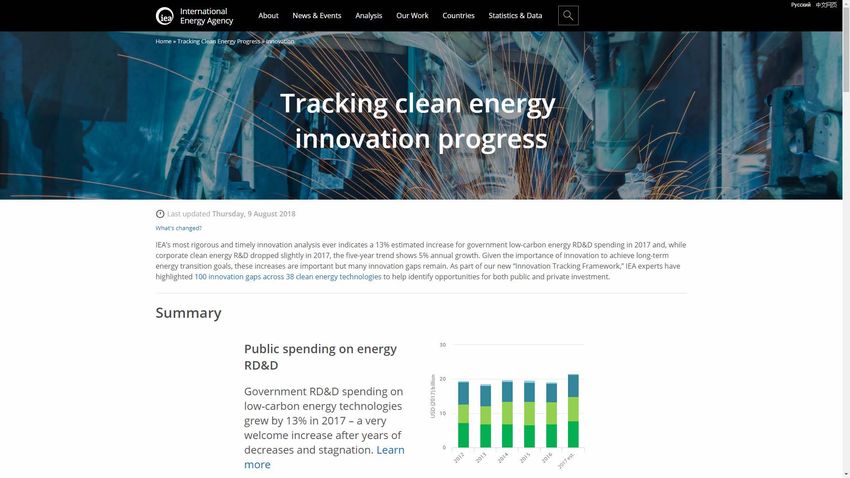
Tracking Clean Energy Progress (TCEP):
   Key trends in energy transitions
   Caroline Lee, Energy Policy Analyst
   6 December 2018 – COP24 – Polish Pavilion

© OECD/IEA 2018
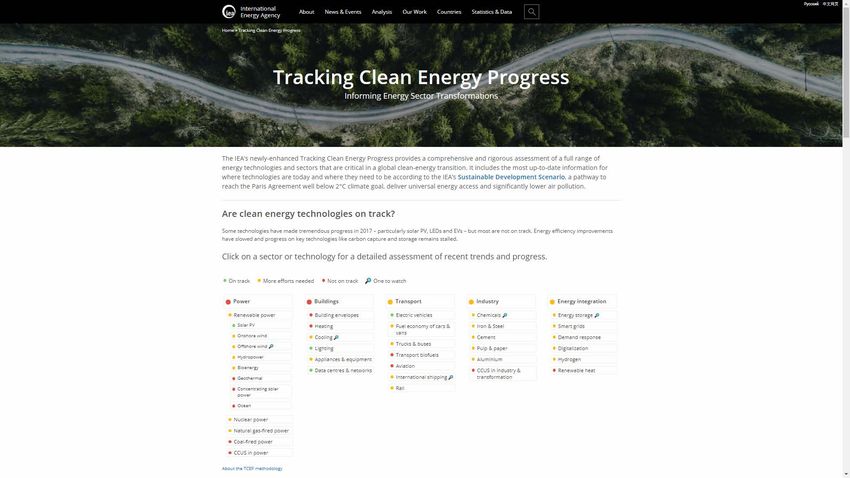
IEA at COP24 – Key messages

   • Paris Agreement goals are slipping out of reach
           - IEA estimates energy-related CO2 emissions will reach an historic high in 2018
           - To meet Paris goals, CO2 emissions need to peak around 2020 and enter a steep decline

   • The IEA Family of countries now covers almost 75% of global energy demand, so is
        ideally placed to help countries meet their energy objectives

   • The IEA offers data, analysis and solutions across “All Fuels and All Technologies”

   • IEA analysis is key to tracking progress of global energy transitions
           - Assessing progress on energy transitions, under the Talanoa Dialogue and beyond
           - Helping to drive further NDC ambition

© OECD/IEA 2018                                                                                      2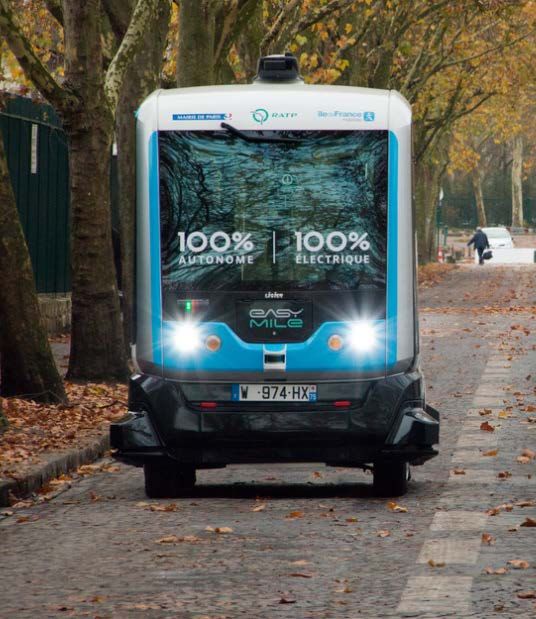
Tracking Clean Energy Progress 2018 (TCEP): Historical data basis
                                           Global energy-related CO2 emissions

                  Gt CO2   35

                           30                                                               CO2 emissions
                           25                                                               Increase in 2017

                           20

                           15

                           10

                           5

                                   Global emissions are set to increase in 2018 - again
                      The world is not moving towards the Paris goals, but rather away from them
© OECD/IEA 2018                                                                                                3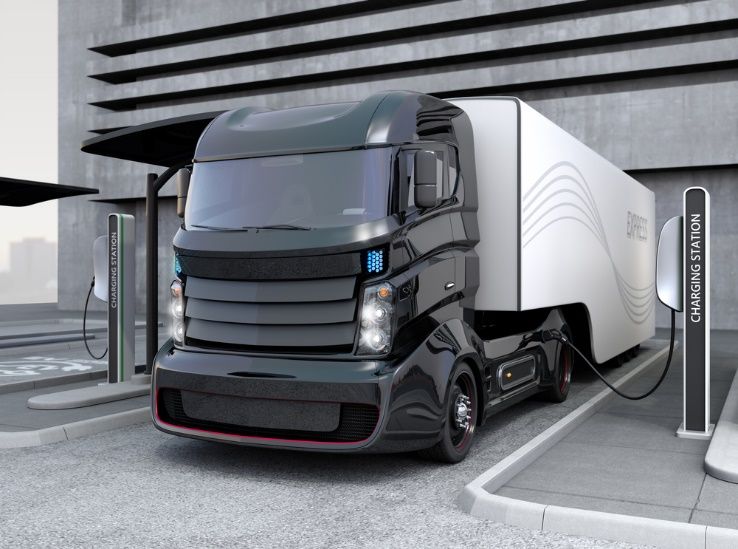
TCEP 2018: SDS as a benchmark on where do we want to go
                                             Global energy-related CO2 emissions

                  Gt CO2   36
                                            Central Scenario
                                                                                          44% Efficiency
                           32

                           28
                                                                                          36% Renewables
                           24
                                                         Sustainable                       2%   Fuel-switching
                                                     Development Scenario                  6%   Nuclear
                           20
                                                                                           9%   CCS
                                                                                           2%   Other
                           16
                            2010              2020              2030               2040

                                A wide variety of technologies are necessary to meet goals,
                                 with energy efficiency and renewables playing lead roles
© OECD/IEA 2018                                                                                                  2   4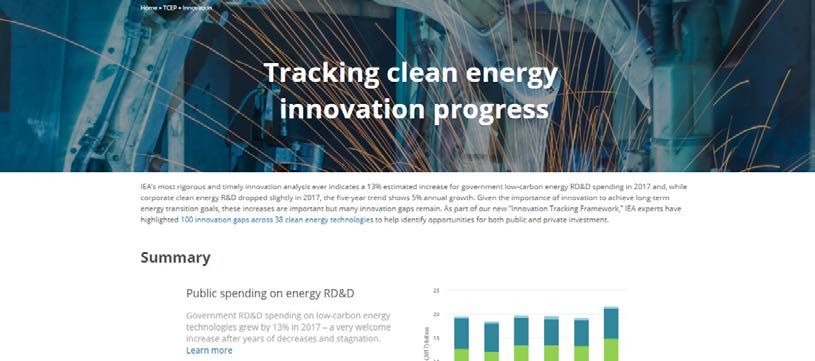
TCEP 2018: How energy sectors can contribute to the decarbonisation effort

   Cumulative emissions reductions between 2017 and 2040 for each sector in the SDS compared to the
                                   NPS, including indirect emissions.
© OECD/IEA 2018                                                                                       5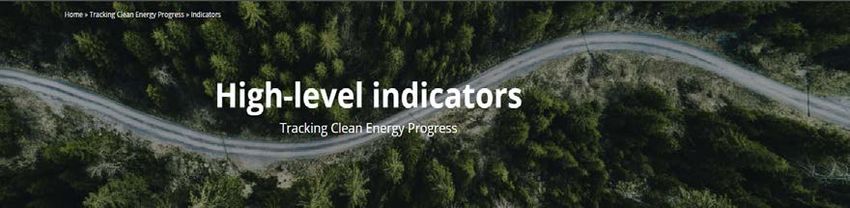
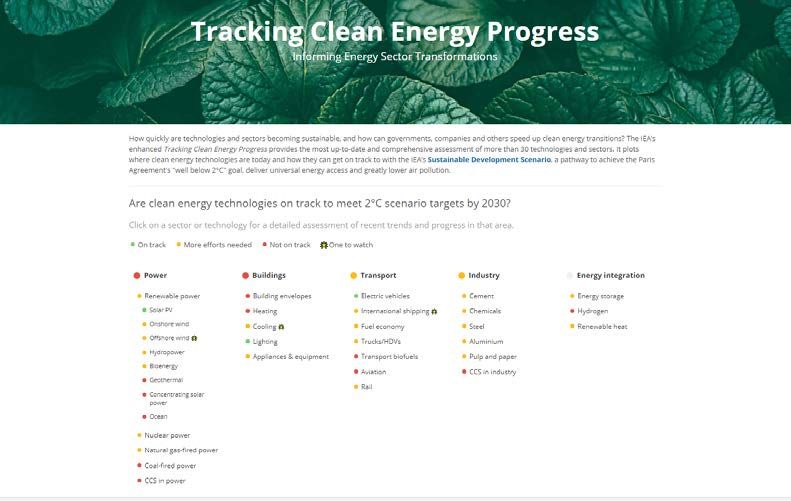
Tracking Clean Energy Progress 2018   www.iea.org/tcep

© OECD/IEA 2018                                          3   6
Tracking Clean Energy Progress 2018 – Key High Level Indicators

© OECD/IEA 2018                                                   7
Aggregate Indicators for Clean Energy Transitions

                                        Energy Sector Carbon Intensity                                                   Energy intensity
                    4                                                                              1990-2013                                     2018-2040
                                                                                                    average    2014      2015     2016    2017    average
                   3.5
                                                                                              0%

                                                                    annual change in energy
                    3
MtCO2/Mtoe (TFC)

                   2.5
                                                                                        -1%
                    2

                                                                            intensity
                   1.5                                                                  -2%
                    1                                SDS Targets
                           Historical
                   0.5                                                                  -3%
                    0
                     2000           2010      2020      2030       2040                                  Annual change     2017    SDS Target
                                                                                        -4%

                     The world’s energy supply in 2017 was as carbon intensive as in 2000, it needs to decline by 47% by 2040;
                         Global energy intensity improved by only 1.7% in 2017, but needs to accelerate to 3.4% annually.
         © OECD/IEA 2018                                                                                                                                8
Power sector sub-sectoral indicators

   70%                                                                       1 000
                       Share of new capacity additions                                        Power generation carbon intensity

                                                                            gCO2/kWh
   60%                                                    Low carbon
                                                                                 800                                               India
   50%
                                                          Renewables                                                               Southeast
   40%                                                                           600                                               Asia
                                                                                                                                   China
   30%
                                                          Total Plants           400                                               World
   20%                                                    fitted with CCS
                                                                                                                                   United
   10%                                                                           200                                               states
                                                          Coal
                                                                                                                                   European
     0%                                                                                                                            Union
       2000           2010           2020          2030
                                                                                       2000      2010          2020         2030

              Generation from low-carbon technologies needs to increase to nearly two-thirds by 2030;
                    the carbon intensity of power generation needs to more than halve by 2030
© OECD/IEA 2018                                                                                                                            9
© OECD/IEA 2018 10
Solar PV is the only renewable technology on track
                                          Solar PV generation

                    3 000

                    2 500

                    2 000
              TWh

                    1 500

                    1 000

                     500

                       0
                            2000   2005         2010            2015   2020   2025   2030

      Following another record year in 2017, solar PV continues to lead the expansion in renewable power,
             driven by unprecedented growth in China and strong deployment in the US and India
© OECD/IEA 2018                                                                                  7          11
Renewables growth is not fully on track for what is needed
Renewables generation by technology
16000
14000
12000 Ocean
Geothermal
10000
CSP
8000 Offshore wind
6000 Bioenergy
Hydropower
4000
Onshore wind
2000 Solar PV
0
Renewables saw highest rate of generation growth among all energy sources in 2017,
but deployment must further speed up to meet 2030 targets and beyond
© OECD/IEA 2018 12EV growth has grown rapidly; strong momentum needs to continue
Global electric car stock
3.5
1000
3.0 Others
millions
900
Electric car stock (millions)
800 2.5
700 United States
SDS Target
600 2.0 Others
500
1.5 UnitedEurope
States
400 Europe
300 1.0
China China
200
0.5
100
0 0.0
2013 2014
2013 20152014 2016 2017
2015 2016 2030 2040
2017
The number of passenger electric cars on the road passed 3 million in 2017,
but it needs
although to grow
they still to 240
represent million
just 0.3% by
of 2030 in thecar
the global SDSfleet
© OECD/IEA 2018 10 13Transport biofuels are far from reaching their potential
Transport biofuels production
Mtoe
300
Historical Forecast
250
200
150
100
50
0
2010 2012 2014 2016 2018 2020 2022 2025 SDS 2030 SDS
Production of transport biofuels grew by 2% in 2017,
but transport biofuels need to triple by 2030 to meet SDS
© OECD/IEA 2018 14Cooling is driving electricity demand growth
Share of world electricity demand growth to 2050
Other
Industry 32%
10%
Space cooling
21%
Other buildings 15%
Appliances
Heating 15%
7%
Electricity demand for air conditioning could more than triple by 2050 – requiring as much new electricity
capacity as all of the United States, EU and Japan today – but better policies could cut it in half
© OECD/IEA 2018 15Our energy destiny rests with governments
Total investment in energy supply to 2040:
$42.3 trillion
Market-driven
30%
2018-2040
42.3 trillion dollars
Government-driven
70%
More than 70% of the $2 trillion required each year in energy supply investment either comes from
state-directed entities or receives a full or partial revenue guarantee
© OECD/IEA 2018 16The IEA works around the world to support
accelerated clean energy transitions that are
enabled by real-world SOLUTIONS
supported by ANALYSIS
and built on DATA
www.iea.org/COP24
© OECD/IEA 2018 17www.iea.org
IEA
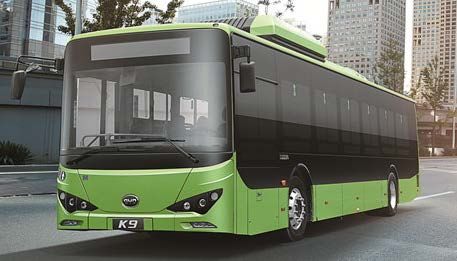
© OECD/IEA 2018 18Beyond electric cars: the future of e-mobility
The future of e-mobility extends to 2/3-wheelers, low speed vehicles, buses, trucks,
and autonomous/connected/shared vehicles
© OECD/IEA 2018 19© OECD/IEA 2018 20
Energy storage lost its on track status and needs improvement

                                             Energy storage capacity

                       GW
              300

              250                                                               Storage needed under SDS
              200

              150
                                                                                Planned PSH
              100
                                                                                Non-PSH storage
                  50
                                                                                Pumped Storage Hydropower (PSH)
                   0
                            2010   2017       2020          2030

    Additional utility-scale deployments for all storage technologies (excluding pumped hydro) remained flat in
    2017 (620 MWh). This is insufficient to meet the SDS, which requires 80 GW of capacity additions by 2030.
© OECD/IEA 2018                                                                                                   21
Tracking Clean Energy Progress 2018 – Key High Level Indicators
CO2 Clean Energy transitions
Indicators indicators framework
Energy sector carbon intensity
Electricity share of energy consumption
Aggregate energy sector Aggregate Primary energy intensity
CO2 emissions indicators Energy efficiency improvement rate
Investment share of low carbon energy
Public and private investment in clean energy RD&D
Power sector (example)
Share of low-carbon power generation in overall power generation
Sub- sectoral CO2 Sub- sectoral Average CO2 intensity of electricity generation
emissions indicators CO2 intensity of power generation from new investments
Share of new low-carbon power generation investment in overall power
generation investment
© OECD/IEA 2018 3 22LED lighting is on track, thanks to government policy & innovation
Global residential lighting sales by type
100%
80%
60%
40%
20%
0%
2010 2011 2012 2013 2014 2015 2016 2017
LEDs Fluorescents Incandescents & other
LEDs are on track to dominate residential lighting by around 2020;
3.3 billion LEDs were installed in 2017, underpinned by falling costs & government policy
© OECD/IEA 2018 23Industry CCUS pipeline is growing...
Large-scale CO2 capture projects
Maximum
Large Scale CO2 capture projects projected capacity
40
35
Refining
30
Natural gas processing
25
MtCO2
Iron and steel
20
Chemicals
15
Biofuels
10
5
0
1996 1998 2000 2002 2004 2006 2008 2010 2012 2014 2016 2018 2020 2022 2024
The global portfolio of large-scale CCUS projects continued to expand in 2017, with one additional
industrial project linked to bioenergy coming into operation (in the U.S.)
© OECD/IEA 2018
11 24…but industry and fuel transformation remains way off track….
Large-scale CO2 capture projects
Large Scale CO2 capture projects Maximum projected capacity
1 800
1 600
Refining
1 400
Natural gas processing
1 200
Iron and steel
MtCO2
1 000
Chemicals
800
Biofuels
600 SDS target
400
200
0
1996 1998 2000 2002 2004 2006 2008 2010 2012 2014 2016 2018 2020 2022 2024 2026 2028 2030 2032 2034 2036 2038 2040
CCUS is one of the few existing mitigation technology options for industry, but remains woefully off
track to achieve the 2030 target.
© OECD/IEA 2018
12 25You can also read


