Victorian Racing Industry - Size and Scope of the Prepared by IER / September 2018 - Racing Victoria
←
→
Page content transcription
If your browser does not render page correctly, please read the page content below
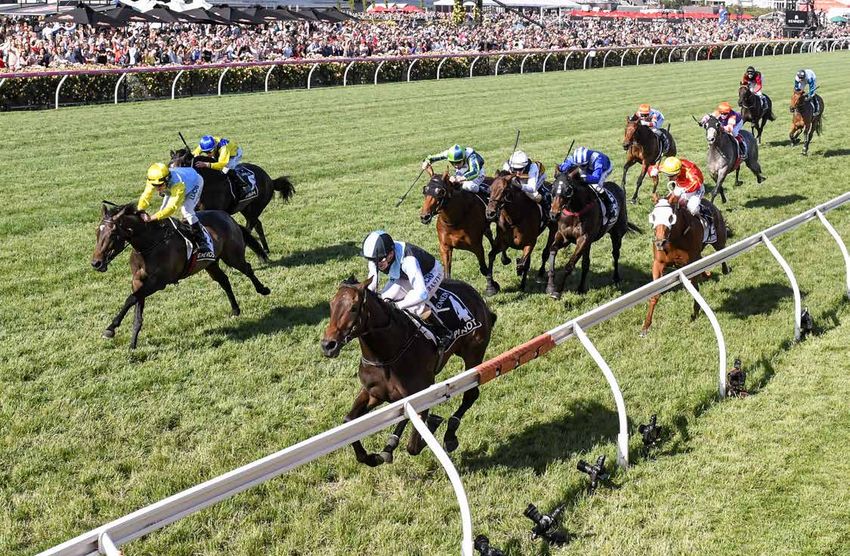
Size and Scope of the

                Victorian Racing Industry
                        Prepared by IER / September 2018

IER PTY. LTD.                                              Size and Scope of the Victorian Racing Industry xx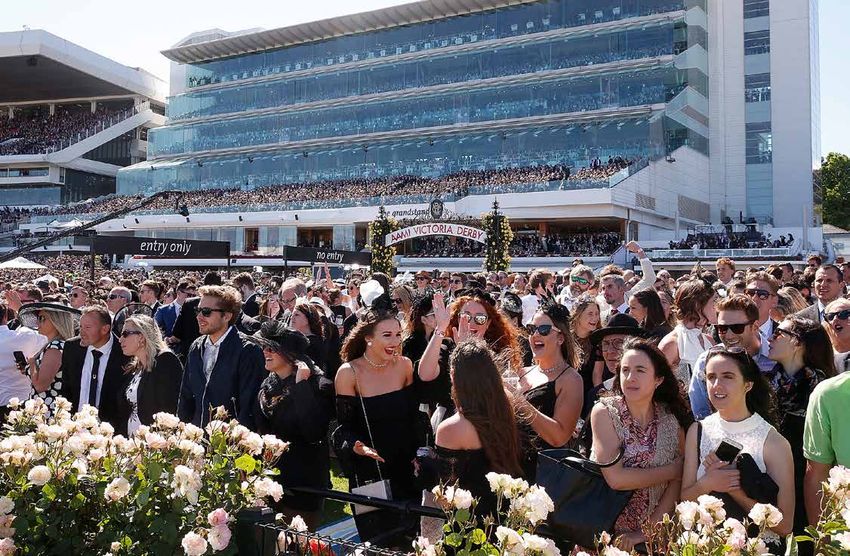
2 Size and Scope of the Victorian Racing Industry IER PTY. LTD.
Contents
                 4 Key Findings
                 8 Introduction
                12 Community &
                		 Social Impacts
                14 Economic Impacts
                22 Employment & Supply
                32 Racing Participants
                		 & Animals
                48 Racing Club Activity
                64 Wagering

IER PTY. LTD.                             Size and Scope of the Victorian Racing Industry 3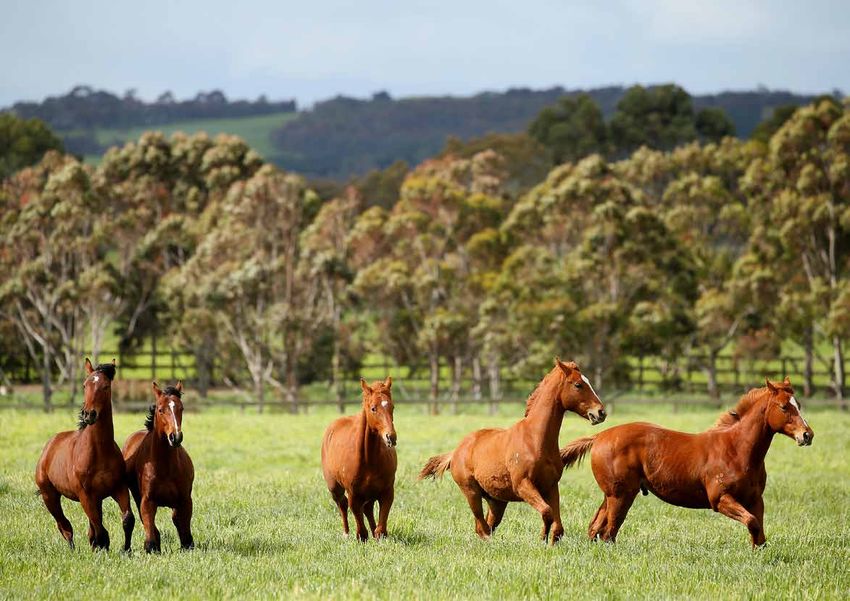
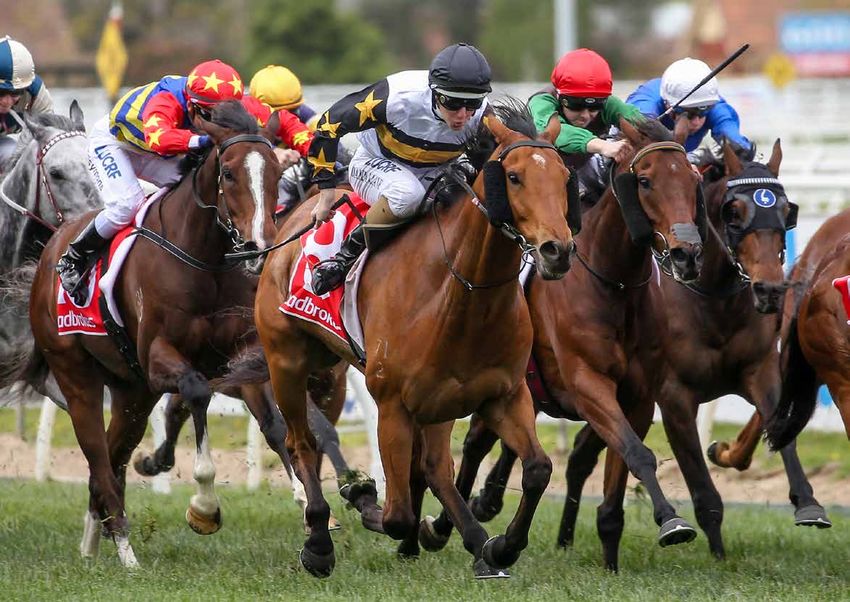
Key Findings

                  Value Added Contribution                               Total FTE Employment
                                                                                Sustained

                         Direct $1.4 billion                                    Direct 15,415
                   Indirect & Induced $2.9 billion                        Indirect & Induced 18,411
                         Total $4.3 billion                                     Total 33,826

                    Taxes Generated by the                                  Total Household
                   Victorian Racing Industry                               Income Generated

                State Government $469.4 million                              Direct $0.9 billion
                Federal Government $81.9 million                       Indirect & Induced $1.4 billion
                      Total $551.3 million                                   Total $2.3 billion

                                                                                                                    Thoroughbred
        Direct Spending Impacts                                                                                     Harness

                                                                                                                    Greyhound
                                                                       2006           2013             2018

          Total Direct Spending		                                      $1.8 bil      $2.2 bil         $2.8 bil
                                                                                                                 Direct Spending by Code ($Mil)

        Direct Spending by Code
                                                                                                                                     $379.8m
                                                    Thoroughbred     Harness      Greyhound           Total
                                                                                                                                       (14%)

                                                                                                                                            $346.3m
          Production of racing horses and             $177.1 mil     $60.4 mil     $12.2 mil      $249.7 mil
          greyhounds (Breeding)
                                                                                                                                              (12%)

          Preparation of racing horses and           $349.7 mil     $126.1 mil     $48.4 mil      $524.2 mil
          greyhounds (Training)                                                                                          $2,068.2m
                                                                                                                            (74%)
          Racing & wagering activities               $1,387.0 mil   $168.4 mil    $281.2 mil     $1,836.6mil

          Non-raceday activities                      $154.3 mil     $24.9 mil     $4.6 mil       $183.7 mil

          Total		                                   $2,068.2 mil    $379.8 mil    $346.3 mil    $2,794.2 mil

4 Size and Scope of the Victorian Racing Industry                                                                                                     IER PTY. LTD.
The VRI contributes more than $4.3
                billion in real gross value added to
                the Victorian economy

                Economic Impacts

                                                                                              2006                  2013               2018

                  Real Gross Value Added		                                                     $2.1 bil           $2.8 bil            $4.3 bil
                  Total Full Time Equivalent (FTE) Employment		                                18,700             26,900              33,826
                  Household Income		                                                           $1.1 bil           $1.6 bil            $2.3 bil

                Economic Impacts by Code

                                                                                        Thoroughbred             Harness           Greyhound

                  Real Gross Value Added		                                                     $3.2 bil           $0.6 bil            $0.5 bil
                  Total FTE Employment		                                                       25,157              4,367               4,302
                  Household Income		                                                           $1.7 bil           $0.3 bil            $0.3 bil

                1. Value-added is defined as the value of sales less the value of inputs used in production, ie it is equal to the income (wages,
                salaries and profits) generated in production. 2. Household Income is defined as being wages and salaries (before tax) earned from
                employment generated by the racing industry. 3. Full Time Equivalent Employment is defined as being the jobs that are created
                (both within and outside the racing industry) to meet the demand created by racing industry activity

IER PTY. LTD.                                                                                             Size and Scope of the Victorian Racing Industry 5
Direct Participants and Employees in Racing

                                                                                                   2006                                106,900

                                                                                                   2013                                          142,800

        Jobs and Participants Supported by Racing                                                  2018                                            147,700

                                                    Thoroughbred   Harness   Greyhound    Total

          Participants in Racing
          Breeders		                                   2,054        2,261       313      4,628
          Trainers		                                    942         1,121      1,575     3,638
          Owners		                                     68,469       4,520      8,464     81,453
          Volunteers		                                 5,542        2,533      1,420     9,495
          Total Participants in Racing                 77,007      10,435      11,772    99,214
          Employed Directly in Racing

          Employed by Racing Clubs &                   6,510        1,675      1,513     9,698
          Principal Racing Authorities
          Employed in Wagering Jobs                    2,820        320         618       3,758
          Employed by Participants                     5,455        2,500       673      8,628
          Total Directly Employed in Racing            14,785       4,495      2,804     22,084

          Total Directly Participants and              91,793      14,930     14,576     121,298
          Employees in Racing

          Total Employed in Support Industries         17,679       5,375      3,353     26,407

          Total Jobs & Participants                   109,472      20,305     17,929     147,705
          Supported by Racing

6 Size and Scope of the Victorian Racing Industry                                                                                                          IER PTY. LTD.
The Animals

                The people               More than                                             Racing Activity
                                                                    22,358 Horses/Greyhounds
                                         121,200 people             in Training
                4,628 Breeders           are directly               Thoroughbred 10,559        126 Racing Clubs
                Thoroughbred 2,054
                                         employed,                  Harness 4,891              Thoroughbred 69
                Harness 2,261                                       Greyhound 6,908            Harness 44
                Greyhound 313            volunteer or                                          Greyhound 13
                                         participate in             8,203 Broodmares/
                3,638 Trainers           racing industry            Females Covered            108 Race Tracks
                Thoroughbred 942         activities                 Thoroughbred 4,664         Thoroughbred 67
                Harness 1,121                                       Harness 3,233              Harness 28
                Greyhound 1,575          (including non-            Greyhound 306              Greyhound 13
                                         raceday business
                81,454 Owners &          entities)                  7,650 Foals/Pups           2,172 Race Meetings
                Syndicate members                                   Thoroughbred 3,177         Thoroughbred 551
                Thoroughbred 68,470                                 Harness 1,818              Harness 451
                Harness 4,520                                       Greyhound 2,655            Greyhound 1,170
                Greyhound 8,464          4,948 Stablehands/Kennel
                                         Employees
                                         Thoroughbred 3,278                                    22,143 Races
                913 Jockeys, Drivers &   Harness 1,166                                         Thoroughbred 4,431
                Apprentices              Greyhound 504              The economic               Harness 3,751
                Thoroughbred 243
                Harness 670
                                                                    activity generated         Greyhound 13,961

                                         8,540 Industry & Club      by the Victorian
                                         Employees                  Racing Industry            80,177 Racing Club Members
                                         Thoroughbred 6,044                                    Thoroughbred 66,467
                                         Harness 994                is directly                Harness 12,419
                                         Greyhound 1,502            responsible for            Greyhound 1,291

                                                                    sustaining more
                                         9,495 Volunteers           than 33,800 full time      1,742,130 Attendances
                                         Thoroughbred 5,542                                    Thoroughbred 1,339,240
                                         Harness 2,533
                                                                    equivalent (FTE)           Harness 208,872
                                         Greyhound 1,420            jobs in Victoria           Greyhound 194,018

IER PTY. LTD.                                                                                            Size and Scope of the Victorian Racing Industry 7
Introduction
        The Victorian Racing Industry (VRI)                    This study has been undertaken within a               + Racing clubs provided financial data as well
        commissioned IER to undertake a study into             broader framework than previous studies of                as data relating to their club and raceday
        the size and scope of the three codes of               this nature. Specifically, this study also includes       operations. They also provided data on the
        racing in Victoria. This study represents an           impact associated with corporate bookmaker                social and community impacts that they have
        update to the previous report completed in             business activity (in Victoria) as well as the            as well as the extent of their diversification of
        2011 and uses racing industry data from the            impact of non-racing businesses owned by                  business interests and activities (to the extent
        2016/17 racing season. The VRI encompasses             the racing industry. In this way, this study is a         that they add to the measured economic or
        the thoroughbred, harness and greyhound                more comprehensive measure of the industry’s              social impact)
        racing industries in Victoria.                         impact than any undertaken previously                 + IER also interviewed a number of breeders,
                                                                                                                         trainers and owners in order to build a profile
        Purpose of the Study                                   Study Methodology                                         of the cost of production and preparation of
                                                                                                                         racing horses and greyhounds.
        This study aims to quantify the economic,              In assessing the size and scope of the racing         + Racing clubs were asked to complete a survey
        employment and social contribution that the            industry, the study will report on a number               aimed at gathering more information relating
        VRI generates in Victoria. The report focuses          of the traditional measures adopted by the                to their community and social involvement as
        on State impacts as well as looking at specific        racing industry (such as breeding and training            well as any other business entities that they
        outcomes for regional areas. The key focus             activities, attendance and wagering) as well as           have an involvement in
        of the study is to investigate the following           calculating a number of economic measures.            + A number of the large wagering service
        outcomes attributable to the racing industry:          For the purpose of this study, the racing                 providers detailed financial activity (both in
                                                               industry is defined as covering all racing and            Victoria and in other States). IER has included
        + The total direct expenditure contribution that     non-racing activities undertaken by racing                data related to activity in Victoria funded by
            the industry makes, in its current form, to the    clubs and peak racing bodies, as well as the              Victorian racing industry activity)
            Victorian economy                                  customers, owners, breeders, trainers &               + Various bodies provided data on racehorse and
        + The full-time equivalent employment                wagering service providers in the industry.               greyhound registrations and activity
            generated by racing industry activities
            in Victoria                                        From an economic impact perspective, the              Throughout the report, data has been
        + A headcount of the total number of                 aim is to measure the expenditure that is             presented at a State and regional level. The
            participants (i.e. trainers, breeders, employees   generated as a result of racing industry activity     regional level analysis is based on nine key
            etc.) in the industry                              and the way that it impacts on the State              regional areas taken from the Australian
        + The value added contribution that the industry     economy. The data that underpins this study           Statistic Geographic Standard (ASGS) SA4
            makes to the Victorian economy                     has been gathered from a number of sources.           framework. The SA4 framework contains the
        + The social and community importance of             These are outlined below:                             largest sub-State regions in the Main Structure
            thoroughbred, harness and greyhound racing                                                               of the ASGS, and has been designed for the
            – particularly in regional parts of the country    + The three codes of racing provided data           output of a variety of regional data, including
        + The taxation revenues generated as a result            related to financials, racing activities and      data from the 2016 Census of Population
            of racing industry activity in Victoria                participant registrations                         and Housing.

8 Size and Scope of the Victorian Racing Industry                                                                                                                            IER PTY. LTD.
They are specifically designed for the output        + Breeding activity– the expenditure made by        failure to accurately generate the
        of ABS Labour Force Survey data and therefore            breeders in the process of producing foals        expenditure profile of the industry only leads
        have population limits imposed by the Labour             and caring for broodmares and stallions           to a multiplication of this error throughout the
        Force Survey sample. These areas represent           + Training activity – the expenditure made          latter parts of the economic methodology.
        labour markets or groups of labour markets               by owners in the preparation of their
        within Victoria.                                         racehorses for racing. This includes spending     2. Categorisation of industry expenditures
                                                                 on training services as well as other non-        into sectors - the racing industry (as a whole
        Economic Methodology                                     training related expenses such as major           sector) does not exist within standard industry
                                                                 veterinary, transport etc.                        classifications. A 26 sector industry table was
        The development of an economic model of              + Racing & wagering activity – the                  used to allocate Victorian racing industry
        the Victorian racing industry requires a strong          expenditure made by racing’s customers            expenditures. This allows for a detailed analysis
        understanding of the internal and external               in the following areas:                           of the impact of certain expenditures as they
        flows of money. Through the model, duplicate                  + Purchases of raceday products and        flow through the economy.
        expenditures have been identified within this                     services
        monetary framework and excluded from                          + Non-raceday functions                    3. Economic modelling - IER has utilised an
        the total expenditure calculations. In this                   + Revenues from other racing club          input/output methodology for the calculation
        regard, the key is to identify the final                          operated activities (i.e. gaming)        of economic impacts associated with the
        expenditures - ensuring not to count the same                 + Off-track spending related to            racing industry in Victoria. The input-output
        expenditures as they flow between internal                        attendance at the races (i.e. fashion)   model provides direct and indirect impacts
        racing industry transactions.                                 + Sponsorship and membership products      in relation to value added, income and
                                                                      + Broadcast fees                           employment. Specifically, the input-output
        An example of this relates to the training of                                                              model is a derivation of the publicly available
        racehorses. Owners pay a training fee to trainers    Whilst racing and wagering are separate               input-output table that is produced by the ABS.
        to prepare their racehorses (owners also incur       components of the industry, they are                  Manipulation by IER’s economist ensures
        expenses outside the training fees of their own).    inextricably linked within the industry financial     that the input-output table is useful for the
        Trainers, in turn spend money into the economy       model and are therefore assessed together             purposes of this study.
        on goods and services related to their training      (ensuring that monies are not counted
        activity. If both of these expenditures were         more than once within the inter-industry
        counted within the model, this would constitute      transactions).
        an overstating of impacts due to the fact that
        same money has been counted twice.                   The economic model used within this study
                                                             follows three key steps:
        This study measures the economic contribution
        made by the racing industry in Victoria. The final   1. Gathering Industry Expenditure - This has
        expenditure profile of the racing industry is        been explained in more detail previously;
        based on the following key inputs:                   however, this is the most important step as a

IER PTY. LTD.                                                                                                                                                          Size and Scope of the Victorian Racing Industry 9
External Expenditure                                                                                                                                            Internal investments
                                                                                                 Racing Customers
               Off-course spend                                                                                                                                           + Facilities Income
         + Accommodation + Transport                                                                                                                                        + Sponsorships
                + Retail/Fashion                                                                                                                                        + Government Grants
               + Food & Beverage                                                                                                                                           + Animal Exports
                                                               Wagering                            Non-wagering                   Non-raceday Income                        + VRIF Funding
                                                     + Pari Mutuel (on & off-course)              Raceday Income                 + Gaming + Functions
                                                     + Bookmakers (on & off-course)           + Admissions + Packages         + Donations + Memberships
               + TAB/Government
                                                          + Betting Exchanges                    + Food & Beverage                 + Food & Beverage
                  share of NWR
                                                              (off-course)                          + Racebooks                      + Facilities Hire
              + Government Taxes
              + Wagering Operator                                                                                              + Other Business Interests
                   Expenditure
                                                           Product Fees &
                                                        Wagering Distributions

             + Administration Costs
              + Race Meeting Costs
           + Marketing & Promotions
               + Integrity Services
                                                       Victorian Racing Industry
                                                            RV / HRV / GRV                                                                                   Investment &
                                                          Operational, Marketing
                                                                                                                                                             expenditure
                                                                                                                                                             flow in Victoria
                                                          & Capital Maintenance                      Racing Clubs
                                                                  Grants
               + Track Maintenance
          + Racecourse Administration
                + Food & Beverage
            + Insurance + Event Costs                                                                           Additional Prizemoney
            + Marketing & Promotion

                                                                            Prizemoney & Owners
            + Insurance + Agistment                                          Incentive Schemes
            + Vet Costs + Transport                                                                                                 Racehorse/Greyhound
                  + Registration                                                                                                          Owners
                + Accommodation
                                                                              Breeding Incentive
                + Employee Wages                                                  Schemes
            + Stock/Greyhound Feed                                                                                                                  Animal Purchase
              + Transport + Stabling                                                                                Training fees
                                                                                                                                                    or Breeding Costs
         + Saddles, Sulkies, Equipment
          + Administration/Marketing
            + Supplements, Vitamins
                   + Rates/Taxes                                                   Trainers                                                                             Breeders

           + Service Fees + Agistment
            + Insurance + Vet/Farriers
                + Employee Wages                                            Riding or Driving Fees
            + Stock/Greyhound Feed
                     + Sale Cost
            + Worming/Vaccinations
                   + Rates/Taxes                                               Jockeys/Drivers

10 Size and Scope of the Victorian Racing Industry                                                                                                                                              IER PTY. LTD.
IER PTY. LTD. Size and Scope of the Victorian Racing Industry 11
Community & Social Impacts
        The three codes of racing in Victoria play        Racing clubs contribute to their communities
        an important role in the development              through the following areas:
        and preservation of social capital within
        regional and metropolitan communities.            + Capacity building – sharing and hiring
        These social and community impacts are               out facilities to other organisations
        initiated through racings activities on both         requiring function or meeting space that
        raceday and non-racedays. This contribution          may otherwise be in short supply, particularly
        to community social benefit enhances                 in regional Victoria
        both individual and community well-being          + Charitable support – Provide direct,
        throughout regional                                  financial and in-kind fundraising support for
        and metropolitan Victoria.                           more than 1,450 charities across the State
                                                          + Education – partnering with education
        The development of social and                        institutions to provide placement, work
        environmental initiatives has had a positive         experience, internship and excursion
        impact within the communities where                  opportunities
        racing exists in terms of family socialisation,   + Volunteerism – The racing industry is
        and with regard to supporting health,                supported by a strong volunteer base in a
        education, employment and environmental              mutually beneficial way. Many volunteers
        practices. However, maintaining and                  provide their support because of their love
        building the trust and respect of the                of the sport and, in turn, build capacity and
        communities in which racing clubs operate            skills that translate into aspects of a career
        is also extremely valuable.                          or life in general.

12 Size and Scope of the Victorian Racing Industry                                                            IER PTY. LTD.
Capacity Building Charitable Support
65% of racing clubs hire out More than 1,450 charitable
on-course facilities for private or organisations supported by the
corporate use. The hire of these racing industry. The charities received
facilities served events that nearly $3.5 million in funds,
recorded attendances of more in addition to the in-kind
than 670,000 people support provided
Education Volunteerism
More than one third of Nearly 9,500
Victorian racing clubs individuals provide their
have partnerships in skills, time and support
place with education to the racing industry
institutions as a volunteer
Community
Racing clubs provide an important
Facility Sharing community for more than 80,000
More than 650 community and members who are actively engaged
not-for-profit organisations share in their club. More than 1.7 million
racing club facilities in Victoria attendances are recorded at Victorian race
meetings. Clubs located in more densely
populated areas of the state add valuable
greenspace to communities
IER PTY. LTD. Size and Scope of the Victorian Racing Industry 13Economic Impacts
Direct spending
generated by
the VRI
The direct spending profile of the Victorian
Racing Industry relates to the expenditure
generated by racing through its customer
and business to business transactions. This
study, unlike others before it, also takes into
consideration expenditures generated in
relation to non-racing business interests (owned
by the racing industry) and non-TAB wagering
service providers in Victoria.
In 2016/17, the Victorian racing industry
generated nearly $2.8 billion in direct
expenditure. The calculation of direct
expenditure is based on the final expenditures
of the racing industry – or put another way –
the point at which the expenditure leaves the
internal racing industry and hits the broader
economy. For instance, a raceday attendee
who spends money at the bar is generating
expenditure within the racing industry.
However, this expenditure is used by the racing
club to fund its operations and it is at this level
where final expenditures are captured (i.e. the
customer funds the racing club’s expenditure on
wages, advertising and operations).
14 Size and Scope of the Victorian Racing Industry IER PTY. LTD.The breakdown of final expenditures is outlined below:
Whilst racing and wagering are separate
% of Final
The Victorian Source of Final Expenditure Funded by Amount Expenditure components of the industry, they are
inextricably linked within the industry
Racing + Private investment financial model and are therefore assessed
Industry is Production of racing horses + Service fees revenue
$249.7 mil 8.9%
together (ensuring that monies are not
counted more than once within the inter-
and greyhounds (Breeding) + Industry bonuses &
responsible incentives industry transactions).
for generating
+ Private investment
nearly $2.8 Preparation of racing horses + Prizemoney
$524.2 mil 18.8%
billion in and greyhounds (Training) + Industry bonuses &
Metro
incentives
expenditure Regional
in Victoria + Wagering product fees
+ Raceday revenues Total Direct Spending
+ Sponsorship & Membership (Metro v Regional)
+ Nominations
Racing & wagering activities + Racing customers spend $1,836.6 mil 65.7%
+ Taxation on wagering
revenue
+ Expenditure by WSP on
operations in Victoria
32.2%
+ Revenues from other
(non-racing) business
Non-raceday activities interests $183.7 mil 6.6% 67.8%
+ Non-raceday revenues
generated at racing clubs
Total $2,794.2 mil
*Some totals may not add due to rounding
IER PTY. LTD. Size and Scope of the Victorian Racing Industry 15Thoroughbred racing is responsible for Greyhound racing is responsible for generating In addition to this, the breeding (8.8%) and
generating more than 74% of the final 12% of the final expenditures. More than 58% training (18.8%) aspects of the industry
expenditures. The greater Melbourne region of this expenditure impact occurs in greater contribute more than 27% of the expenditure
is responsible for generating more than 72% Melbourne with the Latrobe-Gippsland region impact whilst customer spending on non-
of this amount whilst the Hume region is (11.8%) contributing the largest regional impact. raceday activities makes up the remaining 6.6%.
responsible for 6.6%.
Overall, 66% of the industry’s expenditure The following chart illustrates the proportional
Harness racing is responsible for generating more impact is driven by wagering & racing activities, breakdown of direct expenditure generated by
than 14% of the final expenditures. The outer including: the Victorian Racing Industry:
Melbourne region (39.5%), Shepparton (13.7%) and
Ballarat (10.1%) regions make up nearly two-thirds + Raceday racing club revenues
of this expenditure impact. + Racing attendee spending in the community
+ Wagering service provider operational
expenditure
+ Other racing business revenues
Thoroughbred
Harness
Greyhound
Production of Racing Horses Preparation of Racing Horses
Direct Spending by Code ($Mil) and Greyhounds (Breeding) and Greyhounds (Training)
Racing & Wagering Activities Non-raceday Activities
$379.8m Proportion of Expenditure by Code
(14%)
$346.3m Greyhound 3.5% 14.0% 81.2% 1.3%
(12%)
$2,068.2m Harness 15.9% 33.2% 44.4% 6.5%
(74%)
Thoroughbred 8.6% 16.9% 67.1% 7.5%
16 Size and Scope of the Victorian Racing Industry IER PTY. LTD.IER PTY. LTD. Size and Scope of the Victorian Racing Industry 17
Inset - Greater Melbourne
Outer Melbourne
Thoroughbred $829.8
Harness $187.6
Inner Melbourne Greyhound $207.1
Thoroughbred Total $1,224.5
North West
Thoroughbred $60.5
$1,640.3
Harness $130.9 Economic
Harness $38.7
Greyhound $10.6
Greyhound $156.5
Total $1,927.8 contribution
Total $109.8
of the VRI
The Victorian racing industry is responsible
for generating a real gross value added
contribution of $4,304.4 million for the
Victorian economy. Real gross value added is
Shepparton
Thoroughbred $38.8 the generally accepted measure of the value
Bendigo of production from economic activity. It is the
Harness $61.5
Thoroughbred $101.6
Greyhound $19.3 Hume sum of value added by all industries in a region
North West Harness $33.1
Total $119.6 Thoroughbred $167.8
Greyhound $23.0 (in this case, regions of Victoria). In any period
Harness $40.1
Total $157.7 of time, the value added contribution in an
Greyhound $10.0
Shepparton industry equates to the value of sales less the
Total $217.9
value of inputs used in production. This means
Bendigo value added is equal to the income (wages,
Ballarat Hume salaries and profits) generated in the course
Thoroughbred $89.0
of production.
Harness $46.2
Greyhound $20.7
Total $155.9 The real gross value added calculation uses
constant prices (prices in a selected year),
Ballarat hence it does not allow for general price level
Melbourne
Latrobe - changes (inflation). Also, the calculation makes
Warrnambool Gippsland no allowance for capital used in production
and South West Latrobe -
Gippsland Thoroughbred $88.4 (depreciation).
Geelong Harness $7.2
Greyhound $49.9
Generally, the level of economic activity will
Geelong Total $145.6
Warrnambool not always proportionally follow the final
Thoroughbred $95.3
and South West expenditures, as regional areas generally have
Harness $10.8
Thoroughbred $75.5 higher import penetrations than metropolitan
Greyhound $30.3
Harness $17.7
Total $136.4 areas – i.e. a lot of the expenditure is on
Greyhound $16.0
Total $109.2 product imported from the metropolitan area.
Economic Contribution As such, the model takes into consideration
* Some totals do not add due to rounding by Region ($mil) these leakages between regions.
18 Size and Scope of the Victorian Racing Industry IER PTY. LTD.When considering the value added + Indirect (Induced) Value added ($2,929.0 million) Overall, the Victorian
contribution of $4,304.4 million generated by – represents the value added activity (wages,
the Victorian racing industry, it is important salaries and gross operating surplus) generated racing industry
to note that it is made up of: to support the purchases made in providing the contributed just
inputs to the providers of the direct services,
+ Direct Value added ($1,375.4 million) - this along with the value added impact in providing under $4.3 billion in
represents the amount of income included households with goods and services as they spend
in the direct in-scope expenditure. It is the their wages, and the trickle on effect of this
value added impacts
amount of gross wages and salaries in the racing to the Victorian
industry and the direct provision of services to The direct value added impacts are calculated
racing activity, plus the gross operating surplus using the ratios within each of the relevant economy. More than
(profits, interest payment and direct taxes)
directly created in supply these services and
industry sector classification sectors identified
within the input-output table. The calculation of
55% of this impact
product. This is also equal to the direct in-scope the indirect (induced) effects, which are allocated occurred in regional
expenditure less the purchases that the provider to the industry in which the impact occurs, is
of the goods and services makes in providing the undertaken by running an impact assessment, areas of the State
goods and services (both supplied from within and tracing the whole of economy effect of the
the region, as well as externally (i.e. imported) expenditure patterns linked to the racing industry
When the direct value added impacts are assessed by industry sector, the Victorian racing Metro
industry generates its most significant impacts within the following sectors:
Regional
Direct Value Added Proportion of
Industry industry impact (%) Sources of Impact
Impact ($mil) Total Value added by Code
(Metro v Regional)
Arts & Recreation + Betting
$397.9 29.1%
Services + Racing Activity 22.8%
($130.9 mil)
28.8%
($156.5 mil)
51.5% 44.8%
+ Equipment ($1,927.8 mil)
+ Personal Shopping ($1,640.3 mil)
Retail Trade $134.0 9.8%
+ Stock
+F
uel 77.2%
Road Transport $128.3 9.4% +F
loat/Trailer 71.2%
($443.0 mil)
($386.9 mil)
48.5% 55.2%
($1,546.8 mil) ($2,376.6 mil)
Professional, +V eterinary
scientific & technical $100.1 7.3% +B reeding Activity
+ I ntegrity
services
Thoroughbred Harness Greyhound Total
IER PTY. LTD. Size and Scope of the Victorian Racing Industry 19Taxation Impact
The Victorian Racing Industry generates it is estimated that a further $85.6 million
more than $461 million in taxes from its flows back to Victoria from GST *. The Federal
racing, wagering and business activities. Government receives more than $49 million in
The State Government receives more than taxes from income taxes and retained GST.
$327 million in taxes from sources including;
gaming taxes, wagering taxes, employee The following chart illustrates the breakdown of
taxes, land taxes and stamp duty. Additionally, these taxes for State and Federal Governments:
Taxes generated by the Victorian Racing Industry
State
Government
$413.0
Federal
Government
$48.8
* Includes estimated GST receipts returned to Victoria under the horizontal fiscal equalisation policy
20 Size and Scope of the Victorian Racing Industry IER PTY. LTD.Just under 31% of the State Government
taxation revenue from racing is sourced from
direct wagering tax whilst employee related
taxes make up a further 25.2%. GST (received
from the Federal Government distribution)
makes up 29.2%. The following chart illustrates
the breakdown of taxation revenues generated
for State and Federal Government:
Gaming Taxes GST *
Payroll Tax Wagering Tax Income Tax
Other Taxes PAYG Withholding GST *
Taxes generated for the Taxes generated for the
State Government Federal Government
0.6%
14.8% 12.8%
28.2% 4.3%
87.2%
20.7%
31.4%
* GST reformed by Federal Government
IER PTY. LTD. Size and Scope of the Victorian Racing Industry 21Employment & Supply
Participants in Racing
The concept of ‘participation in racing’ is which leads to the production of a racing
broader than simply considering those product that is consumed by audiences on
employed in the industry. Participants include most days of the year in Victoria.
employees, trainers, breeders, contractors and
volunteers who are involved in varying levels of In addition to these participants, nearly
engagement from occasional to full-time. 20,000 individuals are employed directly
within the racing industry. These individuals
Participants are the lifeblood of the racing are employed in a variety of full-time, Thoroughbred Harness Greyhound Total
industry. A large portion of the industry’s part-time and casual positions. Just over
participants are involved in racing as a hobby. 7,500 of these people are employed in
Breeders 2,054 2,261 313 4,628
Their passion for the sport is a major driver roles that are hands-on with the animals
to their involvement in racing – particularly (i.e. working for trainers and breeders) Breeders Staff 2,177 1,334 169 3,680
amongst owners who provide the capital whilst the remainder are responsible for Owners & Syndicate Members* 68,470 4,520 8,464 81,453
investment which underpins the production the administration of the sport, racing clubs
and preparation of racehorses and greyhounds. and in other non-racing businesses. Trainers 942 1,121 1,575 3,638
Stable/Kennel Employees 3,278 1,166 504 4,948
The breeding and training sector also relies Finally, there are more than 9,495 individuals
Full Time Racing Club Staff 857 173 863 1,893
upon a mix of those motivated by professional who volunteer their time and skills in a variety
and hobby pursuits. Many participants, and of roles within the industry. A significant Part Time & Casual Racing Club Staff 4,755 701 394 5,850
their employees, find gainful employment portion of these volunteers support breeders Wagering Service Provider Staff** 1,877 276 607 2,760
of their specific skillset through the racing and trainers with their activities. Additionally,
Bookmakers & Staff 943 44 11 998
industry where they may find it difficult most racing clubs are supported by volunteer
otherwise. This is especially true in relation to boards and by volunteers in a variety of Volunteers 5,542 2,533 1,420 9,495
the trainers, breeders, stable/kennel staff and on-course raceday roles, which increases their Jockeys, Drivers & Apprentices 243 670 0 913
particularly for supply businesses for whom the skills base as well as providing an important
Other Racing Business Staff 223 11 11 245
racing industry provides the market for which function for the racing industry.
to sell their goods or services. Peak Racing Body Staff 432 120 245 797
In total, there are more than 121,200 individuals
Close to 90,000 breeders, owners and trainers who participate in the Victorian racing industry Total 91,793 14,930 14,576 121,298
provide the capital and the skills to produce and as a participant, employee or volunteer. More
prepare racehorses and greyhounds for racing. than 76% of these participants are in regional * Some totals may not add due to rounding
* Thoroughbred owners include all individual Owners Gold Card holders for the racing season
These participants drive a chain of activity areas of Victoria. ** Individual code values based on share of turnover
22 Size and Scope of the Victorian Racing Industry IER PTY. LTD.Inset - Greater Melbourne
Outer Melbourne
Thoroughbred 26,402
North West Harness 4,357
Thoroughbred 3,488 Greyhound 4,932
Inner Melbourne
Harness 1,803 Total 35,690
More than 121, 200 Greyhound 657
Thoroughbred 22,652
Harness 861
Total 5,948
individuals are Greyhound 477
Total 23,990
involved in the
Victorian racing
industry as a
Shepparton
participant, employee Bendigo
Thoroughbred 2,045
Harness 2,032
or volunteer North West
Thoroughbred 2,584
Harness 1,715
Greyhound 556 Hume
Total 4,632 Thoroughbred 5,172
Greyhound 884
Harness 775
Total 5,183
Greyhound 548
Shepparton
Total 6,494
Metro
Bendigo
Regional
Ballarat Hume
Thoroughbred 3,162
Harness 1,514
Greyhound 849
Total 5,526
23.0%
(23,990) Ballarat
Melbourne
Latrobe -
Warrnambool Gippsland
and South West Latrobe -
Gippsland Thoroughbred 4,150
Geelong Harness 247
77.0% Greyhound 2,300
(81,649) Geelong Total 6,696
Warrnambool
Thoroughbred 3,809
and South West
Harness 414
*The figures in the map Thoroughbred 4,403
Greyhound 1,185
and chart do not include Harness 881
interstate participants Total 5,407
Greyhound 788
e.g. owners etc. or
employees who cannot Total 6,072 Participants in Racing
be split by region by Region
IER PTY. LTD. Size and Scope of the Victorian Racing Industry 23The attraction
of out-of-state
investment,
Case Study: through both
Spring Racing Carnival business and
The nexus between the racing industry and a desire to experience the world-renowned consumer
tourism has been established over many Spring Racing Carnival. In total, the 2017
years. At a regional level, racing events are Spring Racing Carnival attracted attendances
engagement, is
an important part of driving both intrastate of more than 686,000. Remarkably, more than responsible for
and out-of-state visitors to regional parts 26% of these attendances were made by
of Victoria. From a State-wide perspective, out-of-state visitors. delivering a $289
major racing events have the ability to
generate economic impacts for the State, The internationalisation of the Spring Racing
million value
not only from visiting attendees, but also Carnival has been heavily driven by the Victoria added impact
from visiting participants. Racing Club (VRC) through the promotion of the
Melbourne Cup. Over the last two decades, the to the Victorian
The Spring Racing Carnival is one of the
pinnacles of the Victorian sporting and
VRC has been successful in attracting increasing
numbers of world class horses to run during
economy
events calendar. Over nearly three months their four-day Melbourne Cup Carnival. During
from September to November, it captures this period more than 200 international horses
the attention of racing and non-racing fans have competed in the Melbourne Cup (excluding In the first year of the Spring Racing Carnival,
alike, peaking with the running of the time- NZ). Many of these horses also run in lead-up 1993, it was estimated that the gross impact
honoured Melbourne Cup on the first races meaning that their (and their connections) on the economy was approximately $132
Tuesday in November. Referred to as ‘the length of stay in Victoria is expansive. million. Twenty-five years later, the Carnival
race that stops a nation’, and the first live now generates a gross economic benefit of
sporting event broadcast on Twitter, the The tourism impact of the Spring Racing more than $762 million. However, the most
Melbourne Cup continues to expand its national Carnival includes: telling measure of the Carnival’s importance
and international footprint thus delivering + Motivating more than 152,600 attendances by to the Victorian economy lies in the extent to
continued growth in its economic value to out-of-state visitors who travelled to Victoria which out-of-state investment is generated
the Victorian economy. primarily to be part of the Spring Racing Carnival by the Carnival. This investment, by way of
+ Delivering more than 314,000 visitor nights in participants, punters and visiting tourists, leads
In 2017, the Spring Racing Carnival was directly Victoria in commercial accommodation to the Victorian economy being ‘better off’ to
responsible for bringing more than 88,000 out- + Generating more than $51 million in spending the tune of close to $290 million. This is the
of-state visitors to Victoria. For these people, in the accommodation sector and $54 million growth in Victorian economic output that is
the decision to travel to Victoria was driven by on fashion items attributable to the Spring Racing Carnival.
24 Size and Scope of the Victorian Racing Industry IER PTY. LTD.IER PTY. LTD. Size and Scope of the Victorian Racing Industry 25
Inset - Greater Melbourne

                                                                                                                          Outer Melbourne
                                                                                                                         Thoroughbred 7,028
                                                                                                                           Harness 1,527
                                                                                                                          Greyhound 1,761
                                                                                       Inner Melbourne
                                                                                                                             Total 10,317
                                                                                     Thoroughbred 12,023
                                  North West                                             Harness 747
                               Thoroughbred 519                                        Greyhound 1,013
                                  Harness 318                                            Total 13,783
                                 Greyhound 91
                                   Total 928

                                                                                                     Shepparton
                                                                                                  Thoroughbred 334
                                                             Bendigo
                                                                                                     Harness 507
                                                        Thoroughbred 830
                                                                                                    Greyhound 167                       Hume
                        North West                         Harness 259
                                                                                                      Total 1,007                 Thoroughbred 1,464
                                                         Greyhound 188
                                                                                                                                     Harness 335
                                                            Total 1,278
                                                                                                                                    Greyhound 88
                                                                                     Shepparton
                                                                                                                                      Total 1,887

                                                             Bendigo
                                               Ballarat                                                       Hume
                                          Thoroughbred 764
                                             Harness 381
                                            Greyhound 179
                                              Total 1,324

                                                        Ballarat
                                                                                 Melbourne
                                                                                                                                             Latrobe -
                Warrnambool                                                                                                                 Gippsland
               and South West                                                                                        Latrobe -
                                                                                                                     Gippsland           Thoroughbred 751
                                                              Geelong                                                                       Harness 59
                                                                                                                                          Greyhound 425
                                                                         Geelong                                                            Total 1,235
                           Warrnambool
                                                                    Thoroughbred 789
                          and South West
                                                                       Harness 86
                         Thoroughbred 655
                                                                     Greyhound 252
                            Harness 147
                                                                        Total 1,126
                          Greyhound 139
                             Total 942
                                                                                                                                 Full-time Equivalent
                                                                   * Some totals do not add due to rounding                      Employment by Region

26 Size and Scope of the Victorian Racing Industry                                                                                                          IER PTY. LTD.
Full-time equivalent
employment
There are more than 121,200 participants people employed in the racing industry
directly involved in the Victorian racing industry. as well as those employed in other down-
As outlined earlier, this is a statistical construct the-line industries that receive increased
that takes into consideration participants, demand as a result of racing. Some
volunteers and employees (full time, part time, examples of the other industries that are
casual and contractor). stimulated by racing include; veterinary,
feed, retail, tourism, accommodation,
The direct impact on employment, generated transport, entertainment & fashion.
specifically by the activities of the racing
industry, sustains 15,415 FTE jobs each year.
When the indirect impacts, generated by
the flow-on of economic benefits to other
industries are taken into account, the total Metro
employment impact rises to more than 33,826
Regional
FTE positions.
The Victorian racing industry, like racing
industries all over Australia, relies on a large
amount of part-time and casual labour. Further
to that, it employs a large number of people in
roles that are not plentiful in the marketplace 40.7%
(such as horse care). It is important to note (13,782)
that the FTE job creation does not necessarily
directly follow direct spending within the 59.3%
Victorian economy. This is because some (20,043)
regions have a higher need to import labour (due
to supply side constraints) than others.
The FTE positions that are sustained by the
Victorian racing industry result in more than
$2,341 million in wages and salaries for the
IER PTY. LTD. Size and Scope of the Victorian Racing Industry 27Indirect
Video & Water
Photography Suppliers
Sand & Soil & Catering
Turf Suppliers
Direct Companies
Animal Breakers/
Transport Pre Training Services
Doctors & Vets Local Butcher
The Supplier
Network Employees Race Callers
& Stewards Vitamin &
Supplement
Infrastructure
Hire Suppliers
Supporting an entire
supply network Thoroughbred,
Standardbred & Racing Stable/Kennel
Employees
The Victorian Racing Industry supports, and Education
Greyhound Breeders
Industry in Petrol
is supported by, a large supplier network in a
Providers
Victoria Stations
mutually beneficial way. For many suppliers of
Gear Suppliers Agistment
goods and services, a strong racing industry (e.g. blankets, sulkies, Services
forms an important part of the critical mass Wagering bridle etc.)
Service Local
of their client base. Many offer specific skills,
Providers Tradespeople
and customised products that are relevant
only to this industry. The supplier network Feed Float/ Trailer
broadly contains those providing a direct service Suppliers Suppliers
or product to the industry as well as those Bookmaker Sports Media
down-the-line businesses who provide the raw Agency Staff
Trainers
materials and manufacturing that drive the
products on offer.
Professional Local
Services Hardware
The direct suppliers to the Victorian racing Stores
(i.e. Accounting)
industry provide goods and services that are
specifically developed for the sport. Local Cleaners
A functioning and thriving racing industry
provides those suppliers with the opportunity
to also prosper.
28 Size and Scope of the Victorian Racing Industry IER PTY. LTD.Key Industry Sectors
Wagering & Gaming Road Transport
Wagering & Gaming activities are responsible There are 120 racing clubs in Victoria and racing
for generating a direct and indirect value on nearly every day of the year. Overall, the
added impact of $363.5 million in Victoria. This Victorian Racing Industry is responsible for more
spending is responsible for sustaining more than than $184.2 million of direct and indirect value
5,600 direct and indirect FTE jobs in Victoria added generated in the Road Transport sector.
Transporting horses and greyhounds makes
Retail Trade up a large proportion of this, as does the travel
The retail sector is supported by the Victorian of participants and racegoers. This direct and
Racing Industry in a number of ways. Racegoers, indirect value added impact is responsible for
particularly around major racing carnivals, sustaining 1,637 FTE jobs in Victoria.
generate considerable spending on fashion.
Participants also invest significant amounts in
products developed to help in the breeding and
training process. Overall $311.3 million of direct
and indirect value added is generated from retail
The Victorian
trade – sustaining more than 3,900 direct and racing industry was
indirect FTE jobs in Victoria.
responsible for
Food Services supporting as many
Food & beverages and catering is a significant
sub-industry within Victorian racing. There as 3,943 direct and
are more than 2,170 race meetings requiring
catering. Additionally, racing has been indirect FTE jobs in
continuing to diversify its operations to the retail trade sector
include other food services businesses such as
restaurants and pubs. The result of this is that and just under 2,300
more than $153.1 million of direct and indirect
value added is generated in the food services
FTE jobs in the food
sector – sustaining just under 2,300 FTE jobs services sector
in Victoria.
IER PTY. LTD. Size and Scope of the Victorian Racing Industry 29Case Study: In 2018, Victoria raised the most of any State
and generated a total donation to Team Teal
of $30,800, via 77 wins. Participating donors
Reinswomen in Teal Raising Funds for Women’s included Tabcorp and Harness Racing Victoria.
Cancer Foundation The Team Teal campaign is increasingly
being embraced by the wider harness racing
The ‘Team Teal’ campaign commenced in cancer research. Commencing at the start of community, with additional fundraising coming
2014, when several Victorian harness racing February for six weeks, reinswomen across the from, but not limited to:
owners and breeders came up with the idea of nation and New Zealand raise money from each
connecting their industry with the Women’s of their wins. + Reinswomen seeking individual sponsorship
Cancer Foundation. Held each February – + Hosting of fundraising dinners by individual
Ovarian Cancer Awareness Month – the Team In the 2018 campaign, a total of 247 riders harness racing clubs
Teal campaign raises funds for gynecological participated in Team Teal: 73 from NSW, 63 from + On-track fundraising (raffles, merchandise
cancer research. New Zealand and 61 from Victoria, with smaller sales, etc.) by coterie groups
numbers from other States – achieving 315 wins + Donations by individual harness racing clubs
Now a national fundraiser and growing over the finish line. As donations still come in, + Donations of stake money by owners and
in prominence every year, Team Teal is an the final figure is yet to be made, but a record- driving fees and training percentages
extremely important contributor to women’s breaking $185,000 will likely be reached. + Collections by pony trot girls
30 Size and Scope of the Victorian Racing Industry IER PTY. LTD.Case Study:
The Melbourne Cup Pin and Win
Since 1995, Victoria Racing Club (VRC) has Each year, high profile ambassadors are engaged
given charities the platform to raise more than to help promote Pin & Win through social media
$5 million through the sale of the Melbourne and events to maximise sales and donations to
Cup souvenir pins, helping to change lives and the charity.
support the community.
Further support is also gained through
Hundreds of volunteers are engaged to help leveraging corporate and retail partnerships
sell pins on course at Flemington across the to sell pins through national retail outlets and
four days of the Melbourne Cup Carnival, and at corporate events.
major events surrounding Cup Week.
The program has been a key pillar of the VRC’s
In addition to fundraising, the Pin & Win annual community contribution. In 2016/17 the
program helps charities raise their profile and VRC contributed, or helped raise, more than $1
awareness of the work they do and issues they million to charitable causes through fundraising
are fighting for. partnerships and donations. Through its ongoing
donations program, the VRC supported more
Previous charity partners include SecondBite, than 150 charities and community groups with
Starlight Children’s Foundation and Riding for ticketing, hospitality and donations.
the Disabled Association.
In 2018, Juvenile Diabetes Research Foundation
and VRC raised $420,000 to support the
120,000 children and adults in Australia living
with type 1 diabetes.
IER PTY. LTD. Size and Scope of the Victorian Racing Industry 31Racing Participants and Animals
Breeding Activity
Number of Broodmares/Females Covered Number of Registered Stallions & Sires
Thoroughbred Harness Greyhound Total Thoroughbred Harness Greyhound Total
Ballarat 348 189 18 555 Ballarat 11 17 22 50
Bendigo 364 193 24 581 Bendigo 8 11 26 45
Geelong 455 42 27 524 Geelong 8 1 24 33
Hume 1,798 642 16 2,457 Hume 49 21 15 85
Latrobe - Gippsland 213 12 59 284 Latrobe - Gippsland 6 0 56 62
North West 66 123 16 205 North West 7 2 17 26
Shepparton 238 1,271 13 1,522 Shepparton 1 45 11 57
Warrnambool and South West 100 146 18 263 Warrnambool and South West 10 5 21 36
Outer Melbourne 1,082 484 115 1,681 Outer Melbourne 30 8 112 150
Total Regional 4,664 3,102 306 8,072 Total Regional 130 110 304 544
Inner Melbourne 0 131 0 131 Inner Melbourne 0 0 14 14
Total 4,664 3,233 306 8,203 Total 130 110 318 558
32 Size and Scope of the Victorian Racing Industry IER PTY. LTD.Number of Litters by Region Number of Foals Born & Pups Whelped
Thoroughbred Harness Greyhound Total Thoroughbred Harness Greyhound Total
Ballarat 0 0 26 26 Ballarat 237 107 149 493
Bendigo 0 0 40 40 Bendigo 248 108 262 618
Geelong 0 0 31 31 Geelong 310 24 196 530
Hume 0 0 23 23 Hume 1,225 361 135 1,721
Latrobe - Gippsland 0 0 75 75 Latrobe - Gippsland 145 7 521 673
North West 0 0 17 17 North West 45 69 118 232
Shepparton 0 0 20 20 Shepparton 162 715 119 996
Warrnambool and South West 0 0 27 27 Warrnambool and South West 68 82 203 353
Outer Melbourne 0 0 139 139 Outer Melbourne 731 272 891 1,894
Total Regional 0 0 398 398 Total Regional 3,171 1,744 2,594 7,509
Inner Melbourne 0 0 9 9 Inner Melbourne 6 74 61 141
Total 0 0 407 407 Total 3,177 1,818 2,655 7,650
IER PTY. LTD. Size and Scope of the Victorian Racing Industry 3334 Size and Scope of the Victorian Racing Industry IER PTY. LTD.
Inset - Greater Melbourne
Outer Melbourne
Thoroughbred 649
Harness 662
The breeding sector provides and replenishes the Greyhound 118
Inner Melbourne
Total 1,429
racing animals for the Victorian racing industry. Thoroughbred 612
There are 4,628 registered breeders in Victoria North West Harness 186
Thoroughbred 57 Greyhound 8
across the three codes of racing. Harness 228 Total 806
Greyhound 14
At the top end of the breeding sector, large stud Total 299
farms employ many staff and produce large
numbers of foals each year. They operate as
service providers for those with an ownership
interest in a broodmare, female, stallion or stud
dog and provide the facilities, experience and
expertise to breed with these animals. At the Shepparton
other end of the scale, there are a large number Thoroughbred 66
Bendigo
of hobby breeders also producing foals and pups, Harness 389
Thoroughbred 66
both for sale and for racing. Greyhound 12 Hume
North West Harness 263
Total 467 Thoroughbred 213
Greyhound 23
Harness 125
Breeders derive the majority of their income Total 352
Greyhound 14
from the public and private sale of their stock. Shepparton
Total 352
This particular sector of the industry has great
potential to generate economic impacts for Bendigo
the State, as breeders often sell their stock to Ballarat Hume
Thoroughbred 93
interstate and overseas buyers, at sales events.
Harness 180
This process leads to significant opportunities Greyhound 20
for foreign investment to flow back to the Total 293
State as a result of non-Victorian buyers buying
Victorian breeding stock. The opposite is also Ballarat
Melbourne
true as owners invest money outside the State Latrobe -
purchasing non-Victorian bred racehorses Warrnambool Gippsland
and South West Latrobe -
and greyhounds. The relative strength of the Gippsland Thoroughbred 101
Geelong
breeding sector in Victoria can dictate whether Harness 34
Greyhound 51
the State is generating a net surplus or deficit
Geelong Total 186
from the sale of racehorses and greyhounds. Warrnambool
Thoroughbred 106
Additionally, the ability for a jurisdiction to and South West
Harness 66
entice a standing stallion to remain can have a Thoroughbred 92
Greyhound 27
Harness 128
significant impact for that jurisdiction with value Greyhound 26
Total 199
being derived from the broodmare population Total 246
(both local and those who travel across into Number of Breeders
Victoria to be served by these stallions). by Region
IER PTY. LTD. Size and Scope of the Victorian Racing Industry 35Inset - Greater Melbourne
Outer Melbourne
Thoroughbred $37.5
Harness $9.9
Greyhound $3.8
Inner Melbourne
Total $51.1
Thoroughbred $2.7
North West Harness $0.6
Thoroughbred $1.8 Greyhound $0.6
Harness $2.5 Total $4.0
Greyhound $0.5
In 2016/17, thoroughbred, harness and greyhound Total $4.8
breeders spent more than $249 million, in
Victoria, on the maintenance and production
of racing stock. In calculating the expenditure
incurred by breeders, a number of factors must
be considered. Essentially, breeders incur costs
on the maintenance of mares, sires, pups and
Shepparton
foals in the following areas: Thoroughbred $7.1
Bendigo
Harness $25.3
Thoroughbred $25.3
+ Feed Greyhound $0.5 Hume
North West Harness $4.4
Total $32.9 Thoroughbred $71.9
+ Veterinarian Greyhound $1.1
Harness $10.3
+ Breeding costs (i.e. artificial insemination) Total $30.8
Greyhound $0.7
+ Travel and transport Shepparton
Total $82.9
+ Infrastructure and maintenance
+ Foaling, weaning, rearing Bendigo
+ Landcare Ballarat Hume
+ Salaries and wages Thoroughbred $9.4
Harness $3.8
Greyhound $0.8
In some instances, breeders incur all of these Total $14.0
expenses themselves, whilst in other situations,
breeders may send their horses or greyhounds Ballarat
Melbourne
to professional service providers (such as those
Latrobe -
who provide specialised breeding services). Warrnambool Gippsland
and South West Latrobe -
The expenditure figures outlined in this Gippsland Thoroughbred $5.6
Geelong
section have been derived from a combination Harness $0.2
of industry level consultation, and primary Greyhound $2.3
Geelong Total $8.1
research amongst racehorse and greyhound Warrnambool
Thoroughbred $13.1
breeders in Victoria. From an industry and South West
Harness $0.9
perspective, it is important to acknowledge Thoroughbred $2.7
Greyhound $1.0
Harness $2.6
that breeders may not breed their animals every Greyhound $0.9
Total $15.0
year. Despite this, there is still the ongoing care Total $6.2
and maintenance of these animals that requires Expenditure by the
ongoing investment. * Some totals may not add due to rounding Breeding Sector ($ mil)
36 Size and Scope of the Victorian Racing Industry IER PTY. LTD.Proportion of Breeding Expenditure by Region
In total, Thoroughbred breeders
The thoroughbred breeding sector is Hume $82.9 mil
breeders in responsible for generating more than $177.1
million in the production and care of racing
the Victorian stock. The Hume region is responsible for Outer
Racing more than 40% of this amount, followed by the Melbourne $51.1 mil
outer Melbourne (21.2%) and Bendigo (14.3%)
Industry spent regions. In 2016/17, 4,664 mares were covered
in Victoria, producing 3,177 foals. $32.9 mil
more than Shepparton
$249.7 million Harness breeders
The harness breeding sector is responsible
on producing for generating more than $60.4 million in Bendigo $30.8 mil
horses and the production and care of racing stock. The
Shepparton region is responsible for more
greyhounds than 41% of this expenditure impact, with the Geelong $15.0 mil
Hume (17.0%) and outer Melbourne (16.3%)
for racing regions making up the majority of the
remainder. In 2016/17, 3,233 mares were
covered in Victoria, producing 1,818 foals. Ballarat $14.0 mil
Greyhound breeders
The greyhound breeding sector is responsible Latrobe-
Gippsland $8.0 mil
for generating more than $12.2 million in the
production and care of greyhound racing stock.
The Outer Melbourne region is responsible for Warrnambool
more than 30% of this expenditure, followed & South West $6.2 mil
by the Latrobe-Gippsland (18.6%) and Bendigo
regions (9.2%). In 2016/17, 306 females were
covered in Victoria, producing 2,655 pups. North West $4.8 mil
The chart (opposite) illustrates the total Thoroughbred
expenditure, by region, on thoroughbred, Harness
Inner
harness and greyhound breeding activities Melbourne $4.0 mil
generated in Victoria. Greyhound
IER PTY. LTD. Size and Scope of the Victorian Racing Industry 37Case Study:
Rehoming Greyhounds
– a National Adoption
Success Story
The Greyhound Adoption Program (GAP) is now
a national success story that commenced in
Victoria in the mid-1990s. The GAP has been
highly successful in rehoming greyhounds –
who have finished their racing lives – into loving
homes, as pets. The dogs are assessed and
prepared for adoption by staff, veterinarians
and a number of foster carers. These dedicated
people work together to help greyhounds
adjust from racing to life as pets.
The GAP currently operates from three facilities
with the main kennel facility located at Seymour
(housing 120 greyhounds). There is also a GAP
facility at Mount Mercer (60 greyhounds) prepare retired greyhounds for life as full-time of the greyhounds for three weeks during the
and GAP leases kennel space at a boarding pets. There are several different volunteer program. This involves teaching the greyhounds
establishment on the Mornington Peninsula. roles within the program, including Foster basic manners and social skills.
Currently there are approximately 30 staff Care, Greyhound Enrichment and Community
across all three sites, which includes permanent Engagement. Currently around 300 volunteers In 2016–17 an astounding 1,314 individual
and casual employees. assist GAP in Victoria. Selected prisoners at greyhounds were adopted (GRV Annual Report),
two of Victoria’s minimum-security prisons which is a record for the program in Victoria as
A wonderful team of dedicated volunteers has – Dhurringile and Tarrengower – are actively well as being an Australian record. Since the
supported GAP in Victoria since its inception. involved in preparing greyhounds for rehoming program commenced in 1996, a total of more
Volunteers help spread the word about through a GAP prison program. These prisoners than 7,000 greyhounds have been adopted by
greyhounds as making great pets and help take on the responsibility of being caretakers GAP Victoria.
38 Size and Scope of the Victorian Racing Industry IER PTY. LTD.Inset - Greater Melbourne
Outer Melbourne
Thoroughbred 21,462
Harness 1,395
Greyhound 3,136
Inner Melbourne
Total 25,993
Ownership and North West
Thoroughbred 2,268
Thoroughbred 16,507
Harness 366
Greyhound 371
Training Activity Harness 556
Greyhound 426
Total 17,224
Total 3,250
Owners play a significant role in the funding
model of the racing industry. They provide
much of the capital outlay and day-to-day
funding for the preparation of racehorses
and greyhounds. In 2016/17 there were more
than 70,000 individuals in Victoria with an Shepparton
ownership interest in thoroughbred, harness Thoroughbred 1,564
Bendigo
and/or greyhound racing. Additionally there Harness 534
Thoroughbred 1,707
were also 10,884 non-Victorian thoroughbred Greyhound 365 Hume
North West Harness 449
Total 2,463 Thoroughbred 3,252
owners who raced their horses in Victoria. Greyhound 578
Harness 174
Total 2,734
Greyhound 353
Across the three codes, more than 65% of the Shepparton
Total 3,780
owners in the racing industry reside in regional
Bendigo
parts of the State. Thoroughbred racing has
more than 40% of its ownership base residing in Ballarat Hume
Thoroughbred 1,774
metropolitan Victoria.
Harness 527
Greyhound 531
During the 2016/17 racing season, the Victorian Total 2,832
racing industry provided racehorse and
greyhound owners with the opportunity to Ballarat
Melbourne
share in more than $262.0 million of available Latrobe -
prizemoney and bonuses. Whilst the majority of Warrnambool Gippsland
and South West Latrobe -
prizemoney is shared by owners, it is important Gippsland Thoroughbred 3,087
Geelong
to note that trainers, jockeys, breeders and Harness 74
Greyhound 1,401
drivers also receive financial benefits for
Geelong Total 4,562
various elements of their involvement in racing Warrnambool
Thoroughbred 3,071
horses and greyhounds. and South West
Harness 165
Thoroughbred 2,893
Greyhound 828
Harness 280
In total, thoroughbred owners raced for more Total 4,064
Greyhound 475
than $180.8 million in prizemoney and bonuses, Total 3,648
whilst harness racing owners race for $38.9 Racehorse and
million and greyhounds for $42.8 million. Greyhound Owners
IER PTY. LTD. Size and Scope of the Victorian Racing Industry 39
Number of Owners
Thoroughbred Harness Greyhound Total
Ballarat 1,774 527 531 2,832
Bendigo 1,707 449 578 2,734
Geelong 3,071 165 828 4,064
Hume 3,253 174 353 3,780
Latrobe - Gippsland 3,087 74 1,401 4,562
North West 2,268 556 426 3,250
Shepparton 1,564 534 365 2,463
Warrnambool and South West 2,893 280 475 3,648
Outer Melbourne 21,462 1,395 3,136 25,993
Total Regional 41,079 4,154 8,093 53,326
Inner Melbourne 16,507 366 371 17,224
Interstate 10,884 0 0 10,884
Total 68,470 4,520 8,464 81,454
Thoroughbred owners include all individual Gold Card holders, including: Every syndicate member; An
owner with a horse nominated for a Victorian race since 1/1/2015 OR whose horse is trained in Victoria
(and is less than 6 years of age); Non-Victorian owners who have had a horse race in Victoria since 1/1/2015
40 Size and Scope of the Victorian Racing Industry IER PTY. LTD.You can also read


