VOLUNTEER HANDBOOK - Amphibian Migrations & Road Crossings Project - New York State ...
←
→
Page content transcription
If your browser does not render page correctly, please read the page content below
Amphibian Migrations
  & Road Crossings Project

   VOLUNTEER HANDBOOK

    The Amphibian Migrations and Road Crossings Project is part of a larger
NYSDEC Hudson River Estuary Program and Cornell University effort to partner
with local communities to conserve the diversity of plants, animals, and habitats
      that sustain the health and resiliency of the entire estuary watershed.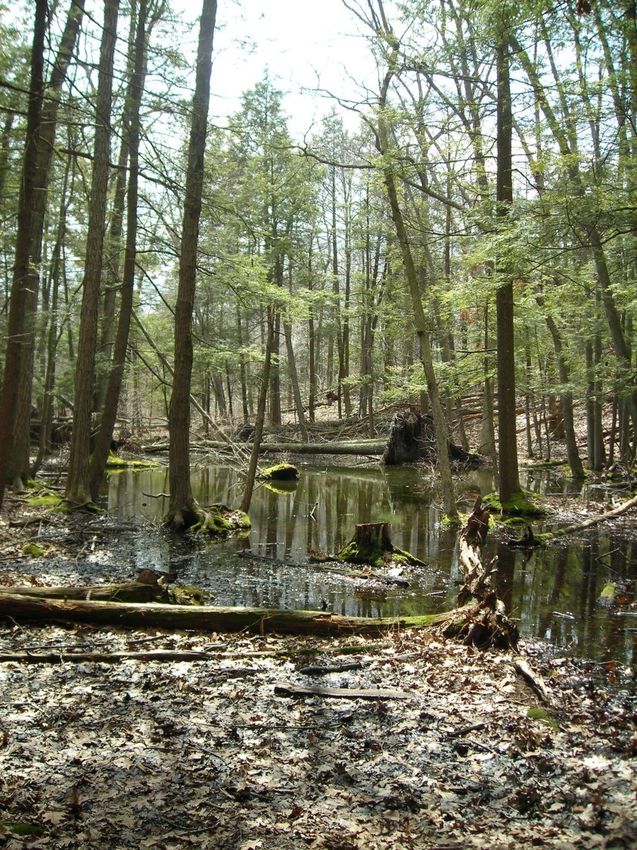
Contents
        Why did the amphibian cross the road? .................................... 1
        What is “Big Night” and when does it occur? ............................ 1
        Why is this important? ............................................................... 2
        Woodland Pool and Forest Conservation Needs ...................... 2
        How can you participate with AM&RC? ..................................... 3
        What to Bring to a Migration ...................................................... 3
        What to Expect During Migrations............................ ................. 4
        Staying SAFE on Migration Night! ............................................. 5
        How to Find New Amphibian Crossings .................................... 6
        Documenting the Migration........................................................ 7
        Appendix: Data Form and Reminders... .................................... 8
        Appendix: Amphibian Identification Guide ............................... 13

   Visit the Amphibian Migrations and Road Crossings Project website
   for amphibian identification guides, data forms, project summaries, video links,
    and other resources for volunteers! https://www.dec.ny.gov/lands/51925.html.

Important Note:
NYS law prohibits the collection and                            Acknowledgements
possession of amphibians without a                                Many thanks to
NYSDEC permit. The NYSDEC does                         Bonnyvale Environmental Education
not interpret the momentary assis-                            Center in Vermont and
tance or incidental movement to help                      Harris Center for Conservation
an amphibian avoid injury or death                    Education in New Hampshire for letting
as collection or possession, provided                  us adapt their volunteer handbook for
it is immediately released and                             use with the AM&RC Project!
placed back into its environment.

Questions?
Contact Laura Heady,
Conservation and Land Use
Program Coordinator,
Hudson River Estuary Program
and Cornell University,
at woodlandpool@dec.ny.gov.

Jefferson/blue-spotted salamander complex.                                              Photo by L. Heady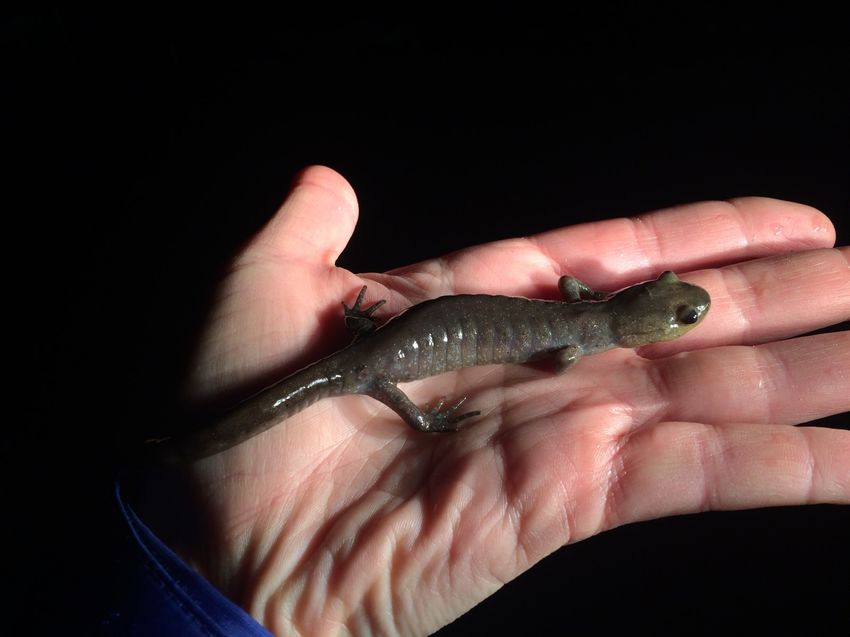
Why did the amphibian cross the road?
Have you ever witnessed large              wood frogs all breed in woodland pools, a
numbers of salamanders and frogs           type of small, temporary wetland found in
crossing the road on rainy spring          forests. During late winter and early
nights? Ever wonder where they             spring, on rainy nights when temperatures
came from and where they’re going?         rise above freezing, these amphibians
                                           migrate to breeding pools by the
The forests of New York are inhabited by   hundreds, if not thousands. (See “Big
a group of salamanders that are seldom     Night” below.) (The marbled salamander
seen, as they spend much of their time     is different from the other species in this
under leaves and moss on the forest floor, group, as it breeds in the fall.)
in burrows created by small animals, and
hunkered down under rocks and rotting
logs. Referred to as “mole salamanders”
because of their subterranean shelters,
this group belongs to the family
Ambystomatidae and, in the Hudson
Valley, includes the spotted salamander
(Ambystoma maculatum), the Jefferson
salamander (A. jeffersonianum), the blue-
spotted salamander (A. laterale) and the
marbled salamander (A. opacum). These
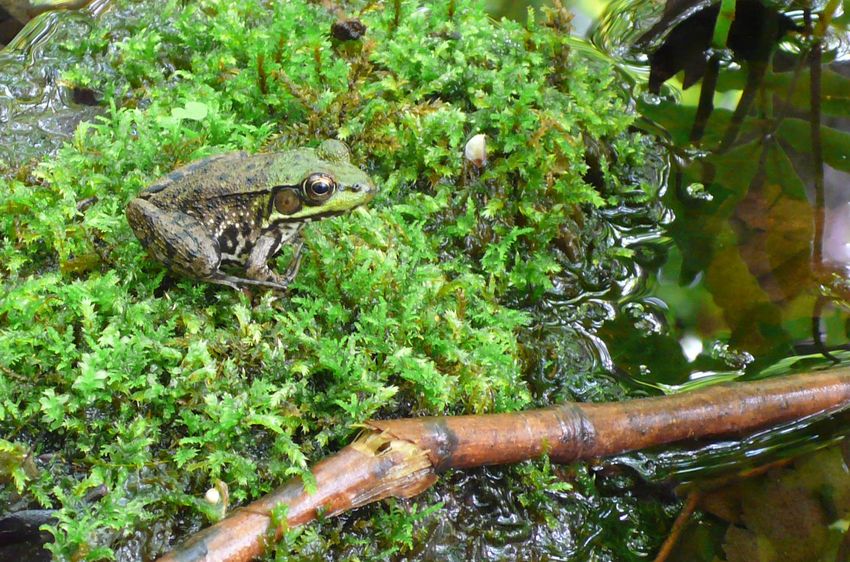
salamanders forage on the forest floor for   Wood frog.                  Photo by L.©Heady
                                                                                     L. Heady

a variety of invertebrates, including
earthworms, snails, and insects. Wood      But why are these amphibians so
frog (Rana sylvatica) is also a forest-    frequently seen crossing the road?
dwelling amphibian. Mole salamanders       Migration distances to woodland pools
and wood frogs are important links in      can vary from a few hundred feet to more
forest food webs and indicators of         than a quarter of a mile! Unfortunately,
healthy, functioning ecosystems.           migration pathways often cross roads and
                                           long driveways, leading to mortality of
While they spend much of the year in their slow-moving wildlife, even in low traffic
terrestrial habitats, mole salamanders and areas.

             What is “Big Night” and when does it occur?
As winter begins to wind down, salamanders and wood frogs are lured from their forest
shelters on warm, rainy nights and migrate to woodland pools for breeding. When
conditions are right, they will migrate in large numbers. Throughout the Northeast, this
annual migration is often called “Big Night” and in the Hudson estuary watershed, typically
occurs in March and April. Some years, Big Night is easy to predict: thawed ground,
warm temperatures (above 40°F), and heavy evening rain will trigger the migration
of many amphibians. Other years, the increasingly variable conditions of late winter and
early spring make it difficult to predict the migration, and the timing will differ throughout
the estuary watershed, depending on local conditions such as snowpack depth. Very
often, we observe several “medium-sized” nights of amphibian movements.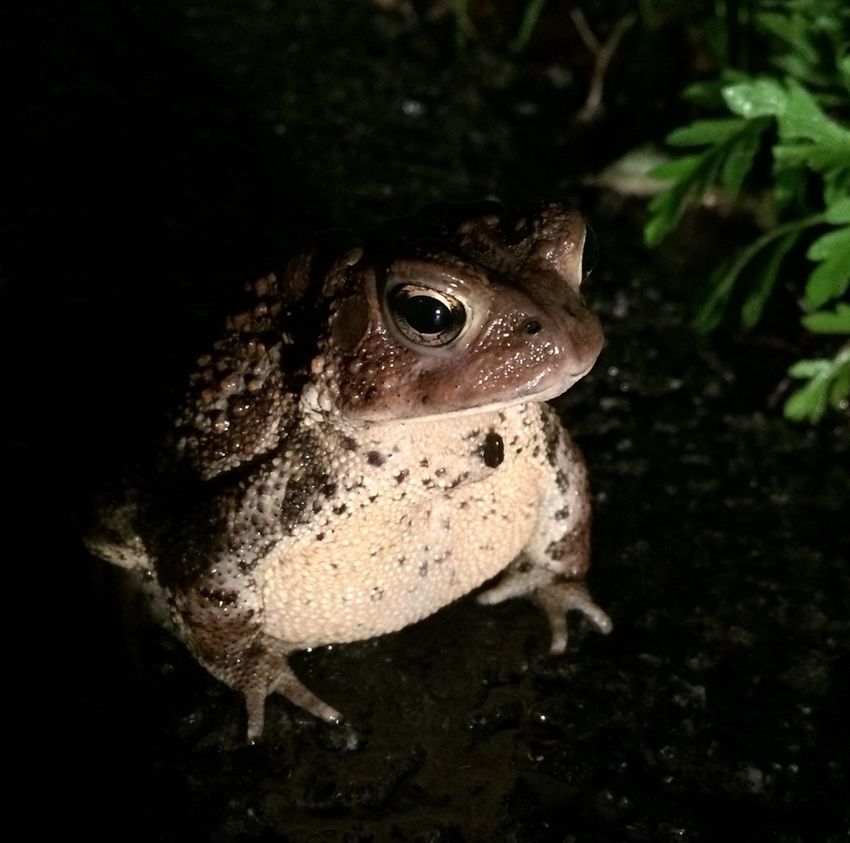
Why is this important?
Amphibians are declining throughout the
world. In New York, the Department of
Environmental Conservation (DEC) has
identified several species of woodland
pool breeding amphibians as species of
greatest conservation need in the 2015
State Wildlife Action Plan. Threats to NY
populations include habitat loss and
degradation, roadkill, and disease.
Concern about the impacts of climate
change on amphibian habitat are
increasing, as well.

         How can you help?                       © L. Heady

   • learn and teach others
                                                Species like spotted salamander and wood
   • take good care of woodland pool            frog need large, healthy forests that are
     and forest habitat                         connected
                                                 © L. Heady
                                                            to their breeding habitat, like
   • help migrating amphibians                  this woodland pool.       Photo by L. Heady

       Woodland Pool and Forest Conservation Needs
 Woodland pools are a type of small, temporary wetland (or vernal pool) found
 in forested landscapes. They occur in isolated, shallow depressions that typically
 hold water during the spring or fall, but are dry by late summer or during droughts.
 Woodland pools provide critical breeding habitat for a number of amphibians and
 invertebrates that have adapted to these unique conditions. Fish, on the other hand,
 cannot tolerate the cycles of filling and drying in woodland pools. Without predatory
 fish, the pools are ideal nurseries for developing eggs and aquatic young of frogs
 and salamanders.

 Due to their small size, woodland pools are usually not afforded protection by state
 and federal wetland regulations, and are often missed during land-use planning
 reviews. Even when pools are protected through local initiatives, the surrounding
 forested habitat is often fragmented. There are few mechanisms in place to conserve
 both the pool and adequate upland forest necessary to support populations of pool-
 breeding amphibians, which may move as far as a quarter mile from the pool. In
 addition, the forecasted droughts and severe precipitation events associated with
 climate change may impact the timing of inundation in woodland pools, which is so
 closely linked to amphibian breeding cycles. Such changing conditions will make it
 especially important for future conservation plans to prioritize clusters of woodland
 pools in contiguous forested areas.

                                         2
How can you participate
       with AM&RC?
The DEC’s Hudson River Estuary Program
and Cornell University Department of Natural
Resources are working with communities to
help them conserve important habitats in the
estuary watershed. The Amphibian Migrations
& Road Crossings (AM&RC) Project was
designed to bring attention to forest and
woodland pool habitats, and the wildlife
species that rely on them, by engaging
volunteers in this critical aspect of amphibian
life history.

AM&RC Volunteers…                                     © L. Heady

                                                       Volunteer with spotted salamander.
  ...find and document Hudson Valley                                           Photo by L. Heady
  locations where migrating amphibians cross
  roads as they travel between the forest and
  woodland pools
  ...help to reduce mortality at road crossing                     What to Bring
  sites by carefully moving salamanders, frogs,                    to a Migration
  and toads across safely
  ...record information about weather, traffic,                  reflective vest
  species, and counts of live and dead                              raingear
  amphibians, and submit their observations to                 bright flashlight
  the Hudson River Estuary Program.                                headlamp
                                                                   warm layers
What are my responsibilities as an                                extra batteries
       AM&RC volunteer?                                       clipboard or notebook
                                                                    data forms
1. Watch the weather, check your email, and                           pencil
   be ready to hit the road when the time is right!         AM&RC identification guide
                                                                     a buddy
2. Learn to identify the Hudson Valley’s most
   common amphibian species.                                        Optional
3. Be safe and prepared for walking along the                     blinking light
   road on dark, rainy nights.                                    clean bucket
                                                         spatula (for dead amphibians)
4. Be careful when handling amphibians.
                                                               camera or phone
5. On migration nights, keep count of the                         brimmed hat
   amphibians you cross by species. At the end                      umbrella
   of the evening, submit your observations.

                                         3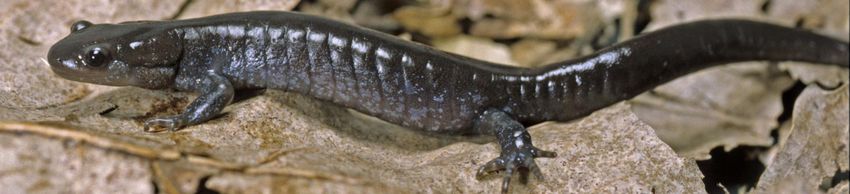
What to Expect During Migrations
How Do I Know When it’s Time?                             Handling Amphibians
Migrations start in late winter or early spring, on       Remember, amphibians are small and delicate.
rainy nights after the ground has thawed and air          They are sensitive to chemicals and readily
temperatures after sunset are at or above 40F. To         absorb toxins through their skin. Before handling
get alerts when the conditions look promising, you        any amphibians, please make sure your hands
can subscribe to receive project emails through           are free of insect repellent, lotion, soap, perfume,
DEC Delivers (sign up at https://www.dec.ny.gov/          and hand sanitizer, and wet your hands with
lands/51925.html).                                        rainwater. Maintain a gentle, yet firm hold around
                                                          the center of their bodies at all times. Do not hold
Where Do I Go?                                            amphibians by their legs or pick up salamanders
The estuary watershed is very large! Vigilant             by their tails.
volunteers are helping us locate high-activity
                                                                           If your site is hopping with
crossings. If you don’t already
                                                                           activity, you can use a clean
know of a site, see page 6.
                                                                           bucket to move several animals
                                                                           at once. Make sure it’s free of
Getting Started                                                            soap, detergent, and chemical
Salamanders, frogs, and toads
                                                                           residues. If possible, rinse the
typically begin moving at
                                                                           bucket in rainwater before using it
nightfall. Ideally, you should
                                                                           to transport amphibians. When
be at your site from shortly
                                                                           releasing amphibians, make sure
after sunset until car or
                                                                           you place them well off the road,
amphibian traffic slows
                                                                           so they are not accidentally
(usually before midnight).
                                                                           crushed underfoot.
When you arrive, take a few
moments to familiarize
yourself with the site. When                                               Encountering Casualties
you are ready, walk carefully                                              You will, unfortunately, encounter
along the road, scanning the                                               amphibians that have been killed
pavement with a bright                                                     by passing vehicles. If you are
flashlight for amphibians. Train                                           comfortable with examining these
your eyes to look for shiny                                                casualties, carefully inspect them
“objects” or sudden                                                        to identify their species (if
movement. Watch where you                                                  unknown, they should be
step! If safe, keep your feet on                                           reported as ‘unknown frogs’ or
the street, where it’s easier to                                           ‘unknown salamanders’). After
see amphibians than in grassy                                              you have identified and counted
shoulders along roads.                                                     the dead, use a spatula, scoop,
                                                                           or (not for the faint of heart!) your
I Found One!                                                               hands to remove them from the
                                           Wood frog. Photos by D. Huth
When you spot an amphibian,                                                road.
record it on your data sheet, pick it up with a firm
but gentle grip, and move it across the road in the The End of the Night
direction it was traveling. Some amphibians will          Toward the end of the evening, vehicle traffic will
be impossible to catch as they move briskly along; taper off. You can stay at your site for as long as
when this happens, simply watch to make sure              you wish. When you’re ready to leave, make sure
they make it across the road and include them in          you mark the end time and temperature on your
your count. Dead amphibians should be counted             data form, estimate the length of road you
separately and removed from the road so they are surveyed, and make sure you’ve completed the
not counted more than once. If you’re unsure              entire data form. Watch carefully for critters on
about species identification, take photos to send         your drive home! Please submit your data as soon
to us (please make sure they’re in focus and              as you get home (see page 7).
capture different angles.)
                                                      4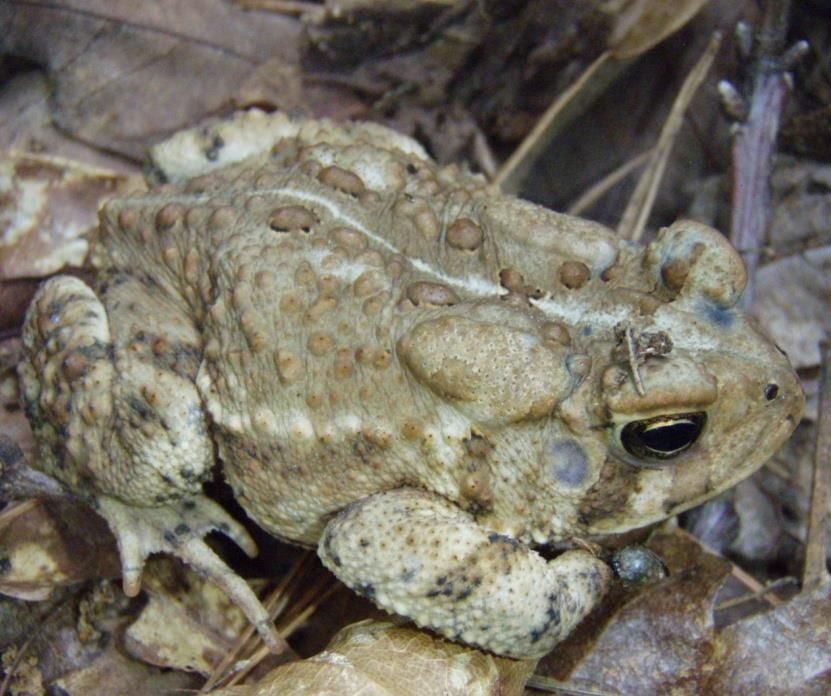
Staying SAFE on Migration Night!
                    Your personal safety is of the utmost importance.
       It will be dark, wet, and foggy on migration nights, and driving visibility will be
             dramatically reduced. You should not interfere with drivers or traffic.
                         You are responsible for your own safety.

Wear a reflective vest.                                    Bringing kids?
Wear a reflective vest. Wear a reflective vest.            Amphibian migrations can be a transformative
Wear a reflective vest. Wear a reflective vest.            experience for children, but you’ll need to take
(This one is really important.)                            some extra precautions to keep young volunteers
                                                           safe and sound. Before taking them to an
Shine a light.                                             amphibian road crossing, ask yourself: Are your
Make sure you have a big light for migration               children able to follow directions? Do they know
night, and enough batteries to keep it bright. Dim         how to be safe around traffic? Will they be gentle
lights can vastly reduce both your ability to see          with amphibians? If your answers are a
amphibians and drivers’ ability to see you.                resounding yes, then scope out your crossing
Headlamps are handy for keeping notes on how               site ahead of time to make sure it’s family-
many salamanders you’ve crossed — and for                  friendly (wide shoulders, good visibility, street
making yourself extra visible to passing cars —            lights, slower-moving traffic). On migration night,
but flashlights are key when it comes to looking           make sure everyone in your group is wearing a
for critters on the road. Many volunteers opt to           reflective vest. And maintain a 1:1 adult:child
use both, and may also attached a blinking light           ratio at all times, with the primary responsibility of
to the back of their jacket as an extra precaution.        each adult being the safety of the child in their
                                                           care.
Stay alert.
Driving visibility is dramatically reduced on rainy,
foggy nights, and drivers may not expect to see
pedestrians in the roadway. Keep your eyes and
ears peeled for vehicles, and step off the road as                                                Joe is ready for
soon as they come into view. In addition, it’s                                                    the migration!
quite likely that there will come a time when you                                                 He’s dressed for
                                                                                                  success with a
see a salamander in the headlights of an                                                          reflective vest,
oncoming car, and feel tempted to dart into the                                                   headlamp,
road for a quick amphibian rescue. Don’t do it!                                                   rain gear, and a
                                                                                                  brimmed hat to
It’s easy to slip while running on wet roads or for                                               keep the rain out
salamanders to squirm out of your hands when                                                      of his eyes. Off
you’re in a rush, putting you in danger. If a car is                                              camera, he has
                                                                                                  a buddy with a
coming, step aside. If passersby inquire about                                                    bright light!
what you’re doing, you can give them a copy of
the AM&RC fact sheet.                                                                             Photo by
                                                            © L. Heady
                                                                                                  L. Heady

                                                       5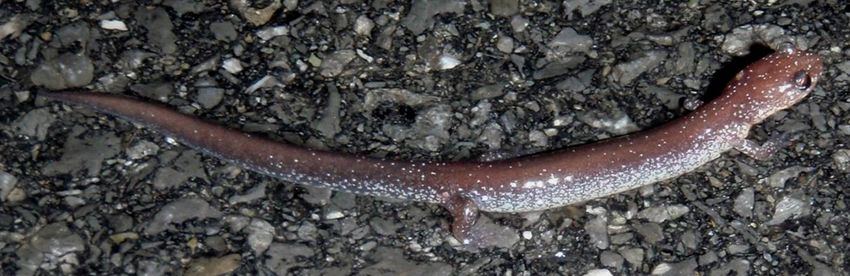
How to Find New Amphibian Crossings
What if you don’t know of road crossing sites near you?
This is the perfect opportunity to get out there and find some! The Hudson River estuary
corridor spans millions of acres and ten counties—that’s a lot of terrain to search for road
crossings. With the help of volunteers, we can learn where migrating amphibians are
facing high mortality from passing cars, and by working with communities, we can devise
                                   appropriate conservation actions.

                                     When to Look
                                     Review page 4 to learn what conditions are promising for
                                     a migration and when to survey.

                                     Where to Look
                                     If you don’t know of a migration location, you can scout
                                     for road crossings in your car. Look for roads near
                                     wetlands and vernal pools, especially in forests. Helpful
                                     resources that will give you a birds-eye look of your
                                     neighborhood include online aerial photos, like Google
                                     Maps; wetland maps; and town habitat maps or studies.
© L. Heady                           Do not attempt surveys on extremely busy roads. (It is
American toad.   Photo by L. Heady   too dangerous!)

How to Look
When you conduct road surveys, bring a friend (the driver can pay attention to the road
and traffic, while the spotter looks for amphibians) and drive slowly (10-15mph). Open car
windows will help you hear the “quacking” of wood frogs that will indicate you may be
near a woodland pool. Scan the entire road for live or dead amphibians, and have the
spotter follow along on a map and keep notes on the route you surveyed.

What is THAT in the Road?!
You will be tricked by blowing leaves, charismatic sticks and rocks, and an occasional
scurrying mouse. Go slowly! Those sticks may be salamanders; the leaves may be wood
frogs; and the pebbles may be spring peepers. (The mouse is probably a mouse.)

When to Pull Over
If you start seeing live or dead amphibians on the road, pull over somewhere safe. Make
sure your car is off the road and easily visible from behind. If possible, don’t park directly
in front of a house. (This can make homeowners understandably uncomfortable.) Note
where you are on a map. Don’t get out of the car unless you are prepared for being on
the road (reflective vest, flashlight, and raingear). If you have safety gear and are
prepared to document the migration, follow the directions on pages 3-5. (If you don’t find
any migration activity, we’d still like to know where you surveyed, so please submit your
data either way.) Be sure to check under your car for critters before you leave!

                                                6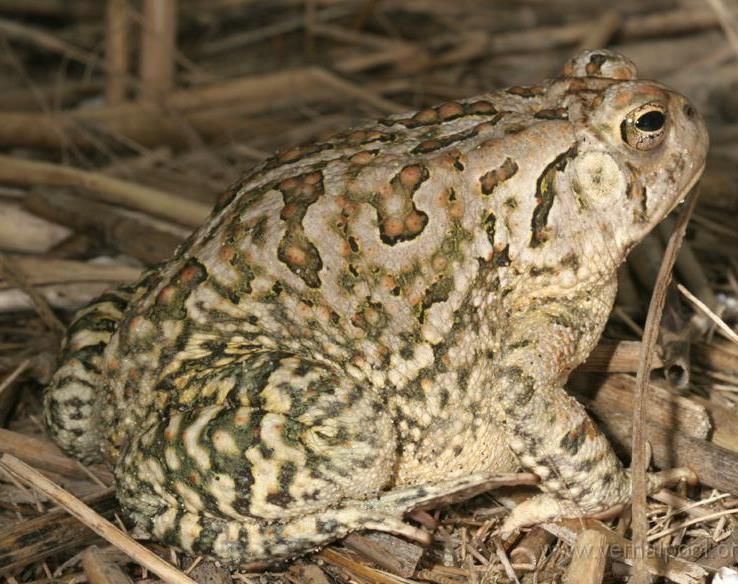
Documenting the Migration

Changes for 2019!
Volunteers now have two options for submitting data:
 1.) keep notes on a paper data form during the
 migration, and when home, enter your data on-line at
 our website (preferred!), or
 2.) keep notes on a paper data form, create a map
 with the crossing clearly marked, and submit neat
 copies to us at woodlandpool@dec.ny.gov.
                                                                © L. Fila

     Please enter or email your data on the                    Spring peeper. Photo by L. Fila
        SAME NIGHT as the migration!
                                                             What data will you collect?
Why is online data entry preferred?                          • time and temperature
Our new online form will enable volunteers to easily
                                                             • weather conditions
share their observations when they get home on
migration night. You’ll be able to fill out the form         • traffic
electronically, mark your crossing site on a map, and        • location of crossing
upload photos if you need help with an identification.       • numbers of different species
This will help us to track the migration as it happens,        of live or dead salamanders,
and share updates much more quickly with volunteers            frogs, and toads
and the AM&RC community.
                                                                   Did you know?
Reminders for Data Collectors
                                                             The most commonly encountered
•   Complete all fields on the data form. Please              species during migrations are:
    double check your form to make sure all sections             1) spotted salamander
    have been completed before you call it a night. Your       2) northern spring peeper
    data will have much greater value and utility to the             3) wood frog
    project if the form is complete. Reviewing the form        In far fewer numbers, the next
    before you go out on a migration night will serve as a         most common include:
    good reminder of what you’ll need to consider while           4) four-toed salamander
    in the field.                                                5) Jefferson/blue-spotted
                                                                    salamander complex
•   Submit separate data for each crossing location.
                                                                 6) eastern American toad
    Please do not combine data from multiple locations.
                                                                       7) eastern newt
•   Provide names and contact information for all                 8) redback salamander.
    volunteers in your group so we can keep in touch              Tip for new volunteers:
    by email or mail.                                                Start with learning
                                                                    these eight species!

                                                7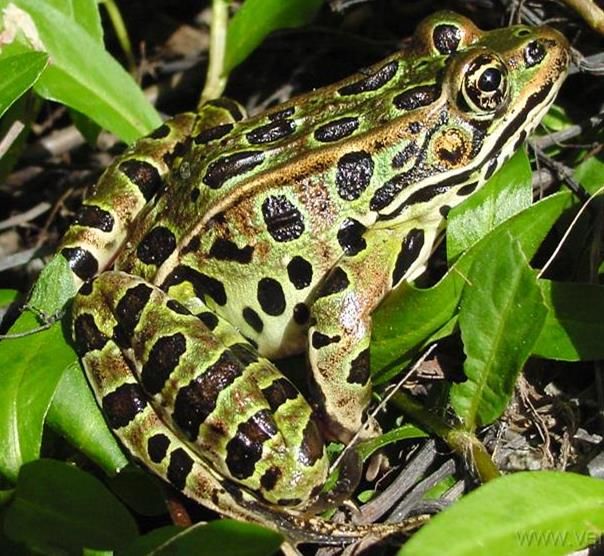
Amphibian Migrations & Road Crossings
Amphibian Identification Guide
The NYSDEC Hudson River Estuary Program and Cornell University are working with communities to conserve
forests, woodland pools, and the wildlife that depend on these critical habitats. This guide is designed to help
volunteers of the Amphibian Migrations & Road Crossings Project identify species they observe during spring
migrations, when many salamanders and frogs move from forest habitat to woodland pools for breeding. For
more information about the project, visit http://www.dec.ny.gov/lands/51925.html.

    spotted salamander* (Ambystoma maculatum)
    Black to dark gray body with two rows of yellow spots. Widespread distribution in the Hudson Valley.
                                                                                                          Total length 5.0-8.0 in.

    Jefferson/blue-spotted salamander complex* (Ambystoma jeffersonianum x laterale)
    Brown to grayish black with blue-silver flecking. Less common.
    Note: Hybridization between Jefferson and blue-spotted salamander has created very variable appearances and
    individuals may have features of both species. Because even experts have difficulty distinguishing these two species in
    the field, we consider any sightings to be the ‘complex.’                                            Total length 3.0-7.5 in.

                                                                              marbled salamander*
                                                                              (Ambystoma opacum)

                                                                              Black or grayish-black body with white or
                                                                              gray crossbars along length of body. Stout
                                                                              body with wide head. Less common.
                                                                              (Breeds in the fall.)

                                                                                                          Total length 3.5-5.0 in.

                                                                                          *Woodland pool breeding species.
0     inches    1                2                3               4                5                6                7
Amphibian Migrations & Road Crossings: Amphibian Identification Guide Page 2 of 4
eastern newt (Notophthalmus viridescens) Terrestrial “red eft” stage of newt (above) is reddish-orange with two
rows of reddish spots with black borders. Efts have dry, rough skin and a rounded tail. Aquatic, adult newts (below) are
yellowish-brown with a yellow belly with black spots. The adult’s tail is flattened and skin is smooth. Very common.
Total length 1.5-3.0 in.
northern redback salamander (Plethodon cinereus) Slender dark gray body with or without (“leadback”) red-
orange stripe along back and tail. Four-toed salamander may appear similar in general color and size. Very common.
Total length 2.5-4.0 in.
four-toed salamander (Hemidactylium scutatum) Small body with reddish-brown back flecked with dark spots.
White belly with black spots. Four toes on each hind foot. Blunt snout. Distinct constriction at the base of the tail.
Redback salamander may appear similar in color and size but lacks white belly. Less common. Total length 2.0-3.5 in.Amphibian Migrations & Road Crossings: Amphibian Identification Guide Page 3 of 4
wood frog* (Lithobates sylvatica) Light tan to
brown body with solid white or cream undersides and
dark “raccoon” mask across eyes. Two distinct ridges
(dorsolateral folds) run down its back. Very common. gray treefrog (Hyla versicolor) Light green to gray
Total length 1.5-3.0 in.
body with rough skin and dark blotches on back. Yellow
inner thighs. Light spot with dark edge beneath eyes.
Large toe pads. Common. Total length 1.5-2.0 in.
northern spring peeper (Pseudacris crucifer) Small
body with smooth skin that is usually light brown but may be
gray or olive. Dark, irregular “X” on its back and pale
undersides. Small toe pads. Very common.
Total length 0.5-1.5 in.
green frog (Lithobates clamitans) variable bullfrog (Lithobates catesbeiana) Very large body
coloration. Usually green to bronze body, often with dark with variable coloration; often dull green with dark
mottling. Ridges extend from the eye to two-thirds down mottling and skin folds curving from eye downward
the back on each side. Bullfrog may appear similar but around the rear of the tympanum (disc-shaped ear drum
lacks ridges along back. Very common. behind eye). Green frog may appear similar. Very
Total length 2.5-3.5 in. common. Total length 3.5-6.0 in.Amphibian Migrations and Road Crossings: Amphibian Identification Guide Page 4 of 4
cranial crest
paratoid gland
eastern American toad (Bufo americanus) Fowler’s toad (Bufo fowleri)
Stout, rough-skinned toad with variable coloration. Stout, rough-skinned toad with variable coloration; usually
Usually light brown to reddish brown, with one to two gray or greenish. Similar to American toad but with 3 to 7
warts per dark spot on its back (but overall more warty warts per dark spot on its back and no spots on belly (and
throughout its back) and dark speckles on white belly. paratoid glands touch cranial crests, whereas they usually do
Fowler’s toad may appear similar. Very common. not on American toads – see inset). Less common.
Total length 2.0-3.5 in. Total length 2.0-3.0 in.
pickerel frog (Lithobates palustris) Tan body with dark
northern leopard frog (Lithobates pipiens) rectangular spots and distinct ridges (dorsolateral folds)
Green to light brown, elongate body with rows of dark along either side of back. Inner thighs are bright yellow.
roundish spots with light borders and distinct ridges Similar to northern leopard frog, which has rounder spots
(dorsolateral folds) along either side of back. Pickerel and no yellow coloration inside hind legs. Common.
frog is very similar. Less common. Total length 2.0-3.5 in. Total length 2.0-3.0 in.
Information compiled by Lan Tran and edited by Laura Heady of the Hudson River Estuary Program. Photo credits: spotted salamander:
Laura Heady | Jefferson/blue-spotted salamander complex: Jim Clayton | marbled salamander: Chris Bowser | eastern newts: Laura Heady
| northern redback salamander: Brian Houser (redback phase), Elizabeth Janes (leadback phase) | four-toed salamander: Laura Heady, Amy
Bloomfield (spotted belly) | wood frog : Charlie West | gray treefrog: Mark Fitzsimmons | northern spring peeper: Ray Sussman | green frog:
Laura Heady | bullfrog; eastern American toad: Amy Bloomfield | Fowler’s toad: Vernal Pool Association | pickerel frog: Laura Heady | leopard
frog: Vernal Pool Association.Amphibian Migrations and Road Crossings
Data Collection Form PAGE 1
• Please enter your data online the same night as you observed the migration (or the next
morning). The online form is at the project webpage https://www.dec.ny.gov/lands/51925.html
• Report separate data for each road crossing location.
• If you’d prefer, you can mail or email your data form; see Guidance page for contact info.
Start End
Date:
Time of observation:
Temperature (F):
Current precipitation conditions Weather conditions in the past 24
(circle the one most appropriate condition): hours (circle all that apply):
no rain light rain rain heavy rain downpour no rain rain snow
Did you observe any of the following conditions during the migration? (circle all that apply):
fog light breeze windy
Traffic during migration:
___light (0-3 cars in 20 min) ___medium (4-20 cars in 20 min) ___heavy (21+ cars in 20 min)
MIGRATION CROSSING LOCATION INFORMATION
County: Nearest crossroads:
Town, Village, or City:
Road name:
Have you surveyed this road ever before? Y or N
Approximate length of road stretch you surveyed Additional comments on crossing location:
(in miles): (remember, 1 mile=5,280 feet)
_________ miles
NOTE: If you’re not entering your data online and marking the location on the interactive map,
please attach a map with the migration crossing site clearly marked.
VOLUNTEER INFORMATION (Please fill out all sections; we may need to contact you with questions.)
Phone number of key contact:
Total number of volunteers in group: ________
Name of key contact:
E-mail address of key contact:
Names of other volunteers in group: Mailing address of key contact:
(Please add email and mailing addresses, if the group
members want to receive future project updates and materials.
Attach a separate piece of paper if necessary.)Amphibian Migrations and Road Crossings - Data Collection Form PAGE 2
AMPHIBIAN INFORMATION
Indicate all species observed crossing or dead in the road. Write in additional observed species in the blank rows of
the table (see example below). If you’re uncertain about an identifcation, mark as “unknown” and send photos.
Species Observed # live # dead
SALAMANDERS
spotted salamander
Jefferson/blue-spotted salamander complex*
four-toed salamander vv
eastern newt
redback salamander
unknown salamander vv
FROGS AND TOADS
wood frog
spring peeper
American toad
unknown frog
Example: pickerel frog east llll lll 8 llll 4
*Distinguishing between blue-spotted and Jefferson salamanders is virtually impossible in the field. For this project, we’ll
consider all blue-spotted and Jefferson salamanders to be hybrids.
If you’re able, please circle the general compass
N NE E SE S SW W NW too variable
direction that most of the amphibians were moving:
Approximately how many of the recorded live animals Reminder! You can submit photos for
did you or your group help cross the road? ____________ species you’re not able to identify.
Additional comments (attach extra pages as necessary):
Thank you! Please submit your data the night of the migration.
On-line data entry is encouraged! The link to the on-line form is on the project webpage.Reminders for Collecting and Submitting Data
Thanks again for your assistance with the AM&RC project! Here are a few guidelines to
make sure your data are the best they can be.
1.) Complete all fields on the data form. Please double check your form to make sure all sections have
been completed before you leave your crossing site. Your data will have much greater value and utility to the
project if the form is complete. Reviewing the form before you go out on a migration night will serve as a good
reminder of what you’ll need to consider while in the field.
2.) Keep a separate data form for each crossing location. Please do not compile data from separate
locations onto the same data form.
3.) Enter your data in the online form at https://www.dec.ny.gov/lands/51925.html. We’d
appreciate if you submit your observations the same night as the migration (or the next morning).
4.) If you’d prefer to submit your data on a paper form*, instead of entering your data online, you’ll
need to attach a map that shows the stretch of road you surveyed. A simple way to create a map is to
use www.Bing.com:
a) On the Bing site, select “Maps” from the menu along the top. You can view your area as a road map or
aerial photo by selecting from the drop down menu in the upper right corner.
b) Search for your location by address, or by panning and zooming within the map view.
c) Once you have your desired location in the view, right-click with your mouse on an endpoint of the
stretch of road that you surveyed, and select “Add a pushpin.” Do the same for the other endpoint of the
surveyed stretch of road. You’ll now have your surveyed road section demarcated and can print the map
as a PDF for submitting by email or send to a printer for a paper copy.
d) If you’d like, you can use your map to determine the distance between the pushpins. You can either
use the driving directions function to calculate the distance, or if you have a Bing account, you can use the
measurement tool. Having a Bing account also lets you save places.
e) Latitude and longitude coordinates for each endpoint can be obtained by left-clicking on the pushpins
with your mouse. You can add this information to your map or data form for extra clarity.
Here is an example of a map you can create very easily in Bing Maps. You can also generate a distance
calculation, provide locations, and add comments in the “Notes” box that appears when you print the
map. All of this information is very helpful when we are entering data into our project spreadsheets and
maps, which cover the entire Hudson estuary watershed.
*Paper forms can be mailed to Woodland Pool Project, NYSDEC Hudson River Estuary Program,
21 South Putt Corners Rd., New Paltz, NY 12561. You can also e-mail a scanned copy or photos to
woodlandpool@gw.dec.state.ny.us.You can also read


