What we waste Tracking 20 years of growth in international drinks container wastage, and how refillables and deposit return systems can reverse ...
←
→
Page content transcription
If your browser does not render page correctly, please read the page content below
what we
waste
Tracking 20 years of growth in
international drinks container wastage,
and how refillables and deposit return
systems can reverse this trend
Authors        Jason Wilcox
               James Mackenzie

Supported by   Changing Markets Foundation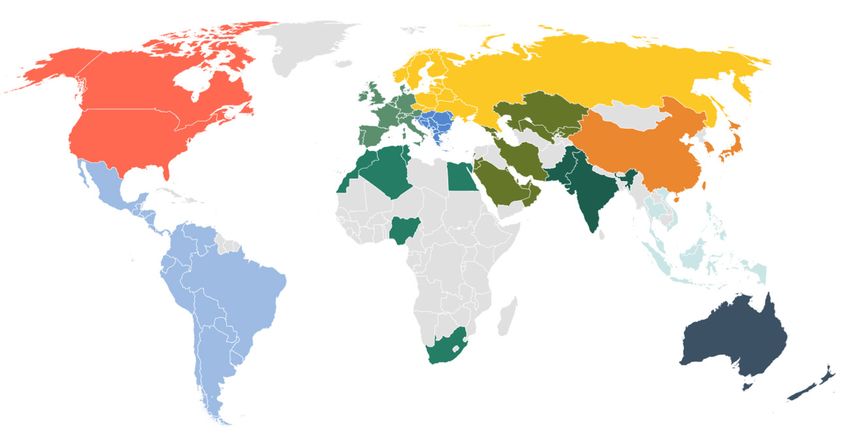
What we waste: Contents                     Page 3

             Contents

             About us             Page 4

             Foreword              Page 5

             Technical overview   Page 6

             Introduction          Page 7

             Key findings         Page 11

             Recommendations      Page 13

             Refillables          Page 14

             Deposit return       Page 19

             Conclusion           Page 22
What we waste: About us                                                            Page 4

       Reloop is an international non-profit
       organisation that brings together industry,
       government and NGOs who share a vision
       of a thriving global circular economy -
       a system where resources are kept in
       continuous use and waste and pollution
       are eliminated. Our broad network seeks to
       bring about positive change at all levels of
       resource and waste policy.

      The Changing Markets Foundation was formed to accelerate and scale up
      solutions to sustainability challenges by leveraging the power of markets.
      Working in partnership with NGOs, other foundations and research
      organisations we are keen to explore effective solutions to the plastic
      pollution crisis. This is why we also supported this independent report.
What we waste: Foreword                                                                                Page 5

        Foreword
        Reloop believes in smart policy. We want our research and analysis to
        inspire policymakers to develop regional and national policies that create
                                                                                        Circular economy
        space for proven and innovative solutions.
                                                                                           policies deliver
        Circular economy policies deliver critical benefits to society, such as an
        increase in jobs and a significant contribution to climate change strategies,     critical benefits
        alongside ensuring ensuring that resources remain resources.
                                                                                                to society.
        As part of Reloop’s core focus on packaging, we have now studied data on
        the sales and recycling rates of drinks containers from 93 countries over a
        20 year period. We discovered that there is a stark difference between the
        outcomes for countries that do have smart policy and those that don’t.

        In this report you’ll find the story of how single use plastic, metal and
        glass beverage packaging is being wasted at ever-increasing rates around
        the world – with wastage defined as landfilled, incinerated or lost to
        the environment as litter. It is a story which is particularly concerning in
        countries with inadequate waste management systems.

        But there are countries who are leading the way, showing us that there
        are circular economy models for managing reusable and recyclable
        resources – models which collect the most material and ensure the best
        quality for refill or closed-loop recycling.

        Ultimately, the report shows us that waste reduction and proper resource
        management strategies should be deployed immediately at a global level.

        We’re excited to share this compelling report with you. We believe it should
        spark conversations across the political, business and community spheres;
        conversations that ultimately should lead to positive policy change.

        Finally, we are grateful to the Changing Markets Foundation for financially
        supporting this work and to Break Free From Plastic for working with us to
        reach countries and regions in which it operates.

        Clarissa Morawski
        CEO & Co-Founder, Reloop
What we waste: Technical overview                                                                                                                   Page 6

Technical overview

                                                               © Australian Bureau of Statistics, GeoNames, Microsoft, Navinfo, TomTom, Wikipedia

This report draws on data from 93                                   The sales data for the 93 countries was purchased by
                                                                    Reloop under licence from GlobalData. Of those countries,
countries, some of it dating back                                   complete datasets showing sales of all ready-to-drink
to 1999, to examine trends in sales,                                beverages was available for 66 of them. For 27 countries
                                                                    (mostly in the Western Asia/Middle East region), data
collection and wastage of drinks                                    was available for all beverage categories except beer and
containers, where wastage is defined                                cider. Under the terms of that licence we cannot republish
                                                                    raw sales data, but we can use it comparatively and in
as containers ending up in landfill,                                conjunction with other datasets. This includes some or all
incineration, or in the environment.                                recycling rate data across a smaller subset of countries,
                                                                    including 24 EU member states, three other European
The countries included comprise 81%                                 countries, North America, Indonesia, Malaysia, Philippines,
of the world’s population as at 2019.                               South Africa, Thailand and Vietnam.

In particular, it considers the relationship between wastage        These datasets allow us to explore market share by
rates and the beverage industry’s shift from refillable             material and by drinks segment, to look at the history
bottles to single-use drinks packaging, alongside the               of changes to refillable market share and the uptake of
impact the implementation of a deposit return system can            deposit return, and to estimate the effects in particular
have, both on wastage and on supporting the share of                countries if refillable market share could be increased or
refillable bottles on the market.                                   deposit return adopted.
What we waste: Introduction                                                                                              Page 7

Introduction
Over the period covered by this dataset                      There are two primary datasets used here: beverage
                                                             sales rates from 1999 to 2019, from GlobalData, and
for global beverage sales, from 1999                         national datasets covering the recycling rates of the
to 2019, the countries covered saw a                         materials listed above. Other data sources include
                                                             Reloop’s Global Deposit Book, World Bank, and others
substantial increase in the volumes of
                                                             as identified.
ready-to-consume beverages sold.
                                                             It should be noted that with recycling rates there is
When the first data in this set appears,                     often a lack of clarity between “materials collected”
                                                             and “materials recycled”. The common approach,
in 1999, it shows that 685 billion drinks                    particularly in systems that recover dry mixed
were sold in metal cans, in plastic or                       packaging for recycling from the kerbside, is for
                                                             the weight of the packaging collected, including
glass bottles, or in board/cartons.
                                                             contaminates, to be reported as the recycling rate,
                                                             which is inaccurate. So, in general, these datasets
By 2019, this figure had almost                              are likely to overestimate the proportions of material
doubled to 1.3 trillion. This dataset                        actually recycled, especially in non-deposit territories.

does not cover approximately 100
                                                             This report looks at units sold, recycled and
countries, and other methodologies                           wasted, not tonnage, but we can approximate this
estimate the full global figure to be                        overestimate by looking at a recently published Ball
                                                             Packaging report on imminent changes to European
2 trillion in beverage sales for that                        reporting of tonnage recycled. This will see the point
same year.                                                   of measurement moved from the point of collection to
                                                             the point materials leave a materials recovery facility.
The primary packaging materials covered by our sales
dataset are glass bottles, both single-use and refillable,   A collection rate of PET at 58% is expected to equal
PET bottles (polyethylene terephthalate, the plastic         a recycling rate of 42%, while glass is expected to
typically used for water and carbonated beverages,           fall from 76% to 66%, This would mean more than
which are largely but not always sold on a single-use        a quarter of the weight of PET bales collected for
basis), and steel or aluminium cans, which can of            recycling is actually contamination, as is more than an
course be recycled but not refilled. Our sales data also     eighth of the glass. Aluminium will be least changed,
covers HDPE bottles (high-density polyethylene) and          falling from 74.5% to 69% (unsurprisingly given it is
board (including cartons, such as Tetra Pak), but these      the easiest to reclaim from mixed recycling and the
two materials are not included in our recycling datasets.    most valuable material by tonne).
What we waste: Introduction                                                                                                   Page 8

Furthermore, because deposit return systems require                                  Making cans from
producers and importers to account for every container
put onto the market, countries with such systems                              recycled aluminium uses
will tend to show higher and more accurate sales
figures. Overall, because recycling figures tend to
                                                                               just 5% as much energy
be overestimated and sales figures underestimated,
real wastage figures will tend to be higher than the
                                                                              as using virgin materials.
calculations we can make from the available datasets.
                                                                In addition to the visual impact, and the other
                                                                obvious problems associated with litter, this wastage
In 2019 the overall beverage market in our dataset broke
                                                                also indicates the use of far more carbon-intensive
down by container material into 42% PET (41.5% single-
                                                                processes and virgin materials than the alternatives,
use, 0.6% refillable), 25.5% metal, 25.5% glass (17.2%
                                                                where containers are collected separately after use.
refillable, 7.3% single-use), 6.4% board or carton, and
                                                                Making cans from recycled aluminium uses just 5% as
1.3% HDPE.
                                                                much energy as using virgin materials, for example,
                                                                while using refillable bottles can reduce emissions by
In territories where the refillable market had been
                                                                at least 50%.
dismantled prior to 1999, refillable bottles for non-
alcoholic carbonated drinks have mainly been replaced
                                                                Littered beverage containers also lead to significant
by single-use PET bottles, while single-use aluminium
                                                                clean-up costs for local government. A recent report
cans have largely taken over from refillable beer bottles.
                                                                from Changing Markets and Eunomia indicates, for
                                                                example, that the cost to Spanish local government
Between 1999 and 2019, the overall market share of
                                                                associated with cleaning up this specific waste
single-use PET has increased from 17% to 41%. In some
                                                                segment amounts to up to €529m a year.
territories this change was even sharper: in the same
period in Thailand the market share of this material grew
                                                                All of these are costs essentially externalised onto
from 7% to 45%, while in India the market share grew
                                                                wider society by the beverage industry. It is cheaper
from 8% to 48%.
                                                                for manufacturers to operate high-wastage models
                                                                with single-use containers, where permitted by
With this increase in beverage production and
                                                                regulation, than it is for them to take full responsibility
consumption came a substantial increase in wasted
                                                                for their packaging. It is not free to set up systems
packaging: materials used to make drinks containers that
                                                                which collect and separate empty containers by
then ended up in landfill, in an incinerator, littered in our
                                                                material, whether for refill or for high-quality
urban and rural areas, or breaking down in and polluting
                                                                recycling. The pressures to continue with a high
our marine environments.
                                                                proportion of single-use packaging are compounded
                                                                by the low price of oil, and by the global shortage
This report looks at that wastage, at the extent to which
                                                                of good quality recyclate, given the relatively low
it has grown, and at the effectiveness of existing systems
                                                                number of territories with deposit return, and the low
designed to minimise it, before considering how it can be
                                                                grade materials collected without such systems.
most effectively tackled.
What we waste: Introduction                                                                                          Page 9

Public awareness of some of these issues has also         Containers intended to be refilled by the producer are
grown markedly over the last decade, alongside            a very familiar system in many territories, and refillable
campaign activities by NGOs and other actors. Plastic     bottles for beer, milk or carbonated beverages are
as a material category has attracted the most interest,   often remembered fondly. Historically refillables were
with a particular focus on plastics littered in marine    all glass, but PET plastic bottles now make up 3.3% of
environments. This has led to increasing discussion at    the global refillable market - they are made to be more
national and regional levels on what policies should be   robust and thicker than single-use PET bottles, and
adopted to reduce litter, improve recycling, and build    typically can be reused up to 25 times. Glass refillable
more circular economies for our resources.                bottles are also typically thicker and more durable than
                                                          their single-use counterparts, enabling the bottles to be
In some packaging or product sectors, solutions to        re-used, in some cases up to 50 times.
wastage are complex and hard to establish. For drinks
containers the answer is more obvious and already         As the dataset shows, the market share for refillables
proven. In this report, we will consider how a small      has declined in almost all territories (even if absolute
financial incentive can underpin sophisticated deposit    volumes are up in some territories), and ended
return systems which capture high volumes of single-      completely in others.
use containers for recycling, in turn driving a greater
use of refillable systems.                                Modern deposit return systems, however, are on the
                                                          rise. While deposits have been used to encourage the
                                                          consumer to return empties for refill for more than 200
                                                          years, in the early 1970s deposits began to be charged
                                                          on single-use drinks containers to encourage their
                                                          return for recycling and to reduce litter. Many of these
Deposit return should be understood
                                                          systems came about via so-called “bottle bills” in North
in the context of this report to mean                     America, part of the first wave of environmentalism
the use of small refundable deposits,                     symbolised by the first Earth Day in 1970, the same
                                                          year British Columbia became the first territory to
paid by and repaid to consumers, to                       adopt a deposit system to encourage recycling.
drive the collection of single-use drinks
                                                          The earliest of this new wave of deposit systems tended
containers for recycling.
                                                          to apply small deposits, take limited materials, and rely
                                                          on a “return to depot” model, where specific return
All significant refillable systems also                   points were built away from the retail locations where
use small refundable deposits, again to                   the beverage containers were bought. As the concept
                                                          spread to Europe, especially Scandinavia, systems
drive high return rates. In terms of the                  evolved from the 1980s towards a more inclusive list of
containers, the distinction here is what                  beverage packaging materials being accepted, higher
                                                          deposit levels, and a return to retail model - in other
happens after they are returned: is it
                                                          words, you could return your drinks containers within
reuse or is it recycling?                                 the same environment where you bought them.
What we waste: Introduction                                                                                            Page 10

These systems typically secure a return rate of over          This report will therefore look at what the data tells
85%, with Germany showing the best results at 98%             us about how effective these two approaches are,
returned. And they are spreading rapidly: by the end of       separately and together, primarily through the lens
2018, 291 million people lived in countries or territories    of wastage reduction.
with deposit return systems, and by the end of 2025
this figure is likely to reach almost half a billion, based   The central finding is that, on
on systems committed to but not yet operational.
                                                              average, the countries with the
There are some places where both single-use and               least wastage per person collect
refillable containers are used. However, from a
consumer perspective in those territories, it does not
                                                              their beverage containers via a
matter whether the item they return for their deposit         deposit return system, both for
is recycled or refilled; that distinction is typically made
                                                              single-use and refillable containers.
behind the scenes, very literally, by the handling
systems associated with deposit return.                       Encouragingly, even when adopted
                                                              alone, both refillable systems and
These measures also do not conflict - in fact, the
features they share, both behind the scenes and from
                                                              deposit return still show marked
that consumer perspective, make a strong refillable           impacts on wastage.
market a sound basis for introducing deposit return,
and vice versa.                                               Wider policy recommendations based on the data
                                                              and on Reloop’s related research over the last six
                                                              years will follow more detailed analysis of the key
                                                              findings overleaf.
What we waste: Key findings Page 11
Key findings
Refillable bottles Deposit return systems
• In 2019, the 10 countries in our dataset with the • At the start of this dataset, in 1999, four
greatest proportion of refillable sales averaged a European countries, nine US states, eight
29% market share. In 1999, though, those same Canadian provinces/territories, and one
countries had on average a refillable market share Australian state used a deposit return system. By
of double that, at 60%. (see figure 2 below) 2020, six more European countries had deposits
in operation, five more states in Australia and
• In countries with a refillable market share of
three additional Canadian provinces/territories
25%+, that share of refillable bottles has fallen
had adopted deposits. In the USA, one more
from an average of 59% in 1999 to 25% in 2019,
state adopted it, while one repealed.
with refillable packaging for carbonated drinks
most commonly being replaced by single-use PET • Those deposit territories achieved an average
bottles and refillable beer bottles typically being return rate of containers covered by their
replaced by metal cans. systems of 79% in 2018-19, albeit with variation
between more modern systems and those
• In countries with a refillable market share of
established in the 1970s; the latter using deposit
25%+ in 2017, wastage levels were on average 46
levels which are now markedly lower, often
per capita, less than half the 95 average across
because of the effects of four or five decades
comparable territories with a smaller or absent
worth of inflation. To give the example of the US
refillable sector.
state of Maine, the $0.05 deposit on beer and
• Our dataset shows that if Brazil, with a refillable soft drinks set in 1978 remains unchanged - if it
rate of 24% in 2019, shifted to the refillable rate had kept pace with inflation it would now be just
of neighbouring Colombia, at 54%, Brazil would over $0.20.
have seen sales of single-use drinks containers
• In territories with a deposit return system,
fall from 33.3 billion to 23.2 billion.
wastage levels were on average 78.6% lower
in 2017 than comparable territories without
deposits.
• In 2015, in Lithuania, prior to the introduction of
deposit return, 113 drinks containers were wasted
per capita, more than one every three days per
person. By 2017, the first full year of the system
being in operation, this had fallen sharply to just
14, barely one a month.What we waste: Key findings Page 12
Figure 1
Latest return rates in deposit jurisdictions,
by minimum deposit level
100%
80%
60%
Return rate
40%
70% average 81% average 89% average 94% average
< 7 US cents < 7 to 9.9 US cents 10 to 15 US cents > 15 US cents
20%
0%
on
io
ii
ia
ia
ick
ec
ia
n
s
t
ark
y
ds
ia
rta
rk
en
or
nia
s
ut
d
ine
lia
ay
y
tia
d
n
a
on
ett
wa
ale
or
wa
an
an
Iow
lan
iga
an
rn
ot
tar
mb
Yo
ad
tic
eb
lan
eg
tra
ed
rw
sw
oa
be
to
Ma
nm
rit
rm
lifo
us
Sc
rm
Isl
Ha
hW
hu
he
On
Fin
ec
ch
br
Qu
Or
Sw
olu
No
Es
Cr
w
us
er
Al
un
er
ch
Ve
De
Lit
ard
va
Ge
atc
La
nn
Ca
Mi
Ne
th
hA
nT
Br
ut
hC
ssa
No
Co
Ne
nd
sk
dw
So
er
w
ut
itis
Ma
Sa
da
rth
Ne
So
eE
w
Br
Ne
lan
No
inc
nd
Pr
ou
Produced by Reloop.
wf
Ne
Overall
• Global sales of single-use drinks containers • The best-performing countries use both
across the countries in our dataset have measures, with a 25%+ share of refillables
increased by 135% over this period, from 456 alongside a deposit return system. Looking at
billion in 1999, up to 1,075 billion (or 170 per Europe, where we have the most comprehensive
capita) by 2019. dataset, the unmoderated markets - i.e. markets
without a deposit return system and where
• Within that, some drinks categories have seen
refillables have aWhat we waste: Recommendations Page 13
Recommendations
The following recommendations are consistent with the data and with
Reloop’s knowledge of the principles which need to be followed for
deposit and refillable systems to be considered best-in-class. Design and
implementation of these systems will always need to be guided by the
nature of each market and other policy measures already in place.
Given the period over which waste materials persist in our environment
and the longer term consequences of continued high levels of demand for
virgin materials, adopting either or both of these measures sooner will have
marked benefits.
1. Reduce wastage by introducing deposit return 5. Support beverage container collection systems
1 5
systems on all single-use beverage containers. that allow producers to rent a standard refillable
bottle from a third party.
2.
2 Require those deposit systems to be inclusive
by material and size, centred on return to 6.
6 Set key performance indicators for the refillable
retail, and as accessible as possible to the sector to maximise environmental benefits,
public, including people with disabilities, especially minimum number of rotations and
those on low incomes, and customers of minimum collection rates.
delivery services.
7.7 Require all refillable containers to be readily
3. Incentivise beverage producers to switch to recyclable so that the system follows the
3
refillable beverage bottles where appropriate, waste hierarchy.
by ensuring they can access their containers
once collected through wider deposit 8.
8 Support the transition away from high-wastage
return systems. models, including by introducing tax incentives
and funding pilots of innovative reusable
4.
4 Consider enacting refill targets or quotas for packaging or recovery methods, in order to shift
appropriate types of packaging to incentivise behaviour within the beverage supply chain.
the beverage industry to shift towards better
collection models, to allow legislators to 9.
9 Where both measures are in operation (or
assess progress and establish - if the targets planned), ensure their clear interoperability
have not been achieved - whether additional from the consumer perspective so that the
policy interventions may be required. highest rate of return is achieved.What we waste: Refillables Page 14
Refillables
As discussed above, refillables have a centuries-long
history, but in the second half of the 20th century
the environmental strengths of this approach were
less widely recognised. In many markets they were
superseded by what was widely perceived at the time
as more efficient systems, despite the clear reduction
Unlike deposit return, the
in virgin material demand associated with refillable
containers, and, relatedly, the lower carbon impacts.
use of refillable systems
These issues are considered in more detail in a co- is now most widespread
authored report by Reloop here.
outside Europe.
Given that a shift to single-use cans and bottles allows
manufacturers to externalise their waste costs, and in
the context of a lack of regulation to protect refillable
markets in almost all territories, the market share held Morocco saw just 2% of carbonates (fizzy soft drinks)
by refillables has been under considerable pressure sold in refillable glass in 2009, but by the very
over our time period, and indeed before. In many G12 next year this was up to 22%, and by 2019 29% of
countries, including the USA, France, Japan and the carbonates were sold in refillable glass after a 2016
UK, refillables represented less than 10% of units sold peak. The carbonates market in Bosnia & Herzegovina
by 1999, the point at which our first datasets begin. also led a small overall increase over this period,
Some smaller producers of milk, beer or soft drinks with that segment going from a 20% refillable share
still ran their own refillable systems in these countries, in 1999 to 33% in 2019. Costa Rica similarly saw a
but for a negligible aggregate market share. 45% increase in refillable market share for beer over
this period, which contributed to a small overall
Elements of our dataset go back to 1999, and in 40 increase. Saudi Arabia saw a tiny overall increase,
of the 82 countries represented in the data, including driven again by carbonates: the market there remains
mainland China, Nigeria, Thailand and Vietnam, overwhelmingly supplied via single-use containers.
refillable bottles were still used for the majority of The explanations for these instances of increased
drinks. By 2019, in a slightly larger dataset of 93 national refillable market share are not immediately
countries, just four of them saw a majority of drinks obvious, and further investigation could prove fruitful.
sold in refillable bottles - Columbia, the Philippines,
Venezuela, and Germany. Unlike deposit return, the use of refillable systems is
now most widespread outside Europe. Germany is the
Across those 82 countries with a complete dataset only European country amongst the top 10 countries
from 1999 to 2019, only four showed an increase for refillable use, by absolute unit volume, with
in market share held by refillables. In each case it mainland China, Mexico, India and the Philippines
is clearly associated with a change in one or other making up the rest of the top five.
specific beverage sector.What we waste: Refillables Page 15
In most of that top 10, absolute volumes of refillable Across those same 10 countries, the table shows
units sold have risen over that 20 year period, and, that single-use PET containers outsold refillables
looking across the whole of this dataset, we see a for the first time, on average, almost 10 years ago.
marginal aggregate increase in refillable units sold, The increase in sales of other single-use packaging,
from 230m in 1999 to 233m in 2019. However, in especially cans, further eroded the refillable market
all these countries, in the context of substantially share. Overall, looking at the most recent four years of
increased sales of drinks in single-use containers, data, the market share for refillables across the whole
refillables now claim a smaller market share, down by dataset is falling at just over 0.5% per year.
between 16% and 52%.
Brazil illustrates this trend neatly, as the table below
shows. While the overall volume of refillables increased
marginally between 1999 and 2011, as a share of a
growing market refillables fell from 40% to 24%.
Figure 2
Market share Market share Change
Top 10 countries by Country refillable 1999 refillable 2019 1999-2019
sales, with market shares
Mainland China 52% 22% -30%
for 1999 and 2019, and
Germany 73% 54% -19%
change in market share
Mexico 53% 27% -26%
over that period
India 87% 34% -52%
Philippines 86% 59% -27%
Brazil 40% 24% -16%
Colombia 91% 54% -37%
Nigeria 87% 43% -44%
Vietnam 52% 31% -21%
Thailand 51% 20% -31%
Total Top 10 60% 29% -31%
Produced by Reloop using data and insights from GlobalData PLC.What we waste: Refillables Page 16
By comparison, the global data, dominated by markets In many of those markets the transition of beer
like the US where refillables held negligible market in particular from refillable glass to single-use
share throughout this time period, shows metal cans aluminium cans had taken place prior to 1999. The
increasing less steeply from a higher base, but second charts below, again, show the rapid shift to single-use
only to single-use PET bottles by the end of the time PET dominance taking place over this period.
period considered.
Figure 3
All beverage sales, 1999 – 2019,
by material: top 10 countries, Key
Single-use PET Refillable glass Board HDPE
total refillable sales 2019 Single-use glass Refillable PET Metal
250,000,000,000
200,000,000,000
150,000,000,000
100,000,000,000
50,000,000,000
0
1999 2000 2001 2002 2003 2004 2005 2006 2007 2008 2009 2010 2011 2012 2013 2014 2015 2016 2017 2018 2019
Figure 4
All beverage sales, 1999 –2019, Key
by material: all 93 countries studied Single-use PET Refillable glass Board HDPE
Single-use glass Refillable PET Metal
600,000,000,000.00
500,000,000,000.00
400,000,000,000.00
300,000,000,000.00
200,000,000,000.00
100,000,000,000.00
0
1999 2000 2001 2002 2003 2004 2005 2006 2007 2008 2009 2010 2011 2012 2013 2014 2015 2016 2017 2018 2019
Figure 3 and 4 produced by Reloop using data and insights from GlobalData PLC.What we waste: Refillables Page 17
The example of Mexico is also very telling. In 1999, In 2019 refillables retained 59% of the overall market
55% of carbonates were sold in refillables. In 2000 in the Philippines, the highest level seen in Asia,
Vincente Fox, the former Chief Executive of Coca-Cola albeit down from 86% in 1999. Over that period,
Mexico, was elected President, and served until 2006. the sale of single-use PET bottles did increase
By 2009, the refillable share of that beverage segment substantially - from over 500m in 1999 to nearly
was down sharply to 31%, although it stabilised over 7,000m in 2019: i.e. more than 13 times as many
the next decade to 2019, only falling another 3% points were sold during the last year for which we have
to 28%. data.
Comparing the Philippines to Indonesia illustrates how However, in Indonesia, where the refillable market
a relatively resilient refillable market share can affect share has fallen from 76% in 1999 to just over 4% in
the change in the volume of single-use PET bottles 2019, we see sales of single-use PET bottles increase
sold (and hence wastage) - especially when compared from 374m in 1999 to 13,481m by 2019. This is an
to Indonesia, where the refillable sector has almost almost 36-fold increase, much sharper even than
disappeared. that seen in the Philippines.
Figure 5
Indonesia and the Philippines: single-use Key
PET sales and refillable market share Indonesia sales single-use PET Philippines sales single-use PET
Indonesia refillable share Philippines refillable share
16000 100%
90%
14000
80%
12000
70%
10000
60%
8000 50%
40%
6000
30%
4000
20%
2000
10%
0 0%
1999 2000 2001 2002 2003 2004 2005 2006 2007 2008 2009 2010 2011 2012 2013 2014 2015 2016 2017 2018 2019
Produced by Reloop using data and insights from GlobalData PLC.What we waste: Refillables Page 18
However, this absolute disparity is not seen in In order to maximise the ecological and economic
wastage per capita figures, given that Indonesia has benefits associated with refillables, there are a range
a much higher population than the Philippines (267m of modest policy requirements which have proved
vs 106m). GA Circular, commissioned by Coca-Cola, effective when seeking to reduce wastage.
published data in 2019 which showed the recycling
rates for PET only in six Asian countries: Indonesia, First, the benefits of refillables are correlated with the
the Philippines, Vietnam, Thailand, Myanmar, and high collection rates associated with the refundable
Malaysia. Using those numbers, while noting the deposit, and with high rotations (ideally, as close as
producer interest in that research, we can estimate possible to their maximum lifespan, of course). These
per capita wastage figures for PET only in five of are sensible performance indicators for policy-makers to
those six countries (the GlobalData dataset does not prioritise where the sector is subject to regulation.
cover Myanmar).
Similarly, no refillable containers can be reused forever,
The data shows Indonesia is actually the lowest, given so it is important also to require all refillable containers
markedly lower overall levels of consumption, with to be made from readily recyclable materials. This
38 PET bottles wasted per person per year, while reduces the risk of wastage at their end of life.
Malaysia and Vietnam are both at 43, and Philippines
just above that at 44. The outlier from this group is Relatedly, appropriate market segments could be
Thailand, at 117. This is a result of markedly higher subject to refill targets or quotas. The aim here is to
sales of drinks in PET containers in Thailand - more establish whether other regulations and support are
than three and half times as many are sold per capita providing a sufficient steer to the market, and to help
as Indonesia, which has the lowest sales in this group. close off opportunities for some producers to continue
to externalise a higher proportion of their costs back
Despite the widespread decline in refillable market onto the public sector.
share, there are areas where this may change,
typically led by industry rather than by the kind Per-manufacturer refillable containers (typically used
of governmental measures discussed in the for brand recognition purposes, mainly through the use
recommendations. For example, Coca-Cola in Brazil of particular shapes) also increase aggregate market
has been moving to reintroduce refillable PET bottles costs. Policy-makers should consider supporting
for carbonated beverages, and the company is aiming systems where producers can rent a standard refillable
for 40% of their drinks in that category to be sold in bottle (or one from a range of standard bottles). The
this format in future. If the whole carbonates sector providers of such bottles may also be the best bodies to
in Brazil had achieved that refillable market share in wash and sterilise bottles for reuse.
2019 the number of single-use containers sold in the
country would be reduced by more than 2 billion. We While measures of this sort can help protect or build
note here that, in the absence of good data for the a refillable sector in partnership with producers, those
current recycling rates, the current wastage level for territories which have retained relatively stronger
Brazil cannot be estimated. refillable sectors have largely done so as a result of
cultural factors, including strong traditions of refillable
use in particular segments (like beer, in some countries)
and also wider attitudes to waste and circularity.What we waste: Deposit return Page 19
Deposit return
Deposit return systems charge the consumer a small Deposit return is spreading rapidly as an effective
deposit on drinks containers, a sum which is refunded model for states and territories to use to reduce
in full when they return the empty container, either wastage costs. By the end of 2020, 291 million
over the counter or through a reverse vending people lived in countries or territories which used
machine. These systems began to spread in the early deposits, a figure expected to reach almost 500
1970s, and can now be roughly divided into those million by the end of 2023. The overwhelming bulk
early return-to-depot systems, which encompass of those systems are of the modern type, with all
most of the US states with deposits, and modern capturing PET bottles and metal cans, many also
return-to-retail systems, predominant (although covering single-use glass, and some even including
diverse in detailed implementation) in Europe, board and other materials.
especially Scandinavia and the Baltic countries.
Figure 6
Global population with access to deposit
return systems for single-use beverage
Key
containers (1970-2020)
Current Projected
600,000,000
500,000,000
400,000,000
300,000,000
200,000,000
100,000,000
0
70
72
74
76
78
80
82
84
86
88
90
92
94
96
98
00
02
04
06
08
10
12
14
16
18
20
22
20
20
20
20
20
19
20
19
19
19
19
19
19
19
19
19
19
19
20
20
19
19
20
19
20
20
20
Produced by Reloop.What we waste: Deposit return Page 20
Within Europe, this trend is likely to accelerate soon: The typical country-wide deposit return system sees
Romania and Turkey have start dates set in law, as median return rates of 91% for PET, 89% for cans, and
does Scotland. EU member states without a deposit 87% for glass. This allows us to see what the impact
system are likely to adopt one to meet the terms of the would be of adopting a system of that sort. For
Single Use Plastics Directive, which sets a 77% separate example, if Greece introduces a deposit system that
collection target for plastic bottles by 2025, going up achieves those return rates, it would reduce its annual
to 90% by 2029, a target which is not met anywhere wastage of PET bottles from 1.5 billion to just 207
without the use of deposit return. million, reduce can wastage by 233 million, and glass
wastage by 122 million.
Policy-makers are increasingly looking to embed
circular resource management practices to achieve a Recycling rates for countries in the global south are
range of objectives, both economic - as the process of much harder to obtain. In 2014 mainland China’s overall
implementing and running a national deposit system is plastics recycling rate was reported at 22.8%: it is of
shown to create a significant net gain in new jobs - and course much more speculative, but we can calculate
environmental, including improving communities by wastage as if that rate was accurate for PET drinks
reducing litter. To give one example of the potential for containers. If that were the rate, more than 90bn PET
litter reduction, Eunomia conducted research on the bottles would have been wasted. Adopting a typical
effect a deposit return system will have in Scotland on deposit return system would have seen wastage fall
littering rates. Despite a population of just 5.5m, they that year to just over 10bn.
estimate that each day 140,000 bottles and cans are
littered in Scotland that would have been collected The example of the United States is particularly stark.
via deposit return. The Scottish Government similarly Their overall drinks container sales per capita is the
estimate the daily carbon savings associated with highest in this dataset, almost 15% higher per capita
deposit return at 131 tonnes, and the daily savings for than Belgium in second place. Of the 50 states, 10
local government if deposit return were introduced at have deposit return systems of one sort or another,
just over £0.5m across Scotland (see par 65 here). with Oregon’s and Michigan’s systems being the best
performing, delivering return rates comparable to
Comparing all deposit territories to all non-deposit the modern European systems. Oregon was the first
territories (irrespective of refillable share), we see a state to pass a “bottle bill” in 1972, and modernised its
marked difference in wastage per capita. In deposit system at the start of 2018. It now operates in a similar
territories this rate averages to 24 containers wasted way to those European deposit systems, although does
per year, but is more than four and half times higher in not pay the retailer handling fee typical across Europe
non-deposit territories at 112 containers per year. (with handling fees being one of the principles Reloop
believes to be a key factor of a best-in-class system).
Michigan achieves a 90% return rate, while the Oregon
Beverage Recycling Cooperative, which handles the
bulk of containers in Oregon, saw a rate of 90.8% in
2019, similar to the median national deposit system
discussed above.What we waste: Deposit return Page 21
Using recycling data from US sources per material However, ease of container return is just as important,
(NAPCOR for PET, the Aluminum Association, and the which points toward a return-to-retail model rather
Environmental Protection Agency (EPA) for glass), than return-to-depot. This would typically require
we can estimate the overall reduction in wastage if limited exemptions for small retailers and options for
the whole of the United States adopted a system with voluntary return points, as well as systems for return
a 90% return rate, i.e. as efficient as those two state via delivery systems, which are showing a steady
systems. In 2017, 137 billion drinks containers were increase in popularity with consumers.
wasted nationally: this would fall to just over 20 billion
with deposit return.
As discussed above, the effectiveness of refillable
systems at reducing overall wastage is primarily a
function of three variables: deposit level, market share, Other elements of best practice
and return rates (i.e. how often a container is collected for deposit return - such as how
and refilled). a system should be run, what
handling fees should be paid
The equivalent to market share for a deposit return to retailers, etc - are covered in
system, though, is scope: what materials and/or drinks analysis for Reloop here.
are mandated to be sold with a refundable deposit?
Those systems which are limited to metal cans and PET
bottles will inevitably do nothing to reduce wastage of
glass bottles, cartons, or other materials.
Furthermore, a broad scope is important to reduce
the risk that manufacturers switch materials to avoid
deposits, although there are technological or market
restrictions on this - for example, carbonated materials
cannot be sold in cartons, and there may be consumer
resistance to packaging change for particular drinks or
segments.
Return rates, of course, matter exactly as much for
deposit systems for single-use containers as it does
for refillables. The most obvious variable here, as
with refillables, is the use of an appropriate deposit
level - high enough to motivate consumers to return
containers but not so high that they distort the market.What we waste: Conclusion Page 22 Conclusion How these measures work together to reduce wastage Europe, especially northern and western Europe, give us a unique opportunity to consider how this pair of measures affect wastage levels in comparable territories, separately and together. Modern deposit return systems are concentrated in these markets, and there are a moderate number of countries with a relatively strong refillable market share here too. We also have better data for this region, with sales and recycling numbers available, both broken down by material, for 27 countries, albeit only for 2017.
What we waste: Conclusion                                                                                                                                           Page 23

This richest part of the dataset allows us to make clear comparisons
between four approaches, where “uses refillables” is defined as having a
refillable market share of 25% or more across drinks categories:

                            “unmoderated markets”                                                        “refill and deposits”
           Territories without deposit return and with a refllable                       Territories with a refillable market share at 25% or
           market share below 25%, instead relying on kerbside                                   above and a deposit return system,
                    or other communal recycling facilities,                                           shown in green below.
                          shown in purple below.

                                     “refillable only”                                                      “deposits only”
        Those territories with a refillable market share at 25%                          Those that use deposits for single-use containers
       or above but without deposits for single-use containers,                            but have a refillable market share below 25%,
                      shown in orange below.                                                          shown in blue below.

The chart below shows how those 27 European countries, once divided
into those four categories, score in terms of wastage of containers.

Figure 7

Single-use beverage
                                                                                                     Key
containers wasted per                                                                                      Deposit country, >25%              Non Deposit country, >25%

capita, by country, 2017                                                                                   refillable market share            refillable market share

                                                                                                           Deposit country,
What we waste: Conclusion Page 24
It should be noted that the deposit return system
operational in the Netherlands does not yet include
cans or PET bottles below 1l in size, although that will The per capita American
change in July 2021 as smaller PET bottles for water
and carbonates are brought into scope (cans for wastage figure is more
water, carbonates and beer will also be included from
the end of December 2022). We have used the PET
than twice that of any
return rate for those larger bottles already in scope to
generate this wastage figure, so the actual wastage
other national number
figures for the Netherlands will be substantially higher calculated by Reloop.
than shown here (although it is likely to be a close
approximation to their figures once the inclusion of
smaller PET bottles has bedded in).
Even 24 per capita per year, though, already makes With that caveat in mind, the gap between the best-
the Netherlands the worst-performing country in that and worst-performing systems in this dataset is not
top category, i.e. countries with a 25% refillable share small - Hungary and Greece both see more than 18
and a deposit return system. This factor also means the times more drinks containers wasted per capita per
Netherlands data cannot accurately be shown in the year than best-placed Germany. Looked at another
PET-specific chart below. way, Germany is the only country where the average
monthly drinks container wastage per person is below
one, whereas in Hungary one container is wasted per
person every 48 hours.
The only two other countries we have data for here
The dataset we are using here does not always align
are the USA and Canada. Canada would appear above
with in-country data: for example, in Norway their
deposit system operator records a markedly higher Poland and below Spain, with 139 containers wasted
volume of beverage sales overall. The only place this per capita per year. The American figures are, as far
makes a marked difference to the chart above is with as this dataset goes, in a class of their own, with 422
Austria, where the data shows a refillable share of 29%, wasted containers per capita per year, slightly over
but Austrian government data shows it at just 21%. This half of which are PET bottles.
would move them into the “unmoderated markets”
section, where they would be the third best-performing
This per capita American wastage figure is more than
country. This chart uses the GlobalData dataset
throughout for methodological consistency.
twice that of any other national number calculated by
Reloop. As discussed earlier, all such wastage figures
can be assumed to be an underestimate due to certain
known limitations in the data. This general disparity
can be illustrated using the US data in two ways.What we waste: Conclusion Page 25
First, we have used the EPA’s 2017 glass recycling rate As the chart clearly shows, the combination of both
of 38.9%, but information from the Container Recycling measures is, on average, the best way to reduce
Institute (CRI) indicates that the EPA substantially wastage, although the best-performing deposit-only
underestimates glass containers put onto the US market, systems, typically inclusive in terms of materials
and that a rate of 27% is more likely to be accurate. If we scope, are competitive here. Although “refillable only”
applied a 27% glass recycling rate it would increase the countries score less highly than “deposit only” ones,
2017 wastage number from 422 to 435 per capita. they still show a reduction in wastage, on average, of
almost 46% compared to the unmoderated markets
Second, and more significant, the GlobalData sales which include some of the continent’s most populous
figures do not cover wines and spirits, overwhelmingly countries.
sold in glass in the US, nor milk, nor do they cover
pouches and board, predominantly used for non- Finally, the GA Circular dataset discussed above allows
alcoholic drinks. Again using estimates from CRI, us to show levels of PET-only wastage across a range
the overall wastage figure with those beverage and of countries where we cannot always generate wastage
packaging types added in is expected to be closer to of other materials, and again the correlation between
600 than to 500, per capita, markedly above the figures deposit return and lower wastage levels is clear.
produced by our model. This illustrates how important
it is for policy-makers to have access to accurate,
comprehensive and transparent in-country data on both
sales and recycling rates.
Figure 8
Single-use PET beverage
Key
containers wasted per capita, Deposit country, >25% Non deposit country, >25% Partial deposit country,What we waste: Conclusion Page 26
Whether any individual unmoderated market should In Germany, the refillable market share has fallen
adopt a refillable or deposit return system as a next since the 2003 introduction of deposit return, but
step to reduce their own wastage levels will depend on the story is not as it is sometimes represented.
their economic and political context, and perhaps also Refillable market share was falling continent-wide
historical experience. However, the litter reduction and as producers took the opportunity to reduce the
improved resource management effects they share, costs to them, but as has been noted: “the decline
and their common financial incentive for the consumer, in the use of refillables was less pronounced in
plus their requirement for packaging waste collection Germany, from a market share of 71.1% in 2000 to
infrastructure, means that either or both would be a 54.9% in 2017, and the introduction of the one-way
positive step. DRS [deposit return system] can be considered a
significant causative factor”.
In reality, a deposit system for single-use containers
creates supporting system conditions for a refillable To put this discussion into a broader context,
system, and vice versa, both in terms of the collection mechanisms which allow producers to recover
infrastructure and consumer engagement. their containers, either for refill or recycling, should
be understood as part of the broader extended
In a European context, the most effective way to producer responsibility agenda. The costs of running
minimise wastage remains both measures and, in these systems fall on producers, and typically they
Reloop’s view, that approach is the ideal more widely, are also in a position to ensure they run as efficiently
subject to local conditions. as possible, i.e. they are not permitted to externalise
their costs associated with packaging, but they are
The relationship between refillable market share and permitted to minimise those costs where not at the
the presence of a deposit return system is complex and expense of the societies they operate in.
varies widely according to the specifics of regulation,
business decisions and consumer culture.
Finland, for example, had a refillable market share
of 80% in 1999, three years after their deposit return In Lithuania refillable
system launched. This share had dropped to 4.3% by
2019, with the change predominantly driven by a cut in
market share has
taxes on single-use containers introduced in 2004. grown slightly since
In Lithuania, however, refillable market share has their deposit system
actually grown slightly since their deposit system
launched in 2016, from 16.3% in 2015 to 17.2% by 2019, launched in 2016.
mostly in the beer category. The chair of USAD, the
deposit return system administrator, has set out in detail
how the interoperable design of these two systems has
worked both for consumers and to protect refillable
glass market share.What we waste: Conclusion Page 27
The consumer may not have considered whether
a particular bottle they return through a reverse
vending machine is destined for refill or recycling -
that sorting takes place behind the scenes.
They merely know it is not being wasted.
At first glance, approaches which both charge the The economic incentive of small refundable deposits,
consumer a deposit might look like “consumer either to recover refillable bottles or a broader
responsibility” schemes. However, with both refillables spectrum of single-use materials for recycling, simply
and deposit return, the net costs of running the system works. But, even better, in those territories where both
are borne by industry - excluding the unredeemed are in operation and working well, such as Germany,
deposits, which reduce those costs - and the consumer the experience for the consumer is typically seamless,
gets their money back in full when they return their with the ultimate outcome being a return rate of all
empties. containers of up to 98%. In some cases they will be
returning refillable bottles to retail outlets which
This model may also be applicable to other markets, specialise in those markets, or it will be obvious that
beyond the scope of this report, most obviously starting a metal can will be recycled once returned. In other
with the adjacent market for single-use cups for hot cases, though, as the Lithuanian example above
drinks, where again deposits and uniform returnable shows, they may not even have considered whether a
cups are starting to be implemented in some local areas. particular bottle they return through a reverse vending
machine is destined for refill or recycling - that sorting
In general, the experience of the post-war expansion takes place behind the scenes. They merely know it is
in single-use products and packaging shows that the not being wasted.
principle of extended producer responsibility, with 100%
net cost recovery, is the most significant policy lever in
terms of reducing waste, unlike consumer education or
other non-regulatory measures.Residence Palace Rue de la Loi 155, bte 97 Brussels 1040 Belgium www.reloopplatform.org Registered number: 0632 493 844 Image credit: Green bottle image on cover by Nick Harris
You can also read


