WridgWays
Global
Guide to Living in Melbourne
←
→
Page content transcription
If your browser does not render page correctly, please read the page content below
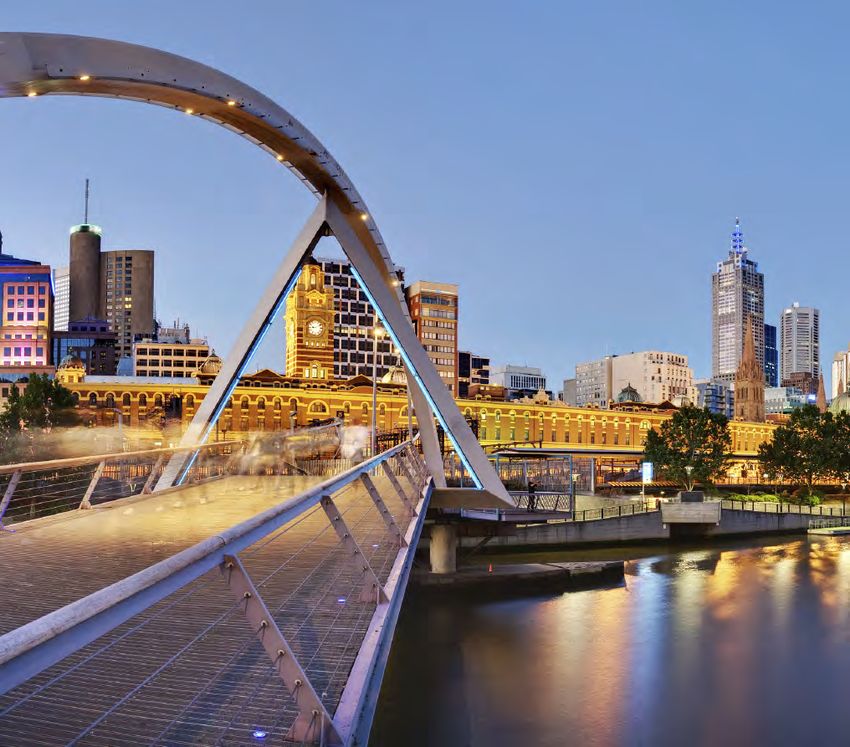
WridgWays Global Guide to Living in Melbourne

Disclaimer: Though WridgWays Global strives to maintain the materials in this document, keeping them as accurate and current as
possible, the information is collected for reference purpose. WridgWays Global assumes no liability for any inaccurate or incomplete
information, nor for any actions taken in reliance thereon.

Table of Contents

1.
   General Information							2
2. Culture, Lifestyle and Language					                4
3. Visa and Migration								8
4.
   Housing									9
5.   Banking Services								12
6.   Medical Services								13
7.
   Schooling									17
8. Utilities									19
9. Telecommunications							20
10. Public Transport								21
11. Driving                						                      24
12. Moving your Pet                               		   27
13. Household Goods Shipment and Customs Information   28
14. Shopping 									                                 30

                                                            1
1. General Information

Geographic Location                                                        Climate
Melbourne is the capital city of Victoria, and also encompasses            Melbourne temperatures can vary widely, and while the city may
the broader metropolitan region which spans 9,993 km2. The outer           sometimes experience four seasons in one day, the weather is
suburbs of Melbourne offer a wide range of geographic features             generally predictable based on the time of year.
including the beachside suburbs around Port Phillip Bay, the hills
                                                                           Melbournians have become used to preparing for all eventualities
and valleys of the Dandenong Ranges, the relatively flat inner
                                                                           and have grown accustomed to layering their outfits, and keeping
suburbs and their many parks, and a variety of different riverside
                                                                           an umbrella nearby, just in case.
suburbs along the famous Yarra River.
                                                                           Summer - December to February
                                                                           Average minimum temp 14°C (57°F)
Melbourne City                                                             Average maximum temp 25°C (77°F)

Melbourne’s CBD or Central Business District is an economic                It is important to note that while these average temperatures
and political hub which features a heavily built up 36.5km2 and is         for summer seem generally pleasant, Melbourne will often have
home to retail, financial, legal, administrative, recreational, tourist,   many days of 35-40 degrees over the summer period, with the
and entertainment facilities, serving a wide variety of residents,         warmest weather occurring towards the end of January and
workers and visitors.                                                      beginning of February.

In recent years the CBD has experienced a period of rapid                  Autumn - March to May
residential growth. CBD residents are typically students and               Average minimum temp 11°C (52°F)
young professionals, while families are often more attracted               Average maximum temp 20°C (68°F)
to suburban living which offer a quieter lifestyle in more
                                                                           Winter - June to August
spacious surrounds.
                                                                           Average minimum temp 7°C (45°F)
Melbourne’s close proximity to the Yarra River, the Melbourne              Average maximum temp 14°C (57°F)
Botanical Gardens, state-of-the-art sporting venues and historically
significant landmarks are just some of the reasons that Melbourne          Spring - September to November
has been named Most Liveable City for seven years in a row.                Average minimum temp 10°C (50°F)
                                                                           Average maximum temp 20°C (68°F)

2
Population                                                              Melbourne Time Zone and
The population of Melbourne is close to 4.5 million people, based       Daylight Savings
on data from the 2016 Census, while the state of Victoria is home
                                                                        Australia has three standard time zones, with Melbourne (and the
to approximately 6.2 million people, making it the second largest
                                                                        rest of Victoria) operating on Australian Eastern Standard Time (AEST)
population of any state in Australia.
                                                                        during the colder months of the year, which is 10 hours in front of
The population of the entire country is 24.13 million people,           Greenwich Mean Time (GMT).
with the majority of these people living in closer to capital cities,
                                                                        On the first Sunday of October, Victorians turn their clocks forward
especially Melbourne and Sydney.
                                                                        one hour for Australian Eastern Daylight Saving Time (AEDT),
                                                                        allowing them to enjoy more of the nicer weather in the afternoons
                                                                        and evenings. The time reverts to normal after summer is over, with
                                                                        Victorians changing their clocks back on the first Sunday in April.
                                                                        To see more information on the current time and date for Melbourne,
                                                                        as well as other local information, visit:
                                                                        https://www.timeanddate.com/worldclock/australia/melbourne

                                                                                                                                               3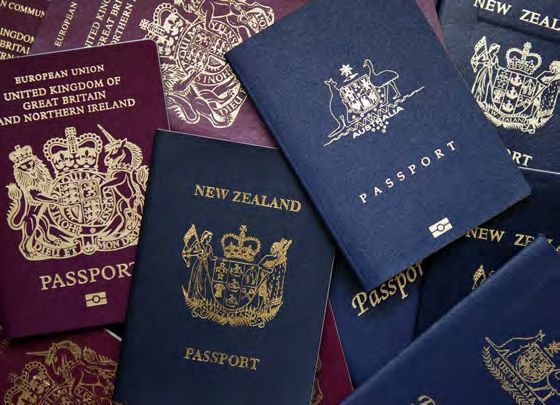
2. Culture, Lifestyle and Language

Melbourne Lifestyle Overview
The Melbourne lifestyle is centred around the natural beauty            In the warmer months, the parks, bike trails and beer gardens
of the city, taking advantage of the river, the parks and the           of the city and its surrounds come alive with people from all
generally pleasant weather.                                             backgrounds, eager to enjoy the sunshine.
Brunch culture is one of the most universally enjoyed features of       Southbank, a trendy precinct along the Yarra River which borders
the Melbourne lifestyle, and is in its element on weekend mornings      the CBD, has bars, restaurants and street performances all year
when people will flock to their local cafés for some of the world’s     round, with myriad offerings reflecting the diversity of Melbourne
best coffee and an eclectic range of breakfast foods.                   and its inhabitants.
Lovers of food, fashion, sport and the arts are all brought together    For those who prefer to entertain at home, there is nothing more
in the inner suburbs of Melbourne, and specifically the city with its   “Aussie” than a backyard barbecue, which often involves a very relaxed
amazing shopping and entertainment precincts which will cater to        afternoon or evening with friends and family, who will often bring an
every taste.                                                            offering for the “barbie”, as well as a salad or dessert.
Melbourne has many theatres which are home to often sold out
shows from both Broadway, and closer to home. There is a strong
appreciation for culture in Melbourne, with the idea of “dinner and a
show” being a popular pastime on both weeknights and weekends.
Galleries, museums and live music are also integral to the Melbourne
lifestyle, with exhibits designed to excite the entire family. ACMI
(Australian Centre for the Moving Image), and the NGV (National
Gallery of Victoria) are both located within walking distance of
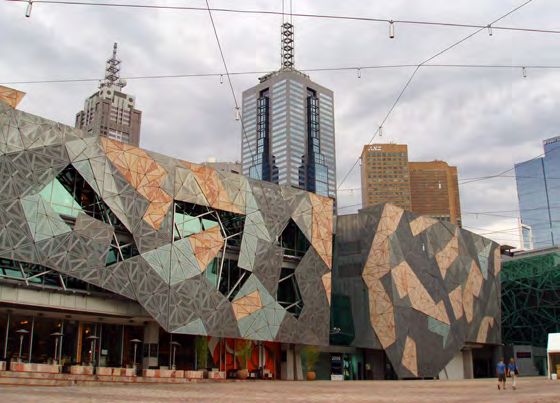
Melbourne’s Federation Square which is a hub for tourists and locals
in search of entertainment.

4
A Typical Australian?                                                       Australian English
With such a rich cultural background of Australians who have                While English is Australia’s national language, there are certain
migrated from overseas, as well as our Indigenous population who            words and expressions that have become regarded as uniquely
have occupied Australia for over 50,000 years, it is difficult to define    Australian through common usage.
a typical Australian.
                                                                            The use of these colloquial or slang words, often coupled with
While British colonisation of Australia didn’t occur until the late         an Australian sense of humour that is characterised by irony and
1700s, it is Western culture that has had the most influence over           irreverence, can sometimes cause confusion for international visitors.
its inhabitants, with many similarities between Canadian, American,         There are a number of books on Australian colloquialisms and slang,
and English ways of life.                                                   including the Macquarie Book of Slang.
On the whole, Australians like to view themselves as accepting
and welcoming of all, and in many cases this is certainly true.
The concept of a “fair go” is a quintessentially Australian ideal,          Religious worship
which centres around giving equal opportunities to anyone, from
                                                                            Australia is a predominantly Christian country, with around
any background or walk of life.
                                                                            52% of all Australians identifying as Christians. However, most
The Australian identity is often associated with our unique sense of        other major religious faiths are also practised, reflecting Australia’s
humour which is as eclectic as our cultural make-up. Sarcasm and            culturally diverse society.
irony are key to this appreciation for the comedic, as well as a love
                                                                            Australia’s earliest religions or spiritual beliefs date back to
for observational humour, and in finding the light side of any situation.
                                                                            the Aboriginal and Torres Strait Islander peoples, who have
                                                                            inhabited Australia for between 40,000 and 60,000 years.
                                                                            Indigenous Australians have their own unique religious traditions,
People of Victoria                                                          languages and spiritual values.
Victoria is home to one of the most culturally diverse societies in         Australia has no official state religion and people are free to practise
the world, and is also among the fastest growing and most diverse           any religion they choose, as long as they obey the law. Australians
states in Australia.                                                        are also free not to have a religion with close to a third of Australians
                                                                            identifying as having no religion in the most recent Census.
Almost one half of Victoria’s population were born overseas,
and come from over 200 countries, speaking over 260 languages/
dialects and follow over 130 religious faiths.
There are more than 175,000 international students studying
in Victoria at any given time.

Languages
English is the official language of Australia, however, languages
other than English are also valued. Almost 30% of Australians speak
languages other than English at home.
The most commonly spoken languages after English are Italian, Greek,
Cantonese, Arabic, Vietnamese and Mandarin.

                                                                                                                                                        5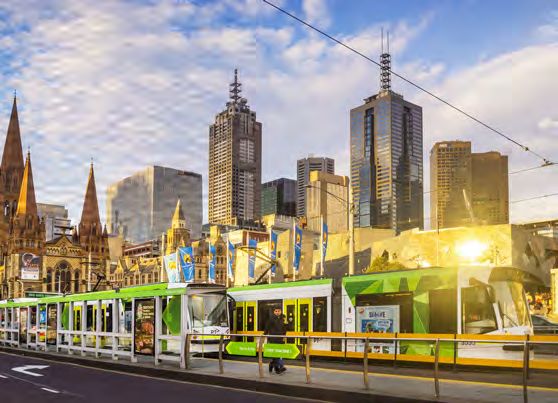
Vibrant Arts Scene                                                         Celebrations and Holidays
Australia has a vibrant arts scene that reflects both the nation’s         Melbourne has a range of public (bank) holidays throughout the year,
Indigenous cultural traditions and its rich mosaic of migrant cultures.    some of which are unique to Melbourne, while others exist across
All forms of the visual and performing arts have strong followings,        Australia and many other Western countries. The dates of these
including film, art, theatre, dance and music.                             holidays for 2020 include:
Visual artists have played an important role in shaping and reflecting
Australia’s image. They range from Aboriginal and Torres Strait             Date                   Holiday
Islander artists, to the nationalist painters of the Heidelberg School      1 January              New Year’s Day
in Victoria, symbolic surrealists such as Sidney Nolan, Arthur Boyd
                                                                            27 January             Australia Day
and Albert Tucker and modern artists reflecting issues confronting
contemporary Australia.                                                     9 March                Labour Day

Australia has a strong literary tradition, which started with the           10 April               Good Friday
storytelling of Indigenous Australians and continued with the oral          11 April               Day following Good Friday
stories of convicts arriving in Australia in the late 18th century.         12 April               Easter Sunday
Australia has one Nobel Prize for Literature to its credit, with            13 April               Easter Monday
novelist Patrick White receiving the award in 1973 for his novel            25 April               Anzac Day
Eye of the Storm. Other recent Australian novelists whose work
                                                                            8 June                 Queen’s Birthday
has a particularly Australian flavour include Peter Carey, Christos
Tsiolkas, Bryce Courtenay, Kate Grenville, Elizabeth Jolley, Thomas         25 September           AFL Grand Final Friday
Keneally, Christopher Koch, David Malouf, Colleen McCullough,               3 November             Melbourne Cup Day
Christina Stead, Morris West and Tim Winton.                                25 December            Christmas Day
                                                                            28 December            Boxing Day

A Sporting Culture
Australians love sport, and enjoy participating in a wide range of
sporting activities for both recreation and fitness. There is also a
strong support base for spectator sports, and many Australians
have a fierce passion for their chosen teams and favourite athletes.
The 10 most popular physical activities include walking, aerobics/
fitness, swimming, cycling, tennis, golf, running, bushwalking, football
(often referred to as soccer in Australia) and netball.
Other popular sporting activities include Australian Rules Football
(AFL), rugby, hockey, basketball, baseball, car racing, horse racing,
sailing and skiing.
The most watched sports in Australia include Australian Rules
Football (a uniquely Australian game with roots traceable to early
forms of rugby and Gaelic football), rugby league, rugby union,
basketball and cricket.
Major sporting events held in Melbourne include The Australian Open
(one of four tennis Grand Slam events), the AFL Grand Final, and The
Melbourne Cup, which is Australia’s most famous horse race and also
known as “the race that stops the nation”.

6
Cultural Awareness
Greetings                                                              Dress Codes
In most contexts within Australian culture, first names are the        In most scenarios, Australians adopt a neat-casual approach to
preferred method of greeting others, even upon first meeting.          dressing, and unless a specific dress code is referenced, you should
Older generations of Australians, and people from different cultural   assume this to be the case. In warmer climates and during the summer
backgrounds may be less comfortable with this, but will let you know   months, it is considered perfectly acceptable to wear cooler clothing
their own preference if it differs.                                    options when appropriate.
Professional titles are not prominent in Australian business           In business settings, corporate attire is generally expected, which
culture, and are sometimes dismissed as pretentious. Announcing        can include suits, and a wide range of other professional clothing
your title when meeting an Australian may be perceived as a form       variations. Some offices can be more casual, but it is best to dress
of pompousness.                                                        more conservatively until you have established the nuances of a
                                                                       particular workplace, and it is considered good form to wear suits
A handshake is the preferred greeting. It is customary to shake
                                                                       to important meetings.
hands at the beginning and end of a meeting. With the exception
of handshakes, it is important to read verbal and non-verbal cues
before making physical contact with others, until you are confident
                                                                       Eating
that it is appropriate.
                                                                       Most Australians will generally have three main meals throughout
When speaking to an Australian, keep an arm’s length distance          the day, breakfast, lunch and dinner, but will often have snacks for
from the person. Maintaining personal space is important in            morning tea and afternoon tea as well.
 Australian culture.
                                                                       Defining the typical Australian diet, is just as difficult as defining the
The unique Australian vernacular can make initial conversations        typical Australian. A wide range of foods from a wide range of cultures
a little confusing, but you will soon get your head around             are celebrated in homes and restaurants across the country, with
commonly used phrases, for instance if somebody asks you               chefs being influenced by the many types of foods that have now
“How are you going?” they are asking “How are you?”                    become the norm in Australian society.
                                                                       Australians will generally eat home cooked meals most nights of
Keeping Appointments                                                   the week, but have a strong appreciation for restaurant and café
                                                                       culture, which means that dining out is a treat for some and regular
While Australians are generally quite relaxed by nature, it is still
                                                                       occurrence for others. The Aussie barbecue is one of the most popular
considered bad form to be late to an appointment or to cancel
                                                                       options for feeding large groups of people at home, where people will
without giving enough notice. Most people will be responsible for
                                                                       often be encouraged to bring food to share, and to provide their own
their own calendars, and it is customary to quickly check by phone
                                                                       beverages.
or email before setting up a meeting request unannounced.
Business hours in Australia are 9:00am – 5:00pm, and while
some meetings outside of hours are unavoidable, it is bad form         Gift Giving
to schedule meetings in the early morning or evening without           Gift giving is generally not a part of Australian culture (apart from
good reason.                                                           Birthdays, Christmas and Anniversaries). However, if you are invited
Depending on the level of formality, there are a wide range of         for dinner, it’s permissible to bring a token gift of flowers, chocolates,
meeting styles in Australia, with the more important ones being        or wine.
held in a boardroom or office, and more casual meetings held in
cafés or restaurants over lunch or coffee. There has also been a
rise in the popularity of the “walking meeting” which addresses
the problems associated with the sedentary lifestyles of most
office workers, giving them a chance to leave the office.

                                                                                                                                                    7
3. Visa and Migration

Obtaining the correct visa for your pending relocation can often          Employer sponsored visas allow companies to sponsor applicants for
be time consuming and confusing. Allow us to remove this burden           full-time positions in Australia. The position is usually skilled in nature,
and handle your visa requirements - we do it for our valued clients       and the applicant must possess the necessary skills to fill the position.
every day. Our registered migration consultants offer extensive           An employer sponsored visa will allow you to travel freely to and
experience in visa and immigration matters and can provide                from Australia, and to take up a full-time position with the sponsoring
advice and reassurance every step of the way.                             company. The visa can be valid for up to 4 years, and may be extended
                                                                          in some cases. As this visa is granted on the basis of sponsorship,
                                                                          you will need permission from the Department of Immigration if you
General Visa Information                                                  wish to change employer or occupation. Applications may be made in
                                                                          overseas countries or whilst temporarily in Australia, provided your
Non-Australian citizens require a valid visa to enter and spend           existing visa will allow it.
time in Australia. With the exception of New Zealand citizens, all
                                                                          Visas should always be arranged several months prior to travel to
foreign nationals must obtain a visa before travelling to Australia.
                                                                          Australia, plan well ahead.
New Zealand citizens are issued with a visa upon arrival in Australia.
Australian visas are all electronically attached to your passport so
you don’t need a label or stamp.
Standard three-month tourist visas, valid for multiple entries over
one year, are issued free in some cases. Six-month visitor visas incur
a fee. If you hold a three-month visa and want to stay longer, you can
normally extend your visa while you are in Australia. Please contact
our registered consulates for advice.
If you are under 31 years of age, depending on your country of
passport you may also be able to obtain a 12-month working holiday
visa. In some cases a second working holiday visa can be obtained
where the applicant has completed three months of ‘specified work’ in
regional Australia. If you are interested in the second working holiday
visa program you should contact our registered advisors to discuss.

8
4. Housing
Housing Options Inspecting a property
Temporary Accommodation Before you apply to rent a property, you will need to inspect it.
Typically, fully furnished serviced apartments, or similar styles Inspections are arranged with the real estate agent or landlord.
of accommodation, ranging from 1 to 3 bedrooms are available in These can be arranged directly with them or the property may be
both city and suburban locations depending on requirements. open for inspection – where anyone can attend at a set time and date.
Long term Accommodation/Rental/Tenancy If you are entitled to Home Search assistance with WridgWays
There are a wide variety of housing styles to choose from in Global your Relocation Consultant will assist you to liaise with the
Melbourne from modern apartments and homes through to period agent or landlord to arrange an inspection.
style character cottages.
It is recommended that you take a photocopy of your documents
External looks can sometimes be deceiving as many of the older (see below applying for a rental property) and a pen so you can
style homes may be fully renovated and refurbished with modern complete an application straight away if you need to. Many properties
fittings and fixtures. The rental price is a good indicator of what the are in high demand, so filling out an application as soon as possible
condition of the property will be, and whether the property has been will help you to secure the property you want.
recently updated/renovated.
You may be able to get an application form from the agent or landlord
There are no ‘expat’ specific areas in Melbourne and new arrivals before the inspection. Ask them for a copy or see if there is one on
in Melbourne choose to reside in numerous and varied locations their website.
around Melbourne’s vast suburbs.
9Applying for a rental property
If you like a property, you will need to fill in an application form The lease describes the rights and responsibilities you have as
and provide the documents Real Estate Agent/Landlord ask for. a tenant, as well as the rights of your landlord.
These could include:
All leases provided by an agency in Victoria are a standard lease
+ Your identification, including photo identification as set by the Real Estate Institute of Victoria (REIV). As such, all the
(driver license or passport), bank card or birth certificate conditions in the lease are standard, except for the ‘Special Conditions’,
+ Names and contact details of people who will give you rental or ‘Additional Clauses”, and these may vary from agent to agent.
or personal references
Ensure you read through the Special Conditions and Additional
+ Your rental history
Clauses particularly carefully. If you believe a special condition or
+ Rent payment receipts or statements
clause is unfair or may be illegal, especially one that contravenes the
+ Employment details and history
conditions stated earlier in the lease, you can contact REIV for advice
+ Proof of income, like current payslips from your employer
on the legality of the demands. It is important to know your rights.
or income statement
+ Bank details and copies of your bank statements Other details in the lease include:
+ The rental property address
You will have to give the agent or landlord permission to contact
+ The amount to be paid as bond
anyone listed for references. Before you submit applications, tell
+ How much rent is to be paid and its frequency of payment
the people you have listed as your references that agents may
+ The commencement and duration of the agreement
contact them.
+ The name and address of the landlord
The agent or landlord has access to a tenant database that shows
if you have not paid your rent in the past. If you apply to rent the It is a good idea to request a copy of the lease for review prior to
property, tell the agent if you are listed on a tenant database and signing the document. Please ensure you carefully review all the
why this happened, as they will find out when they check. conditions in the agreement, prior to signing.
When you are successful in obtaining a property, you will need Remember that a lease is legally binding once signed by you and your
to agree to a date to move in. This date will be when your tenancy landlord/agent, therefore make sure you understand and agree with
starts and you begin paying rent. every word on the lease. Ensure you retain a signed copy of the lease.
The landlord or agent will then ask you to sign a residential
tenancy agreement – this is also known as a lease.
10Rental Bond Furniture and Electrical
In addition to paying rent, at the commencement of the tenancy Appliance Rental
you are also required to pay a ‘Bond’.
Rental of furniture and electrical appliances is available on
A bond is a payment made in advance by you (as the tenant) to cover both a short and long term basis. Clients may request full kits
any costs for which you may be liable at the end of the tenancy, such including all furniture, linen, appliances and cooking utensils
as damage to the property or chattels, outstanding water usage or select individual items.
charges or unpaid rent. Accordingly, the bond is often referred to
There are several companies in Melbourne, the main operators
as a security deposit.
include:
If the rent is $350 a week or less, the bond cannot be more than
+ Living Edge - www.livingedge.com.au
the equivalent of one month’s rent.
+ Guests Furniture Hire - www.guestshire.com
A landlord or estate agent may charge a bond that is more than + Mr Rental - www.mrrental.com.au
one month’s rent if: + Radio Rentals - https://www.radio-rentals.com.au/
+ The tenancy agreement states that the premises are the
landlord’s principal residence and the landlord intends to
resume living there at the end of the tenancy, or
+ rent is more than $350 a week
The bond is submitted to the Residential Tenancies Bond Authority
(RTBA) and held in trust until the end of the tenancy. There is no
interest earned on these funds during time it is held in trust.
Landlords/Agents are required to lodge the bond, with the completed
bond form to the RTBA within 10 business days of them receiving it.
When a tenancy ends you may receive the whole bond, or only a part
of it, if the landlord claims the money to cover any damages caused
to the property. You will need to discuss with the landlord/agent how
the bond money will be divided. This discussion may include resolving
issues that arise from, for example, any damage to the property or
bills owing.
Note: You cannot pay your final rent using the bond. The bond and rent
are separate payments. You may be fined for treating any part of the
bond as rent. This includes if the rental agreement is in its last month.
The agreed division of the bond should be set out on the completed
Bond Claim form, which is sent to the RTBA.
For further tenancy information visit:
www.consumer.vic.gov.au/housing/renting
115. Banking Services
Australia has an advanced banking system, comprising a number Opening a Bank Account
of operators covering the whole of Australia, plus other banks who
specialise in individual states. Almost all Australian banks operate When you arrive in Australia, opening your bank account is straight-
country-wide, and you will be able to access their facilities wherever forward. You will need to show your passport and resident’s visa.
you are in Australia. You will also have to provide a Tax File Number at some stage so
that any interest paid to you is not taxed before you receive it.
Each bank will offer their own mix of accounts and facilities,
and associated fees. The Australian Banking sector is dominated by the following four
major banks: ANZ, Commonwealth Bank, National Australia Bank and
Westpac Banking Corporation.
For other banking options see:
Currency www.onlymelbourne.com.au/banks-in-melbourne
Australia was the first country in the world to have a complete It is possible to open an Australian bank account before leaving your
system of bank notes made from plastic (polymer). These notes home country. The following Australian banks have Migrant Banking
provide much greater security against counterfeiting. They also Services available:
last four times as long as conventional paper (fibrous) notes.
+ National Australia Bank – www.nab.com.au/movingtoaustralia
The innovative technology with which Australian bank notes are + ANZ Bank – www.anz.com/aus/personal/Moving-To-Australia
produced - developed entirely in Australia - offers artists brilliant + Commonwealth Bank – www.commbank.com.au/
scope for the creation of images that reflect the history and natural movingtoaustralia
environment of Australia. At the same time, the polymer notes are + Westpac – https://www.westpac.com.au/personal-banking/
cleaner than paper notes and easily recyclable. bank-accounts/moving-to-australia/
Australia’s currency comprises coins of 5, 10, 20 and 50 cents and
one and two dollar denominations; and notes of 5, 10, 20, 50 and 100
dollar denominations.
ATMs (automatic teller machines) are located outside banks, and
at most shopping centres. It is usually free, with most major banks
having recently eradicated fees which were charged if you used a
different bank’s ATM.
EFTPOS (electronic funds transfer at point of sale) i.e. paying for
goods using your bankcard. Most banks and retail outlets offer this
facility and the funds may be taken from your current, savings or
credit account. The larger retailers normally let you draw extra cash
out as well, with no charge. Almost all EFTPOS machines now allow
you to use Pay Wave or Tap and Go functionality for purchases under
$100, meaning that you do not need to provide a PIN or signature, and
speeding up transactions.
Credit/Debit Cards American Express, MasterCard, Visa and Diners
Club are widely accepted, however American Express cards are
accepted in fewer places than Visa and MasterCard.
Internet banking is now offered by most banks, enabling you to check
balances, transfer money between accounts, pay bills (BPAY system)
and so on.
126. Medical Services
Medical Emergency Checklist Major public hospitals around the Melbourne metropolitan area
provide 24-hour emergency care which is free to all Medicare card
Prepare a medical emergency checklist based on the following holders. A list of public hospitals that provide emergency and accident
(as a guide): care can be found in the front of the telephone book, or by visiting
http://performance.health.vic.gov.au/Home/Emergency-department-
+ Emergency services numbers
status.aspx
+ Emergency contact person information
+ Doctor’s name and contact details Ambulances should only be called in case of an emergency, and
+ Dentist’s name and contact details the ambulance will transport you to the nearest available emergency
+ Health Insurance Information (plan/policy number, etc.) hospital appropriate to your circumstances.
+ Medical history (allergies, medicines, medical problem, etc.)
The Ambulance Service operates on a membership basis, with
+ Special instructions (diet restrictions, etc.)
members entitled to free ambulance transport anywhere in Australia.
+ Other emergency info (including home address/
phone number) Cost of ambulance transportation to non-members is very high and
it is advisable to take out membership immediately on arrival. The
minimal subscription fee varies according to family or single status
What do I do in case of a and may be applied for through your private health insurance fund.
Medical Emergency? If you are not in a private health fund you may apply for ambulance
cover directly with Ambulance Membership.
DIAL 000 for Ambulance, Fire or Police
A full list of emergency care can be found within the first few pages www.ambulance.vic.gov.au
the telephone directory or for further information visit: Phone: 1800 64 84 84
www.australia.gov.au/information-and-services/public-safety-and-
law/emergency-services
Health Direct provides free trusted health information and advice,
24 hours a day, 7 days a week. Registered nurses are available to
provide information and advice when you’re not sure what to do –
whether you should see a local GP, manage the condition at home,
or go to an emergency department.
Free call: 1800 022 222 or visit www.healthdirect.gov.au/healthdirect
for more information.
13Australia’s Health System
The Australian healthcare system is mixed. Responsibilities for + Belgium
healthcare are divided between the federal and state governments, + Finland
and both the public and the private sectors play a role. + Italy
+ Malta
Government programs underpin the key aspects of healthcare.
+ Netherlands
Medicare, which is funded out of general tax revenue, pays for
+ New Zealand
hospital and medical services. Medicare covers all Australians and
+ Norway
Permanent Residents, pays the entire cost of treatment in a public
+ Ireland
hospital, and reimburses for visits to doctors.
+ Slovenia
Australians and Permanent Residents are entitled to free treatment + Sweden
as public patients in public hospitals. Patients with private health + United Kingdom
insurance can access public hospitals but they will be charged out
of pocket expenses. Private patients have the option to choose
For more information on enrolment process, entitlements, coverage
doctors responsible for their care, and the doctors charge the
and other related information, go to https://www.humanservices.gov.
patient directly for their medical care.
au/individuals/enablers/rhca-medical-care-visitors-australia
Who is eligible to access Medicare? Private Health Insurance
Medicare is Australia’s publicly-funded universal health care
Private health insurance is an important component of funding of
system, operated by the government authority Medicare Australia.
health care in Australia. Being a private health insurance member
Medicare is intended to provide affordable treatment by doctors
allows you to be treated in a private or public hospital as a private
and in public hospitals for all resident citizens and permanent
patient. This means that you may be able to choose the doctor that
residents except for those on Norfolk Island. Residents with a
treats you, the hospital you are treated in and a time for treatment that
Medicare card can receive subsidised treatment from medical
suits you. Private health insurance also provides cover for services
practitioners who have been issued a Medicare provider number,
not covered by Medicare such as physiotherapy, dental, optometry
and fully subsidised treatment in public hospitals. Visitors from
and podiatry services. Many people rely on private health insurance to
countries which have reciprocal arrangements with Australia
access services they would otherwise be unable to afford.
have limited access to Medicare.
For further details, please refer to https://www.privatehealth.gov.au
For further information see:
https://www.humanservices.gov.au/individuals/medicare
I have applied for a 457 visa,
Which countries have a Reciprocal who is responsible for arranging
Health Care Agreement (RHCA) and Health Insurance?
access to Medicare? How Do I Enrol? All subclass 457 visa applicants are required to show that they
have made adequate arrangements for health insurance prior to
If you come from one of the countries listed, you are entitled the approval of their visa. The level of coverage is specified by the
to limited subsidised health services for medically necessary Department of Immigration particular to the 457 visa. There are a
treatment while visiting Australia. number of Australian health insurance companies that provide a
tailored package to meet these requirements.
As well as being a criterion for the approval of the visa it is also a
condition on all subclass 457 visas that the holder must maintain this
level of insurance while holding the 457 visa. Visa holders who fail to
comply with this condition during their stay in Australia may have their
visas cancelled.
14Some countries have reciprocal heath agreements with Australia Ambulance Cover
and can access Australia’s Medicare system once they arrive.
Applicants in this situation can satisfy the condition of having to In Victoria, you are required to pay for ambulance services which
maintain health insurance once they are enrolled in Medicare. can be quite expensive (several thousand dollars per trip). If you
WridgWays Global registered migration advisors can help you do not have private medical insurance which covers this cost, you
understand the health insurance requirement as it applies to your should consider becoming an ambulance member with an annual
individual situation. membership fee payable which are very affordable.
Further details see: www.ambulance.vic.gov.au
Membership Enquiry: 1800 648 484
Private Health Insurance Options for
Overseas Visitors
A number of private health insurers provide health cover for The Sun and Skin Cancer
overseas visitors. Benefits available, membership costs and Australia has the highest rate of skin cancer in the world, mostly
eligibility can vary between insurers. Most overseas visitors’ caused by over exposure to UV radiation. Around 750,000 people
health cover products have limited cover for pharmaceuticals. are treated for skin cancer and over 2,000 people die from the
Overseas visitors may face significant out of pocket costs if they disease every year.
need treatment with pharmaceuticals, particularly oncology
(cancer treatment). Lifetime Health Cover and the private health Most Australian medical practitioners are experienced in checking
insurance rebate are not applicable for overseas visitors’ health for signs of skin cancer, which can include irregular moles or skin
cover. Goods and Services Tax (GST) of 10% is applied to overseas abnormalities. Regular checkups can help with early-detection and
visitors’ health cover. prevention of skin cancer, and your GP will be happy to discuss any
concerns with you.
For further information, go to http://www.health.gov.au/internet/
main/publishing.nsf/Content/private-1
When should I use sun protection
Child Immunisation in Victoria?
Childhood immunisation is highly recommended but not compulsory Whenever ultraviolet (UV) radiation levels reach 3 (moderate)
and is carried out at various stages of the development of the child. and above, sun protection is required. At that level UV radiation
The Australian Standard Vaccination Schedule is a free immunisation can damage your skin and eyes and lead to skin cancer.
program and provides inoculation against diphtheria, tetanus, In Victoria from September to April, UV radiation levels are usually
whooping cough, polio, mumps, measles and rubella. All are also 3 and above for most of the day. Particular care should be taken
available for children and adults. between 10am - 4pm (11am - 5pm daylight saving time) when UV
The service is offered through all municipalities and a record of levels reach their peak.
the procedure noted in your public records. For before-school From May to August, average UV Index levels are usually low
immunisations, parents will generally take younger children to (below 3). Therefore, sun protection measures aren’t as important
any of the public immunisation sessions held at local council offices. during these months unless you are in alpine regions, or near highly
Once children reach school age, the local council’s immunisation nurse reflective surfaces like snow or water.
will visit your child’s school to carry out the immunisation program.
To see what the UV levels are for the day and the times sun protection
It is necessary to show proof of all immunisations before entrance is is needed, go to SunSmart UV Alert in the weather section of the daily
allowed into schools, so bring your child’s immunisation records with newspaper or visit www.bom.gov.au/announcements/uv
you when enrolling.
During high UV periods, ensure you have adequate sun protection
The Australian Childhood Immunisation Register (the Immunisation including clothing, sunscreen, sunglasses, hats, and seek shade.
Register) is a national online database containing information on the For further details see: www.sunsmart.com.au
immunisation status of all children living in Australia who are under
the age of seven years.
Further details regarding the national childhood immunisation
schedule can be found at http://www.immunise.health.gov.au/
15Hospitals and Medical Practitioners
Public Hospitals Private Hospitals
The Royal www.mh.org.au Resources for www.health.vic.gov.au/privatehospitals/
Melbourne list of private
300 Grattan Street (corner of Royal Parade) www.yellowpages.com.au
Hospital hospitals
Parkville, Victoria
search ‘Hospitals private’
Ph: 03 9342 7000 Chiropractor
The Royal www.thewomens.org.au The www.chiropractors.asn.au
Women’s Chiropractors’
20 Flemington Road Ph: 02 8844 0400 National Office
Hospital Association of
Parkville, Victoria
Australia Toll free: 1800 075 003
Ph: 03 8345 2000
Dentist
St Vincent’s www.svhm.org.au
Hospital Australian www.adavb.com.au
41 Victoria Parade Dental
Fitzroy, Victoria Level 3, 10 Yarra Street
Association
South Yarra, Victoria
Ph: 03 9231 2211 - Victorian
Branch Ph: 03 8825 4600
The Alfred www.alfred.org.au
Hospital Doctor
55 Commercial Road
Melbourne, Victoria Australian www.amavic.com.au
Medical
Ph: 03 9076 2000 AMA Victoria House
Association -
Royal www.rch.org.au 293 Royal Parade
Victoria
Children’s Parkville, Victoria
50 Flemington Road
Hospital Ph: 03 9280 8722
Parkville, Victoria
Ph: 03 9345 5522 Toll Free Ph: 1800 810 451
Mercy https://health-services.mercyhealth.com.au/ Massage and Natural Medicine Therapists
Hospital for our-locations/mercy-hospital-women/ Australian www.atms.com.au
Women Traditional
163 Studley Road
Medicine Toll Free Ph: 1800 456 855
Heidelberg, Victoria
Society
Ph: 03 8458 4000
Australian https://www.
Other public www.yellowpages.com.au
National australiannaturaltherapistsassociation.com.
hospitals
search ‘Hospitals public’ Therapists au/
Association
Toll Free Ph: 1800 817 577
Optometrists
Optometrists www.optometry.org.au/victoria
Australia -
28 Drummond Street
Victoria Division
Carlton, Victoria
Ph: 03 9652 9100
167. Schooling
Australian education has a strong international reputation for Government schools (also commonly
excellence. Whether you study at a university, school, vocational
or English language institute, you will receive a quality education referred to as public schools)
that will form a strong foundation for your child’s future success.
Government Schools make up the largest sector, with just under
Schooling in Australia starts with a kindergarten or preparatory two thirds of enrolments. The great achievement of government
year followed by 12 years of primary and secondary school. Children schools throughout Australia is to provide high quality, democratic
between the age of six and fifteen must attend school. In the final education for everyone in the local region, irrespective of their means
year of secondary school, Year 12, you can study for a government- or background. There are public schools available to all residents,
endorsed certificate (in Victoria, the VCE) that is recognised by where education is free, however, parents must supply their children
all Australian universities and vocational education and training with books, uniforms and study material, and are often asked to
institutions. This Senior Secondary Certificate of Education is also pay “voluntary” annual fees. The majority of public schools are
recognised by many international universities. co-educational (both boys and girls).
Information and ratings on all schools in Australia (public and private)
is available at www.myschool.edu.au
Catholic Schools
Victorian is well served by good schools throughout all communities.
Schools belong in one of three main sectors: Catholic Schools form the next largest sector and provide Catholic
education across the state to any Catholic students enrolled,
+ Government (Public) Schools
regardless of their means. Most Catholic schools belong to a system
+ Catholic Schools
like government schools, and attempt to provide Catholic education
+ Independent Schools
evenly across the states through mainly co-education (both boys
and girls) schools. These schools are also known as systemic.
Systemic Catholic schools are funded mainly by government and
have low fees. There are also a large number of independent Catholic
schools, often single-sex, usually run by established religious orders.
Catholic Schools are bound by the same regulatory and curriculum
requirements as all other schools. Schools may be co-educational
(both boys and girls) or single sex. Some of the single sex schools may
have a ‘brother’ or ‘sister’ school to share in after-hours activities.
17Independent Schools (also commonly International Baccalaureate
referred to as private schools) The International Baccalaureate Diploma Course is the premier
course for internationally mobile students throughout the world. It is
Independent schools are also often referred to as ‘private schools’.
valued everywhere for its portability. Successful students are sought
Independent Schools are non-government schools, i.e. fee paying by every major Australian and overseas University.
or ‘private’ schools. Most have their own boards responsible for
Based in Switzerland, the organisation has almost 1000 schools
the operation of the school including fundraising, spending, staff
worldwide offering the two-year Diploma Course. There are a number
employment and disciplinary code. Many are under the auspices of
of schools offering the course in Melbourne and throughout Australia.
religious foundations such as Anglican, Methodist, Presbyterian, and
Church of England. However, many of these schools do not expect For those International Baccalaureate students wishing to do Tertiary
families to subscribe to any particular faith or religious allegiance. studies in Australia, Universities have made special provisions within
All independent schools receive some government funding; however, their selection procedures to incorporate requirements specifically
there are a broad range of fees which can be quite high. related to the International Baccalaureate Diploma Course.
Schools may be co-educational (both boys and girls) or There are 24 government and non-government schools in Australia
single sex schools. Some of the single sex schools may have offering the International Baccalaureate Organisation (IBO). Only
a ‘brother’ or ‘sister’ school to share in after-hours activities. schools officially approved by the International Baccalaureate
Organisation (IBO) are authorised to offer the two-year pre-university
curriculum for students aged between 16 and 19 years of age.
Many students within and outside of Australia take the IB Diploma for
admission to leading universities in the Asia-Pacific region. However,
students considering a vocational career path should discuss their
options with the school.
Further information is available at: www.ibo.org
188. Utilities
Electricity and Gas Suppliers Water and Sewage
In Melbourne, consumers are able to select which electricity Melbourne Water, wholly owned by the Victorian State Government,
and gas supplier they would like to obtain their energy from. manages Melbourne’s water supply catchments, sewage, rivers and
You can either use the same company for both, or separate major drainage systems.
companies for gas and electricity. Some suppliers require
To learn more about water suppliers for your locality, you can visit
consumers to take a contract for 12 or 24 months, whereas
https://www2.health.vic.gov.au/public-health/water/drinking-water-in-
others do not lock you into any contractual arrangements, but
victoria/water-suppliers.
you may find that their energy costs are slightly higher.
WridgWays Global can assist with outlining the utility options
available and arranging the connection of the utilities. Please Pay TV
contact your WridgWays Global Relocation Assignment Manager
to discuss this further. There are a few options available for subscription based television in
Melbourne, with Foxtel and Netflix being the most popular. For further
Electricity is supplied throughout Australia at 230 volts (50 hertz).
details see:
You will likely need an adaptor/converter for your devices, chargers,
and other electronic equipment. Most electrical stores in Melbourne + Foxtel - www.foxtel.com.au
will be able to help you with these requirements once you arrive, + Optus Yes TV - www.optus.com.au
if you have not acquired the necessary adaptors already. + Fetch - www.fetchtv.com.au
+ Netflix - www.netflix.com/au/
+ Stan - www.stan.com.au
199. Telecommunications
Phoning in/out of Melbourne Mobile Phone Providers
The Australian country code is +61 and the Victoria STD area There are hundreds of choices of mobile phone plans and packages,
code is 03. and you will need to assess which is the best package to suit your
personal usage and requirements. Some of the major mobile phone
When calling from outside of Australia, leave out the leading ‘0’
providers include:
from the STD area code or from the mobile telephone number.
+ Telstra - www.telstra.com.au
Fixed line example calling Melbourne from outside Australia:
+ Optus - www.optus.com.au
+61 3 (local eight digit number).
+ Vodafone - www.vodafone.com.au
E.g. +61 3 1234 5678
+ Virgin - www.virginmobile.com.au
Example calling a mobile from outside Australia: + Dodo - www.dodo.com.au
+61 4 (following eight digits of the mobile number)
E.g. +61 4 1234 5678
Many operators provide bundle discounts if you put all your services
The outgoing IDD access code from within Australia is 0011. with them i.e., internet, home phone and mobile phone services. It
is also important to note that the two primary carriers, Telstra and
Optus will be used by almost all of the other providers, with Telstra
Telephone and Internet having slightly better coverage than Optus. If you plan to spend time
in regional areas you may want to ensure you use one of the many
Some of the major telephone and internet providers include: providers utilising the Telstra network.
+ Telstra - www.telstra.com.au
+ Optus - www.optus.com.au
+ Iprimus - www.iprimus.com.au
+ Dodo - www.dodo.com.au
+ Virgin Mobile - www.virginmobile.com.au
+ Netspace - www.netspace.net.au
+ iinet - www.iinet.net.au
2010. Public Transport
Public Transport Overview
Melbourne’s public transport system is unique. It offers three Melbourne’s public transport has changed in the past 5 years. More
modes of transport - trains, trams and buses, with Melbourne services have been introduced providing improved frequency. There
being the only city in Australia to operate an extensive tram is also better connectivity between trains, trams and buses, helping
system as part of its public transport network. Public transport people get from A to B even quicker. There is still more work to be
offers a convenient alternative to the car and is a cost effective, done to improve the overall efficiency of the train system to reduce
simple, and environmentally friendly way to travel. In addition to late or cancelled trains.
the city and suburban network, Victoria also offers country trains
Existing vehicles have been extensively refurbished to present a new
to many regional destinations.
modern feel, while new vehicles have been introduced which feature
Flinders Street Station, on the corner of Flinders and Swanston increased customer comforts and security measures. Low floor trams
streets, is the hub of Melbourne’s train system, it serves the entire and buses also make it easier for people with special needs to board
metropolitan network. Melbourne also enjoys an underground, and disembark the vehicles.
partly surface-level and partly elevated train system, known as
For comprehensive information on public transport visit:
the City Loop, with five stations servicing the CBD: Southern Cross
https://www.ptv.vic.gov.au/
Station, Flagstaff, Melbourne Central, Parliament and Flinders
Street, with several new additions currently under construction.
There are 16 different train lines servicing the outer suburbs, and
these lines are all linked to bus and tram services.
The primary station for catching regional and interstate trains is
from Southern Cross Station which has undergone a massive facelift
and is now a major attraction in itself. The cutting edge design and
vast open spaces, has made catching a train to Victoria’s outer
reaches even easier.
21Public Transport Ticketing System The Qantas Group operates an extensive network under its two
airline brands Qantas and Jetstar serving Australia and other
Melbourne and selected regional towns in Victoria use a universal countries in Asia and the Pacific, the Americas, the UK, Europe and
ticketing system known as ‘Myki’. The smart card payment system Southern Africa. Jetstar is one of Australia’s low fares airline with
allows travelers to use any of the transport options and use the the aim to provide consistent low fares to Australian and New Zealand
same smart card to cover the fare. leisure travelers.
Tourists can obtain Myki cards from a number of locations, Virgin Australia commenced operations in August 2000, with
including premium stations and many corner stores, as well as headquarters in Brisbane. Virgin Australia has grown to become
online. It is important to note however, that cash is no longer a one of the largest, low cost price airlines in Australia.
form of payment when onboard public transport, you must be
travelling with a pre-loaded Myki which can be topped up at all
train stations and many tram stops, or risk a substantial fine if International Travel/Airlines
caught without one.
Melbourne Airport is serviced by many international airlines.
An approved Public Transport Victoria Concession Card is
Peak times for airfares are in the summer months – between
required before purchasing concession tickets, and information
November and January – and especially around Christmas.
regarding different ticket types, as well as other information
If you are planning a summer trip, book well in advance.
regarding travelling on Melbourne’s public transport network
can be found at the Myki website: From London, you can fly direct to Melbourne – the journey
https://www.ptv.vic.gov.au/tickets/myki takes around 21 hours. There are also indirect flights, making
the journey longer but considerably less expensive.
From North America, you can catch a direct flight to Melbourne,
Air Travel as well as a number of single-stop services. Excluding stopovers,
flying time to Melbourne is around 23 hours from New York or
Melbourne Airport (MEL), also known as Tullamarine Airport,
Toronto, 18 hours from Vancouver, or 15 hours from Los Angeles.
is the primary airport serving Melbourne with four terminals,
handling domestic and international flights. From New Zealand, there are a range of flights available to Melbourne,
with those from Auckland taking approximately 3.5 hours.
The airport, which affords easy access to connecting interstate and
Major Domestic Airlines international flights, has baggage lockers in the international terminal,
foreign exchange counters, restaurants, bars, a children’s playground,
Qantas, Virgin Australia and Jetstar are the major domestic
information desks, major car rental companies and, for departing
carriers and are housed within the main terminal at Melbourne
travelers, a refund booth to reclaim the Goods and Services Tax (GST)
Tullamarine Airport. Jetstar also flies from Avalon Airport near
on some goods. There is also ample parking for private vehicles.
Geelong. The airlines operate regular services throughout the
day from Australia’s major cities. A departure tax is charged on leaving the country but it is
usually incorp orated in your airline ticket. If in doubt, ask at the
Another budget airline, Tiger Airways, has commenced business
information desk.
in Australia providing further options for travelers.
For airline travel within Victoria you can choose from several
regional airlines, such as Qantas Link and REX (Regional Express),
which fly to Melbourne and larger regional centres including
Mildura, King Island and Mount Gambier. Smaller airlines also
operate out of these regional centres.
22Main Airport Locations Hailing a cab
Tullamarine Airport is approximately 25km (15 miles) north Cabs often wait in designated ranks that are clearly signposted
of the city centre – approximately a 25 minute drive. at central locations like major hotels in the CBD, or busy spots such
as Flinders Street Station. You can also hail a taxi in the street if
Street address: Departure Drive, Melbourne Airport Victoria,
the rooftop light is illuminated, it means the taxi is available for hire.
Australia 3045
Or you can book a taxi online or by telephone.
For further details regarding Melbourne airport including
Outside Melbourne, taxis widely operate in Geelong, Ballarat and
services, parking, etc.
Bendigo, with additional cabs at country towns throughout the rest
See www.melbourneairport.com.au of the state.
Avalon Airport is located in Avalon, Victoria 55km (34 miles)
south-west of the Melbourne city centre and 20km (12 mile)
north-east of the city of Geelong.
Fares and surcharges
Street address: 80 Beach Road, Lara Victoria, Australia 3212 Taxi meters are usually clearly visible, so you can keep track of
your fare.
For further information please visit
www.avalonairport.com.au/getting-to-avalon Melbourne cabs attract additional charges like a late night surcharge
from midnight to 5am, a fee for phone bookings, a fee for using the
Citylink freeway and even a fee for taxis waiting at the airport rank.
What transport options are available to Uber is another common option for transportation. Whether you’re
headed to work, the airport, or out on the town, Uber connects you
and from the airport? with a reliable ride in minutes. Once you have downloaded the app and
created an account, you can use this whenever you like to book a car
When travelling to and from the Airport, there are a number
which comes directly to you. Your driver will know exactly where to go,
of options available:
and you will know the cost of the ride before it even begins, with the
+ Taxi fee deducted from your account once the ride is complete. For more
+ Airport Limousine Service information, see https://www.uber.com/en-AU/cities/melbourne
+ SkyBus, which operates four services from Melbourne
Tullamarine Airport providing passengers fast airport transfers
to Melbourne City, Docklands and Southbank, St Kilda and
Frankston and surrounding bayside suburbs.
For further information visit www.skybus.com.au
How do I catch a Taxi (cab)?
Melbourne taxis are numerous and easy to spot and are either
yellow or silver. Drivers must always wear a neat uniform and have
an identity card on show at all times. Melbourne taxi can also be
booked online or via your mobile app. For more information, see
https://www.13cabs.com.au.
23You can also read


