2019 Maritime Outlook Report
←
→
Page content transcription
If your browser does not render page correctly, please read the page content below
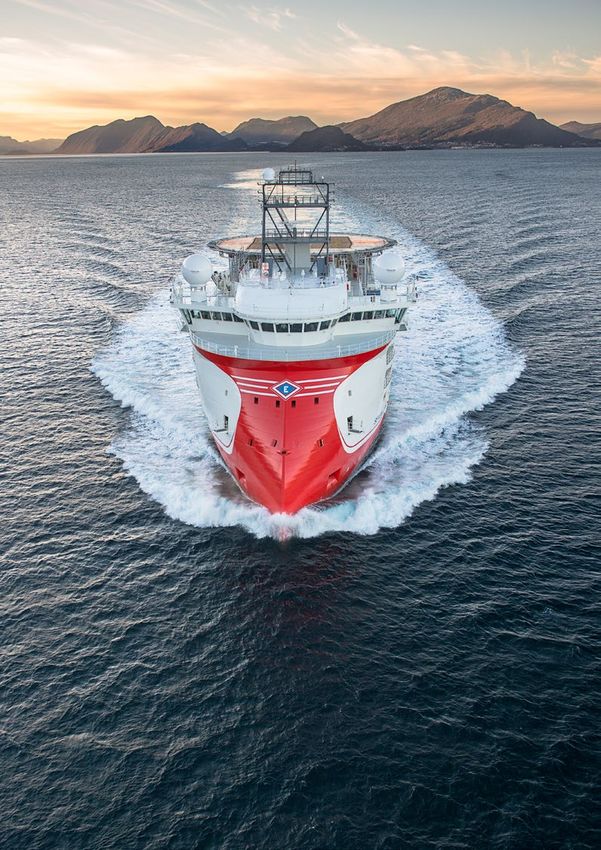
Ocean Pioneers
Maritime Outlook Report
2019
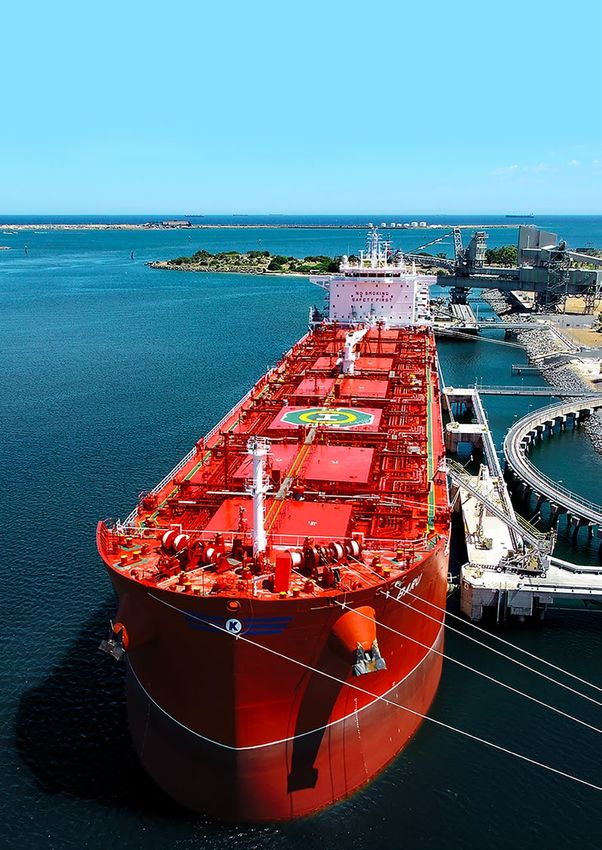
March 2019 | Norwegian Shipowners’ Association
www.rederi.no/en

Maritime Outlook Report 2019
                    Ocean Pioneers
Foreword                               6

    Summary                                 8

    An ocean of opportunities              11

    Maritime industry and value creation   14

    Maritime outlook 2019                  21

4
The Norwegian Shipowners’ Association: In our view               30

  1   Shipowners need stability to operate from Norway           31
  2	Ambitious emmision targets                                  34
  3   The seaway is the green way                                36
  4   A competitive and attractive Norwegian Continental Shelf   38
  5   Ocean industries – a new era for Norwegian industry        40
  6   The maritime industry has a broad need for competence      42
  7   World-leading maritime research and innovation             44
  8   Global industry - global regulations                       46
  9   Europe – our most important market                         48
  10	Great potential in the High North                          49
  11 Maritime security and crisis response                       50
  12 Cleaner oceans                                              53

Data basis and methodology                                       54

                                                                      5
Foreword
    If we were to open this year’s Maritime Outlook                constitute vital markets for Norwegian shipping.
    Report with a word cloud, the words would represent            Unrest threatening the basic pillars of commerce
    conflicting developments. On the one hand, the world           in Europe is of major concern, and Brexit can
    around us is characterised by uncertainty, turmoil,            potentially have significant negative consequences
    conflicts, and challenging times in most commercial            in both the short and the long term.
    markets. On the other hand, we see the arrows pointing
    in the right direction in the most fundamental areas       We live in a world in great need of more cooperation,
    of society. Projected life expectancy in the world is      more trust and more optimism, in order to overcome
    increasing, fewer people live in extreme poverty, more     the challenges we face as a global community. In
    are receiving education, child mortality is declining –    reality, we are experiencing movement in the opposite
    and the list goes on.                                      direction, and the overall picture is one of a world
                                                               heading for de-globalisation.
    The Norwegian foreign-going fleet makes about 80,000
    port calls around the world every year. This gives us a    Trade
    presence all over the world, around the clock. Shipping    Shipping has been crucial to establishing global value
    is therefore confronted with all the challenges that the   chains for retail trade. This trade has provided oppor-
    world has to offer, earlier and with more force than       tunities for countries around the world to produce
    most other industries. We are now witnessing:              goods that they have been able to exchange on the
                                                               world market, lifting millions of people out of poverty.
    ■■ A challenging and fragmented security policy
       picture in which decades of disarmament seem in         Political awareness surrounding the opportunities
       danger of being displaced by a renewed weapons          found in the ocean is on the rise. The oceans are
       buildup. This development is exaggerated by             important for the Norwegian economy, and will
       the emergence of new arenas for conflict,               be a central source of value creation and jobs for
       characterised in particular by the struggle for         Norway well into the future. A rapidly growing world
       control of digital domains. In addition to security     population needs new jobs, sufficient and proper food,
       challenges, there are a number of ongoing armed         medicines, and a clean environment. The precondition
       regional conflicts.                                     for meeting these needs is the continuation of robust
    ■■ An unresolved trade conflict between the US and         and orderly conditions for world trade. If the basic
       China, which in itself creates uncertainty and          framework conditions for trade are weakened, oppor-
       hinders growth in the world economy. Effects of         tunities to sustain the growth and development of the
       the trade conflict are magnified by protectionist       last decades will also be greatly reduced.
       trends and an escalating technology conflict,
       particularly between the West and China.                We will continue our efforts to generate development
    ■■ Uncertainty related to the UK’s withdrawal              and opportunities despite the demanding landscape in
       from the EU. Both the EU countries and the UK           which we operate.

6
Climate The short sea fleet is in serious need of renewal due
Shipping is the most energy efficient means of tran to the relatively high average age of the fleet. This
sporting goods, but it nevertheless constitutes a major window can and should be exploited to test zero and
source of greenhouse gas emissions. We believe those low emission technologies that can be scaled to larger
who are best and fastest at finding solutions for low ships where climate solutions are lacking today.
and zero emission transport will be the winners of the
future. The Norwegian maritime industry is uniquely By using the Norwegian coast and the short sea fleet
positioned to meet this challenge. to test and develop new and scalable technology, the
Norwegian cluster can make important contributions to
We need ambitious global regulations. A look back reducing global greenhouse gas emissions, in and out-
at major milestones shows that once the IMO and side Norway. The technology is in the process of being
the world community have made up their minds, the passed on from ferries in coastal traffic and offshore
industry has mobilised to get on board with common vessels, to ships in regional short sea trade, and further
regulations. New regulations also represent new oppor- on to transcontinental shipping across the major oceans.
tunities for the maritime industry to develop innovative
low-emission technology. The IMO’s ambitions send a This year’s report
clear and emphatic signal to the market: investments in In this edition of the Maritime Outlook Report, we
low-emission technology will pay off. A broad approach have described developments that characterise our
is needed, based on technological innovation, new and industry today, and related our members’ expectations
more energy-efficient designs, operational improve- for the coming year. We have also examined closely
ments, alternative fuels, and hybrid solutions. Norway is which political measures should be taken to ensure
leading the way in this work: that the Norwegian maritime industry remains com-
petitive in the years to come. We hope the report will
■■ In the offshore industry, we already have extensive be useful for those seeking an updated picture of the
experience with diesel-electric power and LNG as market situation in an industry that we believe to be
fuel for ships. Norway’s most exposed to international competition.
■■ The first fully electric ferry, the Ampere, was
developed by the Norwegian maritime cluster and Wishing you enlightening reading,
put into operation in 2015. By 2022 we will have
60 battery-powered ferries along the Norwegian
coast.
■■ Yara and Kongsberg are building the world’s first
emission-free autonomous ship.
■■ The first hydrogen-powered ferry is under Harald Solberg
construction. CEO, Norwegian Shipowners’ Association
7
Summary
    In our 2019 member survey, we see the change in out-       2019 compared to 2018. By comparison, half of the
    look identified last year being followed up by cautious    shipowners expected weaker profitability in 2017. One
    optimism. Since the financial crisis hit the industry in   in five shipowners expect weaker profitability in 2019
    2008, the transport segments have gradually increased      compared with 2018. One year ago, one out of four
    their turnover, which is now substantially higher than     shipowners had the same outlook.
    before the financial crisis. The offshore segments,
    facing very demanding times since the price of oil fell    The biggest change in anticipated results is found
    in 2014, and seeing their turnover halved from 2014        among offshore shipping companies. For these
    to 2017, have experienced a slight increase in turnover    companies, the proportion anticipating increased
    over the past two years. Turnover in these segments        profitability has risen from 35 per cent in 2018 to
    has now stabilised at a low and unsustainable level.       47 per cent in 2019. The proportion expecting weaker
                                                               profitability has decreased from 32 per cent to 25 per
    Shipowners’ total turnover increased by 11 per cent,       cent. However, an improvement in operating profit
    from NOK 206 billion in 2017 to NOK 229 billion in         does not imply that these shipowners have achieved
    2018. It appears that 2019 will be a year with continued   sustainable profitability. Low rates and limited activity
    marginal growth. All segments expect increased             mean that offshore shipping companies are still facing
    revenue in 2019. If this prediction proves accurate,       demanding times.
    shipowners’ total revenues will end at about NOK 240
    billion in 2019, up almost five per cent from last year.   Last year’s Maritime Outlook Report brought the news
                                                               that peak layup had been reached. In February 2017,
    Norwegian shipping companies’ revenues from markets        183 vessels and rigs were in layup. The corresponding
    outside Norway accounted for about 61 per cent of          figure for February 2018 was 162. As of February
    total turnover, or NOK 139 billion in 2018. Deep sea       2019, there are 112 vessels and 20 rigs in layup. This is
    shipping companies in particular have the largest share    a reduction of 25 ships and five rigs.
    of their revenue from foreign markets, 90 per cent in
    2018, corresponding to NOK 102 billion. By comparison,     Layup forecasts for 2019 indicate that the number
    Norwegian shipping companies had NOK 117 billion in        of ships and rigs in layup is expected to fall to 93, a
    operating revenues from petroleum-related activities,      reduction of 34 ships and five rigs. Of these, offshore
    representing 51 per cent of total turnover.                shipping companies control 33 vessels and deep sea
                                                               shipowners one ship. This reduction in the number
    Over the past two years, shipowners have adopted           of ships and rigs in layup is due to a combination of
    a more positive outlook regarding profitability. More      increased activity, ship recycling, and sale of vessels.
    than half now expect operating profits to improve in

8
2018 was the first year since the oil price collapse of   expectations for employment growth. The offshore
2014 where shipowners as a whole increased their          shipping companies follow, with short sea shipping
employment. Shipowners added a total of 1,550             companies expecting a slight increase in the number of
employees in 2018. 1,369 employees were placed on         new employees.
leave or terminated, while 2,919 were hired in the
same period. 40 per cent of these new hires were          As a result of proactive maritime policies in recent
with offshore drilling companies. The proportion of       years, such as the relaxing of trade area limitations
employees placed on leave in shipping companies           and expansion of the tax refund scheme for seafarers,
increased from 22 per cent in 2017 to 34 per cent         96 vessels have flagged in to the Norwegian register
in 2018, which may indicate that the companies            over the past three years. In our member survey,
to a greater extent believe there will be a need to       24 shipowners state that they are considering flagging
reactivate these employees.                               ships in to NOR or NIS. The total potential is
                                                          78 vessels, divided among 44 deep sea vessels,
All segments expect an increase in employment in          22 offshore vessels and twelve short sea vessels.
2019. Overall, companies anticipate hiring almost         This is significant, as having a large number of vessels
2,500 new employees, with around 300 being                under the Norwegian flag is important for Norway’s
terminated or placed on leave. Deep sea shipowners        impact in international forums.
and offshore drilling companies have the highest

                                                                                                                     9
10
An ocean of
   opportunities
Our current prosperity and our modern society are          energy and better access to nutritious food. The
built around the opportunities that the oceans have        demand for natural resources will increase, as will
provided. For millennia, the sea - the main artery         trade across borders and between continents. We
of globalization - has linked people together across       must use the oceans to address these challenges in a
continents. The ocean has yielded food and energy          sustainable manner. We are dependent on maritime
for an ever-growing population, and trade between          transport routes to efficiently shift the transport of
countries and continents has laid the foundation for       people and goods from the road to the sea. We need
social development, economic growth and reduced            the power from wind, water and waves to produce
poverty.                                                   renewable energy. We must responsibly harvest the
                                                           bounty and the boundless resources of the sea.
From all walks of life and on all continents, the focus
is now on the sea. From politicians, environmentalists     Business is at its best when competitive advantages
and citizens. From researchers and engineers,              and commercial ambitions are used to develop
entrepreneurs and business leaders. The oceans             profitable and effective responses to society’s needs
are sending a warning of a world in imbalance. Ice         and challenges. The global community is on the
is melting and the sea level is rising. Fish are full of   threshold of a period with the potential for significant
plastic and coral reefs are dying. Tsunamis, storm         and necessary maritime growth. When a new chapter
winds and floods are battering some of the world’s         in our maritime history is written, it will be about
most populous coastal regions. These are no longer         renewal, innovation and progressive solutions for
discrete indicators, but shrill warnings that life on      global growth and value creation.
earth is vulnerable and perishable.
                                                           The Norwegian maritime industry must lead the way,
But the oceans do more than warn of danger. The            raise the standard and move the boundaries. We must
sea also offers new opportunities. We live in a world      seek beyond the horizon and below the surface of the
where more and more people need shelter, food on           sea to help solve the greatest global challenges of our
the table, a good education, and a livelihood that         time. Working together, we can lay the foundation of a
can provide stability and security. This requires more     new era for Norway as a maritime nation.

                                                                                                                      11
Norwegian shipping companies have assumed global Over the next few years, we will see autonomous
leadership in the development of green technology solutions progress from pilot projects to commercial,
for a future-oriented and sustainable maritime scheduled operations along the coast. Digital control
industry. The movement was launched when the systems will help ships manoeuvre with increased
industry gathered in 2008 to forge an ambitious and safety, efficiency and flexibility. We will see internet-
binding commitment to removing harmful emissions based logistics systems revolutionize international
from Norwegian shipping. Ideas, project sketches, trade and freight transport in the same way as similar
technology and prototypes are flourishing all along solutions have modernized leisure travel. Not least,
the coast. Norway already has one of the world’s we will witness developments that none of us can
largest LNG-powered fleets, and we are leading the foresee today.
charge to battery ferries and hybrid ships. Hydrogen
is now being introduced as a fuel, and innovations and We are in the first stages of a formidable technological
improvements are being continuously introduced to shift. Scientific breakthroughs in big data, autonomy
reduce the industry’s climate emissions. The vision and artificial intelligence have broken ground for the
was never expressed with lofty words in advertising evolution of new business models. In many areas,
campaigns. Rather it triggered the desire to realize technology will provide improved precision and broader
important achievements. This has resulted in a scope, higher efficiency, lower costs, and better quality
significant commitment to knowledge development in business models and commercial products. It will
and innovation across the value chain - new also provide the power to bring about more fundamen-
technology and new energy sources, better choice of tal changes, and open doors to new opportunities that
materials, and new solutions for logistics and design. were previously out of reach. The Norwegian maritime
industry must seize this opportunity. We need shipping
The maritime industry is now ready to take the next companies with the highest technological expertise to
steps towards a high-tech, emission-free future. achieve our maritime goals. Seafarers should not only
Norway has world-leading research institutions command the highest level of maritime expertise in the
dedicated to the development of maritime technology. world, but also be equipped with the digital expertise
We have industrial technology companies that develop needed to solve future tasks and take advantage of
and commercialize products the world has never seen. future opportunities.
And we have the world’s most complete and advanced
commercial maritime environment. The future of We have already built a solid foundation. Norway has
shipping will be defined in the interplay between these the world’s most complete maritime cluster. We have
environments. the world’s strongest knowledge, experience, tech-
nology and capital base. We have a community where
12companies and institutions convene, where operators To deliver profitability for our owners, attractive
and innovators meet to solve problems together. Ideas workplaces for our employees, and the quality
meet investors, practical experience meets academic services demanded by our customers.
insight, suppliers meet customers and decision makers
meet doers. We challenge each other, we compete, To deliver value creation and added value to the
and we cooperate. This is an absolute prerequisite global community.
for the renewal and the transformation of Norwegian
business. To be a leading, driving force in the international
maritime industry. Let there be no doubt - we are
Not least, we have high expectations for ourselves. commited to shaping a sustainable maritime future.
The Norwegian maritime industry is robust and
competitive. Turbulent markets, unpredictable
conditions and demanding restructuring are part of
our daily lives, but we greet the future with high and
optimistic ambitions:
13The maritime industry – one of
Norway’s most important industries
Norway is one of only a few countries with a complete maritime cluster, consisting of leading international
shipping companies, seafarers, shipyards, equipment manufacturers, classification societies, ship designers,
brokers, providers of insurance and financial services, and strong environments for research and development.
The total maritime industry employed around 85,000 people in 2018 and contributed a value creation of NOK 142
billion. From the peak year 2014 to 2017, value creation was reduced by almost 30 per cent. In 2018, there has
again been a growth in the industry, and further growth is estimated at around six per cent in 2019.
Maritime opportunities
Seafarers
Norwegian maritime businesses have been technologi
cally leading for many years. Among other things,
they are central to the highly advanced technology
development that takes place in the oil and gas
Maritime Equipment
SHIPOWNERS providers
industry. Specialised vessels, positioning systems and
services
Cluster and
control systems are just some examples of knowledge
innovation drivers areas where Norwegian companies command a leading
position. Norwegian shipping companies use technology
and expertise from the offshore industry to establish
themselves in new markets, especially in offshore wind.
R&D This shows that there is a potential for a large degree of
Yards environments
technology transfer between the segments.
Shipping is increasingly integrated into a complex
Employment in the maritime industry has had virtually international network of logistics, requiring sophisticated
zero growth in 2018. A slight increase is expected databases, surveillance systems and means of
here in 2019. Around 40 per cent of the employees communication. Increasingly stringent requirements
in the industry work within the shipping segment. on1safety and the environment are also stimulating
spalte-mal
1 spalte-mal
30 per cent work in the service industry, and 20 per continuous innovation and technological development
cent work in the equipment industry. in ship design, propulsion systems and ballast water
treatment technologies, among other areas.
Value creation in the maritime industry Employment in the maritime industry
Value creation in2010-2018 - byindustry
the maritime main groups
2010-2018 EmploymentNorway
in 2010-2018
in the maritime - by main
industry groups
in Norway
- by main groups 2010-2018 - by main groups
200 120,000 70 %
Verft Verft
180
100,000 60 %
160 Utstyr Utsty
140 50 %
People employed
80,000
Andel rederier
Tjenester Tjene
120
Bill. NOK
40 %
100 60,000
Rederi Rede
30 %
80
40,000
60 20 %
40
20,000 10 %
20
0 0 0
2010 2011 2012 2013 2014 2015 2016 2017 2018 2010 2011 2012 2013 2014 2015 2016 2017Diesel
2018 Tungolje Batteri H
(HFO)
Shipowners Service Equipment Yards Shipowners Service Equipment Yards
Short sea Deep sea
14
120 000
Verftsjoner
18
The Norwegian fleet still ranks as number five
in the world of shipowning nations
Verft
Utstyr
The value of the world fleet is for 2018 calculated to USD 851 billion. This is an increase of about eleven per cent from
the year before.
Tjenester Norway ranks as number five. Japan, Greece and China are the three largest nations by far and the
USA is in Rederi
fourth place, just a margin ahead of Norway in the list. Estimates for 2019 show an increase in the value of the
world fleet in total by ten per cent, this also applies to the Norwegian fleet. The offshore segment has the highest value
in the Norwegian fleet. Only the USA has an offshore fleet with a higher value than Norway. If we isolate the Norwegian
cargo carrying segments, the fleet value has increased with 21 per cent from 2017 to 2018. The estimates for 2019
show a further growth of 13 per cent. This indicates that the position of cargo carrying segments is strengthened.
6 2017 2018 When assessing the international standing of a shipping nation, carrying capacity is the most common standard of measure. But
carrying capacity alone cannot provide a representative picture of the shipping industry’s international position and value creation.
Verft
There are several reasons for this, the most significant being that the size of a ship’s cargo conveys only limited information on
its makeup and value. The Norwegian fleet counts a large number of advanced and high-value vessels not necessarily designed to
maximise carrying capacity, but rather to perform complex operations.
2 spalte-mal
Top ten merchant fleets of the world by market value as of 2018
sjoner Top ten merchant fleets of the world by market value as of 2018
18
100,000
Oljeprodukt
90,000
80,000 Verft Container
70,000
Utstyr Tørrbulk
60,000
Bill. USD
Tjenester
50,000 Ro-Ro cargo
40,000 Rederi
Råolje
30,000
20,000 Kjemikalie
10,000
Gass (LNG og LPG)
0
6 2017 2018 Japan Greece China USA Norway UK Germany Singapore South Korea Hong Kong
General cargo
Verft
Offshore Other segments Chemical Dry bulk Container
Andre segmenter
Gas (LNG and LPG) General cargo Ro-ro cargo Crude oil Oil products
2 Offshore
spalte-mal
Development in the Norwegian fleet market value by segment
Development in the Norwegian fleet market value by segment
70,000
Oljeprodukt
60,000
Container
50,000
Tørrbulk
40,000
Bill. USD
Ro-Ro cargo
30,000
Råolje
20,000
Kjemikalie
10,000
Gass (LNG og LPG)
0
2009 2010 2011 2012 2013 2014 2015 2016 2017 2018 2019 est.
General cargo
Offshore Other segments Chemical Dry bulk Container
Andre segmenter
Gas (LNG and LPG) General cargo Ro-ro cargo Crude oil Oil products
Offshore
15The Norwegian-controlled foreign-going fleet
The Norwegian-controlled foreign-going fleet has seen a steady growth both in number of ships and by
tonnage for the last couple of years and stands at 1,787 ships per 1 January 2019. Through 2017 and 2018,
the fleet has grown by 71 vessels, and over eight per cent measured in deadweight tonnage.
The Norwegian International Ship Register (NIS) alone has seen a good growth in recent years, and stands
at 614 ships per 15 March 2019. The Norwegian Ordinary Ship Register (NOR) has weakened somewhat in
the foreign-going fleet during the same period. The composition of the fleet shows that offshore service
ships make up the largest segment, measured in number of ships.
1 spalte-mal
1 spalte-mal 1 spalte-mal
The Norwegian controlled foreign-going fleet
-Development
NIS and NORinregistered vessels 2014-2019
the Norwegian-controlled The Norwegian-controlled foreign-going
Development in the Norwegian-controlled The Norwegian-controlled foreign-going fleet fleet
foreign-going fleet 2009-2019 sailing under foreign flags as of 1 January 2019
foreign-going fleet 2009-2019 – largest foreign flags as of 1 January 2019
900 70 %
Antall skip NIS
1,900800 200 70 %
48 60 %
Mill. dwt (høyre akse)
1,850700 Antall skip NOR 60 %
46 50 %
1,800600 150
Andel rederier
50 %
Antall skip
40 %
Number of ships
500 44
Andel rederier
1,750
40 %
400 30 %
1,700 100
42
300 30 %
20 %
1,650
200 40 20 %
1,600 50 10 %
100
38 10 %
1,550 0 0
2009 2010 2011 2012 2013 2014 2015 2016 2017 2018 2019 0 Diesel Tungolje Batteri H
1,500 36 0 (HFO)
2009 2010 2011Antall
2012skip2013 Diesel Tungolje Batteri Hydr
NOR 2014 2015Antall
2016 skip2017
NIS 2018 2019
as
e
ds
ta
us
os
UK
an
r
ria
ta
or
al
m
pr
an
ad
(HFO)
M
be
al
ap
M
ha
Cy
br
sl
rb
of
Li
1 spalte-mal
ng
Short sea Deep sea
lI
Ba
Gi
Ba
le
al
Si
Number of ships (left axis) Mill. dwt (right axis)
Is
sh
ar
Short sea Deep sea Of
M
The5: Norwegian-controlled
fra foreign-going fleet
The Norwegian controlled foreign-going fleet The Figur Samlet omsetning
Norwegian-controlled leveranser
foreign-going
by flag and ship type
tilb
fleet
as of 1 January olje-/gasselskaper
y flag
2019
og
- NIS and NOR registered vessels 2014-2019 and ship type as of 1 January 2019
60
900 1 000
Antall skip NIS Komb
50
900
800
700 800 Antall skip NOR Passa
40
700 00 %
ships
600
of NOK
Bøyela
600
500
Mrd.
30
500 Andre
Number
400
400
300 Bulksk
20
300
200 200 Gassta
100 10
100
Kjemi
0 0
2009 2010 2011 2012 2013 2014 2015 2016 2017 2018 2019 0 NOR NIS Foreign flags
Andre
Number of ships NOR Number of ships NIS Short sea
Offshore service Deep sea
Other dry cargo vessels Offshore service
Chemical tankers
Offsho
Gas tankers Bulk carriers Other oil tankers
2016 2017 2018
Shuttle-/storage tankers Passenger vessels/ferries Combined carriers
Figur 5: Samlet omsetning fra leveranser til olje-/gasselskaperFigur
og off
5
60
Figur
60
5
16 50
60
50
50
40 40Short sea
Shipowners in the short sea segment, also called short The Norwegian Shipowners’ Association’s members
sea shipping, transport passengers and all types of in short sea shipping control about 130 vessels. The
goods. They operate in Norway, between Norwegian industry contributes to efficient logistics and transport
and European ports, and between ports in Europe. solutions, and with a single cargo, one short sea vessel
1 spalte-mal
A total of 40 per cent of European domestic transport can take volume corresponding to 200-400 trucks off
is by ship. This illustrates the importance of short the road.
sea shipping in meeting commercial transport needs,
and for the competitiveness of Norwegian industry. Most important markets
Significant markets for short sea shipowners
For almost 90 per cent of the short sea shipping
Significant markets for short sea shipowners companies, Germany is the most important market.
100 % Germany has strengthened its position as the 70 %most
Tredje viktigst
important market in this segment compared60to %
2018.
80 % The United Kingdom has passed Norway as the second
Nest viktigst
50 %
most important market for short sea shipping. More
Andel rederier
Viktigst
60 %
than half of the shipping companies in this segment
40 %
cite the UK as one of the most important markets.
30 %
40 %
20 %
20 % Norway has remained stable as one of the most
10 %
important markets for short sea shipping. About half
0
0% the companies name Norway as one of their most
Germany UK Norway Denmark Sweden The Diesel Tungolje Batteri H
Netherlands important markets. (HFO)
Most important Second most important Third most important
Short sea Deep sea
100 %
Tredje viktigst
80 %
Nest viktigst
Viktigst
60 %
40 %
20 %
0%
d
a
e
k
e
nd
n
ar
ni
rg
ig
le
n
la
la
an
er
Po
nm
No
sk
er
Sv
it
d
Da
Ty
br
Ne
or
St
Figur 5: Samlet omsetning fra leveranser til olje-/gasselskaper og
60
50
40
Mrd. NOK
30
20
17
10Deep sea
The deep sea fleet consists of several segments where Most important markets
Norwegian shipping companies are world leaders and Deep sea shipowners name China and the US as
hold large market shares. These segments include their two most important markets, followed by
car freight, dry bulk, LNG, chemical and general Brazil, India, Norway and Australia. More than
cargo. Sailings cover large distances, often between 90 per cent of shipping companies rank China as
continents. Norwegian Shipowners’ Association one of their most important markets. This represents
members in the deep sea segment control over a significant increase from last year, when 75 per
1 spalte-mal
600 ships calling at ports around the world about cent of shipowners stated the same. The US has
30,000 times a year. The companies maintain many also strengthened its position as the second most
offices abroad, giving the Norwegian shipping industry important market for the deep sea shipowners.
a strong presence on all continents. 75 per cent name the United States as one of their
Significant markets for deep sea shipowners
most important markets, up from around 60 per cent
Significant markets for deep sea shipowners the previous year.
100 % 70 %
There is aviktigst
Tredje significant
gap down to Brazil and India,
60 %
80 % followed by Norway, Australia and Japan. The wide
Nest viktigst
50 %
range of markets shipowners name as their most
Andel rederier
Viktigst
60 %
important indicates the global nature of transport
40 % in
this segment. All continents are included among
30 % the
40 %
most important markets, with the exception 20 %of Africa.
20 %
10 %
0% 0
China USA Brazil India Norway Australia Japan Germany Diesel Tungolje Batteri Hyd
(HFO)
Most important Second most important Third most important
Short sea Deep sea OOffshore
Norway is one of the world’s largest offshore maritime Most important markets
nations. Shipowners participate in all phases of For the offshore shipping and offshore drilling
petroleum activity, from the first seismic surveys to companies, Norway and the UK maintain their position
exploration and production, and decommissioning of as the most important markets. More than 70 per cent
depleted fields. The Norwegian offshore fleet has a of the offshore shipping companies report these two
high number of vessels for the transport of supplies and countries as the most important, and 85 per cent of
equipment to and from offshore installations. The North the offshore drilling companies state the same. About
Sea and the Norwegian Continental Shelf are the most 40 per cent of shipowners in both segments name
important markets for the Norwegian offshore industry, Brazil as one of their most important markets. This
remaining a critical arena for ensuring the international is about double that of last year’s survey.
competitiveness of offshore shipowners. In addition,
presence is high in other countries. The members of For offshore shipping companies, the US has
the Norwegian Shipowners’ Association control over significantly strengthened its position, with as many
50 mobile offshore units, and a large offshore fleet as 30 per cent of shipowners reporting the US as one
consisting of around 550 vessels. of their most important markets. Only seven per cent
of offshore shipping companies report Denmark as an
1 spalte-mal 1 spalte-mal
important market, a significant reduction from 28 per
cent last year. Denmark has strengthened its position
among offshore drilling companies. 25 per cent of these
report Denmark as an important market.
Significant markets for Significant markets for
offshore shipping companies offshore drilling companies
Significant markets for o ffshore shipping companies Significant markets for o
ffshore drilling companies
80 % 100 % 70 %
Tredje viktigst Tredje vik
70 % 60 %
80 %
Nest viktigst Nest vikti
60 %
50 %
Andel rederier
50 % Viktigst Viktigst
60 %
40 %
40 %
30 %
40 %
30 %
20 %
20 %
20 %
10 %
10 %
0% 0% 0
Norway UK Brazil USA The Australia Germany Norway UK Brazil Denmark Australia Canada
Diesel
Tungolje Batteri Hydro
Netherlands (HFO)
Most important Second most important Third most important Most important Second most important Third most important
Short sea Deep sea Of
80 %
Tredje viktigst
70 %
Nest viktigst 00 %
60 %
50 % Viktigst
40 %
30 %
20 %
10 %
0%
e
ia
il
A
nd
ia
d
ria
a
as
ol
rg
an
US
nn
al
rla
ge
g
No
Br
tr
l
sk
An
ita
Ni
de
s
Au
Ty
19
br
Ne
or
St
Viktigst Nest viktigst Tredje viktigst20
Norwegian Shipowners’ Association’s

Member survey
2019
A positive outlook                                           demanding situation with many ships in layup, low
The world economy is growing. According to the               rates, and short-term contracts. This situation is
IMF, growth was at 3.7 per cent in 2018, while the           not sustainable, and the offshore segments will be
prognosis for growth in 2019 is 3.5 per cent, and            characterised by further restructuring and refinancing
3.6 per cent for 2020.                                       again in 2019. There is an imbalance in the offshore
                                                             markets, with the oil companies showing strong
Shipowners have faced major readjustments over the           profits, while suppliers are under pressure to cut
past years, mainly due to the financial crisis and the       costs, and facing rates that hardly cover operating
drop in oil prices.                                          costs. Sustainable profitability throughout the value
                                                             chain is an absolute prerequisite. However, there are
The transport segments, comprising the deep sea and          signs of greater optimism compared to previous years.
short sea shipping companies, have gradually increased       This is also reflected in expectations for staffing and
their turnover since the financial crisis hit the industry   construction of ships in going forward.
in 2008. These segments now account for 60 per cent
of total turnover among shipping companies. Since the
fall in oil prices in 2014, the transport segments have      Shipowners expect increased revenue
strengthened their relative position compared to the         Shipowners’ total revenue increased by 11 per cent,
offshore segments.                                           from NOK 206 billion in 2017 to NOK 229 billion in
                                                             2018. This means that shipowner revenue increased
The offshore segments have faced extremely                   significantly more than expected in last year’s Maritime
challenging times since 2014. The offshore segments          Outlook Report. All segments experienced growth,
comprise the offshore shipping and offshore drilling         but deep sea shipowners in particular grew strongly
companies. Revenue and profitability are still far lower     in 2018, this is among others driven by an increase
than before the oil price fall, and thus so far not at       in freight rates in the second half of 2018. Offshore
sustainable levels.                                          drilling companies were the segment with the lowest
                                                             growth in 2018.
Norwegian Shipowners’ Association members have
undergone a change of outlook over the last two              For 2019, shipowners expect a further increase in
years. All segments experienced revenue growth               revenue. 60 per cent of shipowners expect increased
in 2018.                                                     turnover in 2019, while 20 per cent expect reduced
                                                             turnover, and 20 per cent unchanged. If the forecast is
All segments anticipate growth in turnover and               accurate, shipowners’ total revenue will end at about
improved profitability in 2019. At the same time,            NOK 240 billion in 2019, up almost five per cent from
we see that the offshore segments will still face a          last year.

                                                                                                                        21
1 spalte-mal
1 spalte-mal
Norwegian shipowners' turnover 2007 - 2019
(including 2018 estimates and 2019 prognosis)
Change in Norwegian
Change shipowners’
in Norwegian turnover
shipowners' fromfrom
turnover Norwegian shipowners’ turnover 2007–2019
the previous year (including 2018 estimates and 2019 (including 2018 estimates and 2019 prognosis)
the previous year (including 2018 estimates and 2019 prognosis)
prognosis) 120
25 % 23 % 100 70 %
20 % 60 %
80
15 %
Bill. NOK
10 % 9 % 9 % 11 % 50 %
10 % 8% 60
Andel rederier
5% 5% 40 %
5%
2%
40
0% 30 %
-5 % 20 20 %
-10 % -7 %
10 %
-11 % 0
-15 %
20
20
20
20
20
20
20
20
20
20
20
E2
P2
0
01
07
08
09
10
11
12
13
14
15
16
17
01
-20 %
8
9
-20 % Diesel Tungolje Batteri H
2008 2009 2010 2011 2012 2013 2014 2015 2016 2017 E2018 P2019 Deep sea Short sea Offshore shipping Offshore drilling (HFO)
Short sea Deep sea
Growth in turnover for 2018 was significantly higher Offshore drilling companies’ revenue was almost
P2019
than forecast in the Maritime Outlook Report from halved from 2016 to 2017, and they experienced weak
last year. A total growth in turnover of three per cent growth in 2018. OffshoreE2018
drilling companies expect
was predicted, while the reported figures for 2018 revenue to rise by two per cent and end at NOK 39
2017
show revenue increasing by 11 per cent. This gap is billion in 2019.
2016
partly due to the fact that deep sea shipowners, who
expected growth of four per cent, had a growth of 2015
The offshore shipping companies had a turnover of
19 per cent. In addition, offshore shipping companies, about NOK 100 billion in 2014
2014, but saw that halved
25 %
who originally expected a fall in turnover of two per from 2014-2017. In 2017, revenue fell to NOK 52
20 % 2013
cent, experienced growth of seven per cent in 2018. billion. The period 2017-2019 has shown a growth in
15 %
2012
turnover. For 2019, the forecast is for growth of six
10 %
The major drop in revenue among offshore shipping per cent and turnover of 2011
NOK 60 billion.
5%
and offshore drilling companies following the drop in
0% 2010
oil prices in 2014 still characterises the industry to a
-5 %
large extent. 2009
-10 %
-15 %
2008
-20 %
Figur 5: Samlet omsetning fra leveranser til olje-/gasselskaper og
60
22
501 spalte-mal
Shipowners' expectations for operating result
This cautious optimism among offshore shipping Shipowners’ expectations
compared tofor
theoperating result
previous year
and offshore drilling companies is assumed based compared to the previous year
on the market being weak, but improving. There are 60 %
54 %
51 %
expectations of gradually increasing activity levels 50 %
and better capacity utilisation. 40 %
30 % 27 %
20 %
Deep sea shipowners experienced a sharp growth of 10 %
19 per cent in 2018, and they expect growth of five 0%
per cent in 2019. If forecasts are accurate, this will 10 %
20 %
give them a total turnover of NOK 120 billion in 2019. 19 %
30 % 23 %
This makes deep sea shipowners by far the largest 40 %
49 %
segment measured in turnover. 50 %
2017 2018 2019
Improved profitability Weakened profitability
Short sea shipping companies show steady and
stable growth. The annual growth rate in recent
years has been around five per cent. This seems Short sea and deep sea shipowners are most optimistic
likely to continue, overall turnover is expected to in terms of profit expectations, with about 60 per
be NOK 22 billion in 2019. cent anticipating improved operating results in 2019
compared with 2018. At the same time, we see that
these shipowners are somewhat more subdued in their
Improved profitability optimism compared to a year ago. At that time, 67 per
Over the past two years, shipping companies have cent of short sea shipowners and 77 per cent of deep
become more positive regarding trends in profitability. sea shipowners expected better results. Both short
More than half now expect operating results to sea and deep sea shipowners highlight the challenge of
improve in 2019 over 2018. By comparison, half the rising costs and extensive environmental investments.
shipping companies expected weaker profitability in The proportion expecting weaker profitability is low for
2017. This change in attitude has evolved over the last both segments.
two years.
Approximately half of offshore shipping and offshore
One in five shipowners expect weaker profitability in drilling companies expect improved profitability. The
2019 compared with 2018. One year ago, one in four biggest change in profit expectations is found among
shipping companies thought the same. the offshore drilling companies, where 25 per cent
expected improved profit in 2018, with that figure
23rising to 53 per cent for 2019. 27 per cent of offshore Tight access to capital
drilling companies expect weaker results in 2019. One The maritime industry is highly impacted by current
year ago, 38 per cent of offshore drilling companies affairs. Since the financial crisis in 2009, the Norwegian
expected the same. and international economies and trade have been
characterised by lower and unstable growth. The sharp
For offshore shipping companies, the proportion fall in oil prices in 2014 has had major consequences
expecting increased profitability has risen from 35 per in the maritime industry. We see this primarily through
cent in 2018 to 47 per cent in 2019. The proportion reduced oil and gas activity. Shipowners’ access to
expecting weaker profitability has decreased from capital is also greatly affected by this.
32 per cent to 25 per cent.
Shipowners’ access to capital was gradually weakened
For offshore shipping and offshore drilling companies, in the period from 2014 to 2017, while in 2018 there
these expectations do not mean that an improvement was an improvement in the capital market. In 2019, we
in operating result is synonymous with sustainable once again see a worsening situation, with shipowners
profitability. There have been significant reductions now considering access to capital as tighter compared to
in both revenue and profitability. Markets are still last year’s Maritime Outlook Report. The share deeming
1 spalte-mal
challenging, with overcapacity of tonnage and low access to capital as good has decreased from 22 per
1 spalte-mal
rates. In addition, shipping companies have undertaken cent in 2018 to 19 per cent in 2019. Of those considering
comprehensive measures to increase profitability. access to capital as tight, the share has increased from
39 per cent in 2018 to 47 per cent in 2019.
Shipowners' expectations for operating Change in perceived access
Shipowners’ expectations for operating r esult in 2019
result in 2019 compared to 2018
compared to 2018 to capital from 2014–2019
Change in perceived access t o capital from 2014–2019
70 % 70 %
50 % 46 %
59 % 62 %
60 % 40 %
53 % 60 %
50 % 47 % 30 % 26 %
22 % 22 %
40 % 50 % 19 %
20 % 15 %
Andel rederier
30 % 10 % 40 %
20 % 0%
10 % 30 %
10 %
20 % 20 %
0%
30 %
10 % 29 % 29 % 10 %
8% 40 %
20 % 14 % 39 %
25 % 27 % 50 % 55 % 0 47 %
30 % 60 %
60 %
Deep sea Short sea Offshore shipping Offshore drilling Diesel Tungolje Batteri H
2014 2015 2016 2017 2018 2019 (HFO)
Improved profitability Weakened profitability
somhet Good Tight
Short sea Deep sea
nsomhet
2425
There are large variations between segments                 many  of these shipowners experienced an unexpected
                                                                  1 spalte-mal
     regarding the perception of access to capital. Offshore     worsening in the capital market during 2018. Among
     shipping and offshore drilling companies appear to be       the deep sea shipping companies, two out of three
     facing the most demanding situation, with 64 per cent       expect unchanged access to capital in 2019.
     and 71 per cent, respectively, considering access to
     capital as tight. This is a significant deterioration for             Expectations
                                                                 Expectations for access for access to
                                                                                          to capital    capital in 2019
                                                                                                     in 2019
     these groups since 2018, when about half thought the
                                                                    40 %
     same. None of the offshore drilling companies believe                               33 %
                                                                    30 %
     that access to capital is good.                                          19 %
                                                                    20 %
                                                                                                                             14 %
                                                                                                          11 %
                                                                    10 %
     Among deep sea and short sea shipowners, about
                                                                     0%
     30 per cent consider access to capital to be good,
                                                                    10 %
     while there is wide variation among short sea shipping
                                                                    20 %      15 %       17 %
     companies.
                                                                    30 %
                                                                                                          32 %
                                                                    40 %

                                                                    50 %                                                     43 %
     Tighter capital markets ahead                                         Deep sea    Short sea    Offshore shipping Offshore drilling

     Shipowners’ expectations for capital markets are                                      Better   Worse

     clearly weaker compared with last year’s Maritime
     Outlook Report. 18 per cent of shipowners expect            In general, access to capital is perceived as tighter
     better access to capital in 2019, while one year ago 32     for small and medium-sized enterprises, those with
     per cent expected the same.                                 turnover up to one billion NOK. The larger companies
                                                                 with more than one billion NOK in turnover are more
     Offshore shipping and offshore drilling companies are       positive regarding access to capital.
     clearly the most pessimistic towards the development                                                         00 %

     of capital access in 2019. One reason for this may
     be that the offshore industry will continue to be           Fewer ships and rigs in layup
     characterised by further restructuring and refinancing.     Vessels in layup lose value while still costing owners
                                                                 money. In February 2019, shipping companies had
     Short sea shipping companies are most optimistic            112 vessels and 20 rigs in layup, while in February
     about the development of capital access for 2019, with      2018 there were 137 vessels and 25 rigs in layup. This
     one-third of these expecting better access to capital.      shows a reduction in the number of ships and rigs in
     However, this must be seen in light of the fact that        layup, with peak layup being reached in February 2017.

26
                                                                                                                                          Figur 5
1 spalte-mal
Vessels in layup, from 2015-2019
Vessels in layup, from 2015-2019
Half of shipowners will order ships
In this year’s survey, half of shipowners state that they
200 70 %
will order new ships or rigs over the next five years.
180
60 %
160
The shipowners consider to build a total of 137 ships
140 and five rigs, mostly in the transport segments.
50 %
Andel rederier
120
40 %
100 The short sea shipping segment expresses a need and
30 %
80 a strong desire for fleet renewal. The potential for
60 20 %
testing new climate and environmental technology is
40
great in short sea shipping, as distances are10shorter
%
20
and calls more frequent than for ships in deep 0sea and
0
Feb.15 Feb.16 Feb.17 Feb.18 Feb.19 Prognosis offshore shipping. The average age of vessels among Diesel Tungolje Batteri H
end of 2019 (HFO)
members of the Norwegian Shipowners’ Association
Deep sea Short sea Offshore shipping Offshore drilling
in short sea shipping is 22 years. Eight out of ten short
Short sea Deep sea
sea shipowners are considering to order new ships
Primarily offshore shipping and offshore drilling over the next five years. This means that the potential
companies report having vessels and rigs in layup for renewal in the short sea fleet is great, and that the
as of200
February 2019. Offshore shipping companies average age of short sea vessels will be reduced. The
have 26 fewer vessels in layup, while the number of corresponding figure is four out of ten for offshore
rigs 150
has fallen by five. Among the deep sea shipping shipping companies,
00 %
and half of all deep sea shipown-
companies, one ship is reported to be in layup. No ers. Almost four out of ten offshore drilling companies
short100sea shipping companies report ships in layup. are considering building rigs, up from around one in
ten in 2018.
Layup forecasts for 2019 indicate that the number
50
of ships and rigs in layup is expected to fall to 93, a Deep sea shipowners consider to order 76 ships,
reduction of 34 ships and five rigs. Of these, offshore followed by offshore shipping companies with
0
shipping companies
feb.15 feb.16
control
feb.17
33 vessels and deep sea
feb.18 Prognose feb.19 Prognose
33 vessels, and short sea shipping companies with
shipowners one ship. 31.12.2018 31.12 28 vessels.
This reduction in the number of ships and rigs in layup
is due to a combination of increased activity, ship
recycling, and sale of vessels.
Figur 5: Samlet omsetning fra leveranser til olje-/gasselskaper og
60
50
27
40
OK1 spalte-mal
Number ofNumber of ships
ships and that shipowners
rigs that shipowners anticipate More than 40 per cent of shipping companies consider
building in the coming five years
anticipate building in the coming five years Norwegian shipyards as relevant for the construction
of their vessels. Among short sea shipowners, 70 %half
Offshore drilling
5 consider Norwegian shipyards to be relevant. Among
60 %
offshore shipping companies, seven out of ten consider
Offshore 50 %
shipping the same. Norwegian shipowners are very important
Andel rederier
33
for Norwegian shipyards and supplier industry,40 %and
this can lead to increased activity in the Norwegian
30 %
Deep sea
76 maritime cluster. 20 %
10 %
Short sea Considerable increase in employment in
0 2019
28
1 spalte-mal For 2018, shipping companies report a net increase
Diesel Tungolje Batteri H
(HFO)
Deep sea Short sea Offshore shipping Offshore drilling in the number of employees. A total of 1,369 persons
Short sea Deep sea
were terminated or placed on leave by shipping
companies in 2018. This is an improvement of the
Percentage of shipowners who will use
Percentage of shipowners who will use Norwegian situation compared to 2015–2017, with shipping
Norwegian yards for building new vessels
yards for building new ships and rigs companies reporting about 20,000 employees either
100 %
terminated or placed on leave. At the same 70time,
%
86 % 2,919 people were hired in 2018, 40 per cent of these
60 %
80 % in offshore drilling companies. Overall, shipping
69 % 67 % companies hired a total of 1,550 employees50in%2018.
Andel rederier
60 % 40 %
50 % 50 %
90 per cent of those terminated or placed on leave in
30 %
40 %
31 % 33 % 2018 worked in offshore shipping and offshore
20 %
drilling
companies. These are the segments with the largest
20 % 14 % 10 %
proportion of Norwegian employees, which means
0% that a large proportion of those terminated or 0placed
Deep sea Short sea Offshore Offshore Diesel Tungolje Batteri H
shipping drilling on leave are Norwegians. In total, 890 Norwegian (HFO)
Yes No
employees were terminated or placed on leave in
Short sea Deep sea
2018, representing a 65 per cent share.
Figur 5: Samlet omsetning fra leveranser til olje-/gasselskaper og
60
28 50
00 % 40About half of those placed on leave or terminated were All segments expect a significant increase in
offshore drilling employees. Seafarers and onshore employment in 2019. Overall, companies expect to
workers accounted for about one quarter each. hire almost 2,500 new employees, with around
300 being terminated or placed on leave. This
Employees placed on leave made up 34 per cent of means that companies will employ about 2,200 more
total workforce reductions in the shipping companies workers in 2019 than in 2018. Deep sea and offshore
in 2018. This is up from 22 per cent in 2017, and may drilling companies have the highest expectation of
indicate that shipping companies are more inclined to 1 spalte-malgrowth, followed by offshore shipping
employment
believe that they will need to increase staff in 2019. companies. Short sea shipowners are expecting a
1 spalte-mal slight increase in the number of new employees.
Among new employees in 2018, half were hired by
Anticipated change in employment
offshore drilling companies, and about one quarter Anticipated change in employment f or shipowning
for shipowning companies, 2019
each by offshore shipping and deep sea companies. companies, 2019
1,200
Change
Change in in employment
employment in in shipowning
shipowning companies,
companies, 2018
2018 1,002 1,014
1,000
1,400 70 %
800
1,200
1,301
60 %
1,000 600
800 424 50 %
866 400
795
600
Andel rederier
40 %
400 200
82
200 30 %
27
0
0
26 33 46 20 %
200 120 200 124 110
400 Deep sea Short sea Offshore 10 %Offshore
428 shipping drilling
600
795 0
800 Total new hires Total terminated and placed on leave
Deep sea Short sea Offshore Offshore Diesel Tungolje Batteri H
shipping drilling (HFO)
Number of new hires Number of terminated and placed on leave Short sea Deep sea
1200
1000
800
600
1500
1200 400
900 200
600
0
300 00 %
29
-200
0The Norwegian Shipowners’
Association: In our view
301 Shipowners need stability to
operate from Norway
The maritime industry competes globally Repealing the wealth tax will strengthen
The Norwegian maritime industry is a knowledge- private ownership
intensive, thoroughly globalised industry. About 40 per cent of the country’s value creation in
Internationally competitive framework conditions the business sector takes place in companies with
are crucial if Norway is to maintain its position as a Norwegian private ownership. In the Norwegian
maritime power. The industry employs 85,000 people maritime industry in general, there is a high degree
in Norway and creates value of NOK 142 billion of private ownership. Many Norwegian shipping
annually. Norway has a complete maritime cluster, companies are characterised by fully private ownership,
with world leaders in most segments, including with Norwegian, long-term owners as the primary
shipowning, classification, financial institutions, stakeholders. Competitive framework conditions for
shipyards and equipment suppliers. At the core of this Norwegian private ownership are central to the further
cluster are the shipowners. They make up the largest development of maritime value creation in Norway.
segment of the maritime industry, measured in both The most important measure for strengthening
value creation and employment. The shipowners also access to competent and patient capital, and creating
1 spalte-mal
ensure that the industry has access to experience- opportunities in Norway, is to remove the wealth tax
based expertise from the sea. on working capital. This is supported by the responses
from shipowners in the member survey. 97 per cent
Impact on shipowners as a consequence of shipowners state that repealing the wealth tax on
of a possible weakening of
Impact on shipowners as a consequence of a possible
the Norwegian tonnage tax regime
working capital is important to ensure competitive
weakening of t he Norwegian tonnage tax regime framework conditions for Norwegian private ownership.
0% 70 %
10 %
Tonnage tax determinates 60 %
20 %
for Norwegian presence 50 %
Andel rederier
30 %
A competitive Norwegian tonnage tax regime 40 is
%
40 %
essential for maintaining Norway’s attractiveness
30 %
as a
50 %
host country for shipping companies and other 20 %
maritime
54 %
60 % activities. About eight out of ten shipping companies,
10 %
70 % state that a weakening of the Norwegian tonnage tax
80 % 74 % 74 % regime will affect their business very negatively 0 or
Deep sea Short sea Offshore shipping Diesel Tungolje Batteri H
negatively. Last year, six out of ten shipping companies (HFO)
Positive Negative responded that it was probable or very likely that
Short sea Deep sea
they would move their business out of Norway if
the Norwegian tonnage tax regime was significantly
10%
0%
-10% 31
-20%
-30%weakened. It was therefore well received when the Proactive maritime policies lead to
Government and Parliament in 2018 extended the flagging home
tonnage tax scheme for another ten years. Stable, competitive schemes are important for
retaining and developing maritime businesses in
Norway. Furthermore, a large number of ships under
Competitive tax refund scheme ensures the national flag is important for Norway’s influence
Norwegian seafarers internationally. Norwegian-registered ships have
In order to secure Norwegian operational maritime historically also provided an important base for
competence and contribute to the recruitment of the further development of Norwegian maritime
Norwegian seafarers on Norwegian-registered vessels, competence.
a competitive net wage scheme is crucial. Nearly nine
out of ten shipping companies say it is likely that they
will replace Norwegian seafarers with foreigners if 1 spalte-mal
1 spalte-mal
the tax refund scheme for Norwegian seafarers is
significantly weakened.
Probability that Norwegian seafarers will be Potential for flagging ships to the Norwegian
Probability that
replaced byNorwegian seafarers
non-Norwegians willtax
if the berefund
r eplaced Potential for flagging ships to the Norwegian r egisters
registers (NIS/NOR) from 2017 to 2019
by non-Norwegians if the are
schemes for seafarers tax significantly
refund s chemes for
weakened (NIS/NOR) from 2017 to 2019
seafarers are significantly weakened
70
60 % 70 %
60
60 %
50 %
50
Number of ships
50 %
40 % 40
Andel rederier
40 %
30 % 30
30 %
20
20 % 20 %
10
10 % 10 %
0
Deep sea Short sea 0 shipping
Offshore
0%
Unlikely 2 3 4 Very likely Diesel Tungolje Batteri Hy
2017 2018 2019 (HFO)
Short sea Deep sea
32You can also read


