2020/21 Responding to Climate Change in the NWT - Plain Language Overview Report - Environment and ...
←
→
Page content transcription
If your browser does not render page correctly, please read the page content below
Responding to
Climate Change
    in the NWT
     Plain Language
    Overview Report

    2020/21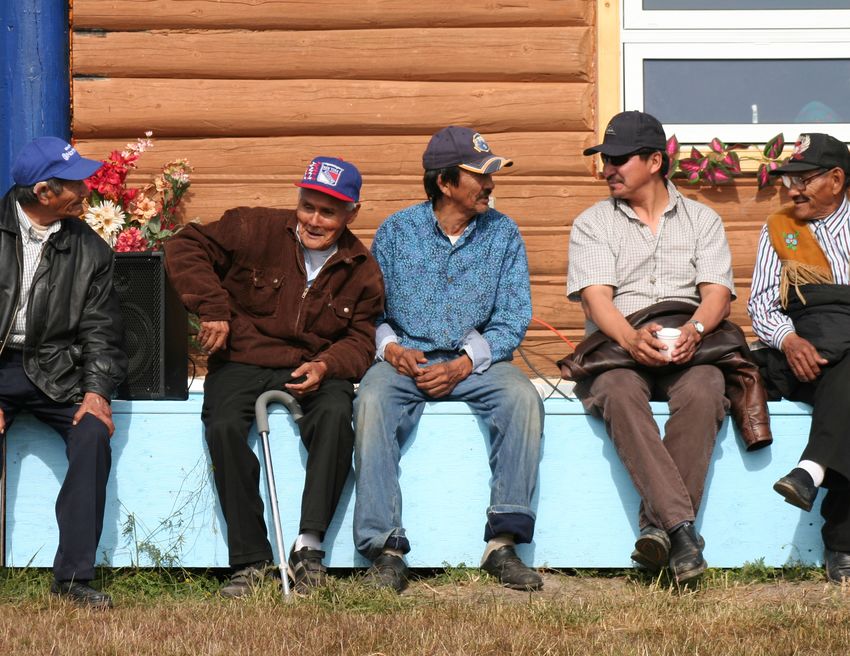
LEFT IMAGE ON COVER: WERONIKA MURRAY
Table of Contents
ABBREVIATIONS AND ACRONYMS....................................................................................................................................4
EXECUTIVE SUMMARY........................................................................................................................................................5
SOMMAIRE...........................................................................................................................................................................9
1. The purpose of this report.................................................................................................................................................................. 12
2. Why we must act................................................................................................................................................................................. 13
3. Why we must work together............................................................................................................................................................... 14
4. How the GNWT is responding to climate change in the NWT........................................................................................................... 14
   An integrated approach...................................................................................................................................................................... 14
   Our mandate commitments............................................................................................................................................................... 15
   Emerging Stronger............................................................................................................................................................................... 18
   Our federal commitments................................................................................................................................................................... 18
5. INVESTMENTS............................................................................................................................................................... 19
6. CHALLENGES & OPPORTUNITIES............................................................................................................................... 20
7. HOW THE GNWT RESPONDED TO CLIMATE CHANGE THIS YEAR...........................................................................24
   Working with people........................................................................................................................................................................... 25
   Reducing emissions............................................................................................................................................................................. 27
   Improving knowledge.......................................................................................................................................................................... 29
   Strengthening Long-term adaptation and resilience......................................................................................................................... 31
8. REPORTING RESULTS................................................................................................................................................... 33
9. LOOKING AHEAD.......................................................................................................................................................... 34
10. DETAILED REPORTING................................................................................................................................................37
ANGELA GZOWSKI
Tulita, NWT

Abbreviations and Acronyms
AEA                                                    IGOs
Arctic Energy Alliance                                 Indigenous governments and organizations

CCAR                                                   NGO
Climate Change Annual Report                           Non-governmental organization
Climate Change Action Plan
2030 NWT Climate Change Strategic Framework            NWT
2019-2023 Action Plan                                  Northwest Territories

                                                       PCF
EIR                                                    Pan Canadian Framework on Clean Growth and
Energy Initiatives Report                              Climate Change

GHG                                                    the Council
Greenhouse gases                                       NWT Climate Change Council

GNWT
Government of the Northwest Territories

4 | 2019/20 | RESPONDING TO CLIMATE CHANGE IN THE NWT: PLAIN LANGUAGE OVERVIEW REPORT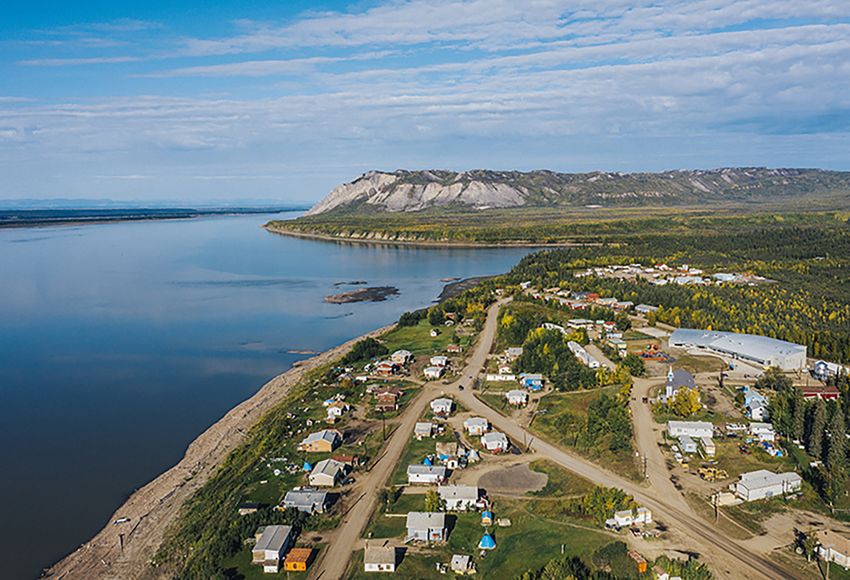
Executive Summary
CLIMATE CHANGE IS ONE OF THE MOST FUNDAMENTAL
CHALLENGES OF OUR TIME
Climate change has an overarching impact on many aspects of life in the Northwest Territories (NWT),
including the natural environment, the health and safety of its residents, the culture and heritage of
Indigenous peoples, NWT’s infrastructure, and the economy. The Government of the Northwest Territories
(GNWT) must take action to mitigate and adapt to climate change in collaboration with Indigenous
governments and organizations (IGOs), the Government of Canada, industry, non-governmental
organizations (NGOs), academia, and other partners to understand and respond to climate change impacts
effectively.

GNWT DEPARTMENTS COLLABORATE ON AN INTEGRATED
APPROACH TO CLIMATE CHANGE
The GNWT’s major climate change related initiatives include:
•   The 2030 NWT Climate Change Strategic Framework and 2019-2023 Action Plan, led by the Department of
    Environment and Natural Resources
•   The 2030 Energy Strategy and the 2019-2022 Energy Action Plan, led by the Department of Infrastructure
•   The NWT Carbon Tax, led by the Department of Finance.

THIS REPORT SUMMARIZES THE GNWT’S RESPONSE TO
CLIMATE CHANGE IN 2020-2021
Responding to Climate Change: Plain Language Integrated Report 2020-2021 summarizes how the GNWT and
our partners took action to address the challenges of climate change from April 1, 2020 to March 31, 2021. This
report summarizes:
•   The challenges and opportunities we face
•   The progress we made, focused on working in partnership, reducing emissions, improving knowledge, and
    strengthening long-term adaptation and resilience
•   Where we plan to go from here

WE FACE MANY CHALLENGES AND OPPORTUNITIES
In our efforts to reach our climate change goals, we face challenges and opportunities, both expected and
unexpected. Some of the main challenges and opportunities we experienced in 2020-2021 included:
•   The COVID-19 pandemic                                 •    Understanding longer term emissions trends
•   Balancing affordable, reliable, and sustainable       •    Shared responsibilities
    energy                                                •    Understanding of continuously changing
•   The cost of reducing emissions                             conditions and the need to adapt
•   The need for reliable emissions tracking

               RESPONDING TO CLIMATE CHANGE IN THE NWT: PLAIN LANGUAGE OVERVIEW REPORT | 2019/20 REPORT | 5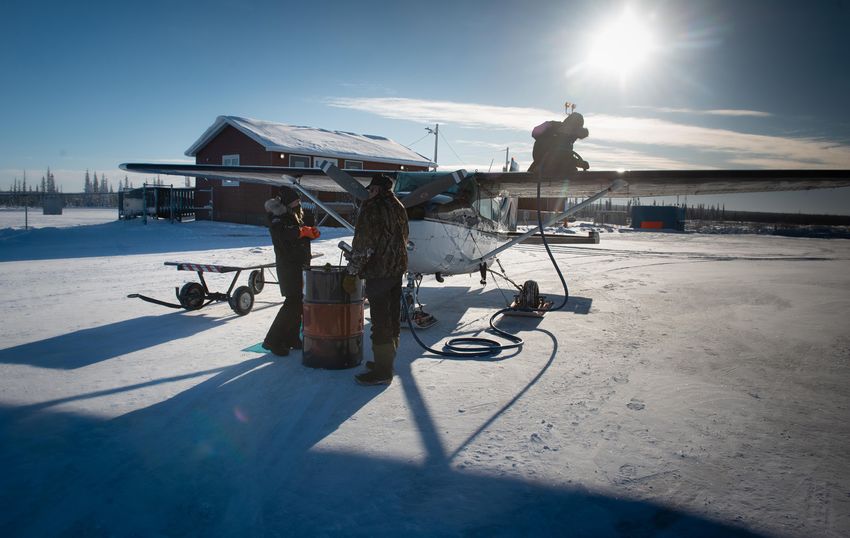
KEVIN CHANG
Refueling in Colville Lake, NWT

CLIMATE CHANGE WORK IN 2020-2021 FOCUSED ON
FOUR MAJOR AREAS
•   Working with people — The GNWT continued to work closely with IGOs and partners, and helped
    communities find funding, resources, and opportunities to build capacity. The GNWT continues to
    support empowerment of residents and communities and work with them toward finding energy
    and climate change solutions.

•   Reducing emissions — The main driver of climate change is greenhouse gases (GHGs) from human
    activities being released into the atmosphere. The GNWT continued to work to reduce reliance on
    diesel, improve energy efficiency, invest in renewable energy solutions, and encouraged residents to
    substitute fossil fuels with alternative energy.

•   Improving knowledge — To properly respond to climate change, we must first understand it fully.
    The GNWT and our partners continuously collected baseline data about current and changing
    conditions using new and long-standing approaches, filling gaps in our understanding from
    Indigenous and local knowledge and western science and studying new technologies and their
    viability in the North.

•   Strengthening Long-term adaptation and resilience — While we are working toward reducing the impact
    of climate change, we also need to adapt to the changes that will come and that are already here. To do this,
    the GNWT:

    ɤ   Shared the knowledge we have gained on climate change with communities
    ɤ   Improved our collective capacity to respond to changes in the environment, our health,
        infrastructure, and the economy
    ɤ   Increased grassroots resilience and our ability to adapt to unexpected changes

6 | 2019/20 | RESPONDING TO CLIMATE CHANGE IN THE NWT: PLAIN LANGUAGE OVERVIEW REPORT
TAWNA BROWN

              Elders in Deline, NWT

              WHERE WE GO FROM HERE
              The GNWT will continue to implement the 2030 NWT Climate Change Strategic Framework, 2030 Energy
              Strategy, and NWT Carbon Tax. More specifically in the coming year, the GNWT will:
              •   Continue collaborating with communities, industry, academia, and other jurisdictions in Canada to identify
                  hazards, enhance research and monitoring

              •   Continue to advocate for federal support on key climate change initiatives

              •   Explore options for our energy future, including encouraging electric vehicle adoption and investigating
                  emerging energy sources

              •   Promote a “green recovery” from COVID-19 that rebuilds our economy post-pandemic while supporting our
                  climate change goals.

                              RESPONDING TO CLIMATE CHANGE IN THE NWT: PLAIN LANGUAGE OVERVIEW REPORT | 2019/20 REPORT | 7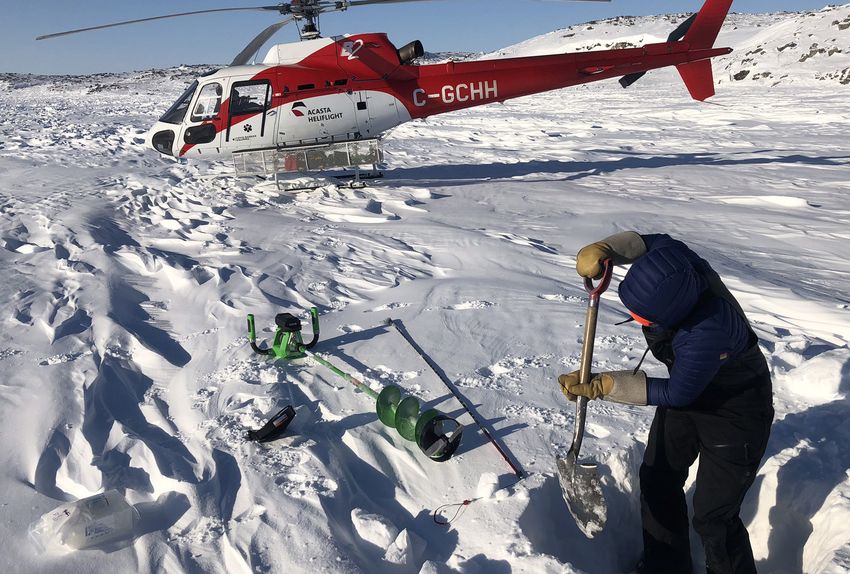
JULIEN SCHRODER
Deploying research equipment around the North Arm of Great Slave Lake, Dınàgà Wek’èhodì, NWT

SOME HIGHLIGHTS OF THE GNWT’S CLIMATE CHANGE
RESPONSE IN 2020-2021
•   The GNWT invested approximately $55.6 million           •   Key initiatives were advanced to reduce GHG
    from April 1, 2020 to March 31, 2021 to address             emissions and transition to a lower carbon
    climate change.                                             economy:

•   In January 2021, the NWT became one of the first            ɤ   The Inuvik Wind Project moved into the
    Canadian jurisdictions to include climate change                final design phase and construction is
    considerations in key Executive Council and                     tentatively planned for 2021-2022. This
    Financial Management Board decision making                      project will install a single 3.5-megawatt
    instruments.                                                    wind turbine and a small battery storage
                                                                    system to reduce GHG emissions and
•   GNWT-led actions reduced GHG emissions by an                    support a secure grid in Inuvik.
    additional 3.6 kilotonnes (kt) of CO2e.
                                                                ɤ   The GNWT started the formal process to
•   The NWT Carbon Tax increased to $30 per tonne                   consult IGOs and stakeholders, applied
    of GHG emission in July 2020 from $20 the year                  for federal funds, and prepared for the
    before.                                                         regulatory processes for the 170 km
                                                                    transmission line project to bring surplus
•   The GNWT funded 15 new climate change-                          hydropower from the Taltson system to
    related positions across five departments to                    Fort Providence, Kakisa, and Dory Point.
    meet commitments under Part 2 of the 2030
                                                                ɤ   The Arctic Energy Alliance (AEA), with
    NWT Climate Change Strategic Framework –
                                                                    support from the GNWT, completed the first
    2019-2023 Action Plan (Action Plan) and climate
                                                                    year of a three-year project working with
    change Mandate Priorities set by the 19th
                                                                    two communities to develop community
    Legislative Assembly.
                                                                    energy plans.
•   The NWT Climate Change Council was
    established in March 2021 as a forum for
    information sharing, collaboration and
    engagement between IGOs, communities and
    the GNWT, with input from youth, Elders, and
    stakeholders.

8 | 2019/20 | RESPONDING TO CLIMATE CHANGE IN THE NWT: PLAIN LANGUAGE OVERVIEW REPORT
Sommaire
LE CHANGEMENT CLIMATIQUE REPRÉSENTE L’UN DES ENJEUX
FONDAMENTAUX LES PLUS IMPORTANTS DE NOTRE ÉPOQUE
Le changement climatique entraîne des répercussions sur de nombreux aspects de la vie aux Territoires
du Nord-Ouest (TNO), notamment sur le milieu naturel, la santé et la sécurité des Ténois, la culture et le
patrimoine des peuples autochtones, les infrastructures des TNO ainsi que l’économie. Le gouvernement
des Territoires du Nord-Ouest (GTNO) doit collaborer avec les gouvernements et les organisations
autochtones (GOA), le gouvernement du Canada, les industries, les organisations non gouvernementales
(ONG), le milieu universitaire et d’autres partenaires afin de prendre des mesures pour atténuer les effets
du changement climatique et s’y adapter et de comprendre ses répercussions et d’y faire face efficacement.

LES MINISTÈRES DU GTNO COLLABORENT À LA MISE EN
ŒUVRE D’UNE APPROCHE INTÉGRÉE POUR FAIRE FACE AU
CHANGEMENT CLIMATIQUE
Les principales initiatives du GTNO en matière de changement climatique sont les suivantes.
•   Le Cadre stratégique sur le changement climatique des TNO pour 2030 et le Plan d’action 2019 2022, dont la
    mise en œuvre relève du ministère de l’Environnement et des Ressources naturelles.

•   La Stratégie énergétique et le Plan d’action 2030, dont la mise en œuvre relève du ministère de
    l’Infrastructure.

•   La Taxe sur le carbone aux TNO, dont la mise en œuvre relève du ministère des Finances.

LE PRÉSENT RAPPORT RÉSUME LES MESURES PRISES EN 2020-2021
PAR LE GTNO POUR FAIRE FACE AU CHANGEMENT CLIMATIQUE
Le Rapport intégré 2020-2021 en langage clair sur la lutte contre le changement climatique résume les mesures
prises par le GTNO et ses partenaires pour relever les enjeux liés au changement climatique du 1er avril 2020 au 31
mars 2021. Le rapport résume ce qui suit :
•   Les enjeux auxquels nous faisons face et les possibilités qui s’offrent à nous.

•   Les progrès réalisés du côté des partenariats, de la réduction des émissions de gaz à effet de serre, de
    l’amélioration des connaissances ainsi que du renforcement de l’adaptation et de la résilience à long terme.

•   Ce que nous devons faire à partir de maintenant.

                RESPONDING TO CLIMATE CHANGE IN THE NWT: PLAIN LANGUAGE OVERVIEW REPORT | 2019/20 REPORT | 9
NOUS SOMMES CONFRONTÉS À DE NOMBREUX ENJEUX ET
DISPOSONS DE NOMBREUSES POSSIBILITÉS
Dans le cadre de nos efforts pour atteindre nos objectifs en matière de changement climatique, nous
sommes confrontés à des enjeux tant attendus qu’inattendus, mais des possibilités s’offrent à nous. Voici
certaines de ces possibilités de même que certains de nos principaux défis en 2020-2021 :
•   La pandémie de COVID-19                               •   La compréhension des tendances à plus long
•   L’atteinte d’un équilibre pour une énergie                terme des émissions de gaz à effet de serre
    abordable, fiable et durable                          •   Le partage des responsabilités
•   Le coût de la réduction des émissions de gaz à        •   La compréhension des conditions en constante
    effet de serre                                            évolution et la nécessité de s’adapter
•   La nécessité d’un suivi fiable des émissions de
    gaz à effet de serre

EN 2020-2021, LES TRAVAUX RELATIFS AU CHANGEMENT
CLIMATIQUE ONT ÉTÉ AXÉS SUR QUATRE GRANDS OBJECTIFS
•   Travailler avec les gens — Le GTNO a continué de travailler en étroite collaboration avec les GOA
    ainsi que leurs partenaires et a aidé les collectivités à trouver du financement, des ressources et
    des moyens pour renforcer leurs capacités. Le GTNO continue de soutenir l’autonomisation des
    Ténois et des collectivités, en plus de travailler avec eux pour trouver des solutions en matière
    d’énergie et de changement climatique.

•   Réduire les émissions de gaz à effet de serre — La principale cause du changement climatique est le rejet
    dans l’atmosphère de gaz à effet de serre (GES) provenant des activités humaines. Le GTNO a poursuivi
    ses efforts pour réduire la dépendance au diesel, améliorer l’efficacité énergétique, investir dans des
    solutions d’énergie renouvelable et encourager les Ténois à remplacer les combustibles fossiles par des
    énergies de remplacement.

•   Améliorer les connaissances — Pour réagir correctement au changement climatique, nous devons
    bien le comprendre. Le GTNO et ses partenaires ont recueilli des données de base sur les
    conditions actuelles et en évolution en utilisant de nouvelles ou d’anciennes approches, en
    améliorant leur compréhension à l’aide des connaissances autochtones, locales et scientifiques et
    en étudiant de nouvelles technologies ainsi que leur viabilité dans le Nord.

•   Renforcer la résilience et l’adaptation à long terme — Bien que nous nous efforcions de réduire les
    répercussions du changement climatique, nous devons également nous adapter aux changements qui se
    produiront et à ceux déjà présents. Pour ce faire, voici ce que le GTNO a accompli :

    ɤ   Il a transmis aux collectivités les connaissances acquises sur les changements climatiques.
    ɤ   Il a amélioré notre capacité collective à répondre aux changements ressentis dans l’environnement,
        la santé, les infrastructures et l’économie.
    ɤ   l a augmenté la résilience des collectivités ainsi que leur capacité d’adaptation face aux
        changements inattendus.

10 | 2019/20 | RESPONDING TO CLIMATE CHANGE IN THE NWT: PLAIN LANGUAGE OVERVIEW REPORT
CE QUE NOUS DEVONS FAIRE À PARTIR DE MAINTENANT
Le GTNO poursuivra la mise en œuvre du Cadre stratégique sur le changement climatique des TNO, de la Stratégie
énergétique 2030 et de la Taxe sur le carbone des TNO. Au cours de l’année à venir, le GTNO effectuera notamment
ce qui suit :
• Continuer à collaborer avec les collectivités, les • Explorer les options pour notre avenir
industries, le milieu universitaire et d’autres énergétique, notamment en soutenant
instances canadiennes pour repérer les l’utilisation de véhicules électriques et en
dangers et améliorer la recherche ainsi que la étudiant les nouvelles sources d’énergie.
surveillance.
• Promouvoir une reprise verte à la suite de la
• Continuer à plaider en faveur d’un soutien pandémie de COVID-19 afin de reconstruire
fédéral pour les initiatives clés en matière de notre économie tout en soutenant nos objectifs
changement climatique. en matière de changement climatique.
POINTS SAILLANTS DES MESURES PRISES PAR LE GTNO FACE
AU CHANGEMENT CLIMATIQUE EN 2020-2021
• Le GTNO a investi environ 55,6 millions de dollars le GTNO, et ce, avec la participation des jeunes, des
du 1er avril 2020 au 31 mars 2021 pour lutter aînés et des intervenants.
contre le changement climatique.
• Des initiatives clés ont été lancées pour réduire
• En janvier 2021, le GTNO est devenu l’un des les émissions de gaz à effet de serre et assurer la
premiers gouvernements provincial ou territorial transition vers une économie à faibles émissions de
au Canada à inclure des considérations relatives carbone.
au changement climatique dans les principaux
instruments décisionnels du Conseil exécutif et du ɤ Le projet éolien d’Inuvik est entré dans la
Conseil de gestion financière. phase de conception finale et la construction
est prévue pour 2021-2022. Ce projet prévoit
• Les mesures mises en œuvre par le GTNO ont l’installation d’une seule éolienne de 3,5
permis de réduire les émissions de GES de 3,6 mégawatts et d’un petit système de stockage
kilotonnes de CO2 supplémentaires. par batterie afin de réduire les émissions de
GES et de soutenir un réseau fiable à Inuvik.
• La Taxe sur le carbone des TNO est passée à 30
dollars par tonne de GES émis en juillet 2020, ɤ Le GTNO a entamé le processus officiel de
comparativement à 20 dollars l’année précédente. consultation des GOA et des intervenants,
a présenté une demande de financement au
• Le GTNO a financé quinze nouveaux postes liés au gouvernement fédéral et s’est préparé aux
changement climatique dans cinq ministères afin processus réglementaires pour le projet de
de respecter les engagements pris dans la partie 2 ligne de transport d’énergie de 170 km visant
du Plan d’action 2019-2023 du Cadre stratégique à acheminer le surplus d’hydroélectricité du
sur le changement climatique des TNO 2030 ainsi réseau Taltson vers Fort Providence, Kakisa
que les priorités du mandat sur le changement et Dory Point.
climatique établies par la 19e Assemblée législative. ɤ L’Arctic Energy Alliance (AEA), avec le soutien
du GTNO, a terminé la première année d’un
• Le Conseil sur le changement climatique des TNO
projet de trois ans qui consiste à travailler
a été créé en mars 2021 afin de servir de tribune
avec deux collectivités pour élaborer des
pour le partage de renseignements, la collaboration
plans énergétiques communautaires.
et la mobilisation entre les GOA, les collectivités et
RESPONDING TO CLIMATE CHANGE IN THE NWT: PLAIN LANGUAGE OVERVIEW REPORT | 2019/20 REPORT | 111. The Purpose of this report
This report, Responding to Climate Change: Plain Language Integrated Report (The Plain Language
Integrated Report) summarizes how the GNWT responded to climate change from April 1, 2020 to
March 31, 2021.
It summarizes the progress made towards reaching our goals in the 2030 NWT Climate Change Strategic
Framework, 2030 Energy Strategy and NWT Carbon Tax. Our progress is documented in further detail in
three additional annual reports, available online.
FIGURE 1. PLAIN LANGUAGE INTEGRATED REPORT: WHERE OUR KEY CLIMATE
CHANGE PRIORITIES MEET
NWT Energy
Initiatives Report
2020-2021
Responding to Climate
NWT Climate Change Change in the NWT
Annual Report - Plain Language
2020-2021 Integrated Report
2020-2021
NWT Carbon Tax
Annual Report
2020-2021
12 | 2019/20 | RESPONDING TO CLIMATE CHANGE IN THE NWT: PLAIN LANGUAGE OVERVIEW REPORTASHLEY RUDY
NTGS staff conduct fieldwork to better understand permafrost.
2. Why we must act
Climate change is one of the most important issues Addressing climate change is a priority for the
of our time. It affects all aspects of life in the NWT, GNWT. The GNWT is committed to:
including: • Mitigating and adapting to the impacts of climate
• The natural environment — the land, water, air, change
and animals
• An energy system that ensures NWT
• The health and safety of our residents — for communities, businesses, and industry have
example, the risk of wildfire and flooding, unsafe access to reliable and affordable energy
ice, water quality, air quality, and food security
• Doing our part to transition to a lower carbon
• Culture — the living expression of the values of economy
Indigenous peoples and the people that live in
the NWT
• Heritage — archaeological sites, historical
artifacts, and sacred places
• Infrastructure — roads, bridges, culverts,
runways, buildings, and power systems
• The economy — businesses, jobs, and
opportunities for investment
RESPONDING TO CLIMATE CHANGE IN THE NWT: PLAIN LANGUAGE OVERVIEW REPORT | 2019/20 REPORT | 133. Why we must work together The GNWT, IGOs, the Government of Canada, industry, NGOs, academia, other partners, and NWT residents share the responsibility of taking action on climate change. To ensure that Northerners can thrive in a changing climate we must understand and respond to climate change effectively. The GNWT recognizes the importance of working with IGOs, community, territorial and federal governments, industry, academia, NGOs, and Northerners on climate change. We work with IGOs and other partners to integrate Indigenous and local knowledge and western science into our response to climate change. 4. How the GNWT is responding to climate change in the NWT AN INTEGRATED APPROACH The GNWT identifies objectives, plans actions, and finds solutions to climate change. Three initiatives guide the GNWT response to climate change: • The 2030 NWT Climate Change Strategic Framework • The 2030 Energy Strategy • The NWT Carbon Tax The GNWT works across departments and agencies to contribute to meeting the NWT’s climate change goals. Some examples include interdepartmental working groups such as the Climate Change Directors Working Group, the Environment and Climate Change Assistant Deputy Minister and Deputy Ministers Committees, and the Environment and Climate Change Committee of Cabinet. 14 | 2019/20 | RESPONDING TO CLIMATE CHANGE IN THE NWT: PLAIN LANGUAGE OVERVIEW REPORT
OUR MANDATE COMMITMENTS
The Mandate of the Government of the Northwest Territories (2019-2023) includes three climate change
and mitigation priorities:
1.     Strengthen the government’s leadership and authority on climate change
2.     Ensure climate change impacts are specifically considered when making government decisions
3.     Reduce the cost of power and increase the use of alternative and renewable energy
The Department of Environment and Natural Resources leads the first two priorities, and the Department
of Infrastructure leads the third priority. In 2020-2021, both departments made progress towards these
commitments.

 Highlights of progress on Mandate commitments
                              Establishing the NWT Climate Change Council
                              The NWT Climate Change Council (the Council) was established in March 2021. The purpose of the Council is to
                              be a forum for information sharing, collaboration and engagement between IGOs, communities and the GNWT,
                              with input from youth, Elders, and external partners. The Council provides advice and guidance that informs
                              GNWT climate change and environmental programs, to align with Indigenous and community perspectives,
                              interest and knowledge. There are 14 active members of the Council, including 11 IGOs from across the NWT,
                              two GNWT departments, and a representative from the Northwest Territories Association of Communities.

     1. Strengthen the
     government’s             Members met remotely five times in 2020-2021 to:
     leadership and           •  Finalize a Terms of Reference
     authority on climate     •  Agree on the intent of the Council
     change
                              •  Select an IGO co-chair to head the Council with the GNWT
                              •  Work towards a shared understanding of current actions and priority topics

                              Council priority-setting will result in the creation of new panels that further guide and inform actions of the
                              Council.
                              A Climate Change Advisory Group is intended to ensure that the GNWT hears from a range of voices in the
                              community, such as youth, Elders, and stakeholders such as NGOs and industry, and build them into our
                              decisions.
     2. Ensure climate
     change impacts           In January 2021, Executive Council and Financial Management Board decision-making tools were updated to
     are specifically
                              ensure climate change factors are considered. The NWT is one of the only Canadian jurisdictions to include
     considered when
     making government        climate change considerations in its government decision-making processes.
     decisions
                              The GNWT is investing $339 million over 10 years (starting 2018) to improve the NWT’s electricity system. This
     3. Reduce the cost of    supports the Energy Strategy’s second and sixth Strategic Objectives.
     power and increase
     the use of alternative
     and renewable            The GNWT increased its funding to the AEA to support new and expanded programs that help individuals,
     energy                   businesses, and community governments conserve energy and improve efficiency. This advances the Energy
                              Strategy’s fifth objective.

                     RESPONDING TO CLIMATE CHANGE IN THE NWT: PLAIN LANGUAGE OVERVIEW REPORT | 2019/20 REPORT | 15
2030 NWT
CLIMATE CHANGE
STRATEGIC
FRAMEWORK
The 2030 NWT Climate Change
Strategic Framework is the
NWT’s long-term plan for
addressing climate change. It
focuses on three climate change
goals and two cross cutting
themes to help us reach those 2030 NWT CLIMATE CHANGE
goals: STRATEGIC FRAMEWORK
• Goal 1: Transition to a lower
CADRE STRATÉGIQUE SUR LE
CHANGEMENT CLIMATIQUE DES TNO 2030
carbon economy Le present document contient la traduction française du résumé et le message du ministre
• Goal 2: Improve knowledge of
climate change impacts
• Goal 3: Build resilience and
adapt to a changing climate
• Cross Cutting Themes:
Leadership, communication,
and capacity and economic
impacts and opportunities
The 2030 NWT Climate Change
Strategic Framework 2019-2023
Action Plan (the Climate Change
Action Plan) outlines to help us
meet our goals to be undertaken
during the first five years. The 2030 NWT CLIMATE CHANGE STRATEGIC FRAMEWORK
Plain Language Integrated 2019-2023 Action Plan
Report highlights progress
CADRE STRATÉGIQUE SUR LE CHANGEMENT CLIMATIQUE DES TNO 2030
made in the second year of the
Plan d’action 2019-2023
Action Plan’s implementation. Le present document contient la traduction française du résumé
16 | 2019/20 | RESPONDING TO CLIMATE CHANGE IN THE NWT: PLAIN LANGUAGE OVERVIEW REPORT2030 ENERGY STRATEGY ENERGY POTENTIAL
refers to the
The 2030 Energy Strategy outlines the NWT’s long-term approach to development of the
supporting secure, affordable, and sustainable energy in the NWT. N W T ’s s i g n i f i c a n t e n e r g y
The Energy Strategy includes six Strategic Objectives: resources
1. Work together to find solutions: community engagement,
participation, and empowerment
2. Reduce GHG emissions from electricity generation in diesel-powered
communities by an average of 25%
3. Reduce GHG emissions from transportation by 10% per capita.
4. Increase the share of renewable energy used for space heating to
40%
5. Increase residential, commercial, and government building energy
efficiency by 15%
6. Develop the NWT’s energy potential, address industry emissions,
and do our part to meet national climate change objectives over the
long-term
The 2019-2022 Energy Action Plan sets annual goals and initiatives
to help the GNWT and our partners achieve the Strategic Objectives.
The Plain Language Integrated Report provides examples of progress
from the third year of the plan’s implementation.
RESPONDING TO CLIMATE CHANGE IN THE NWT: PLAIN LANGUAGE OVERVIEW REPORT | 2019/20 REPORT | 17NWT CARBON TAX
The carbon tax is a tax on fuel (except aviation fuel) sold in the NWT. It is intended to reduce GHG
emissions by encouraging residents to use less fossil fuels and find alternative energy sources. It also
seeks to not add to the NWT’s cost of living or add barriers to economic development.
The NWT carbon tax was implemented on September 1, 2019 at $20/tonne of GHG emissions. The rates
will increase every year on July 1 until 2022, when it reaches $50/tonne. This report documents the
second year of the tax’s implementation.
It is a priority for the GNWT to invest in alternative energy options for NWT residents and businesses.
We will continue working closely with the Government of Canada, IGOs, community governments and
residents to provide reliable, affordable alternatives to carbon intensive fuels.
EMERGING STRONGER OUR FEDERAL COMMITMENTS
Through the GNWT’s recently released Emerging The Government of Canada has a plan to grow the
Stronger: Planning the NWT’s Social and Economic national economy while reducing national GHG
Recovery Together, additional commitments that emissions and adapting to a changing climate. The
relate to climate change include: Pan-Canadian Framework on Clean Growth and
Climate Change (PCF) was released in 2016, and
• Ensuring that GNWT capital planning supports outlines Canada’s climate change goals. The GNWT
equitable opportunities throughout the territory, signed the PCF when it was released and committed
and a greener more climate resilient territory, by: to reducing GHG emissions to 30% below 2005 levels
ɤ Accelerating the review of GNWT by 2030. The three GNWT climate change and energy
procurement policies, including the policies align with this goal.
Business Incentive Policy and the
Negotiated Contract Policy, and consider The federal government rolled out a variety of
the development of an Indigenous climate change focused initiatives in 2020-2021,
procurement policy such as the announcement to further reduce GHG
emissions, putting forward the Canadian Net-Zero
ɤ Inviting IGOs and businesses to be involved Emissions Accountability Act, and the initiation of
as equity partners in key strategic a National Adaptation Strategy. The GNWT and its
investments as projects develop partners will do their part to participate in these
initiatives while still addressing the NWT’s climate
The GNWT makes substantial capital investments change priorities.
each year and is advancing major infrastructure
projects. As part of the pandemic recovery, there
is both opportunity and interest placed on green
energy, climate change mitigation and adaptation
actions, and ensuring a more environmentally
responsible approach.
We will reference progress on these additional
commitments in next year’s report.
18 | 2019/20 | RESPONDING TO CLIMATE CHANGE IN THE NWT: PLAIN LANGUAGE OVERVIEW REPORTANNA COLES
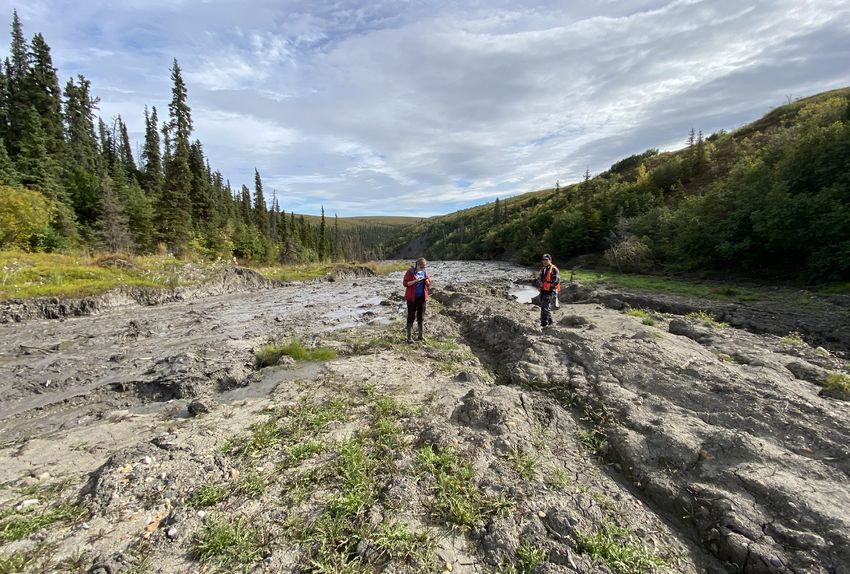
Preparing for research, Upper Coppermine River basin, NWT
5. Investments
The GNWT has invested and will continue to invest significant resources to address climate change. We
invested approximately $55.6 million from April 1, 2020 to March 31, 2021 to carry out the 2019-2023
Climate Change Action Plan, the 2030 Energy Strategy, and the NWT Carbon Tax. The $55.6 million
includes:
• Federal funding distributed by the GNWT for energy and adaptation-related projects
• Operations and management expenses to implement the three policies
• Time developing and implementing climate change policies in place, measured in GNWT salaries
RESPONDING TO CLIMATE CHANGE IN THE NWT: PLAIN LANGUAGE OVERVIEW REPORT | 2019/20 REPORT | 19JULIEN SCHRODER
North Arm of Great Slave Lake, Dınàgà Wek’èhodì, NWT
6. Challenges and opportunities
This section summarizes the challenges and opportunities we faced in 2020-2021. Some challenges can
only be resolved by planning many years in advance. Other challenges and opportunities, such as the
global COVID-19 pandemic, were unexpected and required immediate action. We continue to study all
challenges and opportunities we faced this year, work on solutions, and plan for the future.
COVID-19 PANDEMIC
Field work and community engagements were delayed, greatly
reduced, or cancelled to reduce the potential for COVID-19
transmission. Many GNWT staff members were redeployed as a result
of the GNWT’s response to COVID-19. This may continue to challenge
us as we move forward. While the COVID-19 pandemic continues to
be a challenge, the residents of the NWT have proven their resiliency,
adaptability and dedication to addressing the impacts of climate
change, by finding opportunities to ensure work could continue,
building on existing local capacity while meeting COVID-19 risk
mitigation measures.
20 | 2019/20 | RESPONDING TO CLIMATE CHANGE IN THE NWT: PLAIN LANGUAGE OVERVIEW REPORTBALANCING RELIABLE, AFFORDABLE AND
SUSTAINABLE ENERGY
It is difficult to find and supply energy in the North. We face the
ongoing challenge of reducing GHG emissions while making sure
the people of the NWT have secure and affordable energy. This
sometimes involves balancing priorities and making trade-offs.
The goal of the 2030 Energy Strategy is access to reliable, affordable,
and sustainable energy for NWT communities, businesses, industry,
and people.
LOW-CARBON TECHNOLOGIES
Some low-carbon technologies that work well in the southern
provinces do not work well in the North because of our cold climate
and remoteness. We cannot assume southern technologies will work
for us without testing them first. More Northern focused research
and work is needed such as assessing the potential challenges and
opportunities of these technologies through pilot projects.
THE COST OF REDUCING EMISSIONS
For technologies proven to work in the North, the NWT must often
spend more money than the provinces to put the same technologies in
place. In fact, such technologies often cost up to hundreds of dollars
more per tonne to reduce our GHG emissions compared to southern
Canada. There are many reasons for this, including the NWT having
fewer people than southern provinces, residents being spread
out across a large land area as well as our weather having greater
extremes (for example, colder temperatures in the winter).
ADVANCING THE SOLUTIONS THE
NORTH NEEDS
The GNWT must continue to learn about new technologies with the
potential to stabilize or reduce NWT emissions. Because of these
unique challenges and opportunities, the federal government has
committed to working with the territories to find solutions that
will work in the North. There is an opportunity to keep investing
RESPONDING TO CLIMATE CHANGE IN THE NWT: PLAIN LANGUAGE OVERVIEW REPORT | 2019/20 REPORT | 21in initiatives that are successful in the NWT’s unique context, for
example, using biomass energy for heating homes, schools, work
places, and places where the community gathers.
HIGHLY VARIABLE EMISSIONS
Annual greenhouse gas emissions in the NWT are highly variable.
This variability of fuel use is heavily dependent on economic activity
and weather. As industry’s emissions represent approximately
half of territorial emissions, the addition or subtraction of just one
industrial development can have a significant impact on overall
emissions. For example, a cold snap one winter can impact the
amount of fuel combusted as communities may need to burn more
fuel to heat homes and buildings. Both factors can substantially
impact progress towards the NWT’s emissions reduction targets.
UNDERSTANDING LONGER TERM
EMISSIONS TRENDS
Since annual fuel usage changes so significantly, the GNWT will need
to continue to collect long-term data before we can draw conclusions
about how much the NWT carbon tax reduces carbon emissions. This
data will come from GNWT carbon tax data and Statistics Canada.
SHARED RESPONSIBILITIES
Tackling climate change is a shared responsibility between many
different parties – including the territorial and federal governments,
IGOs, community governments, and co-management boards.
Coordination will always be a challenge as we move forward, but
also offers important opportunities for relationship building and
information sharing. To this end, the NWT Climate Change Council
(The Council) was formed to provide input and guidance on focuses
and priorities for our work.
This Council is a forum for information-sharing and collaboration
with non-elected representatives from IGOs, NWT communities, and
the GNWT. They will work with advisory panels and groups including
Elders, youth, and stakeholders to find shared solutions to the
challenges and opportunities we face.
22 | 2019/20 | RESPONDING TO CLIMATE CHANGE IN THE NWT: PLAIN LANGUAGE OVERVIEW REPORTANGELA GZOWSKI
Snowmobile and sled
CONTINUOUSLY CHANGING KNOWLEDGE
AND NEED TO ADAPT
Climate change is an ongoing challenge – and even as the GNWT and its
partners improve our collective understanding of climate, the climate
continues to change. This makes it difficult to appropriately prioritize
actions to make the most progress towards adaptation and mitigation.
A real difference could be made by establishing a Northern Climate
Hub – an initiative that the GNWT and partners across the North have
requested the federal government to implement for some time. This
would ensure region-specific information is available for Northern
decision-makers, including territorial, Indigenous and community
governments. With continued targeted, long-term efforts committed
to by partners in NWT climate action, and appropriate support from
the federal government, the NWT will be able to better predict future
climate-related changes, build more resilience, and advance climate
change adaptation in the territory.
RESPONDING TO CLIMATE CHANGE IN THE NWT: PLAIN LANGUAGE OVERVIEW REPORT | 2019/20 REPORT | 237. How the GNWT responded to
climate change this year
This section outlines the progress we made this year towards implementing the Climate Change Action
Plan, the 2030 Energy Strategy, and the NWT Carbon Tax. Our progress is presented in four themes
summarized below in Figure 2.
FIGURE 2. OUR FOUR THEMES OF PROGRESS.
A B
Working with People highlights the progress Reducing Emissions highlights the progress made
made on working with and helping IGOs and NWT on reducing carbon emissions in the NWT.
residents to respond to climate change.
C D
Improving Knowledge highlights the progress Long-Term Adaptation and Resilience highlights the
made on improving our knowledge of climate progress made on improving the NWT’s ability to
change in the NWT. respond and adapt to climate change long-term.
24 | 2019/20 | RESPONDING TO CLIMATE CHANGE IN THE NWT: PLAIN LANGUAGE OVERVIEW REPORTANGELA GZOWSKI
Drumming with Yellowknives Dene Drummers
Working with people
The North is diverse and contains many cultures, outlooks, and values. Addressing energy and climate
change in the NWT involves working together with IGOs, communities, and stakeholders, such as NGOs
and industry.
It is critical that everyone in the NWT works together collectively to address the challenge of climate change.
This section summarizes how the GNWT worked with residents this year to adapt to climate change and reduce
GHG emissions.
HOW THE GNWT IS WORKING WITH PEOPLE
Involving communities in energy solutions Supporting communities’ capacity-building
The GNWT heard from communities that they The GNWT continues to support empowerment
wanted to be more involved in the response to of residents and communities and work with
climate change. The GNWT worked to include them toward finding energy and climate change
communities by: solutions, because residents of NWT communities
• Partnering with them to develop solutions best understand their local environment. Where
there is interest and capacity, residents are leading
• Supporting them to undertake their own local responses to climate change and directing
community-led energy and climate change energy solutions themselves. This year, the GNWT
projects strengthened relationships with IGOs and other
• Keeping them updated on solutions that are partners and helped communities find funding,
working in other communities resources, and partnership opportunities to address
their priorities.
RESPONDING TO CLIMATE CHANGE IN THE NWT: PLAIN LANGUAGE OVERVIEW REPORT | 2019/20 REPORT | 25When IGOs and communities lead initiatives, it builds our collective understanding and capacity to adapt
to changes to the natural environment, human health and well-being, public safety, culture and heritage,
infrastructure, and the economy.
Communicating with communities about climate change
In response to the COVID-19 pandemic, the GNWT and our partners were quick to adapt to new, online ways
of collaborating with and getting information to communities. Local residents took more leadership in climate
change initiatives in their communities. The GNWT intends to keep building on the practices that worked well
this challenging year.
SOME EXAMPLES OF WORKING WITH PEOPLE IN 2020-2021
Community energy planning Helping communities adapt Funding for positions
The AEA, with support from to climate challenges Funding for 15 new climate
the GNWT and federal funding, COVID-19 made face-to-face change-specific positions across
completed the first year of a programs impossible, so the the GNWT was approved in the
three-year project working with GNWT’s approach to supporting fall of 2020. The positions are
two communities to develop the adaptation efforts of in Inuvik, Fort Smith, Hay River,
community energy plans. communities evolved. and Yellowknife. These positions
Based on agreements that will strengthen existing or
Online fire prevention outreach
outlined this support and funding, support new partnerships with
included a “FireSmart Starts
the Hamlet of Tuktoyaktuk and IGOs, community governments,
in Your Backyard” contest in
the Délı̨ nę Got’ı̨ nę Government and others. The work will help
the summer of 2020, where
each hired a community energy add capacity for climate change
residents completed a FireSmart
champion. These champions were initiatives in the NWT.
assessment of their home. The
at the centre of each project and GNWT also hosted a webinar GNWT funding was also awarded
key to each project’s success. for community governments on to communities to recognize
They helped plan projects and implementing the Community climate change and energy related
engage their community in the Wildfire Protection Plan and work. The Hamlet of Tuktoyaktuk
process. The champions also FireSmart program. received the Climate Change
ensure the project is grounded in Resiliency Award for leadership
Some IGOs deployed ice-
Indigenous community traditions in adapting to climate change. The
monitoring equipment,
and respects local practices and Energy Excellence Award was
trained community monitors,
governance. awarded to Tsiigehtchic for their
and documented Indigenous
commitment to improving energy
knowledge and practices of ice
efficiency in the community.
travel. This work was supported
by SmartICE and will continue
into 2021-2022.
26 | 2019/20 | RESPONDING TO CLIMATE CHANGE IN THE NWT: PLAIN LANGUAGE OVERVIEW REPORTJONATHAN ANTOINE
Aerial view, May 2021, Fort Simpson, NWT
Reducing emissions
The main driver of climate change is the release of GHGs into the atmosphere due to human activities. These
gases are released when we use fossil fuels to transport people and goods, heat buildings, and power buildings
and industry operations. We need to find innovative ways to reduce emissions that consider the vast distances
between communities and extreme cold weather.
HOW THE GNWT IS REDUCING EMISSIONS
Working towards increased renewable energy options
The GNWT continued to invest in renewable energy options for territorial residents and businesses. Progress
was made toward renewable energy solutions, such as a wind turbine and hydropower, to reduce how much
communities rely on diesel to generate electricity. The GNWT will work closely with the federal governments,
IGOs, community governments, and NWT residents to provide reliable, affordable alternatives to carbon-
intensive fuels.
Supporting communities to become more energy efficient
The AEA is a non-profit organization that helps reduce costs and environmental impacts of energy in the NWT.
With support from the GNWT, the AEA provided programs and services to residents and communities that
helped them to make buildings more energy efficient and to use more renewable energy.
Encouraging reduced fossil fuel use
The GNWT increased the NWT Carbon Tax to encourage people to reduce fossil fuels, while minimizing the
effect on the local cost of living and local economic development. Research continues into options for reducing
fossil fuel use in transportation.
Working towards more accurate emissions reporting
Accurate reporting is an important part of understanding the NWT’s GHG emissions levels. It allows the
GNWT and NWT residents to see the progress made to meet territorial reduction goals. GNWT departments
worked together to improve internal trackers and with federal departments to improve the data used to
calculate NWT emissions.
RESPONDING TO CLIMATE CHANGE IN THE NWT: PLAIN LANGUAGE OVERVIEW REPORT | 2019/20 REPORT | 27CO2e
Ca rbon dioxide
equi va l ent i s a metr ic
used to m ea sure the
cum ul at i ve effe ct s from
va ri ous g reenhouse
ga ses on our climate.
Biomass heating system at Chief Sunrise School, K’atl’odeeche First Nation Reserve
SOME EXAMPLES OF REDUCING EMISSIONS IN 2020-2021
Reducing diesel in communities issued five rebates for new electric vehicles in 2020-
The GNWT continues to make progress on the 2021.
proposed 170 km transmission line project from
the Taltson system to Fort Providence, Kakisa, and Improving heat and energy efficiency
Dory Point. This will bring surplus hydropower to AEA provided 2,694 incentives in 2020-2021,
these communities to reduce the reliance on diesel representing $1.8 million in funding. This reduced
generated energy. Progress made in 2020-2021 GHG emissions by 1.3 kilotonnes (kt) of CO2e. LED
included: lighting continued to be the most popular eligible
product—over 900 LED rebates were provided in
• Starting the formal process to consult affected 2020-2021, almost double from 2019-2020.
IGOs and engage other stakeholders
• Submitting a federal funding application for the The Capital Asset Retrofit Fund (CARF) funds energy
project efficiency projects for GNWT facilities to reduce
GHG emissions, use energy more efficiently, and
• Preparing for environmental and regulatory reduce operating costs. In 2020-2021, approximately
work in 2021-2022 $3.8 million was assigned to GNWT energy retrofit
program projects, which contributed a 2 kt CO2e
The Inuvik Wind Project completed the permit phase reduction of GHG emissions to the GNWT’s overall
and moved into the final design phase. The goal is to reduction of 3.6 kt CO2e and reduced estimated
begin construction in 2021-2022. This project will energy costs by an average of $459,000 annually.
install a single 3.5-megawatt wind turbine and a
small battery storage system and is a key initiative
under the 2030 Energy Strategy. Large emitter GHG emissions reduction
grants
Reducing emissions from transportation The GNWT tracks carbon tax payments from large
Switching to an electric vehicle in a community industries that emit a high volume of GHGs. These
connected to the hydroelectric grid assists in companies can apply for grants to support GHG
reducing the amount of GHG emissions released into emission-reducing projects.
the atmosphere. In June 2020, the AEA launched
the Electric Vehicle Rebate Program, which gives a The Department of Finance posts guidelines for these
$5,000 rebate for NWT residents purchasing new grants to reduce emissions on its website. Approved
electric vehicles and up to $500 rebate for charging projects must reduce GHG emissions by 5%. To date,
infrastructure in hydropower communities. The AEA this program has had no applicants.
28 | 2019/20 | RESPONDING TO CLIMATE CHANGE IN THE NWT: PLAIN LANGUAGE OVERVIEW REPORTImproving knowledge
We already know that the NWT is experiencing the impacts of climate
change, including warming at up to four times the global rate in most
Northern regions. What we need to better understand are:
• The impacts of climate change
Preparing for monitoring for
• What technologies may be viable in our northern context to help us
SmartICE project
address climate change and reduce emissions
The GNWT and our partners are working together to collect new
information and use it to plan for the future. This section summarizes
some of our work this year.
How the GNWT is improving knowledge Gathering Indigenous and local knowledge
Data collection to inform decisions about climate The GNWT worked with communities and
change Indigenous knowledge holders to:
The GNWT continued to collect baseline data and • Fill in current knowledge gaps about the North
information about current and changing conditions. and how the NWT is impacted by climate change
New monitoring and research initiatives and • Find solutions to climate change that are rooted
programs were also put in place. Step by step, the in Indigenous and local knowledge and western
GNWT is creating a bank of knowledge that can science, and that work for our unique Northern
inform our decisions about climate change and, condition
ultimately, how best to adapt to it.
RESPONDING TO CLIMATE CHANGE IN THE NWT: PLAIN LANGUAGE OVERVIEW REPORT | 2019/20 REPORT | 29Monitoring the development of potential new technologies and their usability in the North
The GNWT reviewed both new technologies and policies other jurisdictions are using with the goal of:
• Adapting results from the test sections for • Stabilizing or lowering energy costs for residents
highway design and construction • Ensuring energy systems remain reliable and
• Incorporating new technologies into designs secure
• Using low-carbon technologies and fuels
SOME EXAMPLES OF IMPROVING KNOWLEDGE IN 2020-2021
Studies to develop more renewable power in impacts on NWT ecosystems and to inform planning.
the NWT The Northwest Territories Geological Survey (NTGS)
has made significant progress on permafrost-related
In 2020-2021, three independent studies were
monitoring and research:
commissioned that will inform potential updates to
the NWT electricity strategy and approach. • In 2020-2021, the ground temperature
monitoring network along the Dempster and
• Microgrid Stability with Intermittent Renewables:
Inuvik-Tuktoyaktuk highways was established.
This study was done to see if the limit on the
Ground temperature data were collected at 120
use of intermittent renewable energy systems
monitoring sites along the Inuvik-Tuktoyaktuk
in diesel communities can be increased without
Highway.
causing technical and financial problems.
• The NTGS published several reports, along
• Assessment of Incremental Utility Revenues for
with the raw data and metadata, on ground
Northwest Territories: This study examined
temperature and geotechnical monitoring and
options for increasing the use of surplus
research conducted in the NWT.
hydroelectricity capacity to increase revenues
and stabilize or reduce the electric power rate. • The NTGS leads the Thermokarst Mapping
Collective project https://www.nwtgeoscience.
• Net Metering and Community Self-Generation
ca/services/northwest-territories-
Policy Review: This study examined options for
thermokarst-mapping-collective, in partnership
potentially modifying the NWT net-metering
with universities. The goal of the project is
program. It also considered potential solutions
to develop, test, and implement a mapping
for regulating self-generation electricity projects.
framework to produce thermokarst and terrain
The goals of the studies included looking at sensitivity maps for areas around each NWT
policy options for using more renewable power, community, as well as all of the NWT.
decarbonizing the NWT’s energy systems, lowering
• Significant progress was made on desktop-
electricity rates, and ensuring grid reliability.
based mapping of four permafrost geohazard
themes in 2020-2021. The third theme, Organic
Improving our knowledge of permafrost
Terrain, was published and is available online
in the NWT
(reference number 2020-010) https://webapps.
The landscape is changing in the North largely nwtgeoscience.ca/WebAppsV2/Searching/
due to climate-driven permafrost thaw. It affects ReferenceSearch.aspx
ecosystems (including wildlife and fish, water,
Protocols are being developed to map the remaining
forests, landscapes, and people) and infrastructure
three themes, which are slopes and mass wasting,
(buildings, roads, and airports). It is critical for the
hydrological features, and periglacial features.
GNWT and NWT communities to better understand
thaw sensitive terrain, to better predict the future
30 | 2019/20 | RESPONDING TO CLIMATE CHANGE IN THE NWT: PLAIN LANGUAGE OVERVIEW REPORTYou can also read


