2020 Hospital of the Year-Jumping in, learning curve: First time's the charm - Tustin ...
←
→
Page content transcription
If your browser does not render page correctly, please read the page content below
2020 Hospital of the Year—Jumping in, learning curve: First time’s the charm                                  6/30/21, 10:13 PM

                                                                                                                   Close Ad   ✕

            2020 Hospital of the Year—Jumping in,
            learning curve: First time’s the charm
            February 27, 2020
            Sarah A. Moser
            dvm360, dvm360 March 2020, Volume 51, Issue 3

            Two young doctors dove right into practice ownership and building a facility all at once
            and got the practice of their dreams, earning them top honors in the under-8,000-square-
            feet category of the dvm360 Hospital Design Competition.

                                   Exterior view of Tustin Legacy Animal Hospital. All
                                   photos courtesy of Ian Wiant/iPhotography Studio

            Most people would say building a brand-new practice, taking on business ownership just
            Hve and seven years out of school, and starting families all at the same time is crazy. But
            the owners of Tustin Legacy Animal Hospital in Tustin, California, say it made total sense
            to them.

            After meeting as associates at another practice,
            Drs. Celine Hayek and Kristin Negvesky became                      By the numbers: Tustin
            fast friends. They always talked of building a                     Legacy Animal Hospital,
            practice together sometime in the future. Fast
                                                                               Tustin, CA
            forward a few years. They had both left the
            practice for various reasons.                                       Owners: Drs. Celine Hayek
            Dr. Negvesky attended the Hrst WVC Women’s                          and
            Veterinary Summit and heard a talk about starting                   Kristen Negvesky
            your own practice.                                                  Number of doctors: 2, full-
                                                                                time
                                                                                Exam rooms: 4
                                                                                Total cost: $435,000

https://www.dvm360.com/view/2020-hospital-of-the-year-jumping-in-learning-curve-first-time-s-the-charm             Page 1 of 17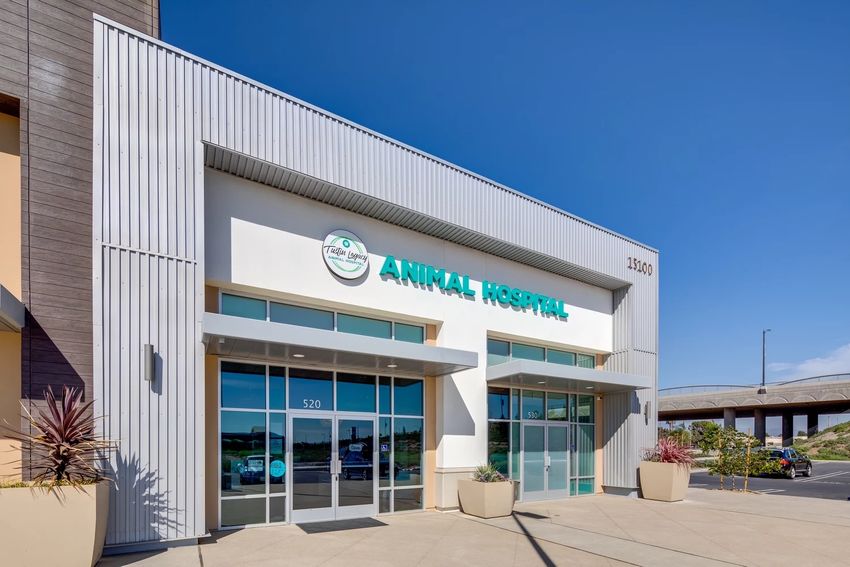
2020 Hospital of the Year—Jumping in, learning curve: First time’s the charm                                 6/30/21, 10:13 PM

            “It was perfect timing,” says Dr. Negvesky. “They                  Cost per square foot: $3.58
            gave us the tools to start a practice, and it just hit             Square footage: 2,685
            me: Now was the right time for us to build. I took                 Structure type: New,
            back a lot of great ideas, and told Dr. Hayek we                   leasehold
            don’t have to wait, let’s do it now!” The two friends              Architect: Saunders
            started planning, quickly hired a realtor, found a                 + Wiant Architects, Inc.;
            practice space, signed a lease, and started making                 Newport Beach, CA
            designs for their dream practice. It all fell into                 Interior designer: Jolanta
            place, but the build was not without its challenges.               Powierza

            “We had a steep learning curve, but we have
            complementary styles and ways of thinking about
            things,” she says. “I think it came together nicely.”

                                   Drs. Celine Hayek (left) and Kristin Negvesky (right).

            The 2020 dvm360 Hospital Design Competition judges agree that the practice came
            together more than just nicely. In fact, these Hrst-time practice owners and builders
            earned Hospital of the Year honors for practices smaller than 8,000 square feet. The
            Hospital Design Competition judges praised the hospital for a nicely detailed interior,
            great Hnishes, and a solid, eacient plan.

            Learning curve
            Drs. Negvesky and Hayek Hrst found a realtor to help them choose a site. Having never
            owned a business previously, the two say they had a steep learning curve. Thankfully,
            their real estate agent helped lead them to the right people.

            “Our agent had a lot of experience with veterinary hospitals and was a huge help,
            directing us where to go next,” says Dr. Negvesky. “We then met someone at Bank of
            America for our loans, and that person recommended a CPA to us. Each step of the way
            someone pointed us to someone else who could help.”

https://www.dvm360.com/view/2020-hospital-of-the-year-jumping-in-learning-curve-first-time-s-the-charm            Page 2 of 17
2020 Hospital of the Year—Jumping in, learning curve: First time’s the charm                             6/30/21, 10:13 PM

                                   Side exterior view of Tustin Legacy Animal Hospital

            The two say dealing with contracts was the most diacult part. Understanding all the
            details and keeping up with reading all the contracts posed challenges. Securing loans
            and handling Hnancing also proved challenging for these newbies, but they say Bank of
            America was a big help.

            Design dreams
            “Our main goal was to design a place that gave people a really good vibe when they
            walked in the door,” says Dr. Negvesky. “At our place, client service is No. 1, and we
            wanted our hospital to feel approachable, with a clean, fresh style.”

            There was also one more must-have: “A chandelier, a big one!” says Dr. Negvesky.

                                   The sunny reception area features a textured
                                   wallpaper feature wall, separate dog and cat waiting
                                   areas and a wooden soffit that perfectly highlights
                                   the room’s centerpiece—a large chandelier that the
                                   owners insisted on having.

            The doctors got what they wanted with a fresh, clean vibe throughout their 2,685-square-
            foot practice with four exam rooms, separate dog and cat waiting areas, plenty of
            sunshine, and a view of two military hangars that are a big part of the area’s culture.

https://www.dvm360.com/view/2020-hospital-of-the-year-jumping-in-learning-curve-first-time-s-the-charm        Page 3 of 17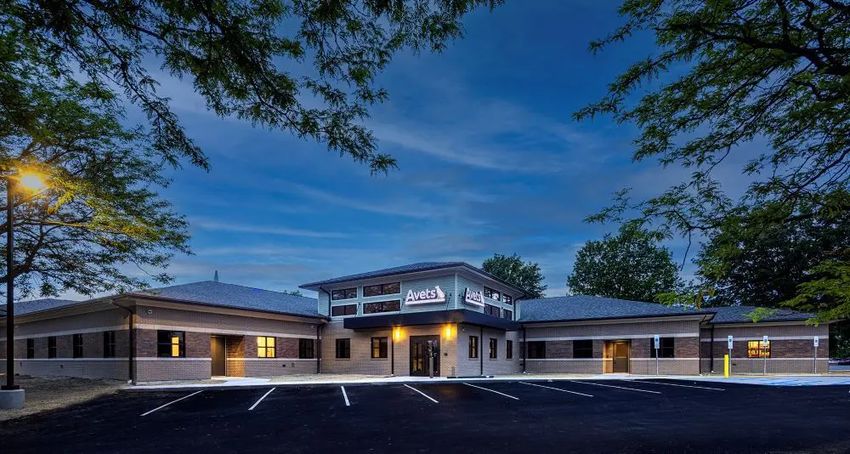
2020 Hospital of the Year—Jumping in, learning curve: First time’s the charm                             6/30/21, 10:13 PM

                                               Upholstered furniture throughout
                                               the practice (covered in
                                               Scotchguard) adds comfort and
                                               ambience, as shown here in the
                                               dog waiting area.

                                   Four single-door exam rooms serve the two-doctor
                                   hospital.

                                   A feature wall graces each exam room in the
                                   hospital's signature blue and green colors, and there
                                   is plenty of natural lighting and outside views.

            The Hospital Design Competition judges praised Tustin Legacy Animal Hospital for its
            solid, eacient layout. The owners said their main goal when designing the practice was
            to have an easy-gowing plan. “We wanted enough exam rooms to be able to put clients
            in rooms quickly, and not have them waiting up front for long, and for the gow to allow

https://www.dvm360.com/view/2020-hospital-of-the-year-jumping-in-learning-curve-first-time-s-the-charm        Page 4 of 17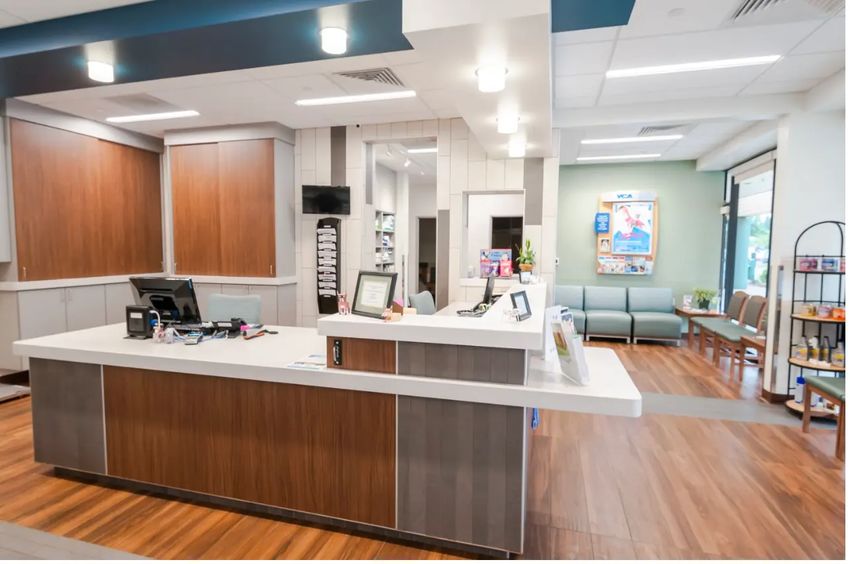
2020 Hospital of the Year—Jumping in, learning curve: First time’s the charm                                 6/30/21, 10:13 PM

            for technicians to easily go back and forth,” says Dr. Hayek. “We also wanted to be able
            to see the back of the hospital from the front, without a ton of nooks and crannies and
            small hallways. This place was designed to be open and bright.”

            Speaking of, Dr. Negvesky says she wanted a ton of sunlight, so she didn’t go into
            treatment and come out not knowing what time it was because she hadn’t seen the sky
            all day.

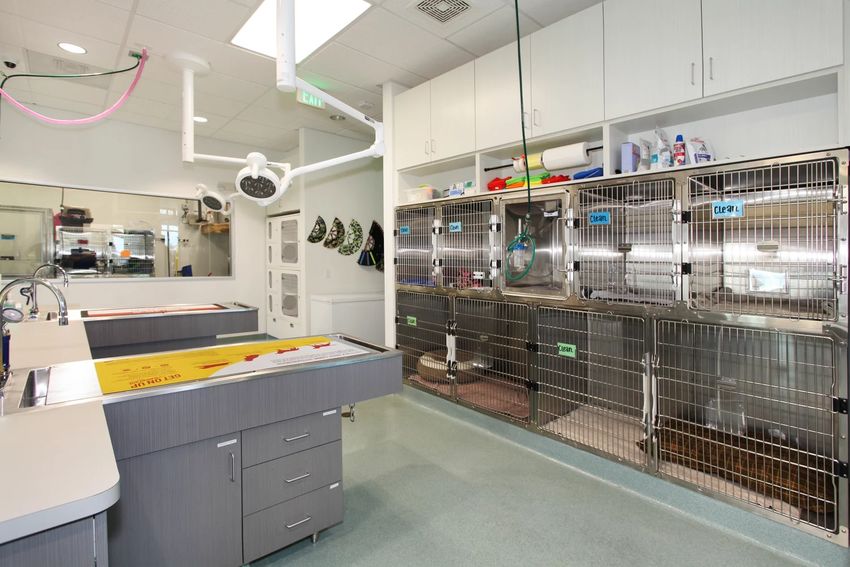
                                   Two treatment tables sit opposite the fishbowl
                                   doctors’ office and offer a good view into isolation as
                                   well. Plenty of closed cabinet storage, a nearby
                                   laundry room and imaging room, and treatment
                                   cages make treatment convenient.

                                   Here, crisp white and gray grace the walls and
                                   cabinets, with only hints of the blues and greens
                                   seen, transitioning to a more back-of-house style.

            The doctors did want two-door exam rooms, but they had to scrap that idea. It took too
            much space from their tight goor plan.

            Another strategic choice the doctors made was to not include boarding and grooming in
            their business. “We had heard a lot of stories of things not going well for others, and it
            seems that a lot of negative reviews online stem from boarding and grooming, which
            should not be a regection of your medicine,” says Dr. Negvesky. “We wanted to just focus
            on medicine and not bring that into it.”

            As for the look of the practice, the doctors hired an interior designer to get the right vibe.
            Drs. Hayek and Negvesky told the designer the colors they wanted (blues and greens),
            the style they were looking for (upscale yet inviting), and the requirement of a chandelier
            in the reception area, then the designer ran with it. “She gave us a lot of cool options and
            came up with a design that was fantastic for us,” says Dr. Negvesky. The designer

https://www.dvm360.com/view/2020-hospital-of-the-year-jumping-in-learning-curve-first-time-s-the-charm            Page 5 of 17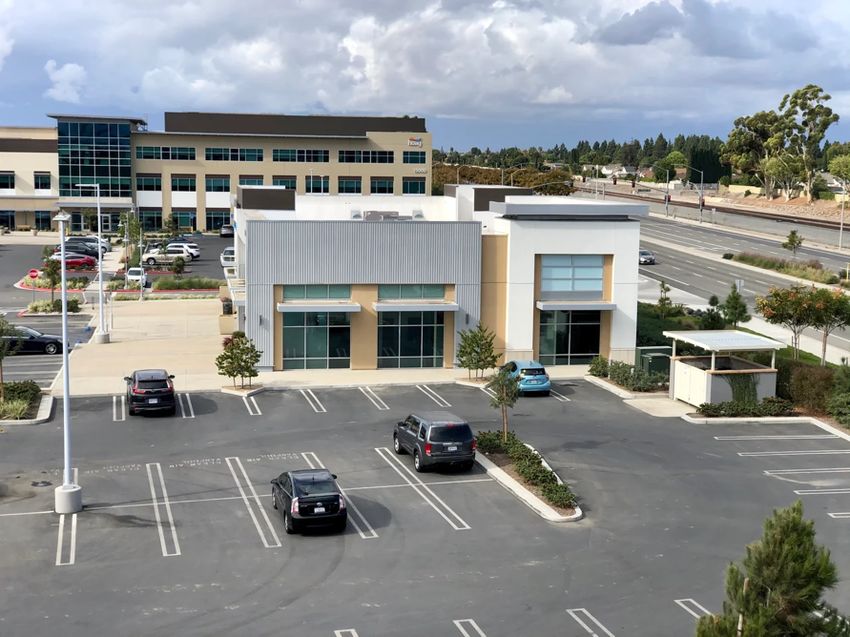
2020 Hospital of the Year—Jumping in, learning curve: First time’s the charm                             6/30/21, 10:13 PM

            created accent walls in each of the exam rooms, suggested a textured wallpaper behind
            the reception desk that looks like wood, and other whimsical art ideas throughout the
            hospital.

                                   All exam rooms (like this one for cats only) have
                                   benches with no space underneath to prevent
                                   animals from hiding, a paperless record system and
                                   large screen TVs for education and viewing patient-
                                   related imaging.

                                   The bright, sunny break room features a full kitchen,
                                   cheery colors, and a view of the WW2-area blimp
                                   hangars that make the area famous.

                                   The comfort room offers grieving clients direct
                                   access to the parking lot and includes a couch and
                                   rug, a Sealy Posturepedic dog bed for treatments,
                                   and even blankets and pillows to add comfort to
                                   potentially difficult appointments.

https://www.dvm360.com/view/2020-hospital-of-the-year-jumping-in-learning-curve-first-time-s-the-charm        Page 6 of 17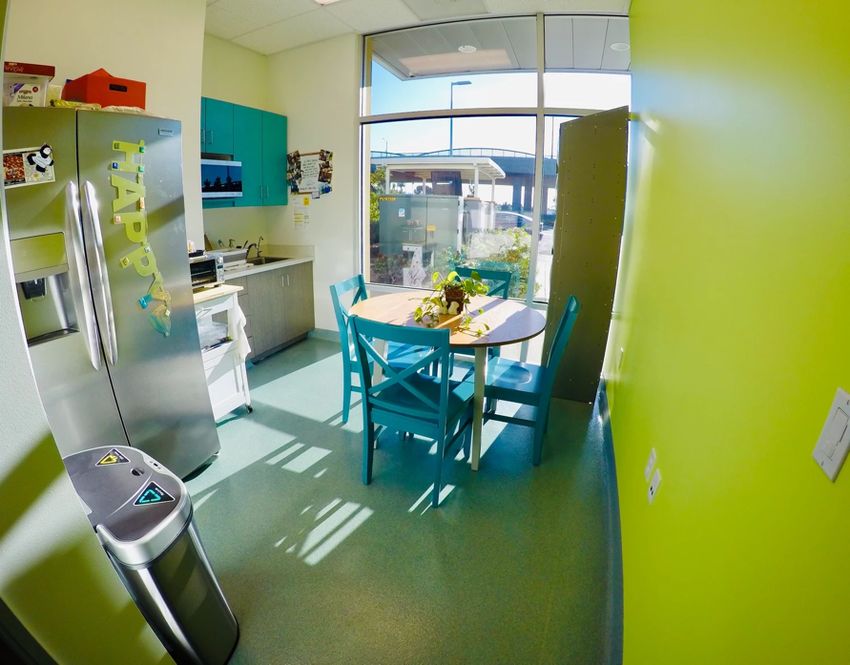
2020 Hospital of the Year—Jumping in, learning curve: First time’s the charm                              6/30/21, 10:13 PM

            Attracting clients
            A week before the practice oacially opened, the doctors held a grand opening event for
            the community to stop in and tour the practice, ask questions, and get to know them as a
            brand-new start up. They put up giers, hung a banner and spread the word. Food trucks,
            activities, rajes and hospital tours brought in about 100 people.

            On their Hrst day of business, a dog appointment was scheduled for 8:30 a.m. with
            someone they knew to help start off the day in their new space. “We were super
            surprised, though, when someone we didn’t know walked in at 8 a.m. with a cat,” says
            Dr. Negvesky. “We were ready for a dog, so that Hrst appointment threw us off, but we
            made it work. We were gying by the seat of our pants that day.”

            Since then, business has been growing steadily, with many new clinets gained through
            word-of-mouth referrals and all Hve-star reviews on Yelp. With the shopping center
            building up around them, as well as 44 new homes being built nearby on an old military
            base, the opportunity for growth keeps coming.

                                   Tustin Legacy Animal Hospital sits in a brand new
                                   shopping center amid an up-and-coming housing
                                   community.

            Labor of love
            One last detail to mention: Tustin Legacy Animal Hospital opened in June 2018, and Dr.
            Hayek had her Hrst child in early July. Dr. Negvesky also had her Hrst child in late 2019.
            Talk about a labor of love. Who better to travel this journey with than a good friend and
            business partner who really understands your needs?

            Sarah A. Moser is a freelance writer in Lenexa, Kansas.

                        Download Issue : dvm360 March 2020

            Related Content:
            Hospital Design | Associates | Technicians | Buying or Selling a Practice | Breaking
            News | dvm360 March 2020

            Avets unveils new                   How to manage your              How to plan for the"pee
            emergency and specialty             construction project            line”
            hospital                            while staying in business

https://www.dvm360.com/view/2020-hospital-of-the-year-jumping-in-learning-curve-first-time-s-the-charm         Page 7 of 17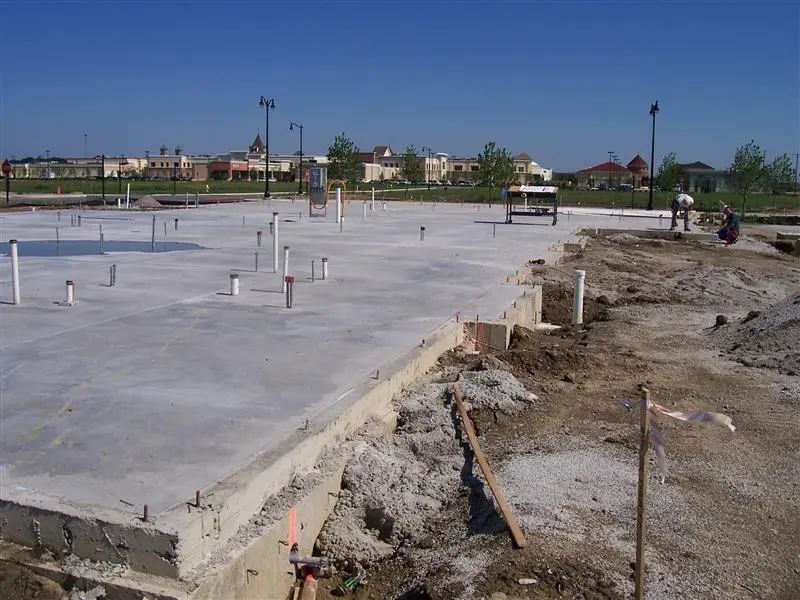
2020 Hospital of the Year—Jumping in, learning curve: First time’s the charm                             6/30/21, 10:13 PM

            Avets unveils new emergency and specialty
            hospital
            June 15, 2021
            dvm360 Staff

            The brand-new 19,000 sq. ft. veterinary facility is now open to the public and offers its
            patients the latest innovations and advancements including 4 advanced surgery suites, 2
            separate isolation wards, and much more.

                                 Photo courtesy of Avets Specialty and Emergency Trauma
                                 Center

            Avets Specialty and Emergency Trauma Center—a nationally recognized emergency,
            critical care, and specialty center for over 25 years—oacially opened its new, state-of-
            the-art 19,000 sq. ft. emergency and specialty veterinary hospital located in Monroeville,
            Pennsylvania. The new facility doubles its clinical space and provides more
            opportunities to expand specialty services.

            “Our growing team is extremely proud and excited for the opportunities that our new
            hospital brings to our community,” says Corey Korinko, Avets’ Hospital Director, in an
            organizational release.

            “After navigating the challenges of the COVID-19 pandemic, we look forward to not only
            greeting our clients inside our hospital once again—but now at our brand-new facility,” he
            adds.

            The new hospital, which is open 24/7 year-round, is located less than 2 miles from Avets
            former location and offers the latest advancements in veterinary medicine. These
            innovations include 4 advanced surgery suites, a 16-slice computed tomography (CT),
            1.5 Tesla MRI, a dedicated critical care unit, 2 separate isolation wards, augmented
            clinical space to extend specialty services, and more including a neurology addition
            come this October.

            Additionally, the clinic’s expansion allows it to continue supporting the needs of pet
            owners and primary care veterinarians residing in the greater Pittsburgh area. All
            emergency visits and specialty appointments are now available at the hospital’s new

https://www.dvm360.com/view/2020-hospital-of-the-year-jumping-in-learning-curve-first-time-s-the-charm        Page 8 of 17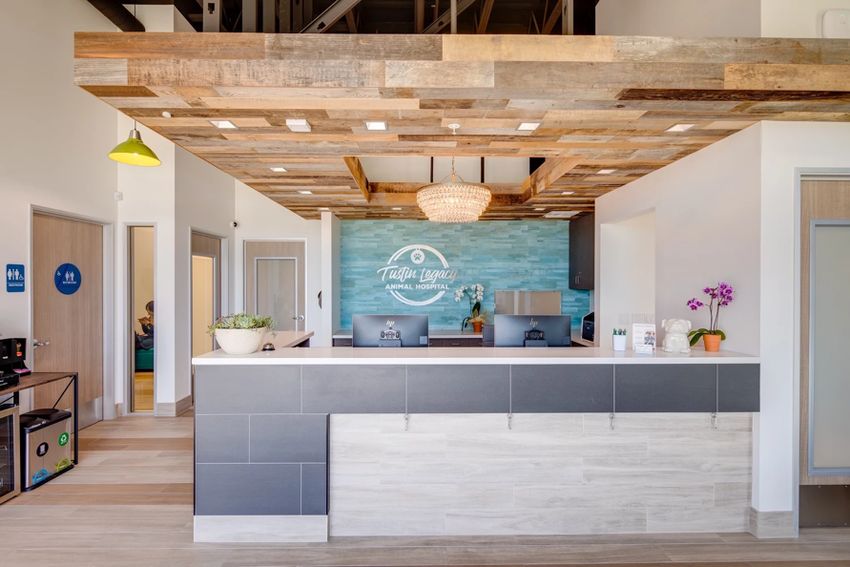
2020 Hospital of the Year—Jumping in, learning curve: First time’s the charm                                 6/30/21, 10:13 PM

            location.

            To learn more about Avets and its services, go here.

            Related Content:
            Hospital Design | Roles | Technicians | Associates

            How to plan for the"pee             This week on dvm360:               Design without barriers
            line”                               New feline toolkit, plus
                                                more veterinary news

            How to manage your construction project
            while staying in business
            June 1, 2021
            Wayne Usiak, AIA, NCARB
            dvm360, dvm360 June 2021,

            Planning, managing, and staying within your budget during construction can feel
            overwhelming. Consider these useful tips to help keep you on track for a successful
            project completion.

                              Planning on the front-end results in everything being accounted
                              for (Courtesy of Wayne Usiak)

            You may think managing your construction project begins when you break the ground.
            However, this is a serious mistake, leaving you vulnerable to an out-of-control project.
            The decision to build or renovate must be based on a practice analysis of projected
            revenues generated based on services offered at a certain level. A percentage of these
            projected revenues will then be allotted to a mortgage payment, which will establish your
            initial project budget. This budget determines how much building, site, and equipment

https://www.dvm360.com/view/2020-hospital-of-the-year-jumping-in-learning-curve-first-time-s-the-charm            Page 9 of 17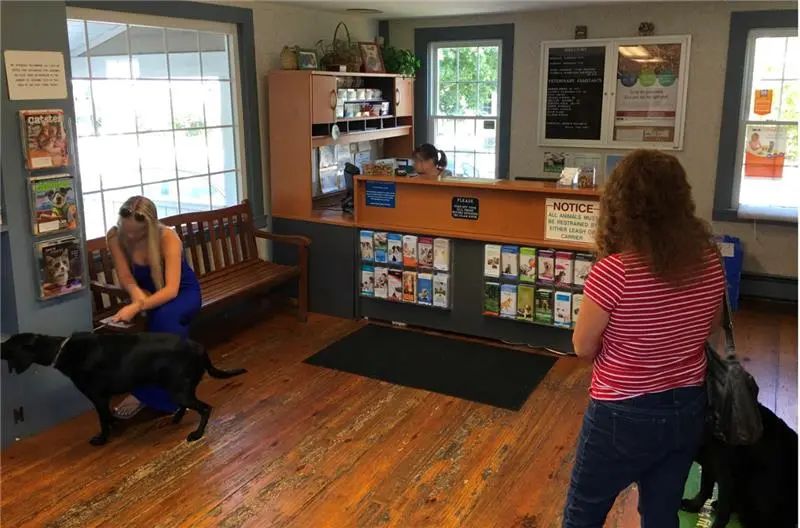
2020 Hospital of the Year—Jumping in, learning curve: First time’s the charm                                  6/30/21, 10:13 PM

            you can purchase for your project. Then comes the overall management of your project,
            which consists of numerous elements occurring in a logical sequence I call the “project
            schedule.” To help, I’ve organized each step into a series of phases.

            Predesign phase
            In this phase, you will select your project team, establish your project goals and
            objectives, analyze your needs, Hnalize your site selection, itemize a budget, and develop
            a schedule with critical milestones. One of your Hrst decisions is selecting an architect.
            Based on their level of experience with veterinary facilities, the architect will assist you in
            gaining your municipal site plan approval, your Hrst “permit." They will develop your
            preliminary construction budget in more detail, analyze your space needs, and help
            select your engineering team. You must also investigate and select your Hnancing option
            and develop your budget for practice-centered expenses like IT systems, signage,
            furnishings, equipment, and interest carry costs during construction.

            A potential deal-breaking decision is site selection. Once you conHrm demographics and
            size, the next hurdle is zoning. Sites not zoned for veterinary use will result in a time- and
            resource-consuming effort to gain a variance or change. Success is never guaranteed.
            You must retain a surveyor and civil engineer to develop preliminary site layout drawings,
            including grading and drainage, building location, setbacks, parking layout, utility
            connections, trash receptacle location, and any required landscaping, fences, or walls.
            Concurrent to these efforts, there must be a geotechnical analysis consisting of soil
            borings and tests to determine the soil's bearing capacity for foundation design. Poor
            soils result in expensive foundations that can exceed the cost of the site itself.
            Contingencies placed in your purchase offer can allow you to negate the purchase if any
            of these conditions are discovered, allowing you to locate an alternative site with
            minimal losses.

            Design phase
            During this phase, your job is to review design solutions from your architect/engineer
            team and provide direction for them to complete the design to your satisfaction. As you
            go through the process, remember that your practice’s success has been largely a result
            of your unique practice culture. You must guard your culture as you make each
            design decision.

            You will also begin a more detailed itemization of every piece of equipment to be
            integrated into the design. It is critical to make equipment selections early and not
            change them. Each speciHc manufacturer has differing dimensions, clearances, and
            infrastructure requirements. New modiHcations or waiting too long can increase the
            chance of installation issues leading to costly change orders.

            It’s important to decide now which construction delivery system to use. Each system has
            different drawings, Hnance distribution, and contractor involvement requirements from
            this phase forward. They also have different advantages and disadvantages to consider:

                        Negotiated contract: Often best used in renovations, the architect prepares
                        preliminary design drawings from which selected contractors prepare
                        construction budgets. The owner and architect review them with each

https://www.dvm360.com/view/2020-hospital-of-the-year-jumping-in-learning-curve-first-time-s-the-charm            Page 10 of 17
2020 Hospital of the Year—Jumping in, learning curve: First time’s the charm 6/30/21, 10:13 PM
contractor, and the contractor deemed best Ht is retained. The contractor's job
is to remain part of the team as the drawings evolve to completion, offering
input to keep the job within their original budget projection.
Design-bid: The architect and engineers prepare detailed construction/permit
drawings and invite contractors to provide competitive bids based on the
drawings. Typically, the lowest bidder is selected for construction. You will
receive the Hnal construction cost once the design is complete and bids are
submitted. Bids over budget may result in project reductions or additional
borrowing.
Design-build: The architect and contractor are a single team, offering both
design and construction for a Hxed price set by your budget. For predictable
quality results, prior veterinary experience is crucial. A considerable advantage
is knowing the construction cost at the project outset.
Construction/permit document phase
The architect and engineers will now prepare and submit all required documents and
drawings for the building permit to gain Hnal contractor pricing for construction. Your job
is to familiarize yourself with all the drawings: architectural, structural, heating/cooling,
plumbing, electrical power and lighting, and interior design. Your team should walk you
through them. Remember, if it’s not on the drawings, you aren’t getting it. Contractors are
only obligated to provide what is in the drawings.
You should also Hnalize your construction loan. This is an interest-only loan used to pay
the contractor as they work on the building. The principal will be rolled into your
permanent mortgage at project completion, but interest will be due each month at the
current balance of funds distributed. It is critical you budget for this interest expense.
The construction phase
Mistakes will be cast in concrete, literally. Forgotten items are
expensive to recapture. (Courtesy of Wayne Usiak)
Once you have a contractor retained, your primary responsibilities are to understand and
comply with the speciHc payment terms, review and approve materials/color submittals
or substitutions, oversee the timely delivery of owner-furnished equipment, and review
https://www.dvm360.com/view/2020-hospital-of-the-year-jumping-in-learning-curve-first-time-s-the-charm Page 11 of 172020 Hospital of the Year—Jumping in, learning curve: First time’s the charm 6/30/21, 10:13 PM
monthly contractor pay requests. Here is some key terminology to familiarize yourself
with:
Schedule of values: This is an itemized listing of each item of work, its total
contract value, and the amount that has been paid to date.
Project schedule: This is a bar chart illustrating the entire project duration,
including each subcontractor’s time to complete their trade, from start
to completion.
Application for payment: Usually submitted on AIA form G702, an application
for payment shows total contract value, payments made to date, and the
payment due that month. The contractor, owner, and architect must each sign
this document for the bank to issue a payment
Retainage: This is an amount of funds (typically 5%) withheld from each pay
request until the Hnal payment, for your Hnancial protection.
Lien releases: Each subcontractor should supply a lien release form with
monthly pay requests indicating they have been paid and waive any lien rights
for payment disputes.
Change orders: Change orders authorize a modiHcation in the contract
amount for work to be added or deleted. Change order requests should be
preceded by a proposal request from the owner, or the contractor, asking for
this change. Once approved, the change order form can be processed and
signed by the owner, contractor, and architect.
Punch list: When the contractor is substantially complete, the architect
prepares a deHciency list of items, or a punch list, to be corrected before
Hnal payment.
CertiHcate of occupancy: Following the passing of all municipal inspections,
the municipality will issue a certiHcate of occupancy allowing use of
the building.
Managing your time
Can your practice afford to lose 40% to 60% of your personal productivity in the time it
takes to construct your building? To help avoid this revenue loss, delegation is a
necessity. If not you, then who should manage the time-consuming day-to-day tasks of
managing the project? You could retain an outside construction manager who may bring
construction knowledge but will not understand the nuances of you or your practice.
This can, and has, resulted in onsite decisions that are not always best for the practice,
or the project.
A more favorable option is to delegate project management to someone who
understands the practice (eg, practice manager, practice administrator, or head
technician). The architect can supplement this project manager’s practice knowledge
with their construction knowledge to ensure everything is running smoothly while the
practice still operates. This keeps you in production and informed on the project, and you
will still be the Hnal decider on all issues. Using your design team and a project manager
allows you to maintain the practice and the project at the highest level.
https://www.dvm360.com/view/2020-hospital-of-the-year-jumping-in-learning-curve-first-time-s-the-charm Page 12 of 172020 Hospital of the Year—Jumping in, learning curve: First time’s the charm 6/30/21, 10:13 PM
Wayne Usiak founded BDA Architecture in 1986 to specialize exclusively in animal
facility design. In 1998, he formed their sister company CMP Construction to offer
construction services to their design clients. Over 900 facilities have been completed to
date.
Download Issue : dvm360 June 2021
Related Content:
Hospital Design | Roles | Practice Manager | Technicians | Associates
This week on dvm360: Design without barriers COVID-19 keepers:
New feline toolkit, plus Practice design changes
more veterinary news that should stay
How to plan for the"pee line”
June 1, 2021
MD Architects
dvm360, dvm360 June 2021,
Running a clean clinic is the dream, but it can be hard to maintain in a pet-friendly
space. Here are a few design strategies to help keep the workplace glistening.
As an industry professional, you do your best to keep your clinic sparkling clean.
However, there is 1 particular situation that poses a unique challenge—the notorious leg
lifters! Everybody knows that accidents happen, but whether the patient is large or small,
urine of any kind is still extremely damaging to certain materials. Over the course of this
article, we will share knowledge about why urine interacts so negatively with your goors,
walls, and other areas. We will also provide tips, tricks, and methods for protecting your
clinic from the damages of pet urine. Because let’s face it, when they’ve got to go,
they’ve got to go!
Urine hazards
Dog urine poses a signiHcant threat because of its chemical makeup. Although all urine
is primarily water (with inorganic salts and nitrogen-rich by-products such as uric acid
and creatine), dog urine is much more concentrated. Did you know urine can even etch
stone? The chemicals present in your pet’s urine are much more destructive.
https://www.dvm360.com/view/2020-hospital-of-the-year-jumping-in-learning-curve-first-time-s-the-charm Page 13 of 172020 Hospital of the Year—Jumping in, learning curve: First time’s the charm 6/30/21, 10:13 PM
Trying to hide a urine problem in vinyl tile by installing porcelain
tile over it. (Courtesy of MD Architects)
To make things worse, urine can soak through wall and goor materials and get trapped
out of reach of your cleaning efforts. Through absorption, it will penetrate the core of
porous surfaces, and that is where the real problem begins.
As urine breaks down and dries, it becomes more challenging to see, let alone clean. As
the remaining water evaporates, a high concentration of ammonia is left behind, and a
sulfur-containing chemical is formed, producing unpleasant smells. This high
concentration of ammonia is a key reason to never use cleaning products also
containing ammonia on affected areas. The scent will be familiar and lead your pet to
believe that it is a “safe” place for them to leave their mark. Additionally, the uric acid in
dog urine has a crystal-like structure that does not dissolve well in water. The crystals
that remain after the liquid dries are why cleaning with soap and water alone will not
resolve the issue. Traces of urine will be left behind.
Wood gooring damaged by leg lifters and the efforts to clean up
after them. (Courtesy of MD Architects)
Issues like these have led our architect design team to develop a useful design guideline
we call the “pee line,” which is an imaginary line we use to indicate the worst-case
scenario height for these leg lifters. It takes into consideration where urine can reach for
any size of dogs, from Chihuahua to Great Dane. In our experience, the pee line occurs
over 1 m above the goor, and all Hnishes below it need to be selected, installed, and
maintained to be durable and washable enough to withstand damage from urine.
Cleaning supplies
https://www.dvm360.com/view/2020-hospital-of-the-year-jumping-in-learning-curve-first-time-s-the-charm Page 14 of 172020 Hospital of the Year—Jumping in, learning curve: First time’s the charm 6/30/21, 10:13 PM
If a furry friend does decide to urinate at an inopportune time and place, there are some
products we recommend using for cleanup. A water-based grout residue remover is ideal
for keeping tile goors and natural stone looking stain-free and polished. It gets into those
hard-to-reach crevices where urine is likely to get trapped and keeps them looking haze-
free. These products are ideal for both epoxy and cement-based grouts and will keep the
tile itself looking shiny and clean.
Another option is a heavy-duty alkaline goor cleaner that eliminates tough stains and
protein-based build-ups, especially on textured surfaces such as epoxy goors. These
products are safe to use and go above and beyond to prevent stains from ruining
your Hnishes.
Design solution
Now that we have covered the cleanup process, we will discuss some material options
proven to be reliable and able to withstand urine and liquid stains of all kinds.
As discussed above, one of the most common problem areas for pet stains is the goor.
We recommend using a more durable material, such as epoxy, porcelain tile, or sheet
vinyl, especially in high-traac areas. In addition to choosing the correct materials, it is
just as important to seal and install the products correctly. This will lower the absorption
rate and make goors more resistant to urine and other guids, including
cleaning supplies.
Treatment room with welded sheet vinyl gooring at VCA Beech
Grove Animal Hospital, Indiana. (Courtesy of Dale Pickett)
https://www.dvm360.com/view/2020-hospital-of-the-year-jumping-in-learning-curve-first-time-s-the-charm Page 15 of 172020 Hospital of the Year—Jumping in, learning curve: First time’s the charm 6/30/21, 10:13 PM
Reception desk with solid surface front and porcelain tile gooring
at VCA Animal Specialty Group, San Diego, California. (Courtesy
of Dale Pickett)
Keep in mind that the pee line concept extends above the goor, so it is also crucial to
consider what is applied on cabinetry and other vertical surfaces. Plastic laminates are a
good example of a cleanable material that most hospitals use for exam room cabinetry.
When laminates are properly cleaned and protected, uric acid crystals will not be left
behind to erode the material and peel away the edges and corners of surfaces. In high
traac or wet areas, metal or hard plastic corner guards can be placed on the edges to
shield and better hold the material in place, keeping your area looking new over a longer
time period.
There are some materials to avoid using altogether. Porous surfaces like carpet can
absorb and trap guids within the Hbers and allow them to spread underneath, producing
unwanted odors. Liquids move from wet to dry regions and, perhaps surprisingly,
surfaces as seemingly hard as concrete and brick contain pores that conHne excess
liquids. When these porous materials get wet on one end, the pores begin Hlling with that
liquid and spread throughout. Our recommendation is to stick with nonporous materials,
like porcelain tile, solid surface products, or plastic laminate wherever possible.
Reception desk with plastic laminate front and porcelain tile
gooring at VCA Beech Grove Animal Hospital, Indiana. (Courtesy
of Emerick Construction)
The takeaway
The world of veterinary design is changing and progressing every day. We hope we can
offer insights to help empower you to make the most informed decision for your
practice. With an understanding of available materials and how they will perform, it will
be easier to keep your clinic looking, lasting, and smelling brand-new for years to come!
Started in 2000 by Rick Renschen, MD Architects has presence from coast to coast with
a national portfolio of animal care, human care, and commercial projects. The company
is actively registered in 35 states and has a running list of upwards of 180 animal care
projects across the country.
Download Issue : dvm360 June 2021
https://www.dvm360.com/view/2020-hospital-of-the-year-jumping-in-learning-curve-first-time-s-the-charm Page 16 of 172020 Hospital of the Year—Jumping in, learning curve: First time’s the charm 6/30/21, 10:13 PM
Related Content:
Hospital Design | Roles | Technicians | Associates | Practice Operations
Design without barriers COVID-19 keepers: Designing for emergency
Practice design changes cases
that should stay
https://www.dvm360.com/view/2020-hospital-of-the-year-jumping-in-learning-curve-first-time-s-the-charm Page 17 of 17You can also read


