2021 Education Program for Years 7 to 12 - Parks and ...
←
→
Page content transcription
If your browser does not render page correctly, please read the page content below
2021 Education Program for Years 7 to 12

Nearer to Nature Schools provide opportunities for students of all ages to take part in hands-on,
experiential learning in the natural environment. The excursions build concepts, skills, values and the
ability to make environmentally responsible decisions. All programs are linked to State and National
Curriculum.
For teachers and students, we offer:
•   excursions or camp activities at a variety of locations across the Perth metropolitan area and
    Dwellingup
•   incursions at your school
•   educational resources to use in the classroom
•   professional learning for educators.

Contact us
Phone: 9295 2244
Email n2n@dbca.wa.gov.au
Web: dbca.wa.gov.au/nearertonature
Contents
    Getting students Nearer to                   Incursions			                       21
    Nature                                                                                    Bookings
                                                 Catchment model			21
    Bookings				3                                Saving threatened species		         21       Make a booking
    Locations				4                               Fire geography			22                          1. Click on the link to book online at your program of choice in this brochure; or visit
                                                 Totems yarning			22                             our website and use the Enquire online button for your program area at:
    Lower secondary                                                                              dbca.wa.gov.au/nearertonature/schools

    (Years 7-10)		                          5    Short programs		                    23       2. Complete the online booking enquiry or contact the Nearer to Nature Booking Officer
                                                 Animal encounters			23                          for assistance:
    Aboriginal culture experience		         6
                                                 Eco walks				24                                  Email: n2n@dbca.wa.gov.au
    Bushfire				7
                                                 Night walk			25                                  Phone: 9295 2244 (Mon – Fri, 8.30 to 4.30)
    Biodiversity in the bush		              8
                                                 Monitoring marsupials
    River and wetland ecosystems		          9                                                 3. The Booking Officer will respond to your request via email.
                                                 Western Shield trapping excursion   26
    Catchment carer’s trail		               10   Bush tucker			27                             4. Please check the confirmation email to ensure your booking details are correct. All
                                                                                                 changes must be requested in writing.
    Upper secondary                              Venue Locations                     28       5. For further information on your excursion and for insurance and risk
    (Years 11 and 12)		                     11                                                   management documents see the Planning your visit pages on our website. For further
                                                                                                 information on programs click the Enquire online button for each program.
    Aboriginal culture experience		         11
    Aquatic ecosystems			12
    Dieback – bulldozing our biodiversity   13                                            Costs
    Field biology			14                                                                    Excursions: $16.50 per student, with the minimum charge being for a group of 20 students. The
                                                                                          maximum group size for our programs is 30 students. Multiple classes can be accommodated.
    Fire biology			15
    Fire geography - Excursion / Package    16                                            Incursions: Perth metropolitan area, one class (up to 30 students) is $200 per hour or part thereof,
                                                                                          second class, $180 per hour or part thereof.
    Flora biology			17
    Swan Canning River system inquiry                                                     Short programs: prices vary according to program. See details with each program description.
    - Excursion/ Package		                  18                                            Packages for Fire geography and Swan Canning River System Inquiry: excursion and incursion $16.50 per
    Sustainable forestry			19                                                             student (min 20 students) plus $180 per class incursion.
    Western Shield fauna biology		          20                                            All prices include GST.

                                                                                          Timing
                                                                                          Excursions run from 10am – 2 pm, including breaks for morning tea and lunch. Start and finish times
                                                                                          can be adjusted to your needs, please discuss with the booking officer when making a booking.

                                                                                          Payment
                                                                                          Credit card payment is preferred. Cheques are to be made payable to Department of Biodiversity,
                                                                                          Conservation and Attractions.
                                                                                          Charges for programs will be made on a per student basis dependent upon the number of students
                                                                                          attending, however we require a minimum payment for 20 students. Maximum class size is 30
2                                                                                         students. Multiple classes can be accommodated.                                                            3
        2                                                                                                                                                                                        3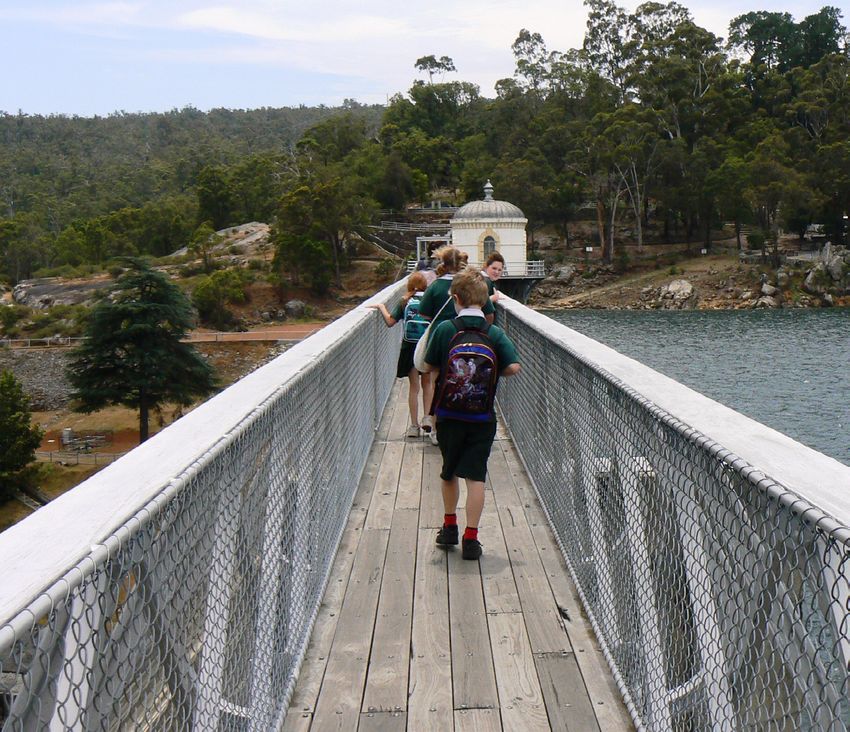
Lower Secondary

    Cancellations and changes to bookings                                                                         Excursions Years 7 – 10
    Please confirm any cancellation in writing at least two weeks before your visit; otherwise we apply           Nearer to Nature’s excursion programs for Years 7 – 10 cover key environmental themes. Within each
    a cancellation fee (note, cancellation fees do not apply due to cancellations when a severe weather           theme there are two core activities and one optional activity. There are several choices for each
    warning is issued). Once confirmed, your booking can be changed (subject to availability) up to two           optional activity. Your excursion can be tailored to be done with either one class or multiple classes
    further times. After that an administration fee of $50 will be charged.                                       and most can be done with either a Science or Geography focus. Our Booking Officer can give further
                                                                                                                  advice on options. There are also incursions and short programs suited to this age group.
    Adapting to suit your needs
    Programs can be adapted for Education Support Units, English as an Additional Language and Dialect,
    Bush Rangers cadets and home school groups.

    Curriculum links
    Programs are designed to cover content in the WA Curriculum. However, due to the practical nature
    of most activities, they are suitable as enrichment activities if you do not have a particular curriculum
    focus. Curriculum information for specific programs are suggestions only and teachers can discuss
    their specific needs with a Nearer to Nature education officer if required.

    Safety and supervision
    We suggest that teachers carry their own first-aid kit throughout their excursion; our Education Guides
    carry a small kit on all activities. Excursion venue risk information is available on our website. For your
    safety, please ensure the attending teacher(s) and all other supervising adults are familiar with this
    information before your visit. Please remember the teacher is responsible for supervising the class; our
    Education Guides run the activity.
    Locations

     Venue                                                                      Abbreviation
     Perth Hills Discovery Centre, Mundaring                                    PHDC
     Forest Discovery Centre, Dwellingup                                        FDC
     Canning River Eco Education Centre, Wilson                                 CREEC
     Piney Lakes Environmental Education Centre, Winthrop                       PLEEC
     Yanchep National Park                                                      YNP
     Lake Joondalup, Joondalup                                                  LJ
     Point Walter Reserve, Bicton                                               PW
     Riverside Gardens, Bayswater                                               RG

4                                                                                                                                                                                                                          5
        4                                                                                                                                                                                                           5
Lower Secondary

    Aboriginal culture experience                                                                             Bushfire
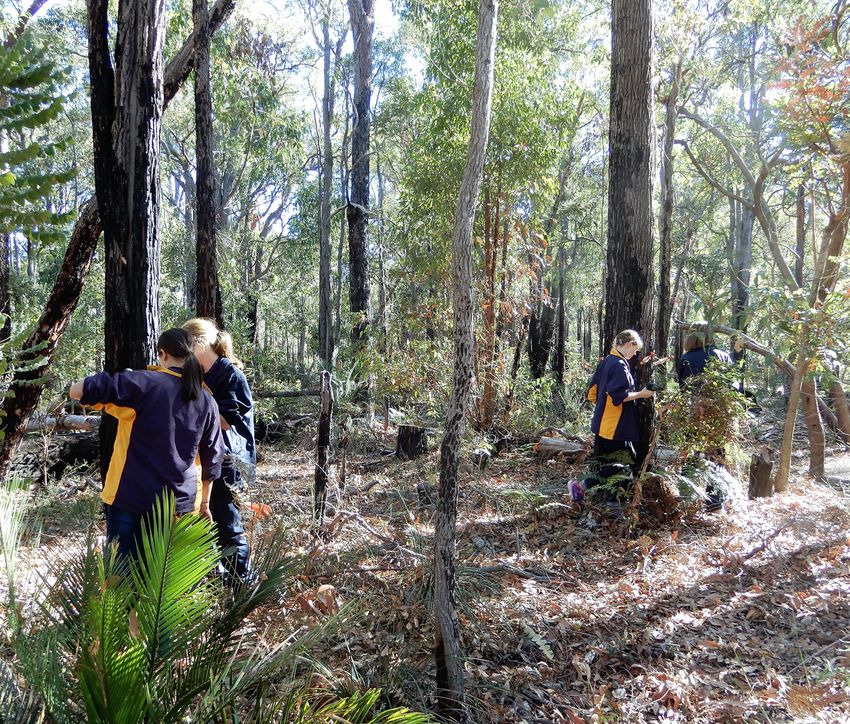
    Explore how the traditional practices of Indigenous Australians ensured the sustainable use of nature’s   Fire has been a natural part of the environment in south-west WA for millions of years. This excursion
    resources. Engage in tool-making practices and through a forest walk, discover many uses of plants        enables students to investigate a range of fire-related topics.
    and animals. The importance of totems in conserving species and sustainable management of the
                                                                                                              Find out more about the history of fire in WA. Discover how the forest recovers after fire and how native
    forest will also be discussed.
                                                                                                              animals respond. Learn about how fire is used by Parks and Wildlife Service, to manage ecosystems
    * This program is not available during the fire season (November – April).                                and reduce bushfire risk.
    Venues: PHDC, FDC                                                                                         You can create your own excursion for a single class or up to a whole year level. Every class will
    Science (8–10), HASS (7,8) Priorities – A&TSI, Sust                                                       participate in Bushfire in the landscape with the choice of two other activities depending on your focus.
                                                                                                              Choice of activities includes:
    Enquire online
                                                                                                              •   Burn history
                                                                                                              •   Bushfire Biology
                                                                                                              •   Fire truck observation
                                                                                                              •   Plan your response
                                                                                                              For further information on each activity see our Years 7 – 10 Excursion details document.
                                                                                                              Venues: PHDC, FDC
                                                                                                              Science (7,9) & HASS (7,8) Priorities – Sust, ATSI
                                                                                                              Enquire online

6                                                                                                                                                                                                                         7
        6                                                                                                                                                                                                        7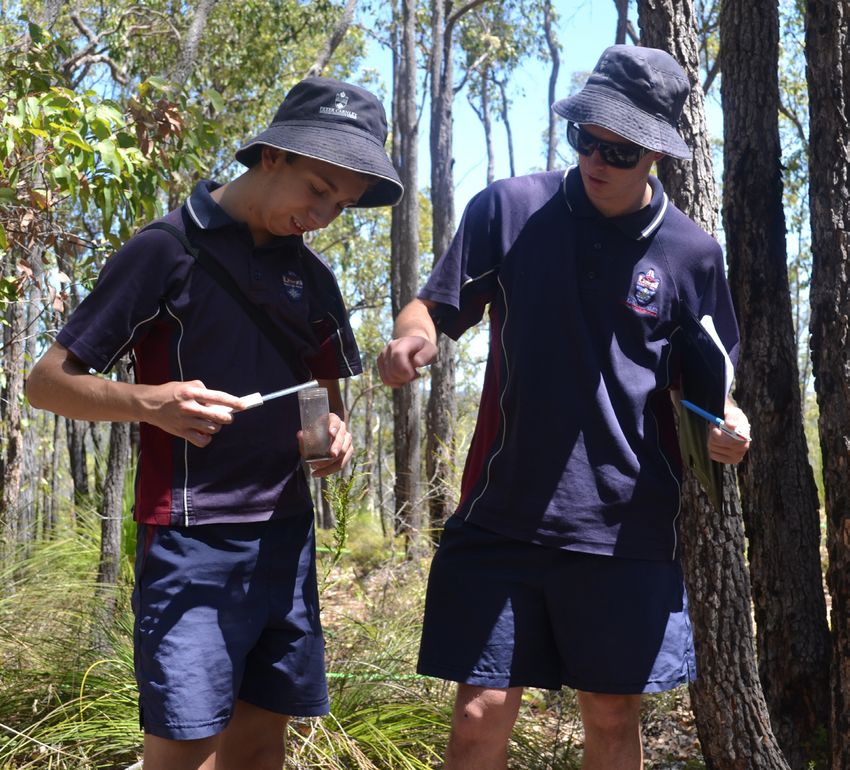
Lower Secondary

    Biodiversity in the bush                                                                                      River and wetland ecosystems
    Plants need animals, animals need plants. But do they need humans? On this excursion students                 The wetlands and rivers of the Swan Coastal Plain have been significantly affected by human–induced
    will explore through hands on activities and field visits the biodiversity of our forests, its inhabitants’   change; yet these ecosystems are still an important part of the biodiversity of the region. This excursion
    relationships and how humans are impacting and managing the forest ecosystems. Create your own                enables students to undertake a range of field tasks to assess the living and non-living components of
    excursion for a single class or up to a whole year level though our choice of activities.                     these ecosystems with either a Biology or Geography focus. Students explore key concepts related to
                                                                                                                  ecosystem structure and function such as feeding relationships and energy flow, ecosystem services
    Core activities; choose one of either:
                                                                                                                  and challenges to sustainability. You can adapt the excursion to your specific needs through your
       •       Measuring plant diversity, or                                                                      selection of optional activities.
       •       Protecting our threatened fauna – Western Shield
                                                                                                                  Core activities; do both:
    Optional activities: choose two of either:
                                                                                                                     •   Site survey
       •       Animals in their habitats                                                                             •   Water quality testing
       •       Changing times, changing forests                                                                   Optional activities; select 90 minutes worth of activities from:
       •       Plant survival techniques
                                                                                                                     •   Macroinvertebrate sampling (60 mins)
       •       Animal evidence
                                                                                                                     •   Map interpretation and field sketch (30 mins)
       •       Eco walk
                                                                                                                     •   Bird identification (30 mins)
       •       Animal encounter
                                                                                                                     •   Human impacts (30 mins)
    For further information on each activity see our Years 7 – 10 Excursion details document.                        •   Management strategies (30 mins)
    Venues: PHDC, FDC
                                                                                                                  For further information on each activity see our Years 7 – 10 Excursion details document.
    Science (7,9), HASS (7,9,10)
                                                                                                                  Venues: River – PW, RG; CREEC Wetland – LJ
    The Western Shield action pack (Years 4-6) is available to download online.
                                                                                                                  Science (7,9), HASS (7,9,10)
    Enquire online
                                                                                                                  Enquire online

8                                                                                                                                                                                                                              9
           8                                                                                                                                                                                                          9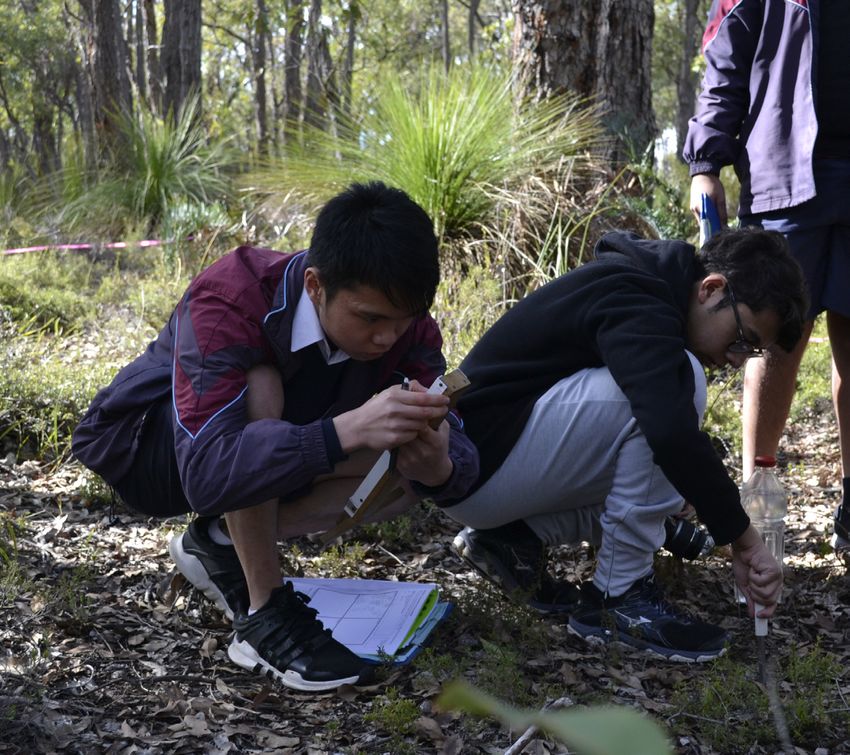
Upper Secondary

 Catchment carer’s trail                                                                                     Excursions and Packages
 Forests provide essential resources, including clean water. Through an inspiring activity-based walk to     Aboriginal culture experience
 Mundaring Weir we examine the factors that influence the water cycle in nature, and how water flow
 in a catchment connects everything. We consider the impact of management issues such as salinity,           Discover Indigenous sustainability techniques
 dieback and erosion; as well as water quality, water security, and our water supply system. We then
                                                                                                             Explore how the traditional practices of Indigenous Australians ensured the sustainable use of nature’s
 look at how our personal choices affect the sustainability of our forest and water resources. A highlight
                                                                                                             resources. Engage in tool-making practices and through a forest walk, discover many uses of plants
 is a panoramic view from a secret spot!
                                                                                                             and animals. The importance of totems in conserving species and sustainable management of the
 This excursion is suitable for all Waterwise Schools                                                        forest will also be discussed.
 Venue: PHDC                                                                                                 * This program is not available during the fire season (November – April).
 The Catchment Carers’ Trail resource pack is available to download online                                   Geography General Unit 2
 Science (7–8), Geography (7–8), Priorities – Sust , A&TSI                                                   Venues: PHDC, FDC
 Enquire online                                                                                              Enquire online

 Excursions Years 11 and 12

10                                                                                                                                                                                                                     11
                                                                                                                                                                                                                       11
     10                                                                                                                                                                                                        11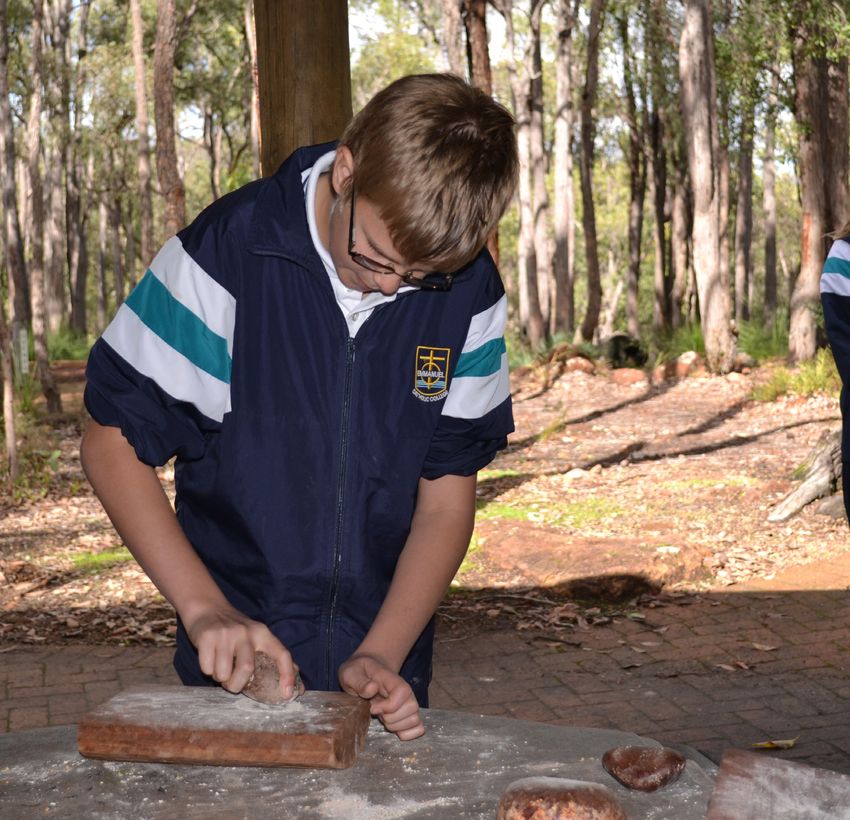
Aquatic ecosystems                                                                                    Dieback – bulldozing our biodiversity
 Investigate connections within a wetland ecosystem                                                    Fighting the “Biological Bulldozer”, can it be stopped?
 Investigate how a wetland ecosystem functions by conducting a range of field tasks on its biotic      The arrival and spread of Phytophthora dieback disease in Western Australia has been catastrophic
 and abiotic components. Conduct tests on water quality, sample the macroinvertebrate community        for a number of ecosystems. More than 50% of WA’s rare or endangered plants are susceptible, many
 and identify the ecological role of the organisms. The role of humans in modifying the ecosystem is   of which are only found in the south-west. Through hands-on activities students will get a practical
 considered and students will discuss how wetlands can be managed sustainably into the future. This    understanding of the “biological bulldozer”. Students will be introduced to the treatment, tools and
 excursion can be done with either a Biology or Geography focus and students are encouraged to         processes used to manage the spread of the disease and undertake a stem injecting activity to help
 formulate research questions, which their data collection will help answer.                           protect trees and prevent further dieback spread.

 Geography ATAR Unit 3, Geography General Unit 1, Biology ATAR Unit 1, Biology General Unit 4,         ATAR Biology Unit 4 – Surviving in a changing environment, ATAR Geography Unit 1 – Natural and
 Integrated Science ATAR Unit 2, Integrated Science General Unit 1                                     ecological hazards, ATAR Integrated Science Unit 2 – Biodiversity and conservation, General Geography
                                                                                                       Unit 3 – Natural and ecological hazards
 Venues: LJ, CREEC
                                                                                                       Venues – PHDC, FDC, YNP, PLEEC
 Enquire online
                                                                                                       Enquire online

12
12                                                                                                                                                                                                             13
                                                                                                                                                                                                               13
     12                                                                                                                                                                                                 13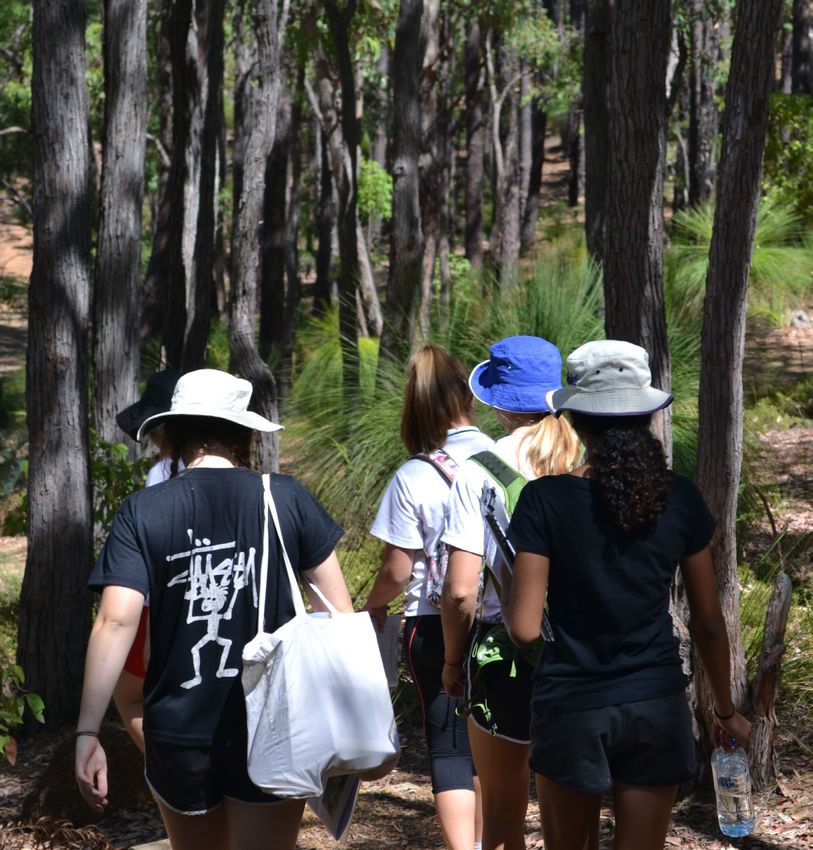
Field biology                                                                                              Fire biology
 An overview of techniques for field data collection                                                        Is fire good for the environment? Let’s answer this burning question.
 Australia is one of the world’s 17 centres of ‘mega-diversity’ of plants and animals. Explore a range of   Fire has been present in the Australian landscape for millions of years – since long before the arrival of
 techniques biologists use to collect data on our plant and animal communities. For plants, students do     humans – and it has strongly influenced the evolution of plants and animals. Discover the role fire has
 detailed mapping of quadrats and take a range of measurements. With animals, monitoring techniques         played in the evolution of our forests and the interdependent relationship of fire and the Australian
 include trapping, cameras and other non-invasive techniques. An animal encounter is included.              bush. Engage in biological fieldwork to examine the impacts of different types of fire on the Jarrah
                                                                                                            forest including habitat development. Learn about indigenous burning practices and the difference in
 General Biology Unit 4 - Ecosystems and eco-issues, ATAR Integrated Science Unit 2 - Biodiversity and
                                                                                                            fire behaviour between wildfire and prescribed burns.
 conservation, General Integrated Science Unit 1 – Sustainability and biodiversity, ATAR Biology Unit 1
 Ecosystems and Biodiversity.                                                                               Biology General Unit 4
 Venues – PHDC, FDC                                                                                         Venues: PHDC, FDC, YNP
 Enquire online                                                                                             Enquire online

14                                                                                                                                                                                                                       15
                                                                                                                                                                                                                          15
     14                                                                                                                                                                                                          15
Fire geography                                                                                                Flora biology
 Managing bushfire risk in a fire-prone environment                                                            A hands-on study of local flora
 Offered as a stand-alone excursion; or as a package with an incursion preceding the excursion.                The south-west of Western Australia is one of the world’s 34 biodiversity ‘hotspots’, with some of the
                                                                                                               richest and most unique reservoirs of plant and animal life on earth. Through this excursion students
 Bushfires are inevitable in the fire-prone landscapes of Western Australia. Long dry summers,
                                                                                                               will develop an understanding of our unique flora, how it has adapted to our abiotic conditions, and
 flammable vegetation and ignition from lightning or human causes mean that bushfires occur every
                                                                                                               some of the threats to its future. Management of some critical threats will be briefly discussed. On a
 summer. Engage in geographic fieldwork to investigate and assess fuel hazard risk and examine how
                                                                                                               forest walk students will be introduced to a range of plants and their adaptations to the environment.
 this might impact the ecosystem and community. Compare the effects of fire on natural and managed
                                                                                                               Hands-on data collection covers two methods – quadrats and transects (line and belt).
 areas, examine spatial and temporal patterns of distribution and consider how topography and land
 management affect fire behaviour. Discover the difference between bushfires and prescribed burning            Biology ATAR Unit 1, Biology General Unit 4
 and why prescribed burns are critical for protecting life, property and the environment.                      Venues: PHDC, FDC, PLEEC
 Excursion only: field work and a case study of a local fire.                                                  Enquire online
 Package
     • Incursion: fire weather; fire behaviour; Fire Danger Ratings; mapping introduction.
     • Excursion: field work; fire prediction mapping based on data and field maps from a recent local fire.
 It is highly recommended that classes undertake the Fire geography package (one-hour incursion
 before the excursion). The package is designed to prepare the students for the fieldtrip by providing
 relevant information so we free up as much time as possible for hands-on fieldwork and the fire
 mapping exercise whilst on the excursion.
 Geography ATAR Unit 1, Geography General Unit 3
 Venues: PHDC, FDC, YNP
 Enquire online for Fire geography Package (Excursion and Incursion)
 Enquire online for Fire geography Excursion

16                                                                                                                                                                                                                      17
                                                                                                                                                                                                                        17
     16                                                                                                                                                                                                         17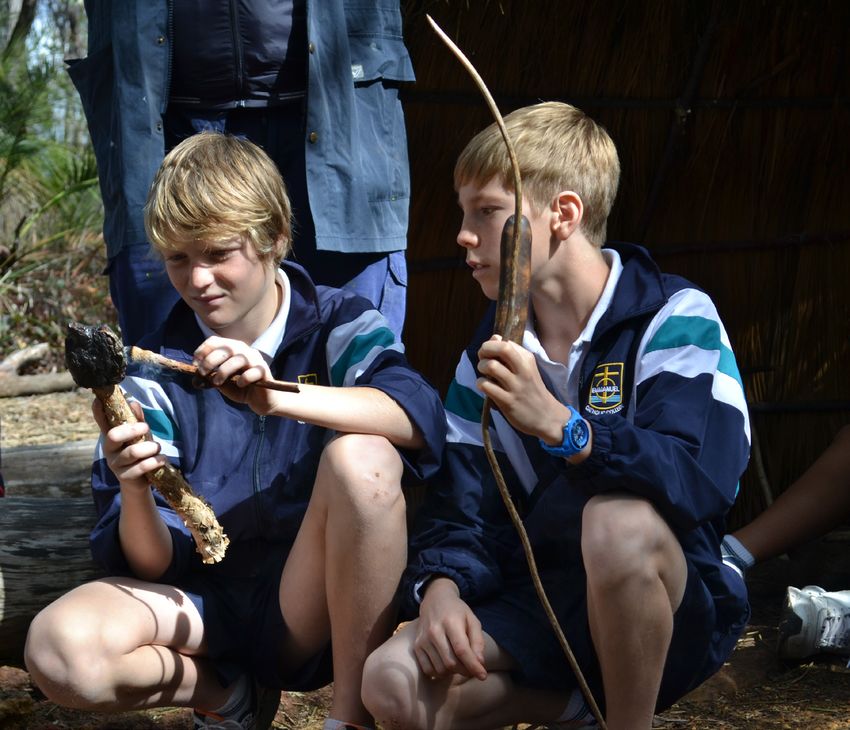
Swan Canning River System Inquiry Excursion/Package                                                     Sustainable forestry
 Investigate environmental change and management within the Swan Canning Riverpark                       An approach to land cover change and biodiversity
 Offered as a stand-alone excursion; or as a package with an incursion preceding the excursion.          Our native forests are important for timber production, water catchments, recreation and other
                                                                                                         uses. They are also critical to the biodiversity of the South West. After nearly 200 years of harvesting
 The Swan Canning Riverpark and the iconic rivers at its heart are the centrepiece of Perth. Blessed
                                                                                                         the regrowth forest of today is very different to the original forest. Find out how modern forest
 with diverse and resilient ecosystems, the Swan and Canning rivers are a recreational playground and
                                                                                                         management can allow us to sustainably meet our timber needs whilst ensuring that forests can still
 a source of vibrant commercial and tourism activity. Students undertake a range of hands on tasks to
                                                                                                         support biodiversity and many other values. Engage in field techniques employed by forest managers
 understand the importance of biodiversity in the riverine ecosystem; the major threats to its health
                                                                                                         to determine sustainable timber harvests and treatment of stands to maximise production while
 and how those threats are being managed. The excursion can be done with a Geography or Biology
                                                                                                         maintaining or enhancing biodiversity.
 focus:
                                                                                                         Geography ATAR Units 2 and 3, General Units 1 and 4; Earth and Environmental Science ATAR Unit 3;
 Geography: Engage in fieldwork to collect primary data for investigation into how the impacts on land
                                                                                                         Integrated Science ATAR Unit 2
 cover are being addressed and evaluated.
                                                                                                         Venues: PHDC, FDC
 Science: Engage in fieldwork to collect primary data and monitor biodiversity of the Riverpark.
                                                                                                         Enquire online
 Excursion only: field work as described above.
 Package
 • Incursion: catchment model activity relating land use to catchment management and pollutants in
   the river system.
 • Excursion: field work as described above.
 It is highly recommended that schools undertake the Swan Canning River System Inquiry package
 (one-hour incursion before the excursion). The package is designed to prepare the students for the
 fieldtrip by providing relevant information so we free up as much time as possible for hands-on
 fieldwork whilst on the excursion.
 Geography ATAR Unit 3, Geography General Unit 1, Biology ATAR Unit 1, Biology General Unit 4
 Integrated Science ATAR Unit 2, Integrated Science General Unit 1
 Venues: PW, CREEC
 Enquire online

18                                                                                                                                                                                                                  19
                                                                                                                                                                                                                    19
     18                                                                                                                                                                                                     19
Incursions
Western Shield fauna biology Catchment model
Back from the brink - investigate scientific techniques to re-establish native animals Learn about catchment land uses with our three-dimensional, hands-on, interactive catchment
models. Discover how pollutants get into our rivers and the impacts these have on the plants and
Western Shield is one of the biggest wildlife conservation programs ever undertaken in Australia
animals that call the river home. After exploring different management strategies students will discuss
and aims to return the balance and mix of native animals in selected areas of WA’s environment to
what action they can take to keep our rivers healthy.
levels comparable to pre-European settlement. Learn about the control of introduced animals and
how native species are being re-established under the Western Shield program. Discover the process Enquire online
required to eradicate feral animals and re-introduce natives. Investigate and compare a range
of invasive and non-invasive fauna monitoring techniques that help determine if the program is Saving threatened species
achieving its goals.
Get to know some of our unique fauna species and the threats to their survival. Gain valuable insight
Biology General Unit 4, Biology ATAR Unit 1
into how Parks and Wildlife’s Western Shield program is working to save them. Through a hands-on
Venues: PHDC, FDC, YNP, PLEEC, CREEC activity explore a range of monitoring techniques used in the program and discuss how well the
Enquire online program is doing in saving our threatened species.
Enquire online
20
20 21
20 21Short programs
Bushfire hazard Animal encounters
Each year the Parks and Wildlife Service responds to more than 600 bushfires that occur on or near land Get up close to some of our unique native animals and learn about their special adaptations to our
it manages. Students will be introduced to some principles of bushfire behaviour and the systems in harsh climate. Choose from the following: marsupials, reptiles, raptors, or a mix of animals.
place to respond to these threats. Groups will engage in problem solving scenarios to apply those
Venues: PHDC $8.80, CREEC $9.90 (cost may vary according to animals provided)
concepts to simulated bushfire emergencies.
Duration: 1 hour
Enquire online
Enquire online
Totems yarning
Discover how Indigenous Australians connected to the environment and practised sustainable use of
resources. Learn about totems and how they were important for the survival of species.
Enquire online
22
22 23
22 23Eco walks Night walk
Enjoy guided ecology walks through the forest, with the theme tailored to suit your needs. The Experience the forest in darkness and chance an encounter with some of our amazing creatures of the
duration can be varied and cost depends on your requirements. night. What secrets will you discover as you explore the forest by torchlight?
Venues: PHDC $7.70, FDC $7.70, or if booking with another program $6.60 Venues: PHDC $7.70, FDC $7.70
Duration: 1 hour Duration: 1 hour
Enquire online Enquire online
24
24 25
25
24 25Monitoring marsupials Western Shield trapping Bush tucker
excursion Explore seasonal native bush foods and discover how they were traditionally used by Aboriginal
people. Make and eat a damper and kangaroo supper.
Take part in a hands-on trapping session. Mix bait and set traps in the late afternoon and return the
next morning to measure and release animals. This is a great citizen science project for students to be Please note the food is a sampler amount only and not a full meal.
part of Western Shield research.
Venues: PHDC $14, FDC $14
Please note: very limited places, early bookings essential; only available with Biology related Duration: 2 hours
excursions.
Enquire online
It is highly recommended the school also undertakes the Western Shield Fauna Biology excursion prior
to trapping to maximise and consolidate learning outcomes.
Venues: PHDC (three locations), FDC
Cost: Excursion only - $14/student (min 20 students) Extra cost for Western Shield Fauna Biology
Enquire online
26 27
27
26 27Venue locations
Venue Street address
Perth Hills Discovery Centre 380 Allen Road, Mundaring 6073
Forest Discovery Centre 1 Acacia Rd, Dwellingup 6213
Piney Lakes Environmental Education Centre Leach Hwy and Murdoch Dr, Winthrop 6155
Canning River Eco Education Centre Cnr Kent St and Queens Park Rd, Wilson 6107
Yanchep National Park Yanchep Beach Rd and Indian Ocean Drive, Yanchep 6035
Lake Joondalup, Neil Hawkins Park 200 Boas Ave, Joondalup 6027
Point Walter Reserve, 5 Honour Ave, Bicton 6157
Riverside Gardens 118 Milne St, Bayswater 6053
2020_449 08-
28You can also read


