Operation Wallacea - University brochure 2019
←
→
Page content transcription
If your browser does not render page correctly, please read the page content below
2019
       university brochure

www.opwall.ac.uk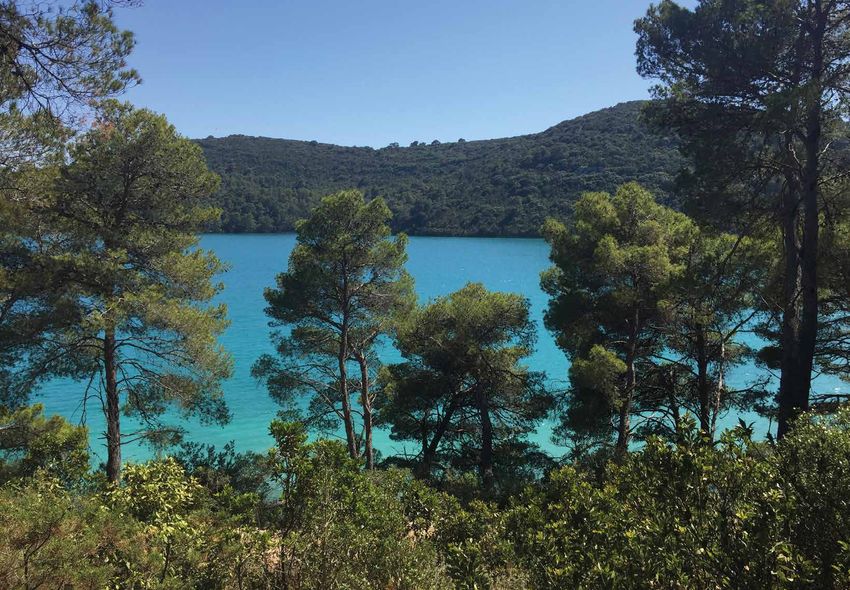
Operation Wallacea (Opwall) is an organisation that runs a
Global research
Introduction
series of biological and conservation management research Research assistant options Dissertation/thesis options
and conservation
programmes that operate in remote locations across
the world. These expeditions are designed with specific 6 week 6 week 8 week 8 week
2 week 4 week 6 week 8 week marine terrestrial marine terrestrial
wildlife conservation aims in mind - from identifying areas
needing protection, through to implementing and assessing All students pay to join the expeditions; this is how the
conservation management programmes. What is different entire unique programme is funded and makes our research Croatia
about Operation Wallacea is that large teams of ecologists, possible. The vast majority of science programmes that ✓ ✗ ✗ ✗ ✗ ✓ ✗ ✗
scientists and academics, who are specialists in various deliver key research outcomes are characterised by short- 8-11
aspects of biodiversity or social and economic studies, are term funding with restricted aims and biogeographical
concentrated at the target study sites. This gives volunteers ranges. Long-term projects covering large biogeographical Guyana
the opportunity to work on a range of projects. The surveys scales that incorporate more than one ecosystem are ✓ ✓ ✗ ✗ ✗ ✗ ✗ ✗
result in a large number of publications in peer-reviewed rare. The Operation Wallacea programme provides the 12-15
journals each year and have resulted in 30 vertebrate species opportunity to do just this, and considers science and
new to science being discovered, 4 ‘extinct’ species being conservation of key ecosystems from a global perspective.
Honduras
rediscovered and $2 million levered from funding agencies Opwall is able to draw upon researchers from a wide range ✓ ✓ ✓ ✗ ✓ ✓ ✗ ✗
to set up best practice management examples at the study of different disciplines and academic institutions to address 16-29
sites. These large survey teams of scientists and volunteers, major issues related to the sustainable management and
conservation of some of the world’s most diverse but
funded independently of normal academic sources, Indonesia
have enabled large temporal and spatial biodiversity and threatened environments. ✓ ✓ ✓ ✓ ✓ ✗ ✓ ✗
socioeconomic datasets to be produced, and provide crucial 30-43
information to help with organising effective conservation
management programmes. Madagascar
✓ ✓ ✗ ✗ ✗ ✓ ✗ ✗
44-55
Malawi
✓ ✓ ✗ ✗ ✗ ✗ ✗ ✗
56-59
Mexico
✓ ✓ ✓ ✗ ✓ ✓ ✓ ✓
60-69
Peru
✓ ✓ ✗ ✗ ✗ ✓ ✗ ✓
70-75
South Africa
This is my third trip with Opwall ✓ ✓ ✗ ✗ ✗ ✓ ✗ ✗
and I have thoroughly enjoyed them 76-81
and have learnt so much.
Toby, Bangor University Transylvania
✓ ✓ ✗ ✗ ✗ ✓ ✗ ✗
82-87
Research Assistant Summary Table
pages 88-91
Dissertation Summary Table
every available topic linked with broad subject area - pages 92-93
Dates, Fees and How to Book
pages 94-95
Fundraising support
Most of our students are not able to pay for the expedition fully. ■ Assistance with accessing hundreds of charities and
We do recommend a mixture of looking to personal finance and applying for grant funding
savings, working in your holiday time and fundraising effort.
With planning and assistance from Opwall’s fundraising team ■ How to run sponsored activities
www.opwall.ac.uk
you should be able to raise a large portion of funds needed to
■ Details of tried and tested fundraising events and how to
join. Please contact our office to find out details of a fundraising
make the most from them
meeting at your university or how to catch up if you have
missed one. We are able to give you full support and advice for ■ Raffle; each year in the UK, we host a raffle, enabling you to
many fundraising events, activities and projects including: buy tickets to sell at a profit
2 3
Joining for Research Experience Joining to Complete a Dissertation / Final Year Project / Master’s Thesis
An Operation Wallacea expedition gives you the chance to participate in active field research. By working with a range of You can join an expedition to collect data for your own project, using this towards your degree and in some cases Master’s thesis.
academic teams and scientists you are afforded the opportunity to enhance your career potential, to see if field work is Operation Wallacea provides an extensive range of reading materials to help you plan and prepare for your field experience.
something you wish to pursue and to try something completely different, all while being part of a legacy-leaving project. The information below should give you a clear idea of what is expected of you before, during and after your expedition. Choose
from any of the research topics listed in the country pages and from the summary table on pages 92 and 93. Projects must be a
Choose from a combination or any of the following
minimum of six weeks.
2 4 6 8 2 4 6 8 2 4
marine weeks terrestrial weeks bush weeks
How to choose your project
To help you decide which expedition is right for you:
Decide your ideal topics. 4 Book your chosen topic space*
1 Look through the brochure 1
Select at least 2-3
5 Start fundraising
2 Visit the Opwall website 2 View videos on the website
6 Consult your university tutor
Contact us to speak to
3 Watch the videos 3
dissertation support staff
4 Speak to Opwall staff
Before Expedition➜ During Expedition➜ After Expedition
5 Check for spaces
Prepare a project title and Initial meeting with field Primary supervision
broad research area within supervisor and senior taken over by university
6 Pay a 10% deposit the topic scientist
Finish writing up early
Review current literature Finalise research questions
7 Submit a booking form and draft a project and methods and agree
to focus on coursework
and exams
rationale and methods itinerary
8 Start fundraising Submit a draft research Collect data, analyse Send Opwall a digital
proposal to your Opwall results, draft introduction copy of your completed
supervisor and methods sections project
Incorporate Opwall’s Regular progress meeting Let us know your
feedback into a final with on-site supervisors awarded grade
Expedition Medicine US & Canadian students research proposal
Expedition medicine experiential course wanting to gain course credits Presentation of initial
findings to group
* 3 weeks terrestrial projects Internal course credit
* 1 week marine projects By visiting your Study Abroad office and/or college academics you
will be able to determine if an Opwall expedition could be classed *
If your university does not allow you to complete a dissertation with Opwall, a full refund of your deposit is given, upon receipt of confirmation from your tutor.
The course is delivered as a series of lectures and practical
as independent study or an internship program. The amount of
exercises including:
credit offered depends on your own university.
n pre-expedition planning
n medical emergencies and trauma in the field
External course credit
n tropical infections
University of West Florida - the course credit is based on exam
n snake bite and envenomation procedures
results, a field diary, a research project essay, and an assessment
of student performance in the field.
Shasta College, California - run a long distance learning course,
with both pre and post expedition coursework completed online.
For more information about gaining credit please email Key to symbols
coursecredit@opwall.ac.uk
Mostly flat terrain Walking, hills Mountain High mountain Amazon Temple Acacia tree Community
Snorkelling Diving Canoeing Elephant Hippo Bear Dolphin Lemur
4 5
Participating Academics
Participating Academics
Journals
Operation Wallacea works with specialists in numerous Dr Nicola Goodship - Wetlands and Wildfowl Trust, UK Dr Sam Rastrick - Institute of Marine Research, Bergen, Norway
fields from a range of universities and institutions around
the world. In total there are more than 200 academics
Dr Martin Jones - Manchester Metropolitan University, UK
Dr Dave Kelly - Trinity College Dublin, Ireland
Dr Sean Kelly - Trinity College Dublin, Ireland
Dr Dai Roberts - Queens University Belfast, UK
Professor Alex Rogers - University of Oxford, UK Getting Involved & Benefits to Academics
Dr Pelayo Salinas de Leon - Charles Darwin Foundation,
involved in the research programme. A sample of the Paul Leafe - Montgomeryshire County Recorder, UK Galapagos, Ecuador Please email academics@opwall.com to discuss:
academics are listed below that have been involved Professor Nicola Marples - Trinity College Dublin, Ireland Dr James Saunders - St Andrews University, UK
Martin Meads - Sparsholt College, UK Dr Patric Scaps - University of Perpignon, France
in recent years in the field research programmes, Dr Mark Miller - James Cook University, Australia Dr Jon Shrives - Jersey State Fisheries Department, UK n Research Opportunities n PhD Student Field Research Grants n Class Visits & Field Courses
contributing to publications, supervising PhD students Dr Brian OíShea - North Carolina Natural History Museum, USA Dr Edd Stockdale - University of Western Australia, Australia
who form part of the programme or are involved in data Dr Joel Prashant Jack - Environmental Protection Institute, India Dr Dave Suggett - University of Technology, Sydney, Australia n PhD Studentships n Co-funded PhD Placements
Sam Jones - University College London, UK Prof Chris Todd - University of St Andrews, UK
analysis or conservation management outputs from Fabiola Rodriguez - Universidad Nacional Autonoma de Honduras Dr Richard Unsworth - Swansea University, UK
the research. Dr Eimear Rooney - Queens University Belfast, UK Dr Brigitta Van Tussembroek - Universidad Nacionál Autónoma
Cindy Stacier - Dalhousie University, Canada de Mexico, Mexico
Matthew White - RSPB, UK Dr Nerida Wilson - Western Australia Museum, Australia
Conservation Management Scientists
Dr Nurul Winarni - World Conservation Society, Indonesia Dr Kyle Young - Aberystwyth University, UK
Dr Julian Clifton - University of Western Australia, Australia
Dr Rueven Yosef - Arava Institute for Environmental Studies, Israel
Tom Avent - Wetlands and Wildfowl Trust, UK
Mammal Specialists
Dr Angela Benson - University of Brighton, UK
Herpetologists Dr Kathy Slater - Operation Wallacea, Mexico
Dr Richard Bodmer - University of Kent, UK
Dr Steve Green - Cornwall College, UK Dr Heather Gilbert - Operation Wallacea, UK
Dr Keri Brondo - University of Memphis, USA
Dr Scott Boback - Dickinson College, USA Victoria Boult - University of Reading, UK
Dr Alice Eldridge - University of Sussex, UK
Dr Jeff Burkhart - University of La Verne, USA Dr Mark Bowler - St Andrews University, USA
Barry Ferguson - University of East Anglia, UK
Dr Tim Colston - University of Mississippi, USA Dr Jedediah Brodie - University of British Columbia, Canada
Dr Jeri Fox - University of New England, USA
Dr Jacqualyn Eales - University of Bangor, UK Professor Mike Bruford - University of Cardiff, USA
Chris Majors - Operation Wallacea, Indonesia
Julius Frazier - California Polytechnic State University, USA
Academic journals in which Opwall teams have published
Dr Anthony Caravaggi - Queens University Belfast, UK
Dr Ruth Malleson - Social and Economic Consultant, UK
Dr Graeme Gillespie - University of Melbourne, Australia Dr Ruth Cox - University of Prince Edward Island, Canada
Dr Wanda McCormick - Moulton College, UK
Rob Gandola - University College Dublin, Ireland Dr Christian Dietz - University of Tuebingen, Germany
Dr Mika Peck - University of Sussex, UK
Jon Kolby - James Cook University, Australia Dr Nigel Dunstone - Natural History New Zealand
Dr Richard Phillips - University of Liverpool, UK
Dr Mike Logan - Harvard, USA Dr Jonathan Flanders - University of Bristol, UK
Dr Sarah Pilgrim - University of Essex, UK
Dr Chad Montgomery - Truman State University, USA Dr Ivar Fleur - Universidad Nacional Autónoma de México, Mexico
Dr Edi Purwanto - Tropenbos, Indonesia General Science Journal of the Acoustical Society of America Ornithology
Professor Randall Morrison - McDaniel University, USA Professor Laura Graham - University of Guelph, Canada
Dr Ali Reza - Delta State University, USA Nature Environmental Modelling and Software Bird Conservation International
Dr Eridani Mulder - Central Queensland University, Australia Matthew Hallett - University of Florida, USA
Dr Selina Stead - Newcastle University, UK Faunistics and Taxonomy Ostrich
Jose Nobrega - University of Salford, UK Dr Abdul Haris Mustari - IPB, Bogor, Indonesia PLoS ONE
Prof Ian Swingland - Operation Wallacea Trust, UK
Dr Silviu Petrovan - University of Hull, UK Dr Justin Hines - Operation Wallacea, Canada Royal Society Open Science The Raffles Bulletin of Zoology Cotinga
Dr Chui Ling Tam - Calgary University, Canada
Dr Bob Reed - USGS, Guam Hannah Hoskins - Queens University Belfast, UK Scientific Reports European Journal of Taxonomy Sandgrouse
Dr Raquel Thomas - Iwokrama Rainforest Research Centre, Guyana
Stephen Roussos - Texas Tech University, USA Dr Marine Joly - University of Portsmouth, UK PeerJ Zootaxa Forktail
Helen Tedds - Moulton College, UK
Mariano Suarez - Centro Ecologico Akumal, Mexico Frederick Kiene - Hanover University, Germany Caribbean Journal of Science Zookeys Ornitologia neotropical
Dr Katharine Vincent - University of the Witwatersrand, South Africa
Dr Katy Upton - Chester Zoo, UK Juliet Leadbeater - University of Chester, UK Cuadernos de Investigación UNED Zoologica Scripta BirdingASIA
Roger Wardle - Consultant on agri-environmental schemes, UK
Dr Charles Watson - Midwestern State University, USA Dr Burton Lim - Royal Ontario Museum, Canada Checklist The Ring
Dr Atiek Widayati - Northumbria University, UK
Professor Aubrey Manning - University of Edinburgh, UK General Conservation Biology Annalen des Naturhistorischen Museums in Wien El Esmeralda
Dr Tony Whitten - Flora and Fauna International, UK
Botany, Plant Sciences and Forestry Specialists Professor Suzanne MacDonald - York University, Canada
Dr Olivia Norfolk - Anglia Ruskin University, UK Biological Conservation Acta Society Zoological Bohemia
Dr Bruce Carlisle - Northumbria University, UK Dr Niall McCann - University of Cardiff, UK
Dr Kathy Velander - Napier University, UK Conservation Biology Comptes Rendus Biologies Botany and habitat structure
Dr Harison Andriambelo - Antananarivo University, Madagascar Dr Nkabeng Mzileni - WEI, South Africa
Richard Barker - Queens University Belfast, UK Dr Sarah Papworth - Royal Holloway, UK Biodiversity and Conservation Journal of Phycology
Genetics, Oceanography and Geology Scientists Animal Conservation General Marine Biology Forest Ecosystems
Dr Sven Batke - Trinity College Dublin, Ireland Huma Pearce - Independent Bat Consultant, UK
Dr Danielle Gilroy, University of Manchester Oryx Marine Biology PhytoKeys
Dr Gareth Bruce - Glamorgan University, UK Dr Abigail Phillips - University of Birmingham, UK
Sylvie Bardin - University of Ontario institute of Technology, Canada Global Ecology and Conservation Marine Biodiversity American Fern Journal
Dr Jon Cocking - JCA Ltd, UK Dr Rob Pickles - Panthera, USA
Dr Stephen Burrows - Clark University, USA Marine Ecology Palms
Dr Anke Dietzsche - Trinity College Dublin, Ireland Rob Pitman - Panthera, South Africa Conservation Genetics Resources
Dr Giulia Casasole - University of Antwerp, Belgium
Dr Daniel Kelly - Trinity College Dublin, Ireland Dr Nancy Priston - Oxford Brookes University, UK Environmental Conservation Marine Ecology Progress Series New Phytologist
Dr Greg Cowie - University of Edinburgh, UK
Dr Alan Dykes - Kingston University, UK
Dr Melinda Laidlaw - Queensland Herbarium, Australia Professor Ute Radespiel - Hannover Unversity, Germany Aquatic Conservation: Coral Reefs International Journal of Plant Physiology and Biochemistry
Dr Grace O’Donovan - Independent ecology consultant, UK Dr Felix Rakotondraparany - Antananarivo University, Madagascar Marine and Freshwater Ecosystems Frontiers in Marine Science Reinwardtia
Dr Antonia Ford - Bangor University, UK
Dr Pascale Poussart - Princeton University, USA Dr Osvaldo Eric Ramires-Bravo - Universidad de America, Tropical Conservation Science Journal of Marine Biological Association of the United Kingdom Journal of the Botanical Research Institute of Texas
Dr Leanne Hepburn - University of Essex, UK
Dr Andrew Powling - University of Portsmouth, UK Puebla, Mexico Conservation and Society Journal of Experimental Marine Biology and Ecology Annals of the Missouri Botanical Garden
Dr Tom Horton - SUNY ESF, USA
Dr Andrew Smith - University of Oxford, UK Malcolm Ramsay - Hanover University, Germany Regional studies in Marine Science Assiut University Journal of Botany
Dr Ben Horton - Upenn, USA
Dr Sarah Taylor - University of Keele, UK Dr Neil Reid - Queens University Belfast, UK Bulletin of Marine Science
Dr Richard Hunter - Salisbury University, USA General Ecology and Zoology
Dr Peter Thomas - University of Keele, UK Dario Rivera - University of Queensland, Australia
Dr Geg Kerr - South Australia Govt, Australia Ecology The Open Marine Biology Journal Entomology and other Invertebrates
Caroline Whitefoord - Natural History Museum, UK Dr Steve Rossiter - Queen Mary University of London, UK
Dr John Milsom - University College London, UK Proceedings of the Royal Society B: Biological Sciences Marine and Freshwater Research Journal of Insect Science
Dr Samy Zalat - Nature and Science Foundation for Egypt, Egypt Dr Adrian Seymour - Independent Wildlife Film Maker, UK
Christopher Phipps - Canterbury Christchurch University, UK Ecological Applications Canadian Journal of Fisheries and Aquatic Sciences Journal of Insect Conservation
Dr Myron Shekelle - National University of Singapore, Singapore
Dr Claire Raisin - University of Kent, UK Global Change Biology Gulf and Caribbean Research The Florida Entomologist
Marine Scientists Dr Andrew Smith - Anglia Ruskin University, UK
Ben Titus - The Ohio State University, USA Ecography Ocean Challenge Ecological Entomology
Professor Dave Smith - University of Essex, UK Dr Kym Snarr - University of Toronto, Canada
Professor George Turner - Bangor University, UK Functional Ecology Atoll Research Bulletin Journal of Crustacean Biology
Dr Dan Exton - Operation Wallacea, UK Dr Peter Taylor - University of KwaZulu Natal, South Africa
Dr Alexandra Tyers - Bangor University, UK Revisita Investigaciones Marinas
Dr Gabby Ahmadia - World Wildlife Fund, USA Dr Pamela Thompson - UCLA, USA Journal of Natural History Crustacean Research
Dr Cathy Walton - University of Manchester, UK
Dr Dominic Andradi-Brown - World Wildlife Fund, UK Professor Stewart Thompson - Oxford Brookes University, UK Journal of Zoology Diving Hyperbaric Medicine Crustaceana
Dr Moyra Wilson - Curtin University, Australia
Prof Jorge Angulo Valdes - University of Havana, Cuba Ivar Vleut - UNAM, Mexico Biodiversity and Ecology Nematology
Dr Arthur Anker - Muséum National, Paris, France Dr Kevina Vulinec - Delaware State University, USA Animal Behaviour Icthyology Journal of Arachnology
Invertebrate (terrestrial and freshwater) Specialists
Dr Anastazia Banaszak - Universidad Nacionál Autónoma de Dr Phil Wheeler - Open University, UK Integrative and Comparative Biology Journal of Fish Biology The Coleopterists Bulletin
Professor Martin Speight - University of Oxford, UK
Mexico, Mexico Dr Anne Zeller - University of Waterloo, Canada Diseases of Aquatic Organisms Neotropical Icthyology
Dr Jan-Robert Barr - University College Dublin, Ireland
Dr Richard Barnes - University of Cambridge, UK Heike Zitzer - Pongola Elephant Reserve, South Africa Ecological Indicators Copeia Social science, Policy and
Dr George Beccaloni - Natural History Museum London, UK
Professor James Bell - Victoria University of Wellington,
Dr Sarah Beynon - University of Oxford, UK Biological Invasions Environmental Management
New Zealand Fisheries Scientists
Professor Mark Brown - Royal Holloway, UK Integrative Zoology Mammalogy Forest Ecology and Management
Dr Wayne Bennett - University of West Florida, USA Dr Tim Coles OBE - Operation Wallacea, UK
Dr Moya Burns - University of Leicester, UK Bioscience Horizons American Journal of Primatology International Journal of Pest Management
Dr Max Bodmer - Open University, UK Dr Dave Bird - University of Western England, UK
Dr Greg Chamberlain - BSG Ecology, UK Journal of Tropical Ecology Mammalian Biology (Zeitschrift für Säugetierkunde) Sustainability
Dr Paul Bologna - Montclair State University, USA Irven Forbes - Environment Agency, UK
Dr Patricia Chow-Fraser - McMaster University, Canada Biotropica International Journal of Primatology Marine Policy
Dr Heidi Burdett - Heriot Watt University, UK Dr Emmanuel Frimpong - Virginia Polytechnic, USA
Professor James Cook - University of Reading, UK Tropical Ecology Australian Mammalogy Human Ecology
Dr Isabelle Cote - Simon Fraser University, Canada Professor Tim Gray - Newcastle University, UK
Thomas Creedy - Natural History Museum/Imperial College Acta Oecologica Small Carnivore Conservation Society and Natural Resources
Professor James Crabbe - University of Bedfordshire, UK Dr Peter Henderson - University of Oxford, UK
London, UK
Dr Simon Cragg - Portsmouth University, UK Piotr Kalinowski - Fisheries consultant, UK Aerobiologia Acta Chiropterologica Ocean and Coastal Management
Dr Will Earle - INVAS Biosecurity, University College Dublin, Ireland
Michael Geiser - Natural History Museum London, UK
Dr Leanne Cullen - Cardiff University, UK Stephen Long - University College London, UK Hydrobiologia Fishery Management
Professor Francis Gilbert - University of Nottingham, UK
Dr Jocelyn Curtis - Quick - University of Exeter, UK Dr Duncan May - Fisheries Consultant, UK Zoological Journal of the Linnean Society Herpetology The International Journal of Interdisciplinary Social Sciences
Dr Caine Delacy - University of Western Australia, Australia Joel Rice - Fisheries consultant, USA Biological Journal of the Linnean Society Journal of Herpetology Indian Journal of Traditional Knowledge
Andy Godfrey - Consultant Entomologist, UK
Dr John Eme - University of North Texas, USA Dr Rodney Rountree - University of Connecticut, USA Aquatic Biology Herpetological Review SPC Traditional Marine Resource Management and Knowledge
Dr Sammy de Grave - Oxford Natural History Museum, UK
Dr Teresa Fernandes - Heriot Watt University UK Paul Simonin - Cornell University, USA ISRN Zoology IRCF Reptiles and Amphibians Information Bulletin
Dr Neal Haddaway - Royal Swedish Academy of Sciences, Sweden
Dr Andy Gill - Cranfield Institute, UK Professor Michael Stewart - Troy University, USA Australian Journal of Zoology The Herpetological Bulletin Madagascar Conservation and Development
Dr Ian Hardy - University of Nottingham, UK
Dr Helen Graham - Institute of Marine Research, Bergen, Norway Dr Mike Walkey - University of Kent, UK British Herpetological Society Bulletin
Dr Merlijn Jocque - University of Leuven, Belgium African Journal of Wildlife Research
Dr Ben Green - Environment Agency, UK
Dr Mary Kelly-Quinn - University College Dublin, Ireland Raffles Bulletin of Zoology Herpetology Notes Education and Tourism
Dr Emma Hayhurst - University of Glamorgan, UK GIS and Statistical Analysis
Dr Stuart Longhorn - NUI Maynooth, Ireland The Southwestern Naturalist Herpetological Conservation and Biology Journal of Biological Education
Dr Ian Hendy - University of Portsmouth, UK Dr Peter Long - University of Oxford, UK
Dr Erica McAlister - Natural History Museum, UK Egyptian Journal of Biology Herpetologica Journal of Ecotourism
Dr Sebastian Hennige - University of Edinburgh, UK Dr Joe Bailey - University of Nottingham, UK
Dr Kenneth McCravy - Western Illinois University, USA Proceedings of the Biological Society of Washington Salamandra Journal of Sustainable Tourism
Dr Jess Jaxion Harm - University of Vienna, Austria Jesse Blits - University of Amsterdam, Netherlands
Dr José Nuñez-Mino - Bat Conservation Trust, UK Micronesica Herpetozoa
Dr Magnus Johnson - University of Hull, UK Oliver Burdekin - BurdGIS, London, UK
Dr Paul O’Callaghan - University College Dublin, Ireland South American Journal of Herpetology
Dr Tim Johnson - University of Glamorgan, UK Dr Natalie Cooper - Harvard University, USA Physiological and Biochemical Zoology Physical Geography and Geology
Dr Graham Rotheray - National Museum of Scotland, UK
Dr Jamal Jompa - COREMAP, Indonesia Dr Bella Davies - Oxford Brookes University, UK Entomology Ornithology and Herpetology Mesoamerican Herpetology Journal of Quaternary Sciences
Dr Simon Segar - University of Reading, UK
Dr Nick Kamenos - University of Glasgow, UK Dr Richard Field - University of Nottingham, UK Iguana Limnology and Oceanography
Dr Jo-Anne Sewlal - University of the West Indies, Jamaica
Dr Tina Kutti - Institute of Marine Research, Bergen, Norway Dr Fiona Hemsley Flint - University of Edinburgh, UK Applied and Theoretical Biology Alytes Journal of Limnology
Dr Sergiu Torok - Babes-Bolyai University, Romania
Dr Vanessa Lovenburg - University of Oxford, UK Dr Alan Jones - University of Sheffield, UK Journal of Biogeography Proceedings of the American Society of
Dr Roy Wiles - University of Glamorgan, UK
Jenny Mallon - University of Glasgow, UK Dr Marco Lusquinos - Imperial College London, UK Environmental Evidence Limnology and Oceanography
Dr James McDonald - Rutgers University, USA Cristi Malos - Babes-Bolyai University, Cluj, Romania Molecular Phylogenetics and Evolution Estuarine, Coastal and Shelf Science
Ornithologists
Dr Steve McMellor - University of Essex, UK Dr Gareth Mann - Rhodes University, South Africa Molecular Ecology Cave and Karst Science
Dr Tom Martin -Operation Wallacea, UK
Dr Ed Morgan - University of Glamorgan, UK Dr Lisa Manne - CUNY, USA
Dr Jake Bicknell - DICE, University of Kent, UK Environmental Microbiology AAPG Bulletin
Dr Owen O’Shea - Cape Eleuthera Institute, Bahamas Dr Peter Randerson - Cardiff University, UK
Dr Alan Blackburn - University of Lancaster, UK Environmental Evidence
Dr Clare Peddie - University of St Andrews, UK Dr Allister Smith - Oxford Brookes University, UK
Dr Robin Brace - University of Nottingham, UK Journal of Thermal Biology
Dr Alan Pinder - Dalhousie University, Canada Dr Emily Woollen - University of Edinburgh, UK
Dr Simon Butler - University of Reading, UK Environmental Science and Technology
Dr Johanna Polsenberg - US House of Representatives, USA Professor Kathy Willis - University of Oxford, UK
Dr Bruce Byers - Umass Amherst, USA Computational Biology and Chemistry
Dr Niamh Quinn - University of Galway, Ireland
Dr Hannah Clarke - University of Dundee, UK
6 7
Croatia
Croatia overview
                                                                                                                                                                                                                                                 This expedition reinforced and
                                                                                                                                                                                                                                                 accelerated my interests for wildlife
Key facts l Opportunity to work in the spectacular Krka river                                                                                                                                                                                    and conservation. Truly an amazing
            valley in an area with wolves, jackals and other                                                                                                                                                                                     and useful experience.
            keystone species                                                                                                                                                                                                                     Rachel, Delaware Valley University
          l Only European based expedition that provides
            the opportunity to combine marine and terrestrial
            research work
          l Includes boat trip through the Adriatic Islands and
            the chance to work at a research centre on the
            beautiful car-free Silba Island

    Expedition Details
                    Research assistant places for 2 weeks                            Research topics for dissertation students for 6 weeks
     RESEARCH OBJECTIVES

                           The Krka Valley runs from the Dinaric mountains bordering Bosnia to the Adriatic and is only 60km in length. However,
                           since the river runs through limestone there are some spectacular gorges and this is one of the most scenic river valleys
                           in Europe. It is also important from a biodiversity viewpoint containing 20 endemic fish species and spectacular cave
                           systems containing a number of potentially new species to science.

                           Tourism in the Krka Valley is concentrated in the lower end of the valley and few people visit the central and northern parts   £ Costs to consider £ $ £ $ £ $ £
                           of the valley. The Krka National Park authorities have built a research centre and museum in a remote part of the valley,
                           in an attempt to attract more visitors away from the tourist hotspots. This project is working with scientists to provide
                                                                                                                                                           $ International Flights ✓
                                                                                                                                                             Internal Transfer £100 approx ✓
                                                                                                                                                                                                     $
                           data on the status of the endemic fish species, describing the cave fauna, examining how so many species of snake are           £ Visa* ✓ Park Entrance Fees ✓            £                     Travel information
                                                                                                                                                           $ If diving: Equipment Hire ✓             $
                           separating their niches in the valley and assessing the impact of wolves moving down the valley and on the surrounding            Spending Money ✓ Local Currency Kuna
                           plateaus on the native jackal and fox populations. All these data are being fed back to the Krka valley research centre                                                                         Arrival Airport: Split
                           and the Park authorities hope to use this initial work as a way of attracting additional international researchers to the
                           valley.                                                                                                                         £ PADI   Manual & PIC ✓                   £                     Departure Airport: Split or Zadar

                                                                                                                                                           $ * For people travelling on an EU, US or $
                                                                                                                                                             5mm Full Length Wetsuit ✓                                     Arrival Day: Thursday (before 1600hrs)
                           Silba Island is in the northern Dalmation archipelago and is a car and hotel free island. The island markets itself as a                                                                        Departure Day: Wednesday (after 1200hrs)
                           haven of tranquillity and much of the island is still covered by Mediterranean black oak and maquis. The objective of
                           our partners on this island is to map the marine biodiversity around the island and particularly on the rocky reef islets
                                                                                                                                                           £ Canadian passport no visa is required.  £
                                                                                                                                                              For full costing details please visit the money section on
                                                                                                                                                                                                                           Getting from the airport to the expedition start point

                                                                                                                                                           $                                         $
                                                                                                                                                                                                                           can be organised as part of a package by the Opwall
                           which are currently protected for their breeding bird colonies, but which have no protection for their fish or seagrass            the Opwall website www.opwall.com                            travel team: internaltravel@opwall.com

                                                                                                                                                           £$£$£$£$£$£$£$£$£
                           communities.

8                                                                                                                                                                                                                                                                                        9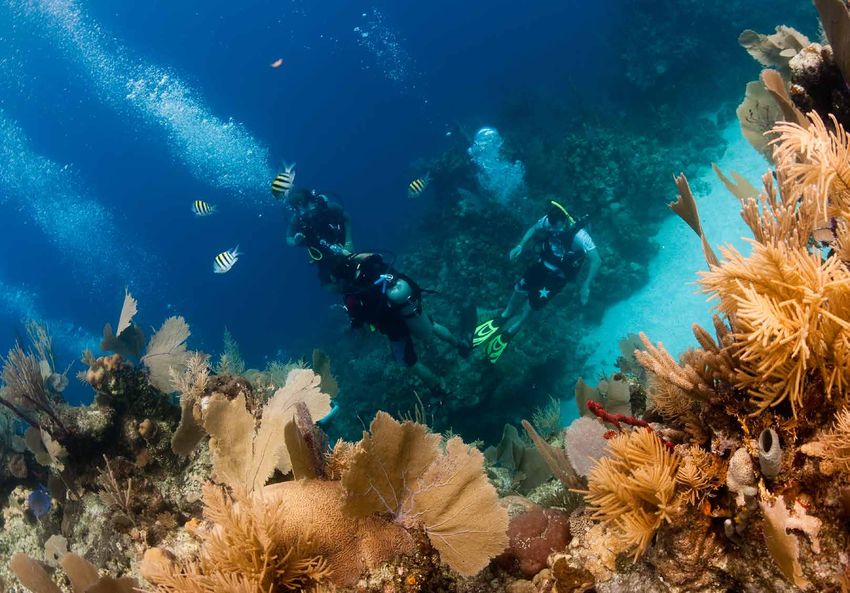
Croatia details of Research Assistant projects Croatia independent research projects
Suitable for: dissertations ✓ master’s thesis ✓
Two Weeks These 6-week dissertations would start on 20 June 2019. For Masters level 8-week dissertations they would
need to start on 13 June 2019.
Expedition 1 – biodiversity research in the Krka valley and diving in the Adriatic
Thursday 11 July - Wednesday 24 July 2019 •• CR01 Community structure and ecology of crickets and grasshoppers in the Krka National Park
Expedition 2 – biodiversity research in the Krka valley and diving in the Adriatic This study will be the first investigation into Orthopetera diversity and habitat associations in the Park and
the results will be added to the national park website (http://www.np-krka.hr/stranice/invertebrates/68/
Thursday 18 July - Wednesday 31 July 2019 •• en.html). Incidental observations have shown the large Spiked Magician Cricket which is predatory on other
insects and grasshoppers to be present, but little is known about these grassland cricket and grasshopper
Why choose these expeditions? Introduction to biodiversity survey techniques and diving in one of the most communities. This study will use sweep net surveys over a wide range of grassland and scrub habitats with
transects selected to incorporate similar habitat throughout their length. After collection of the Orthoptera
beautiful parts of Europe
the transect will need to be characterised (eg height of grass sward, percentage of bushes, slope, dominant
floral species and others) will need to be determined so that Principal Component Analysis can be used to
The first week of this two-week expedition is spent in the valley of the Krka National Park. At this site you determine community patterns of Orthoptera. In addition, marking and release of crickets and grasshoppers
will be working from dawn until late morning and then again in the late afternoon and evening helping could enable population densities to be determined.
a series of different research teams. During the heat of the midday period you will have a series of
lectures about Balkans wildlife and conservation, and help with the follow on lab work from the various
surveys and data input. The projects include estimating Hermann’s tortoise (Testudo hermanni) and
European pond terrapin (Emys orbicularis) populations, completing standard herpetofauna search
transects to look at niche separation in some extremely rare and important species of snake such as CR02 Ecology of diurnal butterfly communities in Krka National Park
the venomous nose horned viper, Vipera ammodytes, and the leopard rat snake, Zamenis situla. The
bird team will be concentrating on repeating point count surveys to look at changes in bird communities 40 species of diurnal butterfly have been recorded in the Krka national park including two species of
and to survey some of the semi-improved farmland which seems to be being utilised by species in swallowtails. However, data on the ecology of these species is still missing and this project will concentrate
decline in many other parts of Europe. Other teams will be determining the cricket and grasshopper on completing Pollard counts of butterfly communities in 6 different vegetation communities and habitats.
species communities from meadow transects and the butterfly communities from standardised pollard These 6 habitats/vegetation communities include low open thickets and dry rocky grasslands that have
counts. One of the more difficult groups to determine are the small mammals and a novel approach developed in cut areas with degraded forests, mowed meadows along the banks of the Krka river, mixed
is being used on this survey to examine the contents of owl pellets for remains of small mammals forests of holm oak and flowering ash (Orno-Quercetum ilicis), mixed forests of downy oak and white
and comparing these with the small mammal trapping surveys. Otter distribution is being studied hornbeam (Querco-Carpinetum orientalis), and black hornbeam forests with autumn moor grass (Seslerio-
throughout the whole 20km study stretch from boat-based surveys of otter spraint distribution and diet Ostryetum), wetland flora along the edge of the river. All butterflies along the Pollard count will be recorded
from analysis of the sprain contents. Surveys are also completed for both native and invasive fish using and analysis can compare usage of different habitats/vegetation communities. Observations on food plants,
traps. Biodiversity surveys of some of the larger cave systems which are also home to the blind cave timings of daily activity, heights of flight and other factors can also be included in the analysis for
salamander, Proteus anguinus, are carried out by one of the teams. In addition, there are nocturnal different species.
surveys of cat snakes (Telescopus fallax), owl roost sites (to collect owl pellets), herpetofauna transect
surveys and bats.
In the second week, you will move to the beautiful and peaceful Silba Island. During this week if you are not dive trained you will CR03 Population levels of Hermann’s Tortoise in the Krka National Park
complete a PADI Open Water dive training course. If you are already dive trained or would prefer to snorkel this week you can
Hermann’s tortoise (Testudo hermanni) is a data deficient Natura 2000 species and is a priority species for
complete the Mediterranean ecology and survey techniques course, with two lectures and two practicals each day (either by diving
the Park to investigate. In the past this species has been heavily collected for the pet trade but within the park
or snorkelling). Alongside these training courses students can assist with some of the research projects, such as estimating and
this is now well policed. This project is designed to produce data on the total population size and size and
monitoring fish populations and seagrass surveys.
age group class structure of the population, plus additional information on movement patterns and habitat
usage. In the past two years 65 tortoises from incidental captures within the park have been measured and
marked with an individual mark but from 2019 onwards transects will be searched on a daily basis to increase
the percentage of the population sampled and provide the population data required. All tortoises captured will
begiven and individual mark by clipping the marginal scutes in s defined pattern, measured (carapace length,
plastron length, weight etc) and released at the same site of capture. Recapture data can then be analysed to
Accommodation estimate population size and growth rates.
Krka: Silba:
Tents under shade and with shared western
Mix of tents under shade and shared bunk
style bathrooms and toilets beds in dormitory style rooms with shared CRO4 Population levels of European Pond Terrapin in the Krka National Park
bathroom and toilet facilities
The European pond terrapin (Emys orbicularis) is another data deficient Natura 2000 species that is a priority
For more images and details visit the Opwall website www.opwall.com
for the park. This project is designed to estimate the population size of this species in the Monastery Lake
(the main population centre) and in the rivers either side of the lake with the 20km study area of the Krka river
between two waterfalls. In the last 2 years, 50 terrapins from incidental captures have been measured and
marked. The project will concentrate on marking a large percentage of the lake population and then using
recapture data to estimate population size, and growth rates from those terrapins marked in previous years.
Sampling will use crayfish traps with bottle floats so there are air pockets for captured terrapins. Sampling
will also need to be done in the 20km stretch of the Krka river to determine if there are small populations
in these areas or indeed whether the river is being used for migration to new sites. The traps will be set at
standardised points (kept constant throughout the years) and all terrapins will be released at the point of
capture. This will also allow the determination of territory sizes and dispersion rates.
10 11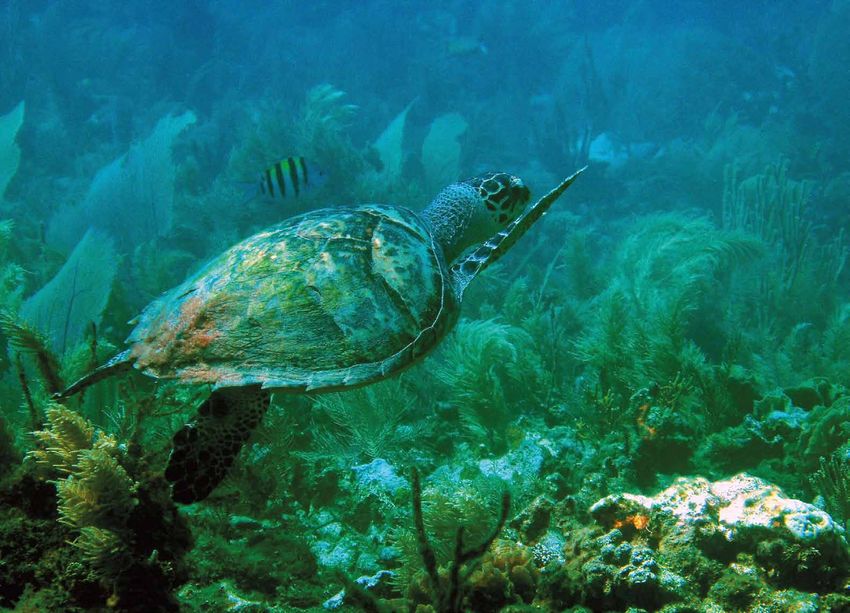
Guyana
 Guyana overview

 Key facts l Part of the Guiana Shield – a huge expanse of
             undisturbed tropical rainforest and one of the last
             frontier forests on Earth
           l One of the most diverse ecosystems on the
             planet – with a very high abundance of Neotropical
             megafauna
           l Most remote of the forest expeditions
           l Opportunity to examine whether logging can be
             managed to have minimal impact on biodiversity
           l Run in partnership with Amerindian tribes eager to
             share traditional knowledge, tracking skills, forest
             skills, and medicine

     Expedition Details
                    Research assistant places for 2 & 4 weeks
     RESEARCH OBJECTIVES

                           The Iwokrama forests on the Guiana Shield in Guyana are 1 million acres of mainly pristine lowland rainforest, that have
                           been handed by the Guyanese government to the Commonwealth Secretariat to manage as a demonstration site, in
                           a way that protects both biodiversity and develops income for local communities. The first attempt to develop such           $ Costs to consider $ £ $ £ $ £ $
                           a strategy was the idea of using the site for ecotourism to sustainably produce income. However, this failed to attract
                           sufficient numbers to what is a very remote area. The decision was made to develop a limited logging programme in
                                                                                                                                                        £ International Flights ✓                            £
                           such a way that it had minimal impact on the spectacular wildlife of these forests. Half of the area was set aside as a      $ Visa* ✓
                                                                                                                                                          Internal Transfer £265 approx ✓
                                                                                                                                                                                                             $
                           wilderness area where no activities or extraction was allowed. The remaining forest was to be selectively logged on a
                           60-year rotation. The thesis that the foresters started with was that only a handful of the species have any commercial      £ Park Entrance Fees ✓                               £        Travel information
                           value and that only these would be targeted. Detailed maps are prepared of each 1km x 1km block of forest showing
                           the position of each of the trees to be targeted and where the skid trails should be installed to minimize any losses of     $ Local Currency Guyana dollars
                                                                                                                                                          Spending Money ✓
                                                                                                                                                                                                             $        Airport: Georgetown Airport
                           other species. The net result is that only 1% of trees (5% by volume) in any block are being harvested or damaged by the
                           extraction process. The harvesting seems to produce as much return on investment as traditional harvesting techniques
                                                                                                                                                        £ * A 90 day visa is issued free of charge on entry £                  (Cheddi Jagan International)

                           which are considerably more damaging, but does this new approach also minimise impacts on wildlife? The Opwall               $ toandGuyana for people travelling on a British, US
                                                                                                                                                                Canadian passport.                           $        Arrival Day: Monday (before 1900hrs)
                                                                                                                                                                                                                      Departure Day: Tuesday
                           teams are helping scientists to compare the biodiversity value of a range of taxa in sites that have been recently logged,
                           logged some years previously and wilderness areas.                                                                           £                                                    £
                                                                                                                                                            For full costing details please visit the money section   Getting from the airport to the expedition start point

                                                                                                                                                        $                                                    $
                                                                                                                                                            on the Opwall website www.opwall.com                      can be organised as part of a package by the Opwall
                                                                                                                                                                                                                      travel team: internaltravel@opwall.com

                                                                                                                                                        £$£$£$£$£$£$£$£$£
12                                                                                                                                                                                                                                                                             13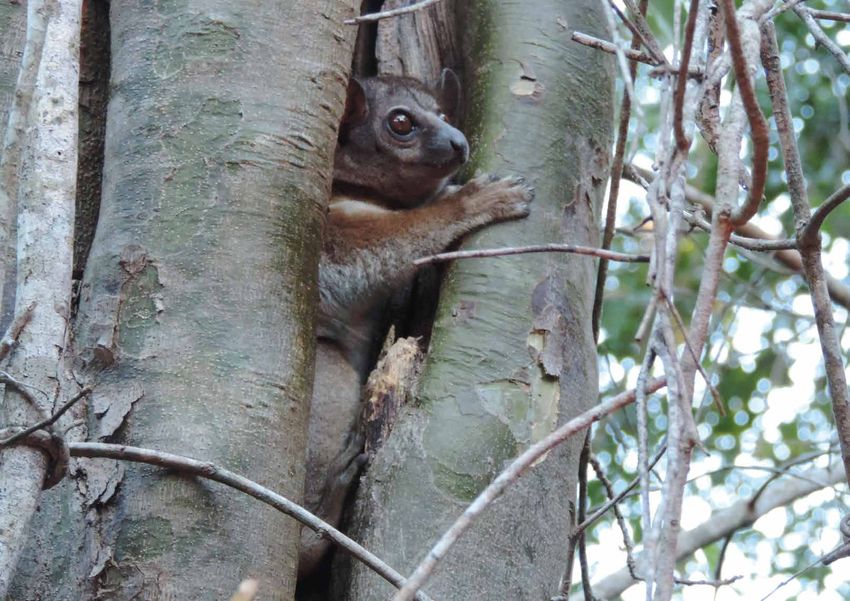
Guyana
 Guyana details of Research Assistant projects

     Two Week Options
      Expedition 1 – Guiana Shield forests and rivers
                                                                                                       Four Week Options
      Tuesday 11 June - Monday 24 June 2019             ••                                              Expedition 3 – biodiversity and Neotropical megafauna of the
      Expedition 2 – Guiana Shield forests and rivers                                                   Guiana Shield
      Tuesday 9 July - Monday 22 July 2019          ••                                                  Tuesday 11 June – Monday 8 July 2019             ••••
      Why choose these expeditions? Taster of remote forest and river research                          Why choose this expedition? Biodiversity research in primary
      experience                                                                                        lowland rainforest

      These expeditions are to the spectacular Iwokrama forests                                         For four weeks, this expedition is to the spectacular
      on the Guiana Shield which has the same megafauna                                                 Iwokrama forests on the Guiana Shield which has the same
      species and abundances as the best remaining parts of the                                         megafauna species and abundances as the best remaining
      Amazon. Of your two-week expedition, you will spend your                                          parts of the Amazon. You will spend your first two days at
      first two days in the Iwokrama Forest research centre on the                                      the Iwokrama Forest research centre on the banks of the
      banks of the Essequibo River completing a lecture course                                          Essequibo river completing a lecture course on Guiana
      on Guiana Shield wildlife and conservation, accompanied                                           Shield wildlife and conservation, which is accompanied by
      by practicals training you in some of the survey techniques                                       practicals in the survey techniques being used at the research sites. After that you will
      being used. After that you will spend a week in a forest camp                                     survey a site where recent selective logging (only 1% of the trees by number and 5%
      where surveys will be completed on forest structure, dung                                         by volume) has been completed, a second camp where harvesting was 3 – 4 years
      beetle communities, reptile and amphibian surveys from                                            previously and a camp in wilderness forest that is not to be exploited in any way. These
      standard search transects and spotlighting at night, point                                        long-term datasets are designed to identify the impact of selective logging. Surveys
      counts, soundscape analysis and mist netting for birds,                                           will be completed on forest structure and dung beetle communities will be identified
      distance sampling to survey primates, patch occupancy                                             and assessed. Reptile and amphibian surveys from standard search transects will
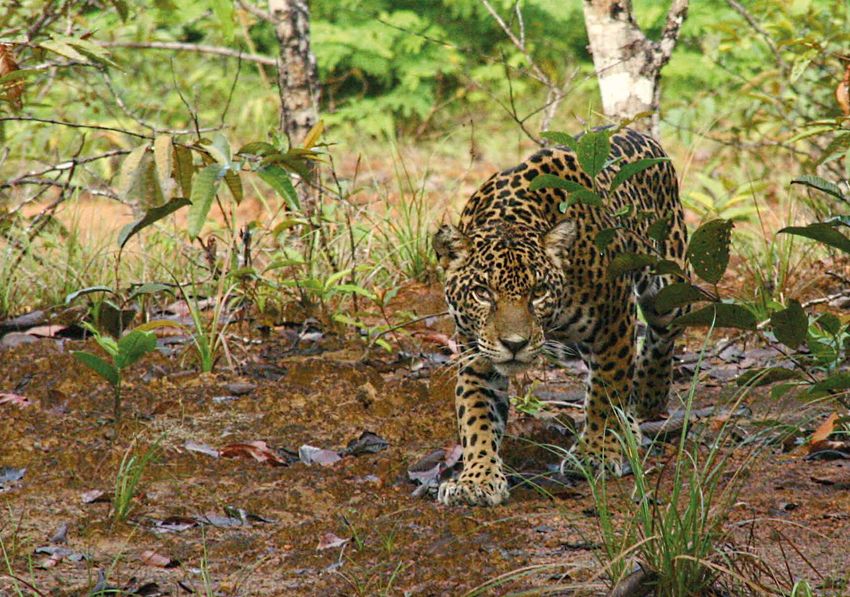
      and camera trapping for jaguars, pumas and other large                                            be completed together with spotlighting at night, point counts, soundscape analysis
      mammals, mist netting and sound analysis surveys for bats.                                        and mist netting for the birds, distance sampling transects for the primates, patch
      The last three days are spent on a boat survey along the                                          occupancy and camera trapping for jaguars, pumas and other large mammals and
      Burro Burro River where you will be helping with water bird,                                      mist netting and sound analysis surveys for the bats. The last three days are spent on a
      giant river otter and arapaima surveys.                                                           boat survey along the Burro Burro River where you will be helping with water bird, giant
                                                                                                        river otter and arapaima surveys.

                                                                                                       Accommodation
                                                                  Opwall not only teaches you the
                                                                  methods of field biology, it helps    Initial 2 days:                          Rest of the expedition:
                                                                  you discover your passions.
                                                                                                        Accommodation is                         Temporary camps sleeping
                                                                  Lauren, Western University            in shared single                         in hammocks
                                                                                                        sex dorm rooms
                                                                                                        For more images and details visit the Opwall website www.opwall.com

14                                                                                                                                                                                                  15
Honduras
Honduras overview

 Key facts l Largest number of forest research scientists
           l Most published terrestrial and marine research sites
             in Honduras
           l Cusuco National Park is one of the top 50 most
             irreplaceable protected areas in the world and one
             of the top 25 most irreplaceable protected areas
             for amphibians
           l Opwall’s flagship Caribbean marine research site
           l Home to Opwall’s 3D modelling of coral
             reefs initiative

                                     I’m already planning my return
                                     here and I haven’t left yet!
                                     Grace, University of Manchester

     Expedition Details
                    Research assistant places for 2, 4 & 6 weeks                      Research topics for dissertation students for 6 weeks
      RESEARCH OBJECTIVES

                            The forests of Central America are some of the most biologically diverse forests in the world, partly because they are
                            the meeting point of two great faunas – those from North America and those from South America which have evolved
                            separately. Many of these ecosystems have been badly degraded but there is a proposal to join currently discontinuous
                            areas of forest into a continuous Mesoamerican forest corridor running from the Yucatan peninsula in Mexico (where
                            there are other Opwall teams) to Panama. Part of this corridor will encompass the cloud forests of Cusuco National
                            Park in Honduras – a site rich in endemics and endangered species yet threatened by unchecked illegal deforestation.           $ Costs to consider $ £ $ £ $ £ $
                            The Opwall survey teams have been working in Cusuco since 2003 and the data produced has resulted in the Park
                            being listed as one of the top 50 most irreplaceable protected areas in the world (based on a review of 173,000 sites          £ International Flights ✓
                                                                                                                                                             Internal Transfer £160 approx ✓
                                                                                                                                                                                                               £
                            worldwide). As well as underlining the biological value of Cusuco, the datasets collected by the Opwall teams are also
                            being used to make an application for funding through Natural Forest Standard (NFS). This will allow carbon credits from
                                                                                                                                                           $ Visa* ✓ Park Entrance Fees ✓                      $
                            the Park to be issued, which can then be sold to multinational companies wishing to offset their carbon emissions and at       £ Local Currency Lempira
                                                                                                                                                             Spending Money ✓
                                                                                                                                                                                                               £            Travel information
                            the same time help protect biodiversity. Funding obtained in this way will then be used to manage and protect the park
                            and the many unique species it supports.                                                                                       $ If diving: Equipment Hire ✓                       $            Airport: San Pedro Sula Airport
                            In the Caribbean, there are a number of core issues that have been affecting the biodiversity of the coral reefs – including   £ PADI   Manual & PIC ✓                             £            Arrival Day: Tuesday
                            the mass mortality of keystone sea urchins that have allowed algal colonisation of reef areas, an invasive species
                            originally from the Indo-Pacific (lionfish) that acts as a predator on reef fish which has been spreading across the           $ to Honduras for people travelling on an EU, US $
                                                                                                                                                             * A 90 day visa is issued free of charge on entry              Departure Day: Tuesday (after 1600hrs)

                                                                                                                                                           £ and Canadian passport.                            £
                                                                                                                                                                                                                            Getting from the airport to the expedition start
                            Caribbean, and overfishing of reef fish by local communities. Opwall has two monitoring sites in Honduras: one is on                                                                            point can be organised as part of a package by the
                            the island reefs of Utila and the second on the coastal barrier reef of Tela. At both sites, teams of Opwall scientists and        For full costing details please visit the money section on
                            students collect annual monitoring data to assess temporal patterns of ecosystem change, alongside novel research to           $   the Opwall website www.opwall.com
                                                                                                                                                                                                               $            Opwall travel team: internaltravel@opwall.com

                            address key management priorities and gaps in our current understanding of tropical marine coastal ecosystem function.
                                                                                                                                                           £$£$£$£$£$£$£$£$£
16                                                                                                                                                                                                                                                                               17
Honduras
 Honduras details of Research Assistant projects
                                                                        Four Week Options
     Two Week Options
                                                                         Expedition 3 – cloud forest and reef biodiversity
      Expedition 1 – an introduction to cloud forest research
                                                                         Wednesday 12 June – Tuesday 9 July 2019
                                                                                                                                ••••
      Wednesday 24 July – Tuesday 6th August 2019               ••       Why choose this expedition? Best expedition if you can’t choose between forest and marine research
      Why choose this expedition? Taster of forest research
                                                                         This expedition involves spending two weeks in the endemic-rich cloud forests of Cusuco National Park
      This project is based for two weeks in the cloud forests of        followed by two weeks in the Caribbean working with a team of marine scientists. The first week of the
      Cusuco National Park. The first week provides training to          expedition involves three days of jungle skills training (including an optional canopy access training
      enable students to join the research projects, and involves        course*) followed by three days completing a Neotropical forest ecology field course comprised
      a jungle survival skills course (including an optional canopy      of a lecture series and practical sessions to get you acclimatised to the forest and familiar with the
      access course*) and a field course on Neotropical forest           research projects. In your second week you will work with a diverse team of researchers on projects
      ecology, comprising lectures and field based practicals.           which include determining infection rates of chytrid fungus within critically endangered amphibian
      For the second week you will be working with the forest            species, helping with one of the longest-running dung beetle projects in Mesoamerica, light trapping
      researchers on a series of biodiversity projects in one of         for moths, and constant effort site mist netting for birds, alongside many other projects. For your third
      the more remote satellite camps. Research topics that you          and fourth weeks you are allocated one of our research sites in either Utila Island or Tela. If you aren’t
      will be involved with include patch occupancy surveys for          already dive qualified, then your first week here will be training to PADI Open Water level and then for
      large mammals, small mammal trapping, bird point counts,           your final week completing a Caribbean coral reef and survey methods course with practicals done by
      genetic screening of amphibians for chytrid infections, and        diving. If you can already dive by the time you arrive with us (or just want to snorkel) then in your third
      light trapping for moths, alongside many other projects.           week you complete a Caribbean coral reef and survey methods course with practicals done by diving
      *This carries an additional cost                                   (if you are trained) or snorkelling. For your last week you would then join the marine research teams.
                                                                         *This carries an additional cost

      Expedition 2 – diving and marine research training
                                                                         Expedition 4 – cloud forest biodiversity with diving
      Wednesday 24 July – Tuesday 6 August 2019               ••
      Why choose this expedition? Taster of Caribbean marine research
                                                                         Wednesday 19 June – Tuesday 16 July 2019                ••••
                                                                         Why choose this expedition? Better for more detailed forest research but also includes diving
      This expedition would take place either in the Opwall
      marine research site on Utila Island or on the mainland            This expedition starts with three weeks in the cloud forests of Cusuco National Park; a site which
      at Tela. If you are not dive trained you would start with a        has been listed in a review of 173,000 protected areas in the world as being in the top 50 most
      PADI Open Water dive training course before spending               important sites to conserve. The first week is spent learning to live safely in the forest during a jungle
      your second week completing a Caribbean reef ecology               survival course (including an optional canopy access course*) and a lecture course with practicals
      and survey methods course where you would learn how to             on Neotropical forest ecology. The next two weeks will be working with the largest group of forest
      identify some of the major fish and coral species likely to        researchers we have at any site, on projects as diverse as bird mist netting surveys, determining
      be encountered in the Caribbean. If you arrive dive trained        chytrid infection rates within amphibians, calculating the carbon content of the forest and light trapping
      you would start on the Caribbean reef ecology and survey           for moths, alongside many other projects. For at least one of these weeks the team will be helping
      methods course before spending the second week acting              out in one of the more remote satellite camps. The last week you will be based at the Opwall marine
      as an assistant on some of the many marine research                research camps in either Utila or Tela completing a PADI Open Water dive training course or a coral
      projects running. These include 3D reef modelling, stereo-         reef ecology and marine survey methods course with practicals by diving (if already trained)
      video surveys of fish, lionfish and urchin surveys amongst         or snorkelling.
      many other projects.                                               *This carries an additional cost

                                                                         Expedition 5 – Caribbean marine research
                                                                         Wednesday 19 June– Tuesday 16 July 2019
                                                                                                                                ••••
                         day
      Example
                                                                         Why choose this expedition? Gives a good all-round knowledge of marine research
            Ac  tivity
      Time                  gy dive                                      This project is based at both the Opwall marine research sites: Utila Island and on the mainland at
                ef ecolo
      O70 Re
         0                l                                              Tela. The time spent at each site will depend on the projects running in the weeks you are on site.
             practica               ab
             R e e f  e cology l                                         If you are not dive trained already then your first week will be completing a PADI Open Water dive
      1100                 l                                             training course. For those already dive trained or wishing only to snorkel then in your first week you
             practica
               u  n c h                                                  would start with the Caribbean reef ecology and survey techniques course with lectures and twice
       1300 L                 gy dive                                    daily in-water practicals either by diving (if qualified) or snorkelling. Those who completed the dive
                  ef ecolo
       1430 Re              l                                            training course in their first week will do this course in their second week. For the remaining weeks on
              practica
               D i n n e r                                               site then you would be working with the marine researchers on activities including survey and analysis
        1800                     search
                   ening re                                              of stereo-video data to quantify fish communities, behavioural studies on fish and invertebrates, 3D
        1900 Ev              t a l k                                     modelling of reefs to quantify structural complexity, macroinvertebrate transect surveys and other projects. You should complete
                lecture/               alified
                                                 diver
                           for a qu                                      40 dives or more on this expedition and be familiar with most of the Caribbean coral and fish species. If desired, additional PADI
                  on Utila
         Schedule                                                        dive training can be done in your spare time, at an additional cost.

18                                                                                                                                                                                                            19
Honduras
Honduras details of Research Assistant projects
Four Week Options Six Week Options
Expedition 6 – Divemaster training with marine research Expedition 9 – cloud forest and coral reef research
Wednesday 19 June – Tuesday 16 July 2019
•••• Wednesday 12 June – Tuesday 23 July 2019
••••••
Why choose this expedition? Obtain a PADI Divemaster qualification whilst working with marine researchers Why choose this expedition? Combines forest research and more in-depth marine research
This expedition is based on Utila Island and is aimed at training you to become a PADI Divemaster This expedition is based for three weeks in the Cusuco cloud forest site, followed by three weeks at
(DM). You need to be qualified to PADI Rescue Diver and have 40 logged dives before starting on this one, or both, of the Opwall marine research sites in Utila and Tela. The first three weeks are as for
course. Your course will then involve assisting qualified Divemasters and Instructors in training new expedition 4 with training in jungle survival, canopy access (optional*) and Neotropical forest ecology
Open Water divers and providing additional supervision in the water to the normal DM and Instructor followed by 2 weeks working with the various forest scientists, whose projects include collecting
ratios. The costs of the course are included in the expedition, though you will have to purchase the data on forest structure, amphibian spot lighting, small mammal trapping and mist netting for bats,
necessary PADI training materials ahead of joining the expedition and pay PADI registration fees after alongside many other projects. Then the next three weeks are based at a marine site where you will
completion. During your expedition you will also have time to join the Caribbean reef ecology and learn to dive to PADI Open Water level (if not already dive trained) and then progress to a Caribbean
survey techniques course and will be able to learn how to identify most of the coral and fish species reef ecology and survey methods course with practicals by diving. If you are already dive trained or
encountered in the Caribbean as well as gain an insight into the marine research being carried out at would prefer to snorkel you just start with the Caribbean reef ecology and survey methods course.
the Coral View Research Centre. Note, one of the benefits of training with Opwall is that assuming you Then for the remaining weeks you would be working on the various marine research projects such as
perform well on site then for future seasons we offer those who have trained with us the opportunity to 3D modelling of the reefs, using stereo-video surveys to quantify fish communities, collecting data on
fill one of the DM roles on different expeditions around the world. sea urchin and lionfish abundance and other marine research projects.
*This carries an additional cost
Expedition 7 – advanced cloud forest biodiversity research
Expedition 10 – advanced Caribbean marine research
Wednesday 26 June - Tuesday 23 July 2019 ••••
Why choose this expedition? Most detailed forest research with trekking in remote areas
Wednesday 19 June – Tuesday 30 July 2019 ••••••
Why choose this expedition? Best project for those wanting an in-depth knowledge of marine research and
This project is based entirely in the cloud forests of Cusuco National Park, which has been identified Caribbean species
as one of the top 50 most irreplaceable protected areas on Earth (based on an analysis of 173,000
sites worldwide). The first week will be in and around base camp where you will complete jungle This project will take place at both the Opwall marine research sites on Utila island and on the
training (including an optional canopy access course*) and a Neotropical forest ecology lecture mainland at Tela. If you are not dive trained, then the first week will be spent completing a PADI Open
course with associated practicals. After this week you will be trekking across the Park in order to join Water dive training course. If you are already dive trained then you would start with a Caribbean
the research teams in a series of remote satellite camps. Survey work will include patch occupancy reef ecology and survey techniques course which would teach you the main species of fish,
surveys for large mammals, bird point counts, small mammal trapping, mist netting for bats, forest macroinvertebrates and corals likely to be encountered. Those who did dive training in the first week
habitat structure surveys, screening amphibians for chytrid fungus infections, spotlighting surveys for would do this course in their second week. For the rest of the expedition you will circulate between a
amphibians, light trapping for moths and pitfall trapping for dung beetles, alongside many series of marine research projects including 3D modelling of reefs to determine structural complexity,
other projects. stereo-video surveys of fish communities, macroinvertebrate transects, behaviour studies on invasive
*This carries an additional cost lionfish, examining ways in which sea urchin populations could be restored and many other projects.
During the expedition, you should complete 60 dives and could also gain some additional dive
qualifications in your spare time (at an additional cost) and be working on the various marine research
Expedition 8 – Pre-Med training with biodiversity research and diving projects.
Wednesday 10 July – Tuesday 6 August 2019 ••••
Why choose this expedition? Only expedition that includes expedition medicine training
This expedition involves staying in the cloud forests of Cusuco National Park for three weeks and
then spending a week at one of the marine sites. The first week of this expedition is the same as
for expedition 4 with jungle training, canopy access (optional*) and a Neotropical forest ecology
course. However, in the second week you will be completing an introduction to expedition medicine
with lectures and practicals on how to organise medical support for an expedition, how to health Accommodation
screen participants and organise evacuations, how to diagnose common tropical diseases such as
Cusuco: Utila:
malaria, dengue, chikungunya, treatment of snake bites, how to deal with anaphylactic shock, trauma
Tents shared with camping toilets Shared bunk beds in dormitory style rooms
treatment and how to suture. The course is taught by a very experienced expedition medic in the field
and showers with shared bathroom and toilet facilities
camp with practicals each day and is always very popular. In the following week you will be sent to
work alongside the medic in one of the more remote fly camps. Most of the time in this week you will Cusuco field camps: Tela:
be helping with the biodiversity surveys but if there are medical consultations you may be involved as Hammocks, shared tents, field toilets Shared bunk beds in dormitory style rooms
an observer. In the final week you will go to either Utila or Tela marine research sites and complete a and river showers with shared bathroom and toilet facilities
PADI Open Water dive training course or a coral reef ecology and marine survey methods course with For more images and details visit the Opwall website www.opwall.com
practicals by diving (if already trained) or snorkelling.
*This carries an additional cost
20 21You can also read


