A Framework for Action - Management Plan 2014-2019 Chilterns Area of Outstanding Natural Beauty - The Chilterns AONB
←
→
Page content transcription
If your browser does not render page correctly, please read the page content below
Chilterns Area of Outstanding Natural Beauty
Management Plan 2014-2019
A Framework for Action

           An Area of Outstanding Natural Beauty
Chilterns Area of Outstanding Natural Beauty
                                                                                  Management Plan 2014 - 2019
This Management Plan complies with the
following legislation and guidance:
                                                Chilterns Conservation Board      Contents

   •   The Countryside and Rights of Way Act
                                                The Lodge, 90 Station Road
       2000, Part 4 Section 89
                                                Chinnor
                                                                                  											                                                                         Page
   •   The Strategic Environmental
       Assessment Regulations (SI 1633) 2004                                      Ministerial Foreword										2
   •   The Conservation (Natural Habitats       Oxon OX39 4HA
       etc.) Regulations 1994 (as amended                                         Foreword											3
       by The Conservation (Natural Habitats    Tel: 01844 355500
       etc.) (Amendment) Regulations 2007)                                        Vision												4
   •   Guidance for the Review of AONB          Email: office@chilternsaonb.org
       Management Plans published by The                                          Introduction											6
       Countryside Agency 2006                  Website: www.chilternsaonb.org
                                                                                  Section 1       Conserving and enhancing natural beauty					                          15

                                                                                  		Landscape									16

                                                                                  		              Farming, forestry and other land management				                       29

                                                                                  		Biodiversity									39

                                                                                  		Water environment								50

                                                                                  		Historic environment								59

                                                                                  		Development									70

                                                                                  Section 2       Understanding and enjoyment						80

                                                                                  Section 3       Social and economic well-being						90

                                                                                  Section 4       Integration of cross-cutting themes with Management Plan policies     96
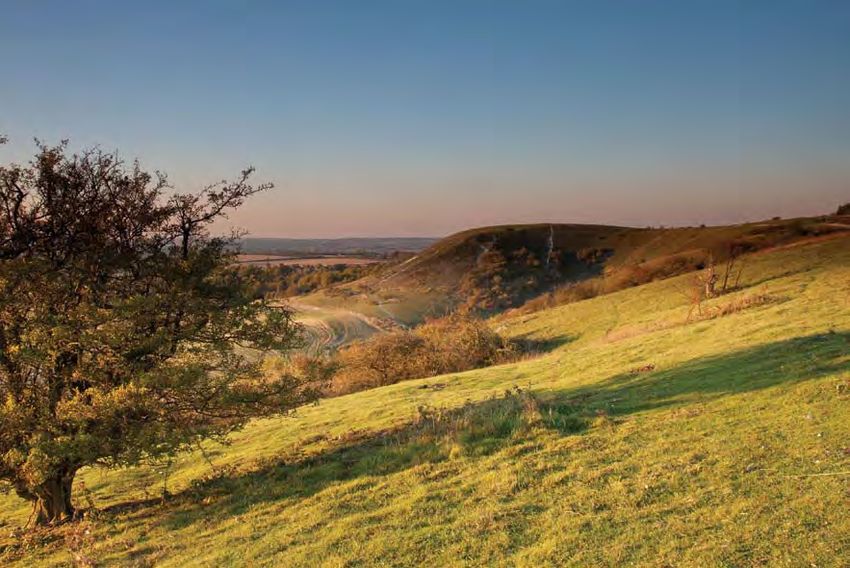
Cover image: Sheep at Aston Rowant
                                                                                  Section 5       Engagement Plan								98
National Nature Reserve, Oxon
                                                                                  Section 6 Implementation and monitoring						106
Photo credits: Chilterns Conservation
Board, Chris Smith, Clive Ormonde, John
                                                                                  Abbreviations											110
Morris
                                                                                  Glossary											111

ISBN 978-1-908277-03-9

Chilterns AONB Management Plan 2014 - 2019			                                     Chilterns AONB Management Plan 2014 - 2019                                            Page 1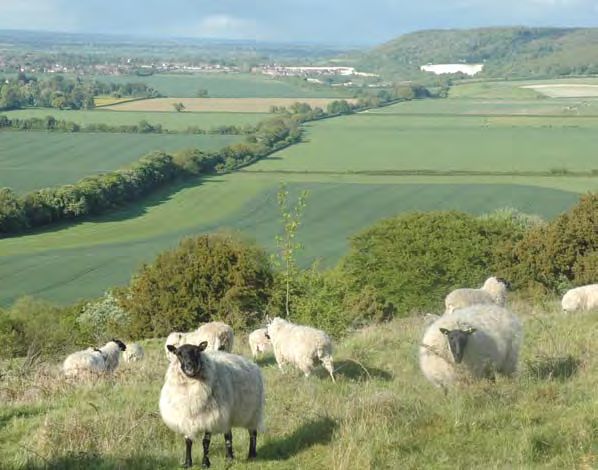
Ministerial Foreword                                                                                  Foreword
Areas of Outstanding Natural Beauty                                                                   The Chilterns Area of Outstanding Natural
(AONBs) are some of our finest landscapes.                                                            Beauty (AONB) is nationally-protected as
They are cherished by residents and visitors                                                          one of the finest areas of countryside in
alike and allow millions of people from all                                                           the UK. It is a living landscape, shaped by
walks of life to understand and connect                                                               nature and the activities of man. The future
with nature.                                                                                          well-being of the Chilterns is dependent on
                                                                                                      everyone working together to conserve and
I am pleased to see that this management                                                              enhance this special area.
plan demonstrates how AONB Partnerships
and Conservation Boards can continue to                                                               This Management Plan provides the framework
protect these precious environments despite                                                           to enable us to, collectively, maximise our
the significant challenges they face. With a                                                          effectiveness in managing the Chilterns AONB.
changing climate, the increasing demands of a                                                         It sets out the special qualities of the area,
growing population and in difficult economic                                                          presents a vision of the AONB, identifies the
times, I believe AONBs represent just the sort                                                        challenges and identifies policies and actions
of community driven, collaborative approach                                                           to guide the work of all of those who care for
needed to ensure our natural environment is                                                           the area over the next five years (2014-19).
maintained for generations to come.
                                                                                                      The law requires that AONBs have a
AONB Partnerships and Conservation Boards                                                             management plan in place. Even without
have been the architects of a landscape-scale                                                         this statutory requirement there are good
approach to land management. This approach                                                            reasons to produce one. The Plan is a collective
is a key feature of the Government’s Natural                                                          expression of the interests and wishes of many
Environment White Paper and emphasises the                                                            individuals and organisations and it is only
need to manage ecosystems in an integrated                                                            with this input that it can truly be a plan for the
fashion, linking goals on wildlife, water, soil                                                       whole AONB.
and landscape, and working at a scale that
respects natural systems.                          AONBs are, and will continue to be, landscapes     There are many challenges ahead in the period         We are fortunate to live and work in such a
                                                   of change. Management plans such as this           this Plan covers including: the uncertainties         wonderful part of England. This Plan will help
This management plan also makes the                are vital in ensuring these changes are for        of climate change; the spread of pests and            us all to care for it better on behalf of future
important connection between people                the better. I would like to thank all those who    diseases; the need for more houses; the               generations.
and nature. I am pleased to hear that local        were involved in bringing this plan together       demand for new development and the
communities have been central to the               and I wish you every success in bringing it to     continuing aspiration to get more people
development of the plan, and will be at the        fruition.                                          to enjoy and appreciate the great outdoors.
heart of its delivery. From volunteers on nature                                                      Should Parliament give the go ahead for
conservation projects, to businesses working                                                          High Speed 2, it is essential that everything is
to promote sustainable tourism, it’s great to                                                         done to minimise the damage and disruption,
hear of the enthusiasm and commitment of                                                              ideally by putting the railway in a full length
the local people who hold their AONBs so dear.                                                        tunnel under the AONB.
                                                                                                                                                            Mike Fox Chairman
                                                   Lord de Mauley
                                                                                                                                                            Chilterns Conservation Board
                                                   Minister for Natural Environment and Science

Chilterns AONB Management Plan 2014 - 2019                                                   Page 2   Chilterns AONB Management Plan 2014 - 2019                                                        Page 3
A Vision for the Chilterns Area of The Chilterns Area of Outstanding Natural Beauty should be an area where:
Outstanding Natural Beauty
Understanding and enjoyment
The Management Plan is based on a vision for the Chilterns AONB in which:
The River Thames and its valley provide attractive
landscape, recreational opportunities and
Increase understanding and enjoyment enhanced wildlife habitat.
Opportunities to expand, enhance and enjoy The public rights of way, including the Ridgeway
natural beauty are created and taken. and Thames Path National Trails, are well-
managed and easily used providing attractive
Local people and visitors can easily appreciate networks of routes popular with walkers, cyclists
and enjoy its special qualities. and horse-riders.
Those who live, work, visit and enjoy the area also
want to be its custodians and stewards.
The knowledge, skills and resources needed to
manage the AONB as a nationally important
landscape are readily available.
Natural beauty
The potentially adverse impacts of pests, diseases
Chalk grassland is more extensive, creating more
Conserve and enhance the natural beauty and climate change are avoided or minimised.
open downland with thriving populations of its
special wildlife.
Its special and unique character is conserved,
cared for and cherished for future generations to Woodland is well-managed and productive,
enjoy. growing high quality timber as well as providing High quality visitor information and
natural spaces for recreation and a home for environmental education programmes are widely
The importance of taking a landscape-wide wildlife.
approach to its management is accepted, available.
which combines an understanding of its Chalk streams have enhanced flows along
natural, historical, cultural, social and economic More local people and visitors become active
their natural river beds and provide a healthy volunteers to help care for all parts of the
characteristics. environment for their specialised wildlife. Chilterns Area of Outstanding Natural Beauty.
The setting of the Chilterns is valued and Local farms are thriving businesses which help to
protected by ensuring development adjacent to Tranquillity is conserved and where noise is a
maintain landscapes and wildlife habitats. problem, peace and quiet is restored, in particular
the AONB also respects its national importance.
by reducing noise generated by road traffic, over-
The historic environment, including the flying aircraft and trains.
The historic and cultural environment of the numerous hillforts, is conserved, enjoyed and
Chilterns is conserved and appreciated widely. appreciated. The impact of transport infrastructure and traffic
is reduced, with more people walking, cycling and
Common land is valued, enjoyed and well- using public transport.
managed with larger areas of open landscape
Foster social and economic well-being and better conserved heritage features.
The health and well-being of local people and New buildings, utilities and transport
visitors is enhanced by their enjoyment of the infrastructure are designed and built to
area. high environmental standards that respect
the character of the built environment and
The potential of a high quality natural the character, setting and tranquillity of the
environment to provide a high quality living landscape.
environment for local communities and
businesses is realised. More new buildings are constructed using
traditional materials and vernacular architectural
There is a thriving market for environmentally- styles.
sustainable local produce which contributes to
the viability of land management and enterprises. There is a place for modern and innovative
building and structural design which respects the
setting and wider landscape.
The Chilterns Area of Outstanding Natural Beauty
The Chilterns Area of Outstanding Natural Beauty Introduction
The special qualities of the Chilterns AONB
Chilterns AONB boundary
above 250m
200 - 250m
150 - 200m Chiltern maps again, sorry! the maps where yellow needs changing are:
100 - 150m Barton-le-Clay > Aonb (first map)
50 - 100m Hexton > Woodland cover
0 - 50m > Designated sites (biodiversity)
Leighton Buzzard Lilley > Historic parks and gardens
Dunstable Hitchin
River Thames > Chiltern commons
other Water Courses > Recreation and access
Whipsnade LUTON
River Gade Markyate
Grand Union Canal
Harpenden
Aylesbury Tring Aldbury
Gaddesden
Wendover R. Bulbourne River Ver
Thame Princes Berkhamsted
Risborough R. Misbourne
HEMEL HEMPSTEAD Kingwood Common
Chesham Oxfordshire
Chinnor Gt. Missenden
River Chess
Hughenden
Stream Amersham
Stokenchurch Naphill
R. Wye
Watlington
High Wycombe 1. In 1965 an area of 800 sq kms of the 3. There is an extensive network of
Turville Chiltern Hills was designated as an Area protected sites within the AONB,
Lane End
Wallingford Hamble Beaconsfield of Outstanding Natural Beauty (AONB). including 63 Sites of Special Scientific
Brook Later, following a review of the boundary Interest (SSSI), three National Nature
Nettlebed
Marlow the AONB was enlarged to 833 sq kms in Reserves and three European-designated
1990. Natural England has recently lifted Special Areas of Conservation. In 2012
R. Thames Woodcote Maidenhead its de facto moratorium of the review of 98.7% of the Chilterns’ SSSIs were in
Goring Henley-on-Thames boundaries of AONBs and there may well favourable or recovering condition.
N
be an opportunity during the lifetime of
R. Thames this Plan to consider proposals to change 4. The Chilterns is one of the most densely
the existing boundary. wooded parts of the UK with nearly
0 5 10 Kilometres 22% woodland cover of which two
2. The Chilterns AONB was designated thirds is ancient woodland - the highest
0 6 Miles
READING for the natural beauty of its landscape proportion in the country. The AONB also
and its natural and cultural heritage. In has a nationally-important concentration
c Crown copyright and database rights of high quality chalk grassland with over
particular, it was designated to protect its
[2014] Ordnance Survey Licence no. 100044050
special qualities which include the steep 700 ha.
chalk escarpment with areas of flower-
rich downland, woodlands, commons, 5. Commons are amongst the most
tranquil valleys, the network of ancient characteristic features of the AONB –
routes, villages with their brick and flint part of its social and cultural heritage
houses, chalk streams and a rich historic - accessible green places for recreation
environment of hillforts and chalk figures. and public enjoyment and home to a
wide diversity of wildlife. Today there are
Chilterns AONB Management Plan 2014 - 2019 Page 6 Chilterns AONB Management Plan 2014 - 2019 Page 7
Introduction Introduction
2016 ha of registered common land in the 3. In fulfilling these purposes, the Board has increase the amount of environmental 5. For clarification, the implementation
AONB – around 2.4% of the total area. a duty to seek to foster the economic and data on the AONB which will be published of the actions identified in the Plan for
social well-being of local communities in the annual State of the Environment the AONB will require the collaboration
6. Some of the Chilterns’ most distinctive within the AONB, without incurring Report and will contribute to monitoring of many organisations - it is not a
natural features are its chalk rivers and significant expenditure. of the Plan’s progress. work programme for the Chilterns
streams, fed by groundwater from the Conservation Board alone. Inevitably,
chalk aquifer. A globally scarce habitat, 4. In practice, where there is a conflict 3. The Management Plan for the AONB for the programme will be affected by the
chalk rivers support a range of specialised between conserving the special qualities 2014-2019 contains a number of broad priorities of each partner and availability
wildlife and in the Chilterns provide a of the Chilterns and its use or enjoyment, aims for the management of the Chilterns of resources. In recent years many of
home for the threatened water vole. the Board will give greater weight to its AONB. The more detailed policies and those bodies which will take a major role
Another significant water feature of the
area, the River Thames, forms much of the
5.
conservation.
There are 27 members of the Board:
this to replace fig on page 11
actions in the Plan outline how these
aims will be achieved by the Board and all
have less public funding available, a trend
likely to continue for some time. This
southern boundary of the AONB. other parties with an interest in the AONB. shortage of resource combined with an
13 are appointed by the 13 local
increased political emphasis on economic
7. The Chilterns is possibly the most heavily- authorities in the Chilterns AONB, eight 4. The aims, policies and actions in the
growth rather than environmental
visited landscape in the UK with 55 million are appointed by the Secretary of State Plan have been formulated by the Board
conservation will, inevitably, restrict the
leisure visits a year1. Visitors come to enjoy for Environment, Food and Rural Affairs in consultation with a wide range of
level of ambition and delivery that can be
over 2000 km of public rights of way, the and six are elected by parish and town organisations and individuals. During
achieved in practice.
Ridgeway and the Thames Path National councils in the AONB. the Plan’s lifetime the Board will guide its
Trails, the Chiltern Way and the recently implementation and will be responsible
opened Chilterns Cycleway and many 6. The Board has a small staff team based in for undertaking many of the actions in
more special routes. Chinnor in Oxfordshire. It is also assisted it, in partnership with others. However, National Parks
by volunteers who lead guided walks,
Northumberland
the Plan is not solely for the Board but
Coast
Northumberland
The Broads
8. The area is rich in history with ancient give talks, help at events and carry out is a guide for local authorities, statutory Areas of Outstanding Natural Beauty
man-made features scattered through project work. agencies, local organisations, landowners, 0 50km
the countryside and a legacy of grand businesses, communities and all those
houses and designed landscapes from
Solway
whose activities influence the AONB.
Coast
North
the 17th and 18th centuries. There are
Pennines
Lake
122 Scheduled Ancient Monuments in
Chilterns AONB Management Plan District
Yorkshire
North York
Moors
Dales
the AONB and 15 parks and gardens on 1. The CRoW Act places a duty on all local
English Heritage’s register. There are 2,149 authorities which include an AONB, and Arnside and
Howardian
Hills
listed buildings, of which 140 are Grade I
Silverdale
Conservation Boards, where they exist,
Nidderdale
and II*, and 94 Conservation Areas. to produce a plan which outlines their
Forest of
Bowland
policies for the management of the
AONB and how they will carry out their
The Chilterns Conservation Board functions in relation to it. Management Peak Lincolnshire
District Wolds
plans must be reviewed at least every
1. The Chilterns Conservation Board five years. The previous Plan covered the Norfolk Coast
was established by Parliamentary period 2008-13. Cannock
Chase
The
Broads
Order in 2004. It is one of the first two Shropshire
Hills
Conservation Boards (the other is for the 2. An ongoing difficulty is monitoring Suffolk Coast
Cotswolds) set up under the Countryside the actual changes to the landscape Malvern
Hills
and Heaths
and how they affect its quality. The
Dedham
and Rights Of Way (CRoW) Act 2000
Vale
which enabled the establishment of Conservation Board prepares an annual Wye
Valley Cotswolds
independent statutory bodies to manage State of the Environment Report based Chilterns
AONBs. on a number of locally selected indicators
and using the best available information. Mendip North
Hills Wessex
Downs
Kent Downs
2. The Board has two statutory purposes: Ideally such a report would be based
Quantock
Hills
Surrey Hills
North Devon Cranbourne Chase
on a combination of local and national Exmoor
and
West Wiltshire
Downs
New
Forest High Weald
• to conserve and enhance the natural indicators to enable comparisons with Blackdown
Hills
beauty of the AONB; and
Dartmoor
other areas using up to date information.
South Downs
Tamar Dorset Chichester
Valley Harbour
East Devon
It is an objective of the new Plan to
Isle of Wight
• to increase the understanding and Cornwall
enjoyment of the special qualities of the
AONB.
South Devon
1
2007 Chilterns Leisure Visitor Survey
Chilterns AONB Management Plan 2014 - 2019 Page 8 Chilterns AONB Management Plan 2014 - 2019 Page 9
Introduction Introduction
Global, national and regional Influences on the natural beauty of ahead a full-length bored tunnel would Changes in farming
context of the AONB the Chilterns AONB be the least damaging option.
9. The landscape of the Chilterns is
1. The Chilterns AONB is one of 46 AONBs Development 5. The threat of a significantly greater dominated by farmland and woodland,
in the UK, which together cover 18% of number of overflying aircraft is growing and changes in these land uses have a
the countryside. The AONB designation 1. There has long been pressure on the as a result of the plan by the operators major influence on the natural beauty of
was created by the National Parks and Chiltern Hills for development and of Luton airport to double the number the area. The reform of the EU Common
Access to the Countryside Act of 1949, for changes in land use which would of passengers using the airport from 10 Agricultural Policy and the introduction
which also established the National Park have a deleterious effect on the quality million per annum to nearly 20 million. of new agri-environment schemes in the
designation. The aim was that the two of the landscape. It was partly these UK are affecting farming. The vagaries
pressures which led to the designation 6. Currently there are no plans to locate of the climate are proving an ever
designations would protect the finest
of the area as an AONB in 1965. In more wind farms in the Chilterns or for increasing challenge with extremes of
countryside in England and Wales. In
recent times the pressures have grown, ‘fracking’. However that may change weather becoming more frequent with
June 2000 the Government confirmed
leading to a greater-than-ever need for a and such activities may be sited potentially significant consequences.
that AONBs and National Parks have the
comprehensive and widely-implemented immediately adjacent to the AONB. Any Experience has shown that when
same level of landscape quality and share
Management Plan. proposal should be assessed in terms farming is more profitable there is
the same level of protection.
of its impact on the AONB and unless it greater investment in environmental
2. AONBs are part of the global network of 2. The recent introduction of the new can be proven that the environmental conservation. The pressure on profit
protected landscapes. The International National Planning Policy Framework impacts are acceptable there should be a margins together with a relative decline
Union for the Conservation of Nature to encourage more development is presumption in favour of refusal. in grant-aid is likely to have a negative
and Natural Resources (IUCN) has six intended to relax planning policies and impact on some aspects of the farmed
controls to stimulate house building Visitor pressure
management categories covering environment.
all types of protected areas. AONBs in particular. Great care will be needed
7. Sitting on London’s doorstep, and
(and National Parks) fall into Category to ensure that this does not lead to a 10. Loss of traditional management practices
immediately adjacent to several large
V – landscapes managed mainly for proliferation of designs which do not - in particular grazing – and the almost
towns, the Chilterns provides highly
conservation and recreation. reflect the traditional Chilterns styles and total cessation of ‘commoning’ (the
valued landscapes and places to escape
use of materials. A return to the universal exercise of common rights) have affected
to. It is a place which has to cope with
3. The Chilterns Conservation Board is design prevalent during much of the 20th the open habitats often associated with
growing populations and increasing
a member of Europarc, the umbrella century would be greatly damaging to common land.
traffic levels as well as pressures for
organisation for Europe’s protected areas. the AONB. The national policies highlight
development which come right up to Changes in forestry
As a protected landscape the Chilterns the need to ensure AONBs are given
the boundary. Luton, Aylesbury and the
AONB, along with other AONBs, is playing suitable protection, which will need
Thames Corridor have been identified as 11. The long term decline in the market for
a key role in the implementation of the vigilance and persistence on the part of
part of growth areas by the Government UK timber has had a pronounced effect
European Landscape Convention, ratified local planning authorities.
and will see population increases in on the Chiltern woodlands, with many
by the UK in 2006. The Convention
3. The pressures for development and the coming years, which will result in suffering from a lack of management.
aims to improve the protection and
the long urban fringe along the AONB a greater number of people travelling The ageing beech woodlands no longer
management of important landscapes
boundary means there will be continuing through the AONB and using it for produce significant volumes of timber
and to increase co-operation across
pressure which may lead to urbanisation, recreation. The consequent demand and are more valuable as places for
Europe.
illegal activities such as fly tipping and for road improvements and greater recreation than as a part of the rural
4. The Board is an active member of problems for landowners especially infrastructure at countryside sites could economy. However, the growing demand
the National Association for AONBs those who wish to continue commercial have a damaging effect on the AONB so for wood as a renewable fuel has
which represents the interests of farming. This pressure may also lead to needs to be appropriately managed. stimulated the improved management of
the designation and those bodies loss of tranquillity due to increases in some woodlands.
Use of water
responsible for them at a national level. noise from roads, railways, aircraft and
the general background noise created in 8. Greater development close to the
5. The Board also participates in the South built up areas. Chilterns, and some inevitable
East Protected Landscapes group to
development within the area, will lead
develop collaborative initiatives across 4. The specific impact of High Speed 2 on
to more consumption of scarce water
the region and to develop working the Misbourne Valley and communities
resources. Abstraction of water for
relationships with a range of regional of Great Missenden, Hyde Heath, South
domestic use already has an impact on
partners. There is further scope for Heath and Wendover will be severe.
Chilterns streams and rivers and it is vital
collaborative working in the East of The current proposed alignment and
that public demand for water is managed
England. design are far from the best available. If
sustainably.
Parliament decides the railway should go
Chilterns AONB Management Plan 2014 - 2019 Page 10 Chilterns AONB Management Plan 2014 - 2019 Page 11
Introduction Introduction
Pests and diseases Cross-cutting themes of the These changes have the potential to affect the 4. Lifelong learning
Management Plan landscape, wildlife and communities of the
12. The number of potentially damaging Chilterns in many ways. For example, in future Lifelong learning is the concept of providing
pests and diseases threatening A number of important themes, which the Chilterns woods may well have less beech people with learning opportunities at all ages
woodlands, in particular, has grown will have a significant influence on the and ash (if any) and more lime, sycamore and and in many different contexts: at work, at
significantly. The long standing problem management of the AONB over the next five even walnut. home and during leisure pursuits as well as
of damage by grey squirrels and deer years, cut across all the chapters of the Plan. through more formal channels such as adult
is now compounded by the threat They are: The range of crops grown by farmers will education. It is a Government priority and one
from a number of diseases including change and there may be more growing of which ties in with the Conservation Board’s
ash dieback, acute oak decline and • climate change biofuels, although concerns over the security primary purpose of increasing understanding
sudden oak death. These diseases will of food supplies may affect that market. and enjoyment of the Chilterns AONB. With
dramatically change the tree species • social inclusion Flows in rivers and streams could become greater understanding comes a sense of
composition of local woods and will more erratic and there will be changes in the ownership and of stewardship. The popularity
result in other species being planted • health and well-being fauna and flora of all habitats. The impact of of the natural environment amongst the public
which are likely to be less vulnerable to tourism is particularly unpredictable. People combined with the resources that the AONB
• lifelong learning
damage and also may cope better with may decide to holiday in the UK rather than offers such as wildlife, special habitats, history
changes in climate. The aim is to create • ecosystem services to go abroad if the summer weather becomes and built heritage creates many opportunities
more resilience against the effects of warmer and sunnier but, as in recent years, to stimulate understanding, develop skills and
pests and diseases through the choice of • environmental sustainability poor weather may lead to fewer holidays taken encourage creative responses.
species and management prescriptions. in the UK.
For example this might mean more Many of these themes are integrated in the 5. Ecosystem services
planting of lime, walnut and douglas fir. concept of green infrastructure (GI), which 2. Social inclusion
aims to provide a high quality environment The environment provides many services in
which contributes to the well-being of local The Chilterns AONB is a national treasure, the form of wildlife, water, minerals, public
Chenies Manor near Amersham communities. protected for all to enjoy and it receives enjoyment, flood protection, food, timber and
millions of visits every year. Despite this, other natural resources. This wide ranging and
1. Climate change there are many who could benefit from the interlinked array of services is now being given
area and yet remain unaware of what it has better and more formal recognition in national
A changing global climate, principally caused to offer, or who face obstacles in accessing it. environmental policies. A primary purpose of
by human activities, is now regarded as an Ensuring that as wide an audience as possible this increased emphasis is to ensure that any
indisputable fact by the Intergovernmental understands the special qualities of the AONB proposal which has an environmental impact
Panel on Climate Change (IPCC)2. How much and takes an active part in enjoying and caring results in the assessment of those impacts
global temperatures will rise and how quickly for it is essential to the future of the area. The on the full range of ecosystem services and
are still under debate, but there is a broad Management Plan seeks to achieve this in a a full value thereby being accorded to those
consensus of opinion on the likely changes to variety of ways including reaching out to those services.
the climate of southern England, and therefore in urban areas close to the Chilterns, improving
the Chilterns AONB, over the next few decades. public participation in conservation activities 6. Environmental sustainability
The likely long term changes are: and increasing awareness of the AONB and its
The Earth’s resources, in simple terms, fall
special qualities amongst those who are not
• summers will become warmer and drier into those which can be renewed and those
regular visitors at the moment.
which cannot and will be exhausted unless
• winters will become milder and wetter their use ceases. The favoured approach is
3. Health and well-being
to give priority to minimising use of non-
• storm events will become more
Rising obesity levels and the ever-increasing renewable resources and increasing reliance in
frequent
costs of healthcare have prompted a much those which are renewable. The most obvious
• weather generally will become more greater emphasis on preventative health examples are in the field of energy with more
unpredictable solutions. There is an increasing perception of energy conservation, reduced reliance on fossil
the countryside, and green space in general, fuels and greater generation of solar power.
Even short to medium term climatic cycles may as a place which offers tangible benefits to It is not anticipated that wind turbines will be
be uncertain but there is consensus on the health and well-being. The value of protected located in the AONB. Much greater use will
likely long term trends. countryside, like AONBs, in providing walking, be made of wood fuel, not least as very large
cycling and riding routes and a tranquil rural volumes are likely to be available if, and when,
escape from stressful lives is increasingly being the area is affected by ash dieback.
seen in economic and social terms as well as
2
IPCC Fourth Assessment Report: Climate Change (2007) environmental.
Chilterns AONB Management Plan 2014 - 2019 Page 12 Chilterns AONB Management Plan 2014 - 2019 Page 13
Section 1
                                                          Conserving and enhancing natural beauty

                                                                                                       The primary purpose of designating an area
                                                                                                       of countryside as an AONB is to conserve and
                                                                                                       enhance the natural beauty of its landscape. In
                                                                                                       this sense, the term ‘natural beauty’ refers not
                                                                                                       only to the scenic qualities of the landscape
                                                                                                       but to all those other elements which together
                                                                                                       produce the special character of the AONB.
                                                                                                       These elements include wildlife and man-
                                                                                                       made features such as its archaeological and
                                                                                                       built heritage.

                                                                                                       This section seeks to unpick the special
                                                                                                       qualities of the Chilterns AONB and to define
                                                                                                       the key issues which are affecting them. It
                                                                                                       is divided into chapters reflecting all the
                                                                                                       components which combined create the
                                                                                                       unique sense of place of the Chilterns, namely:

                                                                                                           •   Landscape
                                                                                                           •   Farming, forestry and other land
                                                                                                               management
                                                                                                           •   Biodiversity
                                                                                                           •   Water environment
                                                                                                           •   Historic environment
                                                                                                           •   Development

                                                                                                       Dunstable Downs

Chilterns AONB Management Plan 2014 - 2019			   Page 14   Chilterns AONB Management Plan 2014 - 2019                                              Page 15
Conserving
Conserving and enhancing natural beauty
and enhancing - Landscape
natural beauty - Landscape Conserving and enhancing natural beauty - Landscape
Landscape character Landscape
Landscape Character
Introduction
Escarpment
Scarp
Scarp Foothills Landscapes
Vale Fringes
Arterial Valleys River Valley Barton-le-Clay
Landscapes Hexton
Chess Valley
Level Plateau
Plateau and Leighton Buzzard Lilley
Plateau with Valleys Dip Slope Dunstable Hitchin
Valleys and Ridges Landscapes
Rolling Plateau
Thames Fringes The Thames
Valley LUTON
Thames Floodplain
Markyate
Harpenden
Aylesbury Tring Aldbury
Wendover Gaddesden
Tring Dawn at
Wendover Ivinghoe Beacon
Thame Princes A4010 Berkhamsted
Risborough Princes
HEMEL HEMPSTEAD
Chesham
Risborough
Chinnor
Gt. Missenden
Naphill Amersham Amersham
Stokenchurch
1. The landscape of the Chiltern Hills the Chilterns landscape character is
Watlington
High Wycombe is defined by the chalk escarpment currently within the AONB. However, in
High Wycombe which runs from Goring-on-Thames several places the Chilterns landscape
north-eastwards to Hitchin - a distance extends beyond the area currently
Wallingford Beaconsfield of 50 miles. At its highest point, near designated as AONB and there may be a
Nettlebed
Wendover, it reaches nearly 900 feet. The case for re-considering whether some of
Marlow steep scarp slope faces to the north west; this landscape should also be designated.
R. Thames Woodcote Maidenhead the dipslope appears more like a plateau,
gently shelving to the south east, incised 3. On a global scale chalk is a rare form
Goring Henley-on-Thames
Goring
by shallow valleys, some with chalk of geology, laid down during the
N streams flowing to the River Colne and Cretaceous Era (65 - 100 million years
R. Thames ago), and is most commonly found in the
River Thames.1 To the south and west it
is the Thames Valley which provides a south and east of England and north-
natural boundary. west France, but almost nowhere else.
0 5 10 Kilometres The Chilterns shares many characteristics
READING
0 6 Miles
2. Whilst all of the Chiltern Hills are within a with other chalk landscapes in the Surrey
single National Character Area (No.110)2 Hills, North and South Downs, North
as defined by Natural England, not all of Wessex Downs, Wiltshire and beyond
the Chiltern Hills have been designated into Dorset. A large proportion of these
c Crown copyright and database rights
as an Area of Outstanding Natural Beauty. special landscapes have been designated
[2014] Ordnance Survey Licence no. 100044050
A central core deemed to contain the as either Areas of Outstanding Natural
finest landscape and which best exhibits Beauty or National Parks.
1
The Chilterns Landscape: Countryside Commission CCP392 1992
2
National Character Area Profile: 110 Chilterns (Natural England 2013)
Chilterns AONB Management Plan 2014 - 2019 Page 16 Chilterns AONB Management Plan 2014 - 2019 Page 17
Chilterns AONB Management Plan 2008 - 2013 Page 14Conserving and enhancing natural beauty - Landscape Conserving and enhancing natural beauty - Landscape
4. Chalk is an unseen geology with few 9. The attractiveness of the Chilterns smaller fragments and now only covers by pollarded willows and remnants of
natural outcrops and is generally landscape, the proximity of London and 1% of the AONB, of which less than half meadows and former watercress beds,
only exposed in quarries, now largely several large towns and the high level is considered high quality calcareous once a common sight and thriving local
redundant. It was little used for of accessibility of the countryside have grassland important for its biodiversity. industry.
construction, except in the manufacture made the Chilterns one of the most
of cement, and only the relatively hard visited areas in the UK, possibly Europe. 2. The main ridge of the escarpment 8. The folds of the landscape hide many
forms of chalk known as Totternhoe And yet the intimate enclosed nature provides fine long views across the lower small dry valleys or coombs with no
Stone and Clunch were used in local of much of the landscape and the large lying vales to the north and west. To the springs or streams. These places provide
buildings. number of places with public access have south, views are more restricted by dense hidden ’secret’ landscapes and unspoilt
spread the visitor pressure, enabling it to woodland and low-lying ridges. countryside.
5. The landscape is a combination of the absorb that level of use without suffering
landform created by underlying chalk 3. The underlying chalk ridge is covered by 9. Commons, heaths and greens are a
from the problems of degradation and
and the land uses and buildings on its several feet of clay with flints, but along defining characteristic of the Chilterns
erosion that other well-visited landscapes
surface, which owe more to the clay and the ridge the chalk lies near the surface landscape covering 2.4% of the
commonly suffer from.
flint which overlie it. The heavy clay soils and is peppered with quarries, small and landscape (2,016 ha). However, they
support extensive woodland cover and 10. There is no single Landscape Character large, now largely redundant. were once more extensive, and many
mixed farming on mostly medium quality Assessment (LCA) for the Chilterns AONB. have been lost to a combination of
4. The landscape of the Chilterns is given enclosure, urbanisation and woodland
(Grade 3) land. There are also deposits The whole of the AONB is covered by a
unity by its escarpment but there are encroachment. Whilst open landscapes
of fire clay, suitable for commercial number of county- and district-based
notable local variations. The northern tend to be associated with common
brickmaking, and flint which lends such LCAs which have been undertaken over
Chilterns are generally more open with land, a significant number of Chiltern
distinction to all forms of building from a period of 15 years, using a similar
larger fields and less woodland, also commons would originally have been
churches to cottages. specification, but not always identical.
a characteristic of the southern tip in woodland or wood pasture.
6. The landscape has largely been shaped the area known as the Ipsden prairie.
by farmers and foresters and remains Broad Aims The central and southern Chilterns 10. Over 191 areas of registered common
an ancient landscape with features are dominated by heavily wooded land still provide special landscapes
from many ages. Even today, field and • Conserve and enhance the outstanding countryside with mixed farming and a largely untouched by development
hedgerow patterns can be traced back qualities of the Area of Outstanding large number of scattered villages and and modern agriculture. Much of the
many centuries as can most of the lanes, Natural Beauty as part of the national hamlets. Along the southern boundary common land in the Chilterns is in
woodland banks and parish boundaries. landscape heritage. the hills come down to the Thames Valley close proximity to towns and villages,
and the River Thames itself which forms a providing valued, easily accessible green
7. It is a landscape of many hidden quarters, • Maintain those features which make a long and sinuous boundary. spaces for local communities. Nearly 10%
of enclosures and surprise views, of dark significant contribution to the character of the remaining common land in the
beech woods and open downland. It is and quality of the area and to regional 5. Woodlands, notably beech, cover over AONB is ancient woodland.
its variety and timelessness which give it and local distinctiveness. 18,000 hectares, nearly 22% of the AONB,
such charm and places such a premium making it one of the most wooded 11. The Chilterns has an extensive network
• Enhance and restore those parts of the landscapes in England. Once the woods of ancient routes, roadside hedges and
on maintaining those special qualities.
landscape which are degraded or in were home to bodgers and other sunken lanes. The Ridgeway (Icknield
8. Climate change will result in some decline. woodland workers but today are mainly Way), reputedly the oldest road in the
significant changes to the landscape by valued for their amenity, wildlife and as country, is elevated along the entire
• Enhance the level of awareness of what
changing habitats and land uses, but places to visit. length of the Chilterns, linking Wessex
makes the Chilterns landscape special
over a relatively long timescale with few with East Anglia.
and the desire to care for it. 6. Farmland covers approximately 60% of
noticeable changes in the short term.
Over a period of 50 years or more the the Chilterns3, creating a mosaic of fields 12. Villages and farmsteads with brick and
most noticeable changes are likely to with arable crops and livestock, bordered flint cottages, churches and timber barns
be an altered species composition of by ancient hedgerows and trees. A mix are scattered throughout the area. The
woodland with less beech and a greater of crops, dairy cattle, sheep and pigs more ancient settlements tend to nestle
variety of arable crops better suited Special Qualities was once commonplace, but grazing of alongside streams and rivers or springs
to warmer conditions. Those qualities livestock is less prominent now and more at the foot of the escarpment. More
which make the Chilterns a landscape of 1. A dramatic chalk escarpment rising to land is given over to arable farming. recent settlements sprung up on the
national importance today will almost nearly 900 feet (272 metres) with flower- higher ground, strung along the edge of
rich downland and panoramic views. 7. Chalk landscapes are dry landscapes, commons and beside droving routes.
certainly persist.
Once extensive, the downland survives in but in a few shallow valleys can be found
gently-flowing streams, often bordered 13. The area boasts a wealth of great
houses, follies, parkland and designed
3
Chilterns Land Use Survey 2010, CCB
Chilterns AONB Management Plan 2014 - 2019 Page 18 Chilterns AONB Management Plan 2014 - 2019 Page 19Conserving and enhancing natural beauty - Landscape Conserving and enhancing natural beauty - Landscape
landscapes. Often built and embellished and oil seed rape. In general, it can to the next is affecting yields and, in most extensive sympathetic management.
by statesmen and businessmen making be anticipated that many farmers will cases, profitability. Such uncertainty, Such land uses are often most prevalent
their fortune in London, it is a trend increase their area of actively farmed together with the availability of grant on the outskirts of towns and villages,
which continues to this day. Foremost land and the relative attraction of agri- support, will have an impact on related a perspective seen by large numbers of
is the Prime Minister’s rural retreat at environment options will reduce. environmental management and the people for whom such a landscape may
Chequers near Wendover. resources available for such activities. become the norm.
2. At the time of writing the reform of the
14. The Chilterns is a long settled landscape Common Agricultural Policy (CAP) is 7. The potential for scrub to spread across 12. Many Chilterns commons are affected by
with relics of many different eras: Bronze ongoing. Already announced by the open grassland landscapes is increasing the increasing demands for access and
Age barrows and fields, Iron Age hillforts, UK Government is a new environmental due to a combination of the problem of recreation and changing public attitudes,
medieval deer enclosures, eighteenth land management scheme to come into grazing sites and the potential for more for example towards grazing livestock
century sawyer pits and chalk figures effect in January 2015, which combines rapid growth of scrub in those years close to towns and villages.
carved in unknown times. environmental and forestry grants. It will when the weather is mild and growing
be targeted instead of being available season is longer. 13. A continuing and largely unnoticed
universally. At the time of writing it is not trend has been the loss, usually partial,
known if all of the Chilterns AONB will be 8. For the foreseeable future the landscape of unregistered parks and gardens, for
Key Issues a target area. will still be dominated by farming example around large houses now used
and forestry and the spatial pattern of for institutions or businesses.
There are many factors affecting the
3. The decline of livestock farming, of all land use is unlikely to alter directly as
landscape and how it is managed. Often Decline of cherry orchards
types, is leading to problems for the a consequence of climate change. It is
the causes of change are complex and
management of sites which need grazing more likely that, for example, the species
the trends uncertain. The scale and 14. The once large number of cherry
in order to retain their biodiversity composition of woodlands may change -
variety of the Chilterns landscape means orchards continues to decline to the
and landscape qualities. There is little the general appearance will be similar to
that trends and issues affect different point they are now a fast vanishing
likelihood of a reversal of this trend as the woodlands of today but will become
parts in different ways. Perhaps as much feature of the landscape. There is a
farmers give up livestock and increasingly more varied over time.
as at any other time, global factors and growing interest in conserving and
choose to concentrate on growing
trends are influencing the Chilterns as, Attitude of owners restoring some of the best examples to
cereals or leave farming altogether.
for example, farmers respond to world ensure this element of the traditional
prices for grain and landowners from 4. Although the number of full-time 9. There is evidence of the amalgamation Chilterns rural scene is not lost and
overseas invest funds in newly acquired farmers is declining there are many more of farm units to create bigger businesses forgotten. Recently there has been a
estates. Increasing numbers of pests and small agricultural holdings reflecting with an increasing use of contractors. welcome small increase in the area of
diseases, many new to the UK, are now the relative popularity of hobby and One consequence is that those who apple orchards.
posing a serious and long term threat to part-time farming. In some places this make the main decisions have less
wildlife, farming and forestry. time, and sometimes knowledge, of the Fragmentation of land ownership
is leading to a fragmentation of the
landscape with smaller fields, new environmental options available to them.
Changes to farming 15. The continuing fragmentation of
buildings and a greater diversity of the landscape by transfer to smaller
10. As new owners buy land they often place
1. The growth of arable farming in response activity in a smaller area. Inevitably not all holdings is affecting the scale and
higher priority on leisure and amenity
to the world price of cereals is likely to of these new holdings are well managed nature of management of land. Such
than production. This is partly behind
be a factor for several years as concerns and some detract from landscape quality. fragmentation also highlights the nature
the expansion of the area covered by
about food security grow and demand pony paddocks, extension of gardens of intervening land, for example between
Climate change
increases from China, India and other and newly landscaped grounds. Often it fragments of chalk grassland or ancient
countries. Traditional growers of grain 5. The changing climate with its extremes is accompanied by the spread of fencing, woodland. The links are important to
may be affected increasingly by weather of weather may alter the landscape screening of all kinds and inappropriate allow wildlife to move around a larger
extremes and climate change and as but predicting the nature of that shift clutter such as lights and temporary network of suitable habitat.
prices rise above recent lows, farmers in is difficult. Examples of possible effects buildings.
the Chilterns will grow crops for which Under-management of woodland
include a reduction in the extent of
they anticipate a steady if not increasing beech woodland, effects on the flows 11. The general growth of leisure uses,
16. Many types of woodland, especially
market price. This is unlikely to lead to of chalk streams and the introduction notably equestrian, has resulted in a
small woodlands, are under-managed,
ploughing up of grassland important for of new crops in response to different significant number of horses, new pony
even neglected. The long term decline
its wildlife, as it once did, as these sites growing conditions. paddocks and associated buildings
of timber prices, notably for beech, has
are largely protected, but it will change and equipment. Also prominent in the
depressed the market and is unlikely to
the landscape, as has been seen, for 6. The increasing variability of the climate landscape are new and expanded golf
change in the near future. However prices
example, where short term grass leys with the associated difficulties of courses. Whilst they can provide high
for fuel wood are increasing and helping
have been converted to grow cereals predicting the weather from one season quality habitat this is dependent upon
Chilterns AONB Management Plan 2014 - 2019 Page 20 Chilterns AONB Management Plan 2014 - 2019 Page 21Conserving and enhancing natural beauty - Landscape Conserving and enhancing natural beauty - Landscape
to stimulate management of woodland. Ageing beech woodlands enjoyment. This plan places considerable Landscape clutter
A decline of skills and the availability of emphasis on the need to value the
skilled contractors with the necessary 20. The changes to the many mature beech setting of the AONB as an integral part of 28. There is a tendency for clutter of all types
machinery and transport is a concern, as woods may result in long term changes the efforts to conserve the landscape of (e.g. signs, masts, barriers and fences)
is the loss of knowledge and experience in the woodland landscape. They will be the AONB itself and should be reflected to accumulate along roadsides, around
of timber production. barely discernible in the short term, but in neighbouring Local Plans. settlements and along the skyline. It is
already ash, which regenerated in the an insidious problem which is difficult
Pests and diseases gaps left by beech trees blown down Development pressure but not impossible to reverse. The co-
in the early 1990s, has changed the operation of the highways authorities is
17. The impact of pests and disease on trees, landscape by altering the colours and 25. Large numbers of new houses are essential as they are often responsible for
woodlands and forestry will be profound. timing of flushing and leaf-fall. planned in surrounding towns and much of the clutter.
The recent spread of ash dieback construction will affect the land adjacent
(Chalara fraxinea) may have severe and 21. It is likely that beech will persist in to, and visible from, the Chilterns. Land Loss of tranquillity
widespread impacts. It is likely that many, smaller pockets even through significant scheduled for development may be
but not all, of the several million ash trees changes in climate, but it will no less well managed, even abandoned in 29. According to national surveys, half of all
in the Chilterns will be affected in the longer be as dominant. The balance of anticipation of new development in the visitors to the countryside say that peace
next 20 years. It should not lead to the woodland cover needs to slowly change relatively near future. Once created there and quiet is a primary reason for their
loss of woodland cover if other species to reflect the tolerance of species to more may be a harder, more defined edge visit. The enjoyment of the landscape is
naturally regenerate or are planted, extreme weather. If the Chilterns is to between town and country. The view being increasingly eroded by a loss of
however a very severe loss will be the be a timber-producing area in the long from the ridge of the escarpment will tranquillity - peace and quiet is harder to
larger mature ash trees in hedgerows term unfamiliar species may have to be be significantly affected in some places, find largely due to traffic noise, notably
and along most roads. Its likely impact introduced. although green infrastructure provision the M40 and several of the trunk roads,
is still uncertain and whilst many trees is an intrinsic part of the growth area and the increase in over-flying by aircraft
may die others may survive. A positive Renewable energy strategies. The provision and long term of all types using Luton, Heathrow and
programme of replacing those lost trees management of green infrastructure local airfields. The loss will intensify if the
22. Although it cannot be ruled out, it is proposal by Luton airport to double its
will be needed otherwise the landscape, should be an integral component of
unlikely there will be many applications capacity goes ahead. The expansion of
particularly farmland, will be bereft planning any new development, both
to erect wind turbines in the AONB due Heathrow would also mean more over-
of mature trees for many years. Acute enhancing the new development itself
to low wind speeds generally and the flying aircraft at low altitudes.
Oak Decline, Oak Processionary Moth and the way it is integrated with the
unacceptability of siting them along the
and Phytophthora are also of particular surrounding area.
skyline where wind speeds are higher. 30. The darkness of the night sky and
concern for Chiltern woodlands. It is
There may be places where relatively 26. A more immediate, but less obvious the absence of visual intrusiveness of
essential that a considered approach,
small turbines could be accommodated change in the landscape is the impact of structures and buildings all add to a
based on the best available scientific
without unacceptable intrusion in the building new houses on infill sites and sense of tranquillity; these are attributes
advice, is taken and quick responses are
landscape. gardens in villages. Usually the resulting which are over-looked and are being
avoided.
houses have small gardens and there is continuously and insidiously lost. If High
23. With growing pressure to increase Speed 2 is built the corridor through
18. The widespread damage caused by less scope for trees to grow to maturity
generation of renewable energy which it passes will lose most of its
excessive numbers of grey squirrels, and provide highly value amenity and
there are likely to be more proposals remaining tranquillity in all senses - it
deer (muntjac, fallow and increasingly screening. In some cases the infilling
for solar farms, anaerobic digesters would be largely protected if the railway
roe) together with localised problems itself and unsympathetic design of the
and wood-fired systems. Providing is in a continuous bored tunnel.
caused by the edible dormouse (Glis glis) new development changes the character
they are on an appropriate scale in
continues to hamper efforts to establish of the settlement.
non-sensitive locations it is possible High Speed Two
and grow trees, especially for timber.
these forms of energy generation can 27. As the Chilterns landscape is a mosaic
be accommodated in the Chilterns 31. The impact of High Speed 2 on the
Removal of conifers of the natural and built environment
landscape, but these are important Misbourne Valley will be severe and
it is important that the design of
19. Government policy to remove caveats. permanent. At the time of writing the
new buildings complements the
plantations, especially of conifers, from impact of the current design with a long
existing character of the landscape
ancient and semi-natural woods (PAWS) Setting of the AONB section on the surface crossing two
and settlement, especially where it is
will help restore their natural qualities. viaducts cannot be adequately mitigated.
24. The potential impact of development in based on vernacular architecture. New
Where existing conifers are important for The proposal to provide screening
the area surrounding the AONB needs to designs must also exhibit the highest
their amenity, for example by providing by using spoil from the cuttings to
be given greater weight as inappropriate environmental standards in terms of
winter greenery, a careful and phased create line-side embankments is not
and poorly designed development can energy and water conservation.
removal is advocated. an appropriate design solution in an
significantly affect the AONB and its AONB. The loss of ancient woodland
Chilterns AONB Management Plan 2014 - 2019 Page 22 Chilterns AONB Management Plan 2014 - 2019 Page 23Conserving and enhancing natural beauty - Landscape Conserving and enhancing natural beauty - Landscape
cannot be replaced by the proposed tree ensure that future generations benefit information and advice is available to Wycombe, Luton, Dunstable and
planting, much of which will be planted from an equally high quality landscape. help ensure proposed changes are in Aylesbury where large numbers of new
on farmland which should be kept in keeping with the special character of the houses and other developments will be
agricultural use. L3 Local pride in the landscape and special AONB and its setting. built during the next 20 years. The design
sense of place should be encouraged to and location of these buildings need to
32. The Conservation Board opposes High promote concern for their conservation. L6 Degraded aspects of the landscape be sensitive to the AONB, for example by
Speed 2 because it is not convinced that should be enhanced including the not having excessively high or reflective
an adequate case has been made that The Chilterns is fortunate in that so removal or mitigation of intrusive roofs. The impact of development
it is in the national interest. The Board many people and organisations are development and features adjacent to the AONB will be significant
also believes that it is possible to avoid concerned about its environmental
in many ways including its visibility
the AONB with changes to the design quality. The Chiltern Society alone has In some senses the Chilterns is a busy
from many popular sites. It is important
specification, notably the line speed. The over 6,500 members and the Wildlife landscape with a large number of
that appropriate landscape and visual
Board believes that if the railway is finally Trusts, National Trust and RSPB amongst buildings, structures and, what some
assessments are undertaken.
given the go ahead by Parliament, it others are well supported. Together might call, clutter. Such clutter comes
should be in a full length bored tunnel as with local authorities, including 117 in many forms and can include: masts, L8 Landscapes close to existing and
it passes through the Chilterns. town and parish councils and voluntary signs, fences, utilities infrastructure new areas of development should
and community groups, there are many and highways structures. It tends to be maintained and enhanced to
organisations with powers, resources accumulate rather than be removed even conserve, enhance and extend: natural
and a willingness to work to conserve after its useful life has ended. Sometimes capital; green infrastructure; character
Policies what is special about the Chilterns and to concerted effort is needed to bring about and amenity; biodiversity; and
act as stewards of the landscape. These its removal by planning conditions, opportunities for recreation.
L1 The overall identity and character of
organisations and individuals all need regulations, advice, practical assistance or
the Chilterns should be recognised and
support to maintain their active roles. incentives. There is also scope to mitigate, The boundary of the AONB is long and
managed positively.
or even screen, less attractive structures sinuous, curling around many towns
L4 The distinctive character of buildings, and features where they are still in active and villages. The interface between
The main characteristics of the Chilterns
rural settlements and their landscape use or are unlikely to be removed. the AONB and these communities is
landscape have been created by human
setting should be conserved and important and the quality of landscape
intervention. In most cases they need
enhanced. Similarly what was once regarded as an in this belt is often under pressure.
to be managed actively in order to
acceptable design is now considered Such problems may be compounded
retain those qualities or restore natural A primary characteristic of the Chilterns out of place. The utilitarian and universal where new development is planned,
characteristics which are in decline e.g. landscape is the large number of designs used by national utility resulting in less intensive management
chalk downland, hedgerows, ancient attractive towns and villages, buildings, companies is a good example of when and additional pressures placed by
woodlands, chalk streams, traditional farms, barns and churches. It is the a more sensitive and tailored approach new residents seeking to use adjacent
cherry and apple orchards. combination of their charm and setting in would have been more appropriate for countryside for leisure and recreation.
the landscape that contributes so much an AONB.
L2 There should be greater understanding These places create what is being called
to the special qualities of the Chilterns
and awareness of local landscape green infrastructure and need to be
and reinforces what is distinctive about Some developments have been
character which contributes to local identified in advance and appropriate
the area. constructed which, over time, now
distinctiveness. management and investment put in
look out of place by virtue of their
L5 Developments which detract from the place. The countryside close to home
The main landscape types such as location, scale or design. Whilst removal
Chilterns’ special character should be is often the most important, which
woodland, farmland, river valleys and remains unlikely or impossible greater
resisted. means creating green spaces within the
downland are large in scale, but are consideration should be given to
development zones as well as adjacent
owned by large numbers of individuals, mitigation to diminish those negative
There are significant pressures to change to it. It is essential there is no reliance
who often own small plots. The challenge impacts.
the use of land, erect new buildings on sensitive sites, for example along the
is to help all owners and managers to and structures, improve transport scarp ridge, to provide green space in lieu
L7 The quality of the setting of the AONB
be aware of the character of the wider infrastructure or expand economic and of sites closer to new development.
should be conserved by ensuring the
landscape and the context for their leisure activities. They can often be impact of adjacent development is
own activities. It also highlights the satisfactorily accommodated without sympathetic to the character of the
importance of managing boundary detriment to the landscape, but not Chilterns.
features well and where possible, always. The town and country planning
ensuring there are no intrusive system and other regulatory and The Chilterns is surrounded by many
boundaries such as close board fencing advisory processes need to be in place market towns and the larger settlements
in open countryside. This policy aims and applied to ensure that damaging of Reading, Hemel Hempstead, High
to help current stewards of the land to changes are prevented. A great deal of
Chilterns AONB Management Plan 2014 - 2019 Page 24 Chilterns AONB Management Plan 2014 - 2019 Page 25You can also read


