BIRD-FRIENDLY DEVELOPMENT GUIDELINES - City of Toronto Green Development Standard
←
→
Page content transcription
If your browser does not render page correctly, please read the page content below
City of Toronto
Green Development Standard
March 2007

                             BIRD-FRIENDLY

                             DEVELOPMENT

                             GUIDELINES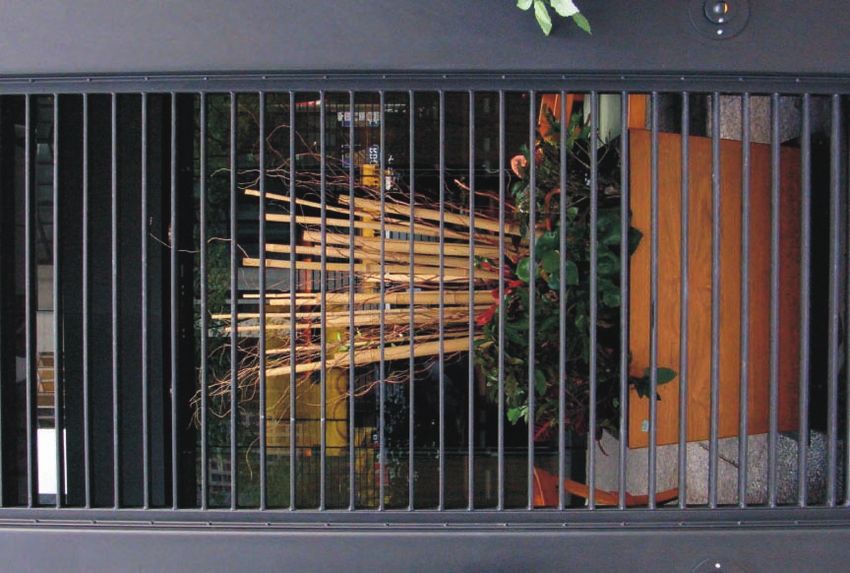
City of Toronto Green Development Standard

BIRD-FRIENDLY DEVELOPMENT
GUIDELINES
List of Participants
The City of Toronto would like to thank the following participants for their assistance in developing the Bird-Friendly Development Guidelines:
        Cadillac Fairview Corporation Limited
        Canadian Peregrine Foundation
         Canadian Wildlife Service (CWS)
         Daniel Klem Jr., Professor, Department of Biology Muhlenberg College, Allentown, Pennsylvania
         Fatal Light Awareness Program (FLAP)
         John Robert Carley, Architect Incorporated
         Lights Out Toronto! Stakeholder Working Group
         Monarch Corporation
         Oxford Properties Group
         Tom Bolton, Professor, David Dunlap Observatory, University of Toronto, Toronto, Ontario
         Toronto Hydro Corporation

Illustrations provided by Jason W. Harris, Master’s (Planning) Candidate in the Faculty of Environmental Studies, York University
Photographs used with permission.
www.toronto.ca/lightsout www.toronto.ca/environment/greendevelopment.htm
March 2007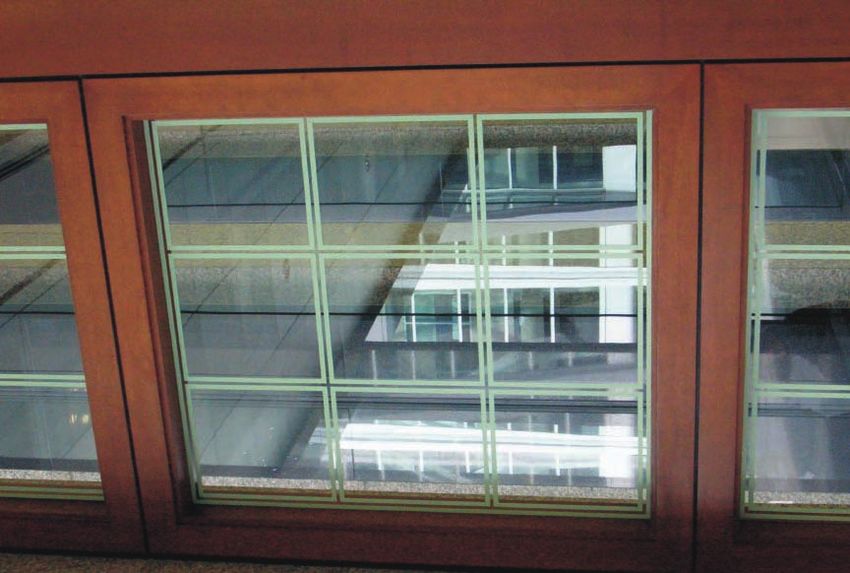
INTRODUCTION .................................................................................................................. 1
• Background
• Need for Policy and Action
• Policy Context
• Relevance to New, Existing and Heritage Buildings

DESIGN-BASED DEVELOPMENT STRATEGIES FOR BIRD-FRIENDLY BUILDINGS ..................7
• Glass
• Visual Markers
• Strategies for Creating Visual Markers
• Strategies for Muting Reflections

LIGHT POLLUTION ............................................................................................................19
• External Lighting Fixtures
• Types of Lighting
• Preferred Lighting
• Discouraged Lighting

BUILDING MANAGEMENT OPERATIONS ............................................................................27
• Reducing Light Pollution from Interior Lights
• Cleaning During the Day
• Internal Location of Greenery

SITE DESIGN STRATEGIES ..................................................................................................33
• Lighting
• Other Site Features
• Comprehensive Bird-Friendly Site Strategy

CONCLUSION .....................................................................................................................39
• Glossary

INTRODUCTION
                      • Background
                      • Need for Policy and Action                          1
                      • Policy Context
                      • Relevance to New, Existing and Heritage Buildings
Photo: Mark K. Peck
2
     The goal of these Bird-Friendly Development Guidelines is to prevent the needless deaths of migratory birds
     by suggesting ways to mitigate the dangers buildings pose to them.

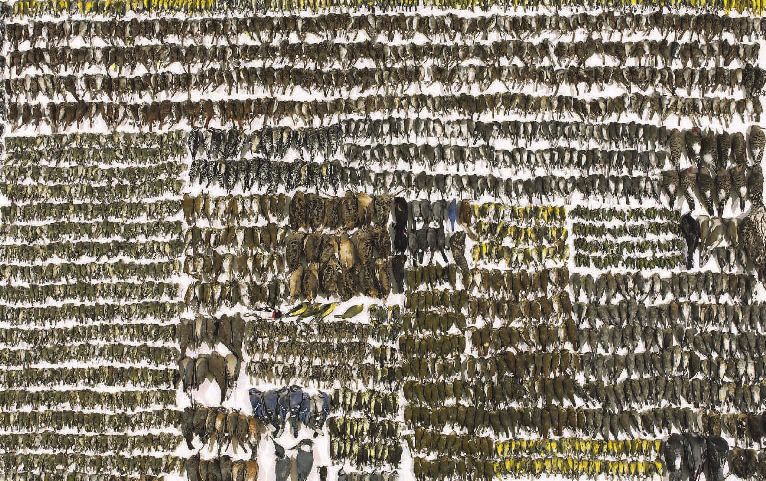
    A portion of dead migratory birds collected in Toronto’s Downtown Financial District by the Fatal Light Awareness Program (FLAP) during one migration season.
    An estimated minimum of one million migratory birds die each year in Toronto due to collision with buildings.
    Photo: Mark Thiessen, National Geographic Photographer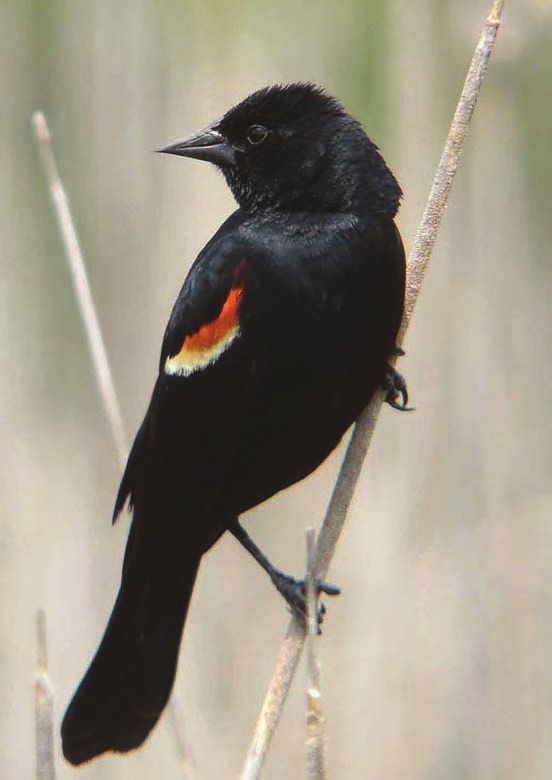
Eastern Kingbird
                                                                                                                                                   3
                                                                                                                         Photo: Mark K. Peck

Introduction
Background

These Bird-Friendly Development Guidelines are part of the
Migratory Bird Policies adopted by City Council in January 2006.
They are the result of an initiative taken by City Council on April
12, 13 and 14, 2005 when it adopted Motion J(17) regarding the
“Prevention of Needless Deaths of Thousands of Migratory Birds            These are birds observing their annual cycle of migration north in
in the City of Toronto”. In addition to developing the Bird-              the spring to their summer breeding grounds and south in the fall
Friendly Development Guidelines, the City of Toronto launched             to warmer regions where they spend the winter. Most migratory
“Lights Out Toronto!”, a public awareness campaign aimed at               bird species are unable to adapt to living in cities. During their
drawing attention to this issue and to ways that individuals,             biannual flyovers they become confused by the combination of
businesses, property owners and managers can help reduce                  light pollution and the effects of glass in the urban environment.
migratory bird deaths. This annual campaign will coincide with            This often results in significant numbers of birds colliding with
the spring and fall migratory seasons. The City is also participating     buildings.

                                                                            WHEN DO BIRDS MIGRATE?
in the rescue, rehabilitation and release of injured migratory birds.

                                                                            Spring Migration: mid-March to early June
In City-owned buildings, a ‘lights-out’ policy for after work hours

                                                                            Fall Migration: mid-August to early November
and on weekends has been in place since 2005.

Birds exist naturally in urban areas, with some species becoming
particularly adept at living in cities. These year round resident birds   Bird ‘collisions’ or ‘strikes’ are a result of a variety of causes.
include pigeons, gulls, cardinals, House Sparrows and European            Daytime strikes occur because birds cannot perceive images
Starlings. During the two annual migration periods, the resident          reflected in glass as reflections, and thus will fly into windows that
bird population experiences a significant influx of migratory birds.      they think are trees or sky. Clear glass also poses a danger as birds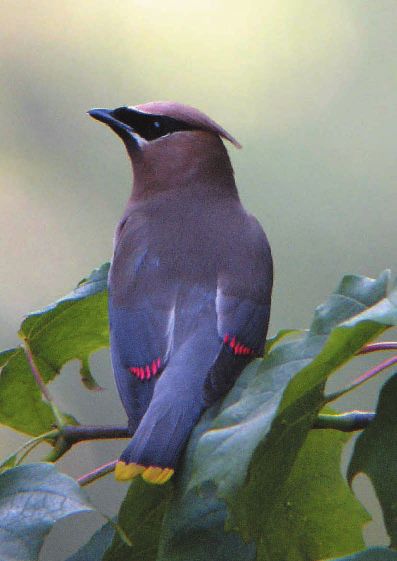
NEED FOR POLICY AND ACTION
                                                   Black-throated Green
4
                                                   Warbler
                                                   Photo: Carol L. Edwards
                                                                               Many of North America’s migratory bird species are
                                                                               facing significant population decline.
                                                                               Habitat loss, pesticide use, climate change and collisions with
                                                                               buildings and structures all contribute to this decline. As
                                                                               recorded by FLAP, of the 158 different species known to have
                                                                               been killed in Toronto by collision with buildings, at least 64 are
                                                                               classified as in decline. Millions of migratory birds are killed in
                                                                               North America each year as a result of collisions with buildings.
                                                                               Making the city safer for migratory birds will enhance the natural
                                                                               biodiversity with our urban environment and help reduce the
                                                                               decline in North American bird populations.
                                                                               Birds are essential to a healthy ecology: they consume billions of
                                                                               insects daily, pollinate plants and disperse seeds. The beauty and
                                                                               diversity of birds also greatly enhance our experience of nature.
    (like humans) have no natural sense designed to perceive clear glass       They also contribute significantly to our economy as bird-
                                                                               watching has become the second most popular leisure activity in
                                                                               North America, after gardening.
    as a solid object. Birds will strike clear glass while attempting to
    reach habitat and sky seen through corridors, windows positioned
                                                                               One of the key ways to reduce migratory bird deaths is to reduce
                                                                               light pollution, which will also result in energy savings, lower
    opposite each other in a room, ground floor lobbies, glass balconies

                                                                               building operating costs and reduced greenhouse gas emissions.
    or where glass walls meet at corners. The impact of striking a
                                                                               By implementing bird-friendly development guidelines, Toronto’s
    reflective or clear window in full flight often results in death. While
    bird strikes occur throughout the year, they rise dramatically             environment will be a safer and healthier place for both human
    during the annual spring and fall migrations because many species          and bird populations.
    of migratory birds travel at night. A combination of light from the
    moon and stars and geomagnetic signals from the earth provide             light attraction”. Disoriented birds will often fly around until
    natural cues for direction. Light pollution from urbanized areas          exhausted and drop to the ground or they may strike a building or
    obscures the light from the moon and stars. It is suspected that red      window and fall to the pavement below. If they survive the fall,
    light, commonly used on towers and other tall structures, interferes      they must contend with predators (such as gulls) that have learned
    with birds’ ability to track geomagnetic cues.                            that this is a ready food source. If not eaten, then they are trapped
                                                                              within the unfamiliar built environment. At this point they
    The light emitted from urban areas disorients migrating birds and         frequently injure themselves while trying to seek shelter by flying
    draws them into brightly lit downtown areas, hence the term “fatal        into the glass surfaces of brightly lit ground level lobbies decorated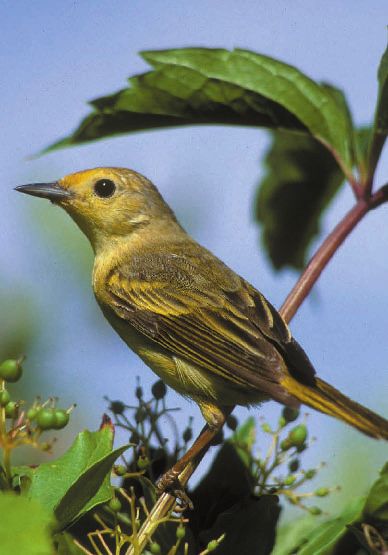
POLICY CONTEXT
                                              Peregrine Falcon
                                                                                                                                             5
                                              Photo: Canadian

                                                                        The City of Toronto Official Plan
                                              Peregrine Foundation

                                                                        The City’s Official Plan states that ‘the natural environment is
                                                                        complex. It does not recognize boundaries and there are limits as
                                                                        to the stresses resulting from human activity that it can absorb.’
                                                                        It also asserts that ‘environmental concerns must also be part of
                                                                        our everyday decision-making because interaction with the
                                                                        environment is constant.’ In keeping with this policy objective,
                                                                        these Bird-Friendly Development Guidelines provide strategies
                                                                        for reducing the stress that the urban environment exerts on
                                                                        migratory bird populations, thereby enhancing the natural
                                                                        biodiversity found within Toronto.

                                                                        The Toronto “Green Development Standard”
                                                                        These Bird-Friendly Development Guidelines are part of the
                                                                        City of Toronto “Green Development Standard”. This ‘made in
with large trees and or plants. Not perceiving the invisible barrier,   Toronto’ Green Development Standard is intended to improve the
                                                                        overall quality of life in Toronto by encouraging sustainable site
                                                                        development to a standard that will increase energy efficiency,
birds will fly towards the illuminated vegetation for safety and

                                                                        improve water quality, improve air quality, reduce greenhouse
subsequently hit the glass. In poor weather at night during rainy,
                                                                        gas emissions, reduce waste and protect the urban forest and
overcast and/or foggy conditions, the numbers of disoriented birds
colliding with buildings are at their highest as the natural cues       wildlife habitat. A ‘bird-friendly’ building is considered a
birds use to migrate are further obscured.                              component of a ‘green development’.

                                                                        The Natural Heritage System and Inventory
                                                                        The natural heritage system is an evolving policy initiative that
                                                                        identifies and integrates significant natural features and
Urban night lighting attracts birds and poor weather traps them,

                                                                        functions within Toronto. The City of Toronto and the Toronto
which increases the density of migratory birds in urban areas. The
                                                                        and Region Conservation Authority have identified and developed
increased density of migratory birds in the unfamiliar urban
environment results in an increased number of bird collisions in        an inventory of components within the natural heritage system
                                                                        and have provided strategic direction for improving the natural
                                                                        ecosystem and increasing local biodiversity. The natural heritage
subsequent daylight hours.

                                                                        system is illustrated on Map 9 of the City of Toronto’s Official
                                                                        Plan. When development is proposed on or near lands shown as
                                                                        part of the natural heritage system, the proposed development’s
                                                                        effect on the system is to be evaluated and an impact study may
                                                                        be required. The role of migratory bird routes in the natural
                                                                        heritage system is an important component of this inventory.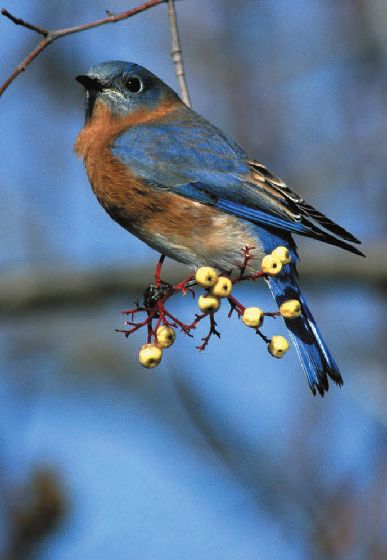
American Robin                                                          Cedar Waxwing
6
                                                   Photo: Mark K. Peck                                                     Photo: Mark K. Peck

    Relevance to New, Existing, and Heritage
    Buildings
                                                                             with the initial design concept and ultimately carrying through to
                                                                             the Site Plan.

    These guidelines are intended to provide a list of design-based          For existing buildings, the viability of options will depend on the
    development strategies available to developers, building managers        design of the existing building and site. Some options will be easier
    and owners, architects, landscape architects, urban designers and        to implement than others.
    professional planners wishing to make new and existing buildings
    less dangerous to migratory birds. The specific context of each          These guidelines can also apply to heritage buildings in the City.
    development will influence the strategies selected. These strategies     Heritage buildings pose a particular challenge as the historical
    may be applied to any type of development including high and             integrity of the building’s design must be maintained. The
    low-rise residential, commercial, industrial and institutional           strategies available to building owners and managers of existing
    projects.                                                                heritage buildings wishing to implement bird-friendly options may
                                                                             be somewhat limited by these factors. Nevertheless, they are still
    For new developments, the developer will choose to incorporate           strongly encouraged to participate wherever possible.
    some or all of the possible strategies. Consideration of bird-friendly
    features should be incorporated into the design process, beginning
DESIGN-BASED DEVELOPMENT STRATEGIES FOR
BIRD-FRIENDLY BUILDINGS
• Glass 7
• Visual Markers
• Strategies for Creating Visual Markers
Photo: Carol L. Edwards • Strategies for Muting ReflectionsAppropriate window applications for the first 12 metres above grade
Hazard: Habitat reflected in untreated reflective glass is
an extreme hazard. Treatment of these windows would
are essential for a building to be considered bird-friendly. make them bird-friendly.
Photo: FLAP
8White-throated Sparrow
Photo: Carol L. Edwards
Design-based
Development Strategies
9
for Bird-Friendly Buildings
Glass
Creating Visual Markers and Muting Reflections
Natural features in the wild do not reflect images in the way glass
does, rather they project ‘visual markers’ to birds, indicating to This will be subject to the specific building design and site
them that they are solid objects to be avoided. condition. For instance, if the site is close to a natural area such as
a ravine or woodlot or other natural feature where the majority of
There are two means of mitigating the danger glass poses to birds. the vegetation is generally higher than 12 metres, glass treatments
The first and far more effective approach is to create visual in these areas should be applied to the height of the top of the
markers. The second and less effective strategy is to mute surrounding tree canopy or the anticipated height of the
reflections in glass. surrounding vegetation at maturity. Similarly, for elevated
landscapes such as podium gardens and green roofs, glass adjacent
These Bird-Friendly Development Guidelines offer examples and to or in the vicinity of these elements should be made bird-friendly.
strategies to create visual markers and mute reflections in glass
features of buildings. Applying these solutions to an entire building
is ideal. However, the key critical area is the first 12 metres above
grade. Window applications to the first 12 metres are essential for
a building to be considered bird-friendly (these dimensions relate
to the typical city tree heights).Visual Markers
Birds begin to perceive buildings as objects to be avoided when
the distances between features or patterns on glass is at
approximately 28 cm, with the most effective pattern distance at
10
10 cm or less. Essentially, the denser the pattern the more effective
it becomes in projecting itself as a solid object to birds.
Visual Markers – The denser the pattern in the
design of the exterior, the more effective a
building becomes in projecting itself as a solid
object to birds.
This is a good example of a building that projects sufficient visual markers for
birds to perceive as a solid object. Very few dead and injured birds are found at
this facade.
Photo: FLAPStrategies for Creating Visual Markers
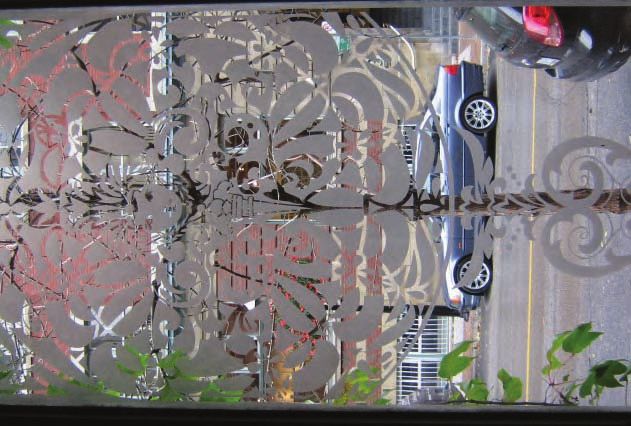
Patterned or ‘Fritted’ glass
Patterned or ‘fritted’ glass has an image or abstract pattern
embedded in it. By using dots of various sizes and densities,
11
manufacturers can create any kind of image, translucent or opaque.
The image in the glass then projects enough visual markers to be
perceived by birds. Only non-reflective glass should be used in
combination with fritted patterns.
Hazard: Linkways are especially dangerous to birds as they will attempt to reach Patterned glass with an embedded, decorative image.
the habitat located beyond the glass. Glass treatments are strongly encouraged Photo: Kelly Snow
for these elements.
Photo: FLAPFilm
Patterns can also be applied to existing glass through the use of
film products. Applied to external surfaces, including windows,
film products can be designed with any image or pattern. Film
laminates are often applied to downtown buildings for other
12
purposes, such as security or advertising. Often these products are
applied to transit vehicles for advertising purposes. On buildings,
the film need not advertise particular products and could be
integrated with the architectural design of the building.
Exterior view of film Interior view of film (same window)
Photo: FLAP Photo: FLAPDecals
A pattern of decals applied externally can also create enough visual
markers. However, if decals are used, a pattern with clear spaces of
no more that 28 cm is required in order for the use of decals to be
considered bird-friendly.
13
Externally-applied patterned decals can create sufficient visual markers for the
glass to be perceived by birds
Photo: Allan TurnerFenestration Patterns
Multiple paned glass is an effective source of visual markers. The
vertical and horizontal mullions create an image that is visible to
birds, as long as the panes conform to the optimal range of 28 cm
to 10 cm or less, with the smaller distances being more effective.
14
Fenestration patterns within glass
Photo: FLAPDecorative Grilles and Louvres
Exterior decorative grilles are another means of projecting visual
markers to birds. Exterior decorative grilles can serve as a bird-
friendly development feature as long as they are within the optimal
range of 28 cm to 10 cm or less, with the smaller distances being
15
more effective.
Decorative Exterior Grille
Photo: FLAPArtwork Creative Design Solutions and Opportunities
Similarly, artwork installed on the interior or exterior of windows Opportunities may exist for developments to explore design
solutions for glass that address these Bird-Friendly Development
Guidelines and the City’s Percent for Public Art Guidelines. By
may provide enough visual markers for birds to perceive the glass
thinking about these guidelines in combination at the conceptual
as a solid object while allowing enough natural light into the
stage, a development may successfully address, in part, some
interior space.
objectives of City Planning’s Public Art Program and the goal of
16
the Bird-Friendly Development Guidelines.
Emerging Technologies
Birds are able to perceive ultraviolet (UVA-A) light. Currently,
there are glass products under development that either reflect or
absorb UV wavelengths (ranging from 300 – 400 nanometers),
that birds can see but humans cannot, which would enable a
window to be clear and/or reflective to the human eye but appear
solid to a bird’s.
Also, photovoltaic panels can be incorporated into windows
where photovoltaic vision glass substitutes a thin-film, semi-
transparent photovoltaic panel for the exterior glass panel in an
otherwise traditional double-pane glass window or skylight.
These panels can be designed in such a way as to generate
enough visual markers for birds to perceive windows as solid
objects while also producing renewable energy.
The research of such technologies is supported in principle by
the City of Toronto. If such products were to come to market, the
City would consider them as acceptable bird-friendly design
options.
Exterior artwork
Photo: FLAPStrategies for Muting Reflections Internal Screens
Angled glass
Installation of internal screens may provide enough visual markers
through non-reflective glass for birds to perceive windows as solid
Angling glass panes in such a way as to project reflected images objects. To be most effective, they must be installed as close to the
downward is a fairly effective way of reducing bird strikes, glass as possible so as to maximize the visual markers projected
17
especially at ground level. Angles become effective at a minimum through the window.
angle of 20 degrees with 40 degrees known to be more effective.
Angled glass Internal screens
Photo: FLAP Photo: FLAPAwnings and Overhangs Sunshades
Awnings and overhangs will cover windows in ground floor lobbies Sunshades are external features designed to reduce direct sunlight
and mute image reflections in them. They can take on a variety of into a room while allowing indirect light, thus reducing the
creative forms. demands on cooling systems. They have many variations and can
be incorporated into the design of a building in many interesting
18
and creative ways. Sunshades mute the reflections in glass windows
thereby reducing the likelihood of birds flying into them.
Detail of ceramic fritted glass sunshades
Photo: Teri Meyer BoakeLIGHT POLLUTION
• External Lighting Fixtures
• Types of Lighting 19
• Preferred Lighting
• Discouraged Lighting
Photo: Mark K. PeckToronto at night
A “bird’s eye view” of Toronto at night. Photo: Vince Pietropaolo
20Yellow Warbler
Photo: Mark K. Peck
Light Pollution
Light pollution creates “artificial sky glow”, which is
an issue not just for migratory birds, but for people
as well.
Reducing light pollution will not only reduce the needless deaths
of hundreds of thousands of migratory birds each year, it will save
energy, enhance the visibility of the night sky’s stars, and improve
security and safety for people and property through the use of 21
efficient, properly designed lighting fixtures.
Artificial sky glow is the unnatural brightening of the night sky
through excessive and unnecessary light, which is wasted energy,
hence the term “light pollution”. Light pollution is caused by
inefficient and poorly designed lighting fixtures that project light
upward. It is also a result of lights left on unnecessarily in and
around buildings, excessive use of vanity lighting, excessively-lit
advertising fixtures and festival lighting.
Light pollution in North AmericaArtificial sky glow is the unnatural brightening of the night sky through excessive and unnecessary light,
which is wasted energy, hence the term “light pollution”.
22External Lighting Fixtures
Inefficient external lighting is a significant source of light pollution.
For a building to be bird-friendly, light pollution from external lighting must be minimized. This can be achieved by implementing several
design features and operational practices related to vanity and architectural lighting, site lighting, lighting for advertising, event and festival
lighting.
THE OBJECTIVES ARE TO:
• Eliminate direct upward light
Direct upward light is projected
directly upward by inefficient 23
lighting fixtures.
• Reduce spill light
Spill light spills beyond areas
that need to be lit for safety and
security reasons but is not
projected directly upward.
• Optimize useful light
Useful light is used to illuminate
urban areas that need to be lit
for safety.Types of Lighting
External lighting used to illuminate the surrounding site of a
building should be efficient while providing enough illumination
to effectively make the site safe and secure at night. Light fixtures
should project light downward to minimize direct upward light,
spill light, glare and artificial sky glow.
DISCOURAGED DECORATIVE LIGHTING PREFERRED
Several conceptual examples are provided to indicate bird-friendly
types of light fixture designs. Likewise, examples of undesirable
light fixture design are also provided. Site lighting is also addressed
24 in the section “Site Design Strategies.”
Decorative Lighting
The external lighting of building features, known as ‘vanity’ or
‘architectural’ lighting, should be eliminated at best or projected
DISCOURAGED ADVERTISING LIGHTING PREFERRED
downwards. For existing buildings, vanity and architectural
lighting should be turned off during the migratory seasons. In cases
where architectural lighting is used for aeronautical navigation
purposes, the use of strobe lights is preferred as a suitable option.
Advertising Lighting
Advertising can be designed to produce less light pollution by
ensuring that the illuminated area is lit from above to minimize the
amount of light unnecessarily being projected into the night sky.
Event and Festival Lighting
EVENT AND FESTIVAL LIGHTING
Event lighting, such as spotlights and searchlights should be
prohibited during the migratory seasons.Preferred Lighting
Examples of lighting fixtures that
effectively project light downwards,
minimizing direct upward light, spill
light, glare and artificial sky glow. Use of
these types of lighting fixtures is
encouraged for external site lighting.
25Discouraged Lighting
Examples of inefficient lighting fixtures
that project light upwards, increasing
spill light, glare and artificial sky glow.
Use of these types of lighting fixtures is
discouraged for external site lighting.
26BUILDING MANAGEMENT OPERATIONS
• Reducing Light Pollution from Interior Lights
• Cleaning During the Day 27
• Internal Location of Greenery
Photo: Jim FlynnToronto City Hall, April 2006, 12:00 a.m.
Reducing light pollution by turning off all unnecessary interior lights Photo: Kelly Snow
at night, especially during the migratory seasons, is a positive
28 bird-friendly management practice.Red-winged Blackbird
Photo: Mark K. Peck
Building Management
Operations
In addition to implementing design and lighting elements to make
a building bird-friendly, developers, building owners, managers
and tenants can incorporate operational practices and systems that
will help reduce migratory bird deaths.
Reducing Light Pollution from Interior
Lights
As birds migrate, they are disoriented by and drawn towards light
29
pollution escaping from urban areas, which often leads to their
collision with buildings resulting in injury or death.
Reducing light pollution by turning off all unnecessary interior
lights at night, especially during the migratory seasons, is a positive
bird-friendly management practice that is cost effective for existing
buildings. Installation of motion-sensitive lighting in lobbies,
walkways and corridors and retro-fitting operational systems that
automatically turn lights off during after-work hours are other
ways to reduce light pollution and fatal light attraction.
For tenants of existing buildings, using task lighting at one’s
Light pollution can be drastically reduced by drawing office blinds or curtains
(top), or using task lighting at work stations (middle). Doing neither (bottom) is
workstation and drawing office blinds or curtains at night are ways
that individuals can help to reduce migratory bird deaths. energy inefficient and dangerous for migrating birds.Dark-eyed Junco
Photo: Carol L. Edwards
Building managers and owners can assist in raising awareness of
these helpful individual practices by notifying and reminding their
tenants of these ‘best practices’ throughout the migratory seasons.
For new developments, the process is straightforward. The
developer’s responsibility is to ensure that bird-friendly options are
provided in the design of the building, while the building manager
and tenants are ultimately responsible for operating the bird-
friendly features appropriately. In open concept offices, lighting
systems that automatically adjust lighting levels and turn off
unnecessary lights can be installed. Blinds should also be installed
along with the task lighting so that tenants can also help reduce
Cleaning During the Day
light pollution.
Example of Potential Energy and Money Savings
Commercial office cleaning has traditionally been done during the Building surface area: 22,000 m2
30 Illumination strength: 9 W / m2, lights on 24 hours,
365 days/year
evening, after normal work hours when most tenants have left for
the day. This system requires office lighting to be on while cleaning
22,000 m2 x 9 W/m2 x 24 hours x 365 days x 1/1000 =
1,734,480 kWh power used annually
staff are working in the building at night, resulting in increased
light pollution, which negatively impacts migratory birds.
At 5 cents per kWh = $86,724 annual energy costs
By turning off lights from 11 pm to 5 am = savings of
Cleaning during the day is becoming a popular operational option
$21,681 in annual energy costs
to traditional evening cleaning as it reduces energy consumption
and subsequently results in cost savings. It also reduces greenhouse
By turning off lights from 7 pm to 7 am = savings of
$43,362 in annual energy costs
gas emissions and enhances building security. Buildings are
encouraged to institute the practice of cleaning during the day as
a bird-friendly building management operation.Internal Location of Greenery
The location of interior plants, large and small, on the ground
floor levels of buildings can also have a negative impact on birds.
Ground floor lobbies and walkways are often decorated with trees
and shrubs and designed with clear glass fenestration. These
lobbies are often brightly lit at night, dramatically highlighting
any greenery that may be inside.
Brightly lit lobbies with greenery features are extremely dangerous
to a migratory bird that has been drawn into the city by light
pollution and become trapped in the unfamiliar urban
environment. Birds, like humans, cannot perceive clear glass and
thus will attempt to fly towards the greenery that is perceived as
safe habitat. This often results in injury and death as they crash
31
into the window.
To minimize bird collisions, building managers and owners are
encouraged to locate any greenery away from clear glass. They are
also encouraged to minimize lighting levels through motion-
sensitive lighting systems in ground floor lobbies, walkways and
corridors, and to retrofit clear glass wherever possible with
translucent, ‘fritted’ glass, or to apply window film. These retrofit
and application options will produce ‘visual markers’ to enable
birds to perceive the glass as a solid object.
Discouraged
Photo: Kelly SnowSITE DESIGN STRATEGIES
• Lighting
• Other Site Features 33
• Comprehensive Bird-Friendly Site Strategy
Photo: Mark K. PeckRuby-throated
Hummingbird
Site Design Strategies Photo: Terry Flynn
Site design strategies should always be implemented
in conjunction with glass treatment at lower levels.
The overall site strategy of a bird-friendly building can influence
migratory bird deaths through the placement of bird-friendly
exterior lighting fixtures, design of glass elements on site and type
of ventilation grates used on site. Bird-friendly site strategies are
developed as a result of understanding and anticipating where birds
will be in relation to the glass in the structures located on a
particular site. Ideally, migratory birds are less likely to be drawn
into a building site within an urban area once light pollution levels
Lighting
are minimized.
Lighting fixtures on a building site must conform to proper
building and safety codes. Within the parameters of these codes,
exterior site lighting fixtures should be directed downward,
oriented and placed in such a way as to project light only on non- 35
reflective surfaces on the site. This will help reduce light pollution
Other Site Features
from reflections and glare off glass within the site.
Example of preferred site lighting design
Glass design features on a site such as windbreaks, solariums and
greenhouses should be treated in a way that creates enough visualmarkers for birds to perceive them. Such treatments would entail Site Ventilation
the same treatments for glass described in the section “Design- Ventilation grates on a site also present a deadly hazard for birds.
Based Development Strategies for Bird-Friendly Buildings”. An injured and helpless bird that falls onto a ventilation grate with
a porosity large enough for the bird to fall through will find itself
trapped when it recovers enough to attempt flight. Ventilation
grates should have a porosity no larger than 2 cm x 2 cm or should
be covered with netting in order to prevent birds from falling
through. Also, ventilation grates should never be up-lit for this
would produce light pollution.
Use of Transparent Noise Barriers
Glass windbreaks
treated in a way
that creates visual Noise barriers erected at highways and railway rights-of-way
markers to protect adjacent communities from noise present similar
Photo: Kelly Snow
problems if portions of the barriers are transparent. Increasingly,
portions of noise barriers are constructed with clear polymethyl
36 Use of Mirrors in Gardens
methacrylate (PMMA) panels. These transparent panels are
Increasingly, landscape architects and garden designers are
perceived by birds as non-existent and hence the birds fly into
specifying mirrors (large and small) in their designs, with the
them and are killed or seriously injured. These panels present
intent to create a reflection and, at times, an infinite repetition,
the same dangers to birds as do the glass panels of buildings.
of their design; and in small gardens, to create an illusion of a
Use of glass or methacrylate panels in noise barriers should be
larger space. Unfortunately, these surfaces kill and maim birds,
avoided. When transparent barriers are present, they should be
as birds cannot distinguish the reflected habitat from real habitat.
treated in a way so as to create enough visual markers for birds
Mirrors should be avoided in landscape design.
to perceive them.COMPREHENSIVE BIRD-FRIENDLY SITE STRATEGY A: Treatment applied to glass projecting enough visual markers to make it visible to birds B: Task lighting in use after dark C: Blinds drawn after dark D: Lights turned off after work hours E: Awning for muting reflections on lobby windows F: Glass effectively angled to project reflections downward 37 G: Bird-friendly site ventilation grates H: Use of lighting fixtures effectively projecting light downward
CONCLUSION
                      • Glossary
                                   39

Photo: Mark K. Peck
Northern Flicker
The City of Toronto strongly encourages the creative and innovative Photo: Mark K. Peck
implementation of these Bird-Friendly Development Guidelines
40 wherever possible.Eastern Bluebird
Photo: Jim Flynn
Conclusion
Birds have been migrating through this region for thousands of
years. The dangers posed to migratory birds by today’s urban
landscapes are relatively new in evolutionary time scales and birds
have been unable to alter their instinctive behaviour in response to
this recent product of human activity. Bird populations are
depleting rapidly throughout North and South America and it is
inconceivable that they can evolve quickly enough to adjust to
Golden-winged Warbler
massive urbanization, deforestation and other factors threatening
them. Cities are the key places that the changes in human Photo: Mark K. Peck
behaviour necessary for bird conservation can occur. Education
and involvement of individuals will help to reconcile the needs of
the human and non-human worlds and help mitigate the negative
impact of the built environment on the natural environment.
The City of Toronto has worked in partnership with the private
sector, bird advocacy organizations and other levels of government
to develop these Bird-Friendly Development Guidelines. Residents
of Toronto can all play a role in reducing migratory bird deaths
and together architects, developers, urban designers, planners,
building owners, managers and tenants can make a positive
difference to our city’s natural environment and help to ensure the
survival of migratory bird populations for future generations.
41Glossary
Artificial sky glow: the artificial brightening of the night sky caused
in large part by inefficient lighting fixtures that project light upward.
Direct upward light: light that is projected directly upward by
inefficient lighting fixtures. Direct upward light contributes greatly to
artificial sky glow.
Fatal light attraction: the instinctive reaction of birds to fly toward
artificial bright light that often results in death by collision with
buildings.
Fenestration: the arrangement of glass panels and/or windows in a
wall.
“Fritted” glass: glass that is manufactured with a visible embedded
pattern.
Heritage buildings: buildings that are listed on the Inventory of
Heritage Properties for their historical and architectural significance.
Migration: animal species’ long distance movement from one habitat
to another, according to the seasons and on an annual cycle.
Mullions: the bars between panes of glass in a window.
Resident bird: non-migrating birds that reside year-round in the
urban environment.
Spill light: artificial light that is projected indirectly by lighting
fixtures.
Useful light: artificial light that is efficiently and directly projected by
lighting fixtures, which has a necessary purpose and use in the urban
environment.
Visual markers: a term used to describe birds’ visual perception
42 created by solid/opaque surfaces.You can also read


