Brain, Body, Emotion Connection Roseann Bayne - NYS ...
←
→
Page content transcription
If your browser does not render page correctly, please read the page content below

Brain, Body, Emotion Connection
         Roseann Bayne
                                  1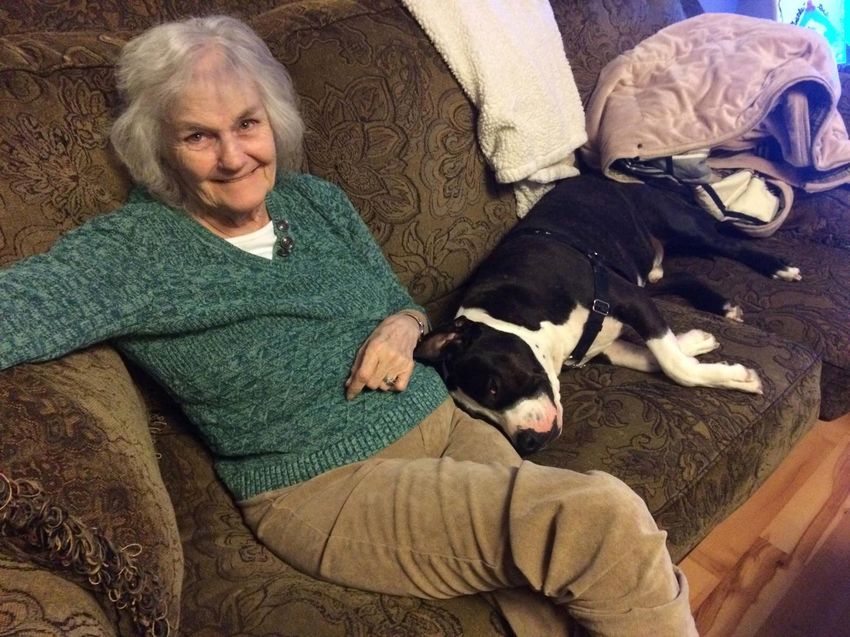
Mexico

Brain, Body, Emotion 2020   Roseann Bayne            2

2017 Data
                            $31,387           180 square miles
                                              Not even one stop light
                                              Median house value: $72,000
                                              60% free & reduced

                                    $44,890
    $56,505

Brain, Body, Emotion 2020     Roseann Bayne                         3
At the age of 43 I learned for the
                                        first time that my mom had 6
                                        ACES.

                                        Nonetheless, she raised 5
                                        children who all have 0 ACES.

                                        Burning Question: How was her
                                        resiliency developed?

Brain, Body, Emotion 2020   Roseann Bayne                            4
Mental Health is not just the
presence or absence of a disorder

Mental Health is a Continuum of Wellness

There is no perfect state--we often go back and forth on this spectrum and that is completely
healthy

       1. Do you have skills to cope with whatever emotions you are having in a
       healthy way?
       2. How are we helping students to understand our mental health will ebb and
       flow, but we need to develop the skills to return to our stable self?
                                 Brain, Body, Emotion 2020   Roseann Bayne                      5
Humans are hard wired for some basic aspects of life, but we rely on
 caregivers for survival and development more than most creatures

                        Brain, Body, Emotion 2020   Roseann Bayne   6
blue wildebeest:
                            Walks within 30 minutes of birth,
                             can outrun predators within 24
                                     hours of birth

   HARD WIRED
    australian brush turkey:
          (megapode)
  Born absent of parent, eyes
open, feeds self, flies on day of
            hatching
                                                         7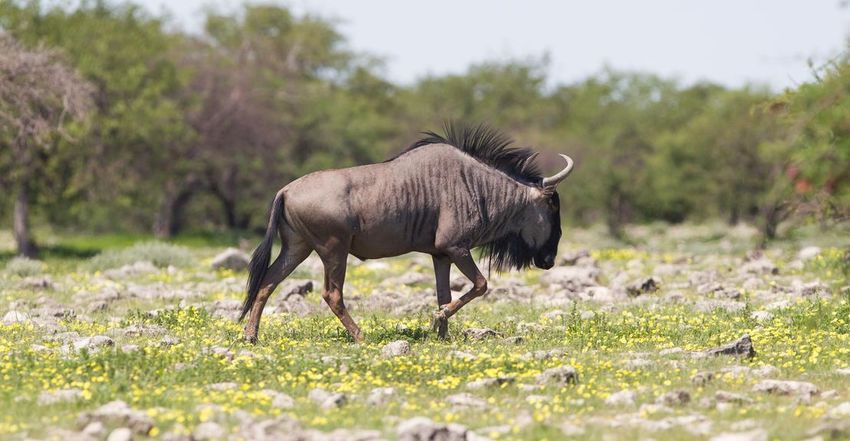
In comparison,
  humans generally
 take 10-16 months
just to learn how to
         walk

 LIVE WIRED

               Brain, Body, Emotion 2020   Roseann Bayne   8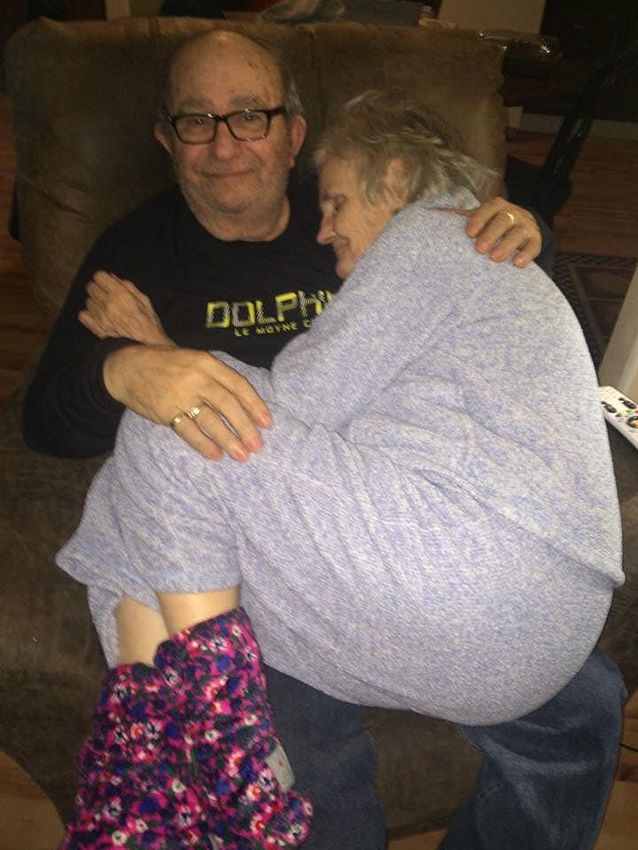
Brain, Body, Emotion 2020 Roseann Bayne 9
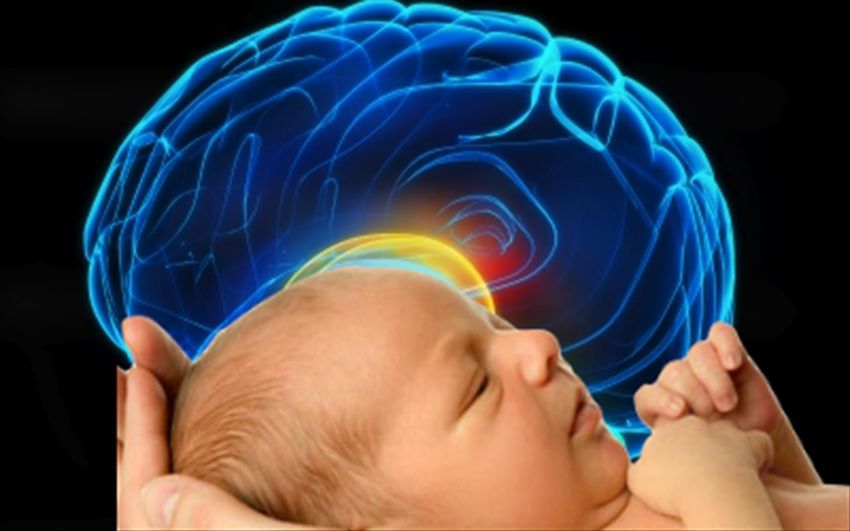
Some of our
uniqueness
comes from
  genetics

          Brain, Body, Emotion 2020   Roseann Bayne   10
Brain, Body, Emotion 2020 Roseann Bayne 11
So, from the moment we are born, our brains collect
and develop knowledge, experiences and perceptions
that are unique to us alone
Our Brains Develop In Response To
           Many Things:
Heredity, Environment, Prenatal Care,
Nutrition, Physical Stress, Mental Stress,
Pharmaceuticals, Attachment, Attunement,
Hormones—to name a few
SURVIVAL
Protect your
perspective:
including your
positive and
negative biases
Brain, Body, Emotion 2020 Roseann Bayne 14Maslow’s Hierarchy of Needs Brain, Body, Emotion 2020 Roseann Bayne 16
Fear of no longer being

    Adults and students may be more impacted by this category
                             now….

•   Daily news updates on the number of deaths
•   Increasing coverage on the viruses dangers to children
•   Stories of people dying without loved ones at their side
•   Less opportunity to grieve in traditional ways
                               Brain, Body, Emotion 2020   Roseann Bayne   17
Fear of losing any part of your body, breaking a bone, bleeding, being seriously
ill, the thought of your bodies boundaries being invaded or weakened
Stories and sights of amputations and “covid toes”
The sight of masks and gloves or Inadequate PPE
Food insecurity: Food banks seeing staggering increases in need News reports
of food shortages, limitations on purchasing
It doesn’t feel safe anymore, when will it be safe?
Brain, Body, Emotion 2020 Roseann Bayne 18Fear of humiliation, shame, worthlessness: loss of
integrity of self
Esteem is significantly tied to our daily routine, be
it school or work
Average Weekly National Unemployment Claims
• January 1 - March 20: 350,000 (11 weeks= 3.5 million)
• Since March 20: 4.7 million (7 weeks= 33 million)
School Buildings Closed: Up to 6 or more months
• No extracurricular activities, traditional end of the year
ceremonies, proms, performances, hugs from educators
Brain, Body, Emotion 2020 Roseann Bayne 19Fear of abandonment, rejection, loss of connectedness
or not being respected, wanted or valued
In the criminal justice system, solitary confinement
is a form of punishment
Our need to connect is as fundamental as our need to eat
Social distancing has made many people feel separated
and as if they do not belong-they have lost their “tribe”
Separated from family traditions
Brain, Body, Emotion 2020 Roseann Bayne 20Fear of being controlled by circumstances beyond our control,
not having choice
Our opportunity to make decisions for ourselves
has been reduced
The feeling that your “rights” are being denied
We cannot choose to go to a mall, gym, restaurant or hairdresser
that’s not open
We have been mandated to wear masks in many locations
We cannot visit loved ones in the hospital or nursing homes
Brain, Body, Emotion 2020 Roseann Bayne 21Adults First!
Adults need to be self-aware
and model self-management
before we can expect the
same behaviors from the
children in our care
Brain, Body, Emotion 2020 Roseann Bayne 22Brain, Body, Emotion 2020 Roseann Bayne 23
Although I am
                                            teaching the brain
                                            as the triune
                                            model, it is
                                            important to
                                            remember that
                                            the brain works
                                            as single unit

Brain, Body, Emotion 2020   Roseann Bayne                  25
• A mature brain weighs only 2.7 pounds (12 ounces at birth)
• 75% of the brain’s weight is water
• It consumes nearly 22% of the body’s blood and oxygen in
order to function properly
Brain, Body, Emotion 2020 Roseann Bayne 263.
Triune Brain 27
2.
1.
The Brain Develops
From “Back to Front”
Brain, Body, Emotion 2020 Roseann Bayne
http://bookofthrees.com/triune-brain/Our Emotional Center
Develops before our
Executive Center
This makes our reward
systems and need for
autonomy very strong as
toddlers and then again
as teenagers
rain, Body, Emotion 2020 Roseann Bayne
28This means you 'feel' fear and anger before you can
understand what your fearful or angry about and why
Brain, Body, Emotion 2020 Roseann Bayne 29What age range represents
adolescence?
10 to 24Neocortex-Complex Thinking Brain
Prefrontal Cortex (Does not fully develop until the
average age of 25, women are 2 years sooner than
men)
• Deep Thinking
• Decision making
• Forming Judgments
• Strategizing
• Prioritizing
• Big picture & future consequences
• IQ & Working Memory
• Language Center, Some Auditory
• Influential role in sleep and learning
• Procedural (walking, driving) and Declarative
(numbers, facts) memory
http://www.specialrisksbureau.co.uk/health-conditions/neurological-disordersBrain, Body, Emotion 2020 Roseann Bayne 32
Limbic Brain-Hippocampus and Hypothalamus

  • Regulates learning                                   •   Hormone Release
  • Memory encoding                                      •   Sensory Integration
    (converts short term                                 •   Memory Response
    memories to long-term)                               •   Self-preservation: Eating Drinking
  • Memory consolidation                                 •   Preservation of Species (sex)
  • Memory retrieval                                     •   Circadian Rhythm (sleep)
  • Spatial navigation                                   •   Pituitary connection
                             Brain, Body, Emotion 2020   Roseann Bayne                                 33
                                                                          http://bookofthrees.com/triune-brain/
Amygdala: Hard
Scans for danger
Processes our emotions, memories and motivation. Also
integral in sex, drug abuse, affiliation
• It is part of our emotional and survival centers
• When the brain stem has initiated fight or flight in an
autonomic response, the amygdala takes over the survival
response
• It doesn’t think—it responds based upon emotional learning
and memories that are formed in our hippocampus
• Incoming info streams through the amygdala 1st so it can
respond to threats (100x’s faster than neocortex)
• It can have a strong negativity bias, associated with fear
https://www.ncbi.nlm.nih.gov/pmc/articles/PMC2882379/ circuitry• A series of negative experiences make the
amygdala more sensitive to the negative.
The amygdala adapts and accepts the
new sensitivity as normal (seeing tigers
where they don’t exist)
The Range of Amygdala Alertness:
Mild Watchfulness
Caution
Apprehension
Unease
Anxiety
Obsession
Panic
https://www.ncbi.nlm.nih.gov/pmc/articles/PMC2882379 Terror
/Negativity
Bias is Hard-
Wired
Humans give more
psychological weight
to bad experiences
than to good ones
Our brains constantly
scan for potential
danger,
disappointments and
interpersonal issues
Fear protects us
Brain, Body, Emotion 2020 Roseann Bayne 36We have 70,000 thoughts per day (on average 70% are negative) Some thought, especially negative ones, “ruminate” like a record that is skipping, over and over again
hijack
                                An Emotional Hijack is an immediate
                                and overwhelming emotional response
                                that is out of proportion to the stimulus
                                because it has triggered a more
                                significant emotional threat

                                The Amygdala does not know the
                                difference between a physical threat of
                                imminent danger or a social or
                                emotional threat
(

                                Abnormal or exaggerated fear & anger
                                Paraphrased from the work of Daniel Goleman, Emotional Intelligence, Why
                                it matters more than IQ, 1997).
    Brain, Body, Emotion 2020          Roseann Bayne                                                38
Hyper activation: Your Fight or Flight: Hard-wired brain views the threat as something you have the potential to defeat Hypo activation: Your brain views the threat as something Freeze: More Live-wired too powerful to overcome Leon F Seltzer Ph.D.
Hyper or Hypo Arousal of our Limbic System
Emotion          Brain Assessment              Hyper or   Survival-   Biological Impact
                                               Hypo?      Assisted
                                                          Stress
                                                          Response

Fear and Anger   I can defeat this             Hyper      Fight       Hormone-assisted Strength

Fear and Anger   I cannot defeat this, but I   Hyper      Flight      Anxiety and hormone-driven
                 can flee from it                                     speed

Fear             I cannot defeat this and I    Hypo       Freeze      Analgesic Immobility
                 cannot flee from it

                                                                                                   40
• On average, our cortex is dealing with 4
distinct variables that can be combined,
giving us lots of options when faced with
decision making
• When our cortex is in the driver’s seat we
are able to use our experience, expertise
and IQ to create theoretical options from
our 4 variables
• 4 X 3 X 2 X 1 =24 theoretical options
• This translates into about 70,000 thoughts
per day (on average 70% are negative)
Our 4 variables can be thought
of a “markers”
Brain, Body, Emotion 2020 Roseann Bayne 41physical effects of an hyper arousal of limbic system
-Fight and Flight
Pupils Dilate, Sight is Hyper-focused
Quick deep breathing,
Neocortex is flooded with
hyperventilation
cortisol
Muscles become tense, adrenaline
Hands Tremble, adrenaline release
1st: Blood released oxygen, blood sugars and fat
reduces pain
from gut to released
butt
Hearing Becomes Hyper Focused on
the threat
Beats faster and harder,
blood pressure
increases
Bowels & Bladder- may involuntarily empty Digestive Enzymes
and then food movement slows down Decrease
Physical Effects Last an Average of 18 minutes for Each ActivationAnxiety and panic attacks occur
when environmental or emotional
stressors convince your amygdala
that you are in dangerIdentifying triggers 2020 44
Hypoactivation

                 45
As live-wired creatures, what renews or depletes us is completely individualized by our unique experiences, brain development, and memories
Our mother’s
                                            heartbeat establishes
                                            some of our first
                                            connections about
                                            safety and fear (pre
                                            and post verbal)

Brain, Body, Emotion 2020   Roseann Bayne                    47
We Are
Shaped By
Our Life
Experiences
Humans are born helpless, we are
totally dependent on those around us
for survival
Brain, Body, Emotion 2020 Roseann Bayne 48ARE STORED IN OUR BRAINS (Hippocampus)
Brain, Body, Emotion 2020 Roseann Bayne 49Whether We Want to
Remember Them or Not….
Brain, Body, Emotion 2020 Roseann Bayne 50The past can put negative imprints on
our limbic system and then those
imprints can impact the present…,
This can make the small seem big.
Brain, Body, Emotion 2020 Roseann Bayne 51Brain, Body, Emotion 2020 Roseann Bayne
emotional triggers
            In order to increase protection, the amygdala
            maintains experiences that develop into triggers

            A trigger is something (usually related to our senses)
            that causes our brain to go into protection or
            pleasure mode

            Conditioning can account for many of our triggers.

            Conditioning occurs in many ways; What we
            personally experience, what we read, what we see
            happen to others, etc..

Brain, Body, Emotion 2020   Roseann Bayne                      53
1. recognizing your emotions
+
2. understanding your emotions =
3. power to control your emotions
Brain, Body, Emotion 2020 Roseann Bayne 54Brain, Body, Emotion 2020 Roseann Bayne 55
general emotional needs of the limbic system
                                               safety                   included
       biologically | physically | security | predictability            accepted | liked | needed | paid attention to

                        respected                                                   competent
      understood | treated fairly | dignity                                         success/title | reputation | achievement

                                                    valued       autonomy
appreciated | feels heard | significant | recognized | praised   sense of control | choice | power voice | feels able to act
Understanding our
positive and negative
triggers will help us self-
regulate to reach our full
potential
Brain, Body, Emotion 2020 Roseann Bayne 57Training Trainer Date & Time
Intent vs. Impact: Identifying My Triggers Roseann Bayne Thursday-5/21 @ 2:00
Overview of Mindfulness in Education
Next Up Liane Benedict Wednesday-5/27 @ 2:00
Becoming a Mindful Teacher Liane Benedict Wednesday-6/3 @ 2:00
Small Adaptation, Big Impact! Becoming a Role Model for Social Roseann Bayne Wednesday-6/10 @ 2:00
Emotional Behavior
Strategies for Mindfulness in the Classroom Liane Benedict Wednesday-6/17 @ 2:00
Brain, Body, Emotion 2020 Roseann Bayne 58Brain, Body, Emotion 2020 Roseann Bayne 59
You can also read


