Chronic post sternotomy pain: the role of sternal wire removal-a review
←
→
Page content transcription
If your browser does not render page correctly, please read the page content below
Review Article
                                                                                                                                          Page 1 of 8

Chronic post sternotomy pain: the role of sternal wire removal—a
review
Elsayed Elmistekawy1, Ahmed Attia2
1
    Cardiac Surgery Division, University of Ottawa Heart Institute, Ottawa, Canada; 2Cardiac Surgery Department, Saud Albabtain Cardiac Center,
Dammam, Saudi Arabia
Contributions: (I) Conception and design: E Elmistekawy; (II) Administrative support: None; (III) Provision of study materials or patients: None; (IV)
Collection and assembly of data: All authors; (V) Data analysis and interpretation: None; (VI) Manuscript writing: All authors; (VII) Final approval of
manuscript: All authors.
Correspondence to: Elsayed Elmistekawy, MD. Cardiac Surgery Division, University of Ottawa Heart Institute, Ottawa, K1y4W7, Canada.
Email: elmistekawy@yahoo.com.

                   Abstract: Millions of patients worldwide undergo cardiac surgery via median sternotomy. Many of those
                   patients suffer from chronic pain. Late pain after median sternotomy usually considered insignificant;
                   however recently chronic postoperative pain has been considered as an annoying problem and gaining more
                   attention in order to understand the nature and management of it. In this review we will shed some lights on
                   the incidence, etiology and management of chronic postoperative pain after cardiac surgery with a focus on
                   the role of sternal wires removal as a management option for chronic post sternotomy pain.

                   Keywords: Sternotomy; pain; sternal wires

                   Received: 16 February 2020; Accepted: 06 March 2020.
                   doi: 10.21037/amj.2020.03.06
                   View this article at: http://dx.doi.org/10.21037/amj.2020.03.06

Definition                                                                    sternotomy for heart surgery (estimated to be over 2 million
                                                                              annually); suffer from persistent pain defined as chronic
Generally, chronic pain post-surgery is the pain that occurs
                                                                              post-sternotomy pain (4). In the immediate period after
either continuously or intermittently in the location of
                                                                              surgery; severe uncontrolled pain negatively affects
surgery, lasts beyond the normal rehabilitation period of
                                                                              patient recovery after cardiac surgery. Untreated pain
a tissue for about three months after surgery and different
                                                                              may lead to adverse hemodynamic consequences such as
from that suffered pre-operatively (1,2); However, some
authors identify 12 months as the minimum duration of                         tachycardia, arrhythmias and hypertension; can lead to
pain to be considered chronic. Some authors define chronic                    pulmonary complications such as atelectasis, pneumonia
pain with no fixed duration but any pain that extends                         and coagulation disorders such as hypercoagulability and
beyond the expected period of healing (1).                                    platelet activation, it also can lead to sleep, mode and
   To define chronic post sternotomy pain, the pain must                      behavioral changes, all of these consequences of pain can
develop post-operatively at the median sternotomy location;                   result in increased intensive care unit or hospital length
it must be of at least 2 months after surgery and other                       of stay ,hospital readmission, prolonged recovery and
causes of pain (including the possibility that the pain is from               negatively affect quality of life on those affected (5,6).
a pre-existing condition) are excluded (3).                                      In literature, there is a wide variation of the incidence
                                                                              of chronic post-sternotomy pain, this variation can be
                                                                              attributed to variations in definitions, different patient
Importance and incidence of chronic post
                                                                              characteristics and retrospective nature of these studies.
sternotomy pain
                                                                              Chronic pain after coronary artery bypass surgery, was
A significant number of patients who undergo median                           estimated to occur in 25–50% of patients and the incidence

© AME Medical Journal. All rights reserved.                                            AME Med J 2020 | http://dx.doi.org/10.21037/amj.2020.03.06
Page 2 of 8 AME Medical Journal, 2020
of severe pain is 5–10% of them (5,7-12). sometimes paroxysmal pain (21).
Studies reported a 20.6% brachial damage during Damage to the anterior rami of the intercostal nerves
cardiac surgery that can result in chronic pain post can results from trauma during harvest of the IMA, sternal
sternotomy (1,8,13,14). retraction, electrocautery, drainage tubes insertion and
In a study conducted by Meyerson et al., ninety patients sternal wires application. IMA harvesting per se has been
(28%) of 318 patients had chronic post-sternotomy pain reported to predispose to post sternotomy pain in many
one year after operation. Forty-one (13%) patients reported studies (22-24); however, this predisposition to increased
moderate degree of pain and 14 patients (4%) reported the postoperative pain after IMA harvest has not been detected
pain as severe (5). in the most recent larger studies (5,15), moreover;
In another study, Gjeilo et al. included both bypass intraoperative nerve conduction study although confirmed
surgery and valve surgery patients, 521 patients were intercostal nerves damage during thoracic surgery
questioned 6 and 12 months post operatively. Pain was procedures but intercostal nerve injury was not indicative
measured using the Brief Pain questionnaire and health of long-term pain (24). Also valve surgery patients are likely
related Quality of Life, Persistent pain was reported by report chronic post sternotomy pain as those undergoing
11% of patients at 6 and 12 months after surgery. About IMA harvesting; suggesting trauma during internal
half of these patients reported to have chronic pain at both artery dissection is not the only mechanism for this post
assessments, while an equal number of patients reported sternotomy pain (5).
pain at either 6 or 12 months (15). Prevalence of chronic The methods of harvesting (pedicled versus skeletonized)
pain decreased with age; older patients are less likely to is a matter of controversy in literature as regards to
report pain (55% in those aged under 60 years compared reducing post sternotomy pain. Skeletonizing IMA graft
with 34% in patients over 70 years). Patients with pre- has been proposed as one way to reduce postoperative
operative angina and those with body mass index >25 at the pain, in addition to other benefits of skeletonization such
time of surgery were more likely to report chronic pain (1). as improving graft blood flow and reducing the incidence
of sternal infection. In a randomized, double-blind within
patient comparison of skeletonized versus pedicled IMA,
Causes and mechanisms of chronic post
Boodhwani et al. found that postoperative pain was
sternotomy pain
similar at discharge and at 4 weeks after surgery, but was
After ruling out myocardial ischemia or sternal wound significantly less in the skeletonized group compared with
infection as possible causes for chest pain; the etiology of the pedicled group 3 months after surgery, In addition,
post-sternotomy pain can be theoretically attributed to two sensory deficits to pinprick sensation were reduced at
main causes, first nerve injury and second musculoskeletal 4 weeks and 3 months (17% vs. 50%, P=0.002) after surgery
factors (1). in the skeletonized side of the sternum (25). In contrast to
this study, skeletonizing IMA did not reduce chronic post-
sternotomy pain in a retrospective questionnaire-based
Nerve injury factors
study of 380 patients at 31 months after surgery (26); post
Defalque and Bromley (16) attributed chronic post sternotomy pain was present in 100/221 (45%) of patients
sternotomy pain to the development of scar-entrapped in the skeletonized and 63/125 (50%) in the pedicled IMA
neuromas at the sternotomy site caused by sternal wires groups, with no significant difference between the two
and intercostal neuralgia, due to damage of the intercostals groups. This finding may suggest that ischemic injury, not
nerves during internal mammary artery (IMA) harvesting. direct mechanical injury to the intercostal nerves is the
Brachial plexus injury from over retraction of sternal plates, mechanism of underlying post sternotomy pain (26).
the later could also cause upper extremity pain, chest pain
in dermatome T1, and painful sternum (12,13,16-20).
Musculoskeletal factors
Nerve injury originates mostly from direct surgical
injury of the peripheral nerves, or as a consequence of Musculoskeletal factors that might be the cause of chronic
active inflammation resulting in neuropathic pain which post-sternotomy pain include sternal fracture, incomplete
is characterized by loss of sensation, hypersensitivity of healing of the sternum and sternal instability, sternocostal
the affected body area with allodynia and spontaneous, chondritis, rib or costal fracture, broken and or migration
© AME Medical Journal. All rights reserved. AME Med J 2020| http://dx.doi.org/10.21037/amj.2020.03.06AME Medical Journal, 2020 Page 3 of 8
of the steel sternal wire towards the skin, and sternal mediastinitis in every cardiac surgery patient presenting
pseudoarthrosis (27,28). with chest pain.
The management of chronic post sternotomy pain
requires a multidisciplinary approach that starts first with
Other contributing factors
preventive measures that involves intensive perioperative
Two other factors that may play a role in development psychological, medical, physical therapy, and second
of post sternotomy pain, one is the rare occurrence of utilizing pharmacological and non-pharmacological
hypersensitivity reaction against the metal wire and the measures aimed at preventing and treating the factors
other factor is the psychological factor; central sensitization that increase the risk of chronic post stereotomy pain and
to pain with an exaggerated response to moderate associated negative consequences (33).
peripheral pain stimuli. With time, the original peripheral The surgical therapy includes sternal wire removal;
stimuli may disappear, but the central sensation remains, which may be an effective treatment for pain in a subgroup
leaving the central pain independent of peripheral stimuli. of patients. If the pain persists after wire removal, referral
The result is an exaggerated response to minor pain stimuli to a chronic pain management specialist is recommended.
(hyperalgesia), as well as pain in response to normally non-
nociceptive stimuli (allodynia) (5,28,29).
Pharmacological treatment
Acute postoperative pain management
Risk factors of chronic post sternotomy pain
High doses of intravenous opioids are usually used for
In their study Laura van Gulik and colleague found that anesthesia during surgery, and parenteral opioids are used
non-elective surgery, re-sternotomy shortly after the in the early post-operative period for pain relief (34).
original surgery, severe pain on the third postoperative There is a large list of added pain control medications to
day, and female gender are independent predictors for the Opioid postoperatively in order to potentiate the analgesic
development of chronic thoracic pain (4). Allergy to the effects and decrease the dose and side effects of opioid
wire used for sternum closure, younger age, and the use of such as paracetamol, Ketamine and NON-steroidal anti-
the IMA can be also considered risk factors (20,30). It has inflammatory (35-37).
been suggested that the severity of acute postoperative pain
and greater need for analgesics during the first few days Chronic pain management
after surgery may predict future chronic pain. That reflects A wide range of analgesics have been used in the treatment
the importance of management of the acute postoperative of chronic pain, opioid, non-opioid analgesics (simple and
pain for the purpose of disrupting the possible peripheral topical), non-steroidal anti-inflammatory drugs (NSAIDs),
and central neural processes responsible for the transition other anti-neuropathic drugs.
to a chronic pain (31). Opioids
Excessive sternal retraction can result in a trauma to Opioids have been used increasingly in chronic pain
muscles, bones, tendons and ligaments beside its effects management. Wide range of opioids are being used
on the brachial plexus. A local inflammatory component including weak opioids such as codeine and tramadol
will usually follow the surgery, in addition to a general and strong opioids such as morphine, diamorphine,
inflammatory response due to cardiopulmonary bypass (21). hydromorphone, oxycodone, fentanyl, buprenorphine and
Preoperative anxiety, depression and catastrophizing methadone, there is no strong evidence that one opioid
(tendency to exaggerate the threat value of pain and to feel is better than another, but for an individual patient, one
helpless in the context of pain), are associated with higher opioid can have a better effect versus adverse effect profile
rates of chronic post sternotomy pain (32). than others (38).
NSAID
NSAID has a modest beneficial effect in patients
Management of chronic post sternotomy pain
with chronic pain. No difference has been observed
It is essential to rule out important causes of chronic between different NSAIDs or between non-selective
anterior wall pain such as myocardial ischemia, and and cyclooxygenase (COX)-2 selective NSAIDs.
© AME Medical Journal. All rights reserved. AME Med J 2020| http://dx.doi.org/10.21037/amj.2020.03.06Page 4 of 8 AME Medical Journal, 2020
Gastrointestinal, renal and cardiac and neurologic adverse undergoing cardiac surgery might not be aware of the risk
effects are well established risks of long term regular of chronic pain and its potential detrimental effects on their
NSAID treatment (39,40). well-being
Anti-epilepsy drugs
Gabapentin has moderate beneficial effect in chronic Massage therapy
pain relief; compared with diclofenac on chronic post Massage therapy was found to be successful in relief chronic
sternotomy pain, gabapentin is superior than diclofenac. pain after median sternotomy. Massage therapy can be
The relief of symptoms with gabapentin persists longer than performed by patient’s companion trained by a nurse or
diclofenac (41). Gabapentin is safe and effective in pain message therapist. This could beside alleviate the pain also
control with mild adverse effects commonly dizziness, promote the patient’s family participation in the process of
somnolence, peripheral edema, and gait disturbance (42). care (46).
Pregabalin is another anticonvulsant with chemical
similarity to gabapentin, Pregabalin has been proved to Osteopathic manipulative treatment
reduce excitatory neurotransmitter release and preventing Osteopathic manipulative treatment is another form of
hyperalgesia and central sensitization. Many studies proved therapy that can be tried to reduce chronic pain after
its usefulness in controlling acute as well as chronic post sternotomy, Osteopathic manipulative treatment is defined
sternotomy pain, in addition (43). as: “The therapeutic application of manually guided forces
Carbamazepine is another anticonvulsant that may be by osteopathic physician, to improve physiologic function
considered for the treatment of neuropathic pain (39). and/or support homeostasis that has been altered by
There is little evidence that other anti-epilepsy drugs somatic dysfunction”. It was successful in alleviating post
such as sodium valproate, Lamotrigine and phenytoin are sternotomy pain without clear mechanisms. Osteopathic
effective in treatment for patients with chronic pain (39,44). manipulative treatment may improve mechanical stress in
the mediastinum and reduce the nociceptive afferent signals
that develop following a surgical intervention, or could
Non-pharmacological approach for managing this pain
reduce the production of inflammatory cytokines (47).
Technical measures
At the time of surgery, different measures can be utilized
Sternal wires removal
in order to minimize the pain that may originate from
peripheral nerve damage or tension on brachial plexus. Closure of median sternotomy with stainless steel wires
Examples of these measures are: meticulous median is the standard practice in cardiac surgery, wires closure
sternotomy that is performed correctly in the mid line, technique is easy, fast, safe, reproducible and cheap.
caudal placement of the retractor prevent over retraction Stainless steel sutures are the most reliable and widely used
and pressure on the brachial plexus, IMA harvesting using material for closing the median sternotomy. Stainless steel
asymmetrical traction retractors also prevent traction to the sutures are non-absorbable suture that have an iron base
brachial network and lastly robust sternal closure (13). and other elements such as chromium and nickel. The
stainless-steel is characterized by tensile strength that help
Psychological intervention to keep sternal plates in position until healing is completed.
Psychotherapy has an established role in the effective It is resistant to corrosion and has minimal tissues reactivity
multidisciplinary treatment of chronic pain; however, it has (18,48).
rarely been central in the management of postsurgical pain, Sensitivity to stainless steel sternal suture wires is very
despite consistent findings that psychological factors such as rare with few case reports on the literature, and allergy to
pain catastrophizing, depression, anxiety, and posttraumatic the wires should be suspected in any patient who presents
symptoms are predictive of chronic post sternotomy pain. late with a chronic pain without identified causes or non-
In persistent post sternotomy pain, it is becoming crucial healing yet stable over granulating sternotomy wound (49).
to involve psychological services in the management of this The common practice to leave the wire in place as
pain (45). premature removal may precipitate sternal dehiscence or
Preoperative patient education may play an important malunion resulting in chronic discomfort and functional
role in the prevention of post sternotomy pain as patients disability.
© AME Medical Journal. All rights reserved. AME Med J 2020| http://dx.doi.org/10.21037/amj.2020.03.06AME Medical Journal, 2020 Page 5 of 8
wire removal is usually recommended.
In their study Zanavaros et al. studied 165 patients who
received sternal wire removal, the majority of the patients
(92%) had relief from pain, while only 9 patients (8%)
reported no change or worsening of the pain after wire
removal (50).
Prominent wire end In another study that included Ninety-five patients
Median sternotomy scar
who received sternal wire removal for persistent anterior
chest wall pain after median sternotomy, Nørgaard et al.
found that wire removal results in a complete or partial
Twisted wire ends relief of symptoms in 86% of patients ,while 11% reported
no change in symptoms, and 3% reported worsening of
symptoms after wire removal. They also found that wire
removal usually occurs more frequently in patients with
allergies, patients receiving valve-related procedures, and
patients that had been reoperated for surgical complications
within the first month after the primary operation (51).
Rashidi et al. retrospectively studied 206 patients who
underwent sternal wire removal for chronic pain in their
institution, they reported complete relief of pain occurred
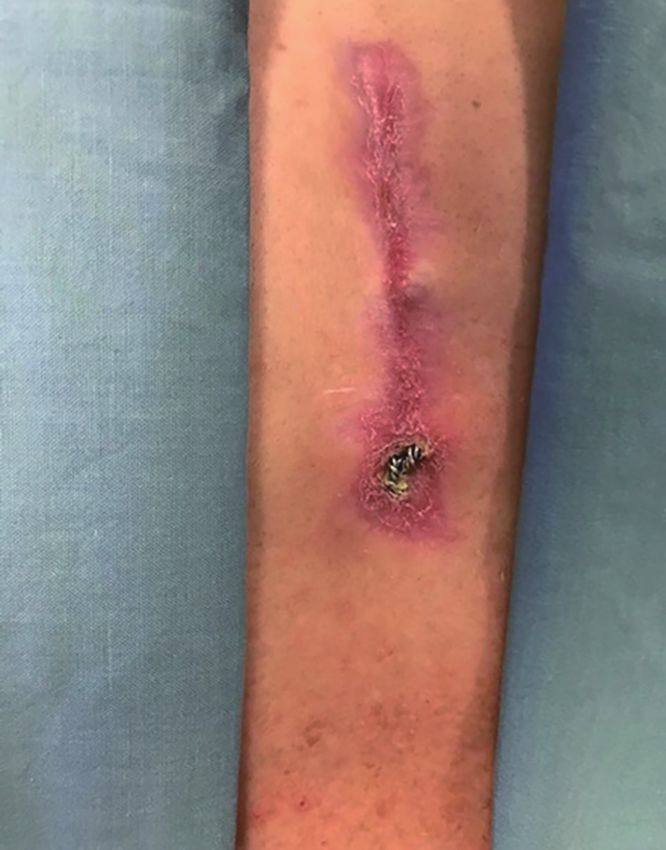
Figure 1 Sternal wires in skinny patients.
in 83% of those patients, and 10% had some improvement
of their symptoms and 7% no improvement of the pain (52).
Indications of sternal wires removal
Technique of sternal wire removal
(I) To gain reentry either for redo surgery or in acute
postoperative situation; Wire removal for chronic post sternotomy pain is usually
(II) Deep sternal wound infection and localized infection a minimal risk procedure that can be done under local
related to the sternal wires; anesthesia supplemented with sedation or light general
(III) In skinny patients and those who lose weight, sternal anesthesia and usually performed as a same day procedure.
wires can be palpable or even seen or rarely can Wire removal can be performed through small intermittent
erode through the skin, in those patients wire removal incision over the wires to be removed or complete incision
may be indicated to alleviate their discomfort of the previous sternotomy scar. Wire removal should be
(Figure 1); done with extreme caution as a small but serious risk of
(IV) Sternal wire removal is indicated as a measure to injury of mediastinal structures adherent to the sternum
treat post sternotomy chronic pain. specially the right ventricle by the sharp end of the wire in
Sternal wires can provoke damage of the anterior rami of its way out. Wire removal is safely done by coiling around
the intercostal nerves during insertion at the sternal margin the wire holder tip as this method was found to be safer
of the intercostal spaces Defalque and Bromley suggest than direct pulling in experimental study (53).
that results in a neuralgia associated with scar-entrapped
neuromas (16).
Conclusions
Wire factors for development of chronic pain includes
eversion of the twisted portion of the sternal wires, friction Chronic post sternotomy pain is an important issue post
between the wires and tissues and wire fracture with the cardiac surgery that can negatively affect the quality of life,
resultant broken parts or dehiscence can be also a source of patient satisfaction and productivity. Different explanations
post sternotomy pain. Rarely allergic reaction to the wire have been proposed but still we need to understand the
can be the source of chronic pain. Once other causes of nature of that pain. Different pharmacological and non-
anterior chest pain such as sternal instability, mediastinitis, pharmacological measures are being used to alleviate post
and cardiac causes such as ischemia are excluded, sternal sternotomy pain, including sternal wires removal, the latter
© AME Medical Journal. All rights reserved. AME Med J 2020| http://dx.doi.org/10.21037/amj.2020.03.06Page 6 of 8 AME Medical Journal, 2020
is a minor procedure that can help the majority of those 8. Kalso E, Mennander S, Tasmuth T, et al. Chronic post-
patients. Multidiscipline approach is required to manage sternotomy pain. Acta Anaesthesiol Scand 2001;45:935-9.
those patients with post sternotomy pain. 9. Eisenberg E, Pultorak Y, Pud D, et al. Prevalence and
characteristics of post coronary artery bypass graft surgery
pain (PCP). Pain 2001;92:11-17
Acknowledgments
10. Taillefer MC, Carrier M, Bélisle S, et al. Prevalence,
The authors thank Amr Elfert and Nour Elmestekawy for characteristics, and predictors of chronic nonanginal
their help in preparing and editing this manuscript. postoperative pain after a cardiac operation: a
Funding: None. cross-sectional study. J Thorac Cardiovasc Surg
2006;131:1274-80.
11. Lahtinen P, Kokki H, Hynynen M. Pain after cardiac
Footnote
surgery: a prospective cohort study of 1-year incidence and
Conflicts of Interest: All authors have completed the ICMJE intensity. Anesthesiology 2006;105:794-800.
uniform disclosure form (available at http://dx.doi. 12. Vahl CF, Carl I, Müller-Vahl H, et al. Brachial plexus
org/10.21037/amj.2020.03.06). The authors have no injury after cardiac surgery. The role of internal mammary
conflicts of interest to declare. artery preparation prospective study on 1000 consecutive
patients. J Thorac Cardiovasc Surg 1991;102:724-9.
Ethical Statement: The authors are accountable for all 13. Sharma AD, Parmley CL, Sreeram G, et al. Peripheral
aspects of the work in ensuring that questions related Nerve Injuries During Cardiac Surgery: Risk Factors,
to the accuracy or integrity of any part of the work are Diagnosis, Prognosis, and Prevention. Anesth Analg
appropriately investigated and resolved. 2000;91:1358-69.
14. Chong AY, Clarke CE, Dimitri WR, et al. Brachial plexus
injury as an unusual complication of coronary artery bypass
References
graft surgery. Postgrad Med J 2003;79:84-6.
1. Bruce J, Drury N, Poobalan S, et al. The prevalence of 15. Gjeilo KH, Klepstad P, Wahba A, et al. Chronic pain after
chronic chest and leg pain following cardiac surgery: a cardiac surgery: a prospective study. Acta Anaesthesiol
historical cohort study. Pain 2003;104:265-73. Scand 2010;54:70-8.
2. Joshi GP, Ogunnaike BO. Consequences of inadequate 16. Defalque RJ, Bromley JJ. Poststernotomy neuralgia: A new
postoperative pain relief and chronic persistent pain syndrome. Anesth Analg 1989;69:81-2.
postoperative pain. Anesthesiol Clin North Am 17. Weber LD, Peters RW. Delayed chest wall complications
2005;23:21-36. of median sternotomy. South Med J 1986;79:723-7.
3. Macrae WA. Chronic pain after sternotomy. Acta 18. Eastridge CE, Mahfood SS, Walker WA, et al. Delayed
Anaesthesiol Scand 2001;45:927-8. chest wall pain due to sternal wire sutures. Ann Thorac
4. van Gulik L, Janssen L, Ahlers J, et al. Risk factors for Surg 1991:51:56-9.
chronic thoracic pain after cardiac surgery via sternotomy. 19. Fine PG, Karwande SV. Sternal wire-induced persistent
Eur J Cardiothorac Surg 2011;40:1309-13. pain: a possible hypersensitivity reaction. Ann Thorac Surg
5. Meyerson J, Thelin S, Gordh T, et al. The incidence 1990:49:135-6.
of chronic post-sternotomy pain after cardiac surgery- 20. Moore R, Follette M, Berkoff A. Poststernotomy fractures
-a prospective study. Acta Anaesthesiol Scand and pain management in open cardiac surgery. Chest
2001;45:940-4. 1994;106:1339-42.
6. Grosen K, Laue Petersen G, Pfeiffer-Jensen M, et 21. Kehlet H, Jensen TS, Woolf CJ. Persistent postsurgical
al. Persistent post-surgical pain following anterior pain: risk factors and prevention. Lancet 2006;367:1618-25.
thoracotomy for lung cancer: a cross-sectional study 22. Mailis A, Umana M, Feindel CM. Anterior intercostal
of prevalence, characteristics and interference with nerve damage after coronary artery bypass graft surgery
functioning. Eur J Cardiothorac Surg 2013;43:95-103. with use of internal thoracic artery graft. Ann Thorac Surg
7. Eti Aslan F. Pain in cardiac surgery and the nursing 2000;69:1455-8.
approach. Turkish Journal of Thoracic and Cardiovascular 23. Rowe MA, King KB. Long-term chest wall discomfort in
Surgery 2012;20:172-6. women after coronary artery bypass grafting. Heart Lung
© AME Medical Journal. All rights reserved. AME Med J 2020| http://dx.doi.org/10.21037/amj.2020.03.06AME Medical Journal, 2020 Page 7 of 8
1998;27:184-8. 37. Laskowski K, Stirling A, McKay P, et al. A systematic
24. Maguire MF, Latter JA, Mahajan R, et al. A study review of intravenous ketamine for postoperative analgesia.
exploring the role of intercostal nerve damage in chronic Can J Anaesth 2011;58:911-23.
pain after thoracic surgery. Eur J Cardiothorac Surg 38. Chou R, Huffman H. Medications for acute and chronic
2006;29:873-9. low back pain: A review of the evidence for an American
25. Boodhwani M, Lam BK, Nathan HJ, et al. Skeletonized Pain Society American College of Physicians clinical
internal thoracic artery harvest reduces pain and practice guideline. Ann Intern Med 2007;147:505-14.
dysesthesia and improves sternal perfusion after coronary 39. Dworkin RH, Turk DC, Peirce-Sandner S, et al.
artery bypass surgery: a randomized, double-blind, within- Research design considerations for confirmatory chronic
patient comparison. Circulation 2006 22;114:766-73. pain clinical trials: IMMPACT recommendations. Pain
26. Bar-El Y, Gilboa B, Unger N, et al. Skeletonized versus 2010;149:177-93.
pedicled internal mammary artery: impact of surgical 40. Derry S, Moore RA, Rabbie R. Topical NSAIDS for
technique on post CABG surgery pain. Eur J Cardiothorac chronic musculoskeletal pain in adults. Cochrane Database
Surg 2005;27:1065-9. Syst Rev 2012;(9):CD007400.
27. Woodring JH, Royer JM, Todd EP. Upper rib fractures 41. Biyik I, Gülcüler M, Karabiga M, et al. Efficacy of
following median sternotomy. Ann Thorac Surg gabapentin versus diclofenac in the treatment of chest
1985;39:355-7. pain and paresthesia in patients with sternotomy. Anadolu
28. van Leersum NJ, van Leersum RL, Verwey HF, et al. Pain Kardiyol Derg 2009;9:390-6
symptoms accompanying chronic post sternotomy pain: a 42. Moore RA, Wiffen PJ, Derry S, et al. Gabapentin for
pilot study. Pain Med 2010;11:1628-34. chronic neuropathic pain and fibromyalgia in adults.
29. Alston RP, Pechon P. Dysaesthesia associated Cochrane Database Syst Rev 2011;(3):CD007938.
with sternotomy for heart surgery. Br J Anaesth 43. Bialer M. Why are antiepileptic drugs used for
2005;95:153-8. nonepileptic conditions? Epilepsia 2012;53 Suppl 7:26-33.
30. Cohen AJ, Moore P, Jones C, et al. Effect of internal 44. Gill D, Derry S, Wiffen PJ, et al. Valproic acid and sodium
mammary harvest on postoperative pain and pulmonary valproate for neuropathic pain and fibromyalgia in adults.
function. Ann Thorac Surg 1993;56:1107-9. Cochrane Database Syst Rev 2011;(10):CD009183.
31. Katz J, Jackson M, Kavanagh BP, et al. Acute pain after 45. Wicksell RK, Olsson GL. Predicting and preventing
thoracic surgery predicts long-term post-thoracotomy chronic postsurgical pain and disability. Anesthesiology
pain. Clin J Pain 1996;12:50-5. 2010;113:1260-1.
32. Theunissen M, Peters L, Bruce J, et al. Preoperative 46. Najafi SS, Rast F, Momennasab M, et al. The effect of
anxiety and catastrophizing: a systematic review and meta- massage therapy by patients' companions on severity of
analysis of the association with chronic postsurgical pain. pain in the patients undergoing post coronary artery bypass
Clin J Pain 2012;28:819-41. graft surgery: a single-blind randomized clinical trial. Int J
33. Katz J, Weinrib A, Fashler R, et al. The Toronto General Community Based Nurs Midwifery 2014;2:128-35.
hospital Transitional Pain Service: development and 47. Bordoni B, Marelli F, Morabito B, et al. Post-sternotomy
implementation of a multidisciplinary program to prevent pain syndrome following cardiac surgery: case report. J
chronic postsurgical pain. J Pain Res 2015;8:695-702. Pain Res 2017;15:1163-9.
34. Schwann NM, Chaney MA. No pain, much gain? J Thorac 48. Malhotra A, Garg P, Bishnoi K, et al. Is steel wire closure
Cardiovasc Surg 2003;126:1261-4. of sternotomy better than polyester suture closure? Asian
35. McDaid C, Maund E, Rice S, et al. Paracetamol and Cardiovasc Thorac Ann 2014;22:409-15.
selective and non-selective non-steroidal anti-inflammatory 49. Lopez J, Sachithanandan A, Leow M. Allergic reaction
drugs (NSAIDs) for the reduction of morphine-related to stainless steel sternotomy wires requiring removal:
side effects after major surgery: a systematic review. Health A case report and literature review. Med J Malaysia
Technol Assess 2010;14:1-153, iii-iv. 2016;71:142-3.
36. Cattabriga I, Pacini D, Lamazza G, et al. Intravenous 50. Zanavaros I, Horke A, Doll N, et al. Persistent chest wall
paracetamol as adjunctive treatment for postoperative pain pain due to sternal wire sutures after median sternotomy.
after cardiac surgery: a double blind randomized controlled How effective is sternal wire removal? Thorac Cardiovasc
trial. Eur J Cardiothorac Surg 2007;32:527-31. Surg 2010. DOI: 10.1055/s-0029-1246675.
© AME Medical Journal. All rights reserved. AME Med J 2020| http://dx.doi.org/10.21037/amj.2020.03.06Page 8 of 8 AME Medical Journal, 2020
51. Nørgaard MA, Andersen TC, Lavrsen MJ, et al. of steel wires relieve post-sternotomy pain after cardiac
The outcome of sternal wire removal on persistent surgery? Asian Cardiovasc Thorac Ann 2013;21:409-13.
anterior chest wall pain after median sternotomy. Eur J 53. Kachel E, Bank J, Shinfeld A, et al. The safest method of
Cardiothorac Surg 2006;29:920-4. sternal wire extraction post-midsternotomy closure. J Card
52. Rashidi S, Elenbaas W, Hamad A, et al. Does removal Surg 2009;24:59-61.
doi: 10.21037/amj.2020.03.06
Cite this article as: Elmistekawy E, Attia A. Chronic post
sternotomy pain: the role of sternal wire removal—a review.
AME Med J 2020.
© AME Medical Journal. All rights reserved. AME Med J 2020| http://dx.doi.org/10.21037/amj.2020.03.06You can also read


