Immutep Moving Ahead in LAG-3 - Update Report - Wsimg.com
←
→
Page content transcription
If your browser does not render page correctly, please read the page content below
Update Report

     Immutep

Moving Ahead in LAG-3

                             Chief Research Analyst
                                 Marcel Wijma MSc
                             +1 (917) 460 6185 (US)
                             +31 (6) 1848 4204 (NL)
                        m.wijma@leeuwenhoeck.com
                     http://www.leeuwenhoeck.com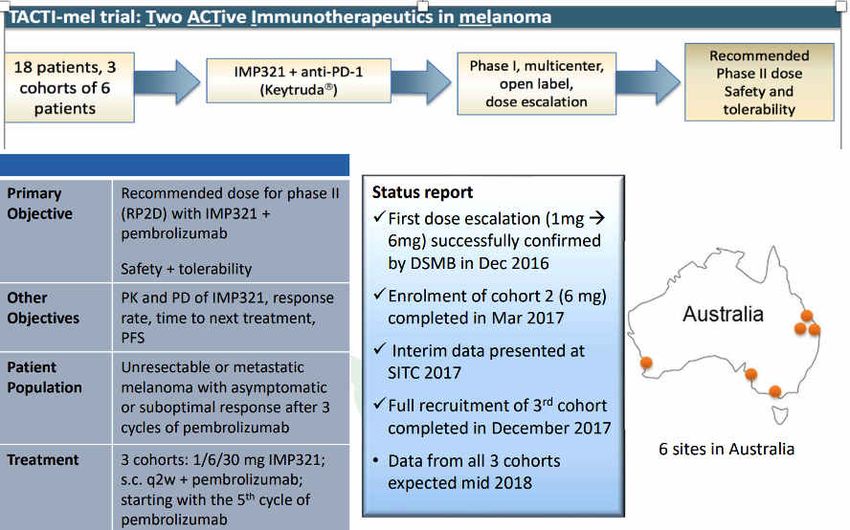
Date: 19 April 2018

                  Name:                            Immutep
                  Country:                         Australia
                  Price:                           AUD 0.023
                  ISIN Code:                       US74154B2034
                  Reuters Code:                    IMM.AX, NASDAQ: IMMP
                  Market Cap (AUD m):              69.6
                  EV (AUD m):                      41.9
                  Cash & cash eq. (AUD m):         27.7*)
                  Shares outstanding (m):          3,026
                  Volume:                          3,300,323
                  Free float:                      100%
                  52-week Range:                   0.02-0.04
                  *) includes recent AUD 13.2m capital raise and AUD 0.7m R&D Tax rebate

                                                 2015/16A      2016/17A       2017/18E

              Total Revenues                           2.0          4.2             6.0

              Net (Loss)/Profit                     (61.7)        (9.6)           (8.0)

              Net loss per share (cents)            (3.08)       (0.45)          (0.11)

              R&D costs                                7.1          7.5            10.0

              Cash increase/(decrease)                14.5        (8.5)            12.0

              Cash and marketable sec.                20.9         12.2            24.2

2   IMMUTEP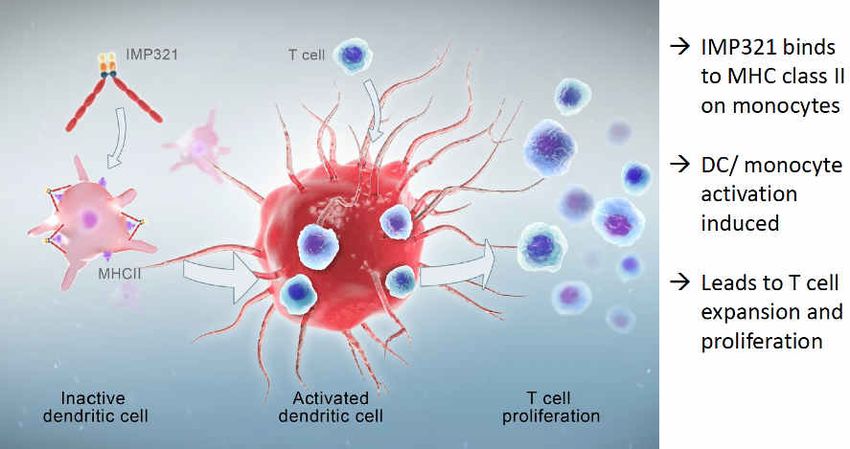
Executive Summary
•   Immutep (ASX:IMM, NASDAQ: IMMP), formerly known as Prima BioMed is a leading biotech

    company in the development of personalized immunocellular therapeutics for the treatment

    of cancer. Its pipeline is based on four products using a LAG-3 immune control system: IMP321

    for cancer chemo-immunotherapy and two partnered products IMP731 (GSK) and IMP701

    (Novartis). Its program IMP761 is currently in preclinical development for autoimmune

    diseases.

•   Its lead product IMP321 (eftilagimod alpha or efti) is in Phase IIb development against

    metastatic breast cancer (MBC) in combination with chemotherapy and also in Phase I

    development in melanoma in combination with pembrolizumab (KEYTRUDA®). It also has two

    partnered programs with Novartis and GSK. Recently, updated clinical data were published

    for its Phase I trial in metastatic melanoma patients (TACTI-mel), which showed that IMP321 is

    safe and well tolerated. Full recruitment of the third cohort of patients was completed in

    December 2017. The data from all 3 cohorts are expected mid 2018. Besides, Immutep

    recently announced a clinical trial collaboration with Merck MSD to evaluate the combination

    of efti with Merck’s KEYTRUDA® in patients with NSCLC, head&neck cancer or ovarian cancer

    in a Phase II trial.

•   With efti, Immutep also announced interim data from its Phase IIb trial in metastatic breast

    cancer. The ongoing Phase IIb AIPAC clinical trial in metastatic breast cancer reported positive

    safety and efficacy data from its safety run-in phase in Europe in June 2017. The trial remains

    on track to be fully recruited by mid-(calendar) 2018Q3. Following a pre-IND meeting with the

    FDA, it intends to file an IND in 2018H1.

                                                                                 IMMUTEP 3
•   Immutep is the leading company in LAG-3 with three programs in clinical development. Only
    Bristol Myers has more clinical trials running. The company is very well placed to take

    advantage of the growing importance of LAG-3 in immuno oncology or immunotherapy. Two

    of its programs are licensed to Novartis (IMP701 in various cancer types) and GSK (IMP731 or

    GSK2831781 in autoimmune disease). Novartis, which is developing IMP701 (or LAG525), an

    anti-LAG-3 antibody, is currently recruiting a total of 675 patients for its two ongoing clinical

    trials. GlaxoSmithKline is developing IMP731 for the treatment of autoimmune diseases and

    has now fully recruited 67 patients for its Phase I, first-in-human clinical trial which was

    completed in March. We feel that each of these programs have blockbuster potential.

•   The interest in LAG-3 from major pharmaceutical companies like Merck, BMS, GSK and

    Novartis is clearly increasing. This makes it likely that Immutep will be able to make a

    substantial deal on IMP321 supported by potentially strong data from the clinical trials in

    metastatic breast cancer and melanoma. With three own clinical programs and two advanced

    partnerships (Novartis and GSK), Immutep clearly is very well positioned in this area.

•   Recently, Immutep successfully raised AUD 13.2 million, AUD 6.85 via an institutional

    placement and AUD 6.3 million through a share purchase plan (SPP) with existing shareholders.

    The funds raised from the SPP and Placement will be used to support Immutep’s ongoing and

    planned immuno-oncology clinical development programs, its pre-clinical program in

    autoimmune disease and for general working capital purposes. Total cash reach should be

    enough till end of 2019.

•   Based on our adjusted NPV valuation, we believe Immutep is substantially undervalued at the

    current share price of AUD 0.023. Following the positive development of its programs in LAG-

    3 we have revised our valuation model upwards. We have calculated the present valuation of

    the company should be AUD 397 million or AUD 0.13 per share.

4     IMMUTEP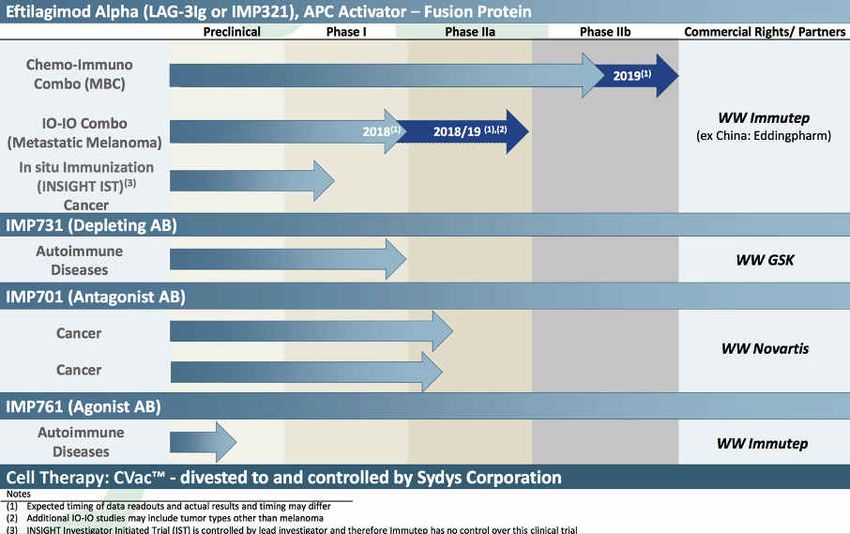
Immune Checkpoint Inhibitors Moving to the Forefront

Cancer survival rates are generally increasing in the United States and Europe. According to the

National Cancer Institute, approximately 39% of all Americans will develop cancer at some point

in their lifetime. However, the overall mortality rate of those diagnosed with cancer has declined,

in part due to improvements in therapeutic approaches. The development of immunotherapies

reflects a new approach to cancer treatment involving activation of the immune system against

cancer. Immune checkpoint inhibitors, in particular, have demonstrated considerable promise in

their recent approval for the treatment of melanoma, non-small cell lung cancer, and other cancers.

Immune Checkpoint Modulators blocks the ability of certain proteins, called immune checkpoint

proteins, to limit the strength and duration of immune responses. These proteins normally keep

immune responses in check by preventing overly intense responses that might damage normal

cells as well as abnormal cells. But, researchers have learned that tumors can commandeer these

proteins and use them to suppress immune responses. LAG-3 is an example of an Immune

Checkpoint (others include CTLA-4, TIM3 and PD-1).

Unlike other immunotherapies or cancer vaccines that work by strengthening the immune system

or training it to attack tumor cells, checkpoint inhibitors work to defeat a cancer resistance

mechanism that causes immune cells to see tumor cells as “self”. Once this veil or “brake” is lifted,

the immune response may be enough to defeat the cancer cells on its own, but a wide ranging

array of therapeutic combinations is being tested. Blocking the activity of immune checkpoint

proteins releases the "brakes" on the immune system, increasing its ability to destroy cancer cells.

Several immune checkpoint inhibitors have been approved by the Food and Drug Administration

(FDA). Checkpoint inhibitor interest started with iplimumab (Yervoy), which is an antibody directed

to the CTLA4 receptor, an important inhibitory regulator of T-cell activation. The last few years, the

drugs Nivolumab (Opdivo) and pembrolizumab (KEYTRUDA®) have received a lot of attention –

                                                                                   IMMUTEP 5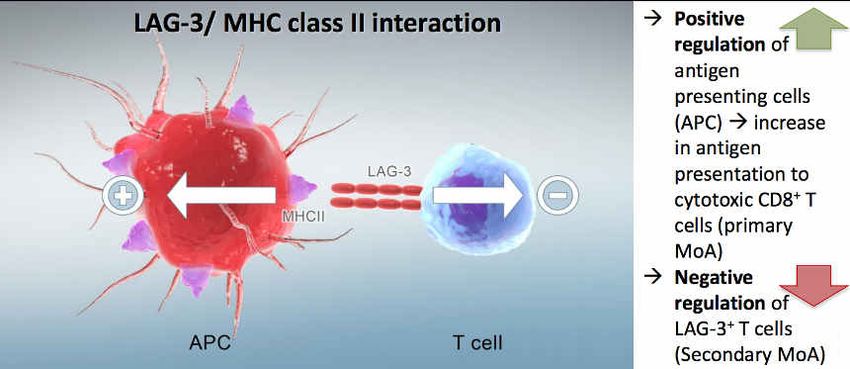
they are checkpoint inhibitors that are mediated by Program Cell Death pathways.

KEYTRUDA® received breakthrough therapy status by the FDA in 2014 for the treatment of

NSCLC. CTLA4 acts as a "switch" to inactivate these T cells, thereby reducing the strength of

immune responses; ipilimumab binds to CTLA4 and prevents it from sending its inhibitory signal.

Opdivo and KEYTRUDA®, work in a similar way, but they target a different checkpoint protein on

activated T cells known as PD-1. Nivolumab is approved to treat some patients with advanced

melanoma or advanced lung cancer, and pembrolizumab is approved to treat some patients with

advanced melanoma. Researchers have also developed checkpoint inhibitors that disrupt the

interaction of PD-1 and proteins on the surface of tumor cells known as PD-L1 and PD-L2.

Several researchers estimate that the market for immunotherapeutic approaches in cancer

treatment is expected to exceed USD 34 billion by 2024, driven by novel agents, combination

therapy, longer treatment times and the emergence of predictive Biomarkers. Within cancer

immunotherapy, immune checkpoint inhibitors are taking the bulk of the market with and expected

CAGR more than 50%. The growth is driven by:

     Ø High adoption rates in Western countries, given immunotherapies have a largely well
       tolerated adverse event profile compared with conventional chemotherapy;

     Ø Immunotherapy treatment months/patient to likely materially expand due to improved
       progression free survival (PFS) associated with immunotherapy, multiple lines of therapy
       during a patient’s disease and maintenance usage;

     Ø Likely use of repeat immunotherapy based approach in patients who lose their partial
       response, given well tolerated adverse event profile and mechanistic rationale;

     Ø Combination strategies with chemo/radio/MAb/cryotherapy or other checkpoint
       inhibitors (like IMP32 for melanoma as a combination therapy with KEYTRUDA® and for
       MBC in combination with paclitaxel) will likely expand the potential indications for
       checkpoint agents. These combination therapies also have considerably improved
       survival rates as the graph below shows.

 6    IMMUTEP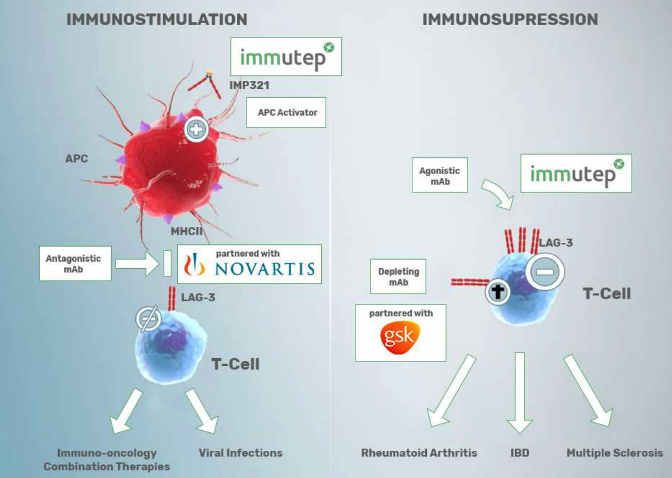
Source: Cell, April 2015

                                     CHECKPOINT INHIBITORS

        Source: Global Data, Immuno-Oncology Strategic Insight: Multi-Indication and Market Size Analysis

As the table below shows, various large pharmaceutical companies are taking an interest in LAG-3

Immutep is very well positioned with three own clinical programs and two advanced partnerships

with Novartis and GSK. IMP321 and IMP731 are unique in terms of mechanism of action and

currently do not face a direct competition. LAG-3 as a target is clearly (given clinical development

and data) moving to the forefront.

                                                                                                IMMUTEP 7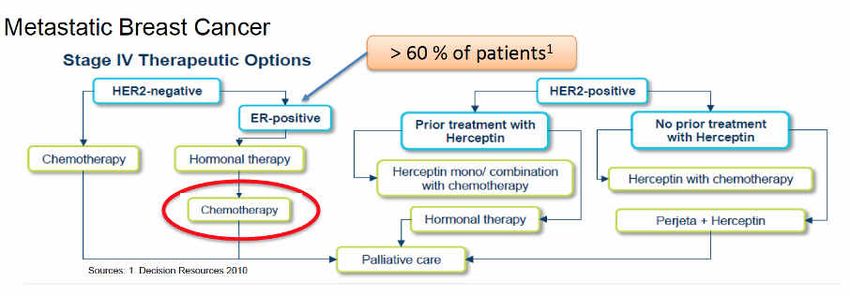
Competitive Landscape LAG-3 with enrolment of more than 5,000 patients
Company Program Indication Phase Pat. Comments Study
Completion
Immutep Eftilagimod Metastatic IIb 241 Adenocarcinoma Breast Stage IV. 2arms: Paclitaxel + IMP321 at the 2019
Alpha Breast Cancer RPTD and Active Comparator: Comparator: Paclitaxel + Placebo
Immutep Eftilagimod Metastatic I 18 Multicentre, Open Label, Dose Escalation, Phase 1 Study in 2018
Alpha Melanoma Patients With Unresectable or Metastatic Melanoma
Novartis LAG525 Various I/II 675 Open Label, Multicenter Study of the Safety and Efficacy Apr 2019/
(partnership Cancers of LAG525 Single Agent and in Combination With PDR001 Feb 2021
Immutep) Administered to Patients With Advanced Malignancies,
Bristol Myers April 2018: A Randomized, Double-Blind Phase 2/3 Study
Relatlimab Melanoma II/III 700 March 2022
Squibb of Relatlimab Combined With Nivolumab Versus Nivolumab in
Participants With Previously Untreated Metastatic Melanoma
Bristol Myers Relatlimab Solid Tumors I/IIa 1,000 Sep 25 2013: Phase I/2a Dose Escalation and Cohort Expansion Study Oct 2019
Squibb of the Safety, Tolerability, and Efficacy of Anti-LAG-3 Mab Alone and
in Comb with Anti-PD-1 Nivolumab,in Solid Tumors
April 2018: Relatlimab (Anti-LAG-3 Monoclonal Antibody)
Bristol Myers Administered in Combination With Both Nivolumab (Anti-PD-1
Relatlimab Solid Tumors I/II 230 May 2022
Squibb Monoclonal Antibody) and BMS-986205 (IDO1 Inhibitor) or in
Combination With Both Nivolumab and Ipilimumab (Anti-CTLA-4
Monoclonal Antibody) in Advanced Malignant Tumors
Bristol Myers Hematologic Feb 12, 2014: Phase 1/2a Dose Escalation and Cohort Expansion
Relatlimab I/IIa 132 May 2020
Squibb Neoplasms Study of the Safety, Tolerability, and Efficacy in Combination With
Anti-PD-1 Nivolumab, in Relapsed or Refract B-Cell Malignancies
Bristol Myers Relatlimab Glioblastoma I 68 Jan 2016: A Phase I Trial of Anti-LAG-3 or Anti-CD137 Alone and in Dec 2019
Squibb Combination With Anti-PD-1 in Patients With Recurrent GBM
Bristol Myers Relatlimab NSCLC II 504 April 21, 2016: A Phase 2, Fast Real Time Assessment of Combination April 2021
Squibb Therapies in Immuno-Oncology Study in Subjects With Advanced
NSCLC (FRACTION-Lung)
Bristol Myers Relatlimab Various Cancers I/II 500 Combination therapy with Nivolumab/ipilumab/daratumumab. Dec 2019
Squibb Recruitment since October 2015
Bristol Myers Relatlimab Metastatic II 340 Combination therapy with Nivolumab/Ipilumab/Daratumumab/Cobi Dec 2018
Squibb Colon Cancer Recruitment since March 2014
Bristol Myers Relatlimab Advanced II 200 Combination therapy with Nivolumab/Ipilumab Jan 2022
Squibb Renal Cancer Recruitment since January 2017
Bristol Myers Relatlimab Advanced II 300 Combination therapy with Nivolumab/Ipilumumab Nov 2021
Squibb Gastric Cancer Recruitment since November 2016
MK4280 Solid Tumors I 260 MarchMarch
22, 2016
22, 2016
: A Phase
: A Phase
1 Trial1asTrial
Monotherapy
as Monotherapy
and in Combination
and in Oct 2020
Merck MK4280 Solid Tumors I 260 Oct 2020
WithCombination
PembrolizumabWith Pembrolizumab
in Subjects in Subjects
With Advanced SolidWith Advanced
Tumors
Solid Tumors
GSK July 17, 2014: A Randomised, Double Blind Placebo-Controlled,
(partnership GSK2831781 Psoriasis I 67 Single Asc Dose Study of Safety, Tolerability, Pharmacokinetics of a Mar 2018
Immutep) IV Dose in Healthy Subjects and Patients With Psoriasis. Fully
enrolled March 2018
An Open Label, Phase I Dose-finding Study in Combination With BI
Boehringer
BI754111 Neoplasms I 70 754091 in Patients With Advanced Solid Cancers and of BI Nov 2019
Ingelheim
754111 Monotherapy With Subsequent Combination With BI
754091 in Patients With Follicular Lymphoma,
Open-Label, Dose-Escalation and Cohort Expansion First-in-Human
Regeneron/ Advanced
REGN3767 I 301 Study of the Safety, Tolerability, Activity and Pharmacokinetics Oct 2020
Sanofi cancers
of REGN3767 (Anti-LAG-3 mAb) Administered Alone or in
Combination With REGN2810 (Anti-PD-1 mAb) in Patients With
Advanced Malignancies
Source: Van Leeuwenhoeck Research, Company Reports, clinicaltrials.gov
8 IMMUTEP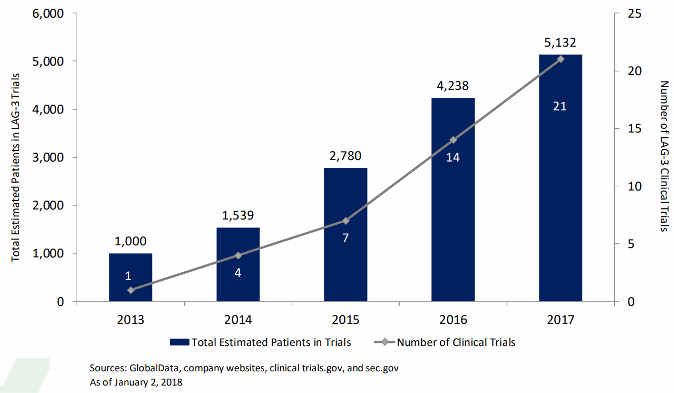
Increasing Number of Trials Targeting LAG-3

Source: Immutep

                                              IMMUTEP 9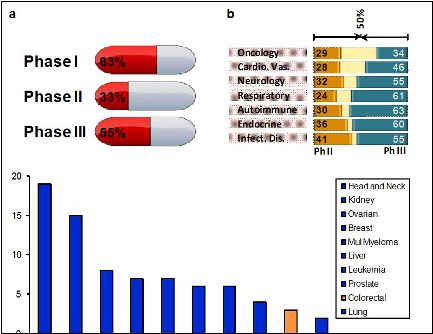
Clinical Overview LAG-3 Pipeline
The LAG-3 platform provides a good combination for a total approach in cancer immunotherapies.

LAG-3 stands for “Lymphocyte Activation Gene-3” and is involved in the regulation of T cells in

immune responses. On activated T cells it is an inhibitory receptor that down-modulates their

proliferation and activation. LAG-3 is one of the few key molecules that have been identified as

being responsible for the regulation of T cells. LAG-3 is important as it plays a number of roles

that can both activate or suppress immune responses, which makes it an attractive target for

immunotherapy, both in cancer treatment and autoimmunity. Both fields are similar in essence as

human tumors are frequently deeply infiltrated by active T cells, and the tumor could then be

considered as an autoimmune site where the T cell response has just not been strong enough to

eliminate these abnormal tissue cells. In immuno-oncology multiple tumor masses disappear in

advanced metastasized cancer by just unleashing the power of this tumor infiltrating T cell.

With the LAG-3 antibody IMP701 the effect is to release the brakes on the immune system, whereas

the LAG-3 activator IMP321 has the function to push the accelerator as a strong

immune activator. It therefore makes perfect sense for each of the products to be developed in

 10    IMMUTEP
parallel, as they are complimentary therapies with their use dependent on the condition of the

individual patient.

Although each of the products are standalone products they can be potentially combined with

other immuno-therapies, such as checkpoint inhibitors or chemotherapy, and these combination

therapies are increasingly being recognised in the scientific and medical community as optimal

approaches for fighting cancer.

Clinical Overview

Source: Immutep

                                                                             IMMUTEP 11
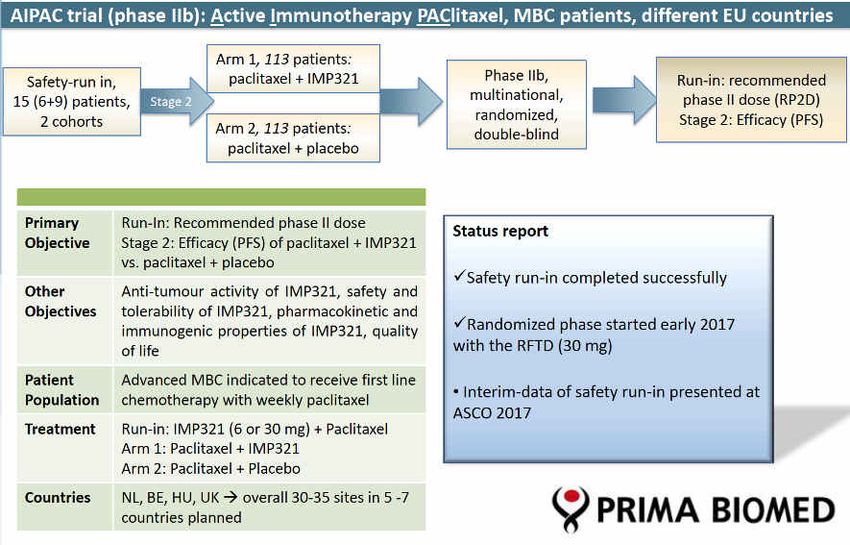
Eftilagimod Alpha (IMP321): Combination Therapy in Development for MBC and Melanoma Eftilagimod alpha (IMP321) is a recombinant protein consisting of a dimer of LAG-3 that has been engineered to be soluble rather than expressed on the surface of cells. It is a first-in-class antigen presenting cell (APC) activator, which has been proven to induce sustained immune responses in cancer patients when used at low dose as a cancer vaccine adjuvant or used at higher doses to get a systemic effect (i.e. general APC activation). As announced earlier in June 2017, data from the open-label safety run-in cohort of 15 patients, who received 6mg and 30mg doses of eftilagimod alpha in combination with paclitaxel, were presented at the American Society of Clinical Oncology (ASCO) Annual Meeting in Chicago, IL, USA. Final results received in December 2017 confirm the data presented at ASCO. These data showed very encouraging interim results from the safety run-in phase of its AIPAC Phase IIb clinical trial as a chemo-immunotherapy for metastatic breast cancer (MBC). AIPAC (Active Immunotherapy PAClitaxel) is Prima’s multicentre, Phase IIb, randomised, double-blind, placebo-controlled study in hormone receptor-positive MBC patients receiving IMP321 or placebo as adjunctive to first-line 12 IMMUTEP
weekly chemotherapy, paclitaxel.

The safety run-in phase trialed the safety, immune-monitoring and activity of 15 patients. At both

the 6mg and 30mg dose levels, IMP321 was shown to be safe and well tolerated. The higher 30mg

dose demonstrated a stronger immune response, and was determined to be the recommended

phase II dose (RPTD) for the ongoing randomised phase of 226 patients. A total of 15 patients

received between 1-18 IMP321 injections. The preliminary efficacy results showed that the ORR

was 47% accompanied by a Disease Control Rate (DCR) of 87%. The ORR is consistent with the

50% response rate reported from the earlier Phase I trial that tested 6mg dose in combination with

paclitaxel in 30 patients.

                                                               AIPAC (P011) – Phase I
 P005 – Phase I

In total, the randomized double blind phase will enroll 226 patients with half receiving paclitaxel

chemotherapy plus 30mg of IMP321 while the other half receives paclitaxel plus placebo.

The study remains on track to be to be fully recruited with 226 patients in 2018Q3; Final data for

the PFS primary endpoint are expected 2019Q3. The EMA already indicated that the trial would

be sufficient to file for a marketing authorization if it received certain clinical endpoints.

                                                                                        IMMUTEP 13
Source: Immutep Six patients have now been recruited for the investigator-initiated Phase I clinical trial INSIGHT, which is being conducted in Frankfurt, Germany. These patients are receiving escalating doses of efti either via local (intratumoral) or loco-regional (intraperitoneal) injection. The objective of the study is to determine the recommended dose for each administration route for an intended Phase II clinical trial. The primary target population for IMP321 are patients with HR+ and HER2neu MBC. Breast cancer that is ER+ or PR+ falls under the category of hormone receptor-positive (HR+) breast cancer. HER2+ cancer tends to be less responsive to hormonal treatment. This could be because HER2+ breast cancer tends to be more aggressive than other types of breast cancer. 30% of breast cancer patients are metastatic with 2 out of 3 HR+. After hormone therapy, patients receive taxane or 14 IMMUTEP
anthracycline based chemotherapy. The average PFS/OS is 5-9 months versus 24 months, so there

is a high unmet medical need for which no major improvements were shown in the last few years.

Next to the AIPAC breast cancer trial, Prima has a Phase I combination therapy trial in metastatic

melanoma termed TACTI-mel (Two ACTive Immunotherapeutics in melanoma) in development.

TACTI-mel is using IMP321 to increase the efficacy in melanoma patients who have had a

suboptimal initial response to KEYTRUDA®. Interim data results from the first patient cohort

released in December 2016 indicate IMP321 at the 1mg dose level is safe and well tolerated. Out

of the six patients in the first cohort (all with suboptimal response to KEYTRUDA® monotherapy)

two patients had a partial or complete radiological tumour response according to immune related

response criteria (irRC). The positive safety profile was also confirmed in the second cohort dosed

with 6 mg of IMP321. None of the 6 patients treated with KEYTRUDA® plus IMP321 at this higher

dose level experienced any serious adverse reaction nor dose limiting toxicity. As a result, the

independent Drug Safety Monitoring Board (DSMB) has granted approval for the third cohort, at

the 30mg dose level, to commence with the first patient to be dosed. The first two out of six

patients of the additional cohort of the Company’s TACTI-mel Phase I clinical trial in Australia have

commenced their treatment. This follows the recruitment of all 18 patients in the initial three

cohorts of TACTI-mel and the subsequent expansion of the trial to include an additional cohort of

                                                                                  IMMUTEP 15
six patients in February 2018. The TACTI-mel trial evaluates the combination of efti and anti-PD-1 therapy KEYTRUDA® (pembrolizumab) in unresectable or metastatic melanoma patients, with the additional cohort receiving 30mg of efti in combination with pembrolizumab starting at cycle one of pembrolizumab. Last month, Dr Triebel, Immutep’s CSO, provided updated data from the first two cohorts of the study (since the previous data presented in November 2017 at the Society for Immunotherapy of Cancer (“SITC”). Data showed responses for TACTi-mel were sustained, in fact even slightly improved with one patient making Disease Control Rate (DCR) higher at 66%, previously 58%. The Company plans to present full data from the TACTI-mel trial in the middle of 2018. TACTI-mel (Two ACTive Immunotherapeutics in melanoma) is a multicentre, open label, Phase I study in which patients with unresectable or metastatic melanoma will be dosed with IMP321 in combination with the PD-1 checkpoint inhibitor pembrolizumab (KEYTRUDA®). The study will evaluate safety as the primary endpoint and anti-tumour activity and the immune response to the combination as secondary endpoints. 16 IMMUTEP
In March, Immutep announced its clinical trial collaboration and supply agreement with Merck

(known as MSD outside the United States and Canada), through a subsidiary, to evaluate the

combination of Immutep’s lead immunotherapy product candidate, efti with MSD's anti-PD-1

therapy KEYTRUDA® (pembrolizumab), Immutep is preparing to start its new clinical trial program

TACTI-002 (Two ACTive Immunotherapies) in 2018H2. This new trial will evaluate the combination

of efti with KEYTRUDA® in patients with advanced nonsmall cell lung cancer, head and neck cancer,

or ovarian cancer. The TACTI-002 clinical trial will be a Phase II, Simon two-stage, non-comparative,

open-label, single-arm, multicentre clinical study. Up to 120 patients across the three indications

are planned to be treated in medical centres in Europe and the United States. The Company plans

to file the respective Investigational New Drug application (IND) with the FDA in 2018H1 with the

trial to commence in 2018H2.

The relevance of this collaboration is quite significant in the light of the recent news that the

combination of Incyte’s IDO-1 (epacadostat) and KEYTRUDA in melanoma did not meet its

endpoint. IDO is a competitor of LAG-3. The data of the socalled ECHO-301 trial in first-line

melanoma suggest that IDO-1 provided no additional benefit above KEYTRUDA alone. The ECHO

program includes clinical trials designed to compare epacadostat with an IO inhibitor (KEYTRUDA

or BMS’ Opdivo) versus KEYTRUDA or Opdivo alone in five different tumors including melanoma,

NSCLC, bladder cancer, renal cell cancer and H&N cancer.

Pharma Partners also Show Important Progress

Both the programs partnered with Novartis (LAG525) and GSK (IMP731) recently reported

important progress. Novartis, which is developing IMP701 (or LAG525), an anti-LAG-3 antibody, is

currently recruiting a total of 675 patients for its two ongoing clinical trials. GlaxoSmithKline is

developing IMP731, a novel LAG-3 depleting antibody, for the treatment of autoimmune diseases

and has now fully recruited 67 patients for its Phase I, first-in-human clinical trial which is expected

                                                                                     IMMUTEP 17
to complete this month. Both Novartis and GlaxoSmithKline are responsible for all development costs with Immutep entitled to receive royalty and milestone payments. Eddingpharm owns the exclusive rights to develop and market efti in mainland China, Hong Kong, Macau, and Taiwan. Also setting Immutep apart from many other biotech companies, are that their partnerships are already generating revenue. Last year Novartis paid Immutep a milestone payment, its second payment in relation to the development of IMP701. The Company also recently received a milestone payment of USD 1 million from EOC Pharma, an affiliate of Eddingpharm, in relation to the development of efti in China. EOC Pharma applied in 2017Q1 for an Investigational New Drug (IND) in China, in preparation before starting clinical trials. Recent positive changes in the Chinese regulatory environment are likely to speed up development of eftilagimod alpha in China. 18 IMMUTEP
Financials
For 2017/18H1 (ended 31 December 2017), Immutep reported total revenues of AUD 5.6 million.

AUD 2.6 million was derived from licenses, whereas AUD 1.3 million was received from grants. Net

loss amounted to AUD 3.8 million compared to AUD 4.6 in 2016/17H1. Expenses for the period

totaled to AUD 10 million (2016: AUD 6.3 million). Research and development costs for the half

year ended December 31, 2017 were AUD 4.6 million, compared to AUD 2.7 million last year.

Immutep’s financial position was strengthened with the recent capital raise of approximately AUD

6.85 million via an institutional placement million and AUD 6.3 million through a share purchase

plan (SPP) with existing shareholders. The funds raised from the SPP and Placement will be used to

support Immutep’s ongoing and planned immuno-oncology clinical development programs, its

pre-clinical program in autoimmune disease and for general working capital purposes. Since July,

a second milestone payment of USD 1 million was received from partner Novartis relating to

Immutep’s IMP701 LAG-3 antibody, also referred to as LAG525. Immutep is eligible to receive

further potential development-based milestone payments and royalties as the program progresses.

Immutep received its first milestone payment of USD 1 million from EOC Pharma on 31 January

2018. In February, Immutep received a AUD 686,704 cash rebate from the Australian Federal

government’s R&D tax incentive program. The cash rebate provided in respect of expenditure

incurred on eligible R&D activities conducted in the 2017 fiscal year, mainly related to the

Company’s TACTI-mel trial, a Phase I clinical study in melanoma using its lead compound

eftilagimod alpha (“IMP321”), conducted in Australia

At 31 December 2017, the consolidated entity had total funds of AUD 13.7 million comprising cash

in hand at bank of AUD 8.3 million and short term deposits of AUD 5.4 million. Based on our current

projections, total cash reach should be enough till end of 2019.

                                                                                 IMMUTEP 19
Profit & Loss Statement
AUD mln 2016/17H1A 2017/2018H1A
Revenues 1.653 5.645
R&D Costs (2.709) (4.648)
G&A costs (3.558) (5.323)
Operating result (4.615) (4.325)
Finance expenses 0.552 (0.000)
Other (0.491) 0.507
Net Result (4.555) (3.818)
Consolidated statement of cash flows
AUD mln 2016/17H1A 2017/18H1A
Cash flow from operating activities (4,118) (4.452)
Cash flow from investing activities (1.228) (5.430)
Cash flow from financing activities (0.006) 5.880
Cash and cash equivalents at start of the period 20.880 12.237
Net change in cash and cash equivalents (4.125) 1.423
Cash and cash equivalents at end of the period 16.570 13.702
Balance Sheet
AUD mln 2016/17A 2016/17A
(Dec 31) (June 30)
Current Assets 18.324 15.919
Cash and Cash Equivalents 13.701 12.237
Total Assets 37.046 34.964
Equity 27.127 26.532
Current Liabilities 2.255 2.632
Total liabilities 9.920 8.431
20 IMMUTEPValuation LAG-3 pipeline: Blockbuster potential
We value Immutep at AUD 397 million or AUD 0.13 per share using a risk-adjusted NPV valuation.
This is valuing the potential of the LAG-3 clinical programs IMP321, IMP731 and IMP701.
In estimating a value for each separate clinical program in Immutep’s pipeline and its partnerships,
we made use of several studies that were done on the clinical development success rates for
investigational drugs and specifically on immune therapy. No data were available specifically for
Immune Checkpoint Inhibitors. Therefore, we used the data available for monoclonal antibodies
as another example of immune therapy. These results were published in Nature Biotechnology1
and Pharmaceutical Outsourcing2.
Source: Nature Biotechnology, 2014
1
Michael Hay et al: Clinical development success rates for investigational drugs, Nature Biotechnology 32, 40-51 (2014)
2
Laslo Otvos: Relative Success Rates by Drug Class, Pharmaceutical Outsourcing August 2014
IMMUTEP 21We feel that each of the programs in clinical development has block buster potential, catering to
large markets that are addressed with immune checkpoint inhibitors. Examples like KEYTRUDA®
(sales 2017: USD 3.8 billion, +171% yoy), and Opdivo (sales 2017: USD 4.9 billion, +29% yoy) show
that the uptake of such immune checkpoint inhibitors is very rapid with revenues in the first years
growing quickly to more than USD 1 billion each. Analysts project sales of these therapies to be
USD 6 billion and USD 8 billion respectively by 2020.
Phase Progression Therapeutic Category Molecule Classification Probable Success Rate
Phase I – II Oncology Small Molecule NME 66%
Peptides/Proteins 48%
Monoclonal Antibodies 68%
Non-Oncology Small Molecule NME 65%
Peptides/Proteins 65%
Monoclonal Antibodies 72%
Phase II – III Oncology Small Molecule NME 29%
Peptides/Proteins 31%
Monoclonal Antibodies 29%
Non-Oncology Small Molecule NME 29%
Peptides/Proteins 42%
Monoclonal Antibodies 47%
Source: Pharmaceutical Outsourcing 2015
22 IMMUTEPInput risk adjusted NPV
Cancer type Prevalence (5yr) Prevalence (5yr) Prevalence (5yr) Pricing Market
EUR US ROW (monthly) share
Secondary Breast 180,000 300,000 100,000 12,500 10%
Lung 440,000 410,000 700,000 12,500 10%
Melanoma 400,000 1,000,000 150,000 12,500 10%
Renal 333,000 400,000 235,000 12,500 10%
Source: Van Leeuwenhoeck Inc, National Cancer Institute, EUCAN, Remedica Journals, Metastatic Breast Cancer Network
We calculated specific risk factor per clinical phase: 68% success rate for concluding Phase I, 33%
success rate for concluding Phase II and a success rate of 60% for concluding Phase III. This leads
to a LOA (Likelihood of Approval) of 20% for IMP321 in Metastatic Breast Cancer and 14% for
IMP321 in Melanoma. For MBC we have increased the LOA to 25% and for Melanoma to 18%
respectively as a result of the positive interim results
Valuation IMP321
In estimating a value for IMP321 in MBC, we made use of a potential market of 50% from a total
number of patients of 300,000 in the US, 180,000 in Europe and 100,000 in ROW, with a market
launch in Europe in 2020 and 2023 in the US. For IMP321 in Melanoma we estimate launch is
possible in 2022 in Europe and 2024 in the US. We calculate a Risk adjusted Discount Rate of 12%.
Pricing per month treatment is set at USD 12,500 (USD 150,000 per year) which is comparable with
pricing of KEYTRUDA® and Optivo. We estimate that Immutep will partner IMP321 in Phase III for
an estimated high double digit royalty of 15-20%. We estimate that a peak market share of 10% is
possible. This leads to a total valuation of AUD 200-225 million or AUD 0.07-0.08 per share.
Valuation IMP731
IMMUTEP 23In estimating a value of IMP731 in Autoimmune Disease, we apply the LOA of 25% to the potential
milestones from GSK totaling USD100 million. That would value IMP731 solely based on milestones
at USD 25 million or AUD 32 million. Additionally, we take into account a royalty of 3-5% on sales.
We estimate that market launch would be possible in 2022 with a peak market share of 8% in the
market for moderate to severe psoriasis. Discounted at 12%, the total current value of expected
royalties is AUD 60 million. Added the value for milestones leads to a total value of AUD 92 million
or AUD 0.034.
Break down total valuation Immutep
Program Market LOA Market Peak Sales Royalty Risk Adj. NPV Per share
share (US Million) (AUD m)
IMP321 MBC 2021 EU 25% 10% 750 15% 200.0 (AUD)
0.066
IMP321 Melanoma 2024 18% 10% 400 (EU) 15% 25.0 0.01
IMP731 Psoriasis 400,000 18% 8% 1,500
800 (US)
(EU) 15%
5% 34.3
92.0 0.017
0.030
IMP701 Cancer 333,000 18% 8% 1,450
1,500 (US) 5%
3% 48.6
80.0 0.024
0.025
Total 397.0 0.13
24 IMMUTEPAnalyst: Marcel Wijma MSc
Marcel Wijma, Chief Research Officer and managing partner, has a longstanding history in financial biotech research.
After selling Van Leeuwenhoeck Research (VLR) to SNS Securities in 2006, he established an award winning analyst
team in biotech/life sciences at SNS Securities. In 2009, Marcel was awarded by Financial Times/Starmine as being one
of the Top-3 biotech analysts in Europe. Later that year, Marcel purchased VLR from SNS Securities after which the
company was reconstituted. At VLR, he leads the professional VLR research organisation, which is augmented by
selected external financial researchers with a specialisation in Life Sciences. Mr. Wijma has a Masters degree in
Financial Economics from Erasmus University in Rotterdam.
Disclaimer
The facts stated and the opinion and prognoses given in this publication are based on data and information considered
to be reliable and have been carefully worked into our analyses and prognoses. However, no guarantee can be given as
to their fairness, accuracy or completeness. Van Leeuwenhoeck Institute. does not accept responsibility or liability in
any way in respect to the information stated herein. Van Leeuwenhoeck Institute does not hold or have positions in
securities as referred to in this publication. The views expressed in this publication accurately reflect the analyst’s
personal views on the subject securities or issuer. Neither the analyst’s compensation nor the compensation received by
Van Leeuwenhoeck Institute is in any way related to the specific recommendations or views contained in this
publication.
Any investments referred to herein may involve significant risk, are not necessarily available in all jurisdictions, may be
illiquid and may not be suitable for all investors. The value of, or income from, any investments referred to herein may
fluctuate and/or be affected by changes in exchange rates. Past performances are not indicative for future results.
Investors should make their own investment decisions without relying on this publication. Only investors with sufficient
knowledge and experience in financial matters to evaluate the merits and risks should consider an investment in any
issuer or market discussed herein and other persons should not take any action on the basis of this publication.
Information, opinions or recommendations contained in this publication are submitted solely for advisory and
information purposes. The information used and statements of fact made, have been obtained from sources considered
reliable, but we neither guarantee nor represent the completeness or accuracy. Such information and the opinions
expressed are subject to change without notice. This publication is not intended as an offering or a solicitation of an
offer to buy or sell the securities mentioned or discussed.Van Leeuwenhoeck Institute does not accept any equity
compensation. Reports are performed on behalf of the public, and are not a service to any company. The analysts are
responsible only to the public, and are paid in advance to eliminate pecuniary interests and insure independence.
Periodic Research reports and research notes on this Company are available at our web site: www.leeuwenhoeck.com
© Copyright 2018 by Van Leeuwenhoeck Institute Inc.
IMMUTEP 25You can also read


