Cobble shared p e Hill - S - Cowichan ...
←
→
Page content transcription
If your browser does not render page correctly, please read the page content below
Cobblee Hill - Shawni
               S     gan Lake Com
                                mmunityy Profile:
shared past,
       p     com
               mmon fu
                     uture

                             South Cowichaan OCP B
                                                 Background Studyy
                                                       Deccember 20077
Cobble Hill – Shawnigan Lake Community Profile: Shared past, Common future

TABLE OF CONTENTS

    1       Introduction                                                     4
    2       Location and Planning Area                                       6
    3       Issues and Options: summary and overview                         7
    4       History and Heritage                                             18
    5       Demographic Profile and Trends                                   21
    6       Environment, Resources and Servicing                             26
      6.1       Environmentally Sensitive Areas                              26
      6.2       Riparian Areas                                               30
      6.3       Marine Areas                                                 33
      6.4       Water Resources and Management                               35
      6.5       Agricultural Resources                                       39
      6.6       Forest Land Resources                                        42
      6.7       Fire Protection and Wildfire Interface                       45
      6.8       Aggregate Resources                                          48
      6.9       Planning and Services                                        51
     6.10       Natural Hazards                                              55
    7       Land Use and Development                                         59
      7.1       Residential Development                                      59
      7.2       Affordable Housing                                           64
      7.3       Village Centres (Shawnigan Village - Cobble Hill Village)    71
      7.4       Institutional Uses                                           74
      7.5       Transportation                                               76
      7.6       Parks and Trails                                             80
      7.7       Economy and Economic Development                             83
    8       Development Permit Areas and Current Zoning                      87
    9       To Learn More                                                    92

                                                                                  2
Cobble Hill – Shawnigan Lake Community Profile: Shared past, Common future

TABLE OF FIGURES

    Figure 1      Sensitive Ecosystems Map                                   See   Map   Appendix
    Figure 2      Water Resources Map                                        See   Map   Appendix
    Figure 3      Marine Coastline Map                                       See   Map   Appendix
    Figure 4      Aquifers                                                   See   Map   Appendix
    Figure 5      ALR Land Map                                               See   Map   Appendix
    Figure 6      Aggregate Resources Map                                    See   Map   Appendix
    Figure 7      Water Service Areas Map                                    51
    Figure 8      Sewer Service Areas Map                                    52
    Figure 9      Steep Slopes Map                                           See   Map Appendix

                                                                                                    3
1.      Introduction

The Electoral Areas of Shawnigan Lake (B) and Cobble Hill (C)         options were developed by the consultant team and include
are working together with the Cowichan Valley Regional District       relevant and replicable innovative planning policies and
(CVRD) to create a joint Official Community Plan (OCP). The           approaches used in other BC communities. These ‘Innovative
South Cowichan OCP project will result in a single new OCP to         Practices’ are highlighted in each section.
guide development in each of the Electoral Areas for at least the
next 10 years. The planning process was launched in early June
2007 and will continue through to early 2009.

To be developed with significant community involvement over
the next year-and-a-half, the new OCP will include policies on a
number of community issues, including land use, transportation,
environmentally sensitive areas, parks, housing and economic
development. The OCP will include a series of community-
developed land use principles and development objectives for the
planning area. It will also include plans for smaller sub-areas to
preserve and enhance the distinct features and unique character
of each community.

The Community Profile is a background report for the South
Cowichan OCP. It provides an overview of current conditions in
the planning area and establishes baseline data to assist with the
review of existing OCP policies that may be carried over into the
new South Cowichan OCP and development of new OCP policies.

The Community Profile also identifies and summarizes
substantive planning issues that were identified by the consultant
team while researching it. These issues are highlighted, as they
may require additional attention during the planning process
and/or were not identified in either Electoral Area’s earlier OCPs.

For each of the identified substantive planning issues, a set of
corresponding responsive policy options is provided for
consideration to be included in the South Cowichan OCP. The
Cobble Hill – Shawnigan Lake Co
                              ommunity Profile: Shared past, Commo
                                                                 on future

2.       Loc
           cation and pla
                        anning area

Electoral Area B (Shawnigan Lake),L               oral Area C (Cobble
                                         and Electo                          Similar to Shawnigan Lake,
                                                                                                      L      Cobble Hill is largely rural ressidential.
              ated in the south--eastern section of
Hill), are loca                                    o Vancouver               The smmall, 23.3 square  e kilometre Electoral Area includes a large
Island. Togetther, the two areas total 323 squa    are kilometres,           amoun  nt of Agricultural Land Reserve (ALR) lands and the     ere is a
stretching froom the eastern sh   hores of Vancouvver Island up into         significcant farming commmunity, including  g a growing number of
the middle off the Island and include
                                  i       large porttions of the fertile
                                                                       e     wineries and specialty organic
                                                                                                       o        growers. The ALR acts as a land
Cowichan Va   alley. As illustrated
                                  d by the map on the next page, th    he    use booundary of sorts, with residential d  development clusstered in
planning area  a is bounded by Electoral
                                  E         Area F and
                                                   a the Capital             severaal smaller, non-ALLR areas located primarily in the south
Regional Disttrict to the west, Electoral Areas E and D to the               east portion
                                                                                  p         of the Elecctoral Area.
north, Electooral Area A and th  he Capital Regiona al District to the
south, and Electoral Area A an    nd the Saanich Innlet to the east.         Higherr density, small-lo
                                                                                                     ot development ccan be found in Arbutus
                                                                             Ridge,, a gated 55+ gollf community locaated at Hatch Point on the
At 300 squarre kilometres, Sha  awnigan Lake is the
                                                  t larger of the            Saanicch Inlet. Arbutus Ridge is home to
                                                                                                                    o over 1,000 resid
                                                                                                                                     dents.
two Electorall Areas. It include
                               es large tracts (ovver 27,000
hectares) of mature second growth forests tha    at account for ove   er     Cobblee Hill Village is Ele                historic commercial centre
                                                                                                       ectoral Area C’s h
85% of the la and area. The rem maining area is predominantly
                                                 p                 rurral    and is located in the so outh-west corner of the Electoral Area.
                                                                                                                                         A
residential in nature and clusttered primarily around beautiful              Cobblee Hill’s populationn density is 200.1 people per square
Shawnigan Lake
             L    itself. Smalle
                               er, rural residentia
                                                  al areas are locate  ed    kilome
                                                                                  etre (Census 2006    6), making it the densest of CVRDD’s
in the Koksilaah River area (Hilllbank Road, Riveerside Road and             electoral Areas. The po  opulation of Cobble Hill was just ovver 4,500
Kingburne Drrive) and Royce Road/Campbell
                               R                Ro oad. Shawnigan                 06 (Census 2006).
                                                                             in 200
Village, the Electoral
             E         Area’s smmall commercial centre,
                                                  c        is located
near Shawnig  gan Lake. A relatively small numbe   er of farmlands are
                                                                     a
clustered primmarily in the nortth-east corner and d the Cowichan
River Valley. The majority of this
                                t    farmland is in
                                                  n the provincial
Agricultural Land
             L     Reserve (ALLR).

             e proportion of fo
With its large                 orest lands, Shawnigan Lake’s
population de ensity is only 24.7
                                7 people per squaare kilometre
(Census 2006  6), which is amon ng the least dense of CVRD Electo
                                                                oral
Areas. The population
             p           of Shawwnigan Lake was just over 7,500 in
                                                                 i
2006 (Census 2006).

                                                                              Both Cobble Hill and Sha hawnigan Lake are rrural communities w
                                                                                                                                            with
                                                                              signifficant forest and faarm land.
                                                                              Source
                                                                                  ce: Film Cowichan

                                                                                                                                                      5
Cobble Hill – Shawnigan Lake Co
                              ommunity Profile: Shared past, Commo
                                                                 on future

                                                                             Location Map

                                                                                            6
Cobble Hill – Shawnigan Lake Community Profile: Shared past, Common future

3. Issues and Options: summary and overview
                                                                                     conservation as an important planning concern that is
This section highlights and summarizes substantive planning                          directly linked to the preservation of rural qualities in
issues that were identified by the planning consultant team                          both Electoral Areas.
during the development of the planning area community profile.
                                                                                 2) The South Cowichan OCP should consider including
The issues were highlighted as they may require additional
                                                                                    policies to take advantage of existing Provincial Heritage
attention in the planning process and/or were not identified in
                                                                                    Branch (Ministry of Tourism, Sport and the Arts) heritage
either Electoral Area’s earlier OCPs.
                                                                                    programs. Namely:
                                                                                         a. A policy to articulate the heritage values of the
The issues are organized in the same general subject areas as
                                                                                             planning areas and to develop broad cultural
are used in the Community Profile and are listed in the same
                                                                                             heritage preservation and protection goals for
order. For each issue area, a set of responsive policy options
                                                                                             the planning area (80% funding up to $10,000
and actions is provided for consideration to be included in the
                                                                                             available from Heritage Branch).
new South Cowichan OCP.
                                                                                         b. A policy to develop a community heritage
                                                                                             register (an official listing of places that are
It is expected that the planning issues and the corresponding
                                                                                             recognized for their heritage value) that is
policy options and actions will be evaluated, refined and
                                                                                             consistent with national documentation standard
prioritized by the CVRD planning team, the Community Advisory
                                                                                             (100% funding up to $20,000 available from
Committee and the two Local Advisory Committees. This list
                                                                                             Heritage Branch).
should not be considered complete as new issues may arise or
be identified during the planning process.                                       3) The South Cowichan OCP should consider including a
                                                                                    policy to formalize and establish closer working
For additional information, please go to the corresponding                          relationships with the planning area First Nations to
section number listed next to each issue area.                                      ensure that any new cultural heritage policies respect
                                                                                    and include important First Nations heritage sites that
CULTURAL HERITAGE (4)                                                               may not be currently protected, and to recognize the
There appears to be an obvious need to better address the                           long history of First Nations in the planning area.
identification, preservation and protection of cultural and
heritage resources in the new South Cowichan OCP. While                      ENIVRONMENT, RESOURCES AND SERVICES
greatly valued by community members, the rural heritage and
                                                                             ENVIRONMENTALLY SENSITIVE AREAS (6.1)
history of both Electoral Areas B and C is neither well-protected,
                                                                             Ecologically, the planning area is both one of the most diverse in
nor highlighted in their existing OCPs. The following
                                                                             Canada and one of the most threatened by development
recommendations are made to address this issue:
                                                                             pressure. Almost all forested ecosystems within the ecozone are
    1) A specific Cultural Heritage section should be included in            provincially red- or blue-listed, meaning they are endangered or
       the new South Cowichan OCP to elevate heritage                        threatened, and qualify for Environmentally Sensitive Area (ESA)

                                                                                                                                                 7
Cobble Hill – Shawnigan Lake Community Profile: Shared past, Common future

classification using the federal Sensitive Ecosystem Inventory                   1. Riparian areas, including streams, lakes and wetlands,
(SEI). Several rare wildlife and plant species also occur within                    must be buffered from development as per the RAR. A
these ecosystems, including Garry oak meadows, but are being                        default 30 m setback or Streamside Protection and
threatened and often out-competed by aggressive, invasive plant                     Enhancement Area (SPEA) will be employed. A QEP may
and animal species. To help protect and preserve ESAs in the                        be retained to complete a RAR assessment and reduce
planning area, the following recommendations should be                              the size of the SPEA when the proposed development
considered for the South Cowichan OCP:                                              must intrude within the setback.
    1. The CVRD should incorporate Sensitive Ecosystem                           2. As stream mapping in the study area is limited, the
       Inventory (SEI) mapping into the South Cowichan OCP.                         presence of streams on a property must be assessed and
                                                                                    confirmed using best available knowledge, contours and
    2. Where SEI polygons are identified in a proposed
                                                                                    mapping. Where there is any question, a QEP must be
       development location, a Qualified Environmental
                                                                                    retained to assess the presence or absence of
       Professional (QEP) must be retained to assess the
                                                                                    watercourses, and to follow the methodologies set out
       location, quality and accuracy of the polygon.
                                                                                    by the RAR.
    3. Development must be located away from the sensitive
                                                                                 3. Land use and development, including solid and liquid
       ecosystem wherever possible, or mitigation measures
                                                                                    waste management, should be conducted in such a way
       must be recommended to ensure persistence of the
                                                                                    as to maintain and protect water quality and, where
       ecosystem.
                                                                                    possible, improve it.
    4. All forested areas not used for forestry related activities
       should be assessed by a QEP to determine if listed                    MARINE AREAS (6.3)
       ecosystems or rare elements are present. Steps must be                Shorelines and ocean front properties are highly sought after in
       taken to ensure connectivity of ecosystems and retention              the planning area. These areas can also be highly sensitive to
       of critical habitat for rare species.                                 development pressures. Currently, water use zones in Electoral
                                                                             Areas B and C address marine issues by defining four zones from
    5.   In forestry designated land (currently F-1 and F-2 zones),
                                                                             private and community use, to public and commercial use. To
         QEP assessment of non-forestry related development as
                                                                             further protect and manage marine shore areas, the following
         designated by the Zoning Bylaw is recommended.
                                                                             policy recommendations should be considered for inclusion in the
                                                                             South Cowichan OCP:
RIPARIAN AREAS (6.2)
While the Ministry of Environment’s 2006 Riparian Areas                          1) Minimize the impact of development to the natural
Regulation (RAR) has helped protect sensitive riparian areas                        environment, including the foreshore and riparian
through default setbacks from watercourses and water bodies,                        vegetation.
riparian areas remain a threatened resource requiring ongoing
                                                                                 2) Consider establishing marine/shoreline Development
protection. To help protect and preserve riparian areas in the
                                                                                    Permit Area.
planning area, the following recommendations should be
considered for the South Cowichan OCP:

                                                                                                                                            8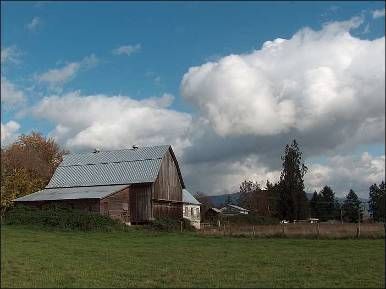
Cobble Hill – Shawnigan Lake Community Profile: Shared past, Common future

    3) Marine development, including wharves, docks and
                                                                                 2) Land use and development, including solid and liquid
       associated buildings should be strictly controlled and,
                                                                                    waste management, should be conducted in such a way
       where permitted, designed to reduce impact to the
                                                                                    as to maintain and protect water quality and, where
       ocean floor, foreshore and upland habitat areas.
                                                                                    possible, improve it.
       Stormwater management should be planned to avoid
       direct impact to marine areas.                                            3) Water users, local and provincial governments should
                                                                                    work together to coordinate water management
    4) Encourage stewardship activities including shore cleanup,
       softening shorelines by incorporating native vegetation,                  4) As permitted by the Local Government Act, maximum
       and reducing the use of pesticides, household cleaners                       impervious area limitations (as a percentage of total
       and other chemical-based products.                                           property area) should be established residential zones.
    5) Septic tanks should be properly maintained and emptied                    5) The development of Well Protection Plan such as those
       regularly.                                                                   carried out for the Braithwaite, Cobble Hill and Millar
                                                                                    systems should be encouraged in other areas.
    6) Recreation should suit the characteristics of the shoreline.
       Passive recreation is encouraged.
                                                                             AGRICULTURAL RESOURCES (6.5)
    7) Ensure proper coordination and cooperation between                    Agriculture is a major land use in the planning area. It is one of
       appropriate legislative bodies to assist in comprehensive             the region’s main economic activities and is an important
       management of marine areas.                                           component of the planning area’s rural identity. The following
                                                                             policy options should be considered for the new South Cowichan
WATER RESOURCES & MANAGEMENT (6.4)                                           OCP:
Currently, there is no coordinated management of surface and
                                                                                 1) ALR land removals should not be permitted without clear
groundwater at either the watershed or aquifer level in the
                                                                                    demonstration that the parcel in question does not have
planning area. Developing coordinated management will result in
                                                                                    the capability to support agriculture.
more efficient water use planning and lessen potential future
conflicts by planning and managing for increased consumption                     2) Recognizing that increased development in the region
needs (population growth) and potentially decreased supply                          will inevitably place residential areas closer to farms,
(climate change). The South Cowichan OCP should consider the                        buffer zones and set-backs should be considered to
following water management policy recommendations to help                           minimize conflicts.
ensure that water resources are conserved and managed in an                      3) Farmers and representatives from the agricultural
equitable manner:                                                                   industry should be encouraged to participate in local
    1) The OCP should recognize current and project future                          commissions and other community committees to
       water use and guide development in such a way as to                          provide input from the agricultural community.
       provide or maintain adequate supplies of safe drinking                    4) The CVRD should encourage the Ministry of Agriculture
       water for residents while protecting stream flows and                        and Foods to finalize and implement legislation aimed at
       lake and wetland levels required for wildlife and fish.                      protecting riparian areas in the ALR.

                                                                                                                                               9
Cobble Hill – Shawnigan Lake Community Profile: Shared past, Common future

    5) The CVRD should work with the Cowichan Region                         have the potential to develop into catastrophic wildfires of a
       Economic Development Commission (CREDC), the Island                   scale and intensity beyond the range of historical variability. The
       Farmers Association, Shawnigan Cobble Hill Farmers                    following policy options should be considered for the new South
       Institute and the Cowichan Valley Smallholders Society                Cowichan OCP:
       to encourage and facilitate the further development and                   1) The CVRD and Electoral Areas B and C should work in
       diversification of the farm sector including support of                      concert with provincial and local fire protection agencies
       marketing initiatives such as agri-tourism, farm-gate                        to develop wildfire risk reduction strategies and policy as
       sales and farmers’ markets.                                                  part of the OCP’s public safety section. To reduce the
                                                                                    threat of interface fires, mitigation strategies must
FOREST LAND RESOURCES (6.6)                                                         address:
Forestry has played a major and defining role in the history and                        a. Vegetation (fuel) management;
economic development of both Electoral Areas, particularly                              b. Building construction and design;
Shawnigan Lake. While forestry is no longer the economic force                          c. Infrastructure (including local government
it once was, the private forest lands of Shawnigan Lake                                      planning tools, i.e., Development Permit Areas
represent both a major environmental resource and considerable                               for Wildfire); and,
economic development resource for future forestry. While an                             d. Public education and awareness.
OCP is not the main policy vehicle required to revitalize the forest
industry, the following recommendations are presented for                        2) New development should not encroach further into
consideration to be included in the South Cowichan OCP                              wildfire areas, as identified by wildfire hazard mapping.

    1) Recognize the long-term economic development                          AGGREGATE RESOURCES (6.8)
       potential represented in working forest lands and limit               Aggregate resources (sand and gravel) are a finite, non-
       rural encroachment on it by limiting rural development                renewable commodity that is essential for construction and
       subdivision.                                                          maintenance of infrastructure. While aggregate extraction is
    2) Support emerging value-added and community-based                      noisy, dusty and visually offensive to some, the availability of
       forest use applications, including, but not limited to,               near surface aggregate materials must be conserved and
       community-owned woodlots, eco-forestry enterprises                    managed in an equitable manner. To lessen community and
       and small, home-based, value-added forest product                     environmental impacts and to protect these critical reserves for
       manufacturing.                                                        the future, the following policy options should be considered for
                                                                             the new South Cowichan OCP:
FIRE PROTECTION AND WILDFIRE INTERFACE (6.7)                                     1) Protect lands with aggregate potential from development
Growth pressures in the South Cowichan OCP planning area are                        that would render it unviable or inaccessible by
pushing development further into the wildland urban interface                       designating aggregate potential lands for resource
zone. Advanced fire suppression efforts in the last fifty years                     extraction.
have resulted in high levels of fuel loading in interface areas.                 2) Use detailed aggregate resources investigations to more
From the standpoint of community fire protection, interface fires                   accurately define the aggregate potential of a property

                                                                                                                                              10
Cobble Hill – Shawnigan Lake Community Profile: Shared past, Common future
before the land is designated for uses other than 4) Include measures of density, distance from existing
resource extraction. services, dispersion/continuity, and diversity of use in the
3) Encourage the Ministry of Energy, Mines and Petroleum creation of Development Cost Charges (DCCs) for the
Resources to consult with local government and land planning area and link the Urban Containment Boundary
owners and to provide due consideration on the possible (UCB) should one be developed.
impacts to neighbouring land and the natural 5) The CVRD should consider joining the Partners for
environment prior to initiating new mining operations or Climate Protection (PCP) program, with the intent to link
re-establishing existing pits. Particular attention should climate change actions to other sustainable, smart
be paid to the impacts of resource removal on the growth initiatives such as compact development and
quantity and quality of surface and groundwater, alternate transportation.
residential development, and traffic volumes.
4) Minimize conflicts between extraction activities and NATURAL HAZARDS (6.10)
adjacent land users and minimize the impact of Floodplains and steep slopes are the two most significant natural
extraction activities on the natural environment by hazard areas where development should be strictly controlled
limiting extraction and processing to land where such and/or prohibited. The South Cowichan OCP should consider the
operations already exist. following natural hazard policy recommendations:
1) The OCP should address any new development on any
PLANNING AND SERVICES (6.9) active floodplain that is not already protected by existing
Services and infrastructure form the backbone of communities. regulation or by law. One issue not so addressed is the
Servicing requirements (including costs, location and phasing) effect of forestry or agricultural activities on floodplains.
must be considered during the creation of an Official Community
2) The OCP should consider reviewing the state of existing
Plan. While the current OCPs contain reasonable policy directions,
SEI mapping to ensure that it covers active floodplains in
the following recommendations are presented for consideration
the area and to ensure that the floodplains associated
to be included in the South Cowichan OCP:
with small watercourses or lakes are sufficiently
1) Create an Urban Containment Boundary (UCB) for identified and protected.
Electoral Areas B and C based on serving requirements 3) Slopes greater than 20% should be assessed by a
and costs and, should one be developed, tie professional geotechnical engineer prior to development.
Development Cost Charges to it.
4) Existing vegetation on slopes should be retained to
2) Review, amend and implement the South Sector Liquid prevent erosion. Large groups of trees should be
Waste Management Plan for Electoral Areas A, B and C considered for retention.
using a phased approach.
5) Slope hazard areas identified in Figure 9 should be
3) The CVRD should develop financial incentives for assessed to ensure that slopes are appropriate and that
residents and businesses to reduce waste. no further assessment is required.
11Cobble Hill – Shawnigan Lake Community Profile: Shared past, Common future
6) Development planning should consider both human LAND USE AND DEVELOPMENT
safety and environmental protection into planning for
RESIDENTIAL DEVELOPMENT (7.1)
slopes. Run-off and stormwater management should be
Land and housing are inseparable from community viability. Well-
included in all development plans situated on steep
balanced communities have housing opportunities for people
slopes to divert drainage away from areas that may be
from all age groups, life stages, family types, lifestyle choices,
prone to slumping or erosion.
financial situations, and special needs. The following policy
7) Rock outcrops, cliffs, significant trees and watercourses recommendations are presented for consideration to be included
should be identified using other mapping sources. Should in the South Cowichan OCP:
they occur on slopes, then these must also be
considered for protection prior to development. 1) Contain urban residential development within a
designated Urban Containment Boundary with urban
8) Wherever possible, buildings should conform to the levels of service.
topography of the slope, rather than rely on the creation
of artificial benches. 2) Buffer rural residential development from forestry,
agricultural, commercial and industrial uses.
3) Promote development that coordinates residential
growth with infrastructure, public transit, amenities, and
commercial services.
4) Identify opportunities/strategies to provide affordable or
special needs housing through inclusionary zoning
developments, density bonussing programs, partnerships,
or other appropriate means.
5) Allow secondary units in the form of duplexes or
secondary suites wherever there is capacity to do so and
where supported by appropriate infrastructure.
6) Encourage the inclusion of employee housing where
commercial developments are compatible with residential
uses and likely to require a number of employees, such
as resorts or schools.
7) Allow officials to require an environmental and/or social
impact study to provide information regarding the impact
of any large development proposal.
12Cobble Hill – Shawnigan Lake Community Profile: Shared past, Common future
AFFORDABLE HOUSING (7.2) 5) Recognize and support Social Planning Cowichan’s
Currently, affordable housing is not sufficiently addressed in recently completed affordable housing study, specifically
either Electoral Area’s current OCPs. As a critical component of its recommendations to:
community liveability, affordable housing, or more specifically a a. Develop a CVRD Growth Strategy that includes
lack of affordable housing in both communities, should be an affordable housing component; and
addressed in the new OCP. Both communities need to diversify b. Establish an action oriented Cowichan Valley
their housing stocks and expand the rental market. The following Affordable Housing Council that brings together
policy recommendations are presented for consideration to be local housing groups, developers and municipal
included in the South Cowichan OCP: representatives to advocate for affordable
housing.
1) A specific Affordable Housing section should be included
in the new South Cowichan OCP to elevate and establish 6) Develop policies to explore the following innovative
the topic as an important planning concern. The section practices: Housing Reserve Funds, Partnerships for
should include a policy confirming the need for housing Housing Development, Monitoring Housing Stock, Land
suitable for a broad range of household types and Banking, Using Land Owned by a Local Government and
income groups, and a formal definition of affordable Zoning for Smaller Lots.
housing and non-market housing.
2) Strengthen the provisions for developing affordable VILLAGE CENTRES: SHAWNIGAN VILLAGE AND COBBLE
housing in existing zoning and policies that may be HILL VILLAGE (7.3)
carried over to new OCP (i.e. Density Bonussing, Housing More sustainable and complete rural communities tend to be
above Shops, Secondary Suites, Zoning for Manufactured centred around pedestrian-friendly village or town centres where
Homes, Rural Community Residential DPA, etc.). a wide variety of commercial retail services, institutional uses and
residential uses are clustered. These centres function as
3) Consider relaxing minimum lot size, allowable density community focal points and play an important economic, social,
and the multi-family development restrictions in existing cultural and recreational role in the life of these areas. To help
R-3 (Urban) Residential Zones in both Cobble Hill and revitalize and direct new commercial and residential development
Shawnigan Lake to help create a better policy enabling to Cobble Hill Village and Shawnigan Village, the South Cowichan
environment for affordable housing development in OCP should consider the following policy recommendations:
these zones.
1) Establish clear development objective policy goals for
4) Include scale and character restrictions in revised R-3 both village centres that better reflect the community’s
(Urban) Residential Zones to help ensure that the current emerging aspirations and priorities for managing growth.
character and charm of existing communities is Some overarching policy goals could include:
maintained and to help encourage suitable, compact a) Retaining the village character by drawing a firmer
housing solutions, like small single family, duplex and line between urban and rural areas, so that one can
one or two storey townhouse projects. see clearly the edge of the villages, and less sprawl.
13Cobble Hill – Shawnigan Lake Community Profile: Shared past, Common future
b) Focusing urban growth in the existing communities INSTITUTIONAL DEVELOPMENT (7.4)
to curb rural sprawl thus preserving forest and Institutional uses are an important part of both Electoral Areas,
agricultural lands and rural areas outside of the providing educational, recreational, cultural benefits and
villages. opportunities. Providing opportunities to participate in passive, or
c) Maintaining vibrant village communities by active cultural and leisure activities is an effective way for
encouraging new forms of commercial development communities to promote a positive environment where
with residential above, encouraging mixed use, community members can interact. The following options are
improving pedestrian linkages and creating places for should be considered for the new South Cowichan OCP:
people to gather. 1) A separate Community Resources section should be
d) Encouraging walking and cycling by developing included in the new South Cowichan OCP to include
better pedestrian and bicycle routes into and within policy directions on institutional uses, community well-
the village core areas, areas within the villages for being, leisure and culture.
people to meet and sit, outdoor public spaces, bike
racks and landscaping. 2) Maintain and enhance participation, life experience, well-
e) Implementing new servicing, particularly sewerage, being and quality of life for all community members
to support growth within the villages. through partnerships with local institutions in the
planning area that optimize the use and development of
2) Review and consolidate the large number of zones in existing institutions.
both village areas to simplify development and to permit
and encourage more mixed use, to concentrate multi- 3) Continue to encourage School District #79 to carry on
family housing in village core areas, and to be consistent making school buildings and adjacent school ground
with a desire to focus urban growth in the existing properties available for recreation, cultural activities,
communities and preserve forest and agricultural lands. community activities and educational programs during
non-school hours.
3) Encourage and facilitate the development of a more
consistent, safe and high quality public realm in both 4) Recognize, support and enhance leisure and culture as
village areas through the use of wide, pedestrian-friendly vital aspects of community life, including lifelong
sidewalks complete with curbs and gutters (assuming a learning, recreation, community events, and arts and
storm water sewer system is in place), narrower culture.
roadways and improved pedestrian and bicycle 5) Continue to support the Shawnigan Cobble Hill Farmers’
connections to and through village centres. Institute in its continued evolution and participate in any
4) Review, revise and carry over the urban design scheme redevelopment that may occur on the site.
included in Background report to the Cobble Hill Village 6) To create more security in the planning area and in
Neighbourhood Plan into the new Cobble Hill plan. keeping with provincial trends and precedents, new
institutional uses should not be permitted outright in the
planning area and require an official amendment to the
OCP.
14Cobble Hill – Shawnigan Lake Community Profile: Shared past, Common future
TRANSPORTATION (7.5) secondary highways and major arterials and to limit such
Transportation is a major planning issue, particularly in the access on secondary highways.
development of more sustainable communities that support a 8) Augment public transit service in conjunction with
wide range of transportation choices, including public transit, car projected population growth and the concentration of
sharing, car and van pooling, and more active modes of such growth in specified areas, in particular village
transportation like cycling and walking. The South Cowichan OCP centres.
should consider the following transportation policy
recommendations: 9) Encourage the development of a commuter rail service to
support the region’s sustainability goals and to provide a
1) Review, update and expand policies that encourage the viable alternative to the automobile.
Ministry of Transportation to design, construct and
maintain roads to accommodate cyclists (i.e., wider
shoulders, marked lanes, signage, etc.). PARKS AND TRAILS (7.6)
Publically accessible green spaces are an important component in
2) Consider planning and implementing a capital the development of more sustainable, complete communities.
construction program for widening the shoulders of some While both Electoral Areas contain a number of regional and
major rural roads to accommodate pedestrian walking community parks, there appears to be a need to better link
areas. them. There is also a need to acquire new key park properties,
3) Consider planning and implementing a capital particularly along the shores of Shawnigan Lake and to improve
construction program for installing separated sidewalks beach and ocean access along Cobble Hill’s ocean front. The
in the two villages, with a raised curb and, where following policy options are presented for consideration to be
appropriate, a separation barrier between the roadway included in a revised and expanded Parks, Trails and Open Space
and the sidewalk. section:
1) The South Cowichan OCP should provide supportive
4) Increase the number of bicycle routes and develop
policies and designations in the concurrent development
dedicated bikeways where practical and feasible to
of the Community Parks and Trails Master Plan which will
support the region’s sustainability goals, by providing a
outline objectives and priorities for community park land
viable alternative to the automobile.
acquisitions in the CVRD, including Shawnigan Lake and
5) Maintain and enhance connections for both drivers and Cobble Hill. Additions and revisions to this plan should be
pedestrians across the Trans Canada Highway, while made where necessary.
ensuring safety.
2) The South Cowichan OCP should support the
6) Restrict direct access onto the Trans Canada Highway identification, acquisition and development of multi-
from adjacent properties, and consider prohibiting purpose trails to improve non-automobile connections in
additional new development fronting onto the highway. the planning area.
7) Amend the area’s Subdivision Servicing Bylaw to 3) The potential need for additional active outdoor
establish guidelines for residential driveway access onto recreation areas (i.e., sports fields) should be explored
15Cobble Hill – Shawnigan Lake Community Profile: Shared past, Common future
and supportive OCP policies should be developed where c) Expanding and improving local services to reduce the
necessary and practical. number of shopping trips out of the community
d) Better diversifying local tax requisition to reduce
4) The South Cowichan OCP should support the continued
reliance on residential taxes.
development, expansion and formalization of community
involvement in parks development and acquisition and 3) The South Cowichan OCP should include clear and
park stewardship activities in both Electoral Areas. coordinated policies on service commercial development
along the Trans Canada Highway and major arterials to
ECONOMIC DEVELOPMENT (7.7) strictly limit this type of development in the planning
Currently, economic development is not sufficiently addressed in area.
either Electoral Area’s current OCPs. As a critical component of
4) The CVRD should develop clear and coordinated policies
community sustainability and liveability, the South Cowichan OCP
to support the intensification of commercial activities in
should raise the profile of economic development and include
existing village centres.
integrated policies on the issue. Respecting that both Electoral
Areas are predominantly rural residential communities with 5) The CVRD should work to develop and adopt clear,
limited commercial and industrial development, and that both are simple and supportive polices for the large number of
located within easy commuting distance of major Island home-based businesses located in the planning area. If
employment centres, the following options are presented for licensing and permitting is considered, a single approval
consideration to be included in the South Cowichan OCP: process should be adopted for both Electoral Areas
1) A specific Economy and Economic Development section
should be included in the new South Cowichan OCP to
DEVELOPMENT PERMIT AREAS AND CURRENT ZONING (8)
elevate economic development as an important planning
Currently, the CVRD has one of the most well-developed DPA
concern that is directly linked to community sustainability
programs in the province. Both Shawnigan Lake and Cobble Hill
and quality of life in both Electoral Areas.
use them extensively to shape development on a site-specific
2) The South Cowichan OCP should consider including basis to realize the goals and objectives set out in each
policies to work more closely with the Cowichan Region community’s current OCP. The DPA and zoning regimes could,
Economic Development Commission (CREDC) with however, be further developed and expanded. The following
respect to: options are presented for consideration to be included in the
a) Prioritizing the types of development they wish to South Cowichan OCP:
encourage in the area based on industry sectors
1) Strengthen existing DPA guidelines by including more
used by the CREDC (i.e. forestry, retail, agri-food,
detail and adding diagrams and images.
education, film and tourism).
b) Better support of and coordination with existing agri- 2) Consider designating Urban Containment Boundaries
food producers to make locally grown and produced (UCBs) in the OCP around existing neighbourhood
products available from the farm gate, in planning centres (Shawnigan Village and Cobble Hill Village) and
area restaurants, food stores and tourist venues.
16Cobble Hill – Shawnigan Lake Community Profile: Shared past, Common future
set targets for the percentage of development that will
occur within the UCBs.
3) Develop land use planning targets for each chapter of
the OCP to establish measurable goals.
4) Consider designating some parcels of land within UCBs
as appropriate for Comprehensive Development Zones,
in particular Shawnigan Village and Cobble Hill Village.
5) Continue development of CVRD Board-mandated,
sustainability-driven development checklist or scorecard
for evaluation applications.
6) Develop a straight forward impact assessment process in
DPA guidelines.
7) Revise the DPAs for protection of the natural
environment to be based on the ecosystem types set out
in the Eastern Vancouver Island and Gulf Islands
Sensitive Ecosystems Inventory and map codes;
8) Explore the benefits of enacting regulatory bylaws to
supplement the enforcement of DPAs.
17Cobble Hill – Shawnigan Lake Co
ommunity Profile: Shared past, Commo
on future
4. History
y and Heritag
ge
Human settle ement in Shawnig gan Lake and Cob bble Hill dates bacck
over 4,000 ye ears to the Quw'u utsun' people who fished, hunted
and had seve eral seasonal villaages in the area. Drawn by the
area’s abund dant natural resou urces, homestead ders from Europe,,
the United Sttates and other parts
p of Canada began to arrive in
the Cowichan n Valley in the latte 1840s. In 1858
8, Royal Engineerrs
of the British
h Admiralty surveyyed the area (desspite some
A histtory tied to the railrroad: the old Strath
hcona Hotel on Shaawnigan
resistance froom the Quw'utsun' people) into large sections.
Lake (ca.
(c 1900) and the Wilton W Place Hotel Source: BC Archives
Commercial logging
l followed the homesteaderrs and quickly
became the region’s
r major ecconomic activity. Logging
L camps and With the
t completion off the railway, Shawnigan Lake grew w into a
sawmills werre scattered throuughout the Shawn nigan Lake and minor resort destination for Victoria resiidents. A large number of
Cobble Hill area. Mining (coppper and coal) andd fishing were also
o cottagges were built along its shores alon ng with hotels forr
important economic activities.. weeke end and summer holiday makers. W While the hotels no
n longer
exist, many historic lakkeside cottages reemain and the are ea is still
Later arrivalss to the area inclu
uded workers from m China, India an
nd a popu ular recreation de
estination for Victtoria- and Nanaim
mo-area
Japan, who came
c to work in the
t logging and mining
m camps andd residents and other mid d-Island residentss.
to help build the Esquimalt & Nanaimo railwayy (E&N Railway).
Built by coal baron Robert Dunsmuir, the railw way helped Over the
t years, the pop pulation and econnomic activity in Cobble
C
connected th he region to Victoria and Vancouve er Island’s Hill an
nd Shawnigan Lakke have ebbed an nd flowed with glo obal
commercial anda administrative e centre in 1886 and was used to eventss. The onset of World
W Wars I and II led to increase
ed
transport tim
mber and other resources to the po orts there. logging and an influx of
o forest labourerss into the area, while
w the
Prime Ministe er John A. MacDo onald drove the la ast railway depresssion years betweeen the wars saww the closure of many
m
spike of the E&N
E Railway on the
t east side of Shawnigan
S mills and
a a decrease in logging.
Lake at Cliffsside, during his only visit to British
h Columbia.
While neither Shawniga an Lake nor Cobb ble Hill developed towns
on thee scale of nearby Duncan, Ladysm mith or Chemainuss, smaller,
regionn-serving villages developed in botth areas. Cobble Hill
H
Village
e in particular gre
ew to become a b bustling overnightt stop for
the E&&N railway comple ete with a large h
hotel (The Wilton Place
Hotel), bank, telephone e office, creameryy, feed store, blaccksmith,
bakeryy and other busin nesses.
18Cobble Hill – Shawnigan Lake Co
ommunity Profile: Shared past, Commo
on future
The Wilton Place
P Hotel burned d to the ground in 1942 and was community with golf co ourse was developed at Arbutus Ridge
R in
never replace ed, but the village
e nevertheless re
emained the main n arly 1990s. It is no
the ea ow home to overr 1,000 residents (Census
service centrre for the area’s many
m farms. Thiss changed in the 2006)..
early 1950s, when the Vancou uver Island sectio
on of Highway 1
(Trans Canad da) was complete ed. The highway bypassed Cobble Curre
ent Situation
n
Hill Village an
nd took with it much of the traffic and freight
formerly carrried by the railway. While the outp put of farms in Heritage designation in
n both Shawnigan n Lake and Cobble e Hill is
Cobble Hill deeclined, to this da
ay farming and agriculture remainn dered a provincial responsibility. Ass such, neither Ellectoral
consid
an importantt component the local economy. Area has
h identified or mapped
m heritage and cultural asse ets.
Successive immprovements to the t Trans Canada a Highway have The exxisting Shawnigan n Lake OCP (Secttion 5 – Cultural or
o
shortened drriving times to the e Island’s principa
al employment an
nd Naturaal Heritage Resou urces), includes eight general policcies on
retail centress in Victoria and Nanaimo.
N The transportation heritagge preservation. The OCP recognizes the Kinsol wo ooden
improvementts, combined with h limited economic growth in eithe
er trestle
e across the Koksiilah River and the e stone cairn at Cliffside
C
Electoral Area, has gradually led
l to both areas becoming (marking the location of o the last spike o
on the E&N Railwa ay) as
bedroom com mmunities to Victo oria, Nanaimo, Duncan and other significcant cultural sitess that should be rrecognized by thee
larger, nearbby centres. Provinnce. In January 20 000, a Text and PPlan Amendment was
made to designate the Shawnigan Unite ed Church as a he eritage
e agri-food industtry has expanded and diversified
Recently, the properrty.
with the arriv
val of wineries an
nd specialty and organic
o food
producers. The planning area’s rural scenery, excellent
e climate Heritage preservation tools
t are limited b
by the lack of a heritage
(purportedly the mildest in Caanada), ocean and beach access, inventtory, which makess proactive prese ervation and proteection
and rural chaarms have also leed to an increase in regional tourissm. activities difficult. Even
n so, Policy 5.8 re
equests that the CVRD
C
Board:
enities, climate and easy access to
Given its ame o larger centres,
both Cobble Hill and Shawnigan Lake have reccently attracted an “co
onsider relaxation
n or amendment o
of any policy in th
he
increasing nu
umber of retirees. A large, 55+ ressidential Plaan if so doing wou
uld encourage or enhance the
ecoonomic viability or
o symbolic value of the Heritage
prooperty.”
In Cobbble Hill’s current OCP, heritage co onservation is dea
alt with
in the section on Enviroonmentally Sensittive Areas (Part Three
T –
Naturaal Environment, Section
S 3.2). Policcy 3.2.4 requests that the
CVRD Board:
Forestry has long
lo been a mainsta tay of the region: a saw mill on
Shawnigan La ake (ca. 1915) and loggers with their haul
h on an early
logging truck (ca. 1920) Sourrce: BC Archives 19Cobble Hill – Shawnigan Lake Community Profile: Shared past, Common future
“encourage the Heritage Conservation Branch to a. A policy to articulate the heritage values of the
investigate any site suspected of having historic planning areas and to develop broad cultural
significance prior to subdivision or development.” heritage preservation and protection goals for
the planning area (80% funding up to $10,000
The OCP identifies Cobble Hill Mountain, Cobble Hill Cenotaph, available from Heritage Branch).
Cobble Hill Village Area, the Dougan Cemetery and William b. A policy to develop a community heritage
Chapman Memorials as being significant cultural or natural register (an official listing of places that are
heritage sites. recognized for their heritage value) that is
consistent with national documentation standard
Summary of Recommendations (100% funding up to $20,000 available from
Heritage Branch).
The history of development in Electoral Areas B and C has 3) The South Cowichan OCP should consider including a
greatly influenced the current physical form and layout of the policy to formalize and establish closer working
two communities. This in turn helps sustain the much valued relationships with the planning area First Nations to
rural lifestyle and heritage feel of the Electoral Areas. Given the ensure that any new cultural heritage policies respect
underlying importance of heritage values to both communities, and include important First Nations heritage sites that
there appears to be an obvious need to better address the may not be currently protected, and to recognize the
identification, preservation and protection of cultural and long history of First Nations in the planning area.
heritage resources in the new South Cowichan OCP.
After a review of existing documents, Electoral Area B and
Electoral Area C should consider the following while developing a
specific Cultural Heritage section in the new South Cowichan
OCP:
1) A specific Cultural Heritage section should be included in
the new South Cowichan OCP to elevate heritage
conservation as an important planning concern that is
directly linked to the preservation of rural qualities in
both Electoral Areas.
2) The South Cowichan OCP should consider including
policies to take advantage of existing Provincial Heritage
Branch (Ministry of Tourism, Sport and the Arts) heritage The E&N Railway was long the backbone of the area’s transportation
programs. Namely: network. Pictured is the ‘Duchess’ locomotive near Cobble Hill (ca.
1890) and Shawnigan Lake as seen from the track (ca. 1890)
Source: BC Archives
20Cobble Hill – Shawnigan Lake Community Profile: Shared past, Common future
5. Demographic Profile Cobble Hill: Based on 2006 census figures, Cobble Hill currently
has a population of 4,530. With a significantly smaller land base
This section provides a demographic profile of the planning area than Shawnigan Lake (23.3 square kilometres versus 300 square
and highlights important population trends that should be kilometres), this translates to a population density of 200.1
considered during the South Cowichan OCP planning process. people per square kilometre (Census 2006), the most densely
populated Electoral Area in the CVRD.
Current Situation It is worth noting that the Arbutus Ridge development -- a gated,
55+ retirement community located at Hatch Point on the Saanich
Shawnigan Lake: As of the 2006 census, the population of Inlet -- is a major contributing factor to Cobble Hill’s overall
Shawnigan Lake stood at 7,562 residents. Given the large population and population density. Arbutus Ridge is home to
amount of unpopulated forest lands in the Electoral Area, over 1,000 residents in 571 1 residences and accounts for nearly
Shawnigan Lake’s current population density is only 24.7 people a quarter of Cobble Hill’s total population. Constructed on just
per square kilometre (Census 2006), among the least dense of 1.47 square kilometres, Arbutus Ridge alone has a density of
CVRD Electoral Areas. 685.3 residents/ square km. 2
The age profile of Shawnigan Lake is characterized by a relatively The age distribution of Cobble Hill’s population reveals a
young distribution of its population, especially when compared relatively elderly population that is well above the national
with Cobble Hill’s distribution profile, but also when compared average. In comparison to Shawnigan Lake’s relatively young age
with CVRD and provincial figures. There is a low ratio of profile, the ratio of residents 65+ to younger age cohorts and the
population aged 65 and older, as compared to the 0-14 and 15- median age in Cobble Hill is higher than regional and provincial
65 age cohorts. averages. The percentage of residents in the 20 to 44 working
age (20.5%) range is low. Again, this is largely dominated by
At 40.2, the median age of the Shawnigan Lake population is 55+ age composition in the Arbutus Ridge subdivision.
well below the regional average of 44.4. Putting this into context,
the high median age in the CVRD is consistent in both the
neighbouring Nanaimo Regional District (46.6) and the Capital
Regional District (43.6), both of which also display higher than
average median age rates when compared to both provincial and
national averages.
Finally, with almost 31% of its population falling between the
ages of 20 and 44, Shawnigan Lake has a relatively young
working age population. 1
As reported in the 2006 census. According to representatives of the
Arbutus Ridge subdivision, 616 lots are presently occupied.
2
http://www12.statcan.ca/english/census06/data/popdwell/Table.cfm?T
=1301&S=1&O=A#FootDPLType Accessed August 16th, 2007
21Cobble Hill – Shawnigan Lake Co
ommunity Profile: Shared past, Commo
on future
Figurre: Shawnigan La
ake Age & Sex Disstribution Profile – 2006 Census
1000
0
800
0
Population
600
0
400
0 Tottal
200
0 Maale
0 Fem
male
Age
Fig
gure: Cobble Hill Age & Sex Distrib
bution Profile – 2006 Census
50
00
40
00
Population
30
00
20
00 To
Total
10
00 M
Male
0
Female
Age
22Cobble Hill – Shawnigan Lake Community Profile: Shared past, Common future
Trends Growth rates from the 1996-2001 and 2001-2006 census periods
were averaged in order to calculate the population projections
Looking at the region as a whole, the CVRD’s growth of 6.8% over a 20 year period. 4 The calculation of historical growth rates
since between 2001 and 2006 is outpacing growth in the for these communities is complicated by the fact that the census
province, as well as averages across Canada. This figure falls boundaries for both Shawnigan Lake and Cobble Hill were
between the Nanaimo Regional District’s growth rate of 9.1% changed in 2001 to correspond to actual Electoral Area
and the Capital Regional District’s 6.0% growth. boundaries 5 . Current population projections could be enhanced
by adjusting them to include figures from forthcoming releases
While growth in Shawnigan Lake (6.8%) matched overall growth from the 2006 census, including detailed information on fertility,
in the CVRD, Cobble Hill, having grown at just 0.1%, recorded a mortality and migration – the main contributing factors in
much lower growth rate in the 2001-2006 intercensal period. determining population growth rates.
According to 2006 census figures, the Arbutus Ridge Subdivision Growth Factors: As life expectancies increase and the Baby
recorded a much higher than local average growth rate (9.5%) in Boom generation ages, by 2031 the CVRD will not only have a
this period meaning that the remaining three quarters of the larger seniors population, but seniors will represent a much
Cobble Hill population actually experienced a negative growth greater proportion of the total population. Given that Shawnigan
rate of -2.2% in the 2001-2006 period. This figure is somewhat Lake and Cobble Hill (along with many of Vancouver Island’s east
surprising and may be incorrect given that lots in this coast communities) are attractive destinations for retirement
development were sold out over two years ago, with very little aged people, an additional surge in population could be expected
resale. Regardless, future growth in the subdivision will be as the population across the country continues to age and
limited as the majority of the lots (616 out of a total of 650) have retirement migration continues at current levels.
already been built on 3 .
Using recent historical growth rates, future population figures
can be projected. Based on these, it can be estimated that by
2026 Cobble Hill could add approximately 580 new residents, 4
Cobble Hill recorded a growth rate of 6.0% between 1996 and 2001,
reaching a population of around 5,100 residents. averaged with a rate of 0.1% for the 2001 to 2006 period equaling an
average of 3.05% which was used to predict population projections.
Expanding at its higher growth rate, Shawnigan Lake could reach Similarly, Shawnigan Lake grew at a rate of 7.4% between 1996 and
a population of approximately 9,950 residents by 2026, an 2001 then at 6.8% between 2001 and 2006 working out to an average
addition of 2,387 new residents. of 7.1 which was applied in 5 year intervals over up to 2026.
5
The boundaries for the Cobble Hill electoral district were changed
between 2001 and 2006 census periods to align with Electoral Area
boundaries. The population figure recorded in 2001 of 4,545 was
adjusted to 4,525 to reflect this boundary change, therefore explaining
3
Personal conversation with Colin Campbell of the Arbutus Ridge the discrepancy in the upward growth trend in the 2001 figure used in
Subdivision. September 5th, 2007. this graph.
23Cobble Hill – Shawnigan Lake Community Profile: Shared past, Common future
Figure:
Shawnigan Lake & Cobble Hill 20 Year Population Projections
12000
10000
9949
9290
8000 8674
8099
7562
Population
7081
6000 6,591
4957 5108
4000 4668 4811
4287 4525 4530
2000
0
1996 2001 2006 2011 2016 2021 2026
Cobble Hill Shawnigan Lake
At the same time, the proportion of regional population for all In addition to aging trends, economic factors can be expected to
age groups under the age of 55 will decline or remain constant. play a role in determining changes to demographic profiles in
Consequently, the age distribution within the CVRD’s population Shawnigan Lake and Cobble Hill. Both communities show the
as a whole is expected to change. In 2006, 20.8% of residents highest employment rates in health and education services,
fell into the 0-17 age group and only 17.1% in the 65+ cohort. manufacturing and construction, and business services industries.
However, by 2016, there is expected to be a smaller proportion Trends affecting these sectors as a whole are likely to result in
of children (17.7%) and a larger proportion of seniors (20.1%). population changes, as working age residents migrate in search
of jobs or, in the case of Cobble Hill and Shawnigan Lake, choose
This shift in the age characteristics may have widespread to locate in affordable locations that are close to the major
implications across the region, in terms of housing demand, employment centres of Victoria and Nanaimo.
transportation needs, business development, spending patterns,
tax base composition and more. Given its already older age Upcoming 2006 census releases, especially those pertaining to
cohort, planning to accommodate an increased number of labour, place of work and mobility to work (scheduled for
seniors in Cobble Hill will likely be more pressing in the short- released on March 4th, 2008) will help to further illustrate these
and medium-terms in Cobble Hill than in Shawnigan Lake. trends and how they can be expected to influence future
demographic changes.
24You can also read


