COUNCIL MEETING: 29 AUGUST 2019 - ANNEXURE A.1 - City of Tshwane
←
→
Page content transcription
If your browser does not render page correctly, please read the page content below

1

COUNCIL MEETING: 29 AUGUST 2019

                                         ANNEXURE A.1

                                                 PAGES

    RESOLUTION OF THE MAYORAL COMMITTEE:
    10 JULY 2019 ………………………………………………………….......   1 - 74

HIS WORSHIP THE EXECUTIVE MAYOR
S MOKGALAPA
2

A.     MAYORAL COMMITTEE MEETING: 10 JULY 2019: ANNEXURE A.1

INDEX
                                                                          Pages

I.     APPLICATIONS FOR LEAVE OF ABSENCE ………………………..                       4

II.    APPROVAL OF THE MINUTES OF THE MAYORAL
       COMMITTEE MEETING: 21 JUNE 2019 AND THE MINUTES
       OF THE SPECIAL MAYORAL COMMITTEE: 26 JUNE 2019 ……...                4

III.   MATTERS CONSIDERED

1.     Ref. no. 70478/1
       Utility Services Department
       Progress report on management of electricity distribution losses
       (From the Executive Committee: 10 June 2019) ………………….               5-12

2.     Ref. no. 14250/1
       Environmental and Agricultural Management Department
       (Waste Management)
       Operating model for waste storage and sorting facility for
       all the regions within the City of Tshwane
       (From the Executive Committee: 24 June 2019) ………………….              13-21

3.     Ref. no. 76622/1
       Community and Social Development Services Department
       Request for approval to enter into a partnership with the South
       African Precision Sport Shooting Federation (SAPSSF) for the
       hosting of the 2019 World Rimfire and Air Rifle Benchrest
       Shooting Championships
       (From the Special Executive Committee: 3 June 2019) …………           22-26

4.     Ref. no. 35518/1
       City Strategy and Organisational Performance Department
       City of Tshwane (CoT) status update on the departmental
       Memorandum of Understanding (MoU) and Memorandum
       of Agreement (MoA)
       (From the Executive Committee: 24 July 2019) …………………..             27-30

5.     Ref. no. 90408/1
       City Strategy and Organisational Performance Department
       Request for approval of the Innovation Strategy and
       Implementation Plan 2019-2021
       (From the Executive Committee: 24 June 2019) …………………..             31-42

6.     Ref. no. 84772/1
       Tshwane Metro Police Department
       Request for approval for the signing-off of the Memorandum of
       Understanding (MoU) entered into between the City of Tshwane
       and the Road Traffic Infringement Agency (RTIA)
       (From the Executive Committee: 24 June 2019) ………………….              43-48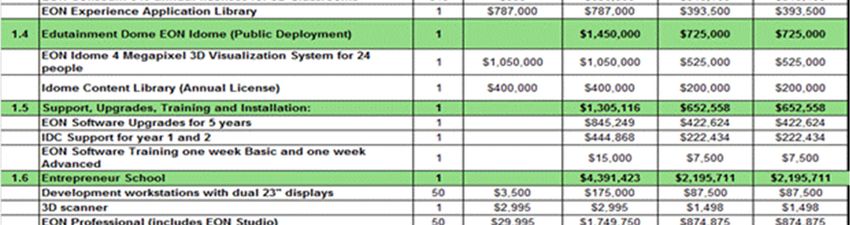
3

7.   Ref. no. 78305/1
     Group Property Department
     Revenue generation strategy and model for municipal
     immovable property assets
     (From the Executive Committee: 13 May 2019 and the
     Mayoral Committee: 5 June 2019) …………………………………..                49-57

8.   Ref. no. 46342/1
     Group Human Capital Management Department
     Salary and Wage Increase 2019/2020
     (From the Executive Committee: 24 June 2019) …………………           58-62

9.   Ref. no. 01491/1
     Shared Services Department
     The new agreement for the Tshwane interactive digital centre
     between the City of Tshwane and EON Reality
     (From the Executive Committee: 24 June 2019) ………………….          63-74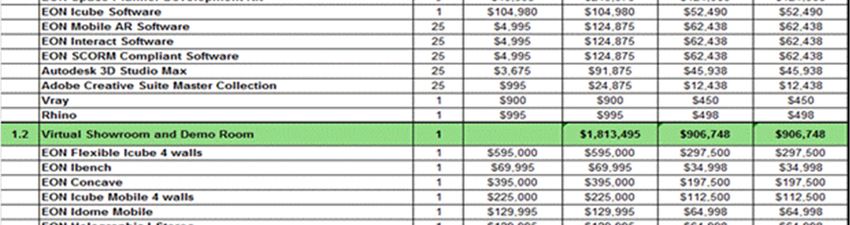
4

A.    MAYORAL COMMITTEE MEETING: 10 JULY 2019: ANNEXURE A.1

I.    APPLICATIONS FOR LEAVE OF ABSENCE

      RESOLVED:

      That the following applications for leave of absence be ACCEPTED:

      •    The Member of the Mayoral Committee: Transport and Roads; and
      •    The City Manager.

II.   APPROVAL OF THE MINUTES OF THE MAYORAL COMMITTEE MEETING:
      21 JUNE 2019 AND THE MINUTES OF THE SPECIAL MAYORAL COMMITTEE:
      26 JUNE 2019

      RESOLVED:

      1.    That the minutes of the Mayoral Committee of 21 June 2019 be approved and
            confirmed subject to the following new additional recommendation be included
            on page 18, fleet progress report as at 31 May 2019:

            “That the Group Head: Group Legal and Secretariat Services provides
            legal opinion to departments with regard to the establishment and the
            operationalisation of the Losses and Damages Committees.”

      2.    That the minutes of the Special Mayoral Committee of 26 June 2019 be
            approved and confirmed.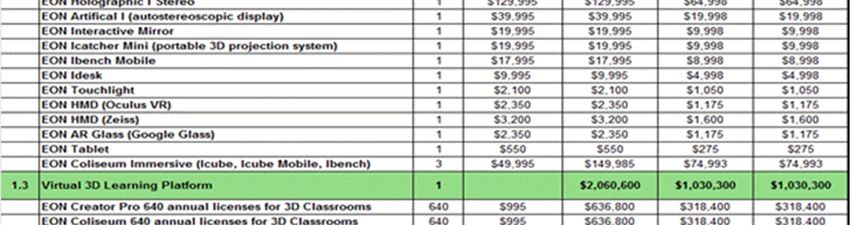
5

A.     MAYORAL COMMITTEE MEETING: 10 JULY 2019: ANNEXURE A.1

III.   MATTERS CONSIDERED

Reference No 70478/1
Stephens Notoane (3773)
MAYORAL COMMITTEE: 10 July 2019

1.     UTILITY SERVICES DEPARTMENT
       PROGRESS REPORT ON MANAGEMENT OF ELECTRICITY DISTRIBUTION
       LOSSES
       (From the Executive Committee: 10 June 2019)

1.     PURPOSE

       The purpose of the report is to provide progress report on the electricity distribution
       losses (non-technical and technical losses), and the 2018/19 financial year
       implementation plan in line with five-year strategy to deal with the electricity
       distribution losses across the City’s Regions.

2.     STRATEGIC PILLARS

       The Strategic Pillar to be addressed:

       Pillar 3: A City that delivers excellent services and protects the environment.

       Priority 11: Delivering high quality services.

       A City that delivers excellent services and protects the environment.

       Priority 11: Delivering high quality services.

3.     BACKGROUND

       The City of Tshwane electricity distribution losses have been in the increase for the
       past 5 financial years with an exception of a slight decrease in 2017/18. The electricity
       losses are the results of technical and non-technical losses which are termed
       distribution losses (see figure 1 below). The technical losses are attributed to the
       inherent network losses which are the results of electricity transmission and
       distribution from the point of supply to the point of consumption (see figure 2). As
       noted in figure 2, the electrical equipment such as transformers, cables, power lines,
       switchgears, metering equipment, etc. contribute significantly to the technical losses.

       Figure1: Distribution losses (source: www.sapub.org)

       Figure 2: Technical Losses illustration (source: www.pinterest.com)

       However, the major challenge of the distribution losses remains non-technical losses
       which are attributed to administrative errors, illegal connection, professional theft of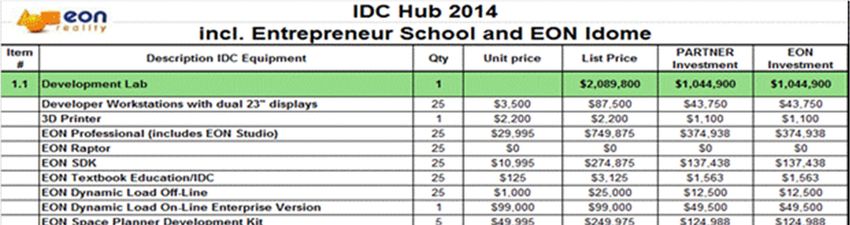
6

     electricity, tampering with the metering devises, unmetered connections, and
     employees’ fraudulent conduct and under billing/metering of the connected loads.
     The non-technical losses have accounted between 7 to 13% of the total expected
     revenue in the past 5 financial years. The non-technical losses have been estimated
     to be R650 million annually.

     The electricity losses have been increasing in the past five financial years with only
     an exception of a slight decrease in 2017/18. In emphasizing the specifics on the
     losses, the 2015/2016, 2016/2017 and 2017/18 financial years recorded 19.2%,
     20.58% and 19.75% respectively. Figure 3 indicates the five-year electricity losses.
     The base electricity losses for 2018/19 FY is 19.75%.

     Figure 3: Historical Energy losses for the past financial years.

4.   DISCUSSION

     Unaccounted Electricity (Distribution Losses) losses are made of technical and non-
     technical losses. These losses are made of the difference between electricity
     purchased inclusive of own generation (kWh) and electricity sold (kWh).

     Technical losses is inherent to the electricity distribution infrastructure and it is
     normally capital-intensive to minimise and based on the number of transformers,
     kilometres of distribution of cables and lines, class accuracy of our meters (STS
     compliance) and other network connected equipments to Tshwane electrical network
     is fixed at 7%.

     Non-technical losses (commercial losses) are mainly the result of administrative and
     technical errors, negligence, professional theft of electricity, tampering with meters,
     under-billing, unmetered connections incorrect settings of HV consumptions
     instruments like Current Transformers (CTs) and Voltage Transformers (CTs) ratios
     and illegal connections.

     Electricity distribution losses are also defined as 'unaccounted for electricity’ or
     commercial losses plus technical losses and are determined as indicated in the Table
     A below:

      Table A: Electricity Distribution Losses Calculation Formulae

                Category                    kWh (2017/18)               Percentage

                                            A = 9 751 926 117           100%
      A         Electricity Purchased

      B         Electricity Generated       B=0                         0%

      C         Total Electricity Sales     C = 7 775 860 521           80.25%

                Own Use (Streetlights,      D = 3% of [ (A +B) – C ]
      D                                                                 3%
                Highmasts, Traffic            = 59 281968
                Signal & Buildings)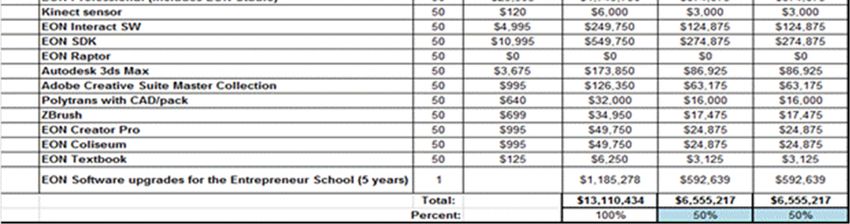
7

                                                       E = (A +B) – C – D
           E           Electricity losses                                          16.75%
                                                         = 1 956 304 940

                                                       F = [7 % of ( A+B)]
           F           Technical Losses                                            7%
                                                         = 682 634 828

                                                       G = (E – F)
           G           Non-Technical losses                                        9.75%
                                                         = 1 273 670 112

           H           NRE                             D+E = 1 975 065 596         19.75%

          The City purchase its electricity through eleven measured in-feed Stations from
          Eskom and generate its own power from the two Power Stations. Then the power get
          evacuated or transported to over 88 Substations (Primary and Secondary
          Substations), resulting in less Electricity at the point of sales. Based on the approved
          tariffs (Time of Use) and flat rates for the different customers, allocate the energy
          purchased and compare it with what is on SAP System and Suprema for sales. Hence
          the interdependence between Group Finance and Utility Services.

          In addressing the non-technical losses that have been on the rise for the past financial
          years, the Energy and Electricity Divisions identified several causes (drivers) of the
          losses. The programme of action to curb these losses is put in place and executed
          against the target set. This 2018/19 implementation plan is revised in line with
          allocated budget and IDP targets. The envisage reduction is to reduce the losses
          from 19.75% to a target of 16% by the financial year end. Table B below indicates a
          progress to date.

          Table B: 2018/19 Financial Year Implementation Plan and Progress

Planned Activities   Sub-Planned Activity   June         Quarter 3    July 2018   Remarks
                                            2019         Targeted     to March
                                            Targeted     number       2019
                                            number                    Actuals
Smart Prepaid –      LPU (6500): CT/VT      6500         1000         811         The auditing of
Functionality        Ratio Verification;                                          PEU/TUMS meters was
                     Meter Functionality                                          stopped after the court
                     confirmation; Meter                                          ruled in our favour to
                     Normalisation                                                replace all PEU/TUMS
                                                                                  meters. The takeover of
                                                                                  PEU/TUMS meters
                                                                                  commenced on the 1st of
                                                                                  March 2019 and planned
                                                                                  to end June 2019
                     SPU (6500): Meter      6500         1000         504         The auditing of
                     Functionality                                                PEU/TUMS meters was
                     confirmation; Meter                                          stopped after the court
                     Normalisation                                                ruled in our favour to
                                                                                  replace all PEU/TUMS
                                                                                  meters. The takeover of
                                                                                  PEU/TUMS meters
                                                                                  commenced on the 1st of
                                                                                  March 2019 and planned
                                                                                  to end June 2019
8

Professional theft   Auditing of all High   4500    700           946    Meters audited from July
of Electricity       Tension (HT) meter                                  2018 to date. Most of
                     (4500): ( CT & VT)                                  meters that are CT &VT
                     driven meters, Meter                                driven from part of PEU/
                     Normalisation                                       TUMS meters. The
                                                                         department had planned
                                                                         to normalise 4500 by end
                                                                         of financial year. The
                                                                         auditing of PEU/TUMS
                                                                         meters was stopped after
                                                                         the court ruled in our
                                                                         favour to replace all
                                                                         PEU/TUMS meters. The
                                                                         takeover of PEU/TUMS
                                                                         meters commenced on
                                                                         the 1st of March 2019 and
                                                                         planned to end June
                                                                         2019, this meters will be
                                                                         normalised.
Direct Connection    Replacement of         100     10            3      This meters are Large
on HT Meters due     meters on the                                       Power Users (LPU) which
to infrastructure    RMU/Panel (100)                                     were taken over by
challenges                                                               PEU/TUMS. Only 3 Direct
                                                                         Connection on HT meters
                                                                         were done to date. It must
                                                                         be noted that the target
                                                                         provided is an estimate
                                                                         target. Direct connection
                                                                         HT Meters are replaced
                                                                         as when reported. All
                                                                         PEU/TUMS meters
                                                                         replacement commenced
                                                                         on the 1st March 2019
Prepaid Meters       Auditing of prepaid    20000   2000          5145   In progress
(20000). Low Buy     meters with low or
non-consumption      non-consumption,
                     Meter normalisation
Non- destructive     Replacement/           1000    100           330    In progress
meter boxes          Installation (1000)
(LPU&SPU)            Retrofit locking       500     100           60     The activity to retrofit the
(1500)               mechanism and                                       locking Mechanism and
                     doors (500)                                         doors of the installed non-
                                                                         destructive boxes has
                                                                         been put on hold for
                                                                         2018/19 FY. The non-
                                                                         destructive meter boxes
                                                                         tender reached its budget
                                                                         cap, the process of
                                                                         replacement tender has
                                                                         started. This activity will
                                                                         be resumed in the
                                                                         2019/20 financial year.
Energy balancing     Infeed’s Substation    10      Procurement   0      Tender USD EE 32-
(Installation of     (10)                           Process and          2018/19 is awarded, 2200
Power Quality                                       SLA                  meters ordered,
Meters                                                                   installation will start in
                                                                         April 2019.
                     Primary Substation     76      Procurement   0      Tender USD EE 32-
                     (69), Secondary                Process SLA          2018/19 is awarded, 2200
                     Substation (7)                                      meters ordered,
                                                                         installation will start in
                                                                         April 2019.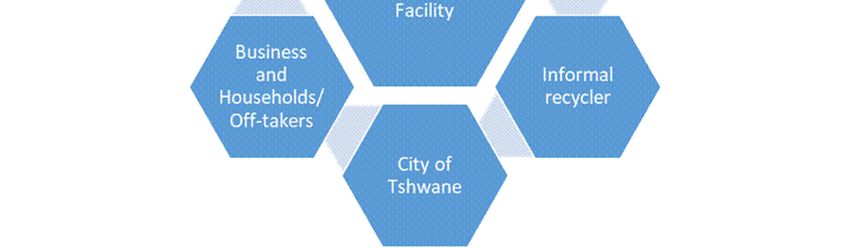
9

Installation         Install prepaid          10000   1000       2600       In progress
Prepaid Meters       meters to all new
                     electrification
                     projects prior
                     occupation (10000)
                     Replacement of           20000   1000       2461       In progress
                     conventional
                     electricity meters
                     inside private
                     properties and
                     application with pre-
                     paid meters (20000)
                     Installation of          2000    300        586        In progress
                     indigent prepaid
                     meters (2000)
Conventional         Auditing and             6000    300        2330       In progress
meters               Replacement of Low
                     Registering Meters
                     (6000)
                     Auditing,                6000    300        3383       In progress
                     Replacement of
                     Stagnant Meter and
                     related notification
                     (6000)
Employee             Conduct 2 Workshop       2       0          0          Workshop planned to be
Awareness and        (Fraudulent                                            conducted in quarter 4
Community            Activities) among all
Education            electricity activities
                     (targeting 1200
                     employees)
                     Community                7       2          0          Workshop planned to be
                     Education (7)                                          conducted in quarter 4
Illegal Connection   Removal of illegal at    30      10         10         In progress
                     informal connection
                     (30)
Unmetered            Audit all new            1000    100        225        In progress
Connections          development and
                     their accounts (1000)

 4.2      DISTRIBUTION LOSSES PROGRESS TO DATE

          The analysis shows that the electricity distribution losses during the month of July are
          high as on 50% of the purchased energy (kWh) is sold. (COT period 13 reconciliation
          include energy purchased during that month).

          The losses as indicated has been on decline in the past 3 years, however above the
          norms.

          The Network losses due to old infrastructure and vast network are standardised at
          7% (which is within regulatory tolerance based on the age of network and
          infrastructures.

          Own consumptions and streetlights (248 000) burning on average for 10hrs and
          based on Eskom streetlight and highmasts lights (2000) and traffic signals
          intersections (1022) account for 3% of energy consumption but not paid for.
          Therefore, 10% of Non-Revenue Energy is accounted for energy. The focus of the
          Department is to address the Unaccounted for Energy (non-technical or commercial
          losses), which is standing at 12.27% by end of Quarter 3 of 2018/19 as per
          programme in Table B above.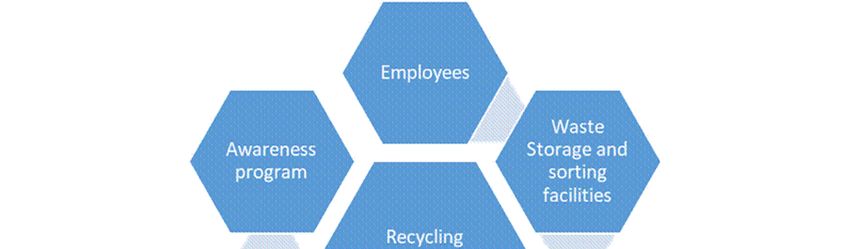
10

                                   Table C: Unaccounted for Energy Progress to date

ELECTRICITY SALES kWh                Jul           Aug           Sep           Oct           Nov           Dec           Jan           Feb           Mar

kWh purchased and                    934 740 051   856 007 240   789 156 550   816 392 738   798 191 359   746 936 987   790 611 787   729 994 023   793 740 210
generated
Less:

Internal consumption                 20 961 410    20 824 482    19 509 997    16 520 629    20 162 909    14 487 634    18 191 746    18 159 059    15 907 289
(Municipal Buildings)
Streetlights and traffic signals     10 325 611    10 341 101    10 356 611    10 372 148    10 387 706    10 403 287    10 418 892    10 434 522    10 450 173
consumption
Network Losses                       65 431 804    59 920 507    55 240 959    57 147 492    55 873 395    52 285 589    55 342 825    51 099 582    55 561 815

Total                                96 718 824    91 086 089    85 107 567    84 040 269    86 424 010    77 176 511    83 953 463    79 693 162    81 919 277

Net kWh available for sales          838 021 227   764 921 151   704 048 983   732 352 469   711 767 349   669 760 476   706 658 324   650 300 861   711 820 933

TOTAL kWh SOLD                       559 838 004   642 876 298   610 281 799   630 402 149   648 858 344   572 136 846   620 194 098   578 740 148   624 484 704

Total kWh Loss                       278 183 222   122 044 853   93 767 184    101 950 320   62 909 005    97 623 630    86 464 227    71 560 713    87 336 229
(Administrative)
% Non-technical loss                 33,20         15,96         13,32         13,92         8,84          14,58         12,24         11,00         12,27

                                   Figure 4: graphical representation of Unaccounted for Energy

                                   The above graph, Figure 4 indicates the impact of a focused programme on
                                   unaccounted for energy could yield, particularly with the conventions of every
                                   customer into prepaid and auditing of network performance.

                                   For technical losses, the focus of the Department is the replacement of obsolete and
                                   non-function equipments in substations, including the rollout of power quality meters
                                   at 10 infeed substations, 67 primary substation and 7 secondary substation. Through
                                   this intervention, COT will be able to do load balancing to avoid grid collapse.

                                   The complete replacement of 13000 PEU/TUMS meters will add impetus to the
                                   efforts to reverse the losses due to administrative and professional theft of electricity.
                                   To date a total of 3200 meters have been replaced.

                  5.               COMMENTS OF THE STAKEHOLDER DEPARTMENTS

                  5.1              COMMENTS OF THE CHIEF FINANCIAL OFFICER

                                   Cognisance is taken of the contents of the report.

                                   There are no financial implications emanating as a result of this report for the City of
                                   Tshwane as the purpose of the report is to provide a progress report on the electricity
                                   distribution losses (non-technical and technical losses) in line with the five-year
                                   Energy and Electricity Division (EED) strategy to deal with the electricity distribution
                                   losses across the City’s regions.

                  5.2              COMMENTS OF THE GROUP HEAD: GROUP LEGAL AND SECRETARIAT
                                   SERVICES

                                   The purpose of this report is to provide progress report on the electricity distribution
                                   losses (non-technical and technical losses) in line with five-year Energy and
                                   Electricity Division (EED) strategy to deal with the electricity distribution losses across
                                   the City’s regions.
11
Section 11 (3) (a) (j) & (n) of the Local Government: Municipal Systems Act, 2000
(Act No. 32 of 2000) (hereafter referred to as the “MSA”) provides that, a municipality
exercises its legislative or executive authority by developing and adopting policies,
plans, strategies and programs, including setting of targets for delivery, monitoring
the impact and effectiveness of any services, policies, programmes or plans and also
by doing anything else within its legislative and executive competence.
This report is in compliance with the provisions of Regulation 13 of the Local
Government: Municipal Planning and Performance Management Regulations, 2001
published in terms of the “MSA” and the Performance Management Policy and
Procedure developed by the City of Tshwane (dated 28 August 2008), whereby the
purpose of reporting or giving feedback is to assist in monitoring, which aims to
provide Managers, decision makers and other stakeholders with a regular feedback
on the progress made with implementation so that corrective measures may be put
in place, where necessary.
Having taken regard to the aforesaid and with specific reference to the contents of
the report, Group Legal and Secretariat Services Department supports the approval
of the report and the recommendations.
6. IMPLICATIONS
6.1 HUMAN RESOURCES
None.
6.2 FINANCES
None.
6.3 CONSTITUTIONAL AND LEGAL FACTORS
None.
6.4 COMMUNICATION
None.
6.5 PREVIOUS COUNCIL OR MAYORAL COMMITTEE RESOLUTIONS
None.
7. CONCLUSION
The EED electricity distribution losses five-year strategy is developed to reduce the
electricity losses to 10% by 2020/21 financial year end. The year to date unaccounted
for energy (non-technical losses) are 12.27% (Q3). The 2018/19 implementation plan
is designed to reduce the electricity losses from 19.75% to 16% (Inclusive of technical
and non-technical) by the end of the 2018/19 financial year based on the benchmark
exercise with peer Metros.12
IT WAS RECOMMENDED (TO THE MAYORAL COMMITTEE: 10 JULY 2019):
That cognisance be taken of the progress report on Management of Distribution Losses.
During the consideration of the report, it was:
NOTED:
(a) That the Group Head: Utility Services would submit a programme with regard
to the electrification of the Informal Settlements to the Executive Mayor at the
Leksema meeting; and
(b) That the electricity distribution losses report would become a regular report for
the Audit Performance Committee.
In view of the above, it was:
RESOLVED:
1. That cognisance be taken of the progress report on Management of Distribution
Losses; and
2. That the Group Head: Utility Services submits a programme with regard to the
electrification of the Informal Settlements.13
Reference No 14250/1
Mthobeli Kolisa (2449)
MAYORAL COMMITTEE: 10 July 2019
2. ENVIRONMENTAL AND AGRICULTURAL MANAGEMENT DEPARTMENT
(WASTE MANAGEMENT)
OPERATING MODEL FOR WASTE STORAGE AND SORTING FACILITY FOR ALL
THE REGIONS WITHIN THE CITY OF TSHWANE
(From the Executive Committee: 24 June 2019)
1. PURPOSE
The purpose of the report is to present and request the approval of the City waste
storage and sorting facility operating model for all the seven Regions, which will play
as a catalyst through integration and collaboration with all the key stakeholders in
order to achieve waste separation and minimization across the City.
2. STRATEGIC PILLARS
This report seeks to address the following strategic pillar(s), namely:
Strategic Pillar 1: A City that facilitates economic growth and job creation; and
Strategic Pillar 2: A City that cares for residents and promotes exclusivity.
The City of Tshwane’s vision 2030 commits to developing and implementing a waste
management operating model that is geared towards promoting waste minimization
as well as hazardous and industrial waste management. Tshwane Vision strategic
actions include waste management infrastructure investment separation at source
recycling. It is within this background that this model seeks to promote, encourage,
and shift all waste related activities to a system that follows the principles of ‘cradle
to grave approach’. This is also outlined in the City of Tshwane’s Strategic Framework
on Green economy.
3. BACKGROUND
City of Tshwane is responsible for 28 million tonnes of carbon dioxide to Green House
Gas Emission (GHG) Inventory in 2014/15. Waste Sector is the second which
contributes to at least 39% after Energy sector. It is therefore, compelling for the City
to implement aggressive interventions which will assist in reducing the carbon
emissions. Investment in the recycling facilities and infrastructure is identified as one
of the key measures to enhance the program of diverting waste from the landfill sites.
Section 152 (1) (d) of the Constitution of the Republic (Act 108 of 1996), stipulates
that local government should promote a safe and healthy environment. The National
Environmental Management Waste Act, which came into effect on 1 July 2010 (Act
No.59 of 2008), requires that waste minimisation be considered by municipalities in
addition to the traditional municipal waste management services such as cleaning,
collection and disposal to landfill. One of the game changing actions articulated in the
City’s Vision is waste minimization. It is projected that by 2020, the City will enjoy the14
benefits of waste minimization. However, the journey of igniting excellence on the
matter starts now.
4. DISCUSSION
A waste sorting facility is where informal recyclers in the in the city would have access
to on a daily basis to store and sort recyclable waste. It is anticipated that the informal
recyclers would be able to securely store their waste over-night as opposed to leave
it unattended in the streets across the City. This facility would address the problem
of informal recyclers sorting waste in an uncoordinated manner across the City.
South African waste management, and to be specific, City of Tshwane Metropolitan
municipality seeks to adopt a new and more sustainable policy based paradigm,
where dependency on landfilling is reduced and energy generation, recycling,
composting , reuse and reduction are encouraged. Informal waste reclaimers operate
in an unregulated world of day to day personal injury; poor health and exploitation are
commonplace. It is estimated that there are more than 150 000 reclaimers estimated
to be active in the South African integrated waste system (IWS), working and parallel
to the formal waste management system. The approval of this proposed model will
assist in enhancing and improving the waste management systems of the City, whilst
also empowering, eradicating poverty and creating green sustainable jobs in a
coordinated manner.
5. INTEGRATED RECYCLING PROGRAM APPROACH
There is a need for an increase in environmental awareness as well as a shift to
promote sustainable waste management approaches that will solely focus on
“reduce, re-use and recycling”. The City is therefore forging to extend their waste
management systems in order to include recycling and informal reclaimers within
their waste management practices.15
It is a fact that South African municipalities face multiple challenges, such as, rapid
population growth, urbanization, lack of capital finance for new infrastructure and
equipment, lack of public awareness and buy-in into new approaches, conflicting
interests between numerous operators, cooperatives and informal reclaimers.
Irrespective of the challenges highlighted above the City of Tshwane is striving to
meet the goals set in the National Waste Management Strategy (NWMS), whilst also
shifting their waste management practices towards multi-dimensional approach.
This requires serious consideration of how existing waste management systems and
practices can be changed and improved. Waste management systems are often
complex, and not necessarily technologically, but in terms of social and economic
dimensions. It is a fact that working inside the system comprises of diverse actors
and stakeholders, and of these are playing different roles, especially because they
are competing for the recyclable materials in the waste stream.
There is a need for an integrated new management system to shape the way in which
waste materials are managed. Countries such as Costa Rica, Brazil, Philippines,
India and Singapore have a clear view of available integration models and South
African government and City of Tshwane can adopt these case studies, lessons and
integration strategies from the above mentioned countries.
Upon completing construction of the facility, the following elements for
operationalizing the centres need to be implemented:
Minimum requirements for the registration of informal recyclers.
The informal recyclers will be required to have the following minimum requirements
to be accepted to operate from the facility:
• Must have valid South African Identity Document;
• Must have a permanent resident permit of South Africa;
• Must be available on the database that will managed by the onsite supervisor;
• Must have identification (access card); and
• Must be older than 18 years.
5.1 Stakeholders roles and responsibilities:
a. Site operational hours:
The site will be operational from the following working hours:
o Monday –Friday (07:30 – 16:30);
o Saturday -07:30-16:00;
o Sundays and Public holidays – 7:30- 14:0016
5.2. Roles and responsibilities of the facility stakeholders:
• Roles of the appointed Service Provider;
• Facilitate registration of the informal recyclers;
• Ensure that all site rules and regulations are adhere to;
• Ensure that collection and transport of unrecovered waste material in the facility
is running smoothly;
• Identify the need for training, skill development, and resourcing for the worker
owners as well as the vendors associated with the facility;
• Coordinate marketing of the facility to the businesses within the vicinity of the
facility to support informal recyclers;
• Compiling of tonnages received from off-taker companies onsite and report
accordingly; and
• Coordinate a link between informal recyclers and off-taker companies to buy
materials directly from informal recyclers.
5.3 Roles and responsibility of the informal recyclers:
• Adhere to all environmental rules and regulations required to operate on the site
effectively;
• Collection and transport of recovered recyclable materials to waste in the facility;
• Sorting and separating of waste according to waste streams; and
• The informal recyclers shall provide themselves with own health and safety
clothes and necessary equipment’s.
5.4 Roles and responsibilities of material off-takers:
• Registered as an off-taker recycler with the waste storage facility/site;
• No middleman will be allowed on site;
• The collector of waste material or off-takers shall register with municipality for
transportation waste permit;
• Report on quantities of recyclable materials collected on site bi-weekly;
• Adhere to all rules and regulations on site;
• The off-takers will only be allowed to weight and loading recyclable materials for
processing;
• Making direct payment to recyclers; and17
• The off-takers shall provide themselves with own health and safety clothes and
necessary equipment’s.
5.5 Waste storage and sorting facility site rules
• All parties must keep the working area (facility) clean at all times;
• The site will be fully operated by employees appointed by the site operator
working in shifts;
• Only authorised personnel and registered informal recyclers will be allowed to
use the ablution and operating area;
• No weapons or harmful equipment will be accepted on site; and
• The facility will not provide an accommodation to informal recyclers (No sleep
overs).
5.6 Access control
• The facility will be registered with Gauteng Department of Agriculture and Rural
Development (GDARD) under norms and standards for waste storage and for
the sorting, shredding, grinding, crushing, screening or bailing of general waste
for compliance in terms of the National Waste Management: Waste Act;
• The facility will also contribute to the reporting of recyclable waste quantities to
the Gauteng Waste Information System (GWIS);
• The development of the standard operating procedures for the facility will include
only the recommended off takers , which will be allowed on the site to collect the
recyclable materials ,and will also responsible for reporting the quantities of
recyclable material collected on site; and
• Key processes: oversee of stock materials receiving and verification, working
material dispatch, asset management, human resources, finance and/any
administration.
5.7 Management and operation of the site:
• The City will appoint the service provider to manage the daily operations of the
site;
• The service provider will facilitate the database for the off-takers to collect
recyclable material on site;
• The service provider will maintain and keep register of the informal recyclers
operating within the facility; and
• All the site users will be obliged to comply with the site rules and also the relevant
legislation related to the operation.18
5.8 Waste recyclable material acceptable on site:
• Paper – newspapers, magazines, books, printer paper, cardboard, cartons;
• Plastics – carry bags, beverage bottles, milk bottles, plastic toys, plastic
containers;
• Metal – beverage cans, food cans, metal dishes, metal pots;
• Glass – glass bottles, glass jars, glass cups, glass containers;
• No metal steel will be allowed to be processed on site; and
• No any other non-recyclable will be accepted on site (Chemical, hazardous, tyres,
electronic, etc.)
6. COMMENTS OF THE STAKEHOLDER DEPARTMENTS
6.1 COMMENTS OF THE CHIEF FINANCIAL OFFICER
Cognisance is taken of the contents of the report.
The purpose of this report is to present and request the approval on City waste
storage and sorting facility operating model for all the seven Regions, which will play
as a catalyst through integration and collaboration with all the key stakeholders in
order to achieve waste separation and minimization across the City.
Having due regard to the contents of the report, Group Financial Services support
the objectives of the proposed initiative as the successful implementation of the
model will contribute towards The City’s Vision and City becoming a smart,
sustainable, and green City.
The implementation of City’s waste storage and sorting facility operating model for all
the seven Regions will not bear any financial implications on the City’s budget.
Group Financial Services will render further financial comments on future reports in
this regard.
6.2 COMMENTS OF THE GROUP HEAD: GROUP LEGAL AND SECRETARIAT
SERVICES
The purpose of this report is to present and request the approval on City waste
storage and sorting facility operating model for all the seven Regions, which will play
as a catalyst through integration and collaboration with all the key stakeholders in
order to achieve waste separation and minimization across the City.
Section 152 of the Constitution of the Republic of South Africa, 1996 (hereafter
referred to as the (Constitution) places an obligation on the Local Government to
promote social and economic development and to promote a safe and healthy
environment, and the municipality must strive within its financial and administrative
constraints to achieve these objectives.19
In terms of Section 11 (3) (a) (l) & (n) of the Local Government: Municipal Systems
Act, 2000 (Act No. 32 of 2000) (hereafter referred to as the “MSA”), a municipality
exercises its legislative or executive authority by developing and adopting policies,
plans, strategies and programs, including setting of targets for delivery, promoting a
safe and healthy environment and doing anything else within its legislative and
executive competence.
Section 15 of the Local Government: Municipal Finance Management Act, 2003 (Act
No. 56 of 2003) (hereafter referred to as “MFMA”) requires the municipality to incur
expenditures in terms of the approved budget and within limits of the amounts
appropriated for the different votes in an approved budget.
Having taken regard to the aforesaid and with specific reference to the contents of
the report, Group Legal Services Department support the approval of the report and
the recommendations.
6.3 COMMENTS OF THE GROUP HEAD: GROUP HUMAN CAPITAL MANAGEMENT
The purpose of the report is to seek approval on the City waste storage and sorting
facility operating model for all the seven Regions, which will play as a catalyst through
integration and collaboration with all the key stakeholders in order to achieve waste
separation and minimisation across the City.
Though the report indicated that it does not have Human Resource Implications, it
however have an implication on the operating hours of the employees due to the shift
system as well as the functions/duties recommended in the report.
Upon completing construction of the facility; request form for assistance with the
following must be submitted to Group Human Capital Department:
• Operating hours to accommodate shift system; and
• Functions in terms of managing the operational of the model.
The Group Human Capital Department takes cognisance of the report and support
the approval of the recommendations thereof.
6.4 COMMENTS OF THE GROUP HEAD: REGIONAL OPERATIONS AND
COORDINATION
The purpose of the report is, 'to present and request the approval on City waste
storage and sorting facility operating model for all the seven Regions, which will play
as a catalyst through integration and collaboration with all the key stakeholders in
order to achieve waste separation and minimization across the City'.
ROC takes cognisance of the contents of the report.
Waste minimization is key to ensuring a cleaner environmental sustainability. Waste
storage and sorting facilities will assist in ensuring that waste is minimised through
recycling.20
The operational model will also ensure that informal recyclers are formalised. This is
an important milestone in the operational model to ensure that the vulnerable citizens
of the City are brought into the mainstream economy.
Regions will also benefit considering that the City is running out of space for current
landfill sites to accommodate endless waste.
It is prudent that the waste division involve Regions from the onset of creating the
facilities and when rolling out the operational model.
Considering the envisaged benefits to be accrued by the creation of the storage and
sorting facilities across Regions, and benefits to be realised by the informal recyclers,
ROC supports the report, its objectives and recommendations.
7. IMPLICATIONS
7.1 HUMAN RESOURCES
None.
7.2 FINANCES
None.
7.3 CONSTITUTIONAL AND LEGAL FACTORS
The operational mechanisms of these waste storage facilities is in line with Section
24 of the Constitution of South Africa (Bill of Rights) which indicates that everyone
has the right to a safe and healthy environment and to have the environment
protected for current and future generations.
7.4 COMMUNICATION
All relevant stakeholders will be engaged and communicated on the outcome of this
model
7.5 PREVIOUS COUNCIL OR MAYORAL COMMITTEE RESOLUTIONS
None
8. CONCLUSION
The successful implementation of the waste storage and sorting facility will contribute
towards The City’s Vision and City becoming a smart, sustainable, and green City.
IT WAS RECOMMENDED (TO THE MAYORAL COMMITTEE: 10 JULY 2019):
That cognisance be taken of the contents of the report.21
During the consideration of the report, it was agreed that the following additional
recommendations be added:
“3. That the Group Head: Environmental Management and Agriculture submits a
follow up report that includes the implementation plan and the financial
implications thereof; and
4. That the City’s waste storage and sorting facility operating model for all the
seven Regions be approved.”
In view of the above, it was:
RESOLVED:
1. That cognisance be taken of the contents of the report;
2. That the Group Head: Environmental Management and Agriculture submits a follow
up report that include the implementation plan and the financial implications thereof;
3. That the Group Head: Environmental Management and Agriculture submits a follow
up report that includes the implementation plan and the financial implications thereof;
and
4. That the City’s waste storage and sorting facility operating model for all the seven
Regions be approved.22
Reference No 76622/1
Tich Mekhoe (4715)
MAYORAL COMMITTEE: 10 July 2019
3. COMMUNITY AND SOCIAL DEVELOPMENT SERVICES DEPARTMENT
REQUEST FOR APPROVAL TO ENTER INTO A PARTNERSHIP WITH THE
SOUTH AFRICAN PRECISION SPORT SHOOTING FEDERATION (SAPSSF) FOR
THE HOSTING OF THE 2019 WORLD RIMFIRE AND AIR RIFLE BENCHREST
SHOOTING CHAMPIONSHIPS
(From the Special Executive Committee: 3 June 2019)
1. PURPOSE
The purpose of the report is to request for approval to enter into a partnership with
the South African Precision Sport Shooting Federation for the hosting of the 2019
World Rimfire and Air Rifle Benchrest Shooting Championships that will take place
during the last week of July and the first week of August.
2. STRATEGIC PILLARS
Strategic Pillar 1: A City that facilitates economic growth and job creation; and
Strategic Pillar 2: A City that cares for residents and promotes inclusivity.
3. BACKGROUND
The SAPSSF (South African Precision Sport Shooting Federation) is an accredited
Sport Shooting Federation with SAPS (South African Police Service) and is affiliated
to SASSCO (South African Sport Shooting Confederation) which in turn is affiliated
to SASCOC (South African Sports Confederation and Olympic Committee). The
SAPSSF is a member of WRABF (World Rimfire and Air Rifle Benchrest Federation)
which is the international governing body for Rimfire and Air Rifle Benchrest shooting.
In April 2018, the Department received a request from the SAPSSF for the City to
partner with them in hosting the 2019 World Rimfire and Air Rifle Benchrest Shooting
Championships. This follows the application the Federation made to South African
Confederation and Olympic Committee (SACOC) which was duly approved. The
Competition will be held at the Krokodilspruit Shooting Range from the last week of
July until the first week of August 2019.
Pursuant to the request, the Department engaged with the representatives of the
Federation to establish all the necessary facts about the event and what the
expectations are from the City. Upon the establishment of all the facts, the
Department was satisfied with the information provided and the fact that the event
does resonate with the City’s broader strategic objectives and one five focus areas
that will create economic growth which is labour absorbing, will provide many more
residents with new employment opportunities and further the development. The
hosting of the event also responds to the objective of creating a caring and inclusive
City that reflects our heritage through sporting events that embraces our shared
heritage, thus building a socially cohesive and integrated communities.23
4. DISCUSSION
The World Championship Competition is held every 4 years and is hosted by a
member country. The World Cup and European Cup events are also hosted every
4 years in the middle year between World Championships. The international
competition is thus held every 2nd year.
Previous hosting countries were USA, Czech Republic, Italy, Australia and Slovenia.
South Africa made a bid during 2011 to host the 2019 World Championships in South
Africa and the bid was accepted in 2015. South Africa is one of the countries with the
most competitive Rimfire and Air Rifle benchrest shooters in the World.
At the 2017 World Cup competition that was held in Progersko, Slovenia, South Africa
performed well in the Air Rifle division as the Junior Proteas won Silver and Bronze
medals in the light varmint class, and Gold in heavy varmint. The Senior Proteas also
excelled in Air Rifle heavy varmint winning Gold (world record score of 747/750 by
Billy Chamberlain) and Silver, with six Protea shooters finishing among the top ten.
The SA teams, consisting of three members, won Gold and Silver, with the C team
placed seventh out of 31 teams in heavy varmint. South Africa has several shooting
ranges where bench rest is practised. However only two ranges meet the
international requirements regarding size and they are the Milnerton Range in Cape
Town and the Krokodilspruit Shooting Range in Pta.
Due to the fact that most member countries are based in Europe, the competition is
always held during the last week of July and the first week of August. This coincides
with the European summer holidays. Weather conditions during July and August are
not favourable in Cape Town, therefore the organising committee decided to host the
competition at the Krokodilspruit Shooting range in Pretoria.
Hosting a World Championships event requires funding to make it a success. The
one major advantage that the City has is an established Shooting Range with proper
infrastructure readily available.
To ensure the successful hosting of the event, the City has to be involved in
supporting and committing some funds towards the required logistics of hosting such
an event. The only way the City can be able to assist in this regard as per the
prescripts of the MFMA would be to enter into a partnership or sponsorship
agreement with the organizers of the competition. The agreement will detail in full the
commitment of the City and the specific responsibilities of all the parties to the
agreement.
In line with the Comments of CSOP and that of the COO the benefits accruing to the
City in supporting the championships are outlined as follows; namely:
• The City's Logo will be included in all marketing and public material thereby
enhancing the image of the City both nationally and internationally;
• The MMC will deliver a key note address and also handover prizes at the end of
the event;
• Local small businesses will be given a platform to display and sell their products
which includes arts and craft and sport merchandise;24
• The hospitality industry will benefit immensely from hotel accommodation, shuttle
services, food etc.;
• Temporary jobs and opportunities for SMMEs e.g. Casual cleaning staff, target
crew for changing of targets, catering and provision of lunch to participants and
supports on the shooting range and provision of transport;
• Over a 1 000 spectators from various cities in South Africa to attend the event;
• 200 participants from various countries to visit Tshwane; and
• 10% of participants (about 20) will stay longer and the Tourism Division will make
available destination information packs for tourists to visit Tshwane tourism
attractions.
5. COMMENTS OF THE STAKEHOLDER DEPARTMENTS
5.1 COMMENTS OF THE CHIEF FINANCIAL OFFICER
The purpose of this report is to request for approval to enter into a partnership with
the South African Precision Sport Shooting Federation for the hosting of the 2019
World Rimfire and Air Rifle Benchrest Shooting Championships.
Having due regard to the contents of the report, Group Financial Services, in principle
has no objection to the proposed initiative.
The comments of the Group legal Counsel should indicate whether this request is in
line with the requirements of existing policies, guidelines, financial by-law and
applicable legislation.
It is indicated in the report that the City's contribution for this partnership to host the
2019 World Rimfire and Air Rifle Benchrest Shooting Championships will amount to
R286 100 and it will be debited against Cost Centre 5811, Cost Element 411710
(Advertising and Marketing).
The following amounts have been included in the draft 2019/20 Medium-Term
Revenue and Expenditure Framework, the availability of these funds are subject to
approval by Council:
Cost Centre Cost Element 2019/20 2020/21 2021/22
(R) (R) (R)
5811 411710 (Advertising & Marketing) 1 423 544 1 500 416 1 581 438
5.2 COMMENTS OF THE GROUP HEAD: GROUP LEGAL AND SECRETARIAT
SERVICES
The purpose of this report is to request for approval to enter into a partnership with
the South African Precision Sport Shooting Federation for the hosting of the 2019
World Rimfire and Air Rifle Benchrest Shooting Championships.25
The Municipality has the duty in terms of the provisions of section 4(2)(g) read with
section 1 of the Municipal Systems Act, 2000 (Act No. 32 of 2000), within the financial
and administrative capacity and having regard to practical considerations to, inter
alia, promote and undertake economic, environmental, and human resources
upliftment of the community.
Having regards to the aforesaid and with specific reference to the context of the
report, Group Legal Services Department takes cognizance of the report and support
the approval of the recommendations thereof subject thereto that:
• Section 15 of the MFMA should be complied with in terms of appropriation of funds
in accordance with the approved budget.
5.3 COMMENTS OF THE GROUP HEAD: CITY STRATEGY AND ORGANISATIONAL
PERFORMANCE
The purpose of this report is to request for approval to enter into a partnership with
the South African Precision Sport Shooting Federation for the hosting of the 2019
World Rimfire and Air Rifle Benchrest Shooting Championships.
Having read the contents of the report, CSOP notes the commitments proposed by
the City towards the above mentioned event, however the report does not clearly
indicate what the benefits and value for money are for the City in supporting this
initiative therefore making it a challenge to support this initiative.
5.4 COMMENTS OF THE OFFICE OF THE CHIEF OPERATIONS OFFICER
It is recommended that the department explicitly explain in the body of the report the
commitments required by the City, the benefits to be realised and the availability of
funds in the department's budget should they be required. Further, the impact on
other departments in the city should be explicitly described, and an indication given
as to whether such departments have been engaged on the matter.
The recommendations should also indicate such as well.
6. IMPLICATIONS
6.1 HUMAN RESOURCES
Not applicable.
6.2 FINANCES
The funding for the competition as part of the City’s contribution will be an amount of
R 286 100.00 which will be sourced from the internal Departmental budget and drawn
from CC 5811 and GL 411710.
6.3 CONSTITUTIONAL AND LEGAL FACTORS
Section 152 of the Constitution of the Republic of South Africa reflects on the objects
of local government which include ensuring the provision of services to communities
in a sustainable manner and the promotion of social and economic development.26
Section 153 of the Constitution state that a municipality must structure and manage
its administration, and budgeting and planning processes to give priority to the basic
needs of the community, and to promote the social and economic development of the
community.
6.4 COMMUNICATION
All the relevant stakeholders will be consulted accordingly regarding the
recommendations of the report.
6.5 PREVIOUS COUNCIL OR MAYORAL COMMITTEE RESOLUTIONS
Not applicable.
7. CONCLUSION
The successful hosting of the event hinges on the partnership and collaboration of all
the relevant stakeholder and the City is a key party in this regard as the host City.
RESOLVED:
1. That the proposed partnership with the South African Precision Sport Shooting
Federation (SAPSSF) for the hosting of the 2019 World Rimfire and Air Rifle
Benchrest Shooting Championships that will take place during the last week of July
and the first week of August be approved;
2. That the City Manager be authorised to sign the funding agreement relating to the
partnership; and
3. That the department submit and present a post event report demonstrating the value
for money derived from the partnership.27
Reference No 35518/1
Nosipho Hlatshwayo (4749)
MAYORAL COMMITTEE: 10 July 2019
4. CITY STRATEGY AND ORGANISATIONAL PERFORMANCE DEPARTMENT
CITY OF TSHWANE (COT) STATUS UPDATE ON THE DEPARTMENTAL
MEMORANDUM OF UNDERSTANDING AND MEMORANDUM OF AGREEMENT
(From the Executive Committee: 24 June 2019)
1. PURPOSE
The purpose of the report is to provide a status update on the implementation of
departmental Memorandums of Understanding (MoUs) and departmental
Memorandums of Agreement (MoAs) as at 31 March 2019.
2. STRATEGIC PILLARS
2.1 A City that delivers excellent services and protects the environment; and
2.2 A City that is open, honest and responsive.
3. BACKGROUND
The new vision of the City of Tshwane capitalises on Tshwane’s position as South
Africa’s capital of opportunity and on the approach that is needed to focus on
transforming the city’s social and economic spheres.
The City of Tshwane views partnerships as critical in advancing growth and
development. In terms of the provisions of Section 41(1)(h) of the Constitution of the
Republic of South Africa, 1996, all spheres of government and all organs of state in
each sphere must cooperate with one another in mutual trust and good faith by
fostering friendly relations; assist and support one another; inform one another of,
and consult one another on, matters of common interest; coordinate their actions and
legislation with one another; adhere to agreed procedures; and avoid legal actions
against one another.
Furthermore, Section 153 of the Constitution provides that a municipality must
structure and manage its administration as well as budgeting and planning processes
to give priority to the needs of the local community, and to promote the social and
economic development of the community. The power to approve and to enter into an
MoU or MoA with the private sector and the organs of state has been sub-delegated
to the City Manager by the Mayoral Committee on condition that the cost implications
for the City of Tshwane does not exceed R5 million per agreement and, further, that
the City Manager reports back on all agreements on a quarterly basis.
4. DISCUSSION
City Strategy and Organisational Performance (CSOP) is the custodian of all City of
Tshwane MoUs and MoAs. Its Strategic Relations Coordination Division is tasked to
focus on MoUs and MoAs, to rationalise the City’s establishment of MoUs and MoAs,
determine the value of some of the existing MoUs and MoAs that the City has28
committed to as well as ensure the establishment, coordination and proper
management of all MoUs and MoAs.
Departments and entities can contact CSOP to establish and coordinate MoUs and
MoAs with stakeholders. CSOP must provide guidelines and a standard operating
procedure for the establishment of MoUs and MoAs and ensure that departments
enter into MoUs and MoAs without deviating from the supply chain process.
4.1 Progress on implementation of MoUs and MoAs
In the previous financial year all departments and entities were required to complete
and submit progress reports on the status of MoUs and MoAs. Consequently, this
report sets out progress with the implementation of MoUs and MoAs by the City of
Tshwane in the financial year concerned. However, the following challenges are still
experienced with the submission of MoUs and MoAs by departments:
• Reporting timelines still not adhered by some departments;
• There are still some departments that do not forward the signed agreements to
CSOP for noting but there has been some effort made by other department in this
regard;
• Some agreements are not signed or vetted by the legal, this is slightly improving
as departments have been constantly engaging CSOP seeking advice this
process;
• No indication of the intention to renew expired agreements; and
• Guiding templates populated but with no adequate and complete information.
The following departments have existing MoUs and MoAs with strategic partners,
including academic partners:
o Environment and Agriculture Management;
o Economic Development and Spatial Planning;
o City Sustainability Unit;
o City Strategy and Organisational Performance;
o Health and Social Development;
o Emergency Services;
o Roads and Transport;
o Shared Services;
o Community and Social Development Services;
o Housing and Human Settlements; and
o Human Capital Management.29
4.2 INTERVENTIONS
All MoUs and MoAs ought to be recorded with CSOP's Strategic Relations
Coordination Division once the covering report has been approved by the Mayoral
Committee and after the MoU or MoA has been signed by the City Manager. All MoUs
and MoAs must be vetted by the Contract Management Division of Legal and
Secretariat Services. Legal Services must also forward policy guidelines and a MoU
template to all departments, or departments should contact CSOP for guidance. A
standard operating procedure (SOP) on MoUs and MoAs must be developed by
CSOP and shared with all departments and entities.
Each department must submit a quarterly report on progress with the implementation
of MoUs and MoAs to the Strategic Relations Coordination Division, who will
consolidate the information and produce a conclusive report to be presented to the
Executive Committee or Mayoral Committee on a quarterly basis. CSOP and Legal
Services must do short-term and long-term intervention.
4.2.1 Short-term intervention
Short-term intervention is aimed at mainly those departments who have not finalised
progress reports on the implementation of plans. The intervention is looking at
assisting in data cleaning, making sure that the lists (MoU/MoA database) are
complete and contain all the required information for preparing a conclusive and
consolidated database. If senior departmental managers directly intervene to ensure
that the required information on MoUs and MoAs is provided to CSOP, complete and
relevant information can be shared throughout the organisation.
4.2.2 Long-term intervention
Group Legal to assist CSOP and provide a summary of all signed agreements on a
monthly basis.
5. COMMENTS OF THE STAKEHOLDER DEPARTMENTS
5.1 COMMENTS OF THE CHIEF FINANCIAL OFFICER
Cognisance is taken of the contents of the report.
There are no financial implications emanating as a result of this report as its purpose
is to provide a status update on the implementation of departmental Memorandums
of Understanding and Memorandums of Agreement as at 31 March 2019.
5.2 COMMENTS OF THE GROUP HEAD: GROUP LEGAL AND SECRETARIAT
SERVICES
The purpose of this report is to provide a status update on the implementation of
departmental memorandums of understanding (MOUs) and departmental
memorandums of agreement (MOAs) as at 31 March 2019.
Section 45 of the Municipal Systems Act 32 of 2000 stipulates that the results of
performance measurements in terms of section 41(1) (c) must be audited as part of
the municipality’s internal auditing processes and annually by the Auditor General.30
The report is indeed in line with matters concerning performance management as
provided for in Chapter 6 of the MSA, 2000, as well as Performance Management
Policy and Procedure developed by the City of Tshwane, dated 28 August 2008.
Therefore, Group Legal Services Department wishes to express a view that same is
legally in order.
6. IMPLICATIONS
6.1 HUMAN RESOURCES
None.
6.2 FINANCES
None.
6.3 CONSTITUTIONAL AND LEGAL FACTORS
None.
6.4 COMMUNICATION
None.
6.5 PREVIOUS COUNCIL OR MAYORAL COMMITTEE RESOLUTIONS
Mayoral Committee resolution reference number 43859/1, 17 July 2018.
7. CONCLUSION
The report outlines progress on implementation of projects emanating from the City's
MoU's and MoA's. The City enters into partnerships in order to improve service
delivery capacity and create conditions for social upliftment and economic growth,
therefore, it is imperative that the City's agreements (MoU and MoA's) are properly
established, implemented, monitored correctly and are beneficial to the City. All
departments are required to cooperate by reporting on agreements established as
well as the projects flowing from the agreements. The efficient coordination and
monitoring of these agreements will promote excellent service provision,
development and innovation in the City.
RESOLVED:
That cognisance be taken of the content of the report.You can also read


