DESTINATION DEVELOPMENT STRATEGY - KOOTENAY ROCKIES 2019-2029 - Destination BC
←
→
Page content transcription
If your browser does not render page correctly, please read the page content below
KOOTENAY ROCKIES

DESTINATION
DEVELOPMENT
STRATEGY
2 019 –2 02 9
WILSON CREEK FALLS   D E S T I N AT I O N B C R E P R E S E N TAT I V E S
Photo: Kari Medig
                     Seppe Mommaerts
                     MANAGER, DESTINATION DEVELOPMENT

                     Jody Young
                     SENIOR PROJECT ADVISOR,
                     DESTINATION DEVELOPMENT
                     destinationdevelopment@destinationbc.ca

                     KO O T E N AY R O C K I E S T O U R I S M
                     Emilie Cayer-Huard
                     INDUSTRY & DESTINATION
                     DEVELOPMENT SPECIALIST
                     250 427 4838 Ext.206
                     emilie@kootenayrockies.com

                     MINISTRY OF TOURISM,
                     A R T S A N D C U LT U R E
                     Amber Mattock
                     DIRECTOR,
                     LEGISLATION AND
                     DESTINATION BC GOVERNANCE
                     250 356 1489
                     amber.mattock@gov.bc.ca

                     INDIGENOUS TOURISM
                     A S S O C I AT I O N O F B C
                     604 921 1070
                     info@indigenousbc.com
TABLE OF
CONTENTS
I. EXECUTIVE SUMMARY.........................................................1              5. KOOTENAY ROCKIES STRATEGIC PRIORITIES......... 37
                                                                                                Development Theme 1: Our Nature Defines Us
II. ACRONYMS............................................................................6
                                                                                                Development Theme 2: Our People Differentiate Us
1. F OREWORD AND ACKNOWLEDGEMENTS.................. 7                                          Development Theme 3: Our Collaboration Accelerates Us

2. I NTRODUCING THE STRATEGY........................................9                      6. I MPLEMENTATION FRAMEWORK................................ 45

3. KOOTENAY ROCKIES OVERVIEW................................. 13                           7. M EASURING AND MONITORING SUCCESS............. 46

    3.1 Markets and Visitor CHAracteristics
                                                                                            8. C ATALYST PROJECTS........................................................ 48
    3.2 Psychographic — Market Segmentation
    3.3	Unique Selling Propositions and Key                                                9. A PPENDICES....................................................................... 54
         Destination Differentiators                                                            APPENDIX 1: List of Communities and First Nations
    3.4 Core Demand Generators                                                                  APPENDIX 2:	Provincial Initiatives Identified Supporting
    3.5 Strengths, Weaknesses, Opportunities, Threats                                                        the Strategy
    3.6 Destination Assessment

4. A DISTINCTIVE DIRECTION ...........................................25
    4.1 Goals
    4.2 Guiding Principles for Destination Development
    4.3 Destination Development Strategy Areas
    4.4 Our Nature Defines Us
    4.5 Our People Differentiate Us
    4.6 Our Collaboration Accelerates Us.

FRONT COVER PHOTO: FERNIE, Kari Medig
(C) 2019 — Destination BC Corp. All rights reserved. No part of this guide may be reproduced in any form or by any means, electronic or
mechanical, without permission in writing from Destination BC. This guide is produced to provide information to assist tourism operators in
British Columbia. Destination BC does not endorse, recommend or assume any liability for any of the operations or organizations referenced
in this document. Super, Natural; Super, Natural British Columbia; HelloBC and Visitor Centre and all associated logos/ trade-marks are
trade-marks or Official Marks belonging to Destination BC Corp.
EXECUTIVE SUMMARY

                        This Destination Development Strategy
                        (DDS) is the result of a two-year, iterative
                        process of gathering, synthesizing, and
                        validating information with partners and
                        stakeholders about the current status,
                        and future direction, of tourism in the
                        Kootenay Rockies region.
                        As one of six regional destination development strategies that will be
                        produced, the Kootenay Rockies Destination Development Strategy will
                        contribute to the tapestry of long-term planning area, regional, and provincial
                        planning that will, in turn, support the development of British Columbia as a
                        world-class tourism destination offering remarkable, authentic experiences
                        that exceed expectations and align with the provincial brand.

                        The Kootenay Rockies DDS represents the integration of the four planning
                        area strategies that lie within, or across, the Kootenay Rockies tourism region
                        (West Kootenays & Revelstoke, Highway 3 Corridor, Columbia Valley,
                        and Highway 1 Corridor) into one overarching regional strategy.
                        The regional strategy elevates objectives and actions identified within planning
                        areas strategies whose implementation would benefit from regional leadership
                        and coordination.

                        The regional strategy can play an important role in helping to help advance
                        the implementation of key priorities identified in the region’s four planning
                        area’s destination development initiatives. The strategy, built off of a common
                        planning framework, sets out a path for strong regional leadership, integration,
                        and alignment to support destination success in and throughout the region and
                        planning areas.
            NAKUSP
    Photo: Dave Heath

                                                                               KOOTENAY ROCKIES | 1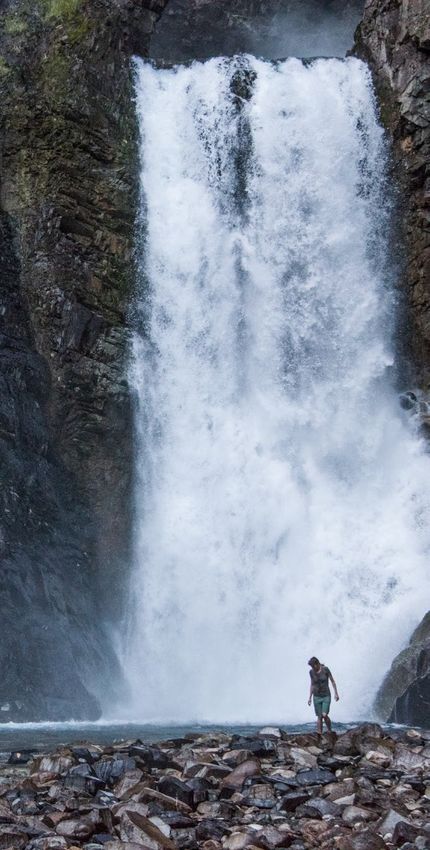
MOUNT ASSINIBOINE PROVINCIAL PARK
                                                                                                              Photo: Kari Medig

The goals, strategies, and actions within this plan have been prioritized to achieve the elements identified within the
following vision for the Kootenay Rockies as a travel destination in ten years:
The Kootenay Rockies region is a world-class tourism destination that offers remarkable
products and experiences that are authentic, driven by visitor demand, exceed expectations,
and align with BC’s brand.

The Kootenay Rockies region is a preferred four-season destination for passionate travellers
of all ages and abilities with a sense of adventure and a desire to discover unparalleled,
accessible outdoor recreation and the authentic mountain culture unique to the Kootenay’s
small towns. The Kootenay Rockies region offers travellers from near and far the opportunity
to connect both to the nature that defines and sustains this place, and to the people that
differentiate it with their outstanding service and warm welcome to visitors as “temporary
locals”. The tourism industry in the Kootenay Rockies embraces collaboration, leads the world
in sustainable tourism, and constantly builds and nurtures relationships that accelerate the
region’s success as a travel destination.

                                                                                                         KOOTENAY ROCKIES | 2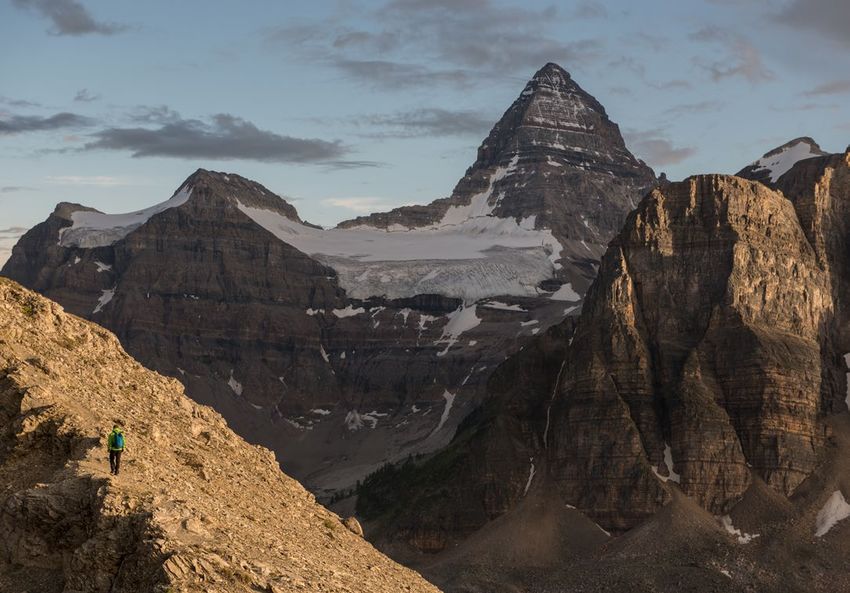
The following are the goals for regional destination        Stakeholders further identified a set of guiding
development in the Kootenay Rockies:                        principles for destination development in the
1.	Increase shoulder season visitation, and work           Kootenay Rockies region, such that implementation of
    towards a year-round tourism economy.                   this strategy should occur in a manner that:
                                                            • Contributes to environmental sustainability, and
2.	Increase average length of stay and average visitor       promotes stewardship by visitors and residents alike,
    yield in the region in each season.                       relying on the precautionary principle whenever
                                                              uncertainty exists.
3.	Develop strategies to adapt to climate change and
                                                            • Respects all living things, Indigenous rights and
    to reduce the contribution of the tourism industry to     titles, community values, and sense of place in
    greenhouse gas emissions.                                 each community.
4.	Improve resident recognition of tourism as a            • Retains authenticity and celebrates that which is local.
    positive contributor to community resiliency and        • Contributes to resident quality of life, and to overall
    quality of life.                                          community resiliency.
                                                            • Supports safe and reliable travel.
5.	Improve tourism business ability to attract, retain,
    and house skilled staff and thereby enhance the         • Seeks to collaborate, innovate, and employ
                                                              best practices.
    climate for tourism business success.
                                                            To achieve progress towards this vision and achieve
6.	Increase overall visitor destination satisfaction       these goals, three overarching destination
    rating, as measured by a tool such as Net               development strategy themes for the Kootenay
    Promoter Score.                                         Rockies region have been identified, containing
                                                            specific objectives and actions, as well as the success
7.	Become a leader in inter-modal transportation and
                                                            networks determined for their implementation.
    rural connectivity.

8. Attract visitors to the region from more diverse
markets so as to eventually increase the proportion of
long-haul fly-in visitors.

                                                                                             REVELSTOKE MOUNTAIN RESORT
                                                                                                         Photo: Andrew Strain

                                                                                                      KOOTENAY ROCKIES | 3
STRONGER
 IT’S IN OUR                  MANY VOICES,
                                                                   TOGETHER:
   N AT U R E :                 O N E S T O R Y:
                                                                        OUR
O U R N AT U R E                OUR PEOPLE
                                                               C O L L A B O R AT I O N
DEFINES US                 D I F F E R E N T I AT E U S
                                                               A C C E L E R AT E S U S

     Monitor                Build               Address                  Build
   and Respect            Strong                Tourism              Understanding
  Environmental        Relationships        Labour Shortages    of the Value of Tourism
     Carrying         with Indigenous        and Workforce        and Create Tourism
    Capacity           Communities              Housing              Ambassadors

     Monitor            Celebrate
                                                  Invest               Develop
   and Manage          Community
                                                in Training          a Supportive
   Experiential        Authenticity
                                                    and            Tourism Business
    Carrying           and Respect
                                                 Service               Climate
    Capacity           Local Values

                                                                        Deliver
     Continue           Contribute              Support
                                                                 Safe, Reliable Access
to Offer Remarkable   to Community             Local Arts,
                                                                     and Quality
Outdoor Recreation     Sustainability           Culture,
                                                                    Infrastructure
    Experiences       and Resiliency            Heritage
                                                                     and Signage

                                                                   KOOTENAY ROCKIES | 4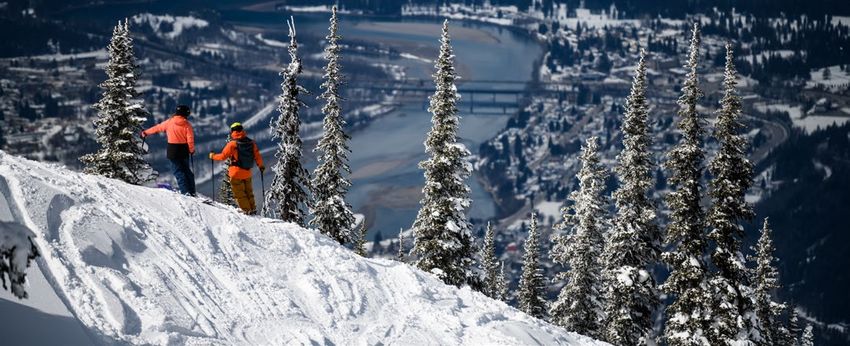
KOKANEE CREEK PROVINCIAL PARK
                 Photo: Kari Medig
                                     In total, 37 objectives have been
                                     identified for implementation at the
                                     regional level by a wide range of
                                     stakeholders and success networks
                                     over the next 10 years. Nineteen
                                     of these objectives have been
                                     identified as catalysts to destination
                                     development in the Kootenay
                                     Rockies region.
                                     These catalyst projects include both the “low hanging fruit” that
                                     will build momentum towards realizing the regional destination
                                     vision, as well as the more complex priorities that will ensure a
                                     strong foundation for successful destination development both
                                     now and well into the future.

                                     The purpose of this strategy is to not only provide underlying
                                     support for the goals of the provincial Destination Development
                                     Program, but also to:
                                     • Provide strategic direction for the region, and guidance for
                                       regional planning.
                                     • Enhance the Kootenay Rockies’ ability to leverage resources
                                       and programs.
                                     • Foster joint action and regional dialogue.
                                     The Kootenay Rockies Destination Development Strategy is
                                     intended to serve as a guide for tourism partners as they proceed
                                     with short, mid, and long-term development efforts.

                                     This document should be reviewed and updated as necessary to
                                     reflect changing tourism objectives, priorities, and market conditions.
                                     Results should be tracked regularly to ensure lessons learned help
                                     improve future implementation activities be even more effective
                                     in increasing economic, social, and cultural benefits throughout
                                     the region.

                                                                                             KOOTENAY ROCKIES | 5
ACRONYMS                                    PROVINCIAL MINISTRIES

CBT       Columbia Basin Trust              AEST	Ministry of Advanced Education,
                                                  Skills and Training
CF        Community Futures
                                            AGRI     Ministry of Agriculture
DBC       Destination British Columbia
                                            CITZ     Ministry of Citizen Services
DC        Destination Canada
                                            EDUC     Ministry of Education
DDP       Destination Development Program
                                            EMPR	Ministry of Energy, Mines and
DMO	Destination Marketing Organization           Petroleum Resources
EDO       Economic Development Offices      ENV	Ministry of Environment and
EMBC      Emergency Management BC                Climate Change Strategy

go2HR	The British Columbia Human           FIN      Ministry of Finance
       Resource Organization for tourism    FLNR	Ministry of Forest, Lands,
ITAC	Indigenous Tourism Association              Natural Resource Operations
      of Canada                                   and Rural Development

ITBC	Indigenous Tourism Association        IRR	Ministry of Indigenous Relations
      of British Columbia                        and Reconciliation

KRT       Kootenay Rockies Tourism          JTT	Ministry of Jobs, Trade and Technology

MRDT	Municipal and Regional District       LBR      Ministry of Labour
      Tax (commonly referred to as          MAH	Ministry of Municipal Affairs
      the “Hotel Tax”)                           and Housing
SIDIT	Southern Interior Development        PSSG	Ministry of Public Safety
       Initiative Trust                           & Solicitor General
RD        Regional District                 TAC	Ministry of Tourism, Arts
RDMO	Regional Destination Marketing             and Culture
      Organization                          TRAN	Ministry of Transportation
THRC      Tourism HR Canada                       and Infrastructure

TIABC	Tourism Industry Association         FEDERAL DEPARTMENTS/ENTITIES
       of British Columbia
                                            DFO      Fisheries and Oceans Canada
TIAC	Tourism Industry Association
      of Canada                             INAC	Indigenous and Northern
                                                  Affairs Canada
UNWTO	UN World Tourism Organization
                                            IRCC	Immigration, Refugees and
                                                  Citizenship Canada
                                            WD	Western Economic
                                                Diversification Canada

                                                                               KOOTENAY ROCKIES | 6
1. FOREWORD AND
    ACKNOWLEDGEMENTS
    1.1 FOREWORD            This Regional Destination Development
                            Strategy is the result of a two-year,
                            iterative process of gathering, synthesizing,
                            and validating information with partners
                            and stakeholders about the current
                            status and future direction of tourism in
                            the Kootenay Rockies region.
                            As one of six regional destination development strategies that will be
                            produced, the Kootenay Rockies Destination Development Strategy will
                            contribute to the tapestry of long-term planning area, regional, and provincial
                            planning that will, in turn, support the development of British Columbia as a
                            world-class tourism destination offering remarkable, authentic experiences
                            that exceed expectations and align with the provincial brand.

                            1.2 ACKNOWLEDGEMENTS
                            Destination British Columbia (DBC) and the project facilitation team thank
                            the many private sector, First Nations, public sector, and not-for-profit
                            tourism partners who contributed throughout the process by supporting the
                            numerous community meetings, surveys, stakeholder interviews and follow-
                            up conversations, and by providing relevant documents that informed all
                            reports and strategies.

                            We thank the Indigenous communities and entrepreneurs on whose
                            traditional territories we travelled and gathered for our community meetings.
                            We acknowledge that many significant agreements have been realized
    KOOTENAY ROCKIES        in this tourism region resulting from successful cooperation between the
       Photo: Ryan Creary
                            Indigenous and non-Indigenous peoples, the private sector, governments,
                            not-for-profit organizations, and passionate volunteers.

                                                                                   KOOTENAY ROCKIES | 7
HALCYON HOT SPRINGS VILLAGE AND SPA SPECIAL THANKS ARE OFFERED
Photo: Dave Heath
TO MEMBERS OF THE WORKING
GROUPS FOR EACH OF THE
PLANNING AREAS THAT
INFORMED THE CREATION OF
THIS REGIONAL DESTINATION
DEVELOPMENT STRATEGY AS
WELL AS THE KOOTENAY
ROCKIES DESTINATION
MANAGEMENT COMMITTEE WHO
PROVIDED GUIDANCE AND
INSIGHT INTO THE KOOTENAY
ROCKIES DESTINATION
DEVELOPMENT STRATEGY.
Additionally, special thanks are offered to
the facilitator of the Kootenay Rockies
Destination Development process:
Suzanne Denbak, Cadence Strategies.
BAILLIE-GROHMAN ESTATE WINERY
Photo: Dave Heath
KOOTENAY ROCKIES | 82. INTRODUCING
THE STRATEGY
The Kootenay Rockies Destination
RETALLACK, SELKIRK MOUNTAINS
Photo: Dave Heath Development Strategy (DDS) has
been developed to enhance the
competitiveness of the Kootenay
Rockies over the next 10 years and
beyond. The strategy was developed as
part of Destination BC’s Destination
Development Program.
The program is a critical component of Destination BC’s corporate strategy,
and facilitates the collaboration of local, regional and provincial agencies,
Indigenous communities, entrepreneurs, destination marketing and
management organizations, tourism operators, and other community
interests to guide the long-term growth of tourism.
The Kootenay Rockies DDS represents the integration of the four planning
area strategies that lie within, or across, the Kootenay Rockies tourism
region (West Kootenays & Revelstoke, Highway 3 Corridor, Columbia Valley,
and Highway 1 Corridor) into one overarching regional strategy. The regional
strategy elevates objectives and actions identified within planning areas
strategies whose implementation would benefit from regional leadership
and coordination.
KOOTENAY ROCKIES | 9A FOCUS ON THE SUPPLY AND VISITOR EXPERIENCE
Destination development is the mechanism whereby the natural life cycle
FIGURE 1: Tourism of tourism (e.g., development, stagnation, decline, and rejuvenation) is
Revenue Drivers managed to ensure a destination evolves to remain “desirable” for the
ever-changing consumer and hence, competitive in its target markets.
Destination development happens when industry and government plan and
work together to enhance the quality of the visitor’s experience by ensuring
tourism products, services, amenities, and practices meet and exceed
DEMAND visitor expectations over the long term.
Tourism has two primary revenue drivers — supply and demand (Figure 1).
MOTIVATING Destination development focuses on the supply side of tourism by creating
INTEREST / a compelling visitor experience to attract new visitors and entice repeat
PREFERENCE visitation. Arguably, in this age of near instantaneous sharing of experiences
via social networks and third-party platforms which allow travellers to review
and share their experiences, the quality of the destination and the experiences
it offers is now an essential element of the marketing toolbox.
+ There are multiple dimensions to supply that are considered in destination
development planning to enhance the visitor experience: the setting in
which experiences take place and how to access them; policies that establish
and maintain opportunities and growth barriers; the investment enhancement
SUPPLY framework; products and experiences matched to consumer interests,
including infrastructure and amenities (which are all often public in nature
CREATING and used by residents as well as visitors); visitor servicing programs that meet
A COMPELLING and exceed guest expectations; and the capability, skills, and training
VISITOR required by the tourism industry to excel in their field.
EXPERIENCE
PROGRAM VISION AND GOALS
=
On a provincial level, the Destination Development Program strives to
accomplish the following vision:
• BC is a world-class tourism destination that offers remarkable products
and experiences that are authentic, driven by visitor demand, exceed
expectations, and align with BC’s brand.
RESULT
The above vision is supported by three provincial goals:
INCREASED • Make BC the most highly recommended destination in North America.
ECONOMIC • Create 10-year strategies for tourism development and improve
SOCIAL return-on-investment for government and private sector investments
+ CULTURAL in tourism assets.
BENEFITS • Elevate BC’s ability to compete as a premium destination while making
the province more attractive for investment.
KOOTENAY ROCKIES | 10Destination development brings together planning, policy, and capacity
building efforts to:
• Ensure that a destination is well positioned to make future strategic
decisions.
• Address impediments to growth and capitalize on opportunities.
• Outline key assets of a destination including the main product themes/
experiences available.
• Outline key priorities for new product, infrastructure and amenity
development.
• Identify impediments to development and tourism growth (e.g., potential
policy or capacity issues, available funding, access to funding etc.).
PURPOSE
The Kootenay Rockies Destination Development Strategy is intended to
serve as a guide for tourism partners as they proceed with short, mid, and
long-term development efforts. The strategy should be reviewed and
updated as necessary to reflect changing tourism objectives, priorities,
and market conditions. Results should be tracked regularly to ensure
learnings help future implementation activities be even more effective in
increasing tourism’s economic, social, and cultural benefits to the
entire region.
The Kootenay Rockies DDS integrates the four planning area strategies
within the tourism region (West Kootenays & Revelstoke, Highway 3
Corridor, Columbia Valley, Highway 1 Corridor) into one overarching
regional strategy. The regional strategy elevates the objectives and actions
identified within the planning areas strategies whose implementation would
benefit from regional leadership and coordination.
The regional strategy can play an important role in helping to help advance
the implementation of key priorities included in the four planning area
destination development strategies within the region. The strategy, built off
a common planning framework, sets out a path for strong regional
leadership, integration, and alignment to support destination success in and
throughout the region and planning areas.
ROSSLAND ROSSLAND
Photo: Kari Medig Photo: Dave Heath
KOOTENAY ROCKIES | 11BANNOCK POINT METHODOLOGY ALIGNMENT
Photo: Kari Medig
Great strategies take time. The Kootenay The Kootenay Rockies Destination
Rockies Destination Development Strategy Development Strategy is one of six
is the result of an extensive, multi-phased regional destination development
planning process that included significant strategies that will be prepared for the
ground work and engagement to first develop province as a whole.
planning area strategies for the four planning
areas that lie within, or across, the Kootenay Through Destination BC’s Destination
Rockies region. These areas are: the West Development Program, 20 sub-regional
Kootenays & Revelstoke, the Highway 3 planning areas, across the province, have
Corridor, the Columbia Valley, and the been defined and mapped out. These
Highway 1 Corridor. Further industry 10-year destination development strategies
engagement and prioritization, as well as funnel into six regional strategies, one being
thoughtful consideration, led to the creation the Kootenay Rockies Strategy, which will
of this integrated regional strategy that ultimately guide one master provincial
represents the regionally-focused aspirations destination development strategy for
and priorities for tourism development in British Columbia.
the Kootenay Rockies. Four planning areas are located within or
This strategy was developed and informed by across the Kootenay Rockies. The four
planning areas are the West Kootenays &
• The Destination Development Strategies
for the four planning areas that lie within, Revelstoke, the Highway 3 Corridor, the
or cross through, the Kootenay Rockies: Columbia Valley and the Highway 1
the Columbia Valley, Highway 1 Corridor, Corridor. Together with the strategies that
Highway 3 Corridor, and West Kootenays were developed for the remaining planning
& Revelstoke. These strategies were areas across the province, the regional
developed over a 24-month period destination development strategies will
through an extensive collaborative inform a Provincial Destination
planning and review process.
Development Strategy.
• Guidance and input from members of
the Kootenay Rockies Destination
THE DESTINATION DEVELOPMENT
Management Committee and the
Kootenay Rockies Tourism team. STRATEGIES THEMSELVES WILL
• Stakeholder input received during a
BE INFLUENCED BY, AND WHERE
90-minute interactive workshop held at
the Kootenay Rockies Annual APPROPRIATE, REFLECT AND
Conference held in Cranbrook on
October 16th, 2018. COMPLEMENT OTHER
• An online survey sent out to a database PLANNING INITIATIVES.
of over 800 tourism stakeholders in the
Kootenay Rockies region to further
refine and validate the regional vision,
goals, and priorities.
KOOTENAY ROCKIES | 123. KOOTENAY ROCKIES
OVERVIEW
The Kootenay Rockies tourism region
lies in the southeast of the province, with
the Canadian Rockies and the Alberta
border as its eastern limit, and the
Columbia Mountains on the west. It
includes many freshwater lakes, rivers,
and streams, including the Columbia
River and its many tributaries.
It has a wealth of provincial parks The following map identifies the
(including Mount Assiniboine, the larger communities in the region,
Purcell Wilderness Conservancy, and also depicts the high density of
Goat Range, and Kokanee Glacier), national and provincial parks, and
as well as four national parks (Mount bodies of water available that, in
Revelstoke, Glacier, Yoho, and addition to the mountain
Kootenay National Parks). The topography, are foundational to
Columbia Wetlands is a RAMSAR many of the region’s better-known
designated wetland of international visitor experiences.
significance. The region features
eight destination ski resorts, and five
developed hot springs resorts, as
well as several natural hot springs
situated in rustic settings.
BURGESS MOUNTAIN PASS
Photo: Destination BC
KOOTENAY ROCKIES | 13USA
YK NW
KOOTENAY
ROCKIES
Towns and Indigenous Communities
AB
BC Highways
Lakes and Rivers
N Provincial Parks and Protected Areas
1. Hamber Park
2. Cummins Lakes Park
1 3. Bugaboo Park
USA
4. Mount Assiniboine Park
5. Height Of The Rockies Park
6. Goat Range Park
2 7. Purcell Wilderness Conservancy Park
8. Valhalla Park
9. Kokanee Glacier Park
10. West Arm Park
11. Kianuko Park
12. Akamina-Kishinena Park
National Parks
1. Mount Revelstoke National
Park of Canada
1 2. Glacier National Park of Canada
3 3. Yoho National Park of Canada
4. Kootenay National Park of Canada
Golden
2
23
4 4
1 DESTINATION
BRITISH COLUMBIA
TM
93
Revelstoke 95
3
0 25 50
Radium Hot Springs Km
Invermere
Shuswap Band
5
Windermere
Columbia Lake Indian Band
31 Panorama (?Akisq'nuk First Nation)
Mountain Village
Fairmont
Hot Springs
Elkford
Meadow Canal Flats
Nakusp Creek
!6 !7
6
43
New Denver
31a
Sparwood
Silverton Kaslo
!8 St. Mary's
Kimberley Indian Band
Slocan
!9 (?Aq'am)
Fernie
Balfour Cranbrook
!10 !11
Nelson
12
93
Castlegar 6
Tobacco Plains
3 Indian Band
3b Creston
Salmo
Rossland Trail Fruitvale Lower Kootenay
Warfield Indian Band
Montrose (Yaqan nu?kiy)The Kootenay Rockies region is 3.1 MARKETS
within the shared Traditional AND VISITOR
Territories of the Ktunaxa Nation, CHARACTERISTICS
the Sinixt Nation, the Okanagan
Nation, and the Secwepemc Like other regions of BC, the
(Shuswap) peoples. Kootenay Rockies region has seen
consistent annual growth in
The closest major urban area is visitation. The region is relatively
Calgary, Alberta, with the BC more dependent on the Alberta
border approximately a two hour market than other parts of the
drive away. There are two major province, and while this leaves it
east-west highways through the more vulnerable to declines in
region — the TransCanada consumer spending arising from
Highway 1 in the north, and the fluctuations in the health of the
Crowsnest Highway 3 in the oil industry, it also creates an
south. North-south connections opportunity for “staycation” travel
run through the Columbia Valley by this market. More than three-
at Golden (Highway 95) and quarters of all visitation, and
through the Arrow Lakes/Slocan two-thirds of all spending, can be
Valley at Revelstoke (Highway attributed to Alberta and BC
23). Visitors can also access the residents.1 Stakeholders report
region by air through the West that the region also experiences
Kootenay Regional Airport in significant European visitation,
Castlegar, the Canadian Rockies predominantly in summer, as
International Airport in Cranbrook, part of multi-week tours of
and local airports in Trail, Fairmont western Canada.
Hot Springs, and Revelstoke
which have regular or seasonal and Specifically, key markets for the
charter flights. There are no Kootenay Rockies region include:
international flights available into • Alberta Residents
the region, and international — particularly Calgary
MARYSVILLE travellers must currently fly • BC Residents — particularly
Photo: Kari Medig
through Calgary or Vancouver. the Okanagan
• Other Canada — particularly
Saskatchewan
• Washington State
• Europe (especially Germany)
INVERMERE and the UK — summer touring
Photo: BC Ale Trail
market (leveraging the
Canadian Rockies and the
national parks) as well as winter
ski and snowboard travellers
• Australia — winter ski
and snowboard
KOOTENAY ROCKIES | 15PRODUCT MARKET MATCH
The table below identifies the current product and experience offerings in the Kootenay Rockies region and the
market match.
PRODUCTS/ LOWER REST
A L B E R TA INTERNATIONAL COMMENTS
EXPERIENCES MAINLAND OF BC
TOURING/ International: Australia,
X X X X
EXPLORING Germany, UK
HIKING X X X X Growth Market
ROCK CLIMBING X X X Potential
SKIING/
X X X X Growth Market
SNOWBOARDING
SNOWMOBILING X X Growth Market
MOUNTAIN BIKING X X X X Growth Market
ROAD CYCLING X X X X Growth Market
MOTORCYCLE
X X X
TOURING
LAKES/RIVERS X X X Family market
INDIGENOUS Potential. International:
X X X X
CULTURE Germany, UK
DESTINATION
FESTIVALS — ARTS, X X X Growth Market
CULTURE, HERITAGE
CAMPING X X X X Growth Market
HOT SPRINGS, SPA,
HEALTH X X X X Growth Market
AND WELLNESS
WINTER
EXPERIENCES —
X X
SNOWSHOE,
NORDIC
CULINARY/
X X X Potential
AGRITOURISM
GOLF X X X Maintenance
KOOTENAY ROCKIES | 16Within the Kootenay Rockies region, some destinations during the summer touring months. Longer stays are
have established and/or are growing their market reported in winter resort destinations. Clearly, the
equity for particular activities beyond the regional implication for destination development is to invest in
norm. For example, Revelstoke is increasingly known the destination in a manner that encourages longer
for its world-class snowmobiling experiences; lengths of stay in the summer, and creates motivation
Rossland, Fernie, Golden, and Revelstoke dominate in to travel in shoulder seasons.
mountain biking, and other communities are quickly
building up their mountain biking product; the
Columbia Valley is renowned for its golf experiences 3.2 PSYCHOGRAPHIC — MARKET
and its concentration of hot springs; Nelson and SEGMENTATION
Invermere lead in the arts, culture, and heritage
market segments. Golden has positioned itself as the Rather than marketing to, or developing products for
“Heart of the Parks”; the base from which to explore travellers based on traditional segments, such as
the national parks that surround it. The Creston Valley demographics (e.g., age, gender, income) or geography,
is leveraging its agriculture and wine-making to Explorer Quotient (EQ) emphasizes the importance
differentiate itself from other high-adrenaline destinations. of traveller segmentation based on their psychological
The Slocan Valley and Nakusp area is renowned for its characteristics, such as their attitudes, beliefs, values,
backcountry access and lake-based activities. motivations, and behaviours. When various psychological
characteristics are combined, different types of
There are 18 visitor centres located within Kootenay travellers emerge.
Rockies communities that report information including
visitor area of origin and length of stay. A review of Destination BC activity targets three of the 12 North
these reports confirms that the Kootenay Rockies American EQ segmentation types — Authentic
region is heavily dependent upon Alberta and BC Experiencers, Cultural Explorers, and Free Spirits. For
resident markets for the majority of its visitation. The the Kootenay Rockies, the EQ type Gentle Explorer
dominance of the Alberta market increases moving is also relevant, as they are frequent travellers that
eastward in the region and hence closer to the Alberta return to past destinations, and enjoy the security of
border and major urban centres such as Calgary. There familiar surroundings.
is also significant European visitation reported
Further, people are motivated to travel by their
throughout the region, with representation from this
passions and interests, and research has shown that
market most notable along the Highway 1 Corridor.
focusing on passions can create a higher potential for
European visitation is also noticeable in the region’s
creating active consideration for BC and drive
national parks, as evidenced by the national park’s
visitation to a destination. Currently, the following
visitor data. Visitor’s length of stay in most communities
interest groups and passions are identified:
is relatively short (day or one night only), particularly
SKIING/ MOUNTAINS/ LAKE/RIVER BASED HOT SPRINGS/
GOLF
SNOWBOARDING PARKS/ HIKING PADDLING, BOATING HEALTH/WELLNESS
GETAWAYS TO FESTIVALS BACKCOUNTRY
HELI/CATSKIING CAMPING
DISCONNECT AND EVENTS IMMERSION
MOUNTAIN BIKING/ ARTS, CULTURE AGRI-TOURISM/
FAMILY VACATIONS SNOWMOBILING
CYCLING AND HERITAGE CULINARY
KOOTENAY ROCKIES | 17NELSON
Photo: Dave Heath
3.3 UNIQUE SELLING
PROPOSITIONS AND KEY DESTINATION
DIFFERENTIATORS
The unique selling proposition and key destination differentiators of
the Kootenay Rockies region include:
1. Big mountain adventure and deep powder snow; readily
accessible at a range of world-class destination ski resorts, via an
unparalleled concentration of heli and cat ski operations, from a
wealth of backcountry lodges, and independently via accessible
backcountry routes.
a. T he snow is deep, dry and reliable
b. R
esort experiences combine with authentic towns
c. The extensive backcountry terrain and high quality powder is
easily available through self-guided access, or with one of
many cat ski and heli ski operators
d. A
depth and density of winter activities to complement the
ski product
2. Incredible scenic beauty accessible from the window of a car, or
from deep into the backcountry — whichever option the traveller
prefers, with relatively easy access to nature, and outdoor adventure
that surrounds, inspires, and defines each moment spent here.
a. Sheer number of mountain ranges and valley systems including
the Canadian Rockies, national and provincial parks, the
Columbia Wetlands, and the accompanying scenic beauty,
camping, and relaxation opportunities these systems provide
b. A
growing number of world class trail experiences for
hiking, mountain biking, trail running, and various
mechanized activities
c.A wealth of freshwater lakes and rivers, along with a wide
range of paddling, whitewater, and float experiences, as well as
exceptional angling
3. A series of developed and rustic hot springs experiences along
an interesting touring route, offering visitors a complete range of
full-service resort, spa, and wellness services through to natural
ponds and camping opportunities.
4. Clusters of exceptional destination golf courses, as well as more
ST MARY’S LAKE
Photo: Kari Medig value-oriented golf courses, offering a strong combined value
proposition and enjoyable touring routes.
KOOTENAY ROCKIES | 185. The quirkiness, small town friendliness, and the many • ANGLING high quality angling experiences are
people that call Kootenay communities “home” serve available throughout the region with destinations
as a backdrop for authentic stories, both old and new. such as the Elk River (Fernie), the Columbia River
(Columbia Valley), and the Kootenay River (Castlegar)
6. A “sense of place” that encompases both an abiding already benefiting from international awareness.
zen-like calm and sense of peacefullness, yet also • KOOTENAY DIRT Mountain biking and trail-based
exudes a sense of discovery, innovation, and search for experiences throughout the region.
adventure. There is a commitment to the environment, • ROAD CYCLING Road cycling experiences on
and to healthly living, manifested in fresh organic designated routes throughout the region that offer
produce, locally-sourced restaurant menus, and a incredible mountain vistas.
propensity to find joy in physical activity and in artistic • TOURING THE HIGHWAY 3 CORRIDOR The appeal
expression. of a relaxed and scenic drive with multiple places to
stop enroute, featuring the uniqueness of each
7. Arts, Culture, and Heritage community along the corridor, incredible scenic
a. A wealth of artists and artisans handcrafting and beauty, healthy ecosystems, easy access to outdoor
sharing their works adventure, and a growing inventory of trail-based
infrastructures.
b. A
n intriguing history and heritage that embraces • TOURING THE HIGHWAY 1 CORRIDOR One of the
cultural diversity most highly desired road trips to experience in
North America, as well as an efficient route to a
c. A growing number of Indigenous cultural specific destination.
experiences • WEDDINGS The Kootenay region is a frequent
choice for destination weddings, offering wedding
d. Festivals and events celebrating a range of
parties outstanding venues and services against a
interests all year long stunning backdrop of mountains, lakes, and rivers.
3.4 CORE DEMAND 3.5 STRENGTHS, WEAKNESSES,
GENERATORS OPPORTUNITIES, THREATS
Specific experiences that have potential as iconic From a tourism destination perspective, the Kootenay
products and experiences for regional growth to develop Rockies benefits from a range of strengths. However,
a year-round destination and require a regional approach it is also facing a number of destination development
to development include: challenges; some of which have the potential to impact
• THE POWDER HIGHWAY the collection of world- the future growth and sustainability of the tourism
class winter experiences offered throughout the sector. Strengths, challenges, and opportunities were
region at destination ski resorts, backcountry lodges, identified within each planning area process in the
on groomed trails, in high alpine bowls, and in the Kootenay Rockies. These then informed the summary
neighbouring towns. for the regional strategy.
• HOT SPRINGS TOURING the collection of
developed and natural hot springs experiences and In order to build on these strengths, and address these
the associated health and wellness services and challenges, a number of key opportunities have been
amenities on-site, or in neighbouring towns. identified that form the foundation of the Kootenay
• MOUNTAIN PARKS, CAMPING, AND HIKING the Rockies Destination Development Strategy. These key
collection of front and backcountry experiences strengths, challenges, and opportunities are
allowing travellers of all ages and abilities to experience summarized below in no particular order.
camping and nature (including accessible camping
and hiking opportunities).
KOOTENAY ROCKIES | 19KEY KEY KEY
STRENGTHS CHALLENGES OPPORTUNITIES
NATURAL ASSETS (CANADIAN DEVELOP IN A MANNER
SUSTAINABLE
ROCKIES, COLUMBIA WETLANDS, THAT RESPECTS ENVIRONMENTAL
GROWTH AND ENVIRONMENTAL
COLUMBIA MOUNTAIN RANGES, HEALTH AND COMMUNITY
CAPACITY
WARM LAKES, RIVERS) RESILIENCY AND VALUES
IMPROVE ACTUAL
DEVELOPED ACTUAL AND
AND PERCEIVED SAFETY AND
AND NATURAL PERCEIVED SAFETY
EASE OF ACCESS TO AND WITHIN
HOT SPRINGS AND EASE OF TRAVEL
THE REGION
INFRASTRUCTURE, SERVICES
BUILD STRONG, COLLABORATIVE
NATIONAL AND AND AMENITIES TO SUPPORT TRAVEL
RELATIONSHIPS THROUGHOUT
PROVINCIAL PARKS QUALITY (REST STOPS, SIGNAGE,
THE REGION
ETC.)
ESTABLISHED YEAR-ROUND STAFF IMPROVE QUALITY
DESTINATIONS WITH OWN CONSTRAINTS, INCLUDING OF VISITOR
BRAND EQUITY SKILLSETS, AFFORDABLE HOUSING INFRASTRUCTURE
HIGH QUALITY TOURISM IMPROVE BUSINESS CLIMATE
CONFLICTS ON THE
INFRASTRUCTURE AND POLICY FRAMEWORK
LAND AND WATER BASE
E.G. TRAIL SYSTEMS FOR TOURISM OPERATORS
DEPENDENCY ON SUMMER ENCOURAGE LAUNCH
GROWING DEPTH OF ARTS,
SEASON AND LIMITED EXPERIENCES OF ADDITIONAL
CULTURE, HERITAGE, AND CULINARY
AND HOURS OF OPERATION VISITOR EXPERIENCES
EXPERIENCES
OUTSIDE OF PEAK SEASONS IN SHOULDER SEASONS
LOCAL SUPPORT IMPROVE QUALITY
QUAINT TOWNS
FOR TOURISM — LACK OF RESIDENTS AND CONSISTENCY
WITH CHARACTER
AWARENESS OF SERVICE
RECRUITING, RETAINING,
AUTHENTIC MOUNTAIN TOWNS AND AND TRAINING STAFF INCLUDING
PASSIONATE RESIDENTS PROVISION OF SUFFICIENT
AFFORDABLE HOUSING
IMPROVE ACCESSIBILITY FOR
SOPHISTICATED TOURISM SENIORS, YOUNG FAMILIES,
STAKEHOLDERS AND PEOPLE WITH ACCESS
REQUIREMENTS OR DISABILITIES
KOOTENAY ROCKIES | 20REVELSTOKE MOUNTAIN RESORT
3.6 DESTINATION ASSESSMENT Photo: Ryan Creary
The natural assets of the Kootenay
Rockies region are stunning; beautiful
mountain backdrops, crystal clear
lakes, wetlands of international
significance, and several mineral hot
springs. This natural wealth is
protected both through the national
and provincial park designations, and
by the passion and values of residents
themselves for protecting and
preserving their home.
While mining, forestry, transportation, and agriculture have long
been important industries, tourism is increasingly being recognized
by residents and local governments as an essential economic
contributor. While the importance of tourism is growing, so too is
the risk of severe weather events related to climate change, and
there is a need for tourism businesses to adopt climate change
adaptation and mitigation strategies.
Over the years, the remarkable natural assets of the region have
been enhanced by private and public sector investments in the
development of resorts, golf courses, and other resident and visitor
amenities like the extensive trail networks for hiking, mountain
biking, and Nordic skiing. Real estate development has often
accompanied amenity development, and many communities are
popular second home destinations. These second homeowners are
considered to be a mixed blessing by their permanent counterparts,
as they contribute to the local economy when visiting, however, in
combination with growth in the sharing economy, they have
contributed to rising real estate prices, a shortage of rental
accommodation, and growing concerns about housing affordability
for permanent residents and for the increasingly elusive pool of
employees needed to successfully operate a tourism business.
KOOTENAY ROCKIES | 21FAIRMONT HOT SPRINGS
Photo: Kari Medig
WHILE THE TOURISM SECTOR HAS BEEN GROWING,
VISITATION THROUGHOUT THE REGION HAS STRONG
SEASONALITY, CREATING A “BOOM AND BUST”
CYCLE, IN WHICH RESIDENTS AND BUSINESS
OPERATORS BRACE FOR A FLOOD OF SUMMER
VISITORS, AND FOR THOSE COMMUNITIES WITH A SKI
RESORT, WINTER VISITORS AS WELL.
Outside of peak season(s), tourism operators struggle to remain
financially viable, and many of the services and amenities that
residents enjoy during peak seasons are closed once the season
ends. There are opportunities and strong stakeholder interest to
increase shoulder season visitation, as well as to increase mid-week
stays and overall length of stay throughout the year. There is
significant opportunity to fill capacity in the shoulder season and
increase the utilization of existing infrastructure and assets. The
region needs to overcome multiple hurdles in order to be a true
four-season destination, including offering consistent business
hours and service levels in existing operations year-round, and
providing additional attractive year-round activities and services,
including some weather-independent options, to support spring
and autumn visitation.
Many communities throughout the region have invested in downtown
renewal and beautification, and the region’s resort communities
(Revelstoke, Golden, Radium Hot Springs, Invermere, Kimberley,
Fernie, and Rossland) continue to execute their Resort Development
Strategies, and have been able to make further investments in
signage, public gathering places, trail development, festivals and
events, and animation. However, between communities, and in
more rural areas of regional districts, there is opportunity for
beautification, improved signage and wayfinding, and increased
traveller services and amenities.
While there is significant infrastructure throughout the region to
support visitor experiences, there are some gaps as well. Infrastructure
and experiences for entry-level enthusiasts, families, seniors, and
those with disabilities have been identified as areas for improvement.
Additional weather protected venues and performance spaces
would support the desire for shoulder season visitation. A source of
sustainable funding to support the countless dedicated volunteers
that maintain trail networks, produce festivals and events, and
contribute to the wealth of arts, culture, and heritage experiences
for visitors is needed.
KOOTENAY ROCKIES | 22RED MOUNTAIN RESORT
Photo: Ashley Voykin Access to the region is, by necessity, dominated by private
vehicles, as there are limited public transit or shuttle options. For
these travellers, both the perceived and actual safety of travel
along Highway 1 is of paramount importance, as this is a key
touring route and a feeder for the entire region. Improved road
maintenance standards in winter, quicker avalanche and debris
cleaning and road sweeping (and communication thereof) are
desired, as are identified road cycling routes that incorporate
either separate or wider shoulders for increased safety and quality
of cycle touring.
Additional rest stops and lookouts, complete with washrooms,
wi-fi, interpretive signage, and information about upcoming
experiences, are considered important. Continuous cell coverage
along major travel routes, along with wi-fi hotspots, are opportunities
to improve the quality of the travel experience. These amenities
would also inform travellers about upcoming communities and
experiences and encourage visitation. While improving the travel
experience for those in private vehicles is important, stakeholders
are also keenly interested in developing a leading model of multi-
modal transportation options within the region.
SEVERAL DESTINATIONS IN THE REGION RELY
ON THE INLAND FERRY SYSTEM TO FEED VISITORS
INTO THEIR COMMUNITIES, AND CONTINUED
MONITORING OF SCHEDULE AND CAPACITY IS
REQUIRED TO ENSURE THESE CONSTRAINTS DO NOT
CAUSE BOTTLENECKS PREVENTING DESTINATION
DEVELOPMENT EFFORTS FROM YIELDING RESULTS.
There is a desire to secure a more diverse mix of visitation to
reduce reliance on regional traffic and the Alberta market. Air
access through Cranbrook is considered by stakeholders to be very
limited and expensive for travellers, representing both a current
deterrent and a future opportunity for destination development.
However, with the addition of a West Jet connection to the Calgary
Airport from Cranbrook, giving visitors from across North America
another option to reach the region, which could increase the volume
of air travel and decrease airfare costs. Improvements at Trail
Regional Airport, and planned investments increasing the reliability
of the West Kootenay Regional Airport in Castlegar, should also
RED MOUNTAIN RESORT enhance ease of access to the region for longer-haul travellers.
Photo: Steve Ogle
KOOTENAY ROCKIES | 23The Kootenay Rockies region, by virtue of its size and its mountainous topography, has a very distributed and somewhat
un-cohesive tourism industry. Collaboration efforts have been improving in recent years, but stakeholders recognize
that destination success both at the individual business level, and for the region as a whole, will require continued and
enhanced collaboration by all. The key partners in the success network for destination development are as follows:
FEDERAL PROVINCIAL REGIONAL LOCAL INDIGENOUS
DESTINATION KOOTENAY ROCKIES DMOs INDIGENOUS
DESTINATION BC
CANADA TOURISM (NON-GOVERNMENT) COMMUNITIES
WESTERN REGIONAL LOCAL INDIGENOUS
ECONOMIC GO2HR
DIVERSIFICATION DISTRICTS GOVERNMENTS ENTREPRENEURS
REGIONAL ECONOMIC INDIGENOUS
PARKS MINISTRIES/ CHAMBERS
DEVELOPMENT ECONOMIC
CANADA AGENCIES: OF COMMERCE
ORGANIZATIONS DEVELOPMENT
TOURISM, ARTS
AND CULTURE
FUNDING BUSINESS
CANADIAN INDIGENOUS
ORGANIZATIONS IMPROVEMENT
HERITAGE JOBS, TRADE TOURISM BC
AND TECHNOLOGY AND TRUSTS ASSOCIATIONS
DEPARTMENT TRANSPORTATION AND INDIGENOUS
INFRASTRUCTURE POST-SECONDARY HOTEL
OF FISHERIES TOURISM ASSOCIATION
AND OCEANS INSTITUTIONS ASSOCIATIONS
OF CANADA
FORESTS, LANDS,
NATURAL RESOURCE
OPERATIONS AND RURAL BC ABORIGINAL
PUBLIC SAFETY BC RURAL COMMUNITY
DEVELOPMENT NETWORK ON
CANADA NETWORK ASSOCIATIONS
DISABILITY SOCIETY
INDIGENOUS RELATIONS
AND RECONCILIATION
TRANSPORT VISITOR
AIRPORTS
CANADA ENVIRONMENT CENTRES
AND CLIMATE
CHANGE STRATEGY
PUBLIC WORKS TRANSPORTATION TOURISM
AND GOVERNMENT AGRICULTURE
SERVICES CANADA PROVIDERS OPERATORS
MUNICIPAL AFFAIRS
& HOUSING
FEDERAL ACCESSIBILITY ARTS, CULTURE,
LEGISLATION ALLIANCE HERITAGE
LEADERSHIP TEAM ORGANIZATIONS
SPINAL CORD CLUBS
SPINAL CORD
INJURY BC NETWORK AND VOLUNTEER
INJURY
PARTNERS GROUPS
SEARCH
AND RESCUE
RESIDENTS
KOOTENAY ROCKIES | 244. A DISTINCTIVE
DIRECTION
VISION, GOALS, GUIDING PRINCIPLES,
FERNIE AND DEVELOPMENT THEMES
Photo: Dave Heath
This Kootenay Rockies strategy directly
supports the provincial vision for the
Destination Development Program. The
goals, strategies, and actions within this
plan have been prioritized to achieve the
elements identified within this vision.
The Kootenay Rockies region is a world-class tourism destination that
offers remarkable products and experiences that are authentic, driven by
visitor demand, exceed expectations, and align with BC’s brand.
The Kootenay Rockies region is a preferred four-season destination for
passionate travellers of all ages and abilities with a sense of adventure and a
desire to discover unparalleled, accessible outdoor recreation, and the
authentic mountain culture unique to the Kootenay’s small towns. The
Kootenay Rockies region offers travellers from near and far the opportunity
to connect both to the nature that defines and sustains this place, and
to the people that differentiate it with their outstanding service and a warm
welcome to visitors as “temporary locals”. The tourism industry in the
Kootenay Rockies embraces collaboration, leads the world in sustainable
tourism, and constantly builds and nurtures relationships that accelerate
the region’s success as a travel destination.
KOOTENAY ROCKIES | 25KICKING HORSE RIVER
Photo: Ryan Creary
4.1 GOALS
The following are the goals for regional
destination development in the Kootenay
Rockies:
1. Increase shoulder season visitation, and
work towards a year-round tourism
economy.
2. Increase average length of stay and
average visitor yield in the region in
each season.
3. Develop strategies to adapt to climate
change and to reduce the contribution
of the tourism industry to greenhouse
gas emissions.
4. Improve resident recognition of tourism
as a positive contributor to community
resiliency and quality of life.
5. Improve tourism business ability to
attract, retain, and house skilled staff, and
thereby enhance the climate for tourism
business success.
6. Increase overall visitor destination
satisfaction rating as measured by a tool
such as Net Promoter Score.
7. Become a leader in inter-modal
transportation and rural connectivity.
8. Attract visitors to the region from more
diverse markets, so as to eventually increase
the proportion of long-haul fly-in visitors.
In addition, the Destination BC Destination
Development Program provides two
common provincial goals that all six
regional strategies and 20 planning areas
will support:
1. Lead Canada in growth of overnight
visitor expenditures.
2. Secure the highest Net Promoter Score
in North America.
KOOTENAY ROCKIES | 26BUGABOO PROVINCIAL PARK
Photo: Kari Medig
4.2 GUIDING PRINCIPLES
FOR DESTINATION
DEVELOPMENT
As the journey of destination development
continues in the Kootenay Rockies, priorities
will be set, and choices will need to be
made to move the plan forward. The
following guiding principles were consistently
identified within the four planning areas
that informed this strategy, and are
considered to be applicable at the
regional level.
The pursuit of these destination development
goals should occur in a manner that:
• Contributes to environmental
sustainability and promotes stewardship
by visitors and residents alike, relying on
the precautionary principle whenever
uncertainty exists.
• Respects all living things, Indigenous
rights and titles, community values, and
sense of place in each community.
• Retains authenticity and celebrates that
which is local.
• Contributes to resident quality of life,
and overall community resiliency.
• Supports safe and reliable travel.
• Seeks to collaborate, innovate, and
employ best practices.
In addition, when considering guiding
principles for regional destination
development, the following should also
be considered:
• Tourism growth must be balanced with
meeting visitor’s needs to ensure any
visit to the Kootenay Rockies is a
positive and memorable experience.
• Tourism development will be focused on
both collaborative region-wide initiatives, as
well as individual community-based or
corridor-based opportunities that are
transformative and strengthen long-term
product competitiveness of the entire
Kootenay Rockies region.
KOOTENAY ROCKIES | 27ROSSLAND
Photo: Steve Ogle
• Tourism partners will work together to spread the • Growth must enhance and support the long-term
benefits of tourism throughout the Kootenay Rockies, retention of community character and personality
and work to disperse visitors to less frequented areas, and enhance the distinctiveness of the Kootenay
ensuring prosperity is shared by all and ecosystem Rockies.
health is maintained. • Visitors will be an integral part of the stewardship
• Tourism will be part of a larger effort to support and efforts and will be educated to be respectful travellers.
engage Indigenous communities and peoples. • Tourism will reinforce the Kootenay Rockies values
Growth must be respectful of the rights, title, and of inclusiveness, openness, diversity, and respect.
cultural history of the Indigenous communities
and entrepreneurs, as well as agreements among • Growth must be managed, step-by-step, building
governments. on what we have now and leveraging our existing
infrastructure.
• Tourism will enhance the attractiveness of the
Kootenay Rockies for residents and support the • Growth must coexist with other valued industries,
lifestyle residents choose to live here for. including forestry, mining, and agriculture.
KOOTENAY ROCKIES | 28ST EUGENE GOLF RESORT
Photo: Kari Medig
4.3 DESTINATION DEVELOPMENT
STRATEGY AREAS
The existing visitor experiences found in the Kootenay Rockies
region stand shoulder-to-shoulder with those found elsewhere in
the province and, in many cases, around the world. In particular,
the many ski resorts and backcountry lodges offering fantastic
winter experiences, the neighbouring small towns, a variety of hot
springs experiences, and numerous golfing opportunities are some
of the best in the province. Further, these experiences all come
with the irreplaceable Kootenay “sense of place” that many
destinations outside of the region strive to achieve. Here, it is
simply part of the region’s essence.
Despite these strengths, the region experiences relatively low
levels of year-round visitation. This can be explained in large part by
the region’s access limitations. With improved access, the Kootenay
Rockies region is expected to quickly experience growth in
visitation. However, should access improve, it is likely that this
incremental visitation would come during the current peaks in
summer, followed by winter, and this growth has the potential to
strain both environmental capacity and the social license the
industry has in the small towns and communities that host and
open their doors to visitors. As a result, any access improvements
should be considered in parallel with the development of travel-
motivating shoulder season experiences, in an effort to manage,
rather than exacerbate, the current “boom and bust” cycle of
seasonal visitation. The combination of improved access, with an
increase in reasons to travel to the Kootenay Rockies region in the
spring and fall, are fundamental to year-round growth and long-
term destination success.
It must also be recognized that the Kootenay Rockies region is
vast, and its mountainous topography has supported the success
of individual destinations more so than the entire region. This too
must be considered as destination development advances.
Communities anchored by a ski or hot springs resort have relatively
prospered and have the capacity to make further tourism
investments to foster year-round visitation, and grow tourism’s
contribution to the economic mix. Some communities such as
Cranbrook, Castlegar, Trail, and Nelson operate as regional service
centres, and consider tourism to be only one pillar of economic
activity. Outlying areas and small communities have struggled to
weather the boom and bust cycle of visitation and, as a
consequence, often have a limited number of visitor experiences
available that would motivate and monetize travel; the natural
KOOTENAY ROCKIES | 29You can also read


