Domestic Stock Grazing to Enhance Woodland Biodiversity
←
→
Page content transcription
If your browser does not render page correctly, please read the page content below
Domestic Stock Grazing
        231 Corstorphine Road
        Edinburgh
        EH12 7AT
                                                                  to Enhance Woodland
        http://www.forestry.gov.uk
                                                                  Biodiversity
I N F O R M A T I O N                            N O T E
B Y     B R E N D A      M A Y L E   O F   F O R E S T   R E S E A R C H                               S E P T E M B E R          1 9 9 9

SUMMARY

Within ancient and semi-natural woodlands the range of habitats, resulting in part from a history of grazing management,
encourages biodiversity. However, recent changes in agriculture and forestry have led to a loss of these habitats through
neglect and overgrazing. Concern about this continuing loss has led to government initiatives aimed at encouraging better
management and stemming further losses. This Note describes the influence of domestic stock on woodland habitats and
their associated flora and fauna and provides guidance on the use of domestic stock to re-create, maintain and enhance the
characteristics of semi-natural woodlands.

INTRODUCTION
1. Ancient, semi-natural woodlands provide a range of
   habitats supporting a rich diversity of plants and
   animals, many of which depend on the continued
   existence of these habitats for their survival. The
   ecological character of these woodlands owes much to
   their historical management1, including grazing by
   domestic stock2.

2. Changes within forestry and agriculture since the
   latter half of the 19th century have led to the decline
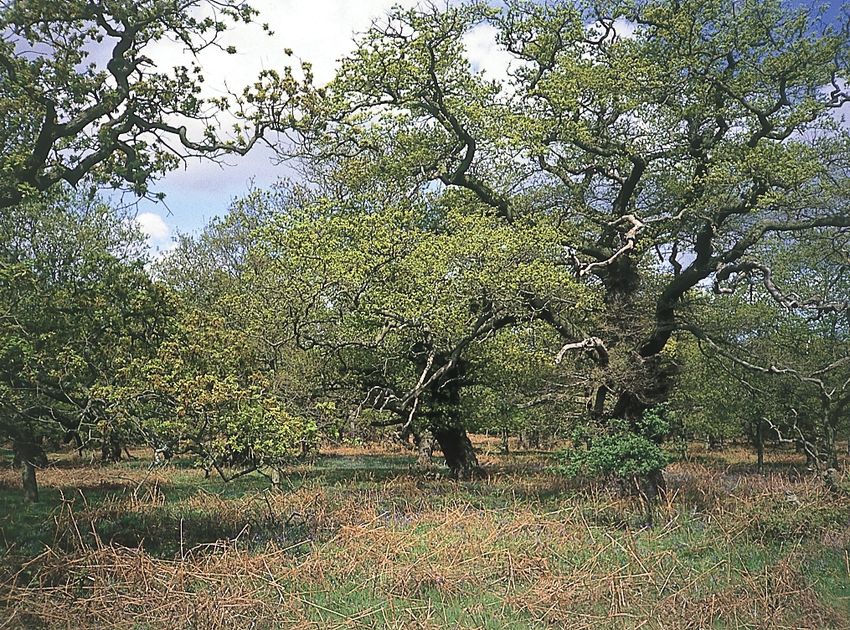
   of ‘managed’ domestic stock grazing in woodlands3.             Grazed (left of fence) and ungrazed (right of fence) areas at Coed-y-Brenin.

   Where stock (particularly sheep) still have access to
   woods for shelter, high stocking levels have led to
   over-browsing and limited natural regeneration                      • take appropriate opportunities to produce utilisable
   causing a reduction in the structural diversity of                    wood;
   woodlands. At sites where stock have been removed                   • enlarge the woods where possible.
   the more vigorous plant species shade out less
   competitive species and reduce diversity.                      4. Woodland grazing systems are still in limited use
                                                                     within other parts of Europe and new systems are
3. Concern about the felling of ancient woods and the                under trial. Few formal trials of the use of domestic
   loss of character of those remaining through over-                stock in the management of woodlands have been
   grazing or neglect led to the introduction of the                 carried out in Great Britain. This Information Note
   ‘Broadleaves Policy’ in 19854. This policy is targeted            draws together the available information to provide
   at semi-natural woodlands and aims to:                            guidance on how and where domestic stock can be
                                                                     used to recreate, maintain and enhance the
      • maintain and wherever suitable restore the natural           characteristics of semi-natural woodlands. Where
        ecological diversity;                                        possible, stocking densities to achieve specific aims are
      • maintain and where appropriate improve their                 given. As wild herbivores (deer and rabbits) will also
        aesthetic value;                                             influence woodland structure and species diversity
      • maintain the genetic integrity of populations of             their impact should also be considered where grazing
        native species, so far as is practicable;                    is being managed to enhance biodiversity5.

                                                              1                                                                  FCIN28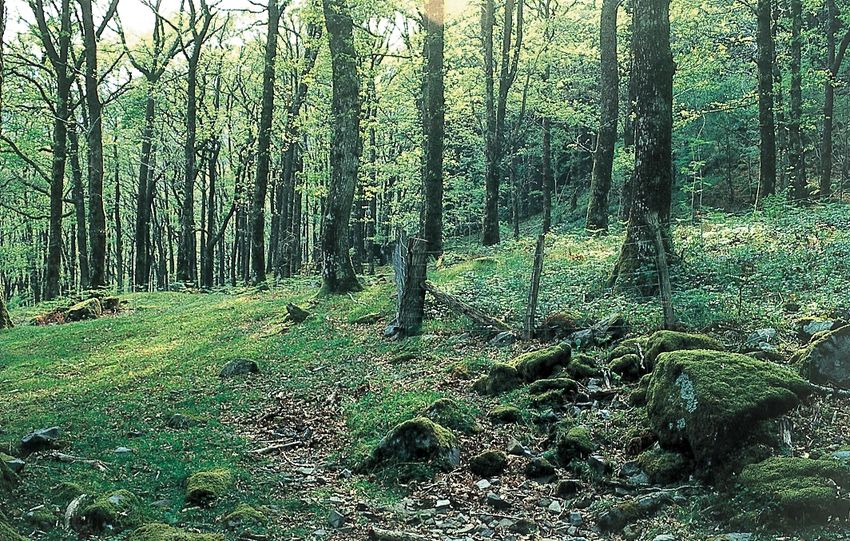
DOMESTIC STOCK                                                         Table 1

5. Grazing by large herbivores helps to create and maintain                  Species                       Feeding method                         Selectivity
   structural and species diversity within the ground flora,
                                                                             Cattle                        Bulk grazer                            Low
   shrub layers and tree canopy, thereby influencing                                                       Tear-off long vegetation by wrapping
   dependent invertebrate and vertebrate communities.                                                      tongue around and pulling. Grasp
                                                                                                           short vegetation between lower
   Differences in the resultant structural and species diversity                                           incisors and horny upper pad.
   are due to variation in feeding preferences (influenced by                                              Ruminants feeding for 60% of the
   plant species composition and grazing pressure), feeding                                                day.

   and dunging behaviour, and trampling by their hooves.
                                                                             Horses &                      Bulk grazer                            High
                                                                             ponies                        Nip herbage close to ground with
Feeding preferences and behaviour                                                                          upper and lower incisors. Non-
                                                                                                           ruminant. Feeds for 75-88% of the
6. Figure 16 shows the broad variation in diet for domestic                                                day.

   stock. Cattle and horses are generally classed as grazing
   species, being low selective herbaceous feeders (taking                   Sheep                         Selective grazer                       Very high
                                                                                                           Nip herbage close to ground.           Native and
   mainly grasses and other ground vegetation) whilst                                                      Vegetation grasped between lower       hardy breeds
   sheep and goats are more selective and tend to browse                                                   incisor and horny upper pad.           less selective.
   more on the shoots and leaves of trees and shrubs3.

7. Feeding pressures of domestic species are usually
                                                                             Goats                         Selective browsers                     High
   compared by referring to livestock units (LSU). This                                                    Narrow incisor width enables high
   generally refers to grazing pressure where a cow = 1                                                    selectivity.
   LSU and a sheep = 0.15 LSU. However, equivalent
   grazing units of 1 pony : 3 cattle : 5 sheep have been
   suggested3, alternatively one pony is considered
   equivalent to 2.5 cows. Some studies consider cow-calf                    Pigs                          Omnivorous                             Low
   pairs as animal units (AUs) and express grazing pressure                                                Take invertebrates, tubers, fungi,
   as AUs relative to available forage (AU Mg-1 ha-1). This                                                fruits seeds, grasses and carrion,
                                                                                                           much of which is obtained by rooting
   describes the ratio of animal demand per unit mass of                                                   in the leaf litter.
   forage at any instant in time. Stock browsing pressure
   is also referred to by browsing units where 1 cow = 1
   unit, a pony = 5 units and deer = 3 units7. Table 1
   describes differences in feeding behaviour and
   preferences and the resultant effects on the habitats.              Figure 1

                                                                       Variation in the diet of domestic stock
8. Within a species there may be variation in feeding
   preferences and behaviour between breeds, sex and age
                                                                                        100
   classes. Hardier breeds tend to be less selective, taking
   poorer quality forage, and animals with incomplete
   dentition (youngest and oldest age classes) tend to                                             80
                                                                       % annual diet composition

   graze less efficiently and therefore be more selective11.                                                                                          Trees/
   Males and females may graze similar habitat for a part                                                                                             Shrubs
                                                                                                   60
   of the year but separate areas for the rest7.

9. The dung of all species may increase soil fertility in the                                      40
   grazed area. However, where animals tend to dung in                                                                                                  Forbs

   latrines, or lie-up together at night, dung may become
   concentrated in local patches, and cattle dung, in                                              20
                                                                                                                                                     Grasses
   particular, may smother plants. Most species avoid
   grazing near dung patches, allowing patches of taller                                            0
   vegetation to develop.                                                                               Cattle        Horse           Sheep           Goat

                                                                   2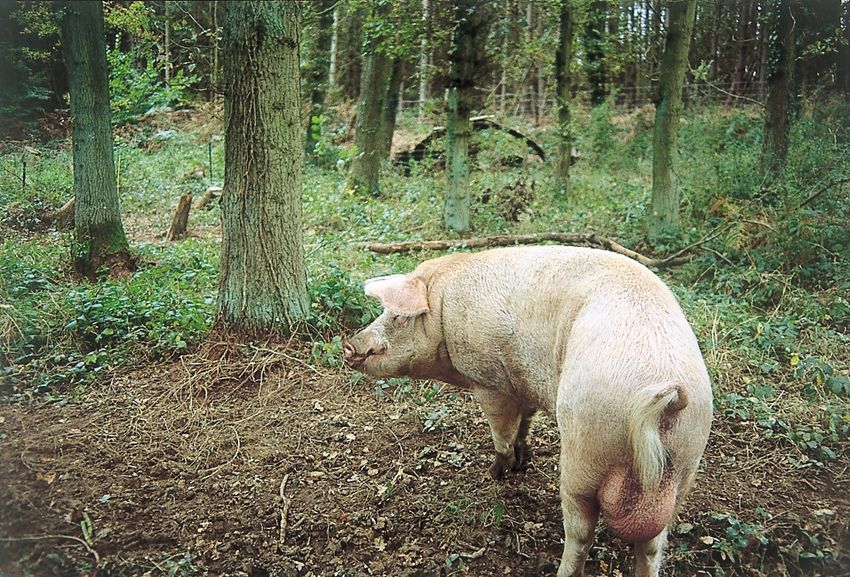
Method of feeding, dietary preferences and habitat effects of domestic stock species

Diet preference
                    Seasonal variation                                  Effects on habitat                                                      References
Major/minor species
High quality grasses,       Low                                         1. Uneven tussocky sward, with tall vegetation around dung              3, 5, 7, 8, 9
bent/fescue                 Broadleaves bark stripped when forage          patches which are avoided. High grazing pressures produce
Low quality communities:    availability low (winter), or in response      short swards.
bog-rush fen, mat           to mineral deficiency (summer).             2. Winter grazing of mat/purple moor-grass breaks-up deep litter
grass/purple moor-grass,                                                   and increases quality of spring growth.
heather (ling).                                                         3. Summer grazing of heather and wavy hair-grass reduces coarse
                                                                           and woody material, encourages herb species and improves
                                                                           forage quality.

Bent/fescue grasses         High                                        1. Varied sward structure, patches of closely grazed and tussocky       7, 9, 10
Purple moor-grass,          Bent/fescue grasses preferred. Purple          ground.
heather, gorse and holly.   moor-grass, sedges, rushes and ferns        2. Native breeds particularly useful at controlling coarse grasses
Sedges/rushes and ferns.    taken late spring and summer. Bark             (e.g. tor grass) and producing open, herb-rich swards.
Native breeds take more     stripped when forage availability low.
coarse grasses.

High quality grasses        High                                        1. Short, tight sward, except where tussocky grass is present.          3, 11, 12
and forbs                   Ash, holly, oak and birch browsed in        2. Commercial hill breeds avoid coarse grasses.
Heather and coarse          summer. Fir, spruce, yew, juniper and       3. Browse hardwood seedlings for a greater proportion of year and
grasses.                    bramble in winter. Bark stripped in            more selectively than cattle, preventing natural regeneration.
                            severe winters.                             4. Saplings browsed in winter especially during snow cover.
                                                                        5. Seek woodland shelter during inclement weather causing
                                                                           particularly high impact to ground flora and natural regeneration.

High quality grasses,       High                                        1. Graze/browse tall vegetation leaving uneven, tussocky swards.        7, 13, 14, 15
sedges, rushes and          Grasses, sedges and rushes in summer,       2. Hardwood seedlings browsed more than by cattle and sheep,
dwarf shrubs                dwarf shrubs, gorse and browse in              preventing natural regeneration.
Mat grass, rushes,          winter. Norway and Sitka spruce             3. Brambles and other thorny species may be controlled by
bracken, bog mirtle.        browsed in winter. Winter stripping of         browsing.
                            smooth barked broadleaf species (40–35
                            cm girth) and conifers (5–15 cm girth).

Anything tasty              Low                                         1. Dense ground vegetation (bracken, couch grass, brambles,             16
                            Fruits and seeds (particularly acorns)         roses) reduced/cleared by rooting behaviour.
                            taken in autumn.                            2. Seed beds created for natural regeneration.
                                                                        3. Seedlings, saplings and roots of larger trees may be uprooted or
                                                                           damaged unless pigs are ringed (4–5 rings in snout) and
                                                                           removed following pannage period (3–4 weeks).
                                                                        4. Continual pig rooting prevents natural regeneration.
      © Roy Dennis

                                                                                      Trampling

                                                                                      10. The hooves of domestic stock, in particular cattle and
                                                                                          ponies, can cause trampling of vegetation and the soil
                                                                                          surface (poaching). Trampling may be particularly
                                                                                          important in limiting or reducing the spread of
                                                                                          invasive species such as bracken in grassland1, and in
                                                                                          knocking down other tall vegetation, creating
                                                                                          pathways (approximately 30 cm wide even through
                                                                                          rank vegetation) which may be used by other mammal
                                                                                          and bird species9. Trampling can also break up thick
                                                                                          turves and mats of vegetation, helping to create
                                                                                          seedling establishment sites.

                                                                                      11. The pressure of a sheep hoof (1.5 kg cm-2) is only
                                                                                          44% that of a cattle hoof (3.4 kg cm-2) and so sheep
                                                            An Aberdeen
                                                            Angus cow eating              may be more suited to wet habitats for winter
                                                            cotton grass.                 grazing3, although sphagnum species in bogs and

                                                                                3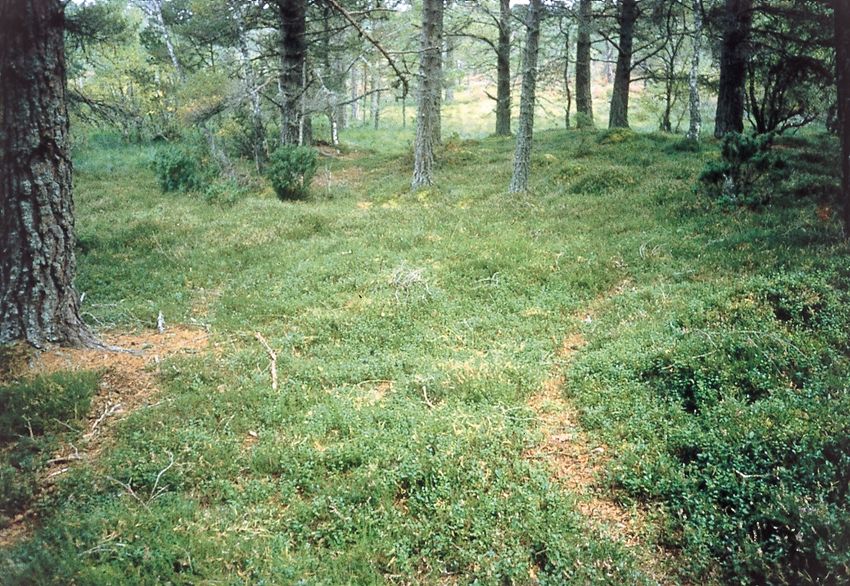
Cattle path through blaeberry and heather at Abernethy Forest.
                                                                                    I M PA C T O N W O O D L A N D
                                                                                    H A B I TAT

                                                                                    14. The impact of domestic stock on woodland ecosystems
                                                                                        is broadly similar to that of wild herbivores5. There is,
                                                                                        however, variation between species and even between
                                                                                        breeds of the same species (Table 1). Cattle and goats
                                                                                        tend to graze taller vegetation and leave an uneven
                                                                                        tussocky sward. Sheep and horses graze closely, leaving
                                                                                        a short sward of even height at moderate to high
                                                                                        grazing pressures and a more varied sward at lower
© Roy Dennis

                                                                                        grazing pressures. Table 23 summarises the impact of
                                                                                        different grazing intensities in woodlands. Specific
                                                                                        impacts by the domestic stock species to particular
                                                                                        parts of the woodland ecosystem are described below.
                   lichens are vulnerable to even light sheep trampling.
                   Sheep appear to have no trampling effect on bracken              15. Generally the greater the grazing or browsing pressure
                   on the open hill (unlike cattle)8. However, Adams17                  then the greater the impact to the ground, shrub and
                   concluded that poaching by sheep (2.5–6.4 ha-1) was                  canopy layers of the site. However, not all impact
                   the main reason why trees failed to respond to the                   levels will be detrimental to the objectives of the site.
                   grazing of understorey in an agroforestry trial in                   For example relatively high grazing and browsing
                   Northern Ireland. On light or peaty soils or bare                    levels are necessary to restore woodland pastures and
                   ground sheep may initiate or exacerbate erosive                      ensure that ancient trees are not shaded out by natural
                   processes by making ‘scrapes’ and lying up in peathags               regeneration. However, on sites where domestic stock
                   for shelter.                                                         have prevented natural regeneration and reduced
                                                                                        structural diversity, exclusion of grazing for a few
               12. Trampling (particularly by cattle) on wet sites can be               years followed by extensive cattle grazing may be
                   damaging to soil structure causing compaction (up to                 most beneficial (Table 4).
                   15 cm in depth18) and increasing the bulk density of
                   the soil surface (to 8 cm depth). This may lead to               Effect on ground flora
                   reduced soil pore space, poor aeration, reduced soil
                   infiltration rates, soil seepage and low microfaunal             16. Where grazing pressure is completely removed the
                   densities12. However, in upland woods the benefits of                more aggressive plant species (e.g. bluebell and wood
                   trampling in creating seedling establishment sites should            anemone) will become dominant, shading out smaller
                   outweigh any detrimental effects of soil compaction3.                herbaceous species and less competitive species, such
                                                                                        as violet and wood pimpernel19.
               13. The rooting activity of pigs is particularly useful for
                   clearing dense ground vegetation (bracken, brambles,
                   couch grass and wild roses), improving access for
                   silvicultural operations, reducing the need for weed
                   control and creating seed beds for natural
                   regeneration16. Stocking density should be low (< 0.5
                   ha-1) for a short period (up to 3 months) during spring
                   and summer. High pig densities (up to 100 ha-1) on
                   restock sites may cause soil compaction and
                   burrowing leading to raising of stumps from the
                   previous crop, making subsequent vehicle access
                   difficult (Guest, unpublished). Unless removed from
                   the site, pigs will eventually root up any seedlings
                   which have established, preventing natural
                   regeneration.                                                    A pig rooting in lowland woodland.

                                                                                4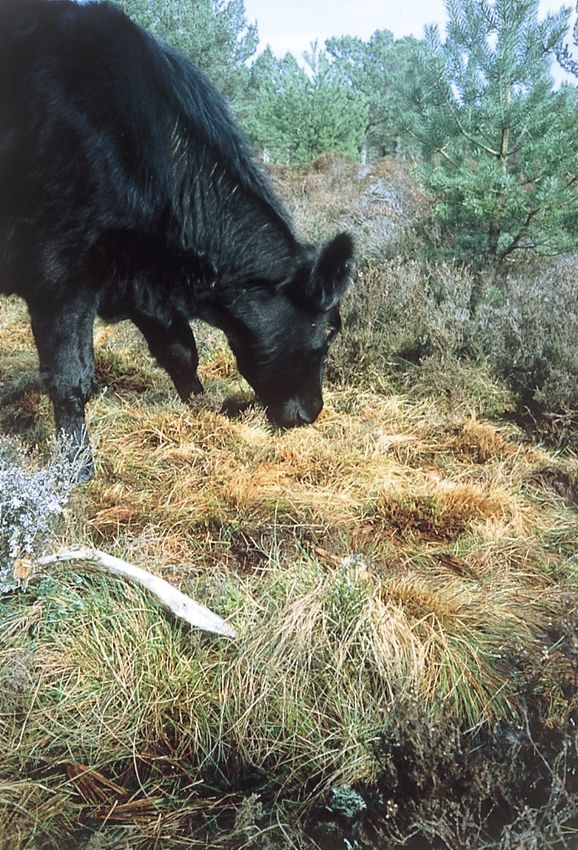
Table 2     Grazing level indicators (after Mitchell & Kirby)3        20. Grazing (and rooting) by domestic stock is particularly
                                                                          useful to reduce the spread of most unwanted (coarse
Grazing level Indicators                                                  grass and shrub) species, for maintaining ‘open swards’
Low                Saplings frequent in canopy gaps, well                 with patches of bare ground for ground nesting species,
                   developed shrub layer, no obvious browse               and for reducing competition between weeds and
                   line. Ivy present, ground vegetation                   young trees, hence reducing the need for herbicide
                   dominated by grazing sensitive species                 application during the establishment phase. However,
                   (blackberry, honeysuckle) or limited by                grazing may accentuate the competitive advantage of
                   dense shrub layer, mats of wavy hair-grass             tufted hair-grass on poorly drained lowland soils, as it
                   may develop in base poor sites.                        is unpalatable and avoided by domestic stock unless
                                                                          little else is available. Heavy trampling may damage
Moderate           Saplings present although localised, shrub
                                                                          and flatten small tussocks.
                   layer developed in parts, signs of
                   grazing/browsing, few bare soil patches.
                                                                      21. Where dunging is concentrated in latrines or other
                   Ground vegetation >30 cm high, mixture
                                                                          areas, plant species composition may be affected by
                   of grass/herbaceous/dwarf heath vegetation.
                                                                          the concentrations of nitrogen and potassium and the
High               No tree regeneration >20 cm, generally no              introduction of ‘alien’ plant species through seeds in
                   shrub layer, pronounced browse line on                 supplementary feed.
                   shrubs and trees, ground vegetation up to
                   20 cm, dominated by less palatable                 Effect on tree regeneration
                   grasses, bryophytes and bracken, some
                   bare patches, palatable and grazing                22. Where grazing pressure is completely removed the
                   sensitive species (blackberry, bilberry,               more aggressive plant species shade out seedlings of
                   honeysuckle) confined to inaccessible areas.           some tree species20. Where there is a ‘mat’ of ground
                                                                          vegetation, seeds may be prevented from reaching the
Excessive          No tree regeneration, barking of mature
                                                                          ground, or from establishing once they have germinated.
                   trees and of branches on the ground, no
                   shrub layer, extensive bare ground and soil
                                                                      23. A reduction of grazing in upland woodland sites may
                   disturbance, invasion of weed species
                   (docks, annual meadow-grass).                          encourage oak seedlings/sapling recruitment but
                                                                          reduce birch and rowan recruitment. Ground
                                                                          disturbance to reduce competition and create niches
                                                                          for seedling establishment is particularly important for
17. At low grazing levels sward structure may be more                     the regeneration of birch21. This disturbance may be
    varied but species richness is reduced by the                         achieved through trampling, close cropping of the
    dominance of a few competitive plant species. Some                    vegetation or tearing up and rooting of the vegetation,
    species such as dogs mercury are exceptionally                        which creates short swards with shallow moss and
    sensitive to grazing and may only survive in the shelter              litter layers and bare soil. However, unless removed
    of bushes even at relatively low grazing intensities19.               from the site, pigs will eventually root up any seedlings
                                                                          which have established, preventing natural regeneration.
18. At moderate grazing levels the more aggressive and
    dominant plant species may be kept in check enabling              24. There are clear differences between tree species in their
    smaller, common, less competitive species to become                   susceptibility to browsing, even at the seedling stage20,
    established and create a more species-rich and                        although this will also be influenced by the presence of
    structurally diverse habitat.                                         alternative forage and grazing/browsing pressure. Birch,
                                                                          oak and hawthorn are considered to be least susceptible
19. Heavy grazing pressure can cause dramatic changes in                  and sycamore most susceptible to grazing20, 22.
    plant species composition and abundance, with                         Moderate grazing favours alder regeneration whilst
    preferred species being grazed out, and unpalatable,                  high or none prevents it. Simulated grazing experiments3
    such as bracken and tufted hair-grass, becoming                       have shown that oak seedlings are particularly resilient
    dominant. Heavily grazed grasslands generally become                  to browsing, and only die when subjected to sustained
    species poor and may become dominated by                              defoliation. Seasonal differences in the responses of
    bryophytes as other vegetation is grazed out.                         seedlings to grazing/browsing suggest that for birch,

                                                                  5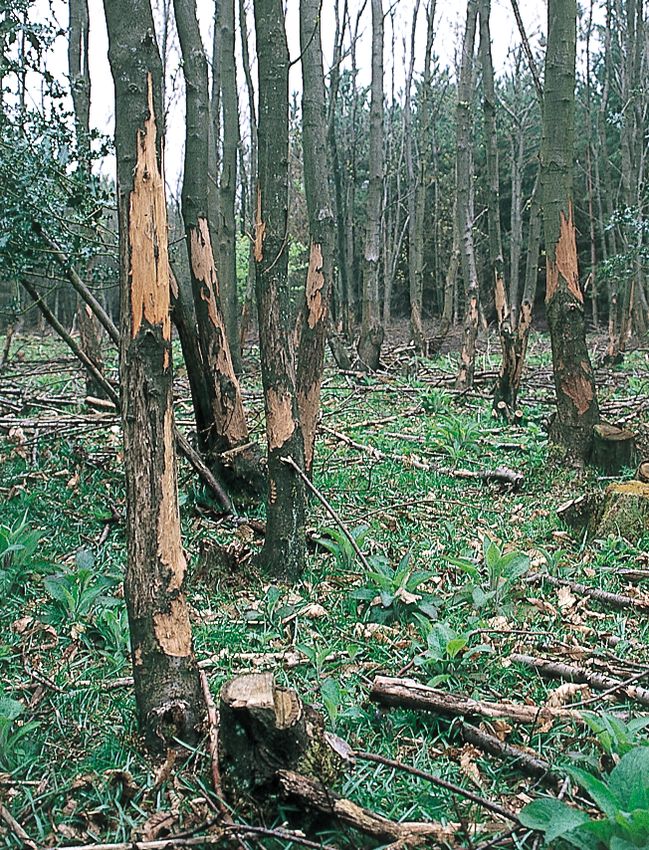
rowan and ash, winter browsing is less detrimental              29. All domestic stock will strip the bark from trees although
    than summer browsing20. Selective browsing and                      sheep and goats may be more prone to this18. Bark
    grazing can dramatically alter woodland                             stripping may be more severe during severe weather or
    composition3, with browsing of holly by sheep (and                  when forage availability is low. It may also occur in
    deer) being considered to be responsible for its scarcity           response to mineral deficiencies and the provision of
    in the shrub layer in western British oakwoods.                     mineral supplements (salt licks) may prevent or reduce
                                                                        it. Any trees which are ring barked will be killed, and
25. Controlled grazing/browsing plays an important role                 where some tree species are stripped preferentially, the
    in preventing unwanted scrub development in open                    species composition of the woodland may be altered.
    heathland habitats18 which support populations of a                 Continuous high browsing and stripping damage levels
    number of rare reptiles and amphibians (smooth                      by sheep and goats can lead to complete degradation
    snake, sand lizard and natterjack toad). Goats are                  of woodland habitats with juniper heathland
    particularly effective at controlling invasive                      developing in areas which were once acid oak forests18.
    weed/shrub species as they have the ability to detoxify
    secondary plant compounds such as tannins14. They               30. Where pigs are kept within woodland all year without
    have been used to maintain fire breaks in the Pacific               the provision of supplementary feed they will quickly
    south-west forests of USA, to improve upland pasture                eradicate most ground vegetation and strip tree stems
    by grazing out rushes23 and to remove birch and                     and spur roots leading to eventual death of the trees.
    willow from dune systems and lowland heath. High                    However, if provided a full diet they may be used to
    densities (32 goats ha-1) are required and for                      control invasive species such as bracken and
    maximum impact on birch and willow, browsing                        rhododendron, which will be used as bedding litter by
    should commence as early as possible (May) and                      sows.
    continue through to July14.
                                                                                                               Tree guard
                                                                                                               damaged by
26. Trampling by cattle may cause damage to seedlings7, 8                                                      ponies/cattle
    particularly within the first few years of establishment.                                                  because of
                                                                                                               insufficient
    As seedlings grow taller they become more visible to                                                       height of stake.
    the cattle and levels of basal scarring decrease. A
    threshold grazing pressure of 12 AU Mg-1 ha-1 has
    been suggested above which a high percentage of trees
    would be scarred. Species which are able to resprout
    (e.g. birch and rowan) are more likely to recover from
    trampling damage than others which cannot (e.g.
    Scots pine)7.
                                                                     © Roy Dennis

27. Where regeneration is protected against browsing by
    the use of individual tree shelters, the stakes
    supporting the treeshelters/guards must be substantial                                                     Bark stripping
                                                                                                               of sweet chestnut
    enough to withstand ponies and cattle rubbing against                                                      by sheep.
    them, otherwise they can be knocked over and trees
    within the shelters broken off.

Effect on vegetation structure

28. At high grazing pressures structural diversity is
    reduced dramatically with very little, if any, vegetation
    present below the ‘browse line’. Generally domestic
    stock browsing of evergreens is higher during winter
    whilst on deciduous species it is highest during
    summer15. High levels of browsing will prevent
    natural regeneration leading to a very open woodland
    structure17.

                                                                6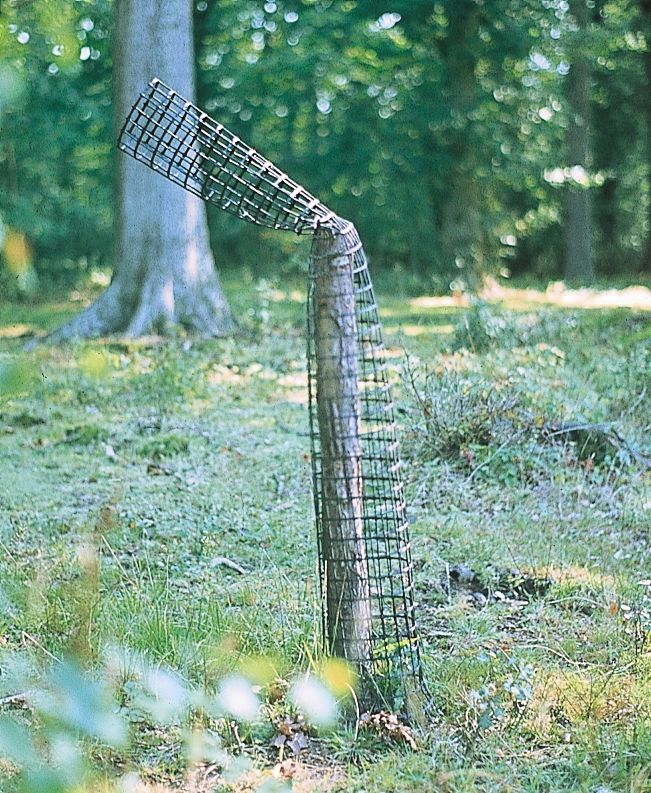
Impacts on invertebrates

31. A reduction in ground flora and shrubby growth will
    reduce food plants and nectar sources available to
    invertebrates, other than those in the tree canopy. This
    will be accompanied by a loss in invertebrate species,
    particularly butterflies24. Many woodland butterfly
    species depend on open areas such as glades, rides or
    recently coppiced areas, and require a temporarily
    continuous mosaic of these ‘open’ habitats as they
    have low dispersive powers25. Grazing can help
    maintain these habitats by limiting the spread of
    grasses which outcompete important herbaceous                     Silver washed fritillary (Argynnis paphia L.).
    nectar plant species such as viola. Some invertebrates,
    such as the wood ant, may benefit from increased
    grazing/browsing as they build their nests in locations
    to obtain direct sunlight and so a reduction in ground            grazing levels provide these conditions. Where grazing
    vegetation will enhance their habitat24. Putman26 also            levels are reduced and shrub cover increases,
    found a greater abundance of spiders in grazed                    commoner species such as blue tits will compete with
    compared to ungrazed woodland.                                    pied flycatchers for nesting sites. Trampling by large
                                                                      stock or pigs may be a risk to ground nesting birds.
32. The dung of domestic stock, in particular of cattle, is           On sensitive sites grazing should therefore be limited
    an important invertebrate habitat, with large numbers             to summer/autumn, after young birds have fledged
    of beetles (particularly Geotrupes) and some 60                   (i.e. after May). Game birds also rely on ground cover
    species of fly associated with it, as well as                     to avoid predation.
    earthworms, nematodes, mites and springtails9.
    Current research suggests exceptionally high levels of         34. Cattle create pathways through ground vegetation
    Geotrupes in oak woodland in the New Forest (grazed                which are used by other mammals and birds (in
    by ponies and cattle) whilst none have been found in               particular woodland grouse)9. During the winter cattle
    oak of the same age class in Alice Holt Forest                     movement through snow helps to expose feeding sites
    (ungrazed). Spots favoured by cattle to rest at night or           for small birds and break up the ice at loch edges.
    shelter from rain or heat may be heavily covered in                Cattle dung in particular, attracts birds (jackdaws,
    dung and urine, attracting large numbers of dung                   waders, chough, starlings and woodland grouse)
    beetles and their predators. However, the use of                   which feed on the associated invertebrates and their
    antihelminth drugs (in particular Avermectin based                 larvae, and other species which feed on adult flies
    endectocides) to control internal parasites can                    attracted to the dung9.
    dramatically reduce the invertebrates associated with
    dung9.                                                         Mammals

Impact on birds and mammals                                        35. In woodlands the highest abundance and diversity of
                                                                       small mammals is associated with establishment,
Birds                                                                  restock and prethicket crop stages, where there is an
                                                                       abundance of ground vegetation, in particular
33. Generally speaking bird species diversity will be                  grasses28. Studies have shown that heavily grazed
    highest in more structurally diverse woodlands27. At               woodlands such as the New Forest, with short ground
    low to moderate grazing levels woodland structural                 vegetation, have reduced small mammal
    diversity will be enhanced (Table 2), providing a range            populations24, 26. Woodmice are the only small
    of feeding niches and shelter for birds. Certain bird              mammal species which appear to achieve healthy
    species (woodwarblers, pied flycatchers, redstarts,                populations in heavily grazed habitat. Burrowing
    thrushes and tree pipits) prefer sites with less than              species such as field voles may be limited due to
    30–40% shrub cover, for feeding and nesting, and low               trampling and disturbance of leaf litter as well as the
    ground vegetation (15–20 cm). Low to moderate                      reduced ground and shrub vegetation.

                                                               7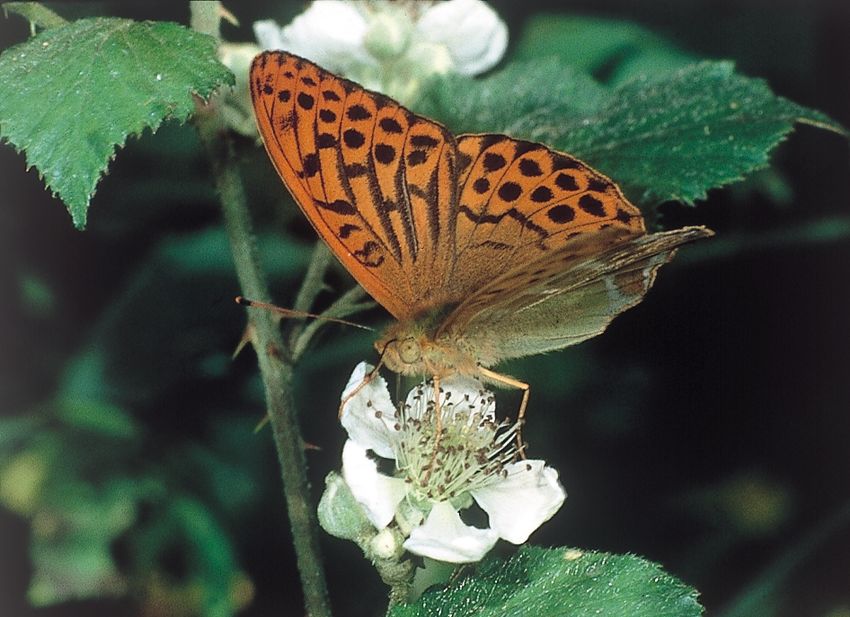
36. As rabbits are morphologically adapted to use close-           Table 3     Grazing recommendations
    cropped vegetation, heavy grazing may be expected to
    have less impact on their populations. However,                Objective           Recommendation
    where grazing is high rabbit populations are relatively
                                                                   Maintain            Increase grazing levels where shrubs and
    low, with breeding groups most frequently occurring
                                                                   parkland            regeneration are shading out parkland
    in areas of dense gorse or other cover24. Predatory
                                                                   communities         communities. Extensive grazing should
    mammals (weasels, stoats and foxes) relying on small
                                                                                       continue to maintain a short sward, reduce
    mammals and rabbits are indirectly affected by                                     shading and overtopping of veteran trees.
    grazing in woodlands and are either rare or occur at
    lower densities than in other ungrazed woodlands24.                                Regeneration can be protected in small
                                                                                       exclosures or individually, until above
37. Small mammals (particularly voles) are one of the                                  browsing height29.
    main food items of 50% of the raptors found in
    British forests and the only main prey item for all four       Manipulate          Coarse grasses and dominant species will be
    owl species and kestrels28. In years of low vole density       ground flora        reduced by grazing and trampling. Extensive
    most species take other prey (songbirds, other birds,                              grazing (continuous low density) preferred.
                                                                                       The bulk of old coarse grasses should be
    lagomorphs, reptiles and invertebrates)24, 28 but
                                                                                       removed first by burning or mowing.
    species density and breeding success will be reduced.
    However, short-eared owls (a highly mobile species)
                                                                   Improve tree        Reduce grazing levels. Enclose newly felled
    may be completely absent from an area except in peak
                                                                   regeneration        or glade areas. Use individual tree
    vole years28. Tawny, barn and little owls, kestrels and                            protection29. Where regeneration is limited
    buzzards all occur at lower densities in the heavily                               by a dense understorey use pigs, cattle or
    grazed New Forest compared to other similar                                        ponies at relatively high density for a short
    habitats24.                                                                        period of time to create bare patches and
                                                                                       break up any mats of vegetation.
38. In semi-natural woodlands, low grazing intensities,
    which encourage a diverse ground and shrub flora, are          Increase            Keep grazing levels low. Cattle and ponies
    likely to create suitable habitats for the widest range        shrub cover         will browse less than sheep or goats.
    of small mammals and their predators. The dung from
                                                                   Coppice             Very low densities for first 5 years or exclusion
    domestic stock also has high numbers of invertebrates
                                                                   management          until regrowth is above browse height.
    associated with it on which badgers, foxes, shrews,
    hedgehogs and bats will forage.

CONCLUSIONS

39. Low intensity grazing by domestic stock should
    benefit a range of ancient and semi-natural woodland
    types by increasing structural and species diversity.
    Some habitats, such as lowland wood pasture, may
    benefit from higher grazing intensity (Table 4).
    Although it is possible to provide general guidance on
    the use of domestic stock there is very little detailed
    information available on specific impacts of different
    breeds to woodland flora and fauna. It is therefore
    recommended that grazing regimes should start at low
    intensity, should not encompass all of sensitive or
    priority habitats and should be monitored. Grazing
    regimes to meet general objectives are given in Table 3
    whilst Table 4 provides specific recommendations for
    a range of NVC woodland types.
                                                                   Staverton Park, a typical grazed wood pasture.

                                                               8
PRACTICALITIES OF STOCK • Domestic stock may interfere with the culling of
deer, both by disturbing the deer and concerns about
GRAZING
shooting them. Where deer culling is an important
objective domestic stock should be removed during
40. For those woodland owners who have limited
the doe cull season (November–March). This will
experience of dealing with domestic stock the
also reduce the likelihood of the ground becoming
following practicalities should be considered:
‘poached’ over the winter.
• Hardy and/or ancient breeds are most suitable (e.g.
• Noxious weeds may need to be removed from sites
Belted Galloway or Highland cattle; Hebridean,
(ragwort should be removed by hand as dead plants
Herdwick, Swaledale or Rough Fell sheep11;
become more palatable after cutting or herbicide
Saddleback or Gloucester pigs) as they are hardier
treatment30), or stock kept away whilst the plant is
and less prone to disease, thrive better on relatively
in leaf (e.g. March–June for meadow saffron, found
poor forage and are likely to require little
in wood pastures in Savernake). Cattle and sheep
supplementary feeding. Horses survive better on
(less likely) may suffer from bracken poisoning in
poor quality year-round grazing than cattle.
areas where other forage is particularly limited31.
• Cattle require daily inspection of animals and fences,
• Risks of redwater disease (caused by a tick-borne
particularly breeding stock with young. Non-
protozoan parasite, particularly in south-west
breeding (fattening) cattle, sheep or hardy ponies
England) and the presence of Johne’s disease (spread
require less stockmanship. Water must be supplied
through contaminated water, particularly drinking
daily for lactating cattle, horses and goats, regularly
ponds) may limit the use of cattle31.
for sheep and pigs. Inspection should be more
frequent during periods of inclement weather.
• Keep stock in herds/flocks of sizes found naturally PROPOSALS FOR THE FUTURE
e.g. 10–30 adult cows. This may limit the application
of extensive cattle grazing to areas of ≥30 ha. 41. Currently the use of domestic stock to enhance/restore
habitats is mainly limited to open heath and grassland
• Manage stock ‘organically’, with no/minimal use of areas. Few sites have investigated or monitored the use
antibiotics or worming compounds which remain of domestic stock in woodlands. Formal trials should
active in the dung and are toxic to invertebrates and be initiated to consider:
fungi. Fenbendazole products are recommended.
• Impacts of grazing and trampling on sensitive plant
• Suitable fencing will need to be used. On small areas communities.
electric fencing may be adequate, particularly for
pigs. Suitable (self-closing) gateways will need to be • The impact of grazing by different stock species and
provided where footpaths and bridleways cross the breeds on invertebrate, bird and small mammal
site. Vehicle access will be required to move stock to populations.
and from the site. Hardy/ancient breeds (particularly
• The influence of domestic stock grazing on soil
of sheep) require higher fencing.
compaction, regeneration and tree survival.
• Where there is public access choice of stock must
• Minimum/maximum flock/herd sizes to achieve
consider risks to the public and stock:
specific objectives.
- entire males and cows with calves can be
particularly aggressive towards people and dogs
42. Where stock are to be grazed in woodland habitats it
- dogs walked off lead may ‘worry’ sheep and cows.
is recommended that sensitive plant communities are
• Conflicts may occur where the area is shot for identified, current structural and species diversity is
gamebirds, or is used by ground nesting species. recorded (including point photographs) and the effects
Grazing will tend to reduce shrub and ground flora of the grazing regime are monitored at regular (1, 3, 5,
and hence gamebird cover, and nests may be 10 year) intervals. Details of the grazing regime
trampled. Where ground nesting birds are a priority (numbers of animals, breed, sex, age-class and weight,
grazing should be limited to late summer/autumn. area grazed and over how long) should also be recorded.
9Table 4 Recommendations for the grazing of domestic stock in ancient and semi-natural woodlands, by NVC woodland type
Woodland type Grazing issues Objectives
Wet woodlands Shrub, coppice, high forest mixes. Generally not 1. Coppice regeneration over 5–40 years.
NVC W1-7 regularly grazed. May be grazed locally. 2. Improve groundflora and structure.
Upland mixed Most former coppice displaced by grazing. 1. Coppice regeneration and high forest.
ashwoods Sycamore naturalised in many. 2. Improve groundflora and structure.
NVC W8 (e–g) W9
Upland oakwoods Mainly former coppice or high forest. 1. Reduce shading by scrub.
NVC W11, W17 Most now neglected and heavily grazed. 2. Improve groundflora and structure.
(oak dominated) Others dominated by birch, ash, holly, hawthorn
and rowan. 3. High forest regeneration.
4. Coppice regeneration.
Upland birchwood Woods dominated by birch, sometimes with 1. Reduce grazing to encourage increased natural
NVC W11, W17 hazel, sallow, rowan and holly. regeneration and succession.
(birch dominated) Most heavily grazed by sheep and deer limiting 2. Maintain as high forest (grazed).
development into native pine or oak woods.
Lowland mixed The main lowland woodland type; mainly oak, 1. Coppice regeneration.
broadleaf woodlands ash and hazel.
NVC W8 (a–d) W10 Historically coppiced with oak standards.
Some still worked. 2. Regeneration of standards.
Often intricate mosaics of various stand types. 3. Improved flora and structure.
}
Regeneration limited by deer grazing and 4. High forest regeneration.
browsing. 5. Maintain open and ride habitats.
}
Lowland beech-ash Beech and yew high forest. Most historically 1. Recoppice areas coppiced within the last 50 years.
woods coppiced with limited wood pasture. Many now 2. Regeneration of standards.
NVC W12–14 high forest with extreme beech dominance. 3. Re-establish wood pasture areas.
4. Reduce shading and overcrowding of ancient trees.
Lowland acid, beech Often formally managed as wood pasture. 1. Manage beech dominated areas as uneven age high forest
and oakwoods Reduction in grazing has led to changes in 0.2–0.5 ha coupes.
NVC W15 and 16 structure. 2. Oak dominated areas coupes >0.5 ha
W16 often found on lowland heaths, reducing 3. Recoppice areas coppiced within last 50 years, especially
conservation value of heath. chestnut, oak or birch areas.
Many planted with chestnut and worked as 4. Maintain and improve wood pasture areas.
coppice.
Lowland wood pasture A reduction in grazing has generally led to shading 1. Stock grazing and shelter.
out and overcrowding of trees, particularly
pollards. Scrub encroachment has reduced the 2. Conserve habitat for breeding birds, saproxylic specialist
amount and distribution of open space. invertebrates, and epiphytic lichens.
3. Open up structure, reduce regeneration and shrub layers
(e.g. Savernake).
Native pinewoods Pine high forest, often very open due to heavy 1. Regeneration and extension of woodland (some grazing).
NVC W18 grazing by deer and sheep. 2. Regeneration of associated shrub layer (especially juniper).
Very little regeneration, some birch and other
broadleaves associated.
1043. The Grazing Animals Project (GAP) provides a useful
forum for exchange of ideas and information and
Maximum grazing density ha-1 (either/or)
facilitates the use of native domestic stock breeds.
Cattle Horses Sheep Timing Reference
0.07 - 0.5 1st 5–10 years 32 Mailing enquiries:
0.1 - 0.7 10 years onwards
Richard Small
0.07 - 0.5 1st 5–10 years School of Biological and Earth Sciences
0.1 - 0.7 10 years onwards Liverpool John Moores University
Byrom Street
Liverpool L3 3AF
0.2–0.5 - - Summer grazing 33
0.05 - 0.33 Continuous 32
Tel: 0151 231 2051
0.07 - 0.5 1st 5–10 years 32 Fax: 0151 207 3224
0.1 - 0.7 10 years onwards 32
E-mail: R.W.Small@livjm.ac.uk
0.1 Summer grazing
44. Grazing by domestic stock has the potential to
0.05 - 0.33 Continuous 32 improve structural and species diversity of woodland
habitats whilst at the same time improving their
aesthetic value and encouraging the conservation of
0.1 - Once coppice 32 genetic diversity within domestic stock species.
above browse
height
Summer grazing 33
0.2–1 REFERENCES
Continuous 1. PETERKEN, G.F. (1981). Woodland conservation and
0.05 0.33 32 management. London, Chapman and Hall.
0.1 - Continuous, 33 2. RACKHAM, O. (1983). Trees and woodland in the British
extensive grazing landscape. J.M. Dent and Sons Ltd., London.
3. MITCHELL, F.J.G. AND KIRBY, K.J. (1990).
see below The impact of large herbivores on the conservation of semi-
natural woods in British Uplands. Forestry 63(4), 333–353.
4. FORESTRY AUTHORITY (1997). The management of
semi-natural woodlands. Forestry Practice Guides 1–6.
Forestry Commission, Edinburgh.
0.07 - 0.5 1st 5–10 years
0.01 - 0.7 10 years onwards 5. GILL, R.M.A. (in preparation). The impact of herbivores on
see below woodland biodiversity. Forestry Commission Information
Note. Forestry Commission, Edinburgh.
6. VAN DYNE, G.M., BROCKINGTON, N.R., SZOCS, Z.,
0.05 - 0.33 For 15 continuous 32
DEUK, J. AND RIBIC, C.A. (1980). Large herbivore
years in every 100 32 subsystem in grasslands, systems analysis and man,
0.6 - 4.0 Other years 269–537, eds A.I. Breymeyer and G.M. Van Dyne.
0.3 0.4 - Continuous International Biological Programme 19. Cambridge
0.3 - - Remove Nov–Feb 34 University Press, Cambridge.
34
7. GORDON, I.J., YOUNG, J.B. AND PATTERSON, G.W.
(unpublished). ‘Grazing forests for conservation’.
0.05–0.1 - - Continuous 9 Unpublished report to the Forestry Commission.
8. HALL, S.J.G. (1988). Chillingham Park and its herd of white
cattle: relationships between vegetation classes and patterns
of range use. Journal of Applied Ecology 25, 777–789.
italic = best estimation
119. DENNIS, R. (1998). The importance of traditional cattle for 25. ROBERTSON, P.A., CLARK, S.A. AND WARREN, M.S.
woodland biodiversity in the Scottish Highlands. Highland (1995). Woodland management and butterfly diversity.
Foundation for Wildlife, Inverness-shire. In, Pullin, A.S. (ed.), Ecology and conservation of
butterflies, 113–121.
10. PUTMAN, R.J. (1996). Competition and resource
partitioning in temperate ungulate assemblies. 26. PUTMAN, R.J., EDWARDS, P.J., MANN, J.C.E., HOW,
Chapman and Hall, London. R.C. AND MILL, S.D. (1989). Vegetational and faunal
changes in an area of heavily grazed woodland following
11. OATES, M.R. (1995). Butterfly conservation within the relief of grazing. Biological Conservation 47, 13–32.
management of grassland habitats. In, Pullin, A.S. (ed.),
Ecology and conservation of butterflies, 98–111. 27. HARRIS, E. AND HARRIS, J. (1997). Wildlife conservation
in managed woodlands and forests. 2nd edition Research
12. ADAMS, S.N. (1975). Sheep and cattle grazing in forests: a Studies Press Ltd. and J. Wiley and Sons Inc., New York.
review. Journal of Applied Ecology 12, 143–152.
28. PETTY, S.J. (1998). Ecology and conservation of raptors in
13. BULLOCK, D.J. (1991). Feral sheep. In, Corbet and Harris forests. Forestry Commission Bulletin 118. HMSO, London.
(eds), The handbook of British mammals, 541–547.
29. HODGE, S. AND PEPPER, H. (1998). The prevention of
14. BULLOCK, D.J. AND GRABROVAZ, M. (1990). mammal damage to trees in woodland. Forestry Commission
The impact of goat farming on upland vegetation in Practice Note 3. Forestry Commission, Edinburgh.
Scotland – a preliminary study. Rural Development Report
No. 1. Nature Conservancy Council (Scotland), Edinburgh. 30. WILLOUGHBY, I. (1996). Noxious weeds. Forestry
Commission Research Information Note 274. Forestry
15. VAN WIEREN, S.E. (1991). The management of populations Commission, Edinburgh.
of large mammals in the scientific management of temperate
communities for conservation, 103–128, eds I.F. Spellerberg, 31. PARKER, W.H. (1970). Health and disease in farm animals.
F.G. Goldsmith and M.G. Morris. Blackwell, Oxford. Pergamon Press, Oxford.
16. BROWNLOW, M.J.C. (1992). Acorns and swine: 32. LATHAM, J. (in preparation). Woodland grazing
historical lessons for modern agroforestry. prescriptions for an all-Wales agri-environment scheme.
Quarterly Journal of Forestry 86(3), 181–190. Presented at ‘Grazing Management Options for Native
Woodlands’. May 1998. Macaulay Land Use Research
17. ADAMS, S.N. (1986). Sheep performance and tree growth Institute.
on a grazed Sitka spruce plantation.
Scottish Forestry 40(4), 259–263. 33. VAN WIEREN, S.E. (unpublished). ‘The potential for
grazing for nature conservation in British forests’.
18. SUCHANT, R., TURK, S. AND ROTH, R. (1998). Unpublished report to the Forestry Commission.
Grazing problems in Germany: balance or imbalance
between wildlife and habitat? In, Humphrey, J., Gill, R. and 34. GIBSON, C. (1997). Reintroducing stock grazing to
Claridge, J. (eds), Grazing as a management tool in Savernake Forests: a feasibility study. English Nature
European forest ecosystems, 36–44. Forestry Commission Research Report 224.
Technical Paper 25. Forestry Commission, Edinburgh.
19. CHATTERS, C. AND SANDERSON, N. (1994).
Grazing lowland pasture woods. British Wildlife 6, 78–88.
20. HESTER, A.J., MITCHELL, F.J.G. AND KIRBY, K.J.
(in press). Effects of season and intensity of sheep grazing on
tree regeneration in a British upland woodland. Forest
Ecology and Management.
Enquiries relating to this publication should be addressed to:
21. PIGGOTT, C.D. (1983). Regeneration of oak-birch
woodland following exclusion of sheep. Brenda Mayle
Journal of Ecology 71, 629–646. Forest Research
Alice Holt Lodge
22. RACKHAM, O. (1980). Ancient woodland: its history, Wrecclesham
vegetation and uses in England. Edward Arnold, London. Farnham
Surrey
23. LIPPERT, M., RUSSELL, A.J.F. AND GRANT, S.A. (1987).
The use of goats in hill pasture management. In, Bell, H. and
GU10 4LH
Bruce, R. (eds), Agriculture and conservation in the hills and
uplands. ITE Symposium No. 23. Tel: 01420 22255
Fax: 01420 23653
24. TUBBS, G.R. (1986).
The New Forest. Collins, London. E-mail: b.mayle@forestry.gov.uk
FPD9/30-IH(ED)-JW/1.5KSEPT99
ISSN 1460-3802 © CROWN COPYRIGHT
ISBN 0-85538-504-9 12You can also read


