EMISSIONS REDUCTION PLAN FOR OUR OPERATIONS 2016 - 2021 - City of Melbourne
←
→
Page content transcription
If your browser does not render page correctly, please read the page content below

EMISSIONS REDUCTION PLAN FOR OUR OPERATIONS 2016 - 2021
CONTENTS
                                                                     Our Emissions Reduction Plan at a glance                             4         List of Figures

                                                                     Executive summary                                                    6         Figure 1: City of Melbourne greenhouse
                                                                                                                                                              gas emissions 2014-2015                10
                                                                     Caring for Country and environmental sustainability                  8
                                                                                                                                                    Figure 2: Our emissions reduction
                                                                     Our commitment to carbon neutrality                                  9                   pathway 2010-2021                      11

                                                                     Emissions reduction target                                           11        Figure 3: Emissions from City of
                                                                                                                                                              Melbourne’s large buildings            16
                                                                     1.   Develop a low carbon culture                                   13
                                                                                                                                                    Figure 4: The asset decision cycle               17
                                                                     2. Celebrate Melbourne without the emissions                        14
                                                                                                                                                    Figure 5: Organisational boundary for
                                                                     3. Zero carbon for our buildings                                    15                   City of Melbourne’s carbon inventory   22

                                                                     4. Queen Victoria Market renewal                                    18

                                                                     5. Carbon neutral goods and services                                19

                                                                     6. Zero carbon transport                                           20

                                                                     7. Reducing emissions from waste                                    21

                                                                     Technical notes                                                     22

                                                                     Implementation plan                                                 23

                                                                     References                                                          34

AN ECO
CITY
We provide solid foundations for the sustainability of Melbourne’s
communities. We embrace the unfamiliar if it helps us achieve our
ambitions. We continue to encourage our community to take positive
actions and we lead by example locally, nationally and globally.
                                                                     Disclaimer
                                                                     This report is provided for information and it does not purport to be complete. While care has
                                                                     been taken to ensure the content in the report is accurate, we cannot guarantee is without
                                                                     flaw of any kind. There may be errors and omissions or it may not be wholly appropriate for
                                                                     your particular purposes. In addition, the publication is a snapshot in time based on historic
                                                                     information which is liable to change. The City of Melbourne accepts no responsibility and
                                                                     disclaims all liability for any error, loss or other consequence which may arise from you relying
melbourne.vic.gov.au/ecocity                                         on any information contained in this report.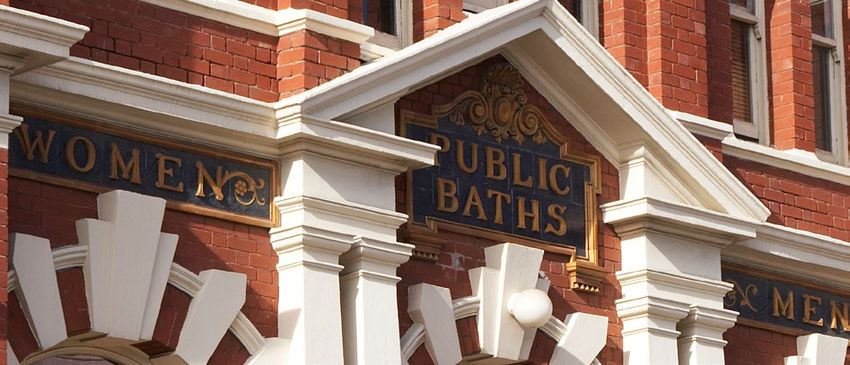
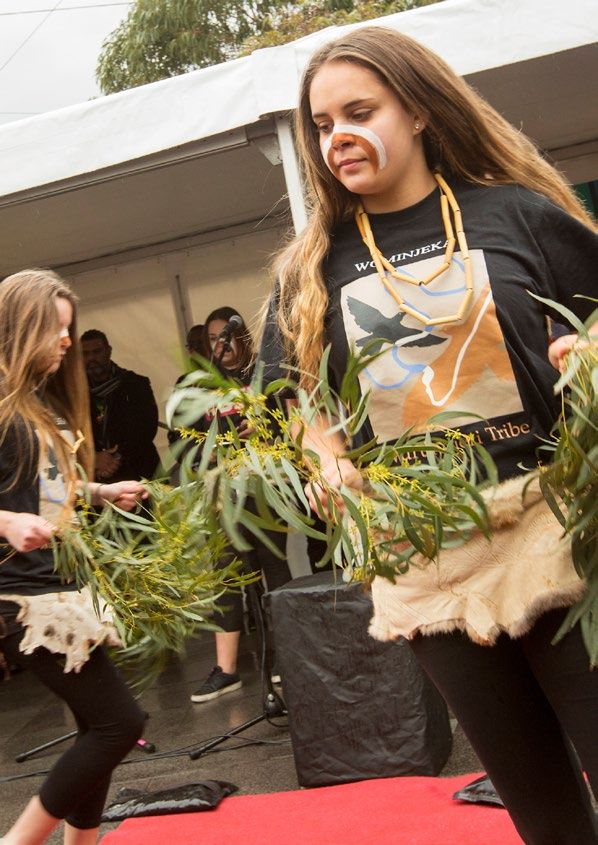
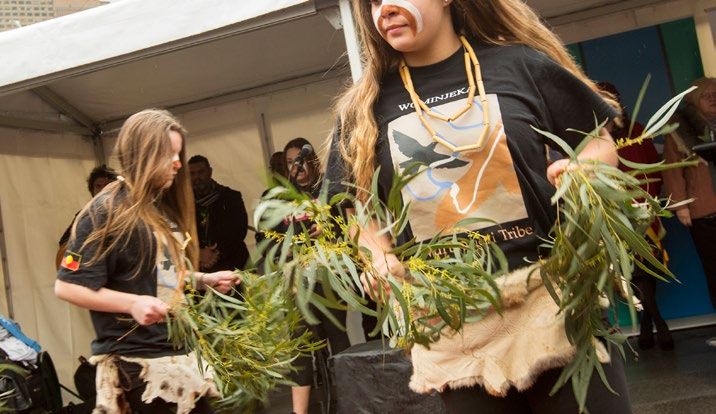
ACKNOWLEDGEMENT OF
melbourne’s TRADITIONAL OWNERS
The City of Melbourne respectfully
acknowledges the Traditional
Custodians of the Land. For
the Woiwurrung (Wurundjeri),
Boonwurrung, Taungurong, Dja Dja
Wurrung and the Wathaurung groups
who form the Kulin Nation, Melbourne
has always been an important meeting
place for events of social, educational,
sporting and cultural significance.
Today we are proud to say that
Melbourne is a significant gathering
place for all Aboriginal and Torres
Strait Islander people.

2      melbourne.vic.gov.au/ecocity        Emissions Reduction Plan for our Operations   3
Tonnes of CO2 emissions to be reduced each year

OUR EMISSIONS REDUCTION
                                                                                                                                                                                                    Reduction target achieved

                                                                                                                                                                                                    Reduction target will be achieved

PLAN AT A GLANCE
                                                                                                                                Science-based target to
                                                                                                                                avoid 1.5 degree global                                             Target achieved by street light energy savings
                                                                                                                              temperature rise by 2020–21                                           Target achieved by building energy savings

                                                                                                                         17,524
                                                                                                                                                                                                    Target achieved by renewable energy
How do we maintain carbon neutrality?                                                                                                                                                               Target achieved by offsets
Being carbon neutral means the net greenhouse gas emissions associated
with an organisation’s or city’s activities are equal to zero.

Our emission                                                                           Science-based target
                                                                                     to avoid 2 degree global

reduction targets                                                                  temperature rise by 2020–21                                                               Carbon neutrality: total

                                                                                   5,738
                                                                                                                                                                            annual emissions (2014-15)

                                                                                                                                                                45,242
                                       10% reduction by 2018

                                       5,359

Major sources of
greenhouse gas emissions
from our organisation
                                                                                                                            29%
                                                                                                                            Buildings                                                                                  39%
                                                                                                                              13,138                                                                                  Street lights

                                                                                                                                                                           10%
                                                                                                                                                                             other
                                                                                                                                                                                                                         17,842

            4%
             QVM
                                                                                                                                                                            4,211

                                                                           13%
           1,928

                                                                           Citywide
                                                                                                                                                  5%
                                                                                                                                             Transport
                                                                           6,030                                                                  2,093

The journey so far:

              2003                                 2010                                     2012                              2015                                      2015                                              2016
  The City of Melbourne set a goal       The Australian Government              The City of Melbourne achieved         The City of Melbourne              More than 170 countries committed        The Australian Government signed the Paris Climate
    for its operations to become       developed the National Carbon          carbon neutral certification for our     achieved the target to                 to the Paris Climate Change             Change Agreement. The Victorian Government
   carbon neutral by 2020, and a     Offset Standard (NCOS) and Carbon         operations for the NCOS baseline      reduce emissions from our             Agreement, which set a target to       committed to carbon neutrality for the State of Victoria
   goal for zero net emissions by     Neutral Program for organisations.       year 2011-12. We have maintained       operations by 10 per cent             limit global temperature rise to            by 2050. The City of Melbourne calculated
   2020 across the municipality.                                              certification each subsequent year.       compared to 2010-11.               under 2oC by and recognised the           science-based emission reduction targets for its
                                                                                                                                                             role of cities for the first time.        operations and maintained carbon neutrality.

                                                                                                                                                                                                     Emissions Reduction Plan for our operations
Executive summary
The City of Melbourne acknowledges
and respects the customs, traditions
                                                  the City of Melbourne, contributed a
                                                  further 13 per cent to total emissions
                                                                                                    Priorities for action
and knowledge of Aboriginal people                and the Queen Victoria Market
                                                                                                    This plan describes the actions we
and their unique relationship with the            contributed 4 per cent.
                                                                                                    will take to reduce emissions from
land, waterways and sea. We recognise
                                                                                                    our operations over five years from
our shared responsibility to Care for             Our emissions reduction target                    1 July 2016 to 30 June 2021, in seven
Country by addressing the causes of
                                                                                                    priority areas:
climate change that will impact on                The 2015 Paris Climate Change
present and future generations and                Agreement introduced science-based
our environment.                                  emission reduction targets to limit               1.   Develop a low carbon culture
                                                  global temperature rise to well below
Our Zero Net Emissions by                         2°C and to pursue efforts to limit it to          2. Celebrate Melbourne, without
                                                  1.5°C above pre-industrial levels. It also           the emissions
2020 Strategy1 sets clear,
                                                  recognised, for the first time, the role
ambitious objectives to reduce                    that cities play in reducing emissions.           3. Zero carbon for our buildings
our greenhouse gas emissions
to maintain carbon neutrality                     The City of Melbourne has calculated              4. Queen Victoria Market renewal
for our operations.                               the emissions that need to be reduced
                                                  by our organisation to contribute to this         5. Carbon neutral goods and services
Being carbon neutral means the net                international effort. We need to reduce
greenhouse gas emissions associated               our emissions by 1.5 per cent each
                                                                                                    6. Zero carbon transport
with an organisation’s or city’s activities       year or around 5,738 tonnes of carbon
are equal to zero2.                               dioxide equivalent to avoid a 2°C rise in
                                                                                                    7.   Reduce emissions from waste
                                                  global average temperature by 2050.
This Emissions Reduction Plan for our                                                               We are committed to reporting
Operations summarises the actions                 To do our share to avoid a 1.5°C rise             annually to the community on our
that the City of Melbourne will take to           in global average temperature by                  progress in delivering these actions.
reduce emissions from our activities              2050, we need to do even more, and
between 1 July 2016 and 30 June 2021,             reduce our emissions by approximately             The emissions of our organisation are
to maintain our carbon neutrality.                4.5 per cent each year, or 17,524 tonnes          less than one per cent of municipality-
                                                  of carbon dioxide equivalent. This is             wide emissions. To achieve zero net
Each year, the City of Melbourne                  based on our 2011-12 baseline year for            emissions by 2020 for the municipality,
measures and publicly reports the                 the National Carbon Offset Standard.              we need other organisations and
amount of emissions generated from                It is anticipated that these calculations         businesses located in the City of
our services. We undertake projects to            will need to be adjusted in response              Melbourne to start the journey toward
reduce emissions from our facilities and          to the projections of climate scientists,         carbon neutrality by first measuring,
services, and we purchase high quality            particularly in relation to the target            then reducing emissions, purchasing
certified carbon offsets to ensure that           needed to avoid a 1.5°C rise in average           renewable energy and offsetting any
any remaining emissions are reduced to            global temperature.                               residual emissions.
zero. This is called ‘zero net emissions’.
Since 2012 the City of Melbourne has              The City of Melbourne has met its 2018            By sharing the approach we are
been certified as a carbon neutral                emissions reduction target of 10 per              taking to reduce emissions at the
organisation according to the National            cent by 2018 compared to the 2010-11              City of Melbourne, we would like to
Carbon Offset Standard3.                          baseline year.                                    encourage other cities to also work
                                                                                                    toward carbon neutrality.
In 2014-15, we generated 45,242 tonnes            The actions described in this plan will
of carbon dioxide equivalent from our             achieve further emission reductions of
operations. The emissions from energy             4.5 per cent per year to meet or exceed
use in street lights (39 per cent) and            the 1.5°C science-based target.
buildings (29 per cent) accounted for
68 per cent of the organisation’s total
greenhouse gas emissions. The services
provided by Citywide, a subsidiary of

1. City of Melbourne Zero Net Emissions by 2020 Strategy Update 2014.
2. The terms ‘carbon neutral’ and ‘zero net emissions’ are interchangeable in meaning.
3. According to the National Carbon Offset Standard (NCOS) organisations report on all emissions within operational control. The Queen Victoria
   Market is a wholly owned subsidiary and the City of Melbourne is responsible for capital works at the site including the planned $250 million
   redevelopment. However the City of Melbourne does not have operational control of Citywide’s operations. For that reason, only the services
   that Citywide supplies to the City of Melbourne are included in the City of Melbourne organisational emissions inventory according to the
   National Carbon Offset Standard.

6       melbourne.vic.gov.au/ecocity                                                                                                               Emissions Reduction Plan for our Operations   7
Caring for country and Our commitment to carbon
environmental sustainability neutrality
We seek to understand and
embrace reconciliation by respecting
Sometimes, the term ‘environmental
sustainability’ reduces the concept of
The increased heatwaves, storms, and
floods resulting from climate change
The Zero Net Emissions Carbon neutral 2. Transparency in what we do
by 2020 strategy includes The City of Melbourne will be
and honouring the knowledge held
by Aboriginal people about Caring
nature to its usefulness as a natural
resource. For example, when we
will impact on present and future
generations and the plants, animals,
a commitment to reduce decision-making transparent to stakeholders about
for Country. describe energy, water and resource land, water and seasons of Melbourne. emissions and to maintain principles our emissions impact, how we go
about reducing that impact and
efficiency we are describing nature as This Emissions Reduction Plan describes carbon neutrality for our
Caring for Country acknowledges all associated decision-making
a commodity to be conserved, but not the actions the City of Melbourne and operations.4 Three essential principles form the
processes and assumptions.
the responsibility held by present acknowledging the deeper meaning of its stakeholders will take to reduce basis of the City of Melbourne’s Carbon
generations to respect the traditional custodianship. Similarly, the concept our contribution to climate change, Being carbon neutral means the net Neutral Strategy, and are incorporated
knowledge, custodianship and kinship of ‘triple bottom line’ represents while acknowledging the need to go greenhouse gas emissions associated into every step of our efforts to maintain 3. Cost effectiveness
that Aboriginal people have with the a balance between competing further than the environmental, social with an organisation’s or city’s carbon neutrality. The principles are:
land and its inhabitants. In the urban The City of Melbourne will prioritise
environmental, social and economic and economic ‘pillars’ of environmental activities are equal to zero.5 For an
context of Melbourne it is important we actions which achieve the greatest
values from an economic perspective sustainability to integrate reconciliation organisation to attain carbon neutral
do not reduce Caring for Country to the 1. Compliance with the NCOS Carbon emissions reduction at the lowest cost.
without acknowledging the value of into this work. The Emissions Reduction certification it needs to measure
mere conservation of natural resources. Neutral Standard
animals, plants, rivers and the land in Plan is guided by principles which and report its emissions annually,
We need to respect the deep sense traditional terms, or for their own sake. require our decisions to deliver positive take action to reduce emissions and This is considered the Australian 4. Leadership by example
of responsibility held for thousands social outcomes. As part of this, purchase certified offsets equivalent Standard for achieving and claiming
of years by generations of the Kulin The City of Melbourne will seek to
the plan acknowledges the cultural to any remaining emissions. The carbon neutrality for an organisation
Nation. It is a holistic approach that deliver an approach to carbon neutrality
change needed to support stronger formal requirements are described in or product.
emphasises the connections between that demonstrates leadership to the
relationships with Aboriginal and Torres the National Carbon Offset Standard
cultural, environmental, economic and Melbourne community.
Strait Islander people, and to integrate (NCOS) and certified by the Carbon
societal systems. 2. Social responsibility
an ethic of Caring for Country. Neutral Program.
The City of Melbourne must consider 5. Biodiversity
This Emissions Reduction Plan the social impact of all decisions to
summarises the actions that the City The City of Melbourne will prioritise
reduce carbon emissions and in the
of Melbourne will take to reduce actions which have a positive impact
purchase of offsets. Decisions that
its operational emissions between on biodiversity in Melbourne, Australia
have positive social outcomes will
1 July 2016 and 30 June 2021. It also and overseas.
be prioritised.
introduces science-based targets
to demonstrate the reduction in 6. Transparency of suppliers
3. Timeliness
emissions needed for us to contribute
to international efforts to limit global The City of Melbourne will encourage
The City of Melbourne became a
temperature rise to under 2°C by 2050. our suppliers to be transparent about
certified carbon neutral organisation
Lastly, it demonstrates how we exceed their emissions impacts, what actions
in 2012 and has since maintained
these targets to achieve zero net they take to minimise their impacts
carbon neutral certification without
emissions for our operations. and their associated decision making
compromising cost effectiveness
processes and assumptions.
or quality.
The emissions of our organisation are
less than one per cent of municipality- These principles ensure the emission
In addition to these essential principles,
wide emissions. To achieve zero net reduction projects identified in this plan
the following important principles are
emissions by 2020 for the municipality, will be effective, transparent and cost-
taken into consideration where feasible,
we need other organisations and effective. They also take into account
for all decisions made. The principles, in
businesses located in the City of the need to lead by example, have a
priority order are:
Melbourne to start the journey toward positive impact on biodiversity and
carbon neutrality by first measuring, engage our supply chain.
1. Certainty in emissions reduction
then reducing emissions, purchasing
renewable energy and offsetting any The City of Melbourne will prioritise
residual emissions. activities and offsets that deliver a
high level of confidence in the resulting
By sharing the approach we are taking emissions reductions.
to reducing emissions at the City of
Melbourne, we seek to encourage other
cities, businesses and organisations
to take responsibility for their
environmental impacts and work
toward carbon neutrality.
4. The City of Melbourne Zero Net Emissions wby 2020 Strategy Update 2014 p.4. The baseline
year for this target is 2010-11.
5. The terms ‘carbon neutral’ and ‘zero net emissions’ are used interchangeably in this
document.
8 melbourne.vic.gov.au/ecocity Emissions Reduction Plan for Our Operations 9
Emissions reduction target
Scope of the The remaining 10 per cent of emissions
from our operations were generated
Paris Climate Change The actions described in this Emissions
Reduction Plan demonstrate our
4.5 per cent each year which is 17,524
tonnes of carbon dioxide equivalent
Emissions by the supply of additional goods
and services, as well as natural gas,
Agreement commitment to the Paris Pledge for
Climate Action.
based on our 2011-12 baseline year for
the National Carbon Offset Standard.
Reduction Plan refrigerants and indirect (scope 3) The Paris Climate Change Agreement It is anticipated that these calculations
The City of Melbourne reviewed all
emissions from waste, and water. introduced a science-based target to
limit global temperature rise to under
Science-based will need to be adjusted in response
to the projections of climate scientists,
sources of emissions reported under
the National Carbon Offset Standard
The Australian Government’s Carbon
Neutral program guidelines require
20C by 2050. For the first time, cities, targets particularly in relation to the target
needed to avoid a 1.5°C rise in average
investors and businesses were formally
(NCOS) and prioritised the largest all sources of emissions greater than recognised for the role they play in global temperature.
The science-based target for the City of
sources of emissions to identify one per cent of total emissions to be reducing greenhouse gas emissions Melbourne’s operations is based on our
emission reduction projects. included in the Emissions Reduction Figure 2 illustrates how the City
in addition to national efforts. Along share of the emissions that need to be
Plan, and no greater than five per of Melbourne will exceed the
with many cities, the City of Melbourne reduced to avoid a 1.5°C to 2°C rise in
In 2014-15, we generated 45,242 tonnes cent of emissions to be excluded on science-based emission reduction
signed the Paris Pledge for Climate average global temperature by 2050.
of carbon dioxide equivalent from our that basis. targets, maintaining carbon
Action,6 which states:
operations. The emissions from energy It was calculated by using the allocation neutrality between 2016-2021. It also
use in street lights (39 per cent) and The guidelines also require local “[W]e the undersigned, affirm illustrates that the City of Melbourne
of global emissions to the various
buildings (29 per cent) accounted for governments to report on indirect our strong commitment to a has achieved its earlier target of a
sectors of the Australian economy to
68 per cent of the organisation’s total emissions (called ‘scope 3’ emissions) safe and stable climate in which 10 per cent reduction in emissions by
calculate the proportion of emissions
greenhouse gas emissions. The supply which relate to the supply chain and temperature rise is limited to under 2018 compared to the 2010-11 baseline.8
that government operations need to
chain also includes services identified downstream impacts. Transport 2 degrees Celsius. reduce. A science-based target was
with local government operations then developed to compare with our
such as the management of recreation 5% We pledge our support to ensuring effort to reduce emissions over the
facilities, parks and gardens which 10% Buildings
that the level of ambition set by the
Transport next five years.7
contribute to our emissions and are 4% agreement is met or exceeded.
included within the scope of the 29% For the City of Melbourne’s operations,
Emissions Reduction Plan.
5% Streetlights
We will do this by taking concrete
10% Buildings we need to reduce our emissions by
13% steps now, and without waiting 1.5 per cent each year or around 5,738
The services provided by Citywide, a 4% for the entry into force of the
Transport Citywide tonnes of carbon dioxide equivalent
subsidiary of the City of Melbourne, 29% agreement in 2020, both individually to avoid the 2°C rise in global average
Streetlights
contributed a further 13 per cent to total 5% and cooperatively, to reduce temperature. To do our share to
emissions. The majority of Citywide’s 10% 13% Buildings QVM greenhouse gas emissions to a safe avoid the 1.5°C rise in global average
emissions were generated by diesel 39% level and build resilience against
4% Citywide temperature by 2050 we need to
use in the collection of waste and 29% those changes already occurring.” reduce our emissions by approximately
Streetlights Other
other services. A further five per cent
of emissions were generated by the 13%
QVM
transport fuel from corporate vehicle 39% Citywide
fleet and contracted services such
as street cleaning, lawn mowing and Other
garden maintenance. QVM
Figure 1: City of
39%Melbourne greenhouse gas emissions 2014-2015 60,000
The Queen Victoria Market contributed
four per cent of total emissions. Other
While these are not directly under 50,000
Target to avoid
our operational control; the City of Building upgrades
2 degree C
rise in global
Melbourne is responsible for capital
Total emissions (tonnes CO2e)
temperature
Streetlights Net emissions
10% emission
works at the site including the planned 40,000
reduction
(offset)
renewal project. target met
Total emissions (tonnes CO2e) MREP
Target to avoid Streetlights
30,000 1.5 degree C
rise in global Building
Melbourne Renewable Energy Project temperature upgrades
QVM carbon
neutrality
20,000
Science based
target (20C)
Science based
target (1.50C) est
10,000
Purchase Carbon offsets
Carbon neutral
target
6. The full text of the Paris Pledge for Climate Action is at: parispledgeforaction.org/read/ 2010/11 2011/12 2012/13 2013/14 2014/15 2015/16 2016/17 2017/18 2018/19 2019/20 2020/21
7. Further information on the method to allocate emissions is at: sciencebasedtargets.org/
methods/
Figure 2: Our emissions reduction pathway 2010-2021
8. The reporting systems for emissions from our supply chain and subsidiaries also improved
over this period.
10 melbourne.vic.gov.au/ecocity Emissions Reduction Plan for Our Operations 11
1. Develop a low carbon culture
Emissions reduction In addition to these major work
programs, emissions from transport
The City of Melbourne is reducing
greenhouse gas emissions and ensuring
The City of Melbourne actively
promotes low carbon living to residents
Actions over the next
pathway fuel will be addressed through the
supply chain and vehicle fleets, and
our buildings and operations are
carbon neutral, because our community
in the municipality as part of its Zero
Net Emissions by 2020 Strategy. By five years:
As represented in Figure 2: Our the number of carbon neutral goods expresses strong support for actions engaging visitors to our community
and services increased. Emissions will that address climate change.9 facilities in the actions needed to reduce 1. Integrate Aboriginal
emissions reduction pathway 2010-2021,
be further reduced through the Queen emissions, we can enhance our efforts knowledge, cultural diversity
our main actions to reduce operational
Victoria Market renewal program, which Every day, thousands of people attend to reduce emissions and deliver on and social inclusion in the
emissions include a program of capital
integrates carbon neutral design. or participate in public events, sports community expectations. delivery of the Emissions
works to upgrade energy efficiency
and entertainment in the municipality. Reduction Plan.
and renewable energy in our buildings,
We will also purchase electricity from Community members use our libraries, The City of Melbourne has more
and the upgrade of street lights to
a new supply of renewable energy by childcare and healthcare centres and than 1,400 employees, and a low 2. Promote the City of
high efficiency LED technology. The
delivering the Melbourne Renewable many other community buildings, and carbon culture will also support the Melbourne’s carbon neutrality
Australian Government’s Clean Energy
Energy Project. We will then offset any enjoy Melbourne’s beautiful parks and implementation of the plan over and options for patrons at
Finance Corporation (CEFC) is financing
residual emissions, to ensure that the gardens. These activities, and those the next five years. We conduct our facilities to contribute
these programs.
City of Melbourne maintains carbon of shoppers, tourists, workers and sustainability basics training as part of to emission reductions
neutrality for its operations. commuters all generate greenhouse staff induction, and behaviour change through sustainable choices
gas emissions through the energy, programs are run throughout the year for transport, purchases and
and transport fuel used to operate, to save energy in our buildings. avoiding waste.
clean and maintain facilities and
manage waste. In order to successfully implement the 3. Conduct staff training
Emissions Reduction Plan we need to and behaviour change
As caretakers of public assets, we need regularly monitor and report on our programs to ensure
to consider the needs of present and progress to the public, councillors and facilities and equipment
future generations, and at the same the executive leadership team. The are operated efficiently.
time respect the diversity and cultural Australian Government Carbon Neutral
heritage of our community. We need to program also requires us to report
4. Establish internal monitoring
ensure that we integrate reconciliation progress annually.
and reporting for the
and social inclusion into our actions,
implementation of the plan.
as well as sensitivity to heritage and
the needs of the community when
5. Report progress in
upgrading our facilities.
implementing the plan
to the public and to
councillors annually.
9. The need for the City of Melbourne to continue to address climate change through the Zero
Net Emissions by 2020 Strategy by reducing greenhouse gas emissions was a prominent
theme in the 2016 Future Melbourne community consultation.
12 melbourne.vic.gov.au/ecocity Emissions Reduction Plan for Our Operations 13
2. Celebrate Melbourne 3. Zero carbon for our buildings
without the emissions
Melbourne’s liveability, thriving culture Melbourne’s most recognised landmarks We are committed to ensure we make Energy savings and emissions
and environmental sustainability are a are also the some of the largest users of the right decisions about community reductions in buildings can be
Actions over the next five years:
source of community pride. Since 2012 energy. The good news is that each year, assets, with the right information, delivered in three ways:
the historic Melbourne Town Hall, City lighting, heating and cooling technology by establishing the right data and
1. Continue to offset the emissions 5. Develop practical information
Baths, Queen Victoria Market and all is becoming more efficient and in many processes as outlined in our Asset 1. Right decisions: Install energy
generated by Christmas lights for premier event partners and
of the community facilities and services cases renewable energy can be installed Management Strategy 2015-25. This efficient equipment and renewable
and projections. community event planners
provided by the City of Melbourne have to reduce the emissions generated strategy incorporates the measurement energy technology in existing
on how to reduce and offset
been carbon neutral. Even the Christmas by these buildings. We have already and monitoring of the greenhouse buildings and invest in new green
2. Calculate the emissions emissions from venues, catering,
light decorations and the electric installed solar panels on many of the gas emissions generated by buildings buildings that exceed best practice.
from premier events such as transport and waste.
barbeques in our parks are carbon rooftops of buildings we own, and are into the evaluation of their condition,
neutral. In less than five years we have Melbourne Spring Fashion Week now investigating more difficult sites. function and capacity to meet 2. Right information: Develop the
saved or offset more than 200,000 and New Year’s Eve. 6. Promote walking, cycling and service needs. It also promotes an
public transport to event patrons. asset management plans, designs
tonnes of carbon dioxide equivalent There are more than 40 community evidence-based approach to managing and specifications for each building
already - which is worth celebrating. 3. Develop a carbon neutral ticketing buildings in the City of Melbourne’s resources. The Emissions Reduction in our portfolio to reduce emissions
option for patrons attending 7. Work with suppliers and event portfolio including arts centres, libraries, Plan supports these commitments by through the capital works program.
Now we are working to reduce Melbourne Music Week and partners to reduce packaging child care and health care centres, closing the loop between emissions
the emissions from our events and Melbourne Spring Fashion Week. and food waste and increase sports pavilions and recreation centres data, information about opportunities
the number of carbon neutral 3. Right data and processes: Improve
celebrations too. Melbourne is well with swimming pools. In addition, there to reduce emissions, best practice
products and services. the energy intelligence of our
known for its annual festivals such 4. Identify sponsorship or crowd are many smaller buildings such as zero carbon buildings, and the capital
buildings so that we know when
as Moomba, Melbourne Music Week, funding to offset emissions from public toilet blocks, information centres, works program. This will ensure that
the equipment inside our buildings
Melbourne Spring Fashion Week and free public events such as Moomba newspaper stands and street furniture each stage of the asset decision
is not operating efficiently, and
New Year’s Eve. Together, these events and New Year’s Eve and promote such as electric barbeques and parking cycle contributes toward meeting our
which buildings need to reduce
attract thousands of patrons and it through event publicity. meters. The variety of these community emissions reduction objectives.
emissions further.
visitors from interstate and overseas. assets presents a challenge in applying
Each year, more than a thousand a systematic approach to reduce The integration of these three elements
community and business events such their emissions. is needed to ensure best practice
as weddings, charity runs, product energy efficiency and renewable energy
launches and cultural festivals are technology is delivered across the life
hosted in our buildings, streets, parks cycle of assets.
and gardens. The City of Melbourne
has also been a major sponsor of the
Sustainable Living Festival held in
February each year. We will continue
to calculate the emissions generated
by events, and work with our event
partners and suppliers to reduce
emissions as much as possible so
that gradually our events become
carbon neutral.
14 melbourne.vic.gov.au/ecocity Emissions Reduction Plan for our Operations 15
Right information: Develop Right data and processes:
asset management plans, Improve the energy intelligence Actions over the next
11%
Melbourne Town Hall designs and specifications of our buildings five years:
Melbourne Town Hall
for each building.
30% In recent years, the City of Melbourne 1. Deliver emissions reductions
10% Administration Building has upgraded many buildings with
In the past, our capital works program from building assets by making
has upgraded building equipment, high-efficiency technology for lighting, the right decisions, with the
City Baths heating, cooling and ventilation.
facades and other components as right information and the right
needed and gradually improved the However, the performance of these data and processes related to
18% Kensington Pool energy performance of buildings by high-technology assets is often lower their energy performance.
selecting more efficient equipment. than expected. Research suggests
12% Carlton Baths This has allowed for a lot of trial and that even in green buildings designed
2. Develop a green information
error when it comes to installing new for energy efficiency, savings of more
technology plan to guide
19% technology. However the opportunity than 15 per cent in energy consumption
North Melbourne Swimming Pool actions to reduce emissions
to improve the energy performance of can be realised by providing facility
through the optimisation
a building by taking a holistic approach managers with regular feedback on
of current technology,
to its function and design has been energy performance through real time
Figure 3: Emissions from City of Melbourne’s large buildings procurement of new
missing. This has been exacerbated monitoring and reporting of energy
technology and future
by applying a method of like-for-like demand.10 In order to transparently
planning for the data centre
replacement, which means installing manage our community assets and
and technology services.
more efficient versions of existing improve their energy performance,
Information technology can be used Right decisions: Install energy equipment when it is at the end of we will monitor the performance of
to improve the energy performance efficient equipment, renewable our building assets and continue to
its service-life. This gradual approach
of assets, and it performs an essential
energy, and invest in new is too slow when compared to best report the associated greenhouse
function for the organisation. However emissions to the community.
it also generates emissions from green buildings practice zero carbon buildings.
data centres and related systems Build
Twenty-nine per cent of our greenhouse We will develop best practice asset New assets
infrastructure. This energy use is management plans, designs and
gas emissions come from energy use
expected to grow over coming specifications that take a holistic
in the City of Melbourne’s buildings.
CAPITAL EXPENSE
decades as data monitoring, response view of building performance. This
Design
Six buildings, including Melbourne Assets to
and communications increase in their will ensure that decisions about the
Town Hall and the adjacent Town meet service
applications. We estimate that around allocation of funds to capital works
Hall Administration building were requirements
30 per cent of the energy used by projects are based on the right
identified as the highest priorities to Renew, upgrade
Council House 1 was required by the information to reduce emissions from and expand
reduce emissions. We will reduce the
data centre situated in that building our buildings as much as possible. Existing assets
energy demand of these high priority
until recently. To improve efficiency,
buildings by upgrading heating, cooling,
four of the existing data hosting
ventilation and lighting equipment and
systems were consolidated into one,
installing renewable energy.
which has reduced energy demand
while maintaining service levels. We also have a growing portfolio of new
green buildings including Council House
OPERATING EXPENSE
A green information technology plan Assess, plan
2, and Library at The Dock. We are
will be developed to guide further work and decide
committed to delivering best practice Dispose
including the optimisation of existing • Strategic
environmentally sustainable design or retire
service review
Deploy / activate
technology, the procurement of new Asset to
for new building projects and major Assets that are no • Research
technology, and the sub-metering longer required • Asset data analysis deliver service
re-developments.
needed to monitor the performance • Community
of this technology. It will also guide engagement
the future design needed to reduce
emissions from the data centre while Manage
and Maintain
maintaining temperature control and
Asset to an agreed
continuity of service. service level
Figure 4: The asset decision cycle
10. Climate Works.(2016) Low Carbon, High Performance - How buildings can make a major
contribution to Australia’s emissions and productivity goals. Prepared for the Australian
Sustainable Built Environment Council.
16 melbourne.vic.gov.au/ecocity Emissions Reduction Plan for Our Operations 174. Queen Victoria Market Renewal 5. Carbon neutral goods and
services
Melbourne is well known for its diverse The master plan for the $250 million
Greenhouse gas emissions associated
and vibrant food culture and the fresh renewal of the market over the next
Actions over the next five with goods and services we purchased
Actions over the next
produce available at the Queen Victoria four years includes design objectives
Market. It is the largest open-air market to deliver a zero carbon development. years: were 5,676 tonnes of carbon dioxide
five years:
equivalent or 13 per cent of our total
in the southern hemisphere and has This will maximise energy efficiency
1. Continue to calculate, report emissions in 2014-15. The majority
served the community continuously and embed renewable energy and 1. Continue to measure and
and offset emissions from the of these emissions are produced by
since 1878. investment in off-site renewable energy. report emissions from major
Queen Victoria Market. outsourced services rather than the
While the rooftops of the market categories of supply and
supply of products.
It also contributed 1,928 tonnes sheds and open spaces provide an require contractors to report
of carbon dioxide equivalent in opportunity to capture solar energy, 2. Ensure the new Queen any large sources of emissions
Each year we request suppliers to
2014-15, which is four per cent of they also add to the climate change Victoria Market design from sub-contractors.
calculate their emissions from energy
our organisation’s greenhouse gas vulnerability of the site due to solar includes investment in
use, transport fuel, waste and any other
emissions. The majority of these gain and heat stress. The master adequate renewable energy
activities generating a large amount 2. Train contract managers
emissions are generated by electricity plan includes climate resilience in the infrastructure to supply the
of emissions. These are included in in key concepts relating
used for lighting and refrigeration, design objectives to cool the precinct electricity needs of traders
our emissions inventory as scope 3 to carbon neutrality to
however emissions from transport, and enhance biodiversity with green and shoppers and integrate
emissions (indirect emissions) and enable them to evaluate,
gas and water use also make a small infrastructure, stormwater harvesting zero carbon design objectives
reported according to the National negotiate and manage
contribution. A large array of 1,328 and water sensitive design. into the redevelopment tender
Carbon Offset Standard. The activities carbon neutral services.
solar panels covering one third of the process.
of our supply chain are therefore
market rooftop was installed in 2003, Action is needed to reduce the
included in the scope of this plan. 3. Organise supply chain
and now requires updating. An energy emissions generated by the 3. Specify high energy efficiency
redevelopment of the market in both workshops to encourage
performance contract has also been standards for lighting, In 2016 we conducted a materiality
the design and the construction businesses to reduce emissions
completed which included an energy refrigeration, heating and assessment of our 26 supply categories
process, particularly the increasing and develop carbon neutral
audit and installation of energy efficient cooling equipment. to better understand the environmental
electricity demand of the new design products and services.
lighting. These actions reduced the and social impacts of our purchasing
energy intensity of the market, however and the embodied energy of building 4. Integrate green infrastructure practices. As part of this assessment,
the introduction of a night market has materials and waste. We also need 4. Work with other local
into the design to decrease we have identified priorities for reducing
increased its operating hours, which has to install further renewable energy governments and similar
demand for air conditioning by emissions across the supply chain.
decreased the overall emissions saved. infrastructure to supply the increased organisations to amplify
increasing shading, pre-cooling A number of suppliers have already
electricity needed for lighting and market demand for carbon
air intake, and cooling the committed to deliver carbon neutral
refrigeration for traders. A zero waste neutral goods and services.
precinct. services to the City of Melbourne as
objective is included in the master plan part of their contract.
for the design, construction and the 5. Communicate organisational
5. Reduce emissions from waste
operational phases of the renewal. To increase the number of major expectations for carbon neutral
and the embodied energy
This will address emissions from contracts with carbon neutral goods and services in the
of construction materials by
embodied energy and reduce services, we need to consider procurement policy, tenders
integrating the zero waste
emissions from waste. the impact of emissions across and related documents.
design objectives into the
redevelopment plans and the decision-making life cycle
tender process. of purchasing and procurement.
This includes the development,
category management plans, tender
documentation, key performance
indicators and contract management
and reporting.
18 melbourne.vic.gov.au/ecocity Emissions Reduction Plan for Our Operations 196. Zero carbon transport 7. Reducing emissions from waste
Transport fuels contribute five per cent the hydrogen generated does not The waste generated by the City of
of our organisation’s total emissions. contribute carbon dioxide emissions. Melbourne’s operations includes waste Actions over the next
Actions over the next
A further 13 per cent of emissions are Therefore both electric vehicles and from our offices and public facilities
contributed by Citywide11, and the hydrogen fuel cell vehicles can be five years: including community buildings,
five years:
majority of these emissions are also zero emissions technology. parks and gardens. Residential
generated by transport fuels. 1. Promote walking, cycling waste collection is included in the 1. Continue to promote
In recent years, new vehicle models with and public transport options scope of the Emissions Reduction waste avoidance, diversion
Our staff regularly travel by walking, zero emission technology have not been to staff for commuting and Plan because it is under the City from landfill and recycling
cycling and using public transport and available in the Australian market and business travel. of Melbourne’s operational control through staff and community
electric bicycles to avoid emissions this has made them difficult to purchase through supply contracts, however engagement programs.
from the use of vehicles. The emissions or lease. However as they become 2. Ensure vehicle leasing and the residential waste itself is the
from any work-related air travel are available we will gradually increase purchase arrangements responsibility of householders 2. Ensure waste collection,
offset. The staff members responsible the number of zero emission vehicles support efforts to increase and therefore not included in our office cleaning and parks and
for enforcing local laws - our on-street over the next five years and ensure vehicles that use zero operations. The collection of waste gardens maintenance contracts
compliance team - have pioneered the there are adequate vehicle charging carbon technology. by trucks is a large contributor to support emission reductions
use of bicycle transport in their roles. stations in car parks owned by the our transport emissions. from waste.
City of Melbourne. 3. Design car park charging
Our corporate vehicle fleet comprises facilities for the projected The City of Melbourne’s Waste and 3. Continue to collect and report
80 cars including nine fully electric By far the largest proportion of vehicle increase in electric vehicles. Resource Recovery Plan addresses data on waste from community
vehicles and two plug-in hybrid emissions comes from the trucks that the emissions generated by waste and office facilities.
electric vehicles. We maintain carbon collect waste and the use of lawn across the municipality and includes
4. Continue to survey, monitor
neutrality for our vehicle fleet in several mowers and other vehicles to maintain waste avoidance campaigns, recycling
and report the use of transport 4. Ensure the updated Waste
ways: offsetting electricity emissions parks and gardens. Vehicle towing and programs and the diversion of organic
fuel and require transparent and Resource Recovery Plan
and transport fuel, charging electric street cleaning services also contribute waste from landfill. We do not own
reporting of transport-related addresses greenhouse gas
vehicles in car parks owned by the City significant vehicle emissions. These or operate any landfills, however the
emissions from suppliers emissions by promoting waste
of Melbourne, and by increasing the services are not directly delivered waste collected from our facilities is
and contractors. avoidance, diversion from
weighting given to fuel efficiency in the by our organisation, but through taken to recycling stations and landfills landfill and recycling.
evaluation of new vehicle models for contracted suppliers and Citywide, outside the municipality. The indirect
5. Work with our wholly owned
inclusion in the fleet. which is a subsidiary company of the emissions associated with recycling and
subsidiary Citywide to reduce
City of Melbourne. We will gradually landfills for the waste collected at our
We are also exploring using other new emissions from transport fuels.
increase the adoption of low emission facilities is included in our operational
zero emission technology models such and zero emission vehicles through the emissions inventory.
as hydrogen fuel cell vehicles. These management of these supply contracts.
vehicles operate similarly to petrol fuel
vehicles but without the greenhouse
emissions. Hydrogen is not a fossil fuel
because it is generated by applying
electricity to water molecules. When
the electricity used for this process
is sourced from renewable energy,
20 melbourne.vic.gov.au/ecocity Emissions Reduction Plan for our Operations 21Technical notes Implementation Plan
Baseline year Scope The following table identifies the
implementation process and timeframe
Delivery mechanisms:
for delivery for each of the actions • Business as usual – influencing
The baseline year for the Emissions All emissions reported annually
identified in the Emissions Reduction existing programs, projects and
Reduction Plan is 2011-12. In 2012 the under the National Carbon Offset
Plan for our Operations to 2021. works to incorporate the delivery
organisation first achieved Carbon Standard are included in the scope
of the Emissions Reduction
Neutral certification according to of the Emissions Reduction Plan. The implementation of the Emissions Plan actions
the Australian Government National The organisational boundary for the Reduction Plan will be subject to future
Carbon Offset Standard and Carbon emissions inventory is illustrated in • Future planning –subject to separate
annual budget and service planning
Neutral Program Guidelines. the figure below. approval, budget or business case,
priorities. The City of Melbourne work
to be determined through future
areas are identified in the following
The baseline year for the Zero Net The emissions boundary for annual planning and budgets
table as is the delivery mechanism
Emissions by 2020 Strategy is reporting under the National Carbon
and timeframe. • Clean Energy Finance Corporation
2010-11. The City of Melbourne Offset Standard for the purpose
purchased accredited carbon offsets of maintaining carbon neutral (CEFC) loan funding – part of a
for emissions generated in 2010- certification is different to that separately budgeted capital works
11 however it was not until 2012 required under the National Greenhouse or renewal projects financed by the
that the organisation was certified Emissions Reporting Scheme (NGERS). CEFC loan
carbon neutral. For NGERS reporting, all of Citywide’s
emissions are included within the City
The calculation of the emission of Melbourne’s organisational emissions
reductions needed to achieve the boundary, and less emphasis is placed
10 per cent reduction in emissions on emissions generated by supply Priority area 1: Develop a low carbon culture
by 2018 were compared to the chain activity (scope 3 emissions).
2010-11 baseline to make it consistent This reflects the different objectives
with the municipality-wide targets ACTION DELIVERY TIMEFRAME FOR
and needs of mandatory (NGERS) and ACTION WORK AREA
in the Zero Net Emissions by 2020 NUMBER MECHANISM DELIVERY
voluntary (NCOS) reporting schemes.
Strategy Update 2014.
Strategy 1.1: Integrate Aboriginal knowledge, cultural diversity and social inclusion
2016 2017 2018 2019
in the delivery of the Emissions Reduction Plan.
1.1.1 Investigate options to integrate Aboriginal Aboriginal Business
knowledge into the Low Carbon Future work Melbourne, as usual
program. For example, knowledge sharing Urban
CITY OF with Aboriginal organisations about the Sustainability
MELBOURNE potential for careers and community projects
in low carbon industries, and information
sharing with staff in Urban Sustainability
about Caring for Country.
1.1.2 Develop project proposals to support the Aboriginal Future
integration of Aboriginal knowledge, cultural Melbourne, planning
diversity and social inclusion across the Urban
strategies and actions identified in the Sustainability
FACILITIES / QUEEN VICTORIA SUPPLY
CITY WIDE Emissions Reduction Plan.
OPERATIONS MARKET CHAIN
Strategy 1.2: Integrate Aboriginal knowledge, cultural diversity and social inclusion
2016 2017 2018 2019
in the delivery of the Emissions Reduction Plan.
– Administration – Waste collection – Operations – Property Maintenance
– Childcare – Parks and Gardens – Waste Collection – Vehicle Towing 1.2.1 Organise and support events that promote Urban Business
sustainable living through sponsorship, Sustainability, as usual
– Community and Cultural – Asphalt Production – Air Travel – Street Cleaning
information stalls, expert speakers and Events
– Library and Information – Paper – Parks and Gardens communications material that promotes Melbourne,
Future
– Leased – Paper, Promotion and Marketing actions patrons can take to reduce Corporate Affairs
planning
– Parking Meter Network – Civil Design and Traffic Engineering their emissions. and Strategic
Marketing
– Street Lighting Network – Postage and Courier Services
– Parks, Recreation and sporting – Recreation Services 1.2.2 Develop communication materials and online Urban Business
– Employee Commuting – Coin Collection communication campaigns to promote the Sustainability, as usual
carbon neutrality of our organisation at Events
– Fleet – Travel
community facilities, information centres Melbourne,
Future
– Aged and Disability and events. Corporate Affairs
planning
and Strategic
Marketing
Figure 5: Organisational boundary for City of Melbourne’s carbon inventory
22 melbourne.vic.gov.au/ecocity Emissions Reduction Plan for Our Operations 23Priority area 2: Celebrate Melbourne without the emissions
ACTION DELIVERY TIMEFRAME FOR ACTION DELIVERY TIMEFRAME FOR
ACTION WORK AREA ACTION WORK AREA
NUMBER MECHANISM DELIVERY NUMBER MECHANISM DELIVERY
Strategy 1.3: Conduct staff training and behaviour change programs to ensure facilities 2.0 The Events and Urban Sustainability shared Events Business
2016 2017 2018 2019
and equipment are operated efficiently. work plan will be reviewed in the first year to Melbourne, Urban as usual
refine the actions described below. Sustainability
1.3.1 Introduce staff to the energy saving features Urban Business
of their work place at induction sessions for Sustainability, as usual Strategy 2.1: Continue to offset the emissions generated by Christmas lights and projections.
new staff, and promote actions to save energy People and
through internal staff engagement. Culture, 2.1.1 Collect data to measure the energy used Urban Business
Corporate Affairs by Christmas lights and projections and Sustainability, as usual
and Strategic purchase an equivalent amount of offsets to Corporate Affairs
Marketing make them carbon neutral. Investigate ways and Strategic
to communicate the carbon neutrality of the Marketing, Events
Strategy 1.4: Establish internal monitoring and reporting for the implementation of the Plan. Christmas lights to the community. Melbourne,
Property Services
1.4.1 Establish an executive level Steering Executive Business
Committee to meet quarterly to guide Leadership as usual Strategy 2.2: Calculate the emissions from premier events such as Melbourne Spring Fashion Week and New Year’s Eve.
implementation of the plan. The committee Team, Urban
should also monitor implementation of the Sustainability 2.2.1 Commission emissions inventories for the Urban Future
CEFC loan. events to determine the total emissions and Sustainability, planning
emissions per patron. This work can build Events Melbourne,
1.4.2 Progress on each action will be reported Executive Business on the inventories already developed for Smart City Office,
through Organisational Plan reporting. Leadership as usual Moomba and Melbourne Music Week. Property Services
Team, Urban
Sustainability, Strategy 2.3: Develop a carbon neutral ticketing option for patrons attending Melbourne Music Week and Melbourne Spring
branches with Fashion Week.
responsibility for
implementation 2.3.1 Investigate the requirements of formal carbon Events Future
neutral certification for events and develop Melbourne, Urban planning
Strategy 1.5 Report progress in implementing the plan to the public and to councillors annually. the carbon management and ticketing Sustainability,
process needed to offer patrons the option to Corporate Affairs
purchase carbon neutral tickets. and Strategic
1.5.1 Brief councillors annually and publicly Urban Business Marketing
release a progress report on the emission Sustainability, as usual
reduction plan each year as part of the Corporate Affairs 2.3.2 Work with event partners to develop a Events Future
carbon neutral disclosure requirements of and Strategic streamlined emissions inventory, extend Melbourne, Urban planning
the Australian Government Carbon Neutral Marketing carbon neutral ticketing to non-City of Sustainability,
Program guidelines. Melbourne events, Smart City Office
and investigate transferability to other City
of Melbourne events, such as Melbourne
Knowledge Week.
Strategy 2.4: Identify sponsorship or crowd funding to offset emissions from free public events such as Moomba
and New Year’s Eve and promote it through event publicity.
2.4.1 Identify potential sponsors with strategic Events Business
alignment to carbon neutral events and Melbourne, Urban as usual
conduct due diligence. Investigate potential Sustainability
for matched funding with a crowd-
funding campaign.
2.4.2 Develop crowd funding and associated Events Business
communication campaign to promote Melbourne, Urban as usual
participation and ownership of carbon Sustainability,
neutrality by the community. Corporate Affairs
and Strategic
Marketing
24 melbourne.vic.gov.au/ecocity Emissions Reduction Plan for our Operations 25Priority area 3: Zero carbon for our buildings
ACTION DELIVERY TIMEFRAME FOR ACTION DELIVERY TIMEFRAME FOR
ACTION WORK AREA ACTION WORK AREA
NUMBER MECHANISM DELIVERY NUMBER MECHANISM DELIVERY
Strategy 2.5: Develop practical information for premier event partners and community event Strategy 3.1: Deliver emissions reductions from building assets by making the right decisions, with
2016 2017 2018 2019 2016 2017 2018 2019
planners on how to reduce and offset emissions from venues, catering, transport and waste. the right information and the right data and processes related to their energy performance.
2.5.1 When the events guide is next reviewed, Events Business 3.1.1 Right decisions (existing buildings): Capital Works, CEFC loan
include information on how venues and event Melbourne, Urban as usual Implement the high priority projects Property funding
planners can reduce emissions and purchase Sustainability, identified to install energy efficient equipment Services, Urban
carbon offsets. Corporate Affairs and renewable energy technology in Sustainability
and Strategic existing buildings.
Marketing
3.1.2 Right decisions (existing buildings): Develop Capital Works, Future
2.5.2 Develop website content and/or fact sheets Events Future detailed project plans and implement the Property planning
tailored to small, medium and large events Melbourne, Urban planning low priority energy efficiency and renewable Services, Urban
on how to reduce emissions from venues, Sustainability, energy upgrade projects identified for stage 2 Sustainability
catering, transport and waste, how to Corporate Affairs of the CEFC works plan.
purchase offsets and the process of carbon and Strategic
neutral certification (for large events). 3.1.3 Right decisions (new buildings): Integrate City Design Future
Marketing
zero carbon objectives into the plans, Studio, Capital planning
specifications, and tender documents for Works, Property
Strategy 2.6: Promote walking, cycling and public transport to event patrons. the redevelopment of new green buildings Services, Urban
including but not limited to Council House 1 Sustainability.
Work with event partners to promote walking, Business as and City Village.
2.6.1 Events
and cycling to event patrons in line with the Melbourne, Urban usual Right information: Business as
3.1.4 Capital Works,
Bicycle Plan 2016-2020. Sustainability, Develop the asset management plans, designs usual
Property Services
Corporate Affairs and specifications for each building in our
and Strategic portfolio to reduce emissions through the
Marketing, Health capital works program.
and Wellbeing,
Urban Strategy. 3.1.5 Right data and processes: Capital Works, Business as
Improve the energy intelligence of our Property Services usual
2.6.2 Work with event partners and public transport Events Business buildings so that we know when the
providers to promote public transport to Melbourne, Urban as usual equipment installed is not operating Future
event patrons and investigate combined Sustainability, efficiently, and which buildings need to planning
event/public transport tickets or carbon CASM, Urban reduce emissions further.
neutral transport services. Strategy,
Melbourne Metro Strategy 3.2: Develop a green information technology plan to guide actions to reduce emissions through the optimisation of
current technology, procurement of new technology and Future planning for the data centre and technology services.
Strategy 2.7: Work with suppliers and event partners to reduce packaging and food waste and increase the number of carbon
neutral products and services. 3.2.1 Develop a green information technology Technology Business as
plan to guide actions to reduce emissions Services, Urban usual
2.7.1 Share information with suppliers and event Events Business through the optimisation of current Sustainability,
partners to reduce commercial organics Melbourne, Urban as usual technology, procurement of new technology Capital Works,
going to landfill (such as that developed Sustainability, and Future planning for the data centre and Smart City Office
for commercial organics in the Waste and Engineering, technology services.
Resource Recovery Plan 2015-18 Action Finance and
7.3), and consider further actions for Procurement 3.2.2 Incorporate green information technology Finance and Business as
tender documentation. recommendations into the category Procurement, usual
management plan and tender documents for Technology
2.7.2 Provide information to suppliers and event Events Business information technology services. services, Urban
partners about carbon neutral goods and Melbourne, Urban as usual Sustainability,
services such as an information session Sustainability, Smart City Office
with case studies and representatives of Finance and
the Australian Government Carbon Neutral Procurement
Program and fact sheets/website contents.
26 melbourne.vic.gov.au/ecocity Emissions Reduction Plan for our Operations 27You can also read


