Environmental Sustainability Strategy 2017-2021 - Moira Shire
←
→
Page content transcription
If your browser does not render page correctly, please read the page content below
Environmental Sustainability Strategy 2017-2021
Mayor’s Forward

                           Welcome to the             The achievements report demonstrates the
                           Moira Shire Council’s      significant progress that we have made in the last
                           Environmental              few years. A few highlights include:
                           Sustainability Strategy
                                                      • The success of our award winning kerbside
                           (ESS) 2017-2021.
                                                        organics collection service and Watts Working
                           Moira Shire is blessed       Better street lighting projects;
                           with a range of            • Involvement in the Fruit Industry Employment
                           unique environmental         Program;
                           features including
                                                      • Cobram landfill rehabilitation;
                           four major waterway
                                                      • Endorsement and implementation of the
systems, wetlands, forests and grasslands. Many
                                                        Roadside weed and pest animal management
of these have significant environmental values
                                                        program.
as well as being important for our economy and
our health and wellbeing.                             The ESS has been structured around seven key areas.
                                                      These areas will guide Council’s actions in working
As a Council, we recognise the importance
                                                      towards longer term goals. These areas are:
of environmental sustainability. We have a
proud history of working collaboratively with a       • Environmentally accountable Council;
range of stakeholders to achieve environmental        • Community engagement;
outcomes. Thank you to all of our regional            • Partnerships;
partners – we look forward to continuing to
                                                      • Climate change adaptation and mitigation;
work productively with the community for many
years to come.                                        • Conservation of biodiversity;
                                                      • Sustainable management of water; and
This is the second ESS prepared by Council.
This version has been restructured in to a            • Sustainable management of waste.
user-friendly format that is more easily shared       We look forward to continuing to work with our
within Council and key partners including the         partners and the broader community to implement
community. It will be used to inform Council          this strategy.
decisions and guide investment in environmental
                                                      It is my pleasure to endorse this strategy on behalf
initiatives. It aligns with key regional, State and
                                                      of my fellow Councillors.
Federal Government directions and feeds into
our Council plan, Municipal Strategic Statement       Cr Gary Cleveland
and other Council documents.                          Mayor, Moira Shire Council
                                                      April 2017

   Acknowledgement of Country
   We, the Moira Shire Council, would like to acknowledge the traditional owners of the land upon which
   we meet and pay our respects to their Elders both past and present.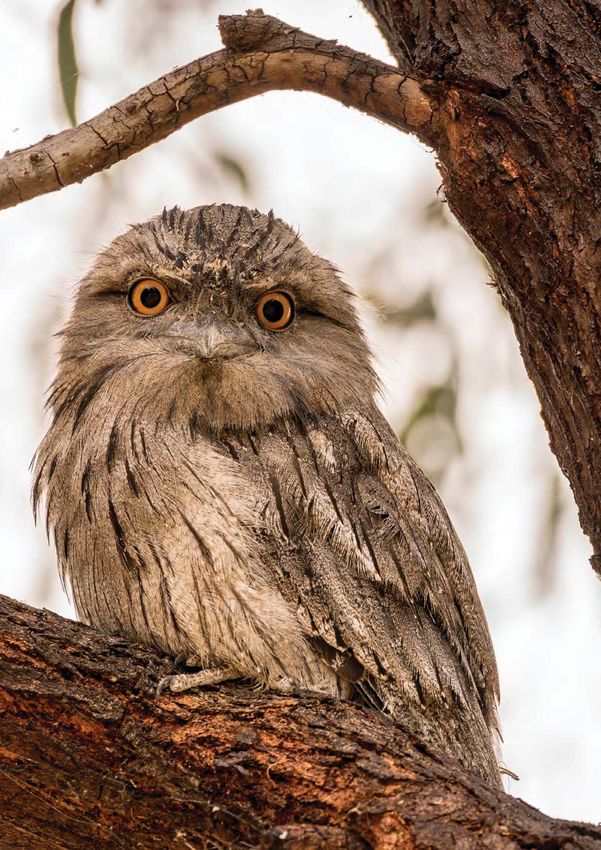
Contents

 Environmental Sustainability Strategy 2017-2021 Summary                       3

 Strategic context – Council                                                   4

 Strategic context – Environmental                                             6

       Moira’s natural assets                                                  6

       Key challenges                                                          8

 Tackling the challenges                                                      11

       Focus area 1: Environmentally accountable Council                      12

       Focus area 2: Community engagement                                     15

       Focus area 3: Partnerships                                             16

       Focus area 4: Climate change adaptation and mitigation                 19

       Focus area 5: Conservation of biodiversity                             20

       Focus area 6: Sustainable management of water                          23

       Focus area 7: Sustainable management of waste                          24

 Monitoring for accountability and improvement                                26

 Appendix 1: 2012 ESS review and update                                       27

 Appendix 2: Key partners and partnership groups                              28

 Appendix 3: Legislation and policy context                                   30

 Appendix 4: 2012-2016 Achievements report                                    32

This strategy was adopted by Council on 26 July 2017.

                                  Environmental Sustainability Strategy 2017-2021   1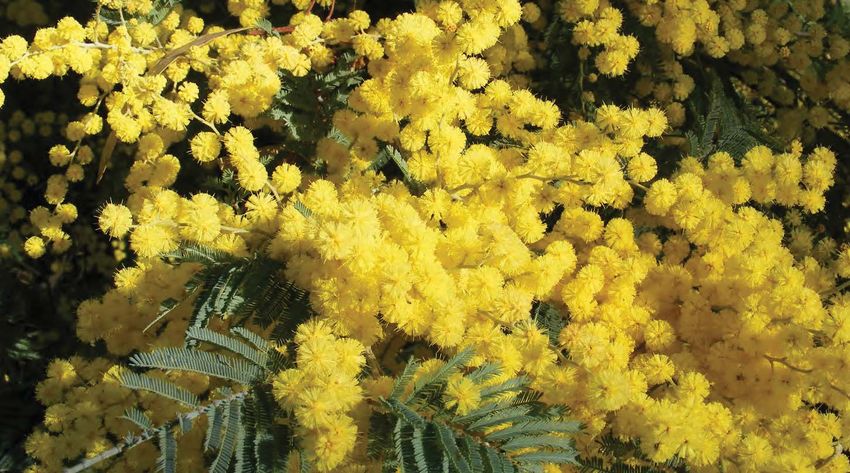
2 Moira Shire Council
Environmental Sustainability Strategy
                                         2017-2021 Summary
                                         Vision: Community working together for an environmentally sustainable future.
                                         The vision will be achieved by realising long-term goals:
                                         • Council activities make an overall positive impact on our natural environment; and
                                         • Industries, businesses and the general community actively care for our natural environment.

                                             Focus areas                          Performance indicators (by 2021)

                                                                              • Waste from Council activities is reduced.
                                                                              • Council’s consumption of energy (by vehicles and office-based activities) is reduced.
                                                   Environmentally            • Ecologically Sustainable Design Principles are considered in the planning stage of all
                                                                                Council projects (capital works, subdivisions, new buildings, building renovation).
                                                   accountable                • Environmental sustainability features in the Council Plan and other Council Strategies
                                                   Council                      as they are reviewed and updated.
                                                                              • Environmental sustainability is considered across all areas of Council, in all decisions
                                                                                and in project implementation.

                                                                              • 75% of schools in Moira have been involved in environmental sustainability projects.
                                                   Community                  • 25% increase in business sector involvement in environmental sustainability projects.
                                                   engagement                 • Moira’s environment and environmentally sustainable living are celebrated.

                                                                              • Key stakeholders continue to endorse partnerships for implementing the ESS
                                                                                (e.g. Environmental Sustainability Advisory Committee).
                                                                              • Funding ‘won’ (and shared), from government and ‘non-traditional’ sources.
                                                                              • Council participates in 20 partnership projects annually.
                                                   Partnerships               • Cooperation agreement for delivery of environmental activities developed and signed
                                                                                by key partners.
                                                                              • Partnership program established to enhance Moira Shire section of the River Murray
                                                                                e.g. RiverConnect.
                                                                              • Council shares and celebrates successes with partners and the community.

                                                                              •    Moira Shire Council corporate Emissions Reduction Plan developed and implemented.
                                                   Climate change             •    25% of Council’s electricity is from renewable sources*.
                                                   – adaptation               •    Greenhouse gas emissions are reduced by a further 20% on 2016 levels.
                                                                              •    Two community based energy efficiency and/or renewable energy projects.
                                                   and mitigation                  *To be confirmed through the development of an emissions reduction plan.

                                                                              • Increased the area under conservation covenants and biodiversity management
                                                                                agreements in Moira Shire from 2016 levels by an average of 10% per year over 4 years.
                                                   Conservation               • Actively supported a minimum of two large-scale multi-partner programs per year
                                                                                which deliver biodiversity conservation outcomes.
                                                   of biodiversity            • Achieved a ‘net gain’ in native vegetation for Council activities*.
                                                                                   *Where actions to compensate unavoidable losses contribute to longer term gains in quality and quantity.
Tawny Frogmouth (Photo by Robert Pyne)

                                                                              • Improved Council contributions to instream and wetland water quality.
                                                   Sustainable                • Stormwater management meets State Environment Protection Policy (Waters of
                                                   management                   Victoria) minimum requirements.
                                                                              • All Council assets have efficient water supplies through technology and governance
                                                   of water                     improvements.

                                                                              • Finalised and implemented Waste Management Business Plan.
                                                   Sustainable                • Increased diversion from landfill across our three main waste streams:
                                                                                 a. Municipal solid waste
                                                   management                    b. Commercial and industrial
                                                   of waste                      c. Construction and demolition.
                                                                              • Greenhouse gas emissions from landfill have declined from 2016 levels.
S

                                                                                                                                     Environmental Sustainability Strategy 2017-2021          3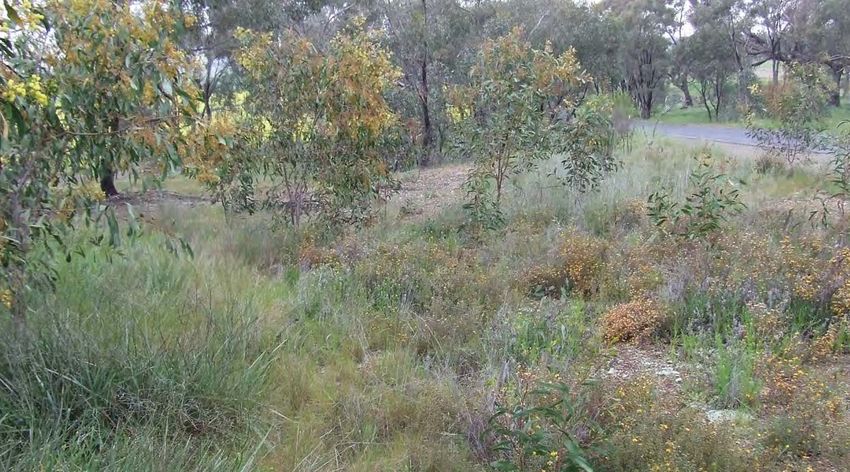
Strategic context – Council

    This Environmental Sustainability Strategy (ESS) will             Role of Council in environmental
    guide Council in setting environmental sustainability             sustainability:
    policies and determining roles, responsibilities,                 For Council to lead by example and support the
    and priorities for implementation. Moira Shire                    community in transitioning to environmental
    formally started documenting this journey with the                sustainability.
    development of a Natural Environment Strategy in
                                                                      Purpose of this Strategy:
    2006, followed by an ESS in 2012. There have been
    numerous sub-strategies and plans along the way,                  To provide an easily shared guide for Council to
                                                                      work towards its vision and long-term goals for
    and a review of the 2012 ESS demonstrated a high
                                                                      environmental sustainability.
    level of achievement (Appendix 4).
                                                                      The ESS provides an easily shared guide for
    This ESS provides a sharper sense of direction and                Council to achieve its vision and long-term goals.
    action, with a tighter and more concise presentation              Action plans will be developed as needed to guide
    of 4-year performance indicators and the inclusion                implementation of the Strategy.
    of long term goals.
                                                                      Moira Shire Council works in partnership with a range
    Vision for Moira Shire ESS:                                       of stakeholders to achieve environmental sustainability
                                                                      outcomes (see Appendix 2). This Strategy focusses
    Community working together for an
                                                                      on Council’s responsibilities and areas of influence as
    environmentally sustainable future.
                                                                      a local government authority. Council’s role will vary
    The vision will be achieved by realising long-term                from being a leader in certain aspects to providing a
    goals:                                                            supporting partnership role in others.
    • Council activities make an overall positive                     Moira Shire Council recognises that the wellbeing
      impact on our natural environment.                              of our community is linked to that of our natural
    • Industries, businesses and the general                          environment. Therefore Council is dedicated to
      community actively care for our natural                         managing all natural environmental assets by not
      environment.                                                    only preserving, but also enhancing, their ecological
                                                                      functions.
                                                                      Environmental sustainability is the responsibility of all
                                                                      areas of Council and requires a coordinated approach.

    Pictorial representation of the range of partners, themes and roles within environmental sustainability in Moira Shire.

4   Moira Shire Council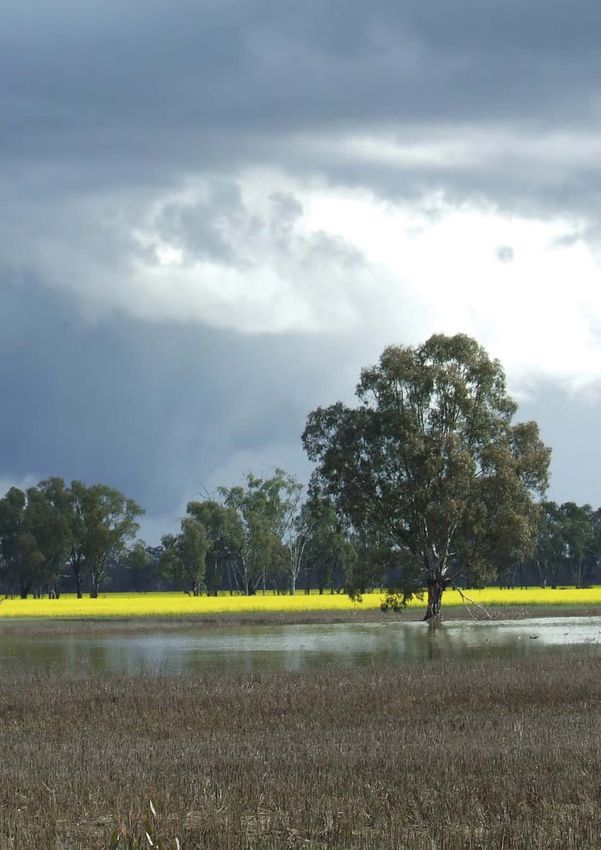
The ESS aligns with key regional, State and Federal    Figure 1: Relationship between the ESS and other key
Government documents and feeds into the Council        documents
Plan, Municipal Strategic Statement and other
Council Plans and Strategies. Figure 1 shows the
                                                                               Council Plan
relationship between the ESS and key Council
documents.
Funding to implement the ESS will be sought
internally (Council funding) and externally such
as State and Federal Governments, private sector                                                          Other
                                                         Municipal            Environmental
                                                                                                         Council
and philanthropists. Progress towards developing          Strategic           Sustainability
                                                                                                        Plans and
projects that are economically sensible as well as       Statement              Strategy
                                                                                                        Strategies
environmentally sound is being made. However,
there continues to be challenges in securing funding
for some environmental sustainability projects
where it is difficult to quantify the economic
                                                                 Regional, State and Federal documents
outcomes definitively and/or the environmental
                                                                 relevant to Environmental Sustainability
outcomes are very long term.

                                                                                 Lake Mulwala (Photo by Robert Pyne) T

                                                                      Environmental Sustainability Strategy 2017-2021    5
Strategic context – Environmental

    Moira’s natural assets                                   and the Broken Creek system also flows through
                                                             much of the Shire. There are three major tributaries
    Moira Shire is located in the Hume region of             of the Broken Creek: the Nine Mile Creek, Boosey
    Victoria and stretches across 4,045 square               Creek, and Sandy Creek, all of which have high
    kilometres from Bundalong in the east to Barmah          environmental value. The floodplain of these
    in the west. There are four major towns: Cobram,         systems within Moira Shire covers an area of
    Yarrawonga, Numurkah and Nathalia, and                   1865km2.
    numerous smaller communities scattered across
    the Shire. The estimated residential population is       These waterways have significant environmental
    28,820 people and approximately two-thirds of            values and are significant contributors to the
    residents live and work in the Shire (Moira Shire        economic and social fabric of the Shire.
    Annual Report 2015/16).                                  Agriculture is the primary land use and accounts for
    Moira Shire has many unique and special natural          approximately 71% of the total land area, divided
    features, including river and creek systems,             equally between irrigated and dryland production.
    wetlands, plains woodlands and grasslands,               This has led to a concentration of food processing
    some of which are among the most significant              industries, the Shire’s largest economic sector based
    of their kind. These features provide habitat for a      on output, with a large associated workforce.
    diversity of native flora and fauna, including many       The natural environment is also integral to tourism,
    threatened species and migratory birds.                  which is the Shire’s seventh largest contributor
    Four major waterway systems flow through the              to economic output (Moira Shire Annual Report
    Shire: the northern border follows the iconic            2015/16). Many residents and visitors enjoy
    Murray River, the Goulburn River forms the western       canoeing, swimming, fishing, camping and bush
    boundary, the Ovens River the eastern boundary,          walking.

    Figure 2: Major river and creek systems of Moira Shire

6   Moira Shire Council
‘A boxful of gliders’, Sugar Gliders (Photo by Orlando Talamo, Whroo Conservation Management Network) S

The Barmah National Park, in the north-west of                 Soils across Moira are uniform sand or red, yellow
the Shire, and the adjoining Millewa Forest in New             and brown duplex soils. Topsoils are generally
South Wales form the largest River Red Gum forest              well drained making them suitable for agricultural
in the world. The complex ecology of the forest is             production.
closely linked to the Murray River and its flooding
                                                               Moira Shire sits mostly within Riverine Plains that
regime, creating a diverse natural habitat for a
                                                               vary in elevation between around 150m above
variety of wildlife, particularly waterbirds (Parks
                                                               sea level in the north to 300m in the south east.
Victoria website, 2016). It is a high value area for
                                                               The geomorphology within these Riverine PLains
its ecological, recreational, scientific, cultural and
                                                               is complex with major streams and anabranches
aesthetic values.
                                                               within and across catchments. They are often
The conservation significance of many wetlands in               linked as part of a large anabranching system and
Moira has been formally assessed and recognised,               connect many neighbouring streams during flood
including the regionally significant Kinnairds                  conditions.
Wetland and nationally significant Broken
                                                               Between the Goulburn River and Broken Creek
Creek and Muckatah Depression. The wetlands
                                                               there are vast low-lying floodplain areas. Many
of Barmah-Millewa Forest are of international
                                                               of the rivers and streams have perched sections
importance and are RAMSAR listed site
                                                               which cause water to flow onto the floodplains
(Environment Australia 2001).
                                                               plains during high flow events. This process has
Many threatened plant and animal species have                  evolved over thousands of years and has formed
been recorded in the region, including species                 the floodplains that dominate the Shire today. The
protected under State and Commonwealth                         floodplain of these systems within Moira Shire
legislation. Significant species include:                       covers an area of 1,865 square kilometres or 46%
                                                               of the Shire.
• Superb Parrot – Nationally listed and Moira has
  the only breeding population in Victoria;                    The Murray River through the Barmah-Millewa
• Grey-crowned Babbler – State listed and Moira                forest is also perched. Another significant
  has the third most significant habitat in Victoria;           geomorphic feature is the Bama Sandhills located
                                                               downstream of Barmah and near Yambuna. This
• Bush Stone Curlew, Tree Goanna and Yarran
                                                               area is commonly referred to as ‘the choke’ as
  Wattle – State listed;
                                                               it limits the delivery of water to downstream
• Water Milfoil – Largest Victorian population,
                                                               areas. There are three primary openings through
  recorded at Kinnairds Wetland in Moira Shire;
                                                               the Bama Sandhills: the Murray River, Madowla
• Trout Cod – critically endangered, Murray River              Lagoon (largely blocked) and the Goulburn River,
  provides habitat for a significant population; and            which limits flooding to downstream areas such
• Murray Cod and Golden Perch.                                 as Echuca and Moama.

                                                                              Environmental Sustainability Strategy 2017-2021      7
Moira Shire has a temperate climate, with                          Key challenges
    temperatures ranging from summer averages of
    30.5°C (max) to 14.9°C (min) and winter averages                   To ensure Moira Shire’s unique and special
    of 14.2°C (max) to 3.6°C (min). Temperatures can                   natural features continue to be enjoyed by future
    be as low as -6°C in winter and as high as 46°C                    generations, and continue to provide valuable
    in summer. Rainfall averages between 500 and                       ecosystem services, we need to deal with a range
    600mm per annum.                                                   of challenges. A few of the key challenges are
                                                                       described below.

                                                                       Climate change
                                                                       Although our weather has always been highly
                                                                       variable, our climate is changing due to human-
                                                                       induced impacts and our weather is predicted to
                                                                       include more extreme events.
                                                                       In the last decade, the challenges of climate extremes
                                                                       have been evident in Moira through drought
                                                                       (including times of reduced availability of irrigation
                                                                       water), floods, fires and storms. Predictions are
                                                                       that extreme events will become more frequent,
                                                                       temperatures will continue to increase and rainfall
                                                                       decrease. This will present a number of challenges
                                                                       for Council, businesses and the general community,
                                                                       so it is critical we take action now.
                                                                       We have already made significant progress in
                                                                       reducing Council’s greenhouse gas emissions, with
                                                                       the implementation of the Watts Working Better
                                                                       street lighting project and Kerbside Organics Service,
                                                                       which together have reduced annual emissions by
                                                                       approximately 1,575 tonnes CO2E (see Appendix 4
                                                                       for further details of these projects). However, there
                                                                       is a lot more we can do to reduce our emissions and
                                                                       build resilience to assist Council and the community
                                                                       in dealing with a changed climate.

    Figure 4: Predictions for the Hume Region (includes Moira Shire)

       HUME HAS BEEN GETTING WARMER AND DRIER. IN THE FUTURE THE REGION CAN EXPECT:

               temperatures to continue                 more frequent and more                         less rainfall in autumn,
               to increase year round                   intense downpours                              winter and spring

                                                        more hot days and                              harsher fire weather and
               fewer frosts
                                                        warm spells                                    longer fire seasons

                                                                       Climate-ready Victoria: Hume. November 2015, State Government of Victoria

8   Moira Shire Council
Ongoing loss of habitat
Ongoing loss of habitat is recognised as a
very serious threat to species diversity and the
ecological functioning of the landscape in Moira
Shire. There are many contributing factors which
include the loss of native vegetation (especially
old hollow-bearing trees), poor regeneration,
changes to wetlands, and removal of woody
debris. An indicator of the impact of these threats
is the recent decline in the conservation status of The Wunghnu-Numurkah complex fires
the once common Tree Goanna to Endangered in in 2014 burnt approximately 10,000
Victoria. hectares, causing significant native
vegetation loss, due to the fires themselves
Remaining native vegetation covers less than 5%
and afterwards when trees considered to
of pre-1750 extent, excluding State and National
be dangerous were removed.
Parks. Native vegetation now mainly occurs along
waterways, roadsides, as scattered paddock trees, It was estimated that over 2,000 mature
and smaller native patches on private land. native trees were destroyed and many
remnant patches were substantially
Although large-scale clearing of native vegetation
damaged.
no longer occurs in Moira Shire, continued
significant incremental losses have adverse This is significant in a landscape where
consequences for biodiversity and the functioning remnant vegetation is already scarce.
of ecosystems. Incremental losses occur as a result Fires are a natural occurrence, however
of developments, such as road construction and management to minimise the impact on
maintenance, irrigation modernisation, housing the natural environment, especially during
and industry. Fires, drought and floods also have clean-up operations, is critical.
significant impacts, especially in landscapes where
past clearing has left little remnant vegetation.
Figure 5: Native vegetation cover of Moira Shire
Environmental Sustainability Strategy 2017-2021 9Pest plants and animals Population growth and development
Pest plants and animals are a serious problem Population growth and development needs to be
in the Shire as they can impact on biodiversity managed to ensure adverse environmental impacts
and agricultural production. Landowners are are avoided where possible. As the population
responsible for the management of pest plants increases, there is more pressure on existing built
and animals on their properties. They have a legal assets and natural resources and more waste is
responsibility under Section 20 of the Catchment produced.
and Land Protection Act 1994 (CaLP Act) to take all
Amenity, largely due to the natural environment,
reasonable steps to eradicate regionally prohibited
is a major factor attracting people to live in or visit
weeds, prevent the growth and spread of regionally
Moira Shire. Therefore, it is important to ensure
controlled weeds, and prevent the spread of, and, as
population growth and increased tourism doesn’t
far as possible, eradicate, established pest animals.
cause adverse impacts on the natural environment.
As part of an amendment to the Catchment This highlights the need for adequate strategic
and Land Protection Act 1994 (CaLP Act), the town planning and consideration of environmental
responsibility for the management of Regionally impacts of new subdivisions, developments and
Prohibited and Regionally Controlled weeds on infrastructure projects.
Council-managed roadsides has been placed with
Local Government. A ‘Roadside Weed and Pest
Managing water quality
Animal Control Strategy’ was endorsed by Council
in 2015 and areas of infestation have been mapped. Managing water quality and quantity is an ongoing
Implementation of the strategy aims to ensure weeds challenge for many stakeholders in the Shire.
and pest animals are systematically managed on Council has responsibilities for urban stormwater,
roadsides throughout the Shire to reduce threats Council’s own water (potable and raw), and
to native vegetation quality, farmland productivity, statutory planning processes for developments and
landscape values, biodiversity, and waterway waste water.
habitats.
T Grassy Woodland at Coopers Hill, Tungamah (Photo by Gary Deayton)
10 Moira Shire CouncilTackling the challenges
Council will build on its environmental sustainability While it is useful to communicate and manage
achievements, working across all departments and actions by categorising them into focus areas, the
in partnership with stakeholders. connections and overlaps between the categories is
also acknowledged.
The next section of the ESS has been structured
around seven focus areas that will guide Council’s Implementation of the ESS needs to be managed as
actions in working towards the long-term goals an integrated package of different parts.
(listed on page 4).
The following has been identified for each focus
area:
1. Environmentally accountable Council
• Policy position;
2. Community engagement
• Policy rationale;
3. Partnerships • Four-year performance indicators (by 2021); and
• Example actions.
4. Climate change – adaptation and mitigation
Where possible, long-term goals have been
5. Conservation of biodiversity quantified as long-term targets, and indicators of
success have been suggested (refer to Monitoring
6. Sustainable management of water for accountability and improvement section). These
are still under development and will be refined over
7. Sustainable management of waste
the life of this Strategy.
Silver Wattle flowering (Photo by Gary Deayton) T
Environmental Sustainability Strategy 2017-2021 11FOCUS AREA 1:
Environmentally accountable Council
Council is committed to showing leadership in Performance Indicators (by 2021)
environmental sustainability. This section outlines
1. Waste from Council activities is reduced.
how Council will work towards becoming more
environmentally sustainable in its own operations. 2. Council’s consumption of energy (by vehicles and
office-based activities) is reduced.
3. Ecologically Sustainable Design Principles are
Policy position
considered in the planning stage of all Council
Moira Shire Council will: projects (capital works, subdivisions, new
• Strive to be a leader in environmental buildings, building renovation).
sustainability decision-making and activities; 4. Environmental sustainability features in the
• Integrate environmental sustainability across Council Plan and other Council Strategies as they
all areas of Council, in all decision making and are reviewed and updated.
project implementation; 5. Environmental sustainability is considered across
• Comply with legislative requirements relevant all areas of Council, in all decisions and in project
to environmental sustainability; implementation.
• Be committed to environmentally sustainable
procurement; Example actions
• Improve its capacity to identify, monitor and • Investigate and evaluate use of electric vehicles as
report on its purchasing, consumption and part of Council fleet.
waste; and
• Develop guidelines and processes to allow
• Strive to ensure environmental sustainability is Council projects and programs to consider
considered in other Council plans, strategies, environmental risks and benefits.
policies, programs and decision making at all
• Review Council’s consumption of resources.
levels.
• Ensure procurement processes consider long-term
impacts (including construction and demolition).
Policy rationale • Complete development of, and implement the
Council recognises: Environmental Sustainability Reporting Program.
• The need to act responsibly in regards to • Undertake internal training for Council staff on
environmental sustainability; and environmental sustainability.
S
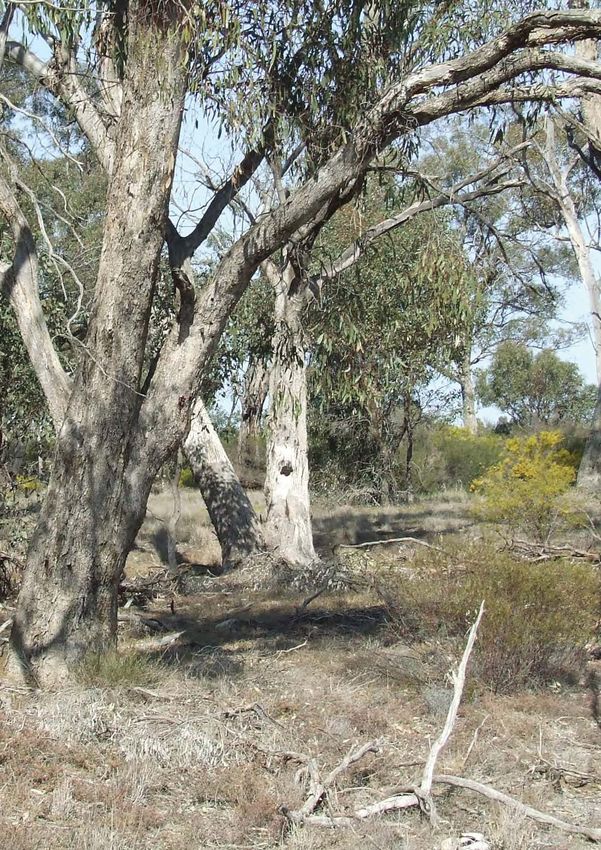
Woodland on roadside (Photo by Gary Deayton)
• There are many synergies where corporate • Continue to use the Green team to increase
actions that are good for the environment also understanding, awareness and action regarding
have economic benefits. environmental sustainability in the workplace
and at home.
• Continue to use the Environment Working
Group to foster cross-departmental discussions
about environmental sustainability and
reporting on ESS implementation.
• Apply Landscape Guide (2017) for Council projects.
Refer to Focus Area 4 for performance indicators and example
actions relating to renewable energy.
12 Moira Shire CouncilEnvironmental Sustainability Strategy 2017-2021 13
14 Moira Shire Council
FOCUS AREA 2:
                                                                              Community engagement

                                                                 Policy position                                          Performance Indicators (by 2021)
                                                                 Moira Shire acknowledges:                                1. 75% of schools in Moira have been involved in
                                                                 • The need for Council to support the community             environmental sustainability projects.
                                                                   as it transitions to an environmentally sustainable    2. 25% increase in business sector involvement in
                                                                   future;                                                   environmental sustainability projects.
                                                                 • Healthy, sustainable landscapes include people;        3. Moira’s environment and environmentally
                                                                   and                                                       sustainable living are celebrated.

                                                                 • Promoting the binding connections between
                                                                   people, biodiversity, ecological function and          Example actions
                                                                   community well-being is vital.                         • Develop and implement a Public Relations
                                                                 Moira Shire Council will:                                  Campaign around this ESS and its key messages.

                                                                 • Play an important role in informing, educating         • Initiate discussions with key stakeholders
                                                                   and raising awareness in the community in                regarding the application of a RiverConnect-type
                                                                   regards to environmental sustainability;                 approach (used in Greater Shepparton) to the
                                                                                                                            Moira section of the Murray River.
                                                                 • Continue to work with key partners to inform,
                                                                                                                          • Contribute to and support the Goulburn Broken
                                                                   educate and raise awareness in the community
                                                                                                                            Stormwater Education Project.
                                                                   as we work towards an environmentally
                                                                   sustainable future; and                                • Network with other providers offering
                                                                                                                            environmental sustainability education to schools
                                                                 • Learn from others and collaborate to ensure
                                                                                                                            to ensure an efficient, coordinated approach.
                                                                   best practice approaches are used to engage the
                                                                                                                          • Work with schools to implement environmental
                                                                   community.
                                                                                                                            sustainability projects.
                                                                 • Continue to increase the use of digital platforms to
                                                                                                                          • Develop a scheme to reward and recognise
                                                                   communicate with residents and visitors.
                                                                                                                            environmental sustainability achievements
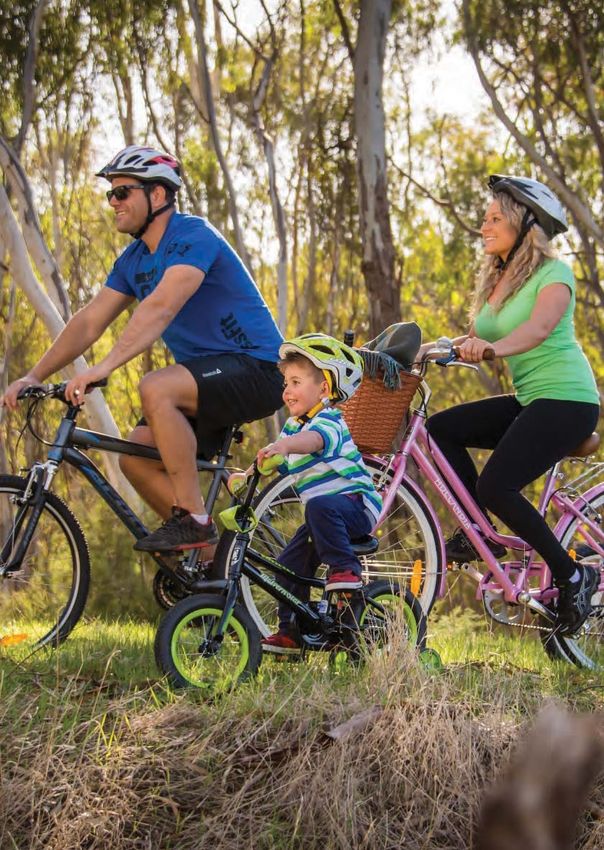
Bike riding along the Murray River (Photo by Peter Sutherland)

                                                                                                                            in schools, businesses and other parts of the
                                                                 Policy rationale                                           community.
                                                                 Council recognises:                                      • Work with the community to explore the
                                                                 • Parts of the community are very active in                concept of a Community Solar Garden.
                                                                   environmental sustainability, others are               • Work with the community to develop
                                                                   interested but uncertain of the best course of           ecotourism opportunities such as bike trails,
                                                                   action, and others are yet to be convinced of the        walking paths and other recreational pursuits,
                                                                   need to act.                                             highlighting significant environmental features.
                                                                                                                          • Contribute to and support the Broken Boosey
                                                                                                                            Conservation Management Network.
S

                                                                                                                                    Environmental Sustainability Strategy 2017-2021   15
FOCUS AREA 3:
Partnerships
Policy position Performance Indicators (by 2021)
Moira Shire acknowledges: 1. Key stakeholders continue to endorse
• Partnerships are critical in achieving great partnerships for implementing the ESS
environmental sustainability outcomes in (e.g. Environmental Sustainability Advisory
Moira; and Committee).
• There is a broad range of stakeholders 2. Funding ‘won’ (and shared), from government
who need to work together to build an and ‘non-traditional’ sources.
environmentally sustainable future. 3. Council participates in 20 partnership projects
Moira Shire Council will: annually.
• Continue to foster and build strong 4. Cooperation agreement for delivery of
partnerships with local, regional, State and environmental activities developed and signed by
Federal authorities and the wider community key partners.
(refer to Appendix 2); 5. Partnership program established to enhance
• Align with the strategic directions of key Moira Shire section of the River Murray e.g.
partners where appropriate; and RiverConnect.
• Actively participate in partnership groups and 6. Council shares and celebrates successes with
projects (refer to Appendix 2) and take a lead partners and the community.
role where appropriate.
Example actions
Policy rationale • Appoint new Environmental Sustainability
Council recognises: Advisory Committee.
• Partnerships are critical in seeking resources • Support, and lead where appropriate, the
and investing wisely; and Partnership Groups listed in Appendix 2.
• Environmental sustainability requires a • Provide input into reviews of legislation where
landscape or Catchment-scale approach, and appropriate (Appendix 3 lists key legislation).
therefore partnerships across institutional • Provide advocacy on relevant issues.
boundaries are especially important. • Continue to work with land managers and
• Environmental assets are used and appreciated relevant stakeholders to manage the impacts of
by residents and visitors alike. tourism on the environment.
16 Moira Shire CouncilEnvironmental Sustainability Strategy 2017-2021 17
18 Moira Shire Council
FOCUS AREA 4:
                                                                  Climate change adaptation and
                                                                  mitigation

                                                      Policy position                                       Long-term target
                                                      Moira Shire acknowledges:                             Net-zero greenhouse gas emissions for Council by
                                                      • Climate change is a critically important long-      2050.
                                                        term global issue;
                                                      • Climate change will impact on the resilience        Performance Indicators (by 2021)
                                                        of our environment, the community and the
                                                                                                            1. Moira Shire Council corporate Emissions
                                                        economy;
                                                                                                               Reduction Plan developed and implemented.
                                                      • Extreme events are predicted to become more
                                                                                                            2. 25% of Council’s electricity is from renewable
                                                        frequent; and
                                                                                                               sources*.
                                                      • The time for action is now.
                                                                                                            3. Greenhouse gas emissions are reduced by a
                                                      Moira Shire Council will:                                further 20% on 2016 levels*.
                                                      • Lead by example in responding and adapting to       4. Two community based energy efficiency and/or
                                                        climate change;                                        renewable energy projects.
                                                      • Continue efforts to build resilience and support       *To be confirmed through the development of an emissions
                                                        the community to do the same;                          reduction plan.

                                                      • Continue to collaborate with key partners
                                                        to share knowledge and explore funding              Example actions
                                                        opportunities; and
                                                                                                            • Develop and implement an Emissions Reduction
                                                      • Support businesses, industries and the                Plan for Council.
                                                        community in responding to climate change
                                                                                                            • Review and update ‘Preparing for Climate
                                                        through mitigation and adaptation.
                                                                                                              Change in the Moira Shire – Adaptation Plan’.
                                                                                                            • Continue as a member of the Goulburn Broken
                                                      Policy rationale                                        Greenhouse Alliance.
                                                      Council recognises:                                   • Investigate the feasibility of a community solar
                                                      • Decreasing greenhouse gas emissions benefits           garden.
Wetland next to canola crop (Photo by Gary Deayton)

                                                        our natural environment as well as having           • Explore opportunities to use and share the tools
                                                        financial benefits;                                     developed through the Climate Smart Agricultural
                                                      • Australian Government signed the Paris                Development project.
                                                        Agreement at United Nations Framework               • Investigate opportunities to influence climate
                                                        Convention on Climate Change, which aims to           change adaptation and mitigation through
                                                        limit an increase in global temperatures to “well     regulatory processes (e.g. Statutory Planning,
                                                        below” 2oC (aspirational goal of 1.5oC); and          Contract Advisory Service for the Built
                                                      • Victorian Government targets:                         Environment, CASBE)
                                                         – Net Zero Greenhouse Gas Emissions by 2050        • Investigate the use of tools such as Environmental
                                                         – 25% of electricity from renewables by 2020         Upgrade Agreements to encourage businesses
                                                           and 40% by 2025.                                   and the community to undertake energy
                                                                                                              efficiency and/or renewable energy projects.
S

                                                                                                                        Environmental Sustainability Strategy 2017-2021   19
FOCUS AREA 5:
Conservation of biodiversity
Policy position Long-term target
Moira Shire acknowledges: Contribute towards Goulburn Broken Catchment
• Sound ecological management is critical to Biodiversity Strategy targets:
ensuring long-term social wellbeing and economic 1. Increase the extent of native vegetation in
sustainability; fragmented landscapes by 70,000ha by 2030.
• A legitimate and urgent need for greater action to 2. Improve the quality of 90% of existing habitat by
mitigate degradation of biodiversity; and 10% by 2030.
• The value of working collaboratively with regional, 3. Increase the population viability of 20 flagship
state and federal authorities, land owners and the species by 2030.
general public.
Moira Shire Council will: Performance Indicators (by 2021)
• Implement Council’s legislative and policy 1. Increased the area under conservation covenants
responsibilities to protect the health of ecological and biodiversity management agreements in Moira
systems; Shire from 2016 levels by an average of 10% per
• Ensure that Council’s actions and land year over 4 years.
management practices incorporate appropriate 2. Actively supported a minimum of two large-scale
biodiversity conservation measures and multi-partner programs per year which deliver
demonstrate a leading example to others; biodiversity conservation outcomes.
• Seek and support investment in biodiversity 3. Achieved a ‘net gain’ in native vegetation for
conservation priority areas in Moira Shire; and Council activities*.
• Encourage private and public land stewardship and *Where actions to compensate unavoidable losses contribute to longer
management practices which benefit biodiversity term gains in quality and quantity.
conservation.
Example actions
Policy rationale • Continue to develop and invest in partnerships (see
Appendix 2 for examples).
Council recognises:
• Implement and monitor Council’s Net Gain
• Increasing the extent and quality of native
program to ensure it contributes to an overall gain
vegetation and habitat will address adverse
in the quantity and quality of native vegetation and
consequences e.g. declining species diversity, loss of
habitat.
soil productivity;
• Establish a pilot program in Moira Shire to attract
• The need to implement opportunities that improve
investment via a Goulburn Broken regional
adaptation to the adverse effects of climate change
biodiversity fund.
on biodiversity;
S
• Maintain membership of the Goulburn Broken
Superb Fairy-wren (Photo by Robert Pyne)
• Changing land use can exacerbate risks or create
Local Government Biodiversity Reference Group,
opportunities e.g. irrigation infrastructure renewal,
Broken Boosey Conservation Management
bio-diverse carbon sequestration; and
Network and the Local Government Agricultural
• Policy and regulatory change can exacerbate risks Floodplains Reference Group.
and/or create opportunities e.g. native vegetation
• Provide ongoing best practice roadside
regulation, planned burning, environmental water
management training program for Council staff.
delivery, investment priorities.
• Respond to, monitor and report natural resource
management requests, referrals and enquiries.
• Seek opportunities to apply the successful model
used in the Fruit Industry Employment Program to
achieve significant biodiversity outcomes.
20 Moira Shire CouncilEnvironmental Sustainability Strategy 2017-2021 21
22 Moira Shire Council
FOCUS AREA 6:
Sustainable management of water
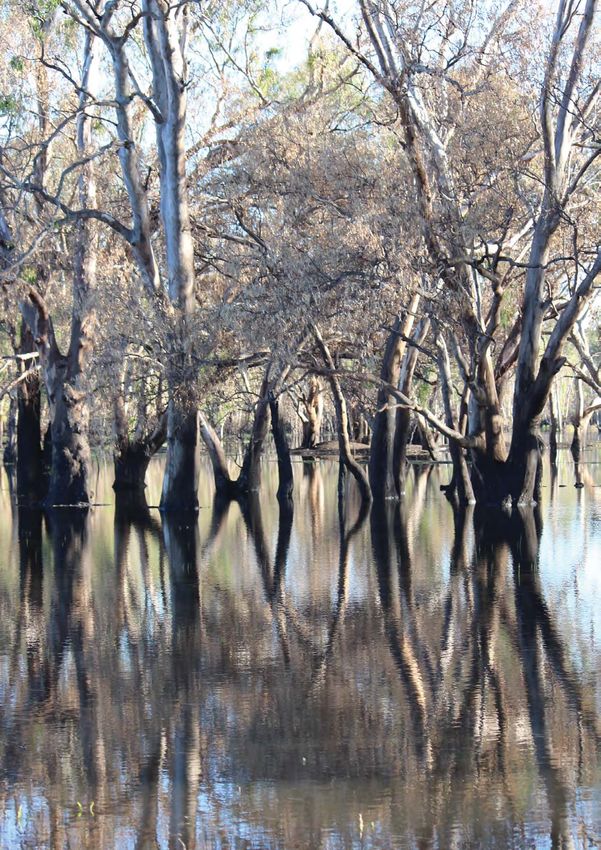
Burnt red gums at Kinnairds Wetland receive a well-deserved drink after fire, thanks to an environmental water allocation (Photo by Jo Wood, Goulburn Broken Catchment Management Authority)
This section concentrates on Council’s water use Policy rationale
(urban and rural) and actions that impact on water
Council recognises:
quality of waterways and wetlands, including
stormwater and domestic wastewater management. • The environmental, economic and social value of
water;
• Climate change will mean Moira Shire will become
Policy position
drier over the long term, with more extreme events
Moira Shire acknowledges: like droughts and floods; and
• Water is the lifeblood of the region and has • The need to minimise environmental impacts of
economic, environmental and social value; developments and urban population growth.
• It is critical to use and manage potable and raw
water appropriately yet differently; Long-term target
• Urban stormwater outfalls into high value rivers
As per Goulburn Broken Catchment water quality
and streams throughout the Shire and may then be
strategy target currently being developed.
re-used for a variety of purposes; and
• Efficient use of water should occur despite climatic
conditions. Performance Indicators (by 2021)
• The prosperity of irrigated land and environmental 1. Improved Council contributions to instream and
features should be protected through effective wetland water quality.
salinity management. 2. Stormwater management meets State Environment
Protection Policy (Waters of Victoria) minimum
Moira Shire Council will:
requirements.
• Endeavour to manage urban stormwater to meet
3. All Council assets have efficient water
the required standard;
supplies through technology and governance
• Require all new developments to meet current improvements.
standards;
• Manage its own water use and waste water
Example actions
responsibly;
• Play an important role in educating, advocating • Review management of Council rural water
and responding to statutory requirements allocations.
regarding sustainable water use and safe disposal • Review and update the 2002 Urban Stormwater
of waste water; and Management Plan and implement priority actions.
• Support partners in their various roles in water • Review and update the 2006 Sustainable Water
management (see Appendix 2). Use Plan and implement priority actions.
• Continue to work in partnership with the Goulburn • Investigate ways to incorporate Water Sensitive
Broken Catchment Management Authority on Urban Design principles into capital works
program.
programs that support the Council Plan.
• Improve monitoring and reporting of water use.
S
Environmental Sustainability Strategy 2017-2021 23FOCUS AREA 7:
Sustainable management of waste
Policy position Long-term target
Moira Shire acknowledges: Reduced waste to landfill.
• Consumption of goods and generation of
waste have direct and indirect impacts on our Performance Indicators (by 2021)
environment;
1. Finalised and implemented Waste Management
• Resources are transformed to manufacture Business Plan.
consumer goods;
2. Increased diversion from landfill across our three
• Almost all matter currently considered as waste main waste streams:
has resource potential; and
a. Municipal solid waste;
S
‘Compost sign’, rose gardens on the Broken Creek Numurkah. Three bins provided to residents for recycling, organics and general waste.
• Diversion from landfill is preferable even if is not
b. Commercial and industrial; and
the cheapest option.
c. Construction and demolition.
Moira Shire Council will:
3. Greenhouse gas emissions from landfill have
• Deliver efficient and effective services to the declined from 2016 levels.
community;
• Use the waste hierarchy (EPA Victoria) to guide
Example actions
consideration and management of waste;
• Continue to increase recycling and reduce • Monitor and report greenhouse gas emissions
Council waste to landfill; from landfill.
• Continually work to improve its capacity to • Build on success of residential kerbside organic
identify, monitor and report on purchasing, service by expanding to other sections of the
consumption and waste; and community.
• Continue to operate the Cobram landfill for • Maximise the life span of the Cobram landfill
Moira Shires municipal waste. through diversion and recycling activities.
• Align Waste Management Business Plan with • Ongoing review of Councils waste services to
relevant State and Regional plans and strategies. improve efficiency of service delivery.
Policy rationale
Council recognises:
• Waste management costs continue to increase;
• There is no provision for a new landfill in
Moira Shire in the medium to long term in the
Draft Statewide Waste and Resource Recovery
Infrastructure Plan; and
• Waste has a huge impact on our natural
environment.
24 Moira Shire Council1. You place your food
scraps, prunings and other
organic materials in your
green organic bin.
5. The compost is used Your recycled 2. The organic bins are
to help fruits, vegetables
and gardens (like this
one) grow.
organic compost is collected and taken to
a composting
facility.
helping this garden grow.
Ever wondered where your
food scraps and green
waste go?
POST
COM
3. The organic waste is
4. The heat generated by
processed in tunnels
composting kills bacteria
at high temperature
and makes nutrient rich
for up to 7 days.
compost.
Environmental Sustainability Strategy 2017-2021 25Monitoring for accountability and
improvement
Council recognises the importance of monitoring, councils, which will identify a set of indicators and
evaluating and reporting for accountability and also associated metrics to be used to track progress and
for continuous improvement. improve communication of achievements. Table
The Environment Working Group will continue to 2 summarises the current long-term targets and
be used as a vehicle for internal reporting (across all suggests some indicators which may be used to
Departments) on implementation progress and the track progress.
Environmental Sustainability Advisory Committee
Table 1
will continue to be an important vehicle for key
stakeholder engagement. Frequency Report format
Table 1 outlines the reporting schedule for this ESS, Quarterly Informal reporting to Environmental
however there will be ongoing data collection and Sustainability Advisory Committee (ESAC)
on progress including actions and major
reporting as the Strategy is implemented e.g. specific
achievements
projects or funding streams.
Annual Report on actions and general progress
Long-term goals will be further refined over the against performance indicators
life of this Strategy to allow long-term progress Four yearly Full review including: achievements against
to be tracked. An Environmental Sustainability performance indicators; consideration of
Reporting Program is currently being developed new information; drivers and trends and
reassessment of priorities.
by Moira Shire in partnership with five other
Table 2
Long-term goals
• Council activities make an overall positive impact on our natural environment.
• Industries, businesses and the general community actively care for our natural environment.
Indicative quantitative targets Indicative performance measures
Contribute towards GB CMA Biodiversity Strategy targets; Extent and quality of native vegetation that are
1. Increase the extent of native vegetation in fragmented impacted by Council decisions
landscapes by 70,000ha by 2030.
2. Improve the quality of 90% of existing habitat by 10% by
2030.
3. Increase the population viability of 20 flagship species by 2030.
Net-zero greenhouse gas emissions for Council by 2050 Greenhouse gas emissions from Council’s energy
usage
Goulburn Broken CMA water quality strategy targets that were Total phosphorus, total nitrogen, dissolved oxygen,
reviewed in 2002 (with an end-date of 2016) are being reviewed turbidity, electrical conductivity (indicates for
again salinity), and pH (indicates for acidity)
Long-term target to be developed for volume of water used, Volumes of water used by Council
considering volumes of water saved through operational
efficiencies (improved governance and technical efficiencies)
Reduced waste to landfill Volume of waste to landfill
26 Moira Shire CouncilAppendix 1
2012 ESS review and update
The review of the Environment Sustainability Strategy 2012 and development of the updated Strategy was
guided by the Environment Sustainability Advisory Committee.
Stage 1 – Review
(June - September 2016)
• Compilation of progress against objectives.
• Survey distributed to and discussion with Environment Working Group, Environment Sustainability
Advisory Committee and Environmental Services Unit staff.
• Achievements report.
Stage 2 – Develop DRAFT 2017 ESS (October 2016 – April 2017)
• Workshops held with the Environment Working Group, Moira Shire Council
• Interviews with all Moira Shire Council Managers, General Managers and Chief Executive Officer
• Interviews with Councillors
• Input from Environmental Services Unit staff, Moira Shire Council
• Rod McLennan from Rod McLennan and Associates provided advice on strategic approach
• Design work by Nerida Hippisley from Flying Pig Design
Stage 3 – Council approval for DRAFT 2017 ESS
(May 2017)
Stage 4 – Public consultation, including survey and targeted sessions for
key stakeholders
(May-June 2017)
Stage 5 – Council approval and release of final 2017 ESS
(July 2017)
Environmental Sustainability Strategy 2017-2021 27Appendix 2
Key partners and partnership groups
Key partners Key organisations and responsibilities
in water management
• Goulburn-Murray Water (GMW)
• Goulburn Broken Catchment Management Organisation Responsibility
Authority (GBCMA) Victorian Legislation, Policy and Regulation.
• North East Catchment Management Authority Government
(NECMA) and
departments
• Goulburn Valley Water (GVW)
Environment Enforce environmental regulation
• North East Water (NEW)
Protection
• Environment Protection Authority (EPA) Authority
• Sustainability Victoria (SV) Rural Water Provide irrigation, drainage and
• Parks Victoria Corporations rural storage services.
• Department of Land, Water, Environment and (GMW) Administer diversion of water
Planning (DELWP) from waterways and the
• Department of Economic Development, Jobs, extraction of groundwater on
behalf of the Minister.
Transport and Resources (DEDJTR)
Deliver environmental water
• Department of Environment and Energy
where it is required by the
(Australian Government)
Victorian Environmental Water
• Goulburn Valley Waste and Resource Recovery Holder.
Group
Urban water Deliver water supply and
• Landcare Groups corporations sanitation services (sewerage and
• Local businesses, industry and community trade waste) within our cities and
towns.
• Other local governments
Catchment Waterway health
Management Floodplains
Authorities Regional drainage
Environmental water reserve
Local Urban drainage and storm water
Government management
Urban flood management/
planning
Sewers and drains under roads
Parks and gardens
On-site drainage, stormwater and
domestic wastewater compliance
(building, planning and septic
permits)
28 Moira Shire CouncilKey Environmental Sustainability Partnership Groups
Goulburn Broken Greenhouse Alliance (GBGA) – Regional Water Monitoring Partnership (RWMP)
established in 2007 to promote and support regional – Around 40 organisations including Catchment
action on climate change. Members are drawn from the Management Authorities, the Bureau of Meteorology,
Goulburn Broken Catchment Management Authority, Local Government and Water Corporations. DELWP acts
Goulburn Valley Waste and Resource Recovery Group and as both a partner and program manager. The partnership
eight regional councils. approach allows coordinated collection and use of
surface water quality and quantity data across multiple
Goulburn Broken Local Government Biodiversity
organisations. It enables the cost of data collection and
Reference Group (GBLRG) – established in 2006 to
operation and maintenance to be shared.
foster greater collaboration between Local Government
and other agencies to better deal with biodiversity Goulburn Broken Regional Water Quality
conservation challenges such as native vegetation and Monitoring Working Group – This group shares
roadside management. Membership includes eight LGAs, information on water quality issues, coordinates
GBCMA, DELWP, VicRoads and North East Country Fire implementation of strategic water quality documents
Authority. and establishes sub groups to work on issues such as
Domestic Waste Water Management Planning and
Environmental Sustainability Advisory Committee
preparing and responding to water quality issues (floods,
(ESAC) – established to provide Moira Shire Council with
fires, blue green algae outbreaks, fish deaths etc).
informed and constructive advice, input and support from
expert stakeholders, industry and community towards Goulburn Murray Landcare Group (GMLCN) – a
the development of strategy relating to our environment voluntary, community run forum, established to support
and sustainability issues and the implementation and Landcare Groups in the Shepparton Irrigation Region,
monitoring of those strategies. located in the Goulburn Broken and North Central
Catchments of Victoria. The Goulburn Murray Landcare
Goulburn Broken Stormwater Education Project Network area covers approximately 3000 square
– joint project between Moira, Greater Shepparton, kilometers and networks 39 Landcare groups.
GBCMA and GVW to educate community about
contamination of stormwater. Gecko Clan – a community Landcare Network which
supports 19 Landcare groups stretching from Yarrawonga
Broken Boosey Conservation Management Network to the Strathbogie Ranges to Nagambie. The Gecko CLaN
(BBCMN) – works to conserve biodiversity on a broad implements network scale projects around the themes
landscape scale with private and public land managers. of sustainable agriculture and biodiversity. The Gecko
Activities include to sourcing investment, improving CLaN supports local Landcare groups to carry out projects
communications, delivering educational programs and including sourcing funding, project management and
facilitating on-ground works. administrative assistance. The Gecko CLaN is proudly
independent, but enjoys strong working relationships
Local Government Agricultural Floodplains
with government agencies and other community
Reference Group (LGAF) – joint program with Greater
organisations.
Shepparton, Campaspe and GBCMA to support the
planning and implementation of measures to address Goulburn Valley Local Government Waste Forum
key natural resource management issues across the (GVLGWF) – an advisory body to the GVWRRG which
region. This group plays a critical role in identifying key includes councillor and officer representation. The role
opportunities for collaboration. is to develop local governments’ capacity to deliver
effective, efficient and sustainable waste and resource
Murray Valley Regional Litter Taskforce – a forum of
recovery planning and management across the GVWRR
Councils that adjoin the Murray River to work with Parks
Region, to engage with industry, government and
Vic on waste management issues along the river.
community stakeholders to improve waste and resource
recovery management and planning, to assist the
GVWRRG Board to engage councils across their region in
the planning and management of waste.
Environmental Sustainability Strategy 2017-2021 29Appendix 3
Legislation and policy context
There is an intricate web of policies, strategies Victorian Government
and legislation that control and direct activities
• Catchment and Land Protection Act 1994
and programs in regard to environmental
• Commissioner for Sustainability Act 2003
sustainability. These range from international
strategies to national, state, regional and local • Conservation, Forests and Lands Act 1987
policies. In many cases, Councils are governed • Country Fire Authority Act 1958
by policy directions established by others. Key • Crown Land (Reserves) Act 1978
legislation, strategies, policies and initiatives
• Energy Efficiency Target Act 2007
relevant to environmental sustainability in Moira
• Environment Protection Act 1970
Shire are listed below.
• Fisheries Act 1995
Key legislation • Forest Act 1958
• Flora and Fauna Guarantee Act 1988
Australian Government
• Heritage Rivers Act 1992
• Clean Energy Act 2011 • Local Government Act 1989
• Environment Protection and Biodiversity • National Parks Act 1975
Conservation Act 1999
• Planning and Environment Act 1987
• Environment Protection and Biodiversity
• Public Health and Wellbeing Act 2008
Conservation Amendment (Wildlife Protection)
• Water Act 1989
Act 2001
• Water (Resources Management) Act 2005
• Murray Darling Basin Agreement Act 1992
• Water Act 2007
Moira Shire Council
• Water Amendment Act 2008
• Community Safety and Environment Local Law
2013
• Moira Planning Scheme
• Recreation Reserve Local Law 2009
30 Moira Shire CouncilKey strategic and policy support • Shepparton Irrigation Region (Agricultural
Floodplains) Land and Water Management Plan:
Victorian Government 2016-2020
• Protecting Victoria’s Environment – Biodiversity • Goulburn Broken Greenhouse Alliance Strategic
2036 Plan 2016
• Our Catchments our Communities Strategy 2016 • Hume Regional Plan – The Hume Strategy for
sustainable communities 2010-2020
• Victoria’s Climate Change Framework 2017
• Statewide Waste and Resource Recovery
Moira Shire Council
Infrastructure Plan 2015
• Landscape Plan Guide for developments in Shire
• Water for Victoria 2016
of Campaspe, Greater Shepparton City Council
• Review of the Victorian Climate Change Act
and Moira Shire Council 2017
2010
• Moira Shire Council Plan 2013-2017
• Victoria’s Climate Change Adaptation Plan
• Moira Shire Council Municipal Public Health and
Directions Paper 2016
Wellbeing Plan 2013-2017
• Victorian Climate Change Adaptation Plan
• Moira Shire Domestic Waste Water Management
(2017)
Plan 2007
• Victorian Government Take2 multi sector,
• Moira Shire Council Urban Stormwater
state-wide pledging program
Management Plan 2002
• Permitted clearing of native vegetation,
• Moira Shire Council Sustainable Water Use Plan
Biodiversity Assessment Guidelines 2013
2006
(currently under review).
• Preparing for Climate Change in the Moira Shire
Regional – Adaptation Plan 2010
• Moira Shire Roadside Weeds and Pest Animal
• Goulburn Broken Catchment Regional
Control Strategy 2015-2020
Catchment Strategy 2013-19 and associated sub
strategies
Other useful documents;
• North East Regional Catchment Strategy 2013
• Goulburn Broken Biodiversity Strategy 2016- • ‘The science of climate change’, Australian
2021 Academy of Science 2015
• Climate Change Adaptation Plan for Natural • State of the Environment Report, CSIRO, BOM,
Resource Management in the Goulburn Broken and the Australian Government 2014
Catchment 2016
• Goulburn Broken Local Government Regional
Climate Change Adaptation Plan 2011
• Goulburn Broken Waterway Strategy 2014-2022
• Goulburn Valley Waste and Resource Recovery
Implementation Plan 2016
Environmental Sustainability Strategy 2017-2021 31You can also read


