Ireland East Hospital Group Year in Review 2019 - Webflow
←
→
Page content transcription
If your browser does not render page correctly, please read the page content below
Ireland East Hospital Group Year in Review 2019
Word from our Chair
                           This year has been a very challenging year as demand for acute
                           hospital services continues to rise inexorably. We see this in
                           presentations in the Emergency Departments across the Group;
                           demand for outpatient services and our hospitals operating at or
                           beyond full capacity. We are facing into a winter season which has
                           already shown signs of record demand for hospital and community
                           care. Our medical, nursing and general staff are responding
                           magnificently to the challenge but I doubt it is sustainable in the long
                           run.

                           Changing the delivery of healthcare will not be easy; the
                           reorganisation of the Health Service Executive into planned
Regional Health Authorities which would include acute, primary and community care, if not
planned and executed well, could be little more than a return to the Health Boards which
were not conspicuously successful in the delivery of integrated services. We will watch with
interest the roll-out planned for 2020 and 2021; however, one consequence will be that the
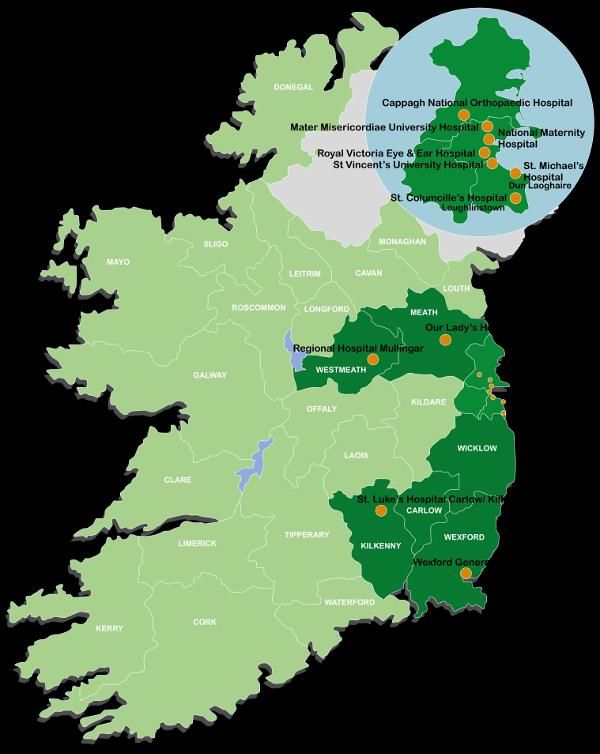
Ireland East Hospital Group will not exist in its current form primarily due to our geographic
reach from Wexford to Dublin and west to Mullingar and Navan. I will, nonetheless, be very
proud of what we have built over the period of our existence and record, on behalf of the
board, my appreciation of and thanks to our CEO, Mary Day, who has given highly effective
and committed leadership to the Group.

In 2019, we held IEHG board meetings at many of our hospitals including St. Vincent’s
University Hospital, Regional Hospital Mullingar, St. Luke’s General Hospital,
Carlow/Kilkenny and the Mater Misericordiae University Hospital, in order to grow
relationships and further understanding among Board members of the key issues and
challenges facing individual hospitals.

Can I take this opportunity to thank all of you and wish you and your families the very best
for the holiday season. Your contribution is very much appreciated by our patients and their
families.

Thomas Lynch, Chairman of the Board, Ireland East Hospital Group

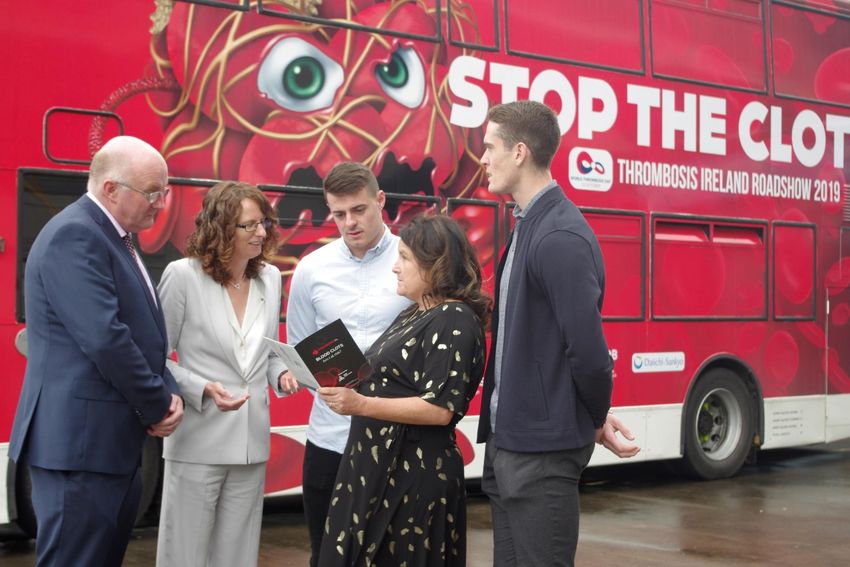
Cover (l-r): John Horan, GAA President; Prof Fionnuala Ní Áinle, Consultant Haemotologist at the Mater
Misericordiae University Hospital and Chair of the IEHG VTE Service Review Group, Brian Howard,
Dublin GAA, Ann Marie O’Neill, Founder of Thrombosis Ireland; and Brian Fenton, Dublin GAA

 IEHG ANNUAL REVIEW 2019                                                                                 2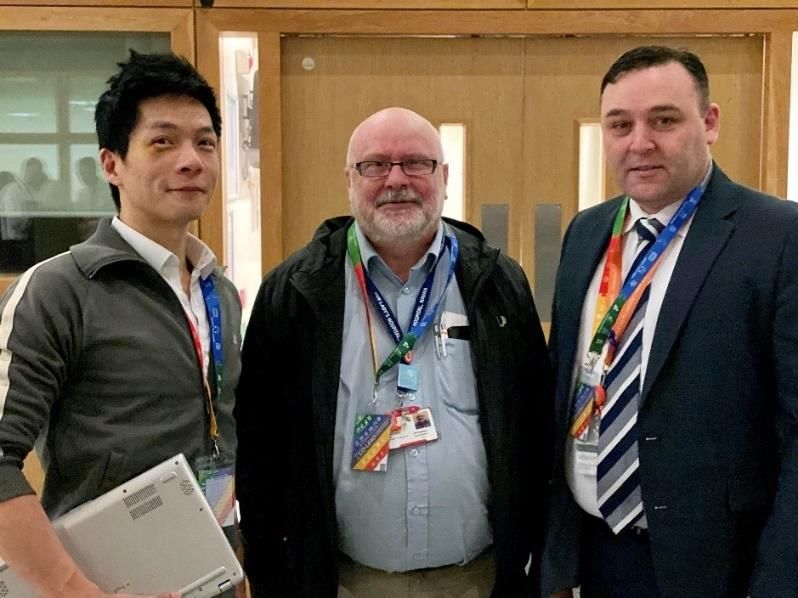
Word from our CEO
                            It gives me great pleasure to introduce the Ireland East Hospital
                            Group’s (IEHG) Year in Review for 2019.
                             2019 has been a busy and challenging year delivering increased
                             demand across our hospitals. The announcement in July on the
                             reorganisation of our health service into Regional Health
                             Authorities will impact on IEHG going forward as the Group will
be spilt across three regional areas. As CEO of the Ireland East Hospital Group, I am
immensely proud of all that we have achieved together in the four short years since our
Group’s inception. I firmly believe that stratified aggregation of hospitals (i.e. formal
associations of model 2,3 and 4 hospitals) is an essential prerequisite to facilitate and assure
success of the Sláintecare-envisioned, population-based, vertical integration model at whole
system level.
Over the past 12 months, we have continued to focus on developing and delivering on our
Group’s three core Strategic Pillars:
1. Operational Excellence
2. Integrated Healthcare
3. Academic Health Science Centre
In 2019 we held three Strategic Steering Committees chaired by IEHG board member
Professor Elaine Mead.
Operational Excellence
The IEHG commitment to delivering Operational Excellence through Lean Healthcare has
continued throughout 2019 with the support of the Group Improvement team. Key value
streams for Emergency Care, Patient Flow, Ophthalmology, Frailty, Women’s Health,
Laboratory and Cancer are delivering improvement for patients across the Group.
Despite ongoing challenges, IEHG continues to perform well in comparison to the other
Hospital Groups in key Unscheduled Care metrics: PET performance in both the 6-hr and 9-
hr and >75yrs categories. Our ‘Journey to Better Care’ Flow programme has resulted in
reduced PET times and earlier access to beds. Patients are more involved in their care and
discharge planning, their stay in hospital is shorter and the use of discharge lounges, where
available, ensures a smoother and safer discharge. Frontline staff have a better
understanding of daily demand and how to manage daily and hourly flow, with improved
communication and teamwork enabling better daily planning.
Continuous improvement in resource utilisation is a key component of our Operational
Excellence pillar. To that end, during 2019 the Group progressed work toward the creation of
a Hospital Group Staff Bank to provide an efficient, flexible and cost-effective
supplementary resource to hospital wards and departments to meet their short-term staffing
requirements. In the first instance, staff bank posts will be for our five statutory hospitals,
recruiting nurses, midwifes and healthcare assistants, with other grades anticipated when
fully operational. During 2019, the centralisation of data collection for nursing and midwifery

 IEHG ANNUAL REVIEW 2019                                                                     3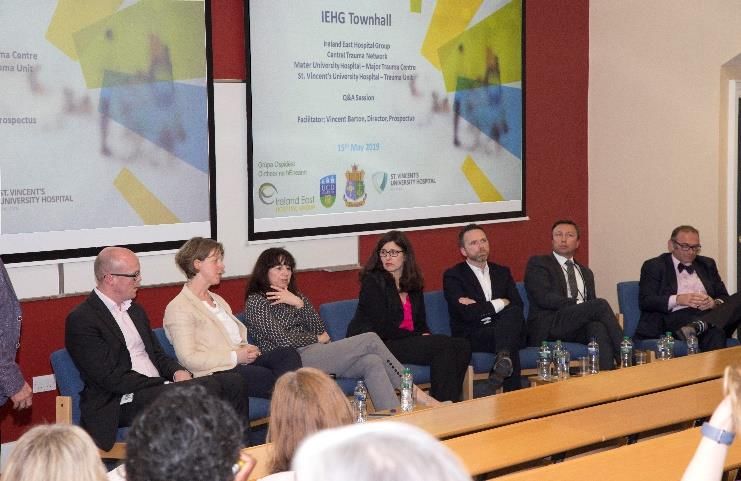
agency and overtime usage continued with agency usage reduction noted in six out of ten
hospitals. The implementation of the staff bank will further support reduction on agency
reliance.
The demand for effective and efficient laboratory testing for patients is dramatically
increasing in Ireland. This will inevitably place greater demands on IEHG laboratories and
across the wider healthcare sector. In 2019 the Laboratory Strategic Plan and Laboratory
Action Plan were developed which resulted in a dynamic group of individuals from our
Laboratory service coming together to deliver improvements in flow, efficiencies and the
creation of a shared learning network. I look forward to the further outputs of this Group in
2020.
Within Health Informatics, under the leadership of Professor Neil O’Hare, in 2019 several
pilot projects within the Group on behalf of the HSE were commenced. These will continue
over the course of 2020 and include:
   ➢ The integration of the national Individual Health Identifier (IHI) into systems and
     operations within the Mater hospital
   ➢ The implementation of a fully electronic e-referrals process within Regional Hospital
     Mullingar, and hopefully linking with the OPD communication solution being trialled in
     three of our hospitals: Navan, Holles St, and Wexford General.
   ➢ The initial implementation of the proposed Shared Care Record across the Mater /
     Cappagh hospitals, including access into the local GP and community facilities.
The on-going development of our Group Performance Dashboard in 2019 has been pivotal
to our performance management and moving to more real-time data with advances in the
integration of Group-wide metric / KPI data into a single platform. A significant development
in 2019 has been the IEHG Critical Care Dashboard (HDU and ICU).
Integrated Healthcare
Integration with the community is central to addressing the ophthalmology challenges
within the Group. To this end, in 2019 we progressed the development of our Integrated Eye
Clinical Academic Directorate to encompass hospital and community services with the aim of
improving the quality of the service and expanding access to address adult and paediatric
waiting list challenges.
In 2019, IEHG also commissioned a study with UCD entitled ‘Enhancing access to and
integration of care – a longitudinal study (the GP-Link Study). This research programme is
led by the UCD School of Medicine, and the General Practice & Primary Care Research
Network. The aim of the network is to enhance patient care, treatment outcomes and
therefore population health, by conducting multidisciplinary programmes of research in
general practice and primary care to inform future service planning, and their subsequent
delivery and evaluation.
In 2019, the IEHG/CHO Older Person’s Forum was established to co-ordinate the direction
and application of service improvements and developments for this cohort of patients within
our population. The Forum provides assurance to the Integration Care Pillar Steering Group
that improvement is occurring across all hospitals and is aligned with the Integrated Care
Programme for Older Persons and the National Clinical Programme for Older People. The
Forum will ensure that the deliverables set out within the overall IEHG Strategic Plan and
Sláintecare implementation plan with regard to improving population health are achieved and

 IEHG ANNUAL REVIEW 2019                                                                        4
will assist in the development of new models of care to deliver more effective and integrated
care for our older population.
IEHG has developed a HUB and spoke model in the current year with the Mater hospital and
its regional centre in Mullingar to develop dermatology outreach services across the
population which will include primary care. This service will create greater efficiencies and
savings in drugs, resources and equipment from critical mass, based on the cancer and
ophthalmology model already in place.
The Service Improvement team has been a central pillar of this process internally through
local involvement of all IEHG staff, using Lean methodology, to promote process
improvement and service change while building the interface with community partners
through action on delayed discharges and HCPs.
In 2019, IEHG with its primary care and the community partners, completed a maturity
assessment to understand the readiness of the system within the IEHG population of 1.1
million to manage its population’s health in a collaborative way. The tool assessed the
current state of readiness across four defined pillars of population health management:
   ➢ Governance and Decision-Making Systems
   ➢ Clinical Systems, pathways and leadership
   ➢ Data and Digital readiness
   ➢ Finance/Payment and Contracting Systems
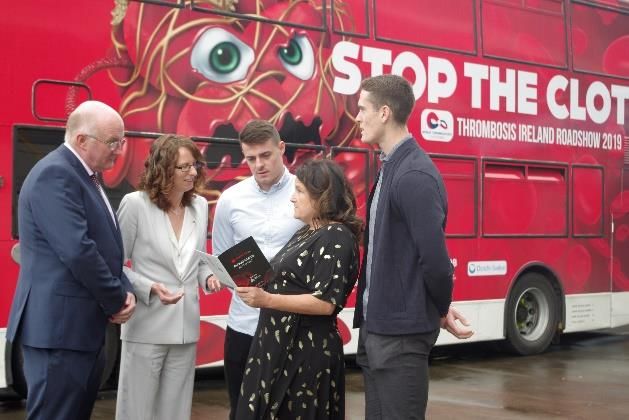
The VTE roadshow in September/October was an excellent example of integrated working
within an integrated health system as a very important public awareness campaign travelled
throughout the IEHG Health System visiting Hospitals, Communities and UCD.
Budget 2019 provided €20 million for the establishment of a new ring-fenced Sláintecare
Integration Fund to test and scale how services can best be delivered. The Sláintecare
Integration Fund sought submissions with a focus on prevention, community care and
integration of care across all health and social care settings. I was delighted to announce
that a number of our hospitals were successful in their submissions to the Sláintecare
Integration Fund and look forward to implementing these initiatives in 2020.
In November, we also hosted an information session at the Mater with leaders from the
Canterbury District Health Board in New Zealand on the success of the Canterbury Model
of integrated care and the importance of data integration in its implementation.
Academic Health Science Centre
Our development toward an Academic Health Science Centre (AHSC) continued in 2019.
The IEHG AHSC Oversight Group continued its focus on embedding research and academic
medicine in the clinical setting, while Dr Rhona Mahony, former Mater of the National
Maternity Hospital, was appointed the lead of our newly established Women’s Health
Clinical Academic Directorate (CAD). The maternity strategy for this CAD was launched
on 6 December and we are currently progressing a Clinical Leadership Course in
collaboration with Trinity College Dublin (TCD).
Our Cancer CAD (CaCAD) is now aiming to apply for Comprehensive Cancer Centre
Accreditation under the leadership of Prof Risteard O'Laoide. At a discussion forum in UCD
in October, attendees from the Mater, St Vincent’s, IEHG and UCD voiced their commitment
to the ongoing development of the CaCAD and the belief that the expertise and critical mass

 IEHG ANNUAL REVIEW 2019                                                                      5
of patients provided by the Mater and St Vincent’s is essential to the development of better
academic health care for Ireland’s cancer patients.
With regard to our Research Directorate, under Prof Peter Doran we launched a new
Clinical Research Centre (CRC) in Wexford General Hospital and St Luke’s General
Hospital, Carlow/Kilkenny this year, commencing a new era of access to academic medicine
for patients in the South-East.
In relation to our Genomics CAD, a Master Research Collaborative Agreement was signed
between Genomics Medicine Ireland (GMI) and UCD in March under the stewardship of Prof
Owen Smith.
UCD Health Affairs also successfully organised two Academic Health Science Centre
Lecture Series in 2019, bringing leaders in academic medicine to the Mater, St Vincent’s
and UCD to speak on a variety of topics including new developments in childhood,
gynecological, prostate and breast cancer as well as obesity and metabolic surgery,
neurological disease and the AHSC model.
                                             ***
In August, the Mater and St Vincent’s submitted bid documents for consideration to become
a Major Trauma Centre and Major Trauma Unit within the Central Trauma Network for
Ireland. The Independent Expert Assessment panel site visits took place on 20 August with
both sites demonstrating capacity and capabilities to achieve this important milestone for
trauma service in Ireland. I want to acknowledge the significant work and efforts from both
sites in completing the bid and representing their site and the Group in such a remarkable
way. We look forward to the outcome results expected to be announced shortly by the
Department of Health.
                                             ***
2019 also saw the retirement and departure of several esteemed colleagues from our Group
office and I would like to once again thank Ann Donovan, Catherine Clarke, Deirdre Wynne,
Niamh Clohessy, Lorraine Dempsey, Gisela Storniolo, Dolores Power and Kate Brophy for
all their hard work on behalf of our Group and wish them all the best in their new
endeavours.
As always, a special word of thanks needs to go to the staff at every level across our Group
who again this year continued to inspire through their incredible commitment and dedication
to delivering the best possible care for our patients.
Wishing you all a very happy Christmas and a peaceful new year.
Mary Day
CEO, Ireland East Hospital Group

 IEHG ANNUAL REVIEW 2019                                                                       6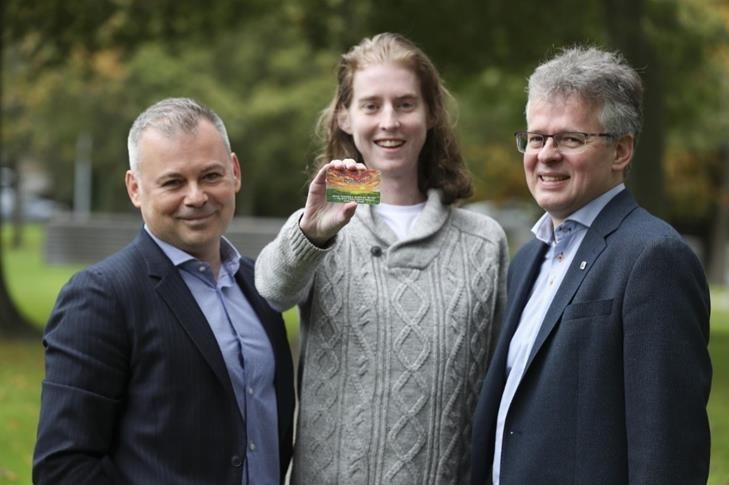
Our Year in Figures

                    284,124                            685,957
                  Inpatient/Day Case                         Outpatient
                      (to end October 2019)            (to end November 2019)

                           302,223
                           (to end November 2019)

                          People seen in ED

                                  12,050
                                    Total WTE
                                    (to end November 2019)

        1,760                      4,616                     1,458
   Medical/ Dental                Nursing &          Health & Social Care
   (to end November 2019)         Midwifery          (to end November 2019)
                                  (to end
                                  November
                                  2019)

IEHG ANNUAL REVIEW 2019                                                         7
Lean Service Improvement

IEHG ANNUAL REVIEW 2019                       8
Some 2019 Highlight Events

                                                                IEHG LAUNCHES ITS CORPORATE VIDEO
                                                                 In February, IEHG launched its corporate
                                                                 video highlighting the important work taking
                                                                 place across our 11 hospitals and academic
                                                                 partner UCD to deliver better, safer patient
                                                                 care.

                                                                 You can view the video online on our website
                                                                 at www.iehg.ie

CELEBRATION MARKING MILESTONE FOR CANCER TREATMENT
IEHG hosted an important event on Wednesday 6 March to mark the landmark
performance of over 200 Cytoreductive Surgery (CRS) combined with
Hyperthermic Intra-Peritoneal Chemotherapy (HIPEC) surgical procedures being
carried out in the Mater Misericordiae University Hospital. This marked a
momentous success for Irish healthcare, considering patients were unable to
access this type of procedure in Ireland before its repatriation from Basingstoke
in 2013, and a significant milestone for IEHG’s Cancer Clinical Academic
Directorate (CaCAD). As part of the CaCAD’s work programme, a similar service
has now been expanded to women with advanced ovarian cancer. As part of this
event, we invited our esteemed international colleagues Professor Brendan
Moran (pictured) from Basingstoke and Professor Willemien Van Driel from the
National Cancer Institute in Amsterdam to attend as international speakers.

                                           IEHG IMPROVEMENT WORK PUBLISHED IN GLOBAL LEAN
                                           JOURNAL
                                           In March of this year, IEHG had another article on its Lean
                                           improvement work published in Planet Lean, the Lean Global
                                           Network Journal. Service Improvement Lead Fiona Keogan wrote
                                           about bringing people together to provide better care to older, frail
                                           patients: https://planet-lean.com/frailty-lean-healthcare/ In
                                           December 2018, IEHG Service Improvement Director Anne-Marie
                                           Keown, wrote on how to transform a large hospital system:
                                           https://planet-lean.com/how-to-transform-large-hospital-system/

    IEHG ANNUAL REVIEW 2019                                                                              9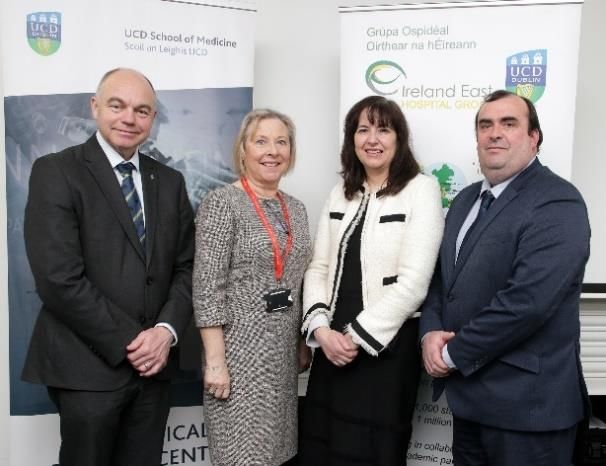
Some 2019 Highlight Events

IEHG HOSTS ITS 2ND LEAN IN HEALTHCARE
CONFERENCE
On 4 April, IEHG is hosted its second Adoption of Lean in
Healthcare Transformation Conference in the Freeman
Auditorium at the Mater hospital. This event was an opportunity
for the staff of IEHG and its partners to celebrate the success
of our Lean journey to date as we drive for transformation in
the healthcare we deliver. Staff from IEHG hospitals presented
on the measurable and sustainable improvements which have
been achieved through applying Lean methodology across a
broad range of clinical services. We also had the opportunity to
hear from some of the international partners who have
supported us and who are on a similar journey using Lean to
transform their services.

                                                    ACADEMIC HEALTH SCIENCE CENTRE LECTURE
                                                    SERIES
                                                    In May 2019, IEHG and UCD Health Affairs launched its
                                                    Academic Health Science Centre Lecture Series. These
                                                    lunchtime lectures were held in St Vincent's, the Mater and
                                                    UCD with speakers giving an insight into their areas of
                                                    research and the importance of academic medicine. Due to the
                                                    success of the first edition, a second series was organised in
                                                    November/December. Speakers in both series included Dr
                                                    Rhona Mahony, Prof Tim Lynch (pictured), Prof Walter Kolch
                                                    and Prof Helen Heneghan.

                                                       IEHG MID-YEAR TOWN HALL
                                                       IEHG’s mid-year Town Hall took place in the Catherine
                                                       McAuley Lecture Theatre at the Mater hospital on 15 May.
                                                       The afternoon was divided into two parts with the opening
                                                       session focusing on the Group's planned submission in the
                                                       national competition to establish a Major Trauma Network
                                                       for Ireland. At our second session, speakers provided
                                                       updates on the exciting work happening on VTE (Prof
                                                       Fionnuala Ní Áinle), Genomics (Prof Owen Smith) and
                                                       through our recently established Clinical Academic
                                                       Directorate for Women’s Health (Dr Rhona Mahony).

      IEHG ANNUAL REVIEW 2019                                                                          10
Some 2019 Highlight Events
IEHG’S 4TH ANNUAL NURSING & MIDWIFERY SYMPOSIUM
The IEHG Practice Development Group held its fourth Nursing &
Midwifery Symposium on 22 May 2019 in the National Maternity
Hospital, showcasing initiatives that enhance patient care within
our hospitals. All 11 hospitals presented on a variety of topics
from ‘The use of patients own drugs in Cappagh hospital’ to
‘#EndPJparalysis’ in St. Columcille’s Hospital. There were 21
short presentations including four focusing on IEHG Lean
Service Improvement initiatives. The keynote address by
Professor Jonathan Drennan, University College Cork, was on
Safe Nurse Staffing in Ireland.
IEHG VTE PAPER PUBLISHED IN BMJ OPEN
The first data on VTE incidence in an Irish hospital group
was published in the journal BMJ Open in June. The
paper, by the IEHG VTE Working Group, is entitled
'Venous thromboembolism incidence in the Ireland East
Hospital Group: a retrospective 22-month observational
study'. The objective of the study was to determine the
incidence of venous thromboembolism (VTE) and the
incidence of hospital-acquired VTE (HAVTE) arising
within the population served by the Ireland East Hospital
Group. The paper can be viewed at:
https://bmjopen.bmj.com/content/9/6/e030059
IEHG AT LEAN LONDON SUMMIT
In October, Anne-Marie Keown and Emma Smyth (pictured) presented
on behalf of the Group at the Lean Healthcare Transformation Summit
in London. This platform provided the opportunity to share the progress,
successes and reflections of our IEHG Lean Transformation journey to
date with healthcare leaders from across Europe and the USA. IEHG is
steadily building an international reputation for initiating and sustaining
system level change. We are committed to creating an excellent
organisational culture that will thrive on continual change and
improvement.
IEHG ANNUAL REVIEW 2019 11Awards & Recognition
Regional Hospital Mullingar was crowned National
Winner and Energy Saving Champion in ‘The BIG
Switch Off’ Competition in January 2019
Following an NSAI inspection in January 2019, the Central
Decontamination Unit (CDU) in Our Lady’s Hospital,
Navan (OLHN) was awarded accreditation to ISO 13485:
2016 Quality Management Systems for Medical
Devices. OLHN was the first HSE hospital to achieve this
standard.
On 27 February 2019, Regional Hospital Mullingar's
MFIT Team were crowned CHO Service Integration
Category Award Winners at the Community Healthcare
Organisation Awards 2019.
In April, Mater Nurse Aoife McGivney received the Lord
Mayor’s Award for her contribution to Dublin society.
Earlier in the year, Aoife had shown great presence of
mind to perform life-saving CPR on a Dublin Bus driver.
IEHG ANNUAL REVIEW 2019 12Awards & Recognition
In May 2019, Roseanne Killeen (Our Lady’s Hospital, Navan)
and Nicola Dillon (St Columcille’s Hospital, Loughlinstown)
were nominated for HR Manager of the Year at the HR
Leadership and Management Awards 2019.
In May 2019, IEHG awarded certificates of recognition to its four
2018/2019 60% Staff Flu Vaccine Target Breakers: Regional
Hospital Mullingar (77%), St Columcille’s Hospital,
Loughlinstown (73%), National Maternity Hospital (66%) and
St Luke’s General Hospital, Carlow/Kilkenny (62%)
In June 2019, Ciarán Muldowney of St. Vincent’s University Hospital was
awarded Hospital Pharmacist of the Year at the Hospital Professional
Awards 2019. There were four MMUH winners at the awards – Brid Ryan for
Excellence in Oncology, Claire Shine and Maríosa Kieran for Excellence in
Patient Safety, Aisling Beakey and Prof Fionnuala Ní Áinle for Haematology
Project of the Year and Sara Winward for Excellence in Respiratory Initiative
In November 2019, Clare Kennedy (Advanced Midwife Practitioner, St
Luke’s General Hospital, Carlow/Kilkenny) and Anna Wade, Paediatric
Orthopaedic Clinical Nurse Specialist, Cappagh National Orthopaedic
Hospital) won INMO Midwife and Nurse of the Year respectively.
IEHG ANNUAL REVIEW 2019 13IEHG ‘Stop the Clot’ Roadshow
Over five weeks in 2019, the
Ireland East Hospital Group
(IEHG), in collaboration with
Thrombosis Ireland, our CHO
and Healthy Ireland
colleagues, organised an
extremely successful 'Stop
the Clot’ VTE Awareness
Roadshow Campaign.
The principal aim of the
campaign was to raise
awareness of the danger of
blood clots to as many staff
and members of the public as
possible.
More people die each year from blood clots than from breast cancer, prostate cancer and
road traffic accidents combined and they are reported to be the number one cause of
preventable death in hospitals.
The Big Red Bus made over 25 stops to our 11 hospitals and their communities, and to
UCD. National and regional radio got on board in each of the regions - Ivan Yates pulled the
Bus onto the Hard Shoulder and Ann Marie O’Neill, Founder of Thrombosis Ireland, and Prof
Fionnuala Ní Áinle, Consultant Haemotologist at the Mater and Chair of the IEHG VTE
Service Review Group, made their TV Debut on Virgin Media’s Weekend AM with a
viewership of over 750,000.
Ann Marie also handed out over 10,000 Alert Cards to healthcare professionals in hospitals
and in the community, to patients and the public, in the five short weeks.
Many hospitals in IEHG have now set up VTE Working Groups to help continue to raise
awareness in their hospitals and to help promote a healthier, more active lifestyle with the
aim of preventing a very preventable DVT event from happening to one of their patients.
Many thanks to our partner Prospectus for its support and to Bayer, Sanofi and Daiichi-
Sankyo for its education grants, without which this campaign would not have been possible.
Pictured above l-r: John Horan, GAA President; Prof Fionnuala Ní Áinle, Consultant
Haemotologist at the Mater and Chair of the IEHG VTE Service Review Group, Brian
Howard, Dublin GAA, Ann Marie O’Neill, Founder of Thrombosis Ireland; and
Brian Fenton, Dublin GAA
IEHG ANNUAL REVIEW 2019 14Ireland’s First Ever Liver & Double Lung Transplant Robert Sheahan from Co. Limerick is the first person in Ireland to receive a liver and double lung transplant, thanks to organ donation. The 29-year-old underwent the long and complicated transplantation operation in June of this year and is now well on the road to recovery. Two surgical transplant teams - one from the Mater Misericordiae University Hospital’s (MMUH) National Heart and Lung Unit and the other from St Vincent’s University Hospital’s (SVUH) National Liver Transplant Unit worked for around ten hours on this life-saving operation for Robert. Mr Emir Hoti, Director of the National Liver Transplant Programme at SVUH got to work first of all, transplanting the liver. Mr Hoti said, “Robert has benefitted the most of any person I’ve seen or treated for transplant. The fact that this is a first for Ireland shows how far we have come in terms of our transplant programme. The operation itself, while complicated, was a success and our collaboration with the team at the Mater was superb.” While Mr Hoti was performing the liver transplant on Robert, Mr Lars Nölke, Head of the Heart and Lung Transplantation Unit at MMUH, was simultaneously transplanting the heart from the same donor to another transplant patient. When the liver transplant was complete, Mr Nölke and the Mater team took over to transplant first one lung, and then the second. Approximately 15 medical professionals, from anaesthesiologists to scrub nurses were involved in the ten-hour operation. The operation was a success and a few days later, on his 29th birthday, Robert Sheahan came to in the ICU unit. He spent the next two months recovering in the Mater and has now been discharged home but is making weekly visits to the Mater for follow up. Professor Jim Egan, Director of Organ Donation Transplant Ireland, said, “Organ donation saves lives. Robert’s remarkable journey and recovery and the fact that this is the first double lung and liver transplant in Ireland is only made possible through organ donation. We would ask everyone to discuss this life-saving issue with their families.” Pictured above (l-r): Mr Emir Hoti, Robert Sheahan and Mr Lars Nölke IEHG ANNUAL REVIEW 2019 15
Unified Gynaecological Oncology Service
                                             The Ireland East Hospital Group (IEHG)
                                             Cancer Clinical Academic Directorate
                                             (CaCAD) strategy is to become a single cancer
                                             centre operating across two sites (Mater
                                             Misericordiae University Hospital and St
                                             Vincent’s University Hospital) with
                                             accreditation as a Comprehensive Cancer
                                             Center by the Organisation of European Cancer
                                             Institutes (OECI).
                                            The IEHG Gynaecological Oncology Group
(IEHG GOG) was one of the first cross-institutional Tumour groups initiated by the CaCAD.
In 2018, the IEHG Gynaecological Oncological team identified areas within the patient
pathway and service delivery in both hospitals that required improvement. It was agreed that
a unified gynaecological oncology service should be established between the Mater and St.
Vincent’s to improve the patient journey and the quality of care for women availing of this
type of cancer treatment.
To facilitate this improvement work, a Lean process improvement journey was
commenced in July 2018, beginning with a Value Stream Analysis (VSA) and followed by a
series of Rapid Improvement Events (RIEs) in 2018 and 2019. The standardisation of
process steps for the patient journey and the optimisation of data availability across the two
sites were identified as key to ensuring the delivery of a best-practice patient pathway. The
IEHG Gynaecological Oncological team engaged with both patients and staff and utilising
Lean methodology redesigned Triage and MDT processes in order to streamline the
pathway for patients attending Priority, Review and Virtual Clinics.
Some of the outcomes of this improvement work include:
   ➢ A system of increasingly accurate, joint data collection
   ➢ The design and set up of a Priority Clinic, to include Radiation Oncology
   ➢ The implementation of a Virtual Clinic to reduce hospital visits and value patients’
     time
   ➢ The creation of an MDT coordinator post
   ➢ IEHG has resourced a single Gynaecological Oncology HQ (for the MDT
     coordinator, three nurses and two junior doctors), improving patient safety and review
   ➢ A standardised referral form

According to Bill Boyd, Consultant Gynaecological Oncologist at the Mater hospital and a
member of the IEHG Gynaecological Oncology Group, “The improvements we have made
mean that we are now offering women the same standardised, efficient service week in
week out. We have changed the way we run our clinics to include increased consultant face
time and to reduce unnecessary visits. There is now a one-stop-shop clinic for new patients
to see the surgeon and radiation service at the same time. The changes implemented have
markedly cut down the wait time from referral letter to first treatment and have reduced the
wait time for results.”

 IEHG ANNUAL REVIEW 2019                                                                    16
Talk with Dr Rhona Mahony
Dr Rhona Mahony is the Executive Director of the IEHG
Women’s Health Clinical Academic Directorate and former
Master of the National Maternity Hospital in Holles Street
25 years of obstetric practice has taught me the broader
importance of women’s sexual and reproductive health in society.
For too long women’s health has been treated as a narrow set of
siloed health issues, with little recognition of the centrality to
society’s overall health and wellbeing. There is abundant research
conducted over the past number of decades to demonstrate the
societal benefits of investment in women’s health. Good maternity
and gynaecological healthcare saves lives, prevents disease and promotes gender equality
by increasing women’s participation in society while promoting better health for infants and
children. This has a multigenerational effect and if we are serious about social equality then
we must be very serious about excellence in healthcare for women and children.
The Ireland East Hospital Group (IEHG) has moved to a model of healthcare that drives
clinical excellence for patients by aligning the hospitals and universities in healthcare
delivery so that cutting-edge research translates into cutting-edge care. Patient care is at the
heart of everything we do and in Ireland East we want every patient coming through the door
to receive the highest possible standard of care. Internationally, clinical academic
directorates have proved to be a very successful model of care attracting top class clinical
staff who understand the benefits of university alignment in their future personal and
professional development. This translates into better care for patients. We are delighted that
one of the first CADs established in Ireland East is a directorate for Women’s Health.
We have just launched our maternity strategy which focuses on four core areas: enhancing
clinical care pathways and clinical care delivery – these programmes will focus on obstetric
ultrasound, gestational diabetes, community antenatal care and benign gynaecology. The
other core areas focus on the development of robust, networked clinical governance
structures, promoting talent and education across the many disciplines in the Group and the
development of some exciting research projects which will focus on specific maternal
diseases like diabetes in pregnancy and broader social studies on outcomes in high-risk
pregnancies.
Kilkenny has been a pilot site for the introduction of some of our programmes and we have
been very encouraged by the benefits of team workshops, Rapid Improvement Events
(RIEs) and Lean methodology in planning better care delivery. We have also developed a
physician leadership programme for 2020 which we hope will create a network of leading
physicians equipped to advocate and drive better healthcare for patients.
We look forward to rolling out the first year of our strategy in 2020 and to capturing our
progress so that we can be agile and flexible in achieving the goals we set ourselves over
the next three years.
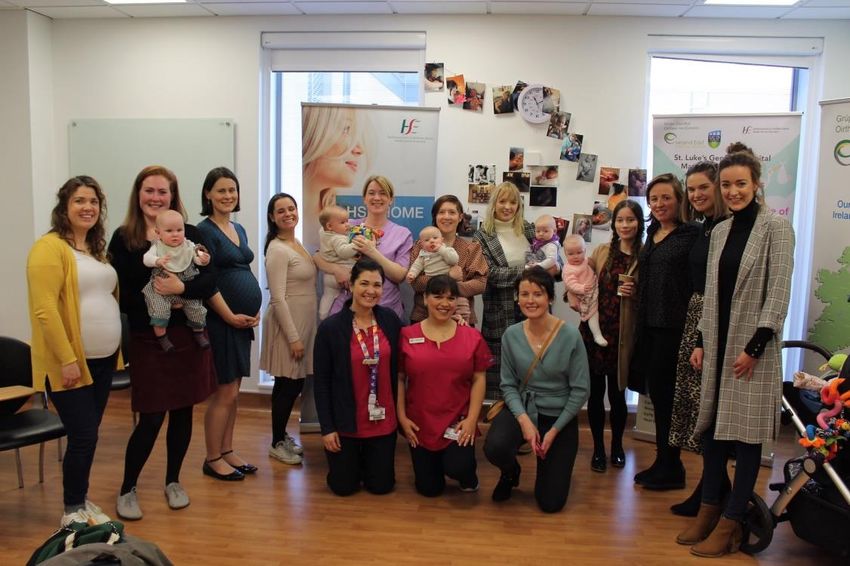
IEHG ANNUAL REVIEW 2019 17Launch of Integrated Midwifery Service in Kilkenny Tuesday 12 November 2019 saw the Maternity Department of St. Luke’s General Hospital, Carlow/Kilkenny officially launch their new Integrated Community Midwifery Service for women in the Kilkenny and Carlow area. The launch of this service, which has been operational since 2018, means that women who attend St Luke’s Maternity Services are provided with greater choices in the type of care and birthing options that were previously available, including early-home transfers. “This service offers choice to women in the type of care and birthing options that are available to them. This service is safe, quality-driven, evidence-based and tailored to the individual needs of women and their families,” said Clare Kennedy, Registered Advanced Midwife Practitioner and Clinical Lead for Midwifery-Led services in St Luke’s. Clare, alongside a team of six midwives, works to provide this service to expecting mothers. The service aids in supplying midwifery-led care to women who attend the hospital, in line with the national maternity strategy, that is safe, standardised, of high-quality and offers a better experience and more choice to women, families and fathers. The official launch took place in St Luke’s General Hospital’s Education Centre and included women who recently used the service. “Everyone is so amazing in this hospital. I can't get over it. It’s not just a service we received. It's love!” said recent service user, Anna Tomaz. If you wish to learn more about the newly launched Integrated Community Midwifery Service or if you have any questions, please email Community.MidwiferySLGH@hse.ie. IEHG ANNUAL REVIEW 2019 18
UCD CRC at St Luke’s Kilkenny & Wexford General
                                                     Enhancing Patient Care through Research
                                                     In 2019, University College Dublin, in conjunction
                                                     with the Ireland East Hospital Group (IEHG),
                                                     announced the expansion of UCD’s Clinical
                                                     Research Centre (CRC) to St Luke’s General
                                                     Hospital, Carlow/Kilkenny and Wexford General
                                                     Hospital. The rolling out of the CRCs research
                                                     programme to Kilkenny and Wexford commenced
                                                     a new era of access to academic medicine for
                                                     patients in the South-East.
The UCD CRC is an academic-led, multi-site, patient-focused facility for clinical and
translational research within the UCD School of Medicine. Since opening in 2006, the UCD
CRC has had a significant impact on the national research landscape. It has been created to
deliver the UCD’s strategic objective of advancing high-quality, impactful, investigator-led
translational and personalised medicine research. The goal of the UCD CRC is to positively
impact on patient lives, support hospitals within IEHG and deliver the School and University
Research strategy.
“This is the first time the UCD CRC has been expanded outside of Dublin. Through the
partnership between University College Dublin and IEHG, we are committed to ensuring all
patients in our hospital group, regardless of geography are provided access to cutting-edge
care,” said Mary Day, CEO of IEHG.
Clinical trials, conducted by the UCD CRC, will provide access for patients to promising new
therapies that are often an important treatment option. Alongside St Luke’s and Wexford
General Hospitals, the Clinical Research Centre includes, alongside the Mater Misericordiae
University Hospital, St Vincent’s University Hospital and the National Maternity Hospital as
academic research partners.
Clinical Research and Education
Research Oversight Committees have been formed at both St Luke’s and Wexford General
Hospitals and they have responsibility for the oversight of research at each site. To date,
three genomic study applications have been filed with the South-East Ethics Committee and
have received conditional approval. We expect that these studies will be up and running
early in 2020. In October, a positive site assessment was conducted at Wexford General
Hospital by Novo Nordisk with a view to opening their teenage obesity study at the hospital.
The teams at both hospitals are also assessing the potential to extend other studies that are
currently being run by the CRC to their hospitals.
From an educational point of view, there was excellent attendance at the Good Clinical
Practice (GCP) training sessions in October (Wexford) and November (St Luke’s), delivered
by the CRCs Quality and Regulatory Affairs Manager. The educational programme for 2020
will commence with a Clinical Trials Masterclass in January/February with a methodological
course being run later in 2020.
Pictured above (l-r): Prof Andrew Deeks, President UCD, Lily Byrnes, General Manager of Wexford Regional Hospital,
Mary Day, CEO of the Ireland East Hospital Group, and Prof Peter Doran, Director at the UCD Clinical Research Centre

 IEHG ANNUAL REVIEW 2019                                                                                         19
Collective Leadership for Safety Cultures
The ‘Collective Leadership for Safety
Cultures’ (Co-Lead) programme was
launched in the Mater Misericordiae
University Hospital in November.
Co-Lead is a five-year, HRB-funded
research project at UCD that aims to
develop and test the impact of
collective leadership on patient safety
cultures. The Co-Lead programme is
based on the premise that healthcare
is delivered by teams and therefore it
is important that every team member’s
expertise and knowledge is leveraged,
recognising that all team members play a vital role in quality and patient safety. Co-Lead
enables teams to lead collectively, sharing responsibility for team performance and patient
safety.
The programme was co-designed by healthcare staff, patient representatives and
researchers. It comprises 19 components, eight of which should be completed by teams: six
core components related to collective leadership for team performance and safety culture,
and 2 additional components which teams can select depending on their team needs, goals
and priorities. All components take one hour to complete and can be self-run by healthcare
teams in their work environment at regular intervals.
In order to learn more about Co-Lead, visit www.ucd.ie/collectiveleadership to view co-
designed materials available through the Resource Hub.
Short videos introducing Co-Lead and some elements of the programme can be viewed
here: tinyurl.com/IntroducingCo-Lead
Pictured above (l-r): Dr Steve Macdonald (Research Scientist, University College
Dublin), Mr Ken Fitzgibbon (General Manager, Our Lady’s Hospital, Navan) and Mr
Alan Sharp (Chief Executive Officer, Mater Misericordiae University Hospital)
IEHG ANNUAL REVIEW 2019 20National Patient Experience Survey
The Ireland East Hospital Group (IEHG) is
committed to improving patient experiences of care
and services and recognises how important it is to
listen and respond to our patients’ feedback.
Informed by the results of the National Patient
Experience Survey (NPES), we strive to identify key
initiatives to deliver improvement from the front door
throughout the patient’s journey in our hospitals.
We take every opportunity during our improvement events to ensure that patient
engagement is core to the process by listening to the ‘voice’ of the patient and
understanding what matters most to them.
In 2019, IEHG was delighted that our hospitals again achieved positive results in the
National Patient Experience Survey, and that we achieved the best overall results of any
hospital group. This indicates that our hospitals have developed processes and systems to
agilely respond to patient needs and improve the overall experience of care within IEHG,
which we must now maintain and improve upon.
In 2019, 86% of patients reported a good to very good experience of the care they received
in our hospitals. Over the three-year period since the survey was introduced, IEHG is
consistently above the national average in the ‘Very Good’ (9-10) grouping. Over the same
period, the overall IEHG ‘stage of care’ scores indicate incremental improvement across the
system.
In order to ensure that areas for improvement are addressed, hospital Quality Improvement
Programmes (QIPs) will include a focus on discharge planning and the preparation and
information required for patients and families prior to leaving hospital, in order to ensure the
safe discharge of patients.
IEHG quality improvement work continues at pace across multiple sites, embedding better
quality, patient-centred care across our services. It has been wonderful to witness the
significant work being carried out by staff on service improvement and quality initiatives to
achieve better, safer processes for delivering care and services to patients.
Our transformation improvement journey enables everyone across the organisation to
understand the daily challenges of frontline staff and work on the right problems, and to
connect strategies, objectives and performance to the actions of individual staff, teams and
units to improve our patients’ journeys.
IEHG would like to express its thanks and gratitude to the patients who provided their input
into the National Patient Experience Survey. You have contributed to an invaluable body of
work which is a key component in developing strategies for quality improvement of patient
care across the service.
We also wish to pay tribute to the commitment and hard work of all the staff across the
Group in delivering positive patient experiences and championing this survey. We look
forward to progressing the identified improvements together over the coming months.
IEHG ANNUAL REVIEW 2019 21Interview with Paula Lawler, Group Director of HR
How many staff are employed within IEHG?
The Ireland East Hospital Group (IEHG) workforce totalled 12,021
employees (whole time equivalents) at the end of October 2019 working
across the 11 hospitals in our Group (six voluntary and five statutory)
and providing acute hospital services to over one million people. With a
focus on the development of services and ensuring appropriate staffing
levels are in place to meet increasing service development needs, we
have increased staffing levels in the Group by 20% in the four years
since the establishment of IEHG in 2015.
What initiatives has the Ireland East Hospital Group supported to better engage staff?
Since 2017 we have been working with the Great Place to Work Institute supporting our
hospitals to create greater levels of employee engagement, trust, flexibility and productivity
to enable our staff to deliver a safer, better quality service to our patients. This work has
assisted our hospitals in the development and implementation of employee engagement
improvement plans developed through common initiatives that support team working,
enhance communications, demonstrate employee value, maximise employee potential and
embrace diversity. In addition, the work undertaken through our service improvement
initiatives utilising Lean principles and methodology to deliver continuous improvement and
change has been a key driver of increased staff engagement across our workforce. The
positive change has been initiated through a bottom-up approach where staff across all
disciplines and all levels have been actively leading and participating in the change
management programme. I have been very impressed by how our staff have embraced this
change programme with enthusiasm and motivation and this continued commitment is
acknowledged and appreciated.
What outcomes have been reported since the promotion of the Great Place to Work
initiative?
The feedback we have received indicates that our hospitals enjoy having this international
benchmark to measure themselves against other employers across the public and private
sectors. It also allows our hospitals to think differently about they can better engage staff.
Some of the positive outcomes we have seen include Town Hall events where staff are
invited to contribute to the strategic development of the hospital, the development of staff
newsletters to improve internal communication, and long service awards to recognize and
thank staff members who have given the greater part of their careers to the health service.
The results for IEHG in the Your Opinion Counts – Health Sector National Staff Survey in
2018 showed that Job Satisfaction increased across the Group by a net positive score of
11% compared to the 2016 results and I believe that the Great Place to Work initiative was a
positive contributing factor to this result.
What was your HR highlight of 2019?
It would be very difficult for me to pick just one but I was particularly proud to see both
Roseanne Killeen (Our Lady’s Hospital, Navan) and Nicola Dillon (St Columcille’s Hospital,
Loughlinstown) nominated for HR Manager of the Year at the HR Leadership and
Management Awards. They have both done incredible work for staff in their hospitals.
IEHG ANNUAL REVIEW 2019 22IEHG ANNUAL REVIEW 2019 23
You can also read


