LNG AFRICA SPECIAL REPORT / 2021
←
→
Page content transcription
If your browser does not render page correctly, please read the page content below

SPECIAL REPORT / 2021

Power   LNG   Renewables   Oil   Nuclear

AFRICA
LNG
INVEST IN AFRICA’S LIQUEFIED
NATURAL GAS INDUSTRY

www.africaoilandpower.com
Maputo 8 9 March 2021
                                                                       Official      MINISTRY OF MINERAL
                               www.mzgasandpower.com                   Partner       RESOURCES AND ENERGY

       PRESIDENTIAL AWARD CEREMONY                                     LIMITED WORKSHOP SPONSORSHIP
       & TECHNICAL WORKSHOPS                                                 POSITIONS AVAILABLE:

       A component of
       MOZAMBIQUE GAS & POWER           SEPTEMBER                        Contact: jp@africaoilandpower.com
       CONFERENCE & EXHIBITION          2021                                   to secure your position.

Africa Oil & Power (AOP), Africa’s premier event organizer
for the energy industry, in partnership with the Ministry of
Mineral Resources & Energy (MIREME), Empresa Nacional de                          REGISTER FOR FREE
Hidrocarbonetos (ENH), African Energy Chamber (AEC), the
Mozambican Oil & Gas Chamber (CPGM) and Attitude HR,
will bring global investors and policymakers in the oil and gas and
power industry together for a focused technical workshop program
                                                                      Register as a delegate or join as media for
to enhance and drive the growth of the sector in Mozambique.
                                                                         free at www.mzgasandpower.com

  8
                MARCH

                         EXCLUSIVE                                     KEY TOPICS
                         AWARD CEREMONY                                FOR TECHNICAL
                                                                       WORKSHOPS INCLUDE
Preceding the workshops, on 8 March 2021, will be a
Presidential Award Ceremony, in which Africa Oil & Power
                                                                       BUT ARE NOT LIMITED TO:
will present its African Energy Person of the Year Award to
H.E. President Filipe Nyusi.                                           Optimizing and Building Up
                                                                       Mozambique’s Energy Infrastructure

  9                                                                    Capacity Building: Mozambican
                MARCH

                         ENGAGING INDUSTRY                             Companies Entering a Global Industry
                         SPECIFIC WORKSHOPS
                                                                       Security and Community: How to Engage
The Focused Virtual Technical Workshop Program will be                 Communities and Safeguard Operations
hosted in Maputo on 9 March 2021, and takes place in the
build up to the Mozambique Gas & Power Conference &
Exhibition 2021, which will be hosted in Maputo later in the year.
                                                                       Deal-making in the Energy Sector: How to
                                                                       Do Business with IOCs and International
                                                                       Companies
Our Partners
                                                                       Mozambique and the Cross-Sector Digital
                                                                       Transformation
Official   MINISTRY OF
Partner    MINERAL RESOURCES
           AND ENERGY

                                                                       Mozambique and Integration with the
                                                                       Region: Energy, Infrastructure, Tourism
                                                                       and more

www.africaoilandpower.com
Africa Energy Series | Africa LNG | 2021

AFRICA EMERGES AT THE FOREFRONT
OF GLOBAL GAS REVOLUTION

                                                                                                 tably, Total’s Mozambique LNG project, the
                                                                                                 country’s first onshore LNG development
                                                                                                 with a target operational date of 2024, re-
                                                                                                 mains on track and managed to secure the
                                                                                                 largest project financing in Africa to date.
                                                                                                 Additionally, in May 2020, Nigeria LNG Ltd.
                                                                                                 signed a three billion-dollar corporate loan
                                                                                                 to finance the construction of a seventh
                                                                                                 LNG train. The project has also remained
                                                                                                 on track and is expected to boost Nigeria’s
                                                                                                 LNG output by nearly one-third. According
                                                                                                 to the International Energy Agency’s Gas
                                                                                                 2020 Report, 2021-2025: Rebound and be-
                                                                                                 yond, gas consumption is expected to return
                                                                                                 to near pre-crisis levels in mature markets,
                                                                                                 while emerging markets will benefit from an
                                                                                                 economic rebound and lower gas prices. Af-
                                                                                                 rican natural gas consumption is anticipated
                                                                                                 to grow at an average of 3.3% per year to
                                                                                                 reach approximately 195 billion cubic me-
                                                                                                 ters (bcm) in 2025 and up to 380 bcm in
                                                                                                 2050, comprising six percent of global total
Despite project delays and a                     African gas markets have not been insulated     consumption. Driven primarily by industrial
restrictive investment environment               to COVID-19, but are less exposed than oil      and power generation needs, development
initiated by the COVID-19 pandemic,              markets as COVID-19 primarily curtailed         is expected to dramatically increase. As
Africa’s LNG industry has been able to           the transportation sector, in which gas is      demand beings to steadily rise, several Af-
emerge as a global competitor, as gas            less used. However, the gas market was al-      rican countries are prioritizing exploration
demand is projected to pick up.                  ready experiencing a market glut due in part    and attracting new operators to their acre-
                                                 to export growth of key producers that ac-      age, in which investor-friendly policies and
Driven by new, commercial-sized discover-        celerated global LNG exports and contrib-       transparent processes serve to create an
ies and progressive policies, African natural    uted to market saturation. Despite a gradual    enabling environment.
gas consumption and production is set to         increase in demand as the global economy
become one the fastest-growing sectors           recovers, the 2021 gas outlook is expected      On the supply side, Africa is expected to
globally by 2040. While a large share of these   to remain loose until prices tighten. The AEC   become the fastest-growing region in gas
resources is yet to be developed, the conti-     notes that LNG demand growth will outpace       production, averaging 5.6% growth per year,
nent holds a promising future. According to      liquefaction capacity due to more delays in     in which the continent is expected to pro-
the Gas Exporting Countries Forum (GECF)         project sanctioning, thereby restoring the      duce approximately 295 bcm in 2025 and
Global Gas Outlook 2050, Africa is expect-       supply/demand equilibrium within the sec-       over 660 bcm in 2050, accounting for 20%
ed to increase its share of global marketed      tor. For their part, delays in Final Invest-    of the global gas production increase during
gas production from current figures of six       ment Decisions (FIDs) and project devel-        the same period. According to the IEA, the
percent to 11% by 2050. Despite project          opments – including Mozambique’s Coral          bulk of this growth comes from LNG ex-
delays initiated by COVID-19, and a tem-         South Floating Liquified Natural Gas Facility   port-driven production developments in
porary market oversupply that has limited        delaying drilling operations last April and     Mozambique and Nigeria, as well as the joint
capital expenditure leading to new project       ExxonMobil’s Rovuma LNG project delaying        Grand Tortue Ahmeyim development off-
sanctions, several African Liquified Natural     FID until 2021 – are not expected to have a     shore Mauritania and Senegal. Despite the
Gas (LNG) projects have been able to prog-       significant bearing on the global LNG mar-      current market oversupply, projected rises
ress, positioning Africa as a major LNG com-     ket in the medium-term. Meanwhile, some         in demand are expected to regain balance in
petitor globally. According to the African En-   projects have found success in maintaining      emerging projects, with African gas produc-
ergy Chamber (AEC) Energy Outlook 2021,          production and development timelines. No-       ers leading the way.

                                                                                                             www.africaoilandpower.com
Africa Energy Series | Africa LNG | 2021

GLOBAL GAS FORECAST:
SUPPLY AND DEMAND

Global gas demand has witnessed a dramatic reduction, as countries attempt to mitigate the spread of COVID-19.
Correspondingly, a short-term gas oversupply has slashed prices and temporarily stalled new gas investment. However,
demand is expected to progressively recover throughout 2021, as consumption returns to pre-COVID-19 levels in mature
markets, and emerging markets capitalize on the low-price environment.

Global Gas Demand Forecast
With the onset of COVID-19, global gas demand saw a sharp decline as borders were closed, country-wide lockdown measures were enforced and lower
levels of economic activity were experienced, causing unprecedented reductions in global gas demand for transportation, power generation and industry.

Initial and Revised Forecasts,                        Regional Demand Increase                                    Source: International Energy Agency
2019-2025, billion cubic meters                       billion cubic meters
4500                                                  1800

                                                      1600
4400
                                                      1400
4300
                                                      1200
4200                                                  1000

4100                                                  800

                                                      600
4000
                                                      400
3900
                                                      200

3800                                                  0
       2018 19 20      21   22   23    24 2025                               2018                                          2050
   Pre-COVID          Post-COVID                          Asia Pacific   North America   Middle East     Africa   Latin America      Eurasia   Europe

Global Gas Supply Forecast                            Regional Share of Global Production,              Regional Supply Increase,
                                                      2018-2050		                                       2018-2050
Prior to COVID-19, the global gas mar-                Region 2018                           2050        Region                    2018          2050
ket was experiencing a temporary mar-                 Africa
                                                             6%                               11%       Asia Pacific               589          900
ket glut due to the commissioning of new              Asia Pacific		 16%                     13%        North America              980          1450
LNG facilities. However, as demand slow-
                                                      Eurasia		      23%                     23%        Middle East                650          980
ly recovers, gas production is expected
to become more diversified through new                Europe		        6%                      1%        Africa                     240          660
exploration initiatives.                              Latin America		 5%                      5%        Latin America              100          280
                                                      Middle East		 17%                      18%        Eurasia                    849          1249
                                                      North America		 27%                    29%        Europe                     250          130
Africa is set to make the most substantial gains in
regional share of global gas production.                  Source: GECF Global Gas Outlook 2020                         Billion Cubic Meters

                                                                                                                       www.africaoilandpower.com
Africa Energy Series | Africa LNG | 2021

AFRICAN LNG AND FLNG
PROJECTS MAKE HEADWAY
Between 2019 and 2025, a total of 70 natural gas projects are projected to come online in sub-Saharan Af-
rica. As the continent aggressively pursues its share of global liquefied natural gas (LNG) supply, final in-
vestment decisions will be made on competitive feed gas supplies and low upstream, plant construction and
transportation costs, to avoid project delays or cancellations in a cost-sensitive environment.

KEY                                                    ANGOLA                                          ALGERIA

                                              Project                        Angola LNG       Project                       Skikda LNG
                                              Project Type                 Refurbishment      Project Type                   Expansion
LNG                                           Operator                                 Eni    Operator                        Sonatrach
                                              Year Online                           2020      Year Online                          2021
FLNG
                                              Capacity                          5.2 MTPA      Capacity                        4.5 MTPA
LNG - FLNG
                                              Status                          In Progress     Status                        In Progress

         ETHIOPIA/DJIBOUTI                             MOZAMBIQUE                                      MOZAMBIQUE

Project                    Hilala Complex     Project                  Mozambique LNG         Project                     Rovuma LNG
Project Type Gas Treatment Plant, Pipeline    Project Type         LNG Liquefaction Plant     Project Type       LNG Liquefaction Plant
Operator             POLY-GCL Petroleum       Operator                                Total   Operator                      ExxonMobil
Year Online                          2023     Year Online                            2024     Year Online                          2024
Capacity                     398 MMCF/D       Capacity                           43 MTPA      Capacity                      15-16 MTPA
Status                            Planned     Status                           In Progress    Status                       Awaiting FID

       NIGERIA                                         EQUATORIAL GUINEA                               SOUTH AFRICA

Project               Nigeria LNG (Train 7)   Project                    Alen Gas Project     Project                Virginia Gas Project
Project Type Train & Liquefaction Expansion   Project Type   Offshore Pipeline Installation   Project Type        LNG and Helium Plant
Operator         Nigeria National Petroleu    Operator                      Noble Energy      Operator                        Renergen
Year Online                          2024     Year Online                            2021     Year Online                          2021
Capacity                           8 MTPA     Capacity                      950 MMCF/D        Capacity                         645 TPD
Status                         In progress    Status                           In Progress    Status                         In Progress

         SOUTH AFRICA                                  GHANA                                        TANZANIA

Project          Richard’s Bay LNG Import     Project                          Tema LNG       Project                     Tanzania LNG
Project Type         Terminal Construction    Project Type         Terminal Construction      Project Type       LNG Liquefaction Plant
Operator                          Transnet    Operator         Ghana National Petroleum       Operator                Shell and Equinor
Year Online                          2024     Year Online                2020 (Delayed)       Year Online                         2028
Capacity                           1 MTPA     Capacity                            2 MTPA      Capacity                         10 MTPA
Status                            Planned     Status                          In Progress     Status                            Planned

                                                                                                          www.africaoilandpower.com
Africa Energy Series | Africa LNG | 2021

                                            Algeria

     Senegal

                                                                                                                         Djbouti

                                                       Nigeria                                             Ethiopia
                                      Ghana
                                                            Cameroon

                                        Equatorial Guinea

                                                                                                     Tanzania

                                                                       Angola

                                                                                                     Mozambique

      SENEGAL/MAURITANIA
Project          Greater Tortue Ahmeyim
Project Type        Floating LNG Terminal
Operator         BP, Kosmos and Petrosen
Year Online              Delayed to 2023                                   South Africa
Capacity                         10 MTPA
Status                        In Progress

         CAMEROON                                     EQUATORIAL GUINEA                          MOZAMBIQUE

Project                Etinde Gas Project    Project                     Fortuna FLNG      Project                     Coral South FLNG
Project Type Floating LNG Export Facility    Project Type        Floating LNG Terminal     Project Type         Floating LNG Liquefaction
Operator                        New Age      Operator                            Lukoil    Operator                                   Eni
Year Online                        2022      Year Online                              -    Year Online                             2022
Capacity                    231 MMCF/D       Capacity                                 -    Capacity                            3.4 MTPA
Status                       Awaiting FID    Status                             Stalled    Status                             In Progress

                                                                                                        www.africaoilandpower.com
Africa Energy Series | Africa LNG | 2021

EMERGING LNG AND CNG MARKETS
DRIVE AFRICAN INDUSTRIALIZATION

Emerging markets in East, West and South Africa are gradually becoming major contributors to the production of liquefied
natural gas and compressed natural gas for use in power generation and transportation
The appeal of natural gas as a viable energy      as an LNG competitor, with new project de-        to inaccessible locations, spurring economic
source has grown rapidly over the past de-        velopments enabling the expansion of and          growth on both a national and regional base.
cade, with primary drivers including reduced      investment into the regional LNG market.
costs compared to traditional fossil fuels;       Equatorial Guinea, for example, is focusing on    CNG is gaining significant attraction in part
mounting pressure from the global energy          the development of a Gas Mega Hub to spur         due to its use in heavy-duty transportation
transition; and growing demand for alterna-       regional LNG trade and expand the market.         vehicles, offering both affordability and
tive power generation solutions across Afri-      Accordingly, the Gas Mega Hub will monetize       eco-friendliness. With a rise in environmen-
ca. Accordingly, the emergence of both Liq-       neighboring gas reserves by establishing it-      tal concern over high carbon emissions, many
uefied Natural Gas (LNG) and Compressed           self as a gas-processing center for all strand-   countries have opted for CNG in power pro-
Natural Gas (CNG) markets has been driven         ed gas fields in the Gulf of Guinea. Equatorial   duction. Notably, Nigeria is utilizing CNG for
by increased investment, in a bid to address      Guinea has also created the LNG2Africa ini-       transportation purposes across the nation,
energy security, diversification and electrifi-   tiative, which prioritizes intra-African trade    supplying retailing stations operated by the
cation challenges.                                through the provision of natural gas to the       Nigerian National Petroleum Corporation in
                                                  wider region.                                     a bid to encourage further utilization of the
Emerging LNG markets in East Africa are be-                                                         resource and reduce oil consumption. Ac-
coming increasingly competitive on the glob-      Meanwhile, emerging CNG markets in East           cordingly, the country is pushing for a transi-
al LNG stage, demonstrating its potential as      Africa include Tanzania, in which the call for    tion from traditional fuels to CNG for power
a viable energy source for the region. In Mo-     investment in CNG is positioning the country      generation and transportation.
zambique, for example, the Government has         as a major player in the global market. Tanza-
recognized the opportunities regarding elec-      nia is in the process of transforming vehicle     South Africa’s CNG market is also gradually
trification, regional trade, economic growth      fuelling stations into CNG retail stations,       expanding, with new projects being imple-
and industrialization that LNG presents.          encouraging regional use of the resource          mented across the region with the purpose
Boasting Africa’s third-largest gas reserves,     and reducing existing reliance on tradition-      of providing a transportation fuel alterna-
the country has prioritized the development       al fuels. The Tanzania Petroleum Develop-         tive to oil. Emerging natural gas and helium
of three LNG plants that have the combined        ment Corporation is planning to develop two       producer Renergen recently announced the
capacity to export an estimated 30 million        large-scale stations in the commercial capital,   completion of a second CNG filling station in
tons per year of LNG.                             intended to supply CNG to retail stations         Johannesburg, in which CNG will be utilized
                                                  located far from the pipeline infrastructure.     for transportation requirements throughout
Additionally, West Africa is positioning itself   The country is enabling provisions of CNG         the nation.

                                                                                                                www.africaoilandpower.com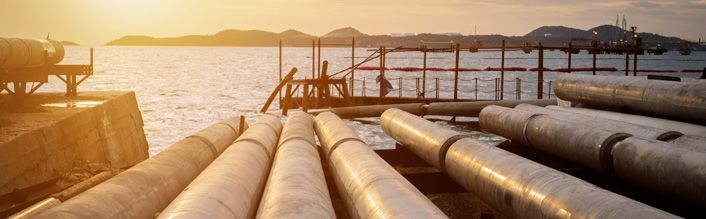
Africa Energy Series | Africa LNG | 2021

POSITIONING LNG AS AN EFFECTIVE
POWER SOLUTION

                                                                                                        on an expedited basis, but also offer the means
                                                                                                        to alleviate intermittent power issues caused
                                                                                                        by renewables, such as solar and wind.

                                                                                                        The potential of LNG-to-power projects also
                                                                                                        lies in its ability to meet regional power de-
                                                                                                        mand and spur industrialization. The devel-
                                                                                                        opment of LNG-to-power not only addresses
                                                                                                        domestic generation needs, but also corre-
                                                                                                        sponds with addressing regional deficiencies.
                                                                                                        Through the establishment of integrated,
                                                                                                        regional power markets, proven gas reserves
                                                                                                        can be mobilized on a regional basis, in which
                                                                                                        gas-producing countries are able to meet ris-
                                                                                                        ing demand of gas-deficient countries, inter-
                                                                                                        connecting electricity grids and utilizing ex-
                                                                                                        cess capacity. Notably, the establishment of
                                                                                                        the Western Africa Power Pool, the Southern
                                                                                                        African Power Pool, the Eastern African Pow-
                                                                                                        er Pool, and the Central African Power Pool
                                                                                                        serve to execute this vision. Additionally, LNG-
To address power generation deficiencies across the continent, many African
                                                                                                        to-power projects such as Angola LNG rep-
countries are realizing the potential of liquefied natural gas to meet rising
                                                                                                        resent an integrated gas utilization scheme,
energy demand.
                                                                                                        comprising both offshore and onshore opera-
According to the International Energy Agen-        en in recent years, allowing it to better com-       tions to commercialize gas resources from off-
cy (IEA), sub-Saharan Africa is among the          pete with other fuels in many markets. With          shore blocks. There also have been recent ini-
fastest-growing regions globally and is set to     demand for power increasing throughout               tiatives to expand gas-fired power generation
become the most populous region by 2023.           Africa, coupled with significant deficits in in-     in Mozambique through the development of a
Accordingly, the continent is witnessing high      stalled generation capacity, LNG represents          400 MW gas-fired power project at Temane in
demand for energy, in which the develop-           the most effective method of monetizing and          Inhambane province.
ment of and investment into high-yield pow-        transporting gas on a domestic and regional
er projects can advance Africa on its path to      basis, able to add significant capacity to na-       In addition to power generation, LNG rep-
post-COVID-19 recovery. The IEA notes that         tional grids in a relatively short period of time.   resents a key facilitator in the energy tran-
rapid economic and population growth in Af-        Accordingly, LNG-to-power has emerged as             sition, as it is able to reduce continent-wide
rica has been met with profound challenges,        a powerful driver of sustainability. Ghana,          reliance on coal-fired projects by provid-
including the provision of access to a reliable,   with a population of approximately 28 mil-           ing a cleaner, cheaper and more accessible
affordable and sustainable power source. Ac-       lion, has a critical need for power generation       source. Accordingly, the decarbonization
cording to the Power Africa Roadmap 2030,          solutions. Accordingly, the development of           component of LNG represent key drivers of
based on known reserves, there is potential        Ghana’s 1000 Power Station – a proposed              LNG-to-power projects across the continent.
for approximately 400 GW of gas-generat-           1,300 MW gas-fired power plant in which a            However, despite the promising potential of
ed power in sub-Saharan Africa. By realizing       combined cycle gas turbine power plant, LNG          LNG-to-power in Africa, several challenges
the potential of the continent’s natural gas       import infrastructure in the form of a floating      continue to hinder development. Bringing
resources – specifically through the utiliza-      storage and regasification unit (FSRU), and a        LNG projects to life remains a complex un-
tion of Liquefied Natural Gas (LNG) – the          gas pipeline from the FSRU to the plant – en-        dertaking, in which capital-intensive infra-
continent can utilize its gas reserves to fuel     ables the utilization of natural gas for power       structure generally requires large amounts of
socioeconomic growth, along with a transi-         generation. Oil & Gas Technology notes that          investment from a variety of debt and equity
tion to cleaner energy sources and regional        LNG-to-power projects not only enable pow-           sources, in addition to innovative financing
industrial development. LNG costs have fall-       er plant operators to add generating capacity        structures to minimize overall project risk.

                                                                                                                     www.africaoilandpower.com
Africa Energy Series | Africa LNG | 2021

MITIGATING CHALLENGES
TO GAS DEVELOPMENT

Liquefied natural gas development on the continent has been slowed due to financial and market
impediments, along with a temporary gas market glut.

One of the primary challenges facing the           An unstable regulatory environment has also         Law (Presidential Decree no. 7/18) serves as
African LNG industry concerns a project’s          proven a significant challenge to LNG devel-        the first law enacted to regulate natural gas
ability to secure the requisite financing. LNG     opment, as international investors are less         exploration, production, monetization and
projects require a significant amount of cap-      likely to participate in African projects char-     commercialization in the country. The Law has
ital expenditure, in which reduced CapEx           acterized by political instability, burdensome      significantly boosted investor interest by pro-
environments – such as those created by the        regulations and lack of transparency. As the        viding clear and attractive fiscal and explora-
COVID-19 pandemic – have led to immediate          COVID-19 pandemic recedes, the competi-             tion terms concerning LNG development.
challenges for LNG projects continent-wide.        tiveness of African LNG projects has started
Traditionally, LNG projects have been funded       to resume, in which investment attraction           Market challenges concerning evolving
through debt raising by way of equity or bor-      is a top priority. Therefore, the need for in-      LNG supply and demand can impede Af-
rowing at the corporate level. However, given      vestor-friendly regulation and productive           rican LNG development. The rise of shale
the relatively large upfront capital required      policies is essential for alleviating regulatory    gas developments in the U.S. – along with
by LNG projects, production plants and as-         challenges and creating an enabling environ-        the U.S. transition from net importer to
sociated facilities, developers have turned to     ment for LNG development. Algeria’s amend-          net exporter – has created a significant
multiple lenders for project financing. For ex-    ed Hydrocarbon Law, for example, approved           challenge for African projects. With the in-
ample, trains 4 and 5 of the Nigeria LNG Plus      in October 2019, has transformed the coun-          troduction of shale into the global market,
expansion project comprised $2.2 billion in        try’s sector by increasing the ease of doing        in conjunction with large-scale LNG devel-
financing funded by internally generated rev-      business in the country. By separating the op-      opment in Australia and Africa, the market
enue and third-party non-recourse financing.       erating and regulating roles of state-owned         is currently experiencing a temporary sur-
                                                   Sonatrach, Algeria enacted transparency,            plus, resulting in a significant imbalance
These third-party loans, equating to $1.06         consistency and accountability, establishing        across the supply chain. A solution to LNG
billion, comprised four export credit agen-        the North African country as an ideal invest-       oversupply involves the development of
cy-guaranteed commercial bank loans                ment destination.                                   transport infrastructure and subsequent
constituting $620 million, an uncovered                                                                gas-to-power facilities to enable a viable
international bank loan of $180 million, an        Additionally, many African countries are            power generation solution to much of the
uncovered Nigerian commercial bank loan            governed by legislation that caters to petro-       African continent while monetizing exist-
of $160 million and an African Development         leum development rather than natural gas.           ing reserves. Rather than rely on the ex-
Bank facility of $100 million. As a result, Ni-    Through the implementation of gas-specific          port of LNG, the prioritization of LNG in-
geria LNG Plus was able to overcome finan-         regulation that can provide process clari-          frastructure could be utilized within Africa
cial barriers by capitalizing on multiple finan-   ty, LNG projects are more likely to take off.       to spur further development and initiate
cial agencies.                                     Angola’s newly implemented Natural Gas              continent-wide socioeconomic growth.

                                                                                                                   www.africaoilandpower.com
Africa Energy Series | Africa LNG | 2021

THE ROLE OF LNG
IN THE AFRICAN ENERGY TRANSITION

As many countries commit to transitioning from fossil fuels to renew-
able sources, natural gas presents an intermediate path to a cleaner,
more sustainable future.

The currently underway energy transition rep-        pected to account for 25% of the global ener-
resents the progressive shift from a reliance        gy portfolio by 2035.
on fossil resources to more sustainable, cli-
mate-friendly sources. As many countries com-        LNG is also considered a complementary
mit to reducing their environmental impact,          solution with renewable energies, including
natural gas has emerged as a key alternative         solar, wind and hydropower, which are inher-
solution. The fuel source plays a significant role   ently volatile and struggle to provide a reliable
in bridging the gap to a low carbon economy, as      baseload. Moreover, renewable technologies
it is considered a relatively clean burning fossil   and relevant technical expertise remain lim-
fuel. The expansion of natural gas as an alter-      ited for many emerging African markets due
native energy source has also been largely in-       to local capacity redundancies and high (al-
fluenced by the ongoing COVID-19 pandemic,           though decreasing) technology costs. Sub-
in which excess supply in global markets is ex-      sequently, natural gas currently represents
pected to prompt countries to reassess the role      the largest source of clean energy in Africa,
natural gas plays within their respective energy     in which the expansion of LNG projects can
mix. Coupled with volatile oil prices, a growing     facilitate an even greater reliance on cleaner
shift has been made towards prioritizing the         sources.
development of gas and related liquified natural
gas (LNG) projects, as the resource becomes an       The potential of LNG as a facilitator of an Af-
increasingly viable power generation solution        rican energy transition can only be realized
with regional trade potential.                       through supportive regulation. Initiatives
                                                     such as South Africa’s Integrated Resource
LNG is an ideal stepping-stone to greener            Plan (IRP) prove essential in spurring a move
energy sources, appealing to countries unwill-       from coal-fired plants to renewables and nat-
ing or unable to completely divert from tradi-       ural gas. The IRP offers a framework for the
tional fossil fuels, while still ensuring a more     country’s approach to meeting future power
environmentally friendly energy source. By           demands, emphasizing the role of both re-
fuel-switching from coal to natural gas, coun-       newables and natural gas in the energy mix.
tries can significantly reduce their carbon          By establishing initiatives that ensure a viable
emissions and related air pollutants, while still    transition from coal to natural gas – and even-
benefiting from a reliable baseload of power.        tually exclusively renewable sources – the
The International Energy Agency notes that           South African IRP acts as a blueprint for the
since 2010, coal-to-gas switching has saved          energy transition. Policymakers play a central
around 500 million tons of CO2. Demonstrat-          role in spearheading decarbonization efforts,
ing significantly lower environmental impacts        in which the prioritization of LNG-supportive
regarding its combustion – natural gas emits         policies can enable further investment in the
50-60% less carbon emissions than tradition-         sub-sector. Initiatives such as the Paris Cli-
al fossil fuels – the development of LNG proj-       mate Agreement, in which a global commit-
ects is not only an energy solution for Africa’s     ment to reduce carbon and greenhouse gas
outstanding energy requirements, but also an         emissions has been made by countries across
optimal pathway to a greener and sustainable         the continent, can help drive investment into
future globally. Accordingly, natural gas is ex-     natural gas and advance the energy transition.

                                                                                                         www.africaoilandpower.com
Africa Energy Series | Africa LNG | 2021
SMALL-SCALE LNG ANSWERS CALL
FOR OFF-GRID POWER
ly have a production capacity of less than
500,000 tons per year and can supply
end-users in locations where tradition-
al infrastructure does not reach. Due to
the flexibility of ssLNG, the resource can
stimulate demand in areas of the market
that were previously unsuited to LNG as
a fuel source, such as off-grid and remote
areas. Nigeria’s Greenville, for example, is
operating a ssLNG plant that aims to deliv-
er gas to industries and companies across
the country that are not linked by pipeline.
Accordingly, the ssLNG plant will ensure
a reliable energy source for those in inac-
cessible locations.
Additionally, ssLNG acts as a viable source
for the transportation industry, serving mar-
kets in the marine, rail and trucking sectors,
aiming to reduce costs from oil and diesel
With faster returns, lower costs and the potential to provide power sources and transition to cleaner, cheaper
generation and transportation solutions to off-grid locations, the sources of fuel. Due to increasing environ-
small-scale LNG industry is stimulating investor appetite in Africa. mental awareness and global pressure to
transition to lower-carbon energy sources,
Small-scale Liquefied Natural Gas (ssLNG) Despite market dynamics that include low- ssLNG is attracting attention as a commer-
represents a niche but nascent industry – one er commodity prices, a temporary over- cially viable and attainable energy source
that has already demonstrated high potential supply and emphasis on cost reductions, for the African continent.
profitability by attracting investor interest the opportunities that ssLNG present –
globally. In a similar way in which fracking specifically compared to large-scale LNG One of the primary challenges hindering
has transformed the U.S. energy landscape, projects – have rendered it an increasingly the expansion of ssLNG in Africa is the
ssLNG has the potential to transform the viable industry. lack of a complete supply chain in select-
role of gas in a number of key energy mar- ed markets. According to Gas Processing
kets throughout Africa. With Africa’s rapidly Unlike large-scale LNG projects, ssLNG News, ssLNG development is dependent
growing population spurring demand for in- projects offer investors more immediate on the development of a comprehensive
creased power generation sources – and the returns, given lower investment require- supply chain, in which only a handful of
global progression from traditional fuels to ments and accelerated commissioning companies have been successful. Sub-
cleaner sources of energy – LNG demand is schedules. Secondly, ssLNG is readily sequently, ssLNG can be made feasible
expected to rise, as more countries optimize scalable, in that operators can easily tailor when all segments of the supply chain are
the resource for electrification objectives. capacity to serve increased demand while operating collaboratively and profitably.
The realization of ssLNG projects in partic- gaining supply chain synergies. This is a Additionally, ssLNG involves high costs of
ular can enable a post-COVID-19 recovery significant factor in light of market vola- shipping, which is generally higher when
through sustained economic growth; De- tility initiated by COVID-19. Moreover, compared to large-scale LNG transpor-
loitte projects the ssLNG market to account ssLNG presents a key opportunity to ad- tation. However, reduced capital expen-
for approximately $49.66 billion by 2026, dress off-grid power generation solutions diture and shorter rates of return asso-
growing at a compound annual growth rate for both industrial and residential require- ciated with ssLNG can potentially offsets
of 6.81% between 2019 and 2026. ments across Africa. Such plants general- these costs.
www.africaoilandpower.comAfrica Energy Series | Africa LNG | 2021
WHAT HAPPENS TO
THE AFRICAN ENERGY
INDUSTRY IF WESTERN
LENDERS CUT OFF
LOANS FOR FOSSIL
FUEL PROJECTS?
NJ AYUK
tary-general of the United Nations (UN), world’s largest oil and gas firms, with
called on the world’s publicly funded de- multi-national giants such as BP and
velopment banks to follow suit. Less than Royal Dutch/Shell and slightly smaller
a month later, all 450 of these institutions operators such as Occidental Petroleum,
Executive Chairman — including, incidentally, the African De- aiming to hit the net-zero mark by 2050.
velopment Bank Group (AfDB) — agreed They may also come to drive the U.S.
African Energy Chamber to bring their lending policies into line government’s policies, as President Joe
with the Paris climate accord. Biden has declared climate change one of
the first priorities of his administration.
Western financial institutions’ The agreement did not include a categor-
elimination of fossil fuel ical ban on fossil fuel loans, since some of What Happens If Climate Concerns
financing – including natural gas the lenders involved, such as the Asian Dominate?
exploration and development – Development Bank (ADB), were unwill-
ing to make this commitment. However, In this scenario, climate concerns come
may have dire consequences for
a group of European lenders did exactly to dictate the lending policies of West-
the African continent, which relies that — and they were hardly alone in do- ern financial institutions. By 2025, all of
on oil and gas development to ing so. the world’s publicly funded development
alleviate energy poverty and build banks have joined the EIB in declining to
critical infrastructure You see, public development banks aren’t fund fossil fuel projects (even though a
the only institutions to have made climate select few organizations are still manag-
commitments. Since the beginning of ing to attract small-scale creditors after
A little more than a year ago, in Novem- 2020, a number of major private lenders agreeing to adopt onerous and costly car-
ber 2019, the European Investment Bank — including but not limited to giants such bon offset arrangements). Private lend-
(EIB) declared its intention to phase out as Barclays, HSBC, and Morgan Stanley ers have followed suit, making it known
funding for fossil fuels. Specifically, it said — have rolled out plans to reach net-ze- that they will only support renewable
that it would no longer grant loans for ro in greenhouse gas (GHG) emissions energy schemes (and that they prefer
projects involving crude oil, natural gas, by 2050. Others — such as Blackrock, a to do business with companies and gov-
and coal as of January 1, 2022 (with a major asset management firm — have ernments that fall in line with their own
scant few exceptions for gas projects that pledged to make more money available net-zero pledges).
meet rigorous environmental criteria). for renewable energy projects. And just
In making this announcement, the EIB a few weeks ago, South Africa’s Standard As far as the leaders of these financial
made history. It became the first major Bank Group joined the chorus, saying it institutions are concerned, they’ve done
multi-lateral financial institution to make would no longer fund fossil fuel projects the right thing. They’ve done their part to
a public commitment to abandon fossil unless the sponsors could demonstrate uphold the Paris agreement and prevent
fuels in the name of combatting climate compliance with strict environmental the disasters caused by climate change.
change. standards. They’ve responded to the concerns of
the public (and of their shareholders).
Its pledge did not go unnoticed. In Octo- And it’s not just the banks. Climate con- And aren’t fossil fuels a risky investment
ber 2020, Antonio Guterres, the secre- siderations are now driving some of the nowadays? After all, demand never quite
www.africaoilandpower.comAfrica Energy Series | Africa LNG | 2021
recovered after the COVID-19 pandem- they should! For many of them, their oil very willing to provide financial and tech-
ic hit, and prices have stayed rather low. industry and service companies are a ma- nical assistance for fossil fuel projects
Oil and gas are quite out of fashion now, jor source of income. And while they may in Africa. Personally, I find the prospect
really! be willing to see that source phased out of Beijing becoming the main source of
gradually, they’re not likely to assent to outside financing for African oil, gas, and
The View from Africa plans for killing them off abruptly. gas-to-power projects to be concerning.
I’m not saying this because I think African
But the view from Africa is likely to be dif- Also, what about independent African states ought to shy away from coopera-
ferent. In Africa, climate considerations exploration and production companies? tion with China.
and ideological commitments to eliminat- What about African oilfield service
ing GHG emissions may well take a back companies and midstream operators? I’m saying it because I want them to have
seat to more urgent questions about how Shouldn’t they have a say in their future as many options as possible. I want them
to encourage economic growth and sup- too? to be ready to work with a wide range of
ply basic necessities to the continent’s partners, rather than fall into a pattern of
growing population. In countries with Meanwhile, what about all the time and not having to look further than satisfy-
large natural gas reserves such as Mo- resources that a number of African lead- ing China’s requirements. And this won’t
zambique, Tanzania, South Africa, Nige- ers have invested in creating policies that happen if Western lenders cut off funding
ria, Algeria, Equatorial Guinea, Ghana, encourage international oil companies to for African oil and gas projects as a con-
Cameroon, Senegal, and many others, invest in their countries, from improved sequence of their commitment to curbing
politicians, businessmen and everyday fiscal regimes to transparency laws to climate change.
people should ask their western counter- win-win local content policies?
parts why they should decline to extract Time to Make a Case for Oil
a resource that could be used to produce There’s no question that these leaders and Gas
electricity cheaply and reliably for both were interested in oil revenue, but there
households and businesses. They should is so much more to gain from these pol- As I’ve already said, this is not the out-
ask why they should forego the opportu- icies, from much-needed technology come I want. Instead, I think Africa should
nity to develop an industry that creates transfers to business and growth oppor- have the chance to use its own oil and gas
jobs, both directly and indirectly, and tunities for local entrepreneurs. In the to strengthen itself especially with the
promotes trade with neighboring states wake of the COVID-19 pandemic, Afri- coming into force of the Africa Continen-
that also need energy. They should ask can economies need these opportunities tal Free Trade Agreement. I also think
why they are being discouraged from us- more than ever. Africa should have more than one option
ing the least polluting of the fossil fuels when it comes to financing petroleum
and pushed towards renewable energy Leaving China As the Only projects.
solutions that are less reliable and more Option
expensive per unit of power generated. Most of all, I think Africa should have the
They should ask why Africa should be Amidst all these questions, there may chance to make its own choices without
punished for western nations GHG emis- be a few determined types who seek to undue pressure from Western institu-
sions. They should ask what happens to push forward with upstream oil and gas tions that don’t face the same challenges.
energy poverty. They should ask who will development despite the lack of support Africans have to become more visible,
pay reparations to Africa if Africans have from Western banks. Heads of state may more vocal and even more hopeful about
to abandon their natural resources. try to subsidize gas projects (or provide the future and the energy sector.
other forms of support) in an attempt to
They may also ask why they should make build up domestic capacities and promote As a result, I think African states ought
the same sacrifices as Western countries self-sufficiency in energy. Entrepreneurs to push back against the idea that it’s
when they don’t have the same advantag- may reach into their own pockets or work time for Western banks to stop all fund-
es as those countries — including, say, the to drum up local support, in the hope of ing for fossil fuels. I think that African oil
complement of legacy, gas-fired power using abundant natural resources to turn and gas producers ought to stand up for
plants needed to ensure that electricity out products for which there is demand. themselves and make a case for devel-
supplies continue all day and night, without oping their own resources — particularly
interruption, even at times when the wind Without access to Western capital, such for using the least-polluting fossil fuels to
isn’t blowing, and the sun isn’t shining. initiatives are more likely to fail — or, at deliver as much electricity as possible to
least, to falter. If so, their backers may as many people as possible. And the time
Africans should also question the need very well look for support elsewhere. And to make that case is now, while financing
to leave crude oil in the ground – and they may find it in China, which has been for oil and gas is still available.
www.africaoilandpower.comAfrica Energy Series | Africa LNG | 2021
MAPPING KEY SUCCESS
FACTORS TO LNG
DEVELOPMENT
Due to the high-cost and time consuming nature
of Liquified Natural Gas (LNG) developments,
it is not uncommon for projects to be stalled
or abandoned. From capitalizing on a strong
resource base to identifying peak windows of
demand, African gas megaprojects can position
themselves for success by accounting for
industry variables.
Prior Long-Term Sales/Tolling Stable Commercial
Commitments Structure
The aggregation of sufficient advancement of LNG Analysis of market and industry trends, including gov-
sales to allow an affirmative final investment decision. ernance and project sponsor structures.
Attractive to Premium Buyers Financeable Project
A project must be attractive to buyers with sufficient The legal, commercial, and practical components of
creditworthiness and significant long-term gas demand. financing a project.
Strong Resource Base Buyer Participation in Project
Projects with high percentage of liquids are more Fostering partnerships between sellers and buyers
successful in attracting buyers. within the LNG market.
Predictable Legal, Contractual and Timed with Buyers’ “Windows”
Regulatory Environment of Demand
A well-maintained relationship with the host Timing can make or break an LNG project and current
government is critical. market demand must be considered.
Competitive Cost Government Support
Competitive construction costs and engineering, Government support and cooperation can ensure
procurement and construction contracts often timely issuance of permits, authorizations and other
correspond with success. bureaucratic processes.
www.africaoilandpower.com26-27 OCTOBER 2021
INTERNATIONAL CONFERENCE
CENTRE ABDOU DIOUF,
DAKAR, SENEGAL
MSGBC
OIL, GAS & POWER
2021 CONFERENCE & EXHIBITION
#NEWWAVEOFINVESTMENT
WEST AFRICA'S
GLOBAL ENERGY EVENT
SPEAK ATTEND
speak@africaoilandpower.com register@africaoilandpower.com
SPONSOR & EXHIBIT INFO & REGISTRATION MINISTRY OF PETROLEUM
sales@africaoilandpower.com www.msgbc2021.com AND ENERGIES
www.africaoilandpower.comAfrica Energy Series | Africa LNG | 2021
DEVELOPING GAS-SPECIFIC POLICY
AS A TOOL FOR INVESTMENT
of Presidential Decree No. 7/18 – designed to
regulate natural gas exploration, production,
monetization and commercialization – Angola
has spurred new exploration initiatives, as ev-
idenced by the New Gas Consortium formed
in November 2019, which represents the
first upstream natural gas partnership in the
country. Additionally, the decree enables gas
field operators to reinject gas to maximize oil
recovery or transfer the surplus to the Angola
LNG plant if they do not sell it in domestic or
international markets.
GABON
Gabon holds an estimated one trillion cubic
feet of natural gas reserves and is re-direct-
ing its focus on gas development due to the
growing domestic and regional market. In July
Competitive fiscal terms 2019, Gabon enacted a new Hydrocarbon
and streamlined regulatory NIGERIA Code that aims to further liberalize the oil and
frameworks represent the key to gas exploration market through the implemen-
In a bid to further expand gas exploration to
unlocking new gas investment tation of financial amendments and a modern-
fuel gas-to-power objectives set forth by the
across the continent. ized framework. New Code grants investors
Federal Government, Nigeria is in the process
more control in operations, attracts lower tax-
With 220 trillion cubic feet (tcf) of proven of passing an ambitious Petroleum Industry
ation rates and percentages of carried interest
natural gas reserves in sub-Saharan Africa – Bill (PIB) that aims to revitalize the regulatory
for natural gas exploration compared to oil,
and gas production growing by an annual av- environment and enhance the sector’s attrac-
and reduces the potential risk for companies,
erage of 10% over the last ten years – region- tiveness to international investors. The PIB is
thus alleviating financial burdens and driving
al and international investors are increasingly positioned to streamline and reduce oil and
investment in the country’s gas market.
turning to the continent for gas investment gas royalties, reform the state-owned Nigeri-
an National Petroleum Corporation and prior-
and development. With a broad resource ALGERIA
base in tow, the continent is seeking to utilize itize the creation of a regional gas market. The
natural gas as a regional power generation PIB includes gas-specific provisions to drive
In a bid to mitigate declining foreign invest-
solution, a key precursor to industrializa- gas monetization through a comprehensive
ment in the country, Algeria has implemented
tion and source of continent-wide economic framework for gas tariffs and delivery, as well
a new Hydrocarbon Law, approved in October
growth. However, according to the Power Af- as introduces gas-flaring penalty rates to sig-
2019, that aims to stimulate investor appetite
rica Gas Roadmap 2030, primary challenges nificantly reduce the widespread practice.
and drive oil and gas exploration activities.
to development include outdated regulation Within the revised Hydrocarbon Law is a re-
and policy exist throughout the continent, ANGOLA form specific for natural gas market expansion.
which can act as a deterrent to investment. Accordingly, the new Law prioritizes upstream
Accordingly, several countries have begun to Angola has enacted a comprehensive regula- activities, reduces time associated with new
revitalize their natural gas frameworks in a tory transformation through the introduction developments – from the ten years, on aver-
bid to attract investment, allow for a regional of sectoral reforms designed to expand the age, that it takes to yield first production after
gas trade and spur capital-intensive explora- country’s natural gas market and increase its winning an exploration license – and includes
tion and production activities. competitiveness. Through the implementation revised fiscal terms for new investors.
www.africaoilandpower.comAfrica Energy Series | Africa LNG | 2021
LNG AS A TOOL FOR CAPACITY
BUILDING AND KNOWLEDGE TRANSFER
a burgeoning regional economy. Through a
series of high-impact initiatives, including
programs that focus on primary, secondary
and tertiary education, as well as technical
and vocational training, the project is spear-
heading local capacity building in-country
and generating opportunities to expand com-
munity development and knowledge transfer
through natural gas.
What’s more, capacity building through LNG
developments can directly increase project
stability. Prioritizing capacity building is es-
sential for strategic community investment,
as it strengthens local partnership organiza-
tions, promotes self-reliance and increases
the likelihood of project success. The benefits
of capacity building are mutual, in which both
The development of large-scale liquified natural gas projects across the company and local stakeholders are able
the continent can spearhead social and economic development to ensure results by generating inclusive pro-
cesses that strengthen shared trust and com-
through capacity building and knowledge and skills transfer.
mitment. Energy project success is becoming
Capacity building refers to the process by ferring skills and knowledge to local popula- increasingly dependent on local capacity and
which organizations and individuals obtain, tions, African governments can enable socio- cooperation with the surrounding communi-
improve and retain the skills, knowledge and economic development while spearheading ty, and in this sense, LNG projects can facil-
tools needed to conduct a job effectively. energy growth. itate their own success by cultivating joint
Within the African energy context, capacity cooperation.
building involves the enhancement of skills A Tool for Project Stability
on a local basis in a bid to ensure project Additionally, the onset of the COVID-19 pan-
sustainability and greater community im- Resource-rich countries often suffer from a demic has highlighted the importance of local
pact, where community benefits can extend lack of long-term economic development re- capacity building and knowledge transfer.
beyond infrastructural development and sulting from their own resources, which are With country shutdowns and travel restric-
government revenues. Accordingly, Liquified extracted and exported by foreign operators, tions imposed globally, many LNG projects
Natural Projects (LNG) have been identified subsequently leaving little impact on the host in developing countries were heavily under-
as a tool for capacity building and knowl- country. In order to avoid this practice, LNG staffed and experienced a slowdown in proj-
edge transfer due to the number and sheer projects can be used as a tool for ensuring ect activities. To prevent future staffing prob-
size of LNG megaprojects taking shaping in sustainable business practices are adhered lems and to guarantee operational stability,
Tanzania, Mozambique, Nigeria, Equatorial to; enabling a knowledge, technology and large-scale projects have had to redirect their
Guinea and across the continent. As an in- skills transfer to local communities; and fos- focus on building capacity on-the-ground,
creasing number of projects attract signifi- tering sustainable development. and in doing so, strengthened local inputs as a
cant amounts of foreign direct investment, form of project stability. The benefits of LNG
sustainability of projects has become a key Notably, the Total-operated Mozambique projects for developing countries extend far
investment criterion against which projects LNG plant is working actively within the Cabo beyond financial and resource gain, but rath-
are measured and effectively compete for Delgado community to support sustainable er present opportunities for significant social
foreign capital and government support. By development through local education to and economic development, which remains
utilizing LNG projects as a vehicle for trans- develop a qualified workforce and support critical throughout Africa.
www.africaoilandpower.comAfrica Energy Series | Africa LNG | 2021
THE DEVELOPMENT According to the International Energy Agency’s Gas 2020
report, Liquified Natural Gas (LNG) represents the primary
STAGES OF AN LNG driver of international gas trade, with current and emerging
projects progressively gaining investor interest and navigating
PROJECT a complex timeline to development, from pre-FID evaluations to
financial close and construction.
An evaluation of the possiblity to realize a project from a financial
Feasibility perspective.
Memorandum of
Understanding Establishing the basic parameters for partners to proceed.
Pre-Final Investment Decision
Comprises the structure to be taken to minimize risk of commercial
Commerciality
processes.
Markets An evaluation of possible markets and demand characteristics.
Pre-Front End Engineering Considers the control of project expenses, in which a plan is made
Design (FEED) before a fix bid quote is submitted.
Necessary legal, regulatory and permitting requirements are
Permits
obtained.
Review of ideal site location for the marine and onshore facilities of
Location
the project.
Evaluation of whether capacities can be backed by proven gas
Reserves
reserves.
Sales and Purchase
Agreements (SPA) Initial agreements with LNG off takers to guarantee sales.
Conducting engineering work to cost the project for accurate
FEED decision making and tendering.
Finance The project meets lenders criteria for financing.
Pipeline Build Construction of the pipeline.
EPC Contracts Execute contracts awarded pre-FID, based on the FEED input.
Post-Final Investment Decision
Drilling Stage providing the production required for feedgas.
Construction Project begins construction phase.
Utilities Evaluation of utilities available for project construction.
Marine Terminal Construction of the marine terminal.
Major capital expenditure and labor sourcing for the construction of
Liquifaction Plant liquefaction plant.
Commissioning Incorporates standard post-build procedures.
Operations Long-term operational capability, in some cases with train additions.
Securing LNG carriers and rates, or taking delivery of custom-built
Shipping
boats.
Involves the end user facilities through either expansion of existing
Regasification
facilities or new plants.
www.africaoilandpower.comBRING YOUR A-GAME
IF YOUR A-GAME IS AFRICA
Centurion Law Group is a pan-African corporate law conglomerate, with a specialised
focus on cross-border business and energy law. We are a stand out firm for investors that
are starting a new business or looking to expand their footprint across Africa.
We provide a full-scope legal, tax, government relations and management advice for
clients and regular advice on some of the most complex and market-first deals.
Suite 24 Katherine & West114 West Street Sandton, Johannesburg +27 11 245 5900
centurionlg.comSPEAK SPONSOR & EXHIBIT ATTEND
speak@africaoilandpower.com sales@africaoilandpower.com register@africaoilandpower.com
INFO & REGISTRATION
www.africaoilandpower.comYou can also read


