MAKING RUBBER FROM DANDELIONS - international.fnr.de
←
→
Page content transcription
If your browser does not render page correctly, please read the page content below
international.fnr.de

   MAKING RUBBER
   FROM DANDELIONS

With support from

by decision of the
German Bundestag
IMPRINT                                                                      DEAR READER,
Publisher                                                                    The global demand for natural rubber is
Fachagentur Nachwachsende Rohstoffe e. V. (FNR)                              rising. This is mainly used in tyre produc-
Agency for Renewable Resources                                               tion, as well as other rubber products. Up
OT Gülzow, Hofplatz 1                                                        until now, it has not been possible to fully
18276 Gülzow-Prüzen                                                          replace its excellent technical properties with synthetic rubber.
Phone: +493843/6930-0
Fax: +493843/6930-102                                                        Previously, the only way to produce natural rubber was by using latex from
info@fnr.de                                                                  the tropical rubber tree Hevea brasiliensis, but now, alternative sources
www.fnr.de                                                                   of natural rubber are needed so that medium-term demand can be met,
                                                                             while also protecting the rainforest.
With support from the Federal Ministry of Food and Agriculture by decision
of the German Bundestag                                                      The Russian dandelion Taraxacum koksaghyz produces natural rubber
                                                                             of a similar quality. It grows in temperate climates, making it possible to
Images                                                                       expand natural rubber production into our regions. Cultivating dandelions
Cover: JanBussan/Shutterstock.com; © Continental AG; Ugorenkov               will also make it possible to increase domestic crop diversity.
Aleksandr/Shutterstock.com; igorstevanovic/Shutterstock.com;
MG5919/Shutterstock.com                                                      The Federal Ministry of Food and Agriculture and the Federal Ministry of
                                                                             Education and Research, as well as other donors are supporting the devel-
Inside pages: Wenke Stelter; ESKUSA GmbH; unpict/Shutterstock.com;           opment of the full process chain, from growing and cultivation of dandelions
Peter Wehling/JKI; © Continental AG (3); marekuliasz/Shutterstock.           to creating the first tyres and other products. In this brochure, we will present
com; Littlewitz/Shutterstock.com; iStock.com/CollinsChin                     the individual steps and the participating research partners.

Design by:
WPR COMMUNICATION, Berlin/Sankt Augustin

Printed by:
MKL Druck GmbH & Co. KG, Ostbevern
                                                                             Kind regards,
                                                                             Dr Andreas Schütte
Printed on 100% recycled paper using vegetable oil-based ink

Order no. 1087
FNR 2020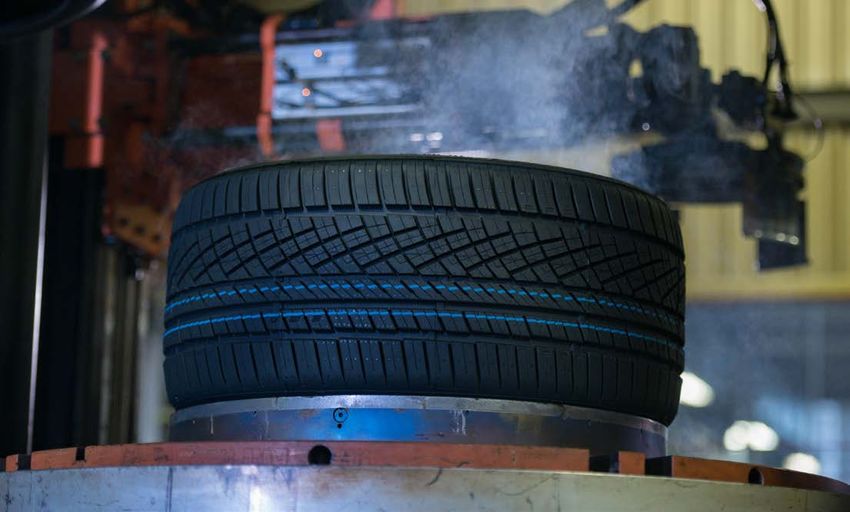
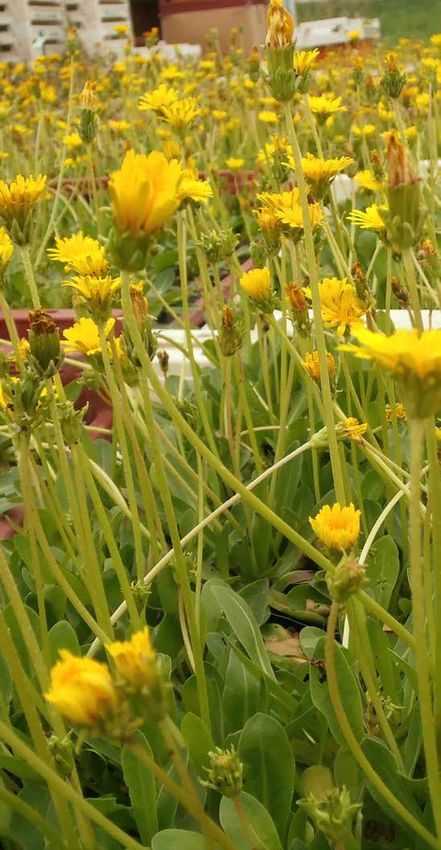
BREEDING
                   The Russian dandelion is a close relative of the dandelions that grow here,
                   in Germany. It produces a whitish, sticky latex containing natural rubber
                   within its roots. However, as a wild plant, it is not entirely suitable for
                   agricultural production. To begin with, plant breeders are therefore working
                   out the physiology behind natural rubber synthesis and developing
                   varieties that will allow for successful industrialisation. The plants should
                   have a high root yield and latex content as well as a high level of resistance
                   to disease, pests and drought. In addition to this, the roots must be easy to
                   grub up as cleanly as possible, as well as being simple to store and process.

                       GOALS FOR BREEDING

                    • Stabilising yields and
                      increasing them to approxi-
                      mately one tonne of natural
                      rubber per hectare
                    • Optimising the geometry of
                      the roots to minimise soil
                      adhesion, contamination
                      and losses when harvesting
                    • Improving drought tolerance
                    • Increasing disease resis-
                      tance

PROJECT PARTNERS

                                                              lifespin GmbH
                                                                  understanding by data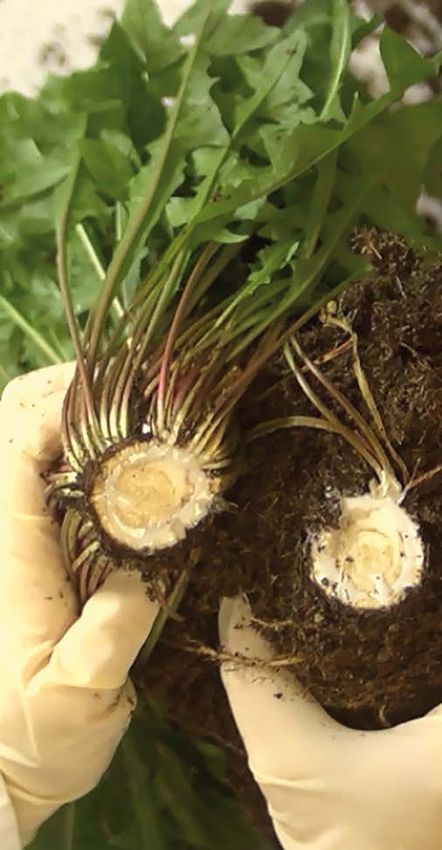
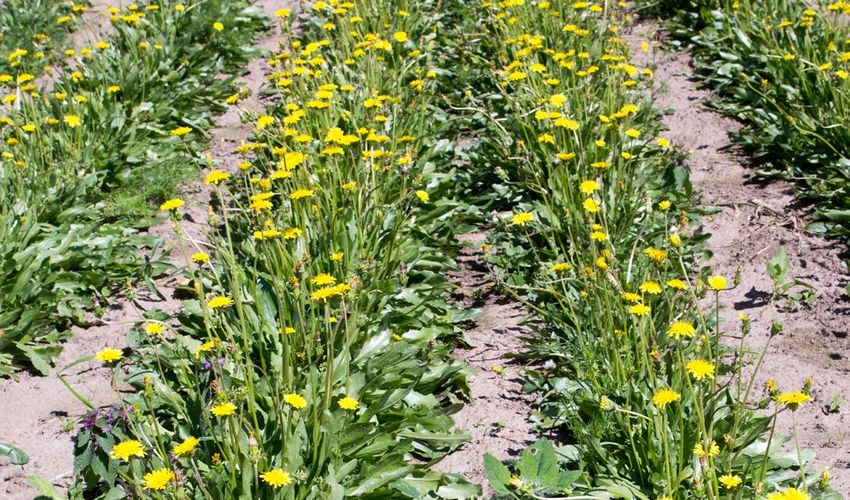
CULTIVATION AND HARVESTING
Up until now there has been relatively little experience in cultivating                  GOALS FOR CULTIVATION/HARVESTING
and harvesting the Russian dandelion. This is considered to be a major
                                                                             • Development of direct seeding methods
challenge. There are still a few areas in need of improvement, from
inexpensive seeding methods and plant protection management to               • Minimal use of fertilisers and plant protection products
harvesting technology. Similar research is also conducted in order to        • Optimisation of weed control
figure out whether the plants will spread and cross-breed with other vari-   • Prevention of uncontrolled seed distribution
eties, and how to control or prevent this if necessary.
                                                                             • Development of harvesting processes

                                      PROJECT PARTNERS

                                                                                                                                          lifespin GmbH
                                                                                                                                             understanding by data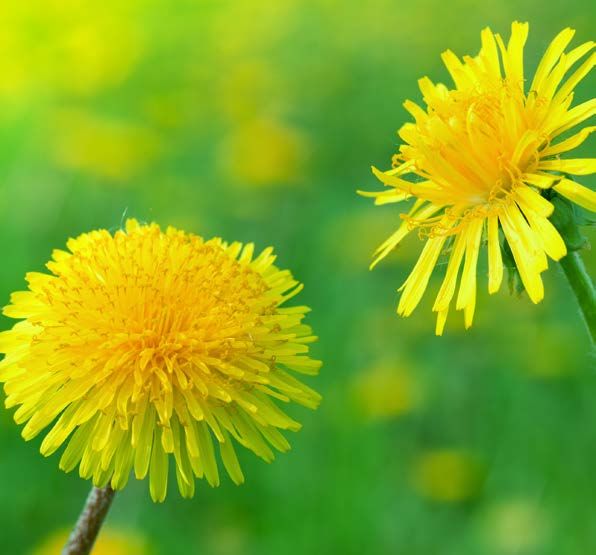
LATEX AND NATURAL
RUBBER PRODUCTION
Latex can be obtained relatively easily by slicing open
the bark of the rubber tree. However, with the Russian
dandelion, the natural rubber is extracted directly
from washed roots. The Taraxagum Lab Anklam is
carrying out research into the extraction of solid
natural rubber from dandelion roots in and with the
support of the State of Mecklenburg-Vorpommern.

                                         DEVELOPMENT GOALS FOR
                                            LATEX AND NATURAL
                                           RUBBER PRODUCTION

                                         • Optimisation of extraction
                                           procedures
                                         • Development of purification
                                           processes

                                                                         PROJECT PARTNERS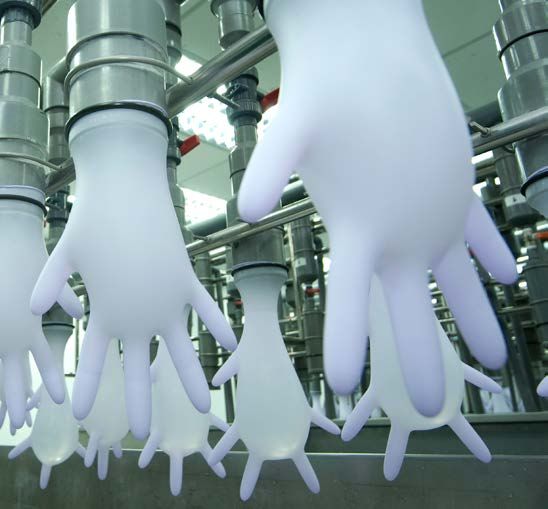
TYRE PRODUCTION
Previous studies have shown that natural rubber made from dandelions is            DEVELOPMENT
very similar to the rubber produced using rubber trees. To meet the high          GOALS FOR TYRES:
and very specific standards of the tyre industry, research is being carried   • Low rolling resistance
out into whether dandelion rubber can be processed using existing
                                                                              • Good braking behaviour
processes. This includes research into whether the operating, braking,
                                                                                under a range of conditions
abrasion and ageing behaviour of the tyres manufactured using these
processes can meet the relevant quality standards in a range of road and      • Lower levels of wear
weather conditions. There is considerable demand: in fact, one HGV tyre       • Durability
contains up to 25 kg of natural rubber, a car tyre 1-3 kg.

PROJECT PARTNER
FOAM AND MATTRESSES
                                   Although most of the natural rubber produced world-
                                   wide is used for tyre production, this natural raw
                                   material is also used to manufacture many other prod-
                                   ucts. These include for example erasers and seals, as
                                   well as foam and mattresses. One of the participating
                                   projects is testing the processing of latex from the
                                   Russian dandelion into foam, e.g. for mattresses.

                       DEVELOPMENT
                      GOALS FOR FOAM

                  • Mechanical stability
                  • Durability

PROJECT PARTNER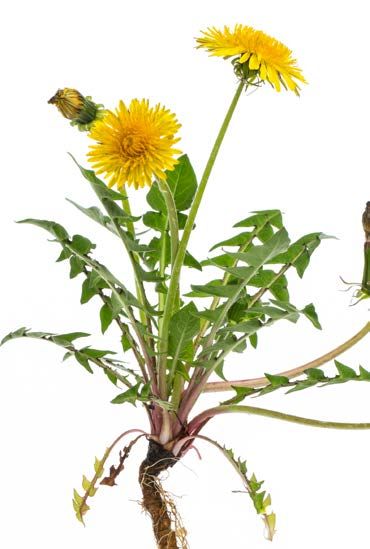
PROJECT PARTNERS
                                                                           A wide range of partners have contributed expertise to the process chain
                                                                           for obtaining and processing natural rubber from the Russian dandelion:

                                                                              Bavarian State           Continental Reifen              ecSeq                ESKUSA GmbH
                                                                            Research Center for       Deutschland GmbH         Bioinformatics GmbH
                                                                               Agriculture

                                                                           Fraunhofer Institute for    Fraunhofer Institute      Gäubodenkräuter              HOLMER
                                                                           Interfacial Engineering    for Molecular Biology       GmbH & Co. KG          Maschinenbau GmbH
                     DEVELOPMENT GOALS FOR LATEX GLOVES
                                                                             and Biotechnology         and Applied Ecology

                    • Ensuring mechanical stability and ensuring
                      tear strength
                    • Barrier behaviour: impermeable to air and
                                                                                                                                                            lifespin GmbH
                                                                                                                                                                 understanding by data
                      liquids
                                                                                 hortilab -              Julius Kühn Insti-    Max Planck Society for       lifespin GmbH,
                                                                            Laboratory for Plant      tute, Federal Research    the Advancement of         preliminary work
                                                                              Tissue Culture           Centre for Cultivated       Science (MPG)             carried out by
                                                                                                             Plants (JKI)                                     numares AG

LATEX GLOVES
Can balloons, gloves, condoms and other thin-walled products also              Synthomer                  University of        University of Stuttgart   University of Münster
                                                                            Deutschland GmbH              Regensburg                                            (WWU)
be made from dandelion rubber while maintaining similar properties?
Researchers are currently using latex gloves as an example to test this.

                                                                           THE CORRESPONDING RESEARCH PROJECTS WERE AND ARE
                                                                           CURRENTLY BEING SUPPORTED BY

PROJECT PARTNER                                                              With support from

                                                                             by decision of the
                                                                             German Bundestag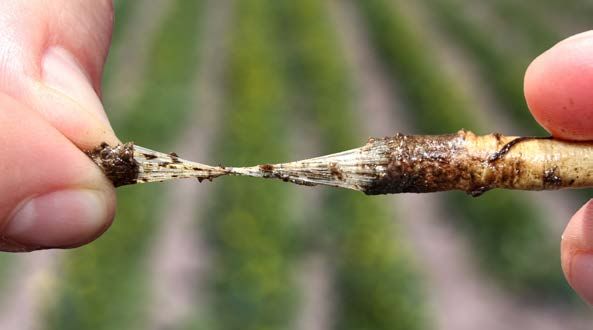
Fachagentur Nachwachsende Rohstoffe e. V. (FNR)
Agency for Renewable Resources
OT Gülzow, Hofplatz 1
18276 Gülzow-Prüzen
Phone: +493843/6930-0
Fax: +493843/6930-102
info@fnr.de
www.fnr.de

Printed on 100% recycled paper
using vegetable oil-based ink

Order no. 1087
https://mediathek.fnr.de
FNR 2020

You can also read


