Measuring Farm Animal Emotions-Sensor-Based Approaches - MDPI
←
→
Page content transcription
If your browser does not render page correctly, please read the page content below
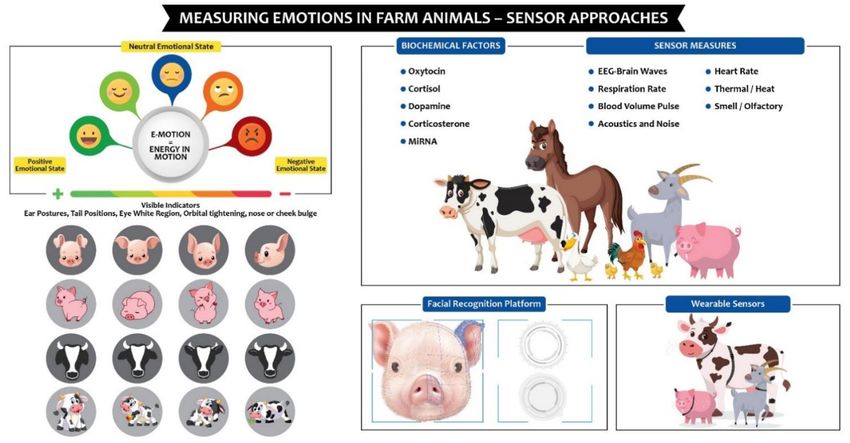
sensors
Review
Measuring Farm Animal Emotions—Sensor-Based Approaches
Suresh Neethirajan * , Inonge Reimert and Bas Kemp

                                           Adaptation Physiology Group, Department of Animal Sciences, Wageningen University & Research,
                                           6700 AH Wageningen, The Netherlands; inonge.reimert@wur.nl (I.R.); bas.kemp@wur.nl (B.K.)
                                           * Correspondence: suresh.neethirajan@wur.nl; Tel.: +31-068-343-2700

                                           Abstract: Understanding animal emotions is a key to unlocking methods for improving animal
                                           welfare. Currently there are no ‘benchmarks’ or any scientific assessments available for measuring
                                           and quantifying the emotional responses of farm animals. Using sensors to collect biometric data
                                           as a means of measuring animal emotions is a topic of growing interest in agricultural technology.
                                           Here we reviewed several aspects of the use of sensor-based approaches in monitoring animal
                                           emotions, beginning with an introduction on animal emotions. Then we reviewed some of the
                                           available technological systems for analyzing animal emotions. These systems include a variety of
                                           sensors, the algorithms used to process biometric data taken from these sensors, facial expression,
                                           and sound analysis. We conclude that a single emotional expression measurement based on either
                                           the facial feature of animals or the physiological functions cannot show accurately the farm animal’s
                                           emotional changes, and hence compound expression recognition measurement is required. We
                                           propose some novel ways to combine sensor technologies through sensor fusion into efficient systems
                                           for monitoring and measuring the animals’ compound expression of emotions. Finally, we explore
                                           future perspectives in the field, including challenges and opportunities.

                                           Keywords: animal emotions; animal welfare; behavior; sensors; precision livestock farming; farm
                                           animals; animal-based measures


Citation: Neethirajan, S.; Reimert, I.;    1. Introduction
Kemp, B. Measuring Farm Animal
                                                 There are numerous benefits to studying animal emotions. Because we ourselves are
Emotions—Sensor-Based Approaches.
                                           animals, studying animal emotions can give us greater insight into our own psyche and
Sensors 2021, 21, 553. https://
doi.org/10.3390/s21020553
                                           how our emotions manifest not just physiologically but also behaviorally and cognitively.
                                           Additionally, studying the emotions of farm animals helps us to learn how to be better
Received: 14 December 2020
                                           providers for our livestock, work animals, and pets. To be able to assess the welfare of farm
Accepted: 12 January 2021                  animals thoroughly, better understanding of the affective experiences and emotions of the
Published: 14 January 2021                 animals are absolutely needed. This understanding has tangible, practical benefits. For
                                           example, Weaver et al. [1] found that cows produced more and higher-quality milk when
Publisher’s Note: MDPI stays neu-          exposed to serotonin, a neurotransmitter linked to feelings of happiness and wellbeing.
tral with regard to jurisdictional clai-   Happiness refers to a long-term positive state, while happy (happiness, happier) can also
ms in published maps and institutio-       refer to the basic, discrete emotion “happy” [2]. In other words, happier animals have the
nal affiliations.                          potential to be more productive animals.
                                                 More broadly, learning about animal emotions has the long-term potential to give us
                                           better ecological insight than we have at present. Emotional cues from animals may give
                                           us an idea of the health of an ecosystem before major problems emerge. This may prove
Copyright: © 2021 by the authors. Li-
                                           critical to conservation efforts in the wake of extreme climate change. In the agricultural
censee MDPI, Basel, Switzerland.
                                           sphere, our system has become highly industrialized over the last several decades. Smaller
This article is an open access article
distributed under the terms and con-
                                           farms mostly disappeared and instead agriculture has grown massive in scale. These
ditions of the Creative Commons At-
                                           massive farms have heightened the challenges of identifying, monitoring, and caring for
tribution (CC BY) license (https://        large groups of animals. This scale has also made keeping the animals satisfied mentally,
creativecommons.org/licenses/by/           and overall productivity of the animals more difficult.
4.0/).

Sensors 2021, 21, 553. https://doi.org/10.3390/s21020553                                                  https://www.mdpi.com/journal/sensors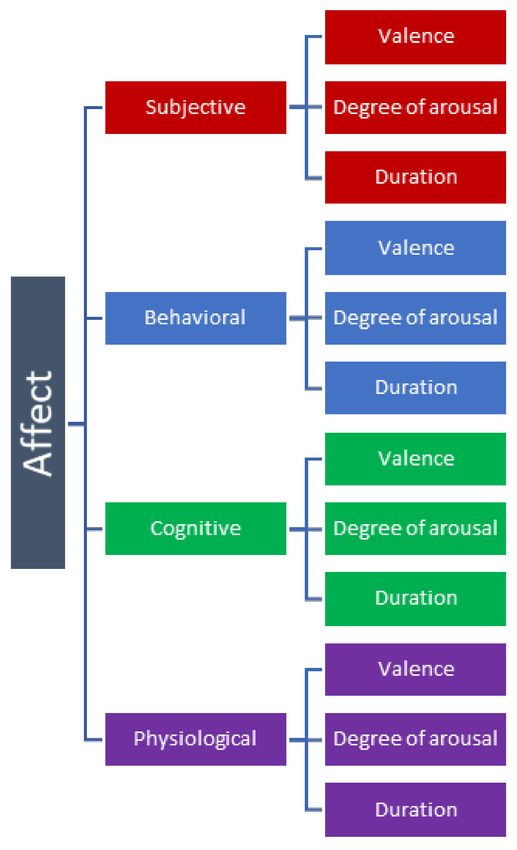
Sensors 2021, 21, 553                                                                                           2 of 22

                              While farmers may be open to utilizing technology to perform managerial and moni-
                        toring tasks, the possibilities of this field concerning emotions and mental states and its
                        impact on animal welfare are not yet fully explored. There is tremendous potential in
                        technological sensors for monitoring the emotional conditions of animals, allowing farmers
                        to study behavioral changes, detect diseases [3,4], and easily make adjustments in care to
                        promote the welfare of their animals and increase the yield on their products. To provide
                        a high quality of life to animals, and to remove stress induced factors on the health and
                        welfare of animals, monitoring and measuring of farm animal emotions becomes crucial.
                              The literature cited in this review article were collected using the Web of Science,
                        Scopus, and Google scholar tools. To showcase the latest developments and recent findings
                        of this research in this area and to narrow down the search, the authors restricted the search
                        to papers published only in the past five years. Keywords used were, farm animal emotions;
                        pig emotions; dairy cow emotions; sheep emotions; horse and chicken emotions; emotional
                        contagion; animal empathy; animal emotions; sensors for emotions; sensor fusion and
                        emotional contagion; measurement of emotions using sensors; sensors and farm animals;
                        pain measurement in farm animals. Individual searches and Boolean were conducted as
                        part of this study. Only farm animals were chosen from the pool of literature. The number
                        of papers cited in this review is 129, with 20 that were published before 2015. The papers
                        published before 2015 were included as the information on the sensing technologies for
                        measuring emotions in farm animals were scant, and to signify the content on the need for
                        sensors in the emotion measurement of farm animals.
                              This review identifies and describes the use of sensors technology to infer, analyze,
                        and quantify the emotions of farm animals. We use the terms emotion, emotional state,
                        emotional response, affective state, and emotional experience all interchangeably, and
                        we mean the same in each case. This review first briefly covers the important aspects of
                        emotion and how these are applicable to animals, then details different sensing technologies
                        and analytical algorithms for monitoring animal emotions. In closing, it identifies future
                        perspectives within this field, including challenges and unanswered questions.

                        2. Animal Emotions
                             One barrier to studying animal emotions is that the concept of emotion resists defini-
                        tion and quantification. There is no scientifically agreed-upon definition of what constitutes
                        an emotion, and the term is often used interchangeably with others like disposition, mood,
                        temperament, and mental state [5]. At its broadest, an emotion can be defined as a psycho-
                        logical phenomenon that helps in behavioral management and control, but this definition
                        is too broad to be of immediate use [6]. More practically, the most commonly accepted
                        definition is that emotions are biological states induced by neuropsychological stimulation
                        brought on by physiology, behavior, and cognition [7]. Emotion is a state and not a trait.
                        One useful framework for considering animal emotions is through the lens of affect or
                        affective state. This is defined as the experiences and emotions that drive an organism to
                        function. Affect drives animals towards reward and drives them away from punishment.
                        In other words, affect connects the emotional inner life with the physical outer world [5].
                             Generally, emotions are considered to consist of four different components: Subjective,
                        Behavioral, Cognitive, and Physiological [8]. Each component in turn has a valence, or
                        direction—whether the experience is positive or negative. Furthermore, they may also vary
                        in the degree of arousal and duration. This conceptual framework of emotion is illustrated
                        in Figure 1. However, while we use this framework to discuss the matter here, the precise
                        labels used to differentiate different components of emotions vary greatly among different
                        research methodologies [5].
Sensors 2021, 21, 553 3 of 22
Figure 1. The framework of affective state.
The Subjective component of emotion refers to the actual feeling experienced in
real time by the given organism. Mammals (particularly primates) and birds experience
something resembling emotions as we as humans understand them. Behavior in these
animals is governed by automatic responses. The implication of this neurological hierarchy
is that the subjective component of emotion can affect the behavior and emotional state of
animals, but only those that have reached a certain level of cerebral organization.
The Behavioral component of emotion refers to how subjective experiences translate
into tangible action. Some researchers argue that feelings cause behavioral changes, while
others posit that it is the behaviors themselves that trigger feelings [9]. This component
is complicated by the fact that behavioral responses may themselves feedback into the
brain, causing further adjustment to the current emotional state. This is known as intero-
ception, and it is not fully understood what effect, if any, this phenomenon has on animal
emotions [10].
The Cognitive component of emotion refers to the way in which an organism thinks
or makes decisions based on emotions. This component is also debated significantly in
the field of animal science. Some researchers feel that cognitive processes and affective
(emotional) processes are interdependent, while others believe the two systems are inde-
pendent of each other [11]. It may be possible that affective processes may predate intellect,
evolving from primitive subcortical structures [12].
Measurable aspects of the emotions including behavior, body language, sounds,
facial expressions and physiological components are critical to the subject at hand in
this review. The physiological component refers to the way that organisms experience
bodily reactions in response to emotion. The role of the immune and neuroendocrine
systems in emotions is well established in both humans and animals [13]. This paper deals
with both the measurement of physiological and behavioral components (sound, body
language including facial expression) of the farm animal emotions with a plea to combine
these metrics.
2.1. Emotions and Animal Welfare
Animal welfare concepts call for all the activities involved in taking care of an animal
physically and providing for its emotional wellbeing. Basic health and functioning; naturalSensors 2021, 21, 553 4 of 22
living; and affective states form the aspects/pillars of three circles model of animal wel-
fare [14]. For example, a hungry animal may produce vocalizations or show a pronounced
difference in posture, indicating a negative emotional state.
We know more about measuring animal welfare concerning the aspects of basic health
and functioning and natural living but only a little about the measurement of affective state,
particularly positive experiences such as pleasure and satisfaction. Maintaining positive
affective states can lead to a greatly improved level of happiness and health for domestic
and livestock animals [15].
Most farmers have significant emotional and financial incentive to take good care
of their charges. Not only is this humane for the animal, but it also has distinct financial
benefit since, as stated earlier, happier animals may be more productive in general. Emo-
tion measurement is one concrete step farmers can take towards caring for their animals
better [16].
An important consideration when designing a system for animal monitoring is to
ensure that the system itself is not detrimental to animal welfare. Since no two individuals
are alike, identifying individual farm animals is extremely important to this work. In
the past, invasive methods such as branding, in-vivo sensors, and attaching transmitters
with hooks or other invasive methods have been used. All of these may have negative
impacts on the welfare of the individual in the form of infections, parasites, and emotional
distress. They may also prove ineffective (e.g., transmitters can get lost). One of the great
benefits of the emerging technology for animal monitoring is the potential for non-invasive
identification. Today, software technology akin to facial recognition in humans has been
developed for use in animal management and research. In the 1990s, visual and pattern
recognition were combined with digital photography to create Visual Animal Biometrics
(VAB) technology [17]. This technology gave us the ability to identify individual animals by
their unique physical attributes, including even retinal patters, as no two animals have the
exact same markings and colorations. This greatly enhances our ability to obtain accurate
counts of populations, follow the animals’ movements, and provide for better welfare of
both livestock and wild populations [18]. This recognition can be done remotely, without
ever disturbing the animals, whether they are land-based, free-roaming, or aquatic [19]. So,
while older methods of data collection sacrificed a small amount of good animal welfare
for the benefit of the population at large, no such compromises need be made in future.
2.2. Common Emotional States in Animals and Their Presentation
Animals can experience and express a wide range of both positive and negative
emotions [15]. Here, we briefly review the most common emotional states that researchers
have studied in animals (Table 1).
2.2.1. Pain
Pain is a dominant, aversive emotion in response to illness or physical injury in
animals and it is distinct from human concepts of emotional pain (for example, grief) [20].
Pain in animals may elicit abnormal reactions, changes in motor skills and coordination,
and unusual social behavior. Pain is commonly associated with production related diseases
namely mastitis and lameness in dairy cattle and tail docking or castration in pigs.
2.2.2. Fear and Aggression
Though animals may not have exact emotions that qualify as “anger,” they tend to be
aggressive under certain conditions when they are pushed or provoked [21]. Traditionally,
researchers have studied basic emotions such as aggression and fear in farm animals during
the past two decades. Fear related studies focused on situations such as the animal facing
a threatening situation, or presence of a predator or a novel object, etc. The aggression
related experiments typically included conspecific interactions.Sensors 2021, 21, 553 5 of 22
2.2.3. Distress
Distress can include a variety of responses of the animal to a changing environment.
In animals, it may present as changes in feeding habits, a compromised immune system, or
elevated levels of the hormone cortisol [22]. Heat stress is a specific category of distress
that occurs when the animal is unable to maintain the appropriate body temperature due
to high ambient heat. Heat stress can affect fertility in animals [23]. Heat stress is also
frequently accompanied by other health issues like dehydration. Frustration is another
form of distress that occurs in animals when their access to a resource they need is cut
off. This resource can be nutritional, like food or water, or it can include resources such as
access to mates or mating habitats.
Table 1. Summary of emotions expressed by farm animals and sensing parameters related to recognize each emotion.
Farm Animal Species Indicators Inferring Emotions and the Emotions/Affective States References
Horizontal ear posture—Neutral state
Ears backward—Fear
Sheep [15]
Ears up—Anger
Asymmetric ears—Surprise
Ear flat—Pain not present
Ear flipped—Pain fully present/Negative state
Shallow U-shaped nose—Pain not present/Neutral or positive state
Sheep [24,25]
Extended V shaped nose—Pain fully present/Negative state
Eye fully open, Pain fully present/Negative state
Eye partly closed, Pain not present, Neutral or positive state
Cheek flattening—Less bulging of nose and cheek area—Pain
Ear Posture—Ears tense and point backwards or downwards (no
visible inner ear)—Pain
Ears relaxed and horizontal or inner ear visible—Not in pain or
Lamb neutral state [26]
Flat and tight lip like horizontal line—‘Smile’ emotion and not in pain
Tight nose with decreased nostril size—Pain
V shape nose—in pain—U shape nose—Not in pain
Squeezing or closing of eye (Orbital tightening)—In Pain
Ears lowered and turn down—Positive emotions
Goat Ear tips pointing backwards, and auricles turned [27]
down—Negative emotions
Lower oxytocin level—Neutral and positive emotional states
Horse [28]
Rise in cortisol levels and rise in heart rate parameters—Stress
More eye white region—Negative emotion experience
Horse Decrease in eye wrinkle expression—Positive emotion condition [29]
Increase in eye wrinkle expression—Increase in negative emotion
Increase in spontaneous blink rate of eye—Stress
Increase in dopamine levels—Positive emotion due to reward
Horse [30]
Increase in salivary cortisol and change in heart rate
variability—Stress
Increase in heart rate, eye white increase, nostril dilator, upper eyelid
Horse raiser, inner brow raiser, tongue show with increase in ear flicker and [31]
blink frequency—All related to increase in stress
Upright ear posture longer—Excitement
Cow [32]
Forward facing ear posture—Frustration
Half-closed eyes and ears backwards or hung-down—Relaxed State
Cow [33]
Eye white clearly visible and ears directed forward—Excited State
Decrease in nasal temperature and change in peripheral
Cow [34]
temperature—Positive experience or increase in arousal
Cow vocalizations—Open mouth calls & a greater number of vocal
Cow units per sequence—alert and stress escalation [35]
Close mouth calls—Positive emotional state
Cow Visible eye white and maximum eye temperature—Stress [36]Sensors 2021, 21, 553 6 of 22
Table 1. Cont.
Farm Animal Species Indicators Inferring Emotions and the Emotions/Affective States References
Lower heart rate—positive emotion
Higher heart rate—negative emotion
Increase in salivary cortisol—Both positive and negative emotion
Dairy Calves Higher secretory immunoglobulin A (SIgA), Serum IL-2 and IL-3 [37]
levels—Positive emotional states
Higher serum of tumor necrosis factor alpha
(TNFα)—Negative emotion
Increase in cortisol in serum—Negative emotions and stress
Hens [38]
Increase in corticosterone levels in feathers—Positive emotions
Hens Increase in corticosterone levels in feathers—Positive excited states [39]
Tachycardia and bodily fever—Fear
Increased locomotion and pacing behaviour—Anxiety or
Chickens [40]
Negative emotion
Lower corticosterone—Positive emotion
Chickens Repetitive, high energy calls (sounds)—Distress or negative emotions [41]
High frequency ear movement—Stress or negative emotion
Pigs High duration lateral tail movement—Positive emotions or [42]
play behavior
Tail raised and forming a loop—Positive emotion
Ears forward—Alert and neutral emotion
Ears backward—Negative emotion
Pigs [43,44]
Hanging ears flipping in the direction of eyes—Normal state
(Neutral emotion
Standing upright ears—Normal neutral state
Smaller snout ration and ears forward oriented—Aggression or
negative emotion state
Pigs [45]
Ears backward and less open eyes—Retreat from aggression or
transition to neutral state
Pigs Tail hang loose—Negative or neutral emotion state [46]
Curled up tails and ears directed forward—Positive emotion state
Pigs [47]
Tucked under tails—Negative emotion
2.3. Physiological Indicators of Emotions in Animals
Using physiological cues or biomarkers to monitor animal emotions is just as impor-
tant as monitoring visible behavior. Although, physiological cues are generally considered
less informative on the valence facet of emotion [5], the benefit of using these types of cues
is that they can be tracked chemically through biosensors, allowing for a more objective,
quantitative analysis of the animal’s emotion, including inferences about the arousal facet.
In humans, for example, states of anxiety and or tension are related to elevated or
augmented blood lactate levels [48]. Blood lactate concentrations in livestock indicate
the severity of stressors and underlying disease conditions such as respiratory diseases
or neonatal diarrhea, or displacement of abomasum [49]. In beef cattle, such states have
been studied using cortisol measurements in the hair matrix [50,51]. Cortisol concentration
in saliva has been used as a biomarker for changing stress levels in pigs [52]. Chewable
silicone stick-based (popsicle or lollipop) sensing devices have the potential to measure
salivary concentrations in pigs and cattle. Salivary oxytocin in pigs, cattle, and goats
have been shown to influence positive human-animal interactions and can be an effective
biomarker of positive emotions [53,54].
Measuring sample matrices and biochemical signatures in urine, nasal, and saliva
secretions of farm animals indicating emotions is not well established. Serotonin (5-
hydroxytryptamine, 5-HT) is a prototypical neuromodulator and significantly impacts
animal cognition and behavior, and this neuromodulator is fundamentally involved in the
adaptation of animals [55]. Because dopamine cannot be directly measured, researchers
opted to measure catecholamines in livestock as a stress indicator. Increased level ofSensors 2021, 21, 553 7 of 22
catecholamines in beef cattle is considered as an objective measurement of pre-slaughter
stress in cattle [56]. However, it should be noted that there are no commercially available
on-the-spot measurement devices or sensors for any all these biomarkers.
2.4. Reading Animal Emotions
One of the greatest challenges of monitoring animal emotions is that many of the
methods that might prove useful for humans, such as surveys or interviews, are useless
for creatures that cannot read, write, or speak. In addition to language, humans also have
a strong body language. The relative ease with which it is possible to identify human
emotions has led to several technological systems for sensing human emotions [57].
Most animals, with the arguable exception of monkeys and apes, lack these mecha-
nisms and must rely on other means to convey their emotions. Some animals use vocaliza-
tions such as growls, murmurs, barks, roosting calls, or purrs. Other animals use tails and
body posture, like wagging a tail when happy or swishing a tail to convey anger. These
types of signals can communicate, or even spread, the animal’s emotions within species or
to humans [58,59].
However, such signals are not without fault. Even among humans, they are often
misinterpreted, leading to embarrassing, and sometimes unfortunate results. A major
complication in reading these signals is that the majority of animal behavior and physiology
studies are not done on free range or wild animals. Rather, they are usually undertaken
with domesticated or captive animals.
In general, emotional states fall into two main categories as described by
Jaak Panksepp [60]; primary and secondary emotions, and each can be further catego-
rized into positive and negative states. While primary emotions are generally easier to
interpret, since they are based upon instinctual responses and thus may be similar across
individuals of a species, secondary emotions are more nuanced. Interpreting farm animal
emotions thus requires a solid knowledge of the species in question, as well as familiarity
with the individual.
2.5. Relationship between Emotions, Facial Patterns, and Sounds
Two behavioral indicators of emotion relevant for sensor technology in farm animals
are facial expressions and sounds. The ability to connect the face and sounds of an animal
to an emotional state is critical for many practical applications, due to the fact that most
livestock animals are mammals capable of changing their facial expression to a certain
degree. An early study of the relationship between the expression of the face and emotions
was published in 1964 [61]. However, it and many of the studies to follow were focused
primarily on human emotions rather than animals.
Today, the scope of the research has expanded, and facial expressions are widely
considered to be a great means of assessing the internal state of an animal. Pain expression
is difficult in animals, and research is only now emerging on the use of facial changes in
response to pain or stress [62]. Horses in particular have also been shown to have positive
facial expressions [63]. One challenge of these types of studies is the difference in indicators
of fear and stress within a species, overlapping of emotions, and false indicators based on
other, unknown stimuli.
Farm animals also convey emotional states through sound. Sounds have been demon-
strated to be indicators of emotions in several animals including horses [64], pigs [65],
poultry and cattle [66]. Many animal vocalizations, particularly those indicating a negative
emotion, are involuntary. This suggests that sounds may often indicate primary emotional
responses as a first reaction.
3. Technologies for Measuring Animal Emotions
At present, direct measurement of emotion (as in the subjective component) is not
possible, even for humans. Indirect measurements of emotion are time-sensitive and
are difficult to take manually. However, modern technology is making observation andSensors 2021, 21, 553 8 of 22
analysis of animal behavior and physiology faster and more effective. In this section, we
discuss different technologies for monitoring farm animal emotions, including sensors,
facial expression, sound analysis, and multimodal integrated technology approaches.
3.1. Sensors
Visual sensors (cameras) and biosensors constitute a significant part of the solution
to automate the monitoring process of farm animals [67]. Sensors and biosensors in this
context refer to devices that collect data about a specific physical, chemical, biological or
biochemical parameter that can then be measured and analyzed [19].
Sensors can be affixed to a part of the barn, placed in a grazing field, or placed on
or implanted within the farm animals themselves. They can be classified as wearables or
non-wearable remote types and are invasive or non-invasive depending on the location.
Noninvasive sensors are those located external to the animal, immobile, and nonattached.
Alternatively, they can be attached to the animal’s body to collect information [68].
Invasive sensors are those that are implanted into the animal. While invasive sensors
can provide more accurate, individualized data, they may induce stress that skews the
data or harms the animal’s welfare, so these sensors must be used carefully or avoided.
Biosensors can be invasive or wearable and non-invasive and detect the presence of specific
biological compounds, such as a hormone or enzyme [67]. Each category of sensors has
its benefits and drawbacks, and each can be used to attempt to quantify the emotional
experience of the animal. While wearable sensors are frequently more accurate in terms of
the parameter they measure, they also require large numbers of individual sensors to get a
sufficient dataset to assess the emotional state of all individual animals. On the other hand,
a small number of immobile sensors can be used for a large number of animals, as long as
they are placed in locations where the animals will frequently be present.
There are several categories of sensors commercially available and are under devel-
opment, and each measures a distinct parameter and has its own benefits and drawbacks
(Table 2).
Table 2. Pros and cons of different sensor systems related to emotions measurement.
System Pros Cons
Expensive at startup, battery life, issues
Global Positioning System Long-lasting system, noninvasive
with accuracy, noise
Accurate indicator of temperature, Subject to interference from external
Thermal Infrared Imaging
noninvasive heat sources
Deployability issues due to motion
Likely reliable indicator of positive affect
Electrocardiograph artefacts; Not practical for real-time or
through heart rate measurement
on-site monitoring
Dissociation between EEG states and
Accurate measure of brain activity
Electroencephalography emotional valences; Real-time
irrespective of subject movement
non-invasive sensors are not yet available
Subject to interference; Only measures
Electromyogram Useful for many diagnostics
surface muscles
Especially useful for diagnostics and for Difficult to implement and influenced by
Respirometer
animals with distinct breath patterns many factors including motion
Do not use data from the animal directly;
Olfactory and chemical sensors Strongly linked to emotion Indirect measurement as validated
benchmarks is unavailable
3.2. Global Positioning System
The global positioning system (GPS) is satellite-based standard sensing technology
used for tracking farm animals’ location. Despite its longevity, initial cost of installation and
implementation of this technology is quite high [69]. GPS sensors continuously monitor
and maps the places the animals wander. These data can then be used to draw conclusions
about the collective habits of animals in a group, or of individual animals. GPS is theSensors 2021, 21, 553 9 of 22
primary tool for behavioral insights in grazing animals. GPS is also useful for monitoring
wild animals, making it a frequent choice for measuring emotions in farm animals [70].
RFID and UWB are terms more often used in farm animals kept indoors than GPS.
However, GPS is not without limitations. Battery life, accuracy, and loss of data due to
noise or external factors are all issues that may arise with a GPS tracking system. Despite
these limitations, GPS is still widely used. Interestingly, Fogarty et al. [4] found that GPS
was the most frequently used type of sensor to study sheep but was not used in studies on
sheep welfare. This suggests that location data are at present not the primary parameter in
the measurement of emotions of livestock.
3.3. Thermal Infrared Imaging Sensors
Thermal imaging captures images of animals using infrared light as opposed to the
visible spectrum [46]. This results in an accurate indicator of temperature throughout the
animal because infrared radiation is directly linked to heat. In order for this system to
function, it must be able to continuously and precisely monitor body temperature. But once
that is successful, it is a valuable tool. Additional benefits of infrared radiation include the
fact that the sensors are no more invasive or destructive than a regular camera [70].
Thermal infrared imaging has been successfully used to detect pregnancy, measure
heat stress, monitor foot lesions in cattle, and detect diseases like bovine respiratory disease
complex and foot and mouth disease [71]. Interestingly, it is likely that thermal imaging
may even be used to measure emotion. For example, changes in nasal temperature in cows
have been associated with positive emotional states [48], eye temperature has been used
to evaluate stress in meat goats [72], in combination with behavioral data temperature of
the inner corner of the eyes that seems to be related to stress and negative emotions in
sheep [73].
3.4. Electrocardiography
Electrocardiography (ECG) is a system that measures the electrical potential difference
between two electrodes that are placed at the opposing ends of the cardiac flow, effectively
measuring the electrical activity of the circulatory system. A third neutral electrode is set
to remove the noise or the readings from other animal systems to give accurate results [74].
The recurring cardiac flow pattern is measured to monitor the functioning of the heart.
Emotional reactivity, such as avoidance of other cows, can be reliably measured from the
baseline values of the changing heart rate [75]. ECG systems greatly simplify the task
of monitoring livestock and detecting problems with the heart and respiratory system.
Based on the results of this monitoring, preventive measures or actions can be taken to
handle the problem if needed. One major disadvantage of ECG monitoring is that it is
generally not possible to continuously monitor animals with ECG. Often, the system is
only employed when there is already probable cause to suspect a health issue. Currently,
research is underway to design and develop wearable non-invasive ECG sensor systems
for humans and these sensors will only need a few iterations before being able to adopt for
farm animal applications.
3.5. Heart Rate Variability
Heart rate variability (HRV) is typically defined as variation in the beat-to-beat fluctu-
ations of the cardiac cycle length under normal sinus rhythm [76]. Unlike ECG, there are
portable systems available for storing heart rate variability data [70]. Two electrode rods
are placed for optimal readings with a specific transmitter for horses and cattle. Different
sized electrodes are available for smaller animals like calves and sheep [67]. There are
also different systems for recording HRV in farm animals that require restriction in the
movement to avoid motion artifacts in collecting data. These systems have been tested on
poultry, pigs, and goats [77]. Differences between inter-beat intervals of heart rate along
with vocalization sensing data have been shown to objectively assess emotional valence in
pigs [78].Sensors 2021, 21, 553 10 of 22
Heart rate variability has been extensively used in studies to research sympathovagal
balance as it relates to stress, emotional states, and temperament of farm animals. For
instance, postpartum fever in dairy cows is directly proportional to increased heart rate [79];
pigs’ stress response to heat episodes has been shown to be evaluated by heart rate vari-
ability [80]. Besides sympathovagal balance, the inter-beat interval (IBI) has been used in
diagnosis of certain cardiac conditions as well as monitoring stress and anxiety in farm
animals. The IBIs are coded to avoid data corruption from other readings in the area [80].
3.6. Electroencephalography
Electroencephalography (EEG) is a critical technique for pain research and nocicep-
tion [81]. Much like ECG, EEG uses electrodes to monitor electrical activity within the
body, but EEG targets the brain instead of the heart. Animals must be anesthetized before
being subjected to EEG, but once the electrodes are in place EEG can provide an accurate
reading of the brain activity irrespective of the movement of the subject. Currently, EEG
has been particularly useful in measuring stress in animals [82] as well as responses to
noxious stimulation [83]. Emotions in humans and non-human animals can be recognized
through correlation from brain activity with the help of EEG signals [84,85] since EEG is
also useful for emotion measurement, considering that it can be used on animals right up
to the point of slaughter.
One weakness of EEG is the dissociation between mental states and EEG readings.
This is to say that not every emotional state produces a distinct reading, so analysis requires
objective knowledge of principles of EEG and its correlation to physiological functions and
emotions of animals [86]. Figures of merit and additional validation and benchmarking
need to be established through research to overcome the adoption of EEG as a wearable
sensor for measuring the activity of farm animal brains.
3.7. Electromyogram
An electromyogram (EMG) measures the electrical activity of the muscles. It detects
the electrical impulses produced by skeletal muscles. EMG has proven a useful technique
to study muscle activity during pregnancy in sheep and humans [87]. It has also seen use
in invasive and noninvasive evaluation of equine performance and muscle condition [88].
These data are especially important for labor animals like horses, because understanding
the muscle activity of horses facilitates training.
This technique is used sparingly, as it records only superficial muscle activity and is
subject to interference from many ambient factors such as temperature. Additional barriers
to the extensive use of EMG are the difficulties in establishing solid benchmarks against
which to compare experimental subjects [89]. In general, EMG is a useful research and
diagnostic tool, but not yet applicable for day-to-day monitoring of muscle activity of
animals on the farm and thereby it could be used in animal emotion research. The potential
link of muscle activity such as tensions in muscles when the animals are in a fearful state
has yet to be explored through sensors technology.
3.8. Respiratory Rate Analysis
Respiration pattern such as the velocity and depth indicate changes in emotions [90].
Respiratory rate (RR) analysis is a veritable tool in the arsenal of farmers; however, it is a
time-consuming process that consists of monitoring flank movements to measure RR. Due
to the sheer number of animals usually present on a farm, this is not a practical method for
day-to-day monitoring. However, respiratory rate is a reliable measurement for medical
diagnosis and research [57], for instance an increase in RR is indicative of high stress and
potential illness in animals. Moreover, RR is also useful for animals with characteristic
respiratory patterns, like dogs [91], and could be employed in pigs and dairy cattle as well.
An ideal RR sensor should be differential, pressure-based, transmit continuously, and
sustainable. As it works today, RR is not constant and is influenced by factors like heat,
high milk yield, and physical activity [92]. Using RR systems over the long term may proveSensors 2021, 21, 553 11 of 22
to be useful in animal emotion research, but for this more research is needed. Thus, the
abundance of interfering ambient factors and conditions make this, at present, an unreliable
technique when used in isolation. That said, RR is an excellent complement to other sensor
measurement systems.
3.9. Olfactory and Chemical Sensors
Olfactory and chemical sensors have tremendous potential in assessing animal emo-
tion because animals use their sense of smell for a variety of essential processes: searching
for food, sensing danger, and even determining when and with whom to mate [93]. Sense
of smell is also well-connected with emotional and social responses in humans and ani-
mals [94]. Many farm animals have superior olfactory senses. Pigs, for example, are known
to have an excellent sense of smell, but grazing animals like sheep or goats also have an
exceptional sense of smell, which they use to avoid toxic plants and weeds [40,95]. Chemi-
cal and olfactory sensors monitor animals indirectly by detecting chemicals external to the
animal. Chemical sensors may also be used to monitor chemicals present in bodily excre-
tions like saliva. Olfactory sensors can also provide an early intervention for certain animal
disease, like flystrike in sheep [96]. In this way, olfactory sensors could provide information
on the overall state of the farm as opposed to consistently monitoring individual animals.
Emotional states are also reflected in the odours of animals. For example: fearful pigs emits
‘alarming substances and volatile metabolites’ (allelochemics) that can be smelled by other
animals [97]. Odour cues and olfactory awareness expressed by animals can be measured
using sensing platforms to understand the correlation between the emotional states and
the expression of various allelochemics. Adoption of sensors based analytical tools may
be a game-changer in using odour as a biomarker for determining farm animal emotions
through decoding the social volatilome.
3.10. Sound Analysis Sensing Platform
Sound analysis is a well-researched, sensor-based method for measurement of emo-
tions [98]. Precision livestock farming with sound analysis is relatively easy to implement.
Sound analysis sensing platform is comparatively more manageable to set up than other
sensors, since the sensor itself consists of a simple audio recorder. The sensor is fixed to
one location and records ambient sound. Therefore, this method can use a single sensor to
monitor many animals [99].
The field of bioacoustics, or the extracting of valuable biological information from
sounds makes this effort possible. Sound analysis has been successfully undertaken with
pigs [100], poultry [66], and cattle [22]. The animals are first placed in situations that trigger
certain vocal responses. Neuroscientists have shown the interconnectedness of neurons
and the physiology and expression of emotions [101,102]. The neural and physiological
responses expressed in the form of vocalizations in the farm animals are then measured. It
is assumed that fearful or stressful situations may evoke negative emotions, which allows
this benchmark measurement to be used to identify this emotion through comparison later.
It is easiest to use a sound analysis system in animals without a large range of vocal sounds.
In pigs, stress such as throat, heat, and cold stress was found to be easily measured, as
there is not much vocal modulation [100,103]. In addition, piglets seem to indicate through
vocalizations when they are in pain or hungry [100]. Sensor-based vocalization data has
to overcome the interference from ambience, and hence the filters for signal processing
play a vital role in creating insights. Another example of where sound analysis is used is
in the health management of broilers chickens. When suffering from respiratory diseases,
the broilers tends to make an abnormal sound like coughing. Sound analysis was found
to be efficient in identifying stress, diseases, and behavioral changes in these animals.
Additionally, this is a technique that can also be implemented in a closed commercial
building such as barns or pens, rather than an open space farm [104].Sensors 2021, 21, 553 12 of 22
4. Emotional Facial Expression
Facial expression technology is already used frequently in human applications [105]
and has the potential for use in animal emotion research. Although the facial features
of farm animals are not fully established and associated with emotional states, this is a
growing field of research. Each small movement in the eyes, ears, nose, cheeks, and jaws of
a livestock animal may signify a varying emotion.
For instance, it has been observed that in sheep when isolated or in other unfavorable
conditions, the aperture of the eyelids increases [106]. Similarly, when in fearful or stressful
situations, there is the widening of the eyes and an increased visibility of the white sclera
in horses [107], pigs [78], and cows [32]. Horses also display signs of pulling the upper lip
when afraid [108]. In horses, yet another significant facial action is yawning. The frequency
of yawning by a horse is related to both positive emotions and the performance in typical
behaviors induced by frustration and repetitive habits [40]. In addition to changes in eye
size, posture changes of the ears may be indicative for certain emotions in farm animals.
For example, half closed eyes and ears hanging down in dairy cows could indicate that they
are relaxed [33]; on the other hand, backward ears in pigs may indicate fear [44,45]. Besides
identifying emotions in individual animals, facial expression analysis has the potential
for larger-scale monitoring [109]. On farm pig face recognition tools have been recently
developed by our research group [110,111] using non-invasive imaging sensors. The facial
recognition platforms enable the possibility of identifying individual animals without the
help of RFID tags.
Facial Expression of Pain
Management of pain is critical to the improvement of animal welfare and using facial
expression is currently considered a promising tool to assess pain in farm animals [25].
The current grimace scale scoring systems, in which several types of so-called facial action
units are evaluated in establishing pain levels, combined the general function of the body,
physiological responses, and behavior observation [112]. In addition, facial action coding
systems (FACS) for various animals have been developed in the last few years, and they
have provided an objective method to identify all possible facial expressions of an animal
and make comparisons between species [112].
Although it seems that pain can be quite well assessed from animals’ faces, it should be
mentioned that pain is subjective and depends on the individual animal and its tolerance to
pain. Therefore, one significant challenge in using facial expression for pain measurement
is the establishment of reliable benchmarks. There may also be interference from false
positives, or a facial expression that was not caused by pain. It should be emphasized
that pain of farm animals are still measured by subjective scoring, but can be improved by
automated detection through sensing technologies.
5. Algorithms for Biometric Data Processing
Investigations of correlations between physiological parameters such as heart rate
variability, skin conductance (electrodermal activity), and skin temperature changes (in-
frared data), and facial-emotional responses characterized using multisensor complex data
would need significant computing power. Distinguishable expressive characteristics of
the animals from the sensor data based on a multitude of physiological functions, and the
dynamic changes of their emotional states over time requires the ability to systematically
extract information from big data.
Data gathered from sensors are only part of the process of analyzing animal emo-
tions. Another part of the process is about algorithms that can be used to analyze the data
gathered. Choosing the best algorithm is a challenging task. In general, these algorithms
rely on the modern capacity of computers for machine learning (ML). Machine learning
is the capacity of computer algorithms to learn and adjust themselves as more and more
data is loaded into the system. Machine learning systems have wide-ranging applica-
tions, including in agriculture [113]. The systems share the ability to take in all availableSensors 2021, 21, 553 13 of 22
information (facial expressions, temperature readings, vocalizations, etc.) and establish
benchmarks, then compare these benchmarks to new information to sort out inconsistent
results. The result is akin to a living, breathing machine. There are hundreds of machine
learning algorithms available to analyze data from sensors. These can be split into three
main categories and the key features of each system are summarized in Table 3. To be able
to predict and often estimate the affective states of an individual through physiological
functions and behavior, machine learning techniques are required. Due to the large volume
of data, and in the feature selection and optimization of emotional parameters such as
valence, duration, and activation, ML algorithms comes in handy [114].
Table 3. Key features of machine learning algorithm systems.
System Features
Employs many distinct algorithms together;
Neural Networks
Can mimic the brain of the target species
Compares continuous inputs to
Fuzzy Logic
known baselines
Useful in classification; good for establishing
Support Vector Machine Algorithms
broad relationships between many variables
5.1. Neural Networks
Neural network systems use many distinct machine-learning algorithms working
together, forming a problem-solving system that mimics the human brain’s capacity for
multidirectional thinking and pattern recognition. They can handle variable inputs with
relative ease, which is important for consistent monitoring. Neural network systems also
have the capacity to simulate the brain of the target species to optimize results without
the need to consistently redesign outputs. Neural network systems have been successfully
implemented in various ways in studies with sheep [115], pigs [116], and cattle [117].
5.2. Fuzzy Logic
Computer algorithms usually rely on only two value states—true (1) and false (0).
By contrast, fuzzy logic is a system that introduces multiple values—states between true
and false—that are similar to the human thinking process and closer to human intuition
than facts [118]. By setting values for known states like a typical facial expression, fuzzy
logic can be used as a reliable tool to compare continuous inputs to known baselines. Like
all machine learning systems, fuzzy logic systems will flush out inconsistencies as more
and more data are analyzed. Fuzzy logic has proven useful for detection and diagnosis of
diseases and has been implemented in sound analysis systems in pigs [119].
5.3. Support Vector Machine Algorithms
This machine learning model is used primarily for classification problems. The algo-
rithm works by plotting ‘n’ features on n-D space and determines a hyperplane to divide
them. More simply, it takes the number of features in question (e.g., presence of specific
characteristics in certain parts of the face) and plots them into a mathematical space of that
many dimensions before dividing them into categories. This method for division makes
it easier for the computer to divide data points into large groups based on relationships
between many variables. These divisions are easily adjustable as more data comes into the
algorithm. When emotional states of animals are set as these divisions through correlation
with physiological functions, a support vector machine (SVM) algorithm has the potential
to provide a nuanced classification of animal emotional states. This SVM machine learning
algorithm can also be used for other aspects of animal welfare, such as predicting sleeping
and lying time for cattle and sound analysis [120].Sensors 2021, 21, 553 14 of 22
5.4. Adoption of Algorithms from Human Biometrics
Because of the social, environment, and economic dimensions, more often the livestock
sector embraces innovative technologies developed for human biomedical and space
sectors. Recent developments of algorithms in the domain of human biometrics, especially
in recognizing human emotions namely, Vortex Optimization algorithm [121]; Black Hole
algorithm [122]; Fractal-based algorithm [123]; Adaboost algorithm [124]; Evolutionary
computation algorithm [125]; Genetic algorithm [126]; and Deep Convolutional Neural
Network Algorithm [127] may find its application in the measurement of animal emotions
in the near future.
6. Sensor Integration
Currently, a single sensor to address all the needs to cover the emotional spectrum
of farm animals is not available. Such a solo sensing platform or a system may not even
be possible due to the range of metrics that must be considered. Therefore, at present,
the best method to measure emotions and thereby ensure good welfare of animals is a
monitoring system that utilizes multiple sensors, each recording different metrics. Sensors
working together as a package can provide detailed data on multiple physiological and
behavioral parameters, enabling farmers to better maintain the welfare of their stock. To
fully comprehend an animal’s emotional state, we probably need to integrate (behavioural
and physiological) data from different sensors. Below we propose several combinations of
sensor systems that have the potential to optimize animal emotion research in different
scenarios. No one of these is a magic bullet—rather, each has its own merits depending on
the needs of the farmers and the animals.
6.1. Sound Analysis and Facial Expression
Vocalizations and facial expression complement each other well, since animals fre-
quently make distinct facial expressions while vocalizing. Together, these two systems can
provide a comprehensive monitoring solution for identifying animals in stress or pain, but
also in a positive emotional state. These systems are also both easily implemented through
external, mobile camera sensors. The greatest challenge with implementing a system of
this nature is establishing the baselines. Highly detailed data on animal sounds and facial
expression in reaction to different farm settings and external stimuli must be initially taken
before these systems can be effective over the long term. However, once these baselines are
established, a system of this nature could prove highly effective for identification of animal
emotions and diagnosis of illness and other conditions.
6.2. RR, HRV, and Thermal Infrared Imaging
Respiratory rate systems are a good choice for monitoring respiratory and circulatory
systems. However, they can be subject to error, so an HRV system is an excellent comple-
ment, particularly given the relationship between the heart and the lungs. An additional
complement to this system is thermal infrared imaging for recording temperature. These
types of data work well together because respiratory and circulatory systems feed into
body temperature. There may be connections between these parameters that only become
visible once they are monitored simultaneously. Hence along with animal behavioural
parameters, fusion of data collected from respiratory rate, heart rate variables, and ther-
mal infrared imaging will provide critical insights about the compound expressions of
emotions. By combining the measurement of sounds of animals (vocalization) and facial
expressions along with the respiration rate, heart rate variability and thermal infrared
imaging compounded emotional expressions of farm animals can be determined.
6.3. GPS Tracking Plus Facial Expression and Recognition
GPS and facial expression along with facial recognition serve each other well because
GPS can track the location of the animals collectively, while facial expression and recog-
nition can serve to identify individual animals. For this reason, this combination maySensors 2021, 21, 553 15 of 22
prove especially useful in medical emergency situations, where facial expression analysis
recognizes the issue (e.g., a pain reaction) and GPS works to track the individual animal,
allowing the farmer to catch up to the animal and administer the necessary care. This com-
bination of systems is also useful for large flocks of grazing animals, since GPS technology
makes it much easier to track animals who have become lost or wandered off.
6.4. Facial Expression Using Drones
Stationary cameras are difficult and expensive to implement in exceptionally large
farms, since many cameras are required for evaluating emotional states of individual
animals in herd. In these types of farm environments, facial expression sensing platforms
can be paired well with drone imaging. This further allows facial expression, which
generally focuses on individuals, to be optimized for larger scale use [109]. This option is
also more affordable, since farmers can purchase a smaller number of cameras than they
would need if they were using a stationary system. Unlike stationary cameras, these drone
cameras can also be used for security purposes when required.
7. Future Perspectives
Challenges and Opportunities
The main key challenges in enabling the measurement of emotions in farm animals
using sensors are practical applicability, costs, feasibility for deployment, quality, and more
importantly the validated emotions. Developing sensing methodologies for analyzing the
emotions of animals is a delicate art. Among the difficulties faced by researchers in this field
is the difficulty in establishing benchmarks. Gathering sufficient data from a wide variety
of individuals to establish a “normal” state against which to compare experimental animals
can be tremendously time and resource-intensive. Further, it is not just the initial data
collection that poses challenges. Algorithms for data analysis and continuous monitoring
systems are equally important in processing the emotions of farm animals. However,
modern technology can help curb some of the challenges of dealing with such immense
pools of data. For example, cloud computing provides an optimal storage solution that is
far more efficient than analogue or even disc-based data storage. Cloud-based storage can
be integrated with smartphone apps to create a highly secure system that stores data, pulls
it from the cloud when required, and analyzes it [128].
There are many challenges that have yet to be fully addressed in assessing the emotions
of farm animals. Given the present state of technology, the most effective solution is to
customize the emotional analysis and measurement for each farm animal species; however,
this is extremely time and resource intensive. These challenges are only worsened for more
complex modes of analysis, like facial expression and sound analyses. In order for the
systems to be effective, every nuance of the animal’s face or voice must be well-understood
in the normal state before analyses can even proceed. And these analyses must be extensive,
rigorous, and ongoing to ensure the quality of the overall system.
All of these difficulties presume that the sensor data is of high quality. Increasing
reliance on external sensors, as opposed to invasive electrodes, means that sensor output
quality is a barrier to their use. Animals cannot be easily instructed to sit still or pose,
so these systems are typically working against a backdrop of excess movement. Similar
interference occurs in other systems (e.g., ambient noise in sound analysis). There is also
a dire need for validated biomarkers to provide evidence of biochemical signatures and
their relationship to emotions in livestock animals. This need has the potential to stimulate
the deployment of new on-the-spot handheld sensors for measuring these biochemicals,
and these sensors are wholly lacking in present commercial products. As the technologies
evolve, these systems will ideally be able to measure multiple parameters, such as infrared
thermography, to measure temperatures on the face regions, such as snout and eyes, along
with biochemical scanners that would measure biomarkers remotely through hair, skin,
and nasal or vaginal discharge to provide an indication of the emotional state of the animal.You can also read


