Multidimensional Cognitive Behavioral Therapy for Obesity Applied by Psychologists Using a Digital Platform: Open-Label Randomized Controlled Trial
←
→
Page content transcription
If your browser does not render page correctly, please read the page content below
JMIR MHEALTH AND UHEALTH                                                                                                                      Kim et al

     Original Paper

     Multidimensional Cognitive Behavioral Therapy for Obesity Applied
     by Psychologists Using a Digital Platform: Open-Label
     Randomized Controlled Trial

     Meelim Kim1,2*, MA; Youngin Kim3,4, MD; Yoonjeong Go1; Seokoh Lee1, BS; Myeongjin Na2, BA; Younghee Lee1,
     BS; Sungwon Choi2, PhD; Hyung Jin Choi1*, MD
     1
      Department of Biomedical Sciences, Seoul National University College of Medicine, Seoul, Republic of Korea
     2
      Department of Psychology, Duksung Women’s University, Ssangmun-Dong, Dobong-Gu, Republic of Korea
     3
      Noom Inc, New York City, NY, United States
     4
      Department of Biomedical Systems Informatics, Yonsei University College of Medicine, Seoul, Republic of Korea
     *
      these authors contributed equally

     Corresponding Author:
     Hyung Jin Choi, MD
     Department of Biomedical Sciences
     Seoul National University College of Medicine
     28 Yungun-Dong, Chongno-Gu
     Seoul,
     Republic of Korea
     Phone: 82 2 740 8204
     Email: hjchoi@snu.ac.kr

     Abstract
     Background: Developing effective, widely useful, weight management programs is a priority in health care because obesity is
     a major health problem.
     Objective: This study developed and investigated a new, comprehensive, multifactorial, daily, intensive, psychologist coaching
     program based on cognitive behavioral therapy (CBT) modules. The program was delivered via the digital health care mobile
     services Noom Coach and InBody.
     Methods: This was an open-label, active-comparator, randomized controlled trial. A total of 70 female participants with BMI
     scores above 24 kg/m2 and no clinical problems besides obesity were randomized into experimental and control groups. The
     experimental (ie, digital CBT) group (n=45) was connected with a therapist intervention using a digital health care service that
     provided daily feedback and assignments for 8 weeks. The control group (n=25) also used the digital health care service, but
     practiced self-care without therapist intervention. The main outcomes of this study were measured objectively at baseline, 8
     weeks, and 24 weeks and included weight (kg) as well as other body compositions. Differences between groups were evaluated
     using independent t tests and a per-protocol framework.
     Results: Mean weight loss at 8 weeks in the digital CBT group was significantly higher than in the control group (–3.1%, SD
     4.5, vs –0.7%, SD 3.4, P=.04). Additionally, the proportion of subjects who attained conventional 5% weight loss from baseline
     in the digital CBT group was significantly higher than in the control group at 8 weeks (32% [12/38] vs 4% [1/21], P=.02) but not
     at 24 weeks. Mean fat mass reduction in the digital CBT group at 8 weeks was also significantly greater than in the control group
     (–6.3%, SD 8.8, vs –0.8%, SD 8.1, P=.02). Mean leptin and insulin resistance in the digital CBT group at 8 weeks was significantly
     reduced compared to the control group (–15.8%, SD 29.9, vs 7.2%, SD 35.9, P=.01; and –7.1%, SD 35.1, vs 14.4%, SD 41.2,
     P=.04). Emotional eating behavior (ie, mean score) measured by questionnaire (ie, the Dutch Eating Behavior Questionnaire) at
     8 weeks was significantly improved compared to the control group (–2.8%, SD 34.4, vs 21.6%, SD 56.9, P=.048). Mean snack
     calorie intake in the digital CBT group during the intervention period was significantly lower than in the control group (135.9
     kcal, SD 86.4, vs 208.2 kcal, SD 166.3, P=.02). Lastly, baseline depression, anxiety, and self-esteem levels significantly predicted
     long-term clinical outcomes (24 weeks), while baseline motivation significantly predicted both short-term (8 weeks) and long-term
     clinical outcomes.

     http://mhealth.jmir.org/2020/4/e14817/                                                           JMIR Mhealth Uhealth 2020 | vol. 8 | iss. 4 | e14817 | p. 1
                                                                                                                    (page number not for citation purposes)
XSL• FO
RenderX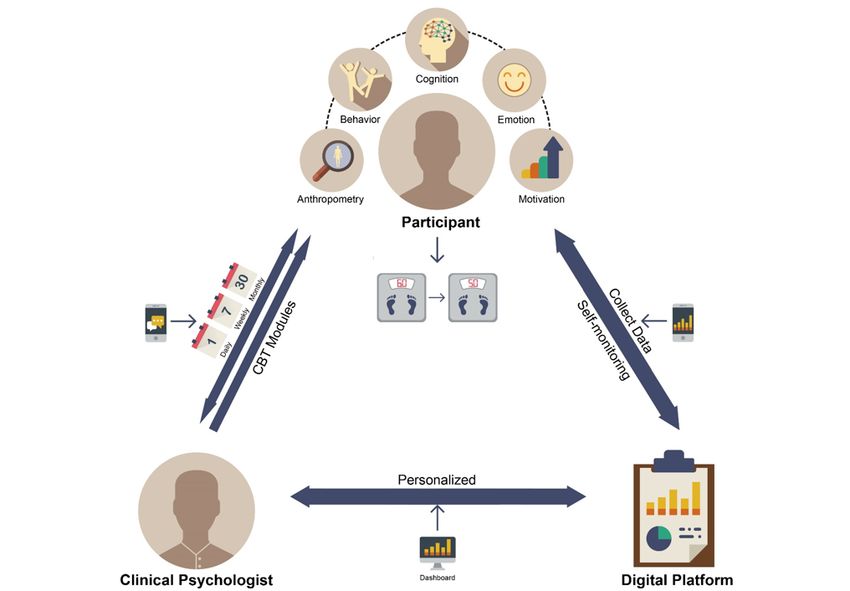
JMIR MHEALTH AND UHEALTH                                                                                                                  Kim et al

     Conclusions: These findings confirm that technology-based interventions should be multidimensional and are most effective
     with human feedback and support. This study is innovative in successfully developing and verifying the effects of a new CBT
     approach with a multidisciplinary team based on digital technologies rather than standalone technology-based interventions.
     Trial Registration: ClinicalTrials.gov NCT03465306; https://clinicaltrials.gov/ct2/show/NCT03465306

     (JMIR Mhealth Uhealth 2020;8(4):e14817) doi: 10.2196/14817

     KEYWORDS
     obesity; digital health care; cognitive behavioral therapy; mobile phone

                                                                          time-saving methods to lose weight [9]. Researchers have thus
     Introduction                                                         explored alternative methods for carrying out weight-loss
     One of the major concerns of the health care industry is to find     programs, such as television, computers, and smartphone apps,
     effective and widely practical solutions for weight management,      to meet individual needs and to make obesity treatment more
     given that obesity is one of the dominant public health problems     accessible. Among these, self-monitoring via smartphone apps
     of the 21st century. It is well known that weight reduction is       has shown the greatest potential to make diet tracking easier
     highly correlated with reductions in the incidence of type 2         and engaging because of its convenience and accessibility [10].
     diabetes, as well as other medical weight-related comorbidities      Despite the use of smartphone apps for self-monitoring, a law
     and psychosocial issues, and that it improves the quality of life    of attrition in digital health interventions still holds, whereby
     [1].                                                                 users stop using technology-based components over time.
                                                                          Because the effectiveness of treatments via digital tools is
     Accordingly, various types of treatments for obesity have been       closely associated with the user’s extent of engagement [11], a
     developed. Several drugs have been proposed as                       high attrition rate is a critical issue in the assessment of the
     pharmacotherapy for obesity since the 1990s, but most have           efficacy of digital intervention programs. Therefore, based on
     demonstrated a lack of efficacy and unfavorable risks [2].           behavioral modification principles, periodic prompts that
     Bariatric surgery is another obesity treatment that has been used    encourage healthy behaviors are one method to remind and
     for over 50 years. Because the prevalence of obesity is rapidly      motivate people to change their health behaviors. A systematic
     rising, the number of patients who believe that bariatric surgery    review of the use of technology tools to send periodic
     is an effective treatment to cure their obesity is also increasing   notifications about users’ behavior changes found them to be
     [3]. Additionally, patients may believe that surgical intervention   more effective than nontechnological notifications or no
     to overcome obesity will ultimately lead to behavioral changes       notifications [12]. However, this review only focused on the
     sustaining weight loss [3], which may increase the risk of weight    effectiveness of digital interventions for behavior change as a
     regains after the surgery. To date, the most effective standard      whole and did not investigate how to enhance engagement with
     obesity treatment is weight-loss lifestyle modification based on     the intervention.
     a combination of behavioral and cognitive approaches and
     nutrition and physical education.                                    The goal of this study was to test a novel approach to losing
                                                                          weight and maintaining the new weight after participation in
     Clinical psychological treatment approaches are pivotal and          an intensive and comprehensive human coaching program based
     involve engaging patients in lifestyle modification and              on CBT modules via digital tools, such as the Noom Coach app
     motivating them to successfully lose weight with the help of a       and InBody Dial. The Noom Coach app is one of the most
     multidisciplinary team [4]. Cognitive behavioral therapy (CBT)       popular smartphone apps currently available; it has received
     for obesity is aimed at not only losing weight but also preventing   higher quality assessment scores than other smartphone apps
     weight regain, thereby avoiding the dissatisfactory long-term        [13]. It allows participants to log their food intake, exercise
     results of earlier behavioral treatments. It firmly distinguishes    activities, and weight, and to engage in in-app group activities,
     between weight loss and weight maintenance, allowing patients        read in-app articles, and interact with a human coach via in-app
     to practice effective weight-maintenance strategies (eg, avoiding    messages. In-app group activity lets participants communicate
     unrealistic weight goals and addressing obstacles to weight          with other participants and share their experience of healthy
     maintenance) [5]. One study applied a 12-week CBT program            lifestyle trials. In-app articles deliver practical information about
     for obese people, resulting in a 6% reduction in body fat relative   healthy lifestyles written by physicians, nutritionists, and clinical
     to the control group [6]. Moreover, a 20-week CBT intervention       psychologists. In-app messages enable participants to receive
     involving a 10-week main program followed by a 10-week               individualized feedback from human coaches based on their
     less-intensive care program significantly improved body              own records presented on the Web-based dashboard. A
     composition and improved soft drink consumption habits               Web-based dashboard is provided to the coaches to monitor
     compared to the control group [7].                                   participants’ data. InBody Dial is a body composition analyzer
     Although cognitive behavioral programs involving weekly clinic       for the home linked to a mobile app, allowing users to
     visits are known to be the most effective treatments for obesity,    conveniently measure their body composition. Furthermore, we
     they place high demands due to time, cost, distance, status of       addressed the self-sustainability of the promoted lifestyle change
     endorsement, and difficulties securing child care [8]. A previous    after the intervention. We hypothesized that individuals
     study found that people would prefer cost-effective and              randomized to the digital CBT group would lose weight and

     http://mhealth.jmir.org/2020/4/e14817/                                                       JMIR Mhealth Uhealth 2020 | vol. 8 | iss. 4 | e14817 | p. 2
                                                                                                                (page number not for citation purposes)
XSL• FO
RenderX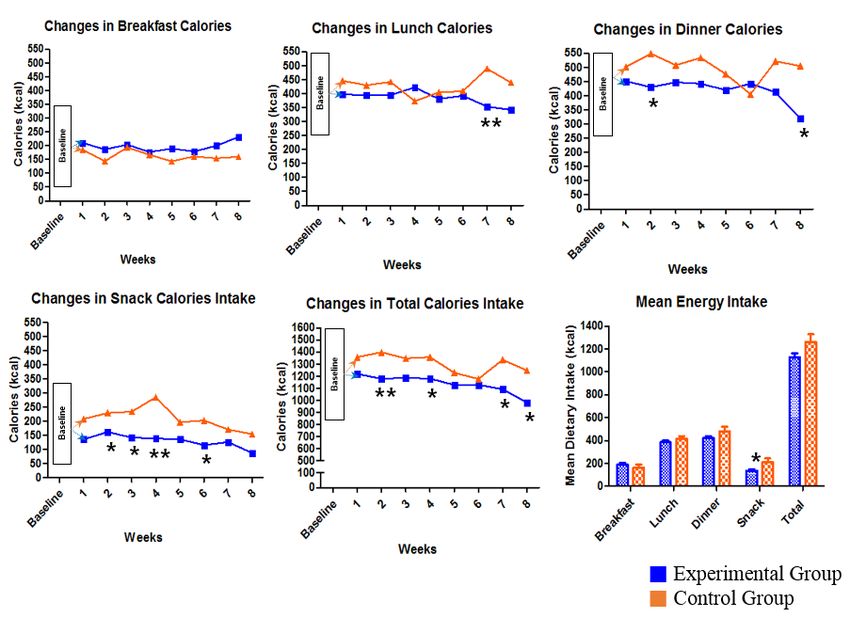
JMIR MHEALTH AND UHEALTH                                                                                                                  Kim et al

     better maintain their weight loss than individuals in the control     of age, body mass index of 25-40 kg/m2, smartphone usage,
     group.                                                                and scores in the highest 40% (ie, scores above 68 out of 112
                                                                           total) on the Situational Motivation Scale (SIMS). Participants
     Methods                                                               were ineligible if they had a history of major medical problems,
                                                                           such as diabetes, angina, or stroke; a major psychiatric disorder
     Participants                                                          involving hospitalization or medication in the past; and a current
     A total of 70 female subjects were recruited between September        or planned pregnancy within the next 6 months. The flow of
     and October 2017 through both online and offline boards of a          participants from recruitment to final assessment at 24 weeks
     university campus in Seoul, South Korea, and a social network         is shown in Figure 1.
     service. Eligibility criteria included the following: 18-39 years
     Figure 1. Digital cognitive behavioral therapy (CBT) CONSORT (Consolidated Standards of Reporting Trials) flow diagram. SIMS: Situational
     Motivation Scale.

     The Institutional Review Board of Seoul National University           and baseline measurements were obtained in person. Blood
     Hospital     approved      the    study   (approval    number         samples were taken in the morning after overnight fasting to
     H-1707-122-872). All study participants provided written              avoid daily variations in activities. The basics of the tutorial
     informed consent. This study was conducted to examine the             and log-in procedures for both the Noom app and the InBody
     clinical efficacy of the obesity digital CBT model and find           H20B (InBody Co) body composition analyzer were
     factors predicting its efficacy. The study was registered with        demonstrated to all participants during the orientation session
     ClinicalTrials.gov (NCT03465306).                                     of the study. The Noom app was mainly used to keep a food
                                                                           diary and deliver messages between the therapist and
     Study Design                                                          participants, while the InBody H20B analyzer was used to
     This was an open-label, active-comparator, randomized                 monitor and collect the body composition data of the
     controlled trial (RCT). Following initial screening, all              participants. The randomization was designed to randomly
     participants were asked to attend an orientation session where        assign 75 participants in total to a control (app only) group or
     the study was described in more detail. Written informed consent      a digital CBT (app + human CBT) group at a ratio of 1:2 in

     http://mhealth.jmir.org/2020/4/e14817/                                                       JMIR Mhealth Uhealth 2020 | vol. 8 | iss. 4 | e14817 | p. 3
                                                                                                                (page number not for citation purposes)
XSL• FO
RenderX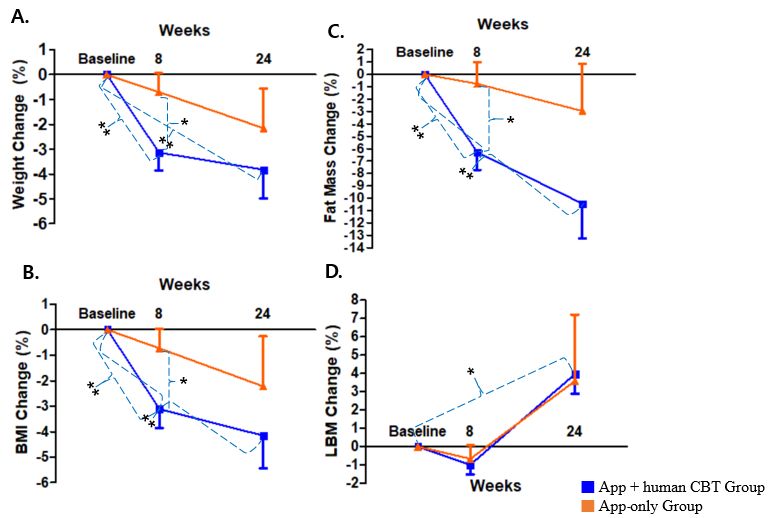
JMIR MHEALTH AND UHEALTH                                                                                                                 Kim et al

     order to deliver a more powerful trial within resource constraints    using the 20-item Trait Anxiety Inventory (TAI) of the
     and to maximize the statistical power of predictor analysis (ie,      State-Trait Anxiety Inventory, with higher scores indicating
     within-group analysis) [14]. Randomization was performed by           greater trait anxiety. The Rosenberg Self-Esteem Scale (RSES)
     the project manager by drawing lots. The digital CBT group            measure of self-esteem was used in this research with a 10-item
     was given daily feedback and assignments from a psychologist,         scale consisting entirely of negatively worded items. Thus,
     based on the CBT modules, for 8 weeks and could access the            higher scores implied lower self-esteem. Eating behavior notions
     digital tools from the intervention period to the 24-week             were measured with the Dutch Eating Behavior Questionnaire
     follow-up. The control group was instructed to use only a food        (DEBQ), which identifies three distinct psychologically based
     diary without therapist intervention until the 24-week follow-up      eating behaviors: restrained eating, emotional eating, and
     but was given the same digital tools and instruction as the digital   external eating. It contains 33 items, with higher scores
     CBT group. Thus, the control group underwent the same                 indicating a greater tendency to present subscale behavior. The
     standard-of-care trial as the digital CBT group, except that it       frequency of occurrence of automatic negative thoughts
     was asked to practice self-care. All participants were asked to       associated with depression was assessed by the Automatic
     visit at baseline, 8 weeks, and 24 weeks for objective                Thoughts Questionnaire (ATQ-30). The scores ranged from 30
     measurements and completion of questionnaires, and they were          to 150, where higher scores indicated more frequent automatic
     each paid US $4 for attending each of the appointments. This          negative thoughts. All the psychological questionnaires were
     study was conducted from September 2017 to April 2018.                in Korean.
     Assessment                                                            Interventions
     The primary outcome was change in body weight. Other                  The intervention of this study was a multifactorial, daily-based
     measures, such as change in BMI and body fat mass, were               personalized coaching program implemented by a psychologist
     secondary outcomes. Anthropometric measurements were                  using CBT modules via the digital platform. The digital CBT
     assessed by the InBody H20B analyzer at baseline, 8 weeks,            contents were based on programs proposed to clinicians [16]
     and 24 weeks in light street clothing and without socks and           as a guide. We monitored and assessed various factors related
     shoes. For secondary outcomes, blood samples were collected           to the behavior, cognition, mood, and motivation of each
     at baseline and 8 weeks after a 10-hour fast. We examined serum       participant assigned to the digital CBT group.
     insulin,     leptin,   glucose      concentrations,     aspartate
                                                                           The following were assessed every day using responses to
     aminotransferase, alanine aminotransferase, gamma-glutamyl
                                                                           questions and scores from the questionnaires: eating behaviors
     transferase, total cholesterol, and triglyceride levels to assess
                                                                           (eg, Where did you eat? What type of food did you have? How
     the changes in these indices in relation to the change in body
                                                                           fast did you eat? and What time did you eat?), automatic
     weight. The engagement criteria of the program were completing
                                                                           thoughts (eg, What came to your mind when you were eating
     actions, such as responding to the daily assessment (responses
                                                                           or thinking of food?), mood (eg, Score your mood from 0 to
     per day), logging meals (meals per week), consuming green
                                                                           100 regarding each type of negative mood: irritated, lonely,
     foods as defined by Noom [15] (logged per week), performing
                                                                           anxious, bored, and depressed), and motivation (eg, Score your
     exercise (times per week), registering exercise time (minutes
                                                                           status from 0 to 10 based on the following items: willingness
     per week), recording steps taken (steps per week), logging
                                                                           to lose weight, importance of losing weight, assurance of losing
     weigh-ins (times per week), reading articles (articles per week),
                                                                           weight, and helpfulness of this program to lose weight). Scores
     completing group posts (posts per week), posting group
                                                                           were used to individually track the daily patterns of the four
     comments (comments per week), sending messages to the coach
                                                                           factors—eating behaviors, automatic thoughts, mood, and
     (messages per week), and liking group posts (likes per week).
                                                                           motivation—and provide individualized interventions. As such,
     These criteria were used to assess the use of the app by each
                                                                           participants in the digital CBT group received daily self-report
     participant with objective measures.
                                                                           assessments in a Google survey form via text message on their
     Participants’ situational motivation toward the weight-loss           phone. Participants were also instructed to log their dietary
     program was assessed using an adapted version of the SIMS.            intake and physical exercise on a daily basis. Additionally, they
     The SIMS typically measures four types of motivation—intrinsic        were asked to measure their weight, BMI, and fat mass twice a
     motivation, identified regulation, external regulation, and           week with the InBody H20B analyzer as soon as they woke up
     amotivation—to engage in a task (ie, the weight-loss program)         in the morning and were instructed to log their meals and
     at a specific point in time, with four items per subscale. The        physical activity by self-report on the Noom Coach app on a
     SIMS has demonstrated acceptable levels of reliability and            weekly basis.
     validity in past research. The Body Shape Questionnaire-8C
                                                                           After participants’ responses to the components related to the
     (BSQ-8C) is a brief version of the Body Shape Questionnaire
                                                                           four factors were collected, digital mobile tools collected the
     (BSQ) consisting of eight items extracted from the full version
                                                                           data to allow the therapist to securely monitor participants’
     measuring the extent of psychopathology of concerns about
                                                                           progress through a Web-based dashboard. The participants
     body shape. Higher values on the BSQ indicated more body
                                                                           received at least three individual messages from the coach every
     dissatisfaction. Depression was assessed using the Korean
                                                                           day, except on weekends and holidays, via the Noom Coach
     version of the Beck Depression Inventory-II (K-BDI-II) scoring
                                                                           app. Furthermore, the therapist individually sent a daily report,
     system. A total score of 0-9 indicated no depression, 10-15
                                                                           a weekly report, and a midweek report (ie, Week 4) to the
     indicated mild depression, 16-23 indicated moderate depression,
                                                                           participants for the purpose of goal setting and to strengthen
     and 24-63 indicated severe depression. Anxiety was measured
     http://mhealth.jmir.org/2020/4/e14817/                                                      JMIR Mhealth Uhealth 2020 | vol. 8 | iss. 4 | e14817 | p. 4
                                                                                                               (page number not for citation purposes)
XSL• FO
RenderX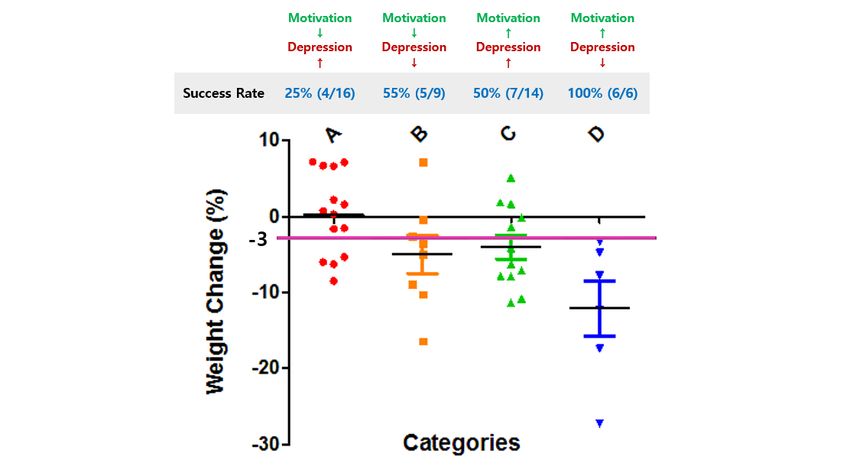
JMIR MHEALTH AND UHEALTH                                                                                                                      Kim et al

     their motivation. Weekly group missions were provided to the              coach, who has a master-level degree in clinical psychology.
     digital CBT group based on the expectation that social supports           She has trained as a behavioral therapist using CBT modules,
     (eg, communicating needs and building positive support) would             such as self-monitoring, goal setting, problem solving,
     intensify the motivation. When the participants were inactive             nutritional and physical activity education, stimulus control,
     for more than 3 consecutive days or asked for thorough                    challenging automatic thoughts, thought restructuring, and
     counseling, the therapist phoned them and conducted                       relapse prevention. Throughout the intervention, we expected
     motivational interviews. The motivational interviews could be             the participants in the digital CBT group to experience a lifestyle
     implemented only once a week per person. The duration of the              change by finding a healthy pattern of living that fit each
     phone call did not exceed 15 minutes.                                     participant’s context. The diagram of the digital CBT process
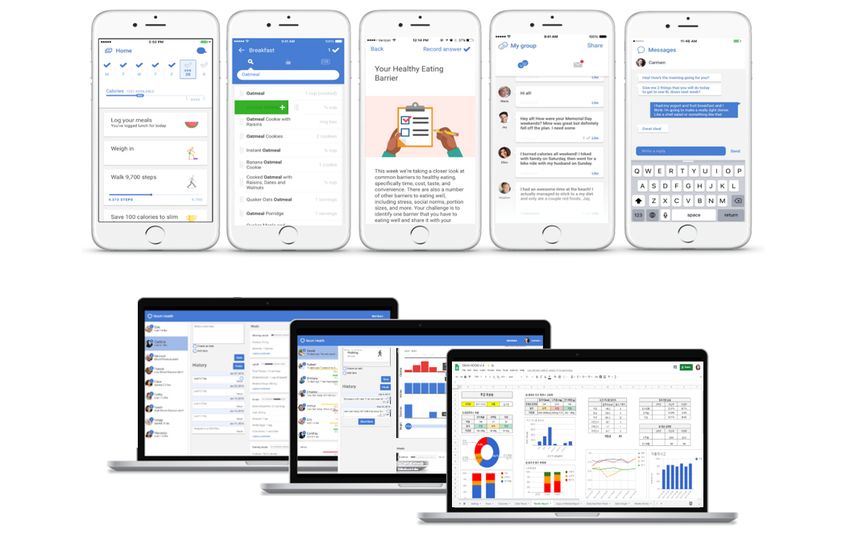
                                                                               and features of the digital platform are presented in Figure 2
     All contents of the coaching messages, group missions, and
                                                                               and Figure 3, respectively.
     articles were managed by a supervisor of the digital health care
     Figure 2. Diagram of the digital cognitive behavioral therapy (CBT) process.

     http://mhealth.jmir.org/2020/4/e14817/                                                           JMIR Mhealth Uhealth 2020 | vol. 8 | iss. 4 | e14817 | p. 5
                                                                                                                    (page number not for citation purposes)
XSL• FO
RenderX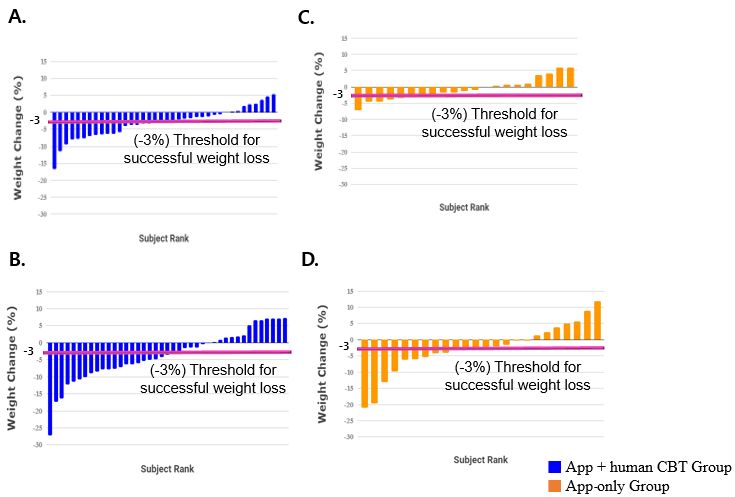
JMIR MHEALTH AND UHEALTH                                                                                                                              Kim et al

     Figure 3. Screenshots of the digital platform (ie, mobile apps) for the participants (top) and screenshots of the digital platform (ie, dashboard) for the
     therapist (ie, clinical psychologist) (bottom).

                                                                                   the optimum trade-off between sensitivity and specificity for
     Statistical Analysis                                                          cutoffs in weight-change distribution. For the ROC analysis in
     The sample size was selected to provide the study with a                      this study, we set a cutoff of 3% loss of initial body weight as
     statistical power of 80% to detect clinically meaningful mean                 a good response at 24 weeks for the digital CBT group data.
     differences in weight loss of 5 kg with an SD of 7 kg in                      The Youden index was used for the optimal cutoff. The results
     treatment effect, based on previous studies [17]. Assuming an                 regarding the proportion of people who reached 5% weight-loss
     average attrition rate of 10%, a sample of at least 70 subjects               threshold are also reported to permit comparison with other
     was selected. For differences in baseline characteristics,                    previous studies. All analyses were conducted using SPSS
     independent-sample t tests were used for continuous variables                 Statistics for Windows, version 20 (IBM Corp), and statistical
     and a chi-square test of independence was used for categorical                significance of two-tailed P values were set at .05. For multiple
     data assessing the demographic patterns of subjects.                          comparison correction, a threshold of P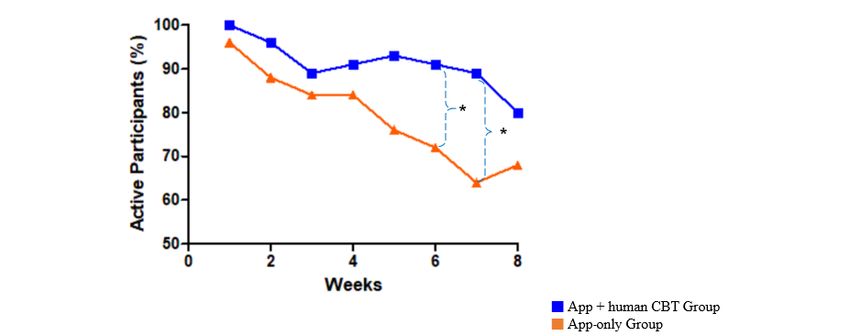
JMIR MHEALTH AND UHEALTH                                                                                                               Kim et al

     Table 1. Baseline characteristics of participants in both groups.

                                                                           Control (ie, app only)        Digital CBTa (ie, app + human CBT)
      Characteristic                                                       (n=25)                        (n=45)
      Age (years), mean (SD)                                               21.0 (2.7)                    22.3 (3.5)
      Anthropometric measures, mean (SD)
           Weight (kg)                                                     71.9 (7.7)                    74.5 (9.0)
                         2                                                 27.7 (2.9)                    28.2 (3.4)
           BMI (kg/m )
           Fat mass (kg)                                                   29.3 (6.0)                    30.2 (6.8)
           Fat percent (%)                                                 40.5 (4.8)                    40.4 (5.4)
           Lean body mass (kg)                                             23.8 (3.3)                    24.0 (2.6)
      Blood measures, mean (SD)
           Fasting glucose (mg/dL)                                         87.0 (8.1)                    87.3 (7.4)
           Triglyceride (mg/dL)                                            92.2 (35.9)                   93.2 (42.6)
           Total cholesterol (mg/dL)                                       184.7 (24.9)                  191.1 (30.4)
           Alanine aminotransferase (U/L)                                  12.7 (6.9)                    15.3 (11.9)
           Aspartate aminotransferase (U/L)                                17.0 (4.7)                    16.9 (4.8)
           Gamma-glutamyl transpeptidase (U/L)                             15.3 (8.5)                    21.3 (32.8)
           Leptin (ng/mL)                                                  37.5 (14.7)                   42.5 (15.3)
           Fasting insulin (µU/mL)                                         12.6 (6.1)                    16.1 (9.1)

      Homeostasis Model for Assessment of Insulin Resistanceb, mean (SD)   2.8 (1.5)                     3.5 (2.1)

      Scale or questionnaire (score), mean (SD)
           Situational Motivation Scale                                    77.0 (5.8)                    76.1 (5.7)
           Body Shape Questionnaire-8C                                     34.8 (8.9)                    36.2 (7.5)
           Beck Depression Inventory-II in Korean                          14.7 (9.6)                    13.6 (9.0)
           Trait Anxiety Inventory                                         47.8 (11.0)                   48.0 (10.4)
           Rosenberg Self-Esteem Scale                                     21.9 (6.4)                    19.8 (5.6)

           DEBQc restrained eating scale                                   30.6 (7.3)                    29.9 (6.6)

           DEBQ emotional eating scaled                                    29.1 (11.6)                   38.0 (10.1)

           DEBQ external eating scaled                                     32.0 (7.0)                    34.9 (4.8)

           Automatic Thoughts Questionnaire                                57.6 (26.0)                   57.2 (22.3)
           Yale Food Addiction Scale                                       2.2 (1.7)                     3.0 (1.7)
      Residence status, n (%)
           Living with family                                              10 (40)                       27 (60)
           Living alone                                                    8 (32)                        8 (18)
           Living with roommates                                           7 (28)                        9 (20)
           Others                                                          0 (0)                         1 (2)
      Number of attempts to lose weight by different methods, n (%)
           None                                                            0 (0)                         1 (2)
           Once                                                            3 (12)                        4 (9)
           Twice                                                           12 (48)                       15 (33)
           Three times                                                     3 (12)                        13 (29)
           Four times                                                      4 (16)                        8 (18)
           Five times                                                      2 (8)                         4 (9)

     http://mhealth.jmir.org/2020/4/e14817/                                                    JMIR Mhealth Uhealth 2020 | vol. 8 | iss. 4 | e14817 | p. 7
                                                                                                             (page number not for citation purposes)
XSL• FO
RenderX
JMIR MHEALTH AND UHEALTH Kim et al
Control (ie, app only) Digital CBTa (ie, app + human CBT)
Characteristic (n=25) (n=45)
Six times 1 (4) 0 (0)
a
CBT: cognitive behavioral therapy.
b
Insulin resistance = (insulin [µU/mL] × glucose [mg/dL]) / 405.
c
DEBQ: Dutch Eating Behavior Questionnaire.
d
There was a statistical difference between the two groups at baseline.
group at 8 weeks (P=.22), while at 24 weeks it was 54% (22/41)
Primary Outcome of Weight Change and in the digital CBT group and 42% (10/24) in the control group
Anthropometric Outcomes (P=.35). In addition, the number reaching the conventional 5%
The primary outcome (ie, weight change) was assessed at two weight loss from the baseline in the digital CBT group was
time points—immediately after lifestyle change with digital significantly higher than in the control group at 8 weeks (12/38,
CBT (8 weeks) and at the long-term follow-up without digital 32%, vs 1/21, 4%, P=.02) but not at 24 weeks (18/41, 44%, vs
CBT (24 weeks)—to investigate the self-sustaining effect of 7/24, 29%, P=.24). Changes in mean BMI (–3.1%, SD 4.6, vs
lifestyle change induced by 8 weeks of digital CBT. Of the 70 –0.7%, SD 3.5, P=.04) and body fat mass (–6.3%, SD 8.8, vs
randomized participants, 65 (93%) were assessed for the primary –0.8%, SD 8.1, P=.02) of the digital CBT group were also
outcome—body weight—at 24 weeks and 5 (7%) were lost to significant compared to the control group at 8 weeks but not at
follow-up. Figures 4 and 5 represents the mean weight change 24 weeks (see Multimedia Appendix 1, Table MA1-1). Body
along with other anthropometric measures—BMI, body fat lean mass did not significantly differ between the two groups
mass, and body lean mass—at each study time point. Participants at both 8 and 24 weeks. Examining within-group changes, only
in the digital CBT group showed significant changes in mean the digital CBT group achieved significant weight changes, as
body weight at 8 weeks compared to the control group (–3.1%, well as BMI and body fat mass, at both 8 and 24 weeks; the
SD 4.5, vs –0.7%, SD 3.4, P=.04) but not at 24 weeks. The digital CBT group achieved significant changes in lean body
proportion of subjects who showed good response was 45% mass at 24 weeks but not at 8 weeks (see Multimedia Appendix
(17/38) in the digital CBT group and 29% (6/21) in the control 1, Tables MA1-2 and MA1-3).
Figure 4. Patterns of changes in mean body weight (A), BMI (B), body fat mass (C), and lean body mass (LBM) (D). CBT: cognitive behavioral
therapy. *PJMIR MHEALTH AND UHEALTH Kim et al
Figure 5. Weight change based on individual data from the experimental group at the 8-week follow-up (A), from the experimental group at the 24-week
follow-up (B), from the control group at the 8-week follow-up (C), and from the control group at the 24-week follow-up (D). CBT: cognitive behavioral
therapy.
http://mhealth.jmir.org/2020/4/e14817/ JMIR Mhealth Uhealth 2020 | vol. 8 | iss. 4 | e14817 | p. 9
(page number not for citation purposes)
XSL• FO
RenderXJMIR MHEALTH AND UHEALTH Kim et al
Figure 6. Changes in meal calories between experimental and control groups during the intervention period, as well as the contrast of mean energy
intake between groups. *PJMIR MHEALTH AND UHEALTH Kim et al
Figure 7. Patterns of changes in engagement rate of the experimental and control groups during the intervention period. *PJMIR MHEALTH AND UHEALTH Kim et al
Receiver Operating Characteristic Analysis Determining predict a good response. Overall, motivation showed the best
the Optimal Cutoff Scores of the Predictive Markers of predictive performance.
Success in Weight Loss by Digital Cognitive Behavioral Clinical Efficacy of Digital Cognitive Behavioral
Therapy Therapy Based on the Optimal Cutoff Scores of the
Multimedia Appendix 1, Table MA1-11, shows the sensitivity Predictive Markers in the Clinical Setting
and specificity of the baseline psychological characteristics The high-motivation subgroup (SIMS scores >76.5) showed a
showing significant correlations with weight change, the primary 65% (13/20) probability of successful 3% weight loss, whereas
outcome. The definition of optimal statistical prediction the low-motivation subgroup (SIMS scores 76.5 and K-BDI-II
area under the curve (AUC) (0.63). The AUCs of depression scoresJMIR MHEALTH AND UHEALTH Kim et al
as precision medicine biomarkers, namely, depression, anxiety, or exercise. The main goal of our intervention was to implement
self-esteem, and motivation. sustainable weight management skills by learning an appropriate
behavioral process as well as establishing new cognitive
Among mobile health (mHealth) RCTs for obesity, this study
processes. Therefore, the weight loss per se could be weaker
has unique implications regarding the application of CBT
than with the stringent diet restrictions and exercise requirements
strategies by a human coach in the intervention. This study,
of a behavioral program during the intervention. In addition to
therefore, contributes to the broader literature on weight-loss
the 3% threshold, we also reported the results based on the
treatments that involve human factors. There have been
conventional 5% threshold to allow a direct comparison of
widespread studies of mHealth approaches to weight-loss
clinical efficacy between studies.
programs [18-33]. There are several studies of obesity treatments
that did not investigate CBT settings; these include studies of Regarding personalization, our digital CBT was fully tailored
human-based mHealth RCTs [18,21,24,29,34,35], human-based to each participant’s characteristics in multifactorial domains:
mHealth but without RCT design [17,26,30], and mHealth not the behavioral, cognitive, emotional, motivational, and physical
based on human factors but with RCT design domains. The therapist in our study altered the feedback styles
[19,20,22,25,27,28,32,33]. There are also several studies of based on data from five types of domains for every participant
human-based RCT designs, including CBT settings for obesity and conducted intensive daily monitoring. Most of the previous
but not mHealth procedures (ie, telephone, website, face-to-face, RCTs on mHealth interventions for obesity—those not based
and others) [16,36-40]. on human factors—considered one or two factors of individual
symptoms that led to the implementation of homogeneous
This study is comparable to other mHealth RCTs. The mean
interventions [18,19,22,31]. Although there are some
percentage weight loss of our study was 4% of initial body
interventions that use custom algorithms to provide
weight, and previous mHealth RCTs reported a mean percentage
individualized feedback, they only focus on diet, physical
weight loss ranging from 1% to 3% [24,29,32,34]. Moreover,
activity, weight loss, or any two of these [27,28,32,46].
this study successfully showed weight maintenance. Most
Furthermore, some earlier mHealth RCTs for obesity based on
interventions for obesity have shown a tendency to regain weight
human factors only dealt with diet and physical activities
after discontinuing the treatment [11,16,24,29,32,41-43], but
[21,24]. One study managed three domains for the intervention:
our digital CBT intervention showed a sustained trend of further
diet, physical activities, and eating behaviors [29]. However,
decrease even up to 16 weeks after cessation of the 8-week
instructions on behavior change strategies were not delivered
intervention. This affords solid support for the assumption that
by smartphone but by attending weekly group sessions for the
digital CBT promotes an overall healthy lifestyle. However,
first phase of the intervention. The study was deficient in other
because we do not have data beyond a 1-year period, a direct
principal factors, such as emotional, cognitive, and motivational
comparison with previous studies is not feasible. Preventing
domains, implying insufficient potentiality for long-term
weight regain at 24 weeks is closely related with a decrease in
lifestyle change. Because cognitive conceptualization and
body fat mass and an increase in lean body mass at 8 weeks,
emotional regulation process are naturally associated with
which are relevant to physical activity rate and nutrition status
behavioral patterns, consideration of all these components can
[44,45]. Indeed, an improvement in both physical activity and
allow changes in one’s lifestyle and ultimately solve problems
diet, representing changes in lifestyle, leads to healthy body
related to obesity [47]. Therefore, it is important to address the
composition. Therefore, the patterns of changes in not only
respective multifactorial domains so as to conduct tailored
body weight but also body fat mass and lean body mass may
treatment for individuals with fully integrated techniques. Our
imply that the participants in the digital CBT group experienced
digital CBT strategies operate in a fully comprehensive system
self-sustainable transitions in daily decision making for a healthy
that deals with behavioral, cognitive, emotional, motivational,
life.
and physical factors and allows integrated mediation to
With regard to the appropriate threshold, previous behavioral successfully manage obesity.
weight-loss studies often reported 5% weight loss in the majority
After examining aspects of temporal strategies for intervention,
of participants [16,26,30]. Conventionally, several studies
we arranged three different time points (ie, daily, weekly, and
adopted a 5% threshold as a clinically significant threshold
monthly points) and initiated a daily human-agent intervention
[16,19,26,29]. However, in contrast to the conventional 5%
in an mHealth RCT for obesity. All previous face-to-face,
threshold, we adopted a tempered 3% weight-loss threshold as
electronic health (eHealth), and mHealth RCTs for obesity
the good response threshold for two main reasons. First, the
treatment have been either weekly- or monthly-based
duration of the active intervention period in this study was
interventions delivered by therapists [7,16,21,24,25,29,36-38].
shorter than in other studies and only persisted transiently for
Temporal strategies can influence the engagement rate, which
the initial 2 months. The majority of previous behavioral studies
is closely related to treatment outcomes [48]. Unfortunately,
had a full 6-month active intervention design [16,36,37].
according to a systematic review, mHealth RCTs related to
However, the duration of the active intervention period in our
weight-loss programs suffer from a high attrition rate of more
study was only 8 weeks (2 months). There was no intervention
than 30% [49]. Our digital CBT trial, however, showed high
delivered after 8 weeks (2 months) until the 6-month time point.
in-app activity rates as well as engagement in the intervention
Thus, the subjects did not receive the intervention during the
program. Only one participant in the digital CBT group had to
remaining 4 months after the initial 2-month active intervention.
withdraw for personal reasons; 80% of the participants were
Second, the components of the intervention in this study did
active until the end of the treatment session. One possible reason
not include extreme restrictions or requirements in either diet
http://mhealth.jmir.org/2020/4/e14817/ JMIR Mhealth Uhealth 2020 | vol. 8 | iss. 4 | e14817 | p. 13
(page number not for citation purposes)
XSL• FO
RenderXJMIR MHEALTH AND UHEALTH Kim et al
for these outcomes is that our digital CBT intervention encouraged to handle the relevant issue before, or at the same
effectively managed participants’ motivation to lose weight as time as, digital CBT. This will prevent further distress from
well as participate in the program. Our intervention did this by repeated failure to control weight, save limited resources, and
delivering individualized messages every day, based on data allow better concentration in individuals with a higher chance
from the in-app database and daily assessment of various of success in weight control.
psychological factors using CBT modules, as well as facilitating
Considering the comparator of this study as the best active
real-time access to the therapist. Additionally, the midreport,
comparator without human coaching, digital CBT is a competent
employed as a monthly intervention, allowed personalized
intervention for obesity in the current situation in the digital
precision treatment based on initial psychological conditions
health care industry. We provided education on how to log
to keep participants motivated. Thus, the engagement rate of
meals and exercise as well as how to use InBody Dial and the
the digital CBT group improved from 91% to 93%, whereas
mobile app, not only to the digital CBT group but also to the
the engagement rate in the control group dropped from 84% to
control group during the orientation. Thus, the control group in
76% between Week 4 and Week 5.
this study can be defined as an active group as in previous
Through our digital CBT, changes in biological indexes, leptin, studies [19,22,31]. As expected, the control group in this study
insulin, and HOMA-IR indicated that factors related to physical showed favorable results. Therefore, the results of this study
health can be successfully improved. Moreover, we also are superior and significant compared to those of previous
successfully managed motivation, emotion, cognition, and studies of digital health care interventions.
behavior. The level of self-body-image satisfaction and external
eating behaviors was improved in both groups. This indicates
Limitations
that simply including the standard mHealth treatment in the While the results are highly promising, the study is not without
control group in our study was practical for improving body limitations. First of all, the participants were limited to those in
image perception and external eating habits. Digital CBT their 20s and 30s, resulting in limited generalizability. Second,
improved the level of depression, anxiety, self-esteem, and since this is not a blinded study, an observer bias could have
automatic thoughts related to depression. In fact, the DEBQ-EM been generated. Thus, an implication of this study that should
and DEBQ-EX scores showed a significant difference between be noted is that it tested the digital CBT and did not validate it.
the two groups at baseline but were not notably correlated with Third, the sample size was relatively small (N=70). Therefore,
the primary measures at baseline. This may be considered a most of the results did not pass the strict
random circumstance of randomization. Therefore, these multiple-comparison-corrected P threshold. Fourth, the
differences can be interpreted as not affecting the main outcomes follow-up period needs to be extended to increase the reliability
of our study. Furthermore, a significant difference in reported and validity of our results. Accordingly, we recommend that
snack calorie intake between the two groups suggests that our future studies examine more information on personal
digital CBT intervention had an impact on managing snack characteristics, such as single nucleotide polymorphisms (SNPs)
calories compared to other meals. Stress is highly correlated and daily patterns of digital phenotypes for individuals within
with the frequency of snacks [50]. Thus, it is possible that our in-app data, in order to enhance the interpretation of the efficacy
digital CBT intervention affected snack calorie intake by finding of digital-based interventions. Fifth, the total amount of food
individualized stress coping strategies, restructuring cognitive calories in the app might have been underestimated because the
structures of automatic negative eating or weight-related amount per serving for diverse types of food was not precise
thoughts, and developing regular and balanced eating behaviors. and people may have miscalculated their food intake. The
Therefore, this provides evidence that the participants in the primary reason for errors in food records is that most people
digital CBT group changed their lifestyle to constantly manage have difficulties in estimating food portions [54]. The
their weight. discrepancy in food choice between the food diary and actual
meals (ie, recording similar but not exact menus, skipping
This study can be considered a practical one because it explored reports of foods eaten, or logging foods not offered) could
clinical markers that predict the effect of digital CBT and explain the remainder of the total miscalculation [55]. Thus, we
suggested plausible criteria that can be applied to clinical suggest that a direct assessment of food choice and intake, such
settings. The follow-up results at 24 weeks in this study showed as buffet tests, should be performed in parallel with logging
that the levels of motivation, depression, anxiety, and intake in the food diary on the app for future research. In
self-esteem were the predictive markers of weight loss based addition, it should be noted that it is necessary to involve
on the digital CBT intervention. Some of our results regarding dietitians on multidisciplinary health care teams for obesity
the predictors of weight control conflict with the findings of CBT, as their evaluations of dietary assessment and nutritional
previous research [51], but they are consistent with recent advice would greatly strengthen the efficacy of the intervention.
findings that the level of motivation is the strongest predictive Lastly, there is a feasibility issue regarding the digital CBT of
trait for weight control [52,53]. We defined people who lost this study since it is intensive and costly, requiring daily
less than 3% of their baseline weight as poor responders to the intervention by therapists trained in both physical and mental
treatment. Thus, people with a SIMS score lower than 76.5 are health care. Therefore, more research involving human factors
recommended to find and pursue their own way of enhancing in technology-based treatments should be conducted to collect
their motivation to lose weight before they undertake digital enough data to create automatic functions, thereby decreasing
CBT. Furthermore, a person whose score is higher than 7.5 on the burdens of therapists in the future.
the K-BDI-II, 41.5 on the TAI, or 24.5 on the RSES is
http://mhealth.jmir.org/2020/4/e14817/ JMIR Mhealth Uhealth 2020 | vol. 8 | iss. 4 | e14817 | p. 14
(page number not for citation purposes)
XSL• FO
RenderXJMIR MHEALTH AND UHEALTH Kim et al
Conclusions physiological indices and obesity-related psychological factors.
For the first time, we discovered that human-based digital CBT There was no relapse in weight change after the end of the
is capable of treating obesity using digital tools. Anthropometric intervention. We also found predictable psychological markers
measures, such as body weight and body compositions, were to estimate the efficacy of the digital CBT treatment for obesity.
comparably improved by the digital CBT model as well as This will open up new aspects of digital precision remedies for
obesity in the digital health care industry.
Acknowledgments
We would like to thank Hyunjae Kim, the chief executive manager of LookinBody, for supporting this study by sharing his
company’s advanced digital technologies. Also, I would like to thank Ms Younghyun Yun from the Department of Anatomy and
Cell Biology, Seoul National University College of Medicine, for the preparation of the excellent illustrations and graphic design.
This study was supported by a grant from the National Research Foundation of Korea (NRF), funded by the Korean Government,
Ministry of Science and ICT (MSIT) (No. NRF-2018R1A5A2025964), and was supported by the Creative-Pioneering Researchers
Program through Seoul National University (SNU).
Noom provided the funding to conduct this research and InBody provided body composition analyzer devices for this research.
Representatives of InBody had no role in the management, analysis, and interpretation of the data; preparation, review, or approval
of the manuscript; and decision to submit the manuscript for publication. YK, an employee of Noom, participated in the generation
of the study design and in data collection.
Authors' Contributions
MK conceptualized and designed the clinical infrastructure for the digital CBT intervention during the implementation phase.
HJC and SC gave valuable research insights when designing the digital CBT intervention. MK, HJC, YK, YG, MN, SL, and YL
contributed to the study design and data collection. MK, HJC, YG, and SC analyzed and interpreted the data. MK wrote the
manuscript and edited the contents of the manuscript. HJC and SC reviewed the manuscript. All authors approved the final version
of the manuscript for submission.
Conflicts of Interest
YK is an employee of Noom.
Multimedia Appendix 1
Changes in outcomes from baseline, correlations, and predicting efficacy of digital cognitive behavioral therapy.
[DOCX File , 200 KB-Multimedia Appendix 1]
Multimedia Appendix 2
CONSORT-eHEALTH checklist (V 1.6.1).
[PDF File (Adobe PDF File), 1466 KB-Multimedia Appendix 2]
References
1. Gardner CD, Trepanowski JF, Del Gobbo LC, Hauser ME, Rigdon J, Ioannidis JP, et al. Effect of low-fat vs low-carbohydrate
diet on 12-month weight loss in overweight adults and the association with genotype pattern or insulin secretion: The
DIETFITS randomized clinical trial. JAMA 2018 Feb 20;319(7):667-679 [FREE Full text] [doi: 10.1001/jama.2018.0245]
[Medline: 29466592]
2. Wyatt HR. Update on treatment strategies for obesity. J Clin Endocrinol Metab 2013 Apr;98(4):1299-1306 [FREE Full
text] [doi: 10.1210/jc.2012-3115] [Medline: 23443815]
3. Sjöström L, Narbro K, Sjöström CD, Karason K, Larsson B, Wedel H, Swedish Obese Subjects Study. Effects of bariatric
surgery on mortality in Swedish obese subjects. N Engl J Med 2007 Aug 23;357(8):741-752. [doi: 10.1056/NEJMoa066254]
[Medline: 17715408]
4. Castelnuovo G, Pietrabissa G, Manzoni GM, Cattivelli R, Rossi A, Novelli M, et al. Cognitive behavioral therapy to aid
weight loss in obese patients: Current perspectives. Psychol Res Behav Manag 2017;10:165-173 [FREE Full text] [doi:
10.2147/PRBM.S113278] [Medline: 28652832]
5. Cooper MJ, Wells A, Todd G. A cognitive model of bulimia nervosa. Br J Clin Psychol 2004 Mar;43(Pt 1):1-16. [doi:
10.1348/014466504772812931] [Medline: 15005903]
6. Brennan L. Cognitive Behavioural Evaluation and Treatment of Adolescent Overweight and Obesity [doctoral thesis].
Melbourne, Australia: RMIT University; 2006 Aug 31. URL: http://researchbank.rmit.edu.au/eserv/rmit:6333/Brennan.pdf
[accessed 2006-08-31]
http://mhealth.jmir.org/2020/4/e14817/ JMIR Mhealth Uhealth 2020 | vol. 8 | iss. 4 | e14817 | p. 15
(page number not for citation purposes)
XSL• FO
RenderXJMIR MHEALTH AND UHEALTH Kim et al
7. Tsiros MD, Sinn N, Brennan L, Coates AM, Walkley JW, Petkov J, et al. Cognitive behavioral therapy improves diet and
body composition in overweight and obese adolescents. Am J Clin Nutr 2008 May;87(5):1134-1140. [doi:
10.1093/ajcn/87.5.1134] [Medline: 18469231]
8. Steele RM, Mummery WK, Dwyer T. A comparison of face-to-face or internet-delivered physical activity intervention on
targeted determinants. Health Educ Behav 2009 Dec;36(6):1051-1064. [doi: 10.1177/1090198109335802] [Medline:
19502534]
9. Sherwood NE, Morton N, Jeffery RW, French SA, Neumark-Sztainer D, Falkner NH. Consumer preferences in format and
type of community-based weight control programs. Am J Health Promot 1998;13(1):12-18. [doi: 10.4278/0890-1171-13.1.12]
[Medline: 10186930]
10. Klasnja P, Pratt W. Healthcare in the pocket: Mapping the space of mobile-phone health interventions. J Biomed Inform
2012 Feb;45(1):184-198 [FREE Full text] [doi: 10.1016/j.jbi.2011.08.017] [Medline: 21925288]
11. Yon BA, Johnson RK, Harvey-Berino J, Gold BC. The use of a personal digital assistant for dietary self-monitoring does
not improve the validity of self-reports of energy intake. J Am Diet Assoc 2006 Aug;106(8):1256-1259. [doi:
10.1016/j.jada.2006.05.004] [Medline: 16863723]
12. Fry JP, Neff RA. Periodic prompts and reminders in health promotion and health behavior interventions: Systematic review.
J Med Internet Res 2009 May 14;11(2):e16 [FREE Full text] [doi: 10.2196/jmir.1138] [Medline: 19632970]
13. Chen J, Cade JE, Allman-Farinelli M. The most popular smartphone apps for weight loss: A quality assessment. JMIR
Mhealth Uhealth 2015 Dec 16;3(4):e104 [FREE Full text] [doi: 10.2196/mhealth.4334] [Medline: 26678569]
14. Hey SP, Kimmelman J. The questionable use of unequal allocation in confirmatory trials. Neurology 2014 Jan 07;82(1):77-79
[FREE Full text] [doi: 10.1212/01.wnl.0000438226.10353.1c] [Medline: 24306005]
15. Michaelides A, Major J, Pienkosz E, Wood M, Kim Y, Toro-Ramos T. Usefulness of a novel mobile diabetes prevention
program delivery platform with human coaching: 65-week observational follow-up. JMIR Mhealth Uhealth 2018 May
03;6(5):e93 [FREE Full text] [doi: 10.2196/mhealth.9161] [Medline: 29724709]
16. Cooper Z, Doll HA, Hawker DM, Byrne S, Bonner G, Eeley E, et al. Testing a new cognitive behavioural treatment for
obesity: A randomized controlled trial with three-year follow-up. Behav Res Ther 2010 Aug;48(8):706-713 [FREE Full
text] [doi: 10.1016/j.brat.2010.03.008] [Medline: 20691328]
17. Mao AY, Chen C, Magana C, Caballero Barajas K, Olayiwola JN. A mobile phone-based health coaching intervention for
weight loss and blood pressure reduction in a national payer population: A retrospective study. JMIR Mhealth Uhealth
2017 Jun 08;5(6):e80 [FREE Full text] [doi: 10.2196/mhealth.7591] [Medline: 28596147]
18. Turner-McGrievy GM, Beets MW, Moore JB, Kaczynski AT, Barr-Anderson DJ, Tate DF. Comparison of traditional
versus mobile app self-monitoring of physical activity and dietary intake among overweight adults participating in an
mHealth weight loss program. J Am Med Inform Assoc 2013 May 01;20(3):513-518 [FREE Full text] [doi:
10.1136/amiajnl-2012-001510] [Medline: 23429637]
19. Carter MC, Burley VJ, Nykjaer C, Cade JE. Adherence to a smartphone application for weight loss compared to website
and paper diary: Pilot randomized controlled trial. J Med Internet Res 2013 Apr 15;15(4):e32 [FREE Full text] [doi:
10.2196/jmir.2283] [Medline: 23587561]
20. Spring B, Duncan JM, Janke EA, Kozak AT, McFadden HG, DeMott A, et al. Integrating technology into standard weight
loss treatment: A randomized controlled trial. JAMA Intern Med 2013 Jan 28;173(2):105-111 [FREE Full text] [doi:
10.1001/jamainternmed.2013.1221] [Medline: 23229890]
21. Allen JK, Stephens J, Dennison Himmelfarb CR, Stewart KJ, Hauck S. Randomized controlled pilot study testing use of
smartphone technology for obesity treatment. J Obes 2013;2013:151597 [FREE Full text] [doi: 10.1155/2013/151597]
[Medline: 24392223]
22. Laing BY, Mangione CM, Tseng C, Leng M, Vaisberg E, Mahida M, et al. Effectiveness of a smartphone application for
weight loss compared with usual care in overweight primary care patients: A randomized, controlled trial. Ann Intern Med
2014 Nov 18;161(10 Suppl):S5-S12 [FREE Full text] [doi: 10.7326/M13-3005] [Medline: 25402403]
23. Wharton CM, Johnston CS, Cunningham BK, Sterner D. Dietary self-monitoring, but not dietary quality, improves with
use of smartphone app technology in an 8-week weight loss trial. J Nutr Educ Behav 2014;46(5):440-444. [doi:
10.1016/j.jneb.2014.04.291] [Medline: 25220777]
24. Godino JG, Merchant G, Norman GJ, Donohue MC, Marshall SJ, Fowler JH, et al. Using social and mobile tools for weight
loss in overweight and obese young adults (Project SMART): A 2 year, parallel-group, randomised, controlled trial. Lancet
Diabetes Endocrinol 2016 Sep;4(9):747-755 [FREE Full text] [doi: 10.1016/S2213-8587(16)30105-X] [Medline: 27426247]
25. Jun MK, Ha JY. Effect of smartphone apps applying BodyThink program on obesity in adolescent girls [Article in Korean].
J Korean Acad Nurs 2016 Jun;46(3):390-399. [doi: 10.4040/jkan.2016.46.3.390] [Medline: 27411766]
26. Michaelides A, Raby C, Wood M, Farr K, Toro-Ramos T. Weight loss efficacy of a novel mobile diabetes prevention
program delivery platform with human coaching. BMJ Open Diabetes Res Care 2016;4(1):e000264 [FREE Full text] [doi:
10.1136/bmjdrc-2016-000264] [Medline: 27651911]
27. Mummah SA, Mathur M, King AC, Gardner CD, Sutton S. Mobile technology for vegetable consumption: A randomized
controlled pilot study in overweight adults. JMIR Mhealth Uhealth 2016 May 18;4(2):e51 [FREE Full text] [doi:
10.2196/mhealth.5146] [Medline: 27193036]
http://mhealth.jmir.org/2020/4/e14817/ JMIR Mhealth Uhealth 2020 | vol. 8 | iss. 4 | e14817 | p. 16
(page number not for citation purposes)
XSL• FO
RenderXJMIR MHEALTH AND UHEALTH Kim et al
28. Turner-McGrievy GM, Wilcox S, Boutté A, Hutto BE, Singletary C, Muth ER, et al. The Dietary Intervention to Enhance
Tracking with Mobile Devices (DIET Mobile) Study: A 6-month randomized weight loss trial. Obesity (Silver Spring)
2017 Aug;25(8):1336-1342 [FREE Full text] [doi: 10.1002/oby.21889] [Medline: 28600833]
29. Spring B, Pellegrini CA, Pfammatter A, Duncan JM, Pictor A, McFadden HG, et al. Effects of an abbreviated obesity
intervention supported by mobile technology: The ENGAGED randomized clinical trial. Obesity (Silver Spring) 2017
Jul;25(7):1191-1198 [FREE Full text] [doi: 10.1002/oby.21842] [Medline: 28494136]
30. Toro-Ramos T, Lee D, Kim Y, Michaelides A, Oh TJ, Kim KM, et al. Effectiveness of a smartphone application for the
management of metabolic syndrome components focusing on weight loss: A preliminary study. Metab Syndr Relat Disord
2017 Nov;15(9):465-473. [doi: 10.1089/met.2017.0062] [Medline: 29035677]
31. Turner-McGrievy G, Tate D. Tweets, apps, and pods: Results of the 6-month Mobile Pounds Off Digitally (Mobile POD)
randomized weight-loss intervention among adults. J Med Internet Res 2011 Dec 20;13(4):e120 [FREE Full text] [doi:
10.2196/jmir.1841] [Medline: 22186428]
32. Burke LE, Styn MA, Sereika SM, Conroy MB, Ye L, Glanz K, et al. Using mHealth technology to enhance self-monitoring
for weight loss: A randomized trial. Am J Prev Med 2012 Jul;43(1):20-26 [FREE Full text] [doi:
10.1016/j.amepre.2012.03.016] [Medline: 22704741]
33. Shaw RJ, Bosworth HB, Silva SS, Lipkus IM, Davis LL, Sha RS, et al. Mobile health messages help sustain recent weight
loss. Am J Med 2013 Nov;126(11):1002-1009 [FREE Full text] [doi: 10.1016/j.amjmed.2013.07.001] [Medline: 24050486]
34. Nezami BT, Ward DS, Lytle LA, Ennett ST, Tate DF. A mHealth randomized controlled trial to reduce sugar-sweetened
beverage intake in preschool-aged children. Pediatr Obes 2018 Nov;13(11):668-676. [doi: 10.1111/ijpo.12258] [Medline:
29119719]
35. Spring B, Pellegrini C, McFadden HG, Pfammatter AF, Stump TK, Siddique J, et al. Multicomponent mHealth intervention
for large, sustained change in multiple diet and activity risk behaviors: The Make Better Choices 2 randomized controlled
trial. J Med Internet Res 2018 Jun 19;20(6):e10528 [FREE Full text] [doi: 10.2196/10528] [Medline: 29921561]
36. Tate DF, Wing RR, Winett RA. Using internet technology to deliver a behavioral weight loss program. JAMA 2001 Mar
07;285(9):1172-1177. [doi: 10.1001/jama.285.9.1172] [Medline: 11231746]
37. Harvey-Berino J, Pintauro S, Buzzell P, Gold EC. Effect of internet support on the long-term maintenance of weight loss.
Obes Res 2004 Feb;12(2):320-329 [FREE Full text] [doi: 10.1038/oby.2004.40] [Medline: 14981225]
38. Tate DF, Jackvony EH, Wing RR. A randomized trial comparing human e-mail counseling, computer-automated tailored
counseling, and no counseling in an internet weight loss program. Arch Intern Med 2006;166(15):1620-1625. [doi:
10.1001/archinte.166.15.1620] [Medline: 16908795]
39. Stapleton P, Bannatyne A, Chatwin H, Urzi K, Porter B, Sheldon T. Secondary psychological outcomes in a controlled
trial of Emotional Freedom Techniques and cognitive behaviour therapy in the treatment of food cravings. Complement
Ther Clin Pract 2017 Aug;28:136-145. [doi: 10.1016/j.ctcp.2017.06.004] [Medline: 28779921]
40. Zerwas SC, Watson HJ, Hofmeier SM, Levine MD, Hamer RM, Crosby RD, et al. CBT4BN: A randomized controlled
trial of online chat and face-to-face group therapy for bulimia nervosa. Psychother Psychosom 2017;86(1):47-53 [FREE
Full text] [doi: 10.1159/000449025] [Medline: 27883997]
41. Wadden TA, Hollander P, Klein S, Niswender K, Woo V, Hale PM, NN8022-1923 Investigators. Weight maintenance and
additional weight loss with liraglutide after low-calorie-diet-induced weight loss: The SCALE Maintenance randomized
study. Int J Obes (Lond) 2013 Nov;37(11):1443-1451. [doi: 10.1038/ijo.2013.120] [Medline: 23812094]
42. Srivastava G, Buffington C. A specialized medical management program to address post-operative weight regain in bariatric
patients. Obes Surg 2018 Aug;28(8):2241-2246. [doi: 10.1007/s11695-018-3141-z] [Medline: 29464536]
43. Pareek M, Schauer PR, Kaplan LM, Leiter LA, Rubino F, Bhatt DL. Metabolic surgery: Weight loss, diabetes, and beyond.
J Am Coll Cardiol 2018 Feb 13;71(6):670-687 [FREE Full text] [doi: 10.1016/j.jacc.2017.12.014] [Medline: 29420964]
44. Vehrs PR, Hager R. Assessment and interpretation of body composition in physical education. J Phys Educ Recreat Dance
2013 Jan 26;77(7):46-51 [FREE Full text] [doi: 10.1080/07303084.2006.10597907]
45. Kyle UG, Schutz Y, Dupertuis YM, Pichard C. Body composition interpretation. Contributions of the fat-free mass index
and the body fat mass index. Nutrition 2003;19(7-8):597-604. [doi: 10.1016/s0899-9007(03)00061-3] [Medline: 12831945]
46. Kim EK, Kwak SH, Jung HS, Koo BK, Moon MK, Lim S, et al. The effect of a smartphone-based, patient-centered diabetes
care system in patients with type 2 diabetes: A randomized, controlled trial for 24 weeks. Diabetes Care 2019 Jan;42(1):3-9.
[doi: 10.2337/dc17-2197] [Medline: 30377185]
47. Fabricatore AN. Behavior therapy and cognitive-behavioral therapy of obesity: Is there a difference? J Am Diet Assoc 2007
Jan;107(1):92-99. [doi: 10.1016/j.jada.2006.10.005] [Medline: 17197276]
48. Alkhaldi G, Hamilton FL, Lau R, Webster R, Michie S, Murray E. The effectiveness of prompts to promote engagement
with digital interventions: A systematic review. J Med Internet Res 2016 Jan 08;18(1):e6 [FREE Full text] [doi:
10.2196/jmir.4790] [Medline: 26747176]
49. Byambasuren O, Sanders S, Beller E, Glasziou P. Prescribable mHealth apps identified from an overview of systematic
reviews. NPJ Digit Med 2018;1:12 [FREE Full text] [doi: 10.1038/s41746-018-0021-9] [Medline: 31304297]
50. Jeong EK, Kim KN. Influence of stress on snack consumption in middle school girls. Nutr Res Pract 2007;1(4):349-355
[FREE Full text] [doi: 10.4162/nrp.2007.1.4.349] [Medline: 20368961]
http://mhealth.jmir.org/2020/4/e14817/ JMIR Mhealth Uhealth 2020 | vol. 8 | iss. 4 | e14817 | p. 17
(page number not for citation purposes)
XSL• FO
RenderXYou can also read


