Network Rail logo. Liverpool City Region Strategic Rail Study, October 2020. Continuous Modular Strategic Planning.
←
→
Page content transcription
If your browser does not render page correctly, please read the page content below

Liverpool City Region Strategic Rail Study
Continuous Modular Strategic Planning
October 2020

• Network Rail logo. Liverpool City Region Strategic Rail Study,
  October 2020. Continuous Modular Strategic Planning.
02

   Contents
   Part A: Executive Summary                                                 03
   Part B: Where are we now? – An Introduction                               06
   Part C: Where are we going? – The Demand for Rail                         11
   Part D: How do we get there? – A Strategy for the Liverpool City Region   16
   Part E: Summary and Conclusions                                           21
   Appendix A: Glossary                                                      23
   Appendix B: Reference Material                                            24

Liverpool City Region Strategic Rail Study                               October 2020
03

Part A Executive Summary
Highlights
• The Liverpool City Region Strategic Rail Study is a key part of the
  rail industry’s Continuous Modular Strategic Planning process
• It sets out proposals and choices for funders for the next 10 to
  30 years
At the heart of a vibrant region                                 The challenge of accommodating passenger demand
The Merseyrail network is at the heart of the Liverpool          is most acute at Liverpool’s bustling, underground city
City Region’s public transport system. It provides some 34       centre stations. Liverpool Central, in particular, is a
million passengers a year with access to employment,             constrained site due to the layout of the station, the
education, tourism, culture and leisure opportunities.           volume of passengers and the congestion associated
                                                                 with the mix of flows between the Northern and Wirral
The network is one of the most reliable and highest              line platforms. Consequently, the study must identify
performing strategic routes in the UK (96% Public                potential solutions to address these issues.
Performance Measure Moving Annual Average,
                                                                 Providing a basis for future strategy development
November - December 2019). Benefiting from the long-
term Merseyrail franchise, overseen by Liverpool City            This study provides a clear, compelling way forward for
Region Combined Authority, the network is a significant          the Merseyrail network. It is reflected within the
part of the wider success story of the region. This reflects     Liverpool City Region’s own Long Term Rail Strategy
Merseyrail’s role in supporting the renaissance of               and will support the Rail Network Enhancements
Liverpool City Centre and the region’s increasingly vibrant      Pipeline.
economy. That said, meeting this growing demand is not           Whilst important to the future of the Liverpool City
without its challenges.                                          Region’s transport system, however, the Merseyrail
Serving a busy, growing city                                     network is only one component of the rail strategy for
Merseyrail provides high frequency services to the north         the Liverpool City Region.
of the city centre via the ‘Northern Line’ to Southport,         The ‘City Lines’, providing more frequent and longer-
Ormskirk and Kirkby, as well as Hunts Cross to the south         distance services from Liverpool Lime Street to the
east of the city centre. The ‘Wirral Line’ serves routes         east, are not within the scope of this report. However,
between Liverpool City Centre and New Brighton, West             the study did need to consider whether any additional
Kirby, Chester and Ellesmere Port.                               or different use of the Merseyrail network was required
This busy, intensive service is operated by a train fleet        in order to alleviate pressure on Liverpool Lime Street
which, at the time of writing, is amongst the oldest             station and the approaches to it, whilst meeting
passenger rolling stock in use on the UK national rail           demand and other ‘conditional outputs’. The study
network and is near life-expired. Merseyrail runs through        found that with the recently delivered capacity
densely populated urban areas and crosses the River              enhancement (delivering an additional platform and
Mersey, with significant sections of the network in tunnels.     remodelled approach tracks), Liverpool Lime Street and
Adding capacity to the existing network through more             the approaches to it are able to meet forecast
trains, or even the traditional solution of longer trains, can   passenger demand and deliver the expected level of
therefore be difficult, costly and disruptive to passengers      train service at least until 2026.
and to the region. Utilising available network capacity in       However, a strategic approach to the longer-term
the most efficient and effective manner, with a continued        future of Liverpool Lime Street and the City Lines will
focus on passenger and public safety, is fundamental to          be needed to consider the emerging NPR proposition,
this study.                                                      alongside HS2 train services, and emerging plans for
                                                                 the development and regeneration of Liverpool city
                                                                 centre.

October 2020                                                                        Liverpool City Region Strategic Rail Study
04

                                                             most acute issue”. Significant work has taken place to
 Scope                                                       de-clutter usable platform space and provide refurbished
 • Merseyrail Northern and Wirral Lines, plus                escalators (on the Northern Line), which have helped to
   potential extensions                                      improve passenger circulation. Current passenger levels
                                                             are manageable, albeit very high at peak times,
 • Investment priorities for delivery by 2024
                                                             particularly on Saturdays, and when other major events
 • Strategic options for demand and connectivity             are held in the city region.
   to 2043
                                                             If the forecast demand on the Merseyrail network up to
 The strategy for the Merseyrail network                     and beyond 2024 is to be met, significant improvements
 • Make efficient use of the existing rail                   to passenger capacity and circulation will be required
   infrastructure                                            within the next five years. City centre development in
                                                             close proximity to Liverpool Central only reinforces the
 • Deliver capacity to meet demand and sustain               importance of an intervention which will support and
   economic growth                                           facilitate economic growth, whilst highlighting the
 • Minimise the cost and disruption of                       requirement for an integrated and collaborative approach
   infrastructure investment                                 to spatial planning in and around the station.
 • Improve the service and safety for passengers             The key strategic infrastructure intervention is therefore
                                                             to deliver greater passenger capacity at Liverpool Central,
                                                             with options in development to understand in more detail
Meeting growing demand through strategic                     the costs and benefits.
investment in new trains
                                                             Without such a scheme to improve passenger capacity
The cornerstone of the study for the future of the
                                                             and throughput, it is likely that congestion would require
Merseyrail network is Merseytravel’s procurement of a
                                                             significant controls on passenger flows into the station by
new rolling stock fleet, which is currently in production.
                                                             2024. During the course of the early 2020’s, delays to
The new fleet will come into operation in the early
                                                             services and station closures to manage crowding would
2020s.
                                                             become increasingly common, emphasising the
The specification for the new fleet allows it to             importance of an appropriate intervention.
accommodate approximately 60% more passengers
                                                             Elsewhere on the network, this study identifies the need
per train, alongside improvements in the on-board
                                                             for further city centre station strategy development in the
environment. As a result, the new fleet is capable of
                                                             context of forecast demand and the emerging High Speed
meeting forecast passenger demand up to 2043,
                                                             2 and Northern Powerhouse Rail (NPR) propositions.
without the need to provide additional services.
                                                             Identifying longer-term options for additional
The new rolling stock can also enable safety                 connectivity and demand
improvements
                                                             This study process identified ‘conditional outputs’ of
Platform-train interface improvements are an integral
                                                             frequency, journey time and connectivity which – if
component of the introduction of the new fleet. The
                                                             affordable, value-for-money solutions could be found –
new trains feature a sliding step to reduce the stepping
                                                             would help the rail network to do its job of supporting
distance between carriage and platform, and other
                                                             economic growth in the region. The study found that the
train-borne safety features to further mitigate risk.
                                                             relevant conditional outputs can be delivered on the
Collaborative approach to infrastructure investment          existing network, with the current structure of services,
This strategic investment in the new train fleet is          with the exception of stakeholders’ aspirations for
supported by enhancements to the infrastructure of           additional direct connectivity to targeted locations
the Merseyrail network. This includes improvements to        currently off the Merseyrail network.
depot facilities at Kirkdale and Birkenhead North,           As such, the study reports potentially feasible options for
upgrades to the power supply, and platform works             the extension of the Merseyrail network between:
which include safety and accessibility improvements
for the platform-train interface. This programme is          • Kirkby and Skelmersdale (and/or Wigan);
scheduled to be completed in the early 2020s and is an       • Ormskirk and Burscough (and/or Preston); and
investment of approximately £460 million in the
                                                             • Bidston and Shotton (and/or Wrexham).
Merseyrail network.
Delivering passenger capacity at Liverpool Central           Whilst these have not been identified as immediate
                                                             priorities to meet demand by 2024, they remain strategic
Previous studies identified station capacity in the city     choices for funders to consider and look at in more detail.
centre stations, in particular Liverpool Central, as “the    The existing network and new train specifications are

Liverpool City Region Strategic Rail Study                                                                October 2020
05

expected to be able to support the assumed services
that would operate over the extended routes.
Beyond 2024, notwithstanding how NPR and High
Speed 2 (HS2) propositions develop, it is clear that
demand for rail into and across the Liverpool City
Region can be expected to grow, and in the longer term
the Merseyrail network could have a role to play in
providing capacity to the east of the city centre.
                                                           Merseyrail: A collaborative approach to the delivery of the new fleet of
As such, alongside the planned new train fleet, options    rolling stock for the Liverpool City Region
identified in the Liverpool City Region Long Term Rail
Strategy (2018) to provide additional long-term              • Further city centre station strategy development, in
capacity and connectivity include:                             support of HS2, NPR and the Combined Authority’s
• A new digital signalling system, currently planned to        spatial planning; and
  be delivered in in CP8 (2029 - 2034) providing             • In the future, further modules of the the Continuous
  improved capacity and performance;                           Modular Strategic Planning (CMSP) approach to
• A new connection from the Northern Line to the               long term planning, incorporating this study’s
  ‘City Lines’ via a re-opened Wapping tunnel; and             outputs as well as building on the above work to
                                                               integrate the evidence base and strategy for the
• Additional extensions to the Merseyrail network.             wider North West, to reflect stakeholder priorities.
These have not been assessed as part of this study as        Continuing to deliver through local partnership
they will be dependent upon the progression of the
                                                             This study process has been led by Network Rail but
NPR workstream, or the progress of other workstreams.
                                                             would not have been possible without the significant
Maintaining focus on passenger and public safety             collaborative input, local knowledge, expertise and
Passenger safety at stations is a key strategic priority     insight of representatives of Liverpool City Region
for the Merseyrail network. As such, the system safety       Combined Authority, Merseyrail, other passenger and
priorities identified in this study are:                     freight train operators, Department for Transport and
                                                             stakeholders from across the region. This is a
• Platform-train interface improvements delivered as         fundamental feature not just of the study itself but of
  part of the rollout of new rolling stock; and              the wider success story that is rail in the region.
• Passenger capacity and circulation improvements at         In the context of the devolution of funding and powers
  Liverpool Central.                                         local decision making will support continued economic
In addition, the study has noted the impact of change        growth through a collaborative, partnership approach,
on level crossing risk which appears relatively minor        which will continue to be crucial, both to the successful
due to limited changes to service frequencies, but           delivery of this study and to the further strategy
which will need to be reviewed at the project                development identified above. Network Rail looks
development stage as individual projects are taken           forward to working with its local partners to play its full
forward.                                                     part in those next steps.
Priorities for Investment
The priorities for investment identified in this study
provide a platform for these wider considerations, and
the longer- term strategic options identified above will
remain relevant in the context of HS2 and the
development of the NPR propostions. Indeed, it may
be the case that funders consider accelerating options
such as the Northern Line-City Lines connection in this
context.
As such, at the time of writing, future rail strategy
development for the Liverpool City Region includes:
• Updates to Liverpool City Region’s Long Term Rail
  Strategy;
• Progressing the development of a solution to
  passenger capacity at Liverpool Central;

October 2020                                                                           Liverpool City Region Strategic Rail Study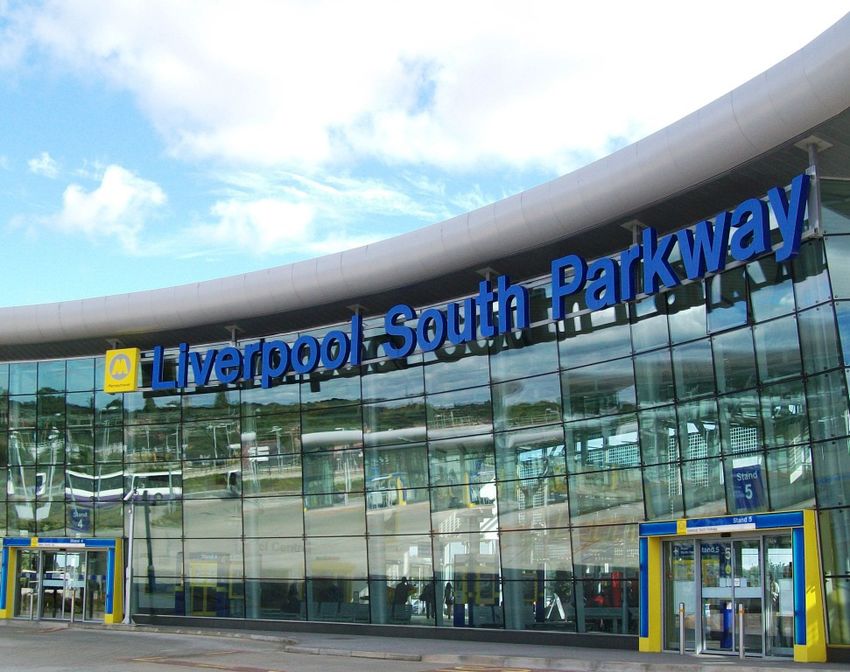
06

Part B Where are we now?
An Introduction
Introduction to the Liverpool City Region network
• Sets out the future direction for the railway network in the
  Merseyrail area
• Developed through collaboration between the rail industry,
  funders and stakeholders
• Details the governance, structure and scope of the study
• Sets out the strategic priorities and goals that underpin this study
 The Merseyrail Network                                      Transport for Wales trains at Bidston use the
 The Merseyrail network Figure 1 (Page 10) is an entirely    Merseyrail platform. There are a number of stations
 third rail Direct Current (DC) electrified network spread   that offer the opportunity for interchange on the
 over the Liverpool City Region, north Cheshire and          Northern Line, with links to local services at Southport
 south west Lancashire. The network is split in two: the     and Kirkby towards Wigan, at Ormskirk towards
 Wirral Line and the Northern Line.                          Preston, and Hunts Cross for stations between
                                                             Liverpool Lime Street and Manchester. The route also
 There are four terminus stations on the Wirral Line:        calls at Liverpool South Parkway for Liverpool John
 New Brighton, West Kirkby, Chester and Ellesmere Port.      Lennon Airport and connections to Manchester, the
 All stations on this route are connected to Hamilton        east, Crewe and the south.
 Square in Birkenhead, and the central Liverpool
 stations of James Street, Moorfields, Liverpool Lime        More detailed information about the route is available
 Street and Liverpool Central, which are served by a         in the Merseyside Strategic Route Specification,
 one-way, clockwise loop line underneath Liverpool City      available on the Network Rail website.
 Centre. Liverpool Lime Street Low Level forms an            Study Purpose and Scope
 important link to the mainline Liverpool Lime Street        The Liverpool City Region Strategic Rail Study sets out
 station for interchange with services to a wide range of    a vision for the next 10 to 30 years of a much busier
 destinations. Chester is an interchange station for         railway that will contribute to the economy and the
 services to Wales, Manchester and London, and               forecast increase in population in the Liverpool City
 Bidston acts as a local interchange station with the        Region.
 Wrexham to Bidston line (known as the ‘Borderlands
 Line’).                                                     The study’s scope is focused on the third rail DC
                                                             network in the Liverpool City Region including its
 The Northern Line operates from Hunts Cross in the          current operations, capacity increases and potential
 south to Liverpool Central and Moorfields, with             extensions. The following extensions have been
 northerly branches serving Southport, Kirkby and            considered as meeting connectivity based conditional
 Ormskirk. The Northern Line crosses the Liverpool to        outputs:
 Manchester line (also known as the ‘Cheshire Lines
 Committee’) at Hunts Cross West Junction, on the            • Wrexham – Bidston (supports conditional outputs
 approach to Hunts Cross station. Under normal                 of providing direct connectivity between Wrexham
 operation, this is the only part of the network that          and Liverpool / provide connectivity and service
 directly interacts with the rest of the national network.     improvements between Neston and Liverpool /
 However, there are other places where platforms can           provide connectivity and service improvements
 be shared, for example, Southport platform 3 can be           between Shotton and Liverpool).
 used with the Wigan line and Chester platform 7 can         • Ormskirk – Preston (supports conditional outputs of
 be used by other services. Similarly, Ellesmere Port          providing direct connectivity between Burscough
 station has access from the Northern network, while           and Liverpool).
Liverpool City Region Strategic Rail Study                                                               October 2020
07

• Kirkby – Wigan Wallgate (supports conditional             networks and are inclined to travel further to meet
  outputs of providing direct connectivity between          friends or to enjoy leisure time. The cost of car
  Skelmersdale and Liverpool).                              ownership and the impact of congestion mean
                                                            greater numbers of people rely on the rail network.
The Strategic Priorities that underpin the Liverpool
City Region Strategic Rail Study are:                     • The rail industry has also played a key role in making
                                                            train services an attractive way to travel through
• Safety and Performance – to help all our customers,
                                                            better services, market segmentation and
  staff and suppliers get home safe every day. This is
                                                            technology driven changes in ticketing, fares and
  central to the future interventions Network Rail is
                                                            information.
  proposing as choices for funders.
                                                          The railway industry has a responsibility to understand
• Economic growth – the railway is integral to the
                                                          these drivers of passenger growth and how they
  economy and thus a better railway is pivotal in
                                                          interact with each other. This understanding is
  delivering growth in the Liverpool City Region.
                                                          important to inform the future direction of the railway
• Social value – the railway is crucial in supporting     network.
  local economies by providing access to
                                                          Continuing this success story requires an evidence
  employment, education and other social
                                                          based and collaborative approach to strategic
  infrastructure as well as the retail and tourism
                                                          planning. This approach underpins the work of the
  sectors.
                                                          Liverpool City Region Strategic Rail Study and the
• Digital Railway – the rail industry’s Digital Railway   resulting choices for funders.
  programme will revolutionise train control,             Planning Approach and Governance
  ticketing, fares and information.
                                                          The Liverpool City Region Strategic Rail Study was
• Capacity – to understand how new higher capacity        developed as part of the Continuous Modular Strategic
  rolling stock can accommodate passenger demand          Planning (CMSP) approach to planning the future of
  and the impact at city centre stations.                 the network for the next 10 to 30 years, and provide
• Connectivity – the role rail can play in connecting     choices for funders.
  communities and making interchanges easier and          This Strategic Rail Study has been completed in
  more reliable, both between trains and between          collaboration with the rail industry, funders in the UK
  trains and other modes of transport. This is            Government, and with stakeholders in the City Region.
  particularly important for the Merseyrail network.
                                                          CMSP is Network Rail’s response to the Shaw Report
• Connectivity with HS2 / NPR is a key economic           recommendation noting the requirement to better
  driver in the future and this study takes cognisance    plan the railway based on customer, passenger and
  of this workstream.                                     freight needs.
• Punctuality and Reliability – Merseyrail continues to   In order to meet the various funder, service specifier
  achieve very high levels of performance, regularly in   and wider stakeholder needs, the CMSP process allows
  the top 3 of all UK rail franchises. The railway        the industry to become more dynamic and its products
  system will be much busier in future and the            more easily accessible. This is in essence creating
  industry needs to plan for this.                        route-based enhancement plans that better meet the
• Weather Resilience – future proofing the railway        industry’s needs by:
  system from the worst effects of climate change is      • focusing on the needs of passengers and freight
  crucial to future plans.                                  end-users;
Strategic Context
                                                          • engaging operators to represent the voice of those
• The railway in Britain has seen two decades of            customers;
  unprecedented passenger growth and this demand
                                                          • using the Continuous Modular Strategic Planning
  is forecast to increase.
                                                            process to inform refranchising, capacity allocation,
• In particular, Merseyrail network patronage has           development and delivery of enhancements and
  grown significantly, driven by a number of different      sale of access rights;
  factors. Socio-economic factors have a big role to
                                                          • employing a more effective, focused means of
  play and have changed the way passengers live,
                                                            consultation;
  work and commute. Advances in communication
  technology means people have wider social               • providing more granular, targeted market insight;

October 2020                                                                   Liverpool City Region Strategic Rail Study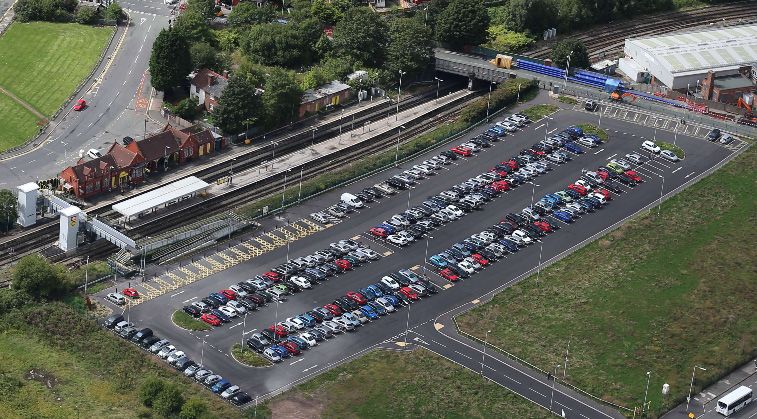
08

• developing a ‘service change’ pipeline for future          of these enhancements. This will enable the assets be
  configuration states; and                                  sustainable in the long term, whilst delivering the
                                                             capacity and performance required for our customers
• making best use of the network focusing on
                                                             in a manner that contributes to Network Rail’s safety
  incremental opportunities, synergies and service
                                                             principles.
  trade-offs.
                                                             The assessment of any future anticipated network
The Liverpool City Region Strategic Rail Study is one of a
                                                             enhancements can inform the development of
number of modules being developed as part of the CMSP
                                                             European Train Control System (ETCS) on the
approach across the country to inform the planning
                                                             Merseyrail network. The Merseyrail network offers a
process.
                                                             timely opportunity for the roll out of ETCS once
Previous study work identified issues and options that       signalling becomes due for renewal in the late 2020s,
might need addressing in Control Period 6 - the Liverpool    subject to funding becoming available.
City Region Strategic Rail Study provides an opportunity     Resilience
to revisit those ideas and develop a revised evidence
base to support the case for potential interventions and/    A safe, reliable and resilient network underpins
or enhancements in the future, e.g work to address           Network Rail’s plans for the future of the railway. The
crowding at Liverpool Central.                               resilience of the railway to extreme weather events
                                                             plays a considerable part in this and is reflected within
The CMSP approach has a key role in fulfilling Network       Network Rail asset policies and plans.
Rail’s Licence Condition which requires it to plan the
future of the network in a way that will deliver:            Network Rail has published a series of Weather
                                                             Resilience and Climate Change Adaptation (WRCCA)
• a safe railway for passengers and for the people who       plans aligned to the devolved routes of Network Rail.
  work on the railway;                                       The Liverpool City Region is reflected within the North
• a reliable timetable, including the uncertainties          West and Central (NW&C) WRCCA Plan which
  created by climate change; and                             identifies a number of appropriate actions required to
                                                             bolster the resilience of the network. These are based
• using technology that provides good value for money
                                                             on the need to strengthen Network Rail’s existing asset
  for users and funders, e.g. digital signalling.
                                                             base. This includes the use of railhead treatment trains
The following section sets out the working assumptions       which apply anti-icing fluid to the rail throughout the
that have been followed in developing the study that         winter season to reduce the risk of ice forming on the
underpins the work.                                          DC conductor rail during colder periods. Network Rail
Digital Railway                                              will continue to improve the weather resilience of the
                                                             assets throughout CP6 through seeking to improve the
Network Rail’s Digital Railway Strategy (April 2018)
                                                             ability to predict weather related events by enhanced
offers the chance to deliver huge benefits for passegers
                                                             risk assessments, remote monitoring and improved
and freight users, and is seen to be the most cost
                                                             weather forecasting combined with a better
effective way to deliver the future railway needs of
                                                             understanding of the condition of assets.
Britain.
                                                             Network Rail is developing a NW&C Route Extreme
Digital Railway could deliver the following benefits:
                                                             Weather Strategy for CP6. This will enable Network Rail
• Increased capacity to meet demand;                         to better inform plans for implementation of specific
• Better performance for passengers and freight              weather resilience works in CP7.
  customer journeys;                                         Safety and Performance
• Enable faster journey times;                               All of the choices for funders will deliver improved
                                                             safety and performance for the Merseyrail network.
• Less disruption from renewals, maintenance and             This includes a review of level crossings on the
  upgrades;                                                  Merseyrail network as well as the level crossings on
• Enhanced safety for passengers and workers; and            potential network extensions. Improved passenger
                                                             safety is also a key objective, with increased passenger
• Better asset sustainability such as lower whole life
                                                             flows predicted on the Merseyrail network, most
  cost.
                                                             notably at Liverpool Central.
For the purposes of this Study, Digital Railway has been
                                                             Extensions to the Merseyrail network have been
considered at a high level. However, in accordance with
                                                             considered within the study. It should be noted that
the Digital Railway Strategy, should any choices for
                                                             contact with third rail equipment can result in serious
funders identified within the Study be progressed, then
the use of up to date technologies should form the basis     injury and, in extreme circumstances, is fatal. Therefore
                                                             this study has considered alternative options for power

Liverpool City Region Strategic Rail Study                                                                 October 2020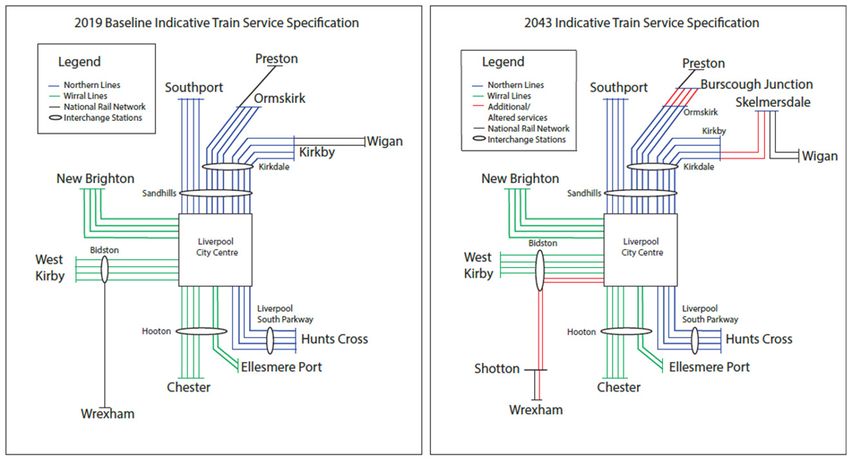
09

supply within the development of network extensions.        for re-opening the Wapping Tunnel, which could
                                                            offer the opportunity to merge mainline and
Although different types of risk are involved in the
                                                            Merseyrail services and also release capacity at
operation and maintenance of overhead line
                                                            Liverpool Lime Street station. The main output for
equipment or independent power equipment, these
                                                            this scheme is enhanced connectivity across the
risks are considered less severe than those associated
                                                            region, Network Rail will consider any conclusions in
with traction power supply via third rail. Therefore, any
                                                            future strategy work related to the Merseyrail
proposal to use alternatives to extensions of the third
                                                            network.
rail power supply would represent a reduction in risk.
                                                            Demand Analysis
Liverpool Lime Street
                                                            The Merseyrail network is a continuing success story,
Liverpool Lime Street station is a key hub and provides
                                                            with demand rising and consistent high
direct access to Liverpool City Centre.
                                                            performance. The network is reflective of the region
The station has been upgraded during Control Period 5       it serves; the recent transformation of Liverpool City
as part of the £340 million investment in Liverpool City    Centre has moved the focus of the main retail and
Region under the Great North Rail Project. This will        leisure area towards the River Mersey, but there has
provide extra capacity for new and longer services,         also been growth in passenger demand in suburban
driven by the Northern and TransPennine Express             areas and towns in other parts of the region.
franchises and as part of the wider North of England
                                                            Figure 1 shows the “current” demand vs. capacity
Programme. It accommodates the new Liverpool to
                                                            situation as an average of all high peak services into
Chester, and beyond, service over the rebuilt ‘Halton
                                                            central Liverpool on a given weekday in autumn
Curve’.
                                                            2018. On average, there is enough seated capacity
Further enhancements as a result of other changes to        on most services into central Liverpool with some
train services (including those emanating from the          standing (under one person per square metre) on
NPR workstream) may be required in the longer term,         Merseyrail services from Ormskirk and Kirkby.
but analysis completed as part of the Liverpool City        However, this tends to fall within the acceptable 20
Region Strategic Rail Study indicated expected levels       minute guideline for standing passengers, as
of connectivity and capacity at the end of Control          recommended by DfT guidance. As this is just an
Period 6 (March 2024) can be accommodated within            average across all services, some services will
the station.                                                certainly be busier and experience more crowding
Blackpool – Liverpool services would be forecast to         than others.
reach 100% of seating capacity by the end of CP6,
however this does include stops within the acceptable
20 minute guideline for standing passengers. All other
service groups on the ‘City Lines’, are forecast to
remain below the 80% of seating capacity threshold at
which we might expect perceptions of crowding and
passenger satisfaction to be impacted.
This conclusion is significant for the Liverpool City
Region Strategic Rail Study for two reasons:
• The options for further expansion at Liverpool Lime
  Street are limited – a potential approach could have
  been to withdraw some services from Liverpool Lime
  Street and instead merge them with the Merseyrail
  network (e.g. extend Hunts Cross services to
  Warrington and/or Kirkby services to Wigan). This
  reduces the number of options/scenarios required
  for further development in order to meet the
  conditional outputs for the study; and
• It means that consideration of the longer-term
  options for Liverpool Lime Street can follow this
  study, taking a fuller account of emerging HS2 and
  NPR propositions.
Merseytravel is in the process of developing a proposal         West Kirby station: At the heart of the community linking
                                                                North West Wirral to the Liverpool City Region.

October 2020                                                                        Liverpool City Region Strategic Rail Study
10
Liverpool 2018 capacity
Croston
Suburban rail services arriving into central
Figure 1: Morning peak hour (08:00 – 09:00 demand)
Liverpool during the high peak hour 0800 to 0859
Liverpool 2018 capacity
Croston
Suburban rail services arriving into central
Liverpool during the high peak hour 0800 to 0859 Euxton
Rufford Balshaw Lane
Southport
Meols
Cop Bescar Euxton
Southport LaneRuffordNew Balshaw Lane
Birkdale
Meols Lane
Cop Bescar Burscough
New
Hillside
Lane
Bridge
Birkdale Lane
Hillside Ainsdale Burscough
Hoscar
Bridge
Burscough
Ainsdale Freshfield Hoscar Parbold
Burscough Junction
Freshfield
Formby Junction
Parbold Appley Bridge
Appley Bridge
Ormskirk
Formby Gathurst
Hightown Ormskirk Gathurst
Hightown
Aughton Park
Aughton Park Wigan
Wigan
Hall Road Hall Road North Western North Western
Town Green Town Green
BlundellsandsBlundellsands
& Crosby & Crosby Maghull Orrell
Maghull Bryn Orrell
Waterloo
Waterloo
Old Roan Upholland Bryn
Seaforth & Litherland Orrell Aintree Old Roan Upholland
Rainford Garswood
Park Orrell Aintree
New Brighton Bootle New Seaforth & Litherland
Strand Walton Kirkby Rainford
Park
Fazakerley
Garswood
New Brighton
Wallasey Grove Road Bootle New Strand Walton
Bootle Oriel Road Kirkby
St. Helens Central
Wallasey Village Rice Lane Fazakerley
Wallasey Grove Road Bank Hall Bootle Kirkdale
Oriel Road
Thatto Heath St. Helens Central
Leasowe Bidston
Wallasey Village Sandhills Rice LaneEccleston Park
Moreton Birkenhead North LIVERPOOL
Bank Hall Newton Thatto Heath
Kirkdale -le-
Meols Leasowe Bidston Birkenhead Park Moorfields Wavertree Prescot Willows
Hamilton Sandhills Technology St. Helens Eccleston Park
Manor Road
Moreton Upton
Conway
Park
Square
Birkenhead North
Edge Hill LIVERPOOL
Park Roby Rainhill Junction Newton
Hoylake
Birkenhead Park
Liverpool Broad Huyton Whiston Wavertree Lea -le-
Meols Birkenhead Central James Street
Moorfields Green Green
Earlestown
Prescot
Lime Street
Hamilton Technology St. Helens Willows
Manor Green Lane Liverpool
West Road
Kirby Conway Square
Mossley Hill West
Edge Allerton
Hill ParkHough RobySankey for Rainhill Junction
Upton Central Glazebrook
Heswell Rock Ferry Park St. Michaels Cressington Hunts Cross Green Penketh Birchwood
Hoylake Brunswick Lea
James StreetAigburth Liverpool Broad Huyton Whiston Padgate
Bebington Earlestown
Birkenhead Central Lime Street
Liverpool Halewood Widnes
Green Warrington
WarringtonGreen
Port Sunlight South Parkway Bank Quay Central
Green LaneSpital Liverpool Mossley Hill West Allerton
West Kirby
Neston Central Runcorn Hough Sankey for
Heswell Rock
BromboroughFerry
Rake
St. Michaels Cressington Hunts Cross
Runcorn Green Penketh
Bromborough Brunswick East
Bebington
Eastham Rake Little Ellesmere InceAigburth
& Frodsham
Liverpool Halewood Widnes Warrington Wa
Hawarden Bridge Port Sunlight Sutton Port Elton Ce
Hooton South Parkway Bank Quay
Spital Helsby
Overpool Stanlow &
Neston Capenhurst Thornton Runcorn
Bromborough Rake
Bache Acton Bridge Runcorn
Prestatyn Flint Shotton Bromborough Delamere
East
Mouldsworth Cuddington
Eastham Rake Little Ellesmere Ince & Frodsham
Hawarden Bridge Sutton Port Elton
Hooton Helsby
Overpool Stanlow &
Capenhurst Thornton
GREY
LIGHT GREEN Bache Acton Bridge
Prestatyn Flint Shotton GREEN GREY No direct service to central Liverpool durin
Delamere
DARK GREEN LIGHT GREEN Up to 70% of seats occupied on average
www.projectmapping.co.uk
AMBER Mouldsworth Cuddington
RED
GREEN Between 70% and 85% of seats occupied
PURPLE GREY DARK GREEN
No direct Between
service to central Liverpool 85%
during andpeak
the high 100% of seats
hour/out of scopeoccupie
BLACK LIGHT GREEN Up to 70% of seats occupied on average
AMBER Passengers standing, up to 1 passenger pe
GREEN Between 70% and 85% of seats occupied on average
DARK GREEN REDBetween 85% and 100% ofPassengers
seats occupiedstanding,
on average between 1 and 2 pas
AMBER PURPLE
Passengers standing, up to 1Passengers
passenger per standing,
square metrebetween
on average 2 and 3 pas
RED Passengers standing, between 1 and 2 passengers per square metre on average
GREY PURPLE
BLACK
Passengers standing, between Passengers standing,
2 and 3 passengers overmetre
per square 3 passengers
on average pe
LIGHT GREEN
GREEN
BLACK
< >
< >
Passengers standing, over 3 passengers per square metre on average
Indicates the most heavily loaded directio
Indicates the most heavily loaded direction of travel shown for orbital services
DARK GREEN
www.projectmapping.co.uk
AMBER Note:
Note: Maghull North Maghull
not shown North
due to count not
data shown
obtained duethetoopening
before countofdata obtained
the station. befo
RED Based upon a map designed by Andrew Smithers
PURPLE Based upon a map designed by Andrew Smithers
© 2017 www.projectmapping.co.uk
BLACK © 2017 www.projectmapping.co.uk
and reproduced with permission
and reproduced with permission
Hooton: Investment at stations to improve access for all through
improved footbridges and lifts.
Liverpool City Region Strategic Rail Study October 202011
Part C Where are we going?
The Demand for Rail
What does passenger demand growth mean for the
Merseyrail network?
Future Demand – 2024 and 2043 as demonstrated in Figure 4. For many of the services,
The expected total growth in passenger demand most notably services from West Kirby and Southport,
across the Merseyrail network is approximately 37% by seated capacity may be exceeded however, with more
2043. This equates to 1.4% growth per annum until standing capacity available on the new rolling stock,
the end of Control Period 6 in 2024 and a subsequent there should be enough total capacity to
1.2% increase per annum between 2024 and 2043; accommodate growing demand. It should be noted
this would mean over 15,000 passengers arriving in the that the delivery of any new station(s) on the network
city centre stations on weekday mornings between will add additional demand to services which has not
08:00 and 08:59 in 2043, compared to approximately been taken into account for this study.
11,300 in 2018. The rail industry uses Department for The New Brighton, West Kirby, Ellesmere Port and
Transport (DfT) forecasting guidance, coupled with a Kirkby services consist of 4-car trains in the baseline
regional overlay to arrive at the 37% figure. Without ITSS. When total capacity is exceeded by demand on
the regional overlay, DfT’s forecast for appraisal is 31% these services, it may be possible to lengthen them to
to 2043. However, DfT and Network Rail have agreed 8-car services. Further work would have to be done to
that additional, well evidenced scenarios can form part understand whether this would be the most
of the information presented to decision makers in appropriate use of rolling stock.
project business cases.
The deployment of rolling stock in the future is
Growth in passenger demand is good – a positive news dependent on a host of issues, however the rolling
story within a wider regional renaissance – but this stock programme does consider the opportunity for
growth will soon meet, and in some cases, exceed the procurement of further carriages. That said, the
available capacity on trains and at stations. This is analysis described only covers demand into Liverpool
particularly the case for the underground (central) city centre in the morning high peak. Shorter distance
Liverpool stations, and the services arriving into them flows, outside the city centre, and weekend peak
in the peak, which will face severe difficulties with times will also need to be considered as part of the
crowding without intervention in the morning peak. new rolling stock strategy. The new fleet offers an
Figures 2 & 3 (overleaf) show the forecast detail of opportunity for optimised deployment at the
passenger demand growth in 2024 and 2043 appropriate times.
respectively, in a weekday morning ‘high peak’ hour
(08:00 – 08:59). The service level and rolling stock types
are based on the agreed baseline Indicative Train
Service Specification (ITSS) shown in Figure 4 (page
15).
By 2024 demand will exceed seated capacity on the
majority of Merseyrail services. However, the new
rolling stock will provide sufficient capacity, according
to DfT guidelines, on all services in the medium term,
into the late 2030s. Note that there may be localised
factors which could mean individual services on some
routes are more heavily loaded than others over
common sections of route.
The potential for passenger crowding becomes more
apparent by 2043, with no further committed
schemes, as would be expected over that timescale The Liverpool City Region has consistently invested in expanding
through continued background growth in patronage, park and ride provision, including here at Birkenhead North.
October 2020 Liverpool City Region Strategic Rail Study12
With the investment in new rolling stock and The arrival of this fleet (beginning in 2020 and
infrastructure enhancements, opportunities may anticipated to be completed in 2021), with enhanced
exist going forwards to realise journey time passenger capacity offers a strategic solution to meet
improvements across the Merseyraill network. growing demand on the Merseyrail network.
Analysis is expected as part of the new fleet Impact on the operational railway
introduction, but there is also an expectation from
the Combined Authority that the new fleet will The introduction of the new rolling stock brings with it
encourage more passengers to use the rail network. a requirement to deliver an infrastructure upgrade,
most notably a requirement to upgrade the power
As discussed, increasing demand will mean more supply. The scope for the introduction of the new
passengers standing for longer periods of time. rolling stock includes four new additional feeder points
Where this exceeds the 20 minute guideline a range to boost the power capacity for the rolling stock.
of options could be explored to address seating
capacity issues, such as improved journey times, the Platform-train interface improvements are an integral
introduction of semi-fast services on some routes component of the introduction of the new fleet. The
and/or increased frequency of services. new trains feature a sliding step to reduce the stepping
distance between carriage and platform, and other
Overall the new fleet will supply enough total train-borne safety features to further mitigate risk.
capacity to meet demand for morning commuters Infrastructure alterations were required at the majority
into Liverpool city centre for the most part, at least of Merseyrail stations to reduce the stepping distance
until 2043, given that background demand grows at for passengers and to standardise platform heights, as
the expected pace. Network extensions will need to well as works at a number of stations to support
be further analysed in terms of demand vs. capacity, operation of longer trains. The result will be a smooth
as new demand to the network has the potential to transition for passengers with wheelchairs, pushchairs
reduce available seating for passengers at existing and heavy luggage from the platform to the train (and
stations close to the city centre. vice versa), and will remove the need for station staff to
New rolling stock provide ramp access to trains.
Liverpool City Region Combined Authority is Conditional Outputs
procuring new rolling stock for the Merseyrail Demand and capacity issues discussed earlier in this
network. The new trains will comprise 4-car units chapter indicate that higher capacity rolling stock will
and each unit will have approximately 60% more be beneficial in meeting demand for the Merseyrail
total capacity (seated + standing) than the current network. Another potential driver of changes to
Class 507/508s, however seated capacity alone will services are ’Conditional Outputs’, which have been
remain at similar levels to today. used to determine the frequency, journey time and
connectivity shown in the 2043 Indicative Train Service
Specification to Figure 4 (Page 17).
Table 1 below describes the conditional outputs for the
30 year planning horizon. These conditional outputs
have been used to develop the choices for funders up
to 2043.
2043 Indicative Train Service Specification
The Conditional Outputs described above have been
translated into a 2019 baseline, and an Indicative Train
Service Specification (ITSS) for 2043. These ITSS’s are
detailed in Figure 4 and are representative of an
indicative peak hour. Each line represents one
passenger train per hour (tph). Work is currently
underway looking at the Wrexham – Bidston line which
may lead to a review of the service frequency on the
Wirral Lines in due course. This work will be reviewed as
it emerges.
The ITSS sets out the optimum way of meeting the
conditional outputs, focusing on making best use of
Conceptual images of the new rolling stock fleet. The new the network before considering options for new
rolling stock provides a strategic solution to meet the growing
demand on the Merseyrail network
infrastructure.
Liverpool City Region Strategic Rail Study October 202013
Liverpool
Figure 2 Morning Peak Hour Demand on2024 capacity
Northern Wirral and City lines in 2024 (Using rail industry growth
Croston
scenarios). Suburban rail services arriving into central
Liverpool
Liverpool 2024 capacity during the high peak hour
Croston 0800 to 0859
Suburban rail services arriving into central
Liverpool during the high peak hour 0800 to 0859 Euxton
Rufford Balshaw Lane
Southport Euxton
Southport
Rufford Meols Balshaw Lane
Meols Cop Bescar
Cop Bescar
Lane New Lane New
Birkdale Lane
Birkdale Lane
Burscough
Hillside Bridge Burscough
Ainsdale Hillside
Hoscar Bridge
Burscough
Freshfield Parbold
JunctionAinsdale Hoscar
Formby Appley Bridge
Ormskirk Burscough
Hightown Freshfield Gathurst Parbold
Aughton Park Junction
Wigan
Hall Road Formby North Western Appley Bridge
Town Green
Blundellsands & Crosby Maghull Orrell Ormskirk Gathurst
Waterloo Hightown Bryn
MANCHES
Old Roan Upholland Aughton Park Wigan
Seaforth & Litherland Orrell Aintree
Park Hall Road
Rainford Garswood North Western
New Brighton Bootle New Strand Walton
Kirkby Town Green
Fazakerley
Wallasey Grove Road Bootle Oriel Road Blundellsands & Crosby St. Helens Central
Maghull
Rice Lane
Orrell
Wallasey Village Bank Hall
Waterloo Thatto Heath Bryn
Leasowe Bidston
Kirkdale Old Roan Upholland
Sandhills Eccleston Park
Moreton Birkenhead North L Seaforth
I V E R& P Litherland
OOL Orrell Aintree Newton Rainford
Meols Birkenhead Park Wavertree PrescotPark
-le- Garswood
Moorfields WillowsKirkby
Manor Road Conway
New Brighton
Hamilton
Bootle Technology
New Strand WaltonRainhill St. Helens
Square Edge Hill Park Roby Junction
Upton Park Fazakerley St. Helens Central
Hoylake Wallasey Grove Road
James Street Liverpool Bootle OrielBroad
RoadHuyton Whiston
Lea
Earlestown
Birkenhead Central Lime Street Green Green
Green Wallasey
Lane Village
Liverpool Rice Lane
West Kirby
Central
Mossley Hill BankWest
HallAllerton
Hough Sankey for
Thatto Heath
Glazebrook
Rock Ferry Kirkdale
Leasowe
Heswell Bidston Brunswick St. Michaels Cressington Hunts Cross Green Penketh Birchwood
Padgate
Sandhills Eccleston Park
LIVERPOOL
Bebington
Aigburth Halewood Widnes Warrington Warrington
Moreton Port Sunlight Birkenhead North
Liverpool
Bank Quay Central Newton
South Parkway
Spital
Birkenhead Park Wavertree -le-
Meols Neston Moorfields Runcorn Prescot
Bromborough Rake
Hamilton Technology St. Helens Willows
Runcorn
Manor Road BromboroughConway Square Edge HillEast Rainhill Junction
Park Roby
Upton Eastham RakePark Little Ellesmere Ince & Frodsham
Hoylake Hawarden Bridge Sutton Port Elton
Liverpool Lea
James Street Broad Huyton Whiston Earlestown
Birkenhead Hooton
Central Overpool Stanlow &
Helsby
Lime Street Green Green
Capenhurst
Green Lane Thornton
Liverpool Mossley Hill West Allerton
West Kirby Bache
Central Delamere
Acton Bridge Hough Sankey for
Prestatyn Flint Shotton
Heswell Rock Ferry
Mouldsworth St. Michaels
Cuddington
Cressington Hunts Cross Green Penketh
Brunswick
Bebington
Aigburth Liverpool Halewood Widnes Warrington Warrin
Port Sunlight South Parkway Bank Quay Centra
Spital
Neston Runcorn
Bromborough Rake
Runcorn
Bromborough East
Eastham Rake Little Ellesmere Ince & Frodsham
Hawarden Bridge Sutton Port Elton
Hooton Helsby
Overpool Stanlow &
Capenhurst Thornton
Bache Acton Bridge
Prestatyn Flint Shotton Delamere
Mouldsworth Cuddington
GREY No direct service to central Liverpool during the high peak hour/out of scope
LIGHT GREEN Up to 70% of seats occupied on average
GREEN Between 70% and 85% of seats occupied on average
DARK GREEN Between 85% and 100% of seats occupied on average
AMBER Passengers standing, up to 1 passenger per square metre on average
RED Passengers standing, between 1 and 2 passengers per square metre on average
PURPLE Passengers standing, between 2 and 3 passengers per square metre on average
BLACK Passengers standing, over 3 passengers per square metre on average
< > Indicates the most heavily loaded direction of travel shown for orbital services
Note: Maghull North not shown due to count data obtained before the opening of the station.
Based upon a map designed by Andrew Smithers
© 2017 www.projectmapping.co.uk
and reproduced with permission
October 2020 Liverpool City Region Strategic Rail Study14
Liverpool
Figure 3: Morning Peak Hour Demand2043 capacity
on Northern Wirral and City lines in 2043 (Using railCroston
industry growth
scenarios). Suburban rail services arriving into central
Liverpool 2043 capacity
Liverpool during the high peak hour 0800
Croston
to 0859
Suburban rail services arriving into central
Liverpool during the high peak hour 0800 to 0859
Euxton
Euxton Rufford Balshaw Lane
Southport Rufford Balshaw Lane
Southport
Meols
Meols
Cop Bescar Cop Bescar
Lane New
Lane New
Lane
Birkdale
Birkdale Burscough Lane
Hillside Bridge Burscough
Ainsdale Hillside Hoscar Bridge
Burscough
Freshfield Parbold
Ainsdale
Junction
Appley Bridge Hoscar
Formby
Ormskirk Burscough
Hightown Freshfield Gathurst Parbold
Aughton Park Junction Wigan
Hall Road Formby North Western
Appley Bridge
Town Green
Blundellsands & Crosby Maghull Orrell
Ormskirk Gathurst
Hightown
Waterloo Old Roan Upholland
Bryn
Aughton Park Wigan
M
Orrell Aintree
Seaforth & Litherland Hall Road Rainford Garswood North Western
New Brighton
Park
Kirkby Town Green
Bootle New Strand Walton
Blundellsands & Crosby
Fazakerley
Maghull
St. Helens Central
Wallasey Grove Road Bootle Oriel Road Orrell
Wallasey Village Bank Hall
Rice Lane
Waterloo Thatto Heath
Bryn
Kirkdale Old Roan Upholland
Leasowe Bidston
Sandhills
Seaforth & Litherland OrrellEcclestonAintree
Park
Moreton Birkenhead North LIVERPOOL Rainford
Newton
Garswood
Park -le-
Meols Birkenhead Park
New Brighton Moorfields Bootle New
Wavertree
Strand Prescot Kirkby
Hamilton TechnologyWalton St. Helens Willows
Manor Road Conway
UptonWallasey
Square Edge Hill Park Roby Fazakerley
Rainhill Junction
St. Helens Central
ParkGrove Road Bootle Oriel Road
Hoylake Liverpool Lea
James Street Broad Huyton Whiston Earlestown
Birkenhead Central
Wallasey Village Lime Street Rice Lane Green
Green Lane Liverpool
Bank Hall Green Thatto Heath
West Kirby Mossley Hill West Kirkdale
Allerton
Leasowe Bidston
Rock Ferry
Central Hough Sankey for Glazebrook
Heswell Sandhills
Cressington Hunts Cross Green Penketh Eccleston Park
Birchwood
LIVERPOOL
St. Michaels
Brunswick Padgate
Moreton Bebington
Birkenhead North Aigburth Warrington
Newton
Liverpool Halewood Widnes Warrington
Port Sunlight Birkenhead Park South Parkway Wavertree
Bank Quay Central -le-
Meols Moorfields Prescot
Spital
Hamilton Technology St. Helens Willows
Neston Runcorn
Manor Road Conway
Bromborough Rake
Square Edge Hill Rainhill Junction
ParkRuncorn Roby
Upton Park
Bromborough East
Hoylake Ince Liverpool Lea
Eastham Rake James Little Ellesmere
StreetPort
& Frodsham Broad Huyton Whiston Earlestown
Birkenhead Central
Hawarden Bridge Sutton Elton
Lime Street Green Green
Hooton Helsby
Green Lane Liverpool
Overpool Mossley Hill West Allerton
West Kirby Stanlow &
Capenhurst Central Thornton Hough Sankey for
Heswell Rock Ferry Bache
St. Michaels Cressington
Acton Bridge Hunts Cross Green Penketh
Prestatyn Flint Shotton Brunswick Delamere
Bebington
Mouldsworth AigburthCuddington
Liverpool Halewood Widnes Warrington Warrin
Port Sunlight South Parkway Bank Quay Centra
Spital
Neston Runcorn
Bromborough Rake
Runcorn
Bromborough East
Eastham Rake Little Ellesmere Ince & Frodsham
Hawarden Bridge Sutton Port Elton
Hooton Helsby
Overpool Stanlow &
Capenhurst Thornton
Bache Acton Bridge
Prestatyn Flint Shotton Delamere
Mouldsworth Cuddington
GREY No direct service to central Liverpool during the high peak hour/out of scope
LIGHT GREEN Up to 70% of seats occupied on average
GREEN Between 70% and 85% of seats occupied on average
DARK GREEN Between 85% and 100% of seats occupied on average
AMBER Passengers standing, up to 1 passenger per square metre on average
RED Passengers standing, between 1 and 2 passengers per square metre on average
PURPLE Passengers standing, between 2 and 3 passengers per square metre on average
BLACK Passengers standing, over 3 passengers per square metre on average
< > Indicates the most heavily loaded direction of travel shown for orbital services
Note: Maghull North not shown due to count data obtained before the opening of the station.
Based upon a map designed by Andrew Smithers
© 2017 www.projectmapping.co.uk
and reproduced with permission
Liverpool City Region Strategic Rail Study October 202015
In summary, the ITSS can be accommodated on the
core Merseyrail network, with enhancements required
where services are proposed to extend beyond the
existing network limits.
Table 1: Conditional Outputs for the 30 year planning horizon
Conditional Outputs used for the study
Service Group Conditional Output(s) Analysis for service requirement (for 2043 ITSS)
Hunts Cross • Increase capacity to meet demand through lengthening • New rolling stock satisfies increased demand.
or increased frequency.
Chester and • Increase capacity to meet demand through lengthening • New rolling stock satisfies increased demand (Chester).
Ellesmere Port or increased frequency. • New rolling stock and lengthened services satisfies increased
• Increase Chester – Liverpool average journey speed to demand (Ellesmere Port).
60mph.
West Kirby, New • Increase capacity to meet demand through lengthening • New rolling stock satisfies increased demand (West Kirby and
Brighton and or increased frequency. New Brighton).
Wrexham • Provide direct connectivity between Wrexham and • Wrexham – Bidston services should be extended to support
Liverpool. direct connectivity between Wrexham and Liverpool. .
• Provide connectivity and service improvements between • Service frequency on ‘Borderlands Line’ should increase to two
Neston and Liverpool (target Generalised Journey Time trains per hour (each direction).*
(GJT) < 60 minutes).
• Provide connectivity and service improvements between
Shotton and Liverpool (target GJT < 60 minutes).
Southport, • Increase capacity to meet demand through lengthening • New rolling stock satisfies increased demand (Southport,
Ormskirk and or increased frequency. Ormskirk and Kirkby).
Kirkby • Provide direct connectivity between Burscough and • Ormskirk services should be extended to Burscough Junction, and
Liverpool to reduce GJT16
Part D How do we get there?
A strategy for the Liverpool City Region
The future of the Merseyrail Network
• The new higher capacity rolling stock will play a fundamental
role in delivering the strategic priorities for the network
• Infrastructure enhancements will be required to support the
rolling stock
• City centre stations will require further assessment to ensure all
parts of the network play their full part in facilitating economic
growth
Context A number of options are in development, including
The highest priority intervention for the Merseyrail deliverablility in the context of city centre connectivity,
network is to roll out the fleet of new higher capacity impacts and opportunities at other stations and
rolling stock. strategic spatial planning for the city centre.
The new fleet will be supported by enhanced stations, Analysis has identified the following issues:
power supply upgrades and a continuing pursuit of • Platform crowding – passenger demand, significantly
safety risk reduction which are required to ensure the in the weekday PM peak and on Saturday afternoons,
continued success of the Merseyrail network. can generate levels of crowding on platforms in
In addition, extensions to the Merseyrail network could excess of that deemed acceptable. This is
provide improved connectivity across the region. exacerbated by the substantial number of
Stakeholders continue to develop thinking, including, passengers on platforms who do not board the first
for example, the Liverpool John Lennon Airport link, train, instead waiting for a direct service to their
Bootle Branch Line, and from Ellesmere Port to Helsby. destination. During periods of disruption, platform
The ITSS for 2043 proposes a number of service loads can increase to the point which impedes further
changes that require enhanced infrastructure to passengers entry to the platforms in a safe manner;
support them, should funders choose to pursue and
connectivity aspirations. • Platform clearance times – a combination of high
Increased train capacity levels of passenger demand, and inadequate lifts and
escalators from the underground platforms, can
The new higher capacity rolling stock will cater for the result in lengthy times required to clear platforms
forecast demand across the Merseyrail network to after the arrival of a train. This is most noticeable at
2043 and offers a strategic solution to meet growing Liverpool Central during the Weekday AM peak,
passenger demand on the Merseyrail network. where it can take upwards of two minutes to clear the
Impact on Liverpool Central Northern Line platform of arriving passengers. These
This study has identified that increased demand will impact detrimentally on passengers’ journey times
place additional pressure on Liverpool Central, through the station and their overall journey
particularly passenger throughput capability on the experience, as well as affecting platform dwell times
Northern Line platform. and network performance.
Clearly an intervention will be required to alleviate this Work is underway to provide detailed quantification of
issue and work is currently underway by the railway these issues, including estimating the timescales by
industry to understand what might be required to which appropriate mitigation strategies must be
meet this need. implemented.
Liverpool City Region Strategic Rail Study October 2020You can also read


