NIFHA Economic context, the housing sector and the outlook - Economist: Jordan Buchanan Ulster University Economic Policy Centre
←
→
Page content transcription
If your browser does not render page correctly, please read the page content below
NIFHA

Economic context, the
housing sector and the
outlook
Economist: Jordan Buchanan
Ulster University Economic Policy Centre

                                           @UlsterUniEPC
Agenda

•   Recent economic performance
•   The housing sector
•   The economic outlook
•   Final thoughts

                                  @UlsterUniEPC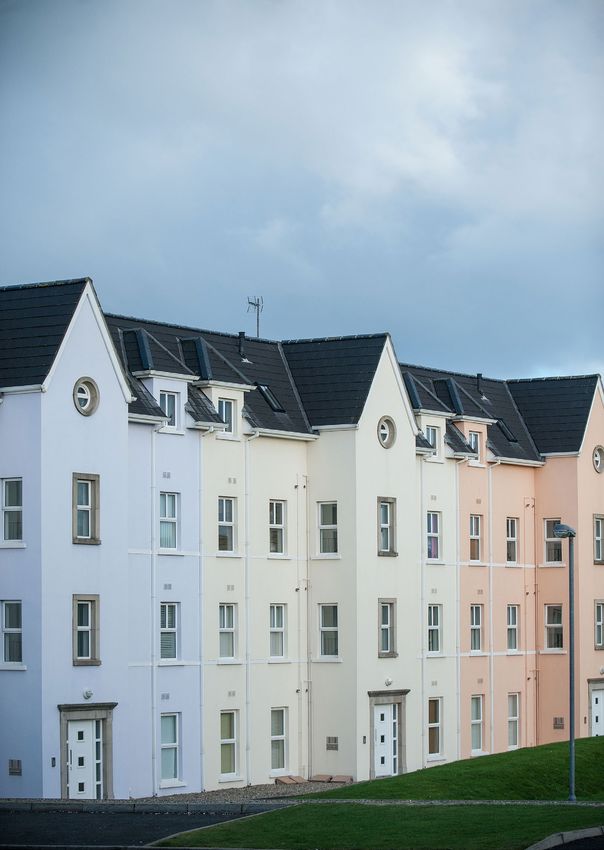
Recent economic
performance
Context in economic growth striking
Buoyant jobs market, weak output market
                                          Explaining the post crash
                                          recovery:
                                          • Jobs rich recovery, both UK
                                             and NI
                                          • Much weaker output
                                             recovery (GDP/GVA)
                                          • Productivity growth has
                                             stalled
                                          • Creating jobs in lower
                                             productivity sectors, losing
                                             jobs in higher productivity
                                             sectors
                                          • Since 2009, full time
                                             workers wages are down
                                             5% in real terms!

                                                                    @UlsterUniEPC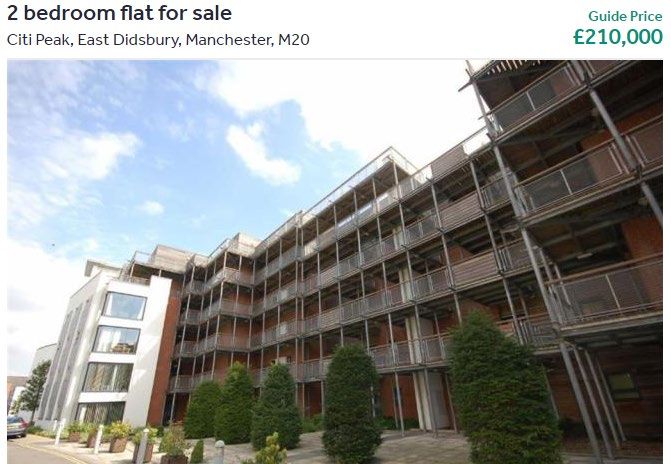
Boom & bust & return to normality?

                                        @UlsterUniEPC
Source: LPS, UUEPC analysis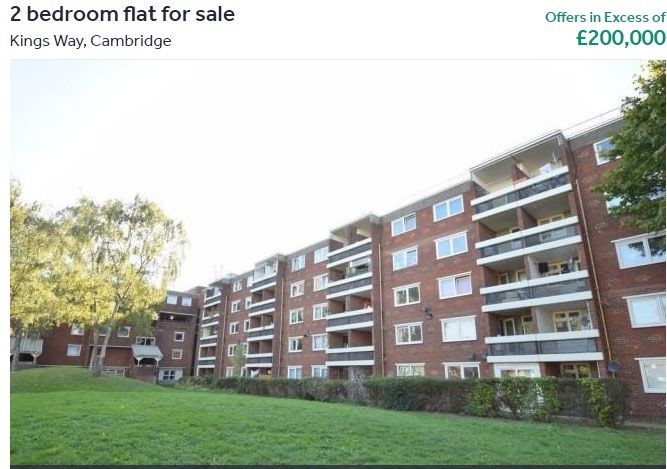
Housing sector
Value in the market?

                        Note: London house prices haven’t appreciated since
                        Brexit vote- but this is not a bad outcome!!

                                                                              @UlsterUniEPC
Source: LPS, UUEPC analysis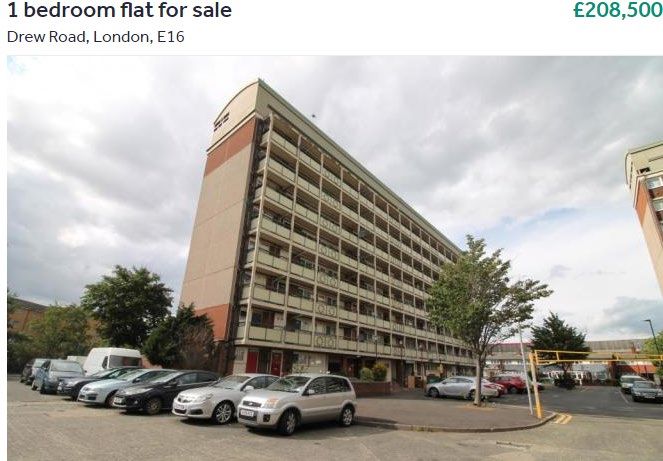
Affordability a key selling point for NI

                                                        First Time Buyer:
                                           Northern Ireland:
                                           Average age of borrower: 30
                                           Average price FTB home: £118k
                                           Deposit: 15% (£18k) Loan size: £100,000
                                           Loan income multiple: x3: i.e income: £33k

                                           London:
                                           Average age of borrower: 32
                                           Average price FTB home: £313k
                                           Deposit: 12% (£38k) Loan size: £275,000
                                           Loan income multiple: x4: i.e income: £70k

                                           Source: UK Finance Q2 2018

                                                                           @UlsterUniEPC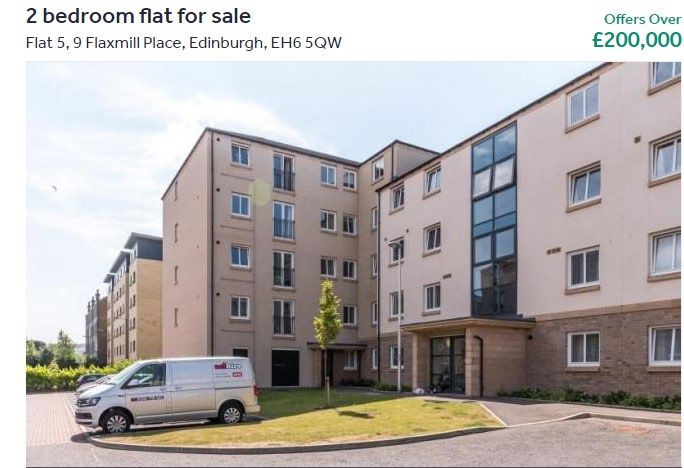
Property type and tenure
     13% rent from NIHE, 4% from Housing associations

                                                                                                             Social renting demand: Key facts:
                                                                                                             • Approx. 85k homes are rented from NIHE and
                                                                                                               50k homes from other housing associations
                                                                                                             • Last year there was 38,000 applicants on waiting
                                                                                                               list- of which 24,000 in housing stress.
                                                                                                             • 18,000 households presented as homeless-
                                                                                                               biggest factors cited include: Accommodation
                                                                                                               not reasonable, sharing breakdown/family
                                                                                                               dispute and loss of rented accommodation
                                                                                                             • Single males (33%) and families (32%) were the
                                                                                                               biggest presenters of homelessness
                                                                                                             • Average weekly rent is £75 in social sector vs.
                                                                                                               £94 in private sector in NI

Source: NISRA, DfC, LPS, District Council Building Control via LPS, ONS, DCLG, CSO, DECLD & UUEPC analysis                                                @UlsterUniEPC
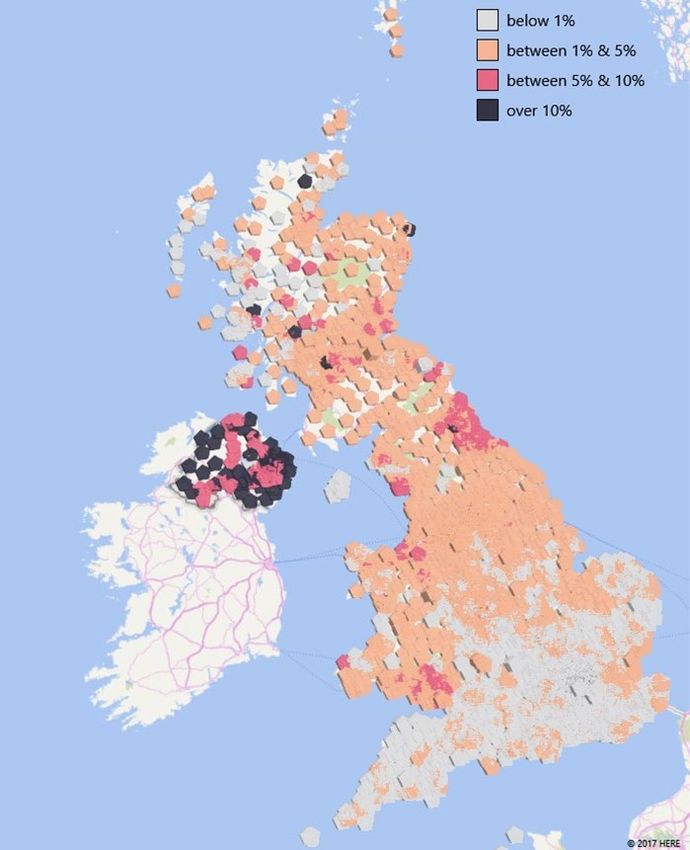
Negative equity- A bigger concern for NI
   % of mortgages in negative equity; June 2017

                                                  • A much bigger problem for NI residents
                                                    compared to other UK regions.
                                                  • 40% of buyers from 2005-2008 were in
                                                    negative equity in 2013.
                                                  • By mid 2016- no of total homeowners in
                                                    negative equity has fallen from 68,000 to
                                                    25,000 (equivalent to 10% of total
                                                    homeowners).
                                                  • Average negative equity balance is £32,000
                                                  • Continued growth in consumer credit,
                                                    anaemic wage growth, rising inflation,
                                                    gradual interest rate rises- NI more at risk
                                                    of difficulties in any UK wide economic
                                                    slowdown

                                                                                              @UlsterUniEPC
Source: UK Finance, CML
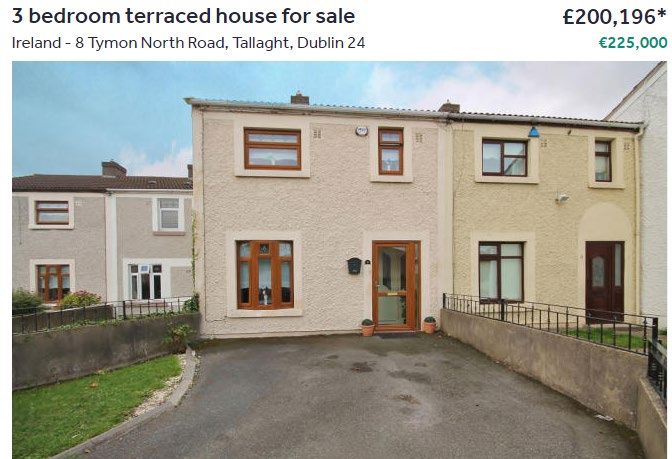
Source Property Pal, Rightmove
What real value looks like
(Sept 20th 2018)
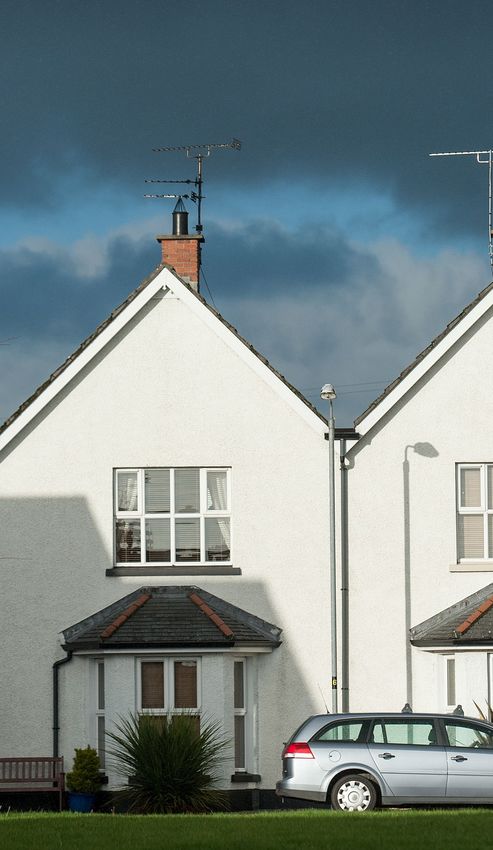
What a £200k house looks like in different local cities
Belfast Manchester Edinburgh
Dublin London Cambridge
@UlsterUniEPCThe economic outlook:
Global themes

                @UlsterUniEPC
Outlook summary (all opinions matter)
Forecaster: 2018 2019 2020 2021
0.6% 0.4% 0.2% 0.4%
1.5% 1.0% 1.0%
0.9% 1.1% - -
0.8% 1.2% - -
1.1% 1.2% 1.3% 1.9%
Source:
UUEPC Autumn 18 Outlook
Ulster Bank (September 2018)
Dankse Bank/Oxford Economics Quarterly Sectoral Forecasts Q2 2018
EY Economic Eye Summer 2018
PwC Economic Outlook Summer 2018
1.0% 1.0% 0.8% 1.1% @UlsterUniEPCHouse price outlook
3-4% growth in coming years- but slowing thereafter
@UlsterUniEPC
Source: UUEPC Autumn Outlook 2018Final thoughts
‘Housing crisis’- different mechanisms
   Is the market functional?- more than just a supply problem
   • Supply- conventional explanation that UK doesn’t build enough homes (particularly in certain areas i.e
     London/SE)

   • Demand-Lack of demand in certain areas leaving empty/vacant homes

   • Distributional- wealthy older people with spare rooms- building isn’t solution here- focus should be on
     downsizing

   • Quality- Areas with old towns and period properties left to decay over time. Acute in private rental sector-
     encourage landlords to renovate

   • Cost/crisis- Supply/demand isn’t driving prices- the amount of cash funnelled into the economy at low interest
     rates is. Credit issue is driving the gap between homeowners/property shareholders and renters. Tenants of
     social housing have lost out- in a functional market they could buy a home. An intergenerational problem of
     wealth vs non wealth.

   • Rising prices benefits downsizers, leaving wealth to next generation/ bank of mum and dad. People may also
     use their housing equity as a ‘cash machine’ to buy a better car or build an extension- fuelling consumer
     spending

Source: Ed Conway; Sky News, UUEPC analysis
                                                                                                                    @UlsterUniEPC
In summary – consumer behaviour key to watch
• The outlook is highly uncertain, all forecasts are conditional on the assumptions they are making about tariffs, migration
policy etc. The UUEPC forecasts already projected a slow down, though weaker post Brexit they do not suggest a recession
• Uncertainty only adds to worries of over dependence on consumers and on other NI weaknesses around inactivity and
productivity – there is much work to do under the new Programme for Government/ Industrial Strategy (assuming there is a
govt!)
• For NI the uncertainties of Brexit, whatever its long term impacts (which cannot be known at this point) will likely have some
property impacts
• Recent rises likely to be a combination of factors with pent-up demand and returning confidence / affordability dominating
• BUT- the inflation wage journey is the critical one to watch. Rising housing costs possible (mortgages, rates, fuel etc.).
• In macro terms weaning off consumer dependency is desirable it is still a tough transition
• In summary strong demand, but there are risks to plan for and mitigate
• NI’s labour market success over last 6 years is not to be ignored
@UlsterUniEPCThank You
Jordan Buchanan: Economist
Ulster University Economic Policy Centre
Email: j.buchanan@ulster.ac.uk
Twitter: @jbuchanan0707
LinkedIn: Jordan Buchanan
Telephone: 02890 368 362
@UlsterUniEPCYou can also read


