NSW Cancer Plan 2022-2026 - Cancer Council NSW Submission - 26 April 2021
←
→
Page content transcription
If your browser does not render page correctly, please read the page content below

NSW Cancer Plan
2022-2026
Cancer Council NSW Submission

                                26 April 2021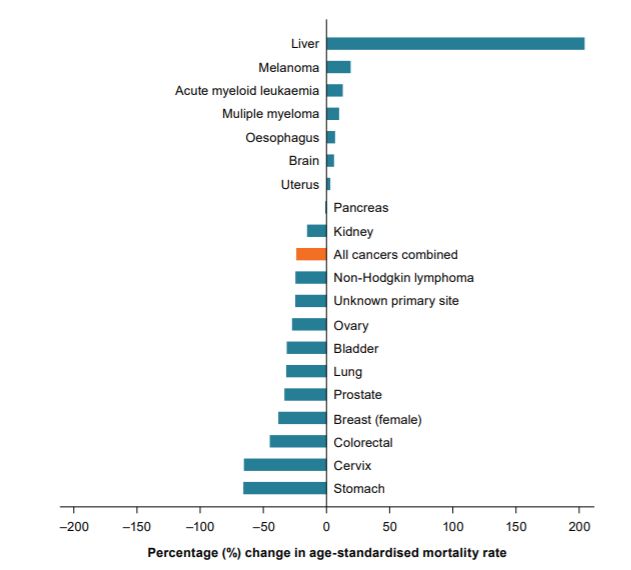
Contents

Executive Summary ............................................................................................................ 3

1.      Introduction ................................................................................................................ 4

2.      Overview of cancer control in NSW in 2021 ............................................................. 5

3.      Goals ........................................................................................................................... 6

4.      Guiding Principles...................................................................................................... 6

5.      Priority areas .............................................................................................................. 8

6.      System enablers ........................................................................................................15

7.      Implementation, monitoring and public reporting ..................................................18

8.      Gaps ...........................................................................................................................19

9.      Appendix 1 .................................................................................................................20

10.     Appendix 2 .................................................................................................................23

11.     Appendix 3 .................................................................................................................25

12.     Appendix 4 .................................................................................................................27

13.     Appendix 5 .................................................................................................................28

14.     References .................................................................................................................30

      Cancer Council NSW would like to acknowledge the Tradition Custodians of the land on which
      we live and work. We would also like to pay respect to the Elders past, present and emerging,
             and extend that respect to all other Aboriginal and Torres Strait Islander peoples.

NSW Cancer Plan 2022-2026                                                                                                  Page 2 of 32
Executive Summary
Cancer Council NSW welcomes the opportunity to inform the draft NSW Cancer Plan 2022-
26 (the draft Plan). We commend the NSW Government on the development of the draft Plan
and the chance to set a clear roadmap towards a cancer free future in NSW. NSW can take
pride in the tremendous improvements in cancer outcomes over the past three decades.
However, these gains are not shared equally and we are pleased to see equity as a major
theme within the next NSW Cancer Plan.
We know the greatest opportunity to reduce the burden of cancer is through prevention,
screening and early detection. NSW can benefit by implementing effective prevention and
early detection strategies, intensifying efforts and policies to ensure equitable delivery of and
access to high-quality care, and integrating survivorship care into clinical practice.
Our recommendations within this submission, while ambitious and comprehensive, are also
achievable, informed by evidence, and developed in consultation with community, clinicians,
researchers and policy makers. To ensure the vision to end cancers as we know them is
realised, we believe the final Plan and its underpinning implementation plans must be:
• Ambitious and accountable. Visionary goals need to be objective and measurable,
while indicator targets should be used to drive coordinated efforts for each priority
area.
• Holistic and actionable. The Plan must provide the comprehensive high-level
roadmap towards the vision and must be supplemented with specific, co-designed
implementation plans to coordinate state-wide collaborative action.
• Future-focused. The Plan must outline how its goals can be achieved considering
emerging technologies, demographic changes, COVID-19 and rapidly evolving
diagnostic and treatment conventions. A view beyond the five years of each Plan is
needed.
• Consumer and community centred. The principles of meaningful consumer and
community involvement outlined in the National Framework for Consumer
Involvement in Cancer Control should be embedded in all implementation activities.
Cancer Council NSW is well placed and committed to working with the NSW Government
and other stakeholders to support implementation of many of the initiatives outlined in this
report. Our recommendations complement existing work and we look forward to working
collaboratively with all stakeholders as we strive towards a cancer free future.
NSW Cancer Plan 2022-2026 Page 3 of 321. Introduction
As Australia’s leading cancer charity, Cancer Council NSW welcomes the opportunity to
comment on the draft Plan. Every day, we support families affected by cancer when they
need it most, speak out on behalf of the community on cancer issues, empower people to
reduce their cancer risk, and find new ways to better detect and treat cancer. We believe in a
cancer free future.
Our 2019-2023 Strategy details how we are reducing cancer risk, increasing cancer survival,
improving the quality of life for people affected by cancer and improving cancer outcomes for
priority populations.
The draft Plan has a vision to “end cancers as we know them”. Translating this vision into a
reality requires meaningful and collaborative action across the entire cancer control system
and beyond. We offer our experience, knowledge, and support to help achieve this.
The draft Plan provides a solid foundation from which NSW can continue to enhance cancer
prevention and screening efforts, facilitate optimal care and treatment, and foster research
that is routinely translated into policy and clinical practice.
Our submission focuses on issues that are fundamental to shifting the dial on outcomes
across cancer control. Our recommendations are evidence-based and informed through
widespread stakeholder engagement with experts and our communities with lived
experience. Where possible, our recommendations align with and complement existing state
and federal health policies.
Collective cancer control efforts from stakeholders across NSW have produced tremendous
improvements in cancer outcomes. However, we know these efforts need to redouble in light
of important macro-level trends: a growing and ageing population; technological advances
and the shift towards personalised medicine; and the impacts of COVID-19. This rapidly
evolving landscape raises important cancer control challenges for the future of NSW.
Outcomes remain unacceptably poor for many people
“In rural areas, the frustration of
from Aboriginal communities, culturally and accessing cancer specialists and
linguistically diverse communities, for people living in appointments adds so much stress
rural and regional communities and those experiencing to the person with cancer, that
socioeconomic disadvantage. Cancer inequity forms a often they just give up”.
major theme of our own strategy, this submission and
- Person affected by cancer
our recommendations are shaped through this lens.
Cancer Council NSW is committed to collaborating with
the NSW Government and other stakeholders to
support implementation of many of the initiative outlined in this draft Plan.
NSW Cancer Plan 2022-2026 Page 4 of 322. Overview of cancer control in NSW in 2021
NSW has seen tremendous progress across cancer control over the past three decades [1].
Mortality rates are decreasing for most cancer types and we experience some of the highest
cancer survival rates in the world [2]. Cancer Council NSW recognises that progress in
cancer outcomes have been made possible because of the NSW Government’s investment
in and commitment to cancer control, including under previous NSW Cancer Plans.
Achievements include:
• Decreasing smoking prevalence among Aboriginal and Torres Strait Islander Peoples
Australians from 32% to 23%.
• Increasing proportion of adults who reported getting the recommended amount of
exercise each week from 55.8% to 58.4%.
• Increasing proportion of the eligible NSW population participating in the National Bowel
and Breast Cancer Screening Programs.
• Increasing the proportion of surgeries for lung, oesophageal and pancreatic cancers
being undertaken at hospitals that meet the minimum caseload requirements.
• Increasing the ratio of enrolments in cancer clinical trials across the state from 6:100 in
2015 to 9:100 in 2017/2018.
• Implementing the Translational Cancer Research Centres and enhancement of
collaborative research
• Progress in cancer data sharing and collaboration through linked data sets, including the
Enduring Cancer Data Linkage initiative.
While these achievements should be celebrated, we also know progress in a number of
NSW key cancer control indicators have also stalled and in some cases are worsening:
declines in adult smoking rates have plateaued and rates of smoking while pregnant are
increasing; obesity rates continue to rise; many sun protection behaviours remain unchanged
since early 2000s [2]. Despite increasing participation in life-saving cancer screening
programs, NSW is still well behind many other states and territories, national targets and
participation rates seen in comparable countries [2].
Moreover, the draft Plan correctly identifies that advances in cancer control have not been
shared equitably across the state. Disparities in prevention, screening, access to high-quality
care, morbidity, and survival — particularly among low socioeconomic, culturally and
linguistically diverse and rural populations — persist, and in some cases are widening [3].
The benefits of reducing the incidence and impact of cancer extends beyond individual
health to the wellbeing of entire communities and the economic prosperity of the state [4-6].
Cancers account for almost 10% of total disease expenditure – in NSW this equates to over
$2.5 billion in 2015-16 and is expected to increase [7]. Importantly, a substantial proportion of
this expenditure is directly attributable to preventable risk factors associated with bowel,
breast, lung, and non-melanoma and melanoma skin cancers [7].
The Plan provides a tremendous opportunity for NSW to build on the success of previous
Plans and translate the wealth of cancer control research and evidence into action [8]
“The government has a responsibility to provide health care to all residents, not just those that live close to
the beach” - Cancer survivor
NSW Cancer Plan 2022-2026 Page 5 of 323. Goals
We welcome the goals described in the draft Plan and recognise these as crucial factors to
achieving the vision. Alongside each goal we recommend an aspirational target to which all
NSW cancer control collaborators can strive for and celebrate. Key indicators of objectives
within each priority area should also be benchmarked against targets. While the draft Plan
does not include specific, measurable targets, we hope to see this strengthened in the final
Plan or included within implementation plans. Cancer Plans developed by other jurisdictions
have SMART goals and targets which NSW could adapt. We know health targets can serve
as a benchmark to evaluate our success and inform priorities to meet future demands.
To improve consistency and comparisons across jurisdictions, final NSW cancer control
indicators should be mapped to priority area objectives, align with the National Cancer
Control Indicators developed by Cancer Australia, and publicly reported on through the NSW
Performance Index. We also believe it could be made clearer how each priority area and the
associated actions map to the four goals.
4. Guiding Principles
4.1. Equity
We strongly support the addition of equity as both a guiding principle and goal in the draft
Plan. If we are to improve equitable cancer outcomes and experiences, we must
acknowledge the social, environmental, economic, cultural, biomedical and commercial
factors that lead to inequity and inequality. It is these inequities that lead to the burden of
disease being experienced disproportionately by some, the final Plan and implementation
plans must consider these underlying factors through a collaborative and health-in-all policies
approach [9,10]. Proposed and existing cancer services,
“When my son was diagnosed
interventions and programs must be tailored to the needs
with leukaemia I had to move to
of particular groups through meaningful partnerships with Sydney for a year, until his death,
the affected communities. as there is nothing in rural NSW.”
- Mother of a child with
4.2. Holistic, systems-wide and collaborative cancer
We strongly support the addition of person-centredness
and collaboration as guiding principles in the draft Plan. Creating and fostering purposeful
partnerships between the NSW health system, communities, non-government organisations
and private providers is required ongoing to ensure the cancer plan goals are met. We must
enhance meaningful consumer and community involvement at all levels of cancer control in
line with the National Framework for Consumer Involvement in Cancer Control. Consumer
and community involvement extends from governance and evaluation of the Plan to
implementation activities and Cancer Council NSW can play a key role here. Adopting
meaningful partnerships at the regional level recognises that local individuals are best placed
to understand local needs and improve health outcomes for their communities.
NSW Cancer Plan 2022-2026 Page 6 of 324.3. Policy alignment We encourage clearer alignment between the final Plan’s objectives and activities to other NSW policies and strategies (e.g., NSW Alcohol and Drug Strategy awaiting release) and federal policies (e.g., the upcoming National Preventive Health Strategy). Cancer Council NSW proposes a series of targets and indicators for consideration in alignment with existing policy in the following sections. Figure 1. Relationship between the NSW Cancer Plan and other health-related policy NSW Cancer Plan 2022-2026 Page 7 of 32
5. Priority areas
We acknowledge the importance of preventing cancers, screening and early detection,
optimal care and research and welcome these as priority areas within the draft Plan. In this
section we make recommendations for actions to support and strengthen the priorities in the
Plan. These recommendations are based on the encouraging progress over the 2016-2021
NSW Cancer Plan, emerging trends, evidence and community sentiment. We also outline
aspirational targets and indicators of success to ensure we deliver for the people of NSW.
For a detailed description of how we tracked progress against indicators, see Appendix 5.
Priority 1. Prevention of cancers
We know at least 1 in 3 cancer cases can be prevented through lifestyle changes – even
modest reductions in exposure to these known causes of cancer would translate to
tremendous reductions in cancer burden [11, 12].
The NSW community needs an increased and sustained focus on creating environments that
not only support but motivate and enable healthy living and prevent cancer. Importantly, we
already know how to do this [13, 14].The opportunity is for NSW to demonstrate the
leadership and courage to implement what we know works.
The development of a National Preventive Health Strategy provides an important opportunity
for the NSW Government and cancer control collaborators to increase and align efforts to
reduce tobacco use, improve access to and the consumption of a healthy diet, increase
physical activity, reduce alcohol-related harm, improve sun protection behaviours, prevent
cancer-related infections and raise awareness of modifiable risk factors that can lead to
preventable cancers.
Recommendations
Cancer Council NSW supports the actions outlined in the draft Plan. In the table below we
outline actions to be considered in the final Plan or implementation plans across regulation,
programs, services and, mass media campaigns that can further strengthen this priority area.

           Priority 1: Halve the proportion of preventable cancers diagnosed by 2040

  Strengthen regulation to prevent      Enhance primary and secondary         Investment in evidence-
              cancers                  prevention programs and services          based mass media
                                                                                    campaigns

 ➢   Pursue tobacco retail policy        ➢   Pursue tobacco retail policy    ➢ Increase NSW
     reform to reduce the                    reform to reduce the              Government
     availability of cigarettes.             availability of cigarettes.       investment in anti-
 ➢   Work with the                       ➢   Protect children from             smoking mass media
     Commonwealth and states                 unhealthy food and drink          campaigns to
     and territories to set a date           advertising in public             evidence-based levels.
     for the phase-out of all retail         spaces.                         ➢ Provide recurrent
     e-cigarette sales without           ➢   Work with the                     funding for mass
     prescription, including those           Commonwealth and states           media skin cancer
                                             and territories to strengthen     prevention campaigns.

NSW Cancer Plan 2022-2026                                                                 Page 8 of 32
Priority 1: Halve the proportion of preventable cancers diagnosed by 2040
Strengthen regulation to prevent Enhance primary and secondary Investment in evidence-
cancers prevention programs and services based mass media
campaigns
selling nicotine-free laws around the use of e- ➢ Invest in campaigns to
products. cigarettes and the safety of promote the NHMRC
➢ Facilitate healthier food liquid nicotine products. alcohol guidelines and
choices through mandated ➢ Finalise and release the Dietary Guidelines.
Health Star Ratings, NSW Alcohol and Drug
strengthened nutrition and Strategy to provide a
health claims regulation and framework for action on
restricted promotion of alcohol.
unhealthy foods and drinks ➢ Implement evidence-based
in prominent food retail measures addressing
environments. alcohol pricing, availability
➢ Protect children from and promotion in
unhealthy food and drink coordination with the
advertising through National Alcohol Strategy.
comprehensive government ➢ Develop strategies to
regulation (including optimise vaccination rates
removing junk food against cancer-causing
advertising from state-owned infections.
property). ➢ Implement healthy food
➢ Ensure public health provision guidelines in
priorities are addressed in schools, government
planning regulation. facilities, workplaces,
➢ Finalise and release the sporting clubs, community
NSW Alcohol and Drug facilities and events.
Strategy to provide a
framework for action on
alcohol.
➢ Collaborate with the
Commonwealth to introduce
a 20% health levy on sugar-
sweetened beverages.
➢ Implement evidence-based
measures addressing
alcohol pricing, availability
and promotion in
coordination with the
National Alcohol Strategy.
See Appendix 1 for relevant indicators, interpretation, issues and challenges.
NSW Cancer Plan 2022-2026 Page 9 of 32Targets
Here we provide a series of targets, aligned with established state and national policy
targets, that NSW cancer collaborators could consider adopting:
• Reduce the current (daily + occasional) smoking prevalence to less than 10% by
2025 in line with the National target
• Commit to the National target of reducing smoking prevalence to less than 10% by
2025
• Halt the rise and reverse the trend in the prevalence of obesity in adults by 2030
• Reduce overweight and obesity in children aged 5-17 years by 5% by 2030
• 10% reduction in harmful alcohol consumption by Australians (≥14 years) by 2025
• Increase hepatitis B vaccine coverage in priority populations to 90% (Consistent with
global target set by WHO and draft National Preventive Health Strategy)
• Maintain high and equitable HPV vaccine coverage of 80% of adolescents vaccinated
by age 15, including reaching this target in Aboriginal and Torres Islander
adolescents, and adolescents in remote and low-SES areas (Consistent with global
target set by WHO)
Priority 2. Screening and early detection of cancers
For many cancers, diagnosing and starting treatment earlier
saves lives [25]. We know that for every person with “You should not have to delay
suspected cancer, shortening the wait between suspicion your diagnosis because you
can't get an appointment in
and exclusion or confirmation of cancer will reduce anxiety
time. Cancer doesn't wait.”
and improve the experience of care. Policies focused on
minimising system level delays to cancer treatment initiation - Carer
could improve population level survival outcomes.
Recommendations
Cancer Council NSW supports the actions outlined in the plan to improve screening and
early detection of cancers. In the table below we outline further actions to be considered in
the final Plan or implementation plans to strengthen this priority area.
We commend initiatives such as the Cancer Institute NSW’s Cancer Screening and
Prevention Grants which allow community organisations like Cancer Council NSW to deliver
targeted programs aimed at improving screening participation rates in under-screened
communities.
Cancer Australia’s inquiry into lung cancer screening recommended a national lung cancer
screening program. We welcome these findings and note that implementation of a national
lung cancer screening program will require meaningful collaboration with NSW.
Consideration of how NSW can support implementation is a clear and pressing priority for
the Cancer Institute NSW and Cancer Council NSW. Further opportunities include working
with jurisdictional partners to implement recommendations from the national roadmap to
improved liver cancer outcomes.
NSW Cancer Plan 2022-2026 Page 10 of 32Priority 2: NSW leads Australia in cancer screening participation
Detect cancers earlier Improve bowel cancer Improve breast Improve cervical
screening participation cancer screening cancer screening
participation participation
➢ Develop and pursue ➢ Commit to ongoing ➢ Continue and ➢ Work towards
ambitious 5-year targets investment in mass support further WHO cervical
for cancer screening media campaigns research, cancer
participation and targeted planning and elimination
comparable to those in strategies to implementation targets by
similar countries. increase of risk-based implementing
➢ Develop KPIs for participation in the breast cancer
strategies to
screening participation National Bowel screening
improve
in cervical, bowel and Cancer Screening strategies.
breast programs for Program ➢ Implement screening
priority populations ➢ Evaluate and scale recommendatio participation in
➢ Prioritise targeted, co- up Direct Access ns from priority
designed and Clinics to reduce Roadmap for populations.
community-based wait times for Optimised ➢ Fund culturally
interventions to increase colonoscopy after a Screening in appropriate,
participation for under positive FOBT Australia, targeted
screened populations. Breast interventions to
➢ Provide culturally increase cervical
appropriate, acceptable screening
and responsive services participation
for all of NSW
among under-
➢ Improve data collection
to capture under- screened
screened populations women,
➢ Advance opportunities including
to detect liver cancer promotion of
earlier for at-risk self-collection
populations in line with ➢ Consider novel
the findings of the approaches to
Roadmap to improved invitations and
liver outcomes. reminders to
➢ Work with National and cervical
local partners to screening, in line
implement a National with the younger
Lung Cancer Screening screening target
Program group starting at
➢ Better engage and 25 years, where
involve primary care in a posted
the three national invitation may
screening programs not be effective
➢ Include a stage of
diagnosis indicator in
the Performance Index
See Appendix 2 for relevant indicators, interpretation, issues and challenges.
NSW Cancer Plan 2022-2026 Page 11 of 32Targets
• Eliminate cervical cancer as a public health issue by 2028.
• Increase cervical screening participation to 70% by 2028, including specifically
among Aboriginal and Torres Strait Islander women, women in low-SES and remote
areas (in line with comparable countries such as New Zealand)
• Increase breast cancer screening participation above 65% (consistent with the draft
Australian Government National Preventive Health Strategy)
• Increase participation in the National Bowel Cancer Screening Program to 60% by
2025
• Increase self-administered cervical screening to 5% by 2023 to ensure all groups
benefit from cervical screening.
Priority 3. Optimal cancer treatment, care and support
The draft Plan recognises that all people with cancer deserve timely and equitable access to
best-practice care and support. By national and international standards, NSW has an
excellent healthcare system. However, we also know that outcomes for people with cancer
across the state show marked variation.
Cancer Council NSW commends Cancer Institute NSW’s commitment to addressing
disparities in cancer care through its Reporting for Better Cancer Outcomes program.
Recommendations “Just yesterday I had to make
Cancer Council NSW supports the actions outlined in the a 150km round trip to visit a
draft Plan. However, we believe the best model for GP even though I do not live in
enhancing optimal cancer treatment, care and support is a remote area.”
by improving access to treatment and care as outlined in - Person affected by
the Optimal Care Pathways [8]. cancer
Cancer Council NSW supports the commitment to
collecting and using patient-reported outcomes and experience measures in the draft Plan.
We strongly believe NSW treatment centres should collect the core outcome set of for
national surveillance of the long-term quality of life of cancer survivors [32]. These data
should be integrated into routine clinical practice to enable integrated clinical teams to
respond to patient symptoms and needs in real time.
“I had stage 4 gall bladder in Creating and fostering purposeful partnerships between
2011. Due to side effects of the the NSW health system, communities, non-government
chemo l was unable to work, organisations and private providers is essential to
hence not able to make improve the outcomes and experiences of people with
mortgage payments and forced cancer and enable ongoing provision of optimal care.
to sell my home.”
We urge the NSW Government to work in partnership
- Cancer survivor with communities and community organisations such as
Cancer Council NSW to address root causes and
implement tailored solutions to ensure that all people are able to access quality health
services when and where they need them.
In the table below we outline further actions to be considered in the final Plan or
implementation plans to strengthen Priority Area 3.
NSW Cancer Plan 2022-2026 Page 12 of 32Priority 3: All people can access quality care when and where they need
Accelerate adoption of person-centred Embed Optimal Care Pathways as Adopt, evaluate and
and high value cancer care standard care for people affected by scale up evidence-
cancer based models of
care according to
implementation
science
➢ Organise, deliver and monitor ➢ Develop and implement a ➢ Enhance
cancer care in line with OCPs. state-wide plan to embed and methods to
➢ Better integrate primary care report on care consistent with promote the
and services provided by Optimal Care Pathways. systematic
community-based organisations ➢ Continue to update clinical uptake of
with hospital-based care. quality registries (including evidence-based
➢ Prioritise outcome-focused CINSW RBCO program) that practices into
health system policy that report process and outcome routine practice
encourages and rewards measures, including wait through
holistic, person-centred care. times and patient reported implementation
➢ Expand access to and experience and outcome science to
availability of multidisciplinary measures that align with improve
supportive and psychosocial optimal care pathways. performance and
care. Alignment of these measures delivery of health
➢ Develop mechanisms to support with optimal care pathways services
partnerships between the ensures these data are ➢ Implement a
PHNs, LHDs and communities patient-centred and can: plan to develop,
to facilitate joint planning, o Enable HPs to use evaluate and
priority setting and PROMs to guide real-time scale-up
commissioning of care. care and enhance clinical telehealth and
➢ Support health services to decision making virtual cancer
implement the principles of o Better integration of care care models
consumer and community across primary,
partnerships detailed in the secondary and tertiary
National Framework for care
Consumer Involvement I Cancer ➢ Partner with Aboriginal
Control. organisations to effectively
➢ Embed Cancer Council implement the Optimal care
Australia’s Standard for pathway for Aboriginal and
Informed Financial Consent as Torres Strait Islander people
standard practice across the with cancer
health system
➢ Investigate strategies to ensure
public patients being treated in
regional cancer centres can
access private-public services
with no additional out-of-pocket
costs
See Appendix 3 for relevant indicators, interpretation, issues and challenges.
NSW Cancer Plan 2022-2026 Page 13 of 32Targets
• All patients’ treatment and support options are reviewed and planned by a
multidisciplinary team
• All consumers have access to reliable information about their cancer care, treatment
pathway and potential costs.
• Time between phases of care, such as time from referral to diagnosis, and time from
diagnosis to treatment, is in line with OCPs.
“Mum was diagnosed with pancreatic cancer on a Thursday and was only alive for 1
more week. My father asked for some counselling to deal with mums aggressive and
sudden cancer diagnosis but got knocked back - there was nothing.”
- Family member of a person with cancer
Priority 4. Cancer research
The integration of research and innovation into the “The really important thing is that,
particularly for rural people, this
delivery of cancer services and programs is essential to
could be the thing that makes a
ensure cancer control is underpinned by evidence. difference between life and death
NSW is a leader in cancer research and we recognise for people.”
the work of the Cancer Institute NSW in providing - Cancer survivor
researchers access to linked cancer-related data sets. discussing clinical trials
Recommendations
We support the actions outlined in the draft Plan. Research activities and investments should
be linked to NSW health system priorities and actively translated into policy and practice. In
the table below, we propose further actions across four key domains to be considered in the
final plan or implementations plans:
Priority 4: NSW leads Australia in clinical trial participation
Prioritise linked Focus on Adopt tele‐oncology Prioritise consumers
datasets to improve implementation models of care to improve as research partners
health service research to enhance trial participation and not simply
delivery, performance the adoption of what enhance cancer research participants
and research works capacity
➢ Continued long ➢ Enhance ➢ Adopt Australasian ➢ Involve
term commitment implementation Tele-trial Model as consumers along
to access linked science research standard practice in the entire
cancer-related capacity NSW to enhance research agenda
data sets for clinical trial in a meaningful
researchers and participation and authentic
health services ➢ Enhance access to way.
clinical trials across
NSW Cancer Plan 2022-2026 Page 14 of 32NSW, with specific
focus on Aboriginal and
Torres Strait Islander
people, people from
Culturally and
Linguistically Diverse
communities, and
people who live in
regional, rural and
remote areas
See Appendix 4 for relevant indicators, interpretation, issues and challenges.
Targets
• Increase the overall number of new clinical trial enrolments in rural and regional areas
by 30% (in line with the Victorian Cancer Plan)
6. System enablers
Cancer Council NSW supports and commends the strength of the identified system enablers
within the draft Plan. Effectively leveraging these factors over the lifespan of this plan and
beyond will help ensure NSW can meet future cancer control needs and deliver an efficient
and effective cancer system.
As described in the draft Plan, a key challenge for NSW, consistent with global trends, is the
increasing number of cancer cases and deaths. We know this is largely due to the growth in
size and ageing of the population which is predicted to increase the demand for health
services in the future [39]. This is our ‘demographic destiny’ according to NSW Treasury [40].
Changes in population exposure to cancer risk factors, advancements in treatment, and
increased early diagnosis due to diagnostic innovations and cancer screening programs
have and will continue to affect cancer incidence and mortality rates, resulting in people
surviving longer and an ever increasing proportion of people who have ever been diagnosed
with cancer [39]. That people with cancer are surviving longer is cause for celebration, yet
these successes bring new public health challenges that must be addressed by collaborators
under this NSW Cancer Plan.
NSW Cancer Plan 2022-2026 Page 15 of 32Technology will revolutionise cancer care and society at large. Technologies such as genomics, precision medicine, artificial intelligence, and linked mega-data, to name a few, promise to improve quality of life and cancer outcomes yet without good systems, frameworks, regulation and guidelines, these technologies can underdeliver on benefits and overdeliver on harms. Technology will also change consumers expectations of healthcare. Compounding these challenges is the rising cost and complexity of cancer care, which will exacerbate financial, workforce and health system pressures. The impacts of COVID-19 will be long felt The exceptional circumstances of the COVID-19 pandemic have dramatically altered cancer care. Disruptions have been seen across all facets of cancer care, from delaying diagnoses and treatment to halting clinical trials, and diminishing access to psychosocial support [41- 46]. In response to heightened vulnerability to COVID-19, cancer treatments were modified, cancer service utilisation declined and cancer screening was disrupted [47, 48]. While the long-term effects of these disruptions will not be known for some time, the psychosocial impact on patients, families, and carers is increasingly evident [42, 49]. However, not all consequences of the pandemic have been undesirable. The rapid implementation of telehealth within cancer services largely been successful and may offer permanent value in enhancing cancer care quality and access. The Plan or supporting implementation plans should consider how we can all mitigate the ill-effects and maximise the positive consequences of the pandemic. Lung and liver cancer pose long term challenges for NSW Lung cancer is the leading cause of cancer death by far in NSW and tobacco use is still the most important risk factor [50]. In NSW, studies show that while incidence of lung cancer among men has decreased over the past 25 years, there has been an increase in disparity across socioeconomic groups [51]. Almost half of all lung cancers are diagnosed at an advanced stage in Australia (42% of cases diagnosed at Stage 4) [20]. A significant shift in the lung cancer outcomes may therefore lie with improved early detection through lung cancer screening for those at high- risk. In late 2020, Cancer Australia released a proposal for a national lung cancer screening program to be implemented over four years. Although this is an Australian Government program, delivery will require the support and cooperation of States and Territories and will likely be implemented within the lifespan of the 2022-2026 NSW Cancer Plan. NSW Cancer Plan 2022-2026 Page 16 of 32
Figure 2. Proportion of cancer deaths, NSW, 2013-2017. Source: CINSW Performance Index

                                                                 In the context of Australian cancer
                                                                 prevention and care, liver cancer
                                                                 is an outlier, with estimated
                                                                 mortality rates almost three times
                                                                 the rate since 1982 [20]. It is the
                                                                 only low survival cancer that is
                                                                 rapidly increasing in incidence in
                                                                 Australia. The key drivers of
                                                                 increasing incidence and mortality
                                                                 include an ageing population,
                                                                 increasing prevalence of metabolic
                                                                 syndrome and type 2 diabetes,
                                                                 increased migration from hepatitis
                                                                 B endemic countries and hepatitis
                                                                 C [20]. Strategies to mitigate risk
                                                                 factors and improve surveillance
                                                                 of liver health for at-risk groups
                                                                 are urgently required and should
                                                                 be implemented in step with
 Figure 3.. Estimated percentage change in age-standardised      findings from the Roadmap to
 mortality rates for selected cancers between 1982 and 2019.     improved cancer outcomes
 Source: AIHW Cancer in Australia 2019
                                                                 currently in development by
                                                                 Cancer Council.

NSW Cancer Plan 2022-2026                                                                Page 17 of 32
7. Implementation, monitoring and public reporting
Implementation
We acknowledge the importance of translating this plan into policy and practice and would
welcome an ongoing opportunity for collaboration through the NSW Cancer Plan
Governance Committee. To support the rollout and tracking of the Plan we further suggest:
• Partnering with non-government, consumer and community stakeholders to develop
implementation plans.
• Public reporting progress against the goals and targets through the Performance
Index.
• Supporting LHDs to translate the state plan into LHD-specific implementation plans.
• Establishing collaborator working groups for each priority area to better coordinate
and communicate activities. These groups should include consumer and community
collaborators.
Monitoring
Implementation of the Plan should be measured against clear criteria for success described
in an evaluation framework. Reporting should include changes over time to assess impact,
help identify investment and implementation priorities and focus action. This requires
establishing a set of performance & quality indicators mapped to objectives. For example, the
Victorian cancer plan monitoring and evaluation framework contains 97 measures.
These indicators allow all stakeholders to monitor and measure performance, analyse trends,
compare performance to targets and benchmarks, and improve system efficiencies and
quality of care. The evaluation framework should also consider measures across short, mid
and long-term horizons. CCNSW welcomes the opportunity to collaborate on developing
success measures.
Public reporting
We commend the Cancer Institute NSW for their efforts towards enhancing public reporting
mechanisms, including development of the Performance Index. This mechanism could be
further strengthened by describing trends, benchmarks and targets. The Performance Index
could be reviewed to provide a more transparent line of sight between the Cancer Plan and
implementation to track whether the collective actions of the sector are improving cancer
outcomes over time. Enabling more granular transparency on health service performance
through the Reporting for Better Cancer Outcomes Program is called for by the community.
There is a clear sentiment amongst the Cancer Council NSW community that public reporting
and regular updates on progress is important. We recommend:
• Cancer Institute NSW partner with Cancer Council NSW to engage with local
communities to facilitate a better understanding of cancer control in their region. Most
community members also request an annual update on progress towards the goals of
the Cancer Plan.
• Cancer Institute NSW reorient the Performance Index and the Statewide report
around the Optimal Care Pathways.
• The Performance Index should be supplemented with trend data and progress
towards targets.
NSW Cancer Plan 2022-2026 Page 18 of 328. Gaps The draft Cancer Plan effectively captures many key cancer control elements. However, we note that there are several important omissions. Collectively, these omissions account for an important contribution to the burden of cancer in NSW and include: • Immunisation and cancer • Overweight and obesity • Secondary prevention for people with cancer • Environmental and occupational cancers • Overcoming geographical barriers to care • Optimal Care Pathways • Survivorship and end of life care • Financial impact of cancer If we are to reduce the burden of cancers in NSW, we need to systematically address the known contributors. Evidence shows that the omissions listed above have a marked impact on cancers and we recommend these be considered for inclusion in the NSW Cancer Plan and actions within the implementation plans. For a more detailed description of how these factors can be addressed, see our recommendations listed above in Section 4. NSW Cancer Plan 2022-2026 Page 19 of 32
9. Appendix 1
Prevention indicators: where are we now?
   Objective           Indicator         NSW1                   Target              Trend
                                                 (%)

     Reduce the      Current daily smoking       11.2            12.42
    use of tobacco   among adults (%)
     and tobacco     Current teenage             6.4              NA
      products       smoking (%)

                     Daily smoking among         26.4            752
                     within recommended
                     levels (%)

1 Indicator data from HealthStats NSW and Cancer statistics NSW portal (accessed April 2021)
2 NSW State Health Plan: towards 2021
3 WHO Global Action Plan for Prevention and Control of Non-communicable Diseases 2013-2020

    Legend: Green = Target met; Red = target not met;       = trend improving;      = trend
    worsening;  = trend stalled

NSW Cancer Plan 2022-2026                                                            Page 20 of 32
Interpretation, issues and challenges
As Table 1 shows, despite significant efforts and investment from the NSW Government and
stakeholders, including Cancer Council NSW, progress towards the objectives described in
the previous NSW Cancer Plan has been mixed. Lung cancer remains the leading cause of
death in NSW, despite being almost entirely preventable [1]. Over the previous five years,
NSW data shows that progress towards reducing the use of tobacco and tobacco products
has stalled: smoking
rates among adults, Smoking in adults and anti-smoking campaign
young adults and spend
pregnant women all
25 15000000
remain essentially 20
unchanged over the past 15 10000000
five years. This 10 5000000
corresponds with 5
declining trend in tobacco 0 0
2002
2003
2004
2005
2006
2007
2008
2009
2010
2011
2012
2013
2014
2015
2016
2017
2018
2019
mass media spend in
NSW since 2008 (Fig 2).
Sustained investment in Current smoker (%)
high intensity, effective NSW tobacco campaign spend
antismoking mass media Linear (NSW tobacco campaign spend)
campaigns is crucial to
maintaining an effective, Figure 4. Current adult smoking rates and government spending on tobacco
comprehensive approach campaigns. Source https://www.opengov.nsw.gov.au/publications/18968
to tobacco control.[15]
Sun safety messaging is also not getting through to community. In NSW, the age-
standardised incidence rate of melanoma among both men and women has continued to
increase since the 1970s.[2] NSW has the second highest melanoma incidence and mortality
rates in Australia, second only to Queensland.[16] Skin cancers are also the most expensive
cancers for the NSW healthcare system.[17, 18]There has been no statistically significant
change in proportion of adults that seek shade or use sunscreen in NSW since 2007.[19]
Furthermore, the 2019 CCNSW Cancer Prevention Survey identified that many park,
playground, sportsground and beach goers reported inadequate shade availability.
The links between body weight, nutrition, physical activity and cancer risk are complex,
interrelated and may act synergistically. Each risk factor also has an independent effect on
cancer risk and collectively, are second only to tobacco as modifiable risk factors for
cancer.[20] Over the past five years, the proportion of adults in NSW that meet
recommended levels of physical activity has steadily increased and collaborative efforts in
this area should be celebrated. However, it is disappointing to note that overweight and
obesity – known to cause 13 cancer types [21] – has not been tracked as a Performance
Indicator. Overweight and obesity rates have increased rapidly over the past 30 years, with
54% of adults in NSW now affected.[22]
Also of concern is that the proportion of NSW adults drinking alcohol within recommended
levels has been steadily decreasing. Alcohol causes cancer yet public awareness of this link
is low.[23]
NSW Cancer Plan 2022-2026 Page 21 of 32A cornerstone of the draft National Preventive Health Strategy is recognising the need to "look beyond the individual". This approach recognises that there are broad contextual factors that play an integral role in determining the health of society, many of which lie outside of both the health system and the control of individuals [14, 24]. If NSW is to make meaningful gains in cancer outcomes, NSW must also actively collaborate across sectors and portfolios to consider health in all policies and to promote environments that support individuals to lead healthy lives. A renewed and long-term commitment to cancer prevention will have enormous impact on not only the burden of cancer, but many other diseases caused by the same risk factors. NSW Cancer Plan 2022-2026 Page 22 of 32
10. Appendix 2
Screening and early detection indicators: where are we now?
  Objective            Indicator              NSW1        Target                          Trend

      Increase     Women participating in               55.9            >572                       *
        early      cervical screening (%)
    detection of
       breast,     People participating in bowel        39.5           >56.62
     bowel and     screening (%)
       cervical    Women participating in               52.8            >542
       cancers     BreastScreen NSW (%)

                   Aboriginal women                      44              NA
                   participating in BreastScreen
                   NSW (%)

                   CALD women participating in          42.5             NA
                   BreastScreen NSW (%)

                   Eligible women never                 19.9             NA
                   screened by BreastScreen
                   NSW (%)

1 Indicator data from CINSW Performance Index (accessed August 2020)
2 Health Portfolio Budget Statements 2019-20
* The NSW Pap Test register transitioned to the National Cervical Screening Register (NCSR) in November
2017. Participation trends over time should be interpreted cautiously

Interpretation, issues and challenges
One of the most effective actions to improve cancer survival is to increase participation in
national screening programs and diagnose cancer earlier. In NSW, cancer screening
participation rates are increasing but still underperforming compared to the rest of Australia –
NSW has the second lowest screening participation rate in Australia for breast and bowel
cancer and third lowest for cervical cancer. Importantly for cervical cancer, we have a path
towards eliminating it as a public health problem and the next Plan should align with this
goal.
Screening participation is not distributed equally across populations. Data are not yet
published for NSW, but evidence from Queensland shows two-year cervical screening
participation is more than 20 percentage points lower in Aboriginal and Torres Strait Islander
women than in non-Indigenous women, and the gap widens to almost 30 percentage points
over five years (50.1% vs 79.7%).[27] Unpublished NSW evidence suggests participation in
cervical screening among Aboriginal and Torres Strait Islander women in NSW is also

NSW Cancer Plan 2022-2026                                                                 Page 23 of 32
considerably lower than the state average. Indigenous and CALD participation in breast screening, despite steady improvements, still remains significantly lower than the state average [2]. There is an increasingly important role to build on and expand community partnerships to develop culturally appropriate, acceptable and responsive interventions to enhance cancer screening participation among under-screened populations. NSW Cancer Plan 2022-2026 Page 24 of 32
11. Appendix 3
Optimal treatment, care and support indicators: where are we now?
 Objective              Indicator             NSW1         Target   Trend

   Improve      People having single fraction    34        NA
    cancer      radiotherapy for bone
  outcomes      metastases (%)

                People having surgery for        92       >802
                lung cancer in hospitals
                above target volume (%)

                People having surgery for        81       >672
                oesophageal cancer in
                hospitals above target
                volume (%)

                People having surgery for        92       >822
                pancreatic cancer in hospitals
                above target volume (%)

                People having surgery for        84       >842
                rectal cancer in hospitals
                above target volume (%)

                People having surgery for        19.2      212
                their lung cancer (%)

                People having surgery for        12.7      152
                their oesophageal cancer (%)

                People having surgery for        20.4      222
                their pancreatic cancer (%)

                People having surgery for        18.1      202
                their liver cancer (%)

                People with nodes examined       81        NA        NA
                during rectal cancer surgery
                (%)

 Enhance        Outpatient rating as ‘very       85       >852
 the            good’ (%)
 experiences
 of people      Hospital cancer care rating      71       >852       NA
                as ‘very good’ (%)

NSW Cancer Plan 2022-2026                                           Page 25 of 32
Objective Indicator NSW1 Target Trend
affected by
cancers
1 Indicator data from CINSW Performance Index (accessed August 2020)
2 2018-19 Service Performance Agreements
Interpretation, issues and challenges
Indicators of optimal cancer treatment, care and support available through the NSW
Performance Index and the NSW State-wide Report show that although overall cancer care
quality is high, marked variation exists between and within services [1]. Put differently,
people are missing out on the care they deserve because of where they live, their financial
situation or their cultural background.
The Optimal Care Pathways (OCPs) offer a framework for achieving consistent, safe, high-
quality and evidence-based multi-disciplinary care for people with cancer. They can also
assist in the planning of services or programs to support access to best cancer and to
evaluate whether these services or programs are achieving their intended outcomes. Despite
the lifesaving benefits of OCPs, there is no dedicated plan for embedding them as standard
care across the NSW health system. A plan for their implementation alongside robust data
collection and public reporting is needed. The Optimal care pathway for Aboriginal and
Torres Strait Islander people with cancer guides delivery of culturally appropriate treatment
and services and should also be implemented in partnership with Aboriginal organisations.
Timely access to care is an important component of many other Cancer Plans yet systematic
measurement of wait times is not currently reported in NSW. Important measurable elements
of optimal cancer care that could be prioritised include the time between phases of care,
such as time from referral to diagnosis, and time from diagnosis to treatment. These should
be considered for inclusion in the NSW Performance Index.
Supportive care is an essential component of cancer care highlighted in the OCPs. Studies
continually demonstrate that people with cancer experience unmet supportive care needs
[30]. Considering the strong body of evidence on the impact of physical, psychosocial and
financial burden on quality of life and patient outcomes, survivorship must be considered a
core component of cancer care and better integrated into routine practice [31].
NSW Cancer Plan 2022-2026 Page 26 of 3212. Appendix 4
Research indicators: where are we now?
• For every 100 people diagnosed with cancer in NSW, there were nine enrolments in a
cancer clinical trial in 2018-19.
• In 2018-19, metropolitan LHDs tended to have more cancer clinical trials open for
recruitment as compared to regional, rural and remote LHDs.
• There is a lower participation rate in cancer clinical trials that are supported by the
Cancer Institute NSW among patients in the most deprived areas of NSW.
Interpretation, issues and challenges
Evidence-based policy and practice is the bedrock of an effective and efficient health system.
For many cancer-related challenges, there is a well-established evidence base of solutions
[33]. The trouble is translating this in to practice [34]. This is in part driven by ever increasing
availability of data – more than 90% of the digital data created to date across all fields was
produced in the past two years, and only 1% of these data have been analysed [35]. This
trend is projected to continue for the foreseeable future, creating challenges related to data
quality, sharing, integration, and translation [36]. We applaud the NSW Government’s
commitment to enhancing the quality and accessibility of linked data-sets and strongly
support actions to further enhance their availability in the draft Plan.
Clinical trials are an important way to enhance “Given the absence of immunotherapy
research capacity and support improved cancer care, options, should (or realistically when)
providing a gateway to cutting edge therapies and the cancer returns, my life expectancy
technology. Nearly 32% of Australians reside outside will depend on the availability of an
immunotherapy trial and whether it is
the major capital cities, while 95% of medical physically possible for me to get to it.”
specialists practise in cities [37]. Worryingly, less
than 5% of regional cancer patients participate in any - Cancer survivor
clinical trial [37]. Teletrials offer a path towards
overcoming barriers to clinical trial participation in regional areas in NSW [1]. This reduces
not only travel, cost, social disruption to patients and inequity but also improves research
participation and capacity [38].
Furthermore, although consumer engagement in research is well established, there is
opportunity for NSW to enhance consumer involvement to improve the relevance of research
to consumers’ needs, improve quality of care and health outcomes, enable more effective
research translation, and improve public confidence in research. Consumer-driven health
and medical research is an integral component of a high-quality, patient-centred healthcare
system [36].
NSW Cancer Plan 2022-2026 Page 27 of 3213. Appendix 5 The CINSW Performance Index presents the indicators used to track and report annually on progress against the Plan's objectives. We provide here an independent analysis of progress made against these indicators based upon cancer control performance for the period 2015- 2020 using data publicly available from the CINSW Performance Index. A Cancer Council NSW working group of subject matter experts from across the cancer control continuum was convened to provide input throughout the Cancer Plan consultation process. Relevant national and state policy documents were consulted for context and further information and clarification was sought from academic and clinician experts both internal and external to CCNSW when required. We assessed NSW cancer control performance for the period 2015-2020 using data publicly available from the CINSW Performance Index. The Performance Index source data was checked to see whether more recent data was available and included in the indicator tablesif available (and referenced where appropriate). In instances where multiple data sources were available to describe trends (smoking prevalence for example can be measured using NSW Population Health Survey or the National Drug Strategy Household Survey), we used data sources consistent with those used in the NSW Cancer Plan Performance Index. Where multiple data sources for the same measure exist (e.g. State versus National survey), we endeavoured to describe this in our contextual analysis. Trends Trends are described according to statistical significance if confidence intervals are known. Where confidence intervals are not known, expert judgement based upon previous years data was made and reviewed by relevant internal subject matter experts. Disagreements in trend classification were discussed until a consensus was achieved. Wherever possible, four years of data are provided. This has been assessed to determine whether the data showed: • an improving trend (moving in the right direction) • a worsening trend (moving in the wrong direction) • a stalled or unchanging trend Traffic light rating Each indicator has been allocated a traffic light rating (red, amber or green). These provide a snapshot of the key message about comparisons to targets. The ratings consider: • the views and expertise of subject matter experts • how the most recent result compares with targets or with performance in other jurisdictions if comparable with other states • whether the result is improving over time and if so, how quickly • any other relevant contextual information (for example, departmental policies) in place. Green (satisfactory result) A green rating generally describes situations where the result: • is at or above a target, and either stable or improving over time NSW Cancer Plan 2022-2026 Page 28 of 32
You can also read


